
The first time I tried rakija in Croatia, I had no idea it would be more than just a local drink. Turns out, rakija is the heart of Croatian hospitality—a traditional welcome drink and a kind of social glue that brings people together for stories, laughter, and celebration.
This potent fruit brandy, usually made from plums, grapes, or whatever fruit’s in season, has been part of Croatian life for centuries. It’s not just about the alcohol; it’s about connection.
What really struck me was how rakija goes way beyond just being a drink. In Croatia, when someone offers you rakija, they’re inviting you into their world. I’ve seen families gather with tiny glasses, sipping slowly, swapping stories, and building community right there at the kitchen table.
Diving into the world of rakija, I found out there’s a wild variety—herbal travarica from Dalmatia, plum-based šljivovica, and so many others. Croatians even use it for folk medicine, and there’s a whole art to tasting and pairing rakija with food. It’s honestly a cultural cornerstone.
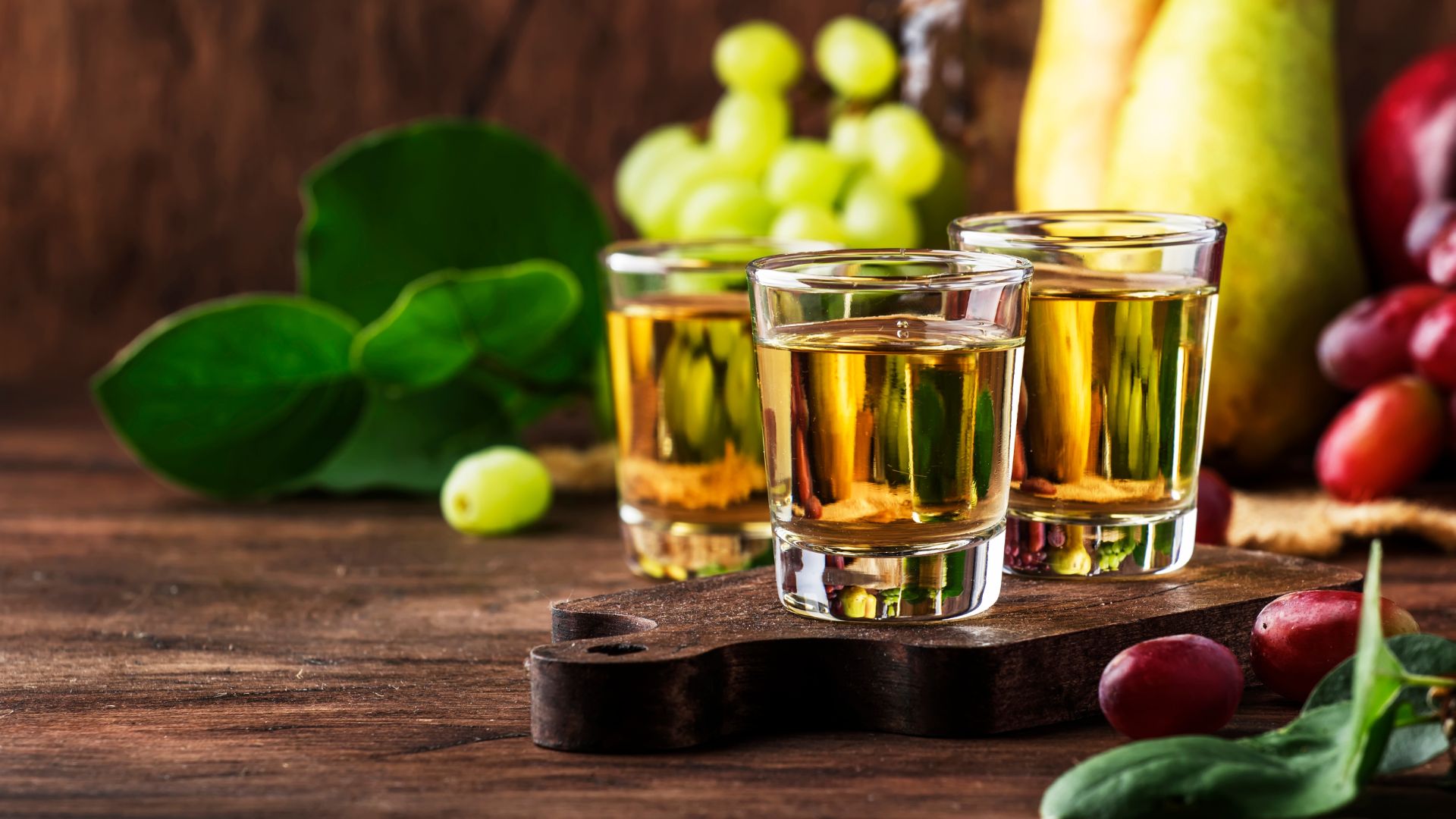
Rakija: The Heart of Croatian Spirits
Rakija isn’t just Croatia’s favorite spirit—it’s a symbol of tradition and family. People still use old-school fruit distillation, and every region puts its own spin on things. Families pass down their secret techniques, so each batch tells a story of the land and the people.
Defining Rakija and Its Origins
Rakija is a strong fruit brandy that’s basically the backbone of Croatian drinking culture. You’ll usually find it clocking in anywhere from 40% to 70% alcohol by volume.
Distillers turn fermented fruit into a clear or golden spirit. Plum rakija is the classic, but grape, apricot, and pear versions are also local favorites.
Monasteries started distilling rakija in medieval times, and Croatian families have kept the tradition alive ever since. Every batch depends on the quality of fruit and the skill of the maker. The best results come from those old copper stills—modern producers still stick to these tried-and-true methods.
Rakija isn’t just for sipping; Croatians swear by it for curing colds and as a base for herbal tonics.
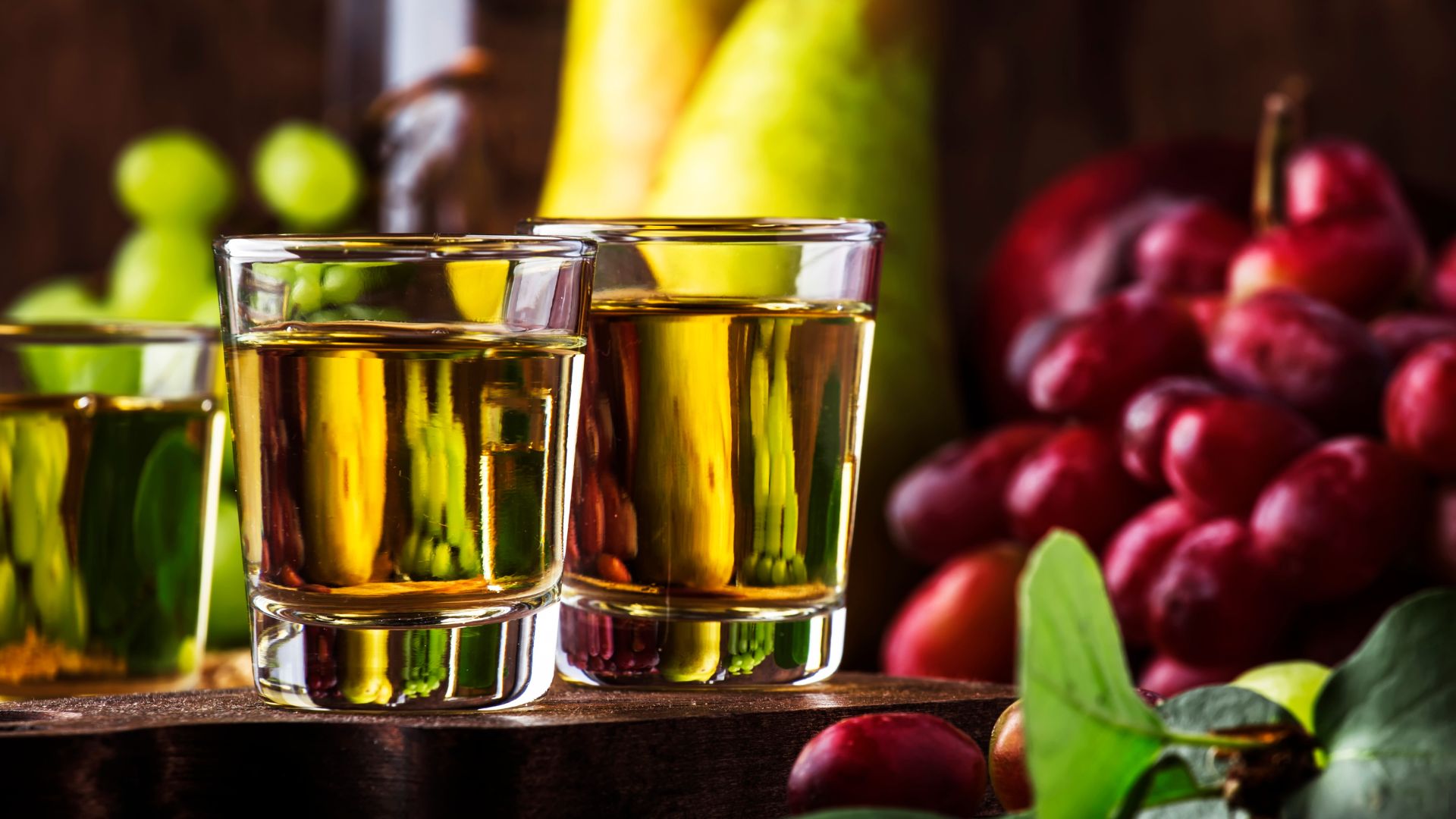
Regional Distinctions Across Croatia
Every region in Croatia has its own rakija claim to fame, usually based on whatever fruit grows best nearby. Slavonia’s famous for plum rakija, thanks to its endless orchards.
Dalmatia leans into grape rakija, drawing on its winemaking roots. On the coast, you’ll even find fig and carob varieties that are totally unique.
Istria, up north, makes some stellar pear and apple rakija. The fruit there is just perfect for distilling.
| Region | Primary Fruit | Notable Characteristics |
|---|---|---|
| Slavonia | Plum | Strong, traditional flavor |
| Dalmatia | Grape | Smooth, wine-influenced |
| Istria | Pear/Apple | Fruity, aromatic |
Mountain villages get creative with walnut or herb-infused rakija. These spots usually hold onto the oldest traditions.
Locals keep their recipes under wraps. Festivals happen all over to show off these regional specialties.
Traditional Craftsmanship and Home Production
If you ask Croatians, homemade rakija is the gold standard. Honestly, locals see store-bought stuff as a last resort.
Everything starts with picking the best, ripest fruit. Fermentation takes weeks in wooden barrels.
Distilling isn’t for the impatient. Families use copper stills, heating things up gently to keep the flavors. Most folks distill twice for extra smoothness.
Some drink rakija fresh; others age it in oak barrels for a richer, deeper taste. It’s all about personal preference.
Kids learn by watching their parents and grandparents work the stills. That’s how the know-how survives.
There aren’t many rules for personal production. Croatian families can legally make small batches for themselves, and most do.
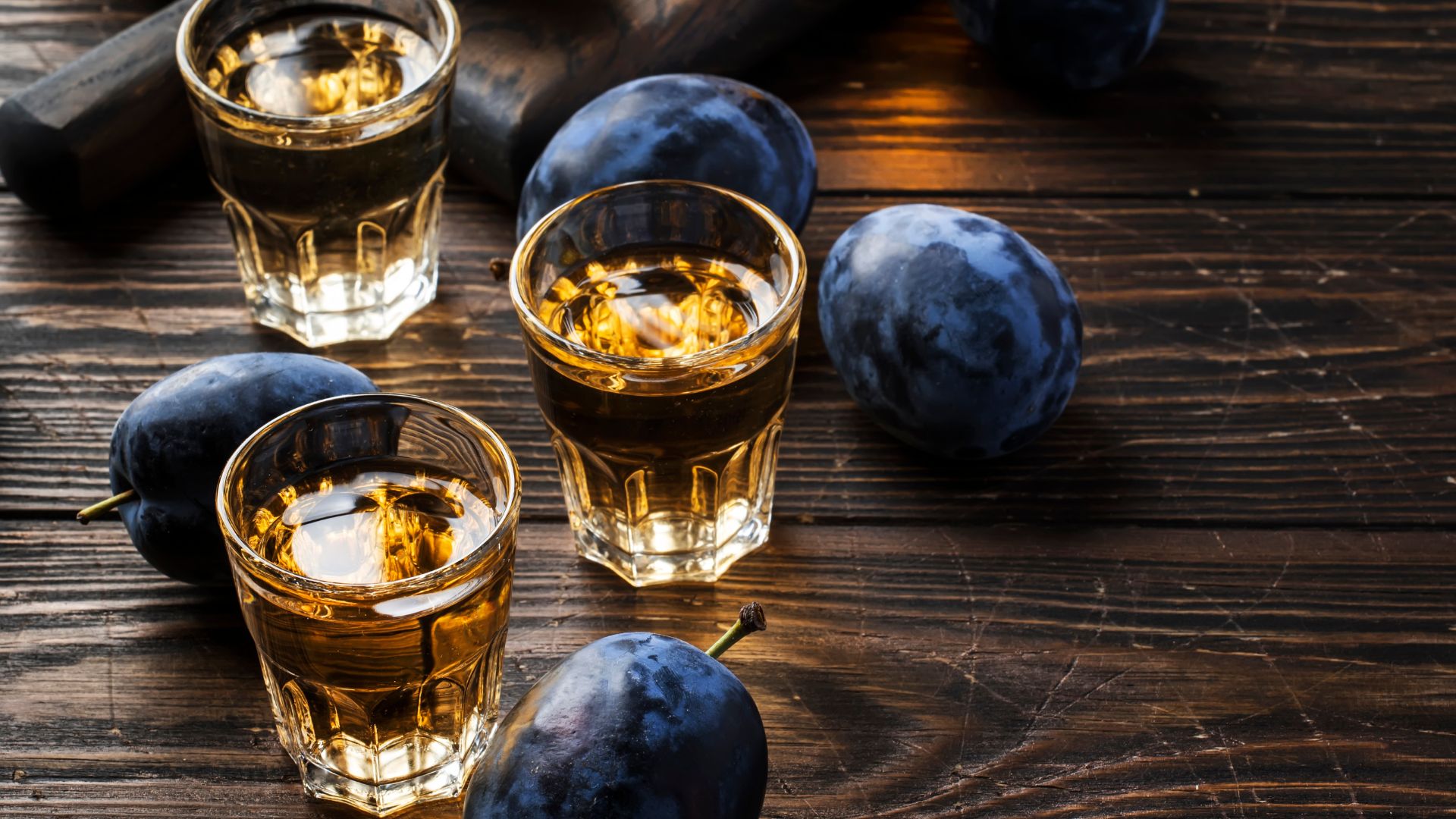
Exploring the Iconic Varieties of Rakija
Croatia’s rakija scene is a treasure trove of flavors. From plum-based šljivovica to herbal travarica, grape rakija, and all sorts of quirky infusions—there’s something for everyone.
Šljivovica: The Legendary Plum Brandy
Šljivovica is hands-down the country’s favorite rakija. It’s got a bold, fruity punch and that unmistakable plum aroma.
Making it takes some effort—distillers pick the best plums, ferment them, and then fire up the copper stills. The finished spirit usually lands somewhere between 40% and 70% alcohol.
Some varieties, like Hrvatska stara šljivovica and Slavonska šljivovica, have EU protection. That means only certain regions using traditional methods can slap those names on the bottle.
Most Croatians sip šljivovica after a meal. It’s strong, so you take your time. In some places, they age it in oak barrels for extra depth.
Šljivovica isn’t the same everywhere. Northern regions make a milder version, while the south goes for a stronger kick. Every family has their own secret recipe, passed down like a prized heirloom.
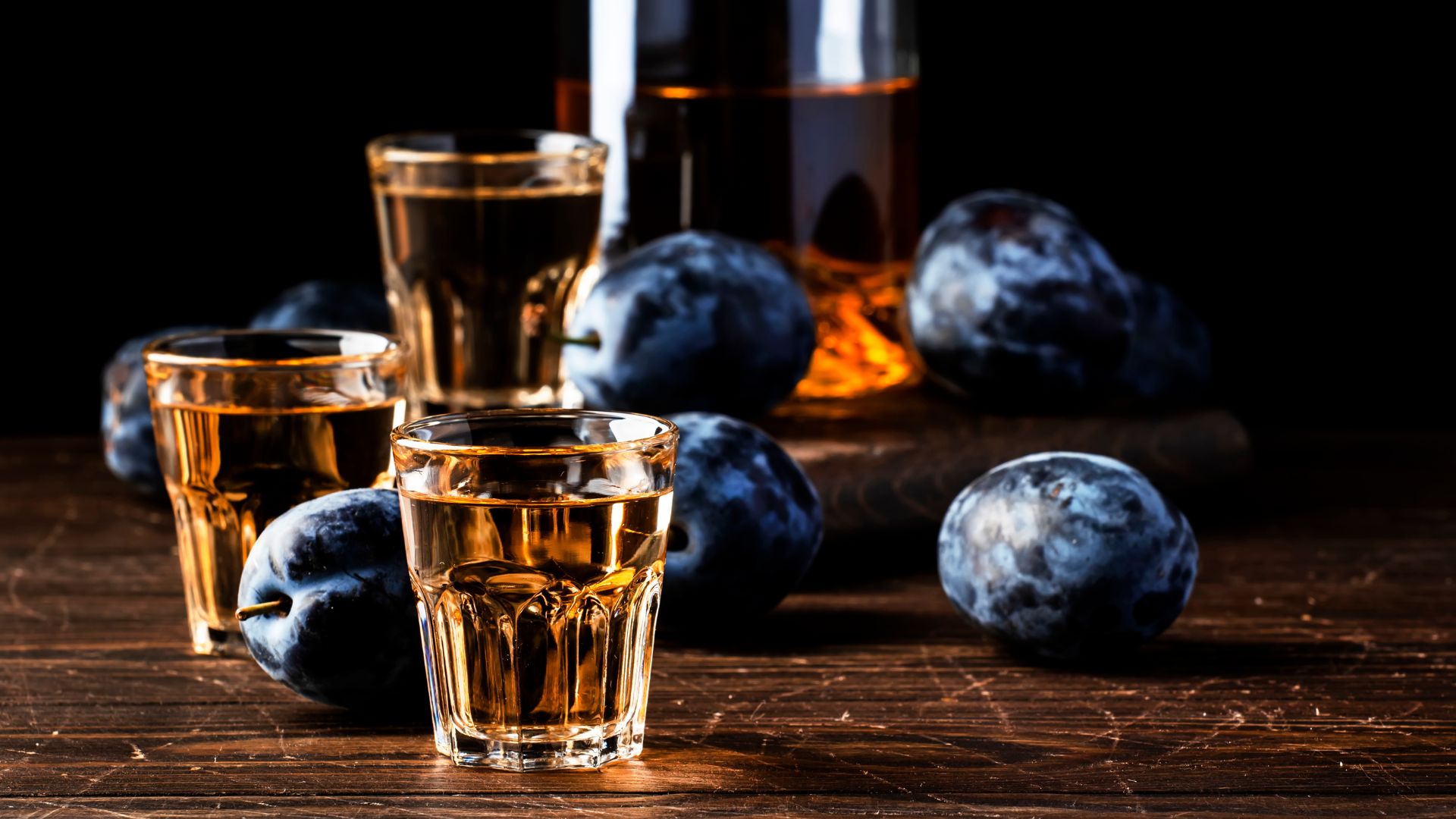
Travarica: Herbal Infusions
Travarica is Croatia’s answer to herbal rakija. It’s a blend of distilled spirits and a whole mix of herbs and botanicals. Dalmatia, in particular, loves this stuff.
Common herbs you’ll find in travarica:
- Sage
- Rosemary
- Mint
- Thyme
- Bay leaves
People believe travarica helps with digestion and has all sorts of health perks. It’s a staple at family gatherings and a go-to welcome drink.
Hrvatska travarica is protected by the EU, so traditional recipes stay safe. Each producer has their own herbal blend, and they guard it closely.
Travarica stands out from the fruit-based rakijas. The herbal notes are complex, sometimes with up to twenty different herbs in the mix.
It often has a greenish tint from the herbs. Producers let the herbs steep for weeks or even months to get that perfect flavor.
Lozovača and Loza: Grape-Based Rakijas
Lozovača is probably the runner-up in popularity. It’s made from grapes and goes down smoother than šljivovica. Most folks serve it before meals as an aperitif.
Hrvatska loza is a protected term too, covering grape rakijas made the traditional way. Only the best wine grapes make the cut.
Komovica is another grape-based rakija but uses leftovers from winemaking, like skins and seeds. It’s got a rougher edge compared to regular lozovača.
Croatia’s wine regions, especially Istria and Slavonia, produce the best grape rakijas. The grape type really changes the final taste.
Lozovača pairs nicely with light starters. Its clean, crisp flavor lets the food shine. Restaurants usually serve it chilled in small glasses.
Unique Flavors: Viljamovka, Medica, and More
Croatia’s rakija lineup doesn’t stop at the basics. Viljamovka is made from Williams pears, delivering a sweet, fragrant kick.
Medica is rakija with honey, turning it into a golden, sweet liqueur. People love it for special occasions.
Other must-try varieties:
- Višnjevac – a tart, sour cherry rakija
- Dunjevača – quince-based, with a floral aroma
- Orahovica – made from green walnuts
- Biska – Istria’s mistletoe-infused specialty
These often show up as liqueurs rather than pre-meal drinks. Their unique flavors always spark conversation at gatherings.
Biska deserves a special shoutout. It’s Istria’s pride and joy, made from mistletoe picked off oak trees. Timing and tradition matter a lot with this one.
Each type of rakija reflects the region’s fruit and climate. The variety across Croatia is honestly impressive.
Rakija and Croatian Social Traditions
Rakija isn’t just a drink—it’s the heartbeat of Croatian social life. It marks every big moment, from welcoming a guest to celebrating weddings and holidays.
Rituals of Hospitality and Welcoming Guests
When you walk into a Croatian home, you’ll probably get offered rakija right away. It’s the ultimate act of hospitality.
This isn’t just being polite. Sharing homemade rakija is how Croatians connect with guests. Since many families keep their recipes a secret, offering you a glass is a big deal.
Typical welcome rituals:
- Rakija comes out as soon as you arrive
- Hosts set out snacks or appetizers too
- Homemade rakija is the highest compliment
- It’s kind of rude to refuse
Sometimes, even the morning coffee ritual includes a small glass of rakija, especially during special visits or important talks.
Rakija as a Symbol at Celebrations
Every major Croatian celebration features rakija. I’ve seen it at weddings, baptisms, and every holiday you can think of.
At weddings, families bring out their best homemade rakija for everyone. The quality of the spirit often matches the importance of the event. For holidays like Easter and Christmas, special batches get made months ahead.
Common celebration moments:
- Weddings: Family recipes shared with guests
- Baptisms: Toasts for the new family member
- Holidays: Both religious and secular
- Harvest festivals: Marking the end of the season
Sharing rakija at these events isn’t just tradition—it’s how Croatians build community.

Everyday Socializing and Community Bonding
Rakija isn’t just for special occasions. It pops up at casual get-togethers, neighborly visits, and even informal business chats.
Families pass their recipes down, tying generations together. Grandparents teach the kids how to pick fruit and work the stills—keeping the culture alive.
Everyday rakija moments:
- Popping over to a neighbor’s house
- Family meals, especially Sundays
- Community festivals and events
- Chit-chat during business meetings
Distilling season brings families and friends together, too. They share equipment and stories, turning the process into a social event.
The Rakija Experience: Tasting and Pairings
Drinking rakija the Croatian way is an experience in itself. There’s a little ritual to it, and the right food can really bring out the best in the spirit.
Tasting Ceremonies and Proper Etiquette
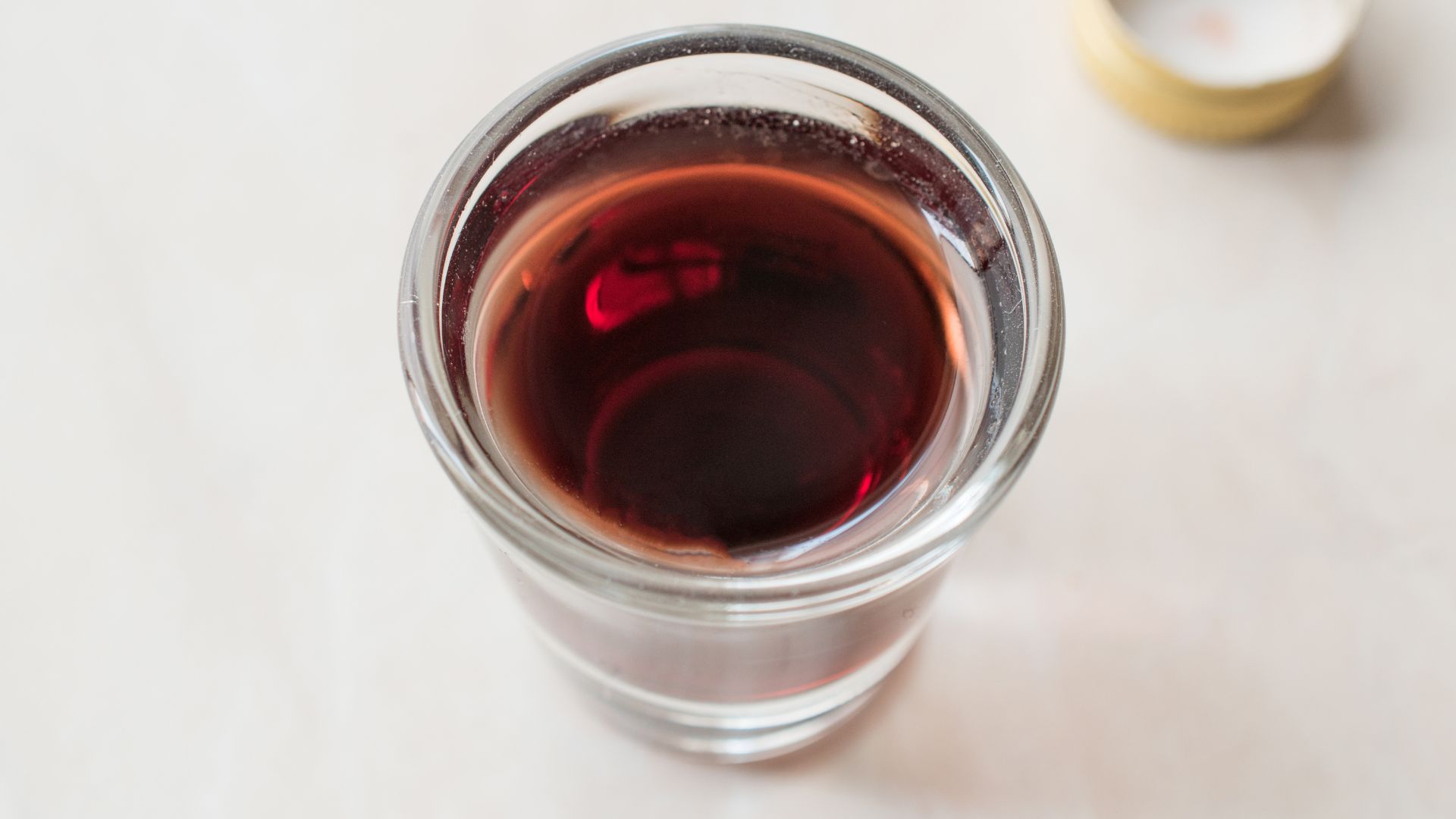
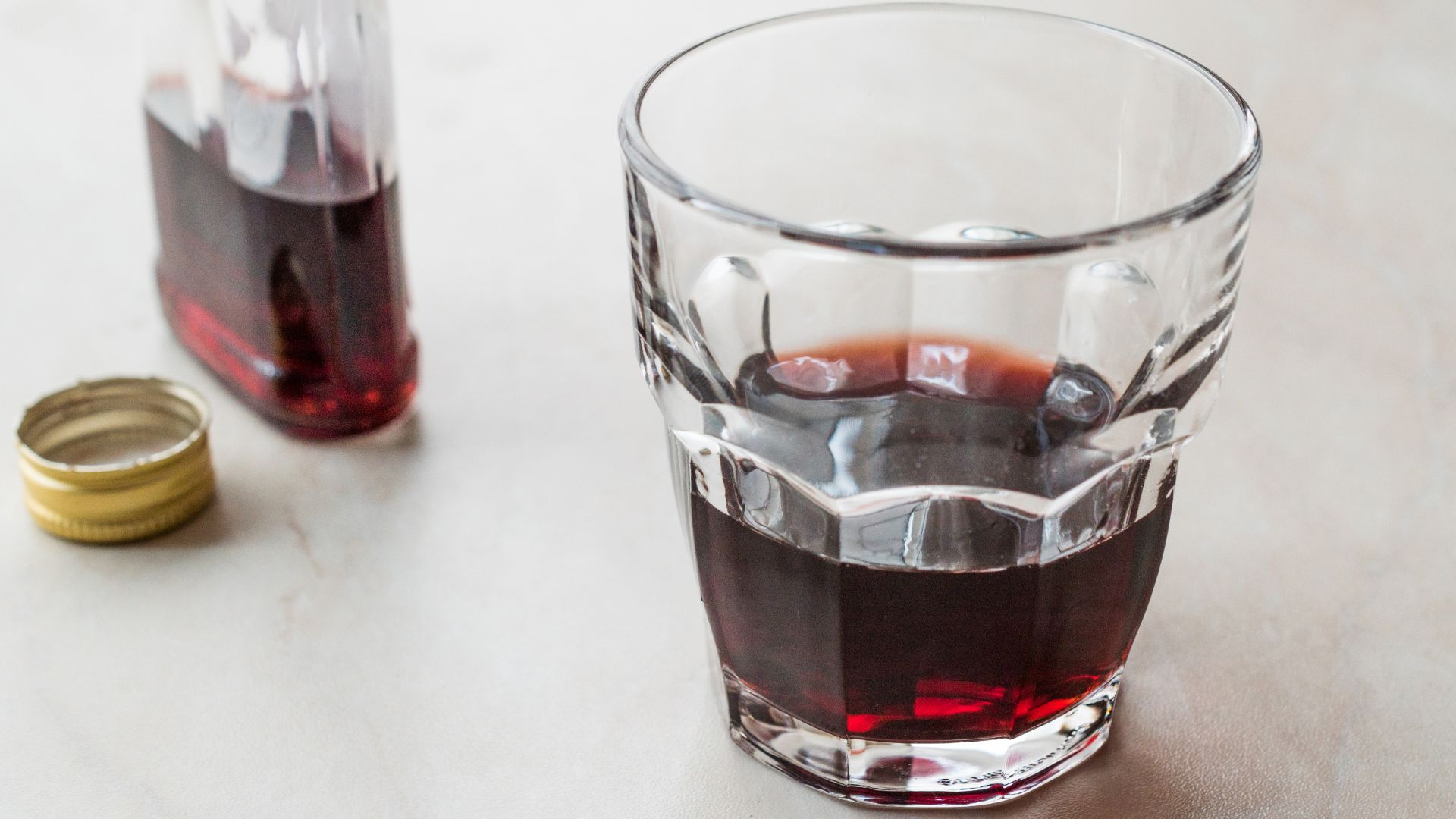
Tasting rakija isn’t something you rush. Croatians serve it in tiny glasses, usually holding just 30–50ml.
How to serve rakija:
- Pour it at room temperature
- Only fill glasses halfway
- Offer a glass of water on the side
- Set out light snacks
It all starts with a toast. Everyone raises their glass, makes eye contact, and then takes a sip. It’s about respect and feeling connected.
Tasting steps:
- Look: Check out the clarity and color
- Smell: Take in the fruit or herbal notes
- Sip: Go slow and let the flavors spread
- Pause: Give the taste a moment to develop
Nobody gulps rakija. The whole point is to sip, chat, and enjoy the company. Drinking too fast is just bad form.
Best Food Pairings with Rakija
Some foods really make rakija shine. The right pairing balances out the strong alcohol and brings out the spirit’s flavors.
Classic Croatian pairings:
| Rakija Type | Best Food Match | Why It Works |
|---|---|---|
| Plum (Slivovica) | Smoked meats, cheese | Earthy, rich flavors play together |
| Grape (Lozovača) | Seafood, light bites | Clean taste lets food flavors pop |
| Herbal (Travarica) | Honey, nuts | Herbs and sweetness go hand in hand |
Go-to appetizers:
- Pršut (Croatian prosciutto)
- Kulen (spicy sausage)
- Local cheeses from Pag or Krk
- Fresh bread with olive oil
Rakija works best before a meal as a digestif. It gets your appetite going.
What to skip:
- Desserts that are too sweet
- Spicy foods that clash with herbal rakija
- Heavy, creamy dishes that dull your palate
The trick? Pick foods that reset your taste buds and let the rakija’s flavors stand out.
Rakija’s Medicinal and Folk Uses
For generations, Croatians have believed in rakija’s healing powers. Even with modern medicine, these old remedies still have a place in daily life.
Home Remedies and Beliefs
Honestly, if you peek inside any Croatian home, you’ll probably spot a bottle of rakija tucked away like a secret weapon. Around here, families swear by it and reach for rakija whenever someone catches a cold—mixing it with honey and herbs is almost a ritual.
A lot of Croatians trust rakija to sort out stomach troubles. They’ll sip a tiny bit before dinner, hoping it’ll help digestion. Sometimes, they toss in sage or rosemary, thinking those herbs give the remedy an extra punch.
Common rakija remedies include:
- Rubbing it on sore muscles or achy joints
- Dabbing it on cuts and scrapes as a makeshift antiseptic
- Mixing it with lemon to soothe a sore throat
- Swiping it on insect bites to calm down swelling
Older folks still reach for rakija when a headache strikes. They’ll down a quick shot, convinced it’ll chase the pain away. And you’ll even find families who experiment with adding medicinal plants, crafting their own versions for whatever ailment pops up next.
Cultural Attitudes Toward Health Benefits
In Croatia, rakija isn’t just a drink—it’s practically woven into the fabric of daily life as both a comfort and a cure. I’ve watched families pull out a bottle when someone sneezes, but also when they’re toasting a big moment.
Most Croatians don’t treat rakija like ordinary alcohol. They talk about it as natural medicine made from pure fruit, passed down through generations of home distillers. There’s a kind of pride in that tradition.
Health beliefs about rakija:
- Warming properties – Locals swear it helps fight off winter colds.
- Digestive aid – People say it jumpstarts appetite and settles the stomach.
- Circulation booster – On chilly days, it’s supposed to keep your blood moving.
You’ll hear families joke that rakija “cures everything except bad decisions.” It’s funny, but honestly, it reveals how seriously people take these beliefs. Even younger folks, who might trust doctors more, still reach for rakija when they’re under the weather.
