
Travel in the US is changing fast, and honestly, 2026 feels like the year to get ahead of the crowds. While everyone books trips to the same packed hotspots, I’ve uncovered 12 cities that promise something way more rewarding: authentic experiences, up-and-coming food scenes, and local culture that isn’t polished for mass tourism yet. These places are right on the edge of something big.
These 12 US cities blend urban energy, natural beauty, and cultural depth—without the overwhelming tourist crush you’ll find in New York or San Francisco. Mountain towns with creative revivals, coastal communities drawing foodies and artists, and cities quietly building arts scenes or outdoor adventures that rival famous destinations—each one has a reason to visit now.
I’ve watched travel trends long enough to spot when a city is about to blow up. The places on this list are showing all the early signs: new hotels, chefs choosing them over bigger markets, and locals who still have time to share their favorite spots. If you’re looking for the next big thing, 2026 is your window.
Key Takeaways
- Twelve emerging US cities offer authentic travel experiences before the crowds arrive in 2026.
- The list covers mountain retreats, creative hubs, and coastal towns with food scenes that are just getting started.
- Visiting now means more local culture, better value, and less competition for reservations and attractions.
Why These 12 US Cities Deserve a Spot on Your 2026 Bucket List
People want more than crowded tourist spots—they’re searching for real, memorable experiences. The cities I picked have unique character, and you can feel it before mass tourism changes everything.
Emerging Trends in US Travel Destinations
Travelers are skipping the usual places. They want destinations that feel genuine and a little less crowded.
Trends shaping 2026 travel:
- Smaller cities with authentic local vibes.
- Places that are easier on your wallet.
- Destinations close to national parks like the Great Smoky Mountains.
- Cities hosting big events, like America’s 250th Independence Day.
Remote work lets people explore more. New theme park attractions like Epic Universe in Orlando are drawing attention too. Cities that mix outdoor adventure with urban fun are rising to the top.
I’ve noticed travelers are all about supporting local businesses these days. The real regional food scenes matter. People want to walk neighborhoods, chat with locals, and actually experience a place—not just snap photos at landmarks.
What Makes a Destination ‘Bucket List’ Worthy
A true bucket list city has something you can’t find anywhere else. I’m always looking for places with strong identity and a real sense of self.
The best destinations have stories. Maybe it’s the history, unique food traditions, or just natural beauty that sticks with you. A city is bucket-list worthy when it gives you memories that last.
Here’s what I look for:
- Distinctive culture that makes it stand out.
- Experiences that fit different budgets.
- Year-round appeal—not just a one-season wonder.
- Growing food and art scenes that haven’t peaked yet.
I value cities that are easy to explore. Walkable streets and good public spaces matter. The place should feel welcoming, not just built for tourists. When a city’s on the verge of change, that’s when you’ll have the most memorable experience.
Criteria for Picking Under-the-Radar Cities
I’ve zeroed in on cities that aren’t on every travel list—yet. These places have momentum, but they’re not swamped with visitors.
I focused on cities with new energy downtown: fresh restaurants, updated waterfronts, and better public spaces. Locals seem genuinely excited about what’s happening in their own city.
Population growth tells me a lot. When young professionals move in, cultural offerings tend to follow. I skipped the obvious tourist traps and picked places where tourism helps the local economy, not overruns it.
Affordable places to stay made the cut. I wanted cities where you don’t need to empty your savings to have a good time. Each city is close to other attractions or has decent airport access.
I also made sure each spot has at least three neighborhoods worth exploring. That way, you get plenty of variety in one trip. My final test? I had to want to go back after my first visit.
Must-Visit Urban Icons: Vibrant Cities on the Rise
San Francisco’s tech boom meets award-winning dining, Chicago’s neighborhoods pulse with real local culture, and Seattle somehow balances coffee-fueled innovation with jaw-dropping scenery. These three cities are in the middle of big changes—2026 is the year to see them.
San Francisco’s Cultural and Culinary Renaissance
San Francisco is rebuilding its creative and culinary reputation. The food scene now feels less about expensive trends and more about authentic neighborhood spots serving global flavors at fair prices.
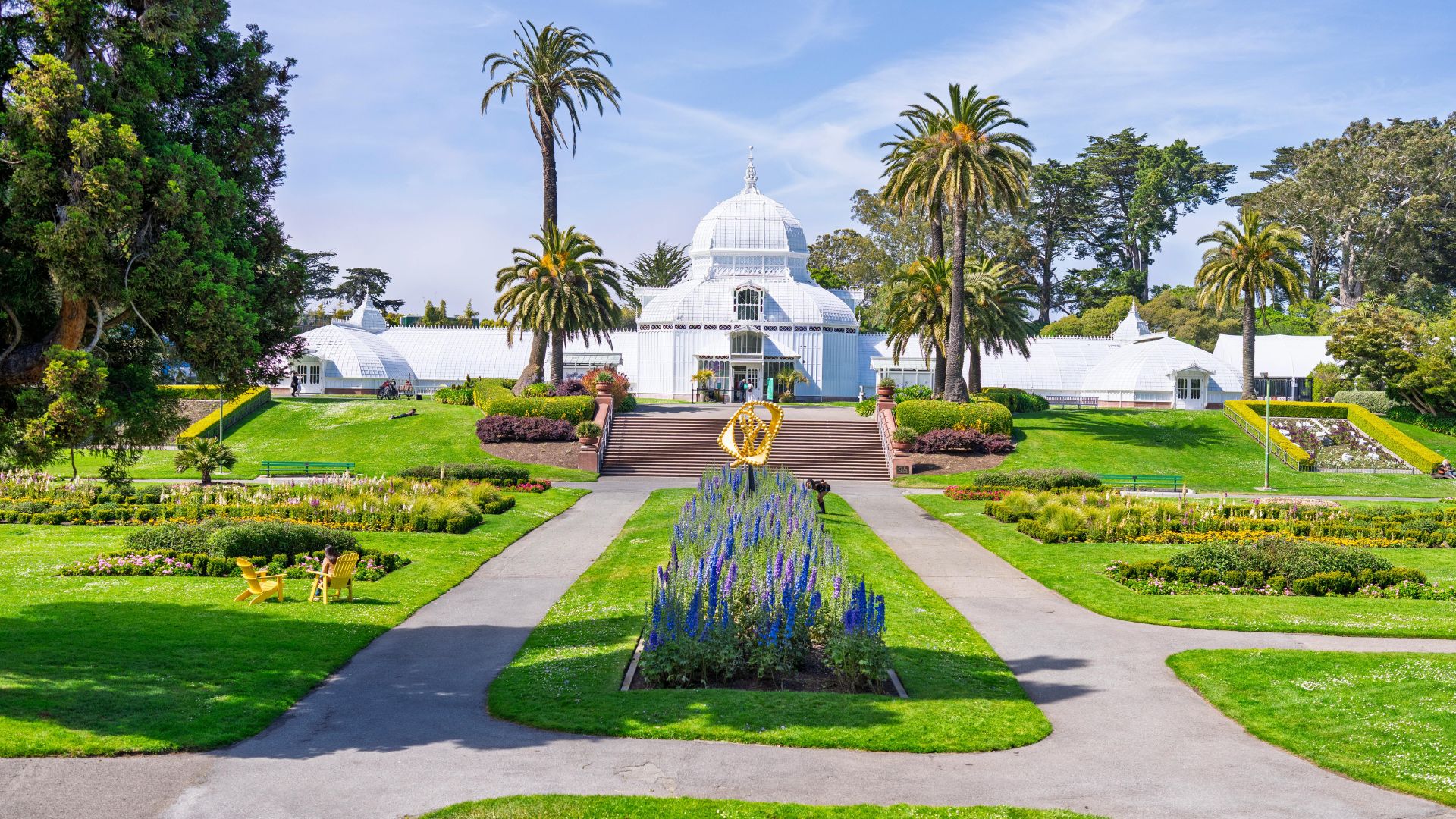
The Mission District leads this shift. You’ll find new murals, indie bookstores, and bakeries that draw both locals and visitors. I always recommend hitting the Ferry Building Marketplace on Saturday mornings—fresh goods, prepared foods, and a real sense of place.
California’s tech influence is still here, but there’s more focus on art installations and community spaces. Free concerts and cultural events pop up in Golden Gate Park year-round. The revitalized waterfront has walking paths with killer bay views.
Chinatown and North Beach keep their historic charm but now have modern cafes and galleries. If you wander these neighborhoods on foot, you’ll stumble onto hidden alleys and family-run shops that have been here for decades.
Exploring the Best of Chicago’s Neighborhoods
Chicago’s real spirit lives in its neighborhoods. Downtown is great, sure, but places like Logan Square and Pilsen have become destinations for authentic experiences without losing their roots.
Pilsen bursts with Mexican-American culture—think street art, family restaurants, and the National Museum of Mexican Art. Logan Square is all about craft breweries, vintage shops, and leafy streets perfect for an afternoon stroll. Both neighborhoods are still more affordable than River North or the Gold Coast.
The West Loop has transformed from warehouses to a dining hotspot. James Beard Award winners open restaurants here, so book ahead if you want a table.
Hyde Park mixes the University of Chicago’s academic vibe with cool spots like the Museum of Science and Industry. Wicker Park draws music lovers with live venues and record stores. Each neighborhood feels like its own mini-city, packed with personality.
Seattle’s Unique Blend of Nature and Innovation
Seattle proves city energy and nature can go hand in hand. Forests, mountains, and water all sit right next to lively neighborhoods.
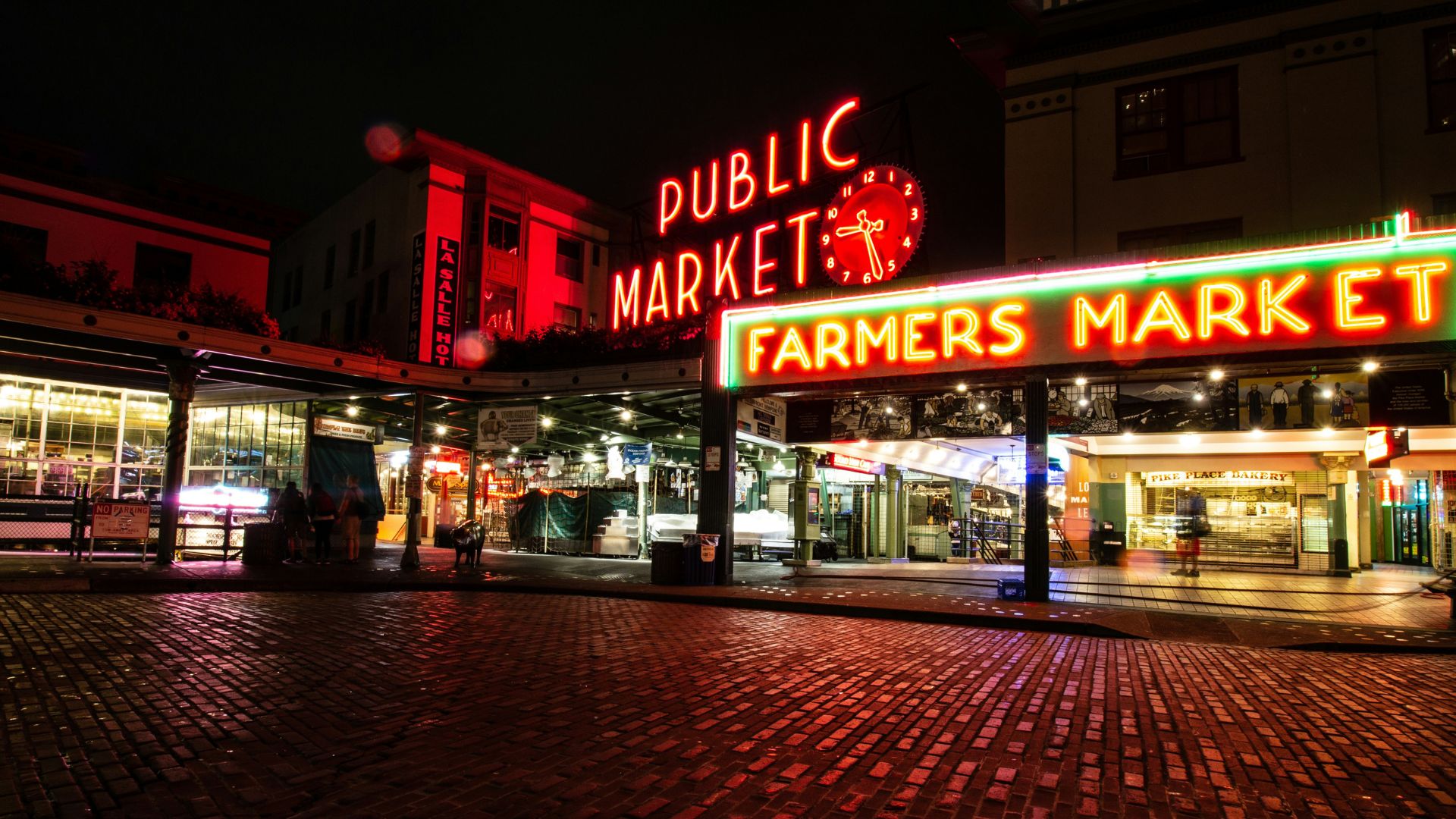
Pike Place Market is a must for fresh seafood, local produce, and street performers. The original Starbucks is here, but honestly, I prefer the smaller coffee roasters in Capitol Hill or Fremont—baristas will chat with you about beans and brewing.
Nature surrounds Seattle. You can hop a ferry to Bainbridge Island in 35 minutes and get mountain views on the way. Discovery Park has beach trails and a lighthouse, all within the city.
Tech helped shape modern Seattle, bringing in global restaurants and arts programs. The Amazon Spheres show off this mix of nature and innovation—you can tour the indoor rainforests. Ballard’s breweries and Nordic roots give the neighborhood a totally different vibe from downtown.
Southern Charms: Unforgettable Cities of the South
The South is having a cultural moment that goes beyond the usual tourist spots. From Charleston’s blend of history and innovation to North Carolina’s booming food scene and Tennessee’s evolving music culture, these cities give you a taste of the real South—before everyone else catches on.
Charleston’s Historic Appeal and Modern Spirit
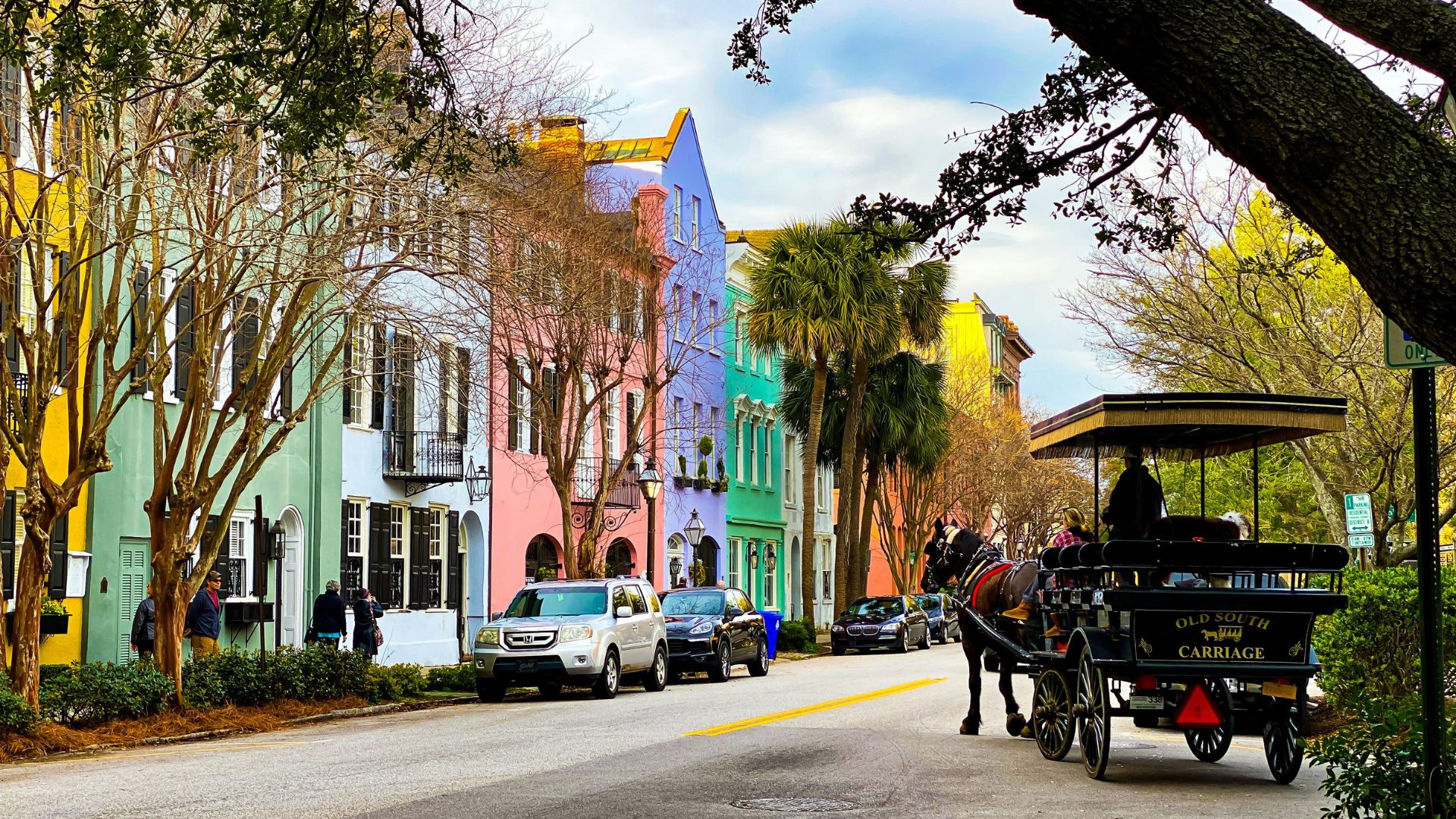
Charleston is one of America’s best-preserved historic cities. Cobblestone streets and antebellum buildings set the scene, but the city buzzes with modern energy.
I found downtown surprisingly walkable. Rainbow Row’s colorful houses line the water, and the French Quarter mixes galleries and boutiques in centuries-old spaces. The Battery promenade gives you harbor views and a breeze, no ticket required.
Why Charleston stands out now:
- Award-winning restaurants serving Lowcountry cuisine with a twist
- Art galleries in historic buildings
- New hotels in restored landmarks
- Quick trips to beaches and plantations
The food scene is something else. Chefs elevate Southern classics—she-crab soup, shrimp and grits, cornbread—with global techniques. It’s a culinary destination that still feels local.
North Carolina’s Burgeoning Food and Arts Scene
Winston-Salem surprised me with how affordable it is. Eating out costs less than in bigger cities, but the quality is just as good.
Downtown around Summit Street, you can walk to restaurants, bars, and cultural spots. Mozelles offers creative takes on Southern food. The Yadkin Valley Wine Region, with 44 wineries, is just a short drive away.
Raleigh has a different vibe, with 9,000 acres of parkland. The North Carolina Museum of Natural Sciences is free and has live shows and hands-on exhibits. Gipson Play Plaza keeps families busy with climbing structures and sensory experiences.
Why North Carolina cities are great for 2026:
- Budget-friendly dining
- Free or cheap museums and attractions
- Arts communities in historic neighborhoods
- Fewer crowds than Charlotte or Asheville
Both cities are close to the Great Smoky Mountains National Park, just a few hours west.
The Fusion of Tradition and Trend in Tennessee
Jackson owns its “City With Soul” nickname with real cultural depth. The Mississippi Civil Rights Museum delivers powerful history, and the Medgar and Myrlie Evers Home keeps important stories alive. Black-owned spots like The Orchid bed-and-breakfast help build community.
Music and food here are all about roots. The gumbo at the museum’s Nissan Café is a standout—traditional recipes still shape the city’s flavor. Local restaurants and venues keep blues and soul alive.
Tennessee cities hold onto their musical heritage but adapt for today’s travelers. You’ll catch live music everywhere, from cafes to museums. BBQ traditions keep evolving, with new pitmasters putting their own spin on classics.
Nature-Focused Escapes: Adventure and Scenery Beyond the City Limits
These three spots offer some of the country’s most epic landscapes—volcanic lakes, northern lights, and alpine waters. Year-round outdoor activities and scenery are the draw, and honestly, they’re still flying under the radar.
Discovering Crater Lake and the Magic of Oregon
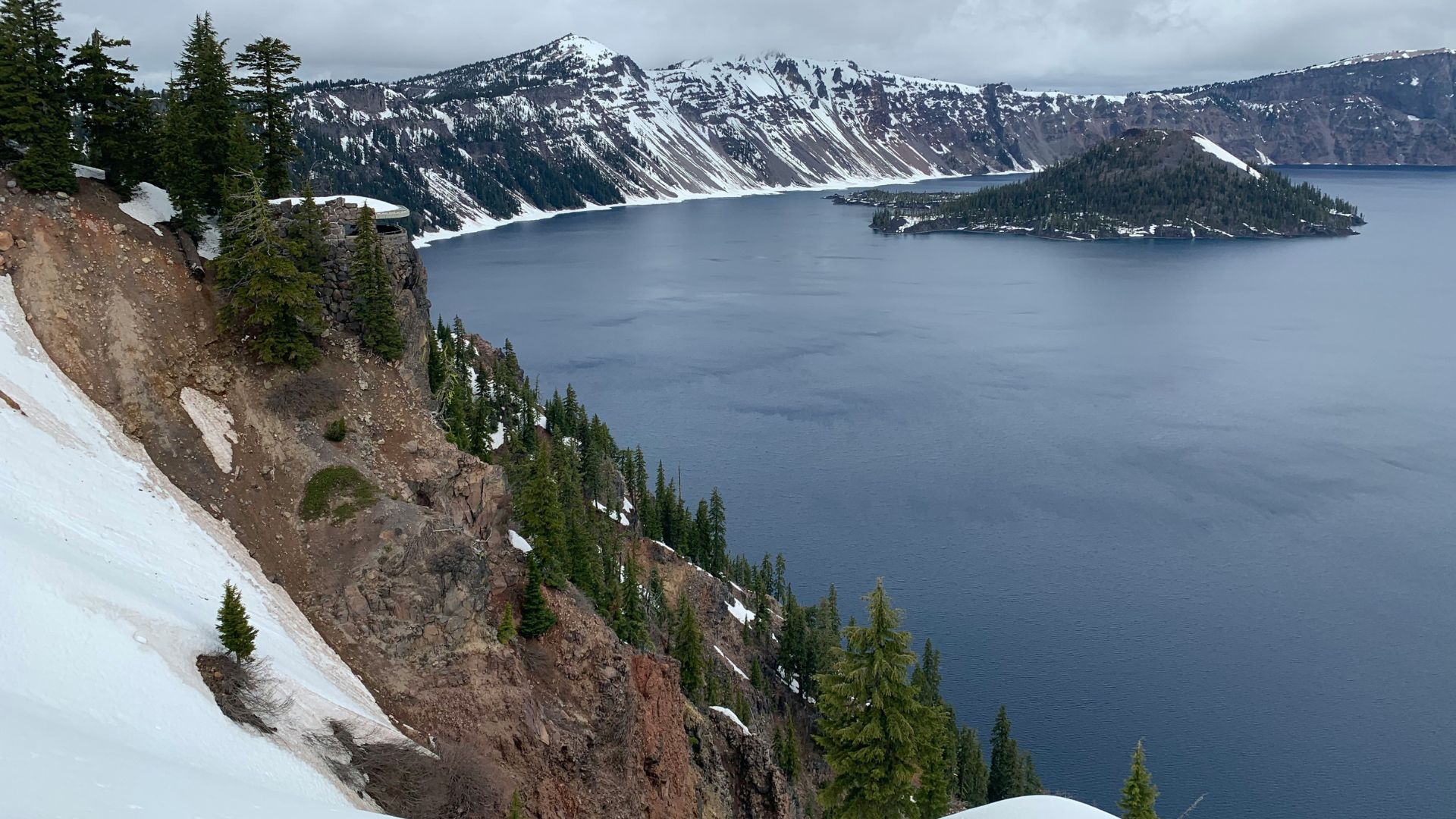
Crater Lake plunges to 1,943 feet, making it the deepest in the US. It formed 7,700 years ago when Mount Mazama erupted and collapsed. The blue water is almost shockingly intense, thanks to its depth and clarity.
The best time to visit is July through September when all the roads open up. In winter, snow piles up—an average of 43 feet! Rim Drive closes, but you can cross-country ski and snowshoe.
Rim Drive circles the caldera with over 30 viewpoints. Wizard Island, a cinder cone, rises 763 feet above the lake and is reachable by boat in summer.
Top things to do:
- Hike the Cleetwood Cove Trail (the only way to the water)
- Take a boat tour to Wizard Island
- Snap sunrise photos from Watchman Overlook
- Join a ranger-led snowshoe tour in winter
Northern Lights and Outdoor Wonders in Wyoming
Wyoming’s north, near Montana, gives you a real shot at seeing the northern lights from September to April. Low light pollution and high elevation make for perfect viewing when geomagnetic storms hit.
Grand Teton and Yellowstone set the stage for aurora hunting. The lights show up most during March and September.
Wyoming is an outdoor paradise all year. There are over 2.5 million acres of wilderness to explore. Devils Tower National Monument rises 867 feet above the plains—worth the detour.
Winter sports run from November to April, with Jackson Hole offering 2,500 acres to ski. In summer, you get 3,000 miles of hiking trails through national forests.
Lakeside Bliss: Lake Tahoe’s Seasonal Allure
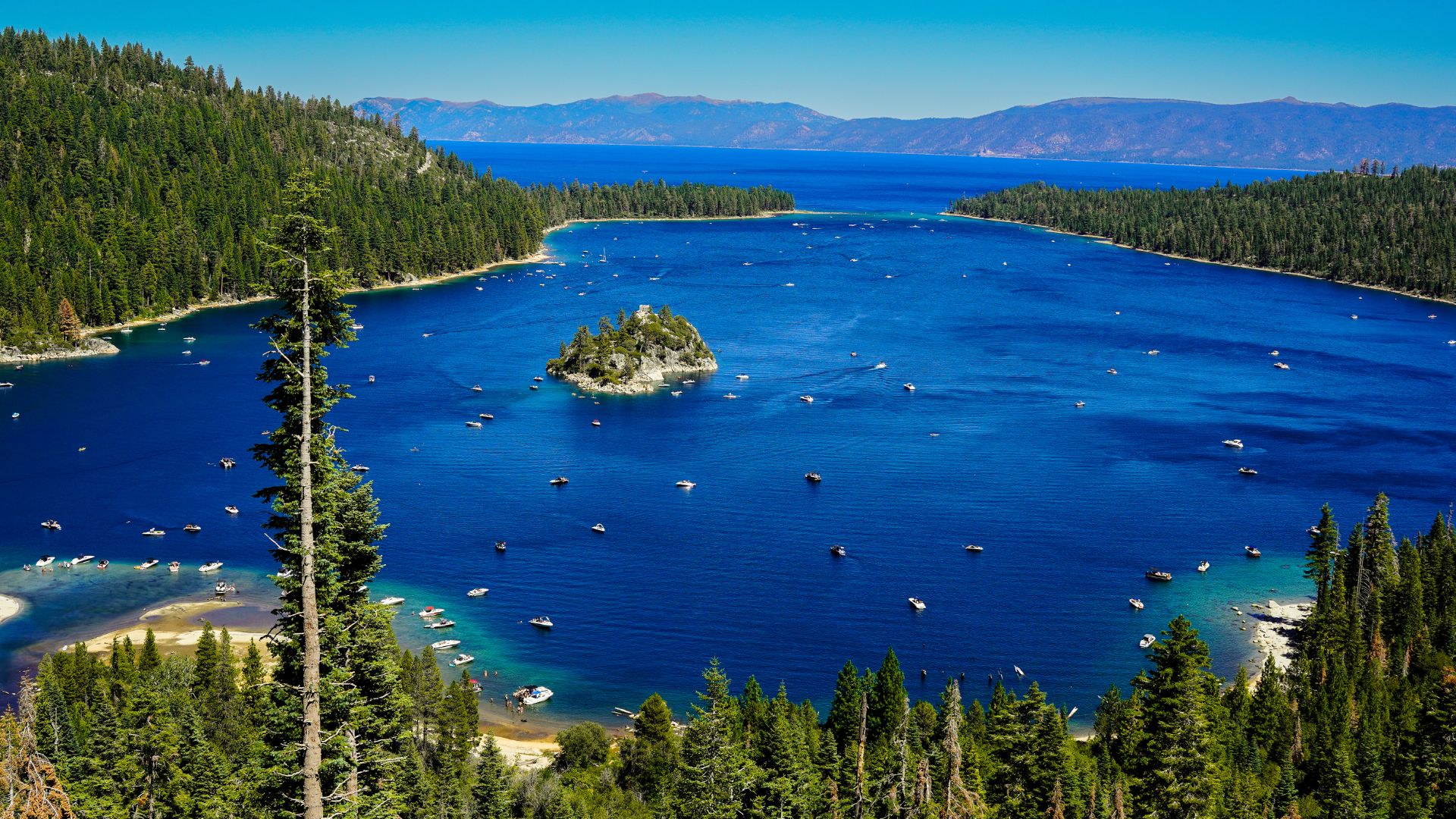
Lake Tahoe sits right on the California-Nevada border, perched at 6,225 feet above sea level. With 191 square miles of sparkling blue, the lake plunges to a chilly 1,645 feet at its deepest.
Honestly, it never really warms up—summer surface temps hover around 68°F, so brace yourself before jumping in.
When summer rolls around, everyone flocks to the water. Water sports and lazy beach days are the main draw. I always end up at Sand Harbor on the Nevada side for the clearest water and prime swimming.
There are 72 miles of shoreline and 15 public beaches to explore. You’ll never run out of spots to toss down a towel.
Come winter, Tahoe transforms into a snowy playground. There are 15 ski resorts, and Palisades Tahoe alone gets about 400 inches of snow every year.
The ski season can stretch from November all the way through May. That’s a long time to perfect your turns.
Want to stretch your legs? The Tahoe Rim Trail circles the lake for 165 miles, and you can tackle smaller segments for a day hike. Emerald Bay State Park is a must—Vikingsholm, a quirky 38-room mansion from 1929, overlooks the lake’s only island.
Unique Experiences: Family Thrills, Festivals, and Natural Phenomena
Some cities just surprise you. Whether it’s high-tech theme parks in Florida or Kentucky’s bourbon-soaked backroads, these places serve up experiences you just can’t get anywhere else.
Epic Universe and the Next Generation of Water Parks
Florida’s always upping its game for families. Universal’s Epic Universe is set to open in 2025 with five themed worlds, including Super Nintendo and How to Train Your Dragon. The rides? They’ll blur the line between movie and reality.
Orlando’s water parks keep leveling up, too. Volcano Bay has this massive 200-foot volcano with slides that shoot you through rock tunnels. Island H2O Live? It’s part water park, part party, with DJs and games you control from a waterproof wristband.
What sets these parks apart:
- Virtual queues so you’re not stuck in line
- App-based restaurant reservations
- Indoor, climate-controlled zones for any weather
- Most family rides start at just 42 inches tall
Miami’s Pulse: Culture, Festivals, and Beaches
Miami’s energy is all its own. The city blends Latin American flair, Art Deco vibes, and a beach scene that never really sleeps.
Stroll down Calle Ocho in Little Havana for real Cuban coffee and street festivals with salsa and live music. The Wynwood Walls are always changing—giant murals pop up and disappear throughout the year.
South Beach isn’t just for sunbathing. Ocean Drive’s pastel buildings from the 1930s make a dreamy backdrop for an evening walk. You can swim here almost all year—March through November is prime.
If you’re planning a trip, try to catch one of Miami’s big festivals. Art Basel in December draws galleries from around the world. In February, the Miami Food and Wine Festival serves up celebrity chef demos. March brings the Winter Music Conference, and the whole city turns into an electronic music playground.
Niagara Falls: America’s Iconic Natural Wonder
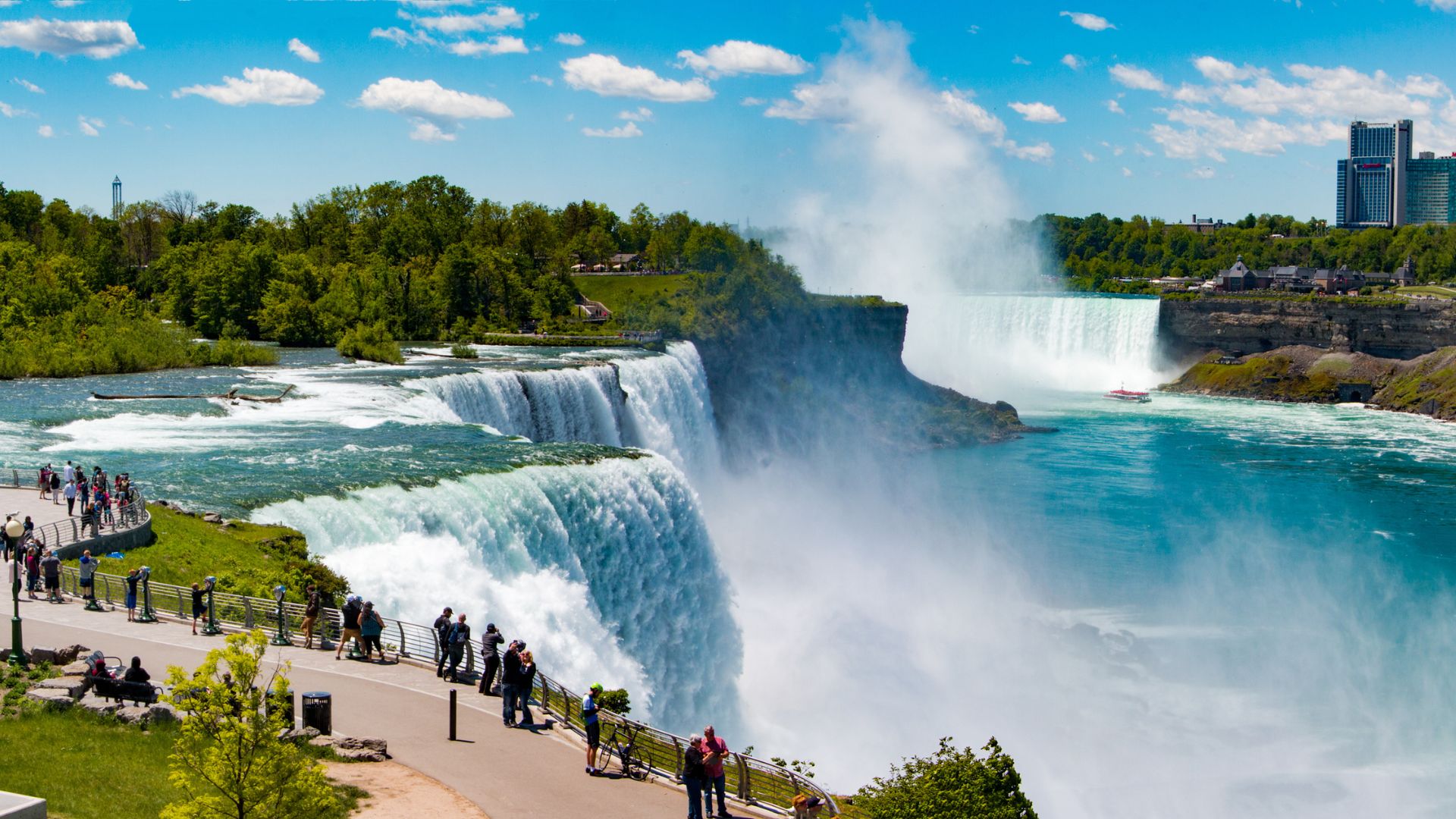
Niagara Falls is just wild—750,000 gallons of water thunder over the edge every second. On the American side, you can walk right up to the top of the falls. Goat Island sits smack between the American Falls and the bigger Horseshoe Falls over in Canada.
For a true rush, take the Cave of the Winds tour. You’ll descend 175 feet to rickety wooden walkways at the base of Bridal Veil Falls. Even with a poncho, you’ll get drenched.
The Maid of the Mist boat ride gets you so close, you can feel the spray and the roar in your bones. May through September is the sweet spot for weather, and the falls light up in color every night. Fireworks? Friday and Sunday evenings all summer.
Discovering Kentucky’s Bluegrass and Bourbon Trails
Kentucky is bourbon country—95% of the world’s supply starts here. The Bourbon Trail links up distilleries so you can see the whole process, grain to bottle. Buffalo Trace in Frankfort runs free tours with tastings. At Maker’s Mark, you can hand-dip your own bottle in that iconic red wax.
The Bluegrass region around Lexington is all rolling horse farms and endless white fences. Keeneland Race Course hosts live races in April and October. You can tour working horse farms and see where Derby champs get their start.
Red River Gorge waits just an hour east, packed with hiking and rock climbing. Natural Bridge State Park has a 78-foot sandstone arch you can walk right across.
Hidden Gems and Regional Wonders: Destinations to Watch in 2026
If you’re tired of crowds, these four states deliver real-deal American adventures. Each spot mixes stunning nature with local culture that feels refreshingly authentic.
New Mexico’s Cultural Tapestry and Landscapes
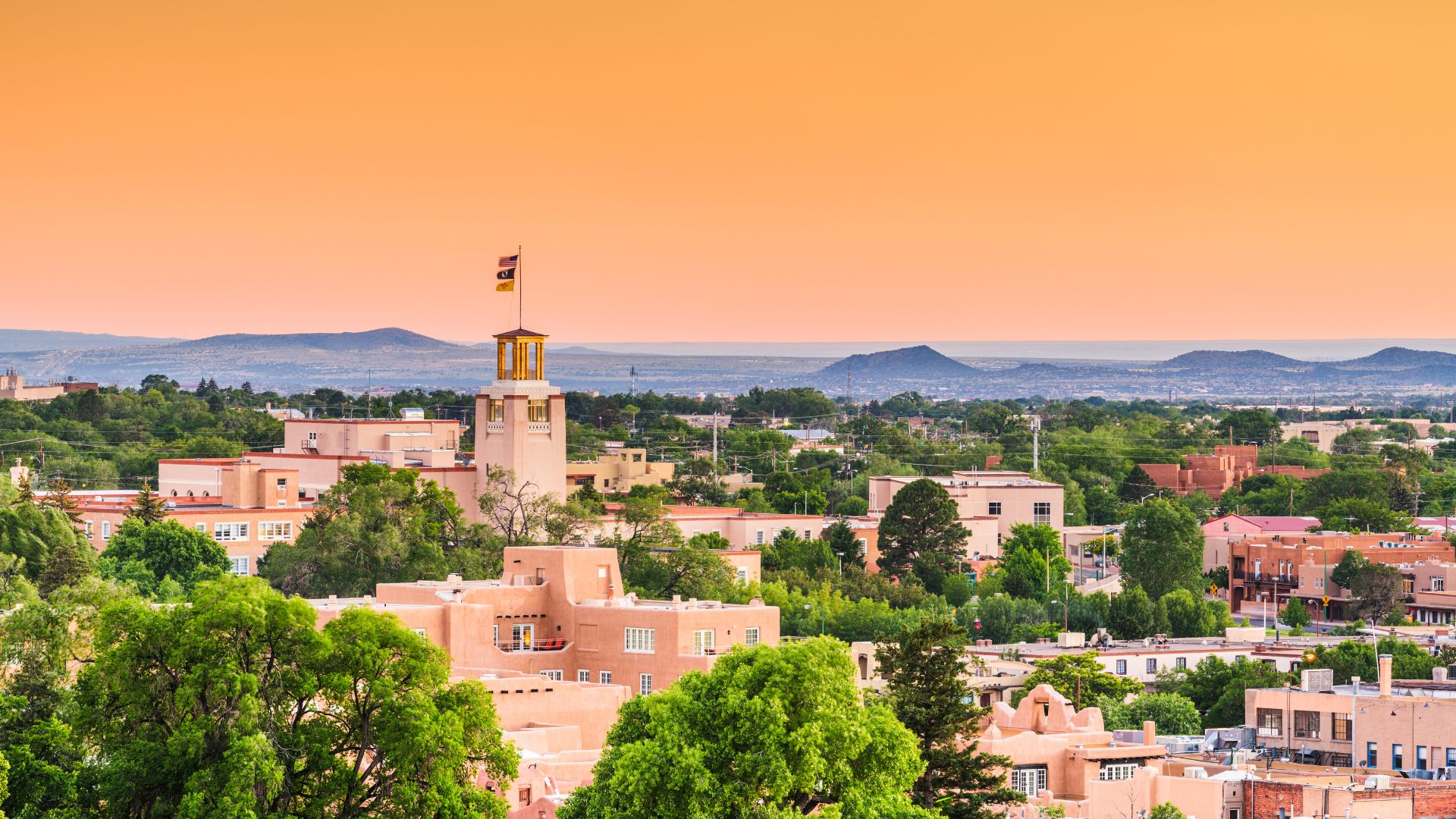
New Mexico is a patchwork of Native American, Spanish, and Mexican influences. The high desert sets the stage for centuries-old adobe buildings and a modern art scene.
Santa Fe and Taos are the cultural heartbeats. Both cities overflow with art galleries, ancient pueblos, and regional dishes loaded with red or green chile.
Beyond the cities, the landscape flips from desert valleys to snowy mountain peaks. White Sands National Park glows at sunset with surreal gypsum dunes. Carlsbad Caverns drops you into massive limestone chambers below ground.
You won’t find the crowds here like in other Southwest hotspots. It’s easy to wander ancient cliff dwellings, soak in hot springs, and experience Native communities that keep their traditions alive.
Maine’s Coastal Towns and Scenic Beauty
Maine’s coastline just keeps going—over 3,400 miles if you count every twist and turn. Tiny harbor towns dot the shore, each with its own lobster roll, maritime tales, and rocky beaches.
Portland’s food scene is no joke. The Old Port district packs in restaurants from classic lobster shacks to creative farm-to-table spots.
Acadia National Park on Mount Desert Island brings together mountains and ocean in one compact space. Cadillac Mountain is famous for sunrise views, and the carriage roads are perfect for car-free biking or walking.
Smaller towns like Camden, Rockport, and Bar Harbor make great bases for exploring without the chaos of big crowds. Fall is magic here—fiery foliage against deep blue water.
Utah’s National Parks and Road Trips
Utah is a wonderland for park lovers. Five major national parks show off wild geology carved over eons. With crisp air and high elevation, the rocks almost glow.
The Mighty Five—Zion, Bryce Canyon, Capitol Reef, Canyonlands, and Arches—make one epic road trip. Each park is different: Zion’s cliffs, Bryce’s hoodoos, Arches’ wild stone spans.
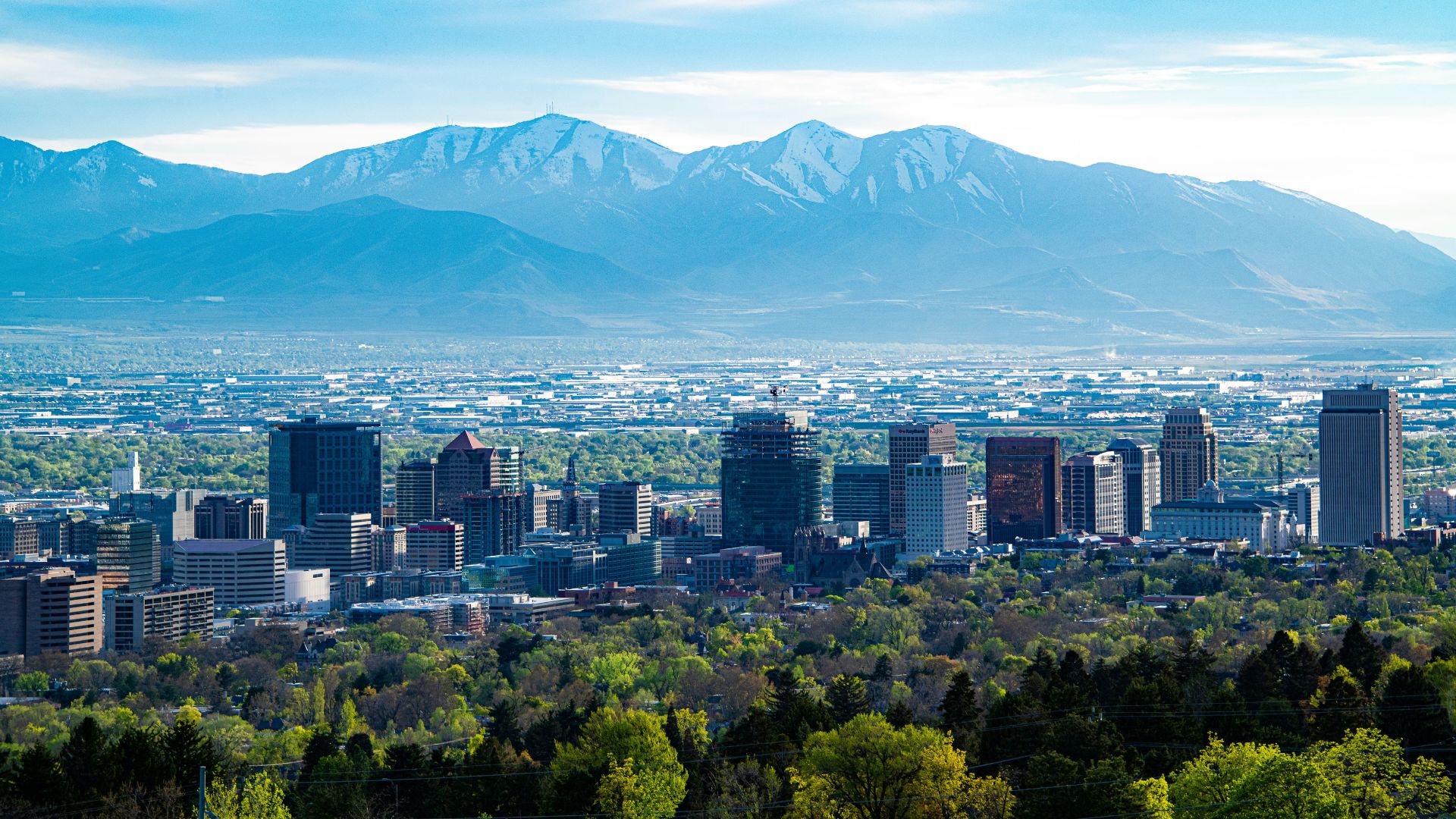
Salt Lake City is a solid jumping-off point and has a growing arts and food scene. You can ski in the morning and hit a local brewery by afternoon.
Southern Utah’s red rocks stretch far beyond the parks. Highway 12, an All-American Road, winds through jaw-dropping scenery, but with way fewer people.
Colorado’s High-Altitude Adventures
Colorado is so much more than just ski towns. Sure, mountain towns buzz year-round, but summer and fall bring wildflowers, hiking, and bright blue alpine lakes.
Denver’s become a legit food and culture city, yet the mountains are never far. The brewery scene is top-notch, and new restaurants pop up in every neighborhood.
Towns like Telluride, Crested Butte, and Ouray feel friendlier (and less pricey) than Aspen or Vail. Think Victorian buildings with modern shops and killer mountain views.
Rocky Mountain National Park is the crown jewel. Trail Ridge Road climbs above 12,000 feet—tundra, bighorn sheep, and views that feel almost Arctic.
Frequently Asked Questions
Here’s a quick hit-list of questions I get about emerging US cities to watch for 2026—covering everything from culture to food to those just-under-the-radar gems.
Buncombe County, North Carolina tops my list. Asheville and the mountain towns around it have changed a lot since Hurricane Helene. New galleries, murals, and places to stay have spread visitors out from the usual downtown haunts.
Coupeville, Washington is another favorite. This Whidbey Island town offers kayaking, whale watching, and a vibrant arts scene—without the crowds you’d find elsewhere.
Indio, California has quietly reinvented itself along Miles Avenue. I’ve noticed new restaurants, bars, and boutique shops run by locals who care about creating a real desert vibe—far from the festival madness.
Keene Valley in upstate New York is a rising star for outdoor lovers. Tucked in the Adirondacks, it’s got some of the state’s highest peaks and best trails, just a four-hour drive from Manhattan.
Key West is shedding its party-only image. More folks are discovering the historic sites, coral reefs, and hidden local hangouts away from Duval Street.
Martha’s Vineyard is opening up beyond the summer crush. With new restaurants staying open year-round, those shoulder seasons are looking more tempting.
Coupeville bursts with creativity—galleries, festivals, and the Island Shakespeare Festival, which runs on a pay-what-you-can model. Beaver Tales Coffee has turned into a gathering spot for artists.
Buncombe County’s creative energy now spills into Black Mountain and Weaverville. There’s a blend of mountain tradition, modern art, and a lively brewery scene.
Oak Bluffs on Martha’s Vineyard stands out as one of America’s first Black summer resort towns. The gingerbread cottages and the country’s oldest carousel add a dash of nostalgia.
Martha’s Vineyard is a foodie haven these days. Indigo serves modern Indian cuisine, Black Joy Kitchen celebrates Black diaspora flavors, and The Ocean Club puts Chef Marc Orfaly’s seafood front and center.
Indio’s food scene is on the rise. Gabino’s Creperie dishes out creative bites, while Italica nails the Italian comfort food. Both spots show off the town’s culinary shift.
Key West’s Sandy’s Cafe is a local secret—authentic Cuban sandwiches from a window next to a laundromat. It’s a world away from the touristy waterfront joints.
Keene Valley still flies under the radar, even though it’s close to NYC. Trails like Indian Head and Giant Mountain Ridge offer jaw-dropping views without the crowds you’d find elsewhere.
Coupeville’s Fort Ebey State Park is a goldmine for hiking. Whale watching season (April to May) is peaceful, with plenty of space to yourself.
Indio’s public squares now display permanent art from past festivals. The city has really stepped into the spotlight, not just as a festival backdrop but as a destination in its own right.
Buncombe County has started spreading tourism throughout the region, and honestly, it’s catching on fast. New spots like The Foundry Hotel Asheville and Moxy Asheville have popped up, giving travelers more choices than ever.
I’ve noticed the area’s bouncing back, and people seem genuinely excited about its reinvention. It feels like Asheville and the surrounding county are setting themselves up for long-term success.
Indio has been quietly transforming, especially along Miles Avenue. You might notice the hotel scene’s a bit lacking right now, but city leaders are already tackling that.
Locals and visitors both see the potential for more hotels and vibrant experiences. It’s one of those places where you can almost feel the change coming.
Keene Valley is another spot that keeps surprising me. The mix of outdoor adventures and charming small businesses gives it a vibe that’s hard to replicate.
A lot of folks who used to live in big cities have settled here for good, which really says something about its long-term draw. If you love nature and a tight-knit community, Keene Valley just makes sense.
