
If you’re dreaming about adventure in 2026, America’s national parks are calling. Seriously, there’s nothing like standing at the edge of a canyon or wandering through a misty forest to remind you how wild and beautiful this country really is.
More travelers have national parks on their radar this year, so it’s smart to know which ones are actually worth your precious vacation days.
Here’s my handpicked list of ten must-visit national parks across the U.S. Each park brings its own flavor—some dazzle you with wild rock formations, others wrap you in serene forests or dramatic coastlines.
I’ll share practical tips for planning, best seasons to go, and a few honest insights from my own trips. Whether you want to check off just one park or string together an epic road trip, this list should help you get started.
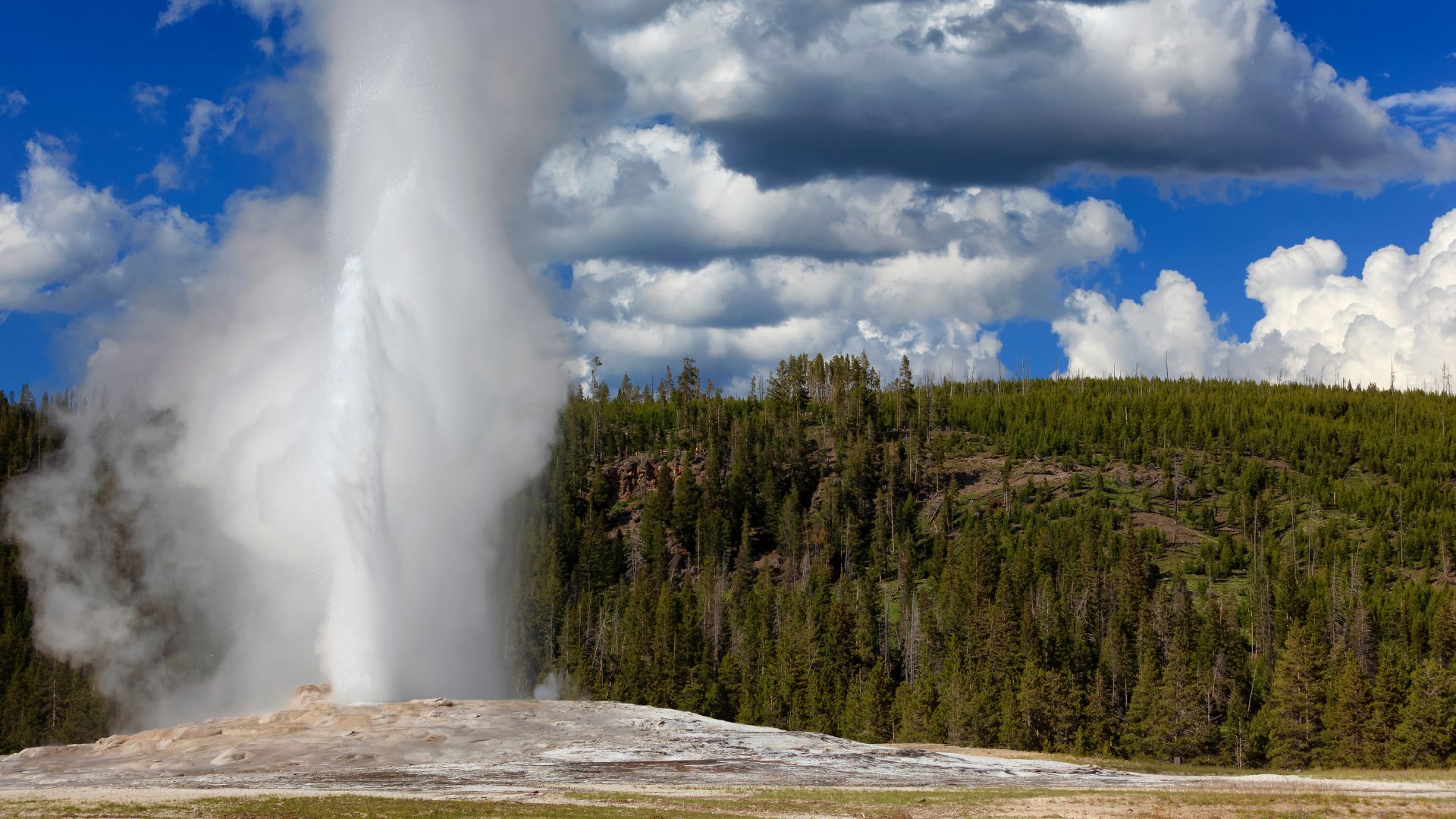
1) Yellowstone National Park, Wyoming
Yellowstone kicked off the whole national park idea back in 1872. It sprawls over 2.2 million acres, stretching into Wyoming, Montana, and Idaho. That’s a lot of wilderness—second largest in the lower 48.
You’ll find over 10,000 geothermal wonders here: hot springs, bubbling mud pots, and geysers that shoot sky-high. Watching Old Faithful erupt never gets old, honestly. The park actually holds about half the world’s active geysers.
Wildlife lovers, you’re in for a treat. Grizzlies, wolves, elk, and bison all roam here, making it one of the last big, wild ecosystems in the country.
Yellowstone saw 4.8 million visitors in 2024, so it’s not exactly a secret. If you’re heading there in 2026, check entrance dates and road openings ahead of time, especially if you’re thinking about winter or spring.
It costs $35 per vehicle to get in. With five entrances and so much to see, you’ll want to carve out several days—trust me, it’s worth it.
2) Yosemite National Park, California
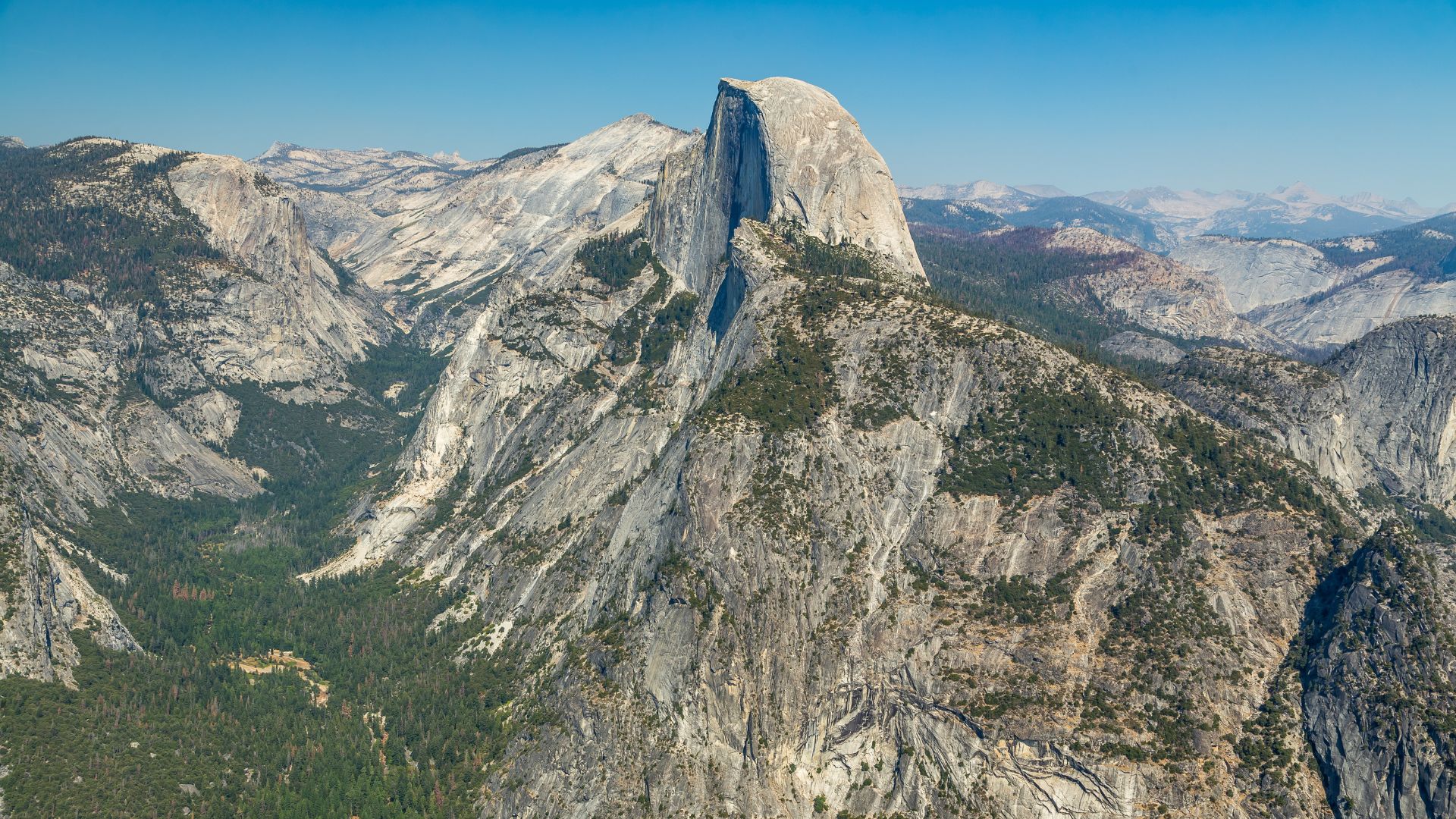
Yosemite is classic California wilderness—over 1,100 square miles of granite cliffs, waterfalls, and those iconic giant sequoias. More than 3.5 million folks visit every year, and it’s easy to see why.
The heart of the park is Yosemite Valley, which the government started protecting way back in 1864. You get jaw-dropping views of Half Dome and waterfalls that thunder all year.
It’s easy to get around thanks to well-marked roads and free shuttle buses. There’s a trail for everyone, from mellow valley strolls to tough hikes up steep granite faces.
When you roll in, grab the Yosemite Guide for daily activities. Rangers are always leading walks and talks—honestly, they know their stuff.
Entry comes with a standard fee, or you can pick up an America the Beautiful pass. If you’re planning multiple park visits, it pays for itself fast.
3) Grand Canyon National Park, Arizona
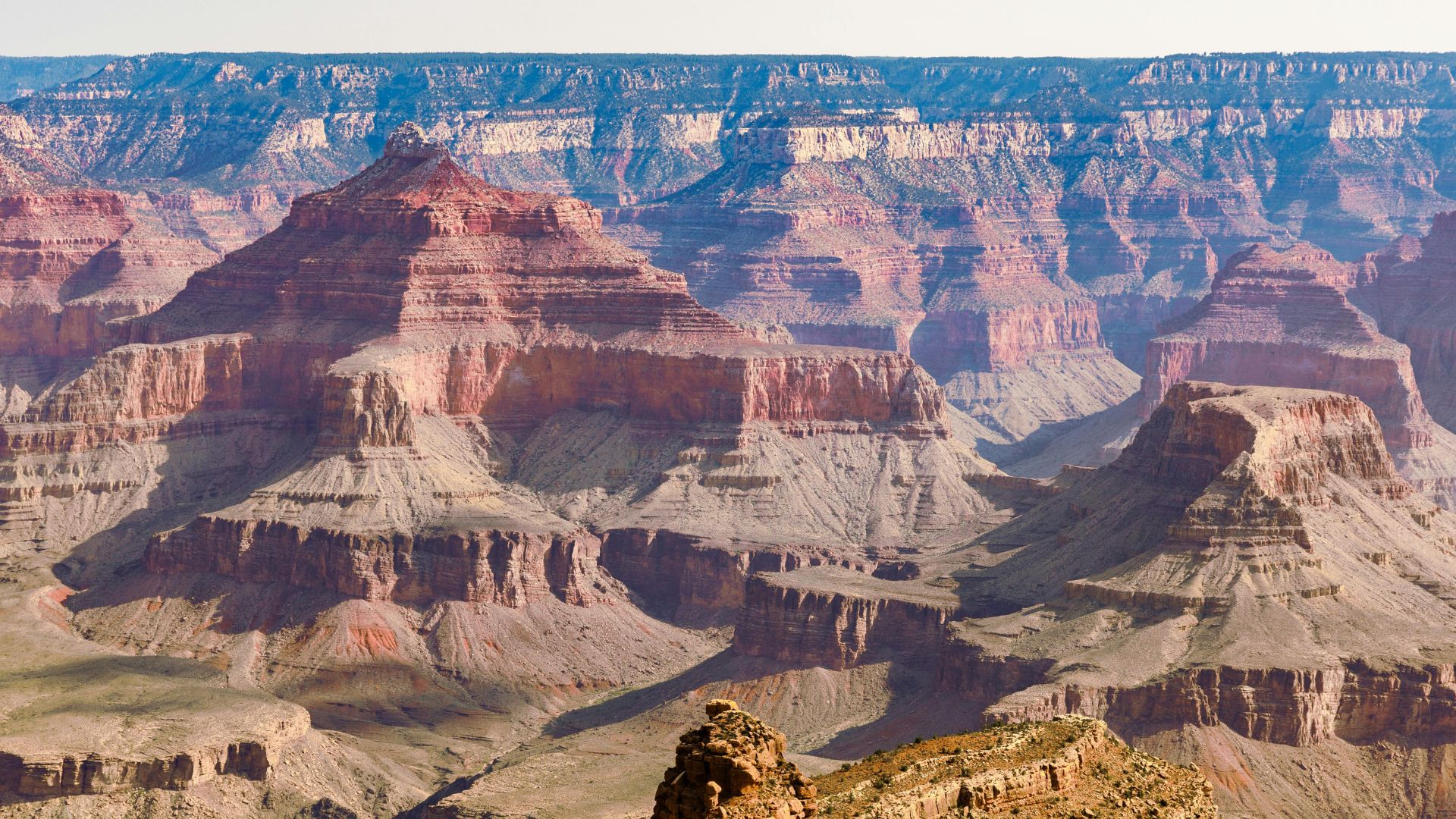
The Grand Canyon is a must-see, plain and simple. Nearly 4.7 million people visited in 2023, and it’s easy to see why this UNESCO site blows minds.
The South Rim stays open all year and has the most visitor services. Grand Canyon Village is your hub for food, shops, and places to sleep, plus it’s got easy access to all the famous viewpoints.
If you’re there between May and October, swing by the North Rim too. It’s higher up, gets more rain, and feels like a whole different world.
Give yourself two or three days to soak up the best sights. Entrance is $35 per car for a week. Hike the rim, catch sunrise or sunset, or hop on a shuttle and just enjoy the views.
Summer gets packed, so I’d aim for spring or fall for cooler temps and fewer crowds.
4) Zion National Park, Utah
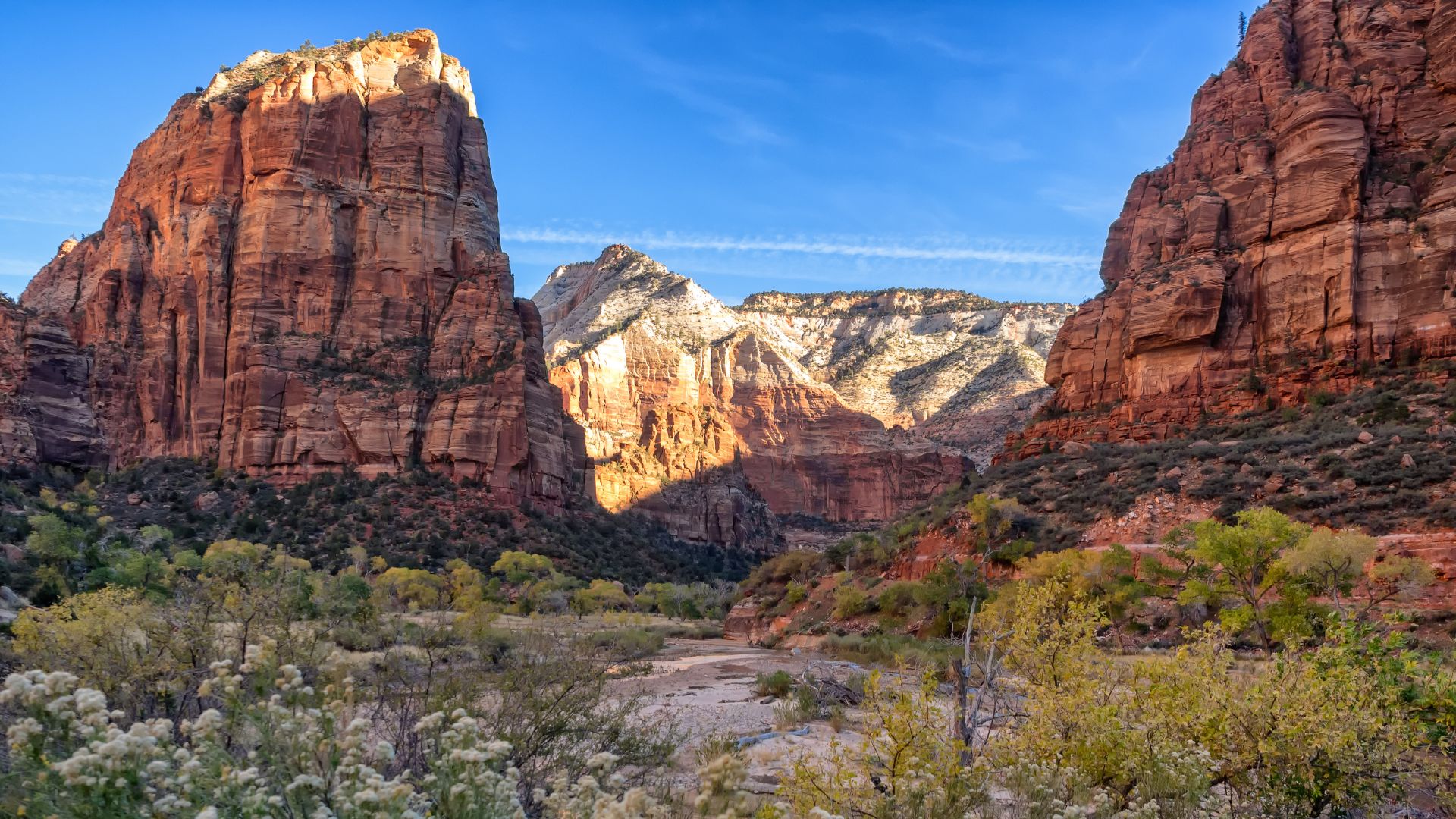
Zion sits just four and a half hours from Salt Lake City, but it feels like another planet. Those towering red cliffs and narrow canyons are something else.
You can tackle legendary hikes like Angels Landing or wade through The Narrows. The shuttle makes getting around a breeze—no fighting for parking at the trailheads.
Every season brings something new. Spring means waterfalls and wildflowers. Summer is long and hot, but the days are perfect for adventure—just expect crowds. Fall? Cooler, quieter, and the colors are unreal.
A full day gives you a good taste, but you’ll want more. Riverside Walk is great if you’re just starting out, while seasoned hikers can climb to Emerald Pools or Canyon Overlook.
Springdale sits right outside for food and beds, or you can camp inside the park if you snag a spot.
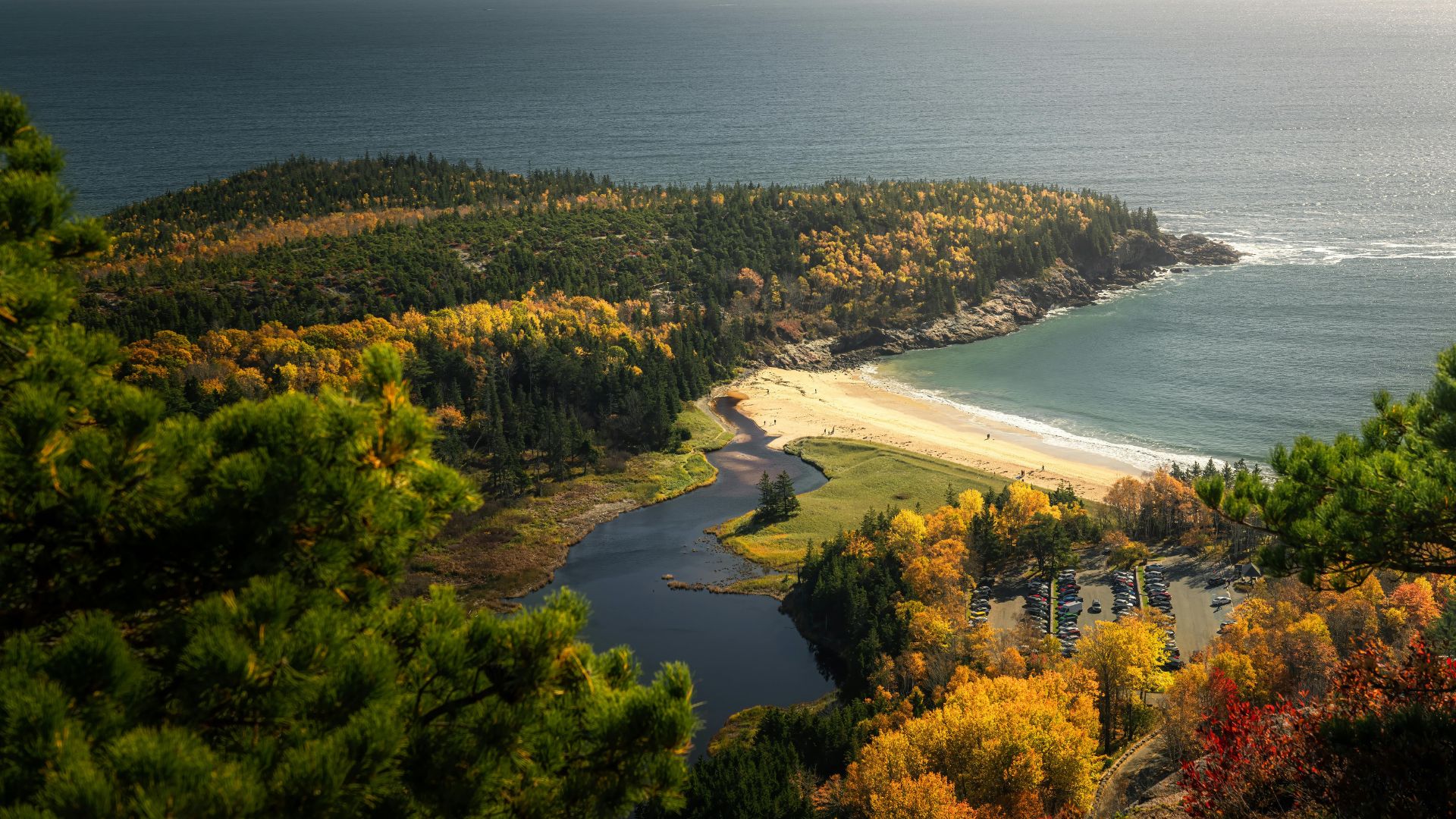
5) Acadia National Park, Maine
Acadia hugs Maine’s rugged coast and offers a wild mix of mountains, forests, and salty ocean air. There’s 47,000+ acres to wander, mostly on Mount Desert Island.
You’ve got 150 miles of trails to choose from. Drive the 27-mile Park Loop Road if you want to hit the main sights in one go. Don’t miss Cadillac Mountain—it’s one of the first places to catch sunrise in the U.S.
You can hike, bike the old carriage roads, or scramble along the rocky shore. The park works for both quick visits and lazy, drawn-out stays. September and October are magical, with fall colors and fewer crowds.
Bar Harbor is your go-to for food, sleep, and local flavor. Drop by the Abbe Museum to learn about the Wabanaki people, too. Acadia is easy to reach and easy to love.
6) Great Smoky Mountains National Park, Tennessee/North Carolina
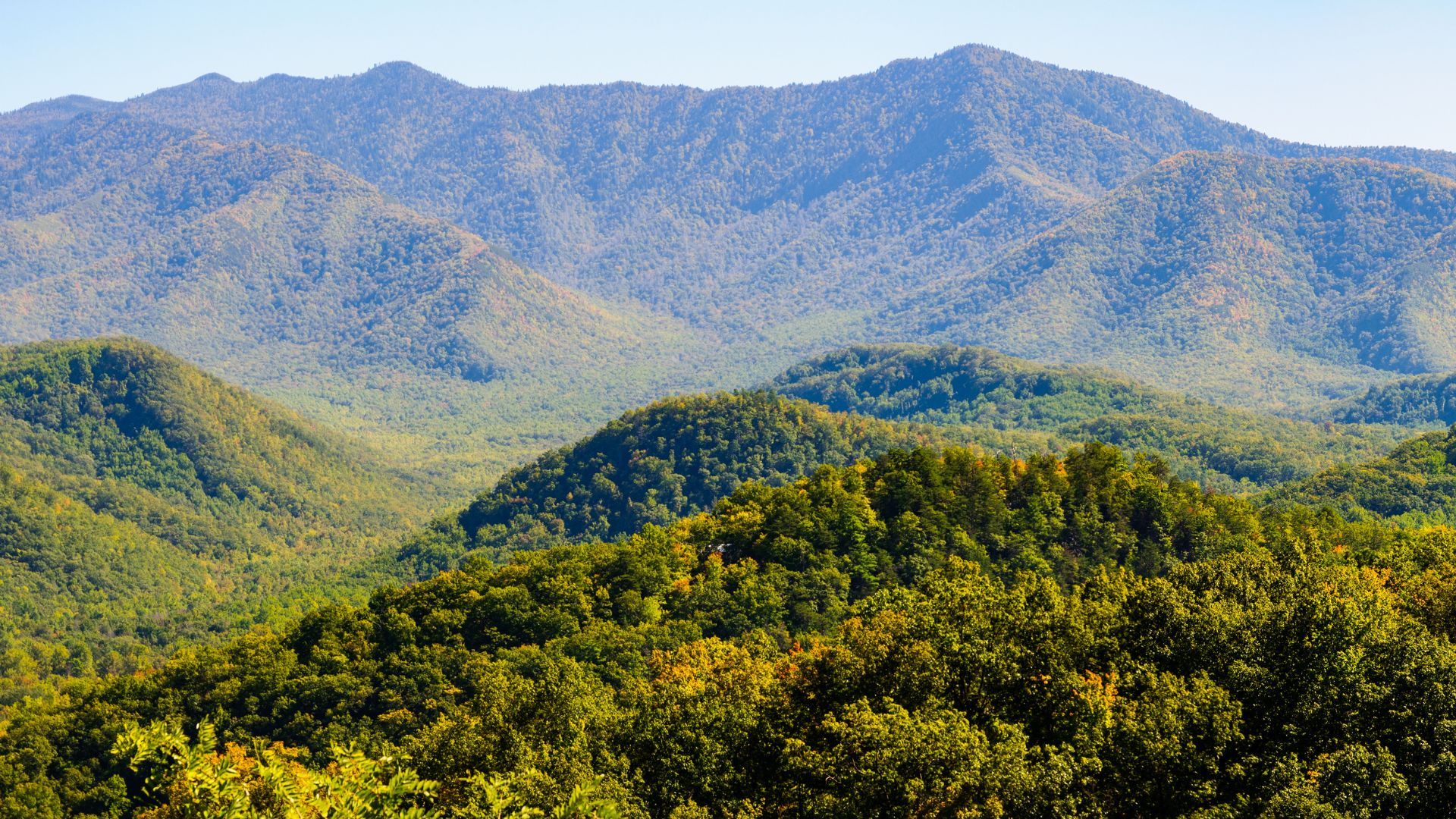
Great Smoky Mountains is America’s most visited park, hands down. It sprawls across 522,000+ acres straddling Tennessee and North Carolina.
You’ll see endless ridges of ancient mountains, part of the Southern Appalachians. The biodiversity here is off the charts—plants, animals, you name it.
Most folks come in through Gatlinburg, Tennessee, which connects to the Sugarlands Visitor Center. Or you can enter from North Carolina if that’s closer.
You’ll find peaks, waterfalls, and old homesteads scattered everywhere. Trails run the gamut from easy strolls to tough backcountry treks. There’s no entrance fee, so it’s a budget-friendly pick.
This park is part of the Blue Ridge Mountains and the larger Appalachian chain. There’s a reason millions keep coming back.
7) Glacier National Park, Montana
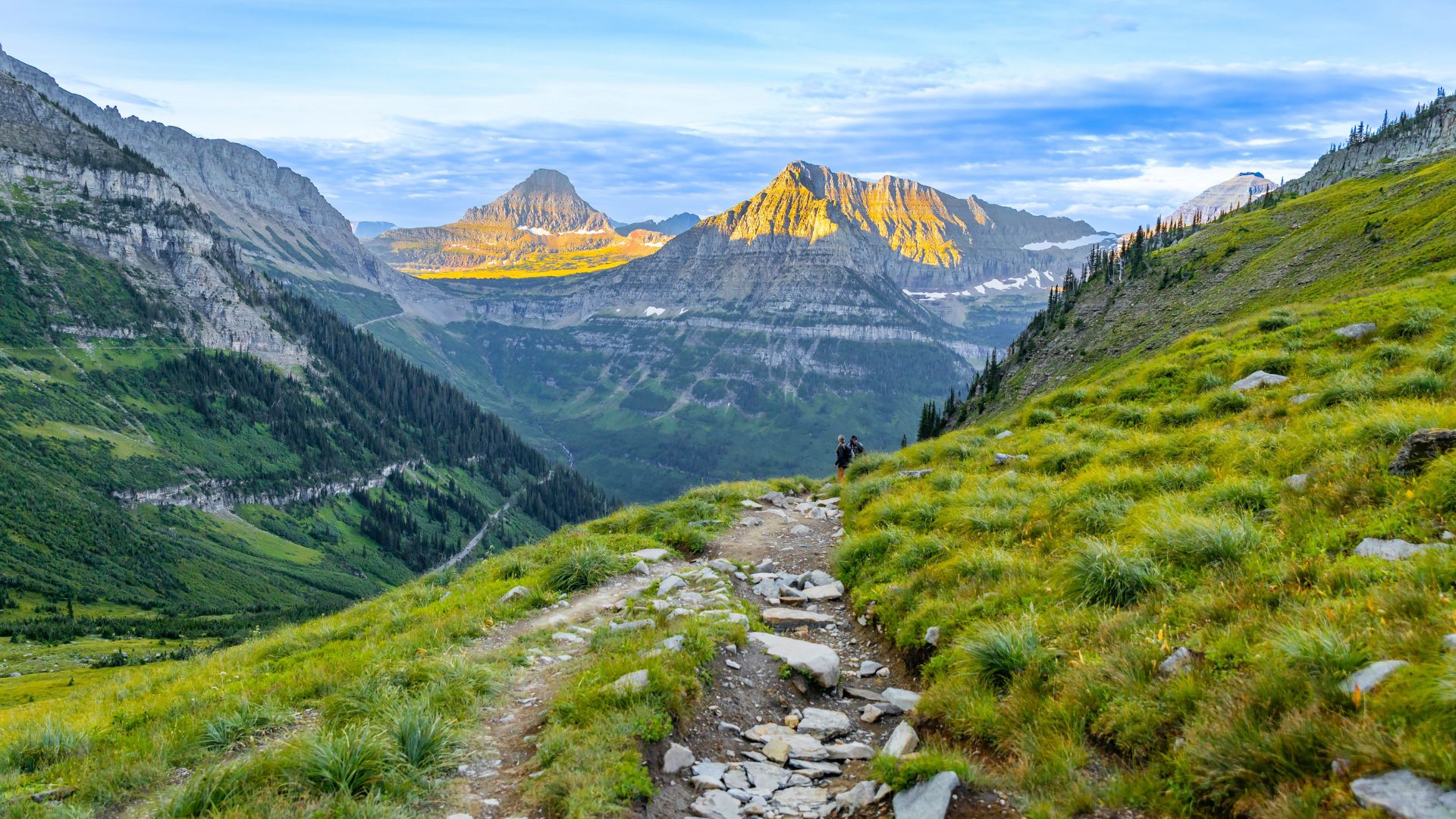
Glacier National Park is all about dramatic scenery—towering peaks, wild valleys, and a million acres of wilderness. Over 3 million people visit every year, and for good reason.
There are 700+ miles of trails. Trail of the Cedars is a mellow boardwalk through old-growth forest, while John’s Lake Loop gives you a taste of Lake McDonald.
Going-to-the-Sun Road is the showstopper. This mountain highway winds through jaw-dropping vistas—bring your camera, seriously.
You might spot mountain goats or even grizzlies if you’re lucky. The park’s old chalets and lodges add a cool, historic vibe.
Kalispell is the closest airport. You can stay there, in Whitefish, or book inside the park if you plan way ahead. Entrance is $35 per car for a week.
8) Bryce Canyon National Park, Utah
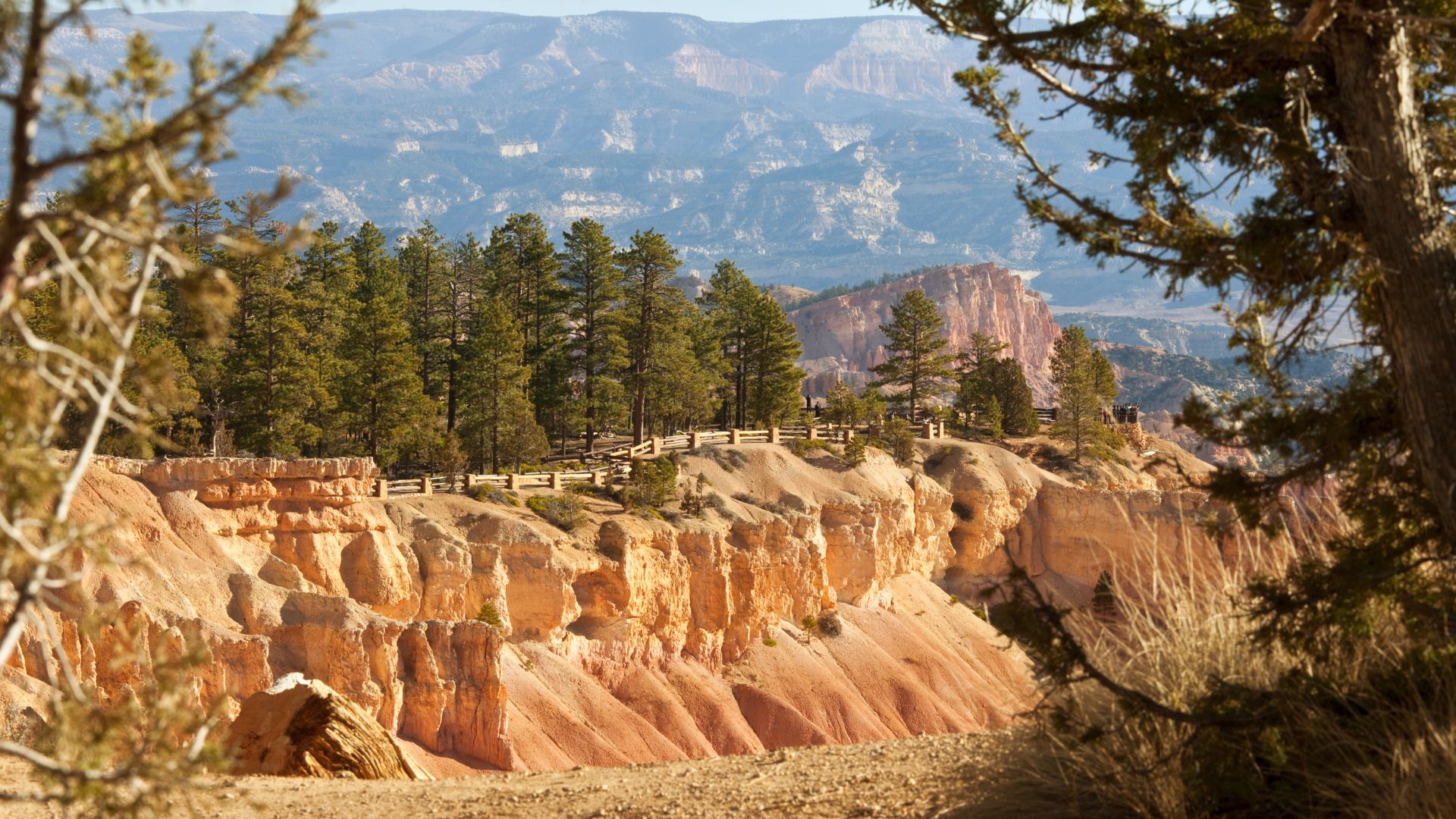
Bryce Canyon may be Utah’s smallest national park, but wow—those hoodoos are unforgettable. These tall, skinny rock spires make the landscape feel straight out of a dream.
You’ll find Bryce in southern Utah, with Bryce Canyon City right at the entrance. Tropic is just 15 minutes away if you need more options for food or sleep.
Walk the Rim Trail for easy, epic views of the amphitheater. Multiple overlooks line the scenic drive, and if you’re feeling adventurous, hike down among the hoodoos for a closer look.
Bryce’s geology is wild and totally unique. It’s easy to pair your visit with other southern Utah parks. Spring and fall are the best bets for comfortable weather and fewer crowds.
9) Rocky Mountain National Park, Colorado
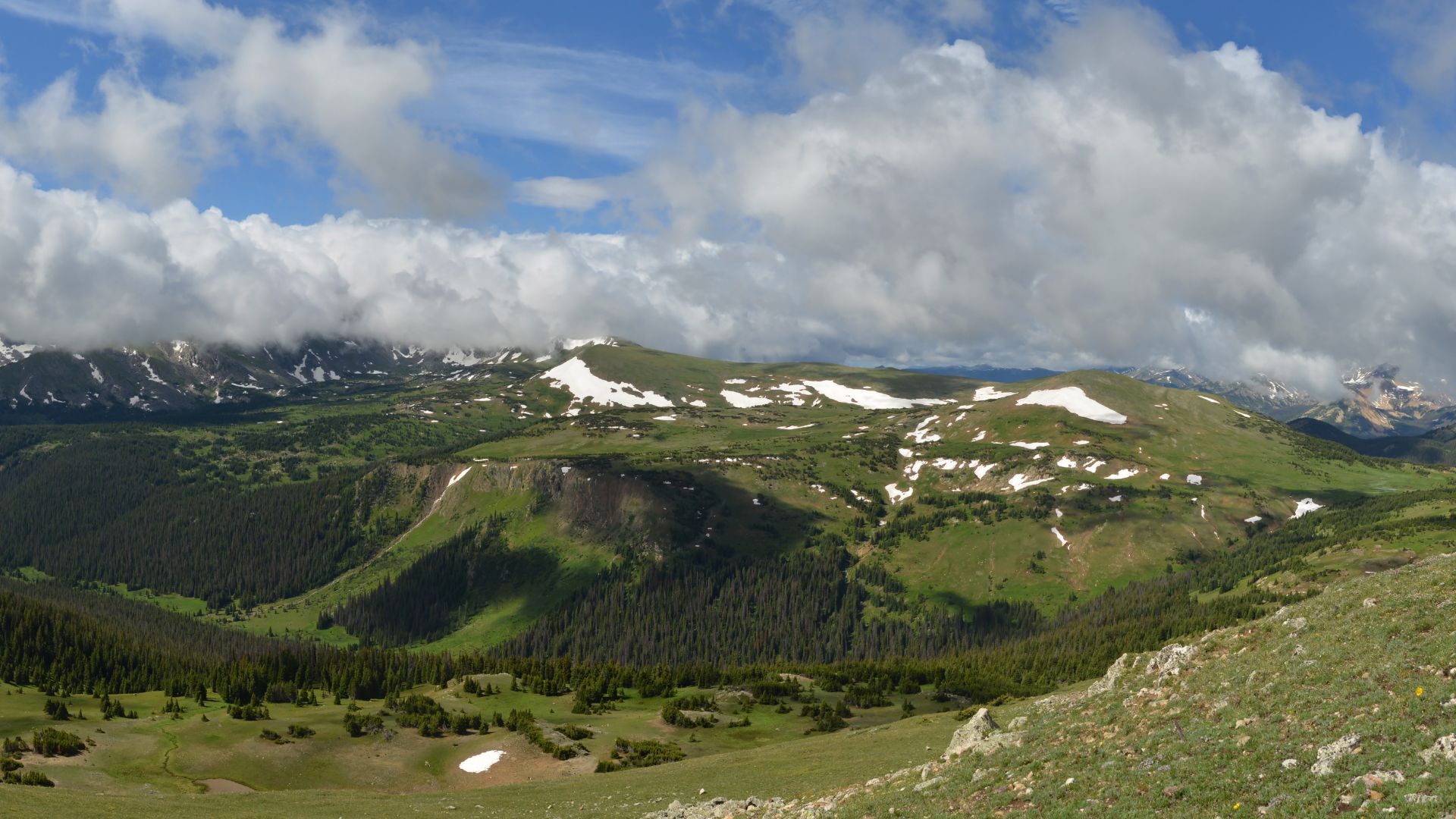
Rocky Mountain National Park is just 90 minutes from Denver, making it super accessible. Six million visitors can’t be wrong, right? The park covers 415 square miles, crossing the Continental Divide with everything from meadows to alpine lakes and sky-high peaks.
You’ve got over 300 miles of trails to pick from. Trail Ridge Road is a must-drive—it’s one of the highest roads in the U.S. and usually opens from Memorial Day to mid-October.
Wildlife is everywhere—elk, moose, you name it. Trails range from easy to moderate, so you can find your pace.
Estes Park is the main gateway town, perched at 7,522 feet. It’s a perfect base for your adventures.
The park stays open year-round, but snow closes some areas. For the full experience, visit between late spring and mid-fall when all roads are open.
10) Olympic National Park, Washington
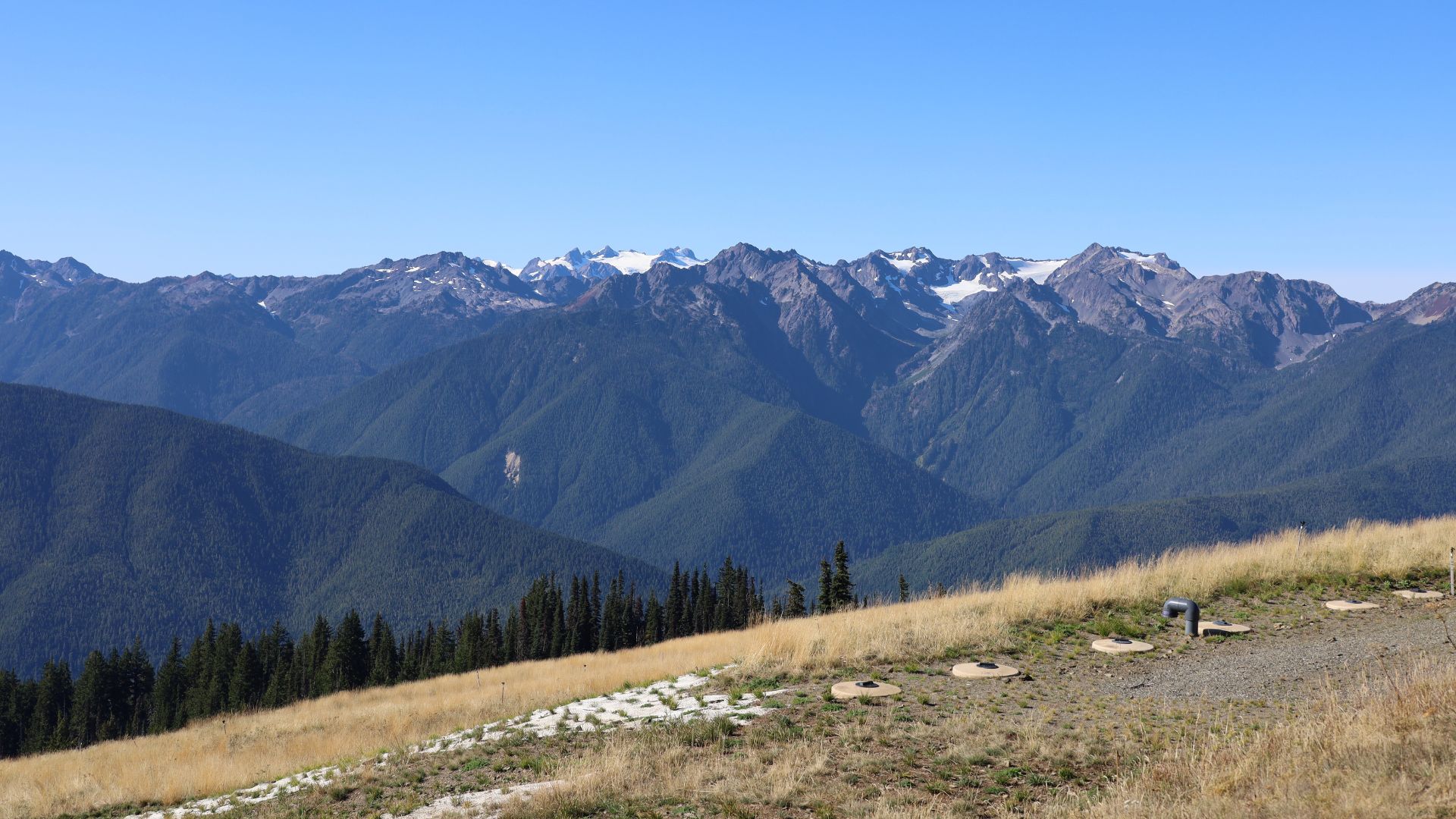
Olympic National Park packs almost a million acres of variety into Washington State. In one trip, you can see glacier-capped peaks, lush rainforests, and 70 miles of wild coastline.
The elevation and rainfall here create crazy diversity. You’ll wander under mossy giants in the Hoh Rainforest, stroll driftwood beaches, and climb up to alpine meadows.
Hiking ancient forests, tide pooling at Ruby Beach, or driving up Hurricane Ridge—all solid options. There’s a trail for every skill level.
Give yourself two or three days to really see the main areas. Each section is a drive apart, so allow time to hop between them.
Late June through September is prime time for weather and open roads. Some areas close in winter. You’ll need a park pass for entry.
Best Times and Tips for Visiting National Parks
Honestly, timing matters more than you’d think. The right season means open trails, fewer crowds, and better weather.
Book ahead, especially for camping or the most popular parks. And don’t forget to pack layers—mountain weather changes fast!
Seasonal Planning and Weather Considerations
Honestly, if you’re looking for the sweet spot of good weather and fewer crowds, shoulder seasons are where it’s at. For most parks, that’s late April through early June, or September into October.
During these months, roads usually stay open, services run like normal, and most families have settled back into school routines.
Winter can be magic in the right places—think desert parks like Joshua Tree or Death Valley, where summer basically turns the ground into a frying pan. High-elevation parks like Rocky Mountain and Glacier? Snow keeps them mostly shut until late June.
If you visit in summer, you’ll get those long, sunny days, but brace yourself for crowds—especially at Yellowstone or Yosemite. I’ve found that going on weekdays helps dodge the worst of the congestion.
Always check the park’s official site before you go. Some parks close roads during winter or require snow chains for your tires. It’s not fun to get turned away at the gate, trust me.

How to Prepare for Crowds and Reservations
It’s wild, but booking windows for summer 2026 trips are already opening up. Parks like Yosemite, Glacier, Arches, and Rocky Mountain now require timed entry permits during peak months.
If you want a shot at campsites or permits, jump in the second booking opens. Seriously, the best spots can disappear within minutes. I always set a calendar alert about six months before my trip.
To actually find parking at busy parks, plan to hit the trailhead before 8 AM or after 3 PM. By midday, lots fill up and you might end up circling or leaving.
If your dream park is packed, don’t be afraid to switch it up. Great Basin, North Cascades, and Isle Royale have jaw-dropping scenery and way fewer people.
Essential Packing and Safety Advice
Pack layers—no matter the season. Mountain weather loves to surprise you. Even in July, I bring a waterproof jacket, a cozy mid-layer, and plenty of sun protection.
Don’t leave home without:
- Navigation (map, compass, or GPS)
- First aid kit, especially for blisters
- Headlamp and spare batteries
- At least 1 liter of water per person for every 2 hours of hiking
- High-energy snacks and some backup food
- Bear spray if you’re in bear country
Download offline maps before you lose cell service. Always let someone know your route and when you expect to be back.
Stick to marked trails. It’s safer, and you’ll help protect delicate plants. If you spot wildlife, keep your distance—100 yards from bears and wolves, 25 yards from other animals. No exceptions.

Enhancing Your National Park Experience
Visiting national parks is about so much more than ticking boxes off a list. Every choice you make shapes these places—the land, the people, and the animals.
Must-Know Conservation Practices
Leave No Trace isn’t just a slogan; it’s the backbone of responsible park travel. Pack out everything, even those sneaky fruit peels and so-called “biodegradable” bits. Wildlife can’t handle our leftovers.
Stay on the trail. Those side paths might look tempting, but they damage fragile plants and speed up erosion.
Use restrooms and trash bins when you can. If there aren’t any, pack out your waste. Respect thermal features, archaeological sites, and those bizarre-looking cryptobiotic soils in the desert.
A few musts:
- Store food in bear-proof containers
- Only use existing fire rings if fires are allowed
- Wash dishes 200 feet from water sources
- Leave rocks, plants, and artifacts where you find them
Even tiny missteps—like stepping off a trail—can hurt plants that take decades to recover.
Connecting With Local Communities
Gateway towns near the parks are full of character. Shop at local stores, eat at family-run restaurants, and stay at indie lodges. It keeps your money in the community and makes your trip way more memorable.
Chat with park rangers or locals. Ask about hidden trails or the best spots for sunrise. Many towns have deep indigenous roots, so follow posted guidelines and respect tribal lands.
Ranger programs, guided walks, and community events are worth your time. You’ll come away with a richer understanding of the park’s story.
Photography and Wildlife Viewing Etiquette
Keep at least 25 yards from most animals and 100 yards from bears and wolves. Bring a telephoto lens instead of creeping closer for that perfect shot. Feeding animals or leaving food out? Big no-no—it’s dangerous for everyone.
Skip the flash, especially at night. Animals get disoriented, and honestly, your photos turn out better without it. Keep your voice down when watching wildlife so everyone can enjoy the moment.
Some quick tips:
- Pull off the road fully if you stop to watch wildlife
- Early morning or evening is best for spotting animals
- Tell rangers if you see aggressive or habituated animals
- Don’t use drones unless you have a special permit
Patience pays off. Wildlife acts naturally when you give them space.

Frequently Asked Questions
Planning a national park trip means picking the right time, understanding entry fees, and matching your destination to the season. Here are answers to some of the questions I get all the time.
Yellowstone (Wyoming) is classic—geysers, bison, and year-round wonders. Yosemite (California) stuns with granite cliffs and waterfalls. The Grand Canyon (Arizona) has views you’ll never forget.
Zion (Utah) offers red rocks and epic hikes. Acadia (Maine) combines rugged coast with forested peaks. That’s five, but there’s more.
Rocky Mountain, Great Smoky Mountains, Glacier, Olympic, and Joshua Tree round out the list. Each one brings something different, so it depends on what scenery and activities excite you most.
Zion is a springtime gem—March to May brings wildflowers and mild temps. Trails like Angels Landing are way more pleasant before the heat sets in.
Grand Canyon’s South Rim stays accessible, and you’ll avoid the dangerous summer heat. Spring is perfect for hiking those iconic rim trails.
Acadia opens up by April, especially at lower elevations. It can be muddy, but you’ll have the paths mostly to yourself.
Yellowstone hits its stride in July and August. All the roads and visitor centers are open, so you can catch Old Faithful, spot wildlife in Lamar Valley, and drive the Grand Loop.
Yosemite’s waterfalls are at their best early in summer—Vernal and Nevada Falls roar with snowmelt. By July, Tuolumne Meadows trails finally open.
Rocky Mountain and Glacier are summer favorites too. Snow melts from high trails, so you get the full alpine experience.
Acadia is unbeatable for fall colors from late September to October. The forests explode with color, and Cadillac Mountain’s sunrise is unreal.
Great Smoky Mountains is another fall favorite. Peak foliage usually comes in mid-October, and crowds thin out after Labor Day.
Zion cools down in autumn, and the cottonwoods turn gold. You’ll find fewer people on the trails, which is always a win.
The National Park Service usually offers five or six free days each year. These often land on Martin Luther King Jr. Day (January), the first day of National Park Week (April), and the NPS birthday (August).
Veterans Day (November) and another summer or fall date often make the list too. The official dates for 2026 come out late 2025 or early 2026, so keep an eye on the NPS website.
You’ll still need to pay for camping or special permits, even on free days. And heads up—parks like Yellowstone and Yosemite get packed, so consider a quieter park or arrive extra early.
Yellowstone National Park turns into a snow-covered wonderland in February. Wildlife stands out so much more against the white backdrop—bison, wolves, and elk just pop into view.
Geothermal features really shine in winter, with thick steam clouds curling up into the icy air. Honestly, it feels otherworldly.
Most roads close to regular cars, so you’ll need to hop on a snowcoach or try a snowmobile to get in. I’ve found cross-country skiing and snowshoeing to be the real stars here, with trails all to yourself.
Crowds thin out dramatically compared to summer. If you’re craving solitude, this is the time to go.
Joshua Tree National Park in California offers a completely different vibe. Winter brings gentle, comfortable temperatures—perfect for hiking and scrambling over boulders.
February spares you from the desert’s brutal summer heat. You can climb or just wander the trails without worrying about overheating.
Death Valley National Park surprises a lot of people in winter. February days feel pleasantly warm, which is a huge relief compared to the scorching months.
Sometimes, if the winter rains cooperate, wildflowers burst into color across the valley floor. It’s rare, but when it happens, it’s unforgettable.
