
Sure, the Netherlands gets plenty of love for its tulip fields and spring gardens. But honestly? The United States has its own jaw-dropping botanical collections that can go toe-to-toe with anything across the Atlantic—and sometimes, they even steal the show. Spring’s the sweet spot to check out these blooming beauties, and you don’t need a passport or a long-haul flight.
American botanical gardens serve up world-class plant diversity, creative landscape design, and quirky collections that often outshine Europe’s best. From tropical escapes in Florida to sun-baked desert wonders in Arizona, the variety is wild. You’ll stumble upon historic mansions, cutting-edge conservation projects, and seasonal displays that keep things fresh all spring long.
Travelers can find these gardens scattered across the country, each with its own vibe and specialty. Into manicured European-style gardens? Prefer a lush, tropical paradise or a dramatic desert landscape? There’s something for every taste and itinerary.
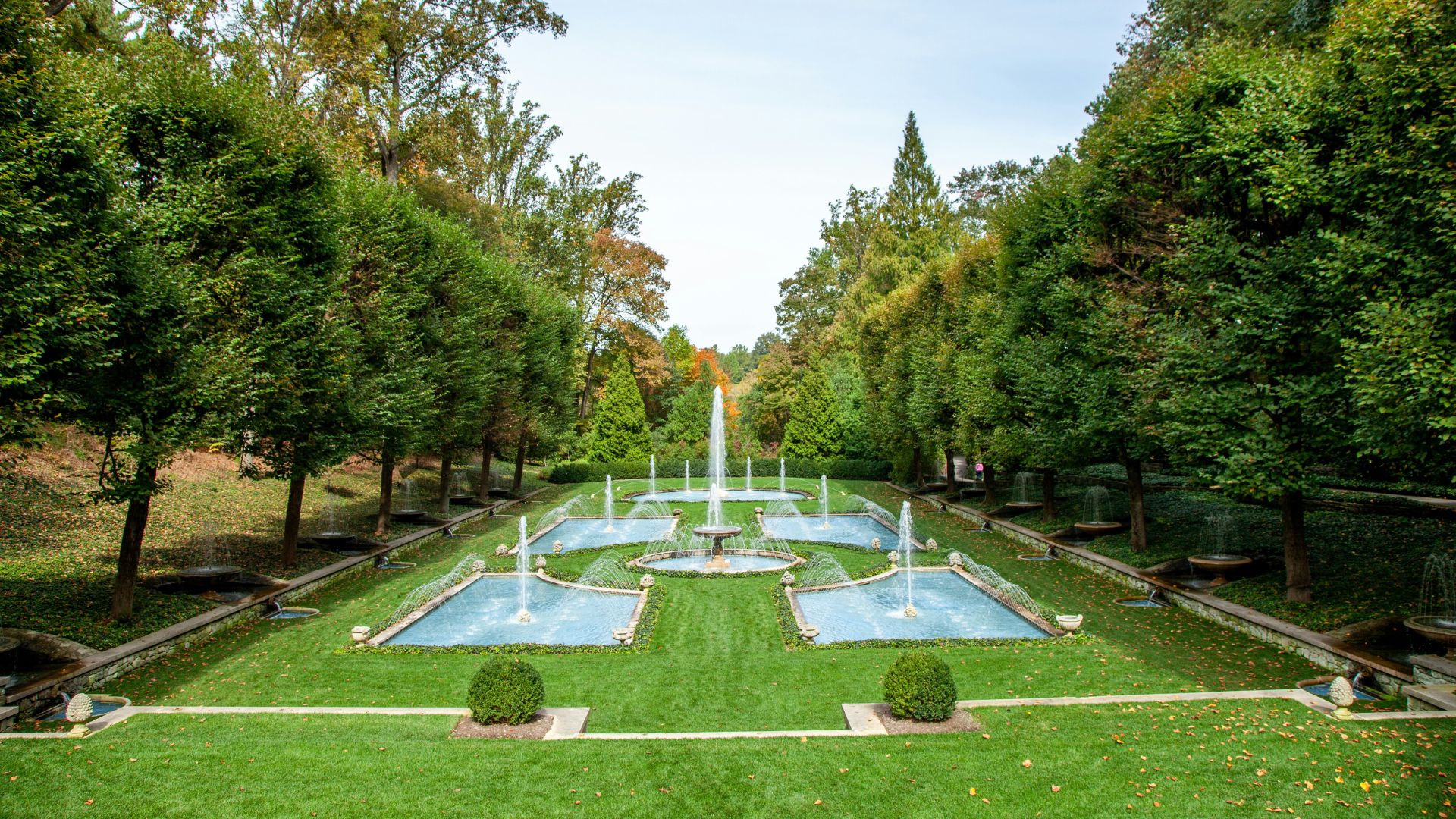
1) Longwood Gardens, Pennsylvania
Longwood Gardens in Kennett Square, Pennsylvania, snagged the top spot as the best botanical garden in the United States according to USA Today’s 10Best Readers’ Choice Awards in 2025. When you step onto the grounds, you’ll wander through more than 1,100 acres of gardens, woodlands, and meadows.
Inside, over 10,000 plant species and varieties fill both indoor and outdoor spaces. The conservatory, with its grand architecture, bursts with lush indoor gardens. Outside, winding trails lead you through meadows and vibrant flowerbeds.
Pierre S. du Pont started this living masterpiece over a century ago. These days, 1.5 million people come each year to experience it. You can visit any day, and the gardens always show off native and exotic plants.
Longwood sits in the Brandywine Creek Valley, just about an hour from Philly. Fountains, elaborate horticultural displays, and an ever-changing landscape make it a must-see in America’s Garden Capital.
2) New York Botanical Garden, New York
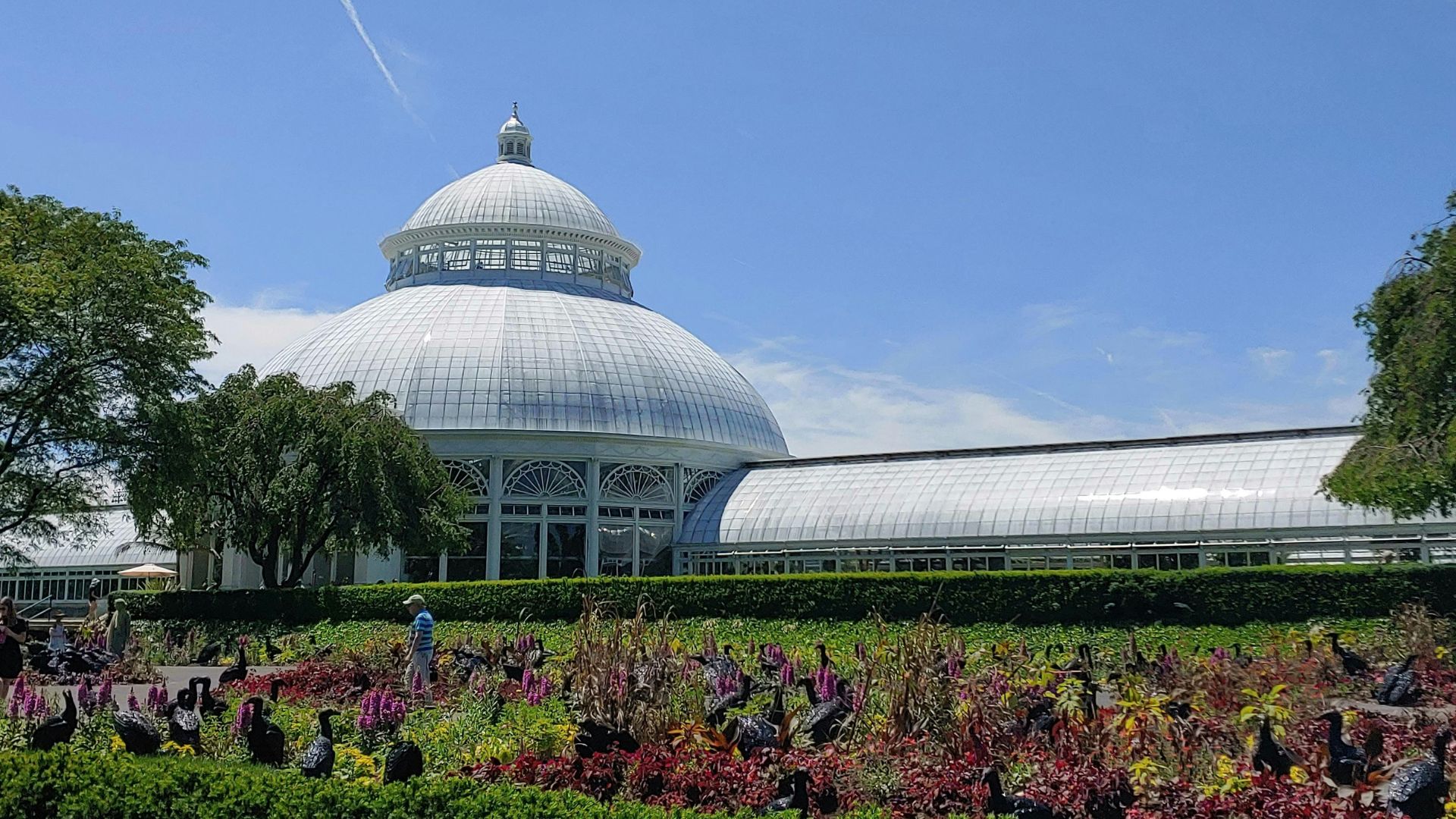
Right in the Bronx, the New York Botanical Garden sprawls across 250 acres and houses over a million living plants. It’s been around since 1891 and stands as the biggest botanical garden in NYC.
Fifty distinct plant collections dot the landscape. The Enid A. Haupt Conservatory steals the show, with a greenhouse that packs several plant habitats under one roof.
Come spring, fresh blooms pop up everywhere in the garden’s carefully planned displays. You’ll spot plants from nearly every corner of the globe, with around 12,000 species in the collection.
The garden doubles as a research powerhouse and a favorite local escape. Scientists dig into plant studies while visitors meander through forests and formal gardens. The LuEsther T. Mertz Library adds a dose of botanical history and research.
HGTV recently called it New York’s most beautiful garden. It’s open year-round, but spring? That’s when the colors really explode. Plus, it’s right next to the Bronx Zoo, so you can easily make a day of it.
3) Fairchild Tropical Botanic Gardens, Florida
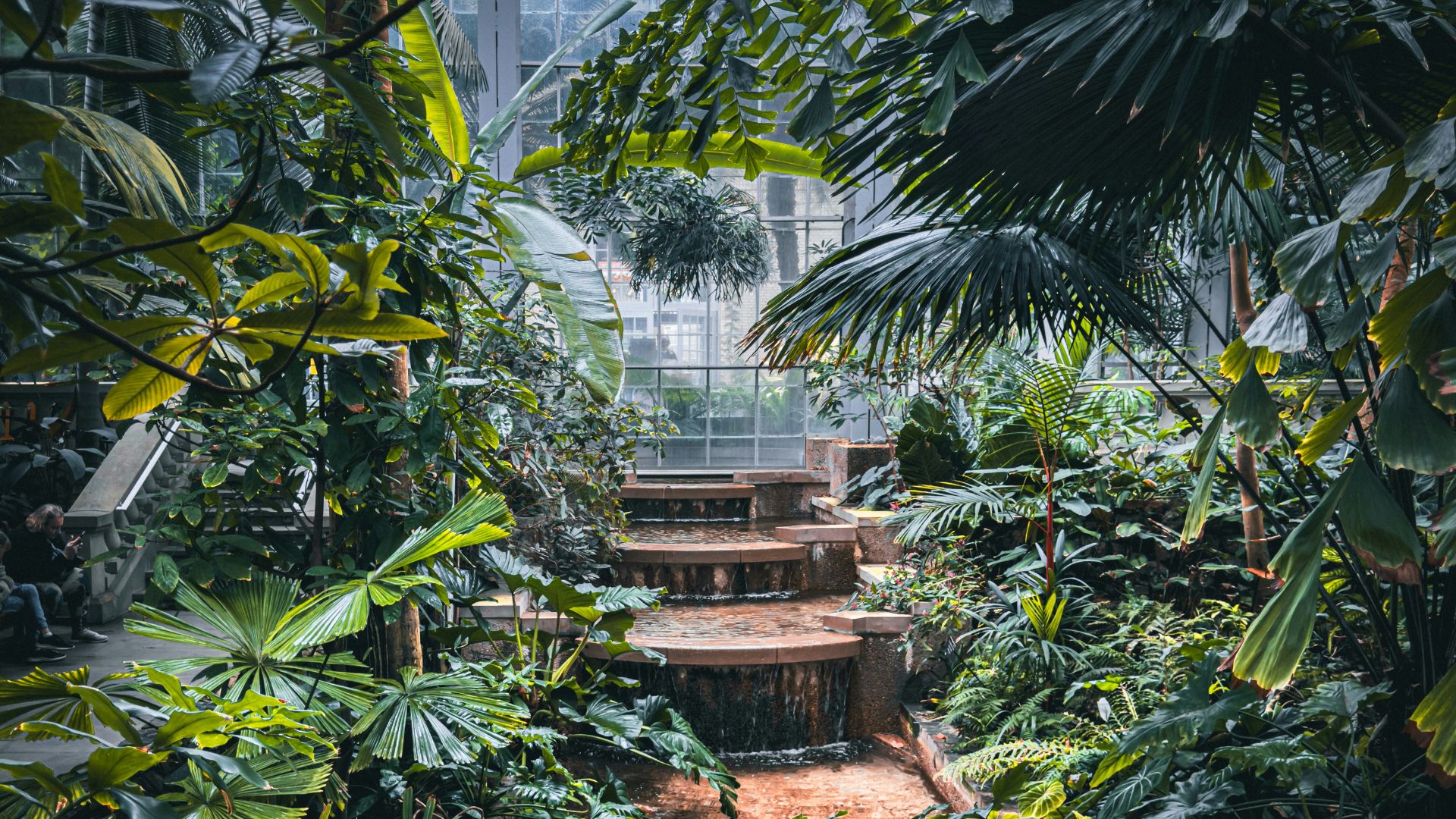
Just south of Miami in Coral Gables, Fairchild Tropical Botanic Garden covers 83 acres packed with tropical plants. Since opening in 1938, it’s become a living tribute to plant explorer Dr. David Fairchild.
Here, you’ll wander among one of the world’s most complete tropical plant collections. There are more than 740 species of flowering trees, shrubs, and vines, plus 500 palm species and a massive cycad collection.
A two-acre open-air tropical rainforest exhibit brings the jungle to Florida—seriously, it’s the only one like it in the continental US. Aquatic gardens, edible fruit pavilions, and a butterfly conservatory with over forty species add to the fun.
USA Today named Fairchild the Best Botanical Garden in North America in 2021. It’s not just for show; the garden leads plant conservation, research, and public education.
Thanks to Florida’s balmy weather, these tropical plants thrive outdoors all year. No matter when you visit, you’ll spot rare and exotic species from the Amazon, Borneo, Indonesia, Malaysia, and Thailand.

4) United States Botanic Garden, Washington D.C.
Right on the grounds of the U.S. Capitol, you’ll find the United States Botanic Garden at 100 Maryland Avenue SW. Congress set it up in 1820, making it America’s oldest continuously operating public garden.
The garden covers three acres, with a Conservatory, outdoor gardens behind gates, and the Bartholdi Fountain and Gardens. Inside the Conservatory, over 4,000 plants from every corner of the world thrive. Tropical plants, seasonal displays, orchids, roses, and natives fill the space.
Each year, more than a million people stroll through this living plant museum. The garden transforms with the seasons, so there’s always something new to see.
Staff and volunteers teach visitors about the vital role plants play in our lives and the planet’s health. George Washington actually dreamed up this garden more than 200 years ago.
Best part? Admission is totally free. Take your time exploring the indoor and outdoor exhibits without worrying about tickets. Its location near the Capitol makes it a no-brainer for your D.C. adventure.
5) Chicago Botanic Garden, Illinois
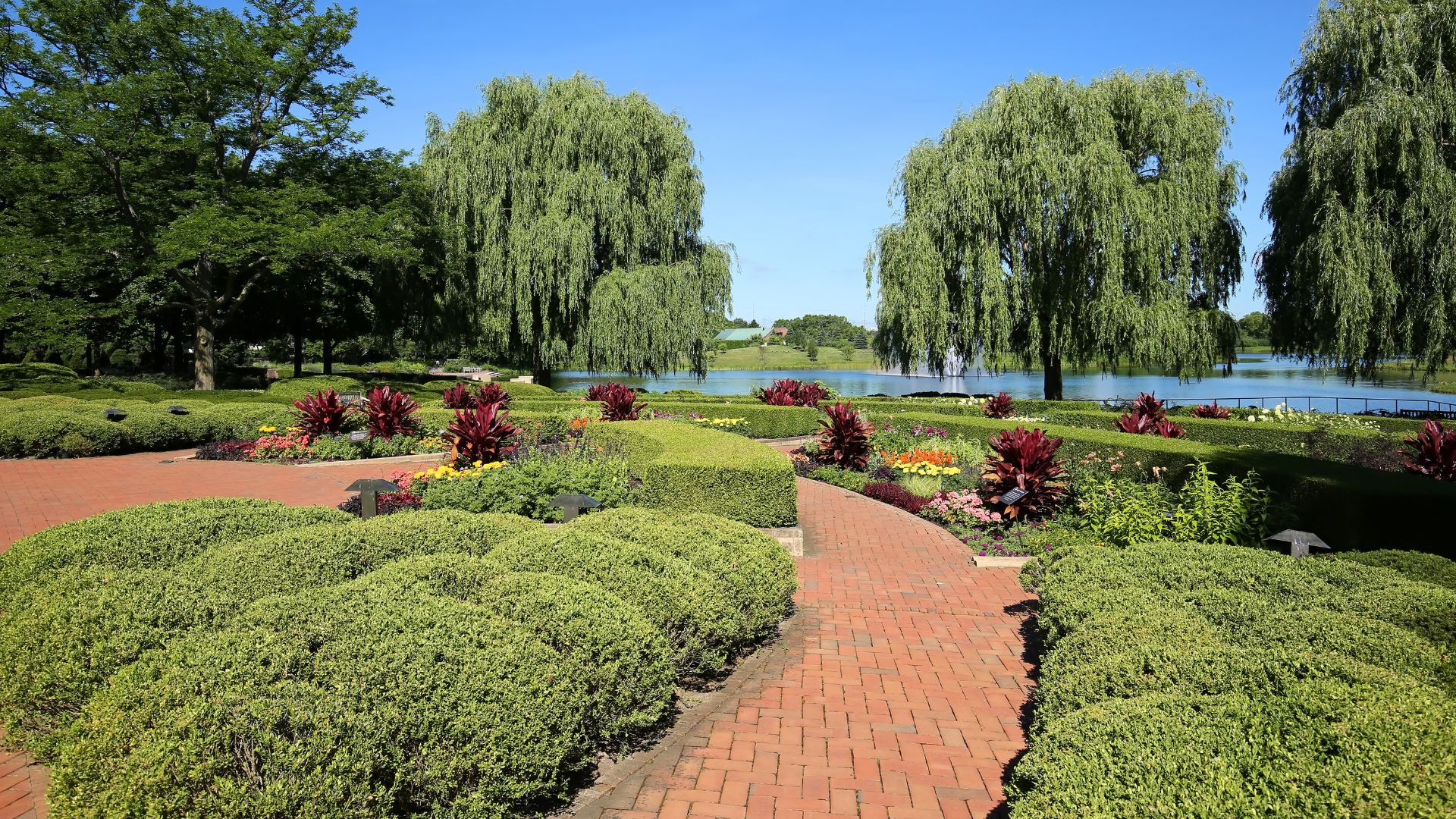
Up in Glencoe, just north of Chicago, the Chicago Botanic Garden stretches across 385 acres. You’ll wander through 27 display gardens on nine islands, all linked by bridges and winding paths.
Since opening in 1972, the garden has grown into a major conservation hub. There are six miles of lakeshore to explore, with over 2.7 million plants showing off in different garden styles and ecosystems.
Springtime means tulips, daffodils, and cherry blossoms light up the grounds. Five natural areas—including the Dixon Prairie and Mary Mix McDonald Woods—highlight native Illinois plants in their element.
More than a million visitors show up each year. It’s easy to spend hours wandering and still not see everything. Japanese, English, and rose gardens are just a few of the 27 unique spaces.
Nestled within the Cook County Forest Preserves, the garden is only about 30 minutes from downtown Chicago. It’s both a public oasis and a plant research powerhouse.
6) Desert Botanical Garden, Arizona
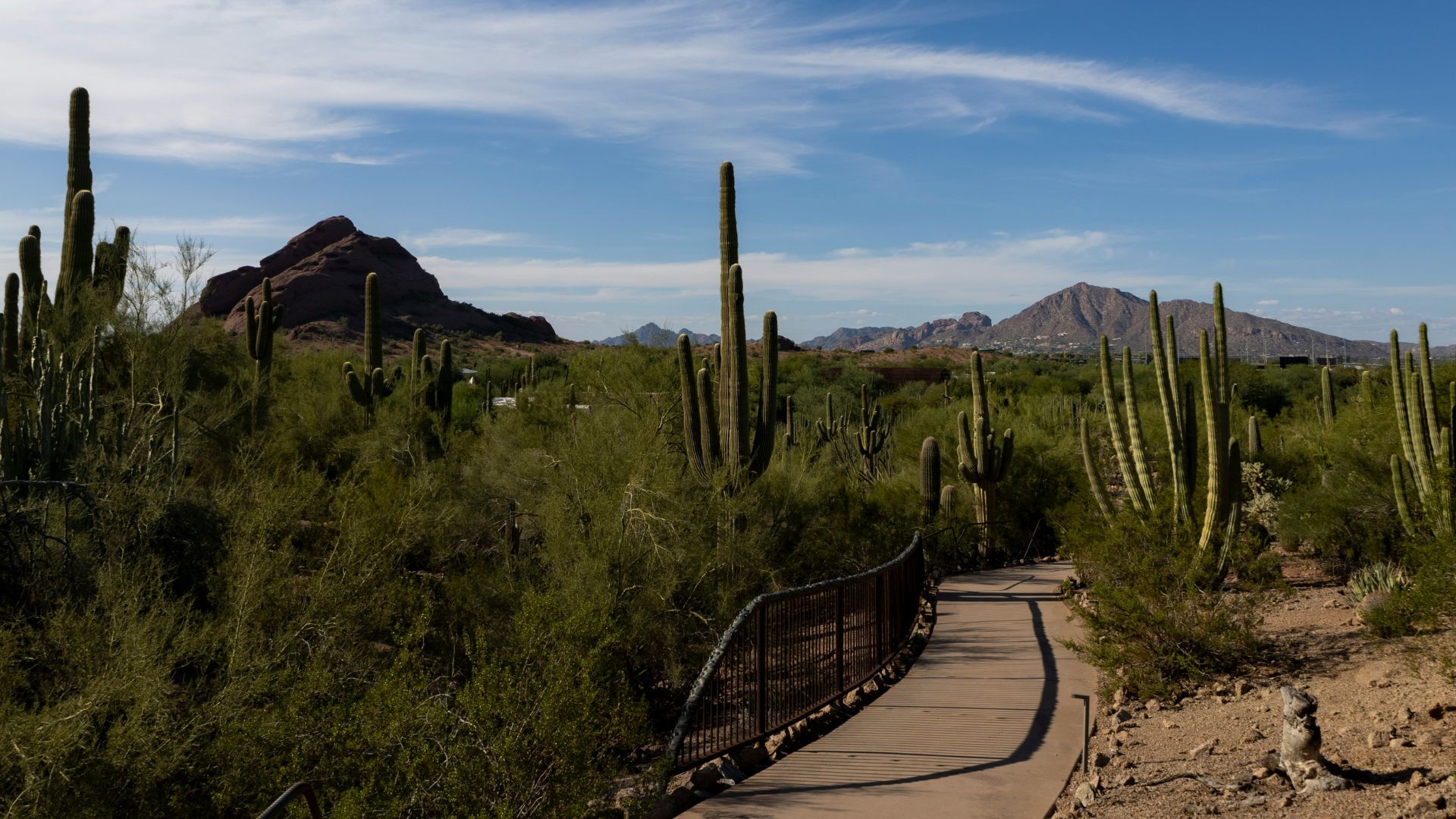
Tucked into Phoenix’s Papago Park, the Desert Botanical Garden covers 140 acres and celebrates desert life. Over 50,000 plants from arid regions all over the world call this place home.
You’ll spot more than 4,000 different plant species, with a third native to the region. The garden opened at its current spot in 1939 after its founding in 1937.
Five themed trails lead you through the wonders of desert life. You’ll learn about conservation, desert living, and how people and plants thrive in the Sonoran Desert. Displays of desert wildflowers add bursts of color.
The American Association of Museums accredits this garden. The focus here is on plants that have mastered surviving with little water. Cacti, succulents, and other tough species thrive outdoors.
The Sonoran Desert’s red rocks give the garden a dramatic flair you won’t find in traditional green spaces. You can join a guided tour or just wander at your own pace.
7) Huntington Botanical Gardens, California
Just outside Los Angeles in San Marino, the Huntington Botanical Gardens sprawl across 120 acres. There are over 15,000 plant varieties, all arranged into more than 15 themed gardens.
The Desert Garden stands out as one of the oldest and largest collections of cacti and succulents in the world. Henry Huntington himself started collecting these extreme-environment plants. The property also includes a research library and art museum on 207 lush acres.
Spring is perfect for strolling through the gardens. Honestly, you’ll want more than a couple of hours—there’s just so much to see. The botanical gardens opened in 1919 and still serve as a research center and public retreat.
Each themed garden brings together plants from around the world. Grab a snack at the tea room or pop into the art museum between garden walks. The variety and thoughtful design make this a spring highlight.
8) Missouri Botanical Garden, Missouri
In St. Louis, the Missouri Botanical Garden covers 79 acres and stands as one of America’s oldest. Henry Shaw founded it in 1859 after a trip to Britain’s famous gardens.
You’ll find over 51,000 plants here. The garden’s herbarium holds North America’s second largest collection, with more than 7.5 million specimens.
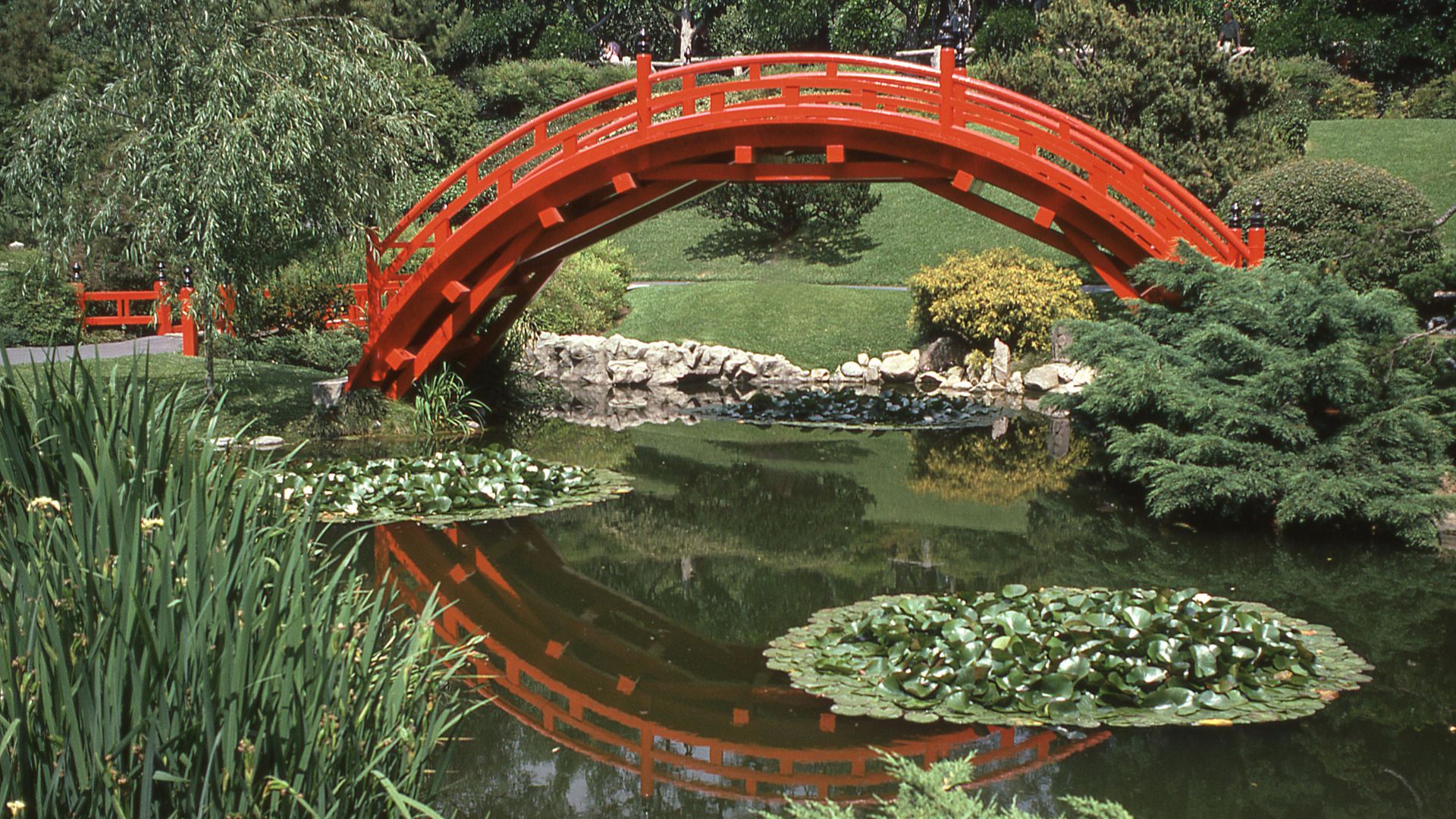
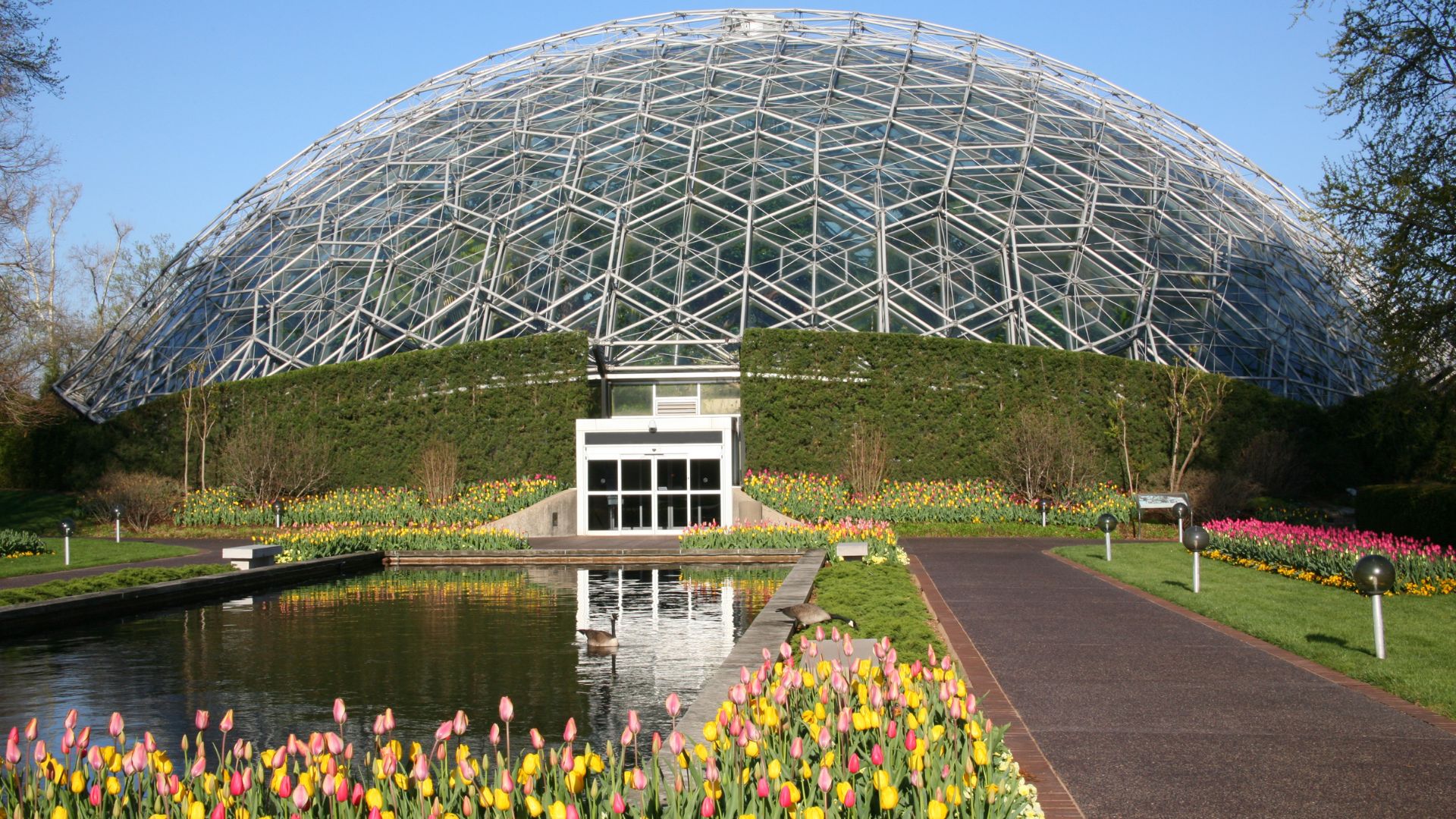
The 14-acre Japanese Garden is a crowd favorite. The Climatron, a geodesic dome greenhouse, shelters 1,400 species of tropical plants. This place really holds its own against European gardens.
The garden leads research and conservation efforts for rare and endangered plants. More than 750,000 visitors come each year.
Heads up: the garden only takes cashless payments, so bring a card. Locals in St. Louis City or County can get in free on Wednesdays and Saturdays from 7 a.m. to noon. Early birds can walk the grounds from 7 to 9 a.m. those days.
9) Atlanta Botanical Garden, Georgia
Right in Midtown Atlanta, you’ll stumble upon 30 acres of diverse plant collections next to Piedmont Park. The garden mixes native Georgia plants with tropical conservatories.
The award-winning Children’s Garden makes it a hit for families. Don’t miss the Storza Woods, where the Canopy Walk lets you stroll above the trees.
The 25-foot Earth Goddess sculpture, crafted from living plants, is one of Atlanta’s most Instagrammed spots. Inside the conservatory, tropical plants bring color all year long.
What really sets this garden apart is the variety. Collections range from familiar southeastern blooms to exotic species you’d never expect in Georgia. The garden opens Tuesday through Sunday from 9 a.m. to 3 p.m.
Special events and evening programs pop up throughout the year. The garden’s mission is all about display, education, conservation, and research. Spring brings fresh blooms to every corner of the property.

10) Powell Botanical Gardens, Kansas
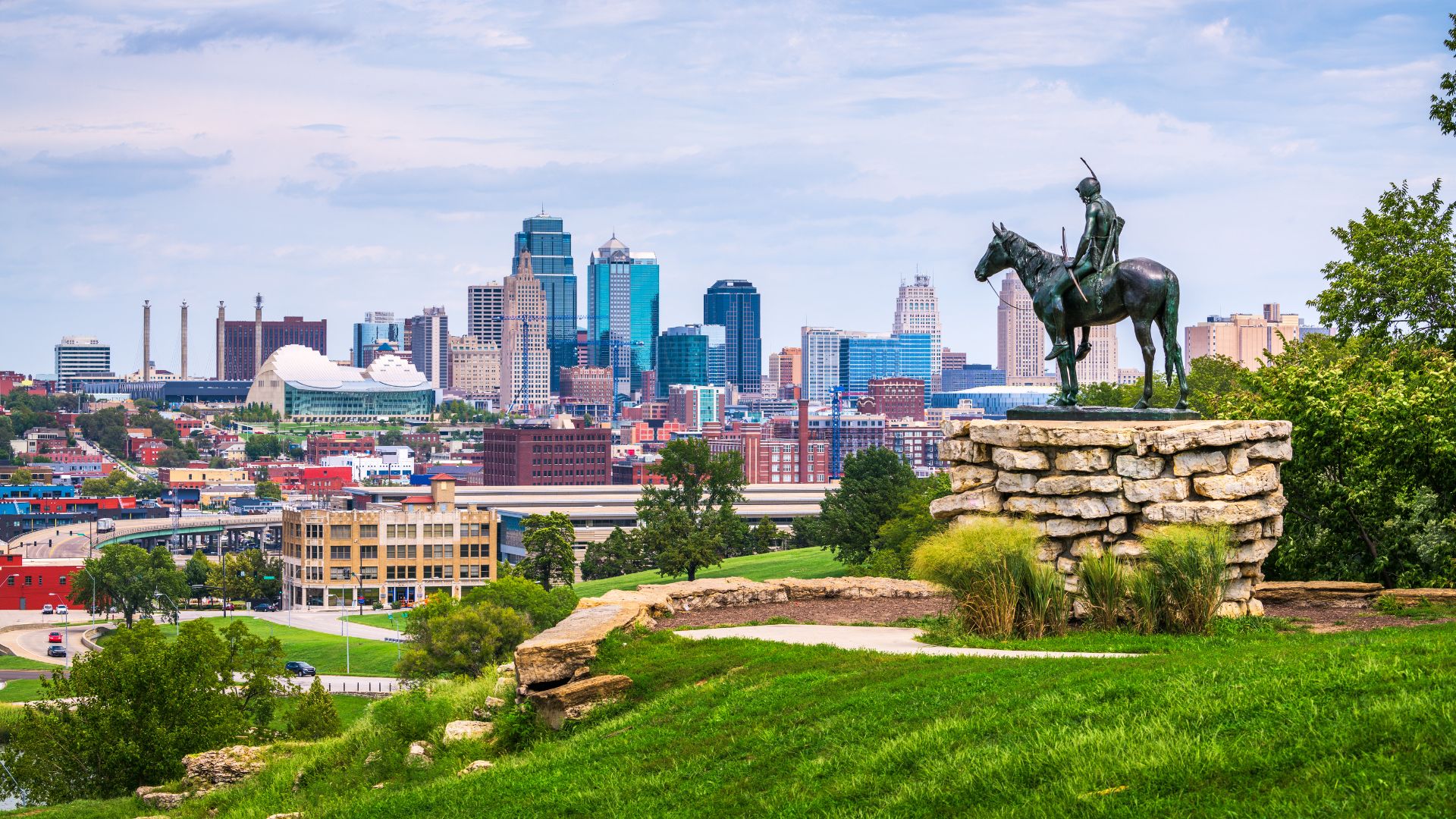
Powell Gardens sprawls across 970 acres of rolling hills and meadows, about 30 miles east of Kansas City in Kingsville, Missouri. It’s the main botanical garden for Kansas City, and honestly, it feels like a hidden gem out there.
Wandering through, you’ll notice several distinct areas to explore. The Heartland Harvest Garden really stands out—it’s the largest edible landscape in the country, covering 12 acres.
You can stroll along display gardens, wander nature trails, or just soak up the native tall grass prairie plants that once dominated the Midwest. Sometimes I lose track of time just admiring the wildflowers and the wide-open skies.
Seasonal festivals and themed displays pop up throughout the year, so there’s always something new. Families can join educational classes or special events, which is a nice touch if you’re traveling with kids.
The architecture scattered across the grounds adds a cool visual twist. Prairie grasses and native flowers wave in the breeze, reminding you what this region looked like before cities took over.
Powell Gardens celebrates the natural heritage of the Midwest. If you visit in spring, you’ll catch the botanical collections waking up after winter.
With so much space, you can wander for hours and still find quiet corners—no crowds, just the sound of birds and wind.
What Makes U.S. Botanical Gardens Stand Out
When you visit botanical gardens in the U.S., you’ll notice they do things a little differently. These places don’t just show off rare plants—they invite you to experience landscapes from all over the country, sometimes all in one afternoon.
Unique Plant Collections and Native Species
American gardens love to show off plants from wildly different climate zones. Where else can you see desert cacti, tropical orchids, and temperate forest trees in one place?
Plenty of gardens dedicate space to preserving native North American species. You might spot endangered plants here that you won’t see anywhere else. These collections help protect genetic diversity and give scientists a living laboratory.
Each garden reflects its own region. Arizona’s gardens look nothing like those in Pennsylvania or Florida, so every visit feels fresh and local. Honestly, that’s half the fun.
Some places maintain more than 10,000 plant species. They swap seeds and plants with partners around the globe, building collections that double as research resources for plant biology and climate adaptation.
Visitor Experience and Seasonal Displays
Spring is a showstopper. Some gardens plant 100,000 tulips (yes, really) just for the season. You can wander through butterfly gardens, Japanese landscapes, or themed outdoor rooms that change with the months.
Most gardens offer hands-on workshops and learning programs. You might join a class on plant ID, gardening basics, or sustainable landscaping. I love when volunteers lead free guided tours—they always share little stories you won’t find on signs.
Paths are usually accessible, with benches and shaded spots for breaks. Clear signage helps you find your way, and seasonal events like plant sales or concerts add extra reasons to visit.
Interactive exhibits make things fun. Touch gardens let you feel different leaves, while scent gardens fill the air with fragrance. Kids’ areas often feature educational activities and spaces to explore—my nieces never want to leave.

Sustainability and Conservation Efforts
U.S. botanical gardens don’t just look pretty—they lead the way in green practices. Solar panels, rainwater collection, and energy-efficient greenhouses are becoming the norm.
The U.S. Botanic Garden and the American Public Gardens Association support 26 public gardens focused on urban agriculture and food education. These programs teach communities how to grow food sustainably.
Conservation happens right before your eyes. Staff raise endangered plants and return them to wild habitats. Seed banks preserve plant genetics for the future.
Many gardens team up with universities to study how plants adapt to climate change. They test which species can handle shifting conditions, helping us predict what might happen to ecosystems down the road.
Planning Your Spring Visit
Spring at U.S. botanical gardens is magic, but a little planning goes a long way. Blooms peak at different times depending on where you are, and each garden offers its own twist.
Best Times to See Peak Blooms
Most botanical gardens hit their spring bloom peak between late March and early May. In warmer spots like Florida’s Fairchild Tropical Botanic Gardens, blooms often peak in March.
Mid-Atlantic gardens such as Longwood usually put on their best show in mid-April. Head north and you’ll see peak blooms from late April into early May.
Always check the garden’s website or social media for real-time bloom updates before you book. Weather can move things up or delay them—a warm winter might start the show early, while a cold snap can push it back.
Regional Bloom Timeline:
- South (Florida, Georgia): March to early April
- Mid-Atlantic: Mid-April to early May
- Northeast: Late April to mid-May
- Pacific Northwest: April to early May
Most gardens post weekly updates during spring, so you’ll know exactly what’s blooming.

Tips for Families and Garden Enthusiasts
Arrive within the first hour of opening for fewer crowds and the best morning light. Weekday mornings are usually quieter than weekends.
Bring water, sunscreen, and comfy walking shoes. These gardens are huge—some cover 50 to 100 acres or more.
If you’re visiting with kids, pack snacks. Many gardens have cafes, but some allow picnics in designated spots (always check first).
Photography fans should bring a macro lens for close-ups. Early morning dew can make for stunning shots, but tripods might be restricted in busy areas.
Buy your tickets online ahead of time. Popular gardens often sell out on peak bloom weekends. Members can get perks like free admission or early entry.
Frequently Asked Questions
American botanical gardens put on spring displays that rival anything in Europe. You’ll see everything from tropical plants to native wildflowers, depending on where you go.
Longwood Gardens in Pennsylvania is famous for its spring bulb displays. Thousands of tulips and daffodils bloom across its 1,077 acres.
The New York Botanical Garden shines in spring with cherry blossoms and magnolias. Its 250 acres mix curated gardens and native plant collections.
Fairchild Tropical Botanic Garden in Florida puts on a show with tropical plants and a butterfly conservatory that’s especially lively this time of year.
US gardens are typically much larger than Dutch ones. Longwood Gardens, for example, covers over 1,000 acres, while Keukenhof in the Netherlands has about 80 acres.
American gardens show off more climate zones and plant varieties. You can see tropical collections in Florida and desert plants in Arizona—all during the same spring.
Dutch gardens focus on tulips, while U.S. gardens mix tulips with native plants, Japanese gardens, orchids, and tropical species you won’t find in the Netherlands.
Longwood Gardens in Kennett Square, Pennsylvania, topped USA Today’s 2025 rankings. The historic fountains, massive conservatory, and meadow gardens are unforgettable.
The United States Botanic Garden sits near the Capitol in Washington D.C. Admission is free, and you’ll see rare plants and seasonal displays right in the city center.
Chicago Botanic Garden in Illinois spreads across 385 acres, with 27 gardens and four natural areas. Highlights include a Japanese garden, rose garden, and plenty of native plants.
New England Botanic Garden at Tower Hill in Massachusetts won Newsweek’s 2025 reader’s choice award. It’s 171 acres of woodland trails and formal gardens—perfect for a relaxed stroll.
The United States Botanic Garden opened in 1820, making it one of the oldest in North America. Congress set it up to showcase plants collected on early expeditions.
Longwood Gardens traces its roots back to 1700, when Quaker farmers planted the first trees. Pierre S. du Pont bought the property in 1906 and turned it into the world-class garden we see today.
The New York Botanical Garden started in 1891 and is now a National Historic Landmark. Its Enid A. Haupt Conservatory, built in 1902, remains one of the largest Victorian-style glasshouses in the country.
Top gardens stand out for their huge, diverse plant collections. The best ones keep thousands of species in multiple specialized areas.
Educational programs and research centers add real value. Chicago Botanic Garden, for instance, runs a plant science research center and offers classes for all ages.
Unique attractions—conservatories, water features, themed gardens—make visits memorable. Longwood Gardens even puts on computer-controlled fountain shows with music and lights.
Accessibility and visitor amenities matter, too. Free admission at the United States Botanic Garden makes it easy for everyone to visit when they’re in D.C.
Fairchild Tropical Botanic Garden boasts the largest collection of palms and cycads outside their original habitats.
Honestly, you just won’t spot these lush tropical plants thriving outdoors in the Netherlands—the climate there simply doesn’t allow it.
Head out west, and you’ll stumble upon desert botanical gardens in Arizona and California.
They highlight cacti and succulents that would never make it through a Dutch winter. It’s almost like stepping into an entirely different world, one you just won’t see anywhere in Europe.
Over in New York, the Botanical Garden curates some seriously rare orchid species in carefully controlled environments.
Their collection features orchids from South America, Asia, and Africa, all needing very specific temperature and humidity levels to survive.
And then there’s the Chicago Botanic Garden, where you’ll find native plant collections that celebrate the Midwest’s prairies and woodlands.
These species developed in North American ecosystems, adapting to unique soil and weather conditions you just won’t find in Europe.
