
Planten un Blomen is easily my favorite green oasis in the heart of Hamburg. Whenever city life gets overwhelming, I slip away to this park for a breather. It’s right in the center, so hopping in for a stroll or a lazy picnic feels effortless.
The Japanese garden here? It’s honestly one of my top spots. I’ll wander the winding paths, stop by the still ponds, and sometimes even catch a tea ceremony if I’m lucky. There’s also this tropical greenhouse that I can’t resist, especially when the weather outside is gray and chilly—it’s like a mini vacation.
At night, the park transforms. The water light concerts draw everyone out—families, couples, people just passing through. There’s something magical about watching fountains dance with color under the night sky. No matter what mood I’m in, Planten un Blomen always has a way of helping me hit reset.
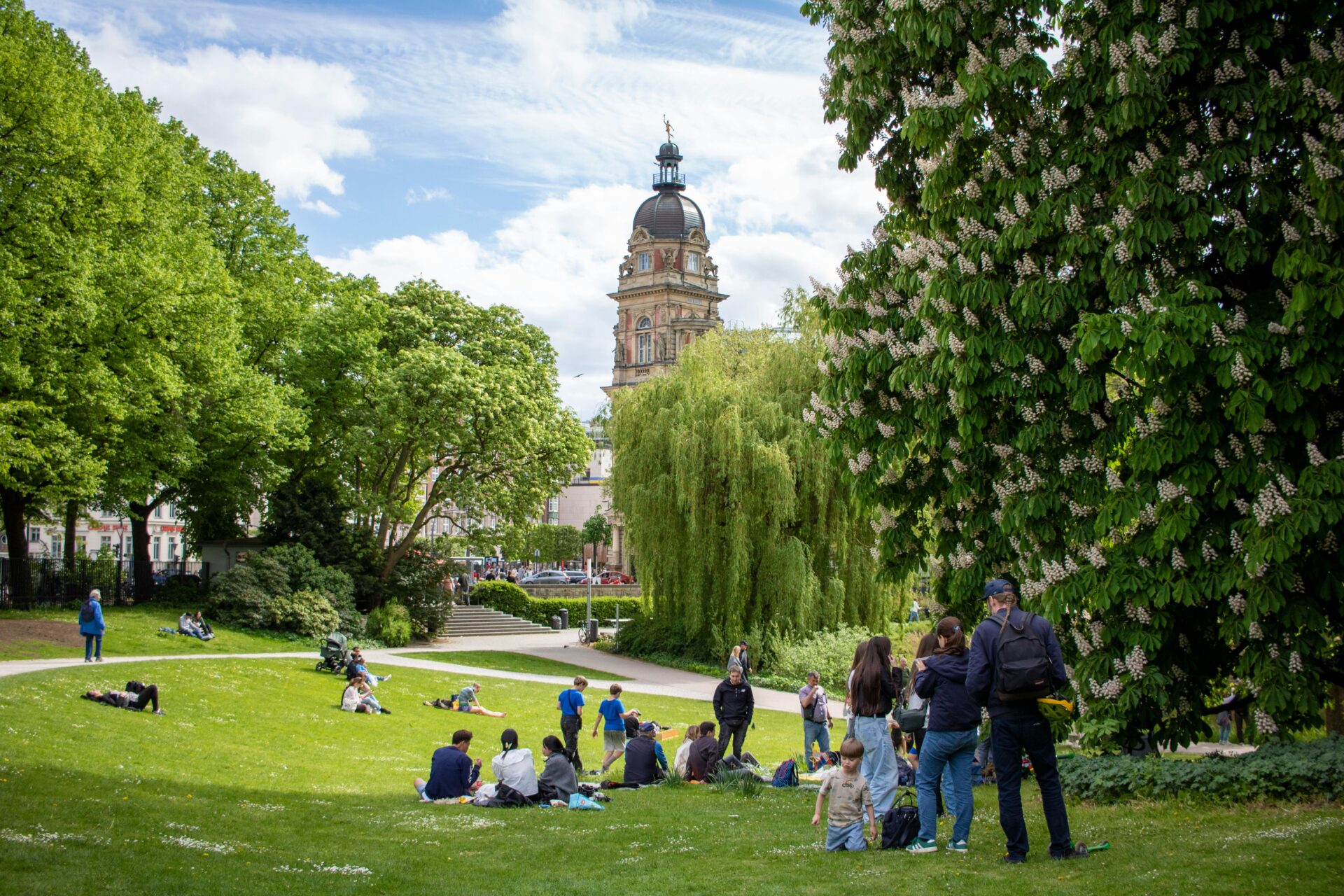
Planten un Blomen Park: Hamburg’s Green Oasis
Planten un Blomen covers a big chunk of central Hamburg. For me, it’s the perfect escape when I need some quiet or just a change of scenery.
Getting here couldn’t be simpler, and I love how the park’s history weaves into the city’s story.
Location and Accessibility
You’ll find the park right in the city center, not far from the St. Pauli district. I can walk to the Congress Center or even reach the Elbphilharmonie and Elbe River in half an hour.
Its central spot makes it Hamburg’s “green lung.” I’m always grateful for that.
Most of the paths are wide and flat, so it’s easy for everyone—whether you’re pushing a stroller or using a wheelchair. Multiple entrances make popping in and out a breeze.
Signs in both German and English point the way. I often see people lounging on benches or picnicking in the grass.
Table: Main Entrances and Nearby Landmarks
| Entrance | Nearby Landmark |
|---|---|
| Marseiller Straße | Congress Center Hamburg |
| Stephansplatz | Gänsemarkt Shopping Area |
| Sievekingplatz | Hamburg Courthouse |
Entry is free, and the park opens daily. I’ve never had trouble visiting early or catching a sunset in summer.

History and Significance
Planten un Blomen has welcomed the public since 1935, but its roots run even deeper. The name means “Plants and Flowers” in Low German, which fits perfectly.
I’m always amazed by the variety here—from themed gardens to ancient trees and wide lawns. The park hosted the International Horticultural Exhibition in 1953 and 1973, events that really shaped what you see today.
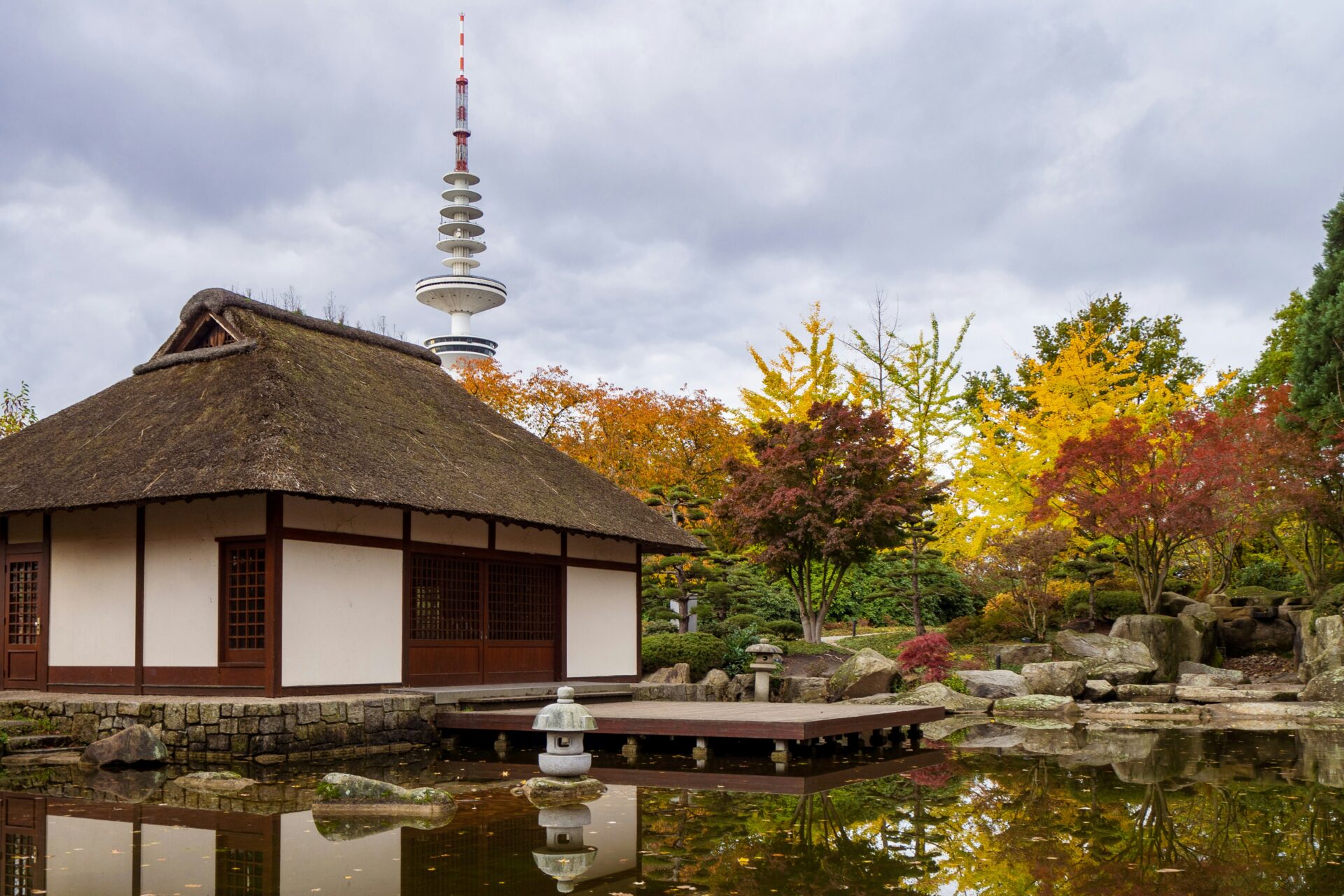
They added the Japanese Garden in 1990, and now it’s the biggest one in Europe. Each section has its own flavor and tells a bit of Hamburg’s tale.
Locals and visitors both love this place. It’s a “hidden gem” for anyone looking to relax, catch an event, or just sit by a quiet pond. As Hamburg grows busier, the park feels even more precious.
Public Transportation and Getting There
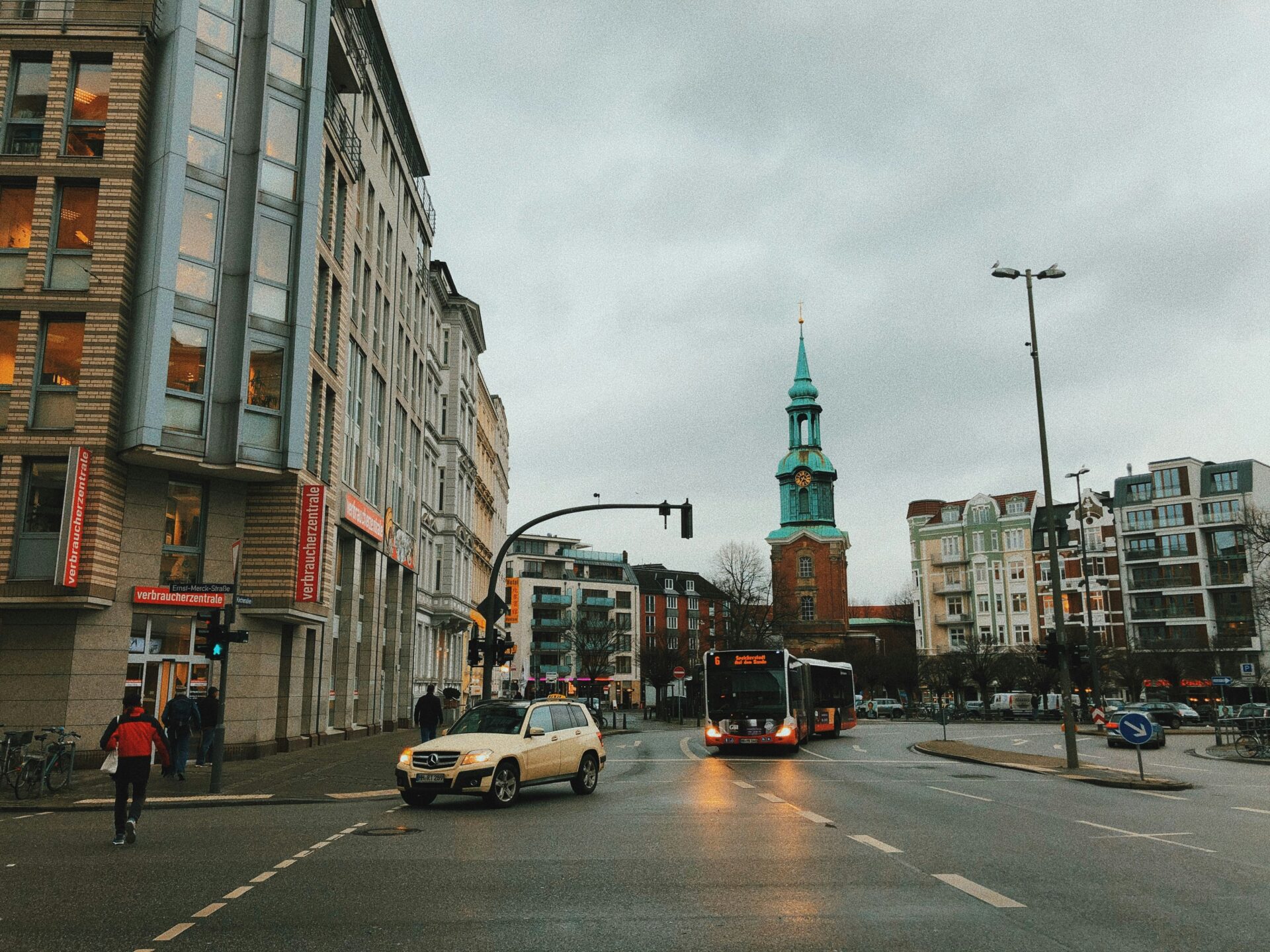
Honestly, getting to Planten un Blomen is a breeze. The U2 and U3 subway lines drop me off close by—Stephansplatz and St. Pauli stations are especially handy.
Buses stop all around the park, like at Dammtor and Gorch-Fock-Wall. I just pick the station that fits my plans.
Bike lanes lead right to the entrances, and I never struggle to find a rack. If you’re new in town, the HVV system is straightforward, and signs make navigation easy.
Gardens and Themed Spaces
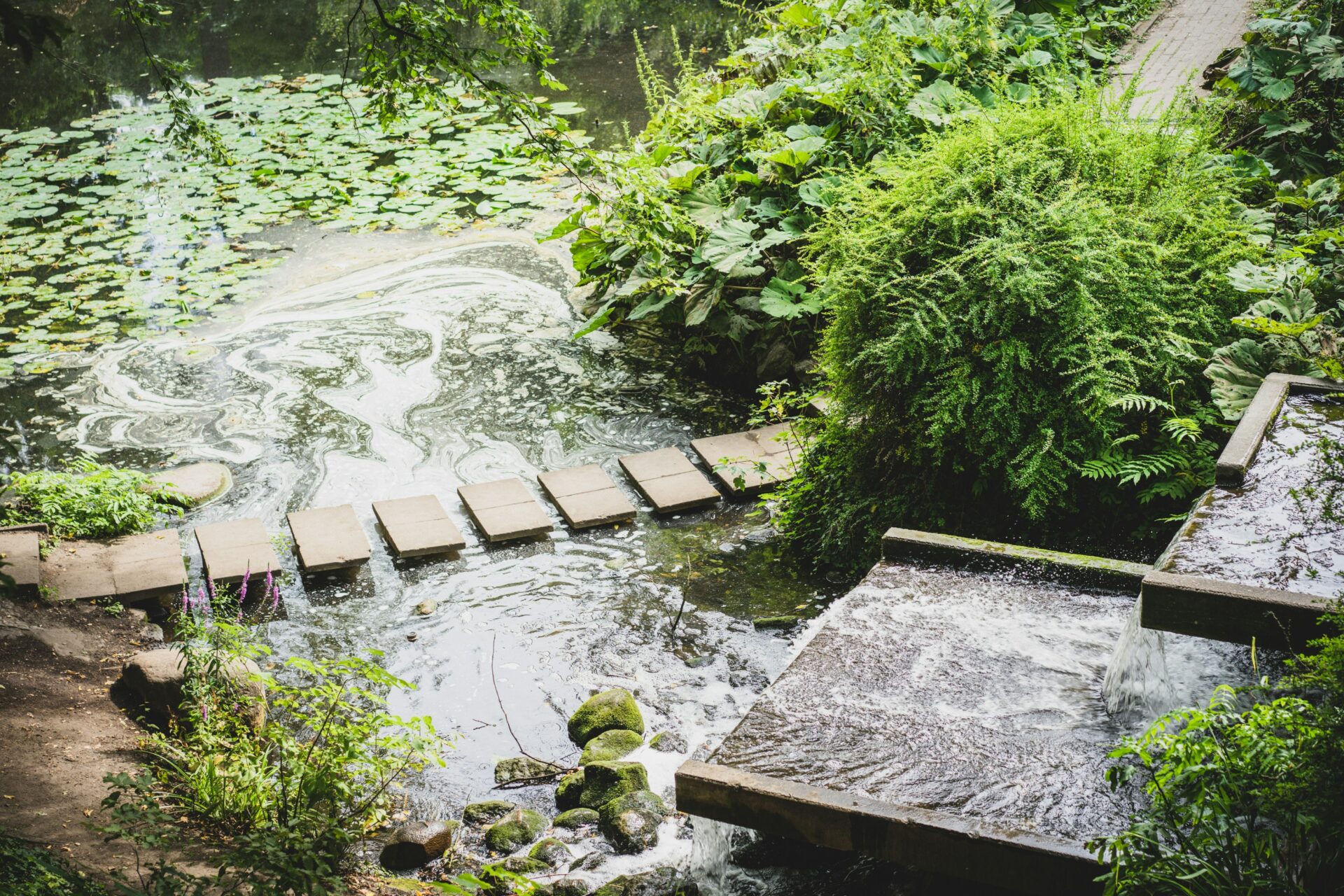
Planten un Blomen is a patchwork of gorgeous spaces. There are peaceful lakes, riotous flower beds, and greenhouses brimming with rare plants.
Japanese Garden and Teahouse
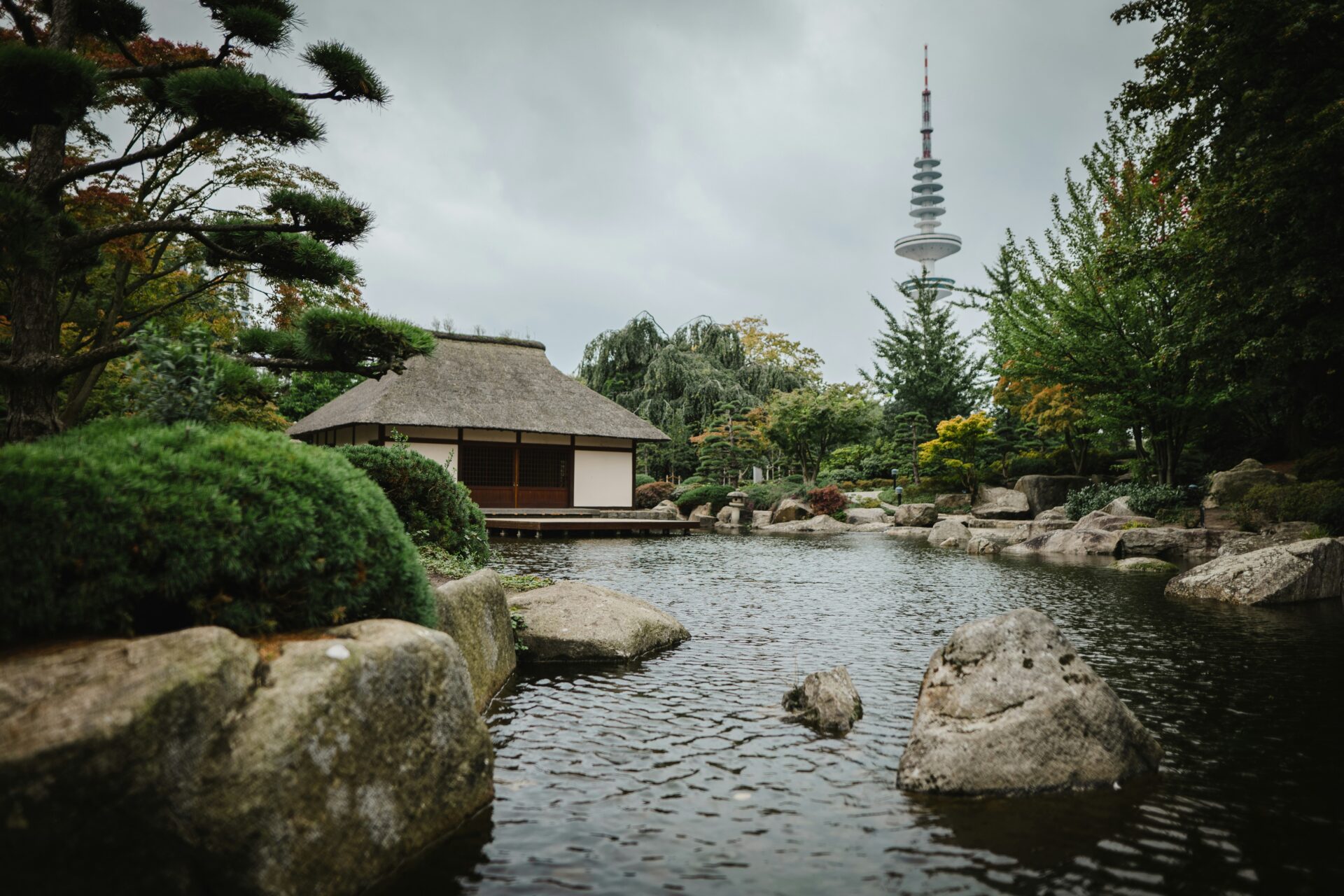
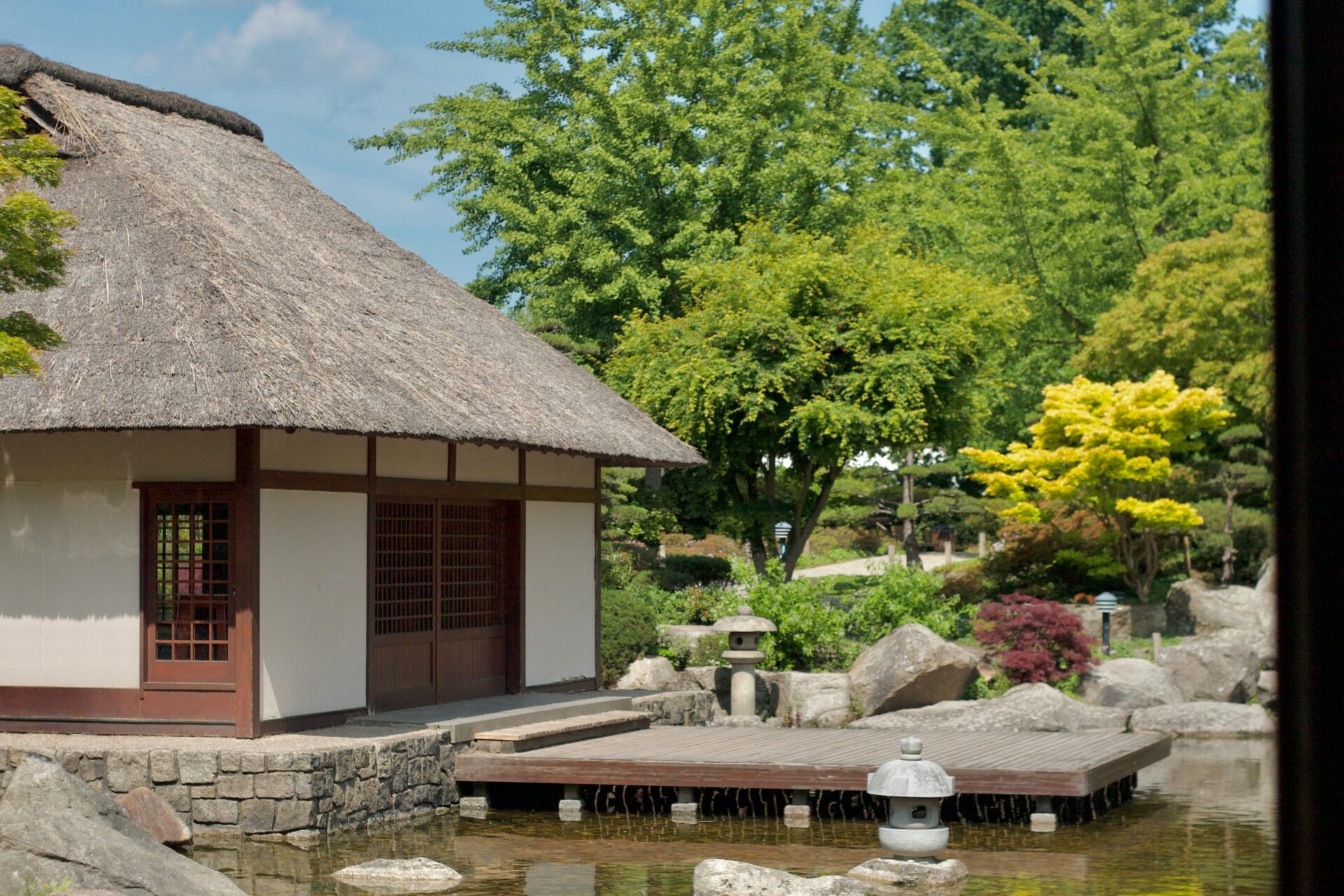
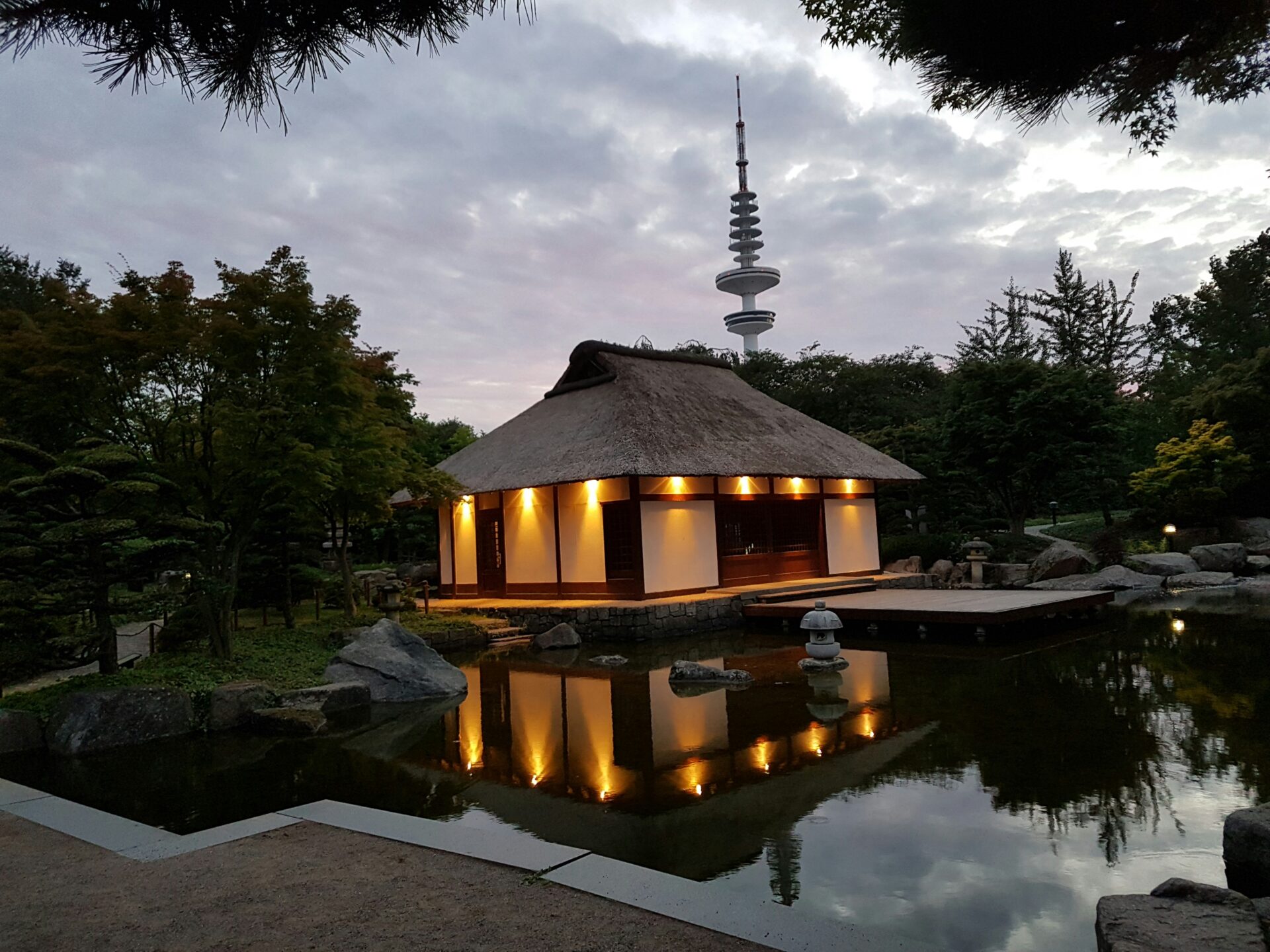
The Japanese Garden here is huge—one of the largest in Europe, actually. Stones, winding paths, little streams, and lush greenery all combine to create a calm, otherworldly vibe.
I love strolling among the pines and azaleas. The koi pond always draws me in.
When it’s warm, the teahouse hosts traditional ceremonies. Visitors can sit on the wooden floor, watch the slow, careful ritual, and sip fresh tea.
Bridges, lanterns, and bamboo fences add to the atmosphere. Sometimes I forget I’m even in Hamburg.
At a Glance:
| Feature | Description |
|---|---|
| Landscape design | Stones, streams, winding paths |
| Highlight | Teahouse, traditional tea ceremonies |
| Signature plants | Pines, azaleas, bamboo |
Rose Garden and Climbing Roses
If you love flowers, the Rosengarten is a must. Wide paths curve between beds of hybrid tea roses and climbing varieties.
In summer, the air fills with their scent. Climbing roses arch over trellises, making tunnels of blossoms.
I like to walk under the arches and soak in all the colors—red, pink, white. Benches are tucked among the blooms, perfect for a little break.
Signs share info about the different roses, which is great if you’re a gardening nerd like me.
Look for:
- Pergolas covered in climbing roses
- Hybrid tea rose beds
- Quiet benches
Botanical and Tropical Greenhouses
By the Old Botanical Garden, you’ll find a network of greenhouses. The tropical greenhouse is my go-to in winter.
Inside, palms stretch overhead, giant leaves crowd the paths, and orchids burst with color. Walking here feels like a quick trip to the tropics.
The humid air and gentle trickle of water make it extra special. Some greenhouses focus on medicinal herbs—the Apothecary Garden teaches you about healing plants from history.
If you’re into botany or just curious, these spaces are packed with cool discoveries.
Notable Collections:
- Tropical rainforest plants
- Orchids and ferns
- Medicinal herbs in the apothekergarten
Mediterranean Terraces and Exotic Plants
The Mediterranean terraces feel like a slice of southern Europe. Citrus trees, olive bushes, and lavender fill the air with their scent.
Terraced flower beds overflow with Mediterranean herbs and bright blooms. I often settle on a sunny bench and just soak it all in.
Raised beds make it easy to get up close to the plants. Every now and then, I’ll spot something rare—palms or other warmth-loving species.
The diversity here always surprises me, especially in Hamburg’s climate.
What to Find:
- Citrus and olive trees
- Lavender and aromatic herbs
- Sun-drenched seating

Water Light Concerts and Cultural Events
Evenings in Planten un Blomen are a treat. Colorful water light concerts, illuminated fountains, and cultural events fill the park with energy.
Magical Water Light Shows
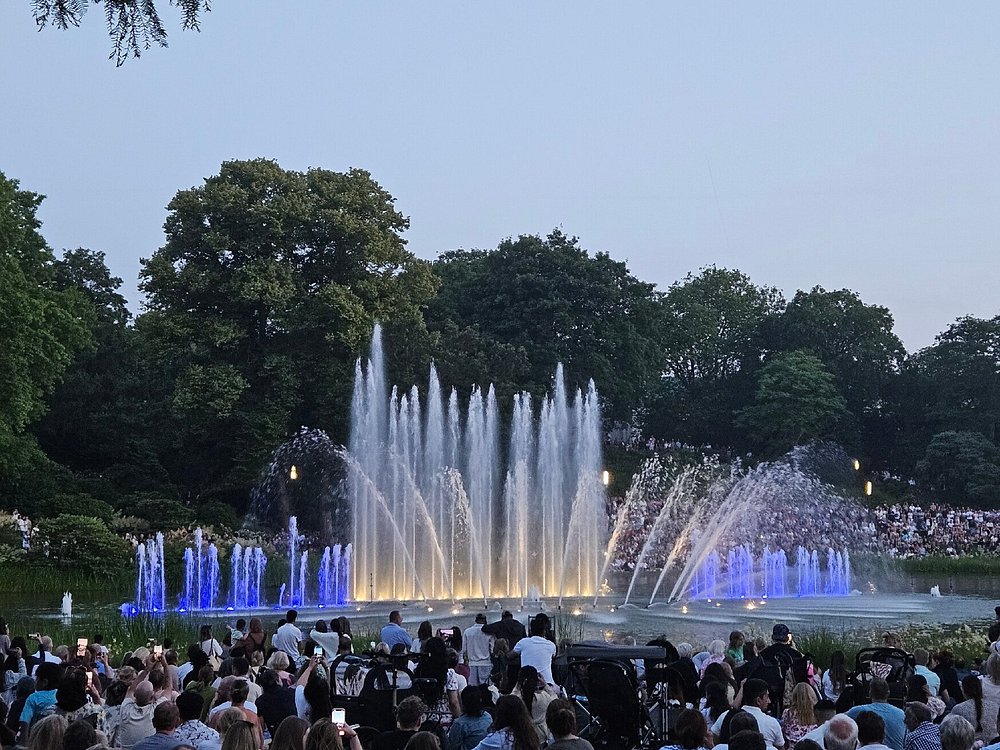
From May to August, I love catching the Water Light Concerts by the main lake. Classical and modern music blend with dancing water jets and glowing lights.
The shows kick off around 10 p.m. and don’t cost a thing. People gather on the lawns with blankets and snacks.
Sometimes I spot photographers trying to capture the perfect shot. The music lineup changes every few weeks—one night it’s “Pomp and Circumstance,” another night it’s something inspired by Japan.
The way the water and lights sync with the music always amazes me.
Tip: For the best view, grab a spot near the lake’s center or along the main footpath. Arriving a bit early helps, especially on weekends.
Illuminated Fountains
The illuminated fountains really steal the show at night. Water jets soar up to 50 meters, changing colors with every note.
The water moves with the rhythm, sometimes bursting high, sometimes swirling in glowing patterns. This tradition goes back to 1938, though they’ve modernized the tech.
Watching the water organ at work is mesmerizing. The scale is wild—it can move as much water in an hour as a city of half a million people uses.
Even with all that drama, the shows never feel over the top.
Seasonal and Community Events
Planten un Blomen hosts all kinds of events during the warmer months. Musicians and theater groups perform on outdoor stages.
Most events are free, and crowds come from all over Hamburg. Community festivals, open-air movies, and family activities pop up too.
In autumn, I’ve joined lantern walks and sampled local treats from food stalls. The vibe is always welcoming, with something new happening almost every week.
Regulars and first-timers both find plenty to enjoy. It’s a lively, local scene that feels authentic and fun.
Relaxation and Recreational Activities
Planten un Blomen is my go-to for unwinding, but there’s also plenty to do if you’re feeling active. I never run out of things to try, whether it’s a lazy walk or something more energetic.
Leisurely Strolls and Green Spaces
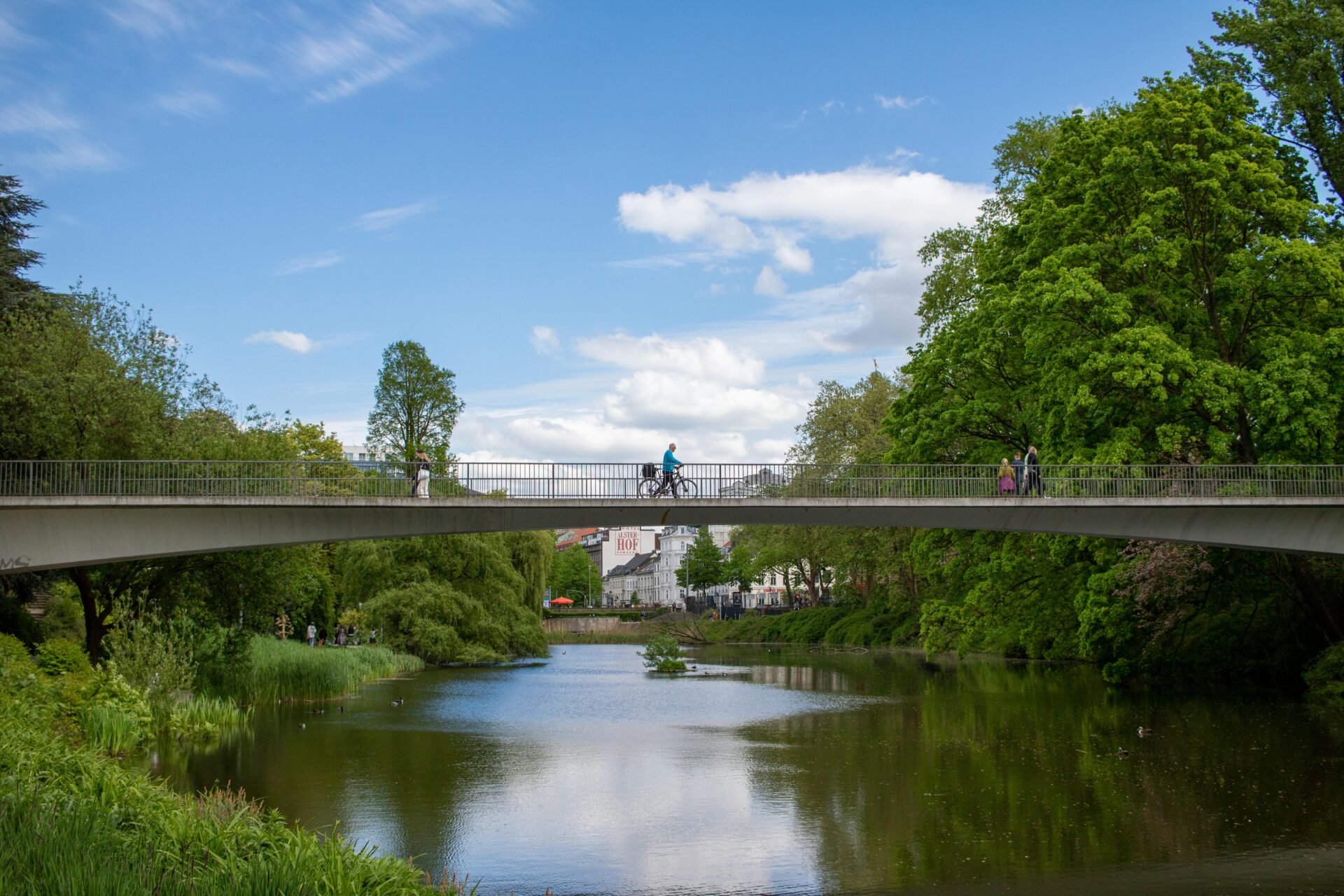
I usually start my visit with a slow walk through the gardens. Wide paths wind past flower beds and open lawns.
The Japanese Garden, with its koi ponds and artfully placed rocks, always puts me at ease. Green spaces invite you to pause, read, or picnic under a tree.
Families and couples often find quiet corners to relax. Signposts and maps help me explore every nook, from water features to tropical greenhouses.
Even when the park is busy, it never feels crowded. There’s always a peaceful spot waiting.
Outdoor Chess and Playgrounds
One quirky feature I love is the giant outdoor chessboards. Sometimes I’ll stop and watch a match, or jump in if I’m feeling bold.
Families flock to the playgrounds, which are modern and safe. Swings, climbing frames, and sandpits keep kids entertained for hours.
Benches circle the play areas, so it’s easy to relax while keeping an eye on things. The blend of play and nature just works.
Ice Skating Rink and Winter Fun
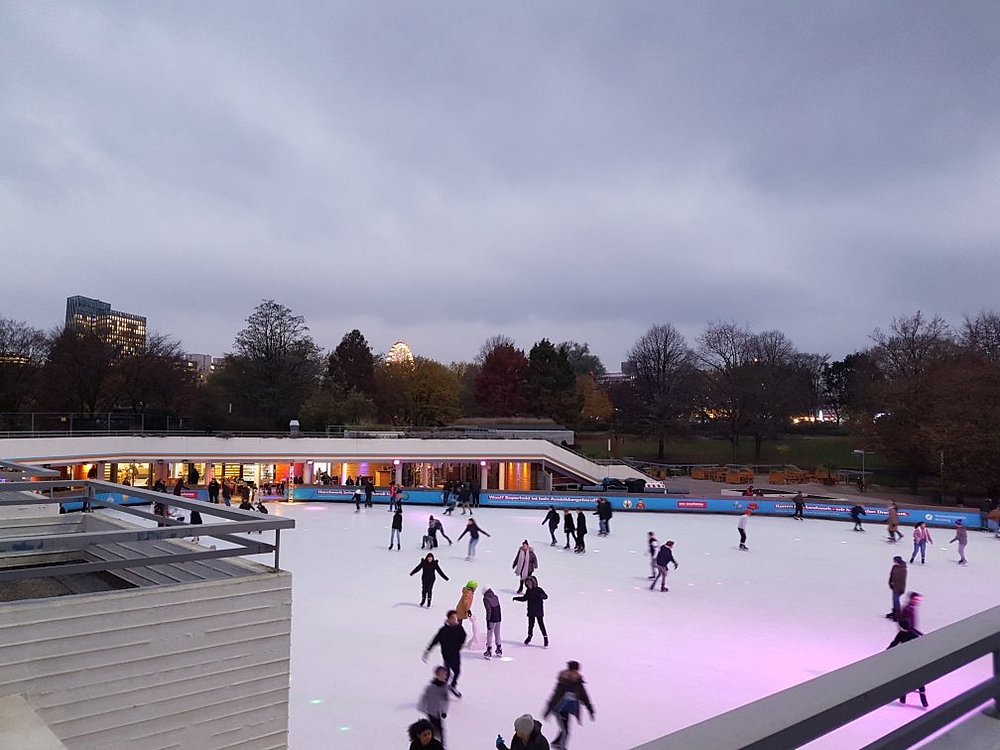
Winter brings a whole new vibe. The ice-skating rink here is one of Germany’s biggest open-air rinks.
Whether you’re a pro or just wobbling around, it’s a blast. You can rent skates, so there’s no need to bring your own.
Bright lights and music make the place feel festive. Families, couples, and groups of friends all come out to skate.
After a few laps, I usually grab a hot drink from a nearby stall. Even on cold days, the rink makes Planten un Blomen a fun destination.
Visitor Information and Practical Tips
Before I head out, I always check the latest on opening hours, entry (which is free!), and any special events. Timing my visit helps me dodge the crowds.
A few simple tips make every visit smoother and more enjoyable.
Opening Hours and Entry Fees
Planten un Blomen opens every day. Most outdoor park areas welcome visitors from 7:00 AM to 11:00 PM in summer.
In winter, the hours shrink a bit, especially for some gardens or the greenhouses. That’s just how it goes with the seasons.
You don’t need to pay an entry fee for the main park. Stroll through the gardens, sprawl out on a lawn, or let the kids loose on the playgrounds—all for free.
Sometimes, the tropical greenhouse or the Old Botanical Garden keep different hours or close for a while. I’ve found it’s best to double-check the official website before heading out, just in case.
If you’re hoping to catch a water light concert or a special event, you’ll want to look up their schedules. I always do this in advance so I don’t miss out.
Best Times to Visit
For a peaceful walk, I usually go early in the morning or after dinner. Weekdays tend to be calmer than the weekend rush.
The park really comes alive in late spring and summer. Flowers explode into color, and those water light concerts? They’re a highlight.
If you’re after the Japanese Garden at its prettiest, cherry blossom season is the magic window. Honestly, the tropical greenhouse is a lifesaver on chilly days; it’s like walking into a warm hug.
When I bring kids, I aim for weekday afternoons—the playgrounds feel less hectic then.
Some spots—like the rose gardens in early summer, or the pond when the water lilies bloom—have their own moments to shine. I keep an eye on the park’s website or local news to time it right. Sometimes you just get lucky.
Tips for Locals and Visitors
I always toss a picnic blanket in my bag—so many grassy spots just call out for a lazy afternoon. Since the park doesn’t allow bikes inside, I usually lock mine up at the nearest stand.
Getting here’s pretty simple. You can hop off at St. Pauli or Dammtor stations, and you’re basically there.
I’ve noticed the signs come in both German and English, which definitely helps me find my way around. The public toilets stay surprisingly clean. If you’ve got kids, you’ll spot a few playgrounds scattered around.
If I’m craving a snack, I make sure to bring some cash. Not every food stand takes cards—learned that the hard way once.
Locals, you might want to swing by early in the morning or squeeze in a quick break at lunch. Visitors, consider tagging along on a guided tour; they’ll walk you through the park’s history and point out some botanical gems.
Whenever I’m here, I can’t help but check the calendar for events. The water light concerts, in particular, always turn an ordinary visit into something memorable.
