
If you love mountain hiking, 2026 is shaping up to be a fantastic year to hit the trails in the United States. I’ve noticed more people flocking to classic spots like Big Sky and Vail, but honestly, the hidden gems are just as rewarding if you’re up for a little adventure.
So, here’s my personal roundup of 14 incredible mountain destinations for your summer hiking dreams in 2026—from the mighty Rockies to the rolling Appalachians. Every spot on this list has its own vibe, trail types, and scenery. Whether you crave alpine peaks, desert ridges, or shaded forest paths, you’ll find something here that fits your mood and skill level.
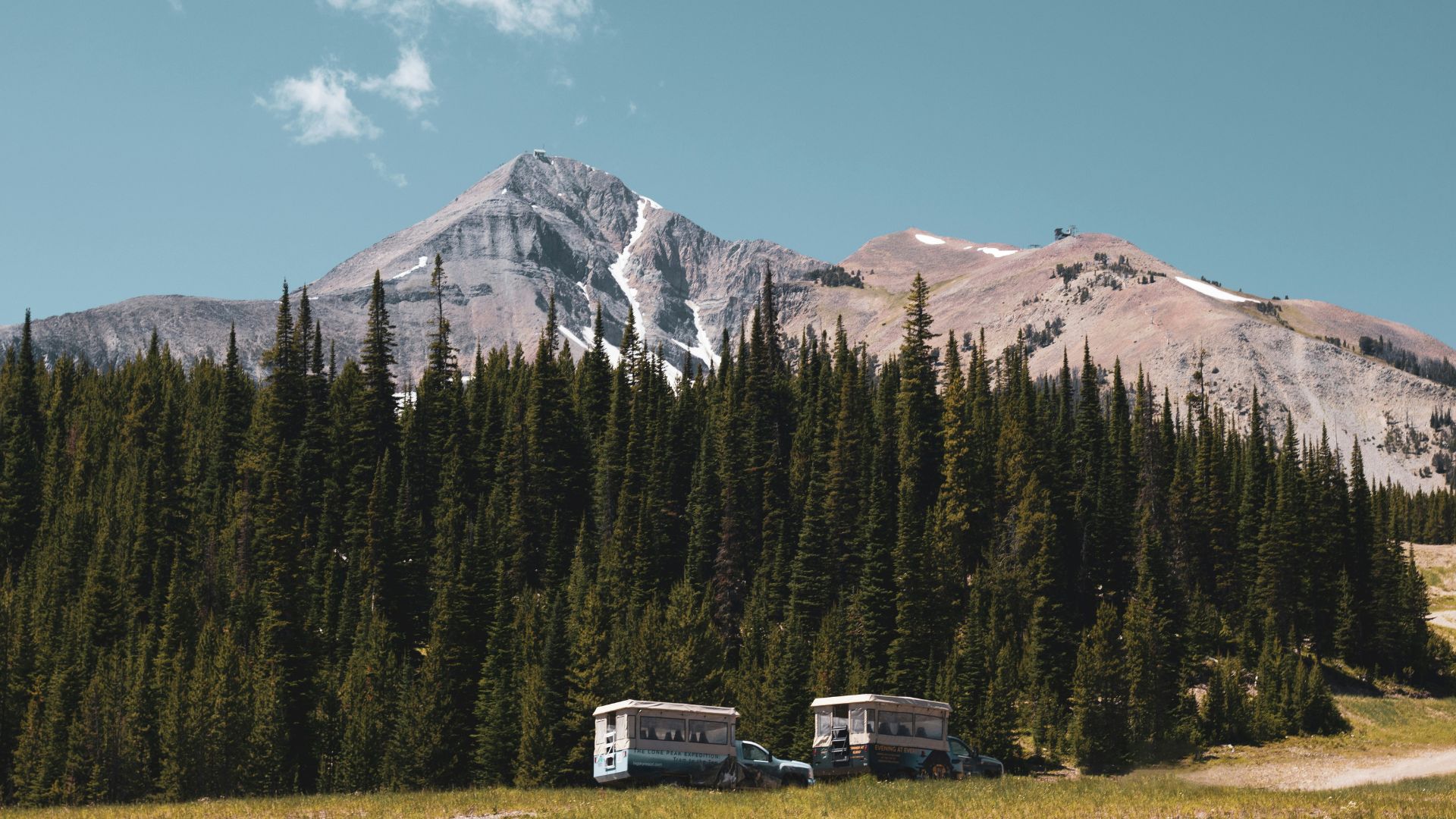
1) Big Sky, Montana – Rocky Mountain Alpine Hikes & Serene Forest Trails
Big Sky sits tucked away in southwestern Montana, just about an hour north of Yellowstone. The place feels wild and open, with over 43 miles of multi-use trails winding through alpine meadows and up into the mountains.
You’ll find trails for every skill level—from gentle forest strolls to heart-pumping climbs. Beehive Basin is a favorite of mine for its wildflowers and jaw-dropping mountain views.
The trail system connects different parts of Big Sky, so you can mix up short outings or go for longer treks. I’ve hiked here in every season, but summer and early fall are when the alpine areas really shine.
Big Sky’s location means you get easy access to trout streams and some wild backcountry. The forests and peaks feel endless, and you’ll spot families, hardcore hikers, bikers, and even the occasional moose sharing the trails.
2) Vail, Colorado – Varied Summer Trails in a Lively Mountain Town
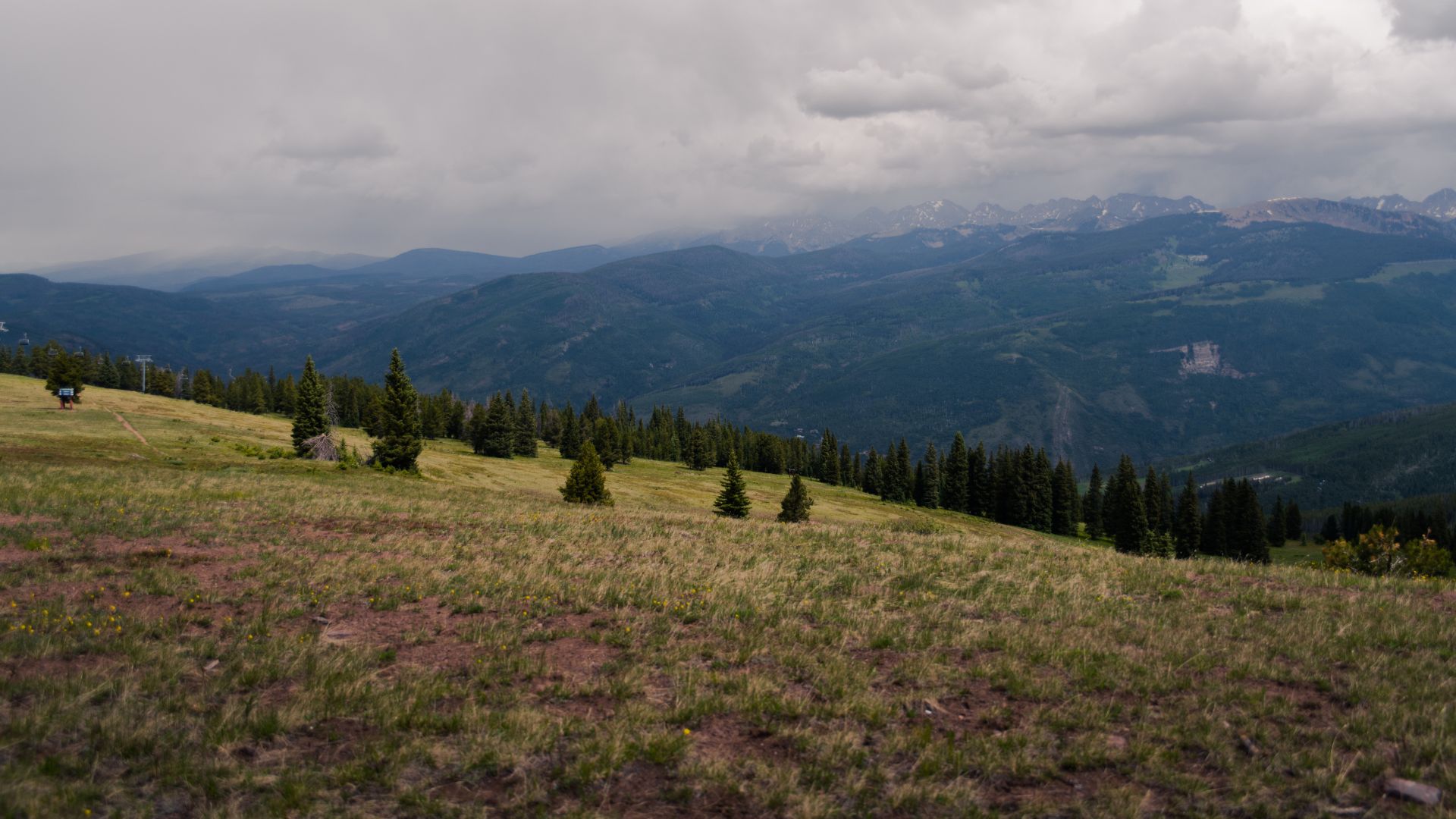
Vail turns into a hiker’s playground once the snow melts. I love how the trails range from easy family walks to challenging climbs that really test your legs.
You can wander along 49 different routes, many leading to alpine lakes and waterfalls. Booth Falls Trail is a crowd-pleaser, ending at a 60-foot waterfall after a steady climb.
Wildflowers explode across the meadows in peak summer. The crisp air and mountain scenery make every hike feel refreshing.
Vail’s not just about hiking. Ride the gondola up for high-elevation trails without the grind, or treat yourself to a good meal in town afterward. The place buzzes with energy, and you can access trailheads right from the village or head into quieter corners nearby.
3) Aspen, Colorado – Scenic Trails, Luxe Comforts & Mountain Dining
Aspen might be famous for its ski slopes, but in summer, the hiking is just as good. There’s a unique blend here—wilderness trails by day, upscale dining by night.
Start your morning on Smuggler Mountain Road for sweeping town views. This 1.5-mile trail stays busy with locals and visitors, and it’s a great warm-up.
Venture deeper and you’ll find trails winding to alpine lakes and golden aspen groves. After hiking, nothing beats grabbing a bite at one of the downtown restaurants or strolling through Aspen’s charming shops.
Summer here runs from June through September, and the trails fill with people chasing mountain views. Whether you’re just out for a walk or looking to push your limits, Aspen delivers.

4) Telluride, Colorado – Wildflower Meadows & Challenging Peaks
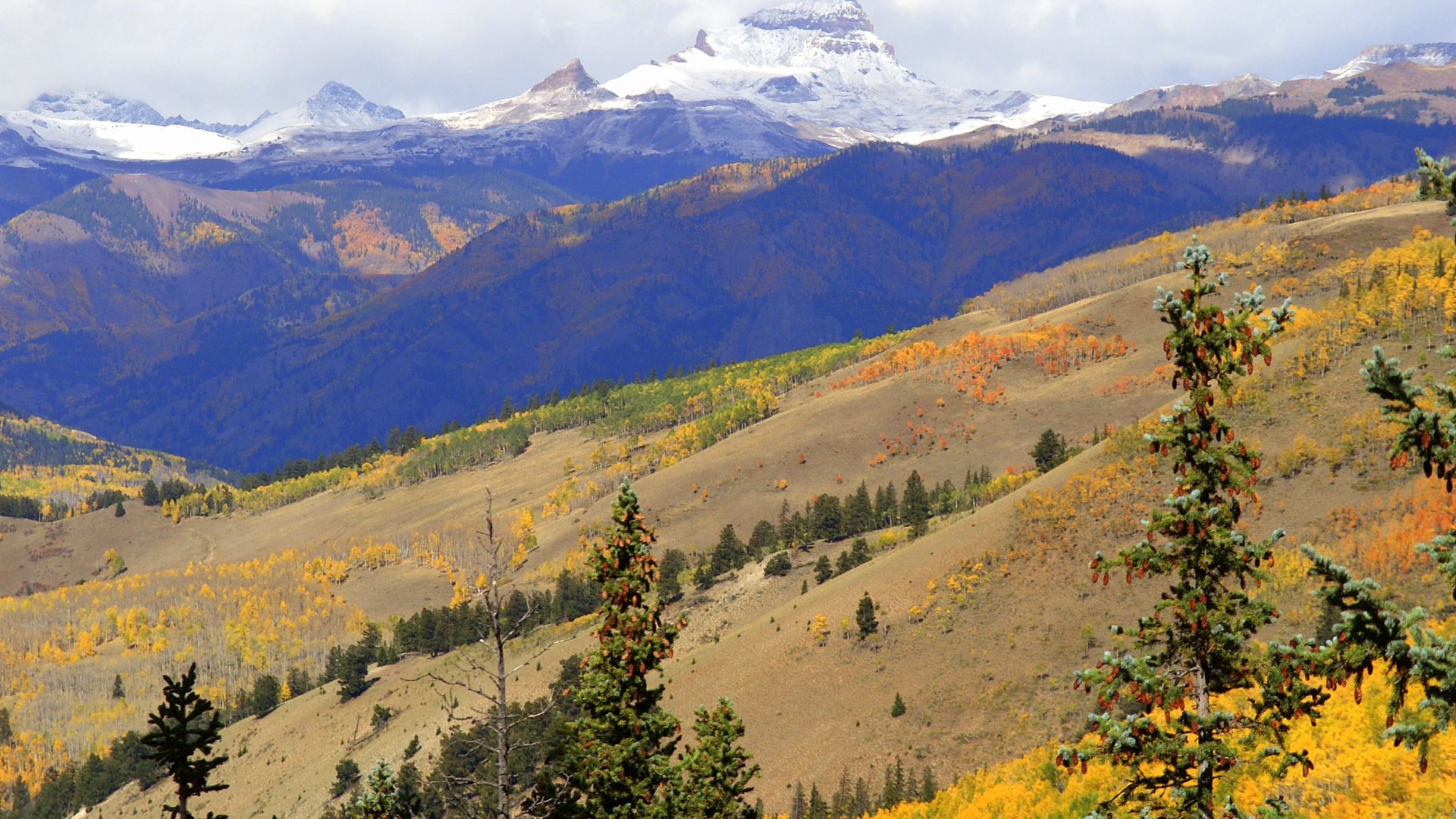
Telluride sits high in the San Juan Mountains, and the vibe feels both historic and adventurous. This former mining town is now a magnet for hikers who crave big climbs and bigger views.
The peaks tower up to 14,000 feet, so you can expect some serious altitude. Trails here get steep and rugged, perfect if you like your hikes with a side of adrenaline.
When summer rolls in, wildflowers blanket the meadows. The colors peak from late June through August, making every step feel like a postcard.
You can base yourself in town for easy access to both mellow valley trails and tough summit routes. The free gondola to Mountain Village opens up even more trailheads.
Summer afternoons often bring thunderstorms, so start early and pack layers. The air stays cool, and crowds are lighter than in other Colorado hotspots.
5) Jackson Hole, Wyoming – Gateway to Grand Teton’s Rugged Trails
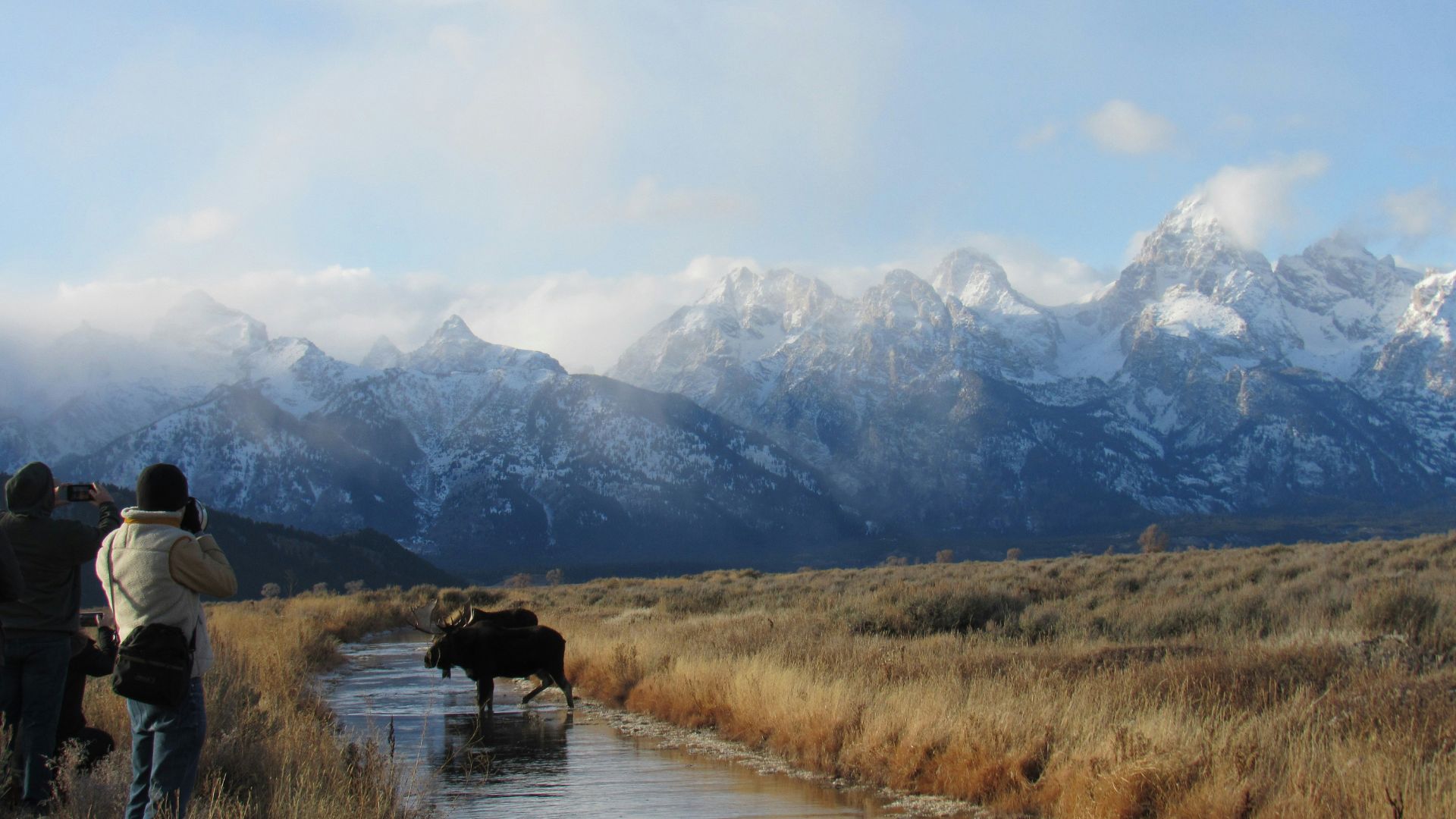
Jackson Hole spreads out in a wide valley between the Gros Ventre and Teton ranges, right near the Idaho border. Grand Teton National Park is pretty much in your backyard here, drawing millions every year.
You’ll find everything from easy riverside strolls to steep canyon scrambles. The Aerial Tram whisks you up to 10,450 feet on Rendezvous Mountain in under 12 minutes—talk about a shortcut to the high country.
The Shoshone people called this valley Teewinot, or “many pinnacles,” and you’ll see why once you spot those jagged peaks. The Snake River Valley and alpine lakes make for unbeatable scenery.
Jackson Hole Mountain Resort and Teton Village both offer easy trail access. You can hike right from the resorts or head deeper into the park for more solitude.
6) Bozeman, Montana – Bridger Mountains & Wildlife-Spotting Trails
Bozeman puts you close to the Bridger Mountains, which run just northeast of town. The trails here wind through Gallatin National Forest, and you’ve got options for every mood.
There are over 100 trails in the area. The Bridgers include peaks like Sacajawea, Ross Peak, and Mount Baldy, all reachable from Bridger Canyon.
You’ll hike through alpine meadows, forested slopes, and along high ridges. Keep your eyes peeled for wildlife—I’ve spotted moose, deer, and golden eagles (especially during their fall migration).
The College “M” Trail is a local favorite, while the Bridger Ridge Traverse will challenge even seasoned hikers. Families can stick to easier routes for relaxed outings.
Trailheads are a quick drive from town, making day trips a breeze. You get the best of both worlds: easy access and wild, scenic terrain.
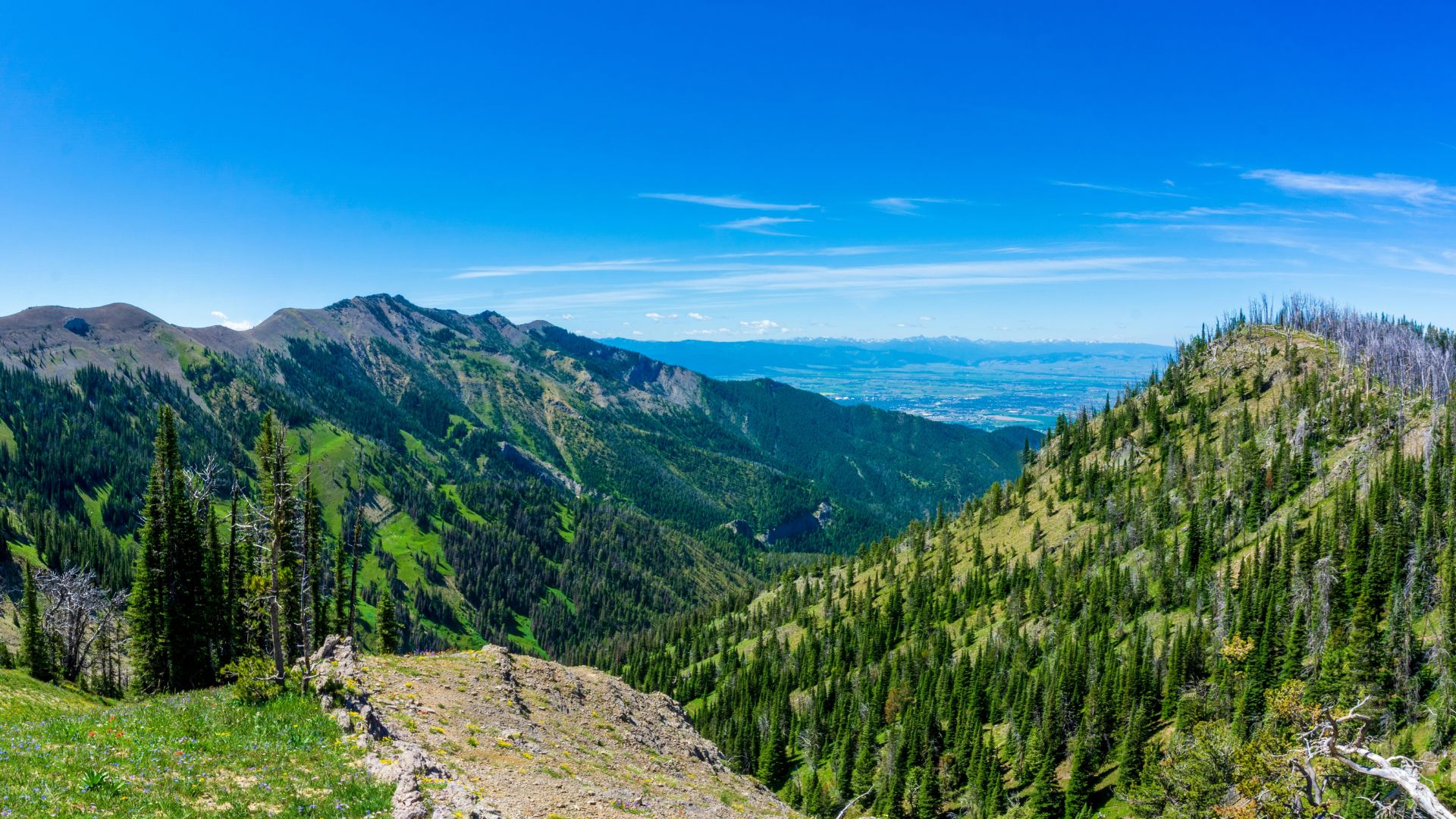
7) Crested Butte, Colorado – Wildflower Magic & Old Mining Town Vibes
Crested Butte sits nearly 9,000 feet up on Colorado’s western slope. Once a coal mining hub, this town now draws outdoor lovers year-round.
Locals call it the “Wildflower Capital of Colorado,” and they’re not kidding. From late June through August, the meadows burst with color, turning hikes into a floral dream.
Downtown feels like a step back in time, with Victorian buildings and a laid-back mountain vibe. It’s a Registered National Historic District, so you get plenty of charm along with your adventure.
Summer is perfect for hiking and biking through aspen groves and alpine trails. It’s quieter than other Colorado resort towns, so you get more space to enjoy the scenery.
Whether you’re wandering wildflower fields or exploring historic streets, Crested Butte feels like the real Colorado deal.
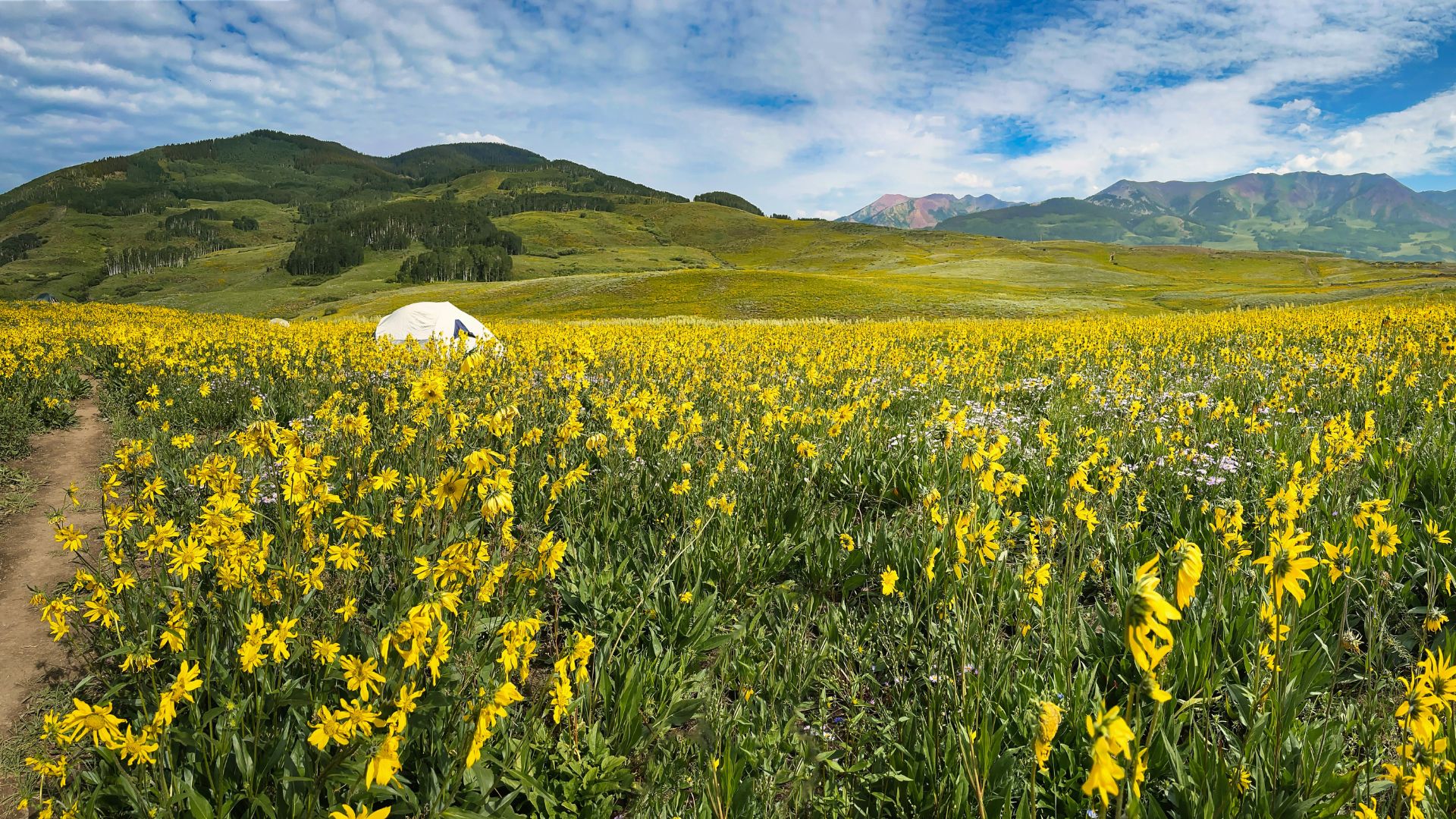
8) Lake Tahoe, California/Nevada – Alpine Lake Hikes & Epic Vistas
Lake Tahoe sits at 6,225 feet, straddling the California-Nevada line in the Sierra Nevada. The area offers a huge variety of trails, from mellow lakeside strolls to tough mountain climbs.
You can hike to waterfalls, wildflower meadows, and hidden alpine lakes tucked into the peaks. Many trails serve up sweeping views of Tahoe’s crystal-clear water and the mountains beyond.
Summer brings the best hiking conditions, with wildflowers in bloom and perfect temps even in July and August. The elevation keeps things cool.
Popular hikes range from easy waterfall routes to summit climbs with panoramic views. You can mix up your days and never get bored—the scenery changes with every trail.
Trailheads are easy to find, and you’re never far from a good meal or a place to rest by the water.
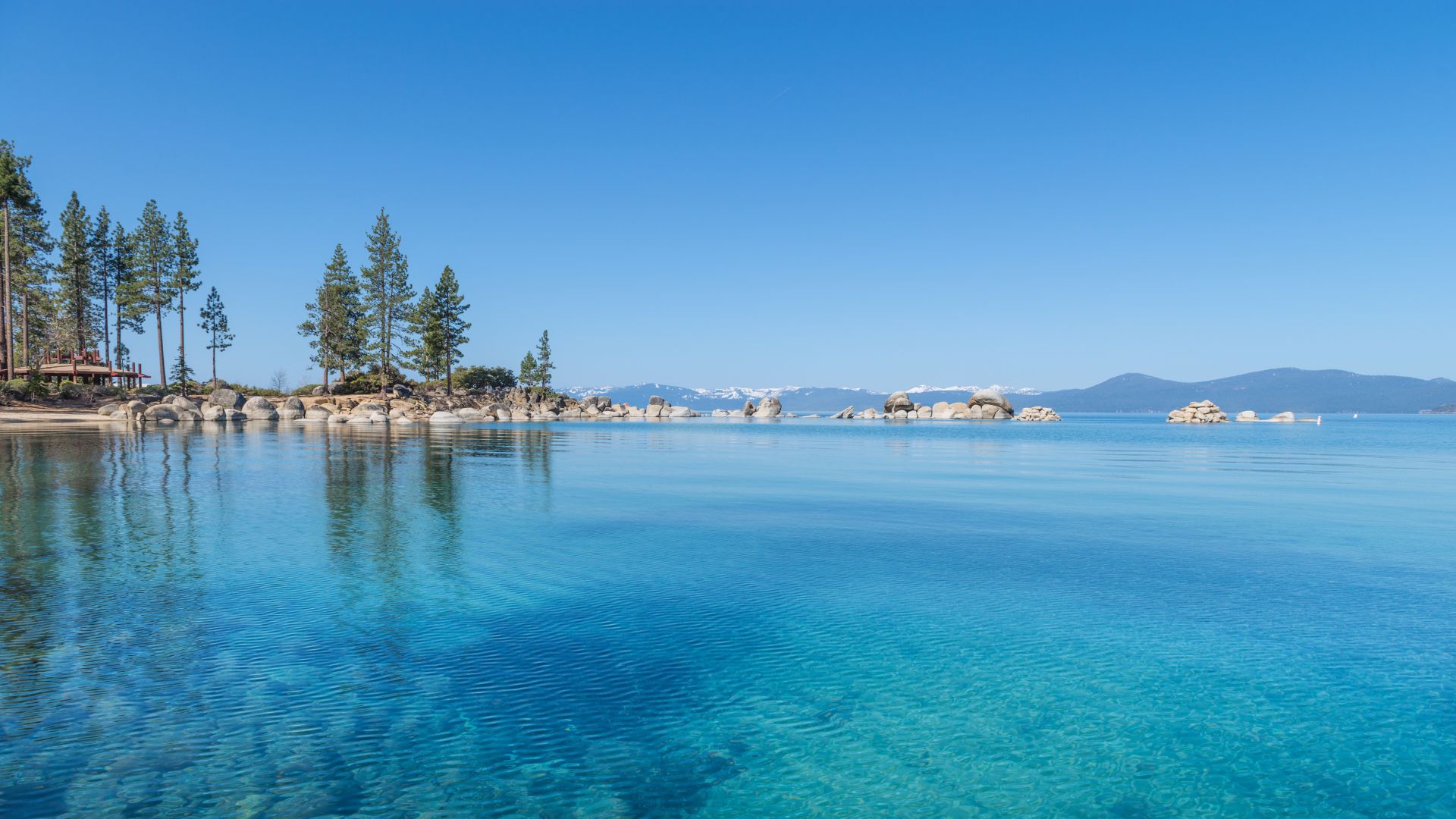
9) Boulder, Colorado – Flatirons Trails & Accessible Mountain Fun
Boulder’s Flatirons are those dramatic, slanted sandstone slabs you see in every postcard. They rise up on the city’s edge and make for some of the best hikes in Colorado.
Most trails start from Chautauqua Park, right at the base of the Flatirons. The Mesa Trail is a classic—six miles of gentle terrain with great views, perfect if you want a longer hike without the lung-busting climbs.
The Flatirons Loop is shorter and takes you through ponderosa forests and open meadows. It’s a good pick for regular hikers and trail runners who want something scenic but not too tough.
You get mountain vibes without needing technical skills. The reddish sandstone towers overhead, and you’ll catch clear views of the Front Range as you go.
Summer is the best time to explore, but don’t forget water and sunblock—some sections have little shade. The trails stay busy, but the long daylight hours make it easy to find your own quiet moment among these iconic peaks.

10) Whitefish, Montana – Close to Glacier National Park with wilderness trails
Let’s talk about Whitefish. This little Montana town sits just 26 miles from Glacier National Park, so it’s basically a dream base camp for summer hiking. I’ve started plenty of trail days here, sometimes just wandering the Flathead National Forest, other times heading straight into the Whitefish Range.
Whether you’re a casual stroller or a summit chaser, you’ll find a trail that fits. Easy lakeside walks around Whitefish Lake? Absolutely. If you want a good workout, climb up for those wide-open Northern Rockies views—totally worth the effort.
Honestly, it’s the best of both worlds. You can lace up and hit wilderness trails right from town or hop in the car for a quick drive into Glacier for those big-name hikes. The scenery? Think crystal-clear lakes, deep forests, and those classic Montana peaks.
Whitefish Mountain Resort sits at the base of Big Mountain, and come summer, it turns into a maze of hiking and biking trails. The town itself feels friendly and down-to-earth, with plenty of spots to eat, shop, or crash between adventures.
Getting here’s not a headache, either. The airport’s just 11 miles away, so you can land and be on the trail in no time.
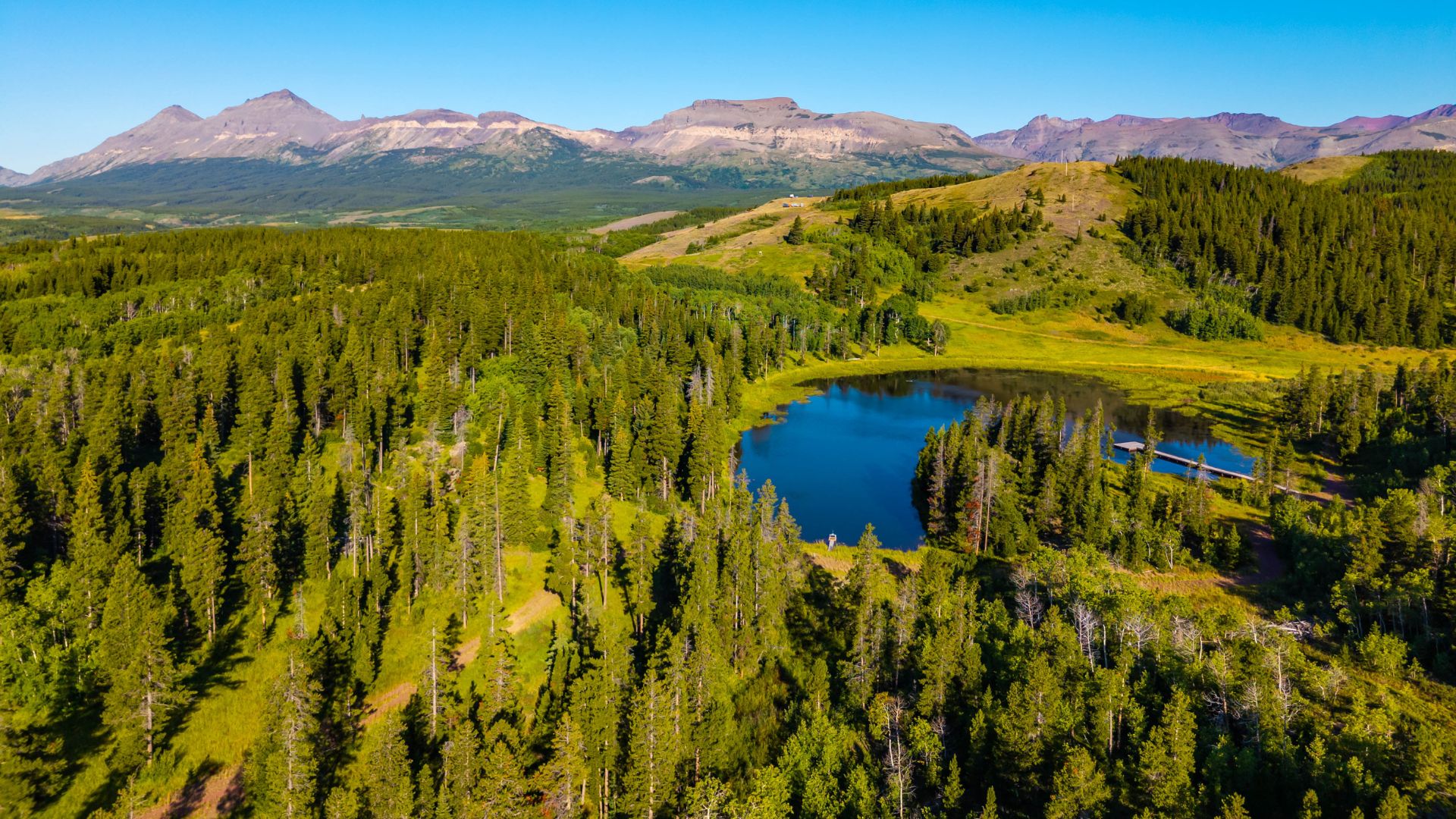
11) Stowe, Vermont – Green Mountain hikes and fall foliage views
Stowe nestles in Vermont’s Green Mountains, and I think it’s one of the easiest places to get outside in the summer. Trails snake around Mount Mansfield, Vermont’s highest point, but you don’t have to be a pro to enjoy the woods.
If you’re up for a challenge, Smugglers’ Notch delivers with rocky scrambles and tight passages. But honestly, I love the gentler waterfall trails and shady forest walks—sometimes you just want to stroll, not sweat buckets.
Summer here feels just right for hiking. Temps usually stay in the 60s to low 80s, and the elevation helps keep things cool. If you’ve only seen Stowe in fall, summer’s a treat—same killer views, way fewer crowds.
The town center’s cozy, packed with local shops and places to grab a bite, and you can walk to a bunch of trailheads. Parking’s easy, and trails are well-marked, so planning a day hike doesn’t turn into a logistical nightmare.

12) Sandia Mountains, New Mexico – High desert mountain hikes near Albuquerque
Just east of Albuquerque, the Sandia Mountains shoot up out of the desert, and honestly, the view always surprises me. The Cibola National Forest covers the area with over 100 trails, and Sandia Crest tops out at 10,678 feet—so yeah, you’ll feel that elevation gain.
You can find everything from mellow walks to serious climbs here. The landscape mixes high desert with shady forest, which keeps things interesting. Spanish explorers named these peaks “Sandia”—watermelon—because at sunset, the mountains glow pink and red. It’s wild.
If you want a challenge, the La Luz Trail is a classic. Not up for a big climb? The Sandia Peak Tram or the scenic byway gets you to the top for those big views without the sweat.
Late spring through fall feels like the sweet spot for hiking. Bring more water than you think you’ll need—high elevation dries you out fast. The Four Seasons Visitor Center has up-to-date maps and trail info if you’re not sure where to start.
The Sandia Mountain Wilderness draws millions every year, and you’ll see why. Desert meets mountain, and it’s a totally different vibe from the Rockies or Appalachians.

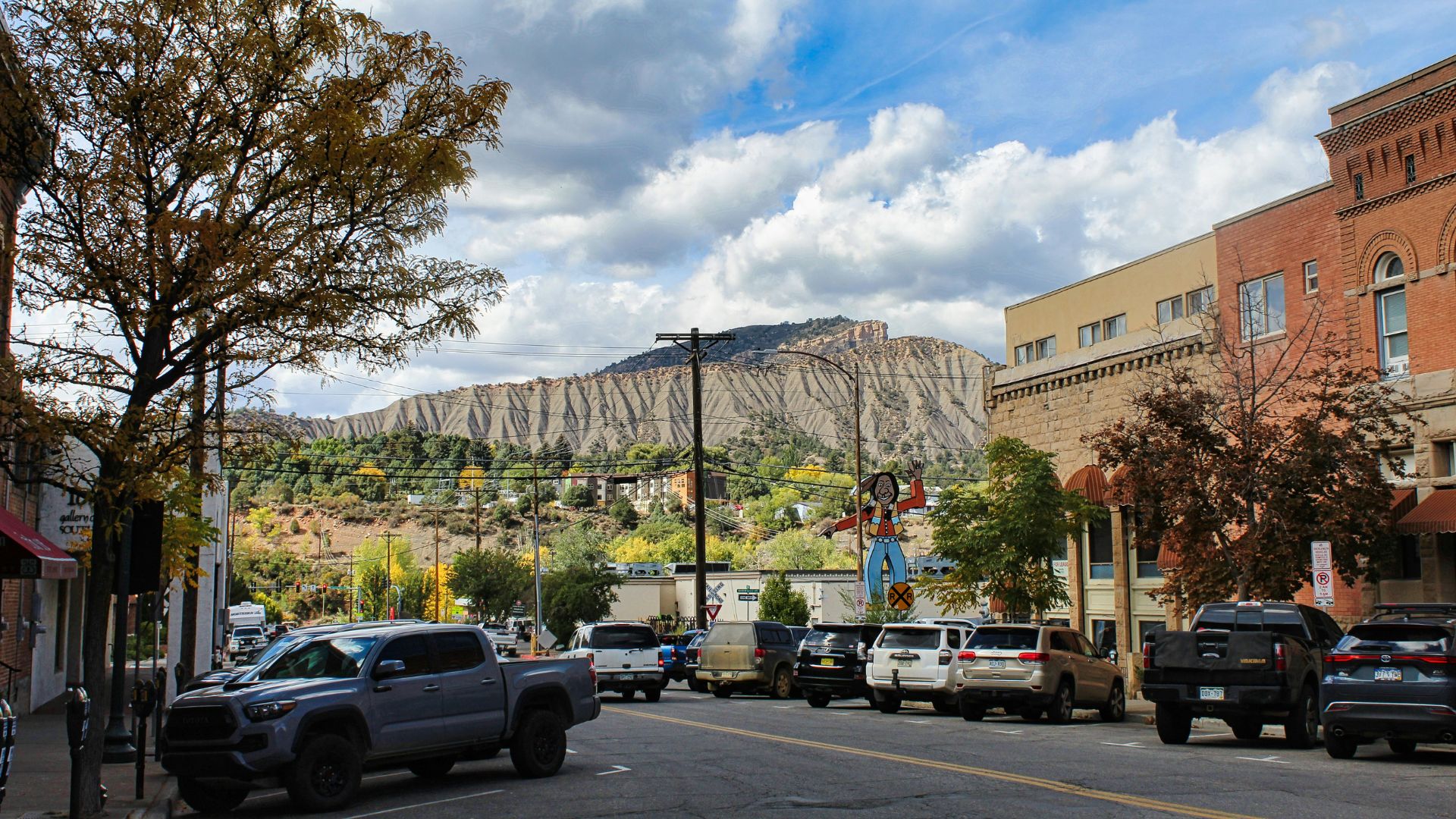
13) Durango, Colorado – Southwestern mountain trails and historic town
Durango sits in Colorado’s San Juan Mountains, and the hiking here? It’s next-level. There are over a hundred trails, so you could come back every summer and never get bored. I love how the alpine terrain changes with the seasons—wildflowers in July, golden aspens later on.
If you want something easy, the Centennial Nature Trail introduces you to local plants and wildlife. Up for more? Head higher into the San Juans for meadows and big mountain views.
The town itself feels like a slice of history. Old mining-era buildings line the streets, and you can hop on the Durango & Silverton Narrow Gauge Railroad—a legit steam train that winds through mountain canyons. Some of the views you get from the train? Impossible to see any other way.
Durango blends outdoor adventure with real character. Around 19,000 people call it home, and you’ll find everything from gear shops to local breweries. Summer days stay cool enough for long hikes, and the elevation means you won’t bake like you might in lower Colorado towns.
14) Catawba, Virginia – Appalachian hikes with rugged peaks and scenic views
Catawba, just outside Roanoke, puts you right in the heart of some of the Appalachian Trail’s most stunning stretches. I’ve started hikes here that made me feel like I was in a postcard—rugged ridges and endless views.
McAfee Knob is the star of the show. It’s the most photographed spot on the AT for a reason—those sweeping views over Catawba Valley are unreal.
Looking for variety? Dragon’s Tooth throws some wild rock formations your way, and Tinker Cliffs rewards you with dramatic overlooks. The 5.1-mile Catawba Mountain loop is popular, but you can always bite off a longer AT section if you’re feeling ambitious.
It’s a fantastic base for Blue Ridge adventures. You’re close to the Parkway, but it’s way quieter than those big-name resort towns.
Catawba gives you that classic Appalachian hiking experience—real mountain scenery, real challenge, and way fewer crowds. It’s high on my list for summer 2026.
Essential Tips for Planning a Summer Hiking Adventure
Summer hiking in the mountains can be incredible, but you’ve got to prepare. Weather changes fast, permits can be tricky, and finding a place to sleep during peak season isn’t always easy.
Weather and Trail Conditions
Mountain weather? It’s unpredictable. I always check the forecast every day the week before my trip, and again the morning I head out.
Afternoon thunderstorms happen a lot from June through August. Lightning above treeline is no joke. I start early—like, 6 or 7 AM—so I can summit and get down before storms roll in, usually by 2 PM.
High-elevation trails often hang onto snow well into summer. Above 10,000 feet, expect snow patches in June and early July. Check recent trip reports or call ranger stations for the latest.
What I always pack:
- Rain jacket and warm layers
- At least 2 liters of water per person
- Sunscreen and a good hat
- Trail map and some way to navigate

Permits and Regulations
A lot of popular spots now use advance permits to keep crowds down. Places like Yosemite, Rocky Mountain National Park, and Mount Whitney all require permits, and you have to plan ahead.
Apply for permits 2-3 months before your trip. Most parks release them on set dates through recreation.gov. Sometimes it’s a lottery—you toss your name in and hope for the best.
Day-use permits are different from overnight ones. You might need a timed entry just to get into the park, plus a separate trail permit. Read the fine print for each place.
Trailhead parking fills up super early on summer weekends. I usually aim to arrive before 7 AM, or I use shuttle buses if they’re running.
Travel and Accommodation Advice
Book your place to stay 3-6 months ahead—seriously. Hotels and rentals in spots like Vail or Big Sky fill up fast, and prices only go up as summer gets closer.
I sometimes stay in towns 20-30 minutes from the main trailheads. It’s cheaper, and I get more options. Gateway towns near parks often give you access to several hiking areas.
Where to look for lodging:
- National park lodges (book these way in advance)
- Nearby small towns
- Forest Service campgrounds
- Private vacation rentals
You’ll want a rental car. Public transport is almost nonexistent in most mountain towns. I always reserve my car when I book flights to save money and avoid last-minute stress.
Wildlife and Nature Conservation Along US Mountain Trails
Hiking in the mountains puts you right in the middle of wild places and fragile ecosystems. Protecting these spots matters—not just for you, but for everyone who comes after.
Respecting Local Ecosystems
Mountain environments support plants and animals you won’t find anywhere else. These species have adapted over thousands of years. When you stick to marked trails, you help prevent erosion and protect delicate alpine plants that take forever to grow back.
Watching wildlife is a highlight, but you’ve got to keep your distance. I stay at least 75 feet away from most animals, and if I spot bears or wolves, I back off to at least 300 feet. Feeding wildlife? Just don’t—it messes up their natural habits and diets.
How I try to protect the ecosystem:
- Step around alpine flowers and moss
- Leave rocks and logs alone—animals hide there
- Keep noise down so wildlife isn’t stressed
- Avoid nesting areas during breeding seasons
- Carry out all food scraps and trash
Mountain goats, bighorn sheep, marmots—they’re all part of the experience. I watch quietly from the trail and skip the close-up photos.
Leave No Trace Principles
Leave No Trace isn’t just a slogan—it’s a set of seven rules that keep wild places wild. I always plan ahead, check trail rules, and pack out everything, even toilet paper. When I camp, I use established sites to minimize my impact.
My Leave No Trace checklist:
- Pack out all trash (even orange peels)
- Use biodegradable soap far from water sources
- Store food in bear-proof containers if needed
- Use a camp stove instead of building fires
- Watch wildlife from a distance
For bathroom needs, dig a cathole 6-8 inches deep and at least 200 feet from water, trails, and campsites. Used toilet paper goes in a sealed bag and comes out with me.

Frequently Asked Questions
If you’re planning summer hiking in 2026, you probably have a few questions. Where are the best spots? What about hidden gems? When should you go? And which states have the most beginner-friendly trails?
Big Sky, Montana, tops the list with its Rocky Mountain trails and peaceful forests. Vail, Colorado, mixes great hiking with a lively mountain town vibe.
Aspen, Colorado, stands out for scenic trails and plenty of places to eat and stay. Telluride brings challenging peaks and wildflower meadows. Jackson Hole, Wyoming? It’s your gateway to Grand Teton National Park—rugged, beautiful, and unforgettable.
If you want something quieter, check out the smaller mountain towns in Montana, Colorado, and Wyoming. They offer fantastic hiking, often with fewer people.
Skip the big resorts and look for communities near national forests. You’ll get authentic mountain vibes, great trails, and usually better prices.
Travel magazines always talk up Aspen and Vail for their mix of outdoor fun and town amenities. These Colorado spots deliver on hiking, plus you get good food and shopping.
Montana’s Big Sky gets plenty of love, too. Challenging trails, epic scenery—it’s easy to see why.
Pick places with a range of trail difficulties. Vail and Big Sky work for both beginners and seasoned hikers.
Plan your trip for late June through August—most trails are snow-free by then. Book your lodging early, since summer is the busy season. If you can, visit mid-week to dodge crowds and save a bit on accommodation.
Let’s start with the Grand Tetons, just outside Jackson Hole. Those jagged peaks shoot up right from the valley floor—honestly, it’s hard not to stop and stare.
Then there’s Telluride. You’ll find it tucked away in a box canyon, waterfalls tumbling down the cliffs, and peaks soaring all around. It feels like a secret mountain hideout.
Colorado’s Maroon Bells, near Aspen, have to be on this list. People flock here for sunrise photos, and for good reason—the twin peaks reflected in the lake look almost unreal.
If you’re craving those endless mountain views, head to the Rockies around Big Sky. The landscape just stretches on and on, with alpine lakes and meadows bursting with wildflowers in summer.
Each of these spots brings something special, whether it’s jaw-dropping scenery or trails that make you want to keep exploring.
Colorado really shines for mountain hiking, especially in July. The Rockies burst with options—think endless trails, warm days, and mostly clear skies.
Montana and Wyoming? They’re hard to beat once July rolls around. High-elevation trails finally shake off the last bits of snow, opening up a whole new world for hikers.
Washington and Oregon feel like hidden gems in the summer. The Cascade Range trails explode with wildflowers, and honestly, it’s hard not to stop every five minutes just to take it all in.
Arizona? I wouldn’t bother in July—way too hot. If you want the best hiking conditions, northern mountain states are your safest bet for an epic summer adventure.