
Nestled in the heart of Piedmont, Alba is a city that captured my heart from the moment I first wandered its charming streets. This small Italian gem might not be as famous as Rome or Florence, but what it lacks in size, it makes up for in flavor. Alba is widely recognized as the culinary capital of Piedmont. It is most famous for its prestigious white truffles and the celebrated truffle fair held each November.
I’ve spent countless hours exploring Alba’s rich food scene, from cozy trattorias to elegant restaurants showcasing the region’s incredible wines. The city sits at the center of a gastronomic wonderland where the Slow Food movement was born. This reflects the local commitment to quality ingredients and traditional cooking methods.
Beyond food, Alba offers stunning architecture, with grand cathedrals and medieval towers dotting its skyline.
My favorite way to experience Alba is simply strolling through its historic center, stopping for an espresso or glass of local Barolo wine while watching daily life unfold. The surrounding hills, covered with vineyards and hazelnut groves, create a breathtaking backdrop that changes beautifully with the seasons. Whether you’re a dedicated foodie or just someone who appreciates authentic Italian culture, Alba deserves a spot on your travel wishlist.

Exploring Alba’s Rich History and Culture
Alba’s historical tapestry stretches back thousands of years, offering visitors a fascinating glimpse into Piedmont’s past. When wandering through this charming city, I found myself surrounded by centuries of heritage at every turn.
The Old Town and Its Architectural Marvels
The heart of Alba lies in its medieval Old Town, where narrow cobblestone streets wind between buildings dating back to the 14th and 15th centuries. I love starting at the impressive Cathedral of San Lorenzo, a stunning Gothic structure with elements dating to the 12th century. Its bell tower dominates Alba’s skyline.
Walking through the historic center, you’ll notice the remaining medieval towers that once numbered over 100. These towers served as both defense structures and status symbols for wealthy families.
Don’t miss the Church of San Domenico with its beautiful brick façade and remarkable frescoes inside. The Palazzo Comunale (Town Hall) is another architectural gem showcasing the city’s civic pride through the centuries.

Museums and Art of Alba
The Federico Eusebio Civic Museum houses an impressive collection of archaeological findings, telling the story of Alba from prehistoric times through the Roman era. I was fascinated by the Roman artifacts discovered right beneath the modern city.
For art lovers, the Diocesan Museum displays religious artworks spanning several centuries, including precious paintings, sculptures, and ceremonial objects that highlight Alba’s spiritual heritage.
Contemporary art finds a home at the Alba Underground project, which transforms parts of the city’s Roman foundations into exhibition spaces. This unique blend of ancient architecture and modern creativity creates a truly distinctive cultural experience.
Local galleries frequently feature works by Piedmontese artists, providing insight into the region’s artistic traditions and innovations.
Culture and Traditions of Alba
Alba’s cultural calendar centers around its world-famous White Truffle Fair held annually in October and November. I’ve witnessed how this tradition, dating back over 90 years, transforms the city into a vibrant celebration of culinary heritage.
The Palio degli Asini (Donkey Race) offers a humorous counterpart to Siena’s famous horse race. Local districts compete for bragging rights in this entertaining festival that includes medieval costumes and lively parades.
Wine culture runs deep in Alba, with seasonal festivals celebrating the region’s renowned Nebbiolo, Barbera, and Dolcetto varieties. Many local families maintain centuries-old winemaking traditions.
The city embraces its Roman past through historical reenactments throughout the year. These events bring ancient Alba Pompeia to life with authentic costumes and demonstrations of traditional crafts and military tactics.
Savoring Alba’s Culinary Scene
Alba’s food scene is truly special, combining centuries of tradition with modern innovation. The city sits at the heart of Piedmont’s gastronomic culture, offering visitors an unforgettable taste experience.
Traditional Piedmont Cuisine
Piedmontese cuisine celebrates simplicity and exceptional ingredients. During my visits, I’ve found that meals often begin with antipasti like vitello tonnato – thinly sliced veal topped with a creamy tuna sauce. It sounds unusual but tastes incredible!
The pasta here is distinctive too. I love tajarin, thin egg noodles typically served with butter and sage or rich meat ragù. Another local favorite is agnolotti del plin – pinched pasta pouches filled with roasted meats.
Main courses often feature slow-cooked meat dishes. The region’s Fassona beef is world-renowned for its tenderness and flavor.
For dessert, don’t miss the hazelnuts in everything from cakes to gelato. The nearby Langhe region produces some of the world’s finest hazelnuts.
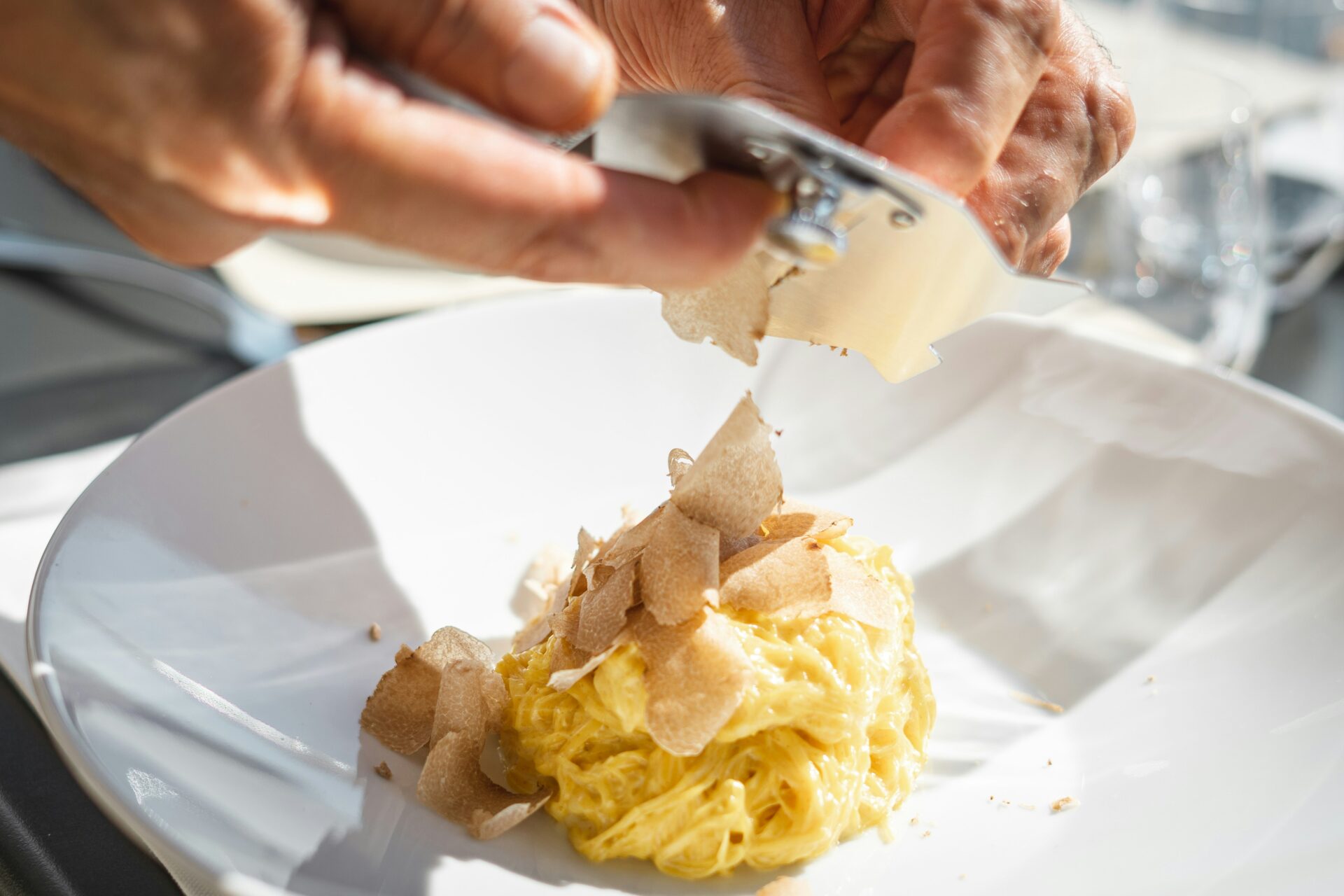
Top Restaurants and Dining Spots
Alba offers dining experiences ranging from humble trattorias to Michelin-starred establishments. Piazza Duomo, with three Michelin stars, showcases Chef Enrico Crippa’s artistic creations using local ingredients.
For a more casual experience, I recommend La Piola, located beneath Piazza Duomo. They serve traditional dishes at reasonable prices.
Other standout options include:
- Osteria dell’Arco: A Slow Food favorite serving authentic regional specialties
- Vincafè: Perfect for lunch with excellent pasta and friendly service
- Enoclub: Great for wine lovers with an impressive selection of local vintages
Many restaurants offer tasting menus that pair local dishes with Barolo and Barbaresco wines. Booking ahead is essential, especially during truffle season.
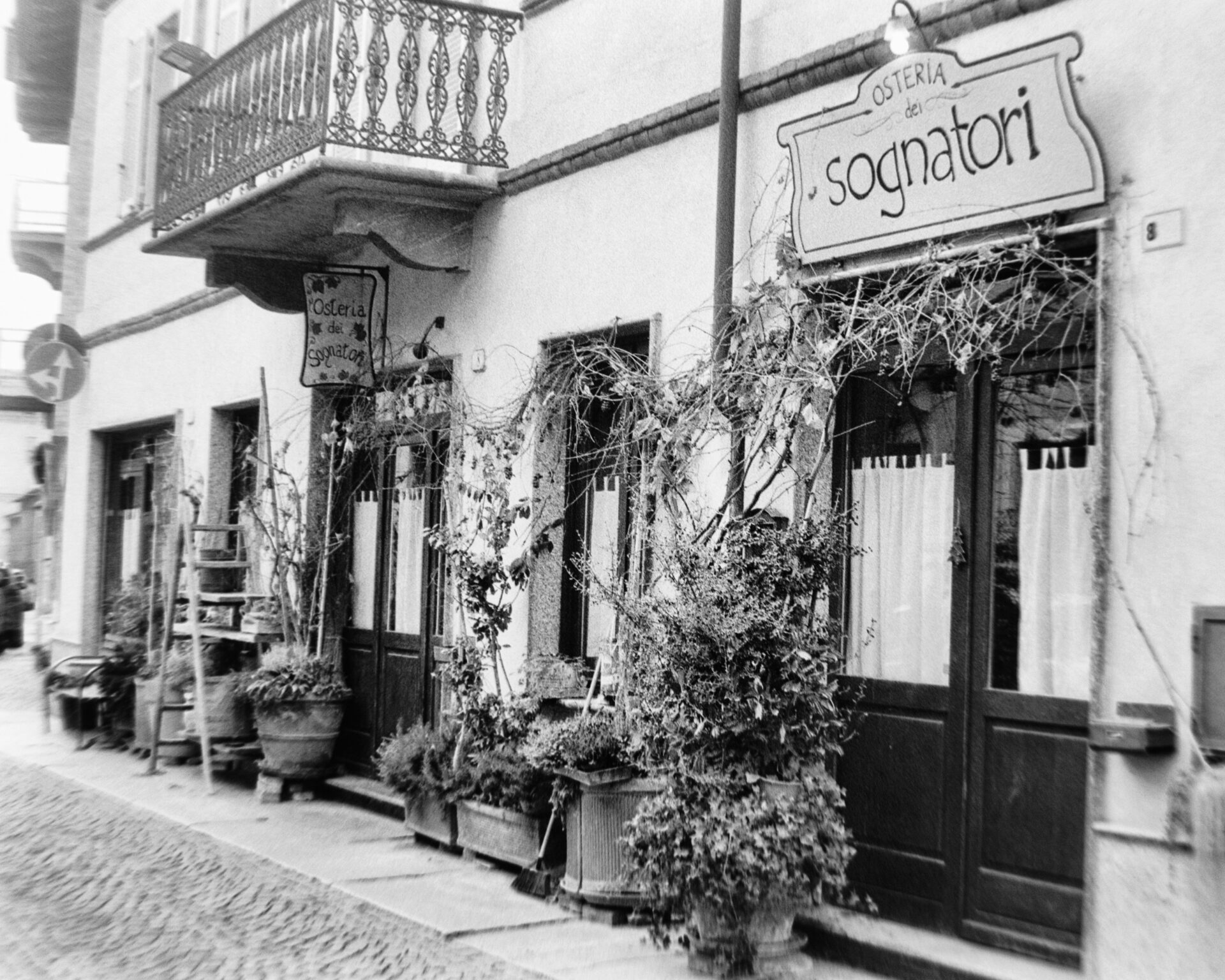
Alba’s Iconic Truffles and Markets
The white truffle of Alba (Tartufo Bianco d’Alba) is the crown jewel of local cuisine. Unlike their black counterparts, these can’t be cultivated and must be foraged by trained hunters and their dogs.
The annual White Truffle Fair runs from October to early December. I was amazed by the buzzing atmosphere as buyers and sellers haggle over these aromatic treasures. A small truffle can fetch hundreds of euros!
Visit the Saturday market in the historic center to experience local food culture. Stalls overflow with fresh produce, artisanal cheeses, and cured meats.
For the full experience, try a truffle-hunting excursion in the nearby hills. Watching skilled dogs sniff out these hidden delicacies is unforgettable.

Wine Aficionado’s Guide to Alba
Alba serves as the perfect gateway to explore some of Italy’s most prestigious wines. The surrounding hills produce exceptional varieties that have earned worldwide recognition, particularly the noble Nebbiolo grape that creates the legendary Barolo and Barbaresco wines.
Discover Local Vineyards and Wineries
The Langhe region surrounding Alba is dotted with family-owned wineries that welcome visitors. I found that many estates offer intimate tours where you can meet the winemakers themselves. Some standout vineyards include Ceretto, Pio Cesare, and Fontanafredda – each with their own unique approach to winemaking.
Most wineries require advance reservations, especially during harvest season (September-October). Many are accessible by car, though I recommend hiring a local driver if you plan on tasting throughout the day.
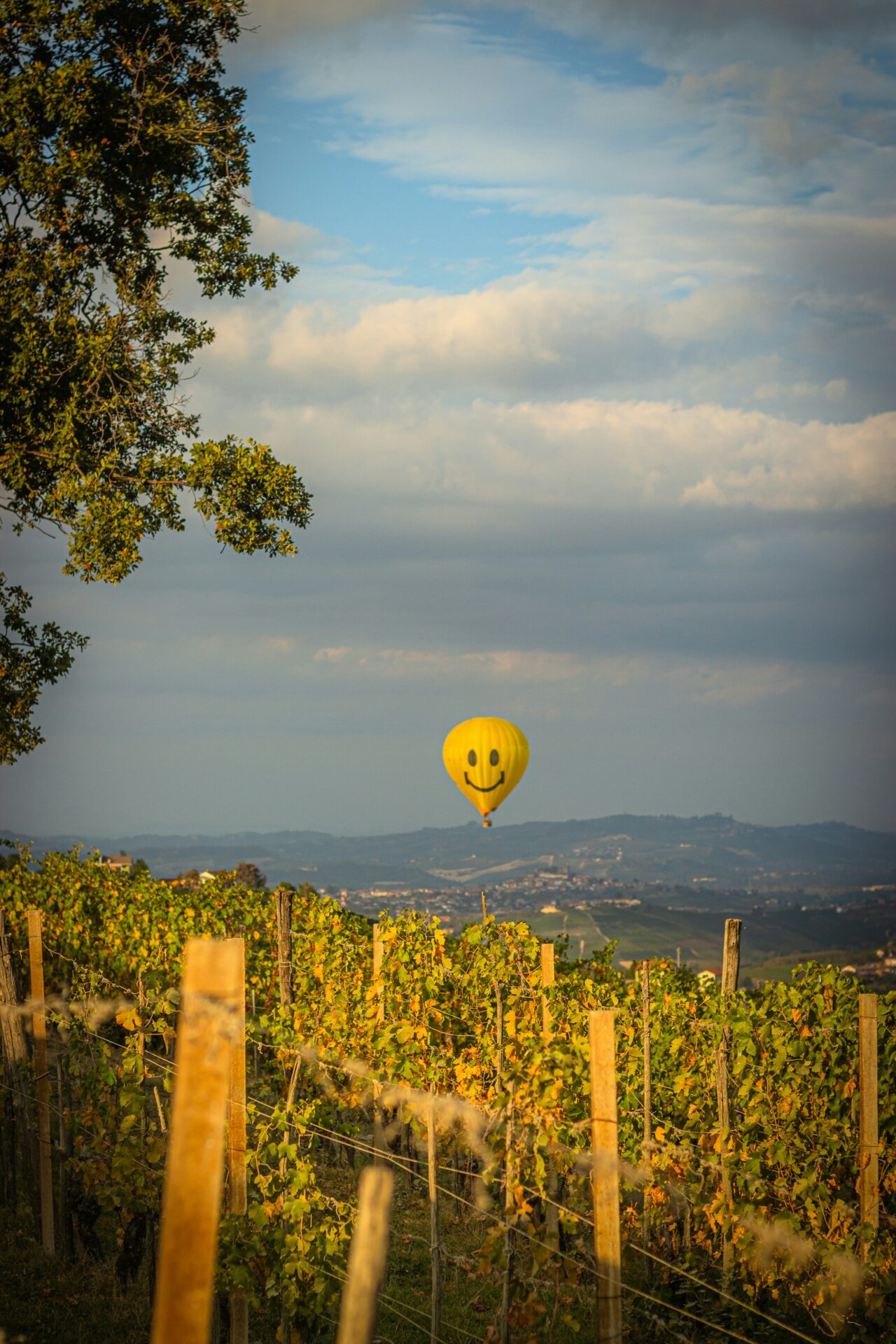
The landscape itself is worth the trip – rolling hills covered in perfectly aligned vines create a patchwork of greens and browns that change with the seasons. UNESCO recognized this beauty by declaring the Langhe-Roero and Monferrato vineyard landscapes as World Heritage sites.
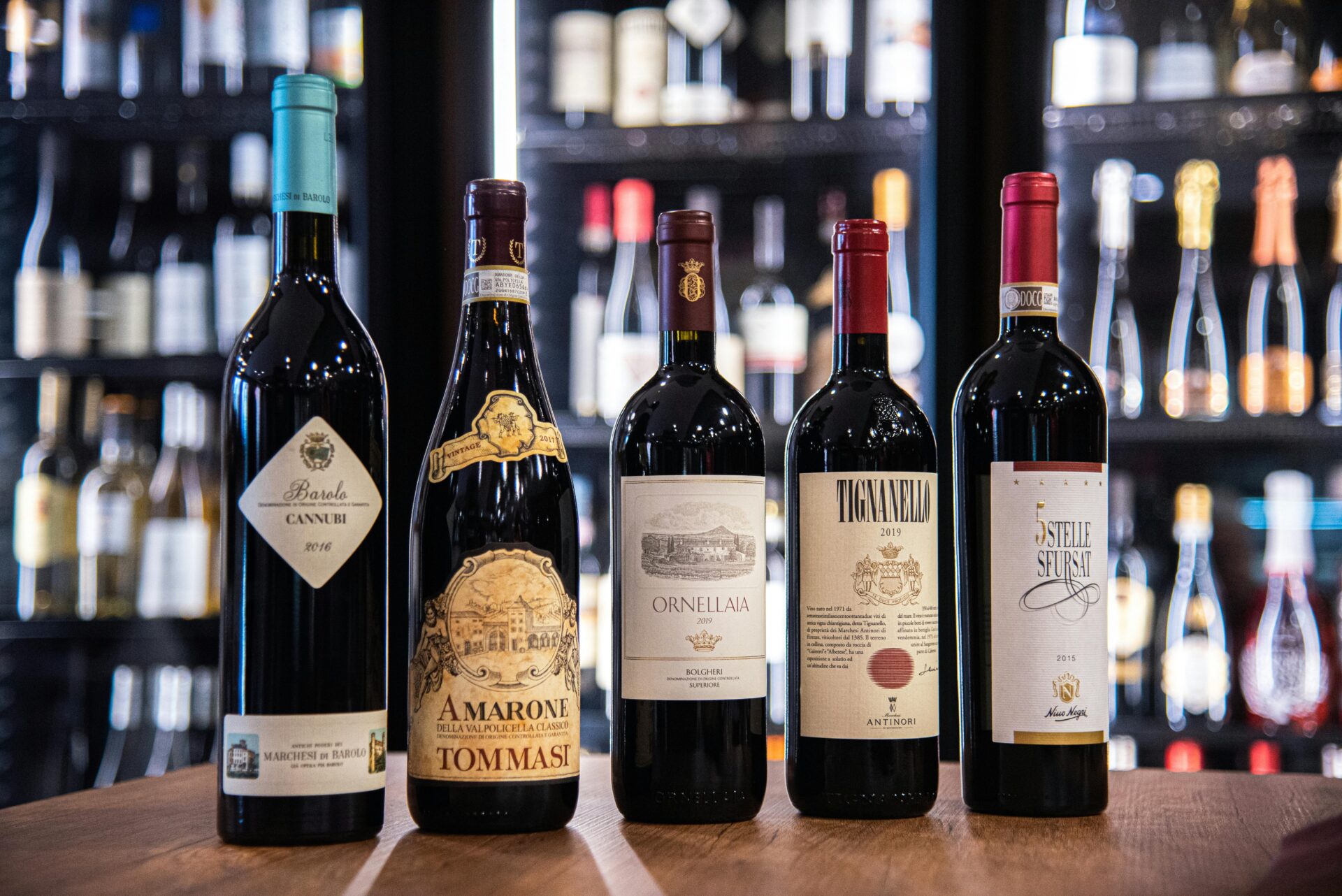
Tasting the Best of Piedmontese Wines
Barolo, often called “the king of wines,” tops the list of must-try varieties. Made from Nebbiolo grapes, it delivers complex flavors of rose, tar, and rich fruit. Nearby Barbaresco offers a slightly more approachable style of Nebbiolo.
Don’t overlook the other local varieties:
- Dolcetto: Fruity, dry, and perfect for everyday drinking
- Barbera: Bold with bright acidity and cherry notes
- Arneis: A refreshing white with pear and almond characteristics
Wine bars in Alba like Voglia di Vino and La Sacrestia offer extensive local wine lists. I enjoyed pairing different wines with regional specialties like tajarin pasta and local cheeses.
Wine Tours and Experiences
Seasonal wine events make Alba especially exciting. The Alba Wine Festival in spring showcases new vintages, while autumn brings harvest celebrations alongside the famous truffle fair.
For a memorable experience, I recommend:
- Bicycle tours through the vineyards (electric bikes available for those hills!)
- Cooking classes that include wine pairings
- Underground cellar tours in historic estates
Alba’s enotecas (wine shops) offer another way to explore. The Regional Enoteca of Piedmont in the nearby town of Barolo houses hundreds of local wines and provides educational tastings.
Private guides can customize tours based on your preferences – whether you want to focus on boutique producers or historic estates. I arranged a full-day tour through Alba Tourism office that included transportation and lunch at a winery restaurant.
Alba’s Connection to the Greater Piedmont Region
Alba sits at the heart of Piedmont, a region rich in culinary traditions, stunning landscapes, and historic towns. From this central position, I’ve found it’s the perfect base to explore everything this northwestern Italian region has to offer.
Day Trips to Neighboring Towns and Cities
Turin, Piedmont’s elegant capital, is just an hour’s drive from Alba and makes for an essential day trip. I love wandering through its grand piazzas and stopping at historic cafés like Caffè Torino or Baratti & Milano.
Asti, famous for its sparkling wines, is even closer – only 30 minutes away. The medieval center features impressive towers and the stunning Gothic Cathedral of Santa Maria Assunta.
The nearby towns of the Langhe region are truly unmissable. Barolo and La Morra offer wine tastings with spectacular vineyard views. I particularly recommend visiting Neive, one of Italy’s most beautiful villages, with its perfectly preserved medieval center.
Bra, the birthplace of the Slow Food movement, hosts fantastic food markets and restaurants. The Roero area, just across the Tanaro River from Alba, offers another landscape of vineyards, castles, and the dramatic Rocche rock formations.
The Natural Beauty of the Piedmontese Alps and Lakes
The Alps create a stunning backdrop to Piedmont’s landscapes, visible from many viewpoints around Alba on clear days. In winter, I often make day trips to ski resorts like Limone Piemonte or Sestriere, both reachable in about 2 hours.
For summer adventures, the hiking trails around Monferrato offer gentle walks through vineyards and hazelnut groves. More ambitious hikers can explore the Alpine paths of the Gran Paradiso National Park.
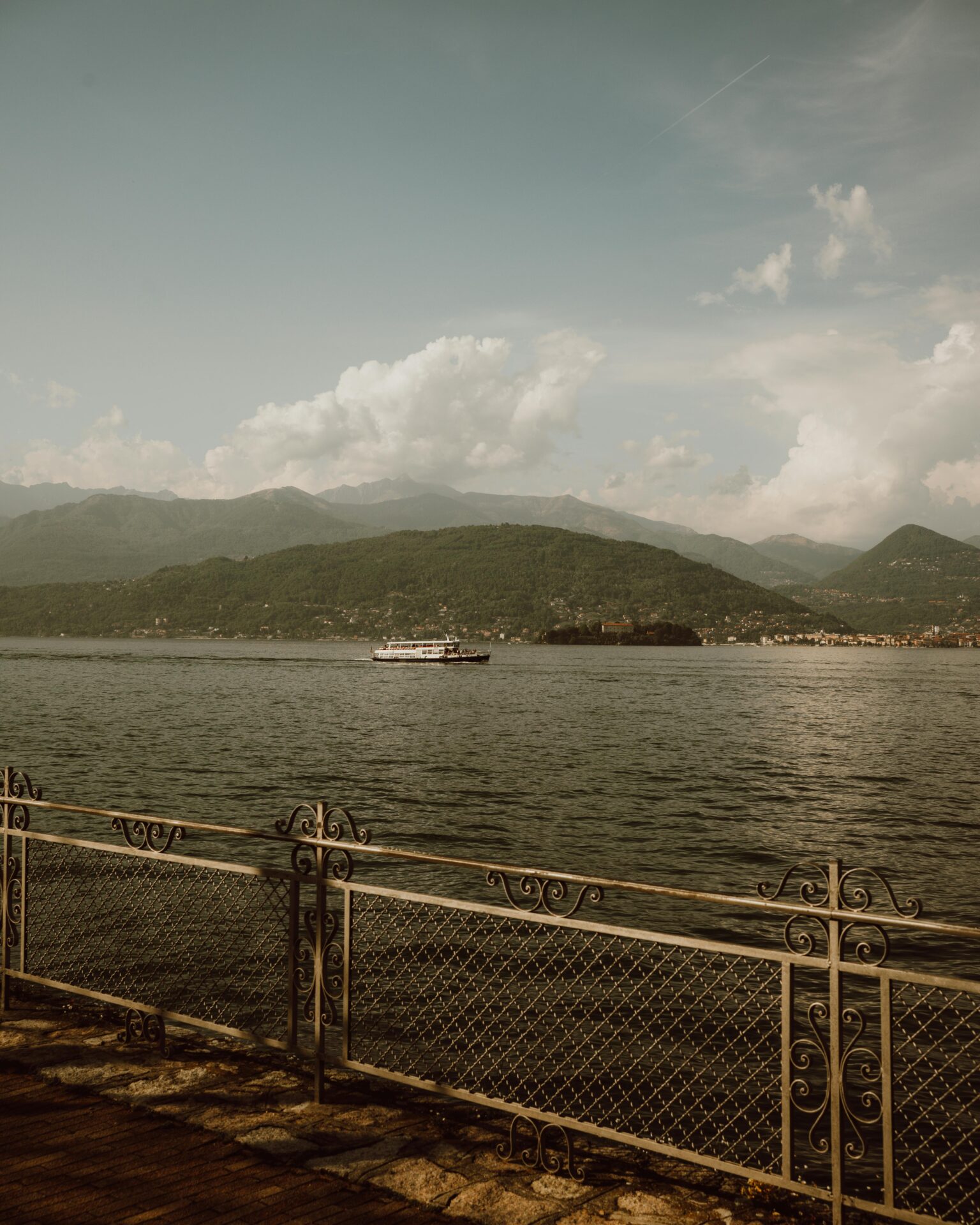
Lake Maggiore, one of Italy’s most beautiful lakes, makes for a perfect day trip from Alba. I love visiting the Borromean Islands with their spectacular gardens and palaces. The journey takes about 2 hours but is well worth it for the stunning mountain-framed waters.
The combination of Alpine peaks, rolling hills, and pristine lakes makes Piedmont one of Italy’s most diverse regions for outdoor enthusiasts.
Events and Festivities in Alba
Alba’s calendar is packed with exciting events that showcase the city’s rich culinary heritage and cultural traditions. The most famous celebration revolves around the prized white truffle, but you’ll find many other festivals worth experiencing throughout the year.
Alba International White Truffle Fair
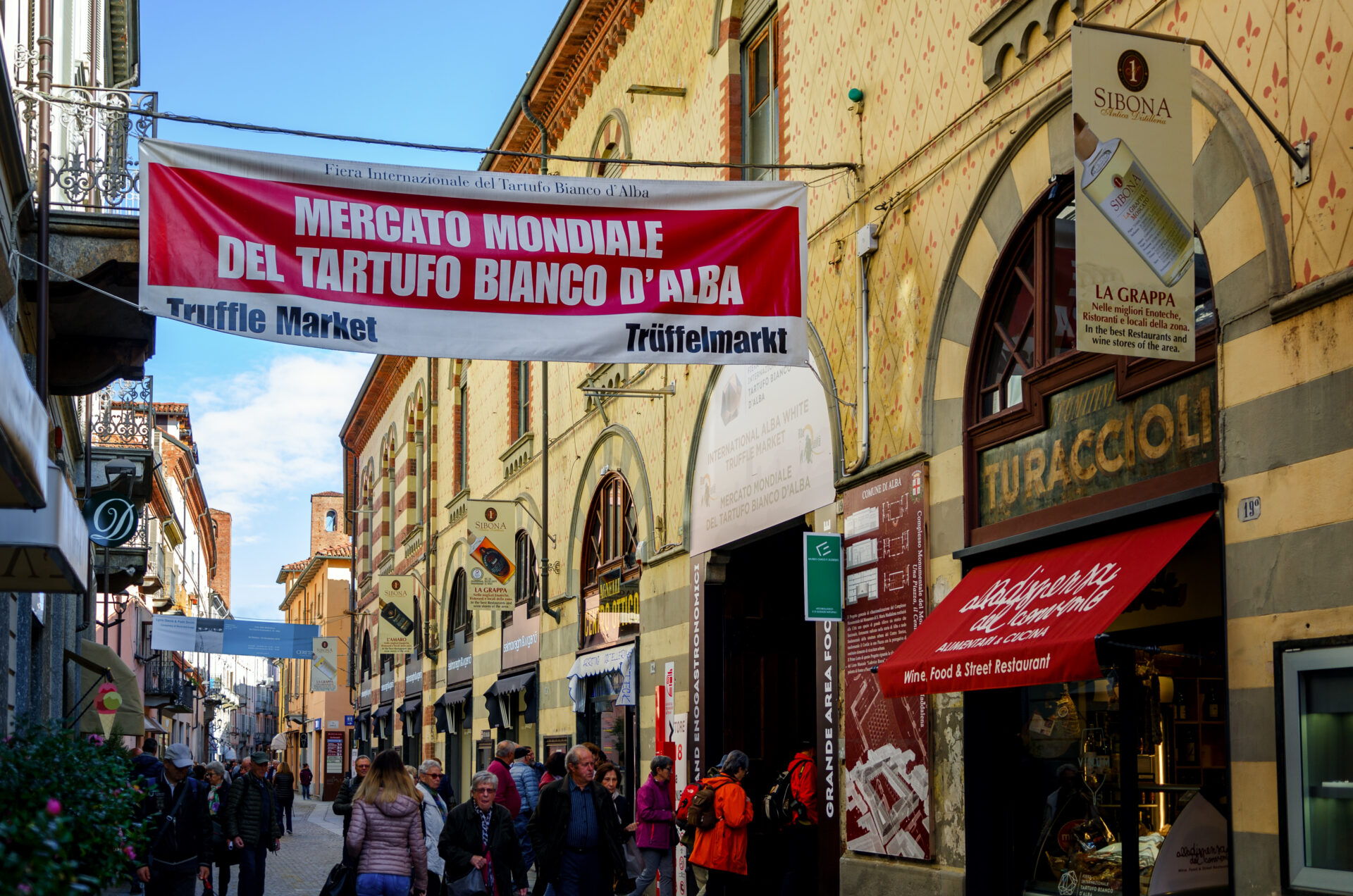
The Alba International White Truffle Fair is the crown jewel of the city’s events. Taking place every autumn (typically October through December), this world-renowned festival transforms Alba into a gastronomic paradise. I was amazed by the grand truffle market where hunters display their precious findings—some truffles can fetch thousands of euros!
The fair offers so much more than just truffle shopping. You can enjoy:
- Cooking demonstrations by renowned chefs
- Wine tasting events featuring local Barolo and Barbaresco
- Truffle sensory analysis workshops
- Food pairing sessions
Walking through the festival, the intense aroma of truffles fills the air. It’s a truly unique sensory experience that I recommend to any food lover visiting Piedmont.
Other Noteworthy Festivals and Celebrations
Beyond truffles, Alba hosts several other exciting events throughout the year.
The Vinum Wine Festival in spring showcases the region’s exceptional wines. You can enjoy tastings and food pairings throughout the historic center.
For chocolate lovers, don’t miss events celebrating Alba as the birthplace of Nutella. The famous chocolate spread was created here. Local shops offer tastings and special events honoring this sweet legacy.
The Palio degli Asini (Donkey Palio) is another must-see. This humorous race parodies the famous Siena horse race. It takes place in October alongside the truffle fair. Teams representing Alba’s districts compete in a donkey race that always guarantees laughs.
Alba’s Easter celebrations feature local specialties and traditional processions through the medieval streets. These authentic cultural experiences offer a wonderful glimpse into local life.
