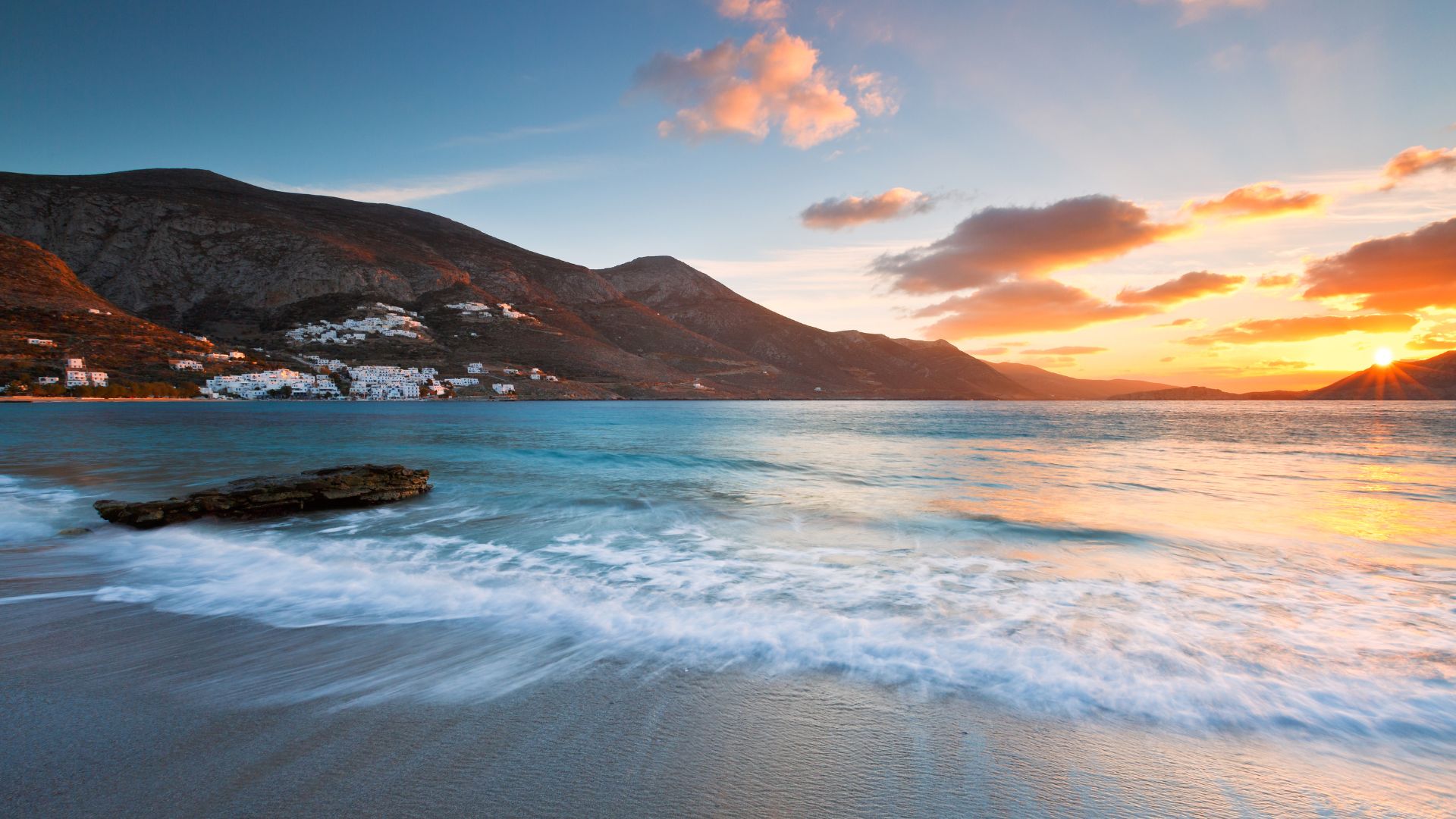
I landed on Amorgos with one thing on my mind: I wanted to see that wild blue sea and those rugged hills from The Big Blue. The island felt miles away from the usual tourist crowds, and every twist in the road revealed another bit of untouched beauty.
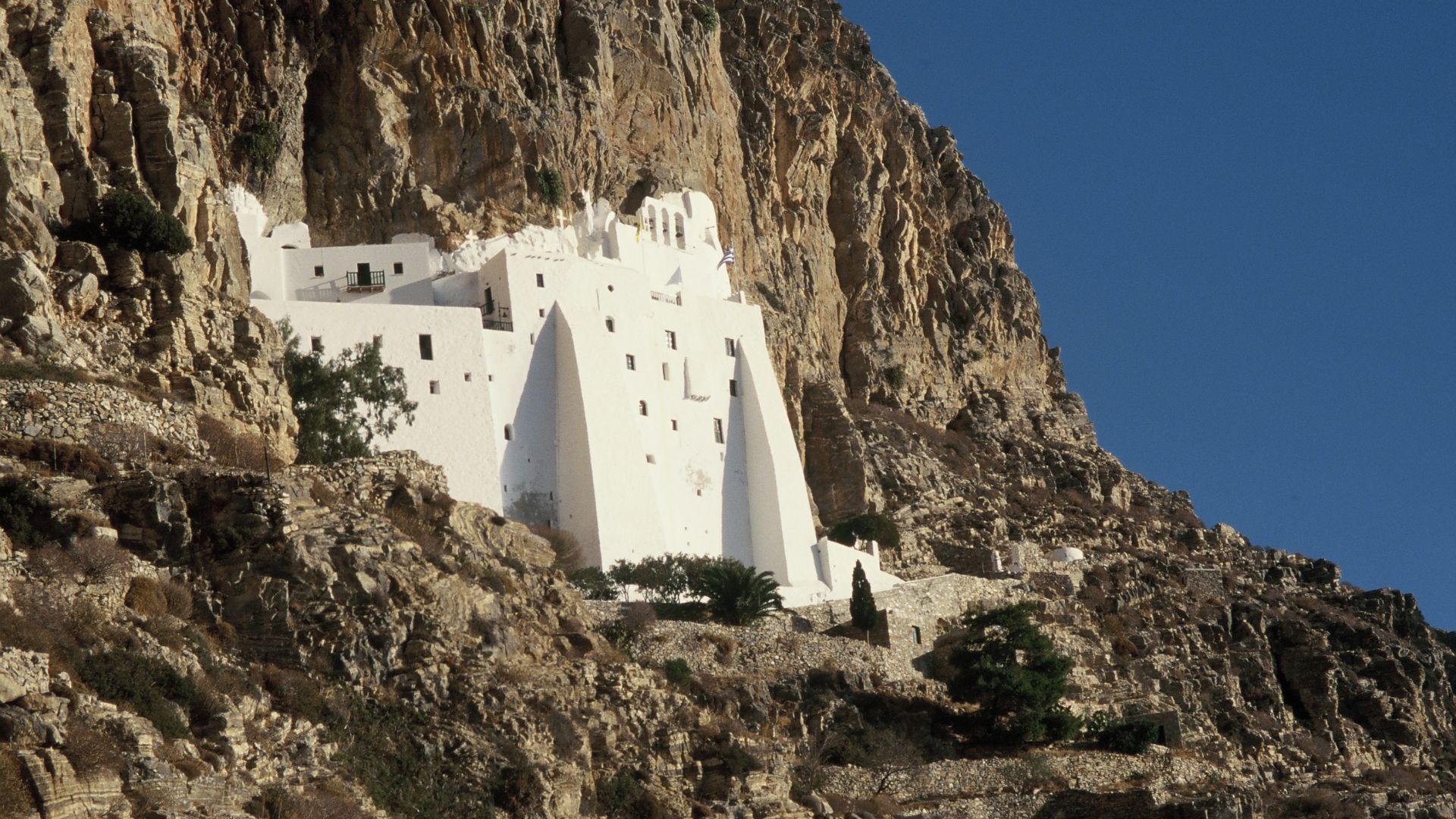
Hiking the steep path to the cliffside Monastery of Hozoviotissa turned out to be the highlight for me. Sweeping views stretched over the endless blue water and dramatic cliffs below—honestly, it was breathtaking.
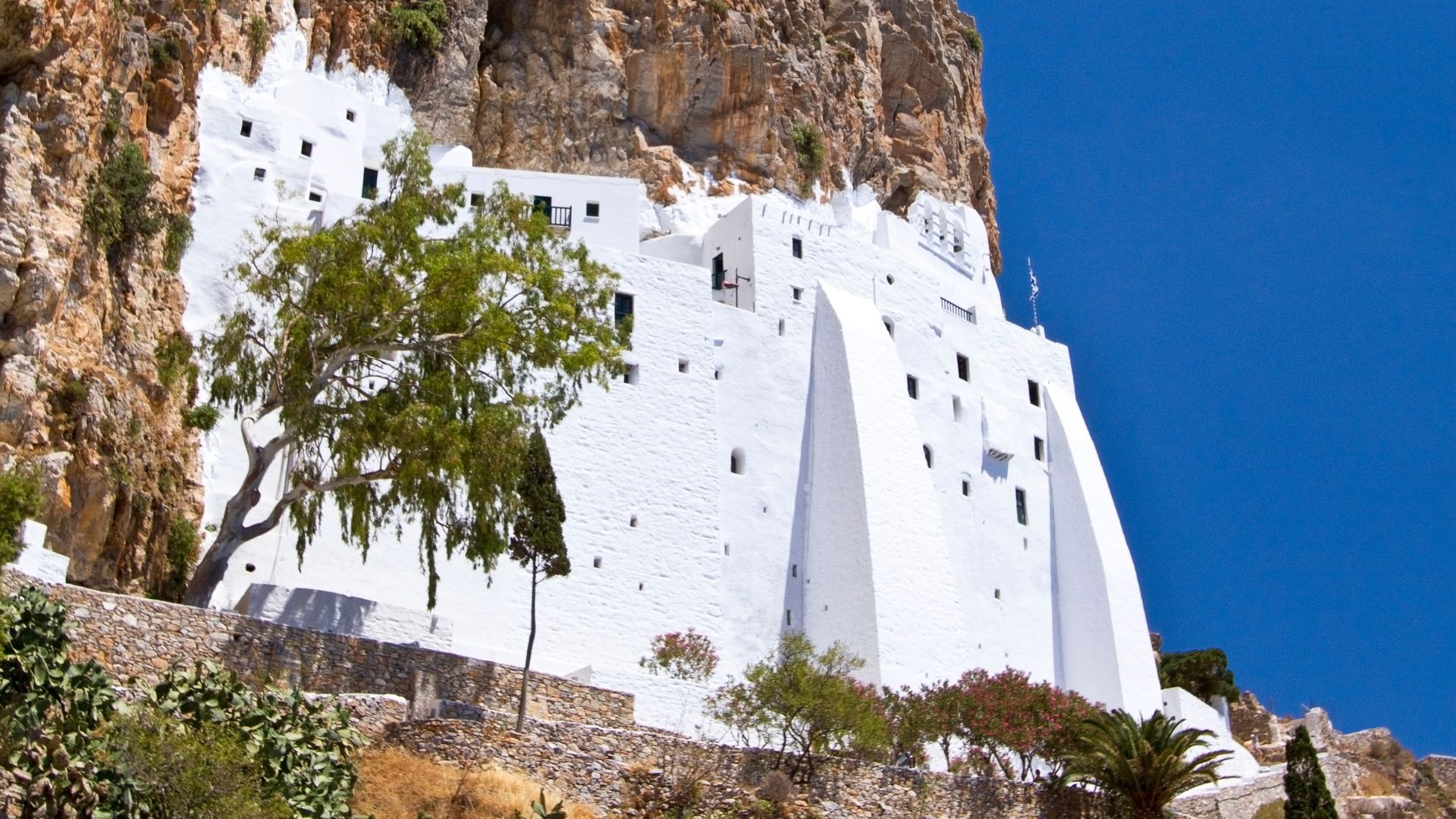
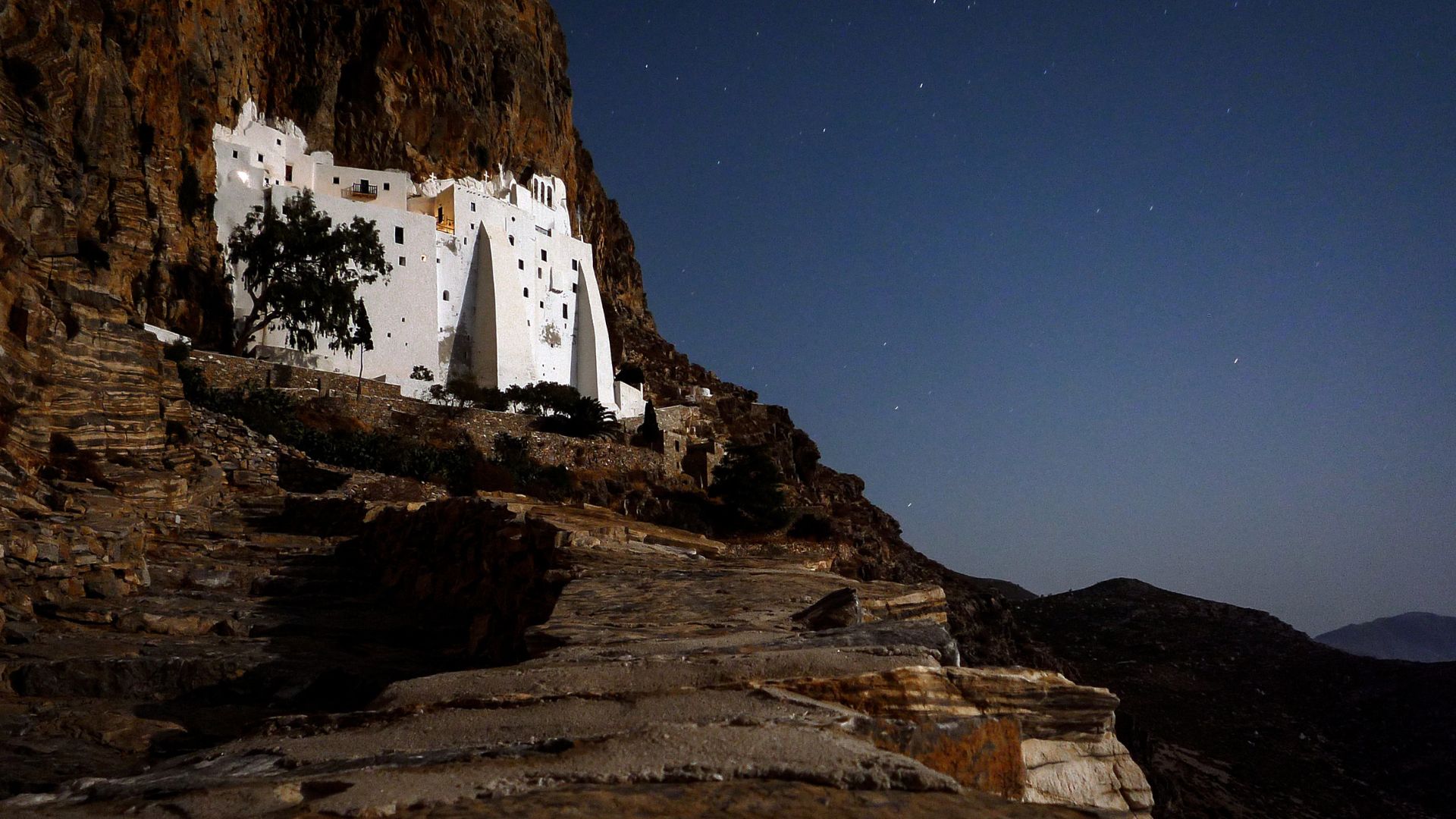
The whitewashed monastery walls almost disappear into the rocks, like a secret carved from the mountain itself. The salty air whipped around, and I realized why Amorgos stands out. This place feels raw and unspoiled, like it’s holding onto its true self.
Every step brought a new view and a rare kind of quiet.
If you’re after adventure, peace, or just that feeling of discovering something real, Amorgos delivers. My hike to the monastery and beyond showed me a side of Greece that feels frozen in time—perfect if you want more than the usual tourist trail.
Chasing the ‘Big Blue’ Dream on Amorgos
Bright sunlight spilled across the Aegean, leaving the sea an almost unreal blue. Each step on Amorgos felt like a small discovery—a new landscape, a sudden sense of freedom.
Ancient cliffs, a legendary film, and untouched beauty shaped every minute I spent here.
The Allure of Amorgos and Its Undiscovered Corners
Amorgos doesn’t get swarmed like other Greek islands. Villages pop up between winding roads and rocky hills.
I found myself on steep trails, wild herbs brushing my legs, the smell of sage everywhere. Sometimes, getting to the beaches took real effort.
But the reward? Cool water, shimmering pebbles, and a quiet swim all to myself. Exploring on foot meant surprises—hidden churches, sudden sea views, and the kind of silence you almost never find.
Here’s what really stuck with me:
- Raw cliffs plunging straight into blue water.
- Mountain paths twisting through tough, rocky land.
- Secluded beaches with nobody else for miles.
Every turn felt like my own little adventure. Amorgos became my secret escape.

How ‘The Big Blue’ Shaped Amorgos’s Modern Legend
Before I ever set foot on Amorgos, I saw its cliffs and sea in The Big Blue. That film captured the wild spirit of the island and its endless horizon.
Locals love to tell stories about the filming. Scenes around the Monastery of Panagia Hozoviotissa—the white building clinging to the cliff—became iconic.
Even now, people come here hoping to stand in those very spots, chasing that feeling of wide-open space.
The Big Blue didn’t just bring in more visitors. It gave Amorgos a mythic, cinematic edge that calls to free divers, filmmakers, and dreamers.
Revisiting Cinematic Landscapes in Real Life
I recognized the stone steps and dizzying views from the film as I walked up to Hozoviotissa Monastery. In person, the cliff felt even steeper—falling away to the deep blue sea far below.
No wonder the director picked this spot. The monastery’s white walls seem to grow right out of the rock.
The air smelled of salt and wildflowers, and the wind whipped around, making every moment feel sharp and real.
Instead of just watching from afar, I stepped right into the film’s scenery. Simple things—monks offering water, sunlight flickering on the path—made the place come alive.
Every corner had its own quiet story, just waiting to be found.
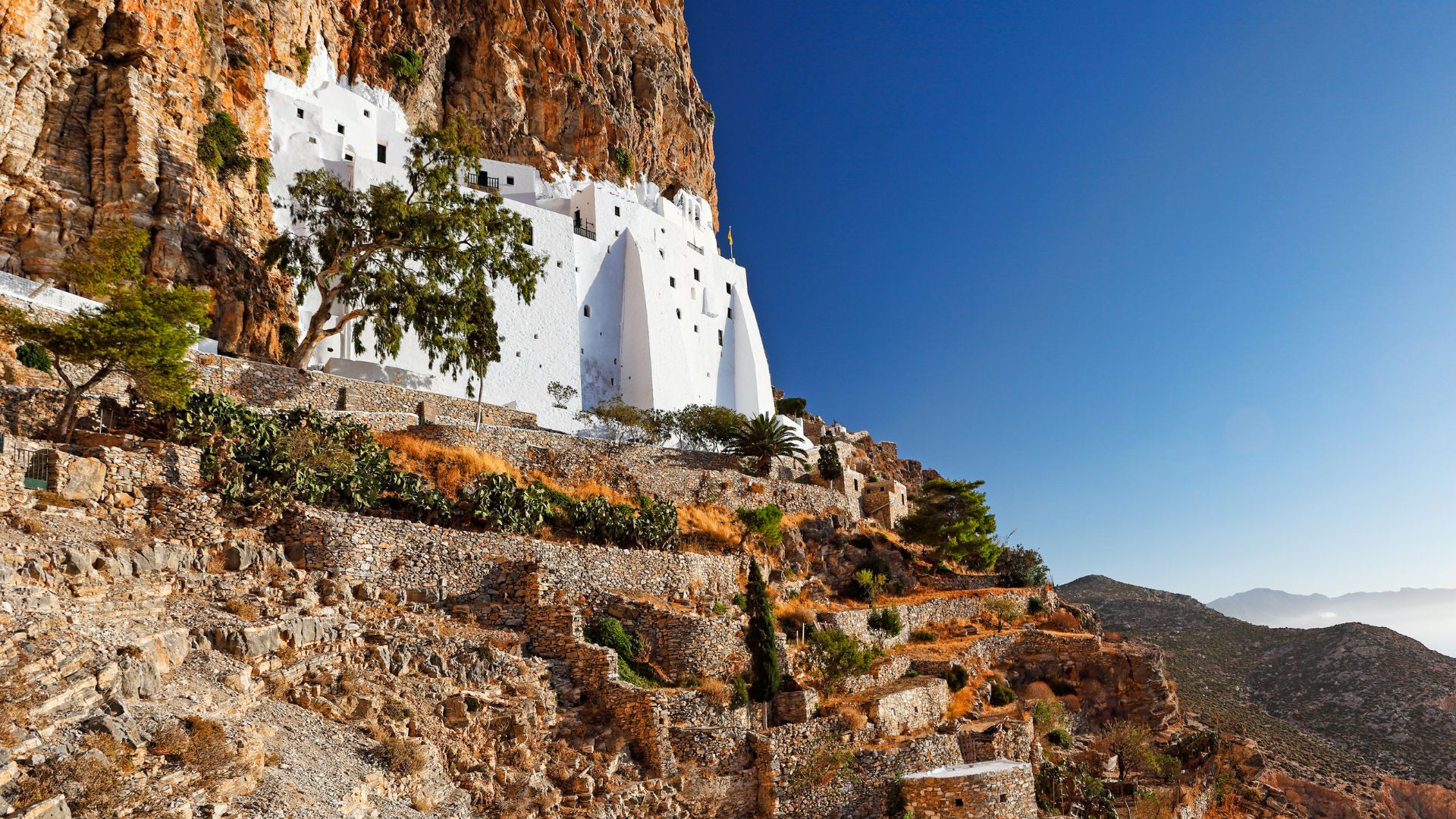
The Hike to Hozoviotissa Monastery: A Journey Etched in Stone
Climbing the ancient path to Hozoviotissa Monastery challenged me, but it also gave me one of my best memories from Amorgos. The rugged cliffs, wild herbs, and endless blue sea all blended into a scene I can’t forget.
Starting the Trail: Where Dreams Meet Reality
I found the trailhead near Agia Anna Beach, a spot already famous from “The Big Blue.” The salty breeze carried thyme, pine, and wildflowers.
Stone steps, worn down by centuries of pilgrims, set a steady, demanding pace right from the start.
Almost right away, the path started to climb. Each step pulled me closer to the sky and farther from daily worries.
Other hikers nodded hello. We all shared that look of determination as we tackled the steep ascent.
At some points, the trail twisted past sharp drops. I’d look back and see the Aegean stretched out below, blue as far as I could see.
There’s a sense of challenge, but also calm—the only sounds were my footsteps and distant seabirds.
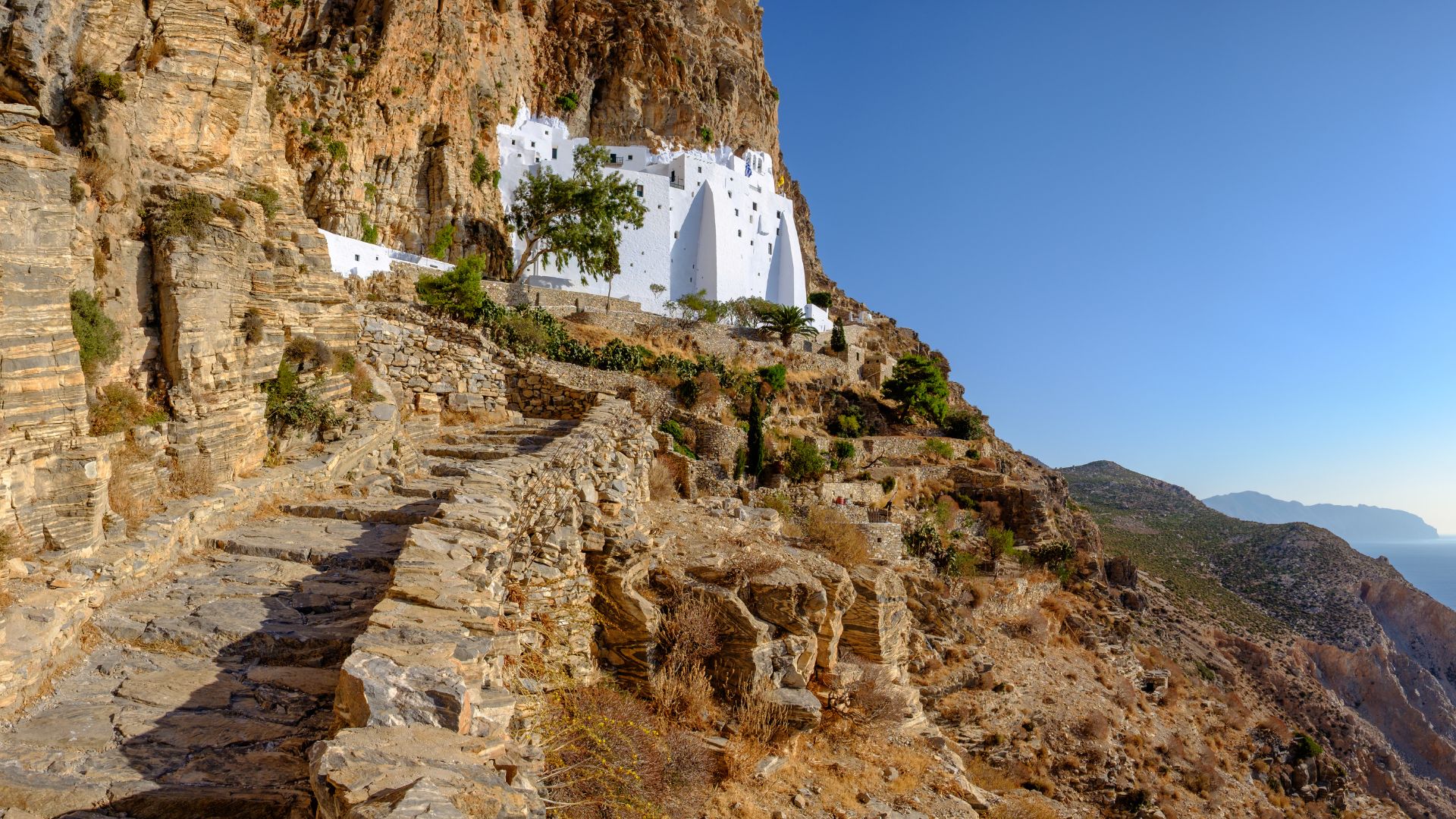
Cliffside Views and Serene Moments Along the Way
I stopped more than once, partly to catch my breath and partly to soak in the views. Stone benches popped up here and there, perfect for sitting and watching sunlight dance on the water.
Each rest spot showed me a new angle of the monastery, perched impossibly high against the cliff.
Sometimes, a soft breeze carried the faint sound of church bells, mixing with the rustle of leaves. The solitude surprised me—I never felt crowded, just connected to the wild beauty around me.
I snapped photos, but honestly, no picture could capture the color or the stillness. The longer I walked, the more I realized: this hike is about the journey, not just the destination.
What to Know Before You Go: Tips for Hikers
I learned quickly—good shoes are a must. The stones get uneven, and the steps get steeper as you climb.
Early mornings are cooler, and the light turns the cliffs golden, so that’s the best time to start.
What to bring:
- Water: The sun is fierce, and there’s no shade for long stretches.
- Light snacks: Energy bars or fruit help keep you going.
- Hat and sunblock: The Greek sun takes no prisoners.
- Respectful clothing: You’ll need to cover shoulders and knees to enter the monastery.
The path has about 300 steps, and every one is worth it. I met people of all ages, each taking it at their own pace.
Respect the quiet and the sacredness—this is more than a tourist stop; it’s a piece of history carved in stone.
Hozoviotissa Monastery: Perched Between Sea and Sky
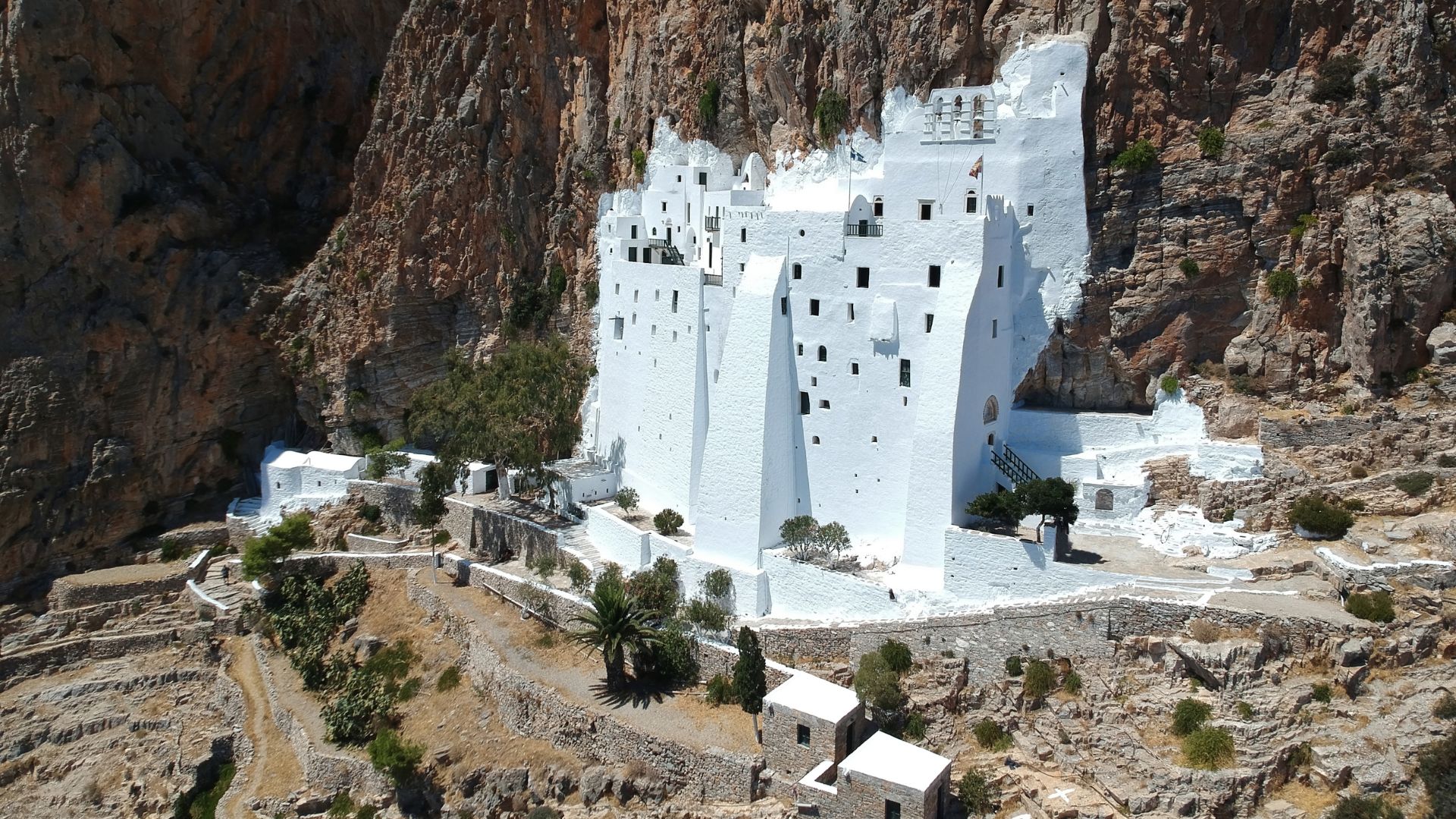
Hozoviotissa Monastery clings to the cliffs of Amorgos, looking out over the endless blue Aegean. Its white walls seem to float between rock and sky, sheltering centuries of stories and peaceful silence high above the waves.
History and Mystique of Hozoviotissa Monastery
They founded Hozoviotissa Monastery in the 11th century, back in the Byzantine era. As I climbed the marble steps carved into the cliff, I kept picturing those early monks—seeking refuge, hidden from invaders.
Legend says an icon from Palestine washed ashore, and the monastery was built to honor it. The spot isn’t just beautiful; it’s clever.
That nearly vertical rock face helped protect it from pirates and hard times. Even now, seeing the monastery wedged into the cliff takes my breath away.
Inside, narrow passages lead to tiny, dimly lit chapels filled with old icons and the smell of incense. Every doorway and corner seems to whisper old secrets.
I felt the long history living on in every stone.
Experiencing the Silence Within Ancient Walls
Stepping inside Hozoviotissa, the world outside faded away. A deep quiet settled in—just the wind and distant gulls.
A few monks went about their day in silence, and visitors lowered their voices without thinking.
I found a spot by a window overlooking the sea. Time slowed down.
Outside, sunlight sparkled on the water, but inside these whitewashed corridors, everything felt calm. The air smelled faintly of stone and beeswax.
If you want a moment to reflect, this is the place. I didn’t feel rushed.
It was easy to let the silence sink in and leave the busy world behind, even if just for a little bit.
Meeting the Monks and Savoring Local Delicacies
Meeting the monks reminded me of Greek hospitality at its best. They greeted me with warm smiles and a simple nod, dressed in black habits—quiet, but welcoming.
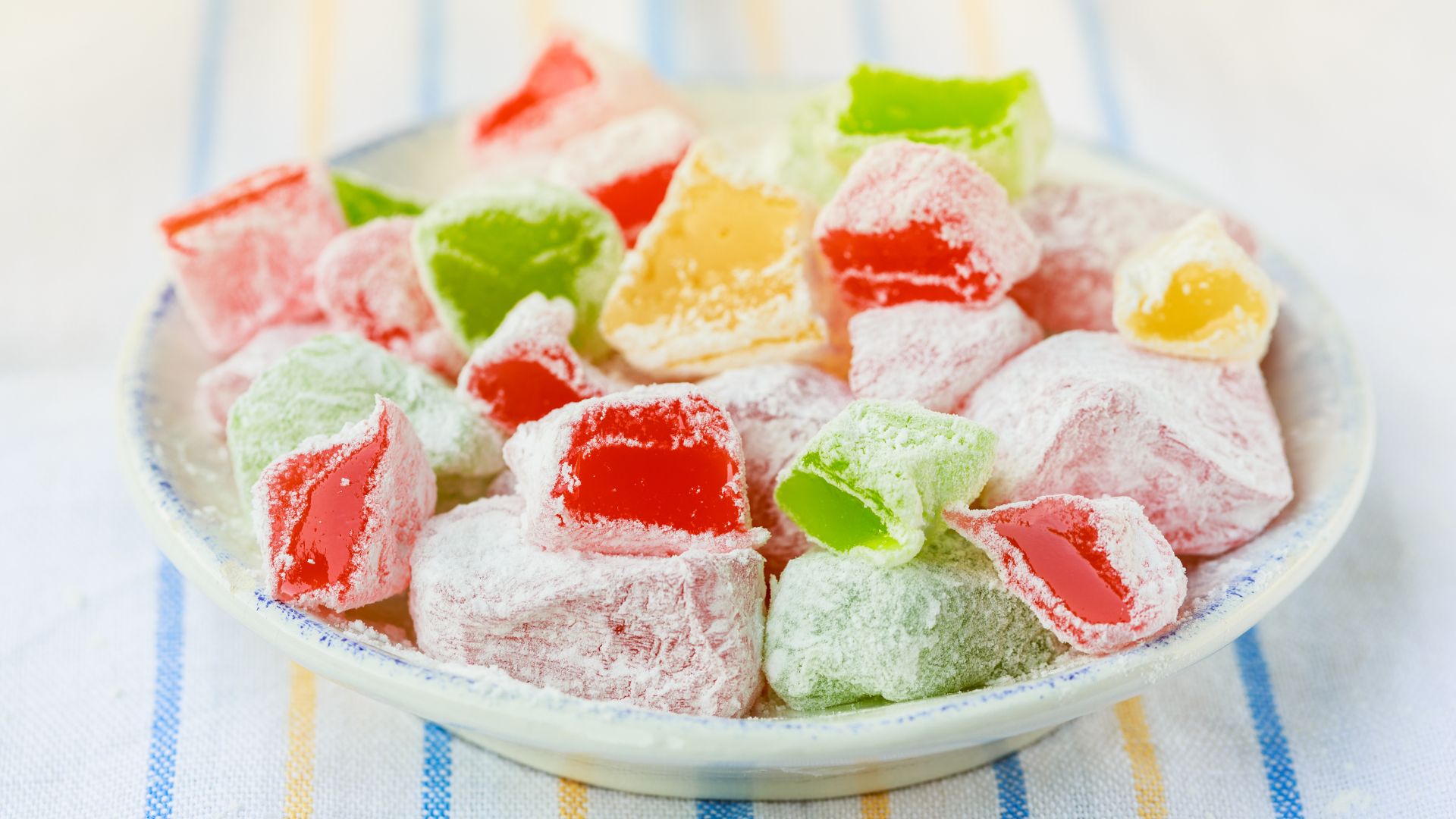
As I sat, they offered a traditional treat: a small glass of raki and a square of sweet, homemade loukoumi (Turkish delight).
Typical monastery offerings:
| Treat | Description |
|---|---|
| Raki | Local distilled spirit |
| Loukoumi | Soft, fragrant sweet |
| Mountain tea | Herbal infusion, seasonal |
These gestures made the visit feel personal. Sharing local food and drink is tradition here.
I always find these moments stick with me—connecting not just to the place, but to its people and their way of life.
Uncovering Raw, Untouched Beauty Beyond the Monastery
Amorgos feels like a place where nature and tradition still thrive side by side. The coastline and mountain paths lead to quiet escapes and glimpses of daily life that make the island feel timeless.
Hidden Beaches and Turquoise Waters
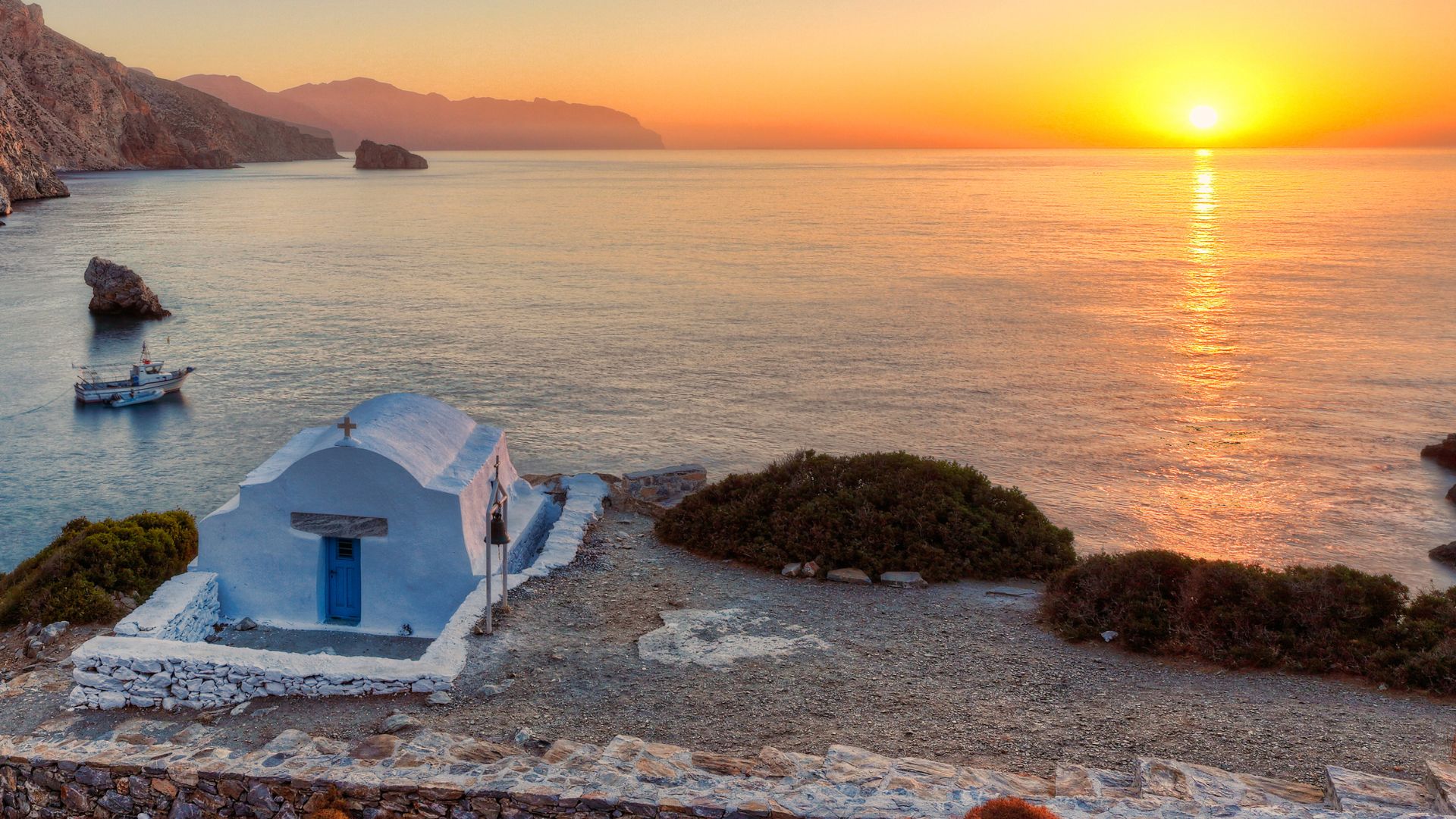
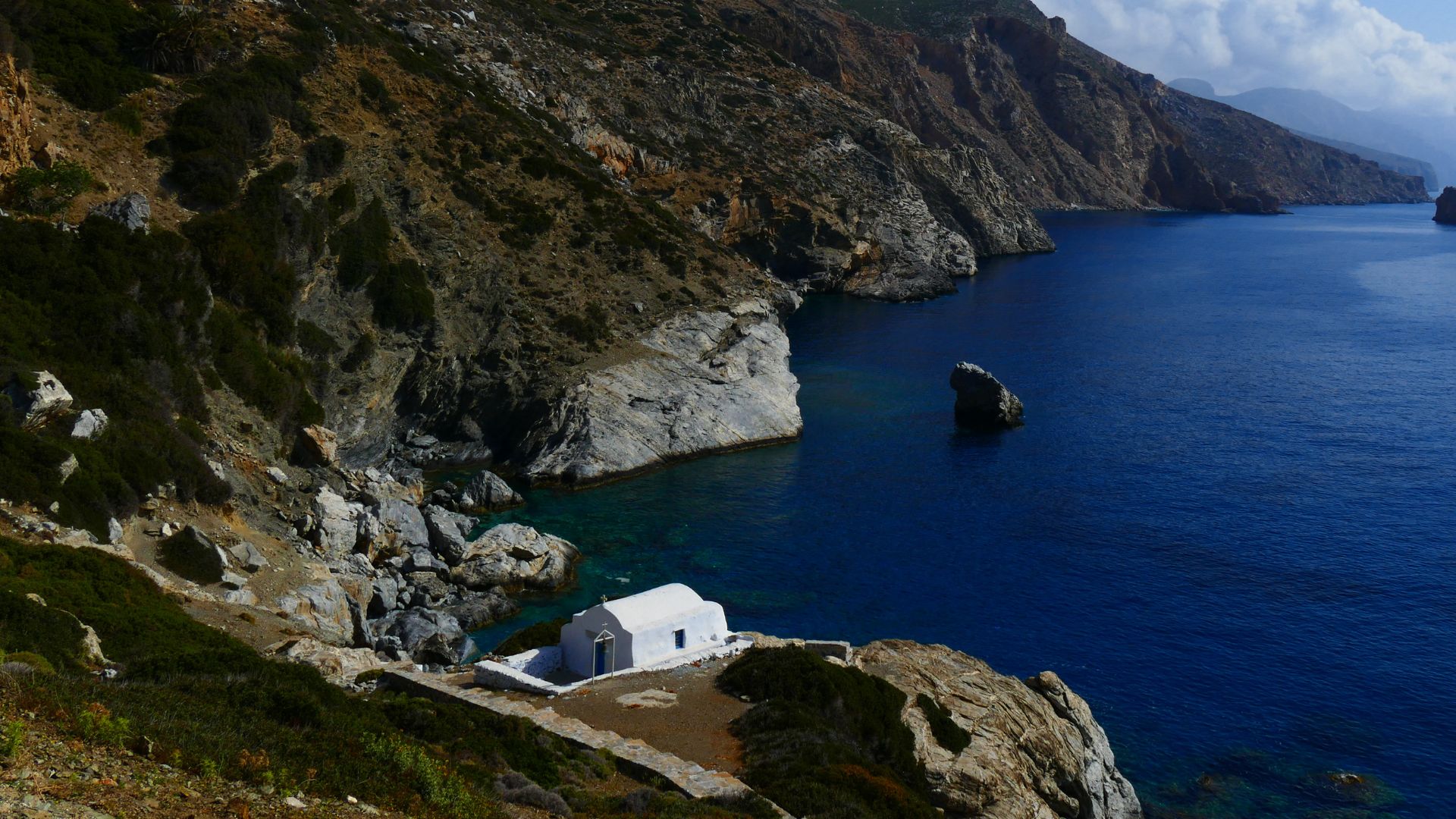
After leaving Hozoviotissa, I followed dusty paths down to the sea. These trails led to beaches like Agia Anna, where the water glows bright blue and the only crowds are a handful of locals or other travelers.
The pebbles are smooth, and the cliffs give the place a wild, rugged edge.
A few must-see beaches:
- Agia Anna: Famous for “The Big Blue” film, wind-carved rocks, and clear water.
- Mouros Beach: Tucked between steep hills, with dark sand and little sea caves.
- Levrossos Beach: Easier to reach, calm shallows, and a peaceful vibe.
Swimming in these coves felt private. Sometimes a fishing boat would putter by, or I’d spot sea urchins below the surface.
These spots are perfect if you’re craving the quiet side of the Cyclades.
Rustic Villages and Everyday Island Life
Heading inland, I wandered into villages like Chora and Tholaria. The lanes twisted like a maze, lined with whitewashed houses, blue shutters, and bursts of bougainvillea.
Locals sat outside tiny cafes, sipping Greek coffee or playing backgammon in the shade.
I stopped at bakeries where the smell of fresh bread drifted out the doors. Shops sold handmade soaps, local honey, and herbs picked from the hills.
Village life highlights:
- Watching artisans weave baskets or fix fishing nets
- Eating homemade cheese pies at a quiet taverna
- Joining summer festivals and listening to island music
Life moves slowly here. It’s easy to chat with shopkeepers or get directions from a passing farmer.
Every corner had its own story, proving Amorgos is full of simple joys beyond the famous monastery.

Travel Tips for Authentic Amorgos Adventures
If you’re planning a trip to Amorgos, it helps to know when to go, how to get around, and how to help keep the island’s quiet beauty just as it is. The right timing, smart travel choices, and taking care of the places we love can make any journey here even more memorable.
When to Visit for Solitude and Vibrant Experiences
Spring and early fall? Those are my favorite times to wander around Amorgos. From mid-April to early June, wildflowers pop up everywhere, and the weather feels just right.
Crowds haven’t really arrived yet, so the trails stay peaceful. September and October bring warm seas and that lovely golden light, but the summer rush is gone.
Restaurants and shops still open their doors, but I almost never bump into the crowds you’ll find in July or August. If you’re hoping to catch a local festival or just want to meet more travelers, late July and August get the busiest.
Just be ready—prices go up, and so do the temperatures.
Tip: Want a quiet hike or a calm swim at Agia Anna beach? Head out early in the morning or right before sunset. It’s honestly the best time.
Navigating the Island’s Trails and Local Transport
Amorgos has this network of old trails that link up villages, secret coves, and the Monastery of Hozoviotissa. I really appreciate how clear most of the paths are, but I always bring a good offline map app or a printed trail map.
Waymarking isn’t always perfect, so I keep an eye out for red and yellow paint on rocks. I usually hop on the local KTEL bus to get to trailheads and the main towns.
The buses don’t cost much, but I always double-check the schedule, especially if it’s not summer. Sometimes I rent a scooter or a tiny car when I want to roam around at my own pace.
Some paths get pretty rocky and steep—good shoes are a must.
Essentials:
- Water bottle
- Hat and sunscreen
- Small first aid kit
Responsible Travel and Preserving Untouched Charm
Amorgos draws people in with its raw, untouched beauty, so I try to travel thoughtfully. I always carry out my trash, and honestly, I do my best to keep quiet around the monastery.
When I visit villages or religious sites, I make a point to dress modestly. It just feels right to blend in and show some respect for local life.
I love supporting family-run tavernas, picking up local honey, and bringing a refillable water bottle. These little things help the community and definitely cut down on waste.
I stick to marked trails because I don’t want to trample wild herbs or flowers. Single-use plastics? I avoid them whenever I can.
Water’s a big deal here, especially in the dry summer months. I try to use as little as possible since fresh water’s so precious.
All these choices might seem small, but honestly, they add up. That’s how we keep Amorgos wild and wonderful for whoever visits next.