
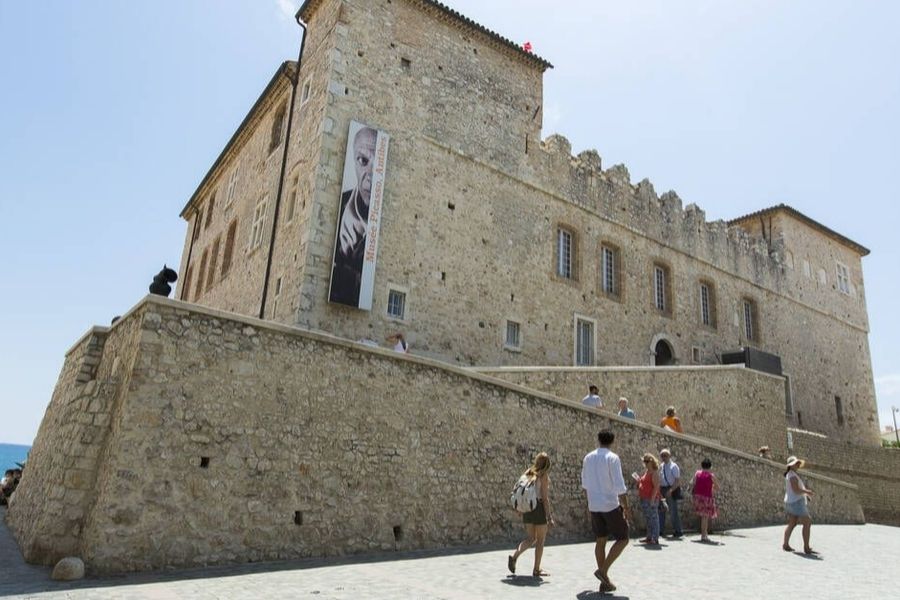
Antibes and Juan-les-Pins swept me into a lively mix of art, history, and summer rhythms. I wandered sun-warmed streets where Picasso once painted, pausing to take in the masterpieces inside the Picasso Museum, perched high on the old town’s ancient ramparts.
I didn’t expect the spirit of the Côte d’Azur to echo through every wall and open square.
When I stepped into the walled old town, stories popped up everywhere—hidden cafes, markets bursting with color, and jazz drifting from the clubs of Juan-les-Pins. The mix of Mediterranean charm and creative energy made each day stand out, whether I was poking through galleries or just strolling by the sea.
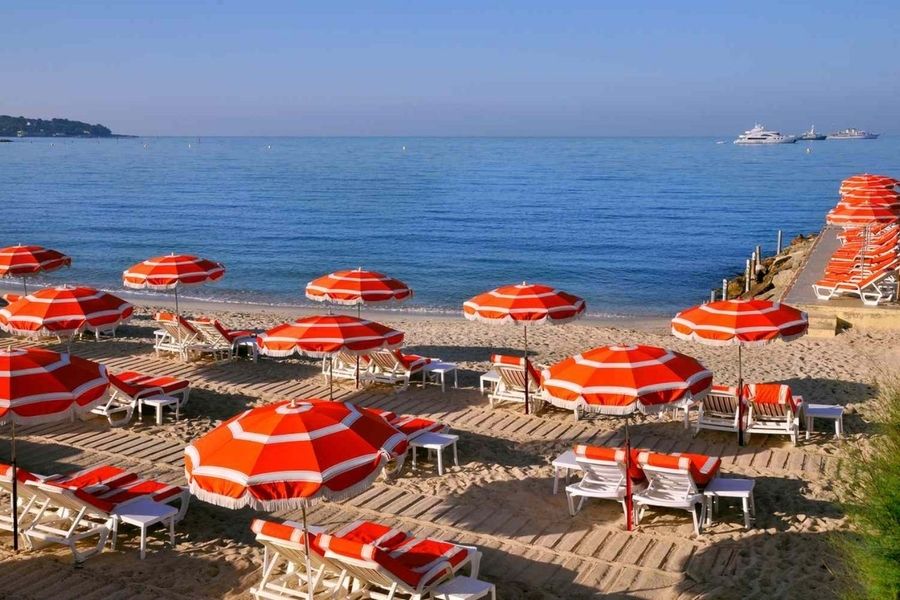
There’s just something about these places—where art, music, and tradition really come alive—that makes you want to slow down, look closer, and soak in every minute.
Wandering Antibes’ Walled Old Town
Antibes’ old town is packed with thick rampart walls, colorful facades, and corners overflowing with flowers.
Every turn brought a new blend of history, local life, and lively markets that shaped my visit.
Historical Landmarks and Ramparts
Antibes built its rampart walls centuries ago to keep out pirates and invaders. As I walked along these ancient stone barriers, I felt the weight of history and admired the artistry in every weathered brick.
The Promenade Amiral de Grasse offers unforgettable views over the blue Mediterranean. Fort Carré, standing at the harbor’s edge, is a must-see.
Its star-shaped design once watched over the sea for threats. As I strolled the ramparts, I pictured artists and writers of the past finding inspiration here.
Museums and plaques line the walkways, quietly sharing stories from medieval times to now. These reminders helped me see how Antibes’ walls became a symbol of community and resilience, not just defense.
Charming Streets and Vibrant Markets
As I explored the narrow, winding alleys, pastel houses leaned over cobbled lanes. Lavender and orange trees spilled from balconies, filling the air with their scents.
The old town feels alive in every doorway and every greeting from a shopkeeper.
The Marché Provençal, a covered market at the town’s heart, stood out. Locals chose fresh cheeses, tomatoes, and handmade soaps while I watched. It’s a feast for the senses, and you’ll need a bit of patience to find the right olive vendor.
Artists sometimes set up their stalls here, showing off Antibes’ deep ties to creativity.
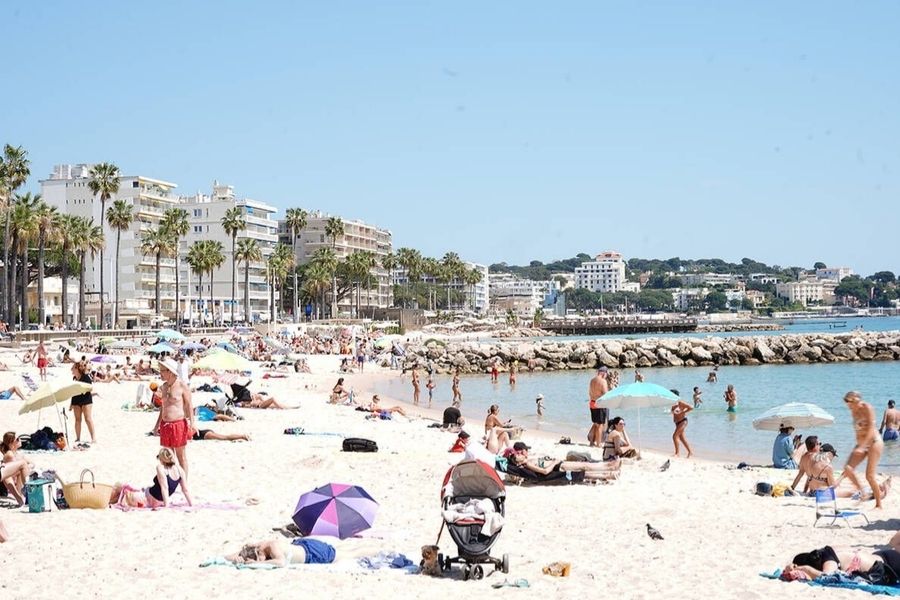
Cafés spill onto plazas, inviting you to linger over coffee. Wandering without a plan let me support local shops and enjoy some quiet people-watching.
Walking Tours and Guided Excursions
To really get to know Antibes, I joined a walking tour with a local guide. She mixed stories about the old walls with tales of Picasso, who found inspiration here and left his mark on the town.
Guided excursions took me into places I’d never have found alone—old chapels, hidden courtyards, and artisan workshops. The guides answered questions with patience, so each walk felt more like a conversation than a lecture.
Some tours focus on art, food, or jazz legends from nearby Juan-les-Pins. Every excursion deepened my connection to Antibes and made me travel with more curiosity.
Picasso’s Creative Legacy by the Mediterranean
As I wandered through Antibes, I could feel the energy that pulled Picasso and so many other artists here. The sea, stone walls, and that glowing light shaped their art and the history of modernism in Europe.
Musée Picasso: A Journey Through the Artist’s Works
I stepped into the Grimaldi Castle—now the Musée Picasso—and immediately noticed how close everything sits to the sea. Sunlight streams through the windows, and the museum hovers right above the Mediterranean.
Picasso’s paintings, drawings, sculptures, and ceramics fill the bright rooms.
What really struck me: many works were created right here. After World War II, Picasso spent 1946 working in Antibes and donated several pieces to the museum.
I lingered in front of “La Joie de Vivre,” a painting bursting with movement and color, and wondered how many afternoons Picasso watched the sea from these same windows.
This museum honors Picasso’s time in Antibes, placing his art in the very environment that inspired it.
With detailed labels and quiet galleries, I never felt rushed. It was easy to picture Picasso sketching here, salt air drifting in as he worked.
Notable Works on Display:
| Artwork | Medium | Year |
|---|---|---|
| La Joie de Vivre | Painting | 1946 |
| Satyr, Faun, and Centaur | Drawing | 1946 |
| Collection of ceramics | Ceramics | 1946-47 |
The Evolution of Picasso’s Style in Antibes
During his time in Antibes, Picasso’s style shifted. His earlier, sometimes heavy themes gave way to lighter, dreamlike scenes filled with joy and color, often celebrating the Mediterranean lifestyle.
In the museum, I noticed Picasso experimenting with new materials, especially ceramics. He learned local methods at the Madoura workshop in nearby Vallauris. These pieces mix traditional shapes with bold, modern designs.
Compared to his Cubist years, Picasso in Antibes embraced a more romantic and playful approach. Dancers, fauns, and mythological creatures show up again and again. You can really see the influence of southern France—even in the sculptures, the sun and landscape come through.
Influence of Nature and Light on Modernism
The Antibes coast glows with light. I hadn’t realized how different the Mediterranean blue can look from one hour to the next.
Picasso noticed this too—artists here always chased that special light, which softens colors and casts gentle shadows.
Nature’s shapes fill Picasso’s art. Fish, leaves, and sun motifs repeat in his paintings and ceramics. The sea isn’t just a backdrop—it becomes a character.
I loved how his works captured small joys: swimmers, picnics, lazy afternoons.
This spark from nature helped change art in the 20th century. Picasso and others connected landscape with imagination, laying the groundwork for later contemporary movements.
Nature’s Elements in Picasso’s Antibes Period:
- Sparkling turquoise sea in paintings.
- Terracotta hues in ceramics and sculpture.
- Playful marine life motifs (fish, octopus).
Stories of Artists and Art Movements Along the Côte d’Azur
Antibes and nearby towns have always drawn artists. I felt that creative pulse not just at the Picasso Museum but out on streets lined with galleries and murals.
After Picasso, painters like Nicolas de Staël came here, and even before that, many Impressionists passed through.
Each movement left its mark. Romantic artists found drama in the waves; modernists like Picasso found endless inspiration in the old villages and sharp sunlight.
Jazz musicians and writers also flocked here, especially for the summer festivals in Juan-les-Pins. The crossroads of art, music, and nature built a culture of creativity that still lives on.
If you love art history, walking Antibes’ streets feels like stepping into a living museum—one that supports new talent while honoring legends.
Experiencing Jazzy Summer Nights in Juan-les-Pins
Music pulses through warm evenings in Juan-les-Pins, filling the air with excitement. With every step, I found a lively mix of international jazz, historic charm, and places where locals and visitors come together to celebrate under the night sky.
World-Famous Jazz Festival: Music Under the Stars
Every July, Juan-les-Pins hosts the Jazz à Juan festival. I got lucky and caught top musicians from around the world performing right by the sea.
The stage sits under tall pine trees, with the Mediterranean as a backdrop. It’s pretty magical—stars overhead, music drifting on the breeze.
Jazz legends like Miles Davis and Ella Fitzgerald have played here. As I walked the promenade during the festival, I saw fans from all over chatting and sharing their love for jazz.
Events happen nightly from July 10 to 20, each one with its own flavor, from classic swing to modern jazz fusion.
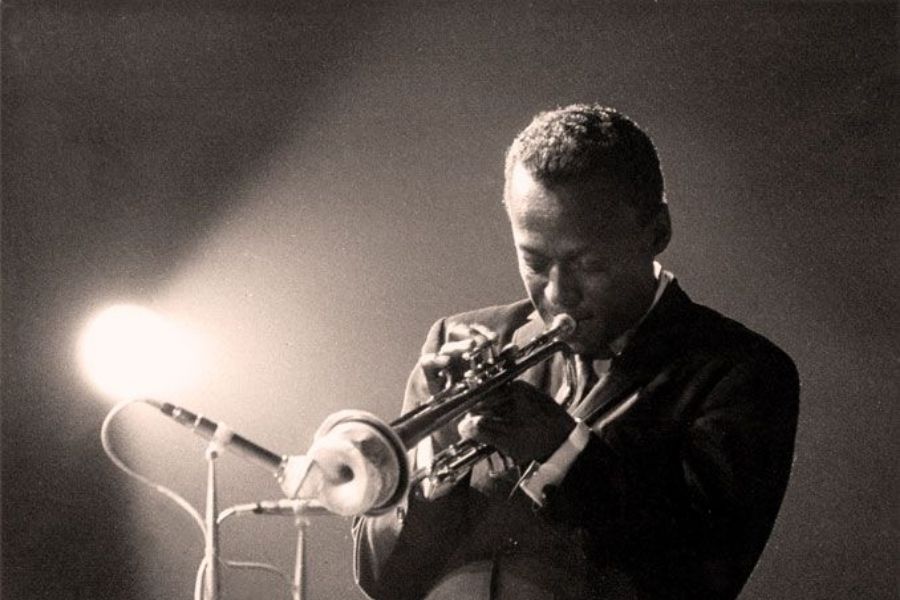
Buying tickets ahead of time is smart, especially for the big shows, since some nights sell out fast. I noticed the crowd often breaks into spontaneous dancing and cheers, especially during encores.
The vibe is open, friendly, and honestly unforgettable.
Best Spots for Live Music and Dancing
Even outside the festival, the town buzzes with live music. I found small clubs, beachfront bars, and cozy cafés where bands played everything from smooth jazz to upbeat pop.
Le Crystal and Pam Pam both stood out for their energy and easy-going crowd.
Here’s a quick list of my favorites:
| Venue | Vibe | Music Style |
|---|---|---|
| Le Crystal | Intimate, lively | Jazz, lounge |
| Pam Pam | Tropical, festive | Latin jazz, dance beats |
| Hotel Belles Rives | Elegant, classic | Swing, live piano |
At night, open-air venues fill up, and people gather for dancing by the sea. Even when some clubs close for private events, you’ll easily find another spot nearby.
Local musicians sometimes play in public squares, turning an ordinary night into a street party.
Charisma of Juan-les-Pins After Dark
As sunset fades, Juan-les-Pins wakes up in its own way. The narrow streets glow with soft lights, and music drifts from every corner.
I loved wandering past art displays and pop-up food stands, where the energy was lively but not overwhelming.
The old town’s stone walls seem to catch the rhythm of the night. Sports fans gather in cafés to watch matches, while others wander to the boardwalk for ice cream or late-night snacks.
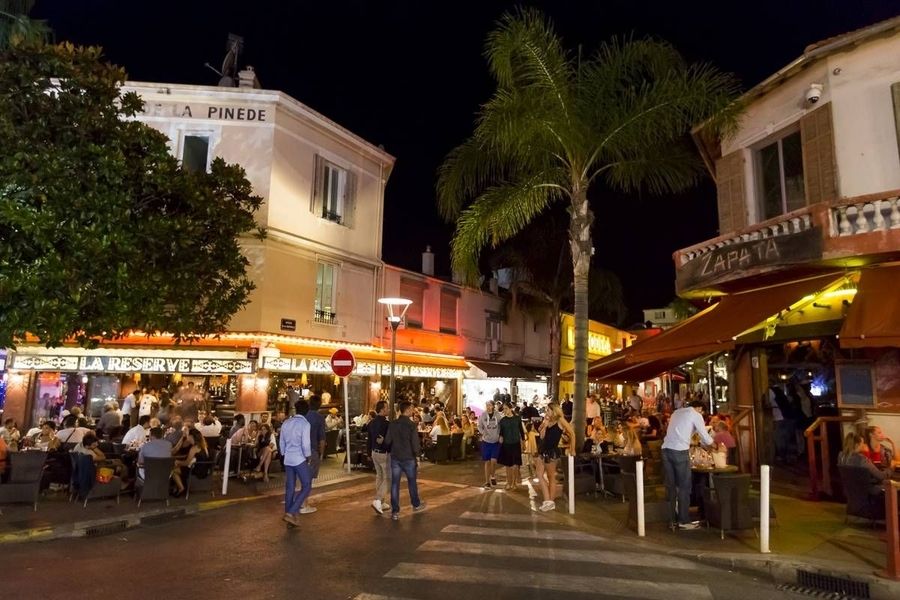
There’s always a mix of new faces and regulars, sharing stories and laughter. For me, the real charisma of Juan-les-Pins comes from this spirit—a welcoming place where everyone’s invited to join the celebration, dance, or just enjoy the fleeting magic of a jazz-filled night.
Where to Stay, Dine, and Unwind
Arriving in Antibes and Juan-les-Pins, I noticed how easy it is to blend luxury with relaxation. Boutique hotels hide on quiet streets, seaside meals feel like a treat, and cozy spas offer a blissful way to unwind.
Every moment here feels like an invitation to slow down.
Recommended Hotels and Unique Accommodations
I started my trip at the Mas Djoliba Hotel, a small and charming place just a short walk from the old town. Its peaceful garden and lovely terrace gave me a quiet escape after city strolls.
For a grander stay, the Cap d’Antibes Beach Hotel stands out. This five-star spot has a private beach, and I could sip coffee right by the waves in the morning.
It’s perfect if you want a luxurious experience steps from the sea.
Hotel Juana, a 1930s classic, blends Art Deco elegance with modern comfort. I loved how close it was to the lively center of Juan-les-Pins.
For travelers on a budget, the Holiday Inn in Antibes is comfortable and reliable without giving up a good location.
Here’s a quick comparison table:
| Hotel Name | Location | Highlight |
|---|---|---|
| Mas Djoliba Hotel | Antibes Old Town | Charming, quiet gardens |
| Cap d’Antibes Beach Hotel | Cap d’Antibes, Beach | Private beach, luxury |
| Hotel Juana | Juan-les-Pins Centre | Art Deco, central |
| Holiday Inn | Antibes | Budget-friendly, modern |
Top Restaurants and Gastronomy Experiences
Dining here really is a treat for the senses. I wandered into small bistros tucked inside Antibes’ old town walls. Fresh seafood and local rosé seem to show up on every menu.
The markets buzz with energy. You’ll find Provençal cheeses, olives, and breads stacked high.
For a memorable dinner, Restaurant Le Figuier de Saint-Esprit stands out. It’s tucked under old stone arches, and the chef’s creativity pops in every bite.
In Juan-les-Pins, I loved the beachside vibe at Le Ruban Bleu. Grilled fish and those airy desserts made my evening feel like a celebration.
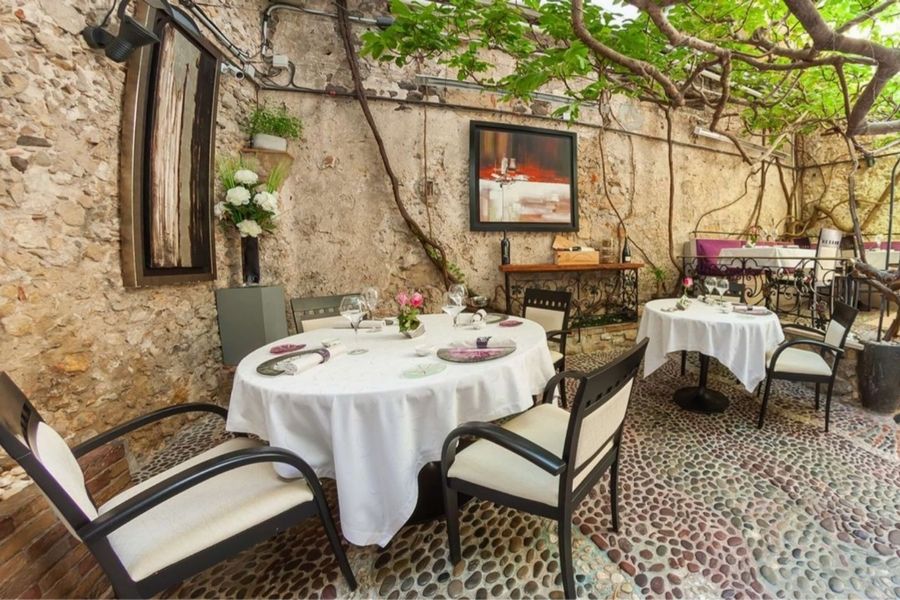
A quick tip: restaurants fill up fast, especially on summer jazz nights. If you want a terrace seat with a view, booking ahead is just smart.
Wellness: Hammams, Saunas, and Jacuzzis
After long days exploring galleries and soaking up the sun, I just needed a place to recharge. Both Antibes and Juan-les-Pins have hotels and wellness centers that offer some relaxing spa experiences.
I booked a session at a local hammam. The steam melted away all my travel aches, and moving from hot steam to a cool plunge felt surprisingly refreshing.
Some hotels—like Cap d’Antibes Beach Hotel—offer private saunas and jacuzzis. It’s honestly perfect for unwinding in peace after a day out.
Spa treatments get booked up, especially during festival season. I learned to plan ahead. If you’re craving total relaxation, an hour in a jacuzzi or sauna isn’t just a convenience—it can be the highlight that resets you for another day of discovery.
Art-Inspired Day Trips from Antibes
Art doesn’t stop in Antibes. There are some really unique day trips for culture lovers, nature fans, and foodies who want to explore the Alsace region, wander old towns, and sample local wines in the mountains.
Exploring Alsace and Strasbourg
When I traveled from Antibes, Alsace surprised me with its picture-perfect villages. Half-timbered houses, colorful shutters, and quirky artistic touches line the streets.
Strasbourg, the capital, mixes French and German influences. Its cathedral grabs your attention with a massive spire and gorgeous stained glass.
Walking in the Petite France district, I admired the bridges and waterfront. The Strasbourg Museum of Modern and Contemporary Art rotates exhibitions from both local and international artists.

I often lost myself in the cobblestone streets, stopping at bakeries for kougelhopf or fresh pretzels. If you’re after vibrant city energy mixed with deep artistic vibes, Strasbourg delivers.
Colmar’s Artistic Heritage
Colmar immediately charmed me with its storybook looks. Pastel facades and flower-filled canals set the scene.
But the art history here stands out even more. The Unterlinden Museum houses the famous Isenheim Altarpiece and an impressive collection of paintings and sculptures.
Art spills out onto the streets during Colmar’s summer festivals. I watched painters work by the canals and musicians perform in open-air squares.
Walking the self-guided art trail, I stumbled across galleries filled with pieces inspired by the region’s landscapes. Colmar balances history, art, and a lively daily rhythm that’s easy to fall for.
From the French Riviera to the Vosges Mountains
Leaving the coast behind for a day or two, I traveled from Antibes into the Vosges Mountains. The palm trees faded, replaced by thick pine forests and cool mountain air.
Art here lives in nature and tradition. Villages display murals, woodcarvings, and embroidery passed down for generations.
One highlight? Gérardmer, a lakeside town known for its film and fantasy festival and open-air art installations.
I hiked forest trails, pausing to admire wildflowers and distant views of the Black Forest across the German border. The Vosges offer a mix of light adventure and cultural discovery, with surprises waiting around every bend.

Wine Tasting, Camping, and Outdoor Adventures
Alsace feels like a dream for anyone who loves wine. The country roads wind through endless vineyards, dotted with small producers everywhere you look.
I pulled over for tastings in villages like Riquewihr and Eguisheim. Enthusiastic vintners poured dry Rieslings and crisp Pinots while sharing their stories—honestly, I could’ve stayed for hours.
Camping in Alsace or up in the Vosges Mountains gives you a different way to really soak in the place. Most campgrounds are family-run and peaceful, usually just a short walk or bike ride from a trail.
Waking up to birdsong before heading out on a new adventure? I loved it. If camping isn’t your thing, small hotels and guesthouses offer comfy beds, mountain views, and plenty of regional dishes.
Outdoor activities are everywhere—think paragliding above vineyards or kayaking on mountain lakes. Sometimes I just wandered local markets, picking up cheeses, honey, and pastries for a picnic by the water.
Whether you’re planning trips with friends or exploring solo, you’ll find the region makes it easy for travelers of any age.
