
Under the bright Greek moon, I sat on a stone seat that had supported audiences for more than two thousand years. The ancient theater of Epidaurus isn’t just a relic—it lives and breathes, bringing the past and present together through performance.
Watching tragedy unfold in this amphitheater, with its perfect acoustics, made me feel connected to generations before me. We all wrestle with the same questions about fate, justice, and suffering, don’t we?
A little preparation goes a long way here. I brought a cushion for the hard marble seats and wore layers for the night chill.
As Euripides’ words floated up to the highest tier without a microphone, I finally got why people call Epidaurus the most perfect ancient theater in the world.
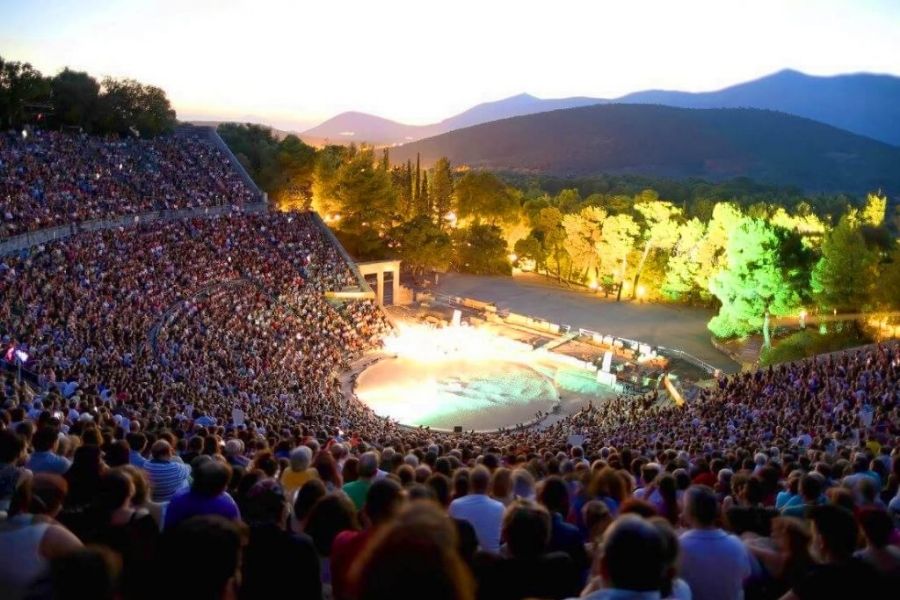
What makes a summer night at Epidaurus so enchanting? The setting itself breathes life into the stories.
When Antigone stood up to a king, or Medea faced her impossible choices, these ancient characters felt surprisingly close. The plays here aren’t dusty museum pieces—they’re vivid explorations of human nature, still pulsing under the same stars that watched their first performances.
Unveiling Epidaurus: The Timeless Stage
Standing among the limestone seats of Epidaurus, I could almost hear ancient performers whispering through time. This place isn’t just an architectural marvel; it’s one of Greece’s strongest links to its theatrical roots.
The acoustics are unreal, and the history is just as impressive.
The Legacy of Ancient Greece
Ancient Greece gave us democracy, philosophy, and the theater traditions we still love. The Greeks invented drama as both entertainment and a spiritual ritual way back in the 6th century BCE.
Tragedies by Sophocles, Euripides, and Aeschylus, and comedies by Aristophanes, built the foundation of Western theater.
Actors wore masks to play different roles and show emotions. The chorus guided the story and shaped the audience’s reactions.
What really amazed me? These ancient plays still hit home for modern crowds. Themes like hubris, fate, and suffering feel as fresh as ever, even after 2,400 years.
Discovering the Heart of Peloponnese
The Peloponnese peninsula holds some of Greece’s most stunning landscapes and historical gems. I drove through olive groves and cypress-lined roads to reach Epidaurus in the Argolis region.
This lush area feels far from Athens’ chaos, though it’s only a two-hour drive away. The journey itself became part of the adventure, passing through villages where time seems to slow down.
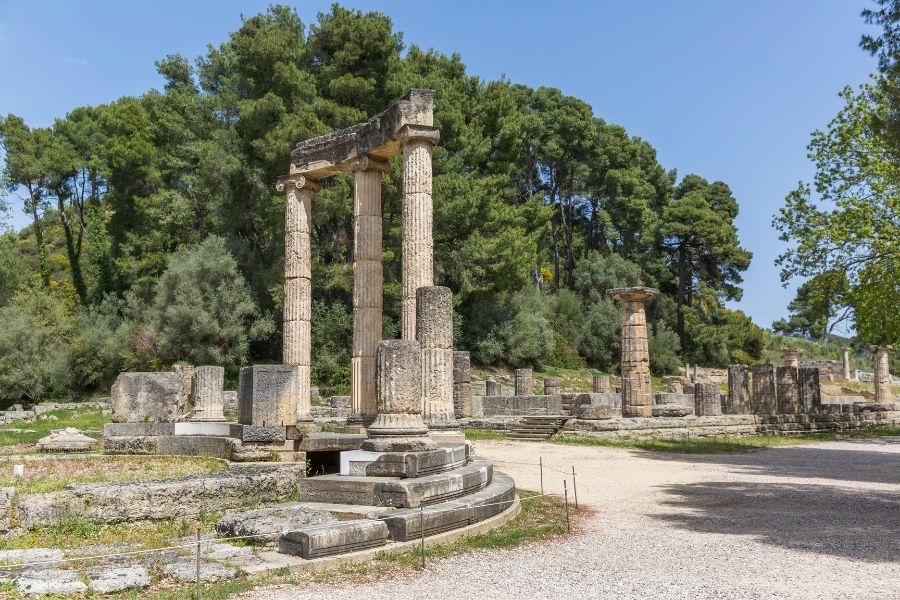
People once came to the sanctuary of Epidaurus seeking healing from Asclepius, the god of medicine. Pilgrims traveled here for cures, making it both a medical and spiritual center.
The way the ancients linked performance with healing struck me. They believed drama could restore balance to the soul.
Epidaurus and Its Historic Theatre
They built the Epidaurus theater in the 4th century BCE, and somehow it still stands as the best-preserved ancient Greek theater. UNESCO even recognizes it as a World Heritage Site.
Its acoustics are legendary—I could hear someone whisper from center stage while sitting way up at the top.
The theater has 55 rows of limestone seats, split into two sections, and can hold up to 14,000 people. Each row is a little bigger than the one below, following careful math.
What makes it truly special? The theater still hosts performances during the Athens Epidaurus Festival each summer.
Modern actors step onto the ancient stage under the same stars as audiences did millennia ago.
Standing there, I felt the full weight of theatrical history. Every summer, the theater comes alive, bridging past and present in a way you just can’t forget.
Embracing a Summer Night Performance
Epidaurus turns magical at night, when the sun sets and the ancient stones glow in the moonlight.
The mix of natural beauty, history, and theater here is something modern venues just can’t offer.
First Impressions Under the Stars
I arrived at the Ancient Theater of Epidaurus as twilight faded. The limestone amphitheater, carved into the hillside, seemed to rise from the darkness like a phantom.
Walking up the path, I heard voices in different languages—people from everywhere, all drawn to this experience.
The vast night sky above caught me off guard. There’s no city glare here, so the theater sits beneath a blanket of stars the ancient Greeks would recognize.
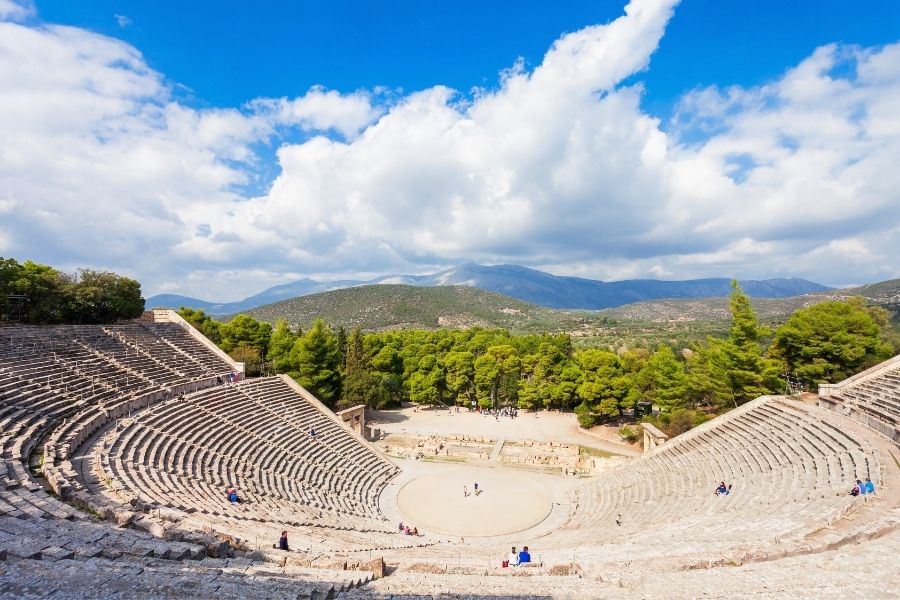
I found my seat on the cool stone and marveled that a place built for 14,000 could still feel so intimate.
The Unique Atmosphere of Greek Theatre
Epidaurus isn’t just about perfect acoustics—it’s a full sensory experience. When the performance started, I heard actors whisper from the stage, even though I sat many rows away.
No microphones needed in this ancient masterpiece.
The breeze brought scents of pine and wild herbs from the hills. Time seemed to slow as Euripides’ words echoed, performed in the same spot where they first rang out.
Nature and theater blend here. Crickets sometimes join the chorus, and the mountains form a dramatic backdrop.
Navigating Inconvenience and Finding Virtue
Getting to Epidaurus takes some patience. It’s a two-hour drive from Athens, and festival season can mean crowded, narrow roads.
I learned to come early and pack a few essentials:
- Cushions for those stone seats
- Water and snacks (concessions are scarce)
- Layers for chilly nights
- A small flashlight for the walk back
These small hassles taught me something. Sharing blankets and whispered translations with strangers created a rare sense of community.
As the performance went on, the stars grew even brighter. That connection to nature—the thing the Greeks valued most—still feels like Epidaurus’s greatest gift.
Journey Through Ancient Drama: Stories That Endure
Greek tragedy keeps moving us because it explores timeless human struggles with storytelling techniques that have lasted more than 2,500 years.
Witnessing a Greek Tragedy in Epidaurus
Watching a tragedy at Epidaurus is unlike any other theater experience. On a warm July night, I settled onto the stone seats and felt a buzz in the air.
The theater’s acoustics—where even a whisper from center stage reaches the furthest row—pulled me straight back to the 4th century BC.
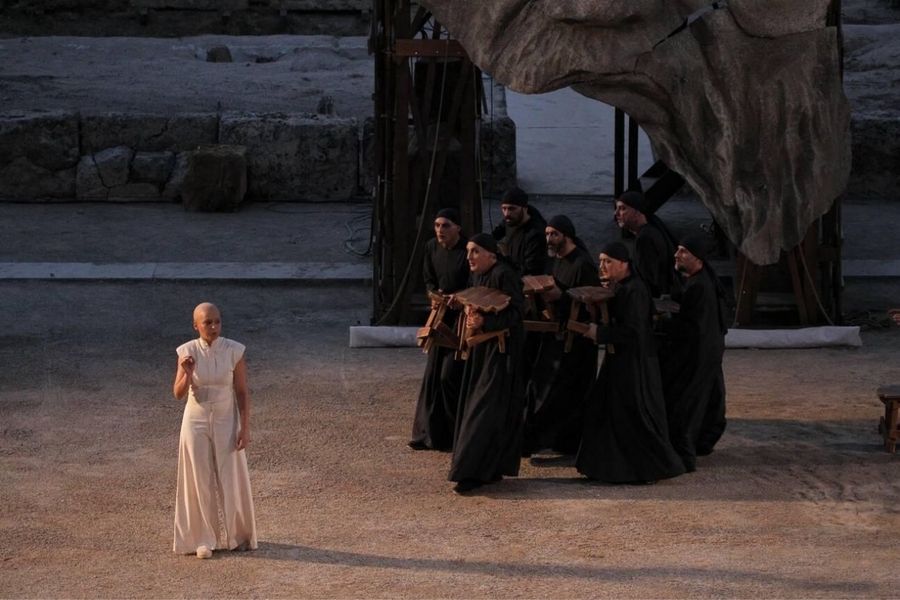
During the Athens Epidaurus Festival, I watched actors bring ancient characters to life, all framed by pine-covered hills.
The plays of Euripides, Aeschylus, and Sophocles gain real power when performed here, in their original home.
What really struck me was how these old stories still matter. Themes like justice, family loyalty, and suffering resonated with the international crowd around me.
The Power of Chorus and Imitation
The Greek chorus acts as both narrator and emotional anchor for the tragedy. Their synchronized movement and haunting harmonies left me mesmerized.
Greek drama invented mimesis—representing life through art. It lets the audience process tough emotions by watching the characters struggle.
I found it moving to watch the chorus shift roles, sometimes becoming the gods’ voice, other times speaking for the people. Their costumes and rhythmic speech pulled me in.
The production used hardly any props or scenery. Language and movement built the world, highlighting the universal pain and longing at the heart of tragedy.
Spotlight on Sophocles: Electra, Clytemnestra, Agamemnon, Orestes
Sophocles’ family saga of the House of Atreus still packs a punch. The story revolves around revenge after Agamemnon’s murder by his wife, Clytemnestra.
Watching Electra’s grief turn into fierce determination was unforgettable. She’s torn between justice and family, waiting for her brother Orestes to return and avenge their father.
The tension between Electra and Clytemnestra felt surprisingly modern. Their showdown drew gasps from the crowd as they fought with words sharper than swords.
Orestes faces a brutal choice—should he obey Apollo and kill his own mother? His torment, and the Furies’ pursuit, show the psychological cost of revenge.
How Ancient Performances Speak to Modern Souls
Sitting under the stars at Epidaurus, I felt a real connection between ancient and modern life. The words echoed across centuries, somehow landing right in our laps.
Bridging Greek Culture and Contemporary Life
This theater isn’t just a tourist spot—it’s a living link to Greek heritage. When Euripides’ characters challenged their rulers or society, it felt oddly familiar.
I overheard a woman near me whisper, “It’s like they wrote this yesterday!”
The actors’ voices carried perfectly to my spot in the back, just as they did for people 2,400 years ago. That acoustic magic connects us to ancient audiences. We laugh and gasp at the same moments they did.
Greek culture values public debate and artistic expression. The plays don’t hold back from criticizing authority or wrestling with moral dilemmas.
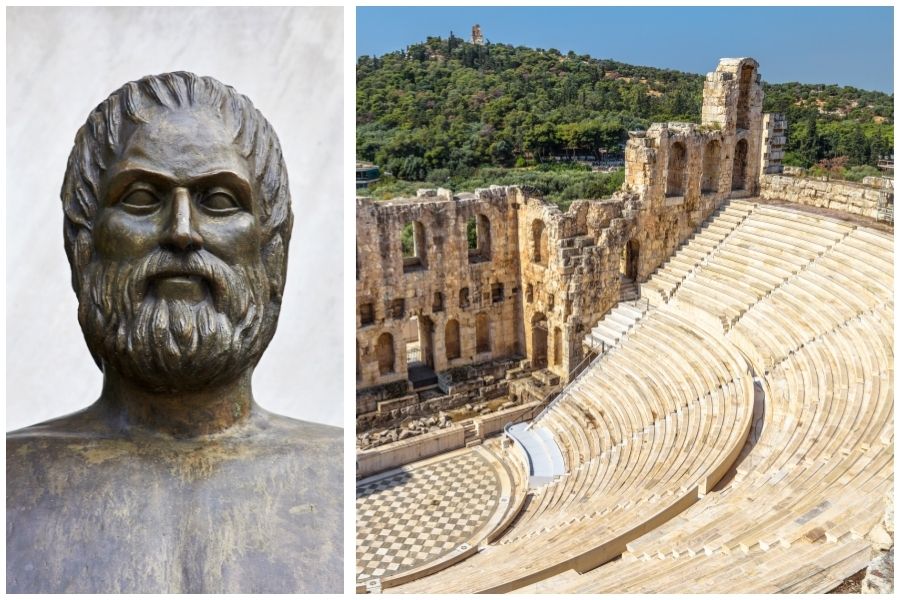
These performances remind us that questioning power and society is at the heart of democracy.
Universal Themes of Understanding and Support
The ancient tragedies dig into grief, love, and tough choices in ways that still feel urgent. When Antigone stands up for her beliefs, I felt a jolt of courage myself.
Catharsis—the emotional cleansing that comes from watching tragedy—did its work on me. My everyday worries shrank after seeing characters face the unthinkable with dignity.
These stories show people looking for understanding and support, turning to friends, family, even the gods—just like we do.
The Greeks got something right: suffering can reveal our shared humanity. When the chorus comforts a grieving character, their words could heal wounds today just as easily.
Practical Tips for Experiencing Epidaurus Performances
A little planning goes a long way for a night at this ancient venue. The right prep helps you really soak in the experience of seeing a play where people have gathered for over two millennia.
Traveling from Athens and Around Greece
Athens is the best starting point for an Epidaurus trip. The drive takes about two hours, so you can do it as a day trip, but staying overnight nearby is much more relaxing.
Transportation options:
- Organized tour buses (easy for first-timers)
- Rental car (lets you explore more)
- Public bus (budget-friendly, but takes planning)
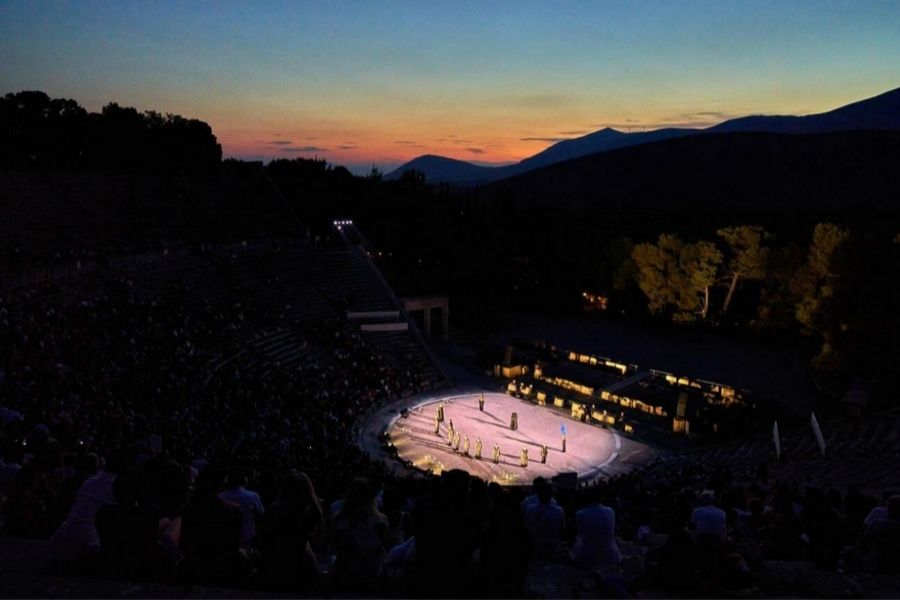
During the Athens and Epidaurus Festival (June 27 to August 23, 2025), special shuttles often run from Athens for theatergoers. I’d book your ride at least a week ahead in summer.
Many travelers combine Epidaurus with stops at places like Nafplio or Mycenae for a fuller Greek adventure.
Getting the Most From Your Theatre Visit
I always try to arrive early—it lets me wander the archaeological site and soak in the theater’s amazing acoustics before everyone else shows up.
Honestly, I’d say get there at least 2-3 hours before the show. You won’t regret it.
Essential items to bring:
- Cushion (those stone seats get pretty uncomfortable)
- Light jacket (it can get chilly in the evenings)
- Water bottle
- Small flashlight for after the show
- Your ticket, either printed or downloaded
Performances usually kick off around sunset. There’s something almost magical about how the fading light sets the mood.
If you know the plot ahead of time, you’ll probably enjoy the show more—especially since a lot of performances are in Greek and subtitles are pretty limited.
After trying a few spots, I realized the middle sections, rows 15-25, give you the best acoustics and views. You can actually see the actors’ expressions without craning your neck.