
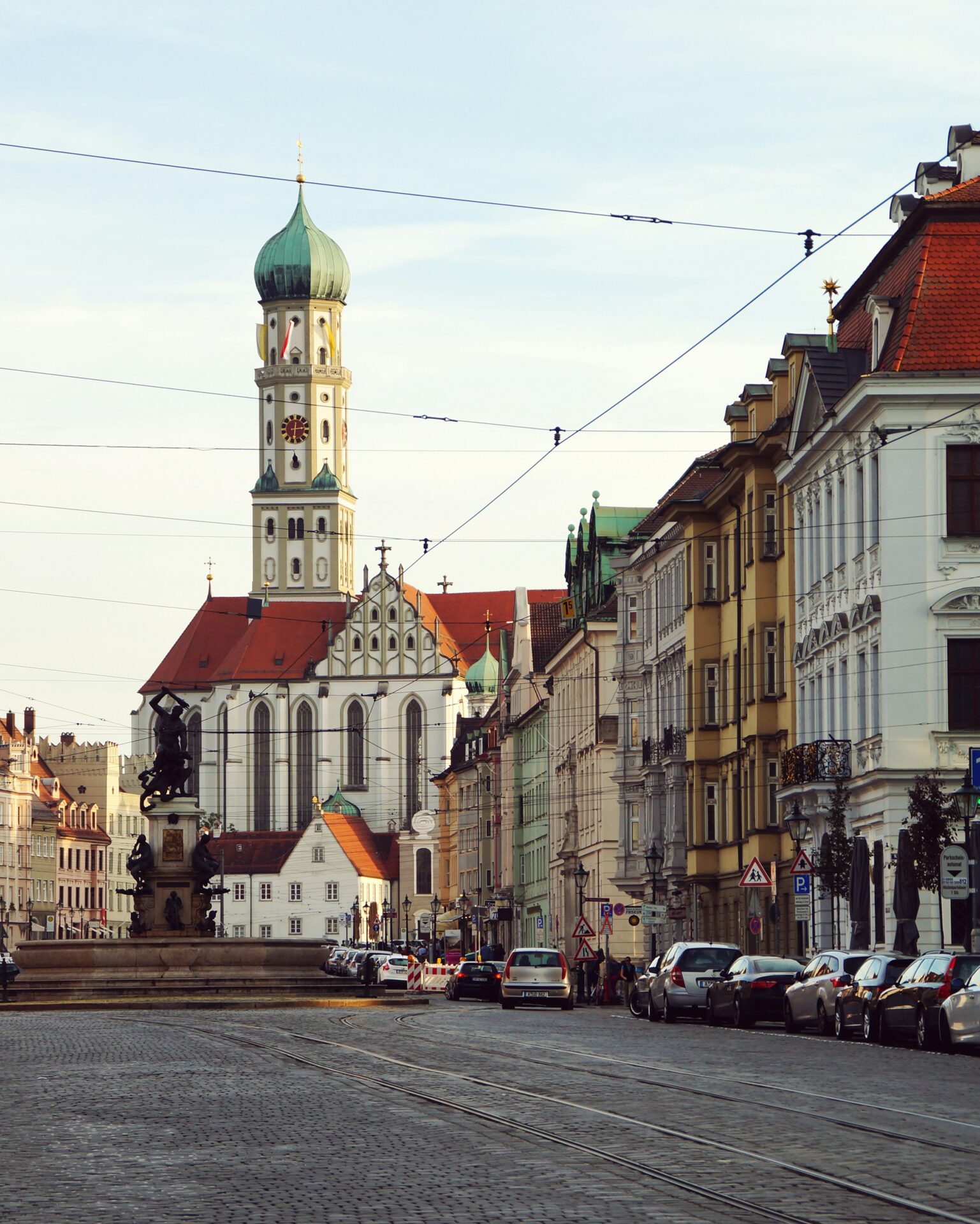
Wandering the cobblestone streets of Augsburg, I honestly felt like I’d time-traveled. This city, tucked along Germany’s Romantic Road, bursts with Renaissance architecture and layers of history just begging to be uncovered.
The real highlight for me? Stumbling upon the Fuggerei—a hidden gem that surprised me with its story and quirky charm.
The Fuggerei in Augsburg claims the title of the world’s oldest social housing complex still in use, founded way back in the early 1500s for people down on their luck. As I wandered its walled lanes, I chatted with residents and soaked up a community that somehow blends old traditions with daily life right now.
The mix of simple homes, leafy courtyards, and rituals that have survived for centuries made the place feel both inspiring and, honestly, a bit surreal.
If you’re planning a Romantic Road trip, don’t rush through Augsburg. Stop for a while and let yourself get lost in a city where living history and modern life cross paths at every turn. The Fuggerei alone feels like a chapter of humanity’s story that most travelers never get to see.
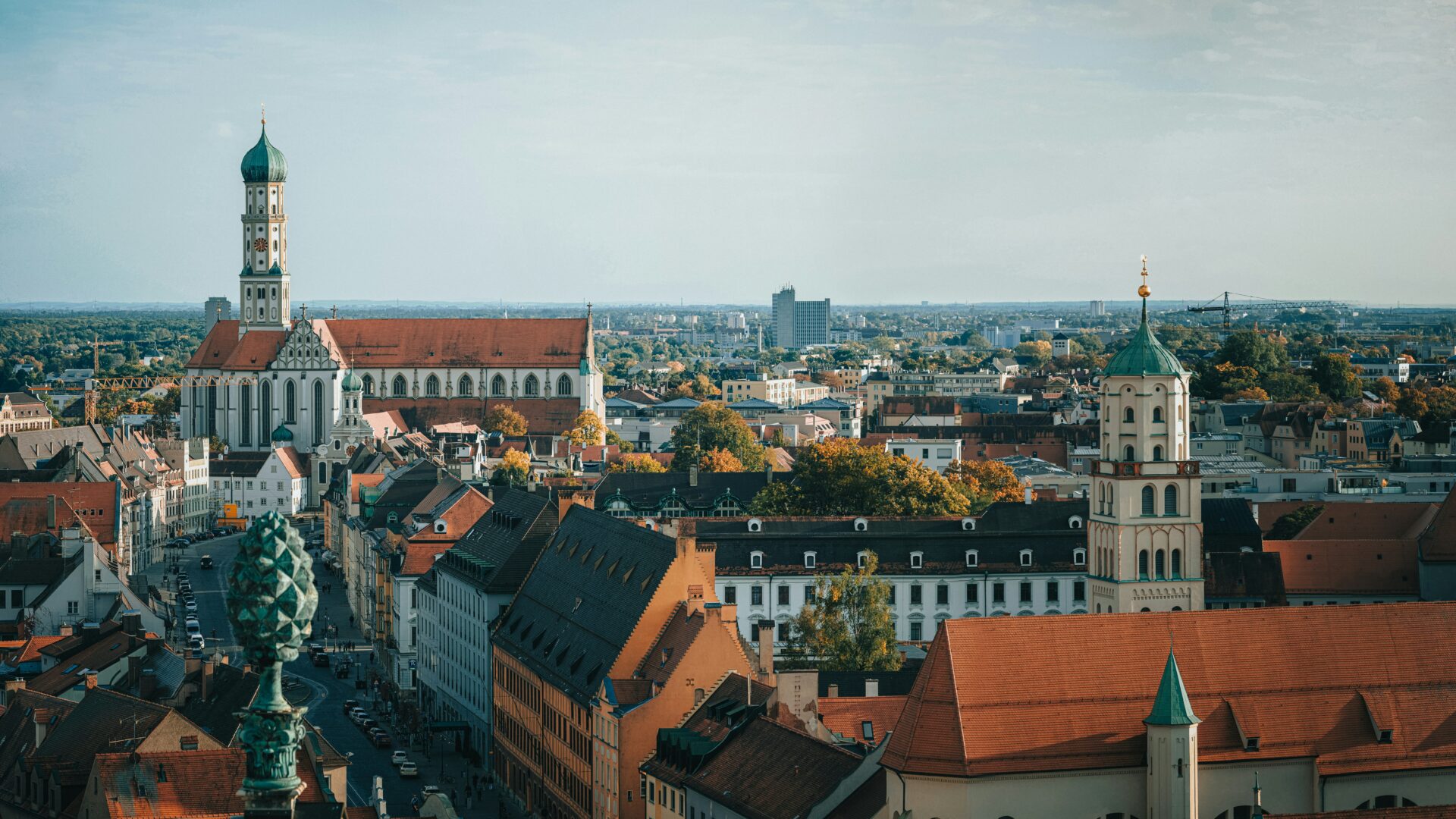
Augsburg: A Renaissance City Steeped in History
Hidden away in southern Germany, Augsburg brings old stories to life through its streets, buildings, and the people you meet. On my Romantic Road detour, I found a city that mixes Renaissance beauty with some seriously pivotal moments in German history.
Exploring the Heart of Bavaria
Arriving in Augsburg, I immediately felt the buzz of Bavaria’s oldest city. The Romans founded it in 15 BC, so its roots go back over 2,000 years.
It’s actually older than most German cities, which gives it a certain depth and character you can’t miss.
As I wandered the old town, lively squares and the sound of church bells caught my attention. The vibe was warm and welcoming, thick with stories from the past.
Locals and travelers crowded into cozy cafés, chatting beneath architecture that’s seen centuries come and go.
Augsburg’s spot in Bavaria made it a hub for trade. Merchants once brought goods and news from across Europe.
Even now, the city feels like a crossroads. I loved hearing the local dialect and watching people devour Bavarian food in the bustling markets.
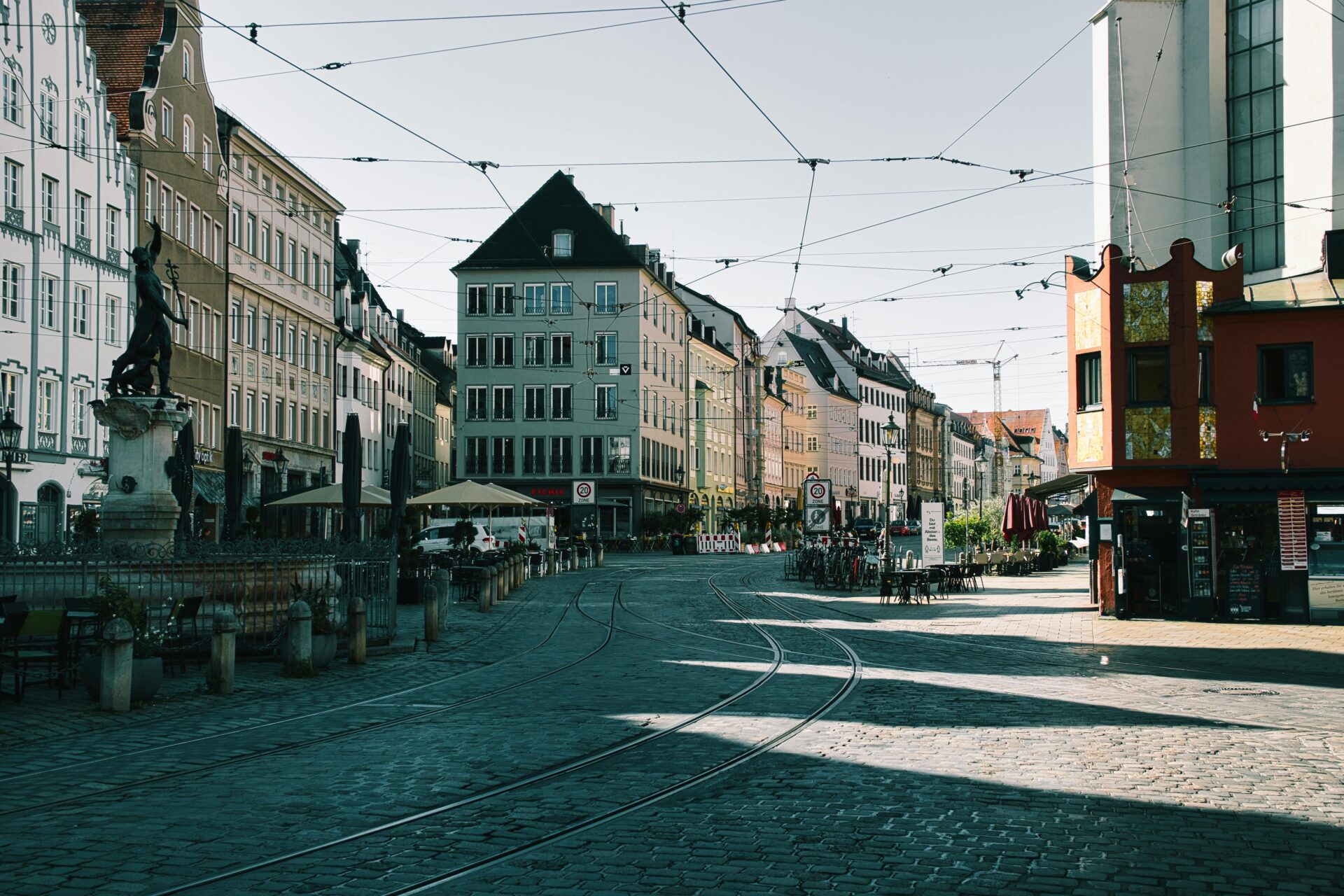
Architectural Marvels and Historic Landmarks
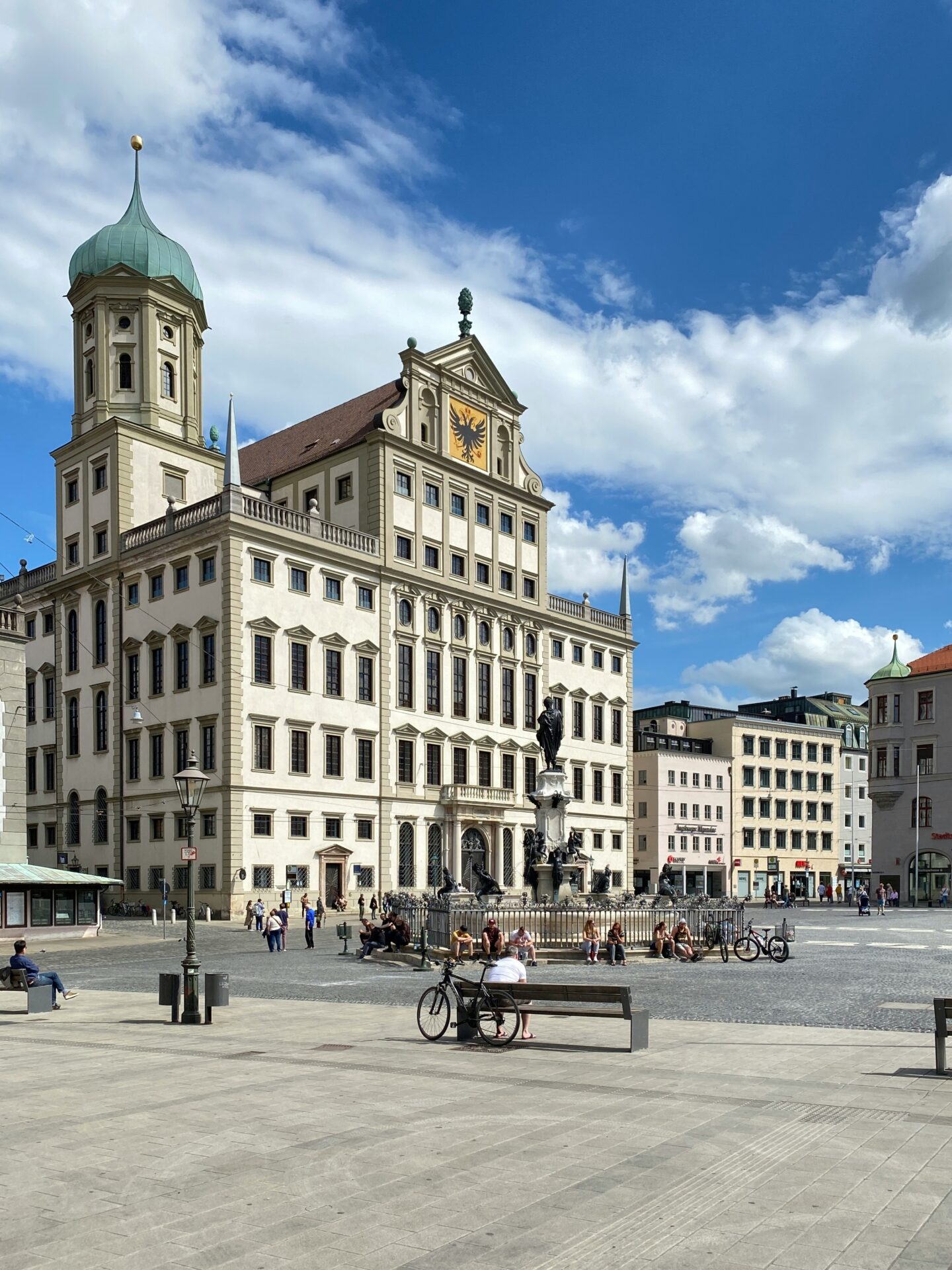
Augsburg’s Renaissance buildings really wowed me. The Town Hall (Rathaus) stands tall with its golden hall and impressive facade—a showstopper from the early 1600s.
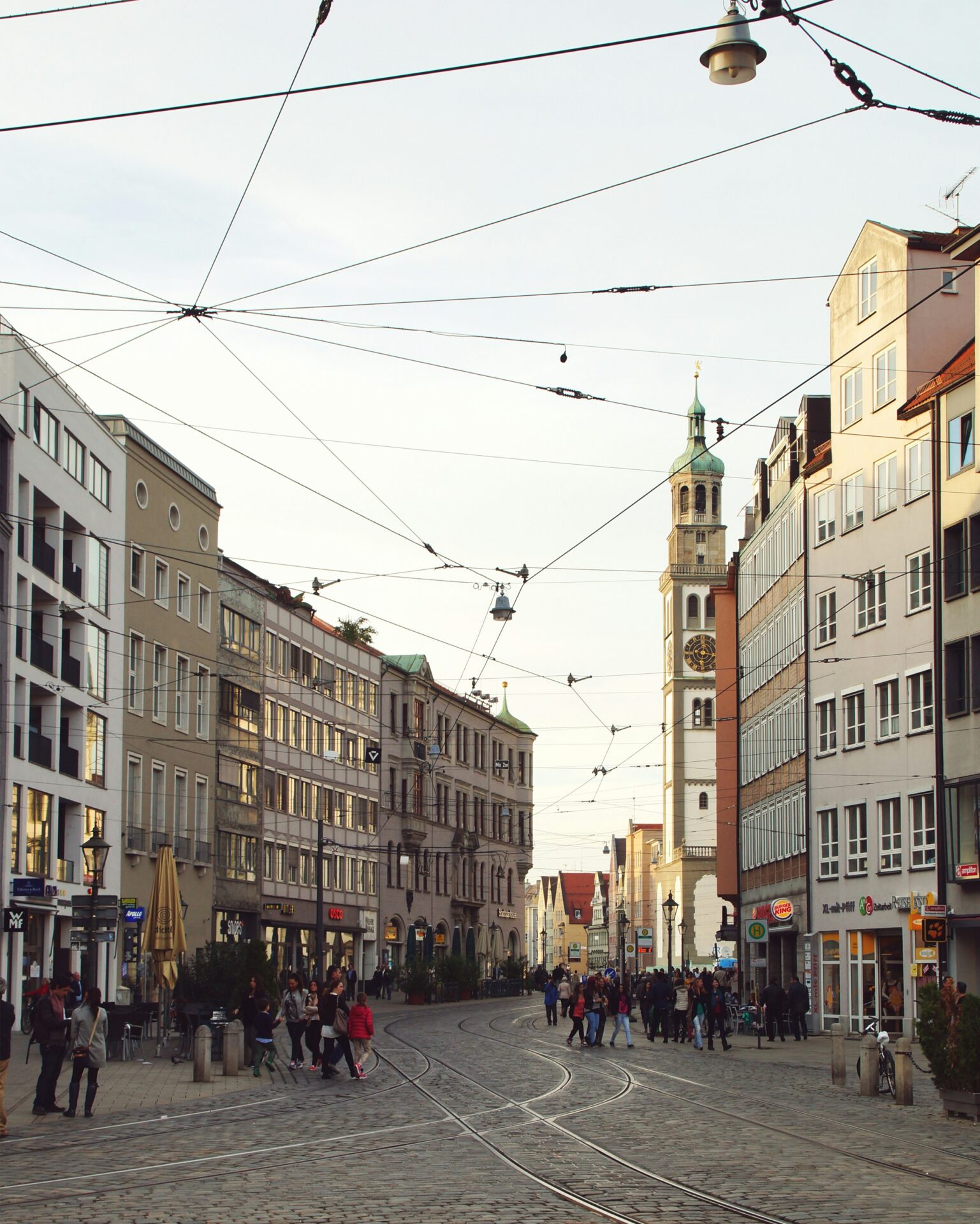
Next door, the Perlach Tower offers a sweeping view over the city. Climbing those stairs? Absolutely worth it for the photos.
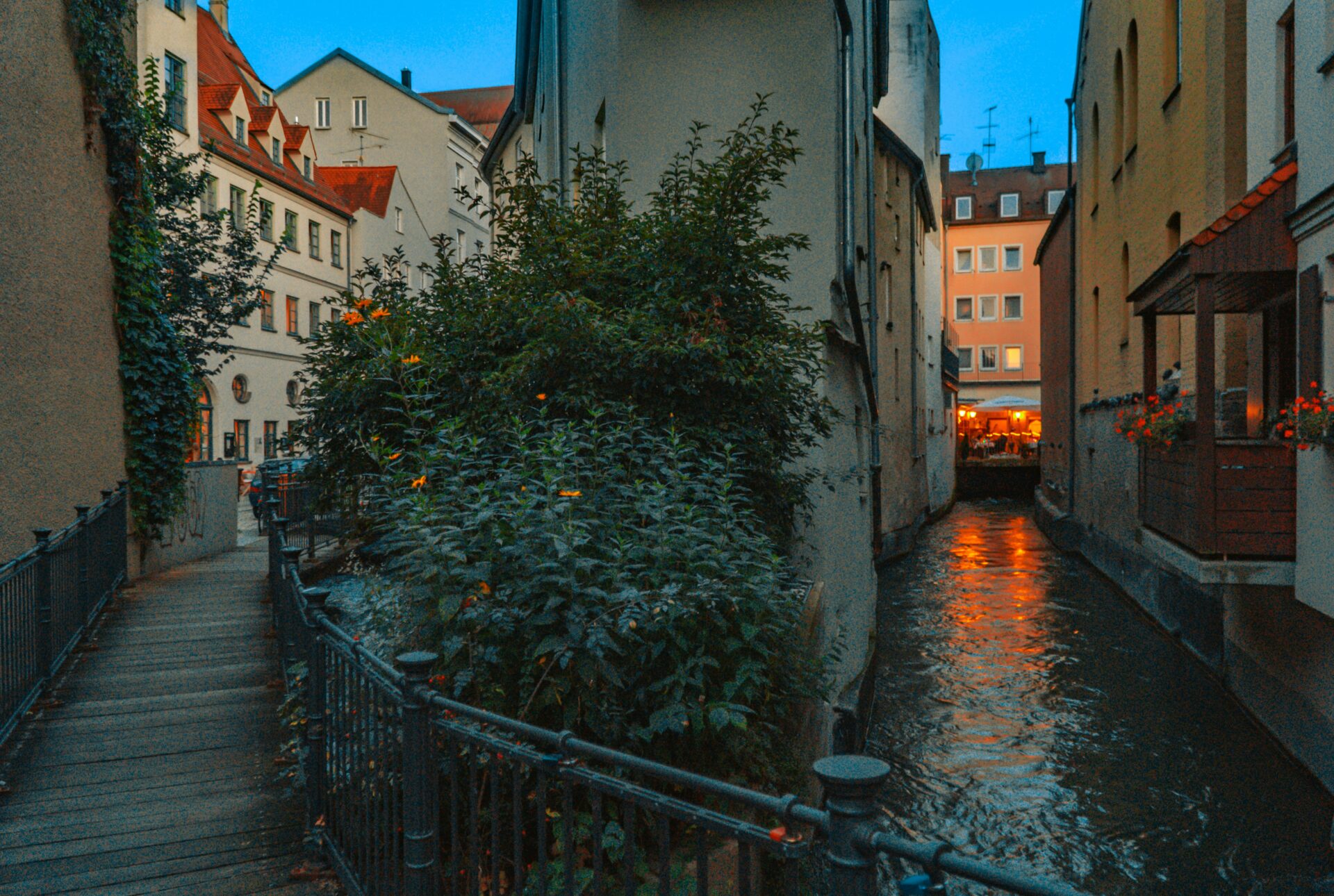
As I strolled further, I came across the city’s famous fountains, like the Augustus and Hercules fountains. These are more than just pretty—they highlight Augsburg’s history of water engineering, now recognized as a UNESCO World Heritage site.
The water management system, with its canals and waterworks, was ahead of its time during the Renaissance.
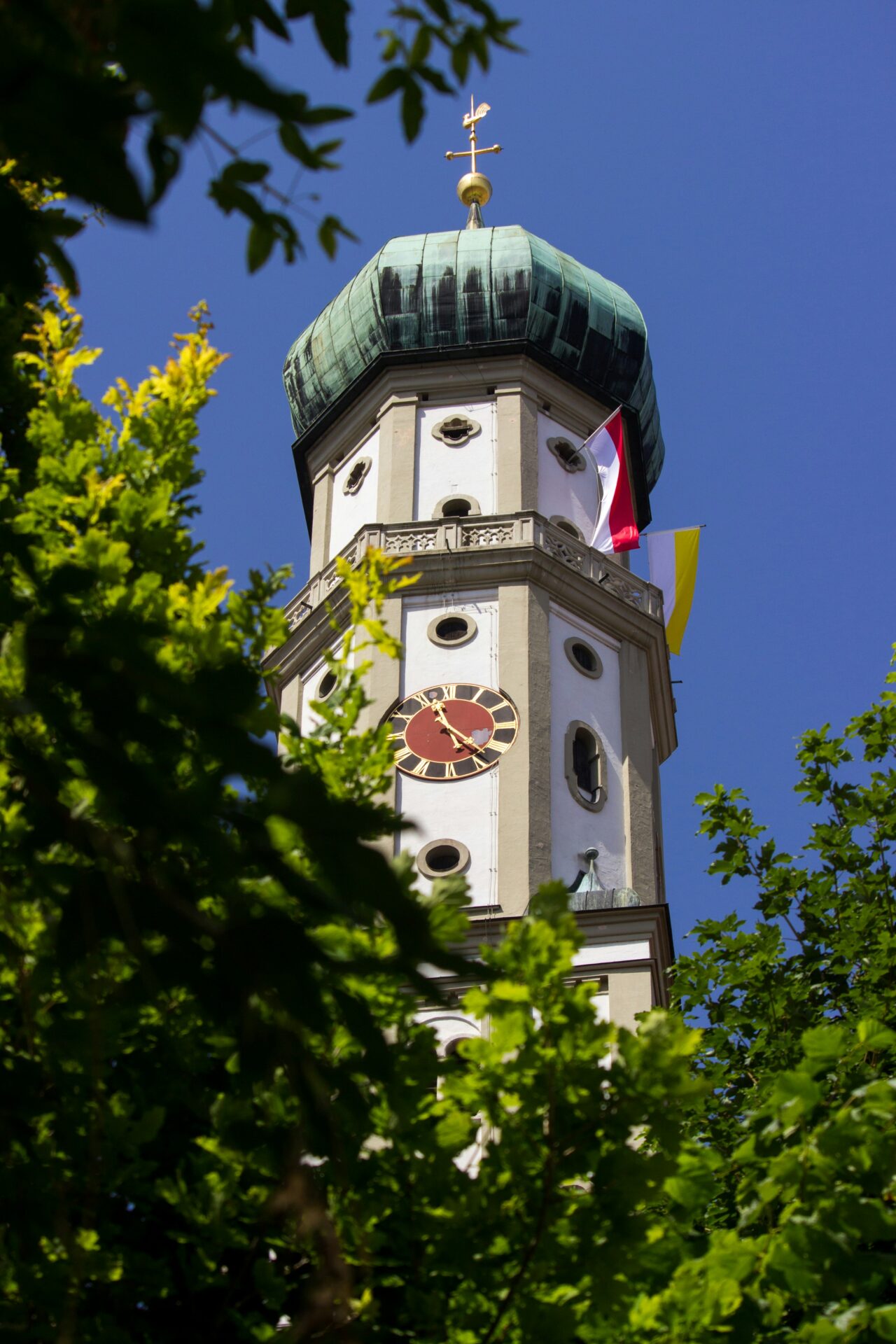
Other must-sees? The Cathedral of Augsburg and the Church of St. Ulrich and St. Afra. Their stained glass and towering spires whisper stories of faith and hope that have survived wars and upheaval.
Each stop felt like a new step back in time, with every stone holding a secret.
Influence of the Fugger Family
You can’t talk about Augsburg’s past without bringing up the Fugger family. Jakob Fugger—often called “Jakob the Rich”—turned Augsburg into a banking and trading powerhouse during the Renaissance.
The Fugger family built the Fuggerei in 1521, which I explored up close. This place still gives homes to people in need, making it the world’s oldest social housing complex.
Walking those neat, quiet lanes, I got a peek into a slice of social history you just don’t find elsewhere. The Fuggerei still only charges tenants less than one euro per year, plus a few prayers—a tradition that’s somehow survived for centuries.
The Fuggers also poured money into art, churches, and public works. Their fingerprints are all over Augsburg’s Renaissance architecture and its legacy as an early European finance center.
You’ll spot their influence everywhere—from museum exhibits to street names that tip their hat to these game-changers.
The Fuggerei: World’s Oldest Social Housing Complex
While wandering Augsburg, I came across the Fuggerei—a place that completely redefined my idea of social housing. Its history, purpose, and affordable model still impress, even after 500 years.
Jakob Fugger and His Vision
Jakob Fugger, or “the Rich,” wasn’t just a powerful banker in the Renaissance. He believed wealth came with a duty to help others.
In 1516, he kicked off a social housing project for Augsburg’s poor, using his own fortune. By 1521, the Fuggerei officially opened its doors, welcoming residents who’d hit hard times but still held jobs.
Fugger set simple but strict rules. Only Catholic, respectable Augsburg citizens who’d fallen into hardship could apply.
Residents also had to say daily prayers for the Fugger family. The aim wasn’t just shelter, but a stable, faith-rooted community.
That vision of giving back, mixed with strong values, turned this place into more than a housing complex—it became a model for social welfare.
What Makes the Fuggerei Unique
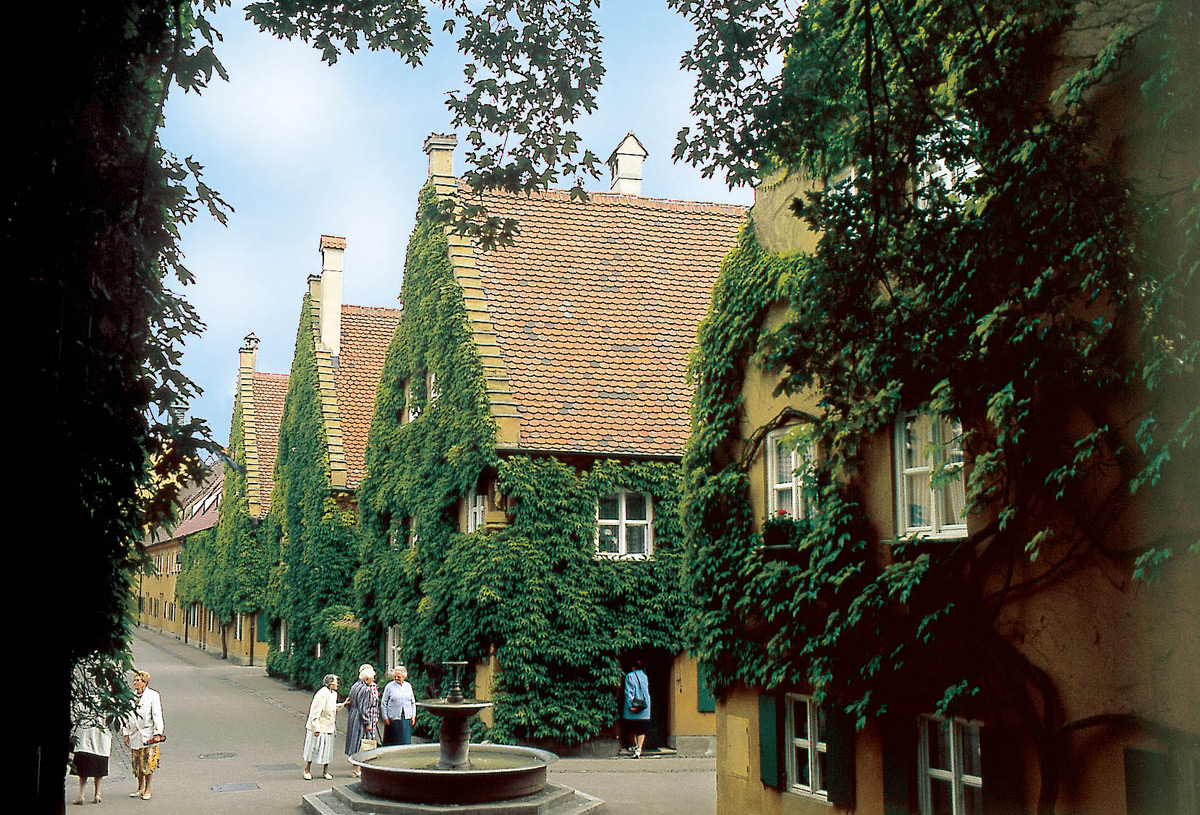
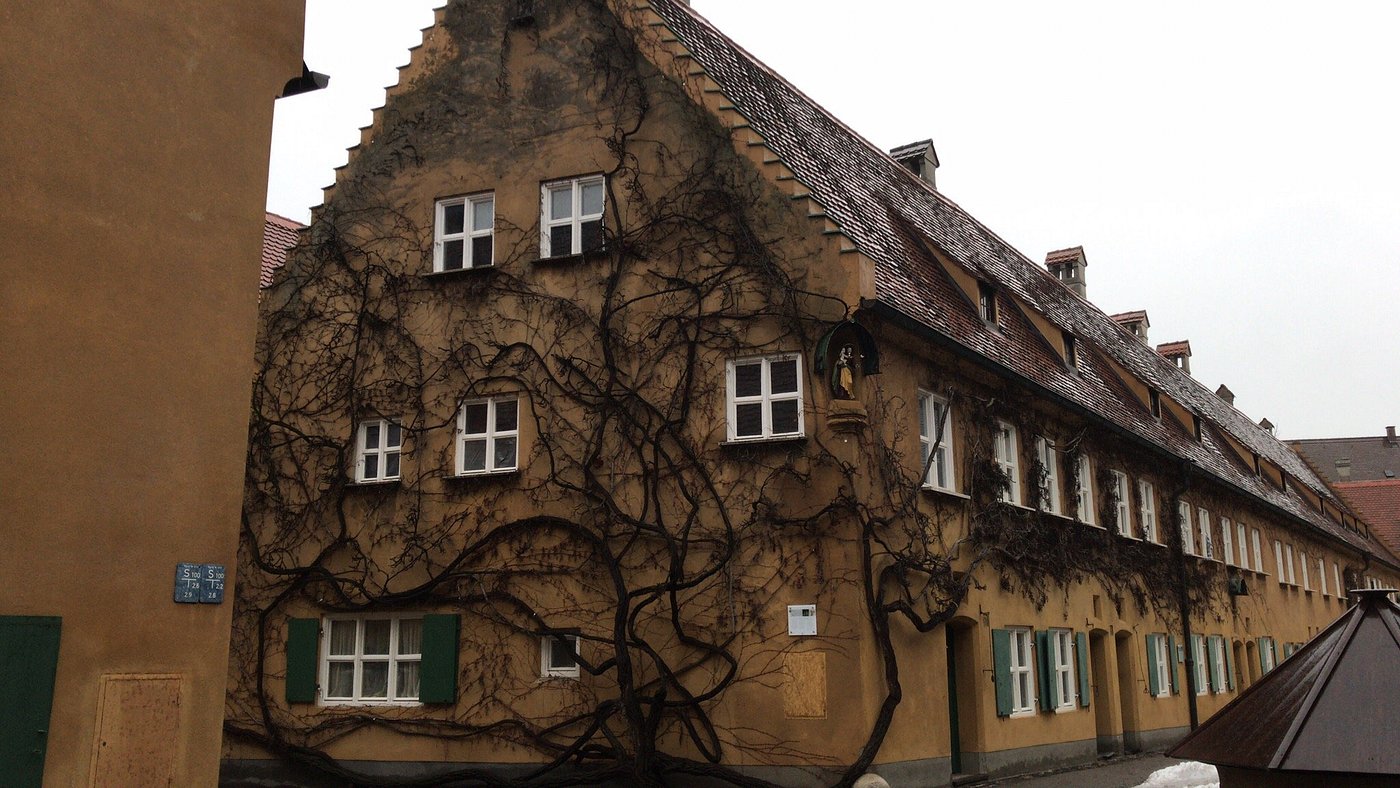
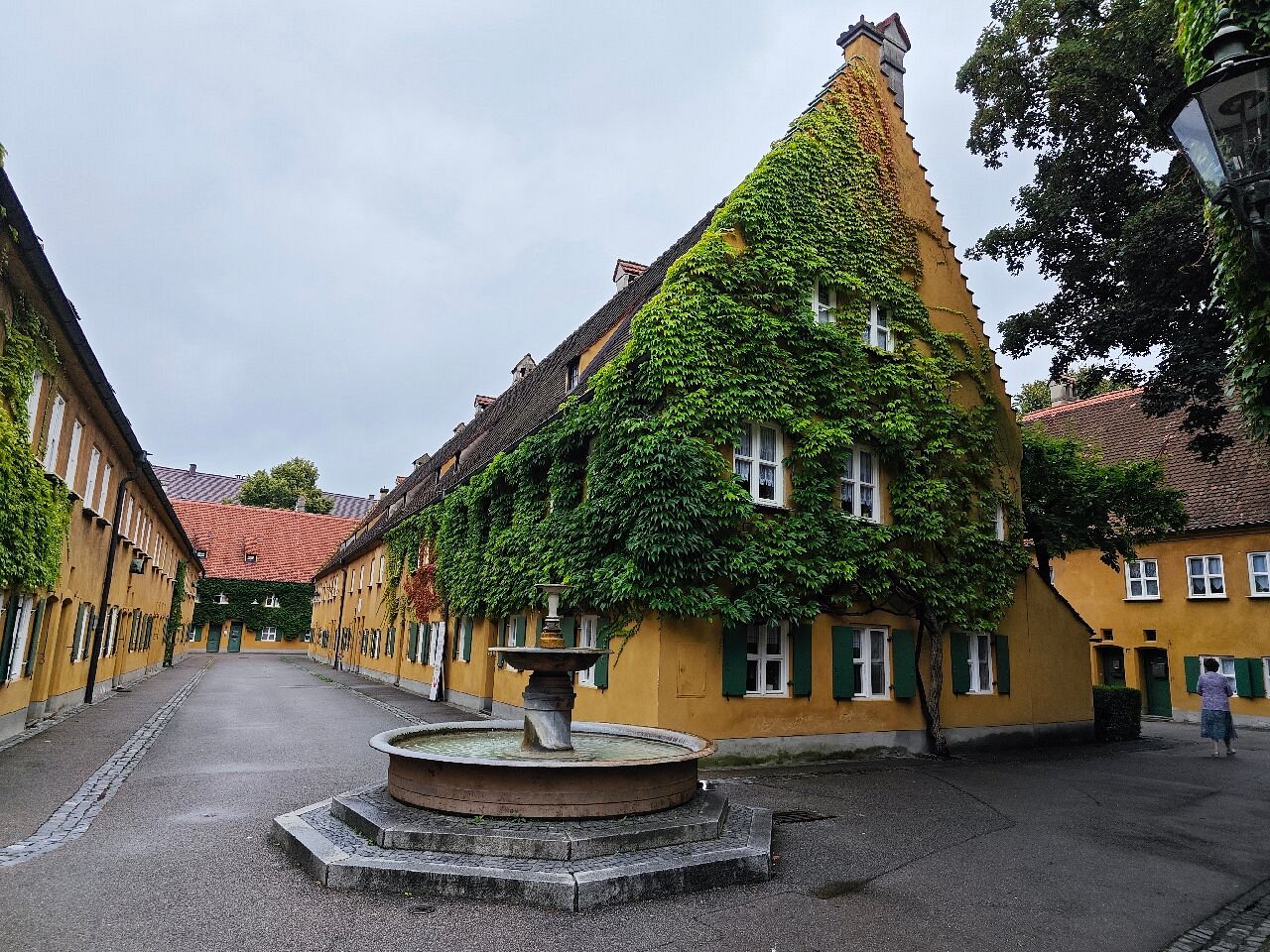
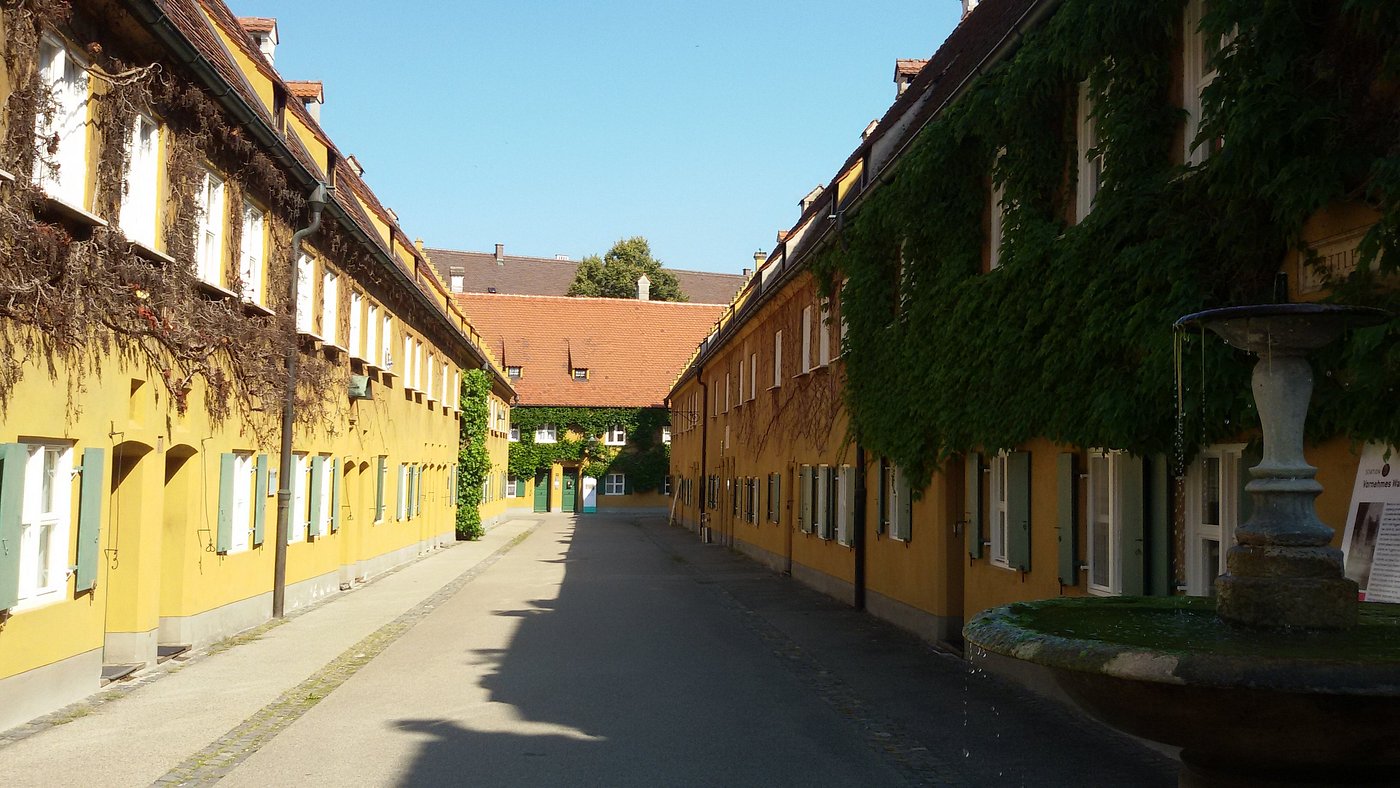
The Fuggerei stands out as the oldest social housing complex still running today. As I walked through the narrow lanes, the row houses, cozy courtyards, and the little Gothic church all caught my eye.
The place isn’t just about shelter. It’s designed to give struggling Augsburg families dignity and a real support system.
Each door has its own knock—pretty quirky, but practical, since addresses aren’t really a thing inside.
There are 67 houses and 142 apartments. The Fuggerei feels more like a hidden village than any typical housing block.
Strict rules and traditions, like locking the gates at 10 PM and making residents pray for the founding family, keep this place unique and tightly knit even after all these years.
A City Within a City
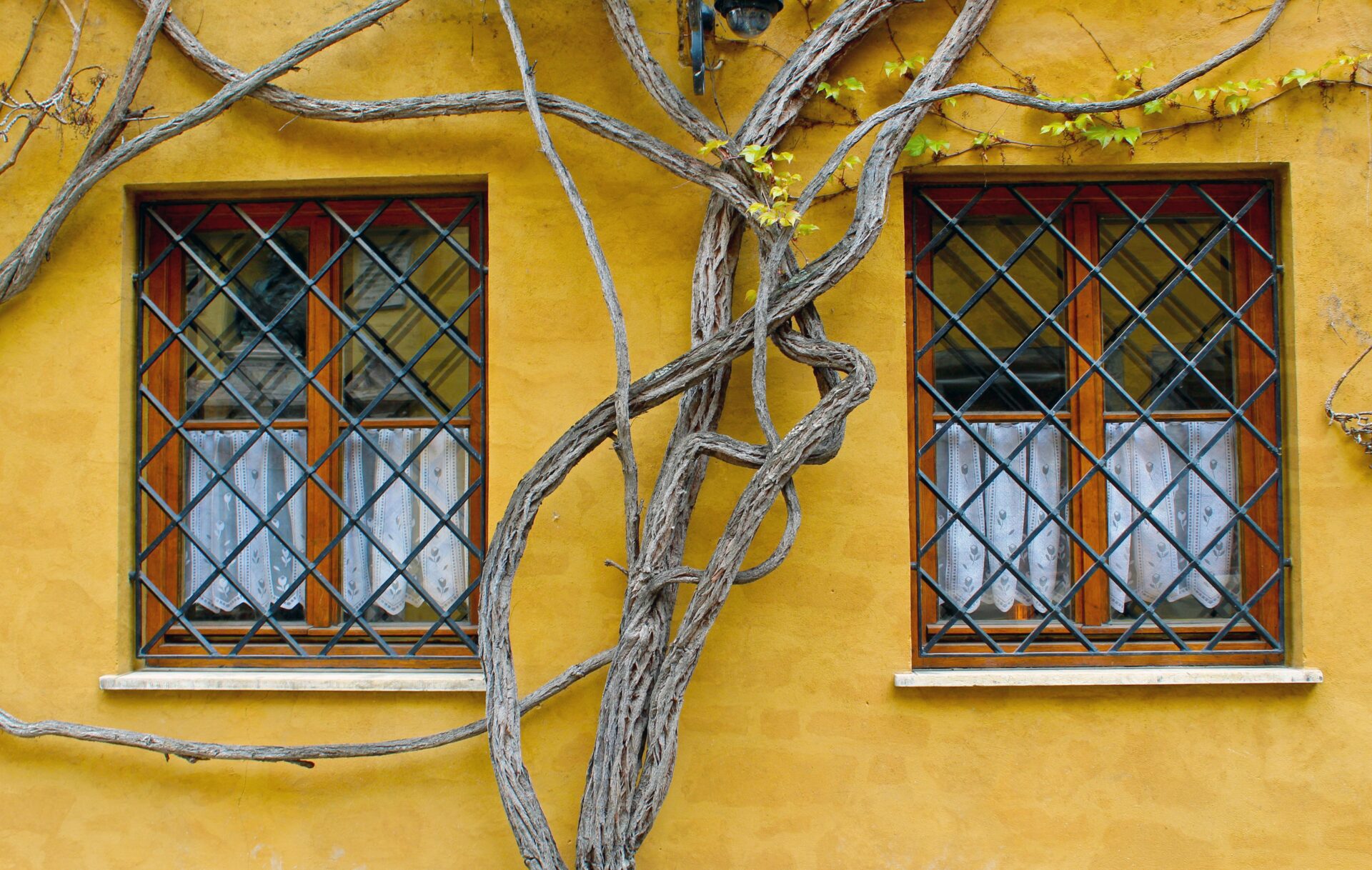
Visiting the Fuggerei honestly felt like stepping into a secret village right in Augsburg’s center. The original walls still stand, marking the edges of this little world.
Inside, you’ll find not just homes but a church, a museum, and gardens, all lovingly maintained.
The layout means residents can walk to everything they need. I passed a playground, community spaces, and even saw signs for events that draw both locals and tourists.
As I wandered, I almost forgot I was still in a city of over 300,000 people. The Fuggerei’s peaceful alleys and greenery felt miles away from the busy streets outside.
Layout Highlights in the Fuggerei
| Feature | Details |
|---|---|
| Houses | 67 buildings, 142 homes |
| Church | Onsite; still holds services |
| Museum | Tells story of the Fuggerei |
| Community Gardens | Used by residents and visitors |
Affordable Rent Through the Centuries
What really blew my mind about the Fuggerei is the rent. Since 1521, residents have paid the same symbolic yearly rent: just one Rheinischer Gulden, now equal to about 0.88 euros per year.
In exchange, tenants promise to pray daily for the Fugger family and stick to the community’s rules.
Daily expenses stay low even now, making this place a wild example of truly affordable living. Residents cover their own utilities, but the main cost stays tiny.
The Fuggerei proves social housing can be way more than cheap shelter; it builds real homes, a sense of belonging, and ties people to history.
As I walked past tidy gardens and weathered stone walls, I felt the weight of Jakob Fugger’s idea—a safe, lasting home for those who need it most.
Living in the Fuggerei Today
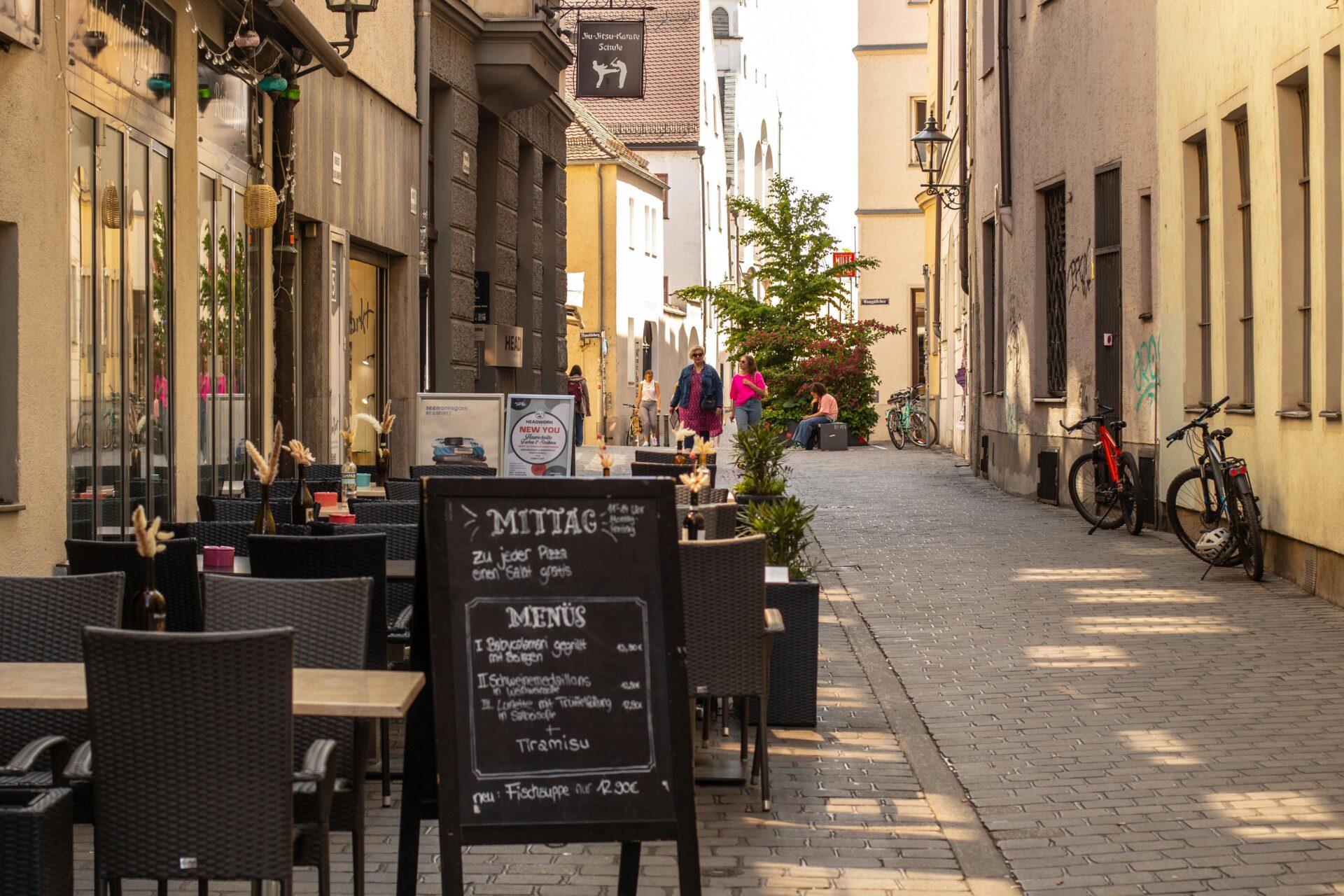
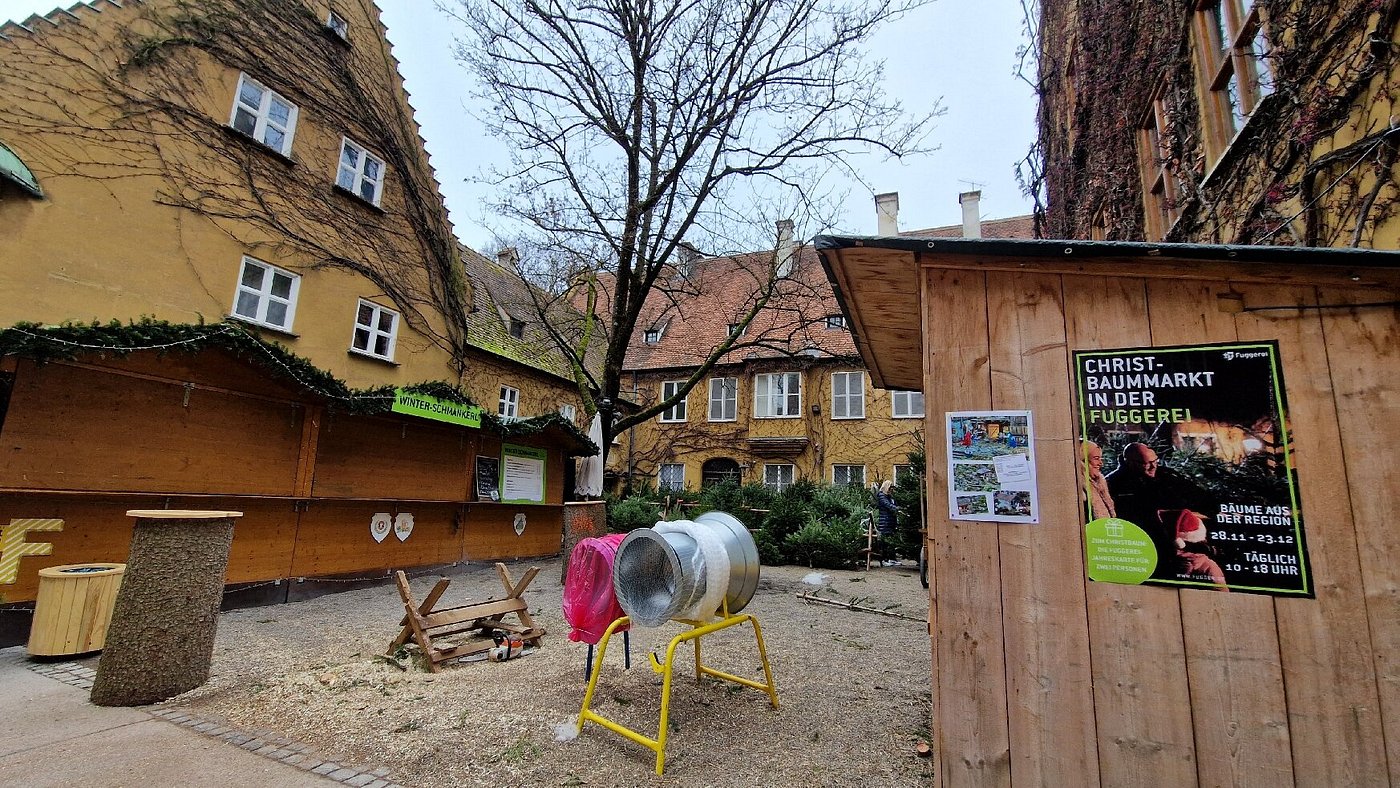
Wandering the quiet streets inside the Fuggerei, I felt like I’d found another world. This isn’t just a historic site; it’s a living, breathing community where daily life rolls on much as it has for centuries.
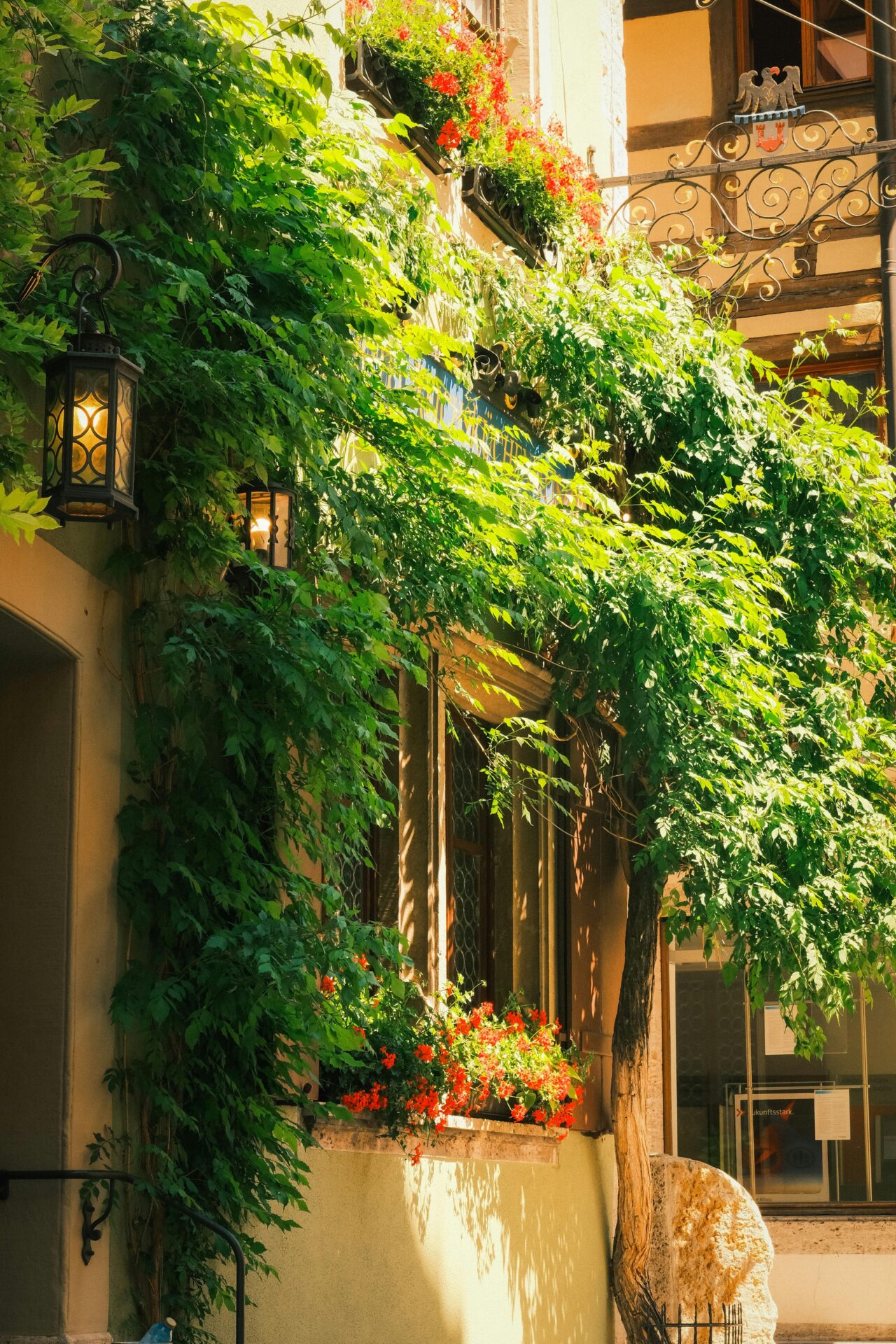
Between yellow-painted houses, I spotted flowerpots, laundry fluttering outside, and neighbors stopping to chat.
Who Are the Residents?
The Fuggerei was always meant for Augsburg citizens in need, and that’s still true. Today, about 150 people live in these small but cozy apartments.
Most are seniors or low-income Augsburg residents with Catholic faith—a rule that’s stuck since the very beginning.
Applicants have to live in Augsburg for at least two years. The selection process focuses on people who’ve hit tough times but have “good character.”
Once accepted, each resident pays only a symbolic yearly rent—less than a Euro. It’s a centuries-old rule from the Fugger family and still a point of pride here.
Living Conditions and Community Life
The Fuggerei feels like a village tucked inside the city. Each apartment is simple but practical: a living room, bedroom, kitchen, and bathroom, sometimes with a tiny garden.
There are 142 apartments, all designed for privacy and quiet, but neighbors still know each other well.
Community is everything here. I saw residents step outside to chat or tend flowers. The grounds looked clean and welcoming.
There’s a real sense of mutual respect, and even as a visitor, I felt the warm, communal spirit. The grounds are enclosed, and there’s a curfew—if you come back late, you pay a small fee for the night watchman to open the gate.
Daily Prayers and Catholic Faith
Faith still sits at the heart of Fuggerei life. Residents need to be Catholic and are expected to pray for the Fugger family, who made all this possible.
Daily prayers—especially for the benefactors—remain a tradition, connecting today’s residents with over 500 years of history.
There’s a small church inside where Mass and prayers happen. Attending services and saying prayers isn’t seen as a burden, but more as a caring obligation.
For many, faith isn’t just a rule—it’s a source of comfort, woven into the rhythms of life in this special place.
Discovering the Fuggerei’s Attractions
Stepping into the Fuggerei felt like finding a hidden village right in Augsburg. Each corner seemed to tell its own story, blending centuries of history with signs of real, everyday life.
Fuggerei Museum Experience
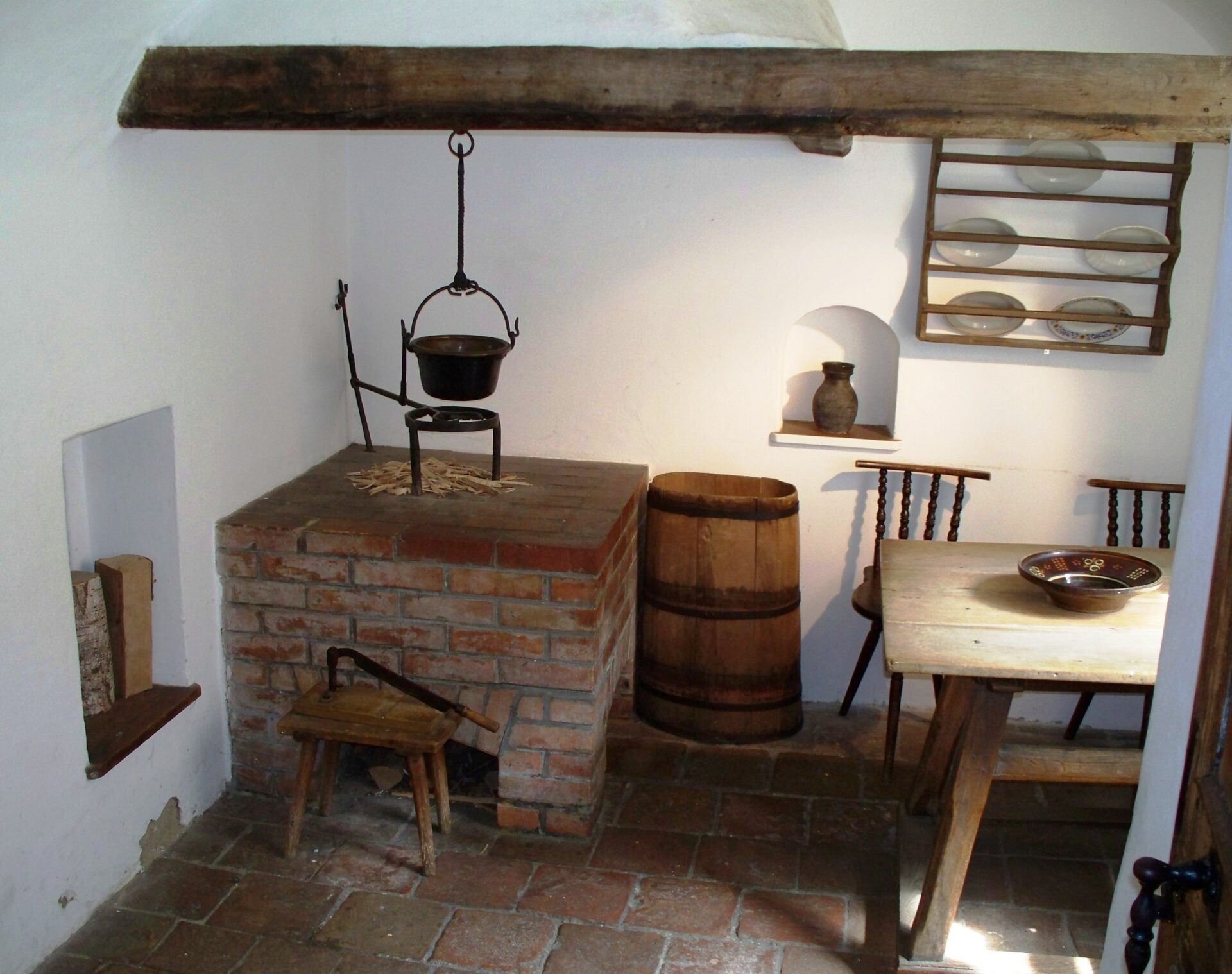
The Fuggerei Museum pulled me into the daily life of residents, past and present. Inside, I walked through rooms furnished exactly as they might’ve looked centuries ago, giving a direct peek at 16th-century life.
Exhibits showed original household items, clothing, and old documents about the Fugger family—the visionaries behind this social housing marvel.
One display explained how people got chosen to live here, and how the rules shaped community life. I found out why the rent is still just €0.88 a year, as long as residents pray three times daily for the Fugger family.
There’s also a recreated living space from World War II, plus a modern apartment showing how current residents live. Seeing the old and new side by side added something really touching to the story.
Guided tours helped me understand the bigger picture of social housing in Europe, with interactive panels that kept things interesting. For families, hands-on activities made the museum extra memorable for kids.
World War II Bunker
Underneath the Fuggerei, you’ll find a World War II bunker that really pulls you back into Augsburg’s war years. Locals hid here during air raids, and now visitors can wander through as part of an exhibit.
Right away, the dark, cool tunnels and old air raid gear set a somber mood. I couldn’t help but picture how scary those nights must’ve been.
You’ll see personal belongings left behind, stories about families huddled underground, and maps showing the bomb damage to Augsburg. Both English and German plaques make the history easy to follow, even if you’re just wandering on your own.
Navigating the Housing Complex
Walking through the Fuggerei, I honestly felt like I’d stepped into a quiet village, not a city neighborhood. There are 67 houses with 140 apartments tucked along narrow, peaceful streets.
Each home has its own neat little garden, and I spotted quirky details like decorative door knockers and unique plaques. Finding my way around was easy—signs are posted everywhere, and there’s a map at the entrance.
I wandered along the paths to the museum, the church, and even a beer garden. People still live here, so visitors should keep noise down and respect their privacy.
I peeked into the display apartments and tried to picture what daily life would feel like in this spot on the Romantic Road.
A quick tip: wear comfy shoes, since you’ll do a fair bit of walking. Take your time. Benches under shady trees and a quiet courtyard offer nice spots to rest and just soak up the atmosphere.
Entrance Fee and Visitor Tips
Getting into the Fuggerei is easy and doesn’t break the bank. When I went, adults paid €8.00, and there were discounts for students, kids, and groups.
The ticket covers the museum, a display apartment, and the World War II bunker. You can pay with cash or card at the ticket desk.
Opening hours usually run from morning till late afternoon, but you should double-check their website since times shift with the seasons. Most signs and exhibits are in both German and English, so international visitors won’t feel lost.
Here’s a quick checklist for planning:
| Tip | Details |
|---|---|
| Opening Hours | Usually 9am–6pm; check for changes |
| Payment | Cash & card accepted |
| Photography | Allowed in most areas, no flash indoors |
| Accessibility | Some cobblestone paths; partial access |
| Facilities | Restrooms and café available |
If you want to see everything, I’d plan for at least 1.5 to 2 hours. Arriving early helps you dodge the biggest crowds.
The Fuggerei really stands out—part history lesson, part glimpse into daily life. I’d call it a highlight of my Augsburg trip.
Unforgettable Encounters Along the Romantic Road
Strolling the Romantic Road through Augsburg, I could sense how history has shaped every street and courtyard. From music to tales of resilience, this city surprised me with stories I never expected to find.
Augsburg’s Connection to Wolfgang Amadeus Mozart
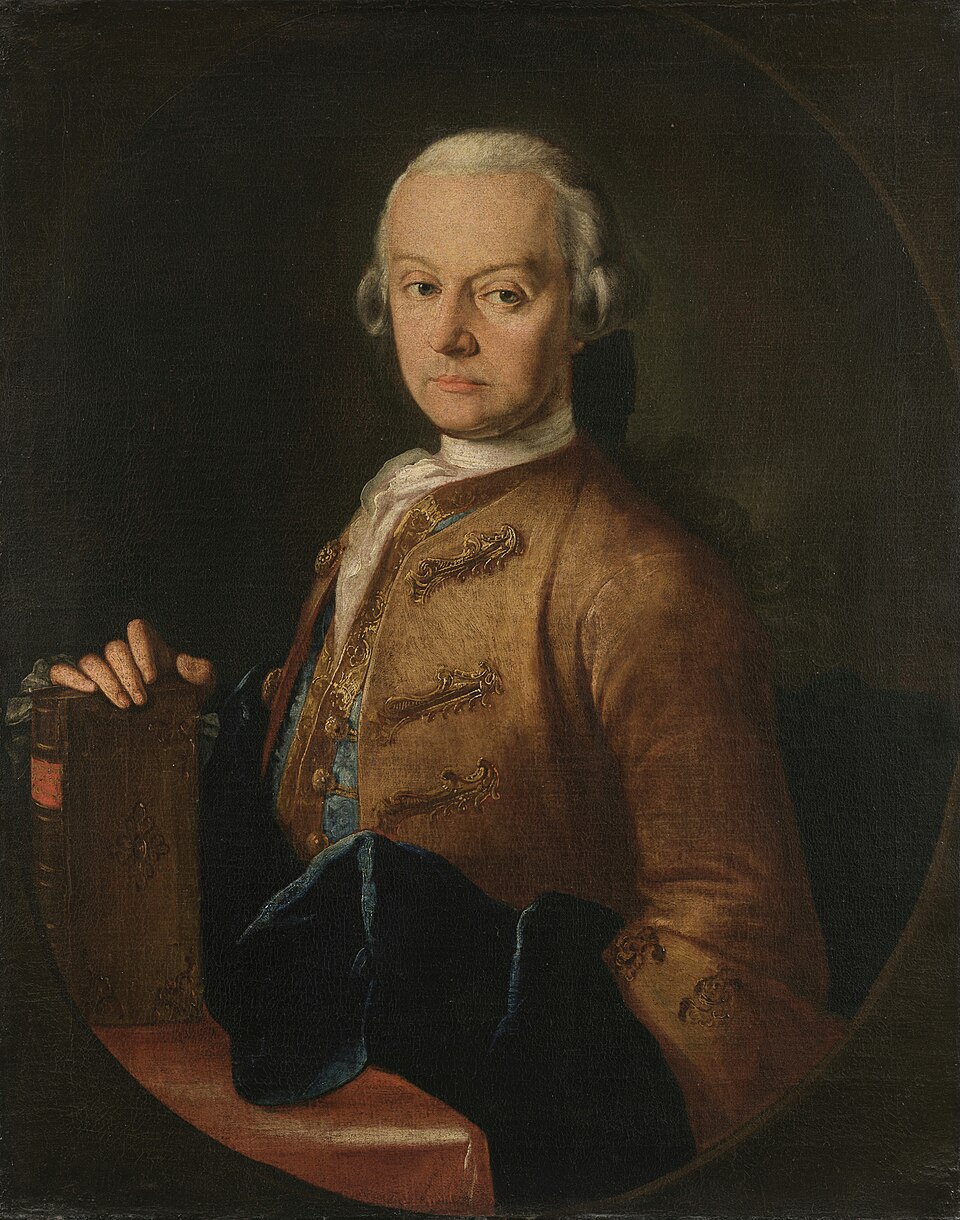
A lot of people don’t realize Augsburg’s connection to Mozart. His father, Leopold Mozart, was actually born here.
I stopped by the Mozart House museum and found a heartfelt tribute to the family’s musical legacy. Interactive displays shared Leopold’s early years and how Augsburg shaped him.
An easy-to-follow timeline showed how the city’s artistic scene in the 18th century inspired musicians for generations. These days, several streets and festivals carry the Mozart name, and a walk through those neighborhoods really gives you a sense of local pride.
If you love music, you shouldn’t skip the museum or a wander through “Mozartstadt.”
Stories From the 16th Century to World War II
Augsburg changed a lot between the 16th century and World War II. Back in the Renaissance, the wealthy Fugger family turned the city into a hub of finance and creativity.
The Fuggerei, founded in 1521, is the world’s oldest social housing complex. It still stands as a symbol of Augsburg’s care for its people.
World War II bombings damaged much of Augsburg, but the Fuggerei survived and still operates. As I walked its quiet lanes, I tried to imagine the city’s story unfolding—from the rise of the banking empire to the tough times during the war.
Plaques and the small museum inside the Fuggerei help you piece together how regular folks lived through both peace and conflict.
How Social Housing Shaped Modern Europe
The Fuggerei started with a simple but surprisingly powerful idea. Residents got safe, clean homes in exchange for a tiny yearly rent and a promise to pray for the Fugger family.
Back in the 16th century, this model really broke new ground. It sparked similar efforts all over Europe.
When I toured the Fuggerei, its peaceful gardens and tidy homes genuinely caught my attention. You just don’t often find a place that’s offered housing for almost 500 years and still sticks to its original mission.
The Fuggerei proves that affordable housing can actually build strong communities and give people hope, even when times get tough. If you’re curious about where social welfare started, visiting this place honestly feels like stepping into living history.



