
Autumn in France? It’s honestly one of my favorite times to explore. The summer crowds drift away, and suddenly you’re left with golden vineyards, forests splashed with color, and a peaceful hush that feels almost magical.
I’ve wandered through France in the fall more times than I can count. Every year, something surprises me—maybe it’s the way the light hits the vines, or just how quiet the mornings get.
September through November kicks off harvest season in French vineyards. You can join in grape picking, taste wines straight from the press, and get a real feel for traditions that go back centuries.
From the Loire Valley to Alsace, winemakers swing open their doors and invite you in. The vines blaze with gold and red, turning every walk into a photo op.
But there’s more than wine. Forests all over France go wild with color, and cities settle into a cozy rhythm. Medieval villages feel even more enchanting with fewer tourists. You can wander countryside paths, stumble onto castles wrapped in autumn leaves, or just linger over dinner in a candlelit bistro.
There’s something about fall here that you just don’t get any other time.
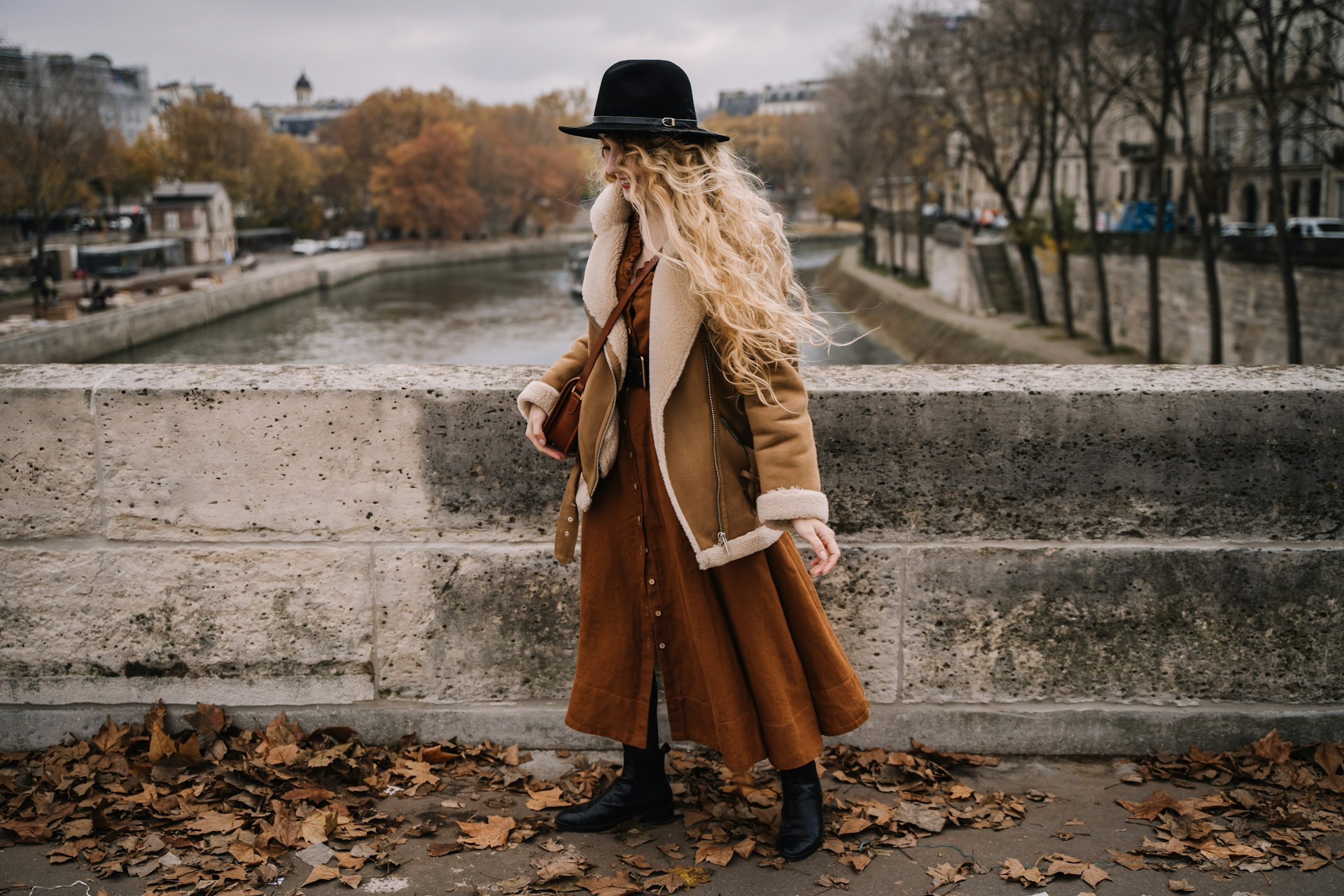
Harvest Season in France’s Golden Vineyards
France’s wine regions buzz with life during harvest, from late August into October. The Loire Valley puts on harvest festivals with château views, and Alsace’s wine route winds through villages that feel lifted from a storybook.
The Loire Valley: Castle Backdrops and Autumn Wine
The Loire Valley turns into a harvest playground from September to November. Watching the Val de Loire vineyards come alive against castle skylines? It never gets old.
Château de Nitray lets you dive right in—grape picking, live French music over lunch, and cellar tours with the owner, all for €42. It’s hands-on, a bit messy, and just so French.
Harvest festivals here keep old traditions alive. Winemakers actually wait for official permission, “le ban des vendanges,” before picking a single grape.
Best harvest activities:
- Grape picking and pressing (get your hands sticky)
- Vineyard tours with tastings
- Lively harvest festivals with music
- Cellar visits led by the winemakers themselves
The colors? Unreal. Gold vines stretch along the Loire, and every château feels like it’s posing for your camera.
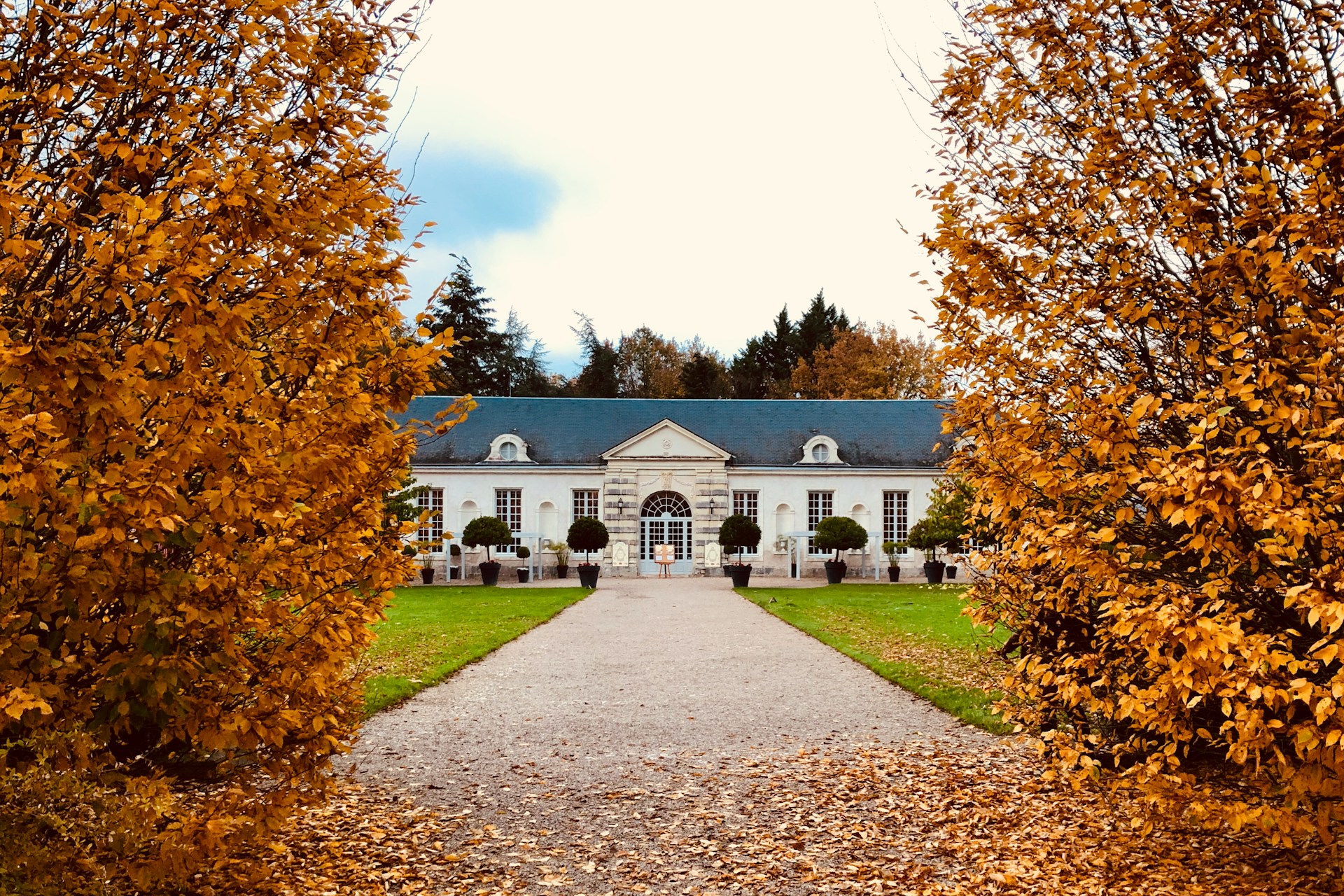
Alsace Wine Route: Fairytale Villages and Grape Harvest
Alsace keeps harvest season going right into November. Here, they make sweet wines from grapes left to ripen long after everyone else is done picking.
If you want a quirky way to see the vineyards, hop on the tourist train between Eguisheim and Rouffach. It runs Tuesdays and Thursdays, June through September, and covers about 5.5 hours of vineyard views.
Alsace grape varieties:
- Riesling
- Muscat
- Pinot Gris
- Gewurztraminer
The medieval village of Gueberschwihr hosts guided tours during harvest. You can sip wine right in the vines and learn what makes the local soil so special.
Alsatian winemakers are all about late harvest techniques. They leave grapes hanging, letting the sugars build up for those complex, honeyed flavors.
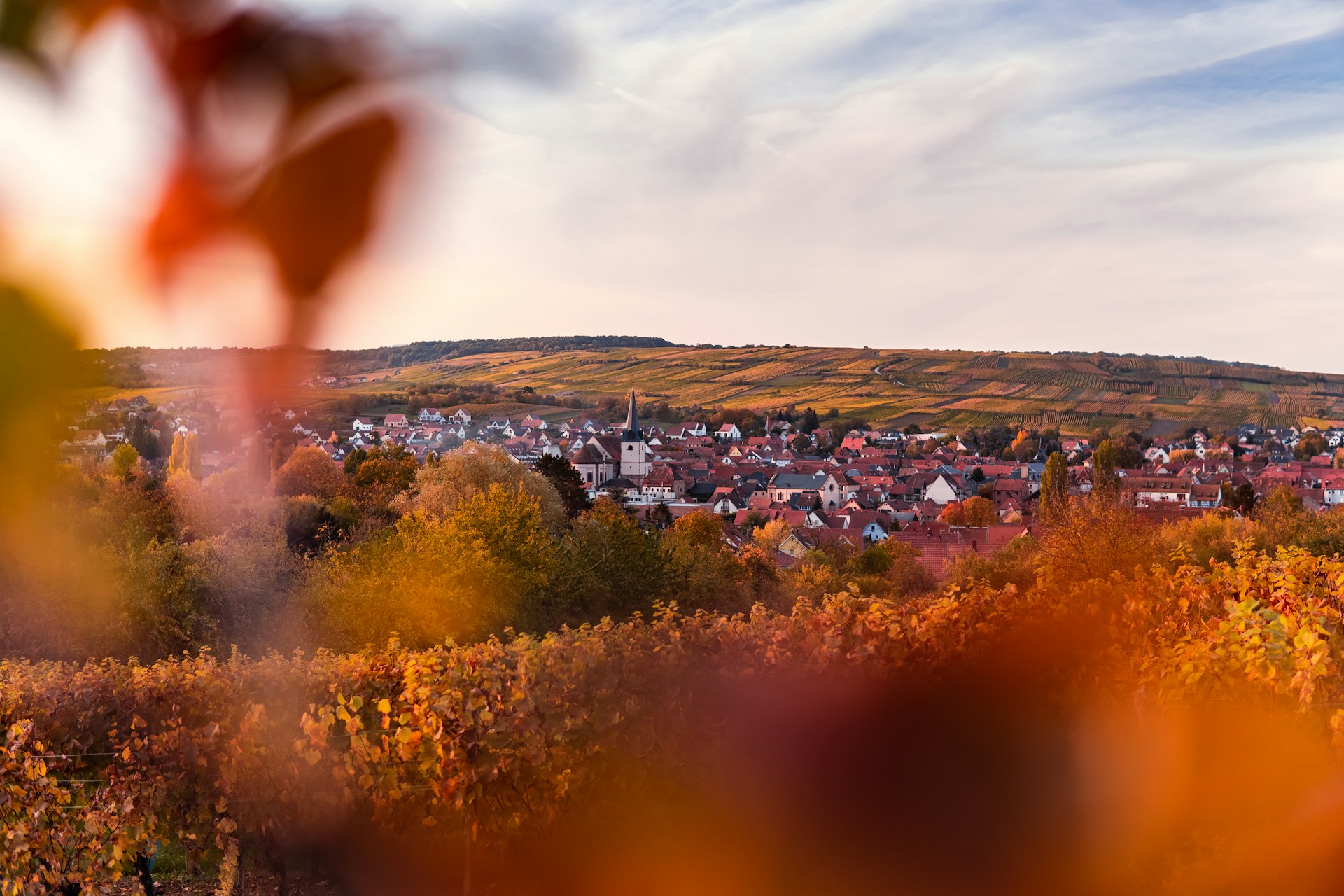
Burgundy’s Côte d’Or: World-Class Vineyards in Fall
Burgundy glows gold from September to November. The Côte d’Or—think Côte de Nuits, Côte de Beaune—welcomes you with legendary vineyards right at harvest’s peak.
October is when everything really kicks off. The hills light up in gold, and the wineries buzz with excitement.
Why visit Burgundy in autumn:
- Taste world-class wines at iconic estates
- Snap photos of golden vineyards
- Join in on harvest fun
- Explore historic wine towns like Beaune
These are the vineyards behind some of France’s best-loved wines. You can tour cellars, chat with winemakers, and maybe even catch a festival or two.
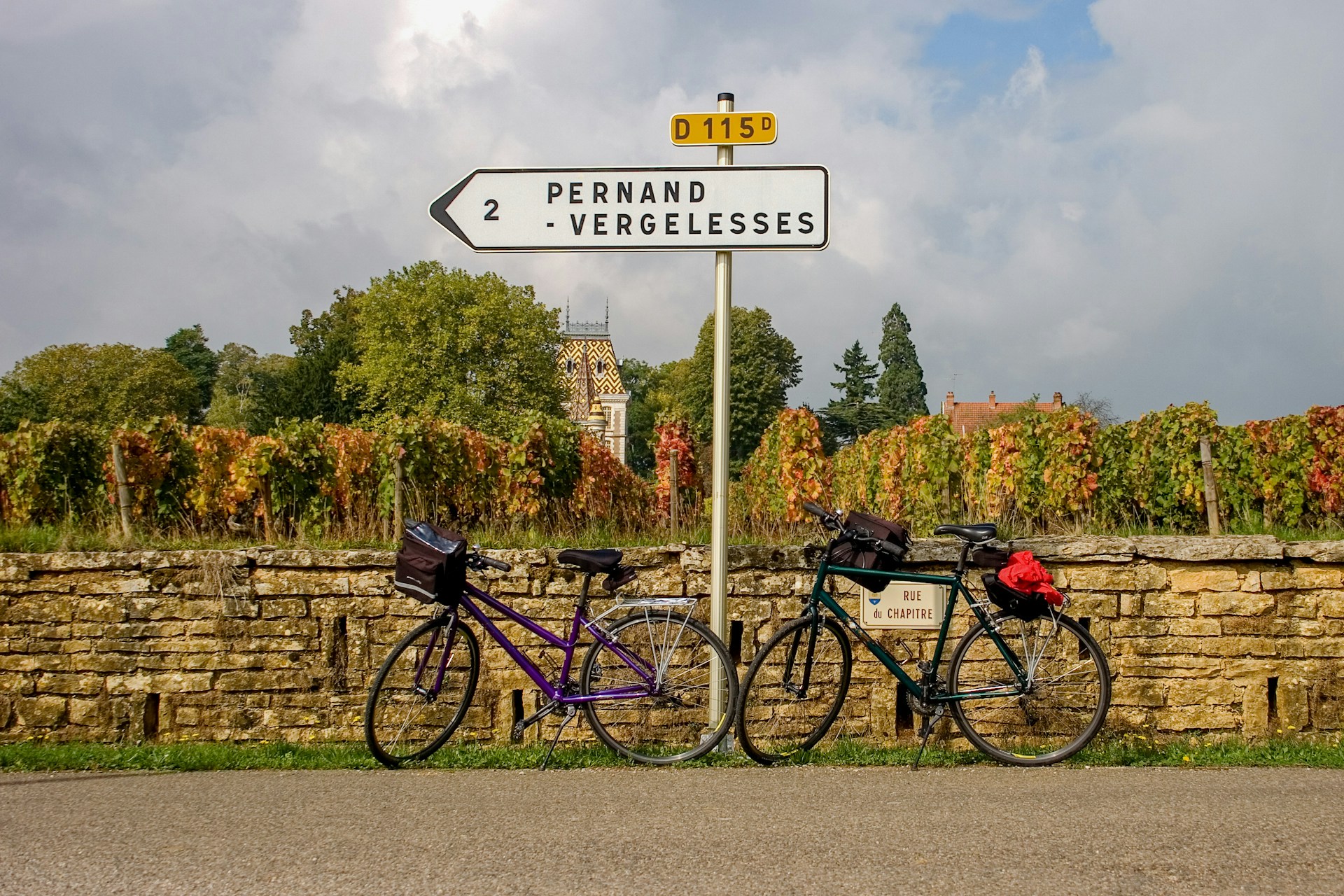
Occitanie’s Vineyards: Occitanie Region and Carcassonne
Down south, the Occitanie region blends medieval drama with autumn wine. Carcassonne’s fortified walls loom over vineyards that stretch for miles.
Harvest starts early here—late August through September—thanks to the warm Mediterranean climate. You’ll find both reds and whites, all with that southern sun in every sip.
Some vineyards let you join the harvest in the morning, then you can wander Carcassonne’s old streets in the afternoon. Not a bad way to spend a day.
The weather’s just right—warm days, cool nights—so the grapes ripen perfectly.
Autumn festivals here are lively. Expect music, local food, and plenty of fresh wine to go around.
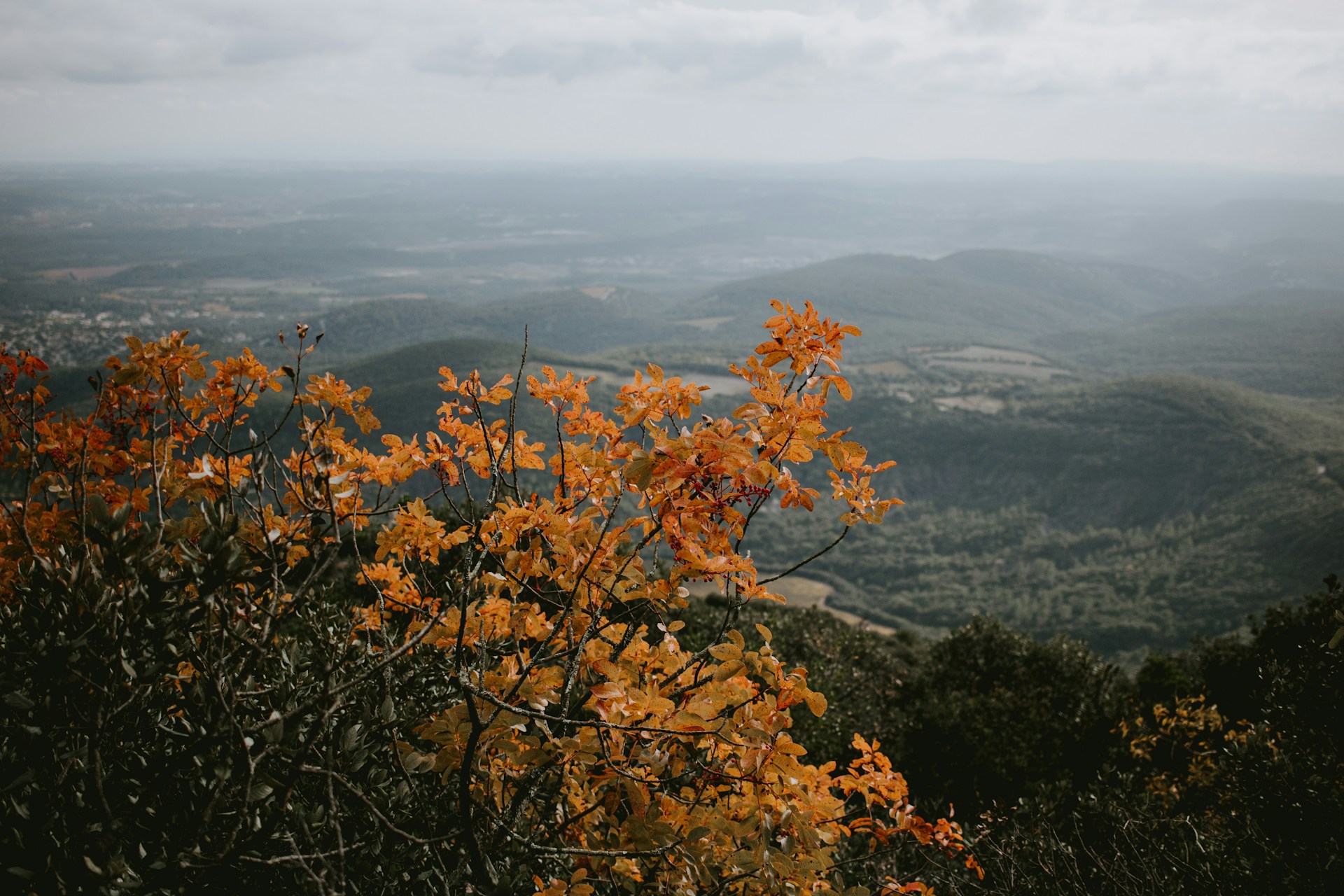
Crisp Forest Walks and Scenic Countryside Escapes
France’s autumn forests are something else. Trails wind through medieval villages, royal hunting grounds, and hillsides painted gold.
I’ve wandered the Dordogne Valley’s limestone cliffs and strolled through Chamonix’s meadows, and each place has its own fall magic.
Dordogne Valley Trails and Medieval Villages
The Dordogne Valley turns golden when walnut and chestnut trees drop their leaves. Sarlat-la-Canéda is a great jumping-off point for easy trails.
The Vezere River Trail gives you a gentle three-hour walk past prehistoric caves and perched villages. October brings crisp air and just-right hiking temps—around 15°C.
Must-visit villages along the way:
- Beynac-et-Cazenac (castle on the river)
- La Roque-Gageac (cliffs and charm)
- Domme (views for days)
If you’re lucky, you might spot wild boar or deer getting ready for winter. Early mornings are best for wildlife.
Markets in Sarlat sell walnuts and chestnuts fresh from the forest. The GR36 trail links five medieval villages, so you can do a mini-adventure in a single day.
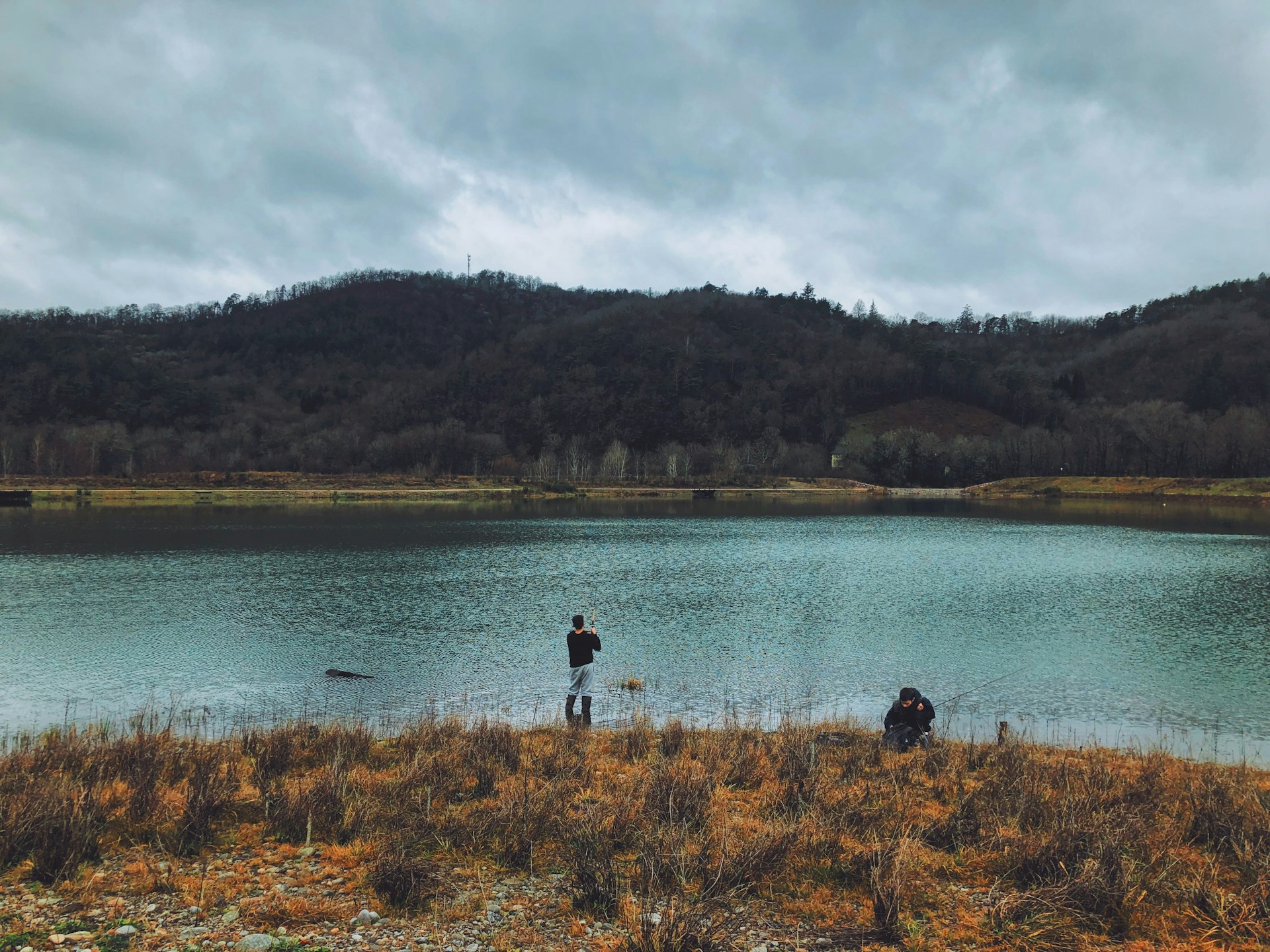
Enchanting Forests of the Luberon Region
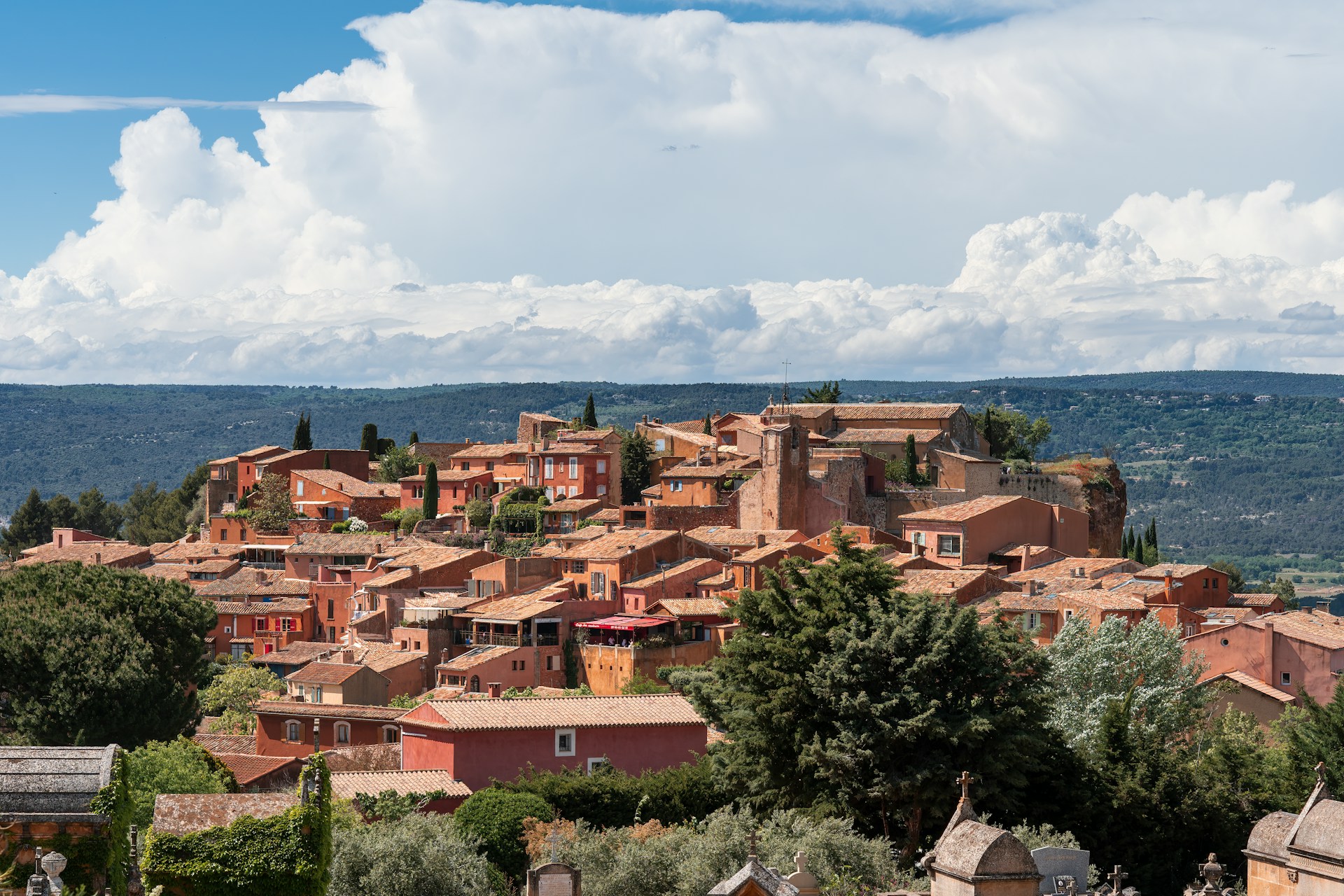
Luberon’s oak and pine forests put on a real show against the backdrop of Provence’s lavender fields. I usually base myself in Gordes for easy access.
The Sentier des Ocres near Roussillon loops through red clay ochre mines—autumn light just makes the colors pop. It’s a two-hour walk, a bit uneven, but so worth it.
Forest trail highlights:
- Cedar forests near Bonnieux (3-4 hour walks)
- Petit Luberon ridge (big Provence views)
- Valley trails between Ménerbes and Lacoste
Wild rosemary and thyme fill the air. September through November is prime hiking season—blue skies, cool air, and hardly any crowds.
The GR97 crosses the whole range, but honestly, I prefer shorter hikes that end in a hilltop village for lunch.
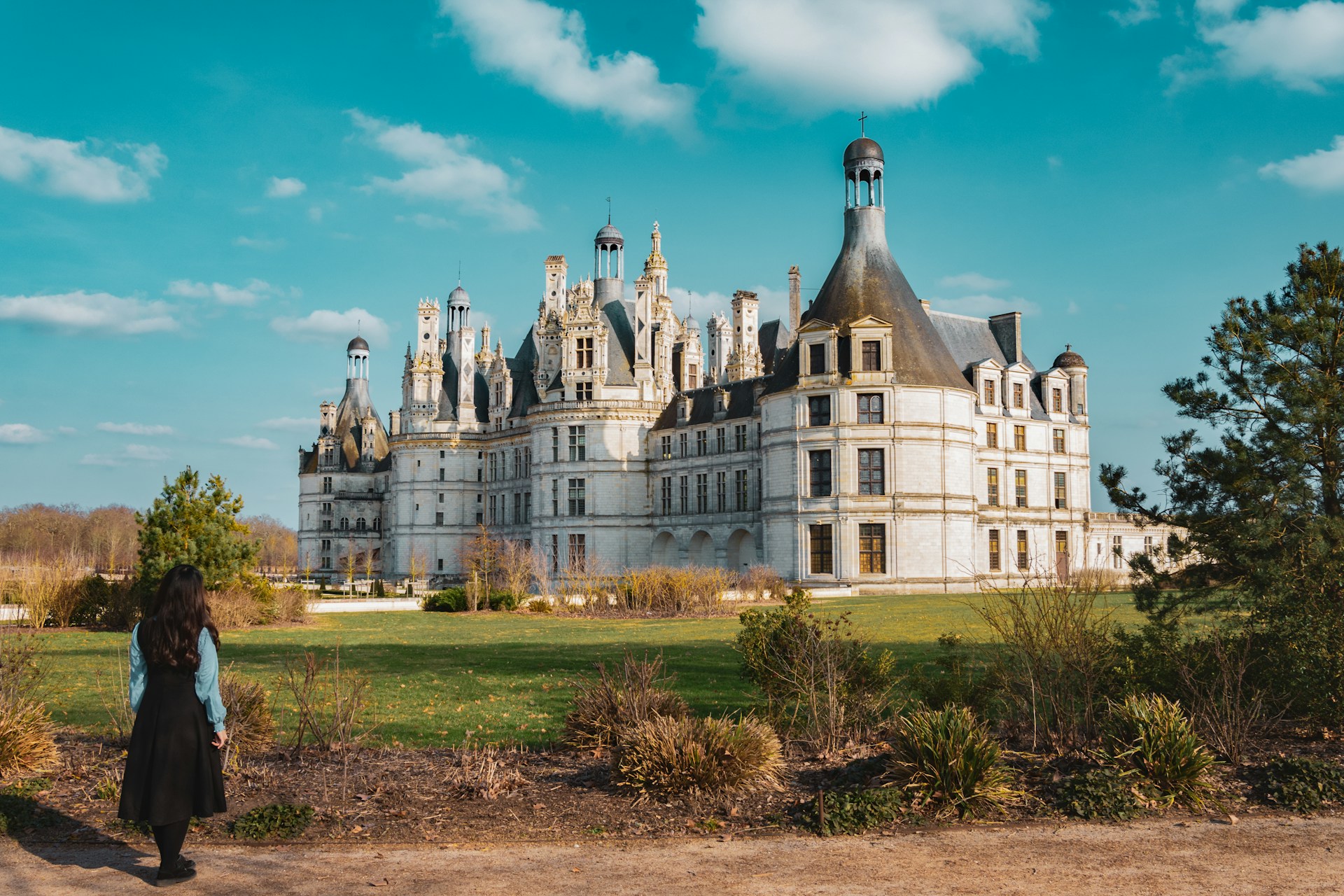
Château de Chambord and Chambord Forest
Château de Chambord sits in the middle of France’s largest enclosed forest—5,440 hectares of oak, pine, and birch. In autumn, it feels like a golden wilderness.
The Discovery Trail loops around the château in about 90 minutes. If you’re up early, you might catch red deer roaming or even hear stag calls echoing through the mist.
Walking routes to try:
- Canal Trail (easy, 2 hours, good for families)
- Observatory Path (wildlife hides—bring binoculars)
- Forest Loop (4 hours, a bit more challenging)
Early mornings are best for spotting wildlife. The château’s towers look incredible set against autumn leaves.
You can also rent bikes at the visitor center. The forest has a grid of trails, so it’s almost impossible to get lost.
The French Alps and Chamonix: Autumn Hikes
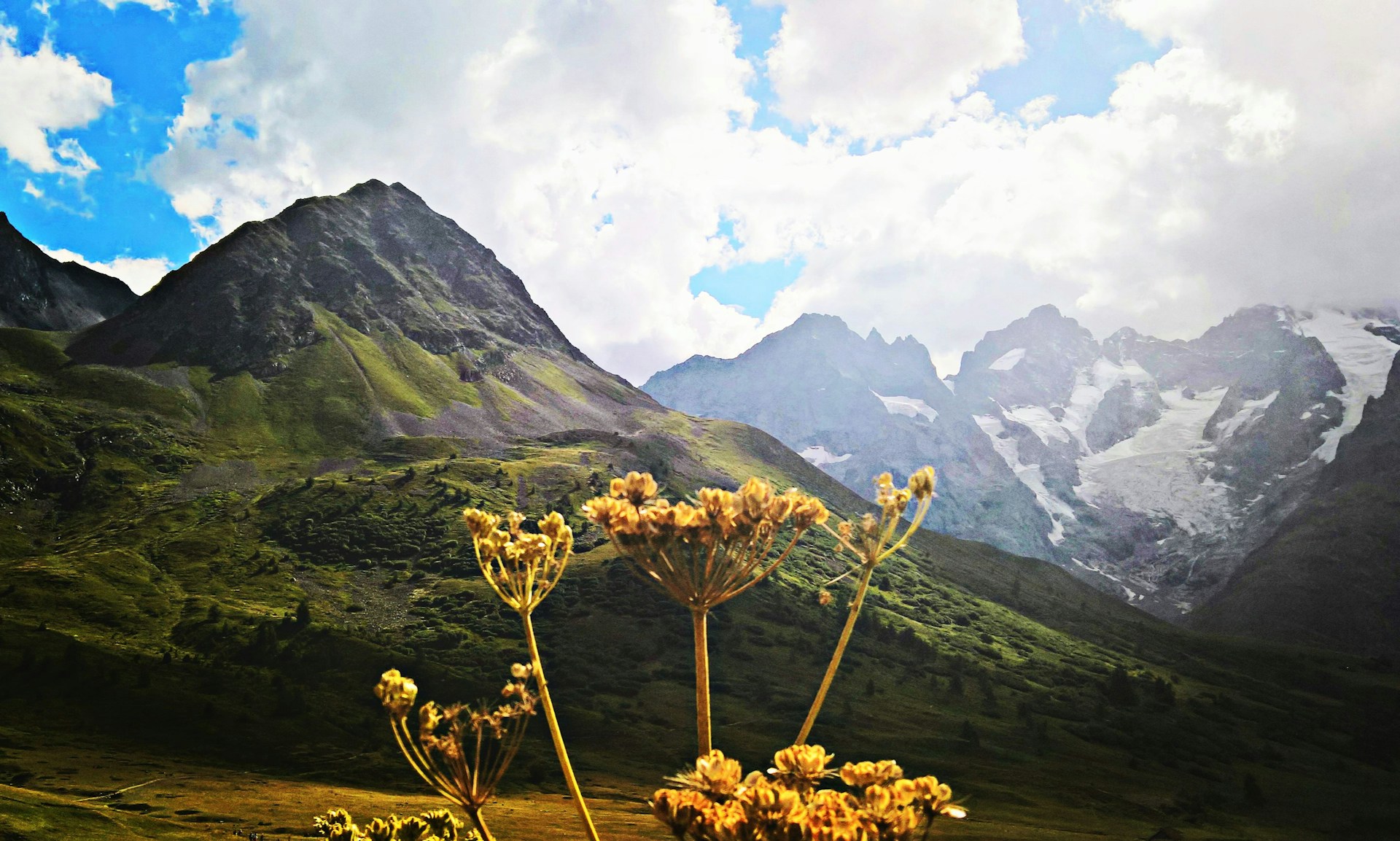
Chamonix Valley is jaw-dropping in autumn. Larch trees glow gold, and the peaks of Mont Blanc rise above it all.
Lac Blanc is the classic hike—take the cable car, walk up for two hours, and you’ll see golden trees reflected in the lake.
Chamonix autumn hikes to check out:
- Petit Balcon Sud (easy, 3 hours)
- Aiguilles Rouges (challenging, all day)
- Montenvers Mer de Glace (glacier views and a forest walk down)
September’s usually the sweet spot before snow closes the higher trails. Pack layers; mountain weather changes fast.
The TMB (Tour du Mont Blanc) has day sections for all levels. Local guides can point you to the best trails for your experience and the weather.
Cozy Evenings in France’s Charming Cities and Towns
When autumn evenings settle in, France’s cities and towns just glow. Cafés along the Seine, medieval streets, and wine cellars all feel extra inviting.
Paris, Strasbourg, and Alsace’s villages come alive in a different way—there’s a hush, but also a warmth.
Parisian Autumn Nights: Cafés, Culture, and the Seine
Paris changes completely in autumn. The pace slows, and the early sunsets add a little drama.
Walking by the Seine at dusk? It’s honestly magical. Golden trees reflect in the water, and the streetlights flicker on one by one. I love crunching through leaves in the Tuileries Garden as the city winds down.
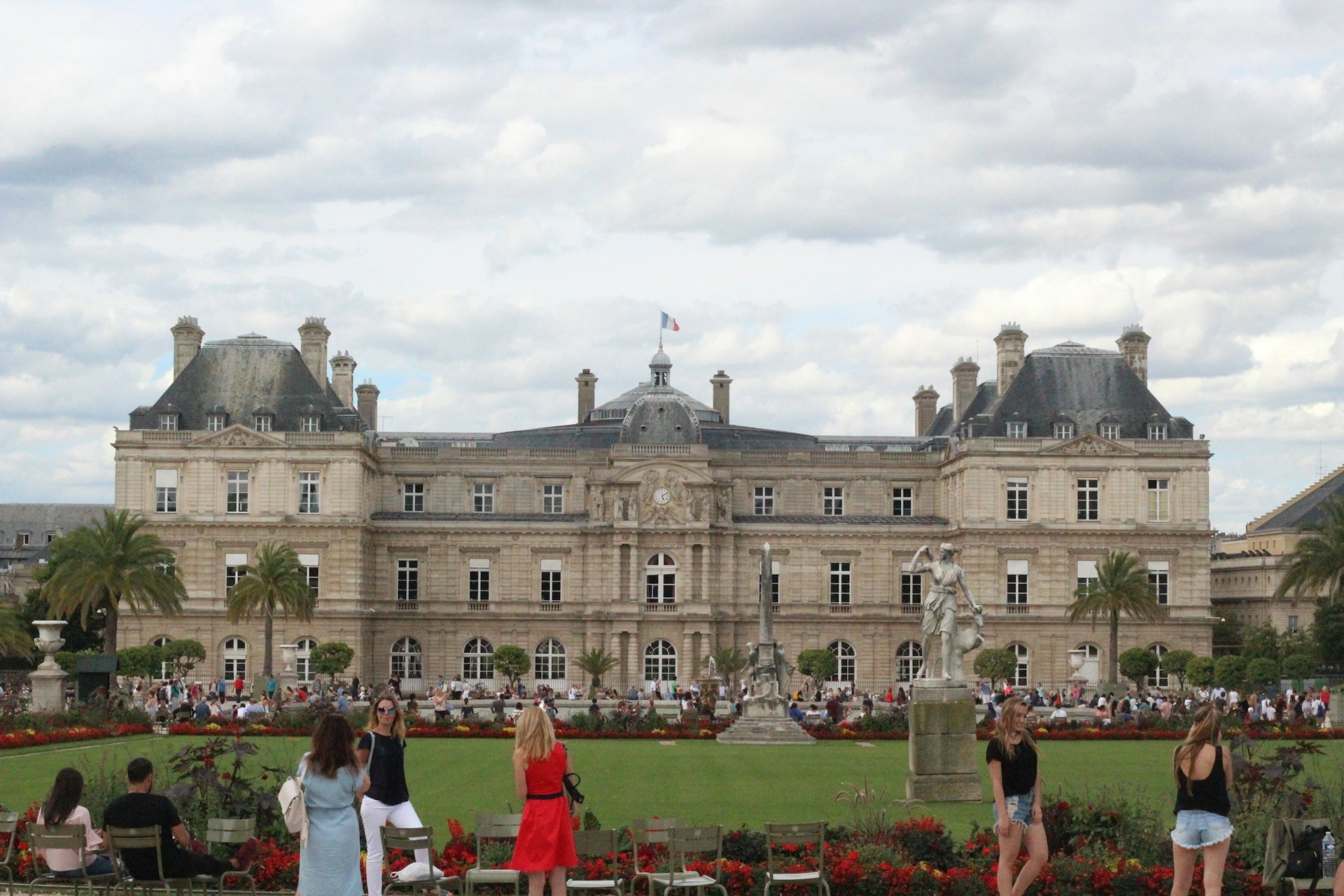
Luxembourg Gardens gets quiet in the evenings. With fewer tourists, you can actually hear the fountains and enjoy the peace. The park closes early, but a sunset stroll is worth it.
Cafés shine on chilly nights. I look for tiny bistros with glowing windows and outdoor heaters. The smell of roasted chestnuts from street vendors mixes with coffee and wine—honestly, it’s the best.
Some museums stay open late. The Louvre and Musée d’Orsay are quieter at night, and galleries in the Marais district sometimes host wine receptions.

Strasbourg’s Half-Timbered Corners and Wine Cellars
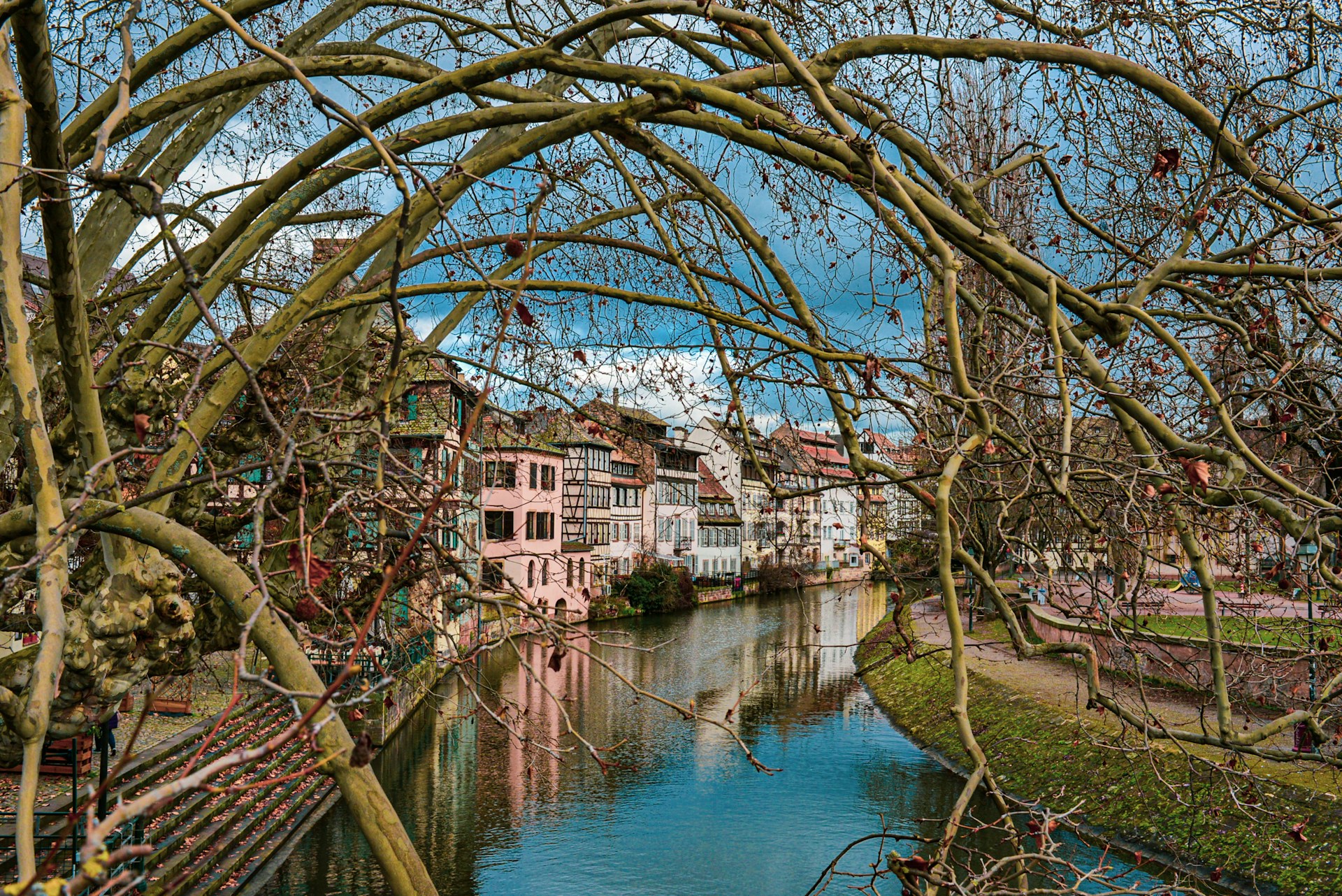
Strasbourg’s old town feels like a fairy tale after dark in autumn. Half-timbered houses glow in the lamplight.
Petite France is especially cozy at night. Wandering those narrow cobblestone streets, you’ll find medieval buildings leaning together and restaurants serving Alsatian classics like choucroute and tarte flambée.
Around the cathedral, things get lively. Local wine bars—winstubs—fill up with people sipping regional wines. These taverns have wooden tables and hearty food, perfect for a chilly night.
Wine cellars across the city open for tastings. Riesling and Gewürztraminer are the stars, and many cellars have stone walls, candles, and that ancient vibe.
By late autumn, Christmas market stalls start appearing. Even before they’re open, the decorations make the city feel festive.
Colmar and Riquewihr: Picture-Perfect Alsatian Ambiance
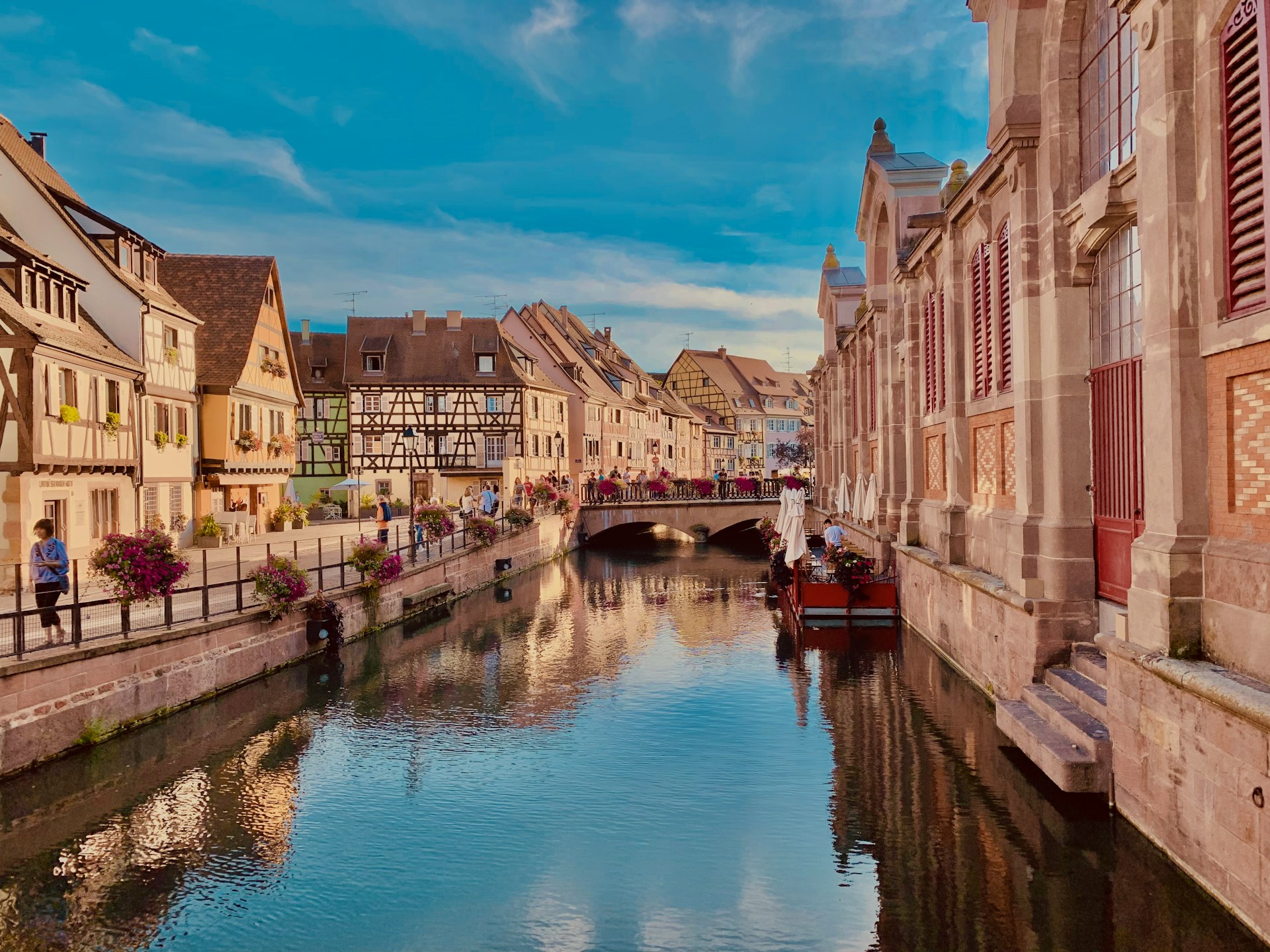
Colmar turns into a storybook scene in autumn evenings. The colorful houses reflect in the canals of Little Venice.
Evening walks reveal hidden courtyards and flower boxes still hanging on. Restaurants use blankets and heaters to keep outdoor seating going. There’s nothing like sipping local wine as the last bit of daylight fades.
Riquewihr is made for autumn strolls. The main street feels untouched since the 16th century. During harvest, wine shops stay open late.
Village walls and towers stand out against the evening sky. Local vignerons sometimes invite visitors into their cellars for tastings.
Both towns are perfect bases for vineyard explorations. Evening drives through the countryside reveal golden leaves and villages tucked into the hills. Harvest energy lingers well into the night in September and October.
Castles, Gardens, and Seasonal Festivities
France’s castles look incredible surrounded by autumn leaves, and city gardens burst with color. The Loire Valley’s châteaux and Paris’s parks are especially beautiful this time of year.
Château de Chenonceau Among Autumn Colors
Château de Chenonceau is a personal favorite in the fall. The reflection in the Cher River, framed by golden trees, is just about perfect.
In October, the formal gardens explode with color. Catherine de Medici’s garden glows with burgundy and amber, while the Diane de Poitiers garden sits under changing oaks and maples.
If you’re into photography, get there early—by 9 AM, the mist and soft light make everything look dreamlike.
Inside, the gallery bridge gives you sweeping views of both riverbanks, with the autumn landscape framed like a painting.

Dordogne’s Grand Castles and River Views
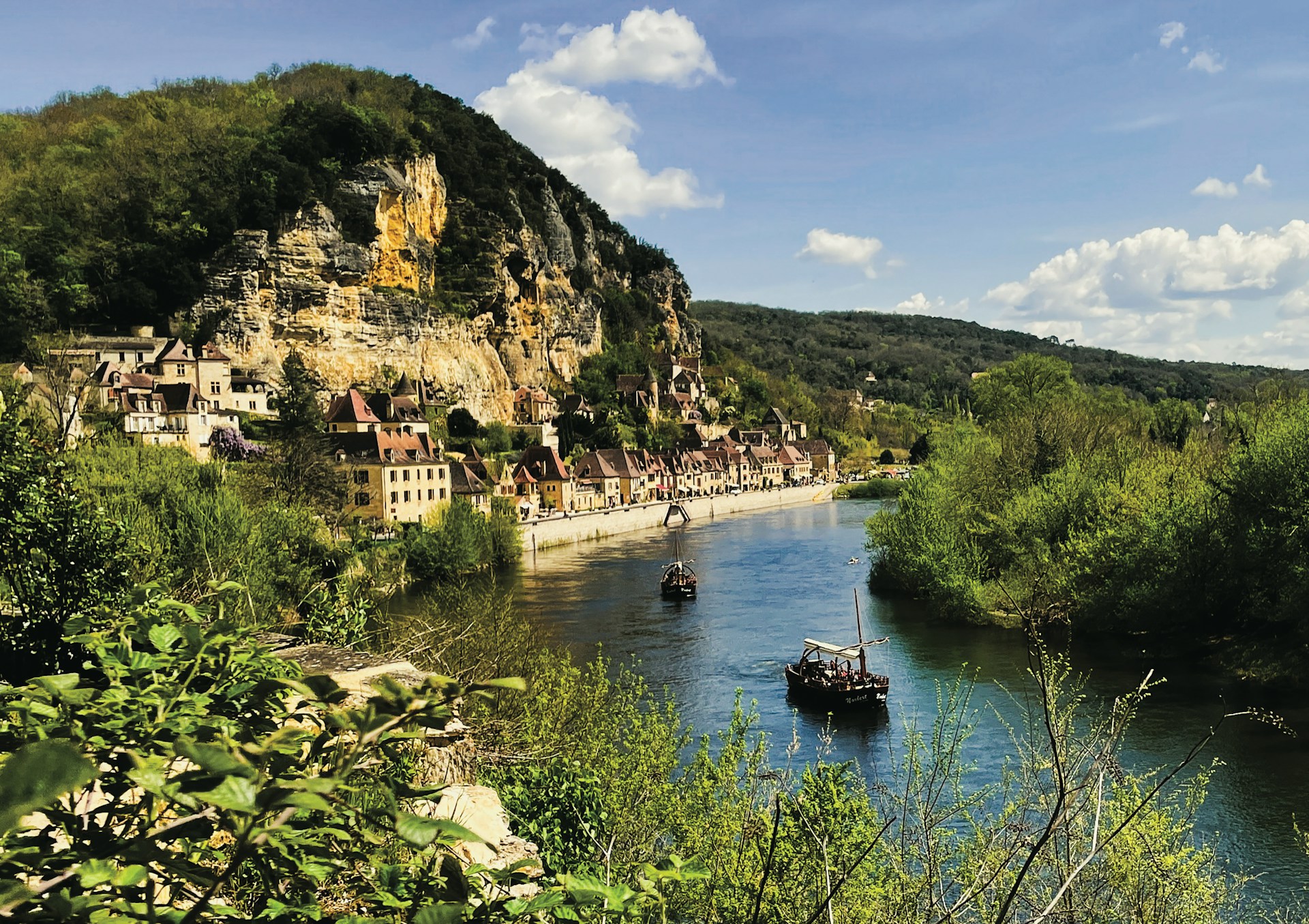
Every fall, the Dordogne region turns into a patchwork of gold and rusty reds. Château de Beynac rises above the river valley, its medieval walls standing guard over the autumn vineyards below.
Château de Castelnaud gives you sweeping views across the valley. The fortress looks out over forests and villages, all shifting colors as October rolls in.
If you want a different angle, hop on a river cruise. The Dordogne River mirrors the season’s colors as you float beneath those towering castle walls.
I love those early morning boat trips. You’ll catch mist drifting across the valleys and see hillsides glowing gold.
Throughout October, villages host lively harvest festivals. Locals come together for wine tastings and bustling food markets.
These gatherings give you a real taste of French culture, right in the shadow of ancient castles.
City Gardens Splashed with Fall Hues
Come October, Luxembourg Gardens in Paris puts on a show (see for yourself). The formal gardens show off geometric patterns in fiery autumn shades.
Kids race model boats across the octagonal pond, surrounded by golden plane trees. It’s pure Paris.
The Medici Fountain sits tucked among chestnut trees turning color. Fallen leaves pile up along winding paths.
Sometimes, I just watch locals play chess under those bright canopies. There’s something peaceful about it.
Tuileries Garden stretches from the Louvre to Place de la Concorde. Tree-lined alleys become tunnels of gold and amber light.
Bronze statues peek out from carpets of leaves, almost like they’re part of the season.
Parisian gardens throw autumn events, too. Art installations pop up between the trees.
Outdoor cafés serve up vin chaud and the smell of roasted chestnuts drifts from nearby stands.
Unique Autumn Experiences Across Regions
France in autumn? It’s a whole different world. Each region rolls out its own traditions—harvest parties, quiet history walks, and that unmistakable seasonal charm.
You’ll find grape harvest festivals in the wine country and reflective strolls along Normandy’s coastline. Every area has its own flavor of fall.
Festivals and Vineyard Celebrations
The Fête des Vendanges lights up wine regions in September and October. I’ve joined grape harvests where you pick right alongside locals.
Here’s what you can expect:
- Morning grape picking—crisp air, sticky hands, and laughter in the vines
- Harvest lunches outside, usually with hearty country fare
- Fresh grape juice tastings—it’s sweeter than you’d think
- Evening parties with plenty of local wine
On the third Thursday of November, Beaujolais Nouveau bursts onto the scene. Midnight wine releases and spontaneous parties take over France.
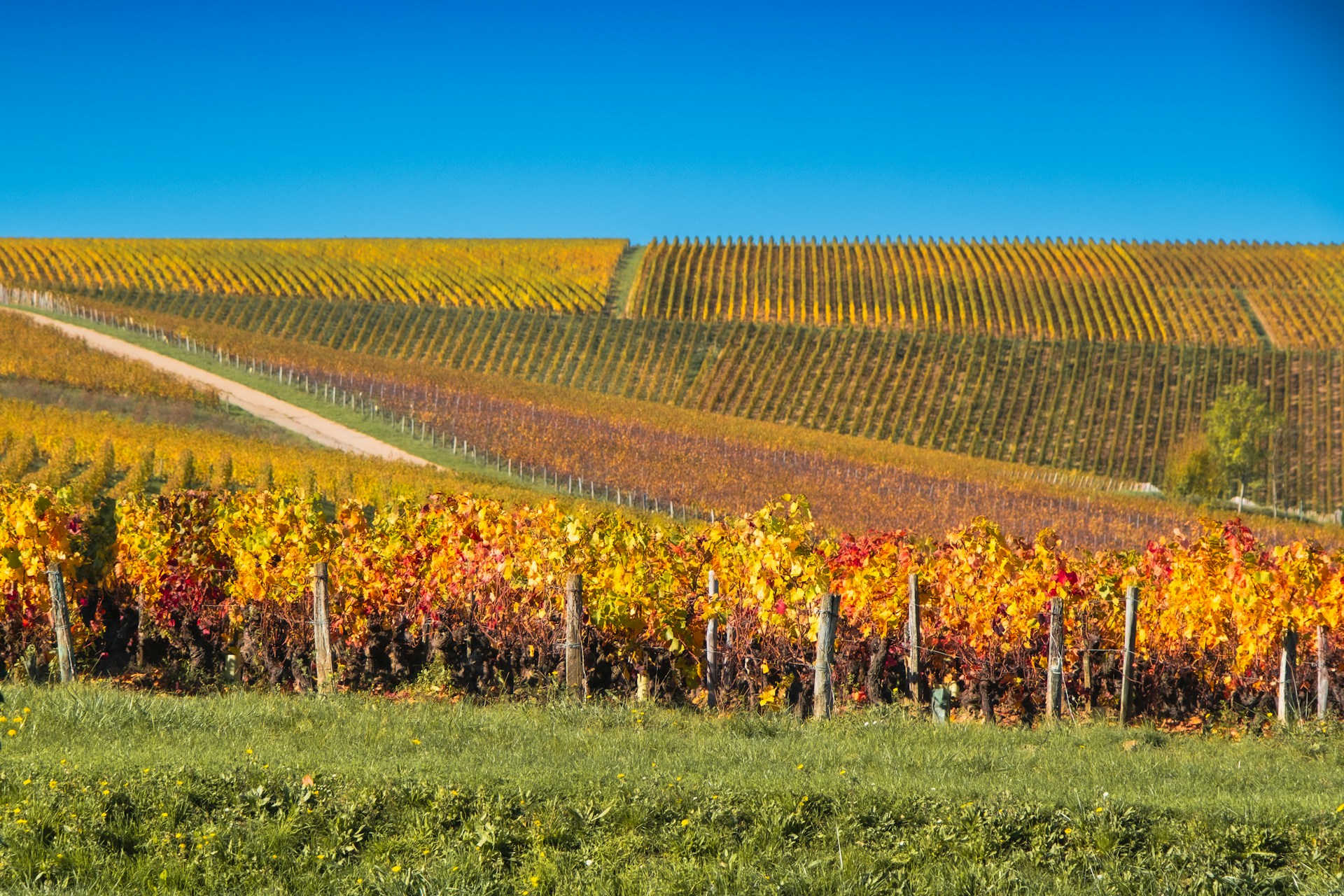
In Alsace, autumn means Rieslings and Gewürztraminers along the famous Wine Route. The golden vineyards are straight out of a postcard.
Markets fill up with mushrooms, chestnuts, and pumpkins. Local festivals celebrate all those autumn flavors.
History Walks: D-Day Beaches in Autumn
The D-Day beaches in Normandy feel different once summer crowds leave. Cooler weather makes it ideal for long, thoughtful walks.
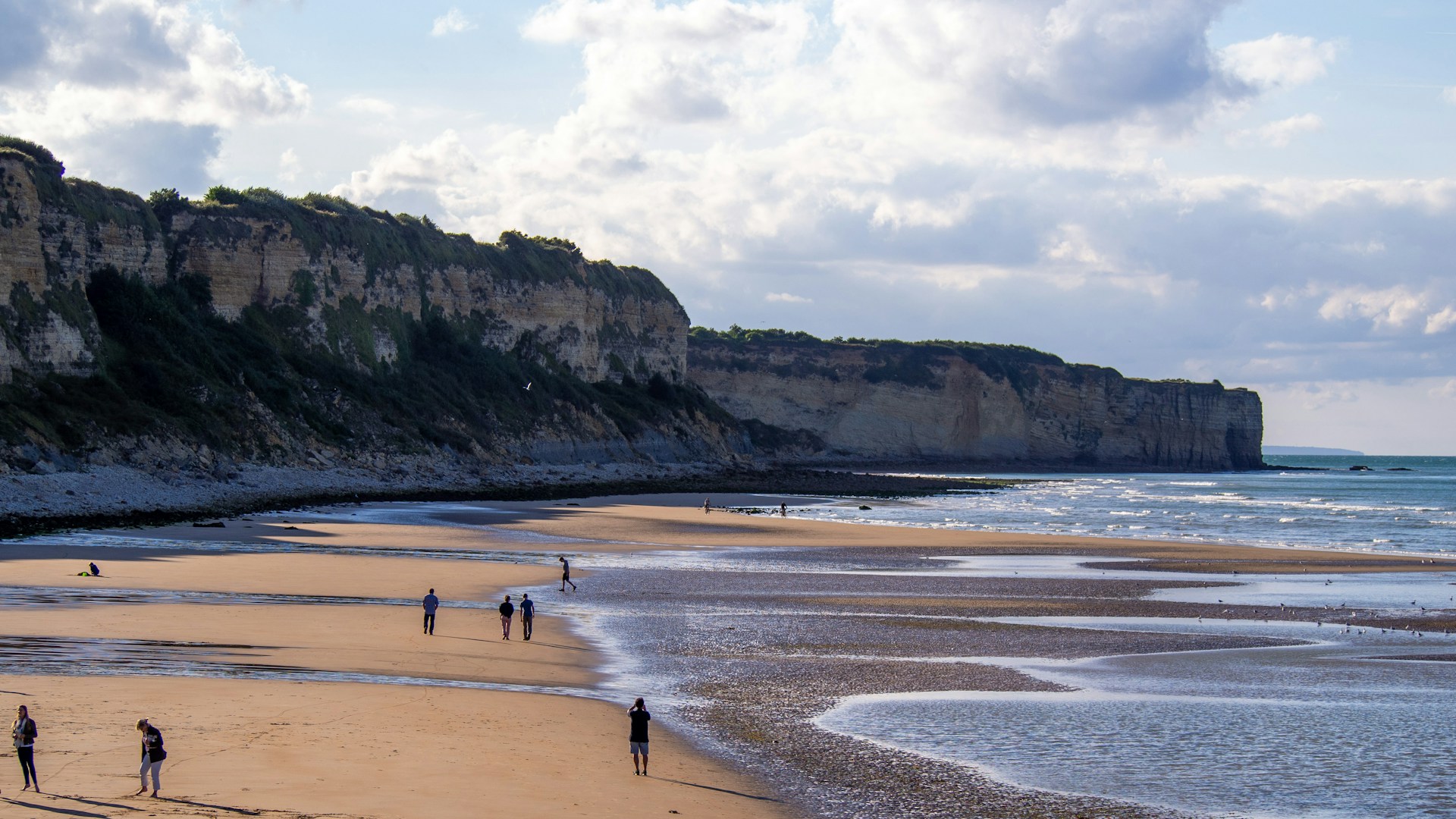
Omaha Beach stretches out under moody skies. The quiet gives you space to reflect on what happened there in 1944.
At Utah Beach, you can explore museums without the lines. The nearby Sainte-Mère-Église feels even more atmospheric in the fall.
Pointe du Hoc sits high above the sea, with dramatic views sharpened by autumn’s clear air. The old German bunkers seem even more solemn when things quiet down.
November 11th brings Armistice Day ceremonies all over Normandy. Locals honor the fallen with moving tributes at historic sites.
Apple orchards hit their stride in autumn, too. I’ve sampled calvados straight from local distilleries after a day of touring—highly recommend.
River Cruises and Off-Season City Delights
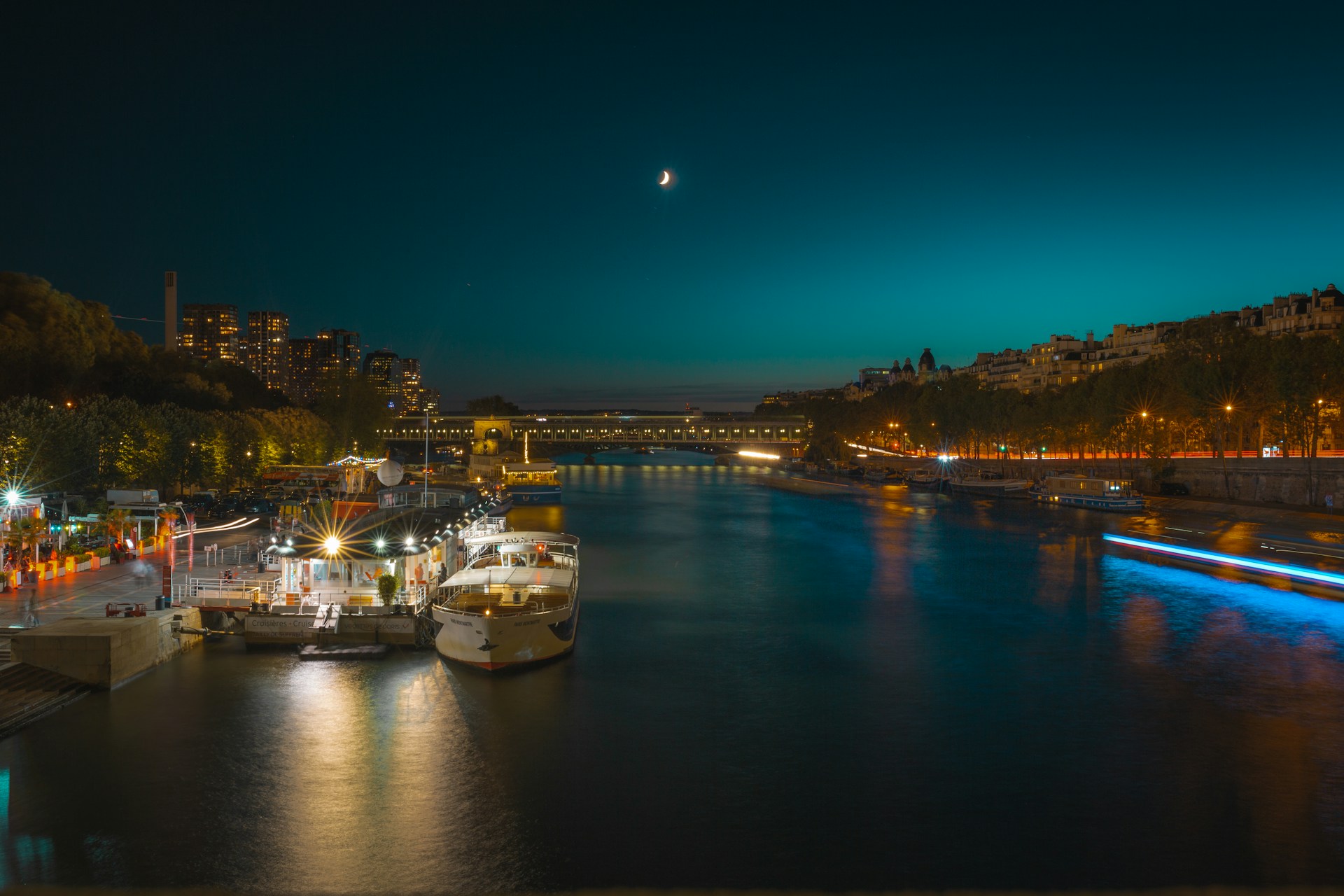
Seine River cruises turn magical in the fall. With fewer tourists, you get better views and a more relaxed vibe on the water.
Paris glows along the riverbanks (take a look). Golden leaves frame Notre-Dame and the Louvre from a whole new angle.
In Montmartre, the season brings cozy cafés. Artists’ Square sets out blankets and heaters, perfect for chilly afternoons.
Père Lachaise Cemetery gets a mysterious edge when the weather changes. The shifting light adds drama to ghost tours and Halloween displays.
You can actually wander Versailles in peace during the off-season. No crowds mean you can linger in grand rooms and gardens at your own pace.
River towns like Rouen come alive in autumn. Medieval streets look even more enchanting under gray skies, and markets brim with seasonal treats.
The Loire Valley is made for autumn escapes. Cruise the river, visit châteaux, and soak in those peaceful fall vibes.
Frequently Asked Questions
France’s autumn harvest brings loads of chances to check out wine regions and try your hand at traditional grape-picking. The timing and grape varieties shift from region to region, and local festivals mark this important season.
Bordeaux is my top pick for world-famous red wine harvests in September and October. You’ll find tours at grand châteaux and tiny family-run vineyards.
Burgundy offers more intimate winery visits during harvest season. The hills go gold—seriously, you’ll want your camera ready.
Alsace mixes vineyard tours with scenic drives through half-timbered villages. White wine harvests here usually run late September into October.
In Champagne, many cellars open their doors for harvest. I always find it fascinating to see the méthode champenoise up close.
The Loire Valley lets you combine castle hopping with wine tasting. Harvest runs from September into early October, depending on the grape.
Bordeaux focuses on Cabernet Sauvignon, Merlot, and Cabernet Franc for reds. These grapes ripen in late September and October.
Burgundy’s all about Pinot Noir and Chardonnay. Harvest usually falls in September, but weather can shift things.
Alsace specializes in whites like Riesling, Gewürztraminer, and Pinot Gris. They often pick these grapes later for that sweet finish.
Champagne picks Chardonnay, Pinot Noir, and Pinot Meunier, starting early September for about three weeks.
The Loire Valley grows Sauvignon Blanc, Chenin Blanc, and Cabernet Franc. Each grape ripens on its own schedule throughout the season.
Plenty of vineyards let tourists join in the grape-picking fun during harvest. I’d suggest reaching out directly or booking through a harvest tour company.
Most experiences last half or a full day. You’ll pick grapes with the team and learn the ropes from seasoned workers.
Expect to start early, since mornings are cooler and the work can be tough on your back. You’ll spend time bending, lifting, and walking through rows.
Meals with the harvest crew and wine tastings are usually part of the deal. Some places even give you a certificate or a little bottle to remember it by.
Bring comfy clothes, sturdy shoes, and gloves if you have them. Vineyards provide baskets and the basics.
Seasonal grape pickers usually work 8-10 hour days, starting at dawn. It’s hard work and takes some stamina.
Pay lands around 10-12 euros an hour, sometimes with meals and a place to stay.
Workers often bunk in shared housing or local campgrounds, with meals included in the package.
Harvest season lasts anywhere from 2 to 4 weeks, depending on the region and weather. Many workers move from vineyard to vineyard as the season rolls on.
I’ve noticed some folks come back year after year. If you get good at it, better positions and pay are totally possible.
Weather shapes the harvest in every French wine region. Hot, dry summers push harvest earlier, while cool summers delay it.
Rain during harvest can hurt grape quality and force a quick pick. I’ve seen entire schedules tossed out thanks to a sudden storm.
Champagne and other northern regions risk early frost, which can cut the season short and affect the grapes’ sugar.
Provence and the south usually get steadier weather, but heat waves can rush ripening too much.
Climate change is nudging harvests earlier all over France. What used to be an October tradition now often kicks off in September.
Let’s start with Paris. The Fête des Vendanges de Montmartre sweeps through the city every October, turning the streets into a lively patchwork of music, laughter, and, of course, plenty of wine tastings. For a few magical days, vineyard culture takes over Montmartre. Locals and curious travelers wander from stall to stall, soaking up the festive spirit.
Head out to the wine regions, and you’ll stumble upon all sorts of harvest festivals. Picture tables groaning under the weight of local food, glasses clinking, and music drifting through the air. These aren’t just parties—they’re invitations. Townsfolk love when visitors jump into the fun and join in the old traditions.
If you find yourself in Bordeaux during picking season, you’re in for a treat. The city rolls out special harvest tours and hosts dinners right in the heart of the vineyards. There’s something special about learning the stories behind the wines while you sip them, surrounded by the very vines that produced them.
Burgundy villages keep things heartfelt and meaningful. People gather in local churches for harvest blessing ceremonies. It’s a beautiful way to witness how deeply wine making is woven into their lives.
Alsace does things a bit differently. The region pairs its grape harvest with bustling autumn markets. You’ll see stalls piled high with local specialties, hear traditional music, and spot folks dressed in regional costumes. It’s colorful, a little quirky, and absolutely worth experiencing if you’re nearby in the fall.
