
Every autumn, Berlin just explodes with color during the Festival of Lights. Landmarks like the Brandenburg Gate, TV Tower, and Museum Island turn into glowing art installations, and honestly, it’s a total playground for photographers.
I wandered through Berlin during the festival, camera in hand, chasing dazzling displays on crisp October nights in both 2024 and during some early previews for 2025. My mission? Hunt down the most jaw-dropping illuminated spots and try to bottle up their magic through my lens.
If you’ve ever wanted to photograph light art or see Berlin at its most magical, this October festival is your shot. I came home with unforgettable photos—and a whole new respect for how art can flip a city’s mood after dark.
Discovering Berlin Festival of Lights: Event Overview
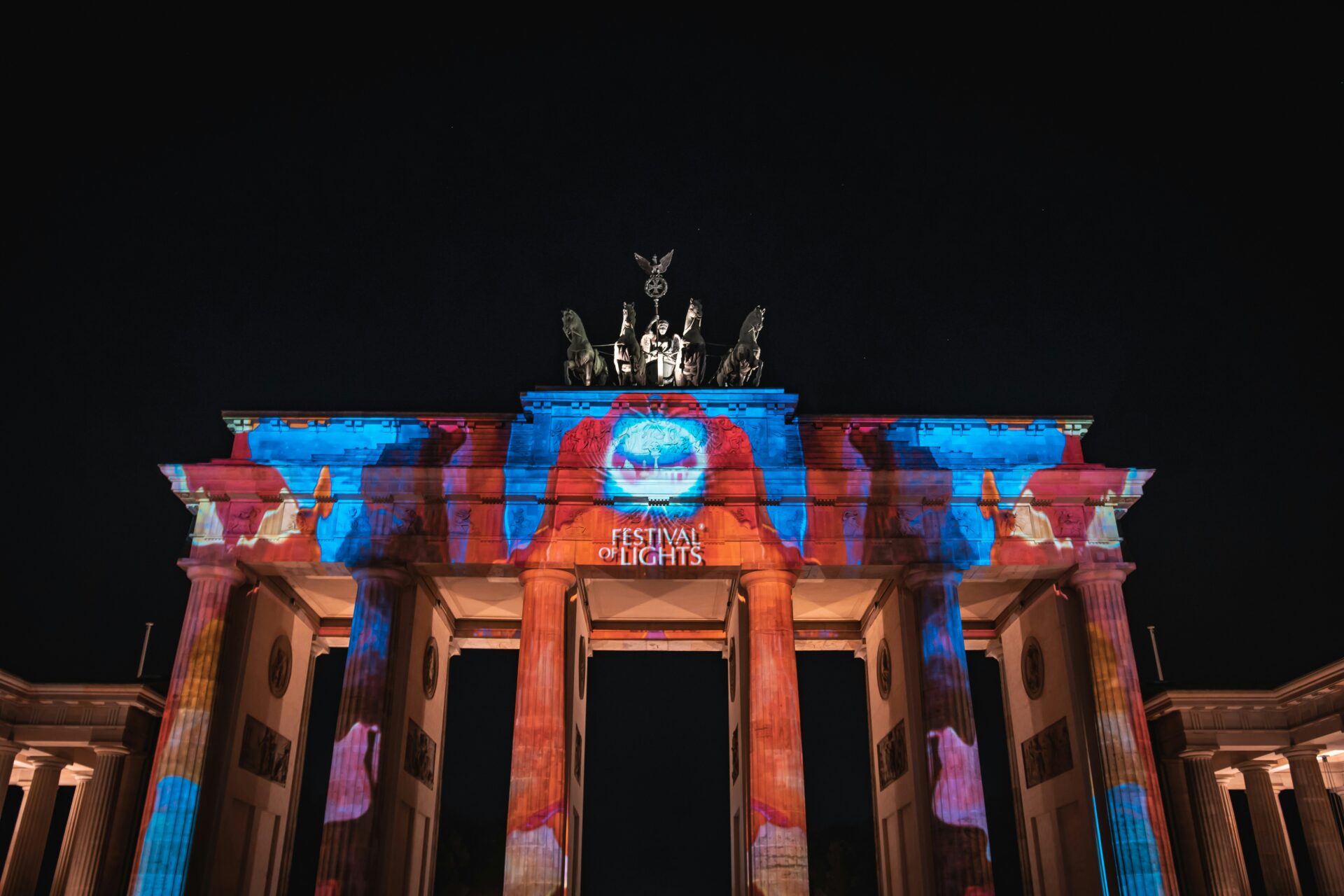
When autumn hits, Berlin lights up—literally. The Festival of Lights turns historic spots and city squares into glowing pieces of art, and it’s a unique experience for anyone who loves photography or just being wowed. The event always leans into themes like unity, freedom, and celebrating creativity right in Berlin’s heart.
History and Evolution
Back in 2005, Berlin decided to show off its landmarks in a fresh way each autumn. Someone had the idea to use light as art across the city, and it just took off. Now, millions show up every year.
More and more landmarks joined over time. Artists from all over the globe bring their visions, transforming buildings, streets, and parks into glowing canvases. The festival has become one of Europe’s top light art events.
This celebration really shines a light on Berlin’s story of unity and freedom. As I explored, I realized the festival uses light not just for beauty, but to share hope and togetherness.
Festival Theme and Message
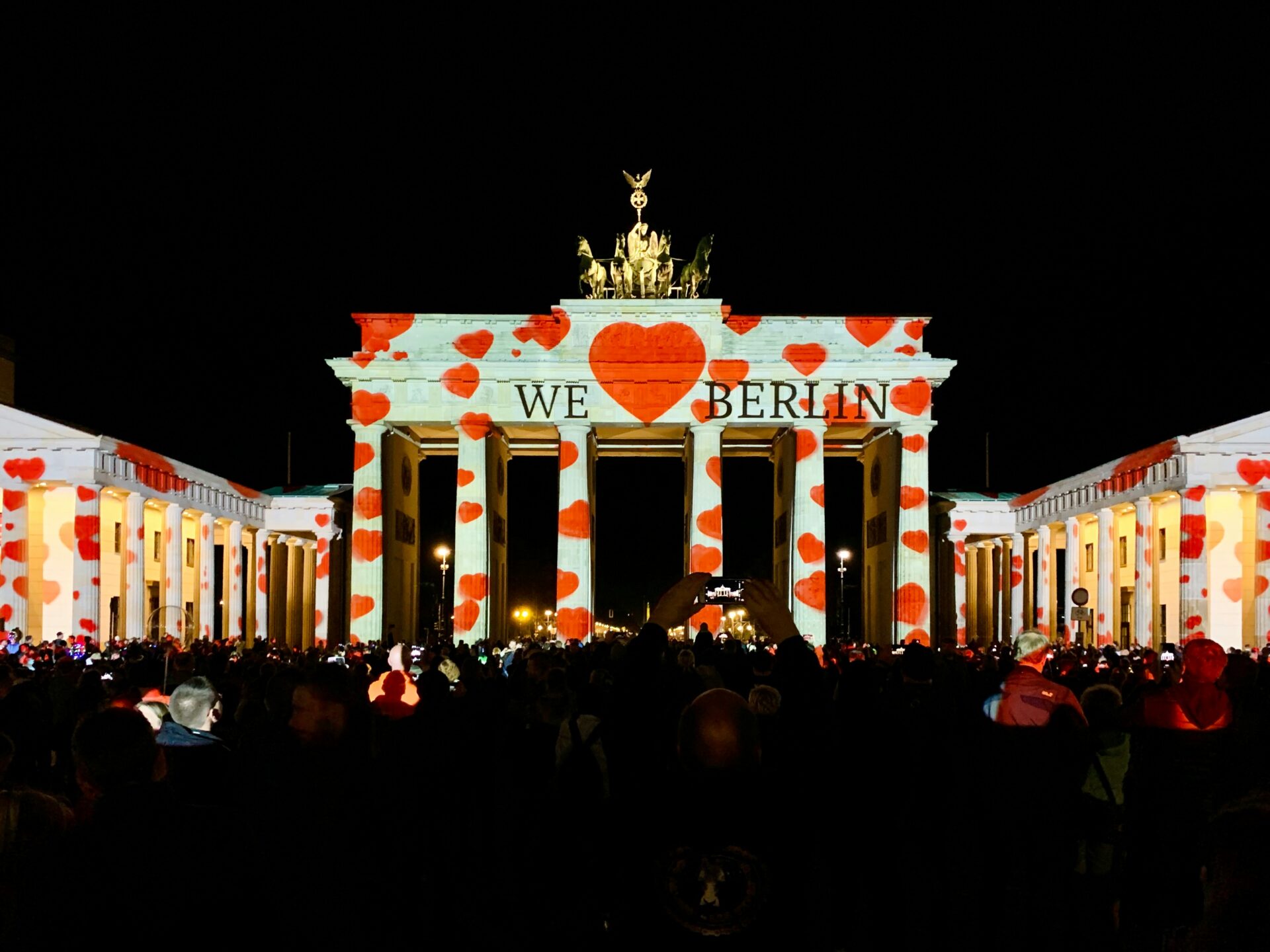
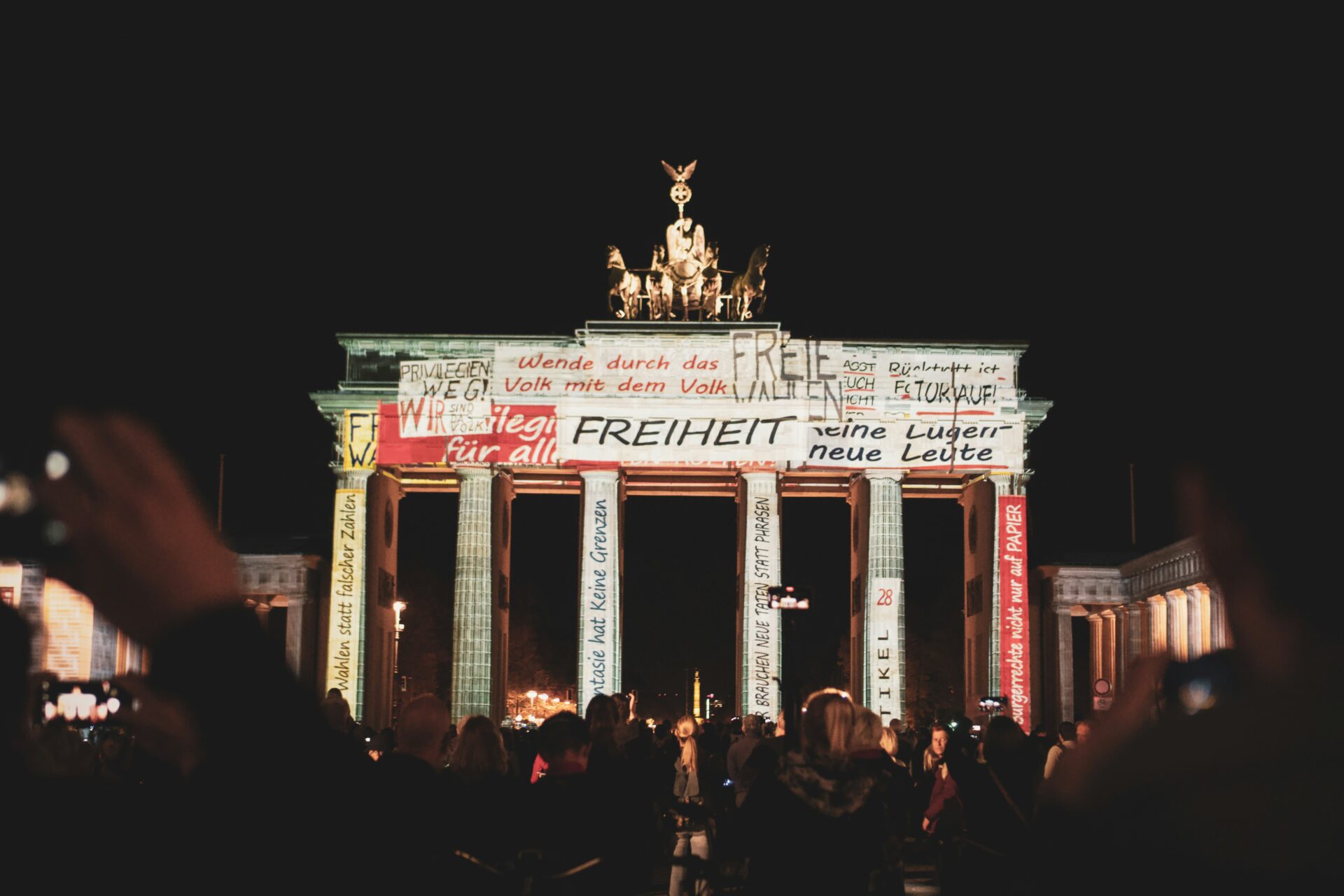
The festival picks a new theme every year. For 2025, it’s “Celebrating Freedom,” which feels fitting for the 21st anniversary and Berlin’s journey from division to unity.
You’ll notice the displays often nod to Berlin’s past and its drive toward the future. Light projections tell stories about resilience, creativity, and why coming together matters. Artists use their work to highlight values like freedom and unity—pretty central to Berlin, honestly.
Walking among the lights, I felt the message. These installations aren’t just art—they invite everyone to reflect and celebrate together.
Key Dates and Schedule
Mark your calendars: the 2025 Festival of Lights runs from October 8th to October 15th. For eight nights, major attractions across Berlin light up after sunset and usually keep glowing until midnight.
Landmarks like the Brandenburg Gate, Berlin Cathedral, and TV Tower always make the list. The festival announces the full lineup closer to the date, so it’s worth checking the official site for updates.
Each night feels different. Lighting shows rotate, and sometimes there’s live music or special tours. If you want to catch more than a couple displays, try to plan for a few nights out.
Lightseeing Tours and Guided Routes
Lightseeing tours make it easy to hit the festival’s highlights. These guided routes are perfect for photographers who want to see the best installations and not miss a thing.
You can join tours on foot, by bike, or even hop on a bus. Some stick to the old city, while others head for modern districts. Guides share stories and tips, which I found super helpful for snagging the best angles and learning more about each landmark.
Booking tickets online is simple. If you’d rather wander solo, you can download maps or digital guides. I liked planning my own route to focus on the spots that inspired me most.
Illuminated Landmarks and Must-See Locations
Berlin’s most iconic landmarks get a total glow-up during the festival. Each spot features its own light show, creative designs, and a vibe that photographers dream about.
Brandenburg Gate
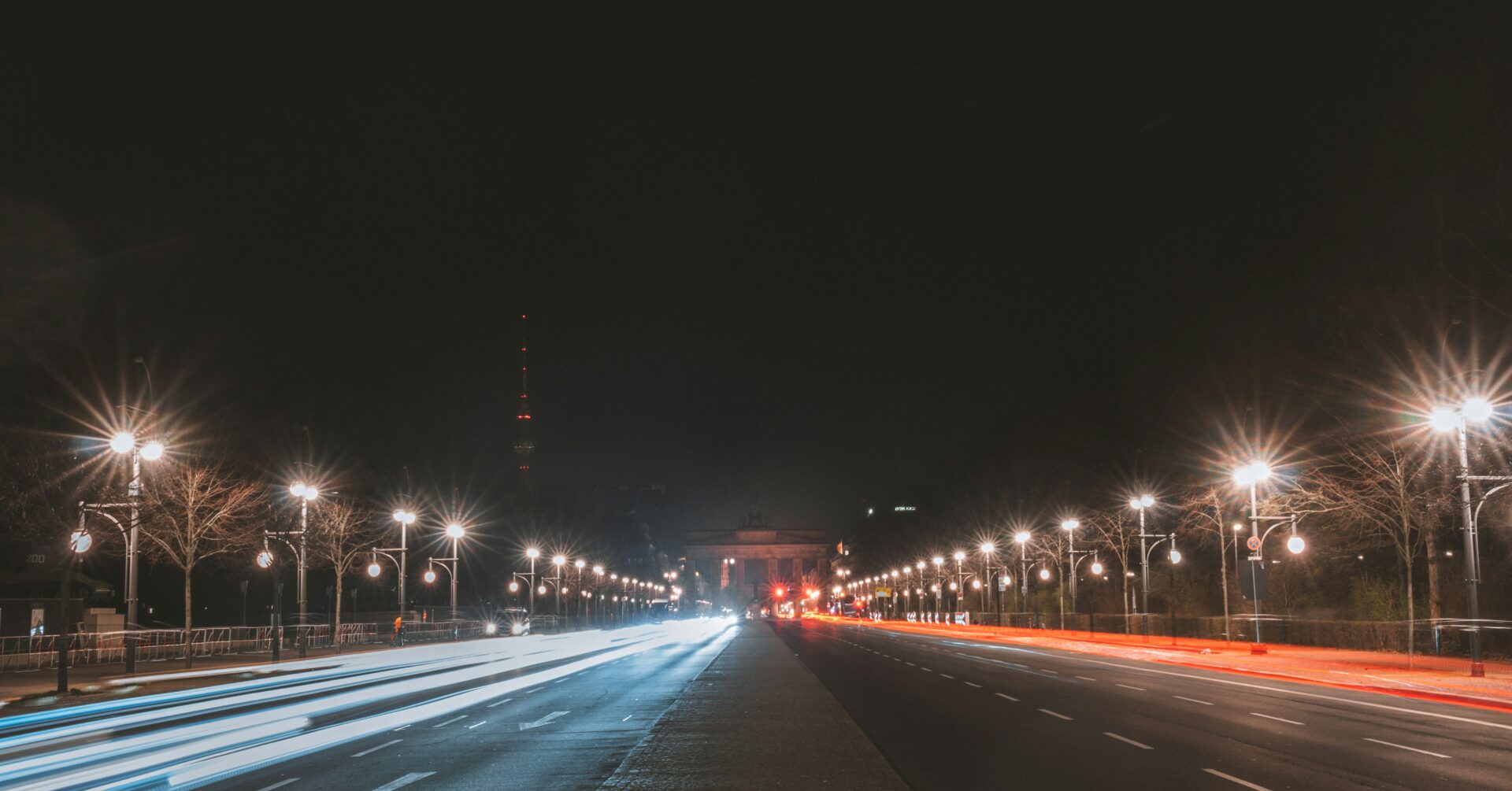
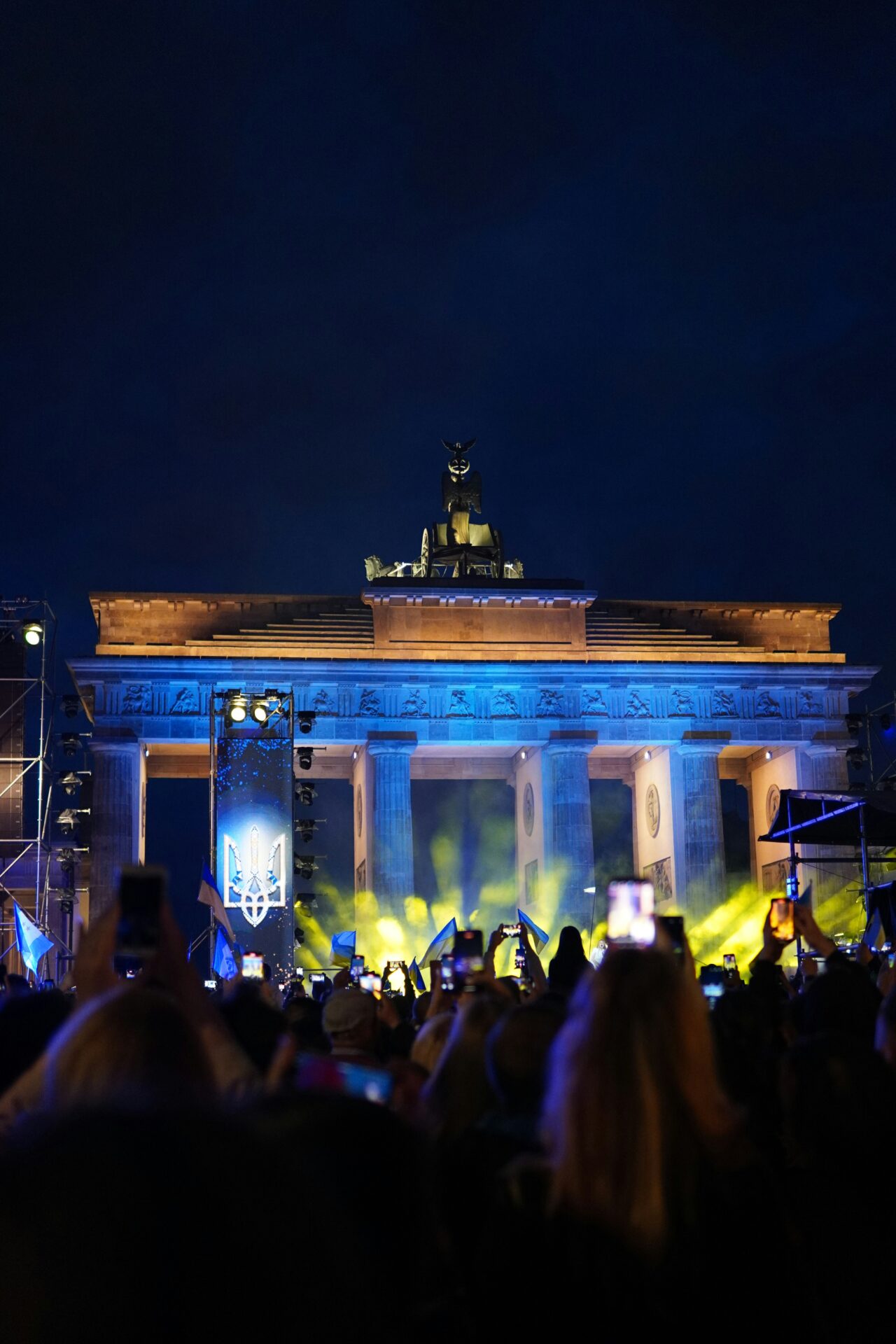
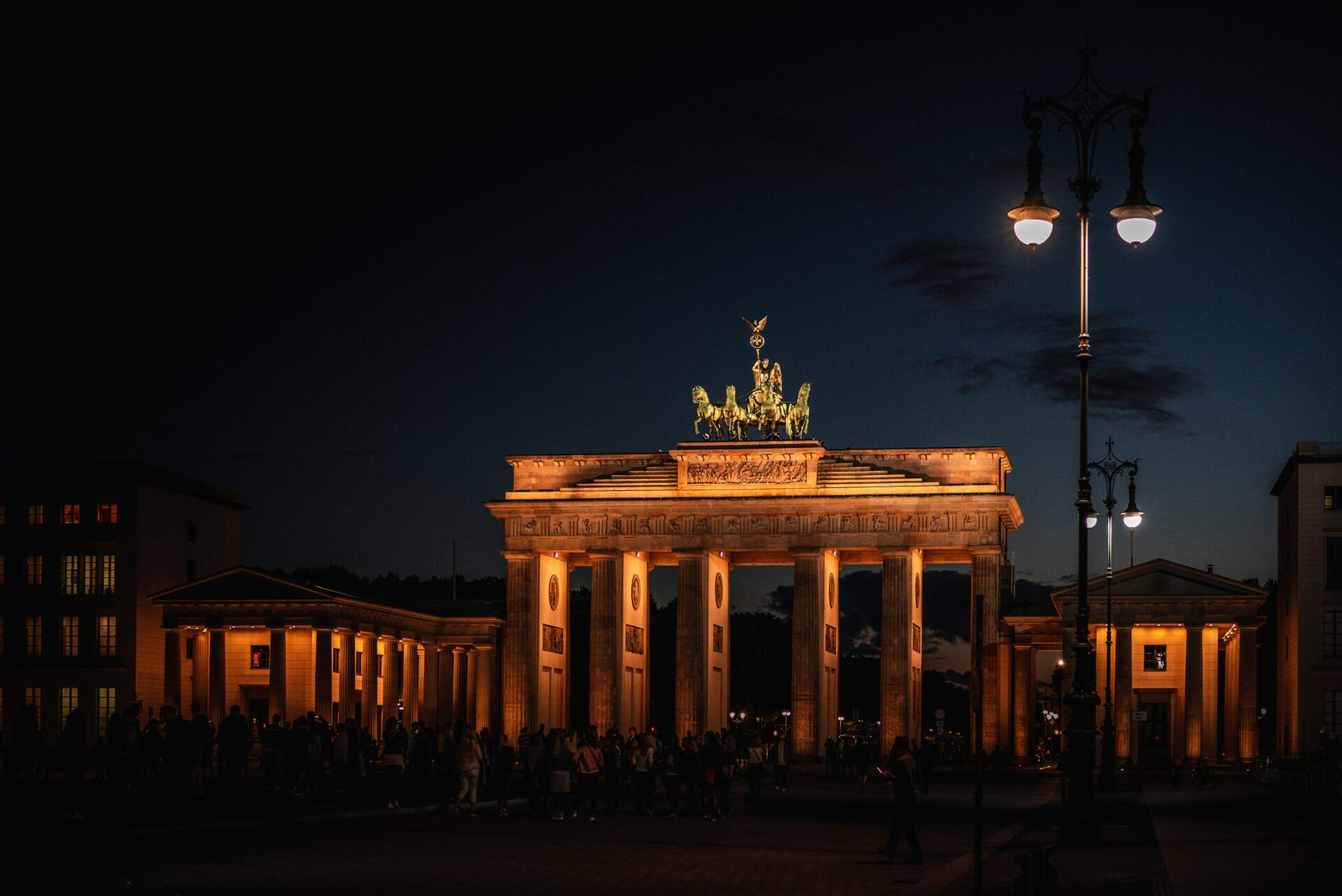
I kicked off my night at the Brandenburg Gate. This place always steals the show. Each year, artists turn the gate into a massive canvas for colorful projections and wild, moving artwork.
Crowds gather, and photographers line up tripods for that perfect shot. The themes change—sometimes it’s abstract, sometimes historical. I found the front of the gate best for head-on photos, but shots from Pariser Platz let you capture the crowd and the whole illuminated scene.
Pro tip: Show up right when the lights switch on (around 7:00 PM) to dodge the biggest crowds. Tip for families: The area’s buzzing, and you’ll often spot street performers, so it’s a blast for everyone.
Berlin Cathedral and Museum Island
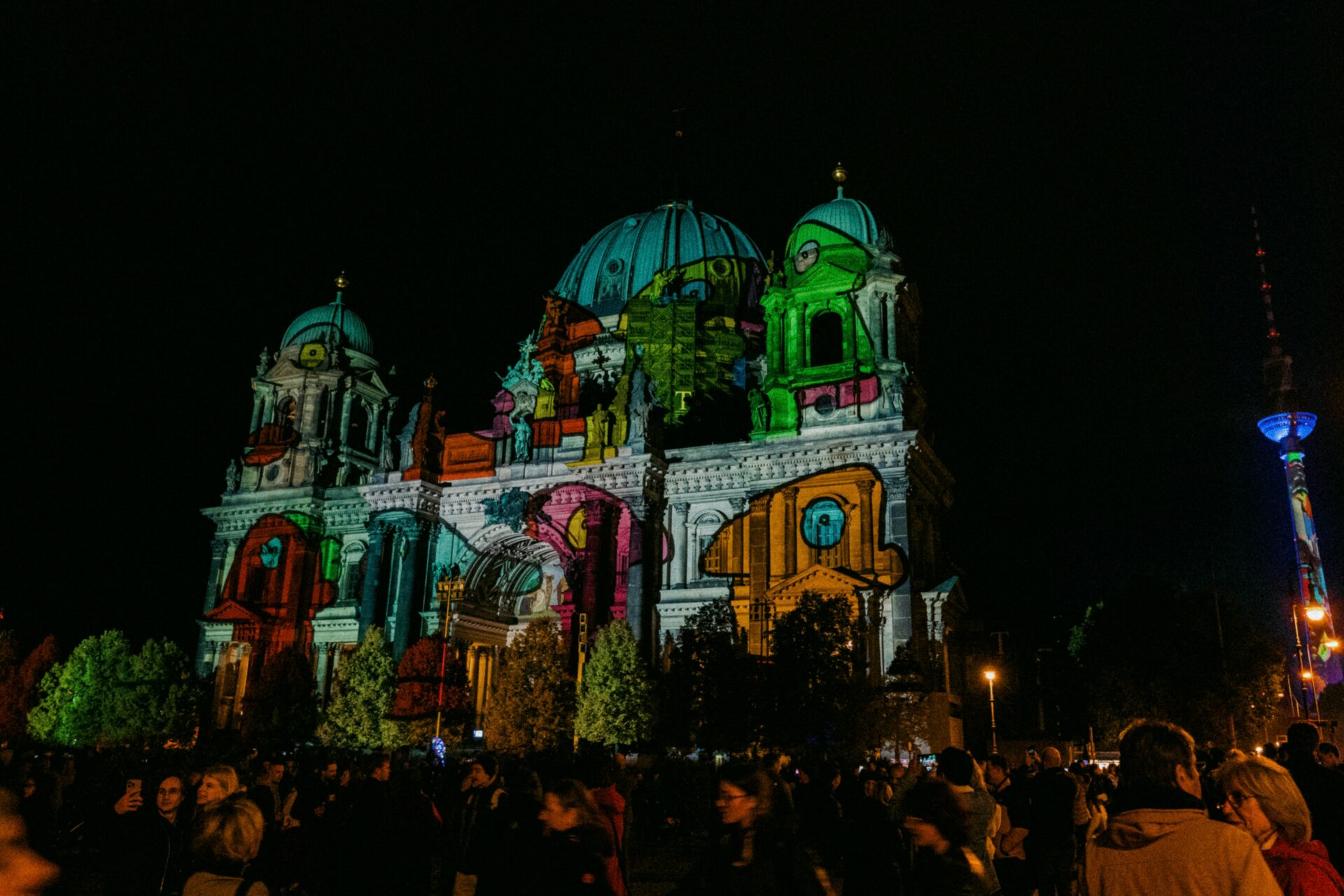
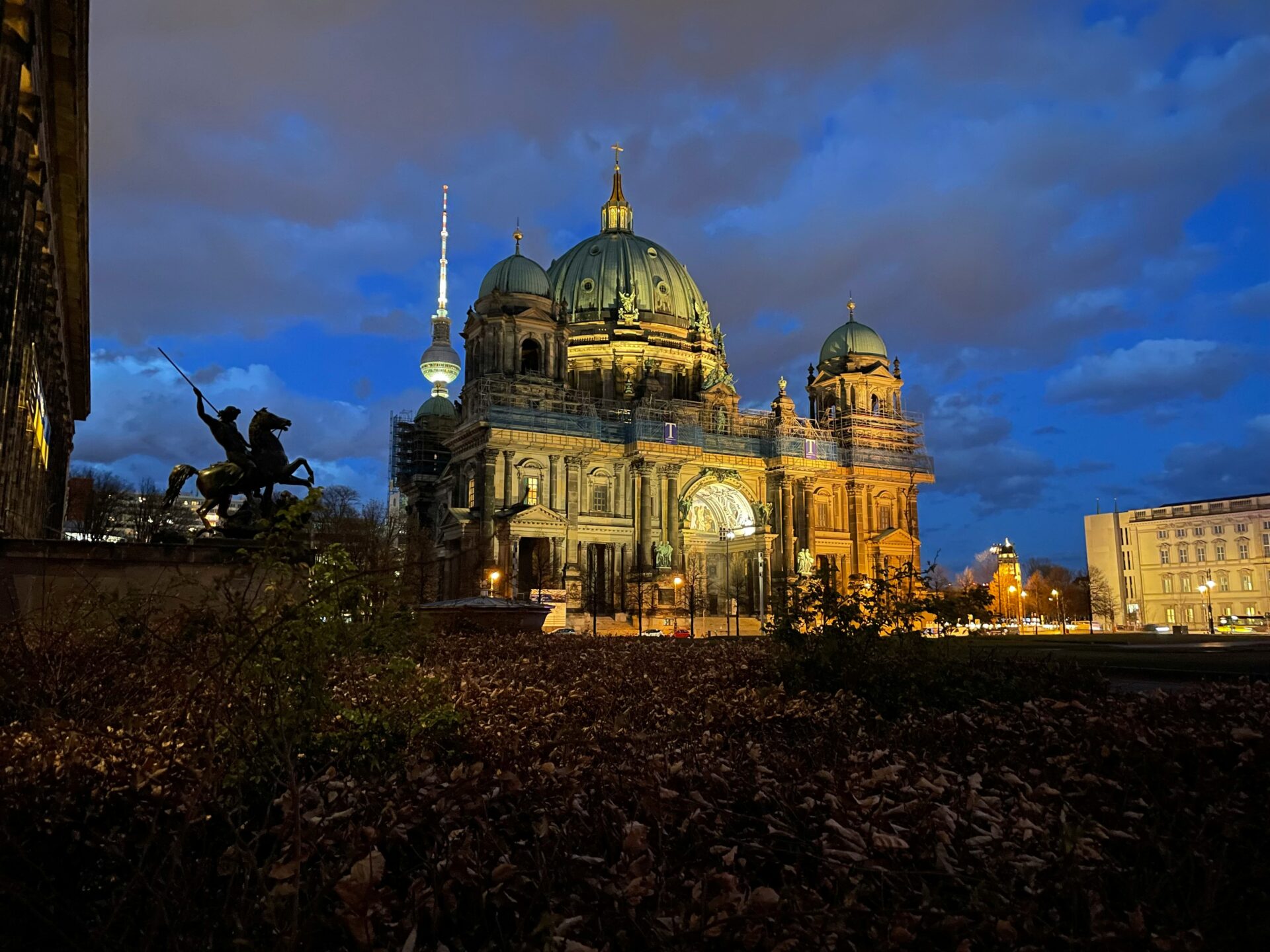
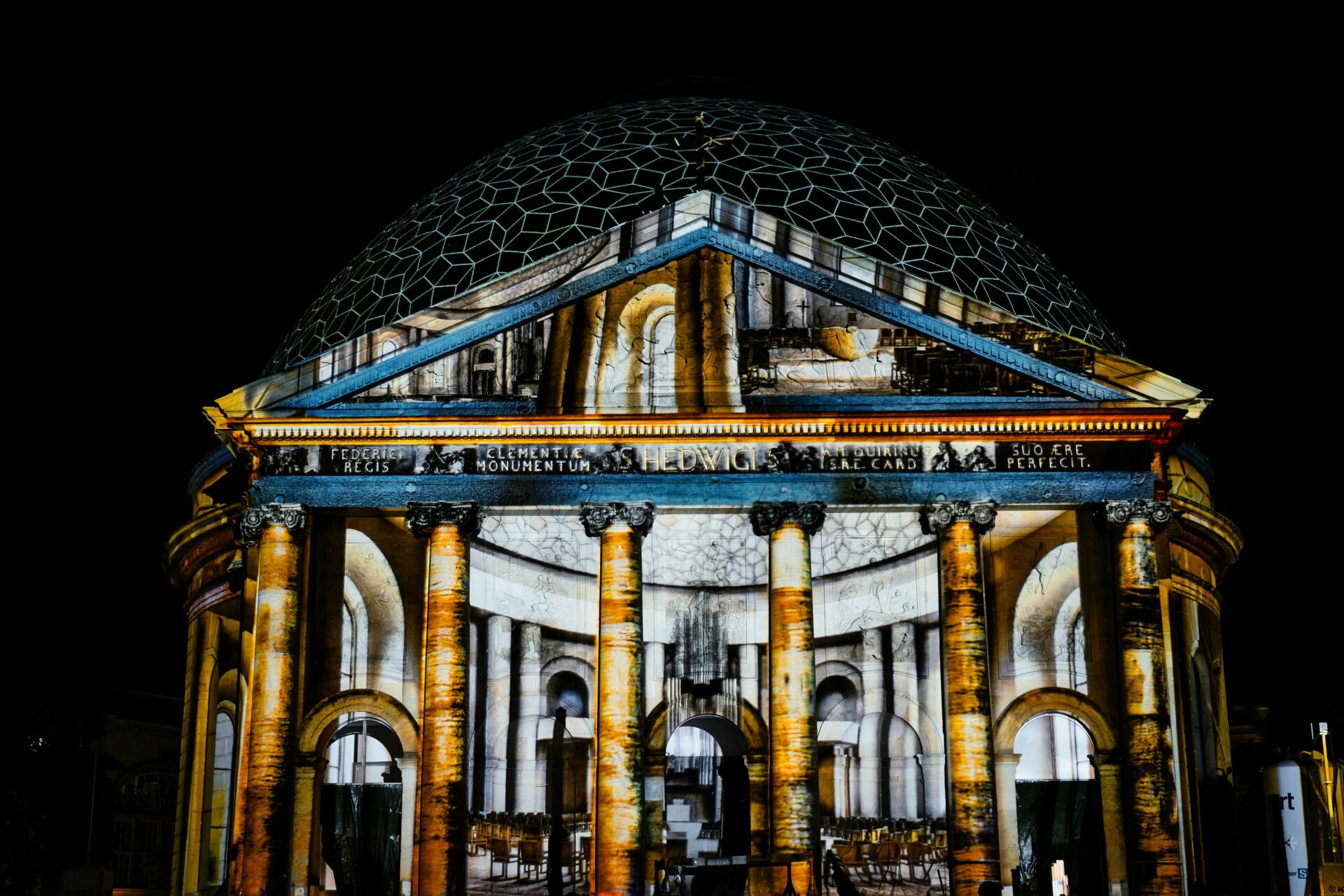
After Brandenburg Gate, I wandered over to Museum Island. The Berlin Cathedral (Berliner Dom) is just jaw-dropping with its domes lit up in shifting colors. The light brings out every detail—the domes, statues, columns.
The area’s open, which makes it great for wide shots. Walking along the Lustgarten, I could frame the cathedral with trees and fountains. Other Museum Island gems—like Neues Museum—also glow, so you can grab a bunch of shots in one go.
This spot felt less packed than Brandenburg Gate. The water nearby reflects the lights, which adds a whole new layer for night photography.
Charlottenburg Palace and Victory Column
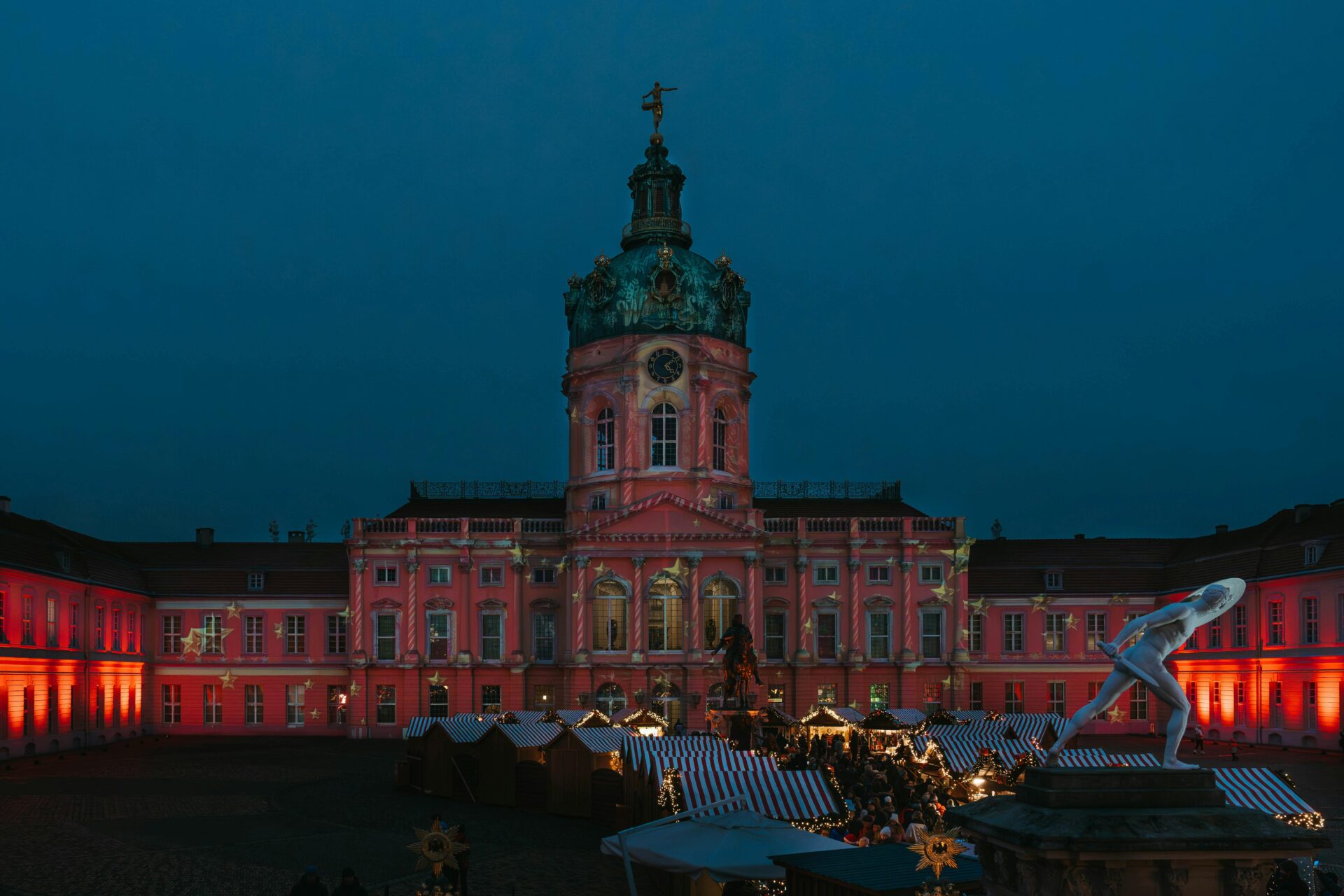
Charlottenburg Palace sits a bit farther out, but it’s worth the trip. The palace façade gets draped in elegant patterns, and the gardens sometimes feature extra lights or smaller installations. It’s quieter here, so I had time to play with long exposures.
Victory Column (Siegessäule) stands tall, its lights shifting up the column. I liked moving around to catch both the glowing column and the city lights in the background. Benches nearby let you relax and watch the show roll on.
Table: Key Details for Photographers
| Landmark | Best Time | Crowd Level | Photo Tips |
|---|---|---|---|
| Brandenburg Gate | 7-9 PM | High | Arrive early, use tripod |
| Berlin Cathedral | 8-10 PM | Medium | Wide shots, reflections |
| Charlottenburg Palace | After 8 PM | Low | Long exposures, less crowded |
| Victory Column | 8-10 PM | Medium | Multiple viewpoints |
Light Art and Installations: Dazzling Displays
Every autumn, Berlin turns into a giant open-air light art gallery. Each night brings new creative installations, interactive displays, and digital projections that totally transform the city’s vibe.
Signature Light Projections
Berlin’s historic buildings—like the Brandenburg Gate and Museum Island—become massive canvases during the festival. I watched as colorful light projections and patterns danced across stone and domes.
Signature sites usually include:
- Brandenburg Gate
- Berlin TV Tower
- Berlin Cathedral
- Bebelplatz
These big displays sync light and music, telling visual stories. Patterns, animations, even words light up every detail. International artists often collaborate, so every year feels fresh.
Interactive Installations
I loved how some installations let you get hands-on. Some pieces reacted to sound or movement, changing colors as people walked by or clapped.
For example:
- Motion sensors triggered color shifts.
- Pressure pads on the ground set off bursts of light.
- Sculptures in public spaces glowed or could be rearranged.
Crowds gathered around, and kids played with the shifting lights. The interactive stuff made it feel personal and playful—no age limit on having fun here.
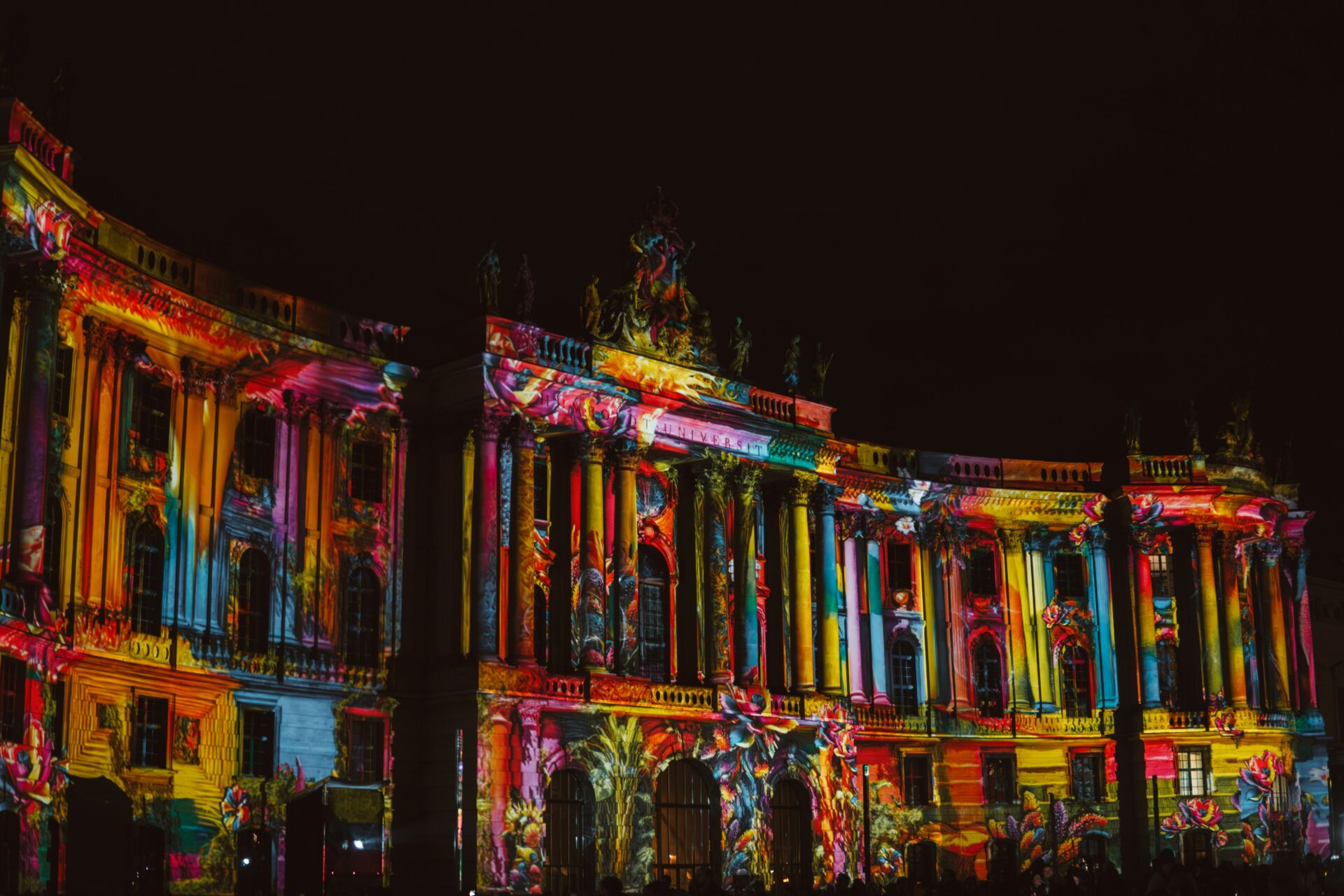
Video Projections and Digital Art
Digital art and video projections took things to another level. I saw layered videos mapped onto uneven surfaces, blending animation right into the buildings.
Hotel de Rome and Humboldt University stood out—short films and digital murals played across their walls. Some even synced to live music or responded to the audience’s movement.
Digital features that caught my eye:
- Animated storytelling
- 3D projection mapping
- Digital murals with art themes
- Timed shows matched to soundtracks
The mix of tech and creativity gave the festival a modern, experimental edge.
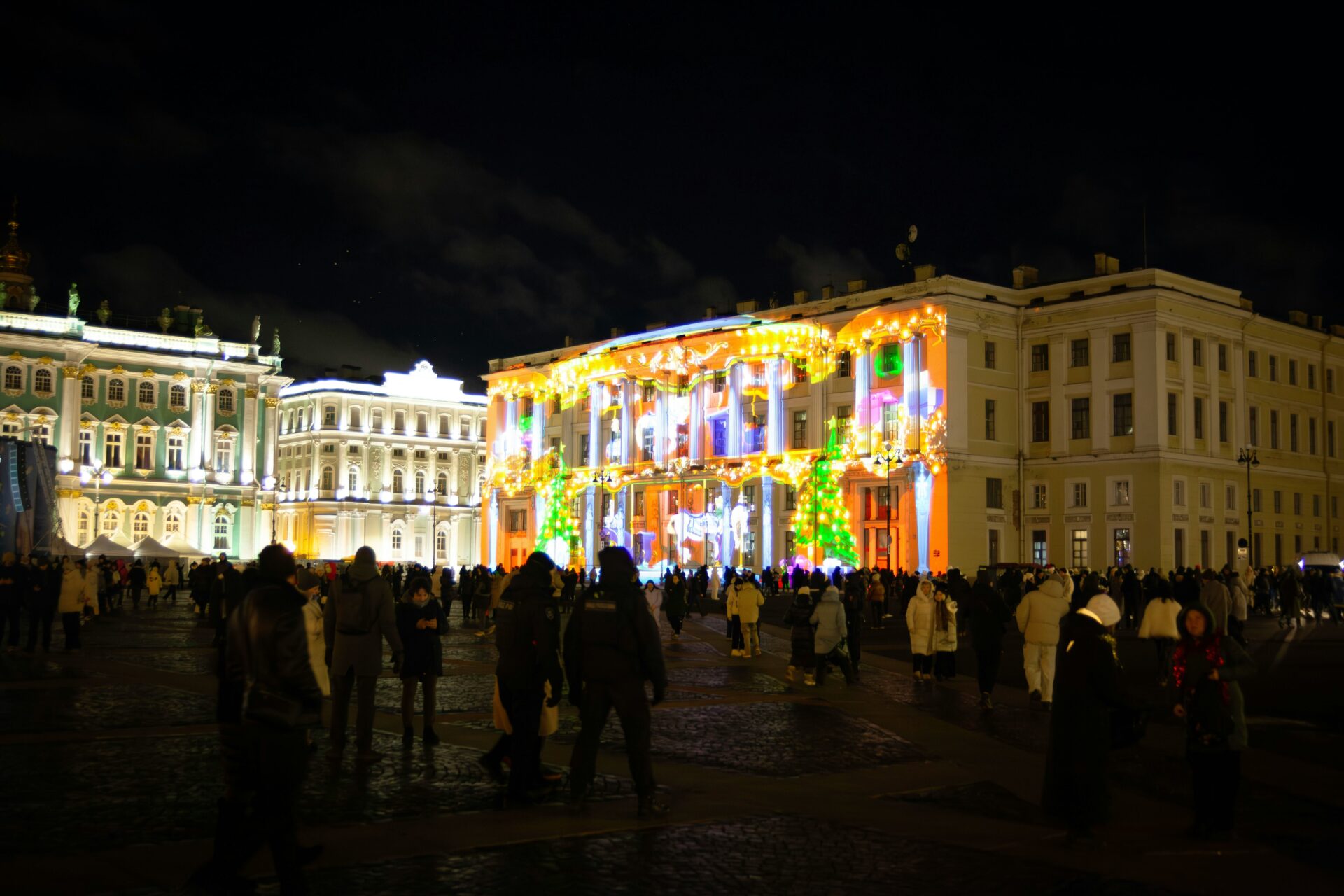
Photographer’s Dream: Capturing the Festival
Photographing the Festival of Lights is a wild chase—colorful lights, a buzzing city, and endless landmarks to explore with your camera.
Best Photography Spots
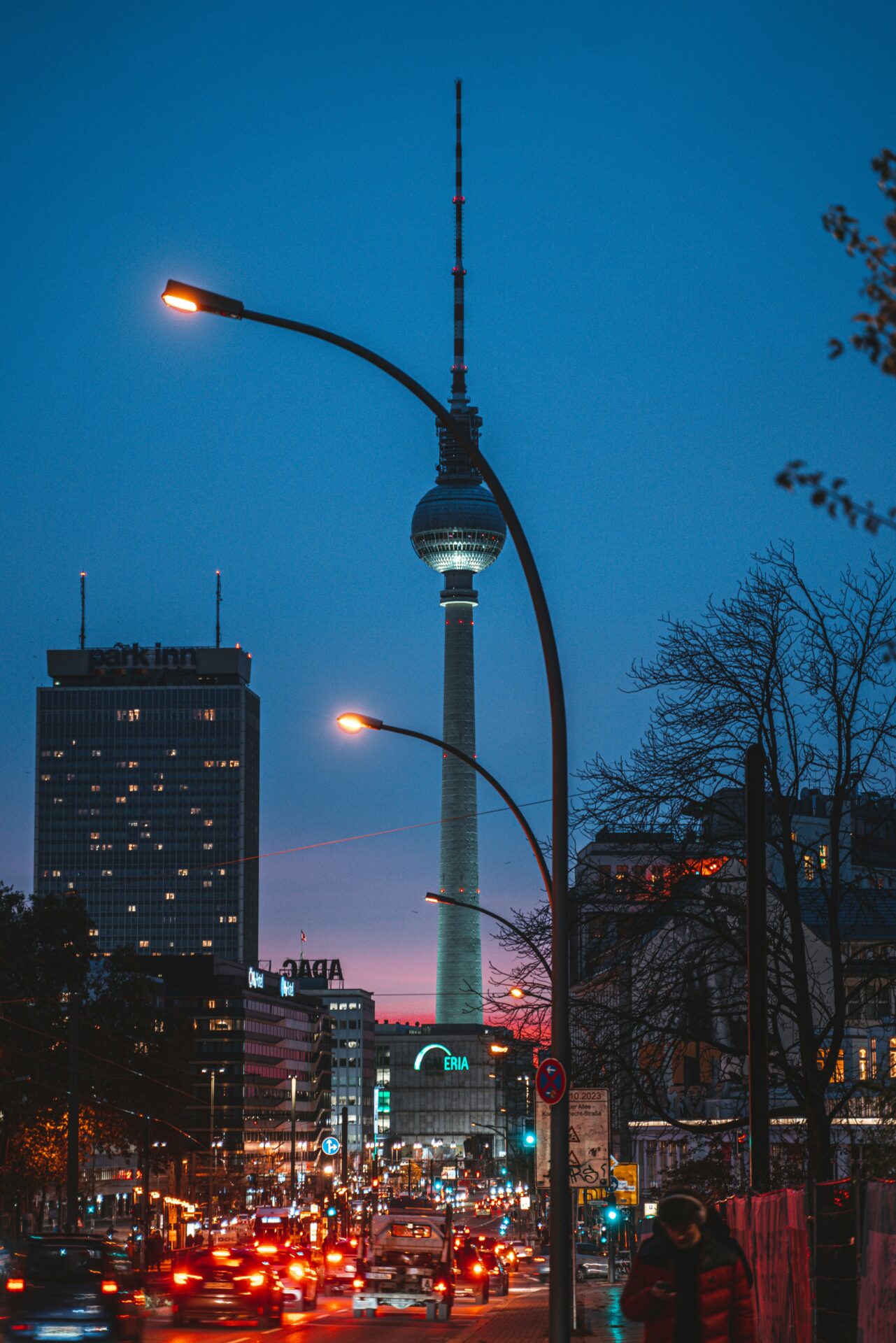
Some Berlin landmarks make the perfect backdrop during the festival. My top pick has to be the Berlin TV Tower (Fernsehturm); it glows so bright you can see it for miles. Victory Column in Tiergarten often gets dramatic projections—best right after sunset.
Potsdamer Platz offers a cool, modern look, with light art mapped onto glass buildings. Sometimes I’ll join a lightseeing or walking tour to find hidden gems away from crowds. Alexanderplatz and Brandenburg Gate are always safe bets, and bridges over the Spree River give you those dreamy reflection shots.
Here’s a quick reference table:
| Landmark | Why It’s Great |
|---|---|
| Berlin TV Tower | Panoramic city photos |
| Potsdamer Platz | Modern light installations |
| Brandenburg Gate | Iconic colorful projections |
| Victory Column | Dramatic angles |
| Spree River Bridges | Reflection shots |
Tips for Night Photography
Stability is everything for crisp night photos. I always pack a tripod and grab my wide-angle lens to fit the whole scene. Keeping ISO low (100–400) reduces noise, and a slower shutter brings out those deep colors.
Manual focus beats autofocus in low light. I like shooting just after blue hour—there’s still a bit of color in the sky, which balances the shot. If crowds get thick, I try a new angle or wait for a lull.
Extra battery and memory card? Absolutely—long exposures drain power fast. And don’t forget to play with reflections—puddles and windows double the magic, and Berlin’s full of both.
Planning Your Visit: Tips and Essential Info
Berlin’s Festival of Lights turns the city into a magnet for travelers and photographers every fall. If you’re wondering about tickets, where to stay, or how to make your night hunt smooth, here’s what I learned along the way.
Tickets and Entry Details
The best part? Most of the Festival of Lights Berlin is totally free. The main displays are open-air, so you can just stroll up to spots like the Brandenburg Gate or TV Tower—no ticket needed.
Some special tours or light boat cruises do require tickets. I checked the official site in advance for these and booked early, since they sold out fast once autumn hit.
Landmarks usually shine from 7 PM to 11 PM. For fewer crowds or people-free shots, I arrived right at the start or just before the lights went off. I brought my tripod, but always made sure not to block busy walkways.
Popular Accommodation Options
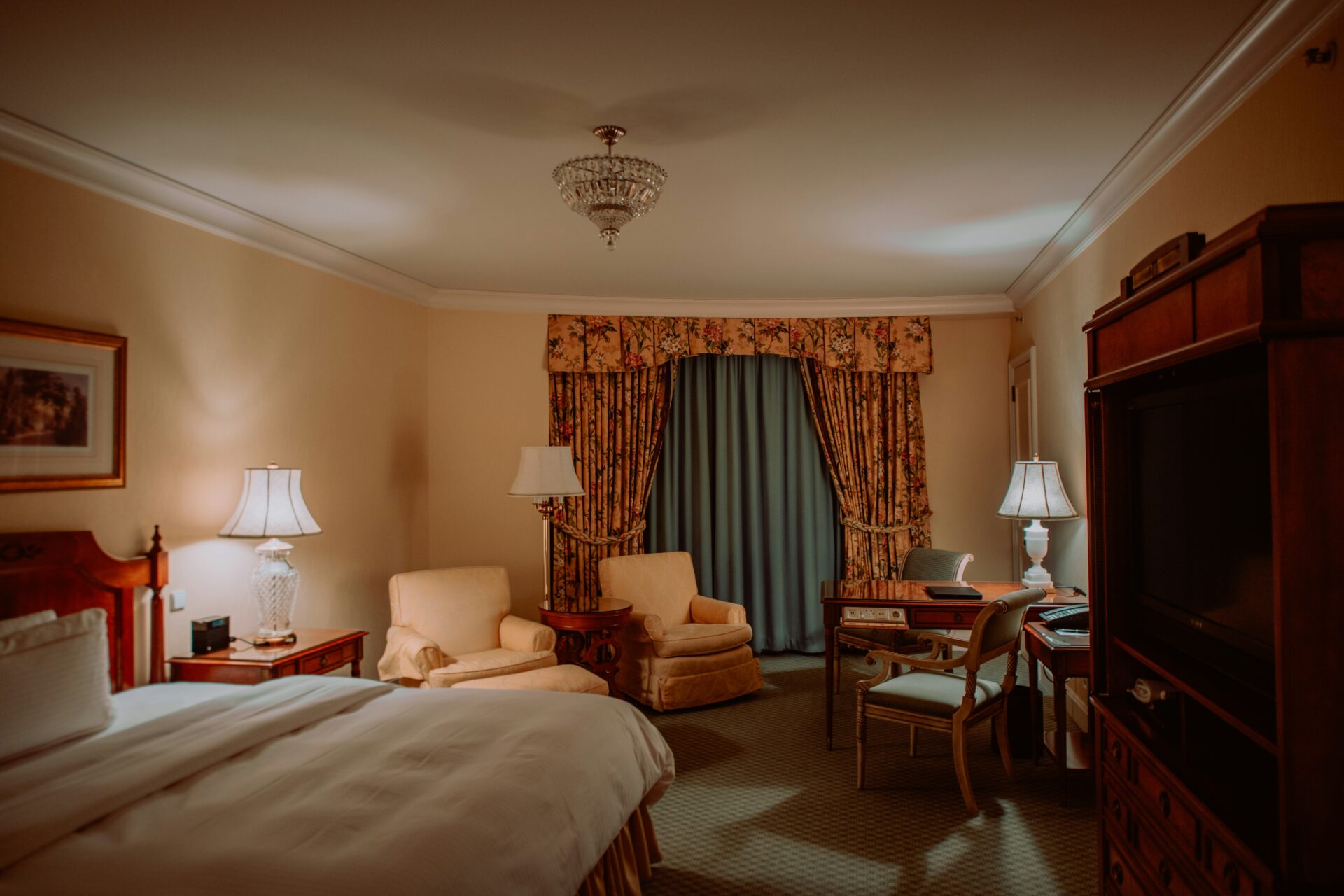
Staying central made life so much easier—I could walk between installations and not miss anything. The 25hours Hotel Bikini Berlin tempted me with its cool rooms and killer views—ideal for late-night city shots right from bed.
I also checked out hotels near Alexanderplatz and the Nikolaiviertel (Nikolai Quarter). This old part of town is charming and puts you right in the thick of the festival. I booked at least a month ahead; rooms near the hotspots go fast in autumn.
On a tighter budget? Berlin’s packed with hostels and boutique hotels. I always read reviews and checked distances to major landmarks before hitting “book.”
Navigating Berlin During the Festival
When I visited Berlin for the festival, I quickly realized that public transport was my secret weapon. The U-Bahn and S-Bahn zipped me from spot to spot, stopping right at major festival highlights like Brandenburg Gate and Museum Island.
I grabbed a daily travel pass, which honestly made things so much easier. Unlimited rides meant I didn’t have to stress about tickets every time I hopped on a train.
In the city center, I often just wandered on foot. The walk between those glowing landmarks felt safe and lively, and sometimes you just catch the best surprises that way.
If I ended up staying out late (which, let’s face it, happened more than once), I’d grab a taxi or a ride-share to get back to my hotel. Super handy, especially after public transport had called it a night.
Before the trip, I downloaded the BVG app. That little move saved me more than once—checking live schedules and plotting my routes on the fly made everything a breeze during the festival.
