
Every year during Pentecost, I get swept up in the streets of Berlin, joining thousands at the Carnival of Cultures (Karneval der Kulturen). This lively festival pulses with the real heartbeat of Berlin, gathering people from every background to celebrate music, dance, and tradition from all over the world.
As I wander past the colorful floats, drum circles, and wild costumes, Berlin’s diversity and warmth hit me all over again. The city just transforms—suddenly it’s all about unity, creativity, and joy, full of moments you simply can’t find anywhere else.
The Carnival of Cultures feels like more than just an event—it’s a joyful shout for openness and intercultural exchange. Each year, it gives me a new way to connect with Berlin’s rich mix of cultures and see the city’s brightest side up close.
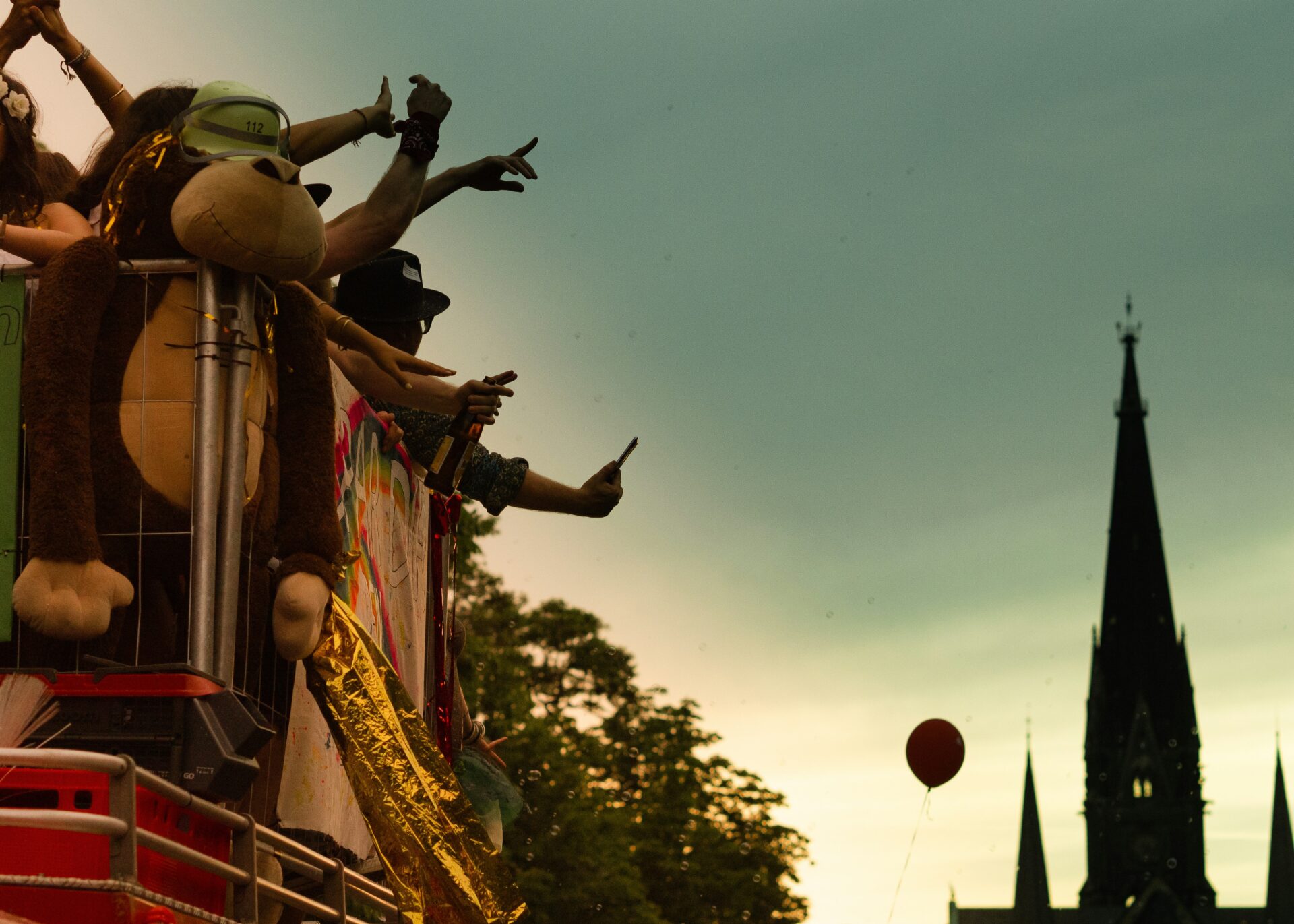
Origins and Cultural Significance
Organizers started the Carnival of Cultures because Berlin needed more cultural understanding and appreciation. Now, it stands as a major festival that brings people together and encourages respect across backgrounds.
History of karneval der kulturen
The Karneval der Kulturen kicked off in 1996 in Kreuzberg, Berlin. Back then, the city was becoming more diverse as new communities arrived from all over.
Organizers wanted to create a safe, visible space for these communities to share their traditions. They picked Pentecost weekend, blending religious and secular vibes into a public celebration.
Local artists, performers, and community groups joined together for parades and performances. Since its start, the Werkstatt der Kulturen has run the festival, always focusing on peace, tolerance, and the beauty of multiculturalism.
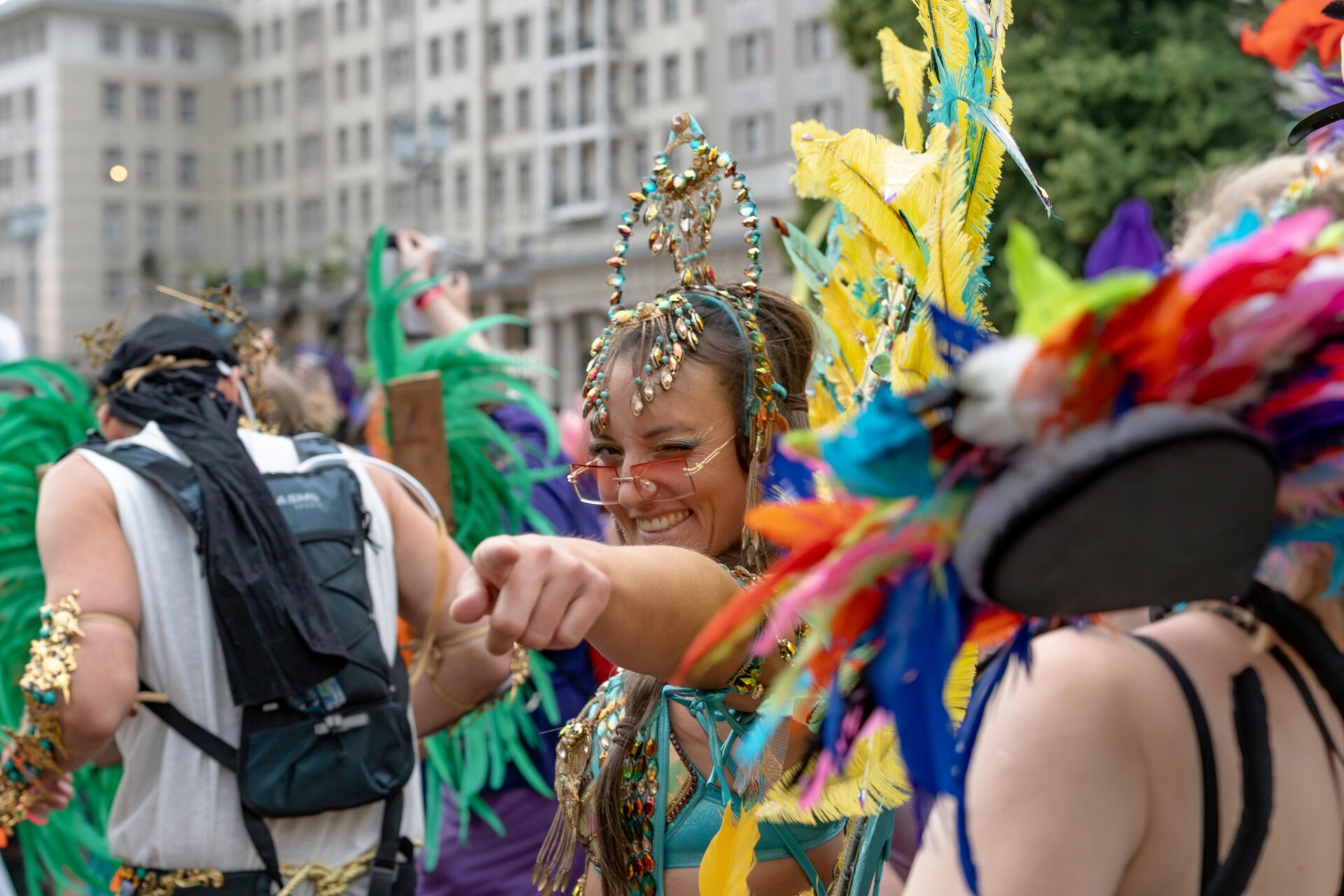
Evolution Into a Premier Multicultural Festival
What began as a small celebration quickly grew into one of Berlin’s biggest public events. Kreuzberg’s streets now burst with colorful parades, music, dance, and food from dozens of cultures.
Locals and visitors from across Europe and beyond flock here. People come for the costumes, live performances, and that festive atmosphere that truly shows off Berlin’s diversity.
Some main features of the festival:
- Parades with traditional costumes and all kinds of music
- Stalls serving food from around the world
- Stage shows, dance acts, and street theatre
The Carnival of Cultures stands as a symbol of Berlin’s openness. It’s a yearly highlight that brings thousands together.

The Spirit of Unity, Diversity, and Tolerance
For me, the festival’s heart beats with more than just music or costumes—it’s about genuine connection. The Carnival of Cultures grew from a foundation of respect and understanding.
Berlin’s strength is its diversity. Each person, whether performing or dancing on the sidewalk, helps build a sense of unity.
The festival always pushes for peace and appreciation, sending a clear message against prejudice. Every year, I spot real joy as people celebrate differences and forge new friendships. This spirit keeps the Karneval der Kulturen alive and meaningful.

The Vibrant Four-Day Festival Experience
The Carnival of Cultures explodes through Berlin with music, color, and energy. During Pentecost weekend, I end up surrounded by a world of cultures and traditions, all woven together on Berlin’s lively streets.
Parades and Street Festival Activities
The grand parade always steals the show for me. Thousands of performers dance through the streets to rhythms from every corner of the globe. Costumes pop with color, making the city feel electric.
The street festival stretches for blocks alongside the parade. I love browsing stalls selling street food, crafts, and art from everywhere. Several stages feature live music, dance, and even acrobatics.
Here’s what usually grabs my attention:
| Activity | Description |
|---|---|
| Parade | International performers, music, dance |
| Street Food | Cuisines from many cultures |
| Stages | Live bands, DJ sets |
| Craft Stalls | Handmade art and souvenirs |
Despite the crowds, organizers keep things running smoothly. It’s easy to wander between activities and dive in.

Kreuzberg and Other Key Locations
Kreuzberg is the festival’s beating heart, especially around Blücherplatz. The crowds, music, and street food smells blend into an unforgettable atmosphere. I like to wander into nearby streets, where performers rehearse or relax after the parade.
Recently, the festival and parade have spilled east into Friedrichshain. Spots like Proskauer Straße, Frankfurter Allee, Berolina Straße, and the area near Kino International now host extra crowds and more stages.
Key Locations:
- Kreuzberg (Blücherplatz): Main festival hub
- Friedrichshain (Proskauer Straße, Frankfurter Allee, Berolina Straße): Parade route and performance stages
- Kino International area: Special screenings and program highlights
Getting between these areas is simple by public transport or walking. I often hop around to soak up different festival vibes in a single day.
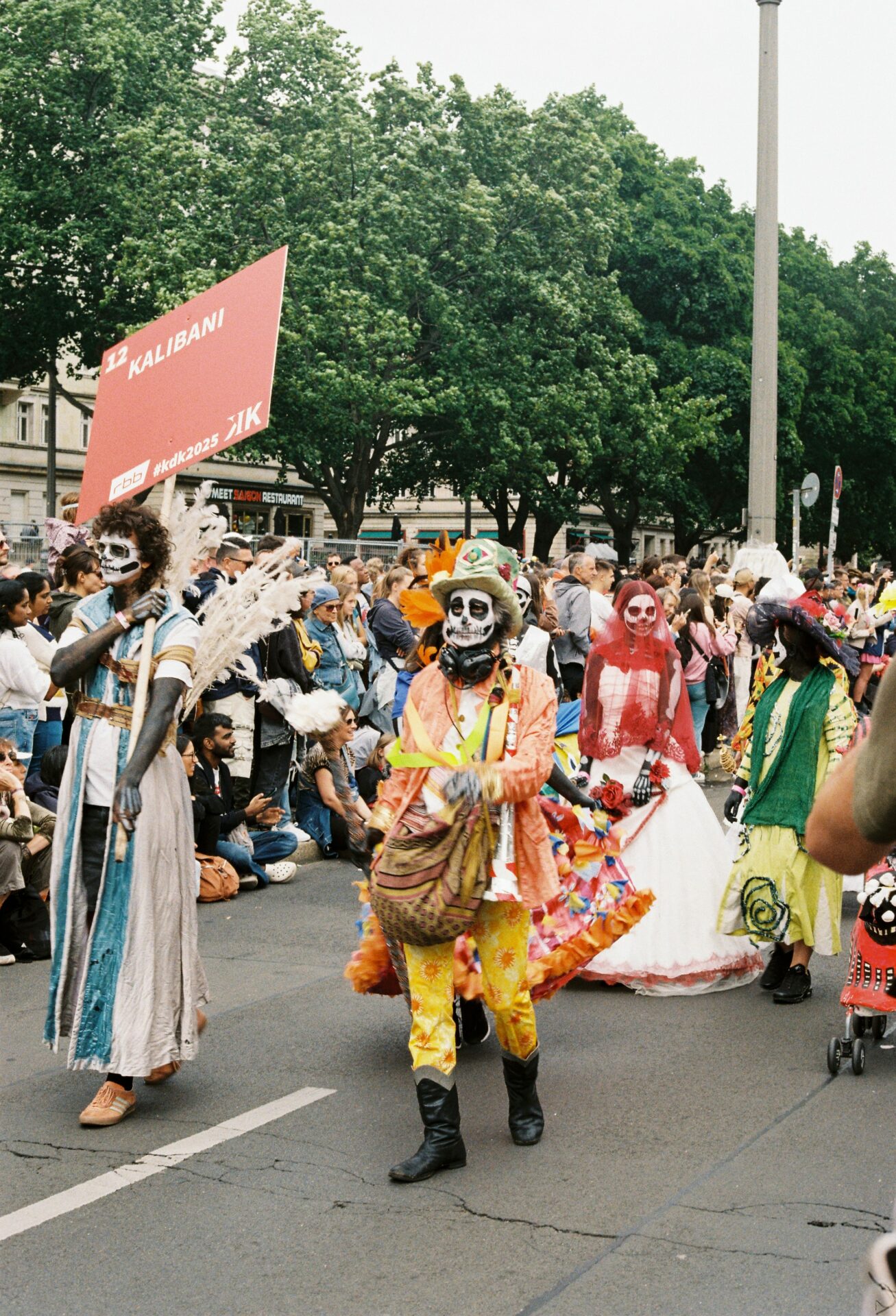
Workshops and Interactive Events
The festival isn’t just about watching. I always stumble onto hands-on workshops. Anyone can jump in—learn a dance step, try out an instrument, or craft a traditional mask.
Werkstatt der Kulturen and other groups host cultural exchanges and creative sessions. I’ve met artists and visitors from all over the world at these events. Some workshops focus on music or dance, while others dive into festival traditions or even environmental topics.
First-timers should check out:
- Drum circles and samba lessons
- Mask-making for all ages
- Food-tasting sessions with chefs
- Storytelling corners and art projects
These activities let me dig deeper into the festival’s multicultural spirit. I often discover new sides of Berlin I hadn’t noticed before.

Artistic Expression: Music, Dance, and Performances
Streets fill up with colorful costumes, pulsing beats, and creative performances during Karneval der Kulturen. Each year, I watch dancers, musicians, acrobats, and artists from all over the world share Berlin’s stage.
Diverse Dance Groups and Music Ensembles
The festival draws in dance groups and music ensembles from everywhere. African drumming circles, Balkan brass bands, and live music spill out onto every corner, keeping the energy high.
Performers dress in vibrant costumes that show off heritage and creativity. You’ll see dances from salsa to hip-hop, each step adding to the global mix.
Key elements:
- Drumming groups and marching bands play rhythms from across the world
- Dance troupes blend styles in their routines
- Vocal groups and musicians perform everything from folk songs to jazz
Each stretch of the parade has its own musical flavor. Wherever I walk, music and dancing invite everyone to join.
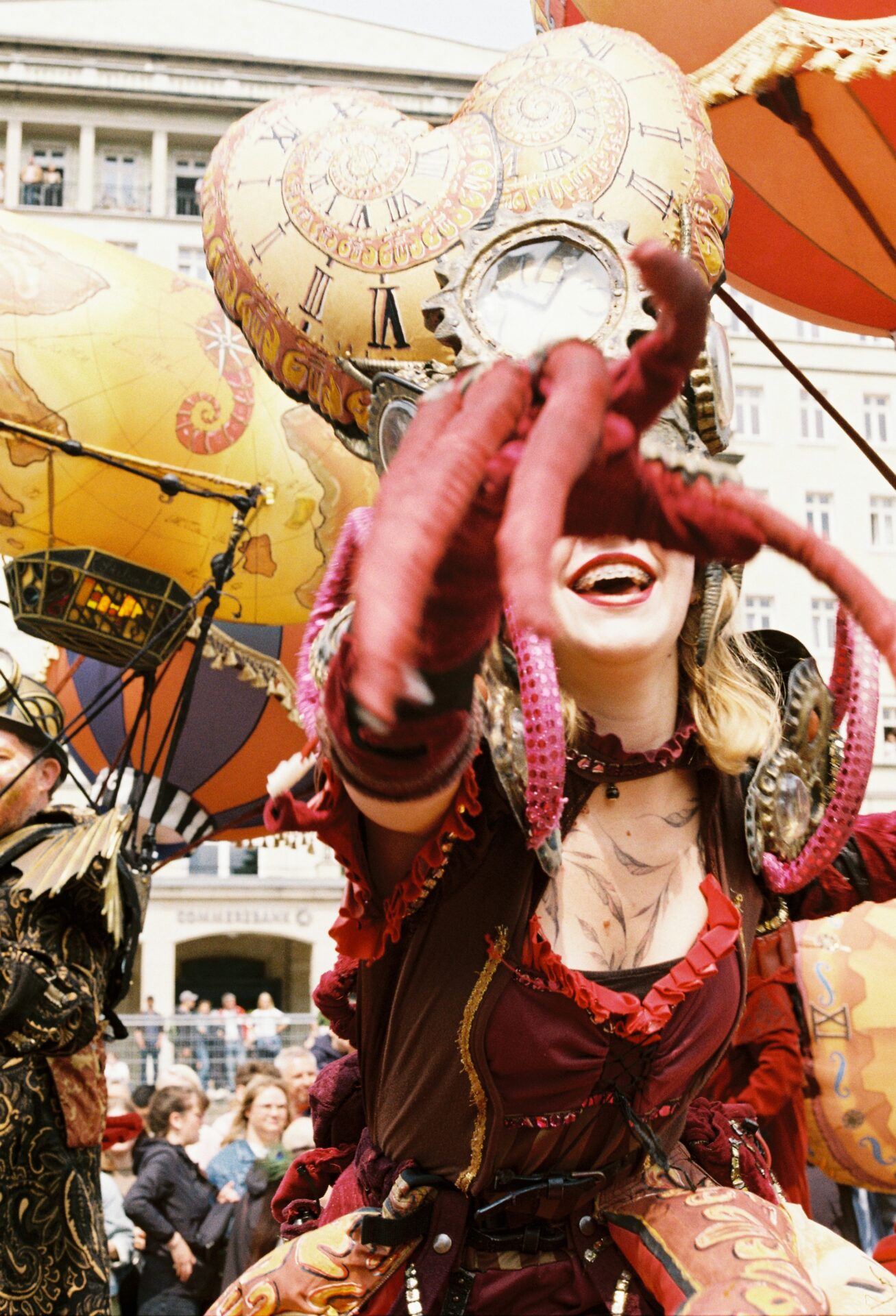
Acrobatics and Visual Arts
Acrobats and artists light up the festival with their skills. People walk on stilts, tumble through the air, or build human pyramids in the parade.
Giant puppets and banners float above the crowds. Some artists paint murals live or offer body-painting, letting everyone get swept up in the artistic spirit.
Visual highlights:
| Art Form | Description |
|---|---|
| Acrobatics | Tumbling, juggling, stilt-walking |
| Puppetry | Giant puppets moving in the parade |
| Body Art | Face painting and costumes |
| Live Painting | Canvases and murals in progress |
The festival is a feast for the eyes as much as the ears.
Highlighted Performances: Brazilian Samba and Chinese Lion Dances
I always look forward to the Brazilian samba. Samba dancers in feathers and sequins shimmer in the sunlight, moving to fast rhythms and live music. Their energy is contagious and quickly spreads through the crowd.
Chinese lion dances are another must-see. Performers in detailed lion costumes leap and spin, showing off strength and teamwork. The pounding drums, bright colors, and dramatic moves always draw big crowds.
These acts are crowd favorites for their bold style, unique music, and the pure joy they spark. They capture how Karneval der Kulturen celebrates cultures from across the world with unforgettable live performances.

A World of Cultures and Culinary Delights
At the Carnival of Cultures, I find myself surrounded by sights, sounds, and flavors from everywhere. The festival turns Berlin into a huge, friendly celebration of diverse traditions and tastes.
Global Cuisine and Food Stalls
Street after street, food stalls tempt me with unique flavors. One minute I’m trying spicy West African jollof rice; the next, I’m biting into Vietnamese summer rolls or freshly grilled Turkish kebabs. The smells and colors pull me from one stand to another.
Special treats like organic crêpes are made right in front of you. The lines can get long, but honestly, the wait is worth it. I grab Brazilian drinks, Indian curries, and Caribbean street food, filling my plate and cup with new tastes. Prices are usually clear, and allergy info is easy to spot.
The food area buzzes with people but feels welcoming. Small tables and benches make it easy to grab a quick bite or linger with friends. Every taste feels like a culinary tour around the world—without ever leaving Berlin.

Arts, Crafts, and Sustainable Businesses
Beyond food, handmade arts and crafts stalls always catch my eye. Artisans sell jewelry, pottery, African fabrics, and wooden masks. It’s a great place to pick up unique gifts or souvenirs.
Many booths are run by sustainable businesses or local projects. There’s a kids’ area too, with solar-powered craft stations that are always busy. Info stands share green tips and highlight eco-friendly groups. Some artists use recycled or natural materials, so their crafts are not just beautiful but responsible.
I love chatting with creators about their work. Each stall tells a story about tradition, craft, or sustainability. Supporting these sellers feels like supporting a more thoughtful, diverse community.

Community, Visitors, and Cultural Exchange
When Pentecost rolls around, Berlin turns into an explosion of cultures, music, and creativity. Locals and visitors from everywhere come together at the Carnival of Cultures, making the city feel even more alive.
Participants and Multicultural Community
About 4,000 carnival performers join the street parade in Kreuzberg every year. They come from Berlin and far beyond, sharing traditions from Africa, Asia, Europe, and Latin America.
It’s not just dancers and musicians. I see cooks, artists, and families in traditional dress, all using costumes, masks, and music to show off their roots. Their energy sparks a special sense of acceptance in Neukölln, Kreuzberg, and all over Berlin.
The festival’s open, welcoming vibe draws everyone in. I often catch neighbors meeting, chatting, and discovering cultures they might never have known otherwise. This blend, for me, is what makes Berlin’s multicultural soul shine.

Tourists and the Role of Cultural Exchange
Over 500,000 visitors now show up for Karneval der Kulturen. Sure, plenty are tourists, but tons are Berliners eager to be part of the action. I watch people trying new foods, dancing to unfamiliar beats, and catching performances from cultures far from their own.
The festival gets people involved and encourages real cultural exchange. Visitors jump in, learn about traditions, and often join activities—maybe dancing Kizomba or trying a new craft. This hands-on spirit breaks down barriers and brings people closer.
Local vendors and artists benefit too, sharing their work and making new friends. With live music, street food, and parades, the event feels like an open invitation to join the celebration.

Comparisons to Notting Hill Carnival and Zomercarnaval
When I think about this parade and how it stacks up against big European events like Notting Hill Carnival in London or Zomercarnaval in Rotterdam, I notice some clear similarities—and a few interesting differences.
All three festivals burst with music, bold costumes, and that electric feeling you get when everyone’s dancing in the street.
Notting Hill Carnival leans into its Caribbean roots, while Zomercarnaval brings Latin American vibes front and center.
Karneval der Kulturen, though, really surprises me with its massive range of cultures. You’ll spot Turkish, Vietnamese, Nigerian groups—honestly, the list just keeps going.
What sets KdK apart? I’d say it’s the strong focus on cultural exchange. They offer workshops and interactive events that pull you right in.
The energy feels lively but also a bit more connected, like people actually want to talk and share stories. I get why Berlin has a reputation for openness and diversity—this festival definitely helps keep that alive.
