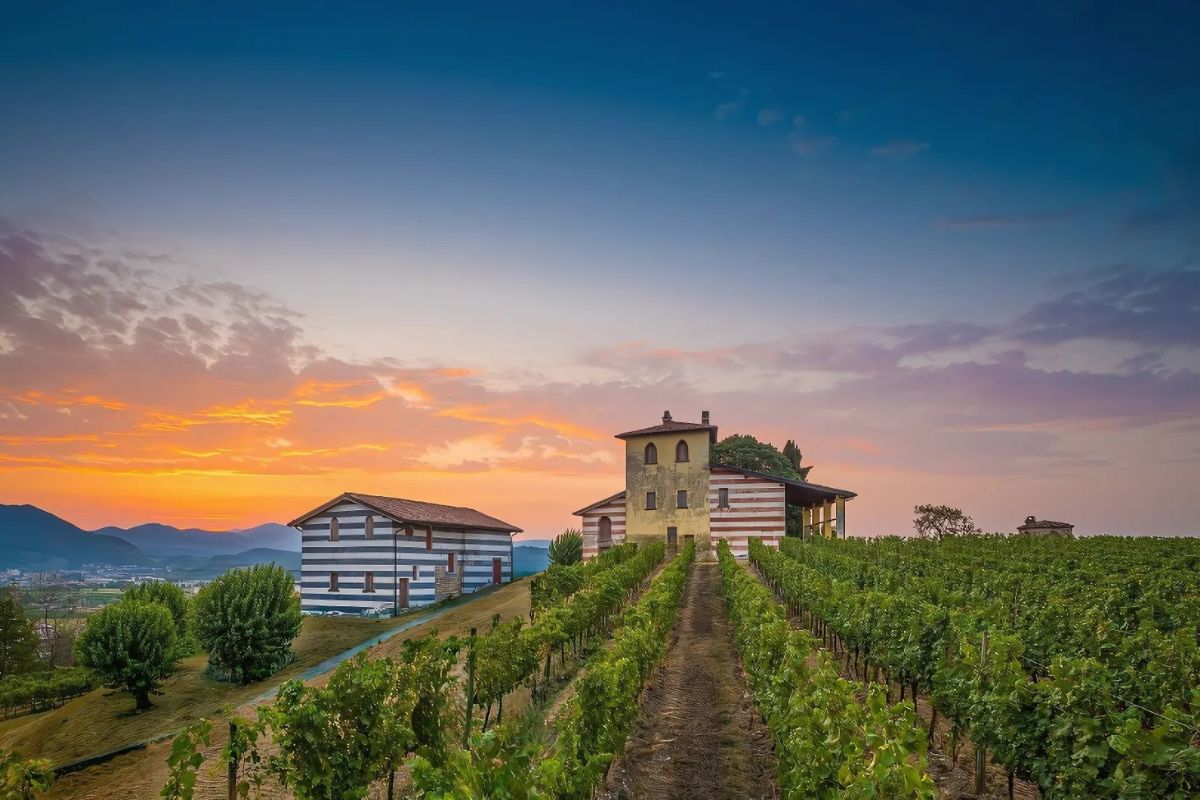
When I first ventured into Italian wine country, I thought Prosecco was the pinnacle of Italian sparkling wines. That was before I discovered Franciacorta, Italy’s hidden gem that uses the same traditional method as Champagne. While Prosecco is delightful, Franciacorta offers remarkable complexity and value. Especially when splurging on bottles in the $40-50 range.
My journey through the Franciacorta region was a revelation. Cycling the Green Route near Clusane, I stopped at several wineries. At each one, I observed firsthand how these exceptional bubblies are crafted. Unlike Prosecco’s tank method, Franciacorta undergoes a second fermentation in the bottle. This creates those fine, persistent bubbles that dance on your palate.
What makes Franciacorta special isn’t just its production method but the entire experience. The region itself remains relatively undiscovered by international tourists. This allows for intimate tastings and conversations with passionate winemakers. I found myself learning about sustainable practices and tasting expressions of terroir that challenged everything I thought I knew about Italian sparkling wines.

Discovering the Allure of Franciacorta
My first encounter with Franciacorta was nothing short of magical. This hidden gem in northern Italy captivated me with its vineyard-covered hills and elegant sparkling wines that rival the finest champagnes of France.
The Rich History and Culture of Franciacorta Winemaking
Franciacorta’s winemaking tradition dates back centuries, but its modern sparkling wine production began in the 1960s. The region received its DOCG status (Italy’s highest wine classification) in 1995, cementing its reputation for excellence.
What struck me during my visit was how deeply the locals honor traditional methods. Every winemaker I met spoke with pride about using the metodo classico (the same process used for champagne) with secondary fermentation happening in the bottle.
I explored several historical wineries where ancient cellars house thousands of bottles slowly aging to perfection. Some estates have been in the same families for generations, passing down closely guarded techniques and a deep respect for the land.
The terroir here is exceptional. Limestone and mineral-rich soils combined with the microclimate created by Lake Iseo produce grapes with perfect acidity and structure for sparkling wines.

Franciacorta vs. Prosecco: Understanding the Difference
Many visitors to Italy know Prosecco well, but Franciacorta offers a completely different experience. The contrast became clear during my tasting journey.
While both are Italian sparkling wines, Franciacorta uses Chardonnay, Pinot Noir, and Pinot Blanc grapes, similar to Champagne. Prosecco, on the other hand, is made primarily from the Glera grape.
The production methods differ significantly too:
| Franciacorta | Prosecco |
|---|---|
| Metodo classico (bottle fermentation) | Tank method (Charmat) |
| Minimum 18 months aging | Usually 30-60 days aging |
| Complex, fine bubbles | Lighter, fruitier bubbles |
| DOCG classification | DOC/DOCG classification |
The taste profile of Franciacorta leans toward complex notes of brioche, apple, and citrus with a creamy texture. I found the wines displayed remarkable depth compared to the simpler fruit-forward profile of most Proseccos.
The price point is higher, but after experiencing these remarkable wines in their beautiful homeland, I understood why Franciacorta is considered Italy’s answer to Champagne.

Exploring the Wineries of Franciacorta
Franciacorta’s wine scene offers a perfect blend of tradition and innovation. During my visit, I discovered that each winery has its unique character, from small family-run estates to historical producers with centuries of heritage.
The Charm of Boutique Wineries
The boutique wineries of Franciacorta captured my heart with their intimate atmosphere and personalized experiences. Many are family-owned operations where passion is evident in every glass.
I was particularly impressed by a small organic winery where the owner guided me through their sustainable practices. The tour included a walk through vineyards nestled against rolling hills and a peek at their small-batch production facilities.
What makes these intimate venues special is the chance to meet the winemakers themselves. They often share family stories that bring the wines to life in ways large producers simply can’t match.
Most boutique wineries offer tastings for €20-35, which typically include 3-4 wines and light snacks. Pro tip: Call ahead to book, as these smaller estates often have limited hours and staff.

Top Picks for Historical Winery Visits
The historical wineries of Franciacorta offer a glimpse into the region’s rich winemaking heritage. These estates blend centuries-old traditions with modern techniques.
My favorite historical visit was to a 16th-century villa where underground cellars house thousands of bottles aging to perfection. The guided tour explained how Franciacorta’s traditional method sparkling wines differ from Prosecco through secondary fermentation in the bottle.
Another must-visit is an estate with barrique cellars dating back generations. Their tasting room overlooks vineyards that have produced grapes for over 100 years.
These historical properties typically offer:
- Structured tours with English-speaking guides
- Heritage rooms displaying traditional equipment
- Premium tastings focusing on vintage releases
- Options for lunch or dinner pairings

Accessibility and Amenities for the Ideal Wine Tour
Planning a Franciacorta wine tour is surprisingly straightforward, with most wineries catering well to visitors. Many offer free cancellation policies when booking through their websites or tour operators.
I found that transportation is the main consideration. While having a car provides the most flexibility, several companies offer chauffeured tours from nearby Brescia or even Milan. This eliminates worry about driving after tastings.
For those with mobility concerns, I noted many larger wineries feature excellent accessibility options. Several have elevator access to cellars and wheelchair-friendly tasting rooms.
The best tour experiences include:
- Pickup services from local accommodations
- Multilingual guides (English widely available)
- Lunch options featuring local cuisine
- Shipping services for purchases
Most wineries require booking, especially for weekend visits. The ideal time to tour is weekday mornings when tasting rooms are less crowded and staff can provide more personal attention.
A Guide to Wine Tasting in Franciacorta
Franciacorta offers a unique wine tasting experience that combines Italian craftsmanship with stunning landscapes. My adventures through this region revealed the perfect blend of technical expertise and sensory pleasure.
Mastering the Art of Savoring Franciacorta Wines with a Sommelier
When I first arrived in Franciacorta, I quickly learned that having a sommelier guide me made all the difference. These experts taught me to observe the persistent bubbles—much finer than those in Prosecco—which dance elegantly in the glass.
The proper tasting technique involves holding the glass by its stem to preserve the wine’s temperature. I discovered that Franciacorta wines should be served around 46-50°F (8-10°C) to fully appreciate their complexity.
My favorite part was learning the “three S” approach:
- See: Examine the color and effervescence
- Smell: Detect notes of citrus, bread crust, or green apple
- Sip: Let the bubbles dance on your tongue before swallowing
Most wineries offer guided tastings with food pairings that complement the wines’ acidity and effervescence. The sommelier’s insights helped me understand why Franciacorta is often compared to Champagne rather than Prosecco.
Navigating the Wine Festival Circuit
The Festival del Franciacorta, held every September, became the highlight of my wine journey. This annual celebration brings together over 60 producers and offers unlimited tastings with a single ticket purchase.
I recommend planning your visit around these seasonal events:
- Spring Festivals (May): Focus on newly released vintages
- Summer Events (July-August): Outdoor tastings with lake views
- Harvest Celebrations (September-October): Experience the vineyard energy
The festival circuit introduced me to smaller producers I might have missed otherwise. Many offer special festival-only tastings that aren’t available during regular winery visits.
For the best experience, I found that booking a driver through Franciacorta Tour allowed me to enjoy multiple tastings without worrying about driving. The English-speaking guides provided context about the landscape and wine-making traditions.
Beyond Wine: Savoring the Franciacorta Lifestyle
Franciacorta offers much more than exceptional sparkling wines. The region’s rich culture blends culinary treasures with natural beauty, creating an experience that satisfies all senses.
Indulge in the Local Gastronomy and Wine Pairings
The food scene in Franciacorta perfectly complements its renowned wines. I discovered that local chefs take pride in creating dishes that enhance the crisp, complex notes of Franciacorta sparkling wines.
Traditional restaurants serve casconcelli (stuffed pasta) and lake fish from nearby Lake Iseo that pair beautifully with the region’s DOCG sparklers. The delicate acidity of Franciacorta cuts through rich dishes in a way that makes me appreciate both more deeply.
Morning rituals here are equally special. I found myself starting each day with a perfect espresso at small cafés where locals gather. The coffee culture runs as deep as the wine tradition, with baristas treating each cup as seriously as winemakers treat their craft.
Must-Try Food Pairings:
- Franciacorta Satèn with fresh lake fish
- Franciacorta Rosé with aged local cheeses
- Franciacorta Brut with traditional salumi
Active Leisure: From Vineyards to Nature Trails
After indulging in food and wine, I discovered plenty of ways to stay active in this picturesque region. Renting a bicycle proved to be the perfect way to explore the rolling vineyard landscapes.
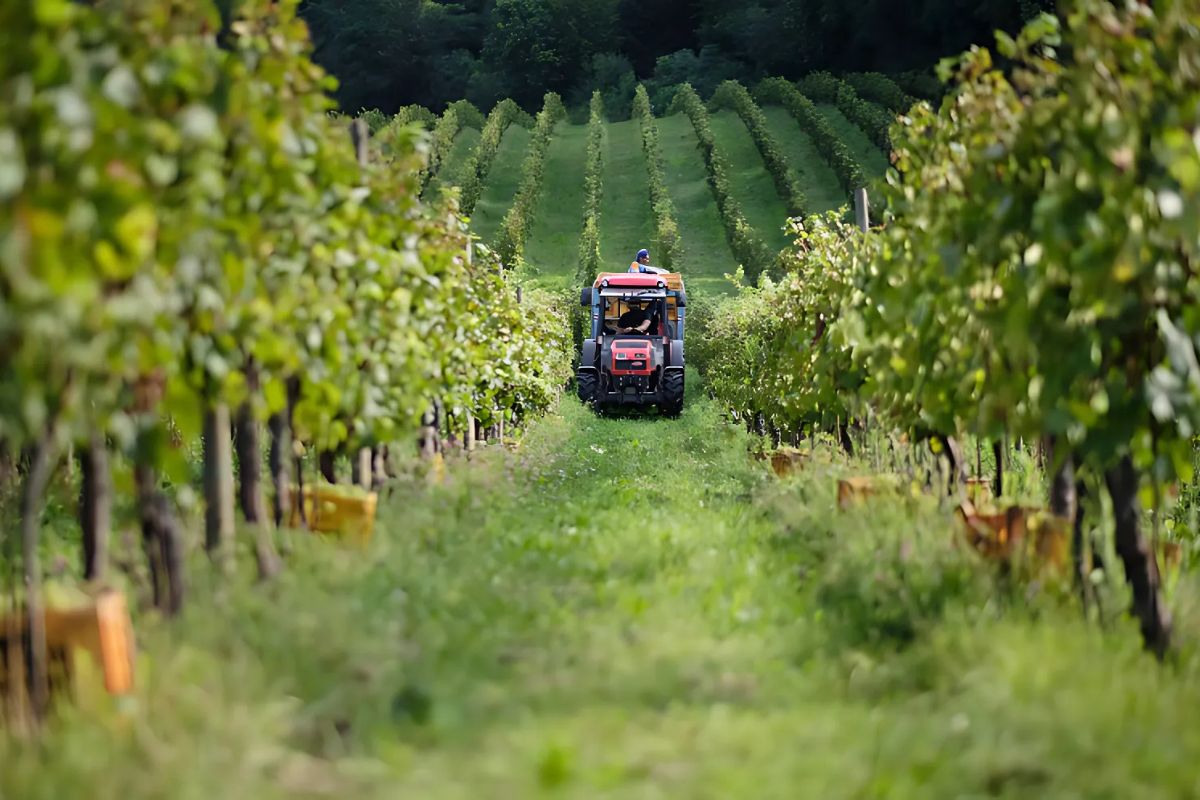
The well-marked trails connecting wineries allow visitors to experience the terroir firsthand. I pedaled through sun-dappled rows of Chardonnay and Pinot Noir vines, stopping occasionally to admire the meticulous care that goes into each plant.
Lake Iseo offers a refreshing escape from wine tours. I spent a magical afternoon hiking the trails around its shores, with breathtaking views of Monte Isola (Europe’s largest lake island). The crystal-clear waters invited me for a swim after working up a sweat on the nature paths.
For a truly memorable experience, I recommend timing your visit for sunset at the lake when the fading light transforms the water into liquid gold.
Chronicles of a Wine Enthusiast: Personal Tales from Franciacorta
Standing among the sun-drenched vineyards of Franciacorta, I felt worlds away from the familiar bustle of more touristy Italian wine regions. This hidden gem in Lombardy captivated me from the first sip of their remarkable sparkling wines.
My journey began with a small family winery. The owner proudly explained how their terroir gives Franciacorta wines their distinctive character. He said that the limestone-rich soils and the microclimate created by Lake Iseo play a significant role. Unlike the quick-fermented Prosecco I was accustomed to, these wines undergo the same traditional method used in Champagne.
“Our wines tell the story of our land,” the winemaker told me, pouring a golden glass of Chardonnay-dominant blend. The patience required was evident in every bubble.
I spent three days visiting five different producers. Each had its unique interpretation of the region’s strict quality standards. The dedication to craftsmanship was evident everywhere.
Favorite Franciacorta Styles I Discovered:
- Satèn: Made primarily from Chardonnay with silky, delicate bubbles
- Rosé: Featuring Pinot Noir that adds beautiful complexity
- Vintage: Aged for at least 30 months, showcasing remarkable depth
The most memorable tasting came at sunset, overlooking vineyards that stretched toward Lake Iseo. As we sampled a 2018 vintage—80% Chardonnay, 20% Pinot Nero—I understood why Wine Enthusiast named Franciacorta “International Wine Region of the Year 2024.”
Each glass told stories of tradition, innovation, and the passionate people behind these world-class sparkling wines that remain surprisingly undiscovered by many travelers.