
Most folks know Rhodes for its ancient Colossus and those lively coastal resorts, but honestly, the island’s real magic hides well beyond the usual tourist trail. Rhodes tucks away 43 charming villages and mountain towns, plus southern beaches that somehow escape the crowds. From wine-making hamlets perched in the hills to sleepy seaside outposts, these lesser-known spots reveal what Greek island life truly feels like.
I’ve wandered through forested villages where ancient monasteries sit in hushed corners. Sometimes, I just stumble into a square where locals gather at tiny cafés, swapping stories over strong Greek coffee.
The island’s interior opens up to lush springs, pine-covered mountains, and stone houses tangled in bougainvillea. It’s a whole different world from the busy beach scene.
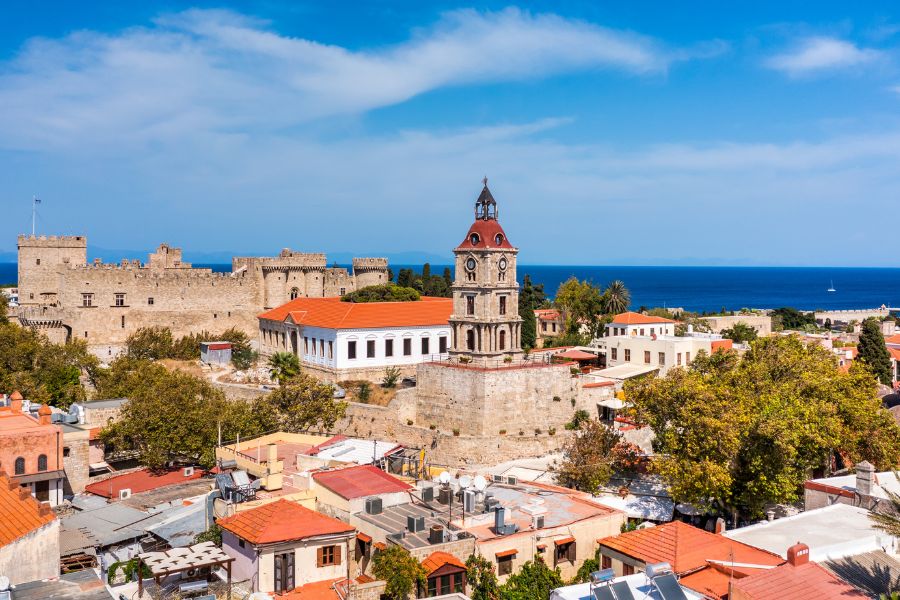
If you’re after tranquil hikes, real-deal tavernas, or a quiet stretch of sand to call your own, Rhodes’ hidden side has you covered. Most travelers miss these treasures, but for me, this is where the island comes alive.
Exploring the Heart of Rhodes: Lush Interior Landscapes
Up in Rhodes’ mountains, dense forests, terraced vineyards, and ancient olive groves show off the island’s wilder, greener side. The highlands offer hiking trails through pine woods, traditional wineries, and working farms that keep old-school methods alive.
Scenic Mountain Trails and Natural Parks
The mountains here rise above 1,200 meters. I think the trails around Mount Profitis Ilias are the best for hiking.
Pine forests sprawl across the hills, offering cool, shady escapes in the hot months. The scent of wild herbs and pine fills the air.
A few great hiking spots:
- Mount Profitis Ilias trails
- Butterfly Valley paths
- Forest roads near Salakos
- Mountain routes above Embonas
The Valley of the Butterflies draws in nature lovers every year. This park protects rare butterflies—go early in the morning for the best chance to spot them.
Marked trails link up the mountain villages, winding through woods and meadows. Most are doable for anyone with average fitness.
Vineyards and Local Wine Traditions
Rhodes grows grape varieties you won’t find anywhere else in Greece. The volcanic soil and mountain air seem to work their magic on the vines.
Embonas sits right at the heart of wine country. Families here have been tending grapes for five centuries, producing both reds and whites.
Main grapes in Rhodes:
- Athiri (white)
- Mandilaria (red)
- Malagouzia (aromatic white)
- Cabernet Sauvignon (a newer addition)
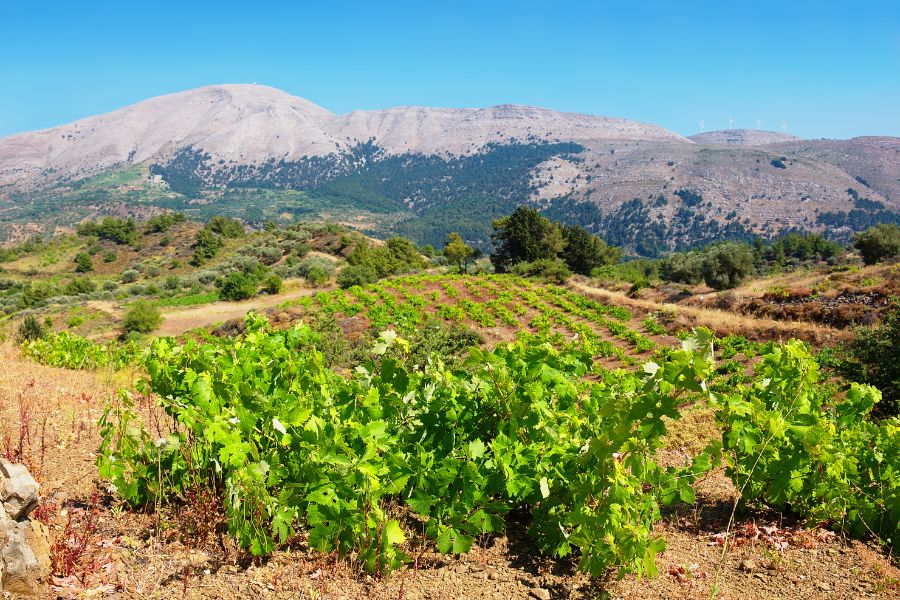
I’ve dropped by family-run wineries for tastings, and most stick to traditional methods. The flavors are distinct—definitely influenced by Rhodes’ unique terroir.
Villages celebrate harvest with wine festivals every September. There’s music, dancing, and endless pours—these are real windows into local life.
Olive Groves and Agricultural Heritage
Ancient olive trees blanket Rhodes’ interior, some of them older than 800 years and still producing. These groves form the backbone of island agriculture.
Out in the countryside, families still pick olives by hand each autumn. They use old stone mills to press the oil, sticking to methods passed down for generations.
You’ll find high-quality extra virgin olive oil everywhere. The taste is unique—something about the island’s earth and weather. Local markets sell oil straight from the producers.
Other traditional products:
- Extra virgin olive oil
- Table olives (Kalamata and green)
- Wild honey from mountain hives
- Oregano, thyme, and other herbs
Small farms also grow citrus, almonds, and vegetables. The Mediterranean climate helps everything thrive. Many villages keep up community gardens and orchards.
Charming Villages of Rhodes: Authentic Island Life
Rhodes’ 43 villages offer genuine Greek experiences away from the crowds. These places keep old traditions alive through their cobbled lanes, lively festivals, and handmade crafts.
Traditional Village Architecture and Streets
Each village has its own style, shaped by history and geography. In Archangelos, I wandered narrow streets lined with bright houses and hints of medieval architecture.
Siana mixes Cycladic cube houses with grand neoclassical mansions. The village clings to Mount Akramytis, giving it some jaw-dropping views.
Afandou charms with winding alleys and rooftop restaurants. Walking here feels like time travel.
Common village features:
- Whitewashed houses with colorful shutters
- Cobblestone paths leading to main squares
- Stone churches from centuries past
- Flower-filled courtyards draped in bougainvillea
Koskinou stands out with its painted doors and classic Rhodian houses. Most villages have a central square with a stone fountain and big shade trees—a favorite spot for locals.
Local Life and Cultural Experiences
Village life revolves around central squares and busy cafés. In Embonas, I watched locals chat over coffee and sip wine from the nearby vineyards.
Agriculture remains a way of life. Siana is famous for its honey and olive oil, which shops sell right on the main street. The old olive press from the 1920s now works as a museum.
Mornings mean fresh produce at the market, afternoons slow down for siesta, and evenings fill the squares with families.
Some local treats:
- Souma (fig spirit) in the hills
- Fresh seafood in Afandou
- Wine from Embonas
- Walnuts from Salakos
Village tavernas serve up family recipes you won’t find anywhere else. These meals give you a real taste of Rhodian culture.
Vibrant Festivals and Handicrafts
Religious festivals fill village calendars. Each place honors its patron saint with processions, music, and big feasts.
Archangelos throws huge celebrations for Archangel Michael, complete with folk dancing and costumes. The old castle looms in the background.
You’ll find traditional crafts in many villages. Siana’s shops display handmade ceramics and rustic rugs. Local artisans keep pottery and weaving traditions alive.
Village festivals feature:
- Dances in traditional dress
- Folk musicians on local instruments
- Homemade sweets and regional foods
- Handicraft booths run by artisans
During Easter, some mountain villages light bonfires and hold rituals that go back centuries. These traditions make for unforgettable, genuine cultural experiences.
Iconic Coastal Gems: Picturesque Villages by the Sea
Rhodes’ coastal villages mix ancient history with knockout sea views. From Lindos’ famous acropolis to Afandou’s endless beach and Monolithos’ clifftop castle, each spot brings its own vibe along the Aegean.
Lindos: Historic Acropolis and Whitewashed Wonders
Lindos is probably Rhodes’ best-known coastal village, and for good reason. The ancient acropolis perches high above the town, watching over everything.
Whitewashed houses spill down the hillside, all tangled in classic Greek style. Narrow cobbled lanes twist between old buildings.
Don’t miss:
- The Acropolis and its ancient ruins
- St. Paul’s Bay with turquoise water
- Medieval castle walls
- Traditional captain’s houses
The old town stays car-free, so I usually walk the marble streets to reach shops and cafés.
The beach below is calm and great for a swim. Small boats can whisk you off to quiet coves nearby.
From the acropolis, the sea views stretch forever. The ancient theater and Temple of Athena Lindia have stood here for over two millennia.
Afandou: Bustling Village and Relaxing Beachfront
Afandou blends lively village life with one of the island’s longest beaches. The main village is inland, while the beach runs on for miles.
There’s an 18-hole golf course that brings in visitors year-round. Taverns serve up fresh seafood and Greek classics.
Village highlights:
- 4-kilometer sandy beach
- Rhodes International Golf Course
- Pottery workshops
- Down-to-earth Greek atmosphere

I like exploring the village center for shops and coffee spots. Pottery-making here is a centuries-old tradition.
The beach never feels packed, even in summer. Water sports rentals—jet skis, paddleboats—are easy to find.
Afandou keeps its authentic feel, and locals still practice old crafts. It’s a nice break from the tourist buzz.
Monolithos: Clifftop Castles and Tranquil Views
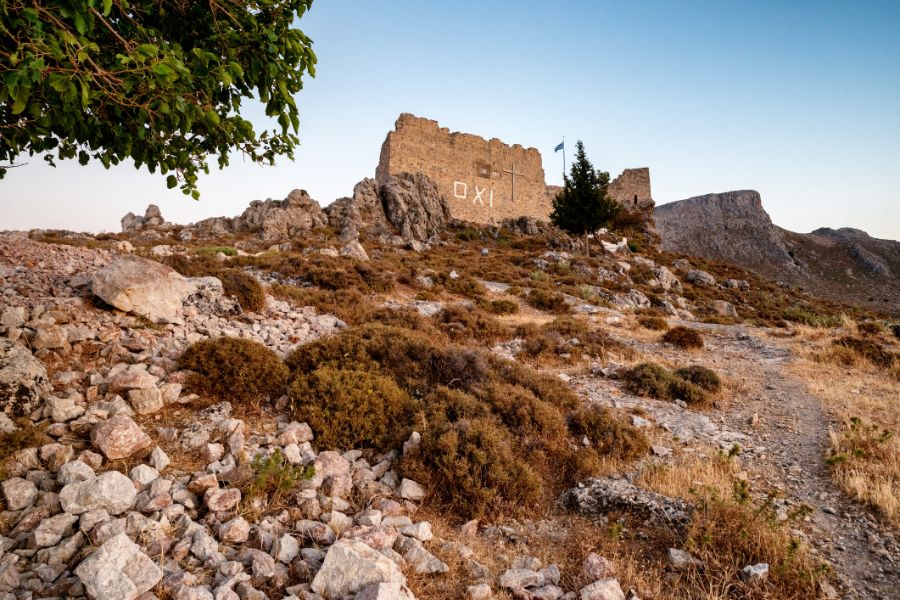
Monolithos clings to dramatic cliffs, crowned by medieval castle ruins. The views here are some of the best on Rhodes.
The 15th-century castle sits 240 meters up. I climb the rocky path to wander the fortress.
Look for:
- Castle ruins on the cliff
- Tiny chapel inside the walls
- Sweeping sea views
- Quiet pebble beaches below
The village itself is peaceful and small, with stone houses scattered around.
I like the hidden beaches at the foot of the cliffs—crystal-clear water, hardly any people.
From the castle, you can see out to nearby islands on clear days. The small chapel inside still hosts the occasional service.
Local tavernas serve simple, tasty food with a view. Watching the sunset from the castle is a must.
Unspoiled Southern Shores: Hidden Beaches and Natural Beauty
Rhodes’ southern coast is all about untouched beaches, where two seas meet and golden sand stretches out with barely a soul in sight. It’s a peaceful change from the busier north.
Prasonisi: Where Two Seas Meet
Prasonisi is one of those places that just sticks with you. This thin peninsula connects to the main island by a sandy strip.
The Aegean and Mediterranean seas crash together here—on windy days, you can watch the waves collide.
Why Prasonisi stands out:
- Windsurfing and kitesurfing hotspot
- Two seas on either side
- Wild, open landscape
- Hardly any development

The beach changes with the seasons. In summer, the sandbar is wide and dry; winter storms sometimes swallow it up completely.
I like to go early or late in the day—the light is gorgeous, and the wind can be fierce, so bring something warm.
Tsambika Beach: Turquoise Waters and Sandy Shores
Tsambika Beach might have the clearest turquoise water I’ve seen on Rhodes. The wide sandy shore runs for nearly a mile along the east coast.
It sits in a sheltered bay, so the water is almost always calm. You can wade out pretty far before it gets deep.
Beach perks:
- Sunbeds and umbrellas for rent
- Beach taverna with fresh seafood
- Clean facilities
- Lifeguards during the busy season
The pop of blue water against the golden sand is unreal. Up on the hill, Tsambika Monastery watches over everything.
The beach gets busy in July and August. I prefer late spring or early fall for a quieter vibe.
Remote Coves and Secluded Escapes
Beyond the main beaches, Rhodes’ southern coast hides plenty of secret coves. You’ll have to work a bit to reach them, but the solitude is worth it.
Fourni Beach stays off the radar. Pebbles and cliffs make it dramatic, and it’s a short hike from the road.
Glystra Beach is another peaceful spot, with palm trees for shade and a little taverna grilling up fresh fish.
I’ve roamed the stretch between Kattavia and Prasonisi, stumbling on unnamed beaches. No facilities here—bring your own water and snacks.

These hidden spots show off Rhodes’ raw beauty. Rocky headlands frame tiny bays, and wild herbs grow right down to the water’s edge.
Local Flavors: Indulging in Rhodes’ Culinary Heritage
Rhodes’ food scene really mixes Mediterranean roots with hints of Middle Eastern and European flavors. You’ll find dishes like cumin-spiced lakani and honey-drizzled treats that you just don’t see anywhere else.
Up in mountain villages like Embonas, vineyards thrive in the fertile landscape. Locals pour exceptional wines, while coastal tavernas serve up fresh seafood with local grapes like Athiri and Mandilaria.
Seafood and Island Specialties
The sea around Rhodes brings in a daily bounty of fish and seafood. Honestly, I can’t get enough of the cuttlefish risotto cooked with black ink—it’s a dish that lingers in your memory.
Pitaroudia is a must-try. These chickpea fritters, packed with tomato, onion, and cumin, taste like nothing else I’ve had in Greece.
If you’re a meat fan, lakani is the real deal. Picture goat meat, chickpeas, and chunky wheat (called chondros), all spiced with cumin and slow-baked overnight in ceramic pots.
Key Local Dishes to Try:
- Giaprakia (vine leaves stuffed with coarse mince)
- Karavoli (snails in red sauce with cumin)
- Talagoutes (honey pancakes with almonds and sesame)
The honey here deserves a spotlight. Local beekeepers craft thyme, pine, and blossom varieties that elevate both savory and sweet plates.
Wine Tastings and Vineyard Visits
Rhodes turns out distinctive wines from both native and international grapes. The Athiri grape grows on Mt Attavyros’ slopes, while Mandilaria flourishes lower down.
Embonas really is the heart of wine country. If you go, check out Kounakis Wines—about 38 kilometers from Rhodes Old Town, tucked in the mountains.
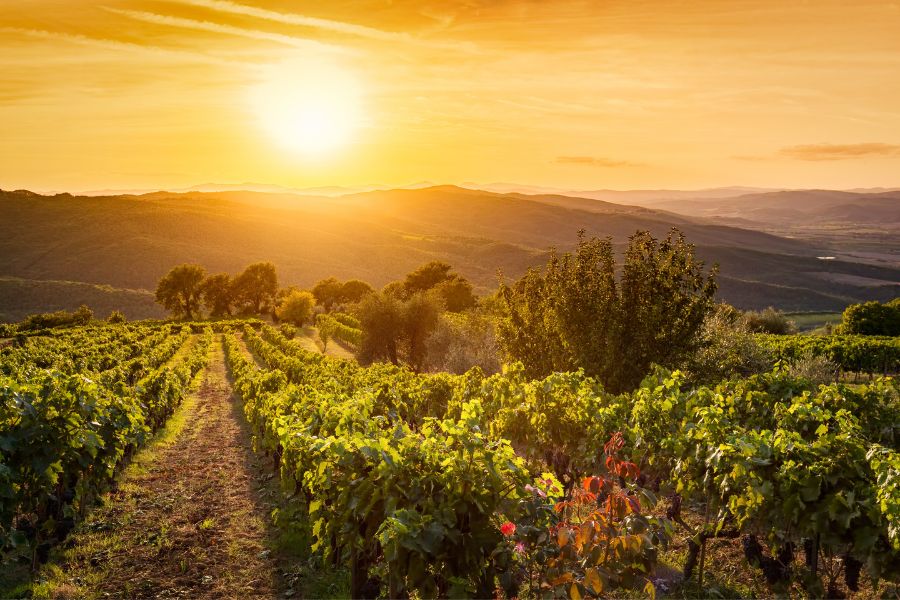
Want something closer? Triantafyllou Estate in Paradisi sits just 8 kilometers from town, offering tastings that show off how European grapes like Chardonnay and Cabernet Sauvignon adapt to Rhodes’ sunny climate.
Wine Varieties to Sample:
- White: Athiri, Assyrtiko, Malagouzia
- Red: Mandilaria (Amorgiano), Mavrothiriko
- International: Sauvignon Blanc, Chardonnay
Most vineyard visits last a couple of hours and include tours of the cellars and grounds. Spring and September are the sweet spots for outdoor tastings and catching the grape harvest in action.
Farm-to-Table Experiences
You’ll see Rhodes’ agricultural roots everywhere, especially when you visit local producers and co-ops. The Melissokomiki Dodecanisou brings together 70 beekeepers making honey and other hive goodies.
Their spot in Pastida, only 8 kilometers from town, houses Greece’s only Bee Museum. I spent an afternoon learning about beekeeping history and tasting honey straight from the source.
Siana village is another gem for food lovers. This mountain spot sticks to age-old methods, handed down through generations.
Local farms grow the ingredients that define Rhodian cooking—bulgur wheat, wild greens, aromatic herbs. Many tavernas buy straight from these producers, so you can really taste the freshness.
Olive groves and veggie gardens fill the island, providing year-round bounty. Dried fruits, pulses, and handmade pastas round out the flavors in traditional recipes.
Heritage and Ruins: Stories Etched in Stone
Rhodes keeps its history alive through medieval castles, Byzantine churches, and ancient walls scattered from the capital to tiny mountain villages. Every stone seems to hide a story, revealing Greek, Roman, Byzantine, and medieval footprints across the island.
Medieval Castles and Ancient Fortresses
I was blown away by Rhodes’ medieval fortifications—they go way beyond the famous town walls. Monolithos Castle stands boldly on a 100-meter cliff, gazing out over the Aegean.
This 15th-century fortress gives you sweeping views and the ruins of a tiny chapel dedicated to Saint Panteleimon. With its rocky perch, the castle was nearly untouchable from the sea.
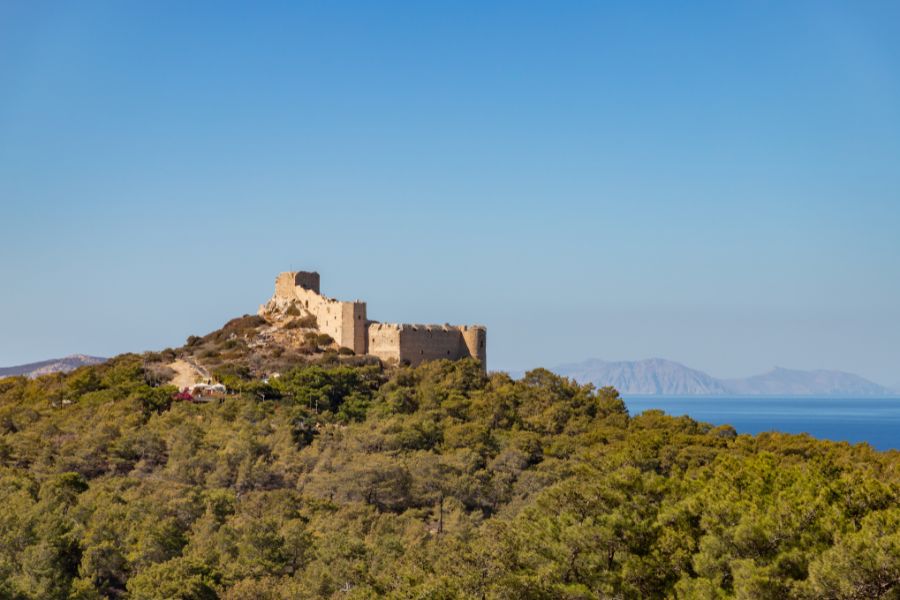
Kritinia Castle is another standout for medieval architecture. Built by the Knights of Rhodes, it overlooks both Halki island and the Turkish coast.
You’ll spot:
- Stone walls with arrow slits
- Underground cisterns storing water
- Panoramic platforms for epic views
- Remnants of living quarters
I wandered up to Feraklos Castle near Haraki village, one of Rhodes’ oldest strongholds. This Byzantine castle later sheltered the Knights of Rhodes until the Ottomans took over in 1523.
Historic Rhodes Town Highlights
The medieval town of Rhodes still wears its city walls proudly. I strolled along the 4-kilometer fortifications, passing through 11 gates and bastions.
The Palace of the Grand Master rises above the town. Built in the 14th century, it houses medieval furniture, mosaics, and artifacts that bring history to life.
The Street of the Knights is still going strong after 700 years. This cobbled lane lines up the Inns of the different Tongues (the Knights’ nationalities).
Key medieval structures include:
- Hospital of the Knights (now Archaeological Museum)
- Mosque of Suleiman the Magnificent
- Jewish Quarter with its ancient synagogue
- Byzantine Church of Our Lady of the Castle
Inside the Archaeological Museum—once the Knights’ hospital—I browsed sculptures, pottery, and mosaics from Kamiros, Ialysos, and Lindos.
Cultural Landmarks in Kritinia
Kritinia village holds onto its Greek island charm with whitewashed homes and blue shutters climbing up toward the castle ruins.
The village church of Agia Paraskevi shows off Byzantine-era frescoes and classic Orthodox icons. Local craftsmen keep the building in shape using old-school stonework.
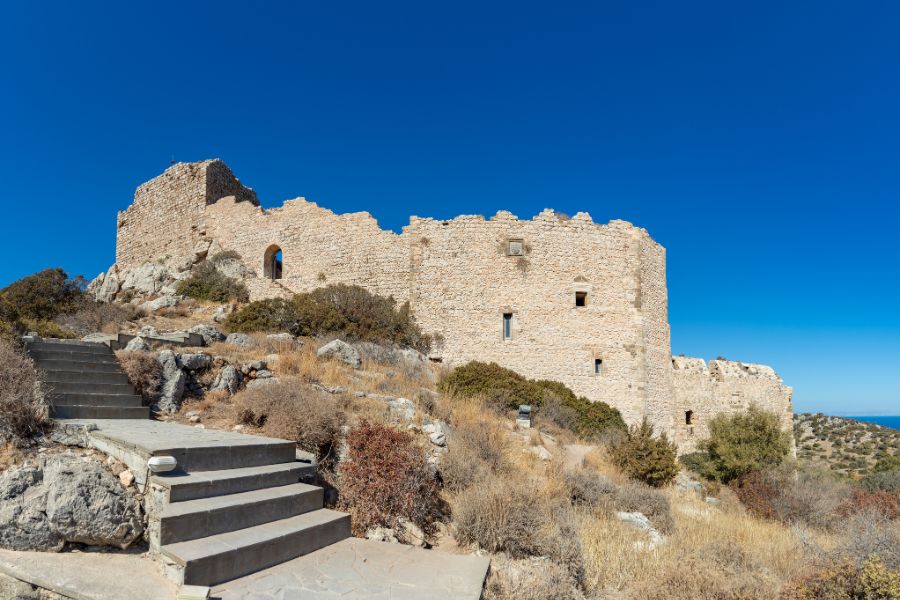
Traditional features I noticed:
- Stone-paved alleys and paths
- Restored windmills dotting the hills
- Ancient olive terraces etched into the slopes
- A classic kafeneio (coffee house) at the heart of the village
Kritinia’s location lets you wander to nearby archaeological sites. I spotted pottery shards and old foundation stones scattered around, hinting at centuries of life here.
The village keeps its authentic vibe, offering views of the castle above and the Aegean below. Local families still make olive oil and wine the traditional way.
Frequently Asked Questions
Rhodes has hidden mountain villages, untouched southern beaches, and off-the-beaten-path spots that easily rival the famous Colossus. If you want to dodge the crowds, these are the places to go.
What are the top attractions to visit in Rhodes’ interior?
Mount Attavyros, the island’s highest peak at 1,215 meters, is a must. The hiking trails lead to panoramic views that make the climb totally worth it.
The medieval castle ruins at Kritinia are perfect for sunset chasers. These 15th-century walls perch above the sea, offering epic vistas.
Embonas village is your ticket to Rhodes’ wine country. Wineries here keep old traditions alive, making wines that taste of the land.
The Butterfly Valley (Petaloudes) is a magical spot, especially in summer when thousands of Jersey Tiger moths fill the pine-scented ravines.
Which villages in Rhodes should travelers include in their itinerary for authentic local charm?
Lindos blends ancient history with Cycladic-style white houses and a 4th-century BC Acropolis.
Archangelos bursts with color and creativity. Local artisans craft pottery and textiles the old-fashioned way, keeping traditions alive.
Siana is famous for its honey and local spirits. This mountain village sits among olive groves and vineyards, sticking to its agricultural roots.
Koskinou charms with its ornate doorways and stone houses. The village is a showcase for Rhodian decorative arts.
Where can visitors find secluded beaches in Southern Rhodes?
Prasonisi Beach, right at the southern tip, is a windsurfer’s dream where two seas meet. A narrow sandbar links the island to a tiny peninsula.
Plimiri Beach stretches for kilometers, barely touched by development. The mix of pebbles and sand, plus crystal-clear water, makes it a swimmer’s haven.
Gennadi Beach offers a long, peaceful shoreline with tavernas serving up fresh seafood. It’s way more laid-back than the northern resorts.
Lahania Beach is the spot for serious tranquility. You’ll need to drive through rural backroads, but the untouched beauty is worth every minute.
What are the best activities for couples to experience in Rhodes?
Wine tasting in Embonas village sets the mood for a romantic evening. Local wineries pair their pours with classic Greek mezze.
Watching the sunset from Monolithos Castle is pure magic. The ruins perch 100 meters above the sea, and the view is unforgettable.
Private boat trips to hidden southern coves promise quiet beaches and crystal water. Most include snorkeling and a homemade Greek lunch.
Evening strolls through Lindos’ narrow lanes feel straight out of a movie. After dark, the soft lights make the ancient walls glow.
Can you recommend the most picturesque spots in Rhodes ideal for young adults?
Afandou Beach ticks all the boxes—long sandy stretches, a golf course, and plenty of space to relax or play.
The mountain village of Kritinia is pure Instagram gold. The castle ruins and sweeping seascapes make every shot a winner.
Koskinou’s colorful streets are a photographer’s dream. Every turn reveals painted doors and quirky details.
Butterfly Valley is enchanting, especially when the moths are out. Wooden bridges and streams wind through the green—nature lovers will want to linger.
What are the must-visit locations in Greece for first-time visitors, including attractions in Rhodes?
Rhodes’ medieval Old Town stands out as one of Europe’s best-preserved walled cities. You can wander through the UNESCO World Heritage site, which stretches across 40 hectares inside those 14th-century walls.
Lindos Acropolis? It’s hard to overstate its importance—after Athens’ Acropolis, this clifftop temple complex really steals the show. Locals and travelers alike marvel at ruins dating all the way back to the 4th century BC.
The Palace of the Grand Master brings medieval Rhodes to life. Knights of St. John once held court here, and today, you can walk across mosaic floors and peek at period furnishings that survived centuries.
Honestly, I’d say you need at least three days to do Rhodes justice. There’s just so much to soak up, from historic treasures to hidden pockets of natural beauty that most tourists totally miss.