
Most travelers crowd into Santorini and Mykonos, but honestly, Greece’s most genuine moments have unfolded for me in the quieter waters of the North Aegean. These lesser-known islands deliver the authentic Greek culture, rich mythology, and unspoiled landscapes that the big-name spots have mostly traded away for mass tourism. The North Aegean cluster includes six main islands—Lesbos, Chios, Ikaria, Samos, Lemnos, and Samothrace. Each one brings its own vibe, minus the overwhelming crowds.
What really sets these islands apart isn’t just their tranquility. I’ve noticed they hang onto traditions that go back centuries—think mastic farming in Chios or the longevity secrets of Ikaria’s blue zone. You’ll find pristine beaches, ancient ruins, and some of the best local food at prices that don’t make your wallet weep.

Travelers who crave substance over Instagrammable moments find their reward here. I’ve wandered through working olive groves, eaten in family-run tavernas, and chatted with locals who genuinely have time for a conversation. Exploring these islands, I stumbled across a Greece that feels both timeless and refreshingly real.
Redefining Authenticity: The Allure of the North Aegean Islands
The North Aegean Islands still offer something rare in Greece: genuine isolation from mass tourism and a grip on cultural traditions that haven’t faded away. These scattered islands keep their original flavor through rugged landscapes and traditional villages.
Local customs stick around, untouched by commercial pressures.
What Sets the North Aegean Islands Apart
The North Aegean islands don’t really act like a single connected complex. Each island stands alone, and that isolation shapes the experiences you’ll have.
Lesbos still has ancient olive groves and old-school distilleries. Chios is the only place on earth where mastic trees grow. Samos keeps its world-class wine traditions alive, using methods that haven’t changed for generations.
These islands don’t follow the classic Greek island script. You won’t find endless rows of white-washed buildings or mass-produced sunsets.
Instead, you get:
- Mountainous terrain with hiking trails winding through untouched forests
- Working fishing villages where folks still earn a living from the sea
- Ancient ruins you can actually explore without elbowing through crowds
- Traditional festivals (panigiria) that really do celebrate local saints and harvests
The islands keep their working character alive. Farmers still tend their groves. Fishermen mend their nets in the little harbors. Craftsmen make things for their neighbors, not just for tourists.
Escaping Mass Tourism for Real Greek Culture
Mass tourism has turned a lot of Greek islands into seasonal party zones. The North Aegean islands dodged that fate, mostly because they’re out of the way and don’t have tons of flights.
Ikaria feels especially different. The island throws panigiria festivals that last all night—live music, home-cooked food, and everyone from the village dancing together. Locals come first at these parties.
You’ll see daily life here that’s become rare elsewhere. Tavernas fill with locals sharing long meals and conversation. Coffee shops double as community hangouts, where men play backgammon and talk politics.
Since cruise ships don’t stop here, the islands set their own pace. Shops close for siesta. Restaurants open late. Ferry schedules depend more on the weather than on tourist demand.

Local cultural heritage survives because people need it, not because it’s a show. Women still preserve fruit for winter. Men keep up their fishing boats. Villages celebrate religious holidays with real devotion, not just for the cameras.
The Geography and Spirit of the North Aegean
The North Aegean’s tough geography shaped both the land and the people. These islands sit closer to Turkey than to mainland Greece, so you get a unique cultural mix.
Lemnos has volcanic soil and fierce winds that discouraged big development. Samothrace towers out of the sea, with peaks over 5,000 feet.
This rugged terrain keeps out mass development. Many of the best beaches take a hike to reach. Villages tuck into mountain valleys, sometimes only accessible by twisty roads.
The challenging environment made islanders tough and self-sufficient. They grow their own food, make their own wine, and fix problems themselves.
Weather patterns here aren’t like the southern islands. Winters bring real cold and storms, while summers have strong winds that keep things comfortable.
This climate shapes daily life. People get ready for winter in earnest. Summer is about fishing and farming, not just lounging around.
The Aegean Sea here stays wilder and less predictable than down south. That unpredictability keeps away visitors who want guaranteed sunshine and calm water—and helps the islands keep their authentic edge.
Island Snapshots: Unique Character and Rich Histories
Every North Aegean island has a story to tell. Ancient ruins, medieval villages, and centuries-old traditions still shape daily life. From Lesvos’s petrified forests to Chios’s mastic villages, these islands hold onto Greece’s real heritage in ways the famous spots just can’t.
Lesvos: Cultural Depth, Mytilene, and the Petrified Forest
Lesvos is huge by Greek island standards, and the diversity here is striking. The capital, Mytilene, mixes beautiful stone mansions with traditional architecture that hints at its long history.
This island gave Greece some of its most important writers. Odysseus Elytis, a Nobel Prize winner, called Mytilene home. Stratis Myrivilis lived here too.
The petrified forest near Sigri is something else. These fossilized trees are 20 million years old. Standing among them, I felt the island’s volcanic story come alive.
Cultural highlights?
- Villages like Agiassos, famous for handmade textiles
- Plomari, where you can sip ouzo made the traditional way
- Thermi’s natural hot springs
- The medieval town of Molyvos, still beautifully preserved
Artists from all over flock to Lesvos. Molyvos has grown into a creative hub, and that energy adds another layer to the island’s authentic charm.
Chios: Mastic Villages, Medieval Heritage, and Homer
Chios grows something you won’t find anywhere else. Mastic trees thrive only in the southern villages here, producing a resin with real health benefits.
The mastic villages are medieval wonders. Mesta and Pyrgi have stone houses packed tightly together, built for defense. Walking their narrow lanes, I felt like time hadn’t touched them since the Byzantine era.
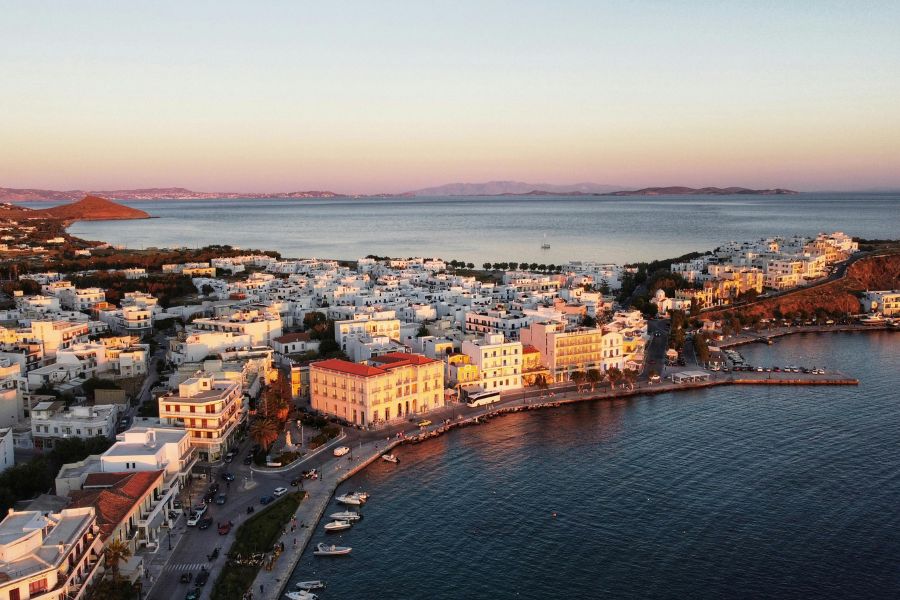
Mythology ties Chios to Homer, the legendary poet. Some say he was born right here, which gives the place a literary weight you can almost feel.
Medieval sites worth seeing:
- Nea Moni monastery from the 11th century
- The old Byzantine castle in Volissos
- Traditional homes in Kardamyla
- The striking black pebble beach at Emporios
Chios blends ancient history with living traditions. Locals still harvest mastic the old way, generation after generation. That kind of continuity is rare these days.
Samos: Ancient Roots, Pythagoras, and the Temple of Hera
Samos is famous as Pythagoras’s birthplace. He grew up in what’s now called Pythagorion, a town that still shows off some serious ancient engineering.
The Temple of Hera once ranked among Greece’s largest temples. Even as ruins, it’s easy to imagine its former grandeur.
Ancient engineering shines here. The Eupalinos Tunnel, an underground aqueduct, carried water for over a thousand years. It’s a testament to Greek ingenuity from 2,500 years ago.
What else stands out?
- Archaeological Museum in Vathi
- Remains of the city’s ancient walls
- Roman baths and theaters
- Traditional wine-making villages
Samos mixes ancient ruins with lush green mountains and sandy beaches. It’s the kind of place where you can walk through history in the morning and hit the beach in the afternoon.
Samos wine has been legendary since ancient times. The sweet Samiotiko grape grows in volcanic soil, and locals still use traditional winemaking methods.
Less-Frequented Gems: Unspoiled Nature, Mythology, and Tradition
The North Aegean’s quieter islands keep Greece’s wild side alive. Untouched forests, volcanic terrain, and traditions that haven’t changed in centuries set them apart. Each one carries its own mythological backstory, plus natural wonders that show off the region’s diversity.
Thasos: Pristine Forests, Golden Beaches, and Ancient Wonders
Thasos might be the greenest Greek island I’ve seen. Pine forests blanket the mountains, which is a big change from the rocky, barren look you get elsewhere.
The beaches here are gorgeous. Saliara Beach (locals call it Marble Beach) glows white against turquoise water. Paradise Beach really does live up to its name—clear water, hardly any development.
The island’s ancient ruins stand out. The Ancient Agora still has marble columns and intricate stonework. The theater, perched above the sea, offers both history and a killer view.
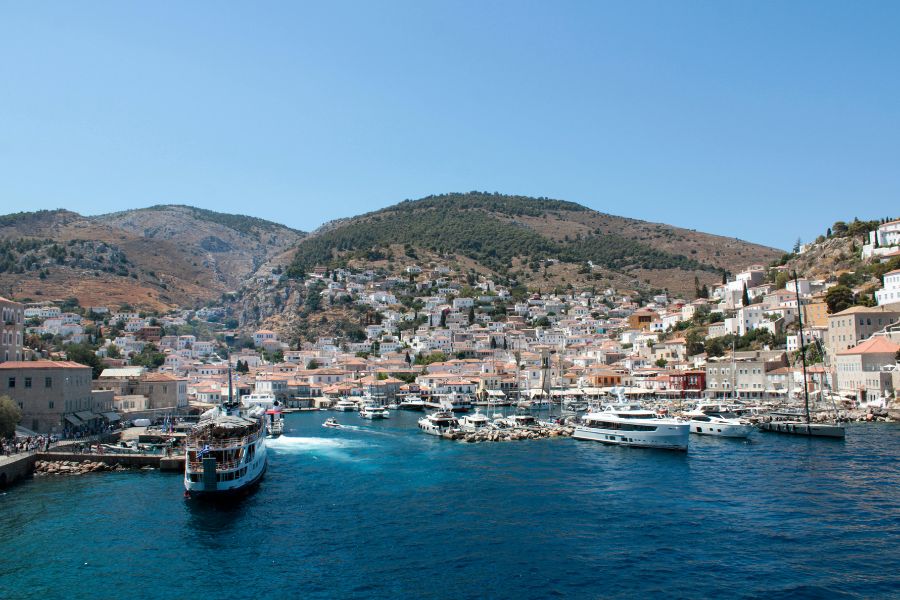
Thasos’s marble quarries once supplied ancient Greece with the best stone. You can still visit working quarries and see marble cut the old-fashioned way.
Villages like Theologos hold onto their traditional look. Stone houses with red-tiled roofs line narrow streets, pretty much unchanged since Ottoman days.
Limnos: Volcanic Landscapes and Hephaestus’s Legacy
Limnos is all about its volcanic landscape. The island’s wild terrain comes from ancient eruptions that left their mark everywhere.
Greek mythology says Hephaestus, god of fire and metalworking, landed here after Zeus hurled him from Olympus. The island’s volcanic feel definitely fits the story.
Strange rock formations dot the countryside. Near Gomati, sand dunes shift with the wind, creating an almost desert-like scene that keeps changing.
The beaches here are something special. Plathiena Beach stretches out with fine sand, while Keros Beach has dramatic cliffs and hidden coves. The volcanic soil grows great grapes, so you’ll find excellent local wine and produce.
Fishing villages here still feel real and lively. Myrina, the main town, combines Venetian castle ruins with working harbors where fishermen unload the day’s catch.
Ikaria: The Island of Longevity and Laid-back Lifestyle
Ikaria has become famous as a “Blue Zone,” where people regularly live past 100. The secret? Locals say it’s all about their relaxed lifestyle and natural diet.
Time moves at its own pace here. Shops open when the owners show up. Restaurants might serve dinner after midnight. Festivals can stretch on for days.
Hot springs bubble up all over the island. In Therma, the village revolves around these mineral-rich pools, and soaking in them is a daily ritual for many.
Mountains slice across the island, creating little pockets of climate. Wild herbs grow everywhere, forming the base of traditional remedies and those famous Ikarian teas.
Wine culture is alive and well. Families grow grapes on steep terraces, making wine the old way. Most of it gets shared at local festivals or family tables rather than exported.
Samothraki: Mount Saos, Waterfalls, and Mystical Aura
Samothraki rises right out of the sea, dominated by Mount Saos—the tallest peak in the Aegean at 1,611 meters. The mountain shapes the island’s weather and gives it a mystical mood.
The waterfalls here are wild. Fonias River tumbles down the mountain, creating pools and cascades perfect for a swim.
Hiking to Vathres waterfall is tough, but you’re rewarded with untouched pools surrounded by thick forest. The trek feels like stepping into another world.
Mythology runs deep on Samothraki. The ancient Sanctuary of the Great Gods drew pilgrims from all over. The famous Winged Victory of Samothraki statue came from this very spot.
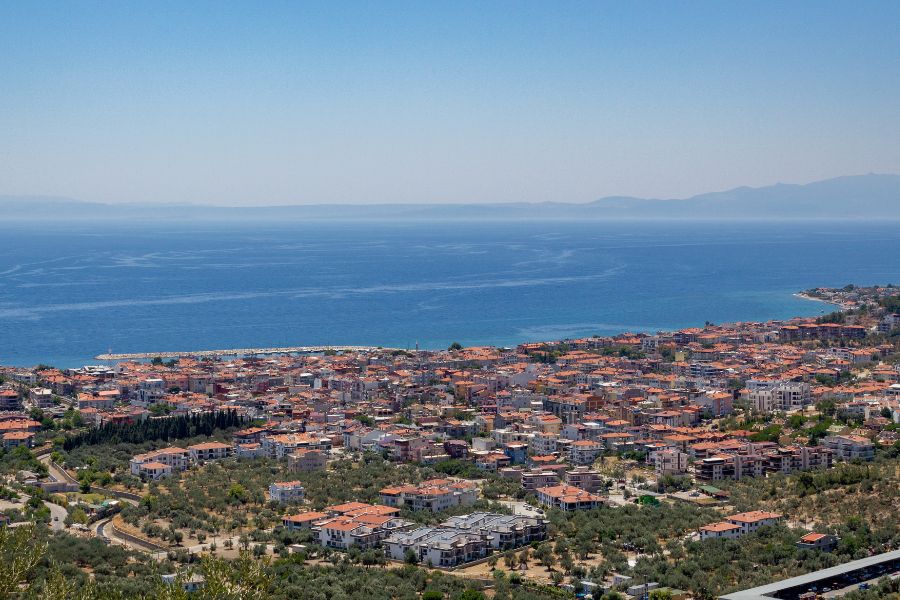
Even now, visitors sense the island’s mystical pull. The dramatic scenery, frequent mists, and isolation combine to create an atmosphere you just won’t find on the party islands.
Hidden Islands and Local Life: Tranquility and Timeless Traditions
The North Aegean’s most remote islands still cradle Greek maritime culture in its purest form. Here, fishing boats far outnumber tourist ferries, and traditional life rolls on, almost unchanged.
These forgotten corners invite genuine encounters with communities who’ve fiercely protected their authentic character for centuries. There’s something quietly magical about that.
Agios Efstratios: Pure Escape in the Heart of the Aegean
When I first set foot on Agios Efstratios, it felt like stumbling into Greece’s past. This volcanic island is home to fewer than 300 people, most living much as their grandparents did.
The main village perches on a hillside, looking out over a sheltered harbor. Stone houses with red-tiled roofs line slender lanes, and honestly, you’ll rarely see a car.
Daily Life Rhythms:
- Morning: Fishermen haul in their fresh catch.
- Afternoon: Locals drift to the single kafeneio for coffee and talk.
- Evening: Families wander the harbor promenade, catching up on the day.
The island’s remoteness has kept old traditions alive. Women still bake bread in communal ovens, and men mend fishing nets by hand down on the quay.
Even in the height of summer, I found the beaches empty. Alonitsi Beach, with its black volcanic sand, stretches on and on—no umbrellas, no tavernas, just the sea and silence.
Local festivals light up the calendar. On August 15th, the whole island turns out for dancing and feasting. If you’re lucky enough to be there, you’ll catch a rare glimpse of authentic island life.
Psara and Oinousses: Maritime Legacy and Secluded Shores
Psara and Oinousses each tell a different story from Greece’s maritime past. Both played their parts in the 1821 War of Independence.
Psara carries a quiet dignity, shaped by its revolutionary history. The war nearly destroyed the island, and you’ll still spot ruins scattered across the landscape.
I wandered through the tiny port, pausing at memorial plaques for fallen heroes. The local museum displays relics from the independence struggle—moving stuff, really.
The beaches here? Absolute solitude. Katsouni Beach sparkles with crystal-clear water and not a single building nearby. Over at Lazaretto Beach, pine trees cast cool shade right onto the sand.
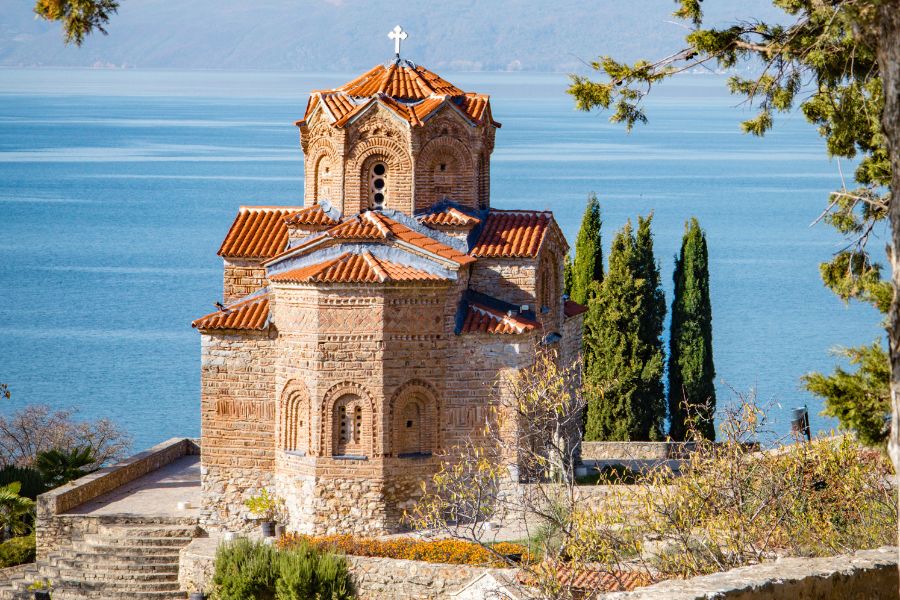
Oinousses has a different vibe altogether. This mini-archipelago became the home of wealthy shipping dynasties.
The main island is dotted with elegant mansions overlooking the harbor. These 19th-century homes show off classic Aegean architecture, with a few marble flourishes thrown in.
I checked out the Maritime Museum, which lays out the shipping empire that started here. Even now, local families run major shipping companies around the globe.
It’s a funny contrast—modest fishing boats bobbing beside luxury yachts. That’s Oinousses for you.
Fournoi: Fishing Villages and Rugged Coastlines
The Fournoi archipelago is a cluster of 13 islets where fishing still rules daily life. The main island supports about 1,500 folks, spread across a handful of villages.
Every morning, I watched fishermen sorting their catch at the port. Octopus dangle to dry from lines outside tavernas. Local boats bring in lobster, sea bream, and whatever else the sea offers up.
Village Characteristics:
- Fournoi Town: The main port, with all the basics.
- Chrysomilia: A northern fishing hamlet.
- Kampi: Down south, where agriculture takes the lead.
The coast is wild—over 40 hidden beaches and coves, many only reachable by boat or hiking. Kassidi Beach, ringed by pine forest, blew me away with its turquoise water.
Villages here keep their traditional look. White-washed houses with blue shutters, stone foundations, and narrow paths winding up the hillsides.
Evenings, I’d join locals at waterfront kafeneia. The conversations flow in Greek, backgammon chips clack, and time slows to a crawl. That’s Fournoi life—unhurried and real.
Old fishing techniques still pass from father to son. They read the weather and track fish by watching seabirds, just as their ancestors did.
North Aegean Experiences: Beaches, Cuisine, and Enduring Heritage
The North Aegean islands pack an impressive variety—secluded beaches, age-old food traditions, and community celebrations that pull you right into the heart of Greek culture.
Diverse Beaches: From Hidden Coves to Family Havens
I’ve explored coastlines here that really have something for everyone. Lemnos lays out broad sandy beaches, perfect for families and kids.
Lesbos mixes pebble and golden sand beaches. Skala Eressos on the west coast buzzes with windsurfers and water sports fans.
Hidden gems? Fournoi Korseon’s tiny coves remain off the radar for most tourists.
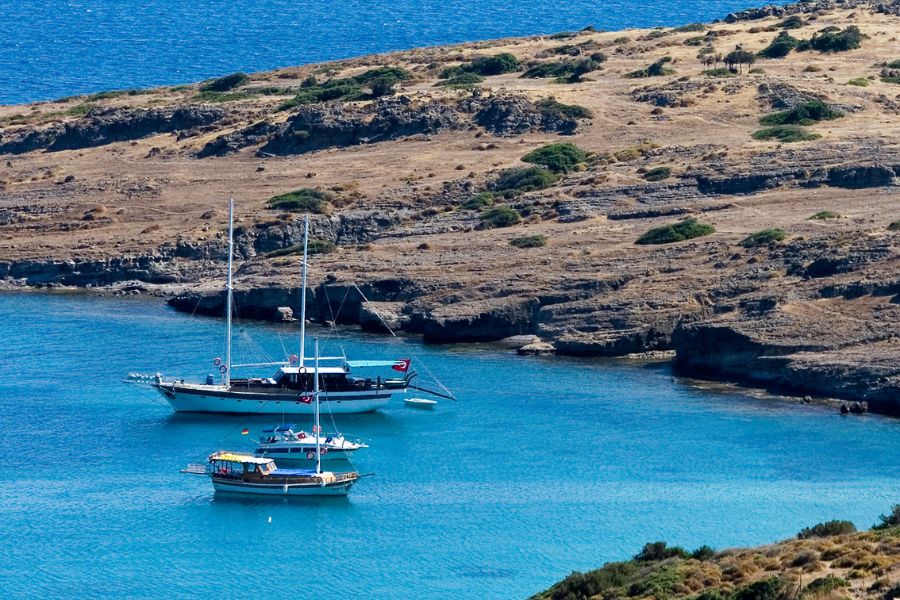
Samos stands out with stunning beaches backed by lush, mountainous terrain. The colors—clear blue water against green hills—are unforgettable.
Thasos offers white sand beaches that echo its marble heritage. Even in August, you’ll find plenty of space.
There’s a spot for every mood—calm swimming areas for families, and windier shores for kitesurfers and sailors.
Local Gastronomy and Mastic Traditions
Chios is famous for mastic, a resin you won’t find anywhere else. If you get the chance, visit the villages where families have harvested mastic for generations.
The Mastic Museum in Chios breaks down the cultivation process. You can sample mastic sweets, liqueurs, and even beauty products.
Regional specialties to try:
- Ladotyri cheese from Lesbos
- Soumada almond drink from Chios
- Thyme honey from Ikaria
- Samos wines from local vineyards
Lesbos ouzo distilleries still use traditional family recipes. Many welcome visitors for tastings and tours.
Fresh seafood is everywhere. Fishermen deliver their catch straight to restaurants, where chefs keep things simple and delicious.
Each island brings its own food traditions. Ikaria’s lifestyle focuses on natural ingredients, which locals credit for their legendary longevity.
Folk Festivals, Warm Hospitality, and Living History
Traditional panigiri festivals fill the summer calendar. These village parties blend religious rituals with feasting and folk dancing.
Ikaria’s festivals? They can go on for days. Locals always welcome visitors to join in, making it easy to feel like part of the community.

Cultural heritage is everywhere. Medieval villages on Chios preserve Byzantine architecture and old crafts.
Samos boasts ancient sites like the UNESCO-listed Heraion temple. Walking among those ruins, you really feel the weight of history.
Living traditions you’ll spot:
- Pottery made the old way
- Handmade embroidery
- Folk music nights
- Classic fishing methods
Family and neighborhood ties run deep here. That’s why the hospitality feels so genuine.
Religious festivals blend Christian rites with older customs. The energy during these events gives you a taste of Greek community life that’s rare in the cities.
A Journey Through Time: Historical Echoes and Modern Legacy
The North Aegean islands layer history on thick, from ancient Greek settlements to moments that shaped modern Greece. You’ll find both grand archaeological sites and intimate stories of resistance.
The Greek War of Independence and Island Resistance
I learned these islands played key roles during the Greek War of Independence (1821-1829). Lesbos acted as a supply route and safe haven for revolutionary ships.
Lemnos operated as a strategic naval base. Its harbors gave Greek ships shelter from Ottoman patrols. Families risked a lot to feed and arm the fighters.
Chios carries the deepest scars. In 1822, Ottoman forces massacred thousands in revenge for the island’s support. That tragedy inspired Delacroix’s painting and became a symbol of Greek sacrifice.
Village churches still display artifacts from that era. I’ve seen muskets, letters, and icons hidden during the conflict. Each piece tells a story of families who chose resistance.
Ancient Sites, UNESCO Heritage, and Enduring Legends
This region hides some of Greece’s most important ancient ruins away from the crowds. Samothrace hosts the Sanctuary of the Great Gods, a place of mystery religions for over a thousand years.
The UNESCO World Heritage site shows off ancient engineering. They found the famous Winged Victory of Samothrace statue here in 1863. You can actually visit the altar where it once stood.
Lesbos protects the Petrified Forest, a 20-million-year-old wonder with UNESCO status. Ancient Greeks thought these stone trees were cursed by the gods.
The island also links to Sappho, the legendary poetess. Her house ruins near Eresos draw scholars and curious travelers alike.
Frequently Asked Questions
The North Aegean Islands really suit travelers seeking substance and depth over quick photo ops. From all-night festivals to thermal springs used for centuries, these islands offer experiences rooted in local tradition, not just tourist checklists.
What unique experiences do the North Aegean Islands offer compared to more popular Greek destinations?
In my experience, the North Aegean Islands serve up things you just can’t find elsewhere in Greece. On Ikaria, I’ve joined all-night panigiria where traditional music and dancing last until midday.
Chios hosts the wild Easter “war with fireworks” between two villages—a spectacle you won’t see anywhere else.
Ikaria and Lesvos have thermal springs where locals soak for health. These aren’t luxury spas but real, old-school baths.
The fossilized forest on Lesvos and the living mastic farms on Chios are both one-of-a-kind. Chios mastic only grows here.
What cultural aspects set the North Aegean Islands apart from other regions in Greece?
Culture here revolves around real community traditions, not tourist shows. Festivals happen for locals first—visitors are just lucky to join.
Each island keeps its own unique practices. Lesvos still makes ouzo the old way, and Chios families harvest mastic like they always have.
Literary heritage runs deep. Lesvos claims Sappho and Nobel laureate Odysseus Elytis. Chios, some say, is where Homer was born.
Traditional crafts survive. On Lemnos, blacksmiths still hammer out metalwork. Agiassos on Lesvos produces hand-embroidered textiles.
Can visitors find an authentic Greek experience on the North Aegean Islands, and how does it manifest?
bsolutely. Authentic Greek life is alive and well here because mass tourism hasn’t taken over. Villages operate for residents, not just for show.
Daily routines follow old rhythms. Fishermen in Kalloni still catch sardines with methods passed down the family line. Taverns serve up food grown right on the islands.
At village festivals, visitors blend in. The celebrations happen to honor saints, not to entertain tourists.
Stone houses in villages like Mesta on Chios remain untouched. No souvenir shops or chains have taken over.
What hidden gems do the North Aegean Islands hold that contribute to a rich Greek experience?
Samothrace’s Sanctuary of the Great Gods hosted ancient mystery rites. It’s a stunning archaeological site that few travelers visit.
The Eupaline Aqueduct on Samos—an ancient tunnel supplying water for a millennium—flies under most people’s radar.
Molyvos on Lesvos has become a quiet artist colony, balancing medieval charm with creative energy.
Nas Beach on Ikaria is wild and windswept, nothing like the protected coves of the more famous islands.
In what ways do the histories of the North Aegean Islands enrich a traveler’s visit?
These islands let you connect directly to ancient myth and history. I’ve walked where Homer may have lived on Chios and visited Lemnos, the mythical home of Hephaestus.
The museums showcase artifacts actually found on these islands. Each collection tells a local story, not just a generic Greek one.
Byzantine castles still stand. The fortress on Lemnos, dating back to the 11th century, remains impressively intact.
Maritime history is everywhere—in museums and in the old ports. You really get a sense of how these islands shaped Greece’s shipping legacy.
How does the local lifestyle on the North Aegean Islands differ from the more well-known Greek Islands?
Here, daily life revolves around agriculture, fishing, and old-school trades. You’ll find working communities that just happen to welcome visitors—there’s no rush to turn every moment into a tourist experience.
People set their pace by the sea and the seasons, not by the arrival of cruise ships. Restaurants might open only when the fishing boats return, so you never really know what’s on the menu until the catch comes in.
Locals actually talk with you, not at you. I’ve had real conversations about island living, and nobody tried to sell me a tour or a trinket.
Seasons still shape everything. Plenty of places close up shop in the winter, but a few spots stay open all year for those who want to see what island life is really like, even when the crowds have vanished.
