
Stepping onto Nisyros, you almost feel like you’ve wandered into a forgotten chapter of Greece. This tiny Dodecanese island, tucked between Rhodes and Kos, sits quietly—most people come for the volcano, but honestly, that’s just the beginning.
Most visitors rush in for a quick volcano selfie and then hop back on the ferry. But if you stick around, Nisyros starts to reveal its true self: whitewashed villages clinging to the crater rim, hot springs bubbling up from deep below, and that weird, wonderful sense of isolation that makes you wonder if you’ve reached the edge of the world.
It’s a small island, so you can wander from ancient fortresses to black sand beaches without bumping into crowds or tacky souvenir stands. That’s a rare treat.
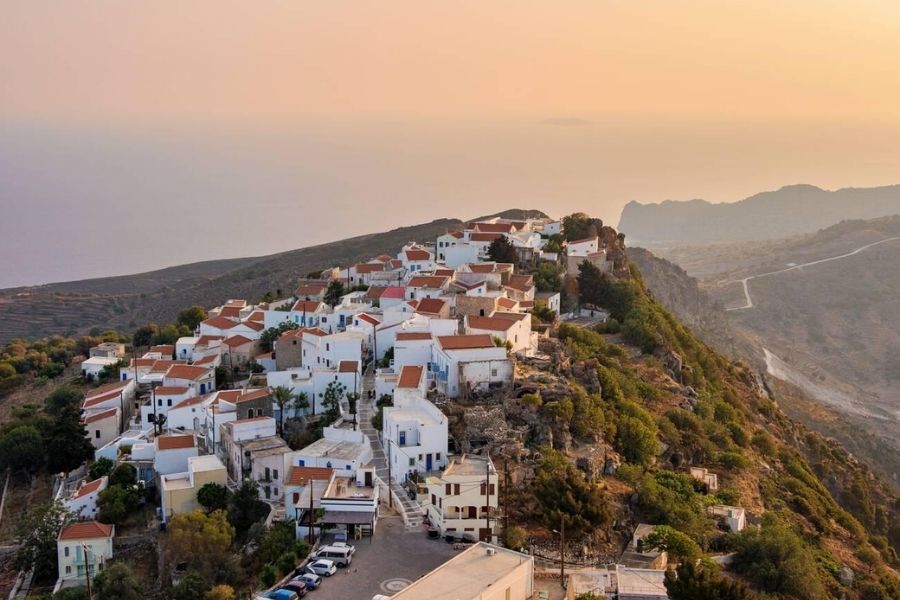
I realized pretty quickly that volcanic forces here shaped more than just the ground beneath my feet. Villagers built homes from volcanic stone, and those hot springs became healing hideaways.
The dramatic terrain gives you endless views. Nisyros isn’t just about the volcano; it’s about how the volcano touches every corner of life here.
The Allure of Nisyros’ Volcano
Nisyros boasts Greece’s youngest active volcano. The volcanic activity carved out dramatic craters, strange rock formations, and steamy springs that make this place unique.
Stepping into the Stefanos Crater
Wandering into the Stefanos Crater, I felt like I’d landed on another planet.
It stretches about 260 meters across, dropping 27 meters deep—a big, echoing bowl of yellow sulfur and steam.
Steam curls up from scattered vents, carrying that unmistakable sulfur smell. The air feels thick and a little electric.
Crater walls display stripes of volcanic rock—red, ochre, gray—each one a snapshot from a different eruption.
I noticed clear safety signs along the rim, guiding visitors to stick to marked trails for the best views (and to avoid any close calls).
In some places, the ground felt warm under my shoes. That gentle heat is a reminder: this volcano’s still alive, even if it’s been quiet for centuries.
Volcanic Landscapes and Lunar Vistas
Beyond Stefanos, the volcanic plateau of Lakki holds a handful of smaller craters, each with its own personality.
The Polyvotis crater glows with white and yellow minerals, while Alexandros crater is darker and quieter, with less steam.
Black volcanic stones cover the island like a patchwork. Locals use them to build sturdy walls and cool houses.
As I moved away from the craters, the landscape shifted. Patches of green broke up the moonscape—volcanic soil here eventually gives way to wildflowers and groves.
From up high, the view is unreal: a barren, cratered field set against pockets of green villages below. I couldn’t help but snap a few too many photos.
Volcano’s Impact on Local Life
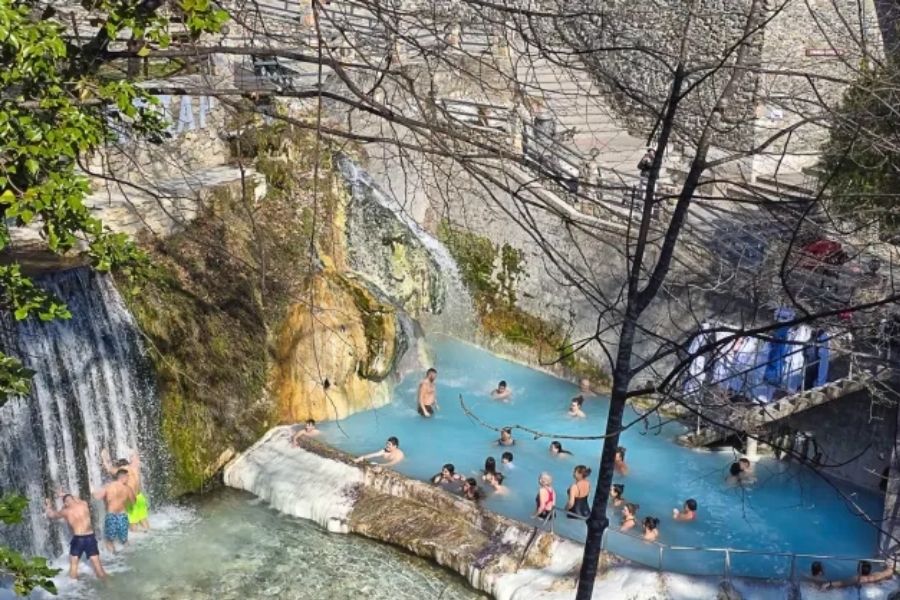
Hot springs bubble up all over the island, thanks to the restless earth beneath. The Loutra thermal baths stay toasty all year, between 45-50°C.
Locals have used these springs for generations. Many swear by their healing powers for everything from sore joints to skin troubles.
Volcanic soil makes some parts of Nisyros surprisingly fertile. Tomatoes, capers, and herbs thrive here, soaking up those minerals.
Tourists come for the volcano, and that helps local families keep restaurants, small hotels, and boat tours running.
Builders use volcanic stones for houses and walls. These dark rocks keep homes cool in summer and give the island its signature look.
Charming Villages of Nisyros
Nisyros’ villages are postcard-perfect: whitewashed houses, stone lanes, and a slow, steady rhythm that feels a world away from city life.
Each village has its own flavor, whether it’s a bustling port or a quiet perch above the sea.
Mandraki: The Island’s Lively Heart
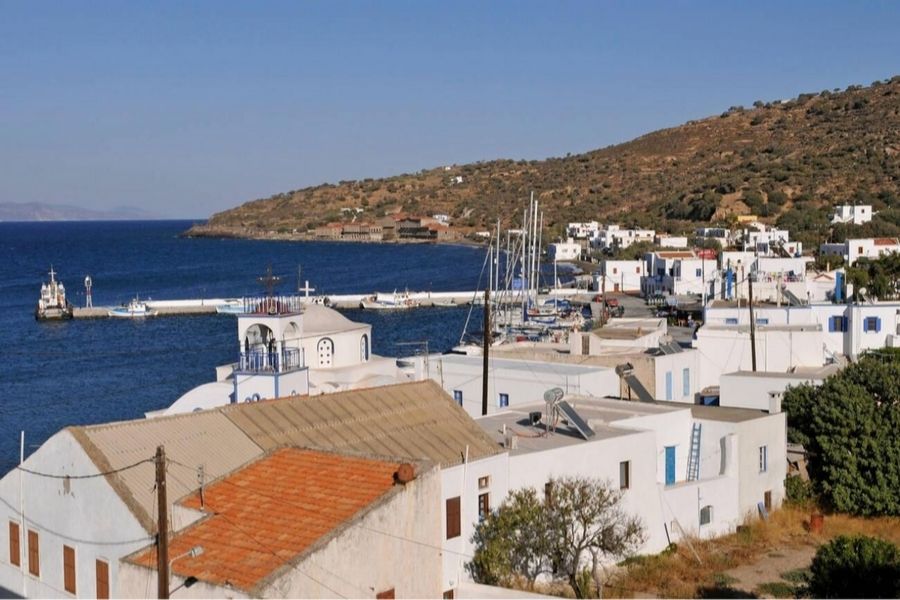
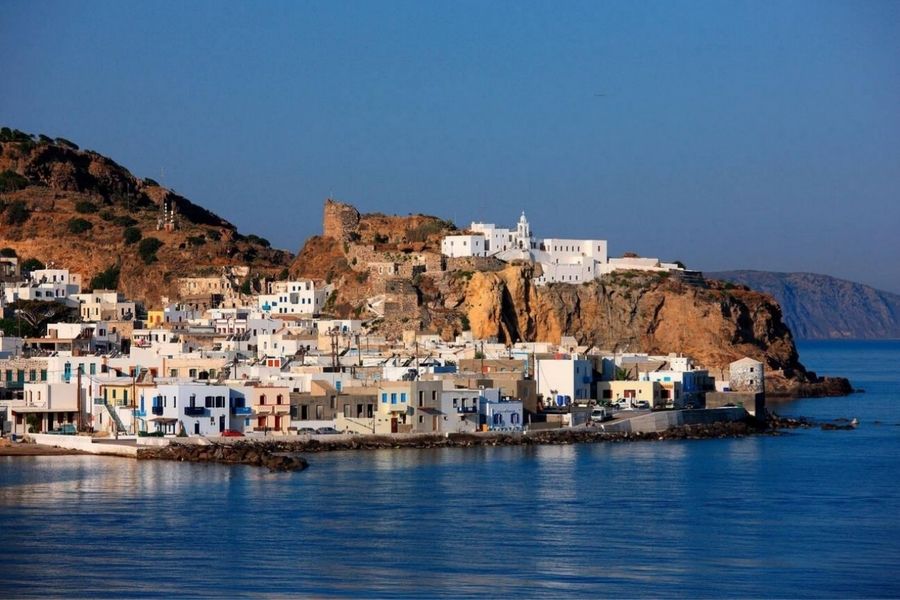
Mandraki is the main port and the island’s pulse. Ferries come and go, and the harbor buzzes with life.
Tavernas and cafes line the waterfront, and fishermen tend their nets in the early morning light.
Mandraki highlights:
- Archaeological Museum with ancient finds
- Traditional windmills peering out over the sea
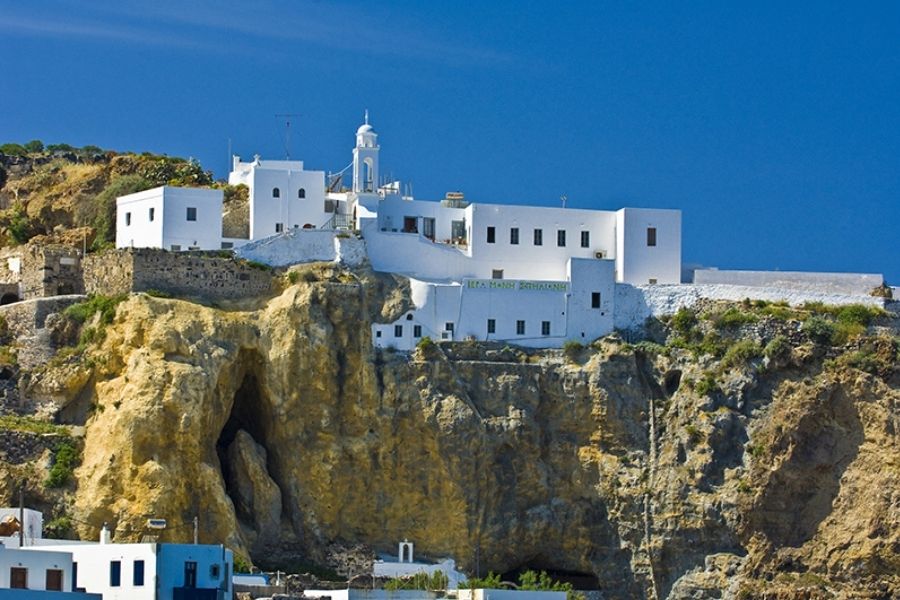
- The cave-built Panagia Spiliani Monastery
- Colorful boats bobbing in the harbor
The monastery holds a revered icon of the Virgin Mary. During Panagia Spiliani in August, the whole village turns into a festival.
Stone houses squeeze along narrow lanes, and some buildings have stood here for centuries.
Shops sell local honey and volcanic pumice. Mandraki feels like a real Greek island town, not a tourist trap.
Nikia and Its Panoramic Views
Nikia sits 400 meters up on the crater rim, offering killer views of Stefanos below.
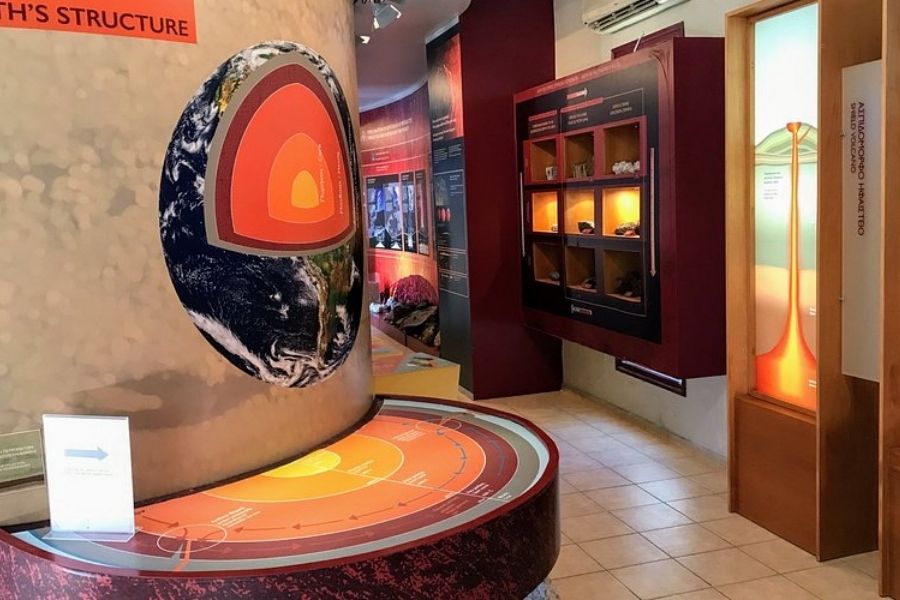
The Volcanological Museum here is the only one of its kind in Greece. I poked around and learned a lot about the island’s explosive history.
The central square is ringed with white houses and blue shutters, all clustered around an old church.
A winding path leads straight to the crater’s edge—just a ten-minute walk from the square.
Nikia can feel deserted in the midday sun. I found mornings and evenings much more pleasant.
Tavernas here serve simple, honest Greek food. The village stays small and mostly elderly, which adds to its peaceful charm.
Emborios: Clifftop Tranquility
Emborios clings to cliffs on the island’s southwest side. It’s easily the quietest village I found.
Ancient stone houses blend right into the landscape. Some are crumbling, but most have a rugged beauty.
The village looks out over Emborios Bay and its black sand beaches. A zigzag path connects the clifftop to the water below.
Why Emborios stands out:
- Peaceful, with barely any tourists
- Timeless architecture, untouched for decades
- Hidden coves for swimming
- Sunsets that stop you in your tracks
Only a few families live here year-round. The whole place feels paused in another era.
Tiny churches dot the hillsides. I wandered into a few, each with its own story in faded frescoes and carved stone.
Pali and Seaside Serenity
Pali is the island’s fishing village, tucked up on the northern coast. The little harbor shelters boats from wild weather.
I watched fishermen haul in their catch every afternoon. The tavernas serve whatever’s fresh that day.
White-and-blue houses line twisting alleys, all leading down to the sea.
Pali’s best bits:
- Sheltered, natural harbor
- Pebble beaches with crystal water
- Hot springs at Loutra just nearby
- Coastal walking trails
The Loutra hot springs sit just outside the village, bubbling at about 45°C year-round.
Life here moves at a snail’s pace. I spent hours swimming and lounging, with barely another soul around.
Fishing is a family tradition. Locals have worked these waters for generations, and you can feel that deep connection to the sea.
Unveiling Nisyros’ Natural Hot Springs
Nisyros hides three main thermal springs that have drawn bathers for centuries. These volcanic pools can hit 59°C and are rumored to help with all sorts of aches and pains.
Therma Beach and Wellness Traditions
Even the ancient Greeks knew about Nisyros’ healing waters. Hippocrates himself supposedly picked Nisyros as a spot for thermal cures.
The Thermiani hot springs in Paloi have the deepest roots. Roman bath ruins still stand here, and an old inscription proves how important these springs were.
The Pantelidis Baths ran from 1895 to the 1930s. They restored the buildings, but they’re not open now.
Today, Thermiani springs bubble at a steady 33°C. Locals say the waters help with rheumatism and arthritis.
Hot Springs of Loutra
Loutra springs sit just north of Mandraki, about 1,500 meters away. People have bathed here since 1872, thanks to the municipal hot spring facility.
Loutra is the easiest spot for a quick soak. The water gets up to 46°C and is believed to help with:
- Rheumatism and arthritis
- Skin issues
- Circulation problems
In Nikia, the Avlaki springs are the hottest on the island, reaching 59°C and flowing straight into the sea. The old settlement around Avlaki is gone, but the springs still bubble away.
That End-of-the-World Feeling
Nisyros gives you that lost-in-time vibe with its untouched volcanic landscapes and remote Aegean setting.
Clear night skies and a hush that settles over the island make it feel like you’ve reached the very edge of civilization.
Untouched Landscapes and Island Isolation
When I first arrived, I honestly felt like I’d landed on the moon. The volcanic terrain is stark and strange.
Black beaches wrap the coastline, soaking up the sun. Walking those pebbles barefoot? It’s like stepping onto another planet.
Nisyros sits 25 nautical miles south of Kos. The only way in is by ferry, which adds to that sense of escape.
What keeps Nisyros remote:
- No airport—just ferries from Kardamaina
- Only about 1,000 residents
- Pockets of spotty mobile coverage
Steam sometimes rises straight from the earth, especially in Emborios. Natural steam baths pop up in the oddest places.
Villages remain unchanged, with stone houses lining narrow streets. Modern buildings don’t really break the spell here.
Starry Skies and Remote Atmosphere
Nisyros might have the clearest night skies I’ve ever seen. With so few people and lights, the stars just explode overhead.
I lost count of how many times I saw the Milky Way. Stargazing here is as easy as stepping outside.
Top spots for stargazing:
- Nikia’s rim, peering into the caldera
- The Stefanos crater after dark
- Pali harbor, away from any lights
Nights are so quiet, it’s almost eerie. No cars, no city buzz—just wind and waves.
Sometimes I felt like the only person left on earth. There’s something magical about that mix of volcanic landscape and endless sky.
Local Culture, Traditions, and Culinary Discoveries
Nisyros clings to its traditions with pride. Festivals and village feasts bring everyone together, and the food—well, it’s as unique as the landscape.
Cultural Heritage and Festivities
Religious festivals are the heartbeat of Nisyrian life. The Panagia Spiliani Festival in August draws people from all over the Dodecanese.
Villages celebrate their own saints during summer, with music, dancing, and shared meals filling the squares.
Easter here feels especially moving. Candlelit processions wind through narrow lanes, and everyone joins in.
Crafts survive in tiny workshops. I watched potters use volcanic ash in their clay, and weavers create patterns handed down for generations.
Some village customs:
- Morning coffee in the main square
- Card games under the plane trees
- Evening strolls by the harbor
- Long, lazy Sunday family meals
Authentic Nisyrian Cuisine
The volcanic soil here brings out flavors you just don’t find elsewhere. Capers grow wild on those craggy cliffs and somehow sneak their way into nearly every traditional dish.
Local tavernas love to serve pittha, a flatbread baked right on volcanic stones. I tried it in Nikia village—topped with tangy local cheese and wild greens. Honestly, it was one of those simple things that just sticks with you.
Seafood specialties include:
- Fresh octopus grilled over charcoal
- Sea urchin pasta with local herbs
- Grilled fish sprinkled with volcanic salt
On a hot afternoon, soumada—that almond drink—hits the spot. Local families make it from almonds that come off trees older than anyone can remember.
The honey here tastes different, too. Those bees feast on volcanic flowers, and beekeepers set up hives right near the crater’s edge. You can really taste the difference.
Frequently Asked Questions
So, you’re thinking of visiting Nisyros? Most folks want to know which villages feel the most authentic, if the volcano’s safe, and why the whole place just feels so remote. I’ll try to answer with the stuff I wish I’d known—accommodations, cultural highlights, and when to go if you want the best out of this oddball volcanic island.
What are the must-visit villages in Nisyros for an authentic experience?
Start with Nikia, perched right on the volcano’s rim. The whitewashed houses, those bright doors and windows—they’re classic. Porta square is famous for its pebble mosaics and, honestly, it deserves every award it’s won.
Mandraki acts as the island’s capital and it’s where you’ll find the main port. I love wandering its cobblestone lanes and checking out the wooden balconies. Ilikiomeni square is the heart of it all, where locals gather for coffee and gossip.
Emborios sits higher up, looking straight over the caldera. The views are unreal. The village is a maze of white alleys, and there’s a medieval castle wrapping around part of it.
If you’re after something quieter, head to Pali. This seaside village curves around a natural bay and often attracts sailboats looking for shelter. It’s peaceful, with just enough going on.
How can visitors safely explore the volcanic features of Nisyros, including the hot springs?
You can drive or walk to the crater area. I always wear sturdy shoes—those volcanic rocks are sharp and pretty uneven. The main craters, Stefanos and Polyvotis, have fenced-off viewing spots, so you can get close without worrying.
Hot springs bubble up at Loutra, Thermiani, and Avlaki. Temperatures range from 30 to 60 degrees Celsius. I always test the water with a toe before getting in. Locals say these springs help with arthritis and skin issues, and I’ve seen plenty of people swear by them.
If you’re coming on a day trip from another island, try to arrive early or wait until late afternoon. The crowds thin out, and the heat isn’t so brutal.
What unique characteristics give Nisyros its distinctive ‘end-of-the-world’ feeling?
The volcano leaves its mark everywhere. Black sand beaches, steaming patches of earth, and rocks painted in wild colors—it’s like nowhere else in Greece.
There aren’t many people around. The villages stay quiet, and many traditional buildings haven’t changed in decades. Sometimes I feel like I’m walking through a postcard from the past.
Nisyros sits off by itself in the Dodecanese. Ferry schedules can be sparse, especially outside summer. That keeps the crowds away, and you really notice the peace.
Can you recommend the best time of year to visit Nisyros for optimal weather and experience?
Late spring to early fall is my go-to window. From May through October, the weather’s warm, perfect for hiking the volcano or soaking in the hot springs.
August gets busy, especially around Panagia Spiliani monastery’s festival from the 6th to the 15th. It’s a big deal, and visitors pour in from all over.
If you come in winter, expect fewer ferries and some places to be closed. Unless you’re after total solitude, I’d skip December through February.
Are there any cultural or historical sites to visit in Nisyros?
The Paleokastro fortress towers above Mandraki and stands out as one of the best-preserved ancient fortresses in the Aegean. Those cyclopean walls, built from black volcanic rock, look like something out of myth.
Panagia Spiliani monastery acts as the heart of the island’s spiritual life. Inside, you’ll find a church and a small museum packed with religious artifacts.
The Volcanological Museum in Nikia is a must if you’re even a little curious about geology. It’s the only one in Greece focused on volcanoes, with rock samples and old photographs that really bring the island’s wild past to life.
In Mandraki, the Archaeological Museum displays pottery, sculptures, and ancient tombstones. There’s also a folklore museum near Panagia Spiliani that shows off traditional island life—worth a quick stop if you’re nearby.
What type of accommodations are available for tourists in Nisyros, and how do they enhance the island experience?
Small, family-run hotels and cozy guesthouses really set the tone here. You’ll spot plenty of places that blend traditional architecture with some surprisingly modern comforts.
You’ll find most of the lodging options clustered in Mandraki, right by the port and all the main services. Honestly, I think staying in the capital is super convenient if you want to roam the whole island by car or even hop on a bus.
Some spots treat you to views of the volcano or the sparkling sea. I love how these traditional buildings, with their stone walls and wooden accents, instantly make you feel like you’re living out a Greek island daydream.
Since you won’t find many big hotels, the experience feels way more personal. Owners often go out of their way to share local tips or even help arrange rides to those harder-to-reach corners of Nisyros.
