
I never expected Bilbao to capture my heart the way it did. Walking along the Río Nervión on my first evening, I knew this Basque Country capital was something special.
The city offers an incredible mix of modern architecture, highlighted by the iconic Guggenheim Museum, alongside the charming medieval streets of Casco Viejo. This makes it a perfect destination for any traveler seeking both contemporary and historical experiences.
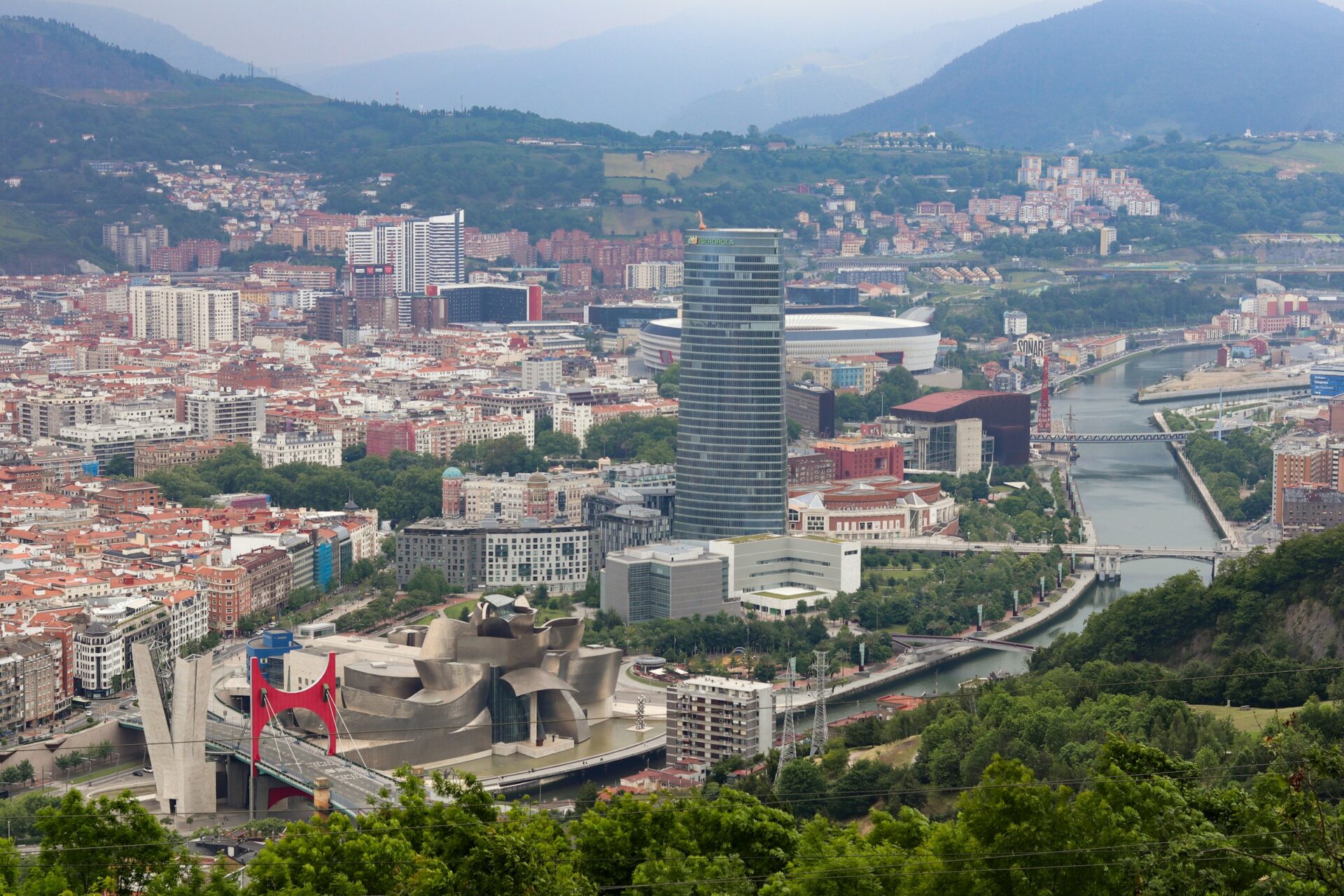
What surprised me most about Bilbao was how easy it was to navigate. I grabbed a Bizkaia transit card and hopped on the Tranvia to explore different neighborhoods. The city feels intimate despite its big-city attractions.
Between admiring over 19,000 artworks at the Museo de Bellas Artes and wandering through La Ribera Market (reportedly Europe’s largest covered market), I found myself constantly stopping to take photos of unexpected beauty.
The seven streets of Los Siete Calles in the old quarter became my favorite place to spend evenings. Here, the true Basque culture comes alive through food, drink, and friendly conversations with locals. If you’re planning a trip to northern Spain, don’t make the mistake I almost did by skipping Bilbao – it deserves at least a few days of exploration.
Embarking on the Basque Country Adventure: Bilbao at a Glance
Tucked in the northern corner of Spain, Bilbao offers an unexpected blend of traditional Basque culture and cutting-edge design that captured my heart from the moment I arrived.
The Alluring Aesthetics of Bilbao
The first thing that struck me about Bilbao was its remarkable transformation from industrial port to architectural wonderland. The city’s skyline is dominated by the iconic Guggenheim Museum, Frank Gehry’s masterpiece that resembles a gleaming titanium ship docked along the Nervión River.
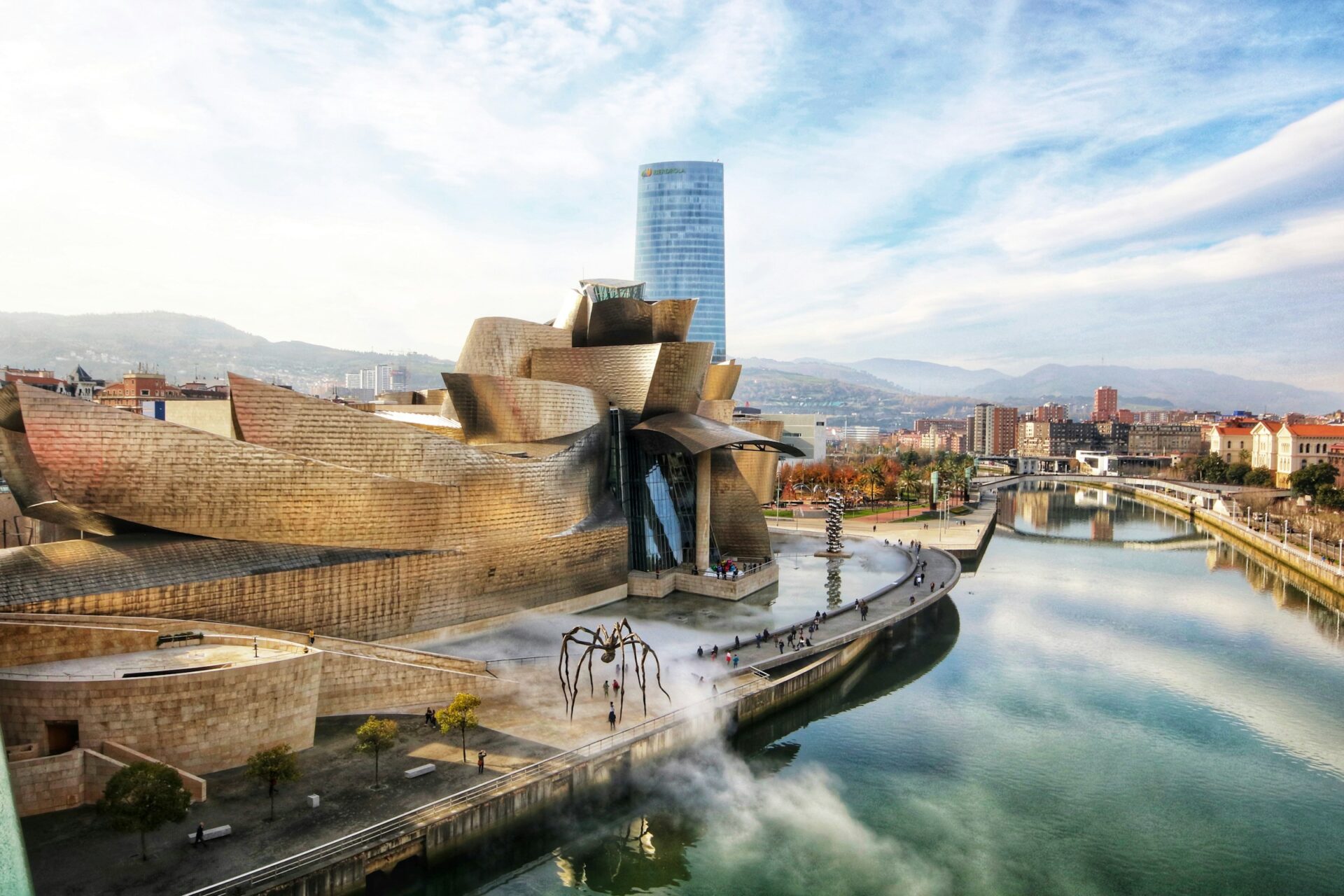
Walking around Bilbao, I was amazed by how traditional buildings stand proudly next to modern wonders. The contrast is part of what makes this city so special.
The Zubizuri Bridge with its curved white design creates another Instagram-worthy spot that perfectly represents the city’s commitment to beautiful public spaces.
Don’t miss Plaza Nueva in the evening when locals gather to enjoy pintxos (Basque tapas) and wine. The square’s neoclassical arches make the perfect backdrop for your first taste of Basque culture.
Unpacking the Cultural Tapestry
Bilbao’s heart beats strongest in Casco Viejo, the charming old quarter with narrow streets and colorful buildings. I spent hours wandering through the “Seven Streets,” each one offering unique shops, cafés, and centuries of history.
The Basque culture feels distinct from the rest of Spain. You’ll notice the unique language (Euskera) on signs alongside Spanish, and locals take immense pride in their cultural identity.
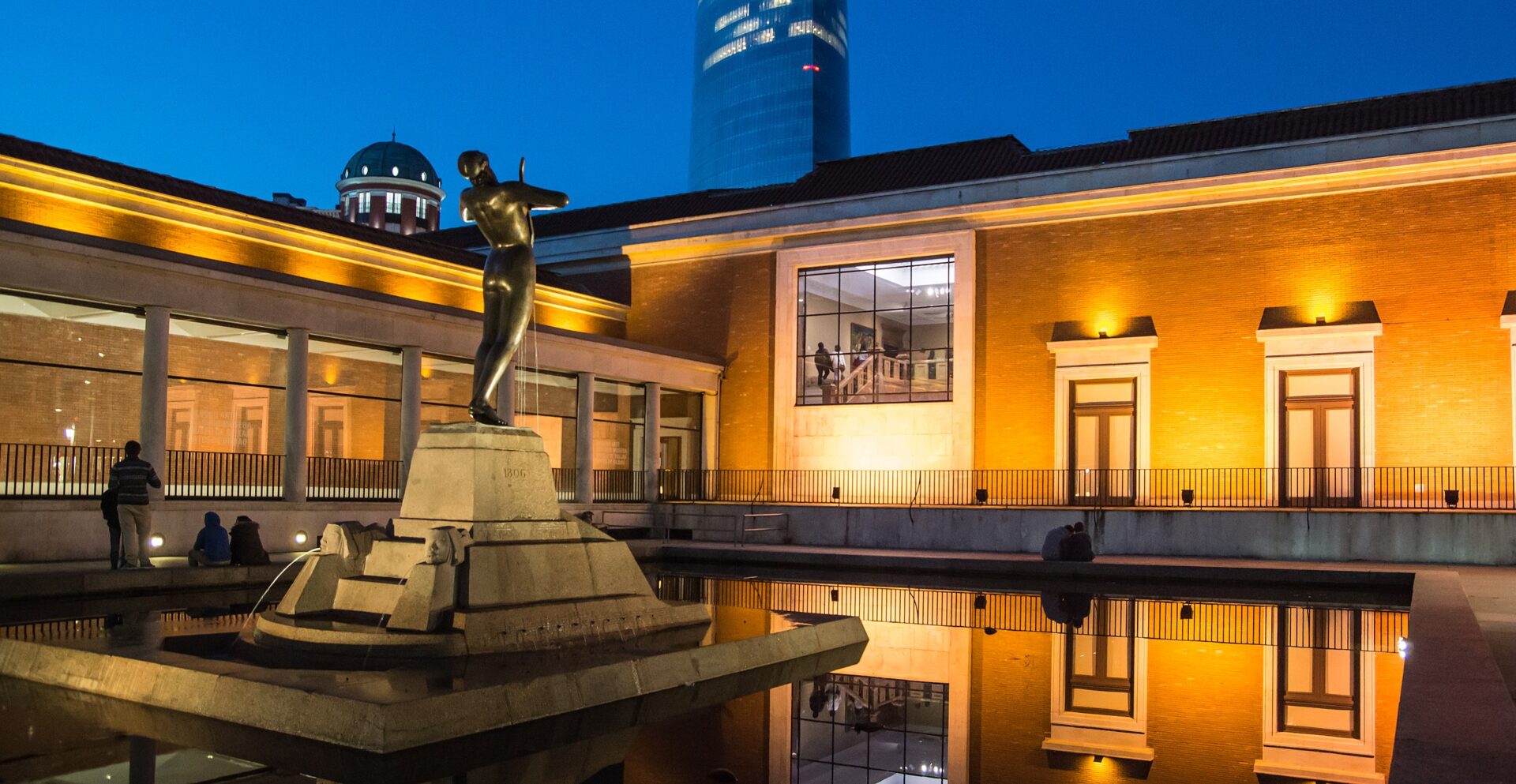
Museum-hopping became my favorite activity, with the Guggenheim being just the beginning. The Fine Arts Museum houses an impressive collection spanning from the Middle Ages to contemporary works.
Food is central to understanding Basque Country. I joined locals in the ritual of txikiteo (pintxo-bar hopping), moving from bar to bar, sampling one or two specialties at each stop. The cuisine here is considered some of Spain’s finest!
Culinary Journey Through Basque Gastronomy
The food scene in Bilbao left me absolutely speechless. Basque Country isn’t just a region of Spain – it’s a gastronomic wonderland that takes dining to another level.
Pintxos: More Than Just Tapas
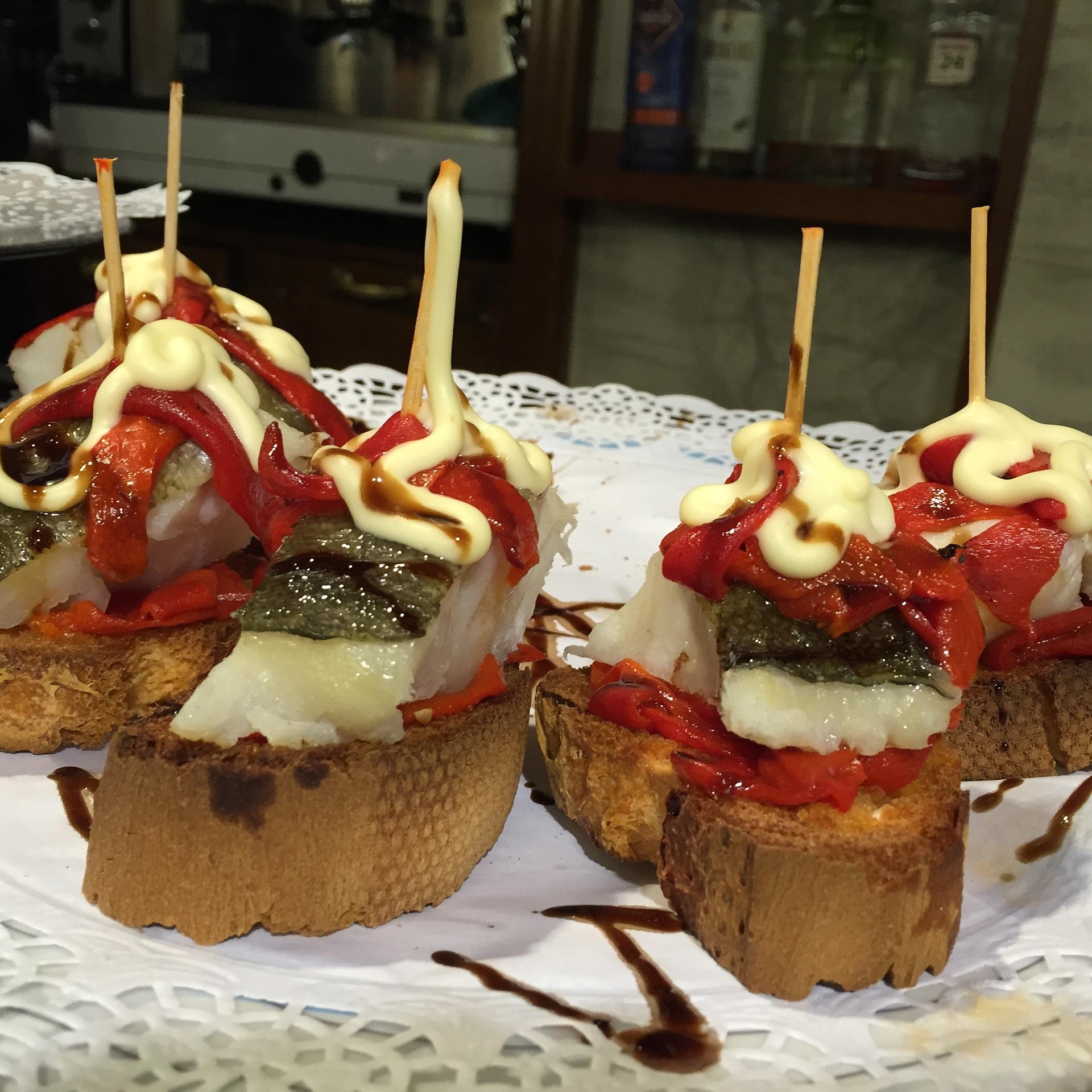
Walking through Bilbao’s old town, I discovered that pintxos are the heart of Basque food culture. These aren’t ordinary tapas – they’re sophisticated, creative bites that showcase Basque culinary artistry. Most are beautifully displayed on bar counters, skewered with toothpicks (pintxo means “spike” in Basque).
I spent an unforgettable evening hopping between bars in Plaza Nueva, sampling these masterpieces. At Iturriza Taberna, I tried gilda – the classic pintxo of olives, anchovies, and peppers – while sipping txakolí, the region’s slightly sparkling white wine.
The pintxos culture is all about socializing. You order a small plate, enjoy it with a drink, then move to the next spot. La Ribera Market offers an incredible variety under one roof, with vendors showcasing the freshest seafood and local produce.
Indulging in Michelin-Starred Experiences
Basque Country boasts more Michelin stars per capita than anywhere else in the world! In Bilbao, I splurged on a meal at a starred restaurant that transformed dining into an art form.
The chefs blend traditional Basque ingredients with innovative techniques. My tasting menu featured sea-to-table specialties like hake in green sauce and salt-baked whole fish.
What makes these experiences special isn’t just the food – it’s the philosophy. Basque chefs honor local traditions while embracing creativity. Many restaurants source ingredients from small producers within miles of their kitchens.
Even if you’re on a budget, you can experience this culinary excellence through lunchtime tasting menus, which are often more affordable than dinner service.
Exploring Beyond Bilbao
While Bilbao captivated my heart, the surrounding Basque Country offers equally enchanting destinations that showcase the region’s diverse beauty and culture. Just a short drive away, you’ll find coastal gems and inland treasures that deserve your attention.
The Charms of San Sebastian
San Sebastian stole my breath away with its perfect horseshoe bay. La Concha Beach curves elegantly along the city, offering one of Europe’s most stunning urban beaches. I spent hours strolling the promenade, watching locals and tourists alike enjoying the golden sands.
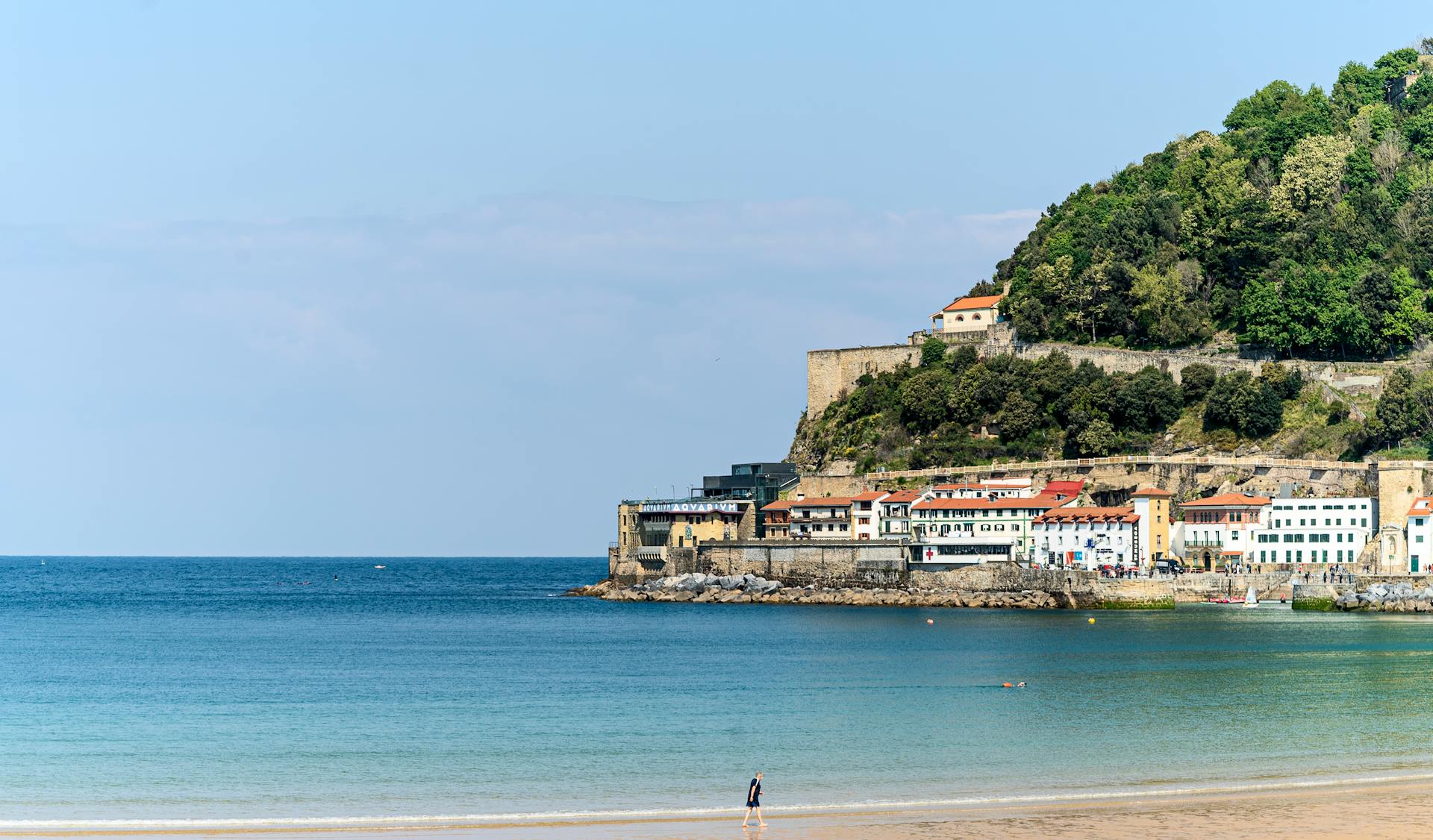
The Old Town (Parte Vieja) is where I discovered the true meaning of pintxos culture. Bar hopping here is an art form! Each establishment displays tiny culinary masterpieces on countertops, and locals taught me to pair them with txakoli, the region’s slightly fizzy white wine.
For the best views, I took the funicular up Monte Igueldo. The panorama of the bay, city, and surrounding hills made every photo look like a postcard. The Belle Époque architecture throughout the city reflects San Sebastian’s aristocratic past.
Delving into Vitoria-Gasteiz and Surrounding Areas
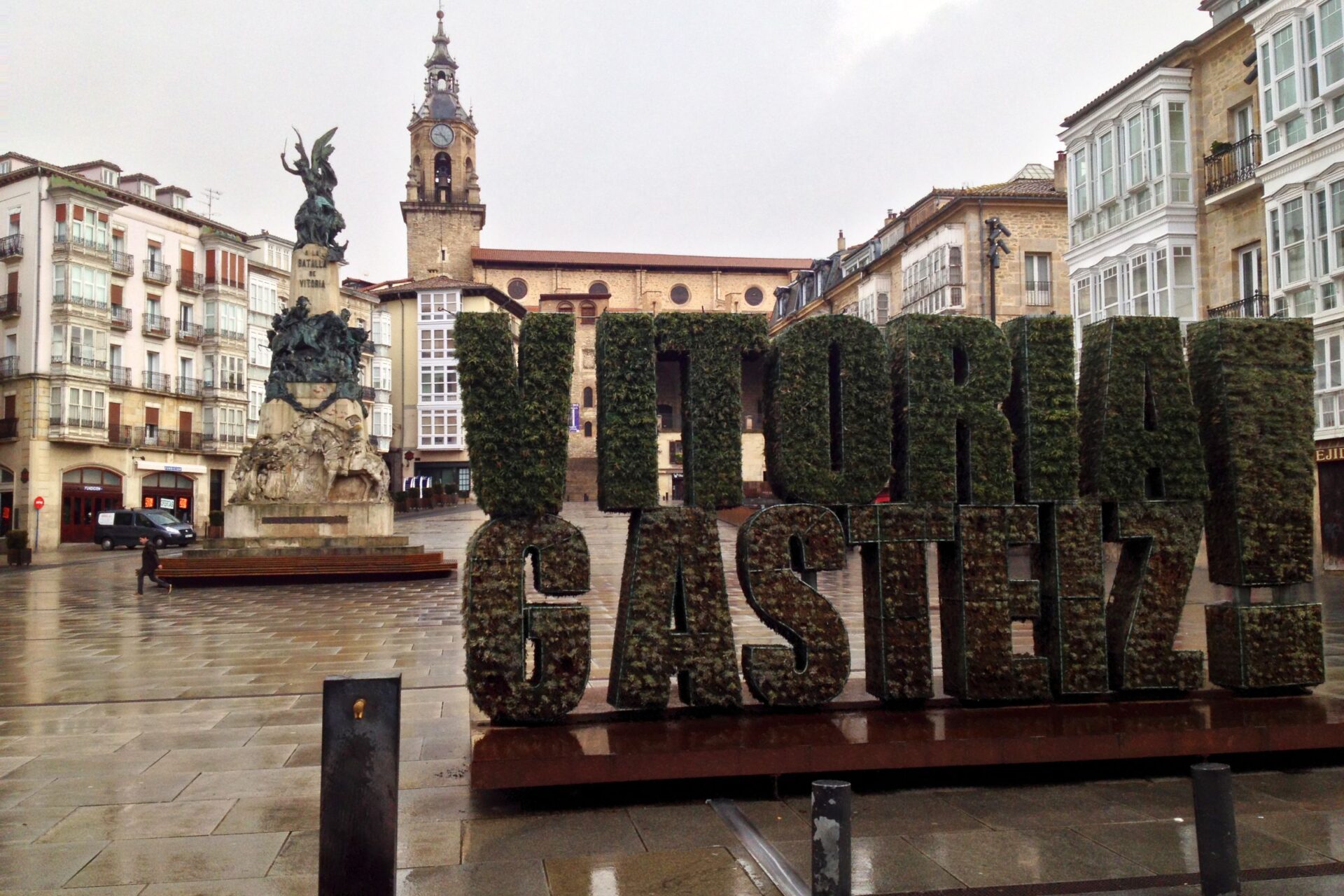
Vitoria-Gasteiz surprised me with its medieval charm and modern sensibilities. The capital of the Basque Country feels less touristic than its coastal siblings but offers authentic experiences. I wandered through the almond-shaped old quarter, where the Gothic Santa María Cathedral stands proudly.
The city’s commitment to sustainability impressed me. Vitoria earned the European Green Capital award, and I enjoyed exploring its network of parks and green spaces. The Anillo Verde (Green Ring) provided perfect cycling routes around the city.
Venturing further into the countryside, I discovered charming villages nestled in the foothills of the Pyrenees. The rolling vineyards of Rioja Alavesa offered wine-tasting experiences that rivaled more famous Spanish wine regions, but with smaller crowds and more personal attention from local vintners.
The Cultural Fabric of the Basque People
The Basque people possess one of Europe’s most distinctive cultural identities, preserved through centuries despite numerous challenges. Their unique traditions and strong sense of community have created a fascinating cultural landscape unlike any other in Spain.
Language and Identity
Euskara, the Basque language, stands as the cornerstone of Basque identity. I was amazed to learn it’s Europe’s oldest living language with no known linguistic relatives! Walking through Bilbao’s streets, I noticed bilingual signs everywhere – a testament to successful language revival efforts.
The Basques’ strong sense of identity goes beyond language. Their flag (the ikurriña) and traditional symbols appear proudly throughout the region. During my visit, locals explained how their identity survived centuries of pressure to assimilate.
The historical struggle for autonomy, including the controversial ETA movement, has shaped modern Basque society. Today, I witnessed a people proud of their heritage yet looking forward – balancing tradition with innovation in a way that feels authentic rather than performative.
Traditional Sports and Festivities
Basque rural sports (herri kirolak) offer a fascinating window into traditional life. I watched in awe as competitors demonstrated incredible strength in stone-lifting contests and wood-chopping competitions that celebrate the region’s agricultural roots.
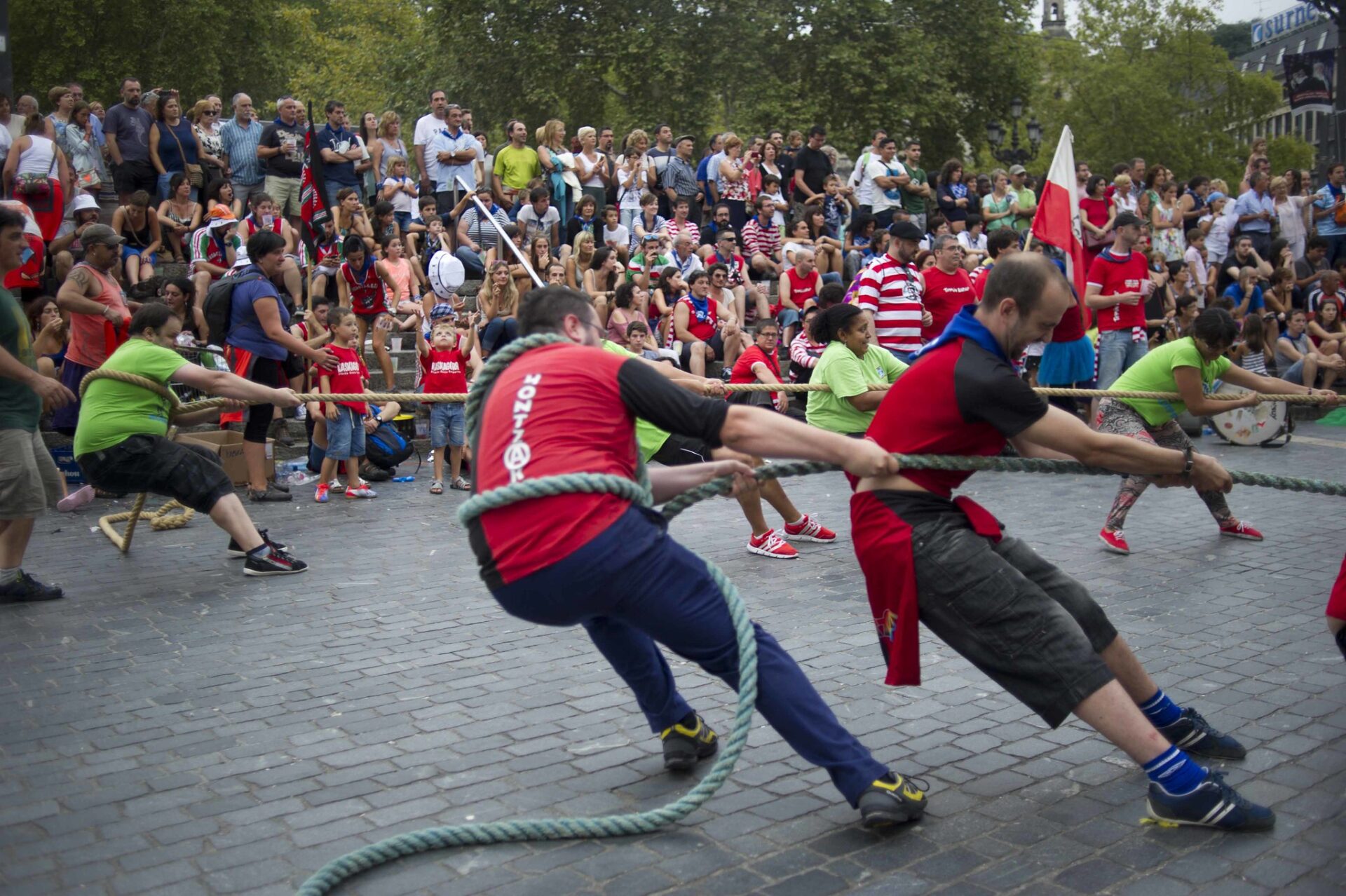
Popular Basque Sports:
- Pelota: A fast-paced ball game played against a wall
- Aizkolaritza: Competitive wood chopping
- Harri-jasotzea: Stone lifting competitions
The festival calendar reveals the heartbeat of Basque culture. During my visit, I caught part of a local festival with traditional dancing, music featuring the txalaparta (wooden percussion instrument), and impromptu singing competitions called bertsolaritza.
Food plays a central role in celebrations. I joined locals at a txoko (gastronomic society) where community members gather to cook, eat, and socialize – a perfect example of how culinary traditions strengthen social bonds in Basque society.
Closing Thoughts: Immersive Experiences in the Basque Country
Visiting Bilbao opened my eyes to the magic of Basque Country. The blend of modern architecture and traditional culture creates something truly unique in this corner of Spain.
What surprised me most was how the entire region feels like an open-air museum.
From the curved titanium panels of the Guggenheim to the narrow medieval streets of Casco Viejo, art and history surround you at every turn.
Food became the highlight of my journey. The pintxos bars were more than places to eat—they were social hubs where I connected with locals and learned about Basque traditions.

Must-Try Basque Experiences:
- Take a cooking class to learn traditional Basque recipes
- Attend a local festival if your timing allows
- Visit a txakoli vineyard to sample the region’s distinctive wine
- Learn a few phrases in Euskera (Basque language)
- Explore smaller coastal towns like Bermeo or Lekeitio
The Basque Country rewards travelers who slow down.
I found that wandering without a strict itinerary led to the most authentic discoveries. I stumbled upon local markets, joined impromptu street celebrations, and found tiny restaurants serving grandmother’s recipes.
This region has mastered the balance between preserving cultural identity and embracing innovation. It’s a place that stays with you long after you’ve left.