
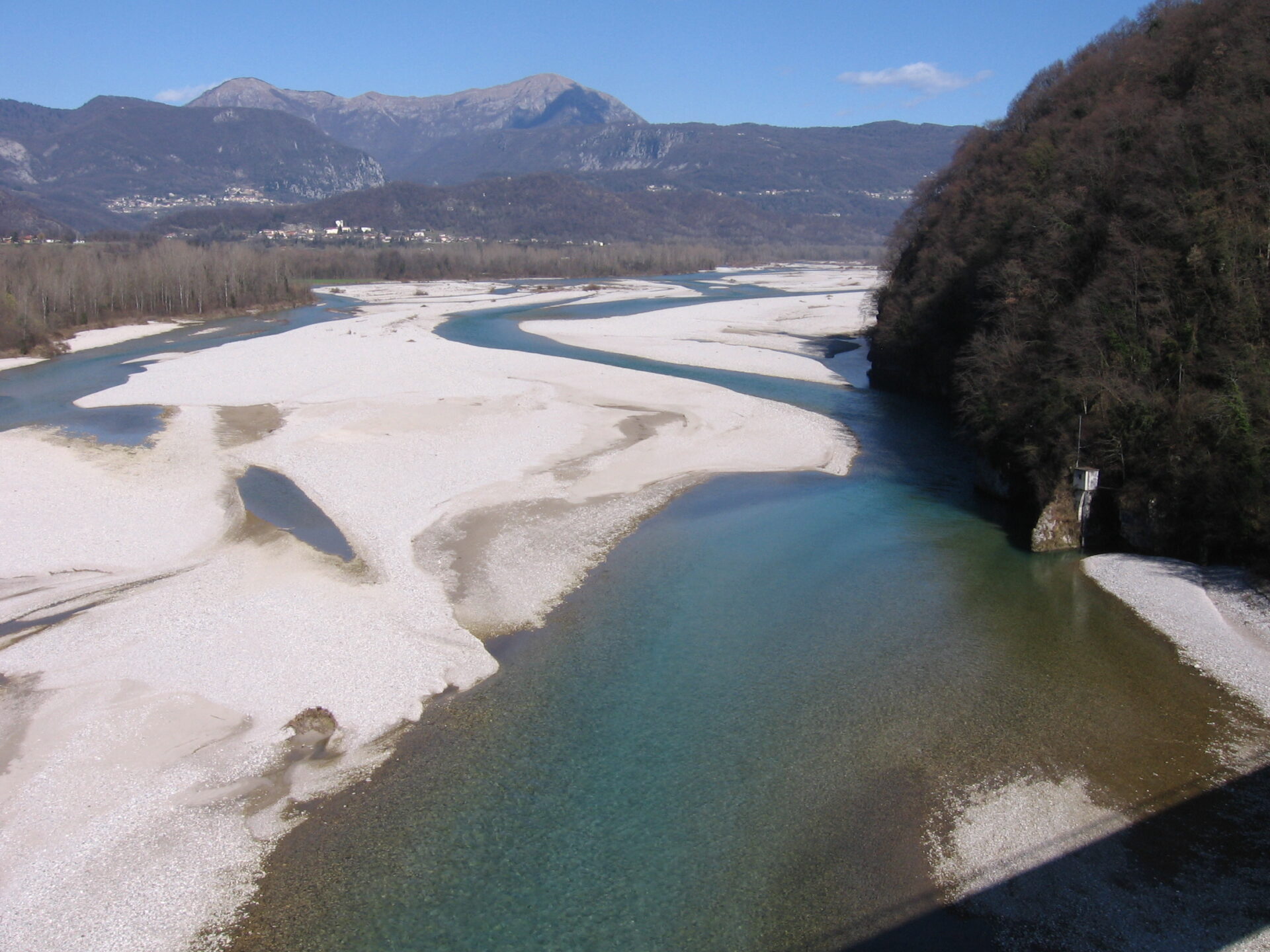
The Tagliamento River in northeastern Italy stands as one of Europe’s last morphologically intact river systems. I discovered this natural wonder during my travels through the Alpine region, where its spectacular braided pattern immediately caught my eye.
The Tagliamento’s complex network of multiple channels flowing around gravel bars creates a mosaic of diverse aquatic habitats that support remarkable biodiversity.
Walking along its banks, I was struck by how dynamic this ecosystem truly is. The river constantly transforms itself through flooding events that reshape channels and create new habitats. These changes aren’t signs of destruction but rather the natural rhythm of a healthy braided river landscape.
Unlike many rivers that have been confined by human engineering, the Tagliamento flows freely across a wide floodplain.
This river doesn’t just support aquatic life – it serves as an ecological nexus for the entire mountain landscape. During my visit, I observed how the braided system creates connections between water and land habitats. Birds, insects, and mammals all depend on this river corridor. The Tagliamento has rightfully earned its reputation as a model ecosystem that shows us what natural rivers should look like.
The Uniqueness of Braided Rivers
Braided rivers stand out as some of nature’s most dynamic ecosystems. They form intricate patterns across landscapes and create habitats that support remarkable biodiversity, making them ecological treasures worth protecting.
Defining Braided Rivers
Braided rivers are characterized by multiple, shifting channels that split and rejoin around small, temporary islands. They form when water flows over easily eroded banks and the river carries a heavy load of sediment. Unlike single-channel rivers, braided systems constantly reshape themselves.
I’ve observed how these rivers weave across valleys like natural tapestries. The channels migrate laterally, creating a complex network of waterways and gravel islands. This constant change is what makes braided rivers so special.
Fluvial processes like erosion and deposition happen rapidly in these systems. During high flows, the river can completely rearrange its channels in just days or hours. This dynamic nature creates a mosaic of habitats at different stages of succession.

Characteristics of the Tagliamento River Landscape
The Tagliamento River in northeast Italy is often called the “king of Alpine rivers” for good reason. I was amazed to discover it contains over 600 islands, creating one of Europe’s most intact braided river systems.
What makes the Tagliamento truly special is its morphological integrity. While most European rivers have been channelized and controlled, the Tagliamento maintains a natural, dynamic flow regime. Its channels shift across a wide floodplain, creating diverse microhabitats.
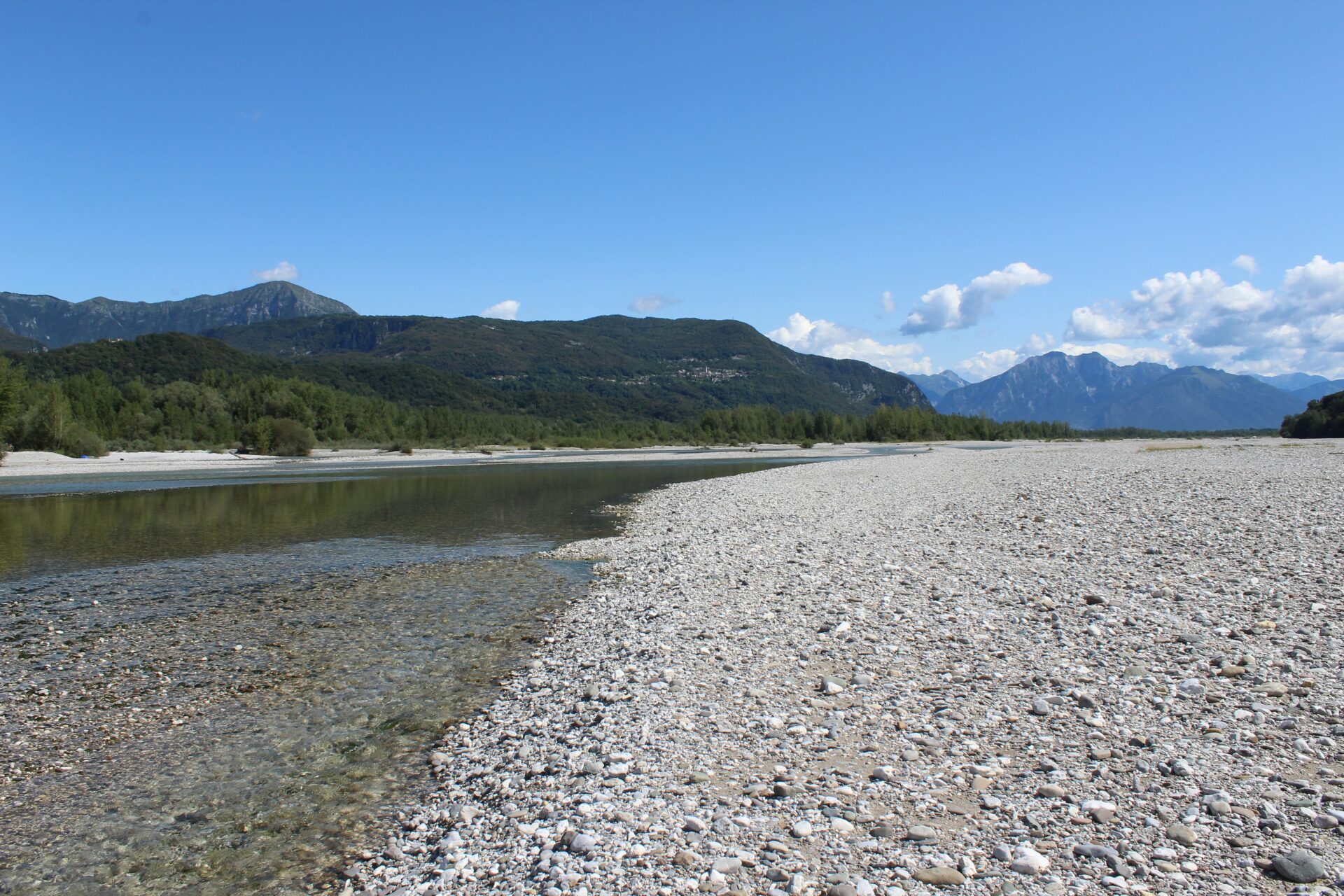
The river’s landscape is spatially complex and temporally dynamic. When I walked its gravel bars, I noticed distinct zones – from pioneer plants colonizing fresh gravel deposits to more established vegetation on older islands.
This river represents what many European waterways looked like before human intervention. Its preservation offers a glimpse into natural river morphology that has largely disappeared from the continent, making it an invaluable ecological reference site.
Environmental Significance
The Tagliamento River represents one of Europe’s last remaining natural braided river systems, providing critical ecological functions that extend beyond its channels. Its dynamic nature creates a mosaic of habitats that support remarkable biodiversity and serve as important reference sites for river restoration projects.
Biodiversity Hotspots
The Tagliamento’s braided river landscape serves as a refuge for numerous species. I’ve observed how its complex network of channels, gravel bars, and vegetated islands creates diverse microhabitats that support rich aquatic and terrestrial life. These areas function as important ecological corridors for wildlife movement.
Fish populations thrive in the varied flow conditions, from fast-moving currents to calm backwaters. During my research visits, I documented numerous bird species using the gravel bars for nesting and feeding, particularly endangered species that depend on these increasingly rare habitats.
The river’s natural flood regime maintains habitat diversity by periodically clearing vegetation and redistributing sediments. This process creates a patchwork of successional stages, from pioneer plant communities on newly formed gravel bars to established riparian forests.
Riverine Landscapes and Habitat Templates
I’ve studied how the Tagliamento provides an excellent example of a habitat template concept, where physical processes create patterns that shape biological communities. Its braided channels, expansive floodplain, and minimal human intervention make it an ideal model ecosystem for ecological research.
The river’s natural dynamics create what scientists call a “shifting habitat mosaic.” This means habitats are constantly changing in space and time as the river erodes banks and deposits sediments. These processes maintain high landscape-scale biodiversity.
Unlike many regulated rivers, the Tagliamento demonstrates natural connectivity in three dimensions: longitudinal (upstream-downstream), lateral (channel-floodplain), and vertical (surface-groundwater). This connectivity allows for essential nutrient cycling and energy flow through the ecosystem.
For researchers like me, the Tagliamento serves as a crucial reference site to understand how healthy, functioning river systems operate—knowledge that can inform restoration efforts on degraded rivers elsewhere in Europe.
The Dynamics of Water Flow
The Tagliamento River showcases fascinating water movement patterns that shape its unique braided landscape. Water flows through multiple channels, constantly shifting and creating a complex dance between the river and its floodplain.

Hydrology and Hydrologic Regimes
The Tagliamento’s flow changes dramatically throughout the year. During spring snowmelt, water levels rise significantly, transforming the normally calm channels into powerful streams. Summer brings lower flows, exposing more gravel bars.
I’ve observed how rainfall events trigger rapid changes in the river landscape. Flash floods can occur within hours, completely rearranging the channel network. These dynamic flow variations are essential for maintaining biodiversity in the ecosystem.
The river shows distinct inundation patterns during floods. What amazes me most is how quickly a multi-channel pattern reacts to changing discharge. During high flows, separate channels merge into a single powerful flow that covers the entire riverbed.
Groundwater-Surface Water Interactions
The Tagliamento’s gravel beds create unique connections between surface water and groundwater. Water moves freely between the river and the subsurface through these porous materials.
During my field studies, I noticed how groundwater emerges in certain areas, creating small springs and seeps that support specialized plant communities. These groundwater-fed habitats remain stable even when surface flows change dramatically.
The interaction creates what scientists call the hyporheic zone – a critical transition area that filters water and provides habitat for many organisms. This zone extends several meters below the riverbed and plays a vital role in nutrient cycling.

Sediment Transport Mechanisms
Sediment movement shapes the Tagliamento’s ever-changing landscape. The river carries everything from fine sand to large cobbles, distributing them according to flow energy.
During floods, I’ve watched the impressive power of the river move boulders weighing hundreds of pounds. This transport creates the characteristic gravel bars that give braided rivers their distinctive appearance.
Flow resistance varies throughout the channel network. Vegetation on established islands slows water movement, while bare gravel areas allow faster flows. This variation creates a mosaic of flow velocities that supports diverse aquatic habitats.
The continuous reworking of sediment prevents channel stabilization and maintains the dynamic nature of the braided system. Few rivers in Europe still demonstrate this natural process so clearly, making the Tagliamento an invaluable natural laboratory.
Human Impact and River Management
The Tagliamento River faces growing pressures from human activities despite its reputation as one of Europe’s last morphologically intact river systems. Various management approaches have evolved in response to competing demands for flood protection, resource extraction, and ecosystem preservation.
River Management Strategies
Traditional river management along the Tagliamento has focused on controlling the river’s natural braiding patterns through engineered structures. Flood protection measures include levees, dams, and bank reinforcements that restrict natural channel movement. These structures were built to protect nearby agricultural lands and settlements from the river’s unpredictable nature.
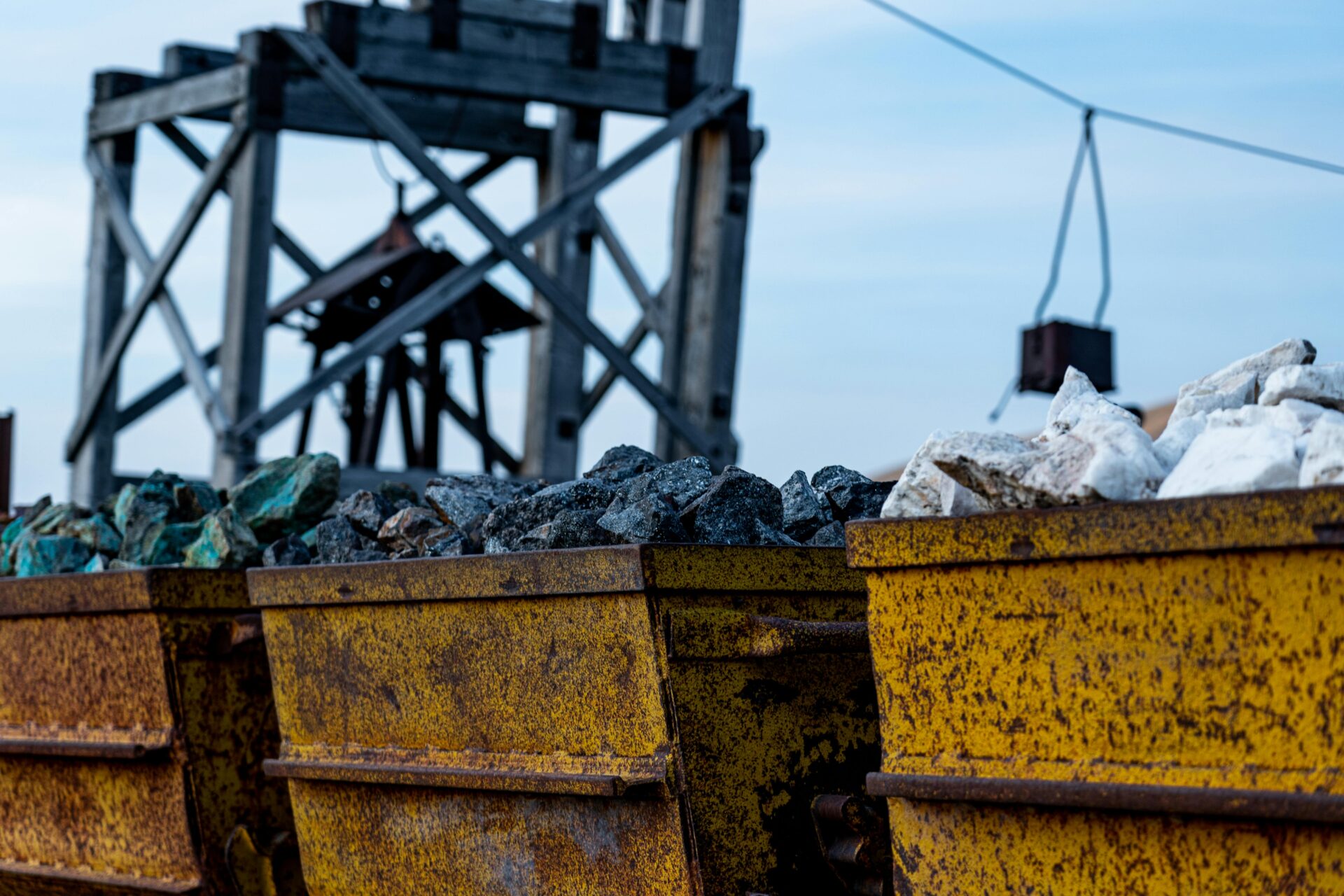
Gravel extraction has been a common practice, with mining operations removing material from the riverbed for construction purposes. This activity alters the river’s sediment balance and can lead to channel incision and bank erosion.
Irrigation systems divert water for agricultural use, especially in the lower reaches of the river. These diversions reduce water flow, particularly during dry summer months when the ecosystem is already under stress.
The Challenges of River Restoration
Restoration efforts face significant obstacles due to competing land uses and altered river dynamics. One key challenge is addressing the disconnection between the main channel and its floodplain caused by artificial embankments.
Contamination from municipal solid waste and agricultural runoff introduces pollutants that threaten water quality. Restoration must address these pollution sources while working to improve physical habitat conditions.
Climate change presents another challenge, bringing more extreme weather patterns that affect flow regimes. These unpredictable conditions make it difficult to design restoration projects that will remain effective long-term.
Finding funding for large-scale restoration projects is also difficult, as these initiatives often require substantial investment with benefits that may take years to materialize.

Balancing Use and Protection
Sustainable management of the Tagliamento requires careful balancing of human needs with ecological protection. Community involvement has proven essential, with local stakeholders participating in decision-making processes about river management.
Educational programs help residents understand the value of natural river processes. When people recognize how braided rivers provide natural flood protection and groundwater recharge, they’re more likely to support conservation efforts.
Economic alternatives to destructive practices are being developed. For example, ecotourism opportunities highlight the river’s unique character while providing sustainable income for local communities.
Adaptive management approaches allow for flexibility as conditions change. Rather than rigid control strategies, these approaches monitor river response to interventions and adjust accordingly, respecting the dynamic nature of braided river systems.
Exploring the Tagliamento: A Traveler’s Guide
The Tagliamento River offers visitors a rare glimpse into one of Europe’s last morphologically intact river systems. With its braided channels and over 600 islands, this natural wonder provides numerous opportunities for exploration and discovery.
Experiencing the Tagliamento’s Natural Wonders
I recommend visiting the Tagliamento during late spring or early fall when temperatures are most pleasant for outdoor activities. The river changes dramatically with the seasons, creating different landscapes throughout the year.
My favorite way to explore is by hiking along the riverbanks. The panoramic views of braided channels splitting and rejoining are simply breathtaking.
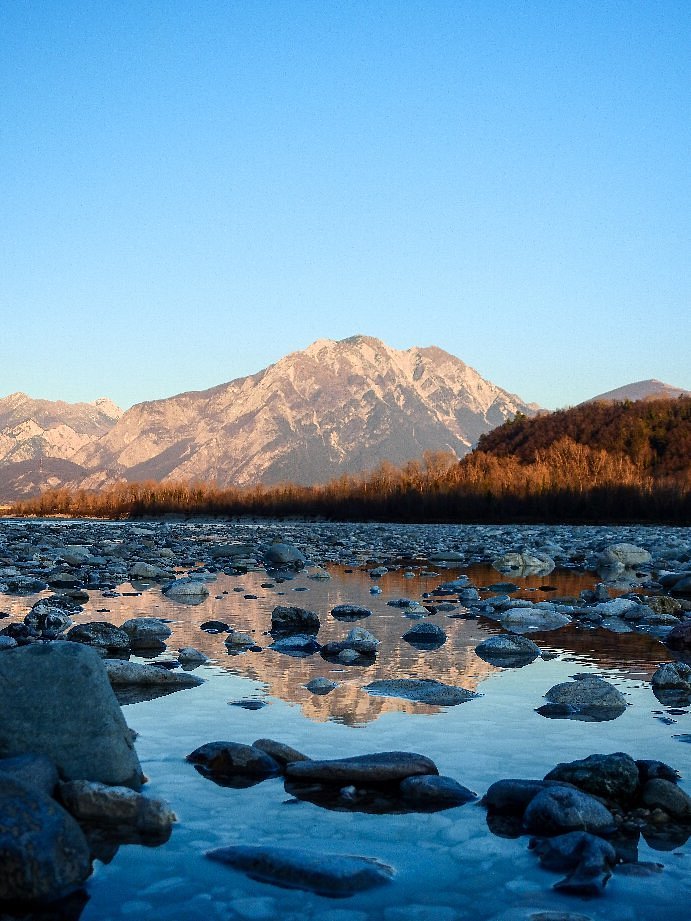
For photography enthusiasts, dawn and dusk provide magical lighting conditions when the water reflects the colorful sky. I’ve spent hours capturing these moments.
Kayaking through the gentle sections offers an intimate perspective of this dynamic ecosystem. Local outfitters provide equipment and guides who know the safest routes.
Best Viewing Points:
- Cornino Nature Reserve
- Osoppo highlands
- Pinzano bridge
- Dignano viewpoint

Responsible Tourism and Educational Opportunities
When visiting the Tagliamento, I always follow leave-no-trace principles. This fragile ecosystem depends on visitors respecting its natural balance.
Several local organizations offer guided ecological tours that explain the river’s unique features and biodiversity. These tours helped me understand how the braided structure creates diverse microhabitats supporting incredible species diversity.
The Tagliamento River Visitor Center provides excellent resources about the river’s geology, wildlife, and conservation efforts. Their interactive exhibits are engaging for visitors of all ages.
I encourage supporting local conservation initiatives by volunteering for river cleanup events or contributing to preservation funds. These efforts help maintain the river’s natural energy flow and ecological integrity.
Educational Resources:
- Visitor Center exhibits
- Guided ecology walks
- Seasonal wildlife watching programs
- Conservation workshops
Technological Advancements in River Studies
Scientists now use cutting-edge technology to study braided rivers like the Tagliamento. These tools help us understand river dynamics and ecological processes in ways that weren’t possible just a decade ago.
Modern Methods: UAVs and Numerical Modelling
I’ve watched researchers deploy Unmanned Aerial Vehicles (UAVs) along the Tagliamento River, capturing high-resolution imagery that reveals intricate channel patterns. These drones collect data in hours that once took weeks of fieldwork.
The aerial perspective shows how the river changes after floods, tracking the movement of sediment and formation of new channels. During my last visit, a research team used drones to map habitat connectivity for fish populations.
Numerical modelling has transformed how we predict river behavior. Complex algorithms now simulate floods, sediment transport, and channel migration with remarkable accuracy. These models help scientists forecast how the Tagliamento might respond to climate change or human interventions.

Advances in Geomorphology and Geochemistry
Walking along the Tagliamento’s gravel bars, I’ve seen geomorphologists using ground-penetrating radar to study subsurface structures without disturbing the landscape. This technology reveals hidden layers of sediment and ancient channel patterns.
Modern geochemical techniques analyze water samples to trace pollutants and nutrients through the river system. I was fascinated to learn how isotope analysis can determine the age and source of groundwater feeding the Tagliamento.
Remote sensing combines with field measurements to create detailed maps of vegetation development and river morphology. These approaches have documented how gravel bars transform into islands over time, supporting the river’s impressive biodiversity.
Scientists now use automated water quality monitors that continuously collect data. These help identify threats to this pristine ecosystem before they become serious problems.


