
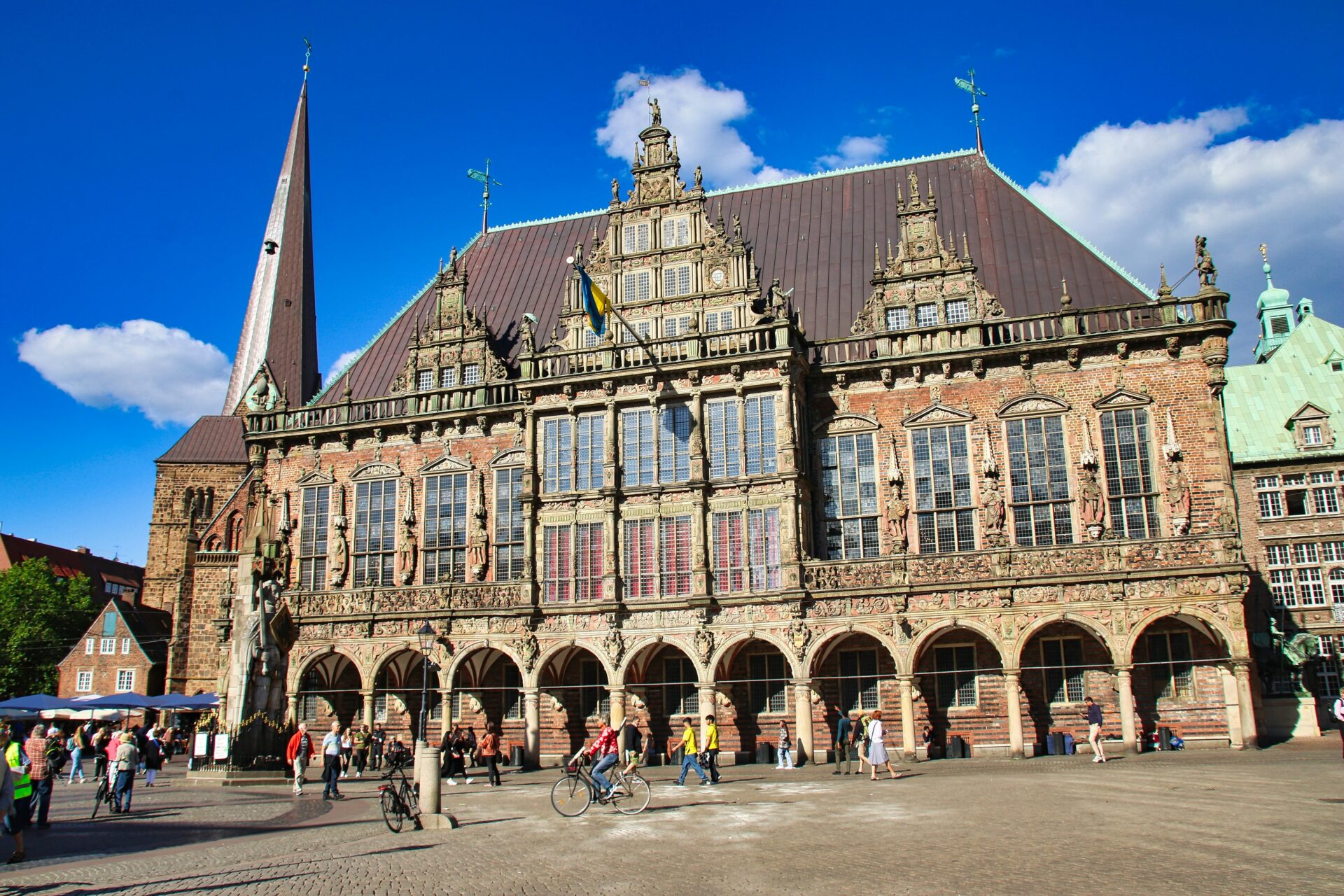
Standing in Bremen’s main square, I couldn’t help but stare at two landmarks that really capture the city’s long, fascinating story—its beautiful Gothic Town Hall and the towering Roland Statue.
These sites have stood for over 600 years, showing off Bremen’s civic pride, freedom, and independence from the days of the Holy Roman Empire. Their presence pretty much explains why UNESCO recognized them as World Heritage sites.
As I walked closer, a wave of awe hit me. I started thinking about all the events these buildings have seen and the generations of people who gathered here.
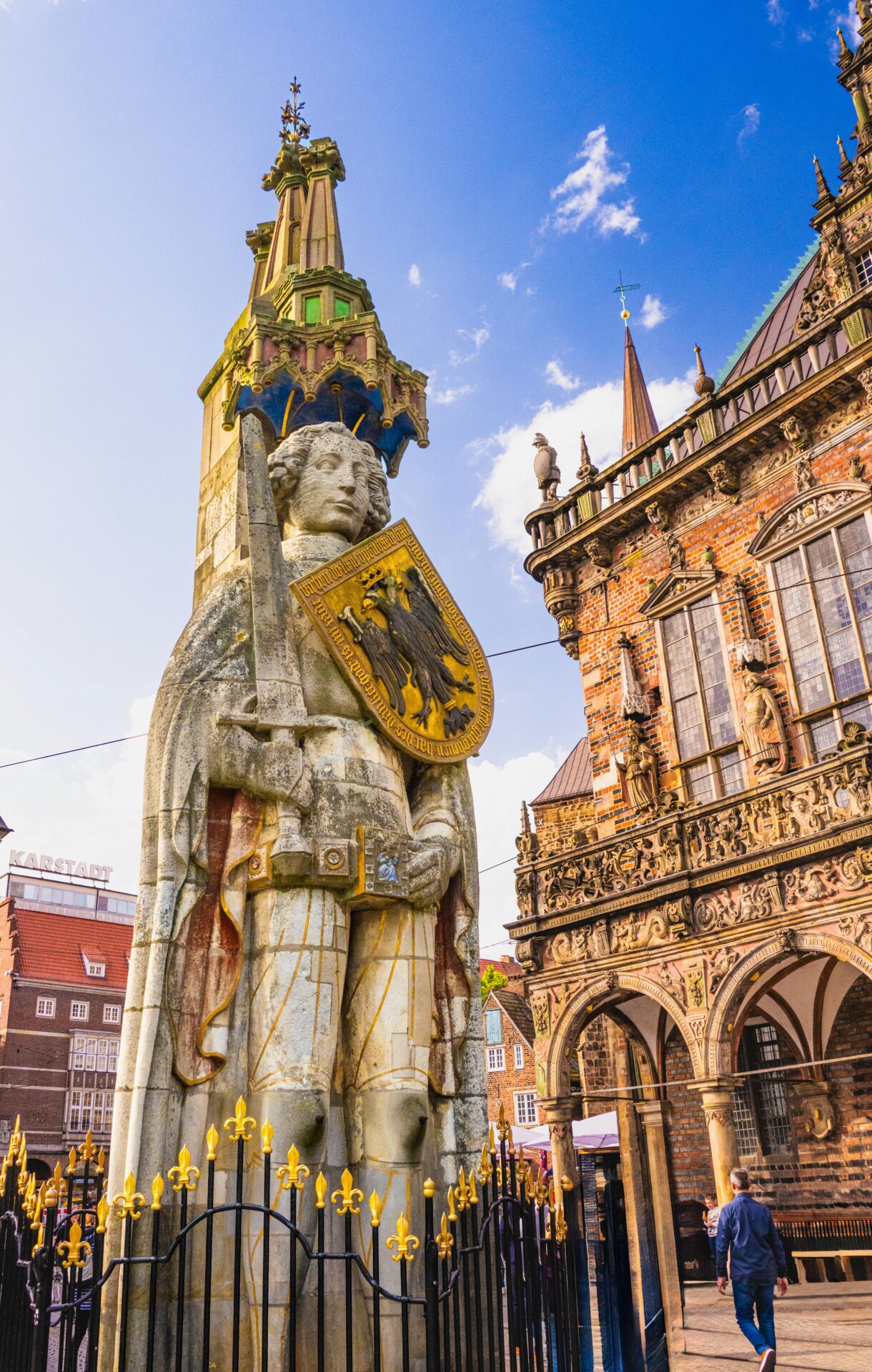
The Roland Statue, which rises over 10 meters, is actually the largest free-standing medieval statue in Germany. It’s a symbol of market rights and local liberty.
These monuments aren’t just historic stone and sculpture. They represent Bremen’s strong spirit, which still shapes city life today.
Visiting these sites made me realize they’re a must-see for anyone hoping to connect with history and understand where modern European freedom comes from.
Origins and Historical Significance of Bremen’s Town Hall
Bremen’s Town Hall sits right in the heart of the old town, acting as a symbol of the city’s long tradition of self-government.
Its story highlights Bremen’s role as a leading Hanseatic city and its deep sense of civic pride.
Establishment as a Hanseatic Power
Walking through Bremen, I can still feel the influence of the Hanseatic League. Back in the early 1400s, Bremen became a Free Hanseatic City and gained important rights in trade and governance.
As part of the Hanseatic League, Bremen joined up with a powerful network of merchant towns trading across northern Europe.
City leaders decided to build the Town Hall—locals call it the Rathaus—as a way to show off their achievements. They picked a prime spot in the market square, and the building became the administrative center for Bremen’s independent city government.
Here, leaders managed laws, shaped economic policy, and handled relations with other cities.
This focus on commerce and autonomy really shaped Bremen’s identity for centuries. The Town Hall turned into a symbol of the city’s status, helping Bremen stay influential even as times changed.
Gothic Foundations and the Weser Renaissance Transformation
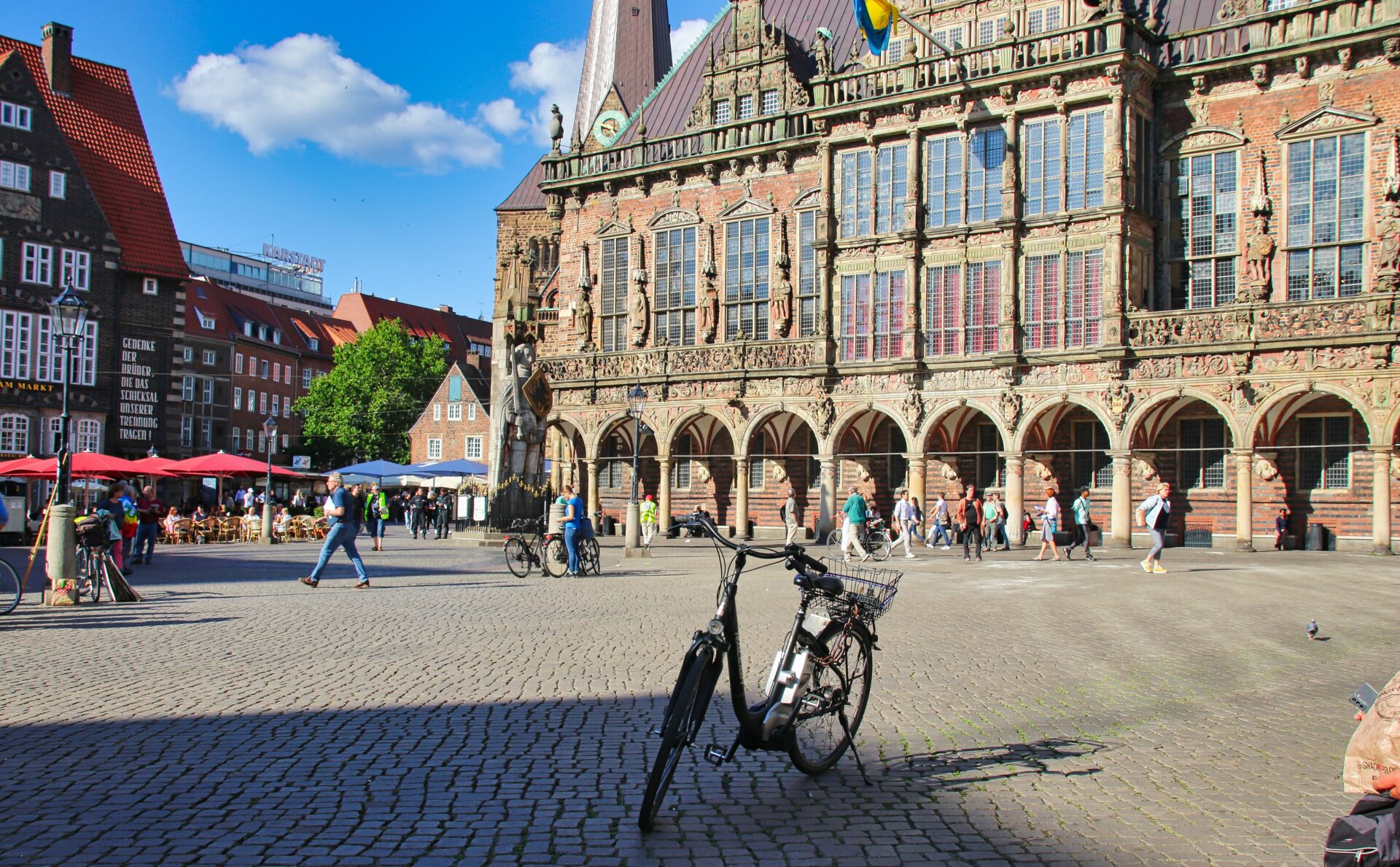
Looking at the building, I notice its early Gothic style, which was pretty common in North German towns during the fifteenth century.
The main hall, built between 1405 and 1410, shows off brick Gothic design: pointed arches, slender columns, and tall windows. It gives the Town Hall a strong yet graceful look.
About two centuries later, Bremen went through the Weser Renaissance. That’s when builders added the ornate façade, with beautiful stonework and decorative carvings.
This transformation really sets Bremen’s Rathaus apart. The sturdy Gothic walls mixed with lavish Renaissance details reflect both practicality and pride in local craftsmanship.
Now, these features blend into a one-of-a-kind architecture that tells the story of Bremen’s layered past.
Symbolism of Civic Autonomy
Standing in front of the Town Hall, I see its message loud and clear: Bremen cares deeply about its freedom.
Symbols built right into the structure and the nearby Roland statue shout autonomy, sovereignty, and market rights—the hallmarks of a Free Hanseatic City.
The Roland statue, set in the marketplace facing the Town Hall, stands for liberty and justice. Together, these monuments show Bremen’s right to self-rule and fair trade, both treasured by the Hanseatic League.
With these symbols, Bremen’s leaders made their independent spirit known. The Town Hall wasn’t just an office. It was a promise to protect the city’s rights—a legacy of civic autonomy that’s honestly both inspiring and rare.
The Roland Statue: Guardian of Freedom and Rights
The Bremen Roland statue stands in the marketplace as a reminder of deep-rooted civic autonomy and long-held rights.
Its size, legendary inspiration, and symbolism make it a big part of the city’s identity.
The Legend and Figure of Roland
When I first saw the Roland statue, its sheer height—over 10 meters—caught me off guard. Roland was a paladin of Charlemagne, famous for his bravery at the Battle of Roncevaux Pass.
During medieval times, Roland’s story became a symbol of justice and protection.
The statue shows Roland holding a sword and shield. He stands tall, not just as a hero, but as a promise to defend the city’s rights.
The neat lines of his armor and his steady stance really reflect his legendary strength and resolve.
Many cities put up Roland statues to show their desire for freedom. In Bremen, this figure became a rallying point for civic pride.
He stands as an example of courage that locals admired. Using this legendary hero ties Bremen’s history to European tales of chivalry.
Representation of Market Rights and Sovereignty
What struck me most about Bremen’s Roland was his meaning. Erected in 1404, this statue was more than art—it was a statement.
It showed that Bremen, as a Hanseatic city, claimed real rights like controlling its own markets and laws.
Key Features Linked to Civic Rights:
- Location: Right in front of Bremen Town Hall, making the point about self-governance clear.
- Sword: A bold sign of the city’s power to enforce justice.
- Open Eyes: Always watching over the town’s rights.
- Inscribed Shield: Bremen’s freedoms, written for all to see.
Every merchant and traveler in the market saw Roland as a symbol of Bremen’s independence. This brought a sense of security and pride to daily life.
The Roland statue became one of the largest free-standing statues of its time, really driving home Bremen’s sovereignty.
Steadfast Symbol Through 600 Years
For over six centuries, Bremen’s Roland has stood through wars, regime changes, and social shifts. He’s seen damage and repairs, but he’s still a familiar sight in town.
His long history shows Bremen’s ongoing fight for civic autonomy and self-determination.
People gather around him for festivals, protests, or public meetings, keeping the statue at the heart of community life.
Roland’s presence stands as a steady reminder of the city’s resilience. The ideals he represents—freedom, fairness, and local rule—have stuck around and still inspire.
The World Heritage designation just confirms how important he is, not only for Bremen but as part of a bigger European story about cities shaping their own destinies.
UNESCO World Heritage Recognition
Bremen’s Town Hall and Roland Statue stand out as cultural monuments because of their deep link to European history and self-government.
Their spot on the UNESCO World Heritage List highlights their universal value and Bremen’s efforts to keep them authentic for future generations.
Criteria for Outstanding Universal Value
UNESCO added the Town Hall and Roland Statue to the World Heritage List in 2004. The main reason? They show the rise of civic autonomy and independence in the Middle Ages under the Holy Roman Empire.
European cities like Bremen gained freedoms, and these two monuments reflect that. The Town Hall, built in 1405, became a symbol of local self-government.
The Roland Statue, from 1404, stands for market rights and civic liberty.
UNESCO wants “outstanding universal value”—something that matters to everyone, not just locals. Bremen’s monuments fit the bill. They made the list because they show how urban society and free city status developed in Northern Europe.
Conservation of Authenticity
One thing I really noticed: Bremen puts a lot of effort into keeping these sites true to their roots. The city conserves the original Gothic design in the Town Hall and protects the Roland Statue from damage or major changes.
Authenticity is key for any UNESCO World Heritage Site. Bremen has protected both buildings through careful restoration and preservation.
Experts use traditional methods and materials, making sure the sites keep their 15th-century look and feel.
The local council works closely with historians and architects to manage repairs. Strict rules limit changes that could affect the monument’s historic appearance.
Because of this, the Town Hall and Roland Statue remain authentic pieces of world heritage, recognized by UNESCO.
Architectural Marvels and Iconic Landmarks
Bremen’s Town Hall and Roland Statue have survived more than six centuries. Their architecture, location on the historic marketplace, and the details inside and out all echo stories from the city’s past.
The Marketplace and the Heart of Bremen
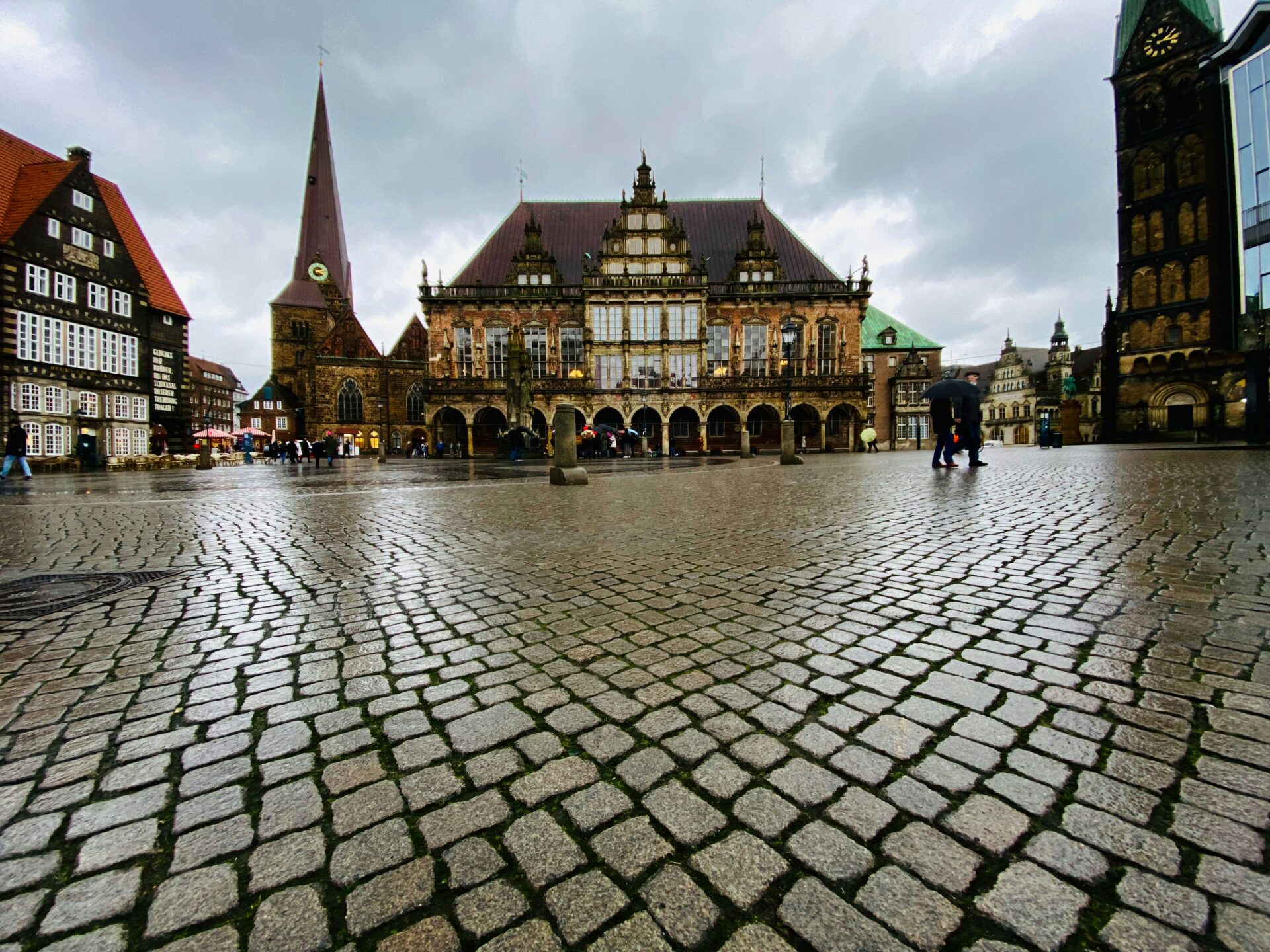
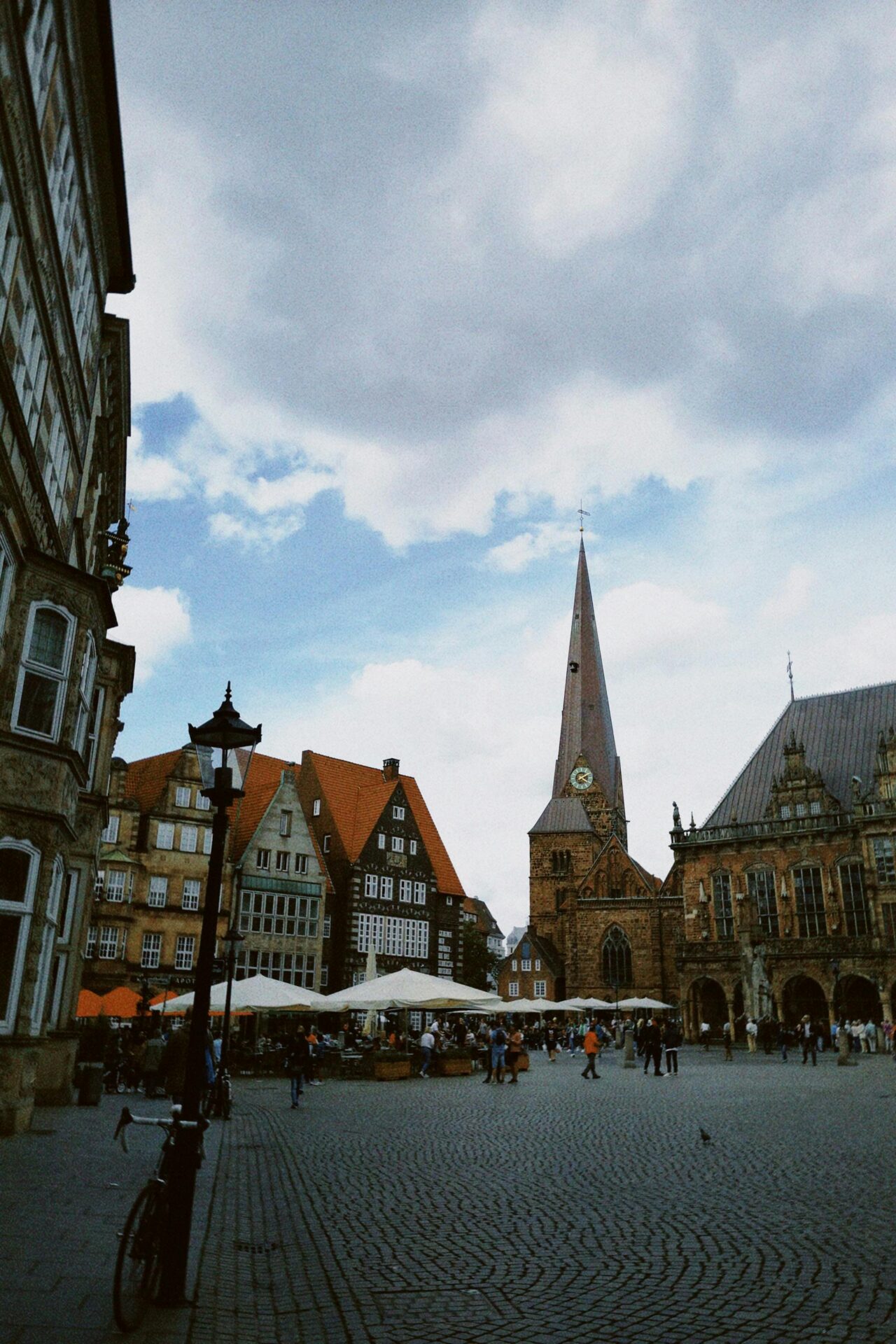
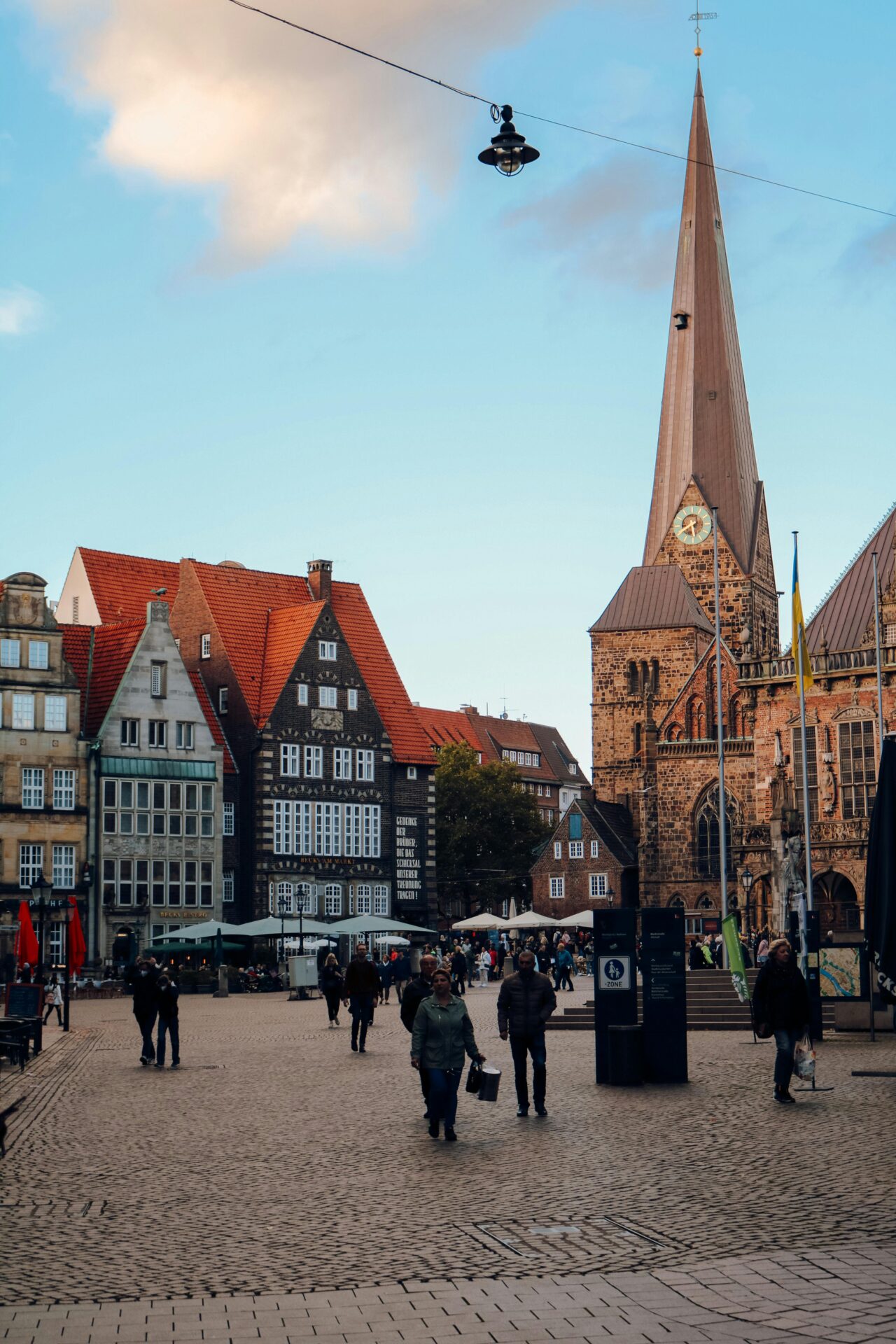
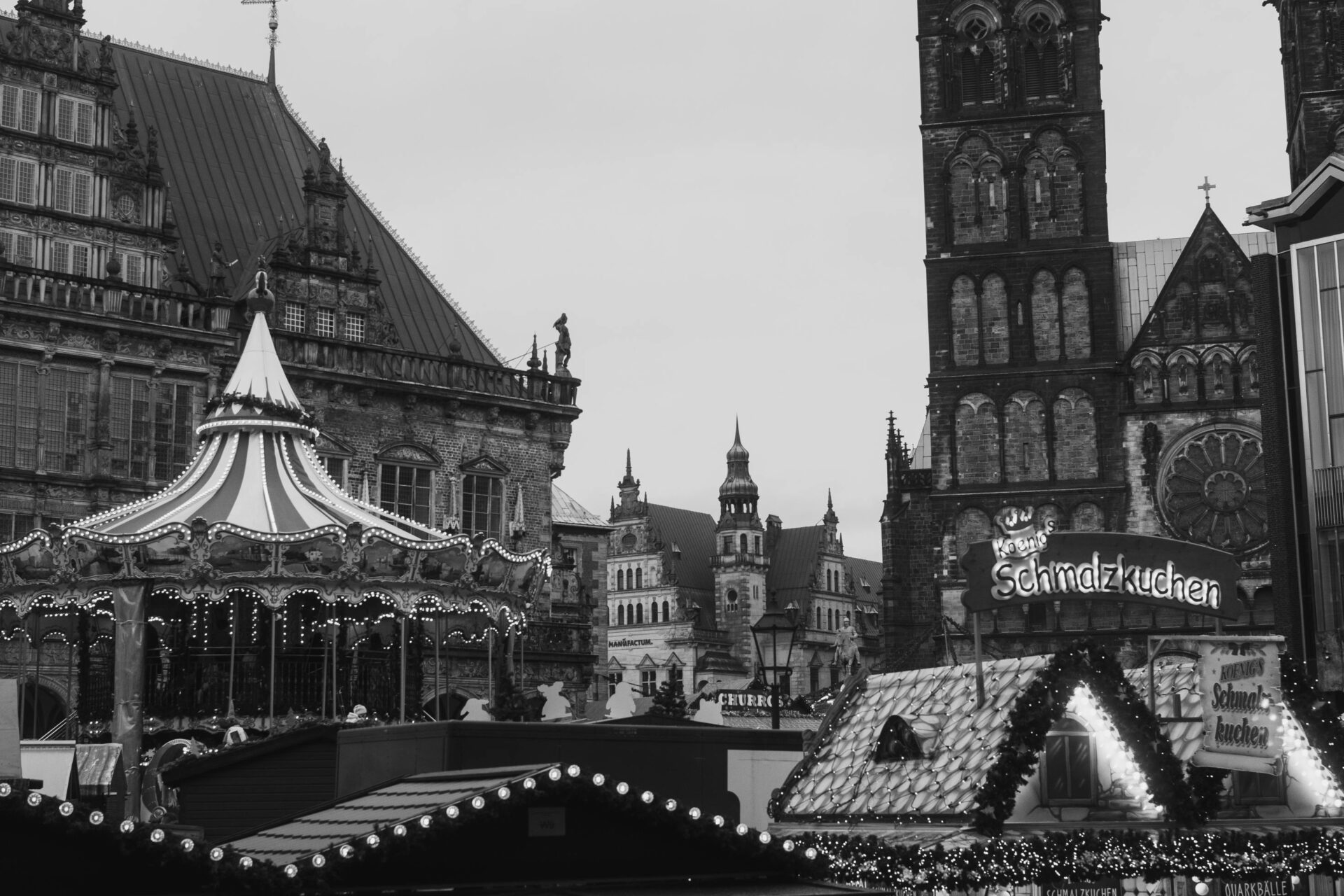
When I stepped into Bremen’s market square, I immediately noticed how the Town Hall and Roland Statue command attention.
The square is the city’s traditional gathering place, lined with brick buildings and open spaces. Both locals and visitors gather here to soak in the historic heart of Bremen.
The Town Hall sits right next to the Roland Statue, making it obvious why both are iconic landmarks. The Roland Statue, at over 10 meters tall, grabbed my attention with its detailed features and strong presence.
It’s symbolized freedom and market rights for the city since the Middle Ages.
Standing on this lively square, I felt tied to Bremen’s long history of trade and civic pride. The site also serves as a testament to the city’s autonomy within the Holy Roman Empire.
Gothic and Renaissance Architectural Details
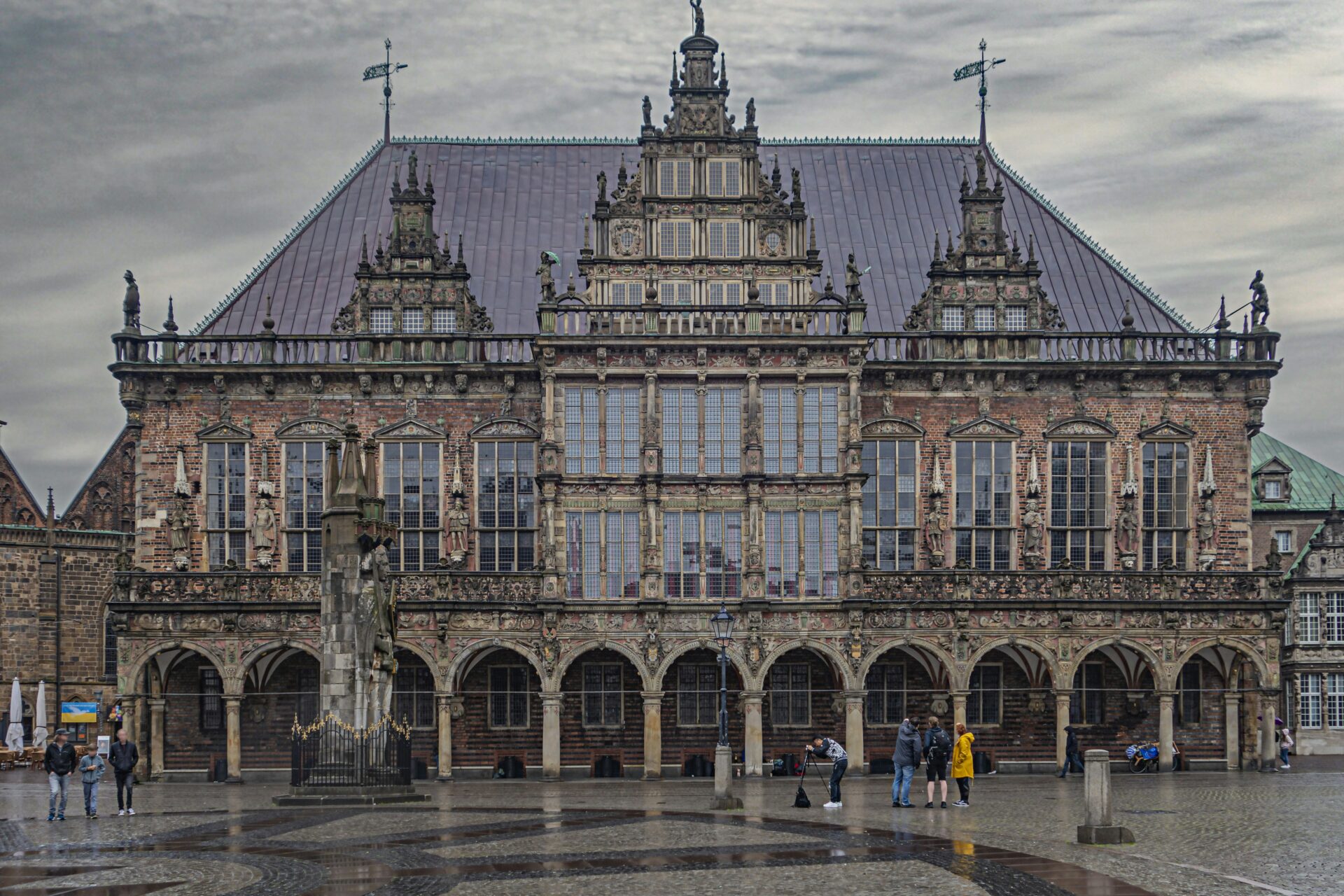
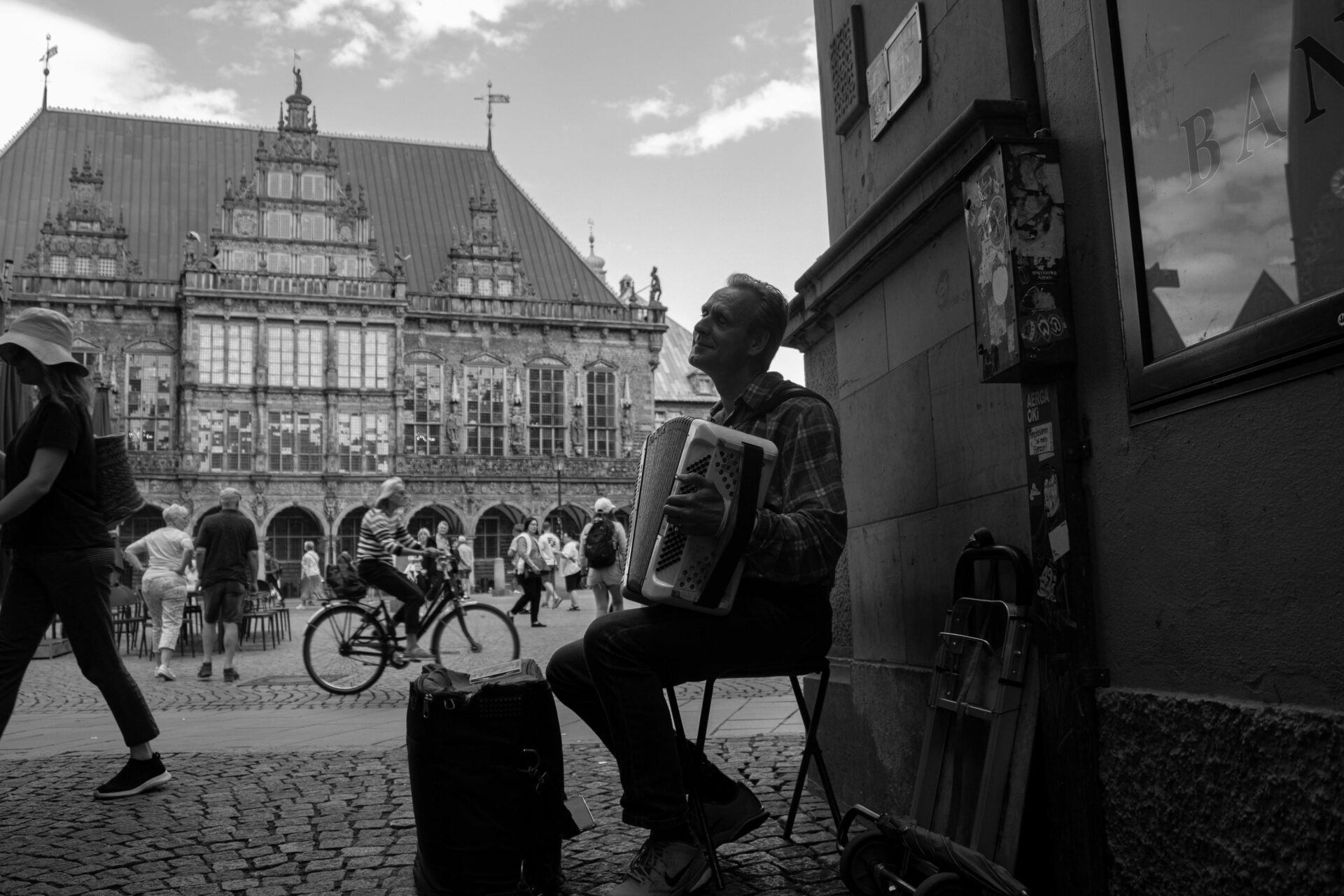
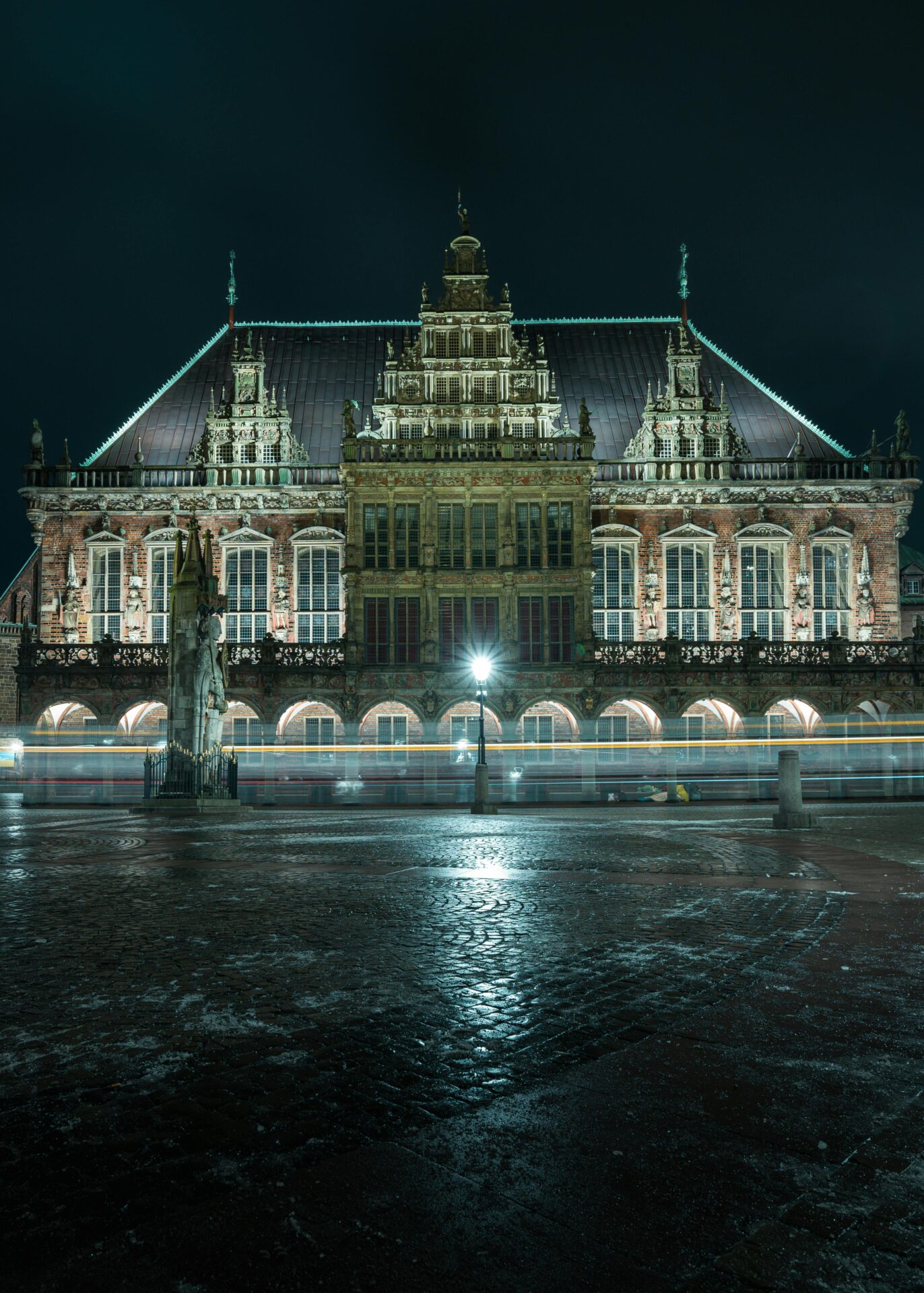
The Town Hall’s facade really stands out with its mix of Gothic and Weser Renaissance styles.
The older part, built in the early 1400s, features pointed arches, delicate tracery, and ornate designs typical of High Gothic architecture.
Later, in the early 17th century, builders added Weser Renaissance details—decorative gables, columns, and stone carvings that give the building extra flair.
The contrast between the late medieval and Renaissance elements is both striking and harmonious.
Sculpted figures and reliefs decorate the facade, telling stories about Bremen’s history and values. There’s a nice balance of elegance and strength in the design.
The Ratskeller Vaults
Beneath the Town Hall, I found the Bremen Ratskeller, a vaulted wine cellar that’s been serving the city since 1405.
The architecture down here is just as impressive as what’s above, with broad brick arches and heavy timber doors.
The vaults hold one of Germany’s oldest wine cellars, with barrels that date back centuries. I saw long wooden tables, thick stone pillars, and rows of aging bottles—each detail adding to the sense of tradition.
The Ratskeller is more than a cellar. It’s a living part of Bremen’s legacy, where locals still gather to enjoy meals and regional wines in a space that echoes hundreds of years of civic life.
Experiencing Bremen Today: Guided Tours and Local Culture
Bremen offers a unique mix of history, lively neighborhoods, local food and wine, and a deep connection to the Weser River.
During my visit, I saw how these elements combine to create a city that feels both welcoming and steeped in tradition.
Exploring Guided Tours of Town Hall and Roland
Guided tours are honestly the best way to dive into Bremen’s Town Hall and Roland Statue. There are tours in both English and German, with daily schedules, so you can join even if you’re short on time.
My guide shared stories about the building’s 600-year-old history and pointed out details I would’ve missed on my own.
The Town Hall’s Upper Hall and the Golden Chamber stand out, each with its own story. Hearing about the Town Hall’s role in civic freedom and its UNESCO World Heritage status since 2004 really put things in perspective.
The Roland Statue nearby stands as a symbol of Bremen’s independence and justice, and tours always stop here for photos and a bit of history.
Guided Tour Highlights:
- Entry ticket included
- Access to historic interiors
- Expert local guides
- Commentary in multiple languages
Tours usually last about an hour, so you can fit one in no matter how packed your itinerary is.
The Schnoor Quarter and Nearby Attractions
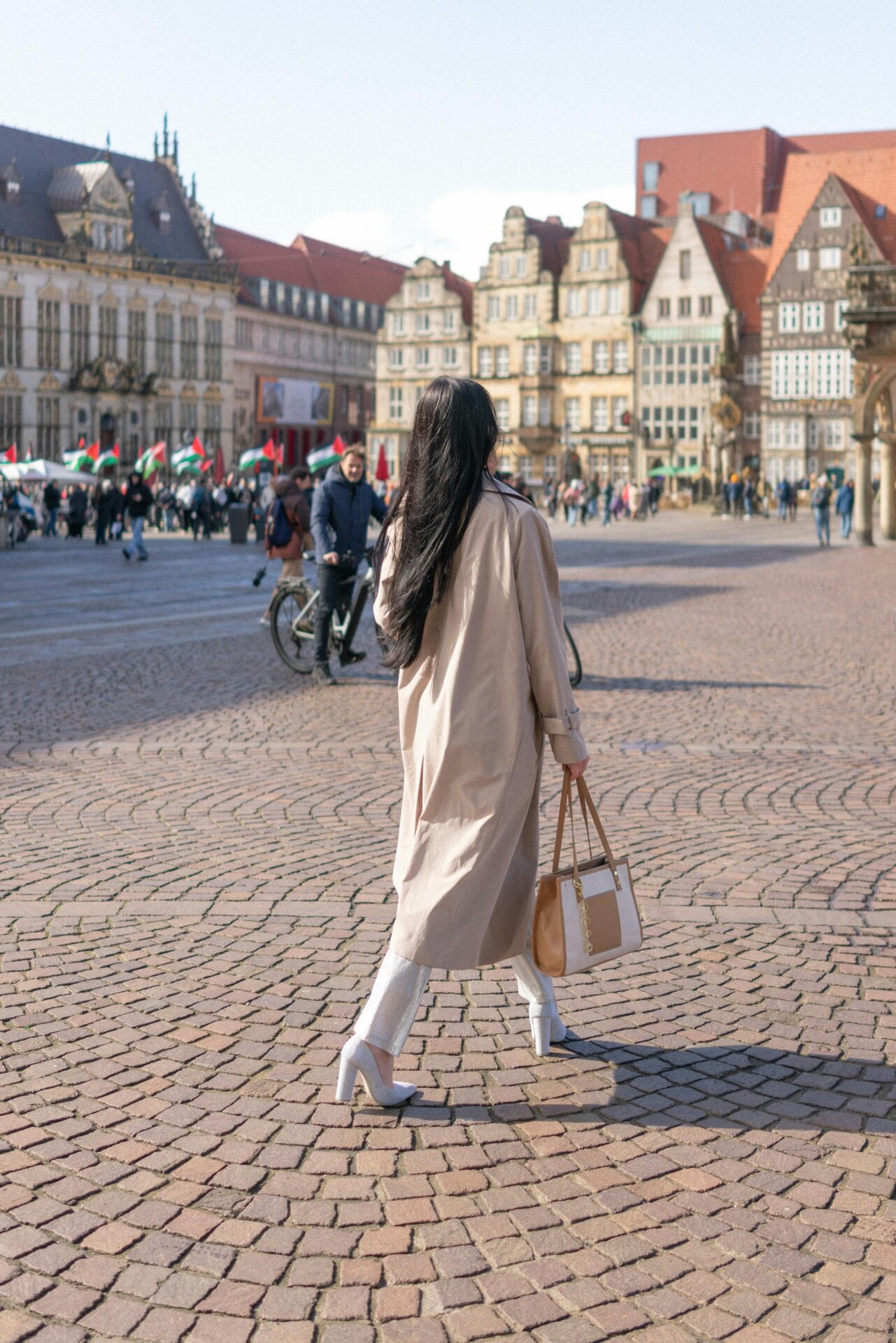
After leaving the Town Hall, I wandered into the Schnoor Quarter—Bremen’s oldest district. Those narrow lanes and crooked, half-timbered houses really pulled me in. Tiny shops popped up around every corner, and suddenly, I felt like I’d tumbled straight into another century.
Schnoor’s got this quirky, handmade vibe. You’ll spot art galleries, little cafés, and all sorts of crafts tucked into the old buildings. Apparently, fishermen and rope makers used to call this place home, which probably explains its historic charm.
Compared to the busy Marktplatz, Schnoor felt almost peaceful. I slowed down and let myself get a bit lost, which honestly is the best way to explore here.
The whole district is easy to walk, and every street seems to have its own personality. Not far off, there’s Böttcherstraße—a spot that’s famous for expressionist architecture and some pretty cool museums.
I get why so many travelers put Schnoor at the top of their Bremen list. There’s just something about it.
Savoring German Wines in the Ratskeller
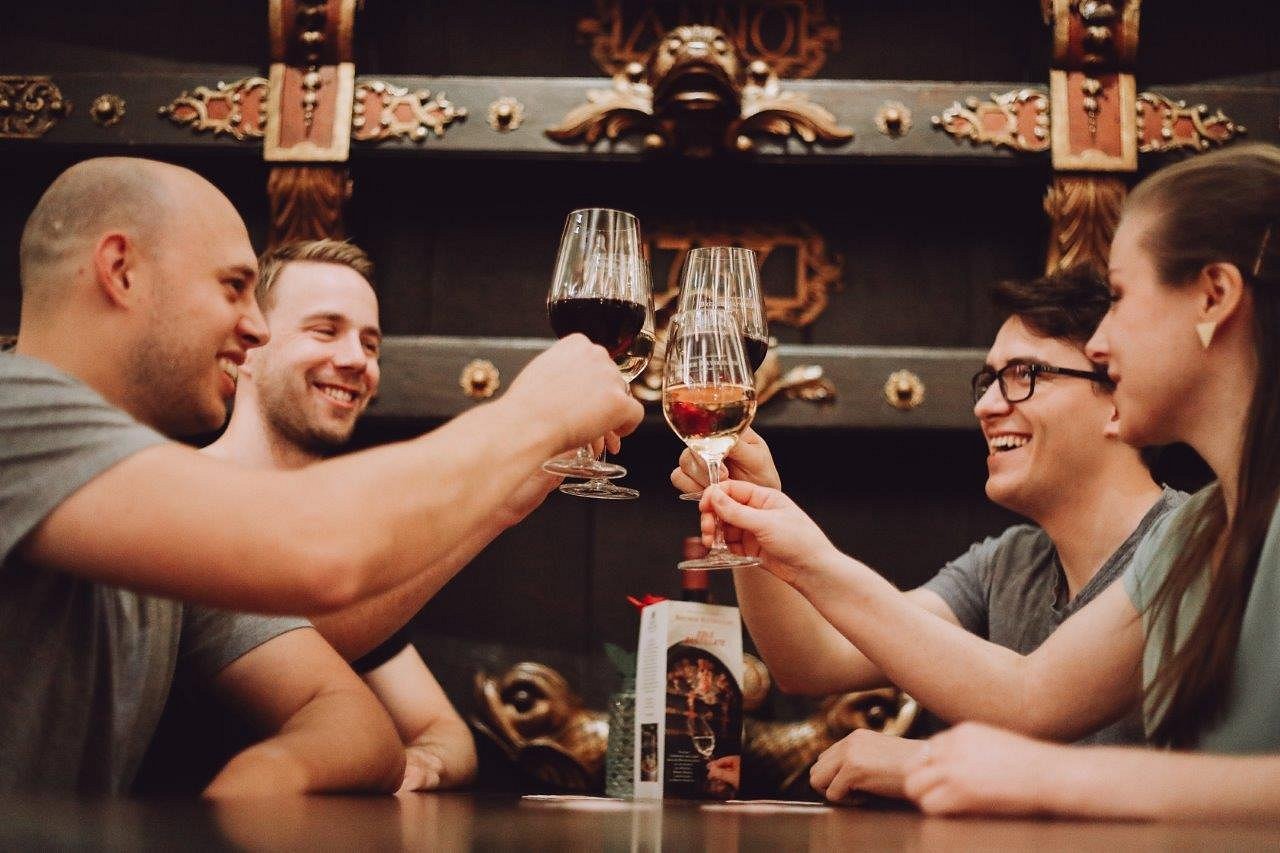
When I wanted a real taste of local culture, I ducked into the Bremen Ratskeller, hidden right beneath the Town Hall. This place has been serving wine for centuries, and you can feel the history in those stone walls.
Their wine cellar is legendary. Some bottles have been aging down there for over 300 years, which is wild to think about.
The menu’s packed with German wines from regions like Mosel, Rheingau, and Pfalz. I went for a flight of Rieslings and chatted with the staff—they know their stuff and love sharing stories about the cellar’s past.
If you’re hungry, the restaurant does classic German food. It’s the kind of spot where you want to linger over your meal, glass in hand, soaking up the atmosphere.
Wine highlights at Ratskeller:
- Over 600 German wines to choose from
- Guided tastings if you’re curious
- Vaulted ceilings add to the historic feel
Honestly, Ratskeller isn’t just a restaurant. It’s woven into Bremen’s story, and skipping it would be a real miss.
The Weser River’s Role in Local Life
The Weser River really shapes daily life in Bremen. I wandered along its banks and spotted locals jogging, riding bikes, or just relaxing at riverside cafés.
On sunny days, the riverfront buzzes with energy. You’ll find markets popping up and outdoor events filling the air with music and laughter.
People love hopping on boat cruises here. It’s a great way to take in the city from the water—there’s just something about that perspective you can’t get on land.
Ferries crisscross the river, connecting neighborhoods that feel a bit off the beaten path. If you’re itching to explore beyond the center, these ferries are a lifesaver.
Fishing boats glide by, and every so often, a cargo ship rumbles past. It’s a constant reminder: the Weser has anchored Bremen’s trade and history for centuries.
Sometimes, I just stop along the river walks and watch it all unfold. There’s a quietness there, even with the city humming nearby—a perfect spot to pause and soak up the rhythm of Bremen.