
The Sierra Nevada mountains shoot up from California’s eastern edge, a wild wall of granite and snow stretching for 400 miles. When John Muir first set eyes on these peaks, he called them the “Range of Light.” That name just fits—sunlight really does dance across those pale granite faces in a way that’s hard to describe until you see it.
I’ve spent a good chunk of my life wandering through this wilderness, from the ancient groves of giant sequoias to granite domes that almost seem to scrape the clouds.
California’s High Sierra has shown me why it’s one of America’s most awe-inspiring natural wonders. Here, you find three national parks, wild backcountry, and trees older than most civilizations. The Sierra Nevada feels like a place where stories are carved into stone and bark—gold rush legends, conservation battles, and quiet moments that stick with you long after you leave.
I want to bring you along for some of my favorite discoveries. There were mornings when I stood among sequoias older than the Roman Empire, and evenings when the sunset painted the granite peaks in wild shades of gold and pink. There’s just something about the Range of Light that keeps pulling people back.
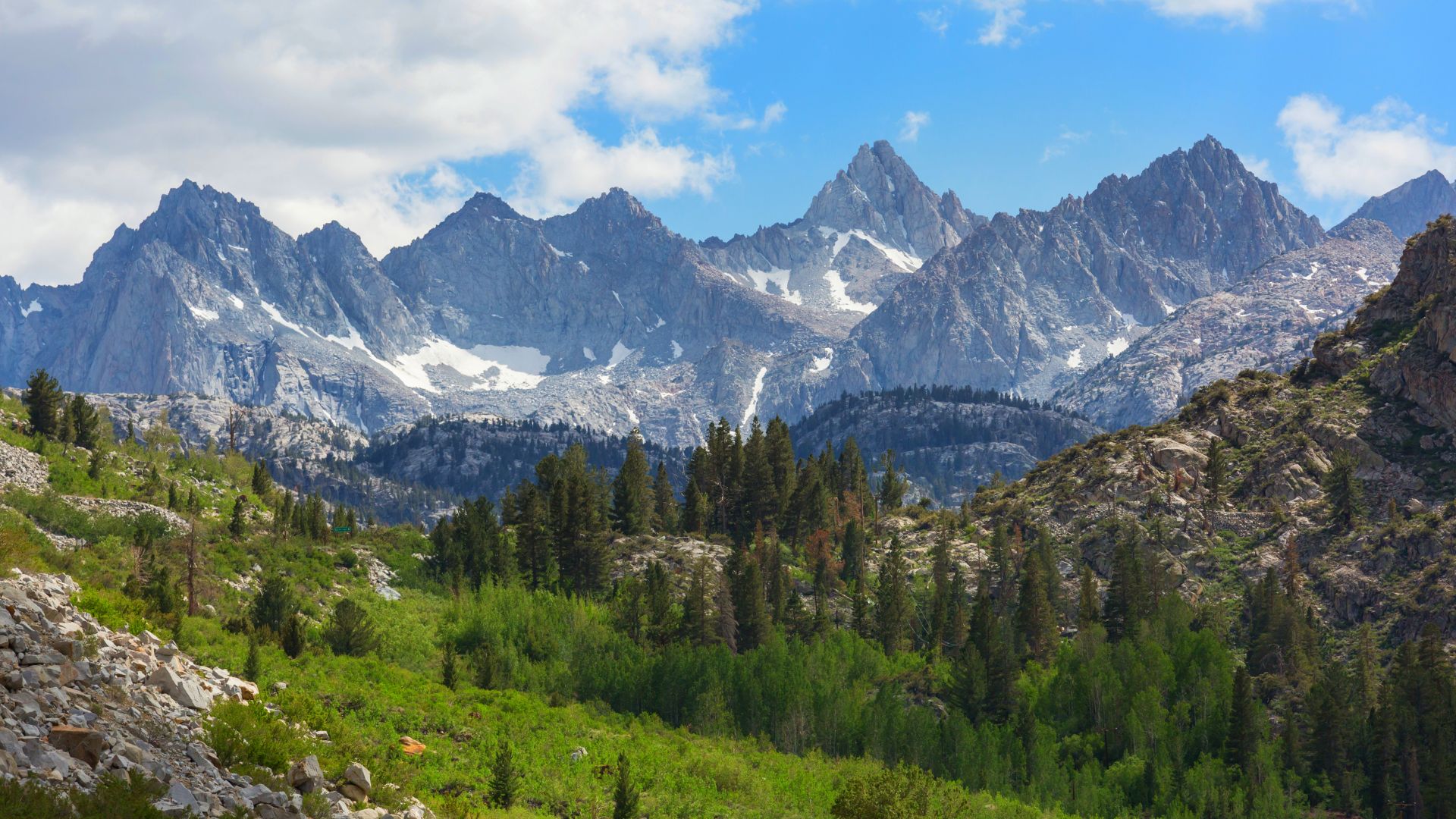
Discovering California’s High Sierra
The Sierra Nevada stands out as one of North America’s most iconic mountain ranges. It’s shaped by millions of years of upheaval and home to ecosystems that shift dramatically as you climb.
Origins of the Range of Light
John Muir coined the nickname “Range of Light” in the 1870s. He noticed how the granite peaks caught sunlight and seemed to glow all day long.
That’s honestly what hits me every time I’m up there. At sunrise and sunset, the granite shines gold. By midday, it’s almost blindingly bright, reflecting sunlight for miles.
Muir spent years exploring these mountains and wrote about how the granite domes and cliffs seemed to soak up the sun, then release it slowly. The whole place feels luminous, almost magical.
The Sierra Nevada stretches 400 miles up California. It rises from the Central Valley’s flat fields to over 14,000 feet at its highest points. That kind of elevation change sets the stage for some pretty wild light shows.
Geological Formation of the Sierra Nevada
About 200 million years ago, the Sierra Nevada started to take shape. Volcanic eruptions and tectonic shifts pushed huge slabs of granite up through the earth.
Major Geological Processes:
- Volcanic eruptions laid down the first rocks
- Granite intrusions built the core of the range
- Glaciers carved out valleys and polished the granite
- Tectonic uplift keeps shaping the mountains even now
Glaciers had a huge hand in sculpting the Sierra’s look. They carved out deep valleys like Yosemite and smoothed the granite domes you see everywhere.
That granite is what makes the Sierra so distinctive. Half Dome and El Capitan in Yosemite are probably the most famous examples. These giants emerged as softer rocks eroded away over eons.
Volcanic activity hasn’t disappeared. The Mono-Inyo Craters on the east side are proof—some of those craters showed up only 600 years ago.
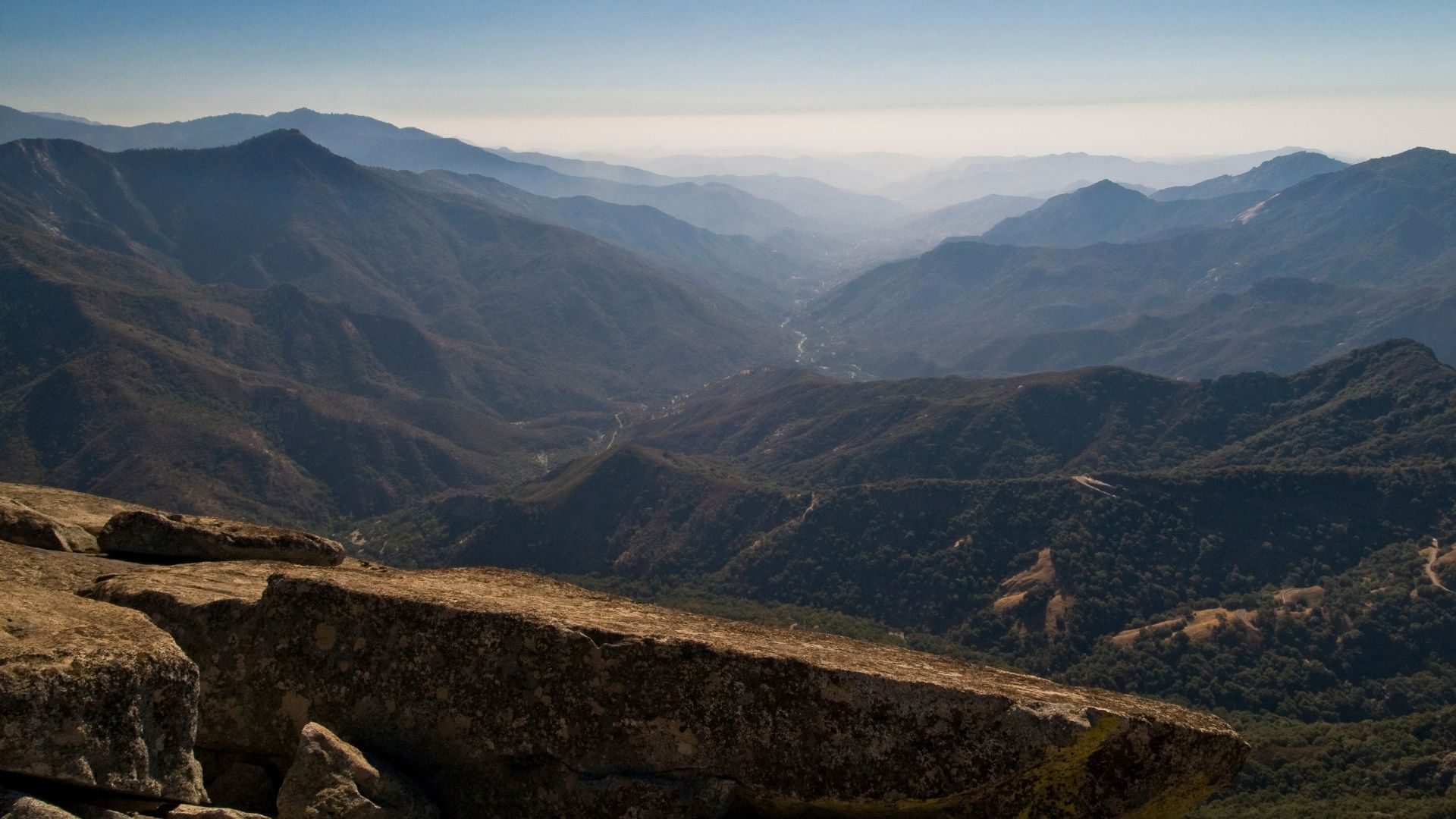
Ecosystem Diversity and Climate Zones
The Sierra Nevada is home to five climate zones, each stacked on top of the next as you climb. Every zone hosts its own cast of plants and animals, all adapted to their little slice of the mountain.
Sierra Nevada Climate Zones:
| Zone | Elevation | Key Species |
|---|---|---|
| Foothill Woodland | 500-3,000 ft | Blue oak, manzanita |
| Montane Forest | 3,000-6,000 ft | Ponderosa pine, black oak |
| Subalpine | 6,000-9,000 ft | Red fir, lodgepole pine |
| Alpine | 9,000-11,000 ft | Whitebark pine, mountain hemlock |
| Nival | Above 11,000 ft | Cushion plants, alpine grasses |
Giant Sequoias only grow in the montane zone, between 5,000 and 7,000 feet. They need just the right mix of temperature and moisture—no more, no less.
I’ve always been amazed at how fast the landscape changes as you climb. Desert brush gives way to oak woodlands almost instantly. Go higher, and dense pine forests take over.
The wildlife shifts too. Black bears and mule deer roam the lower forests. Up high, you might spot mountain goats or hear pikas squeaking among the rocks. Every animal seems perfectly dialed in to its own elevation.
Giant Sequoias: Marvels of the High Sierra
These ancient trees are living monuments, some older than the pyramids. I’ve wandered through groves in Sequoia National Park and nearby forests, and honestly, nothing prepares you for standing at the base of a sequoia.
Ancient Groves and the Story of the Giant Sequoia
Giant sequoias grow naturally only on the Sierra’s western slopes. They thrive between 5,000 and 7,000 feet—nowhere else on earth.
They need deep soil, steady moisture, and cool temps. Fire is actually essential for their survival, which still feels counterintuitive every time I hear it.
Key Facts About Giant Sequoias:
- Some live more than 3,000 years
- Heights can reach 280 feet
- Base diameters up to 30 feet
- Bark is 12-18 inches thick and fire-resistant
Giant sequoias aren’t the same as coastal redwoods. They’re shorter but much thicker, and they grow in totally different climates.
These trees drop seeds after a forest fire. The heat cracks open their cones, and the cleared ground gives seedlings a fighting chance.
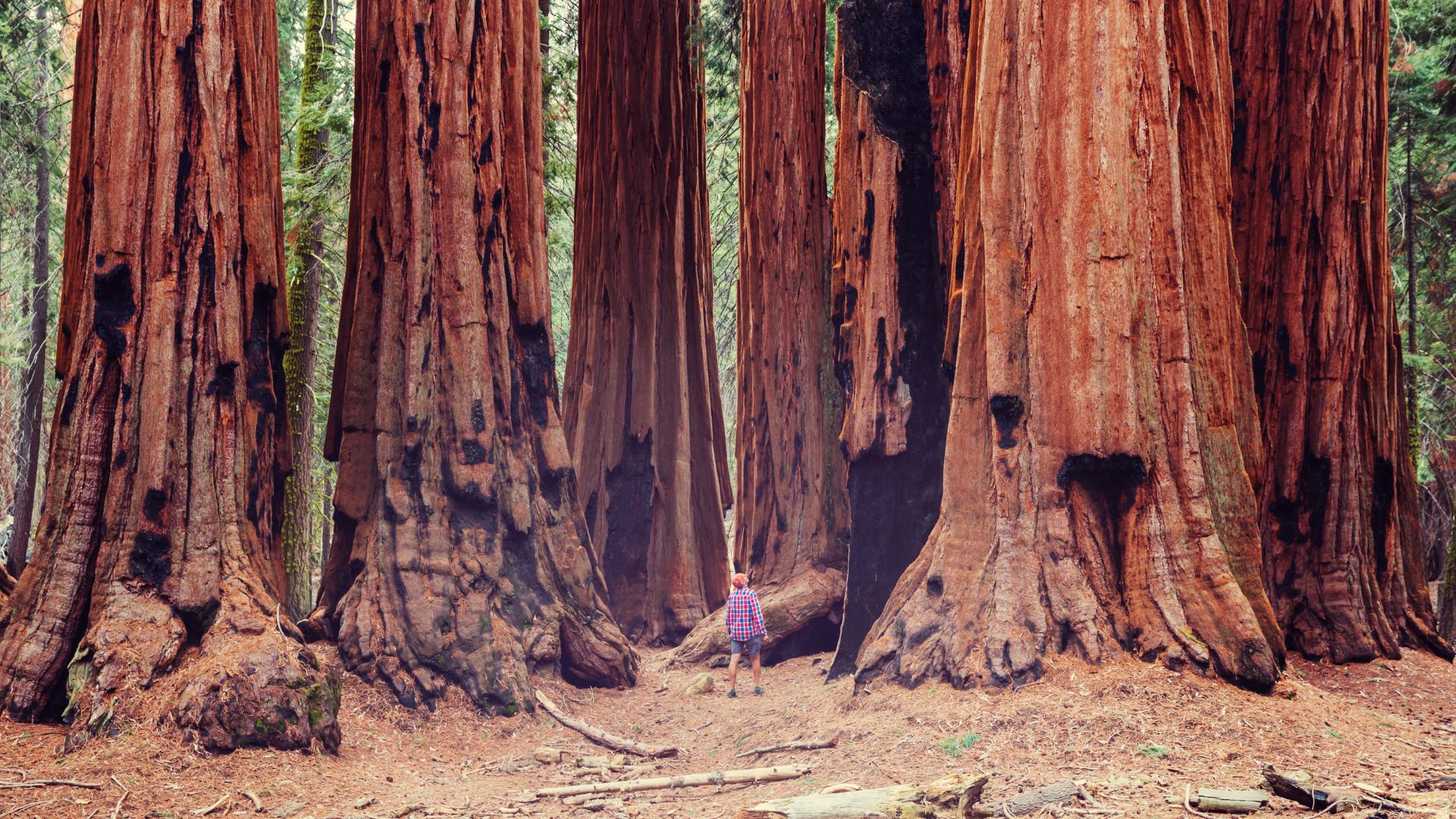
Unforgettable Visits: Sequoia National Park Highlights
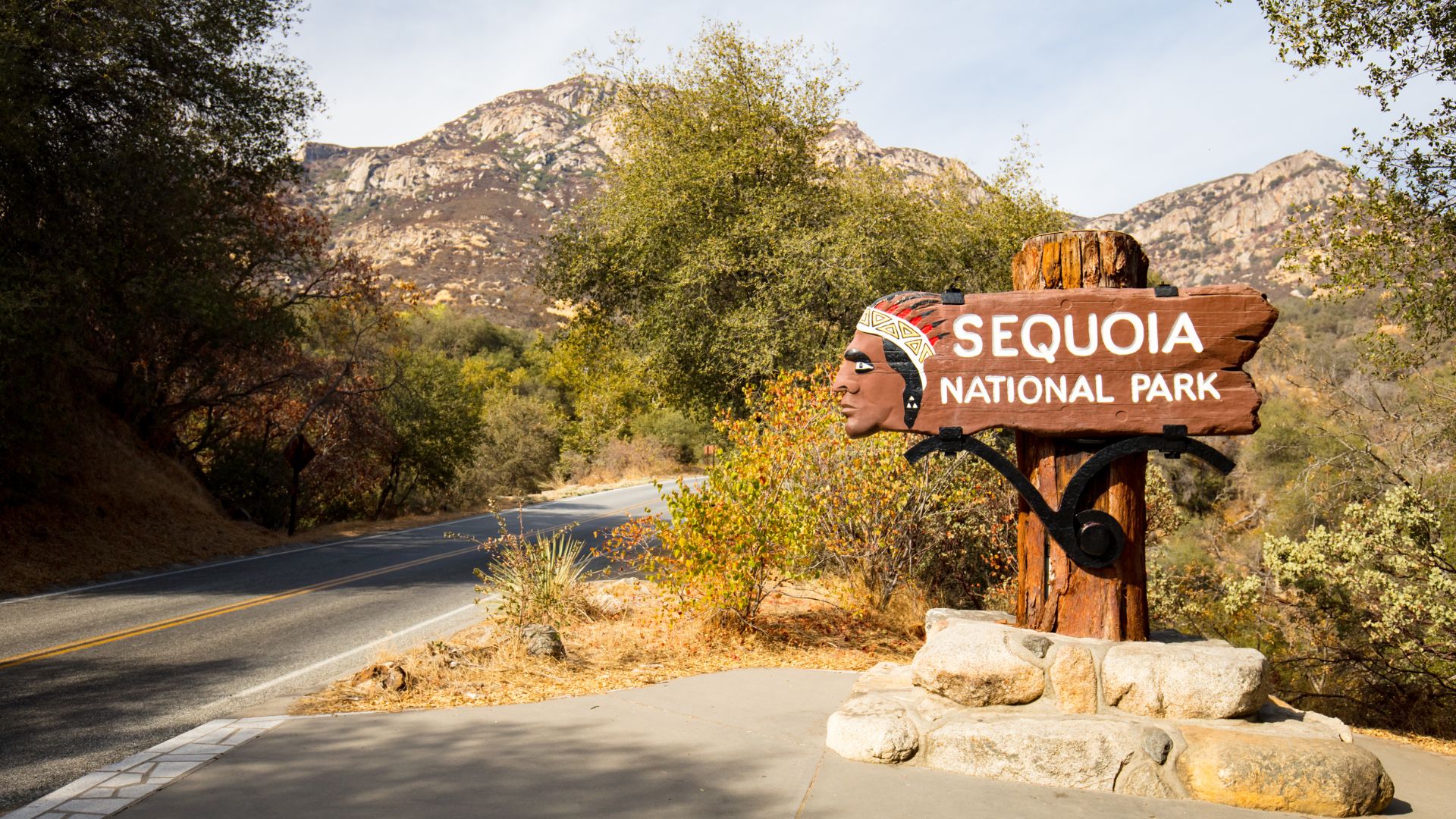
Sequoia National Park blew me away with its groves of ancient giants. The park protects over 75 groves, and each one feels like a cathedral.
I started out on the General Sherman Trail. It’s a short, easy walk, but you end up face-to-face with the world’s largest tree by volume. General Sherman stands 275 feet tall and measures 102 feet around at the base.
The Giant Forest has over 8,000 mature sequoias. I lost track of time just wandering the paved trails, craning my neck at every turn. The Congress Trail links several famous trees in a pleasant loop.
Must-See Trees in the Park:
- General Sherman (biggest by volume)
- General Grant (runner-up)
- President Tree
- Senate Group
- House Group
Near the sequoias, the Lodgepole Pine area makes a nice contrast, with its smaller trees and cozy campground vibe.
The visitor center offers a lot of info on how rangers protect these trees from fire and too much foot traffic. It’s eye-opening to see how much work goes into keeping these forests healthy.
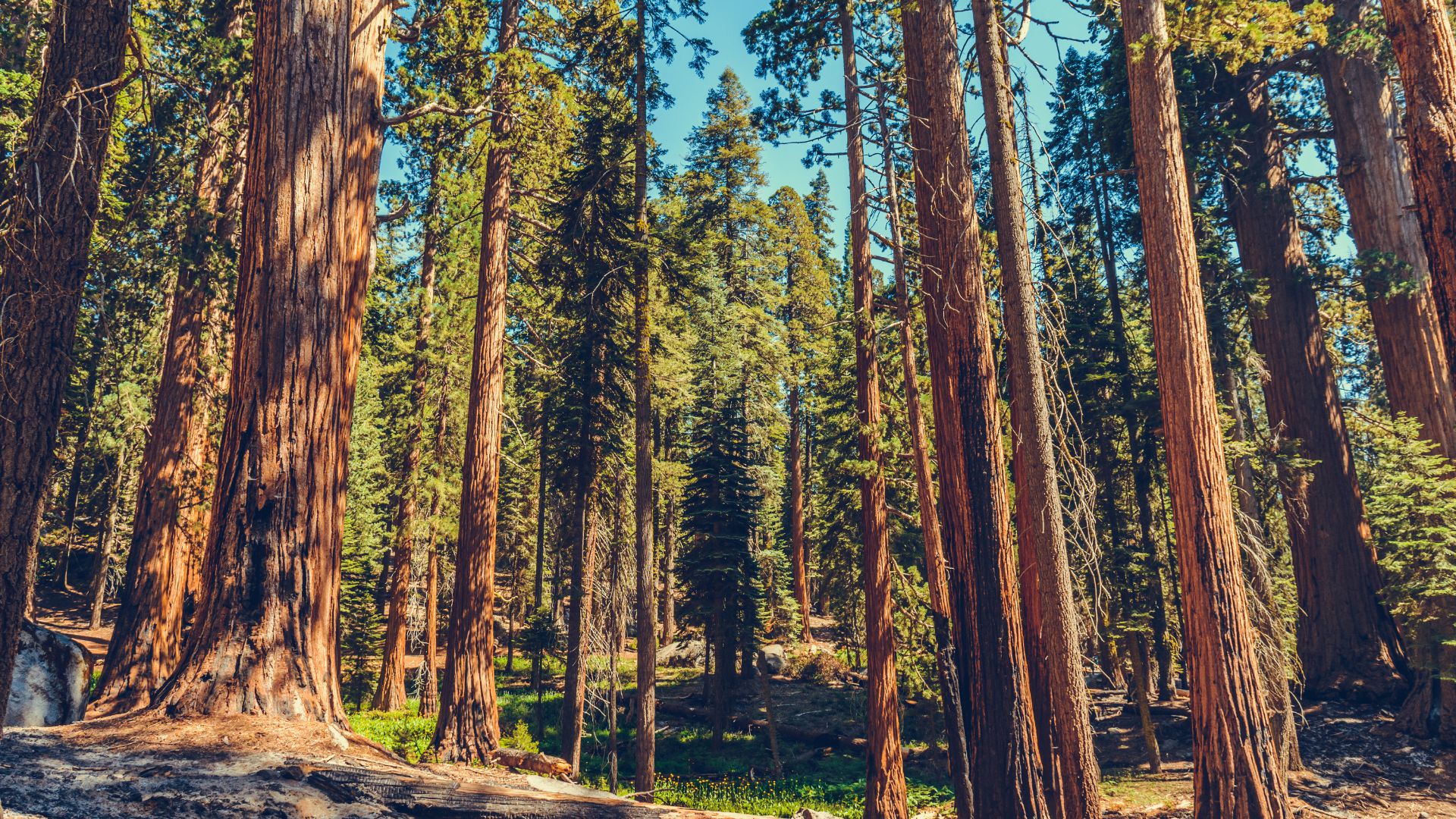
Notable Trees and Forests to Explore
Outside Sequoia National Park, you’ll find other spots to see giant sequoias. Calaveras Big Trees State Park is a favorite of mine, with two groves that each have their own personality.
The North Grove is smaller and super accessible. I finished the self-guided loop in about an hour. The South Grove takes more effort, but the trees are even bigger and the crowds drop off fast.
Calaveras Big Trees Highlights:
- Discovery Tree (the first sequoia introduced to the world)
- Mother of the Forest
- Empire State Tree
- Volunteer Tree
Each season brings something different. Spring means rushing creeks and bright green undergrowth. Summer is prime hiking weather. In fall, the surrounding trees turn gold and orange.
Every grove has its own feel. Some are tight clusters, others have lone giants. The mix of ages makes for a forest with trees of every size.
For photos, I’ve found early morning or late afternoon light works best. These trees are so massive, it’s tough to fit them in one shot—putting a person in the frame really shows the scale.
Exploring Iconic Parks and Natural Wonders
The High Sierra is packed with jaw-dropping natural sights, from granite cliffs to sapphire lakes. Three national parks anchor the region, each with its own flavor and adventures.
Yosemite’s Granite Cliffs and Waterfalls
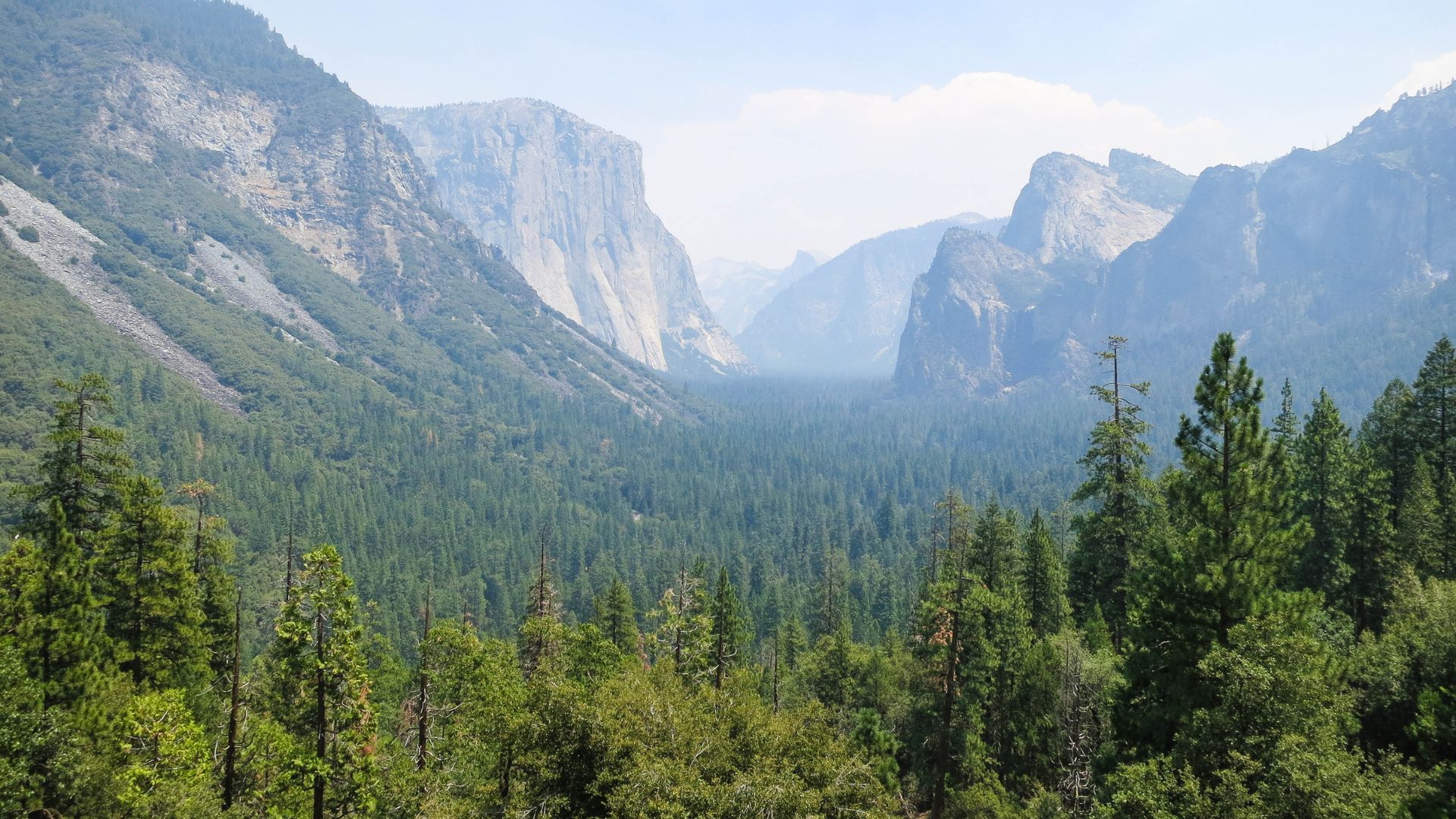
The first time I saw Yosemite Valley, I just stood there, stunned. Granite cliffs soar thousands of feet above the valley floor.
El Capitan is the largest granite monolith on earth, and Half Dome’s silhouette is instantly recognizable.
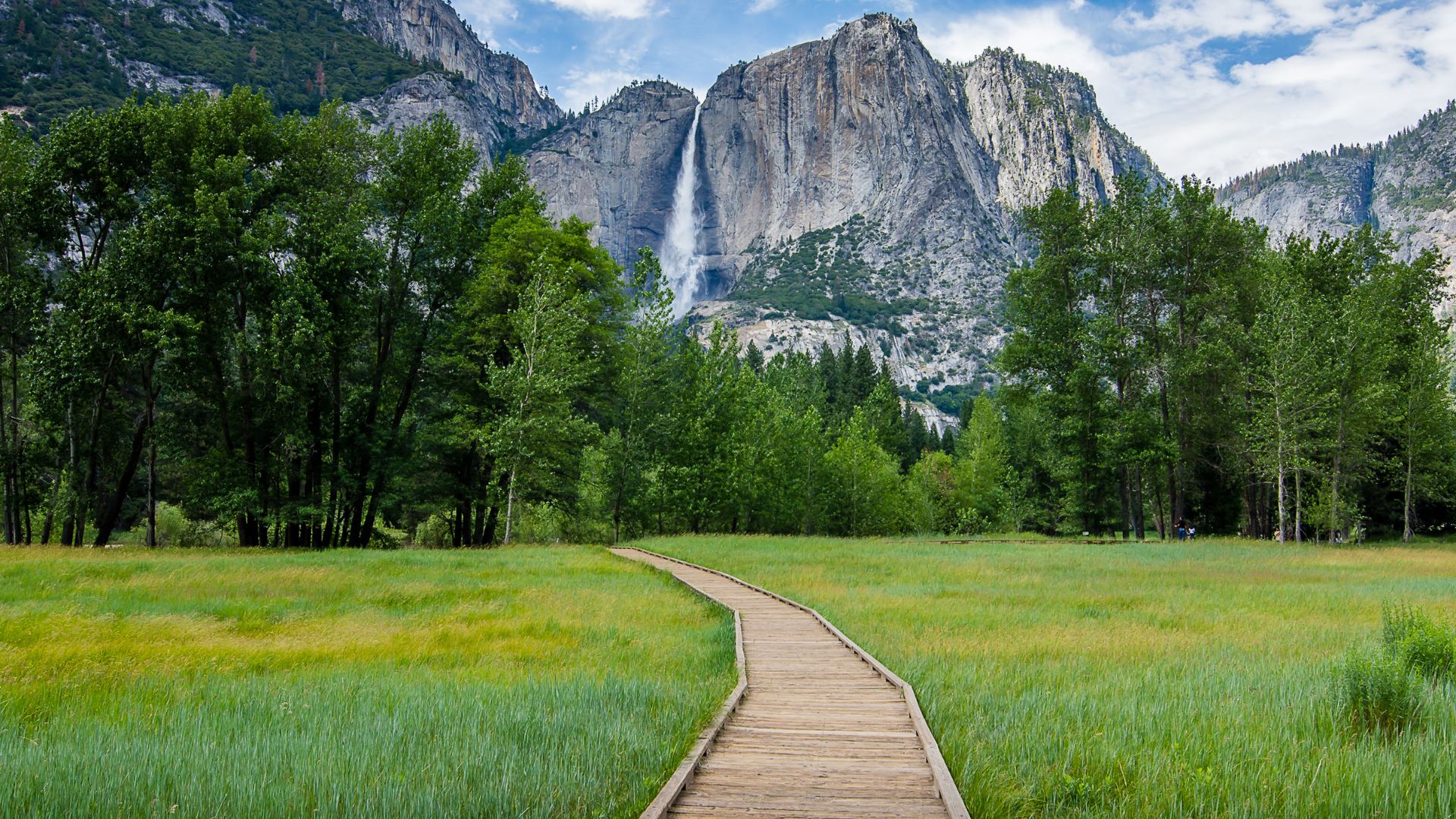
Spring is waterfall season. Yosemite Falls drops a staggering 2,425 feet in three tiers. I watched snowmelt-fed torrents thunder down, filling the air with mist.
Bridalveil Fall is an easier walk, perfect for families. On sunny days, you’ll see rainbows in the spray. If you’re up for a challenge, Vernal and Nevada Falls put you right at the edge of the action.
The granite tells a story of ancient glaciers. I ran my hand over rock faces smoothed by ice that’s long gone.
Kings Canyon: Wilderness and Adventure
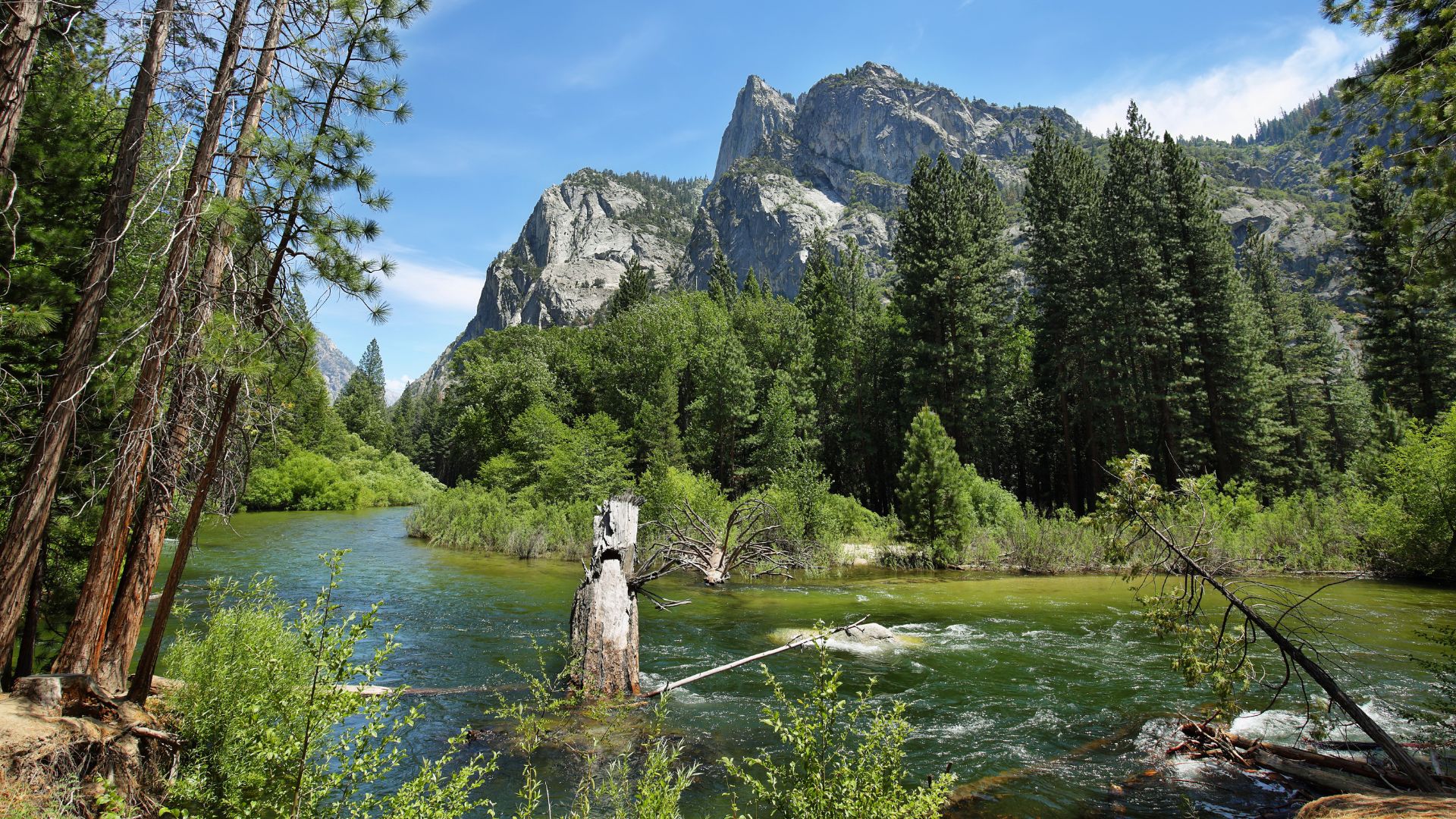
Kings Canyon National Park is all about wild, rugged country. The actual canyon is deeper than the Grand Canyon in spots—who knew?
The Kings Canyon Scenic Byway drops from 7,000 feet to the canyon floor, winding through forests and drier stretches. The drive alone is an adventure.
At Roads End, the pavement stops and the real wilderness begins. From here, trails like the John Muir Trail and Pacific Crest Trail head off into the backcountry.
Cedar Grove sits in the canyon’s heart. The General Grant Tree is nearby, known as the “Nation’s Christmas Tree.” It’s a great spot for a picnic or just soaking in the quiet.
Most of Kings Canyon is best explored on foot. I’ve found it way less crowded than Yosemite, which makes it a dream for backpackers who want solitude.
Lakes and Geological Curiosities of the Eastern Sierra
Mono Lake sprawls across the Sierra’s eastern edge. It’s over a million years old and three times saltier than the ocean.
Weird limestone towers, called tufa, rise from the water. They formed when underwater springs mixed with the lake’s minerals. Walking among them feels like being on another planet.
Devils Postpile National Monument is another oddity—perfectly hexagonal rock columns formed by ancient lava flows. They look so precise, it’s hard to believe they’re natural.
Lake Tahoe straddles the California-Nevada line. It’s so deep and clear, it almost looks fake. The Bonsai Rock is a favorite photo spot, with tiny trees growing out of a massive boulder in the lake.
Tuolumne Meadows and Wildflowers
Tuolumne Meadows sits at 8,600 feet in Yosemite’s high country. The place comes alive when the snow finally melts.
Wildflowers peak in July and August. I’ve seen carpets of Indian paintbrush, lupine, and shooting stars—the colors shift week to week.
Soda Springs bubble up right in the meadow. Native Americans and pioneers used the spot as a rest stop, drawn by the fizzy, mineral-rich water.
The Tuolumne River winds through the grass, with granite domes like Lembert Dome and Pothole Dome standing guard. Both are easy climbs with killer views.
The road here closes from November to May, so summer visits feel extra special. If you want some solitude, get there early—by midday, the crowds roll in.
Adventure and Recreation in the Sierra Nevada
The Sierra Nevada is a paradise for outdoor lovers. There’s everything from epic hikes and granite climbs to wildlife watching and camping under the stars.
Hiking Legendary Trails
Some of North America’s most legendary hikes slice through the Sierra. The John Muir Trail runs 211 miles from Yosemite Valley to Mount Whitney, passing through wilderness you’ll never forget.
The Pacific Crest Trail follows the range’s spine, and the scenery is just as jaw-dropping. Even if you’re not up for a thru-hike, you can jump on sections for a day or two.
Popular Sierra Nevada Hiking Destinations:
- Half Dome in Yosemite (16 miles round trip)
- Mount Whitney summit (22 miles round trip)
- Mist Trail to Vernal Fall (6 miles round trip)
- Rae Lakes Loop in Kings Canyon (41 miles)
Trail conditions swing wildly with the seasons. Summer, especially July to September, is the sweet spot for high-altitude hikes.
Permits are a must for many popular trails, especially if you’re backpacking overnight. I’d suggest booking as early as you can—these spots fill up fast.
Camping Amidst the Great Wilderness
The Sierra Nevada offers everything from developed campgrounds to wild, remote backcountry sites. I still remember my first night in the Ansel Adams Wilderness—stars brighter than I’d ever seen, and the air so crisp it almost stung.
Spots like Yosemite Valley and Sequoia National Park keep you close to the action. You’ll find plenty of amenities, but plan ahead—these campgrounds fill up fast, especially in peak season.
Backcountry camping? It takes more planning, but the payoff is huge: quiet, unspoiled scenery and the kind of solitude that’s hard to find elsewhere. I never forget my bear canister. Black bears roam pretty much everywhere out here.
Essential Camping Considerations:
- Even in summer, high elevation means chilly nights.
- Water sources sometimes dry up—don’t assume you’ll always find a stream.
- Fire restrictions kick in during dry spells.
- Rangers strictly enforce Leave No Trace rules, and honestly, it’s the least we can do.
Winter camping? That’s a whole different beast. Heavy snow and freezing temps make it a challenge best left to seasoned campers.
Rock Climbing and Granite Challenges
The Sierra Nevada’s granite draws climbers from all over. Yosemite Valley, for example, is legendary—El Capitan and Half Dome are the stuff of dreams (and sometimes nightmares).
Tuolumne Meadows sits higher up and offers some of the best granite domes you’ll ever climb. The rock here feels almost otherworldly—smooth, solid, and begging for a good route.
I’ve spent days exploring the Eastern Sierra. The Alabama Hills are perfect for easier access and quirky formations, while the Needles near Sequoia National Park serve up tough, multi-pitch climbs that test your nerve.
Climbing Areas by Difficulty:
- Beginner: Alabama Hills, Lover’s Leap
- Intermediate: Tuolumne Meadows, Tahoe area crags
- Advanced: Yosemite Valley big walls, High Sierra peaks
Climbing season usually stretches from late spring to early fall at higher elevations. The weather can turn on a dime, so I always check the forecast and pack for surprises.
Wildlife Encounters in the High Sierra
Wildlife thrives in the Sierra Nevada, adapting to the rugged terrain and harsh weather. Black bears show up most often—especially around popular trails and campgrounds.
Mountain lions live here too, but honestly, you’ll rarely see them. I’ve only caught a glimpse at dawn, way off in the distance.
Mule deer wander through meadows, and if you’re lucky, you’ll spot marmots or pikas scrambling over rocks above the treeline. Sometimes I just stop and watch golden eagles riding the thermals over the peaks.
Common Wildlife Viewing Opportunities:
- Black bears in Yosemite Valley and Sequoia groves
- Bighorn sheep along the Eastern Sierra escarpment
- Birds gathering near alpine lakes
- Chipmunks and ground squirrels everywhere you look
I always stash my food in bear boxes or canisters. It’s not just about safety—it keeps the animals wild.
If you want to see wildlife, go out early or wait until evening. A good pair of binoculars makes all the difference.
Cultural Heritage and Conservation
The High Sierra’s story isn’t just about mountains and lakes. Conservation pioneers like John Muir and Ansel Adams shaped its legacy, but Native Americans cared for this land for thousands of years before that. Today’s protected areas owe a lot to both those early stewards and the people who fought to keep these wild places intact.
The Legacy of John Muir and Ansel Adams
John Muir’s fierce love for the Sierra Nevada helped launch America’s conservation movement. His writings about the “Range of Light” inspired an entire generation and led to Yosemite’s protection in 1890.
Muir founded the Sierra Club in 1892. He spent years exploring these mountains, scribbling notes about everything from wildflowers to threats like logging and overgrazing.
Then came Ansel Adams, whose photography brought the Sierra’s beauty into homes and galleries across the country. His black-and-white images—sharp peaks, ancient trees—still stop me in my tracks.
Key Contributions:
- Muir: Founded the Sierra Club, wrote influential books, pushed hard for new parks
- Adams: Created iconic photographs, served on the Sierra Club board for nearly four decades
Together, they turned the Sierra Nevada into a symbol of wilderness worth fighting for.
Native American History in the Sierra
Long before settlers arrived, Native American tribes thrived in the Sierra Nevada. The Miwok, Mono, and Yokuts knew these mountains inside out.
They used controlled burns to keep forests healthy, gathered acorns and pine nuts, and understood how to live with fire instead of fighting it. Their stewardship actually made the forests stronger and less prone to catastrophic fires.
The Gold Rush of 1849 changed everything. Miners tore up traditional gathering places and brought diseases, forcing many tribes onto distant reservations.
Now, tribal nations are working with park services again. They’re bringing back traditional practices and sharing wisdom about sustainable forest management and native plants.
Conservation Efforts and Protected Lands
Today, conservation teams work hard to protect over 1.6 million acres in the Sierra Nevada’s three national parks. Sequoia and Kings Canyon National Parks have been around for quite a while—since 1890 and 1940.
Congress passed the Wilderness Act in 1964, which brought even more protections to the region. Now, the John Muir Wilderness and Ansel Adams Wilderness keep huge roadless stretches wild for future adventurers.
Protected Areas in the Sierra:
- Yosemite National Park: 748,436 acres
- Sequoia National Park: 404,051 acres
- Kings Canyon National Park: 461,901 acres
- Multiple wilderness areas: 500,000+ acres
But honestly, climate change has thrown some curveballs at these ecosystems. I’ve seen how rising temperatures can mess with lodgepole pine forests and even the tough old sierra junipers.
Lately, conservation groups have started to focus on helping these habitats adapt to shifting climates. It’s tricky work, and sometimes it feels like a race against time.
Meanwhile, California and Nevada have teamed up to protect the Lake Tahoe basin. The Tahoe Regional Planning Agency has taken the lead, pulling together folks from both states to keep the region healthy.
