
Let’s toss out the idea that camping always drains your wallet. After six weeks roaming Baja’s coastline, I stumbled onto a secret: Beach camping in Baja Mexico can cost just $5-15 a night. That’s less than what most Americans pay to fill up their tank—seriously, a single gas fill-up back home runs $60-80.
When I broke down my own trip, the numbers shocked me. I spent just $24 on camping during my entire six-week Baja adventure.
Meanwhile, topping off my van in California before crossing the border cost more than four nights at some of Baja’s most jaw-dropping beachfront sites.
But it’s not just about pinching pennies. It’s about waking up to white sand, soaking in natural hot springs, and spotting whales from your tent flap. I want to show you how to plan your own affordable Baja beach camping trip—where to stay, what to expect, and all the little details that make it so different from the usual camping grind.
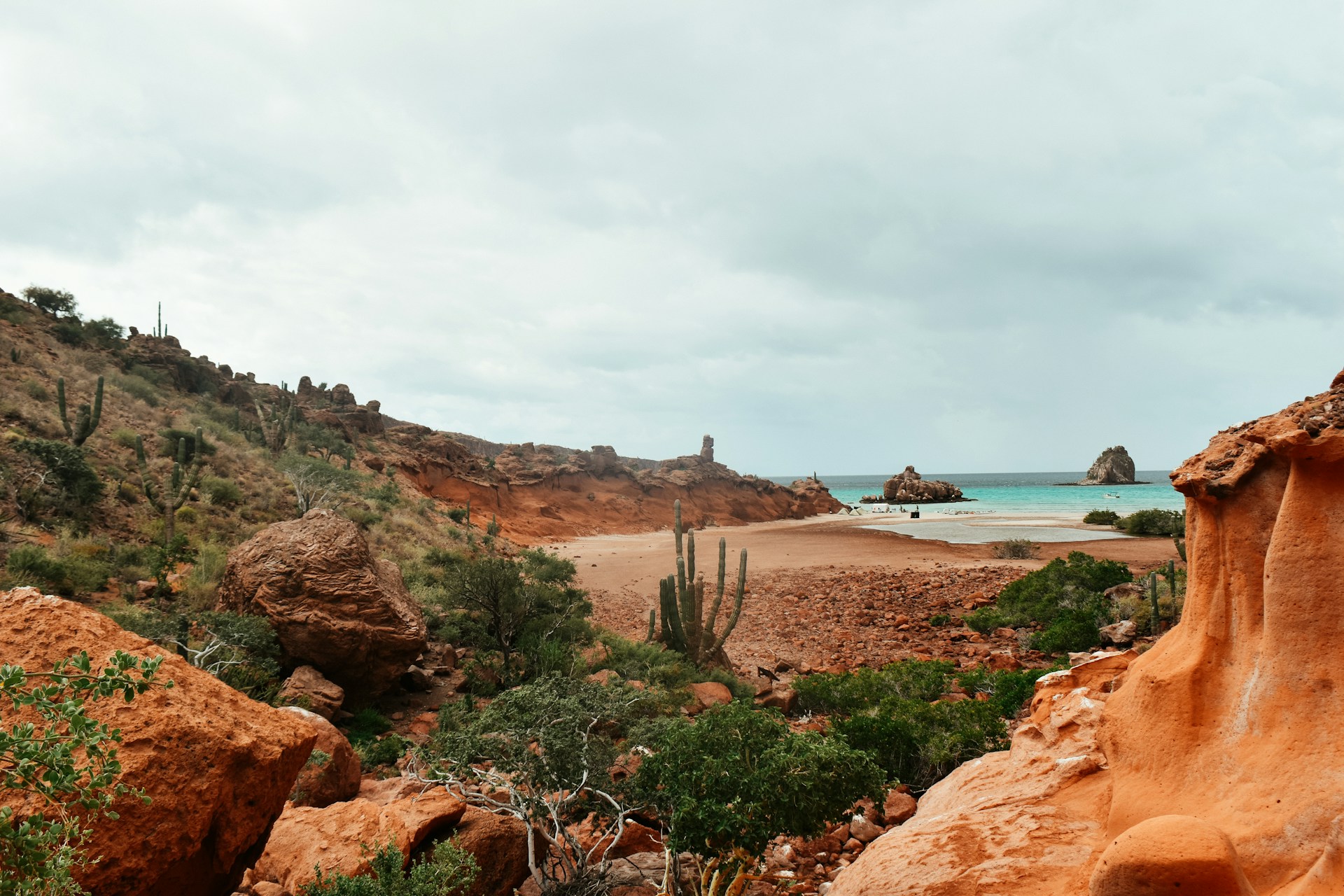
Why Beach Camping in Mexico Is Cheaper Than American Gas
Beach camping in Baja California? It’s a steal. Most campsites right on the water charge just $4-15 a night, while a tank of gas in the U.S. can easily set you back $40-80.
Typical Costs for Baja Beach Camping
If you’re a budget traveler, Baja is paradise. I found everything from totally free camping to $15 per night.
Free camping pops up along loads of beaches. Los Frailes near Cabo Pulmo lets you roll right onto the sand for nothing. Other remote beaches in Baja California Sur offer the same deal—just park and you’re home.
Budget campsites usually run $4-6 per night. Camping Petates in San Ignacio charges just $4 for a riverside spot under the palms. Rancho Santa Ynez in the Cataviña desert goes for $5 a night and throws in basic facilities.
Mid-range options sit around $10-15 per night. Playa Santispac and Playa Coyote on Bahía Concepción ask $10 for a beachfront view, plus a restaurant and cold showers. La Jolla Beach Camp near Ensenada costs $15 and you get electric hookups.
Even the most expensive Baja camping costs less than dinner out in most U.S. cities.
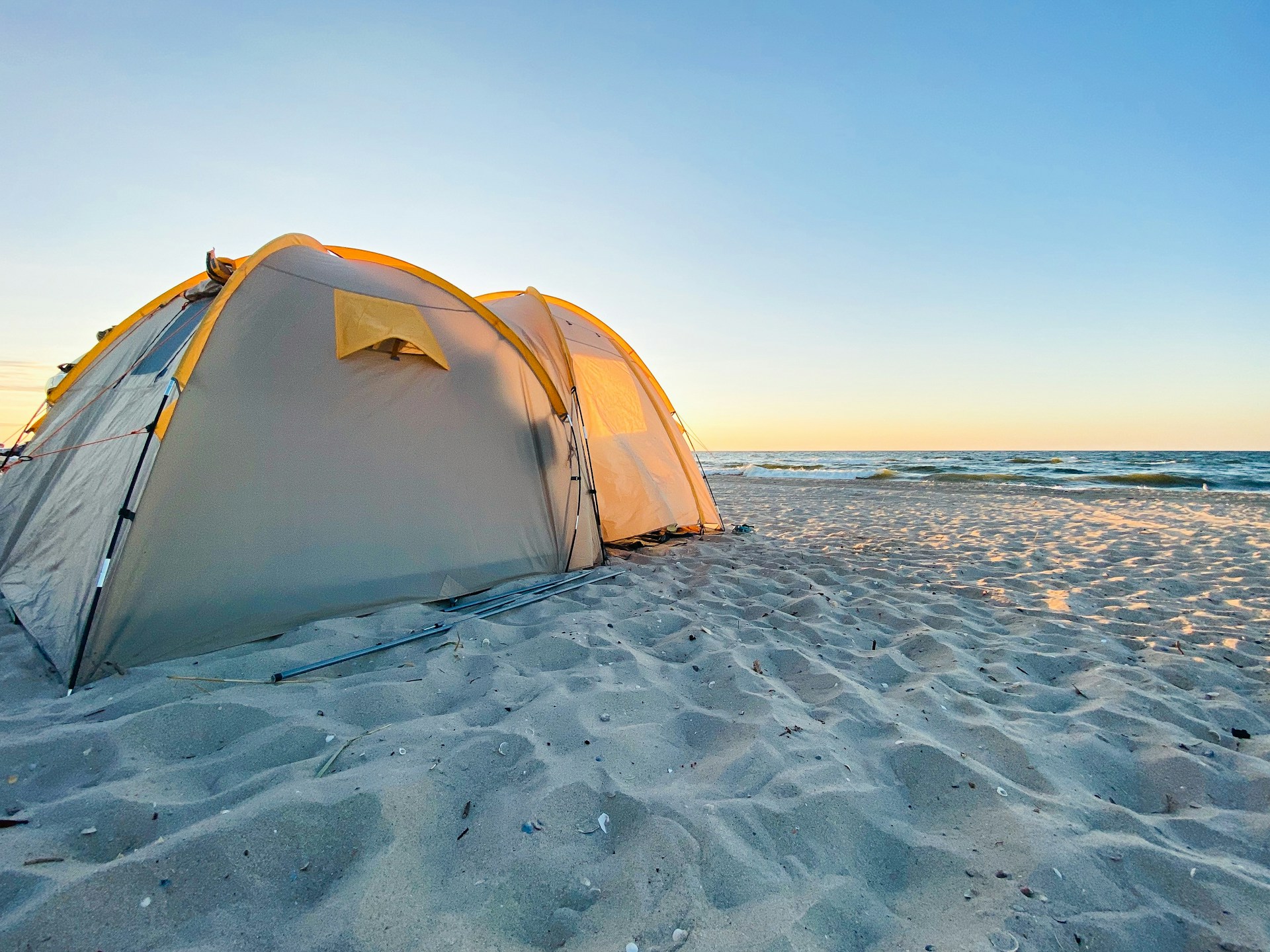
Comparing Camping Fees to U.S. Gasoline Prices
When you stack up Baja camping prices against U.S. gas, the difference is wild. A week of camping in Mexico can cost the same as one American gas tank.
Gas in the U.S. averages $3.50-4.50 per gallon. Filling a 15-gallon tank? That’s $52-67 gone. If you’re driving a big RV with a 25-30 gallon tank, you’re looking at $87-135 every time you fill up.
Weekly camping costs in Baja range from $0 (for free camping) up to $105 for the fanciest spots. Rancho Santa Ynez runs $35 for the week. La Jolla Beach Camp hits $105.
So, one tank of gas in the States could fund up to three weeks of Baja beach camping. No wonder so many RV folks head south when winter rolls around.
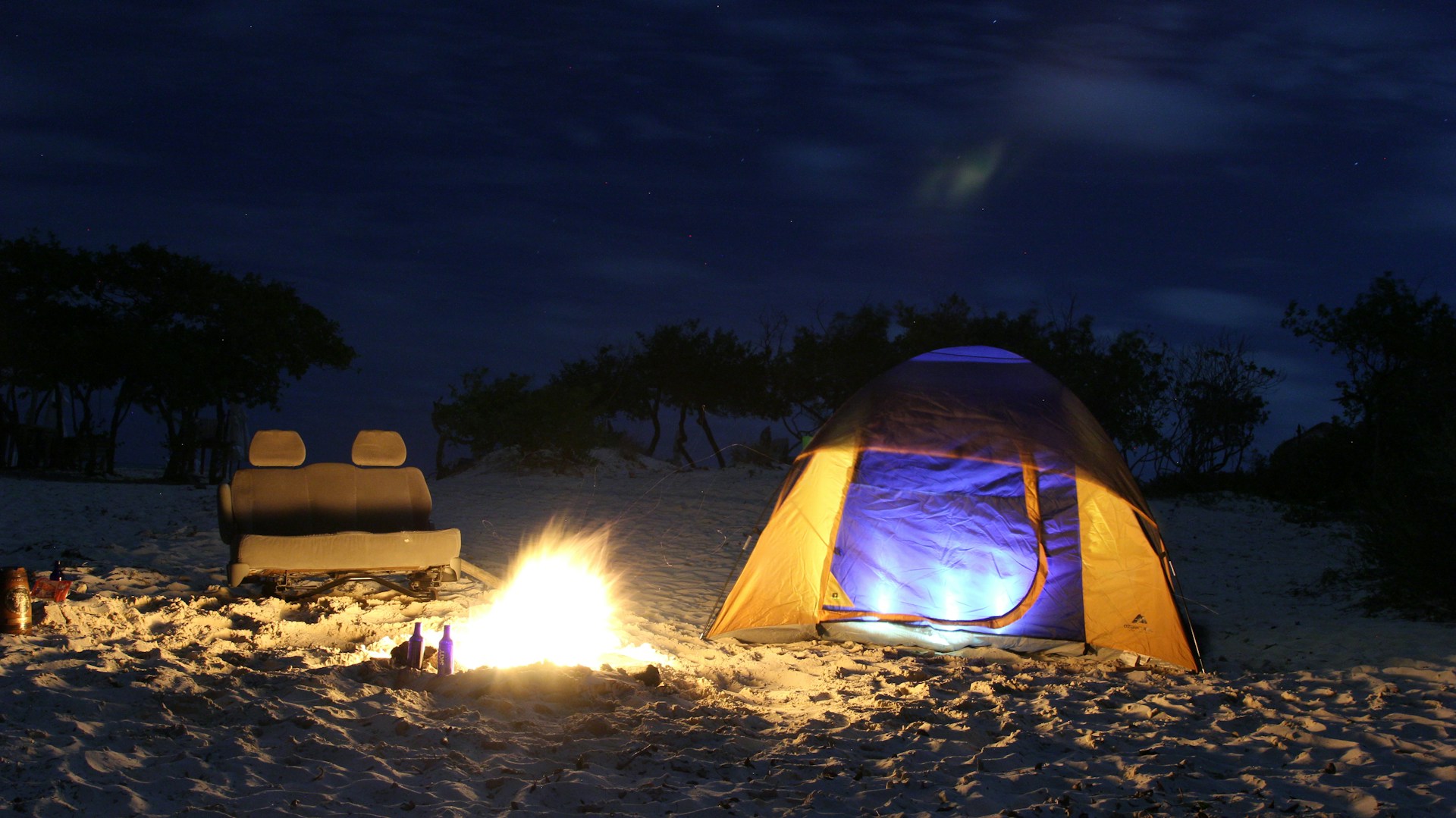
How Mexican Beach Campsites Offer More Value
Baja campsites don’t just save you money—they deliver oceanfront views that would cost a fortune in California.
Beachfront access isn’t an upgrade, it’s the standard. Most sites sit right on the sand, with swimming and fishing just steps from your tent or van. At Playa Coyote, you might even spot whales from your site.
Unusual amenities pop up everywhere. La Jolla Beach Camp has natural hot springs you can dig right in the sand. Sol de Mayo near Santiago offers hiking trails to crystal-clear pools and waterfalls.
The social vibe is something I didn’t expect. People gather around campfires, swap stories, and share travel tips. The community you find here? Priceless.
With low prices, killer locations, and memorable experiences, Baja California camping just hits different.
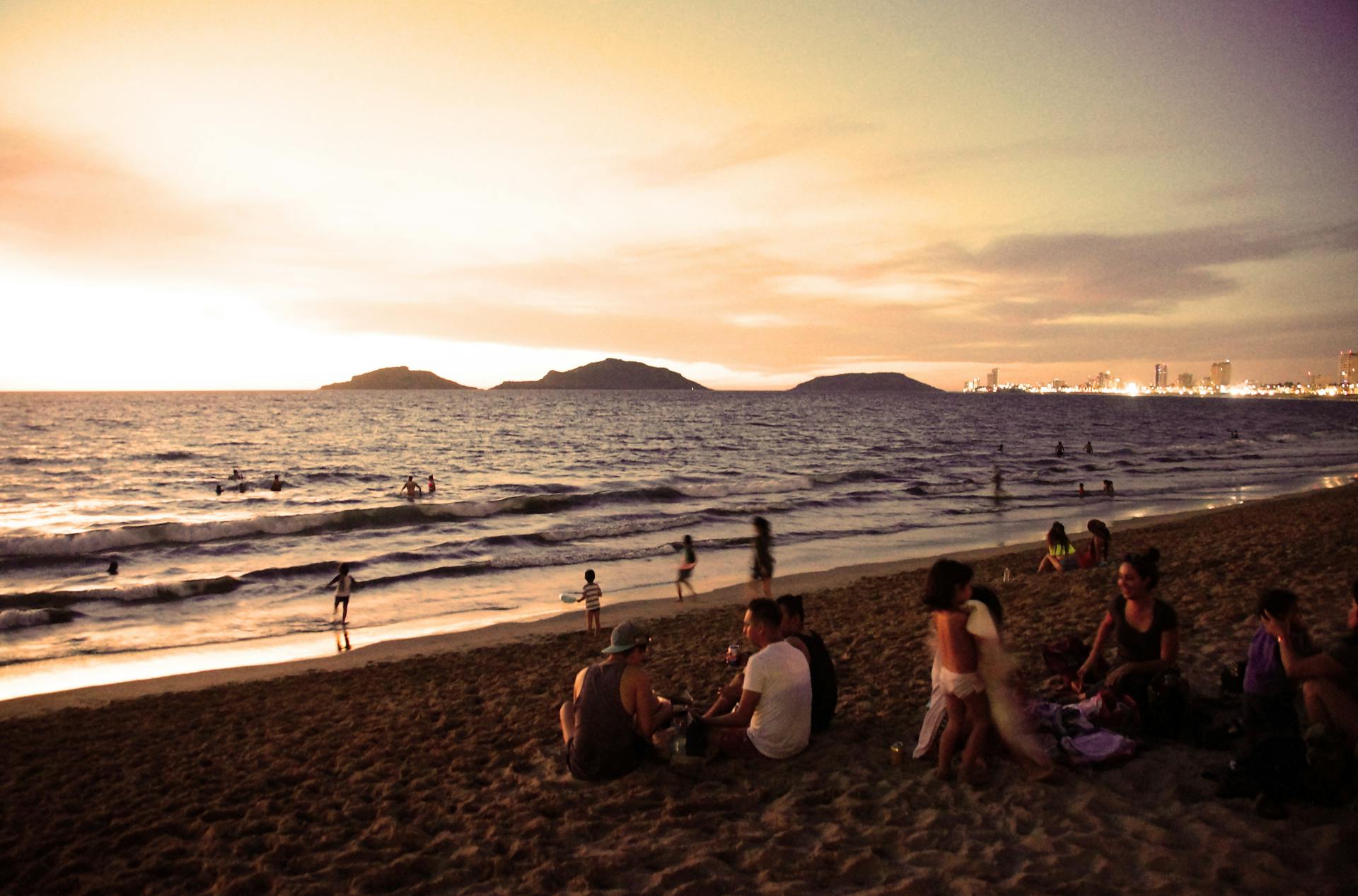
Best Beach Camping Spots in Baja Mexico
Baja Mexico’s beach camping scene is legendary. You’ll find everything from free boondocking to $10-15 for oceanfront spots. Picture direct beach access, warm Sea of Cortez water, and that wild desert-meets-ocean backdrop.
Playa La Gringa: Wild Boondocking
Playa La Gringa sits at the tip of Bahía de los Ángeles, right on the Sea of Cortez. Here, you get true wild camping—totally free, right on the sand.
When I camped here, it felt raw and untouched. Park your RV or pitch a tent anywhere along the beach. The sand stretches for ages, and the water is that perfect clear blue.
What to expect:
- Cost: Free
- Facilities: None, so bring everything
- Access: Decent dirt road, most RVs can handle it
Fishing is fantastic. Local vendors often swing by to sell fresh fish and lobster. You’ll want to bring all your own water and supplies, though.
The wind can really whip up here. If you’re tent camping, bring extra stakes. Sunsets? Absolutely unreal.
Playa Santispac: Scenic Campsites
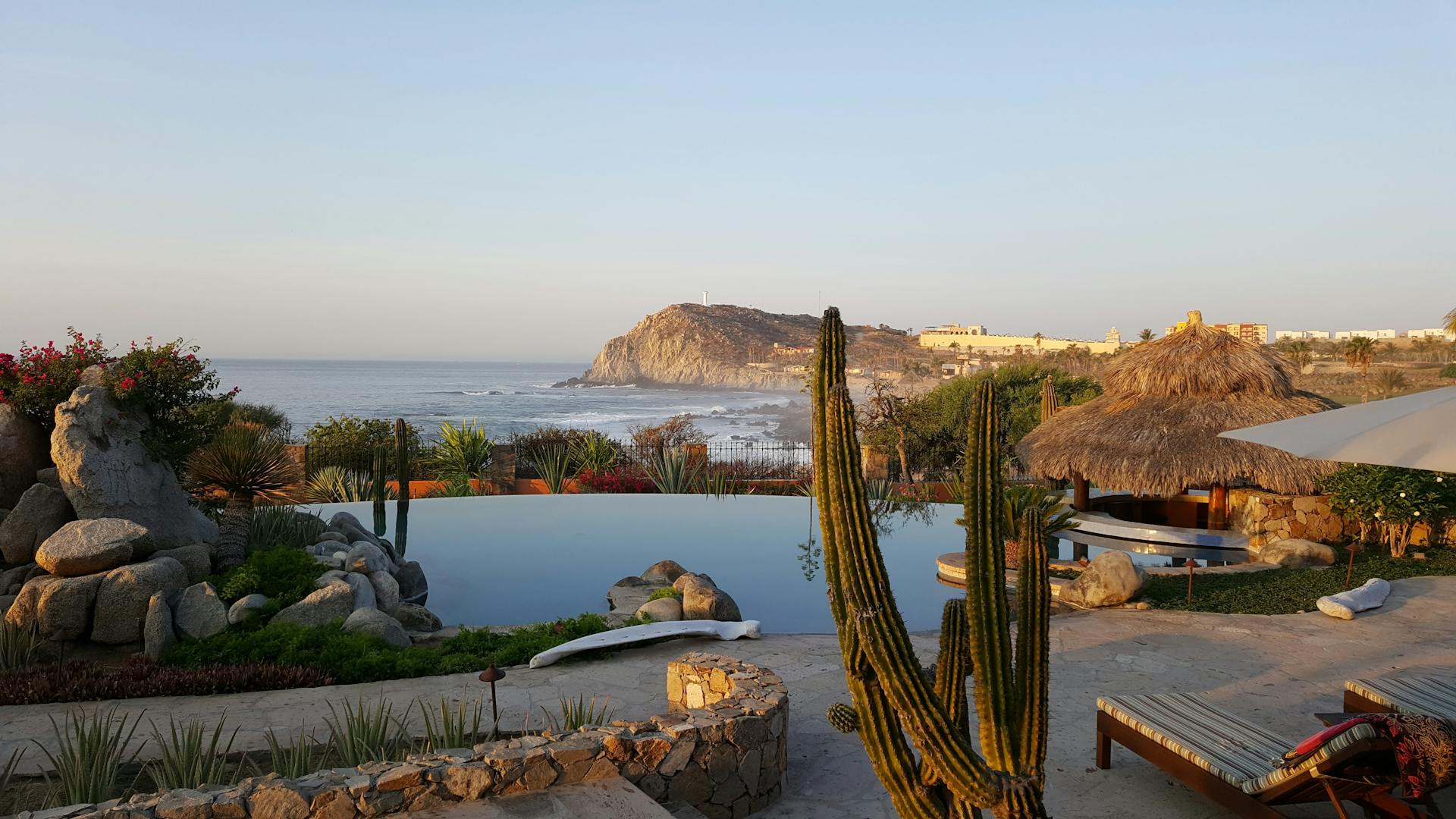
Playa Santispac, tucked into Bahía Concepción, is one of Baja’s most beautiful camping beaches. The bay’s calm, warm water is perfect for a swim or a lazy paddle.
A handful of small campgrounds line the sand. I paid between $8-12 a night. Most places have basic restrooms, and a few offer showers.
Campground features:
- Beachfront sites, often with palapas
- Basic restrooms
- Occasional electrical hookups
- Fresh water at most camps
The water stays shallow for a good distance, so it’s super kid-friendly. Vendors regularly stop by selling seafood, ice, and other basics.
I preferred the southern sites—they’re a bit more sheltered from the wind. In winter, these campgrounds fill up fast, so get there early for the best spots.
Campo Turistico Puertecitos
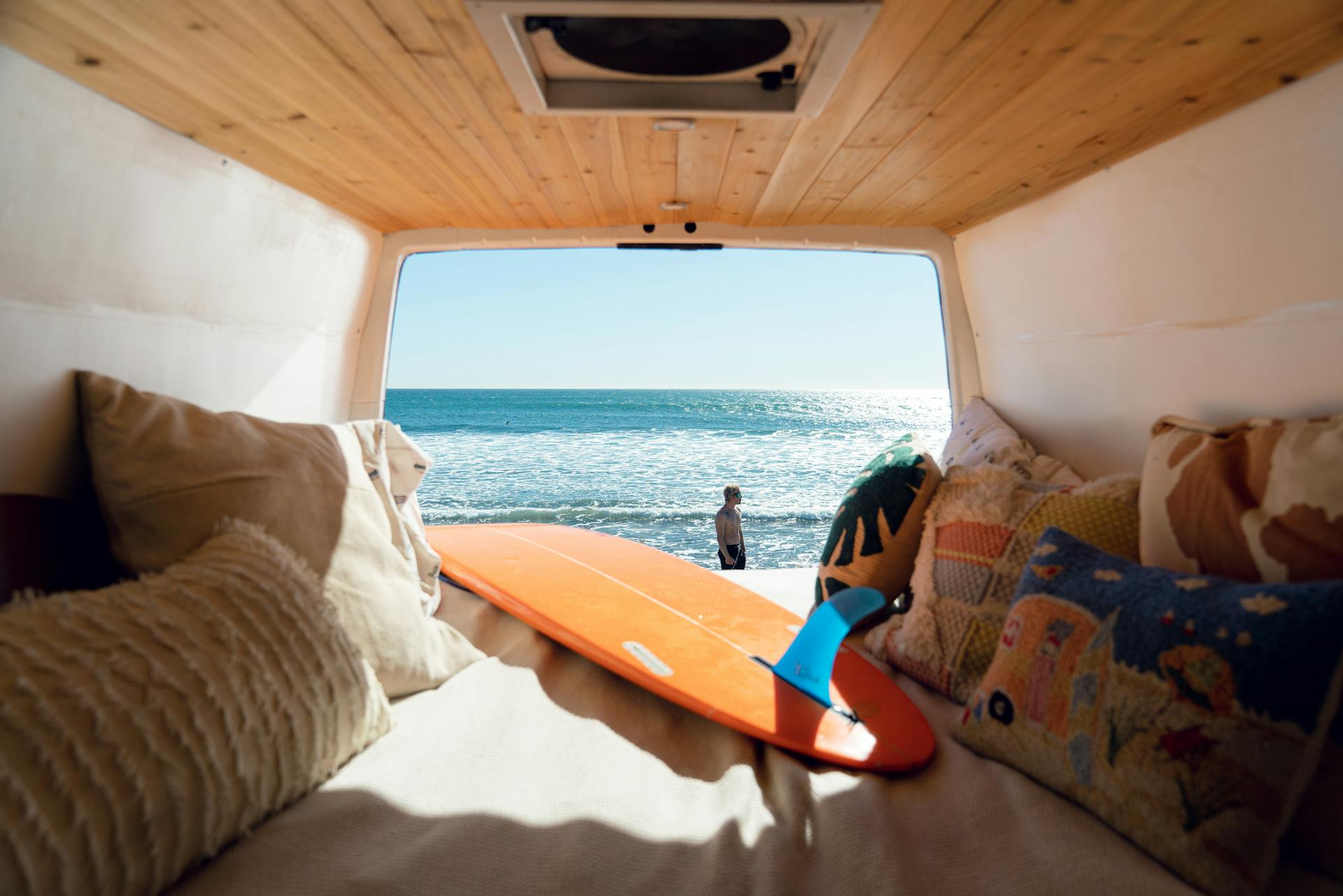
Campo Turistico Puertecitos sits about 50 miles south of San Felipe, right on the Sea of Cortez. The big draw? Natural hot springs bubbling into rock pools at the water’s edge.
I soaked in the springs at sunrise, watching the light hit the water. The mix of hot springs and cool ocean is pure magic.
Camping details:
- Cost: $10-15 per night
- Amenities: Restrooms, showers, restaurant
- Access: Mostly paved road
The campground has RV spots and tent areas, with a few electrical hookups. There’s a small store for basics and cold beer.
Fishing from shore is solid. The dirt road gets bumpy in places, but I saw everything from tiny cars to big motorhomes make it.
Seaside Gems Along the Sea of Cortez
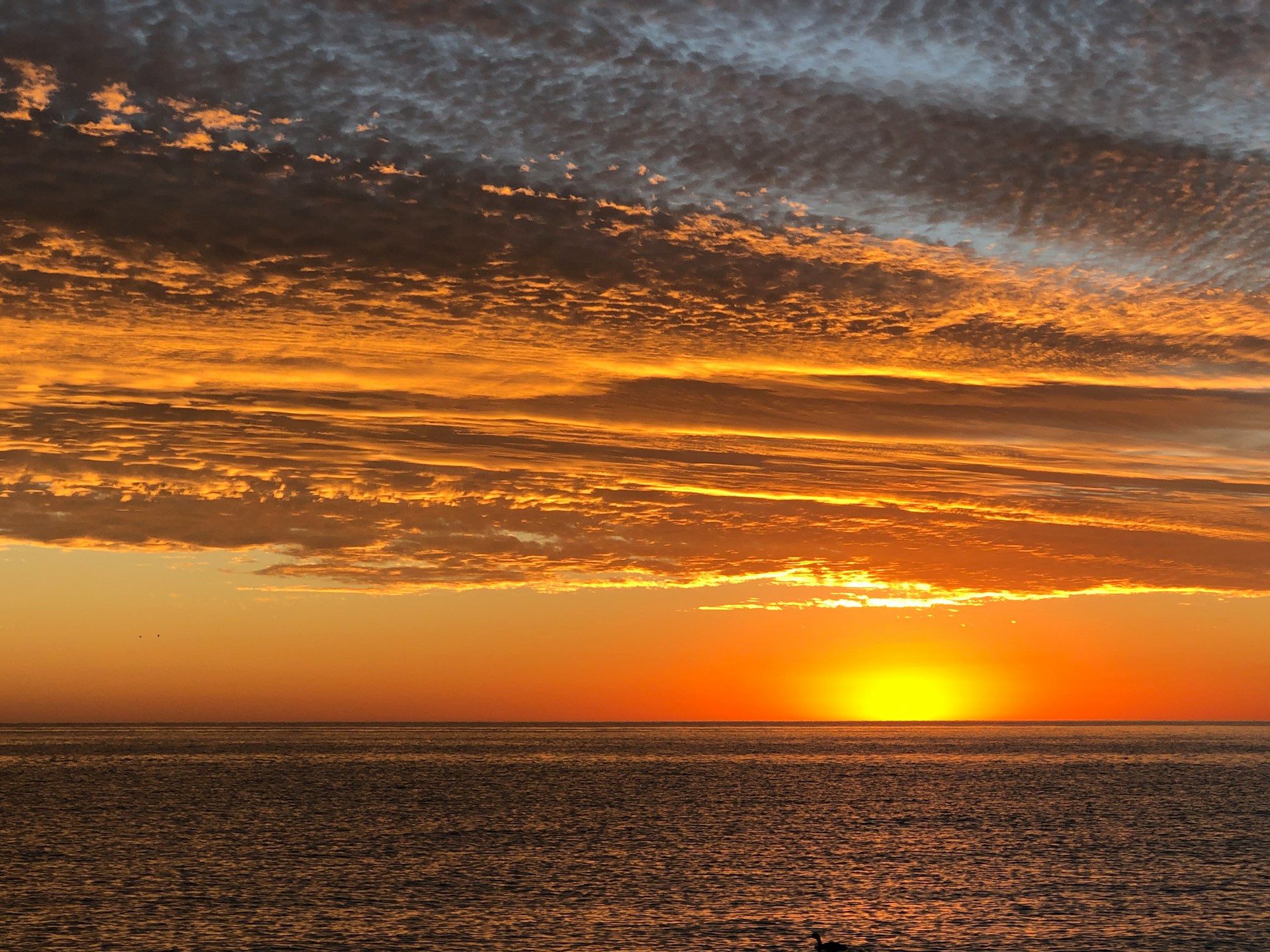
Between the bigger towns, the Sea of Cortez coastline hides dozens of lesser-known camping gems. Many cost under $10 a night—or nothing at all.
Some favorites:
- Los Abrolitos near Cabo Pulmo: $5-8/night, killer snorkeling
- Arroyo in Los Barriles: Free to $5, windy but gorgeous
- La Pastora near Todos Santos: $8-12, great surf nearby
Facilities are usually basic—think simple restrooms and maybe a palapa for shade.
I found my best spots by chatting with locals about beach access roads. A lot of beaches allow overnight camping for a small fee paid to local families who keep them clean.
Water quality changes by location, but the Sea of Cortez side usually means warmer, calmer water than the Pacific. The views of islands and mountains are unreal.

Planning Your Baja California Beach Camping Adventure
Getting to Baja’s beaches means picking the right border crossing and finding campsites that fit your rig and your budget. Timing matters, too—weather and crowds can make or break your trip.
Border Crossings: Tijuana, Tecate, Calexico, and Mexicali
Four main border crossings connect California to Baja. Each one has its perks depending on where you’re going and what you’re driving.
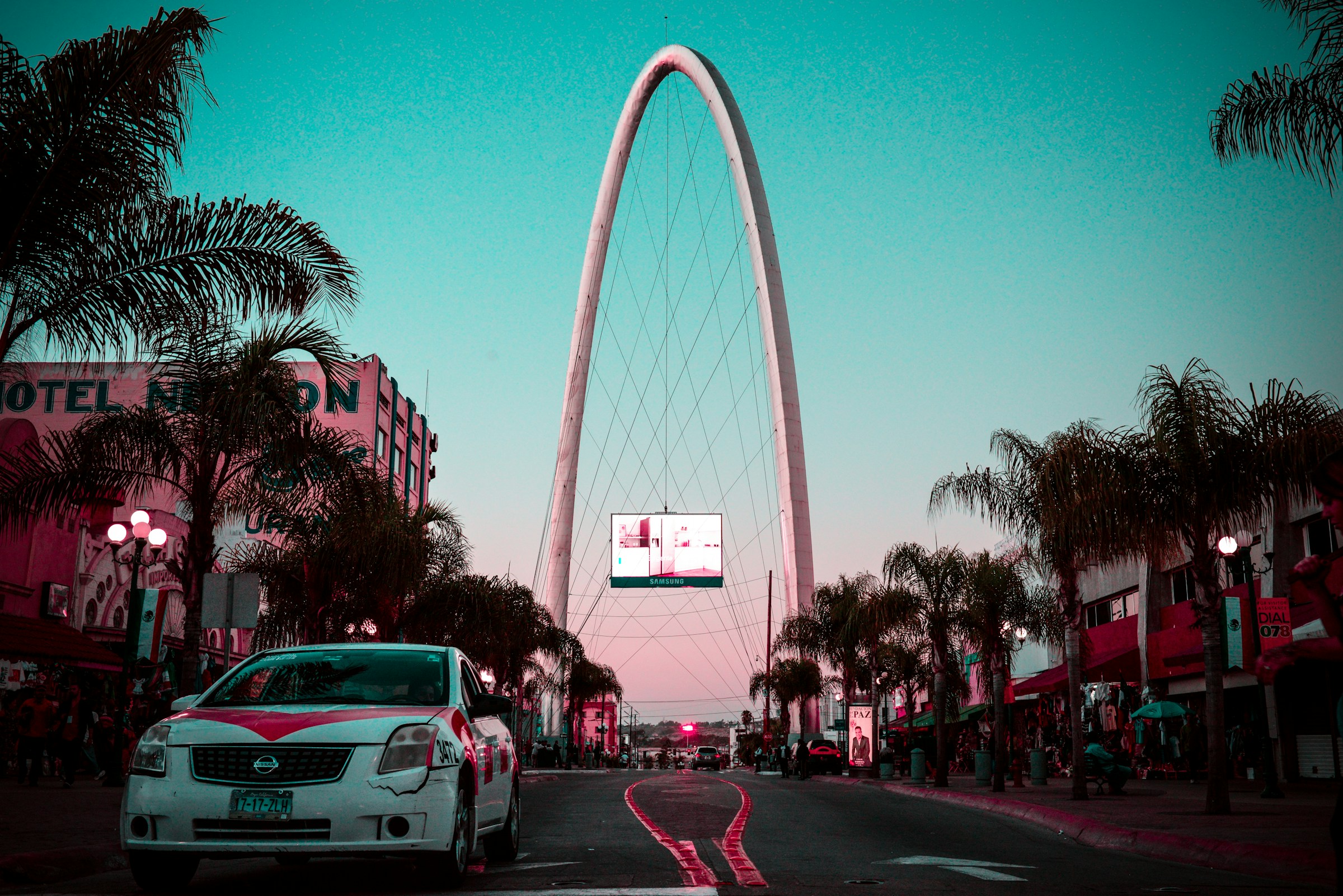
Tijuana is the busiest, but it’s the fastest shot to Pacific beaches. If you’re heading for Rosarito, Ensenada, or Valle de Guadalupe, this is the way.
Tecate is quieter with shorter lines—great for smaller RVs or anyone who hates traffic.
Calexico-Mexicali works best for big RVs aiming for San Felipe or the Sea of Cortez. The roads are wider and smoother for larger vehicles.
You’ll need a passport, a Mexican tourist permit (FMM), and Mexican auto insurance. I always grab my insurance from a reputable company like Baja Bound before I cross.
Wait times change with the season and day. I’ve found weekday mornings are usually quickest.
Choosing the Right Kind of Campsite
Baja’s camping options range from free beach boondocking to full-service RV parks. Your choice depends on your setup, comfort needs, and budget.
Beach boondocking costs nothing, but you’ll need to be self-sufficient. Playa Santispac and Gonzaga Bay are favorites for vans, truck campers, and smaller RVs.
RV parks offer hookups, showers, and sometimes WiFi for $10-30 a night. Rivera del Mar in Loreto and Campestre Maranatha near La Paz have great amenities for bigger rigs.
Hybrid camping spots like Playa Norte in Los Barriles let you pick between dry camping and full hookups.
I always check the access roads before committing. Some of the prettiest beaches need high clearance or have rough roads—not ideal for big motorhomes.
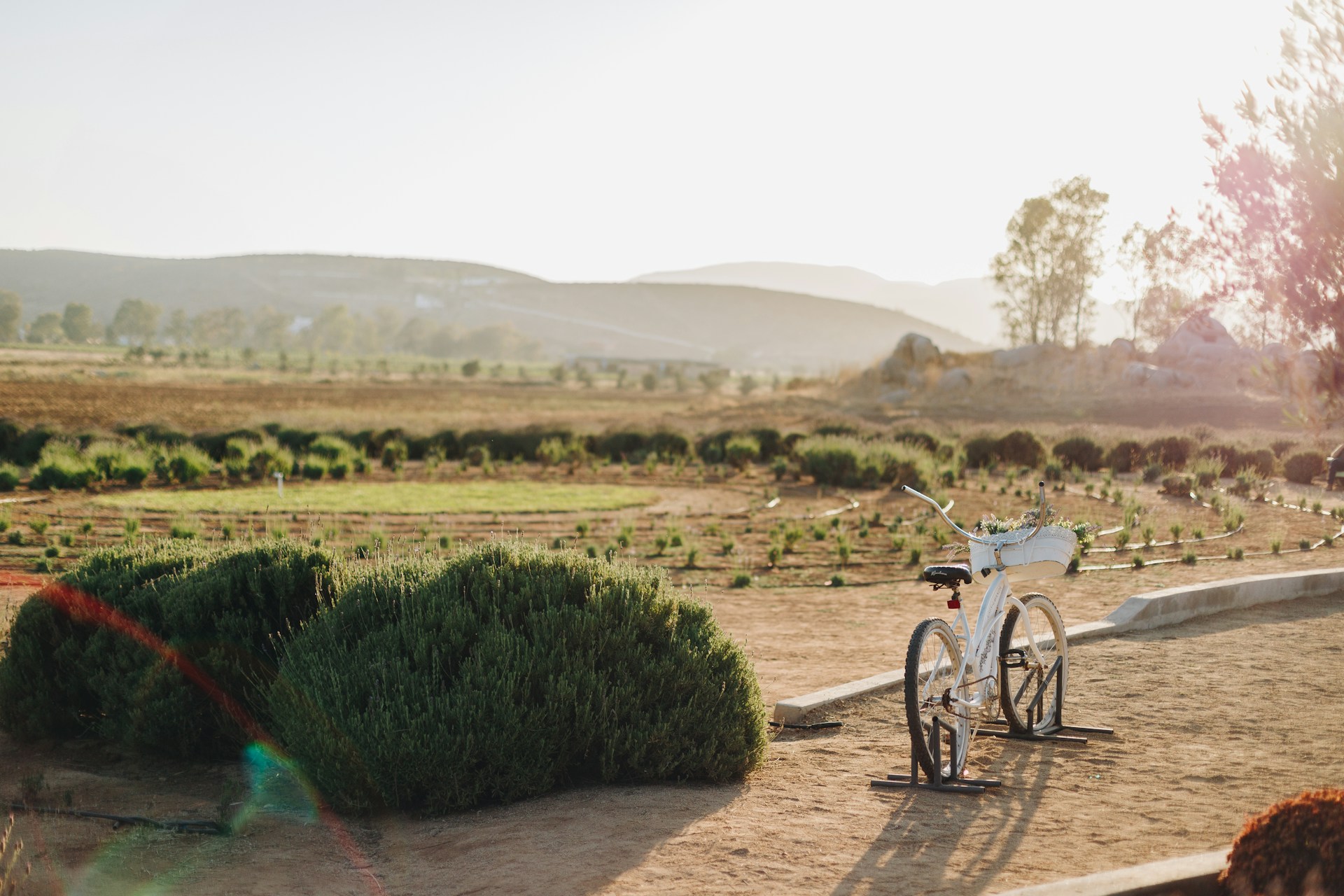
Peak Seasons and When to Go
Baja’s seasons really affect camping costs, crowds, and weather. Planning around them can save you money and headaches.
November to March means perfect weather, but also higher prices and more people. This is when snowbirds flock to Baja’s RV parks.
April and May offer a sweet spot—good weather, fewer crowds, and lower prices.
June to October brings heat and the chance of hurricanes, especially on the Pacific side. But camping prices drop a lot during these months.
Whale watching runs from January to April in places like Guerrero Negro and San Ignacio. If that’s your thing, book early.
Hurricane season peaks August through October. I always check the forecast and avoid camping right on exposed beaches if storms are brewing.
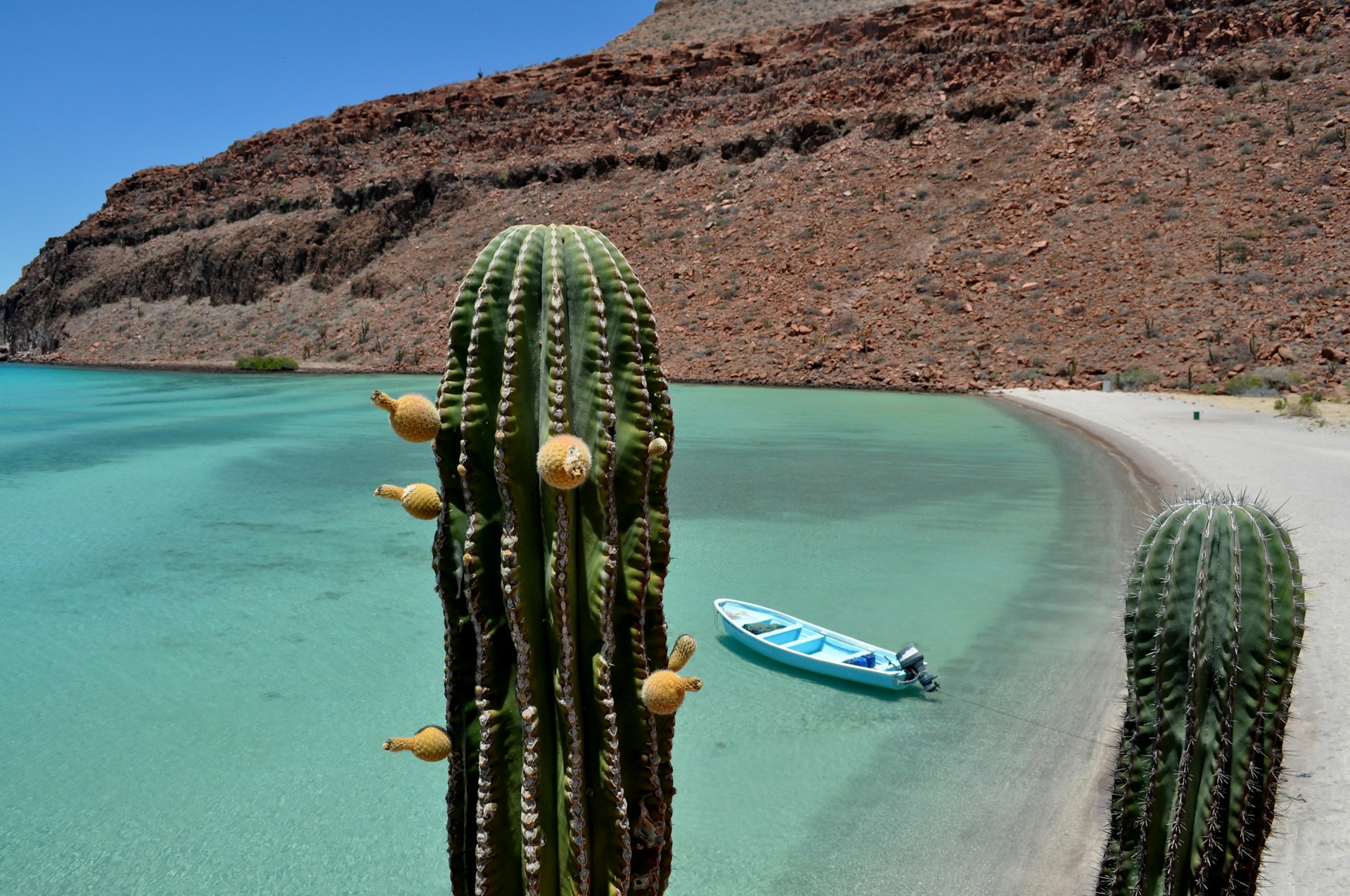
Essential Tips for a Successful Baja Road Trip
Your Baja road trip goes so much smoother if you’ve got the right vehicle and you’re prepped for the desert. Knowing local rules and safety tips helps you breeze through border crossings and campgrounds.
Choosing Campsite-Friendly Vehicles
I’ve seen everything on Baja’s roads, from tiny sedans to monster RVs. The trick is matching your rig to your camping style.
Best Vehicles:
- Small RVs and camper vans—easy to handle on narrow roads
- Pickup trucks with campers—great clearance for beach access
- SUVs with rooftop tents—work for both developed and wild sites
- Class A motorhomes—stick to established RV parks
Most campgrounds can handle rigs up to 35 feet. Anything bigger? You’ll have fewer choices.
Vehicle Prep Checklist:
- Use good tires for mixed terrain
- Carry a tire repair kit and portable compressor
- Pack tow straps and traction mats in case you get stuck in sand
- Bring extra fuel for long stretches without gas stations
The stretch between El Rosario and Guerrero Negro is notorious—no gas for 140 miles. I always carry extra fuel in approved cans, just in case.
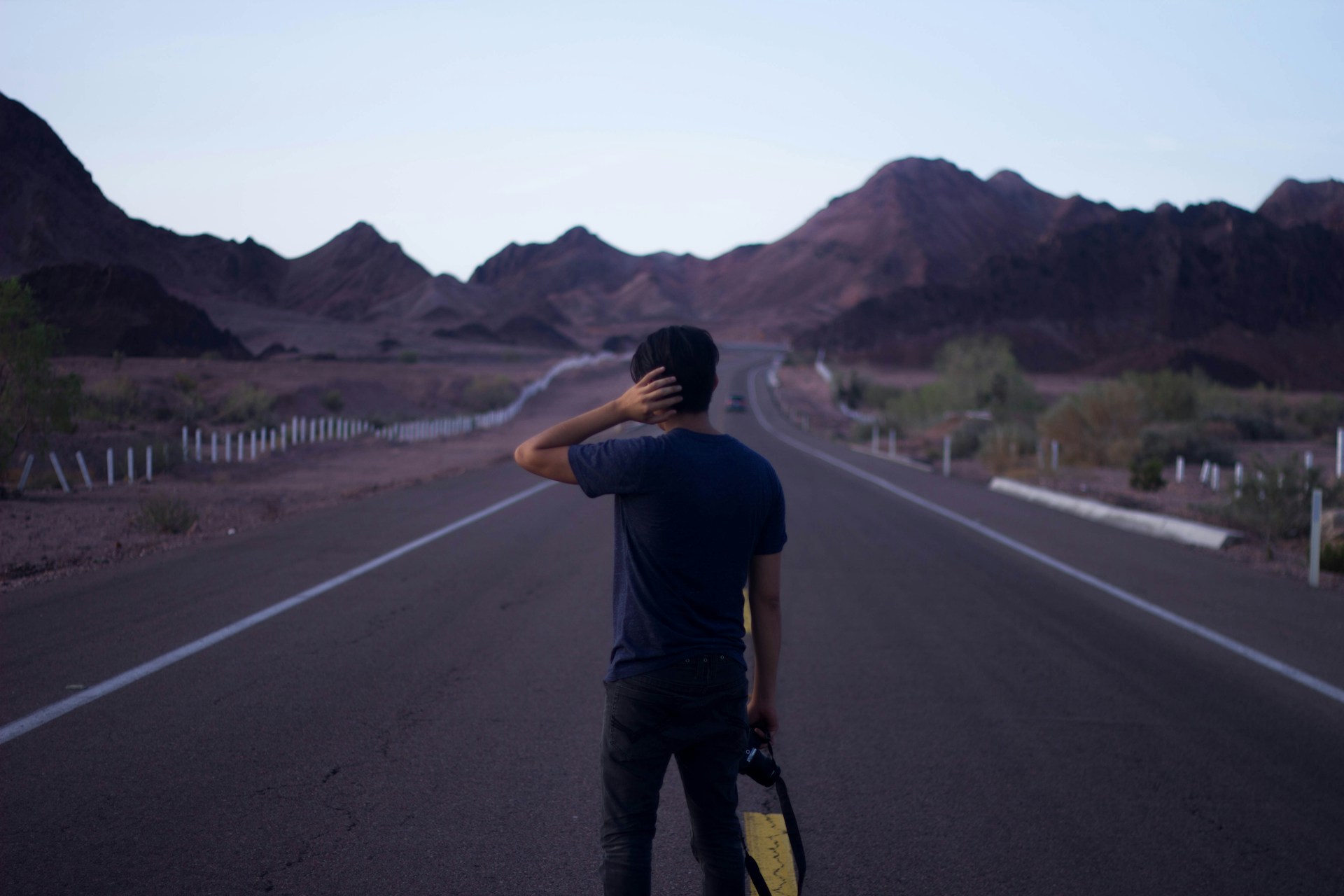
Preparing for the Baja Desert and Remote Beaches
Heading into the Baja desert? It’s wild and beautiful, but you’ve got to plan ahead. Water and communication—these are the two things you really can’t take lightly out there.
Water Management:
- I always bring a couple of 20-liter water jugs for easy refills at those ubiquitous purified water shops.
- 7-gallon water cubes with spigots make life so much easier at base camp.
- Don’t drink tap water, ever—locals stick to purified, and so should you.
- Refills usually cost about 15-18 pesos per 20-liter jug at agua purificada shops. Not bad.
Navigation and Communication:
- Before you lose cell service, download Google Maps offline—trust me, you’ll thank yourself later.
- I swear by the Baja California Road and Recreation Atlas; it’s hands-down the most detailed map I’ve found.
- The iOverlander app is a lifesaver for finding campsites others have discovered.
- Once you leave the big towns, expect your phone to go silent. It’s weirdly freeing.
Desert Survival Gear:
- Always pack extra food—enough for at least 3-5 days beyond your plans. You just never know.
- Propane refill adapters come in handy, though most US tanks work just fine.
- Toss in some basic tools for those inevitable vehicle hiccups.
- Don’t skip the first aid kit. Help can be hours away.
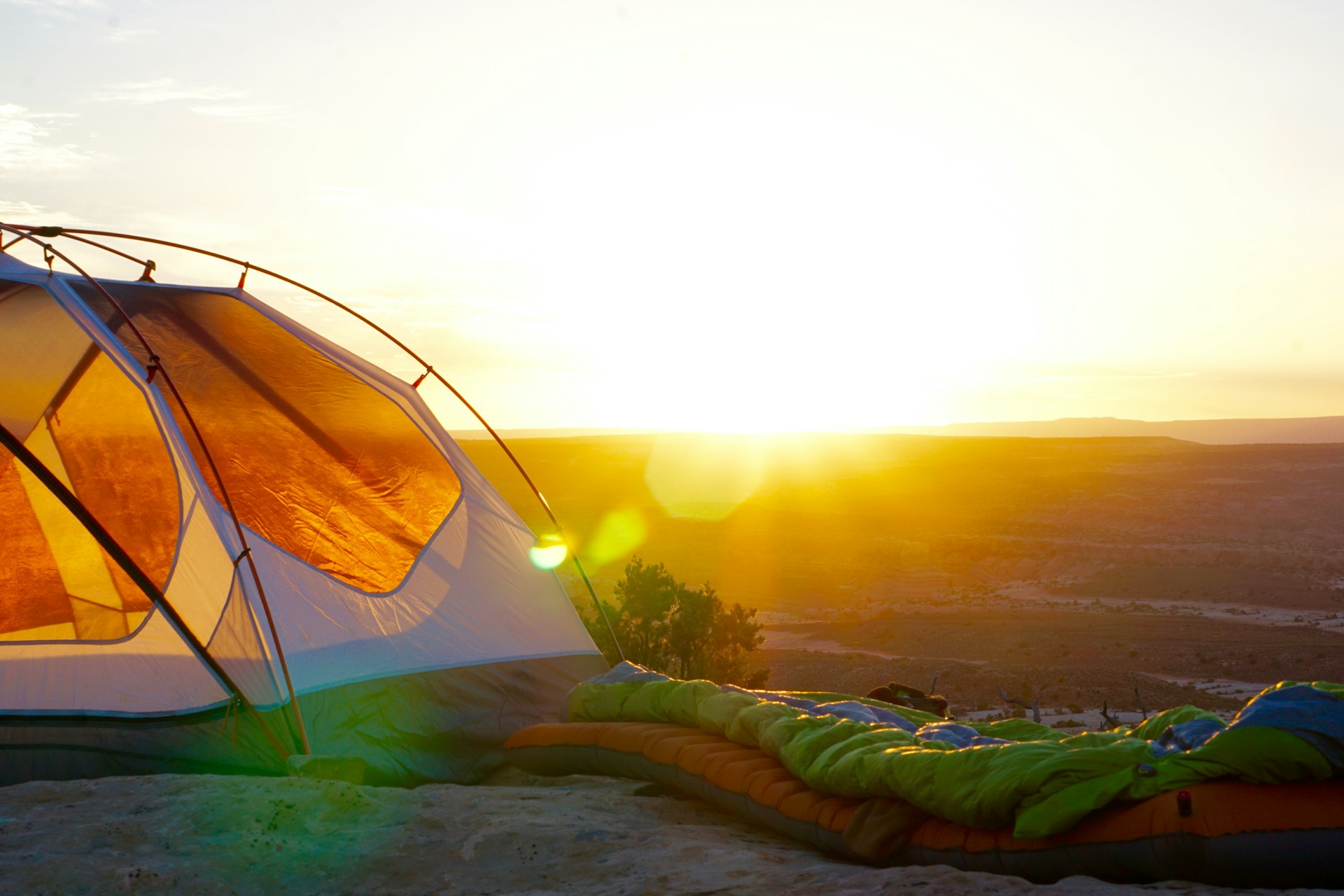
Safety and Local Regulations
A smooth Baja road trip starts with the right paperwork and a little awareness of local rules. It’s not complicated, but you don’t want to get caught off guard.
Required Documents:
- Bring your valid passport—no exceptions.
- You’ll need an FMM tourist permit; you can start online or grab it at the border.
- Mexican auto insurance is a must. US policies won’t cover you down here.
- Keep your vehicle registration and driver’s license handy.
I always use Baja Bound for Mexican car insurance. It’s fast, easy, and required by law.
Border Crossing Strategy:
- Tijuana/San Ysidro is the classic entry point, but I try to exit elsewhere to dodge those brutal wait times.
- Mexicali works best if you’re taking Highway 5—returns are usually quicker.
- Tecate is my secret weapon. It’s chill and almost never crowded.
- I cross before noon to skip the afternoon rush, which hits hard from 3-7 PM.
Safety Regulations:
- Leave firearms at home—Mexico doesn’t mess around with this law.
- You won’t need a Temporary Import Permit if you stick to the Baja peninsula.
- Stop at immigration, even if they don’t wave you down, to get your passport stamped and FMM validated.
- Propane tanks can be refilled at Baja Gas stations all over the place.

Unique Experiences and Natural Wonders of Baja Beach Camping
Baja California Sur is a camper’s dream. Imagine waking up steps from a world-class marine reserve, spotting whales from your tent, and feasting on fish tacos by the sea. The Sea of Cortez is right there, teeming with life.
Exploring Cabo Pulmo National Park
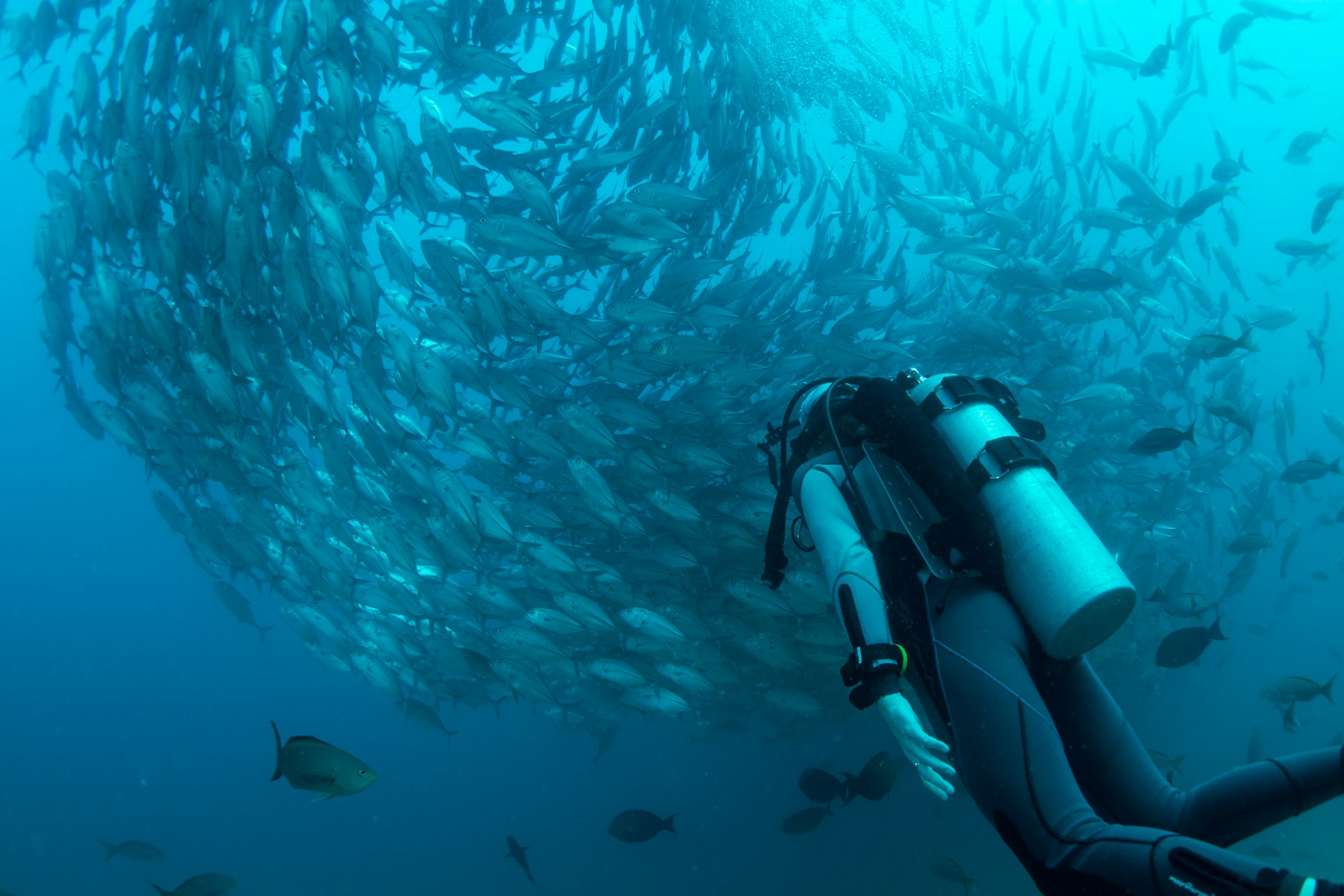
Cabo Pulmo National Park is honestly one of Mexico’s coolest conservation stories. I’ve camped right on the beaches next to this reserve, and it’s surreal.
This park protects the only living coral reef on North America’s west coast. Since 1995, fish populations here have exploded—up more than 460%.
Best camping spots near the park:
- Cabo Pulmo Beach—bare bones, but the views are worth it.
- Los Frailes—primitive but the reef access is unbeatable.
- Punta Colorada—if you want seclusion, it’s perfect.
You’ll need to bring everything—water, food, the works. There’s nothing for sale inside the park.
The reef stretches for about 8 miles. Snorkeling or diving here? You’ll spot tropical fish you just won’t see anywhere else in the Sea of Cortez.
Key marine life you might spot:
- Hammerhead sharks cruise these waters.
- Sea turtles pop up all the time.
- Mobula rays leap from the sea.
- Over 220 fish species call this reef home.
Water temps usually stay between 72-84°F, and on calm days, you might get 100 feet of visibility. It’s unreal.
Marine Life and Whale Watching Opportunities
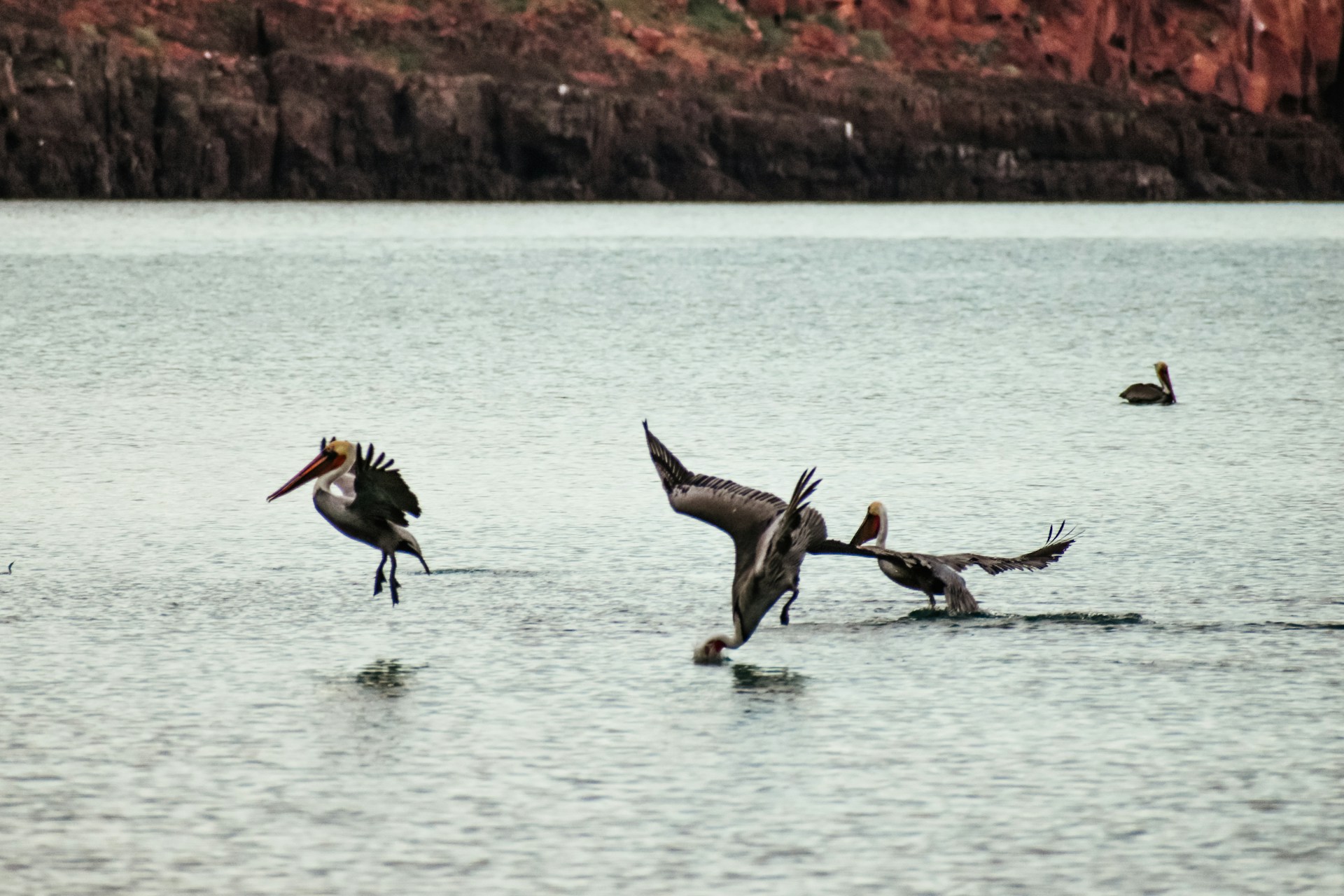
The Sea of Cortez is a magnet for marine life. Gray whales migrate here from December to April, birthing calves in quiet lagoons.
You can actually watch whales from shore at plenty of camp spots. January through March is prime time—moms and babies hang close to land.
Prime whale watching locations:
- Magdalena Bay is a gray whale nursery.
- Guerrero Negro offers lagoon tours if you want up-close encounters.
- Around Loreto, blue whales show up year-round.
Blue whales, the true giants, feed in the Sea of Cortez from May to November. They’re the biggest creatures on Earth, and seeing one is unforgettable.
Whale sharks show up near La Paz from October through April. Swimming with these gentle 30-foot filter feeders is a bucket list moment.
Other marine encounters:
- Dolphins love riding boat wakes.
- Sea lions lounge at rocky rookeries.
- Manta rays gather at cleaning stations.
- Sea turtles nest on the beaches.
Calm waters and tons of plankton make this place a haven for ocean lovers.
Local Food and Culture by the Sea
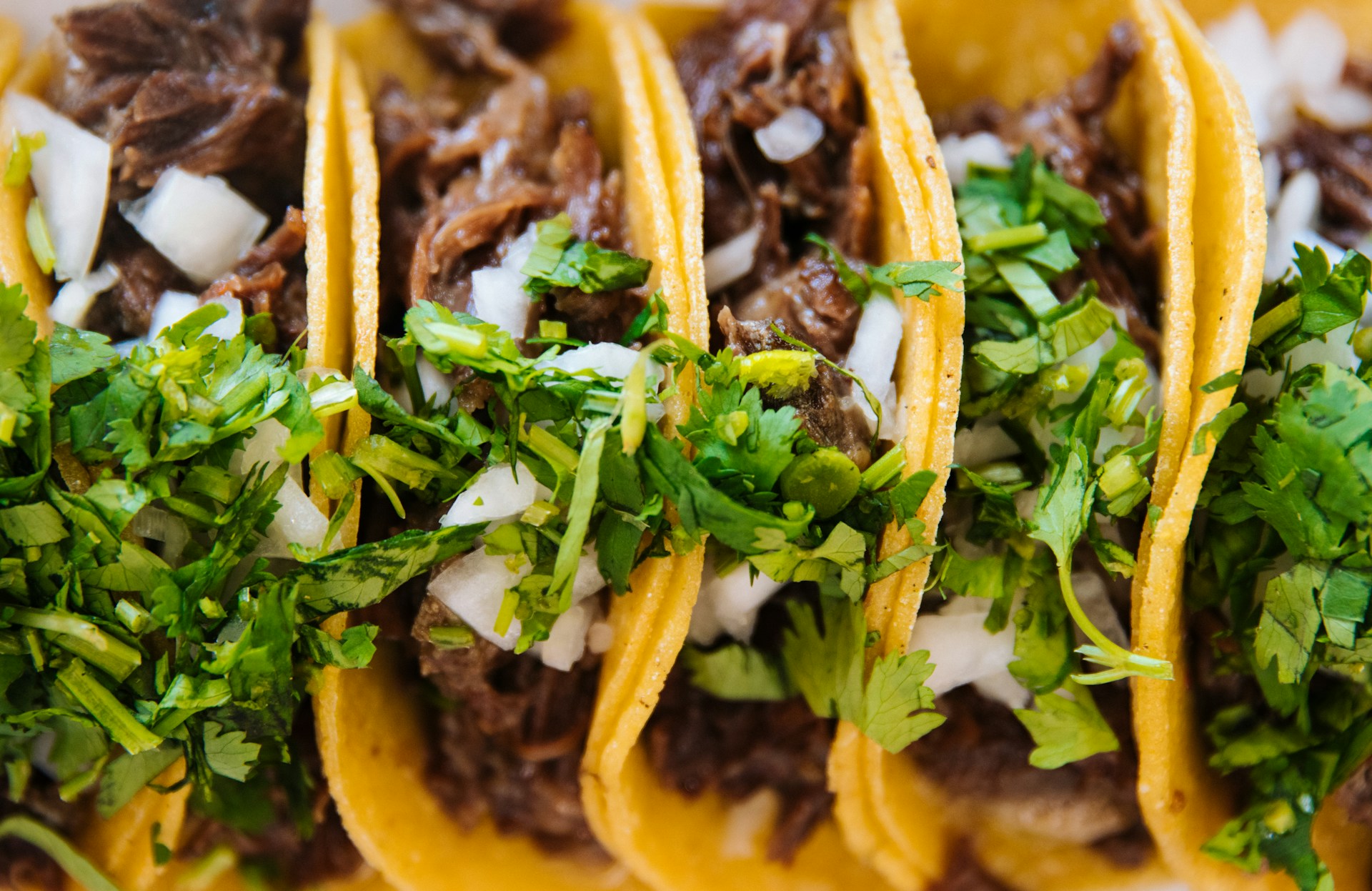
Baja’s coastal food is a highlight in itself. Vendors swing by camp selling the freshest seafood—think fish tacos, grilled lobster, and ice-cold drinks.
Traditional dishes you’ll find:
- Fish tacos made with just-caught local white fish.
- Grilled lobster (when it’s in season).
- Fresh clams and oysters, sometimes right off the boat.
- Machaca and eggs for a hearty breakfast.
Meals are cheap—a full fish taco plate might run you $3-5. Can’t beat that.
Fishermen often sell their catch straight from the boat. I’ve picked up dorado, yellowtail, and pargo for grilling right on the sand.
Cultural experiences while camping:
- Evenings sometimes bring the sound of guitar from nearby villages.
- Local festivals pop up, and you’re always welcome to join.
- You might catch a glimpse of traditional fishing boats being built.
- Artisan crafts from small towns make for great souvenirs.
Life moves slower on the Baja coast. Stick around long enough, and you’ll swap stories, learn fishing secrets, and maybe even pick up a few words of local slang.
Resources and Services for Baja Campers
Having the right supplies, staying connected, and sorting out your insurance make all the difference. These little things turn a challenging Baja adventure into a comfortable, unforgettable experience.
Where to Find Supplies and Amenities
Water’s honestly the most important thing you’ll need in Baja. I always grab “agua purificada”—that’s purified water—from just about any town as I travel down the peninsula.
You’ll spot those big blue 5-gallon jugs stacked outside small grocery stores or even roadside stands. Some shops will refill your jug for cheap, and others sell them pre-filled if you don’t want to bother with the hassle.
Don’t count on every gas station or mini-mart having water, though. Sometimes you have to poke around a bit or ask a local where to find it.
Stocking up on snacks and basic groceries is usually easy in bigger towns. I like to check out the local markets for fresh produce and regional treats—way more fun than a supermarket, and you never know what you’ll find.
Need ice? Almost every gas station or convenience store has bags of it. Perfect for keeping your cooler cold when you’re off the grid for a few days.
If you’re after camping gear or other amenities, the larger cities like La Paz or Ensenada have outdoor stores with a decent selection. But honestly, I try to bring most of my gear from home since options can be hit-or-miss.
Cell service can get spotty the farther south you go. I always download offline maps and make sure my phone’s charged up before heading out.
Bathrooms can be an adventure. Some places have public restrooms, but it’s smart to carry your own toilet paper just in case. And don’t be surprised if there’s a small fee to use them.
Getting cash is pretty straightforward in the cities—ATMs are common. But in remote areas, you’ll want to carry enough pesos for gas, food, and unexpected expenses. Many places don’t take cards.
Traveling in Baja means being prepared, but it’s all part of the adventure. The more you explore, the better you get at finding what you need, even in the most unexpected spots.
