
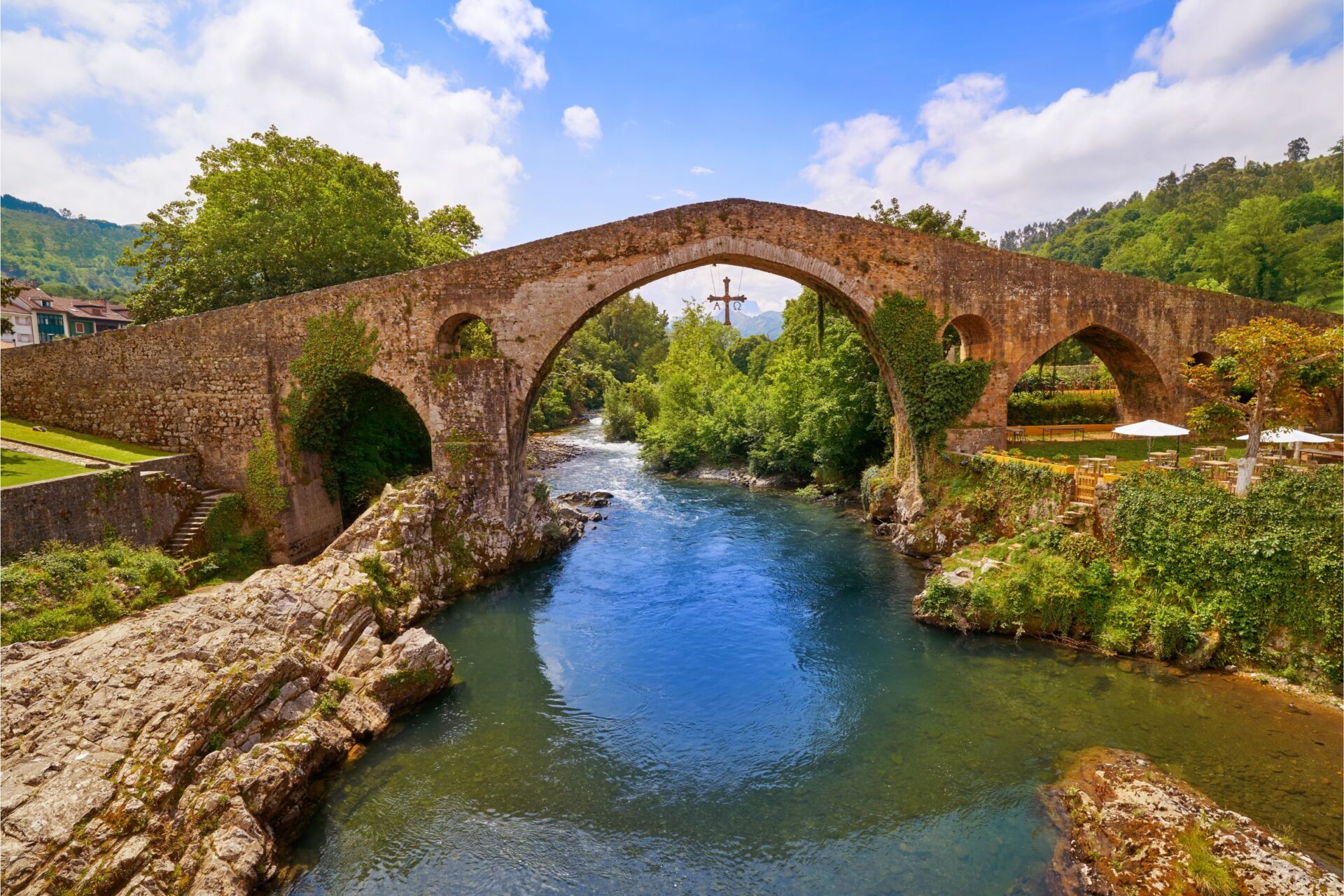
Stepping into Cangas de Onís, I felt like I’d wandered straight into Spanish history. When I reached the town’s most famous landmark—the Roman Bridge—I just had to stop and take it all in.
This iconic bridge stretches over the Sella River and stands as a symbol of Asturias. It’s honestly the perfect backdrop for those travel photos that you’ll want to keep forever. The ancient arches and dramatic mountain views hit me right away, and I instantly got why so many travelers and adventure seekers use Cangas de Onís as their gateway to the Picos de Europa.
But Cangas de Onís isn’t just about getting a great photo. The town mixes natural beauty, rich culture, and local flavors in a way that’s hard to resist.
I crossed the bridge more than once, and every time, I felt the pull of the town’s history and its warm, welcoming vibe.
Discovering Cangas de Onís: Gateway to Picos de Europa
Cangas de Onís may be small, but it packs a big legacy. It sits right at the entrance to the Picos de Europa National Park.
That makes it a perfect starting point for adventure, history, and exploring northern Spain.
History and Charm of Cangas de Onís
Walking through Cangas de Onís, I felt like I’d stepped back in time.
The town once served as the first capital of the Kingdom of Asturias, setting the stage for Spain’s early history.
Stone buildings with red roofs line up along narrow streets, and every turn seems to reveal another piece of the past.
The real highlight for me was the famous Roman Bridge.
Even though it isn’t actually Roman, this medieval bridge spans the Sella River with graceful arches. Its unique look and the cross hanging from the center draw photographers and history buffs from everywhere.
If you want the best photo, go early in the morning—the light is softer, and there are fewer people around.
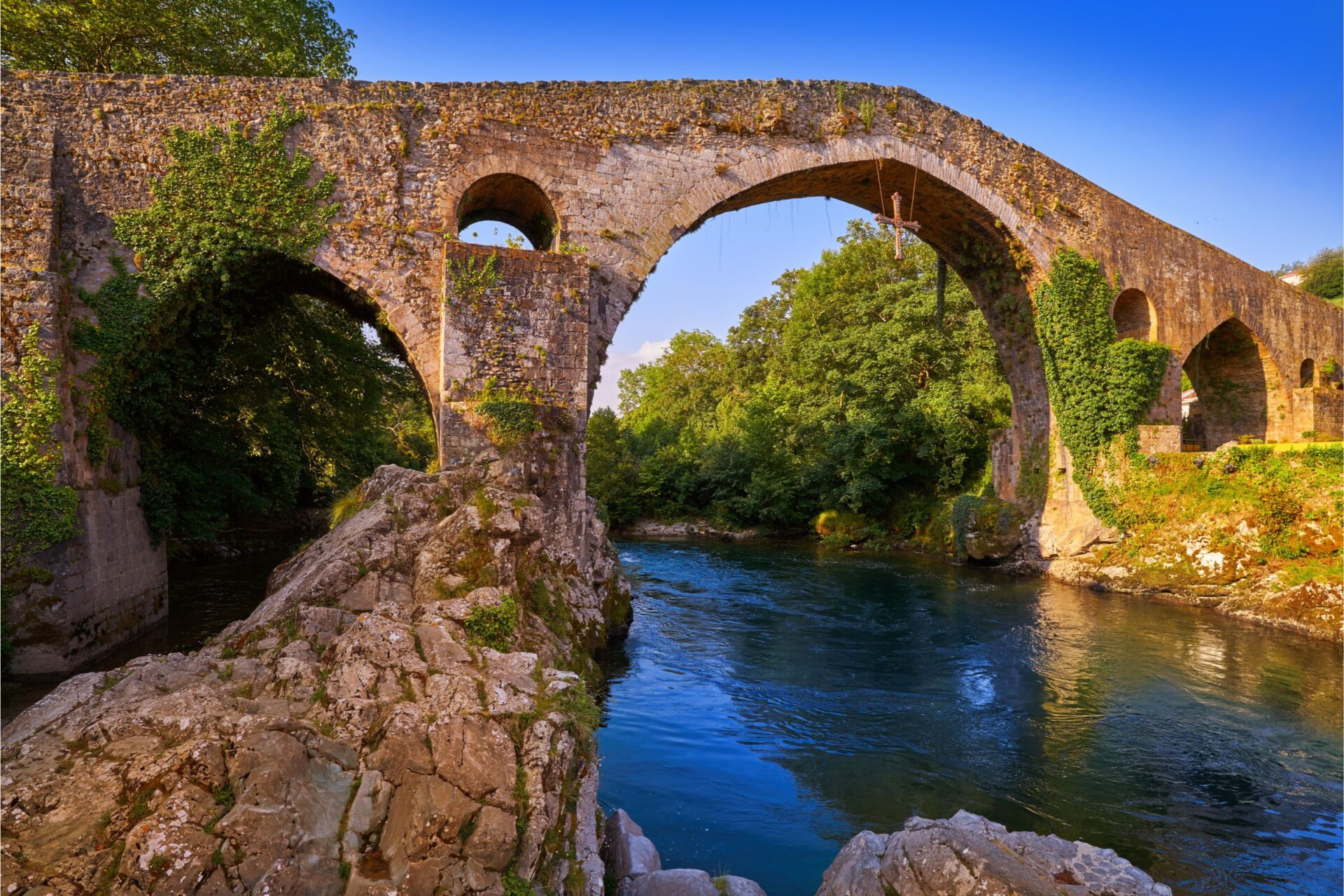
It’s no wonder travelers keep coming back.
On Sundays, markets fill the streets with local cheeses and cider, giving the village a lively, relaxed energy.
I always suggest grabbing a seat at a riverside café and just soaking up the atmosphere.
The Town’s Role in Spanish Adventure Travel
Cangas de Onís isn’t just a pretty place—it’s the launchpad for outdoor adventure.
Its spot near the Picos de Europa draws hikers, cyclists, and nature lovers from all over.
Trailheads and canoe rentals sit just steps from the main square.
I found it easy to mix a bit of culture with active days outside.
Popular activities include:
| Activity | Where to Experience |
|---|---|
| Hiking | Covadonga Lakes, Picos Trails |
| Canoeing/Kayaking | Sella River |
| Cycling | Mountain and riverside paths |
Local guides run tours for all skill levels.
Whether you want a gentle paddle down the river or a tough mountain climb, there’s something here for you.
After a day out, nothing beats refueling with traditional Asturian food.
If you want postcard scenery and real adventure, Cangas de Onís delivers.
The Iconic Roman Bridge: Symbolism and Legacy
The Roman Bridge in Cangas de Onís is more than just old stone arches over the Sella River.
When I stepped onto it, I could sense the layers of history and culture that make this spot unforgettable.
Its story is woven into the identity of Asturias and the Picos de Europa region.
Origins and Architecture of the Roman Bridge
People hear “Roman Bridge” and usually picture ancient Rome, but this bridge actually comes from medieval times.
Builders constructed it during the reign of Alfonso XI of Castile.
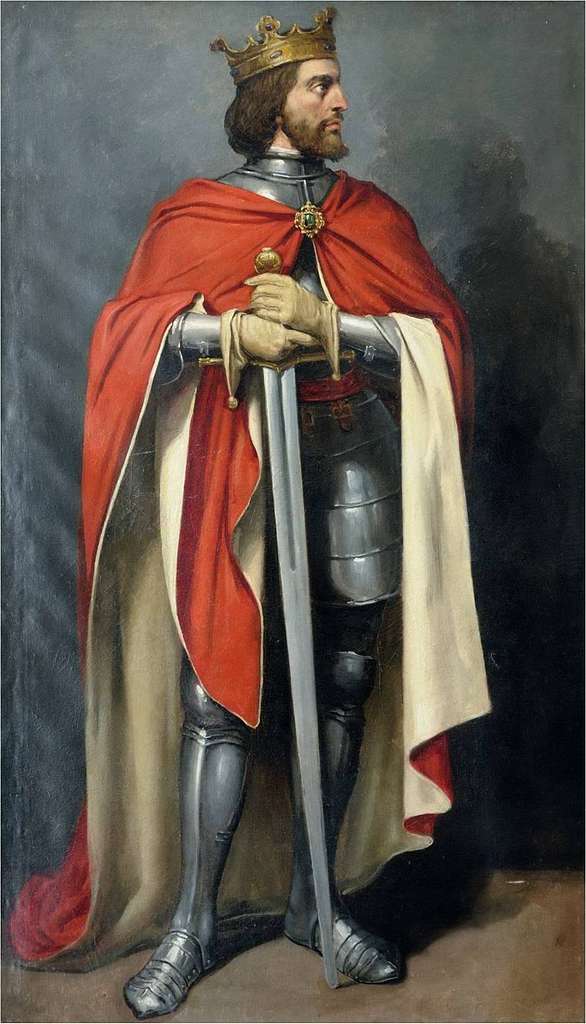
Its nickname comes from its classic, arched design—strong and timeless, like something from a much older era.
Standing on the bridge, I spot three main arches.
The largest sits in the center, flanked by two smaller, uneven arches.
People have called it “Puente Vieyu” and “Puentón” over the years.
Wind and water have battered the stones for centuries, yet the bridge still stands—a testament to the skill of generations who cared for it.
The bridge also marks a crossing where rivers, towns, and histories all meet.
From the top, the views stretch over the Sella River and the lush hills of Asturias.
It’s a prime spot for photos and a must-see for anyone passing through.

Image Source: Wikimedia Commons
Why the Bridge Became a Cultural Icon
Locals see this bridge as a symbol of their town’s resilience and its place in Spanish history.
Cangas de Onís was once the capital of the Kingdom of Asturias, the birthplace of Christian Spain.
Every time I cross the bridge, I feel that pride locals mention—a feeling rooted in both place and tradition.
The bridge pops up in travel guides, postcards, and tourism campaigns for Asturias.
Visitors come here for its beauty but also for the deeper meaning.
It stands as a literal and symbolic gateway to the Picos de Europa, one of Spain’s most stunning destinations.
During festivals, the bridge often becomes a gathering point.
Flags and decorations flutter above the arches, and I’m reminded how important it still is to the community.
Legends and Local Stories
Like many old sites in Spain, the Roman Bridge comes with its share of legends.
A local guide told me about the famous gold cross—the Cruz de la Victoria—hanging from the main arch.
This cross is deeply tied to Asturias and the Christian Reconquest.
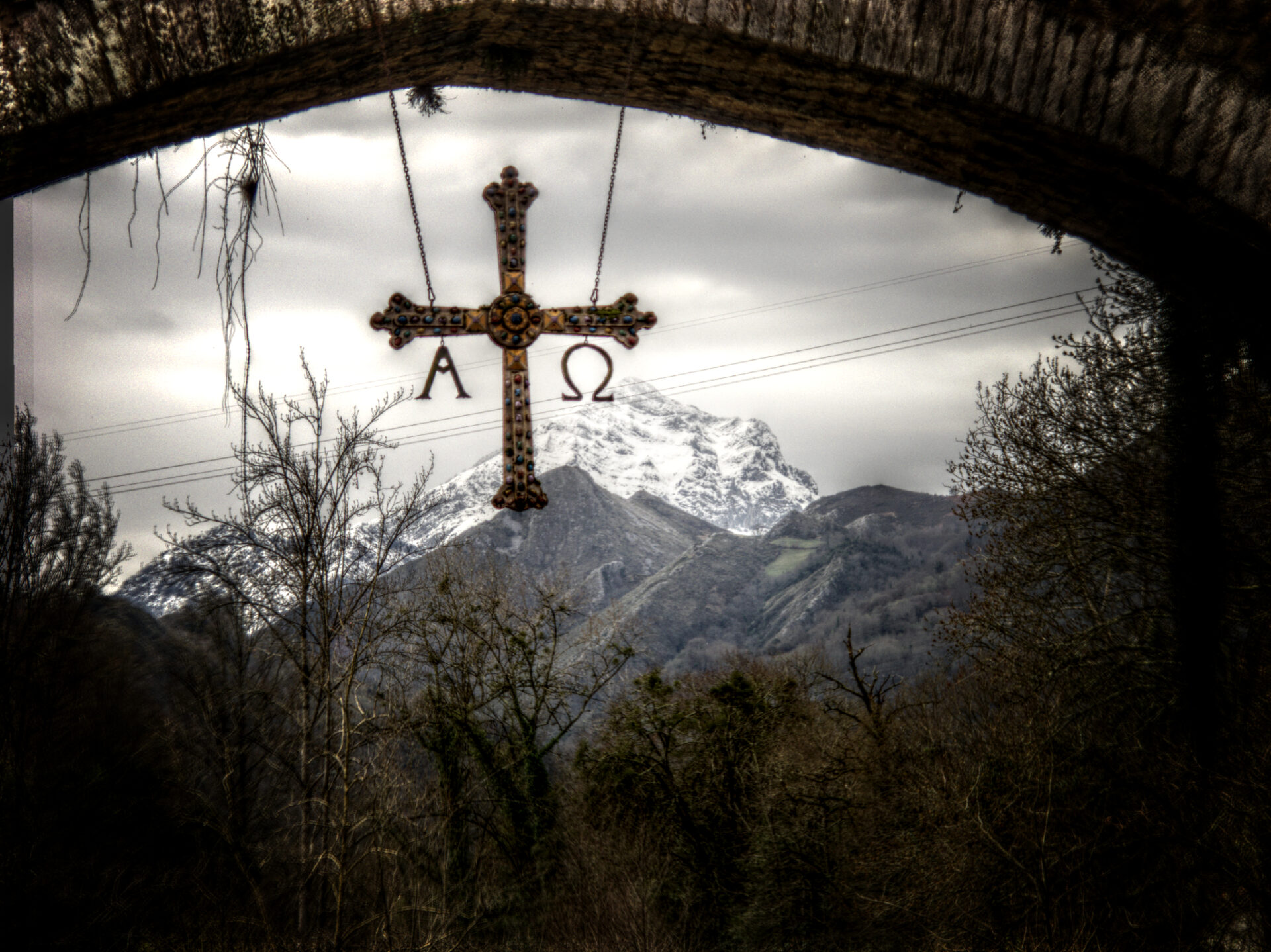
Image Source: Flickr
Some folks say if you whisper a wish while looking at the cross, you’ll get good luck on your travels.
Others talk about ancient pilgrims, medieval battles, and even secret romances under the stone arches.
I often see visitors pausing in silence beneath the arch, maybe caught up in the stories or just soaking in the view.
These legends add a layer of mystery, making the bridge much more than a photo spot—it’s a living piece of storytelling.
Photographing the Roman Bridge: Tips for Capturing the Perfect Shot
Every time I visit the Roman Bridge in Cangas de Onís, I realize there’s more to a great photo than just pointing and shooting.
Time of day, perspective, and the surrounding nature all play a huge part in getting that perfect shot.
Best Times of Day for Photography
Light changes everything.
I always prefer early morning because the soft, golden light makes the arches glow and pulls out the texture in the old stones.
Sunset is another magic time—sometimes the sky turns pink or orange, and the bridge stands out against the green hills.

Crowds are smaller at sunrise and sunset, too.
Midday brings harsh shadows, but if it’s cloudy, the light softens up.
If I use my phone, I turn off the flash and play with exposure to balance the bright and dark spots.
Even in the rain, reflections on the river add something special.
It takes a little patience, but waiting for the right moment always pays off.
Ideal Angles and Hidden Viewpoints
I like to wander around before I take out my camera.
The classic shot from the front is great, but some of my favorite photos come from off to the side.
There’s a path by the water where I can catch the bridge’s reflection in the Sella River.
Climbing a hillside nearby gives me a wide view that includes the mountains.
A wide-angle lens helps, but honestly, even my phone works if I step back far enough.
To dodge crowds in my photos, I wait until fewer people are crossing or find a spot among the trees to frame the bridge with leaves or flowers.
Incorporating Natural Beauty into Your Shots
Nature in Cangas de Onís is as much a part of my photos as the bridge itself.
Lush green hills, dramatic peaks, and golden trees in autumn turn a simple picture into something memorable.

Here’s what I do:
- Frame the bridge with branches or wildflowers.
- After rain, shoot reflections in the calm river.
- Try to include mountain peaks on clear days for that sense of adventure.
Sometimes I crouch down to add grass or river rocks in the foreground.
The seasons really change the mood.
Spring wildflowers, summer greens, and fall colors each tell their own story.
Sharing Your Photos: Social Media Inspiration
Once I’ve got some shots I love, I think about sharing them with fellow travel fans.
Hashtags like #CangasDeOnis, #RomanBridge, and #PicosDeEuropa help me connect with others looking for scenic spots.
On Instagram, I might post a carousel showing the bridge from morning to sunset.
For travel blogs, I add a quick caption about what it felt like to be there.
If I want to inspire adventure, I share wide shots with hikers or kayakers in the frame.
Tip: Tag the official tourism pages—they sometimes feature the best photos, and it helps other travelers find great spots.
A bit of creativity and smart sharing can make anyone’s visit stand out.
Exploring Beyond the Bridge: Adventures Around Cangas de Onís
Cangas de Onís offers way more than just its historic Roman Bridge.
The area bursts with adventures, thanks to its rivers, mountains, and wild green landscapes.
Outdoor Activities for Adventure Seekers
When I first got to Cangas de Onís, I couldn’t believe how easy it was to go from quiet town life to action-packed days.
Canoeing down the Sella River is a local classic.
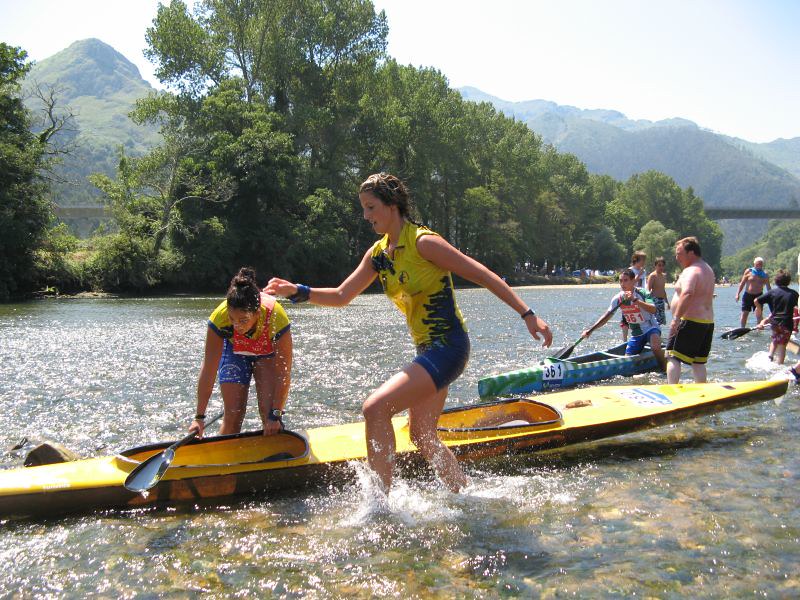
Image Source: Flickr
Paddling past gentle rapids with mountain views made me feel totally connected to nature.
If you want more of a thrill, you can try rafting, canyoning, or even river surfing.
Cyclists will find scenic trails for every skill level.
Renting a mountain bike helped me reach viewpoints most travelers miss.
Horseback riding tours let you explore at a slower pace and really take in the countryside.
Here’s a quick look at popular outdoor pursuits:
| Activity | Where to Try | Skill Level |
|---|---|---|
| Canoeing | Sella River | Beginner–Intermediate |
| Mountain Biking | Trails to Covadonga | All levels |
| Horseback Riding | Local stables | All levels |
| Canyoning | Cares and Dobra River areas | Intermediate–Advanced |
Picos de Europa: Hiking and Scenic Views
Just outside of town, the peaks of Picos de Europa National Park rise up.
I was amazed by how quickly the scenery changes once you leave Cangas de Onís and head toward Covadonga.
The park’s trails work for everyone—from casual walkers to serious trekkers.
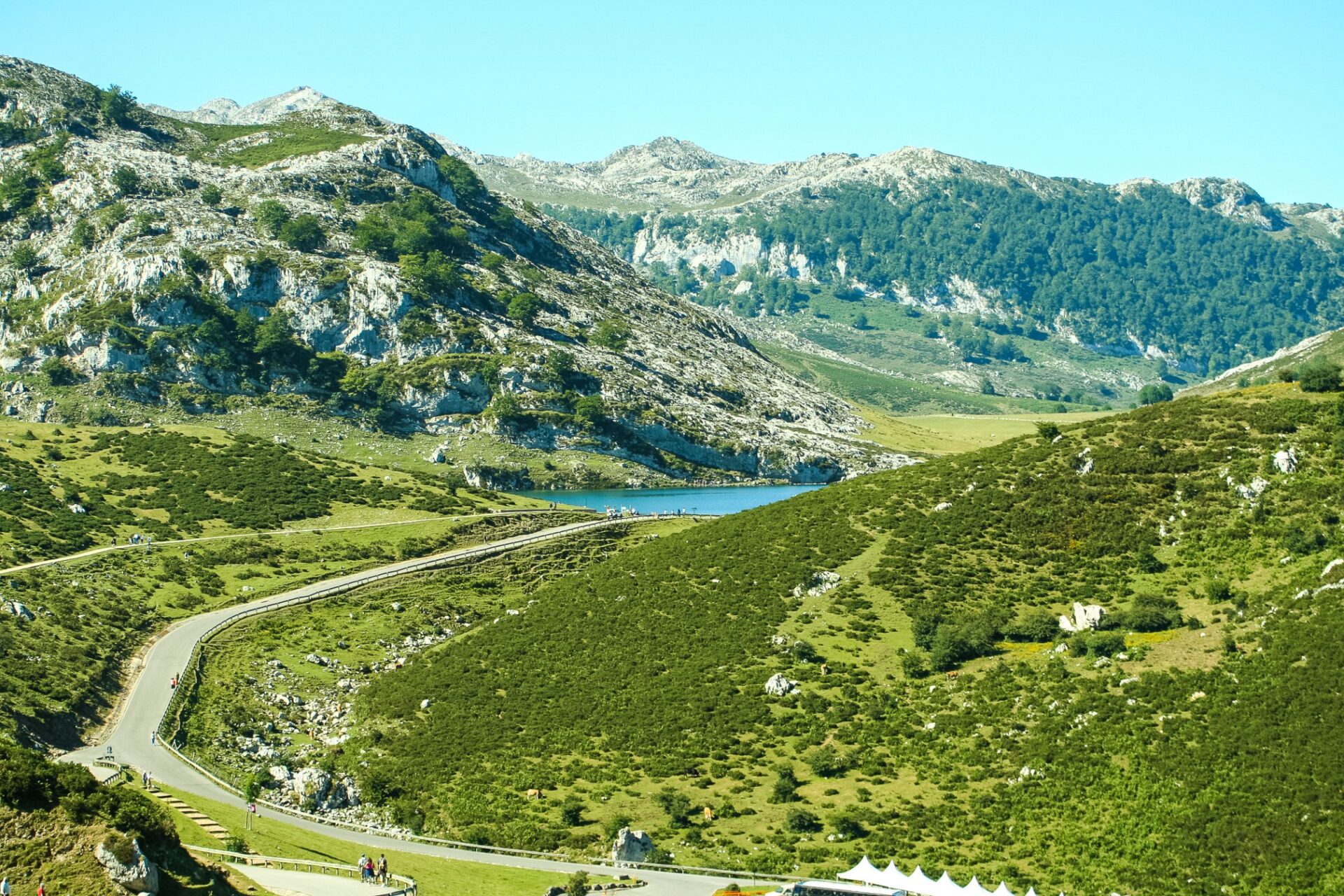
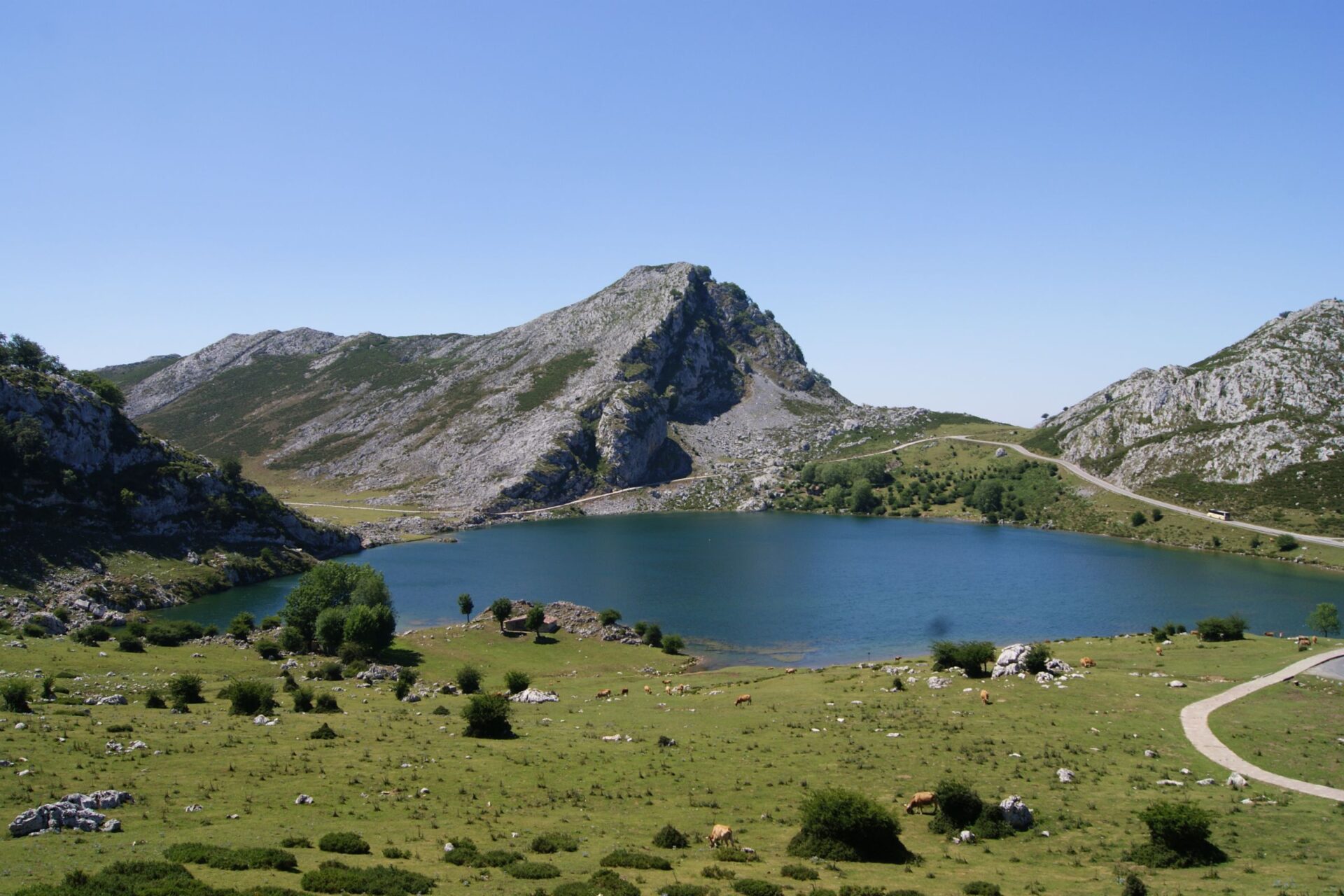
Hiking to Lakes Enol and Ercina is a real highlight.
The peaceful alpine scenery made me want to stop and picnic by the water.
If you go deeper into the park, you can reach spots like the Cares Gorge trail.
That one’s tough but worth every step.
Clear signposts and well-marked paths make it easy to explore, even if it’s your first time.
Wildlife is everywhere—chamois, eagles, and sometimes wild horses.
Whether I’m chasing sunrise over the peaks or relaxing by a lake, Picos de Europa always feels like pure adventure.
Essential Visitor Information: Planning Your Cangas de Onís Experience
When I planned my trip to Cangas de Onís, I realized that travel routes, transport, and lodging make a huge difference.
Choosing the right way to get there and finding a comfortable place to stay really sets the tone for exploring the region and its iconic Roman Bridge.
How to Get There and Getting Around
Cangas de Onís sits right in the heart of Asturias. That makes it a fantastic gateway to the Picos de Europa and other northern Spain destinations.
The closest airport is Asturias Airport (OVD), about 110 km away. I grabbed a rental car from the airport, and honestly, the drive took me about an hour and a half.
The route gave me some amazing mountain views. I’d do it again just for the scenery.
Travel by Bus or Train:
You won’t find direct trains to Cangas de Onís. ALSA buses, though, run daily from Oviedo, Gijón, and Llanes.
The buses drop you near the center of town. From there, you can usually reach your hotel on foot without much hassle.
Getting Around Town:
Cangas de Onís is super walkable. Most key spots are just a ten-minute stroll away.
If you want to explore places outside town, like Covadonga Lakes, you should rent a car or join a guided tour. Local taxis exist, but you won’t see them everywhere like in bigger cities.
Where to Stay for Memorable Travel
When you pick a place to stay in Cangas de Onís, you’ll find yourself choosing between charming guesthouses, cozy rural hotels, and smaller inns.
I stayed in a family-run hotel right by the river, and honestly, it felt like the real Asturian deal.
You’ll spot plenty of places with mountain views, and some even show off that classic stone architecture.
Types of Places to Stay:
- Boutique Hotels: They usually serve breakfast and sit close to the Roman Bridge.
- Rural Casas (Guesthouses): Great if you’re after local vibes and a quiet night.
- Budget Options: Hostels and pensions keep things affordable, with simple but tidy rooms.

Image Source: Tripadvisor
Here’s a tip: book early, especially if you’re planning to visit in summer or on a holiday—this spot draws hikers and history buffs like crazy.
If you’re driving, definitely ask about parking. Some hotels give you a free spot, but others leave you hunting for street parking.

