
Walking through the quiet halls of Cecilienhof Palace, I swear you can almost hear history whispering. This spot in Potsdam isn’t just another grand house—it’s where Truman, Stalin, and Churchill sat down and shaped the post-WWII world.
Cecilienhof isn’t just a royal residence; it’s the last palace the Hohenzollern family ever built, and the place where global decisions steered history in a whole new direction.
When I visited, I wandered through the same rooms where those tense negotiations happened in 1945. The English Tudor design really stands out, and you can still feel the palace’s royal past lingering in the air.
Stepping inside, you’re surrounded by the end of Germany’s monarchy and the start of a divided Europe—two worlds colliding under one roof.
Cecilienhof gave me a direct line to some of the most dramatic moments of the 20th century. Seeing it for myself brought both the sweeping history and the personal stories into sharper focus.
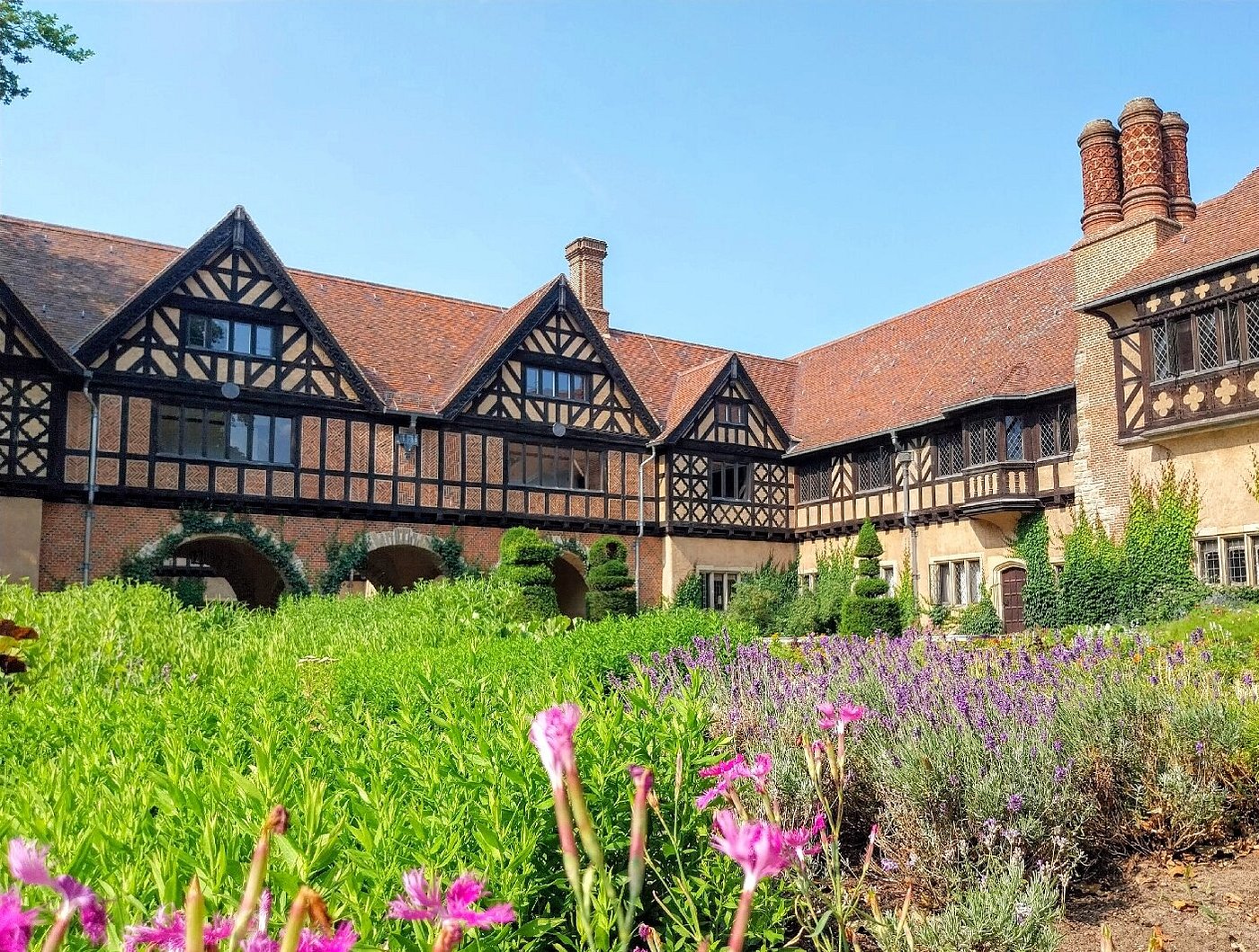
Cecilienhof Palace: The Last Residence of the Hohenzollerns
Cecilienhof Palace has a unique place in German history as the final royal residence built by the Hohenzollerns. Its design, its royal inhabitants, and its World War I origins all tell a story.
Architectural Design and English Tudor Style
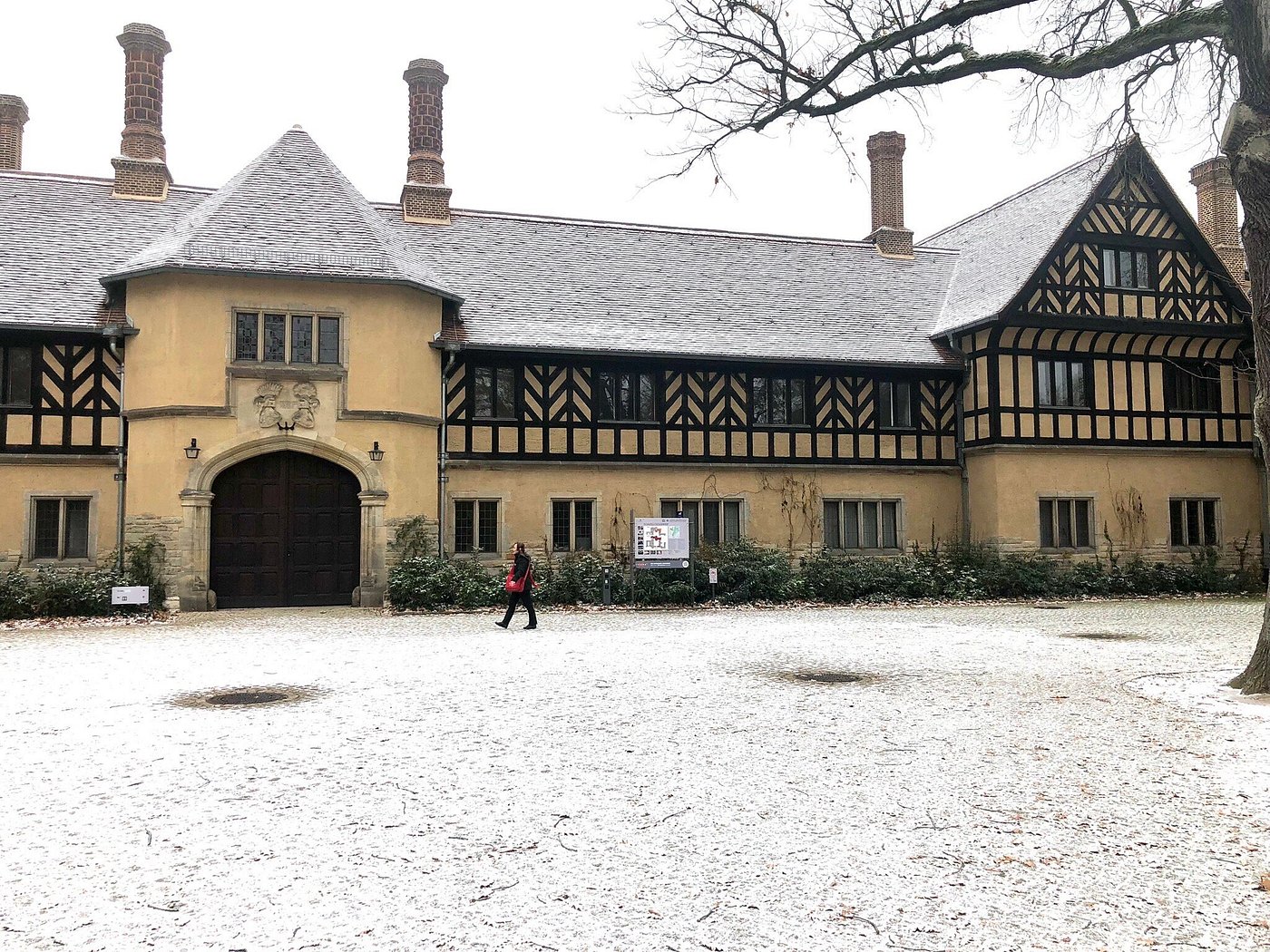
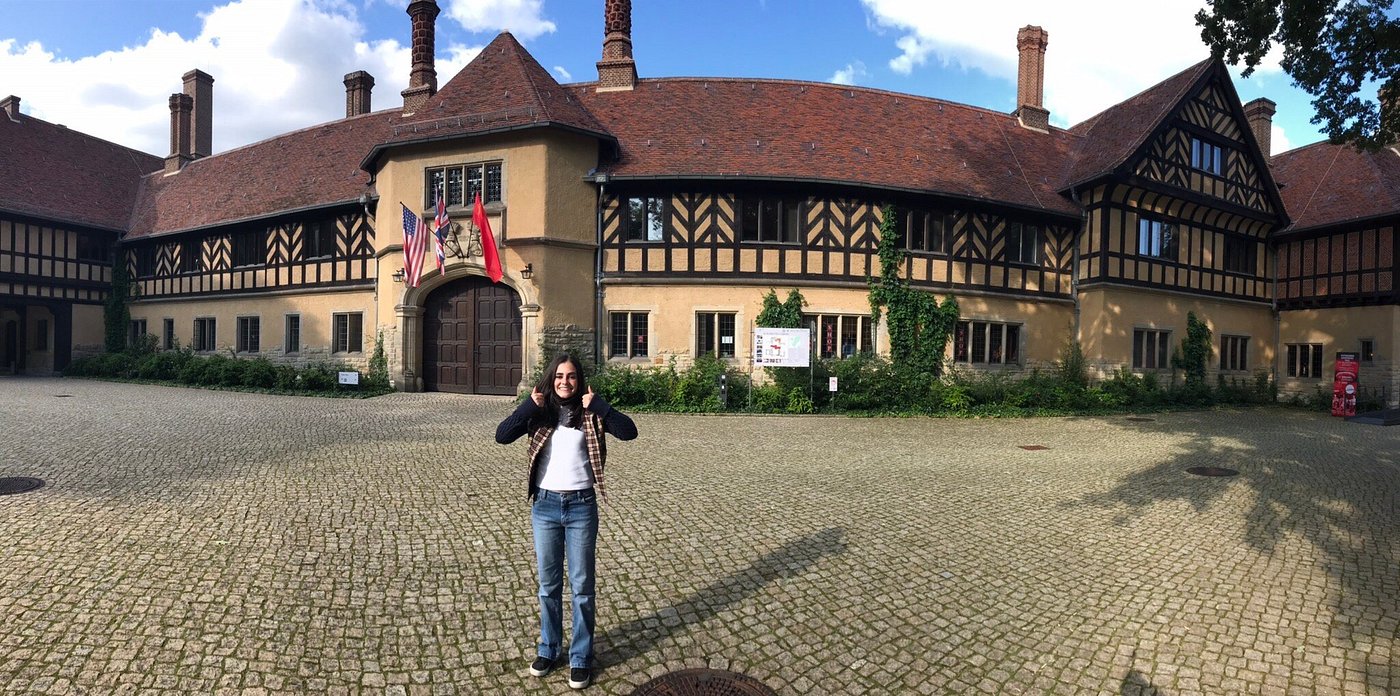
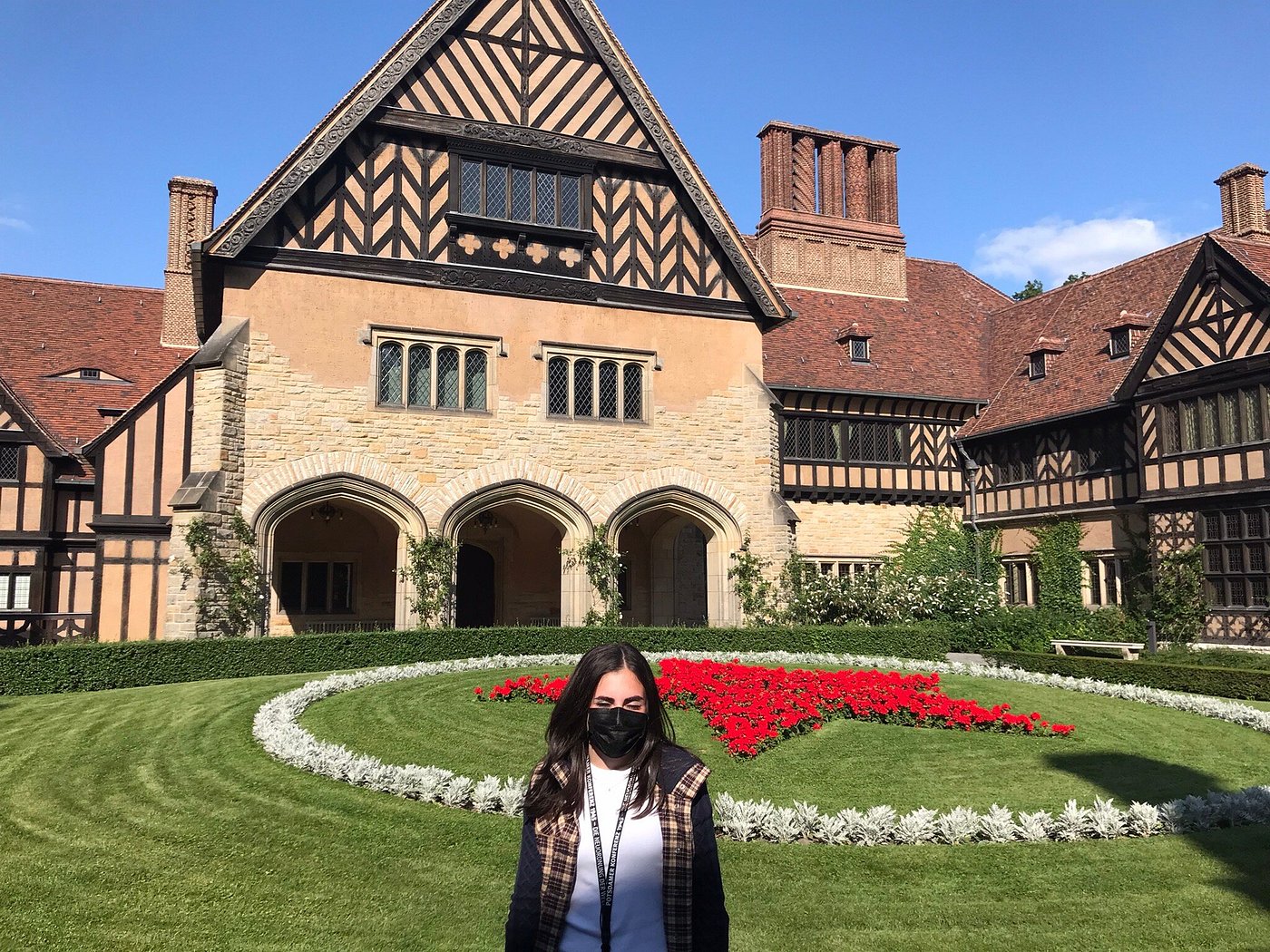
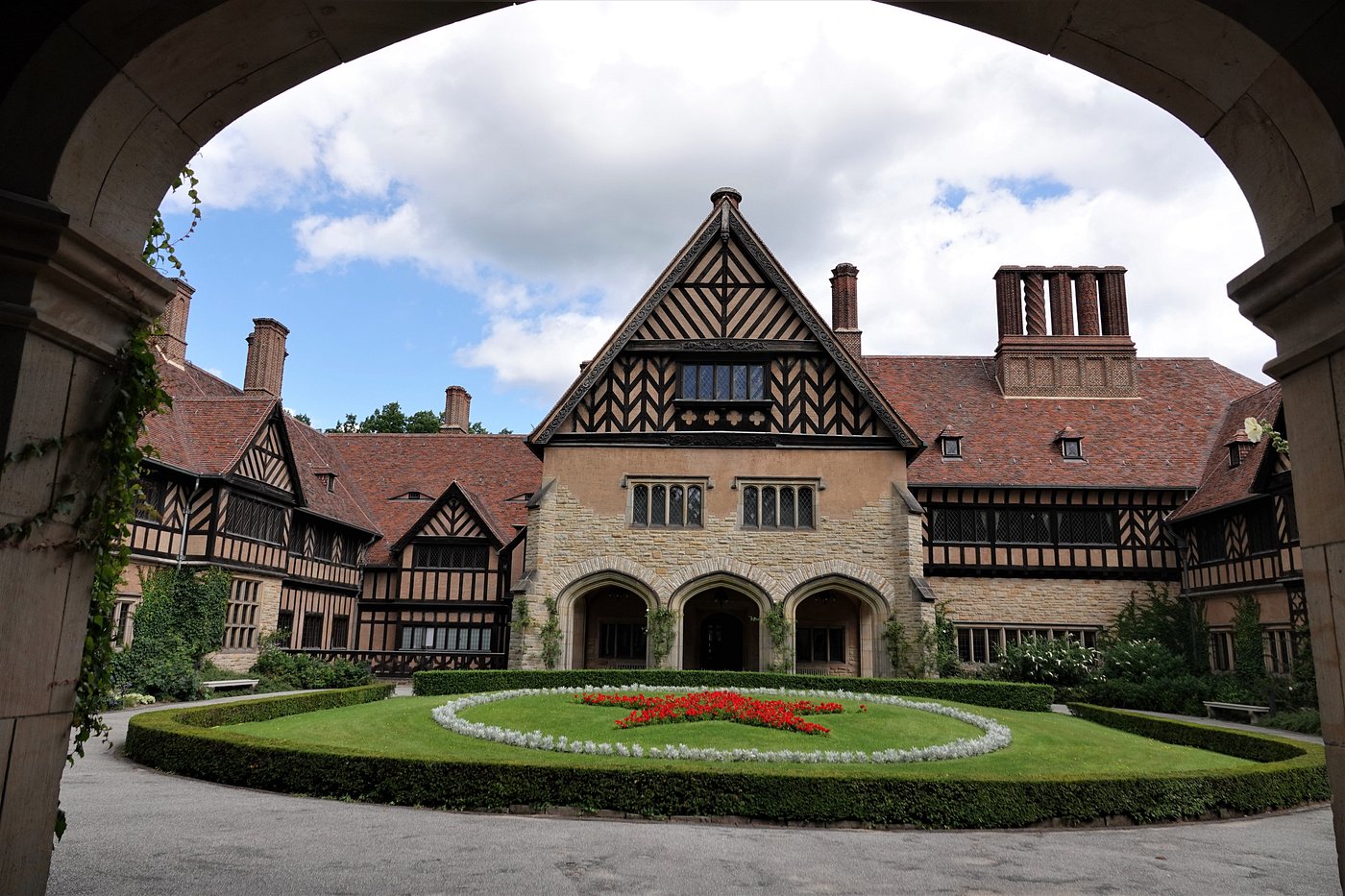
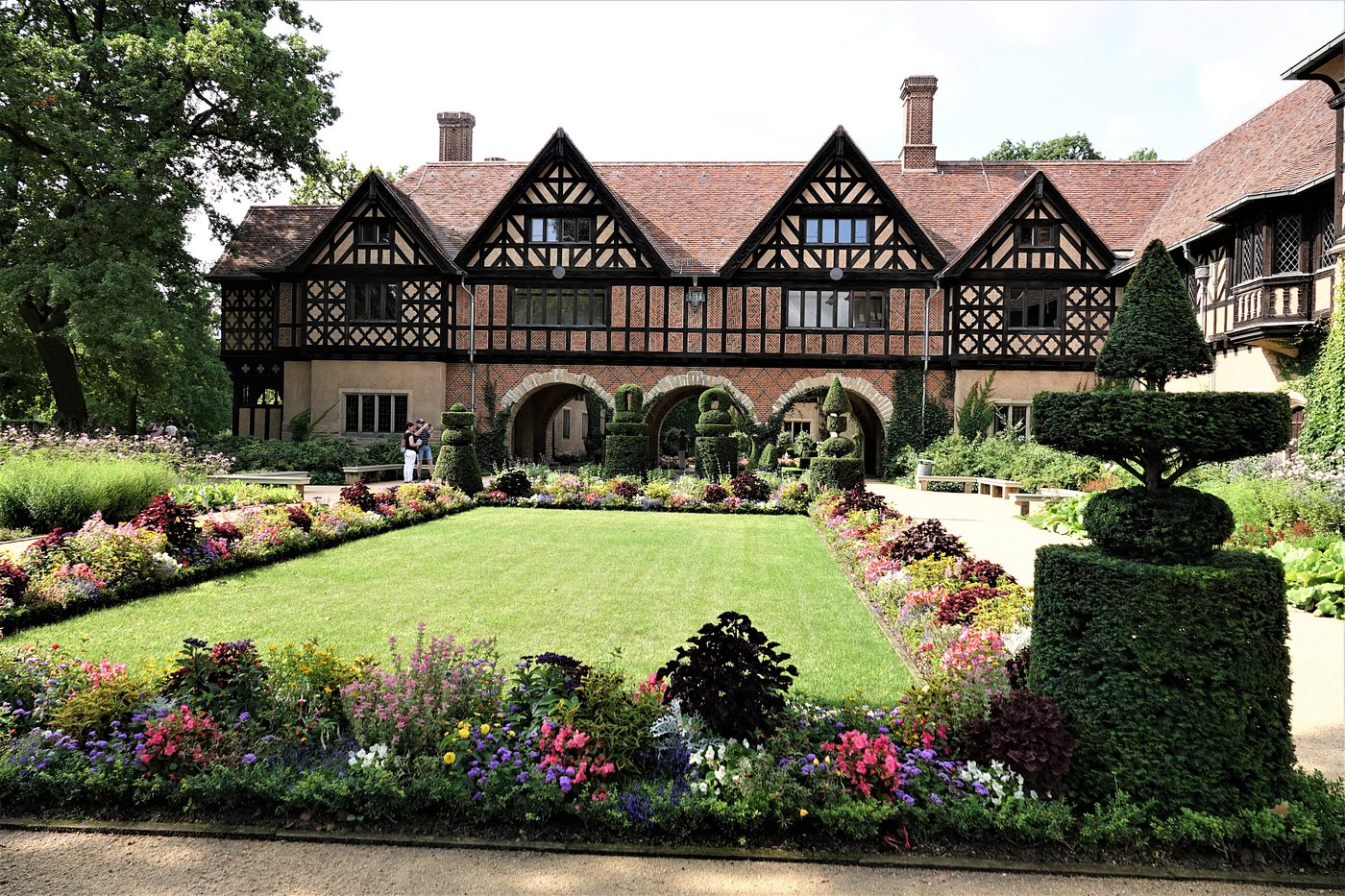
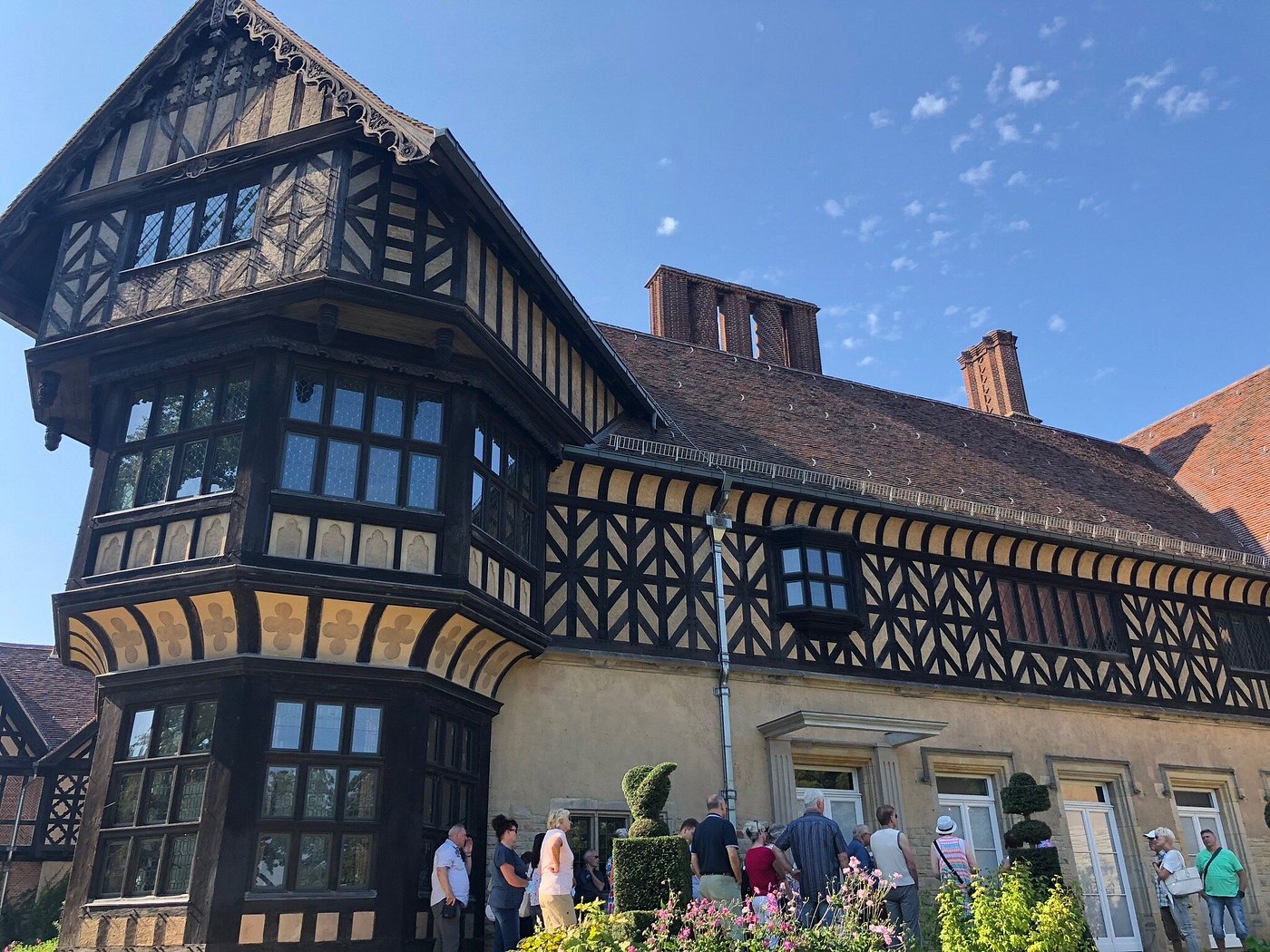
Right away, the English Tudor style grabs your attention at Cecilienhof. The palace looks more like a sprawling country house than a classic palace.
You’ll notice half-timbered walls, steep gable roofs, and about 55 quirky chimneys poking up everywhere.
Architect Paul Schultze-Naumburg took Kaiser Wilhelm II’s vision and ran with it—he wanted something that echoed English manors for his son. The wooden beams pop against the dark brick, and the leaded glass windows add both charm and a certain warmth.
It’s unusual to see Tudor style in a German royal home, but I think that’s what makes it interesting. Every one of the 176 rooms feels different, which kept me curious as I wandered from hall to hall.
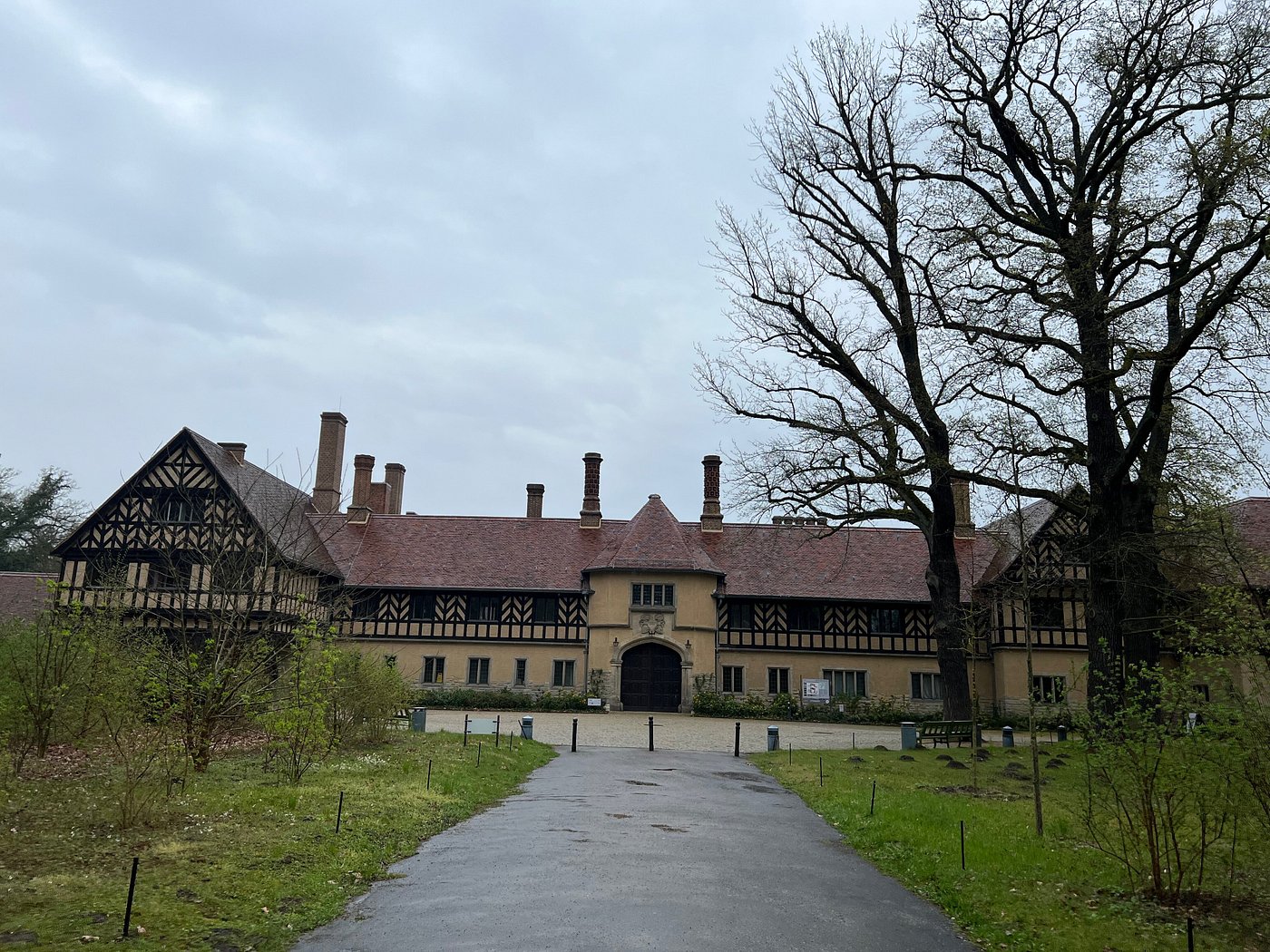
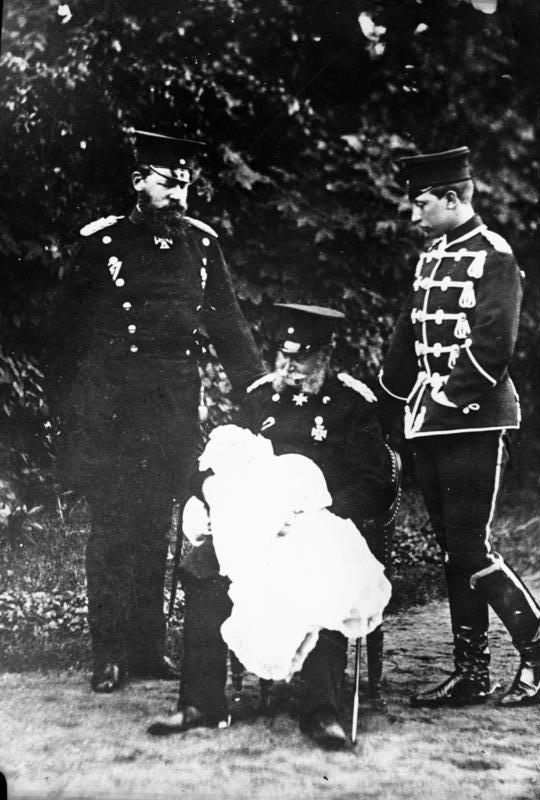
The Royal Family: Crown Prince Wilhelm and Duchess Cecilie
Cecilienhof went up for Crown Prince Wilhelm, Kaiser Wilhelm II’s eldest son, and his wife, Duchess Cecilie of Mecklenburg-Schwerin. The palace even takes its name from Cecilie—she and her family were the first to call it home.
Wilhelm and Cecilie stood for a new, more modern generation of Hohenzollerns. Their life at Cecilienhof wasn’t all pomp and ceremony; it was a working royal household, kids and all.
Even though it’s a palace, Cecilienhof doesn’t hit you with Prussian grandeur. It’s practical and lived-in, which made it feel surprisingly personal and approachable when I visited.
Construction and Historical Context
They started building Cecilienhof in 1913 and finished it in 1917, right in the thick of World War I. That timing matters—it’s the last palace the Hohenzollern family ever built, just before their dynasty ended.
Emperor Wilhelm II commissioned it, making it a final symbol of Prussian royal power before the monarchy collapsed. The blend of old and new makes Cecilienhof a bridge between eras, straddling tradition and the winds of change.
You can see the history in the palace’s practical layout and understated decoration. Instead of gilded halls, you get craftsmanship and comfort—a signal the Hohenzollerns were moving toward a different kind of royal life just before everything changed.
The Potsdam Conference: Defining Moments in WWII History
The Potsdam Conference didn’t just end World War II—it set Europe’s future in motion. At Cecilienhof, world leaders carved up Germany, redrew borders, and issued demands to Japan.
Key Figures: Churchill, Truman, and Stalin
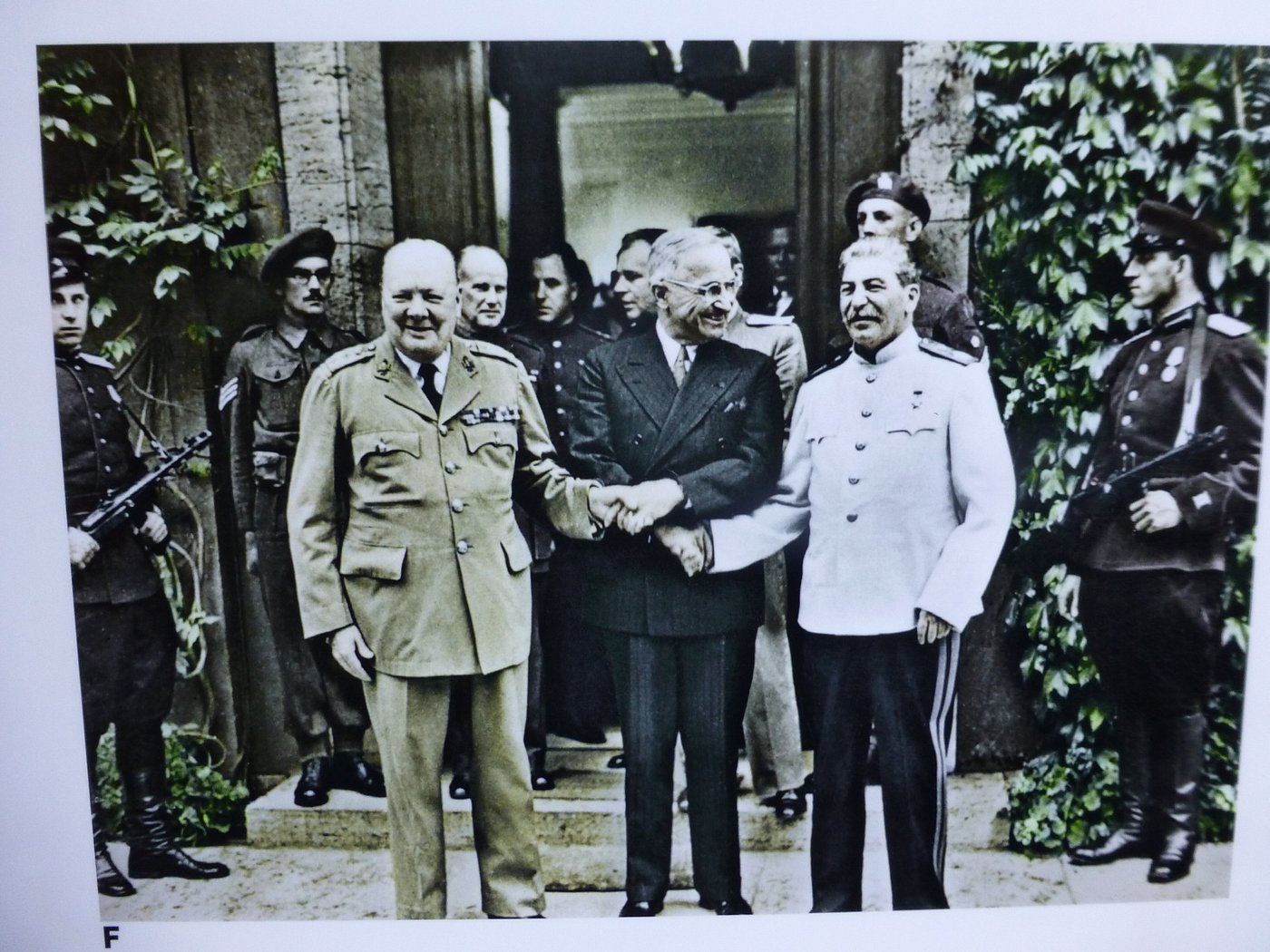
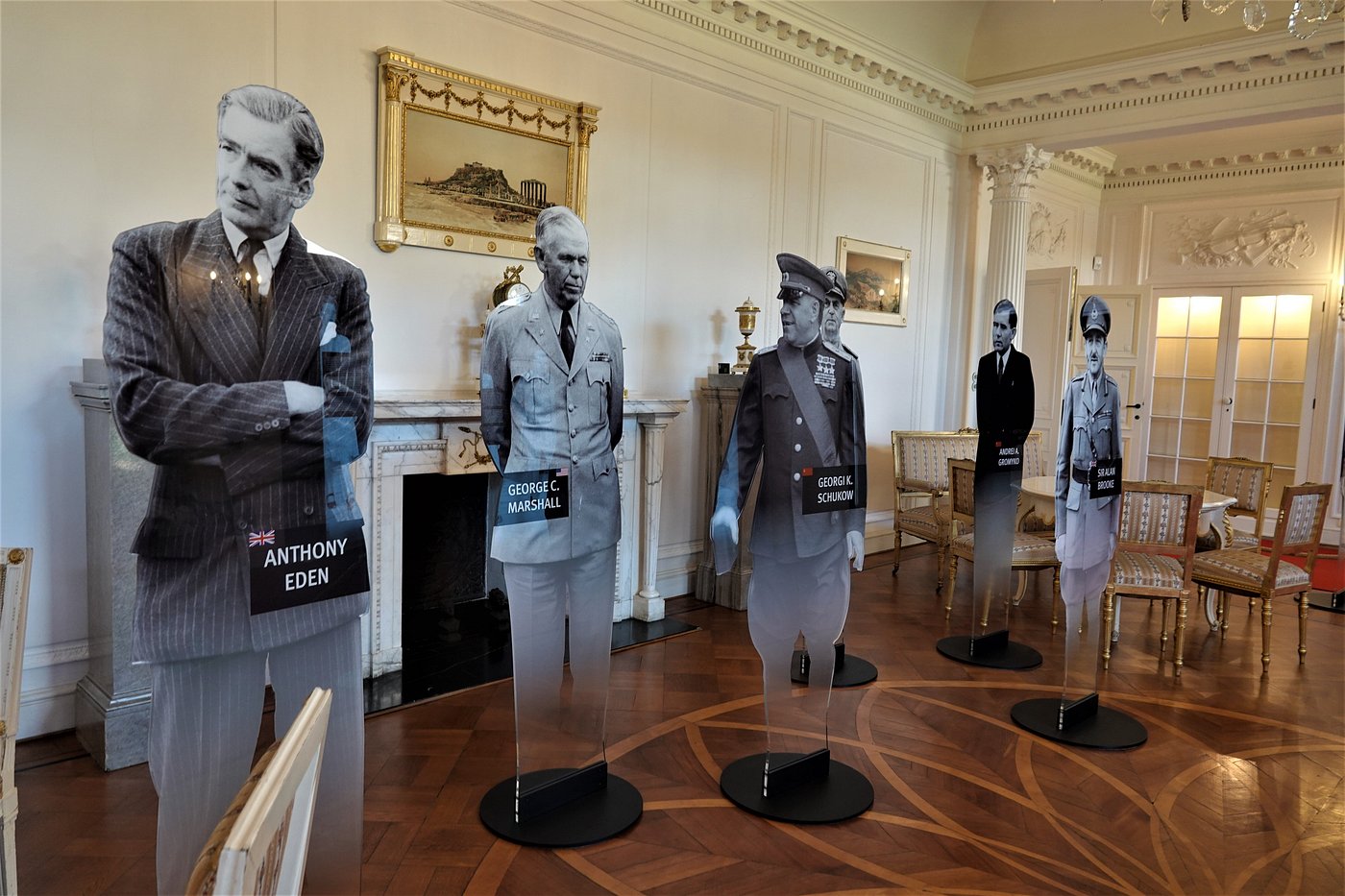
Walking through Cecilienhof, it’s impossible not to picture the three main leaders who gathered there in July 1945. Winston Churchill came for the UK, Harry S. Truman for the US, and Joseph Stalin for the Soviet Union—the “Big Three.”
Churchill actually started the conference, but a UK election swapped him out for Clement Attlee partway through. Truman was still new to the job after FDR’s death. Stalin, meanwhile, was a summit veteran, having already been at Yalta.
Each brought their own agenda. Truman pushed for tough terms with Japan, leading to the Potsdam Declaration. Stalin wanted security and more sway in Eastern Europe, especially Poland. Churchill’s main concern was stopping Soviet expansion—he’d soon call it the “Iron Curtain.”
| Leader | Country | Key Goals |
|---|---|---|
| Churchill | United Kingdom | Prevent Soviet expansion |
| Truman | United States | Ensure Japan’s surrender, democracy |
| Stalin | Soviet Union | Security and influence in the East |
Decisions and Agreements Reached
Inside Cecilienhof, the Allies hammered out the Potsdam Agreement—deciding how to carve up and control Germany.
They split Germany into four zones: American, British, Soviet, and French. Each Ally took charge of a zone. The plan focused on the “Four D’s”: Denazification, Demilitarization, Democratization, and Decartelization.
One of the toughest calls was shifting Poland’s borders, which uprooted millions. The conference also rolled out the Potsdam Declaration, demanding Japan’s unconditional surrender and threatening “prompt and utter destruction.” That warning soon became grim reality in Hiroshima and Nagasaki.
Not every problem got solved, though. You can almost sense the seeds of the Cold War being planted, especially with the Soviets tightening their grip on Eastern Europe.
Impact on the End of World War II
The Potsdam Conference’s impact hit fast. The Potsdam Declaration led straight to Japan’s surrender after the atomic bombings. World War II ended, but the nuclear age had just begun.
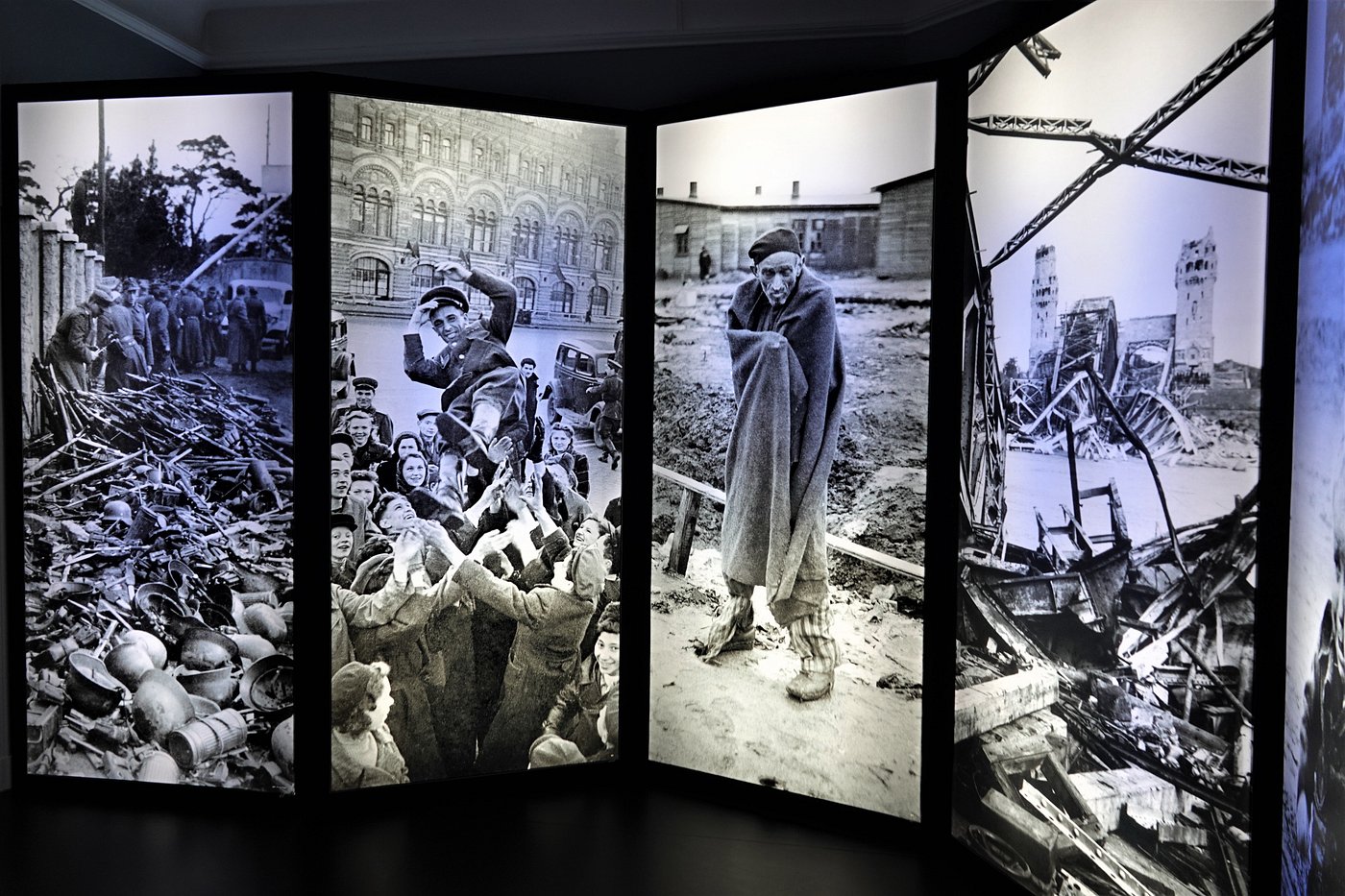
In Germany, the Allies’ policies of denazification and demilitarization reshaped the country. Potsdam didn’t just end the war; it managed the messy aftermath. You see the human cost in the millions displaced as borders shifted.
Potsdam also kicked off the Cold War. Stalin’s control over Eastern Europe, Germany’s division, and Churchill’s “Iron Curtain” all trace back to Cecilienhof. Instead of pure peace, the meeting set up new rivalries that would last for decades.
Exploring Cecilienhof Palace Today: Museum and Historical Exhibitions
Today, Cecilienhof Palace is a museum where you can step into the very spaces where history turned a corner. The exhibitions dive into the Potsdam Conference, the lives of its royal residents, and the care taken to preserve its unique architecture.
Conference Hall and Historic Rooms
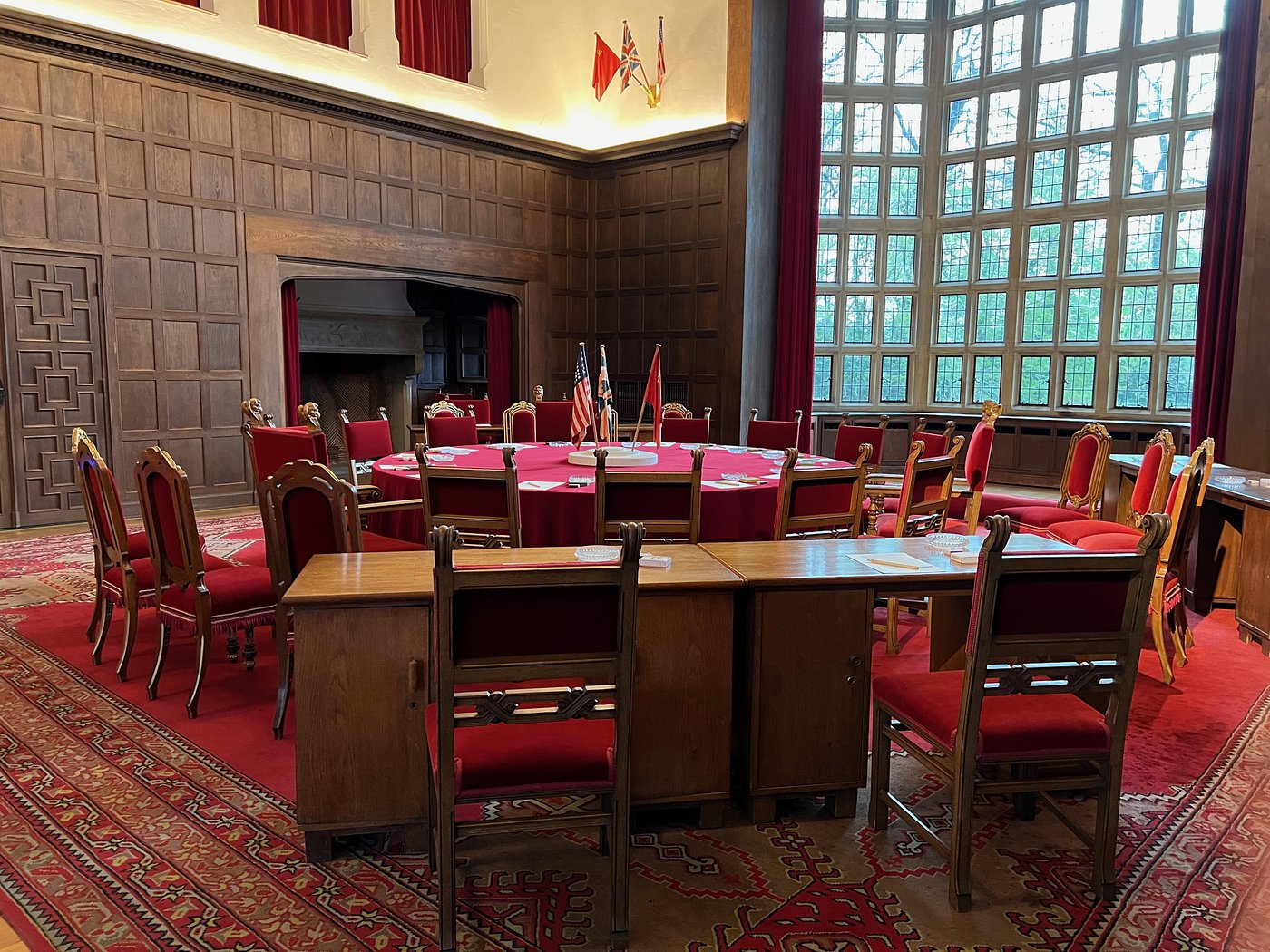
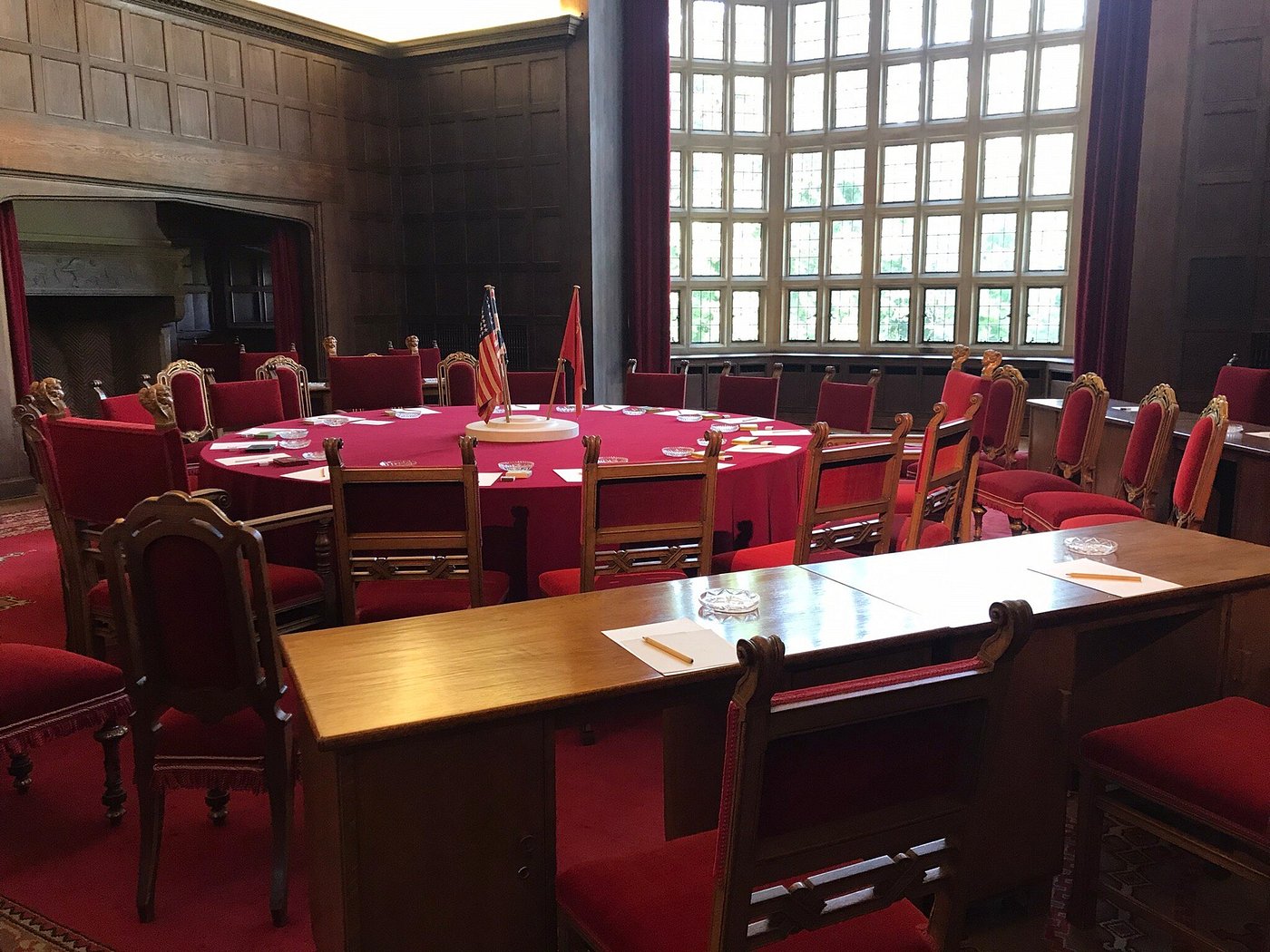
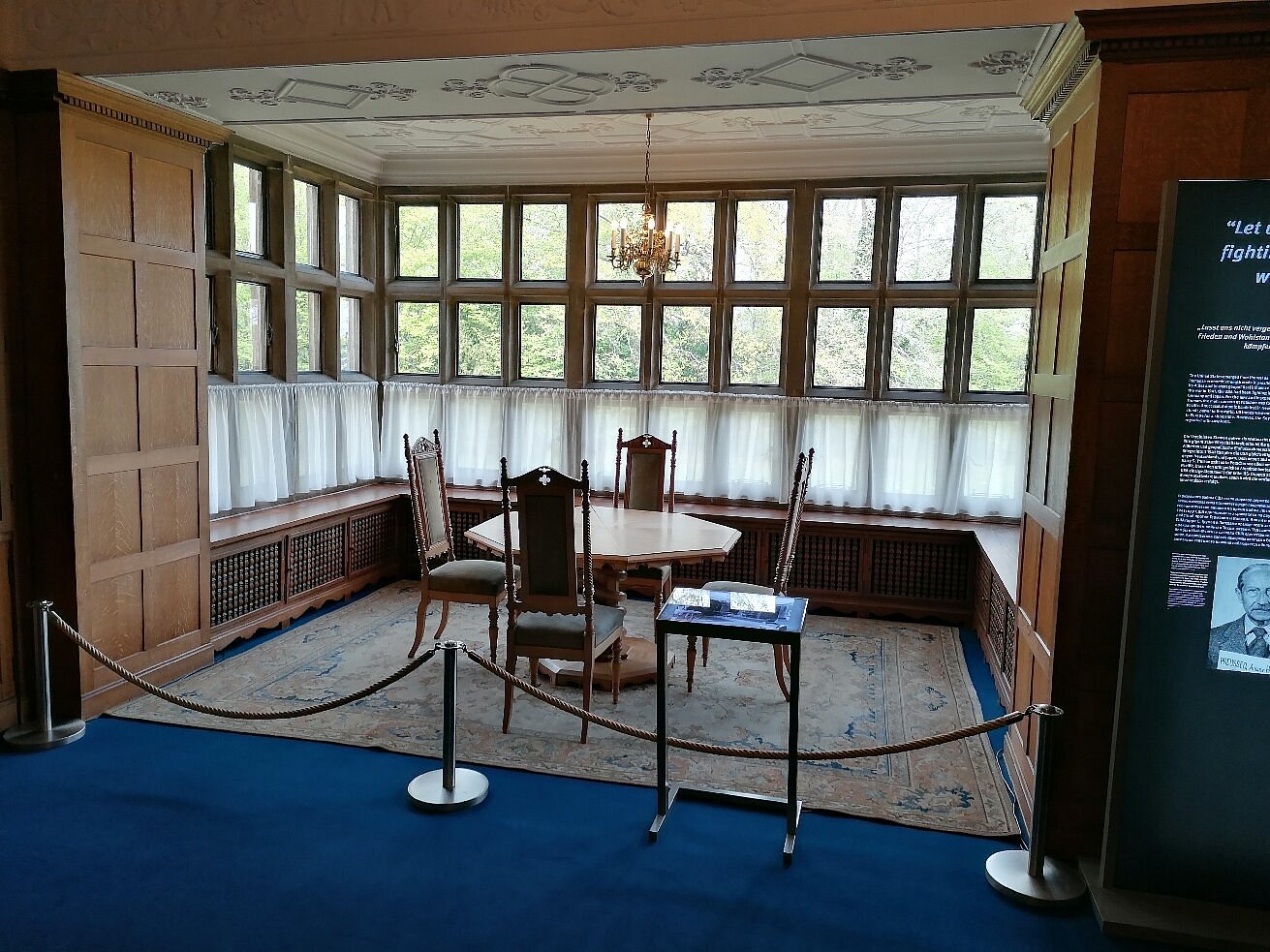
The conference hall is where it all happened. I could almost see Truman, Churchill, and Stalin at that famous round table, hashing out Europe’s future in 1945.
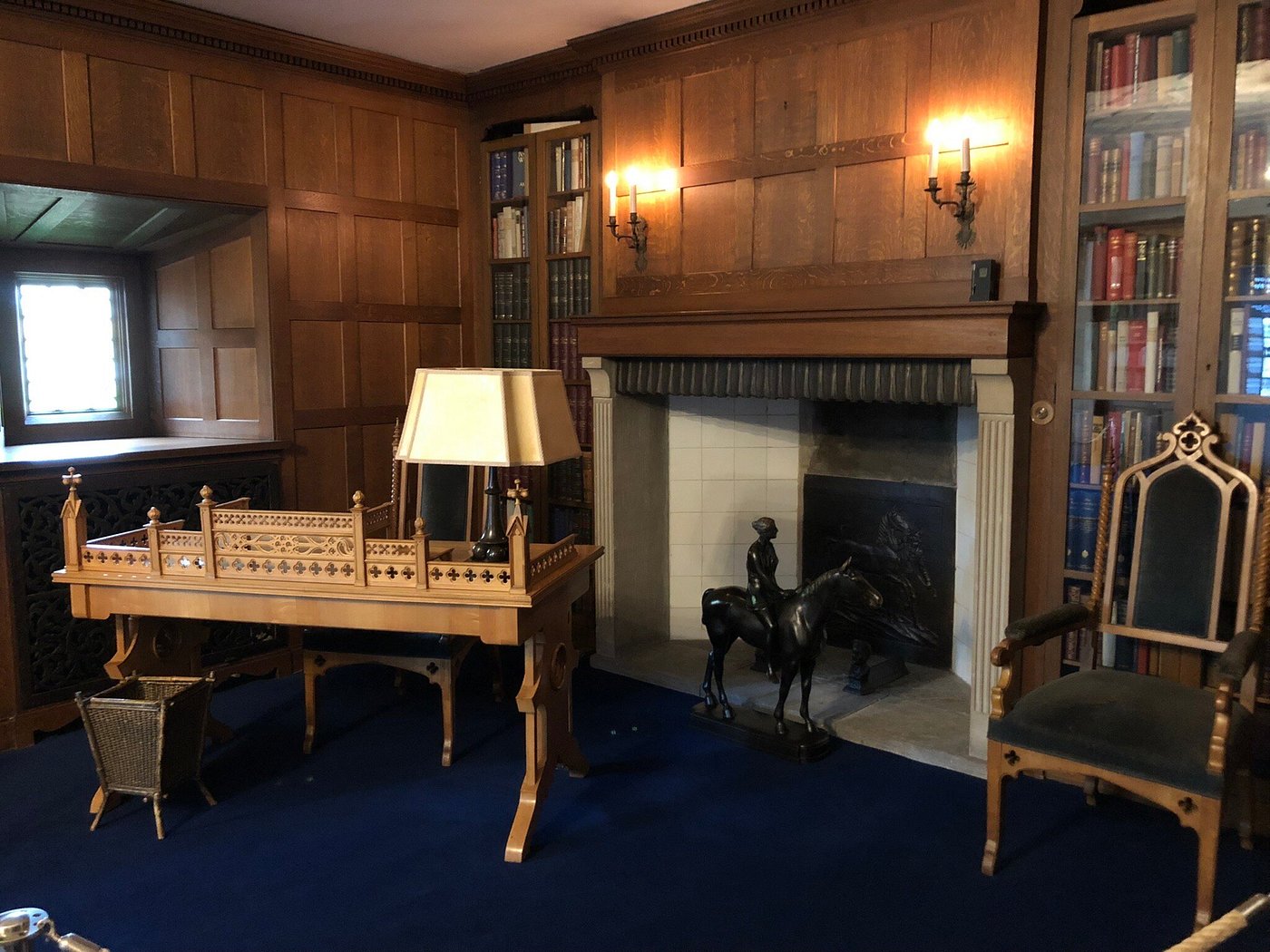
The Great Hall still looks much like it did back then, flags and all. Other rooms—the smoking room, library, white salon, and red salon—give a glimpse into where the leaders and their teams took breaks or worked on details.
Original features, like ornate ceilings and wood paneling, have survived. Even the breakfast room and staff quarters are part of the tour. Plaques and interactive displays help you figure out who used which space and what went down.
Key Exhibits: The Potsdam Conference Artifacts
Artifacts here really bring the Potsdam Conference to life. I spotted original documents, old photos, and even the pens and notebooks used by the Allied leaders.
You’ll find maps from the talks—sketches showing how Germany and Berlin would be divided, which is wild to see up close. The Potsdam Declaration and Agreement are on display, too.
Uniforms, typewriters, and old communication gear fill out the story. The museum uses touch screens for digital archives and translations, which is handy if you’re curious about the nitty-gritty.
Restoration and Preservation Efforts
Restoring Cecilienhof has been a big job. After heavy use during and after WWII, teams worked to bring rooms back to their 1945 look. They recreated wallpapers, fabrics, and furniture using old photos as guides.
Architects studied Paul Schultze-Naumburg’s original work to keep the Tudor vibe alive. When they couldn’t save original materials, they found close matches.
Restoration is ongoing, especially since the museum closed for major work until about 2027. On-site info explains these efforts and shows the balancing act between preserving history and welcoming visitors.
UNESCO World Heritage Site Status
Cecilienhof is part of the UNESCO World Heritage Site for the Palaces and Parks of Potsdam and Berlin. That’s a big deal—it’s recognized for its historical and architectural importance as the last Hohenzollern palace and the site of the Potsdam Conference.
UNESCO signage explains what makes the palace special, from its landscape design to its role in shaping Europe after the war. Educational displays break down what it takes to earn World Heritage status—authenticity, careful preservation, and all that.
Guided tours often connect Cecilienhof to other nearby historic sites. This status helps fund ongoing restoration and keeps everything up to international standards.
Cecilienhof’s Scenic Setting: Potsdam and Neuer Garten
Cecilienhof Palace nestles in northern Potsdam, right in the middle of the leafy Neuer Garten. The grounds include peaceful lakes, historic buildings, and echoes of WWII events.
The English Landscape Garden and Jungfernsee
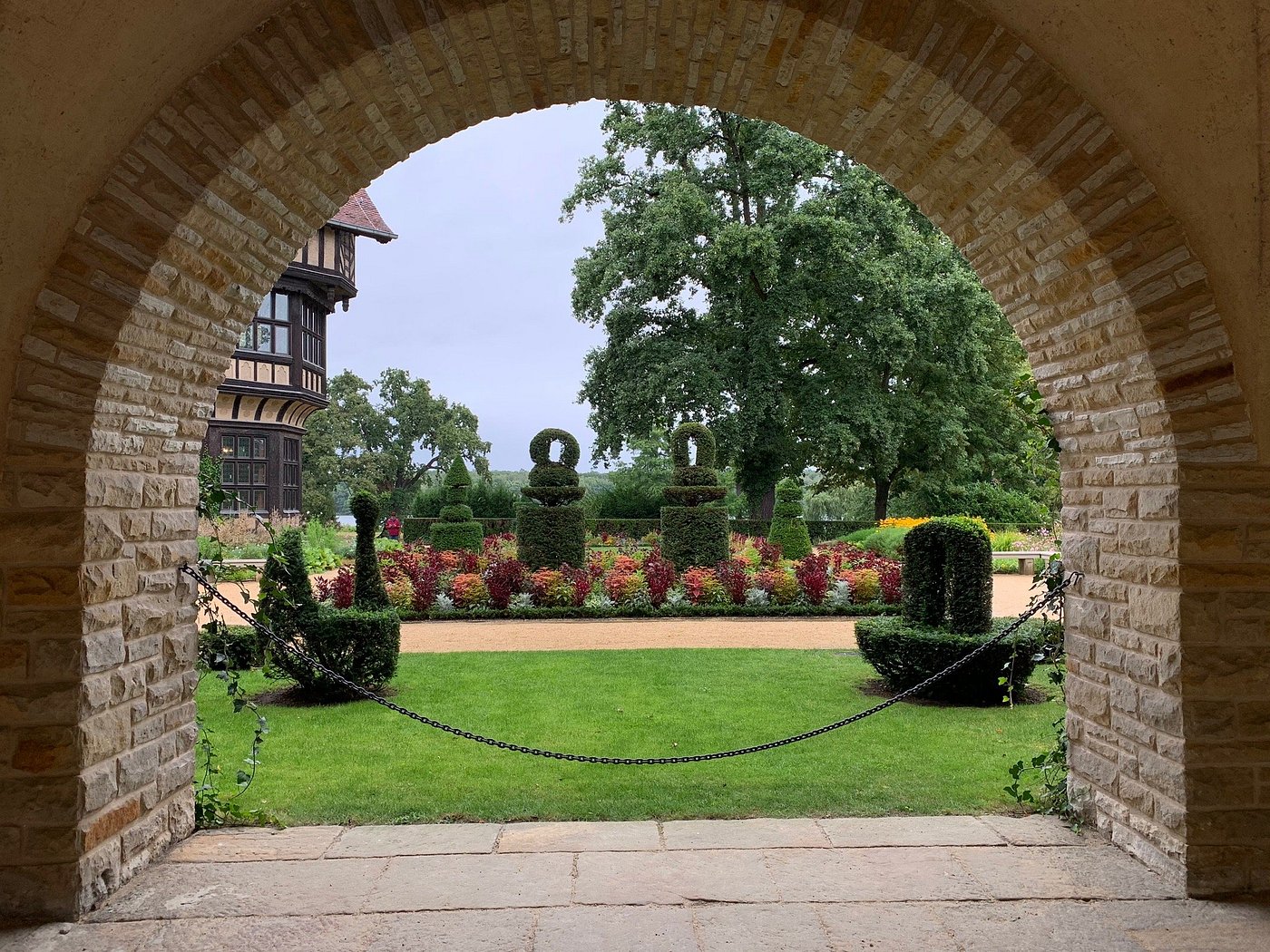
Cecilienhof is surrounded by the Neuer Garten, laid out in that classic English landscape style. The park has rolling lawns, winding paths, and ancient trees—honestly, it’s a relaxing place to stroll.
As I walked the paths, I caught glimpses of Jungfernsee, a wide lake just north of the palace. Boats drift by, wild birds swoop overhead, and the city feels a world away. Reed beds line the shore, adding to the quiet beauty.
Unlike Sanssouci’s strict, straight lines, the garden here feels much more natural. Cecilienhof stands out among Hohenzollern homes for that reason. There are hidden benches, gentle hills, and plenty of quiet corners to mull over the site’s history.
Neuer Garten Park and Surrounding Palaces
Neuer Garten sprawls over more than 100 hectares and holds more than just Cecilienhof. I wandered over to the Marmorpalais, a smaller neoclassical palace by the Heiliger See, once a favorite of the Prussian royals.
Both Cecilienhof and Marmorpalais sit inside Neuer Garten, showing the shift from old to new royal tastes. Nearby, you’ll find other Potsdam highlights: Neues Palais in Park Sanssouci, Babelsberg Palace, and Glienicke Palace.
Aristocrats flocked to this region for its parks, water, and forests. Historic churches like Sacrow Church and islands like Pfaueninsel add even more layers. The area around Cecilienhof really shows how Potsdam became a magnet for royalty and thinkers, all drawn by fresh air and lakeside views.
The Red Army’s Occupation and the Soviet Red Star
In the chaotic last days of WWII, the Red Army stormed into Potsdam and seized Cecilienhof. Stalin and other Soviet leaders moved right into the palace for the Potsdam Conference in 1945.
The palace turned into a command post—a bold symbol of Soviet power in Brandenburg. Soviet soldiers wasted no time celebrating victory. They filled Cecilienhof’s courtyard with a massive red star made of flowers. I remember seeing a photo of that dramatic symbol, which swept away royal heraldry and replaced it with Soviet imagery.
The Soviets didn’t just occupy Cecilienhof; they transformed it. Security tightened up, and the Neuer Garten lost its air of royal leisure. Suddenly, the grounds felt more like a military stronghold than a retreat. Even now, I can’t help but feel the memory of that Soviet red star lingering in the air around the palace.
Legacy and Influence of Cecilienhof Palace in 20th Century Europe
Cecilienhof Palace stands out as one of the 20th century’s most significant historical sites. It played a pivotal role at the end of World War II and became tightly linked to decisions that rewrote Europe’s political landscape.
Cecilienhof’s Role in the Postwar Order
Cecilienhof Palace hosted the Potsdam Conference in 1945, where leaders from the United States, the United Kingdom, and the Soviet Union gathered. They hammered out the terms for Germany’s surrender and mapped out the fate of its territory.
At Cecilienhof, the Allies carved Germany into separate zones, which eventually became East and West Germany. Berlin, already a focal point during the war, got split among the four major Allies. These choices at Cecilienhof sparked the beginning of the Cold War.
The agreements didn’t just affect Germany. Austria, Slovakia, Poland—these places all felt the impact as borders shifted. Even now, the palace’s legacy echoes in the shape of today’s Europe.
Symbolism in the Cold War Era
Cecilienhof turned into a powerful Cold War symbol. Border installations popped up nearby between 1961 and 1989, a direct consequence of the conference’s decisions. Cities like Berlin and Leipzig suddenly found daily life transformed by new borders.
For me, Cecilienhof serves as a stark reminder of Germany’s division after Hitler’s defeat. The palace’s political significance stretched well beyond Potsdam, influencing streets from Berlin to Vienna and every occupied corner in between.
During those tense Cold War years, Cecilienhof quietly witnessed the growing rift between East and West. It’s strange how a single building can feel so tied to huge shifts in Europe’s balance of power.
Links to Berlin, Vienna, and Beyond
Cecilienhof’s story doesn’t stop at Potsdam’s borders. Berlin’s future took shape inside its walls, but the decisions made there rippled out to Vienna, Nuremberg, Leipzig, and beyond.
The Hohenzollerns built Cecilienhof as their last palace during the German Empire under Emperor Wilhelm II. They couldn’t have guessed their home would become so wrapped up in military history and postwar treaties.
As I walked through Cecilienhof, I started noticing connections stretching all the way to Slovakia, Austria, and other corners of Europe. The palace’s influence truly traveled far, shaping destinies well beyond Potsdam.
Planning Your Journey to Cecilienhof Palace
Cecilienhof Palace sits in the New Garden in Potsdam, where royal history and World War II stories collide. Reaching it, exploring nearby sights, and learning about its past make it a rewarding stop for anyone curious about German history.
Visitor Information and Travel Tips
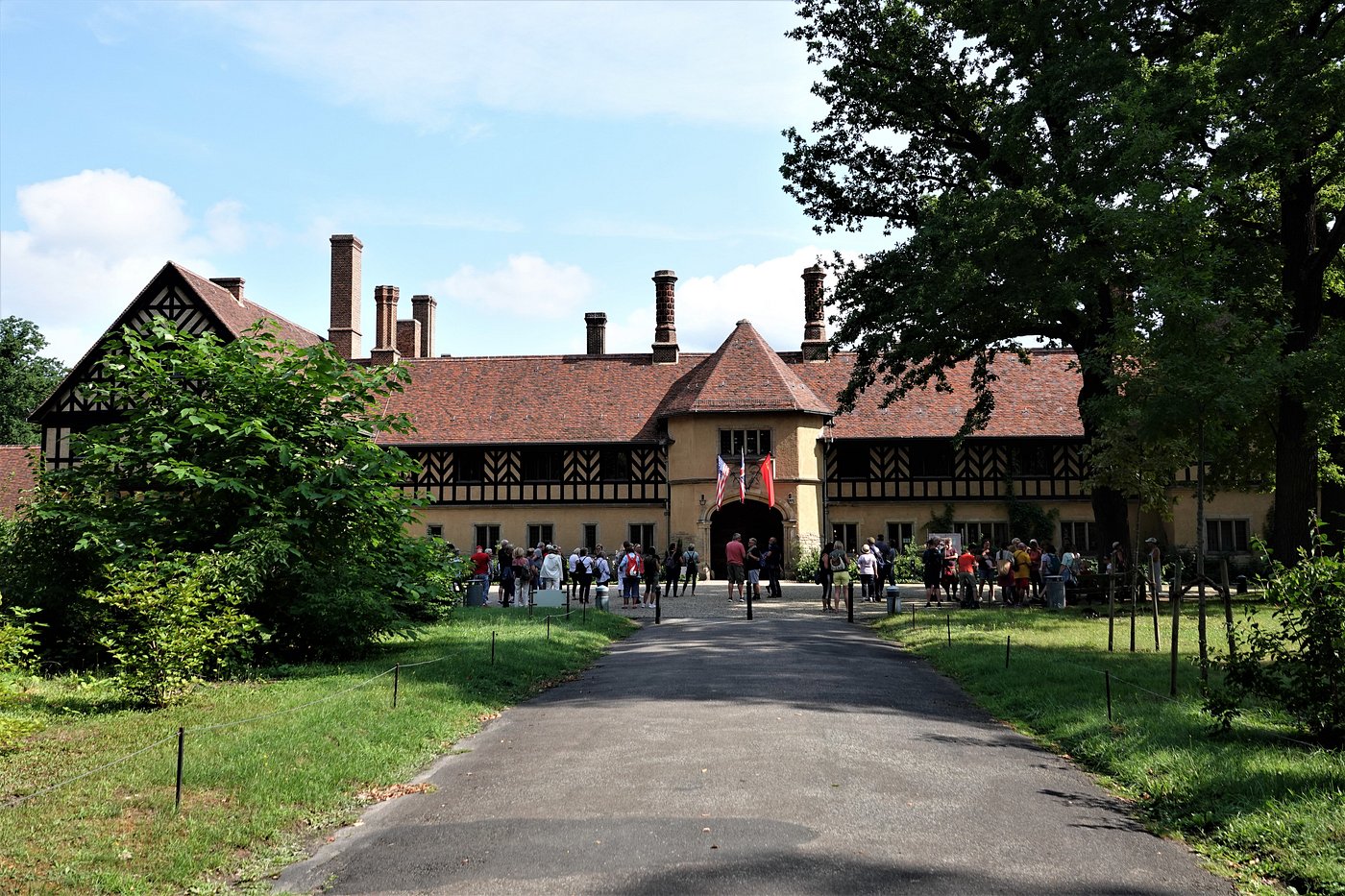
When I started planning my visit, I discovered Cecilienhof Palace will close for renovations starting November 2024. Before you go, definitely check the official website for updates on opening dates and hours. I found tickets online and at the entrance, but it’s always smart to double-check.
Cecilienhof is tucked away in Potsdam’s New Garden, not far from Berlin. I hopped on the S-Bahn from Berlin to Potsdam Hauptbahnhof, then caught bus 603. If you don’t mind a stroll, you can also walk about 20 minutes through the park to the palace. Signs point you right to the Ehrenhof entrance.
The palace grounds are accessible for wheelchairs, and you’ll usually find free WiFi. There’s a café and restrooms on-site, which is always a relief. Guided tours run in both English and German, and I’d recommend booking one—they really help bring the palace’s history to life.
Nearby Attractions and Connections to Sanssouci
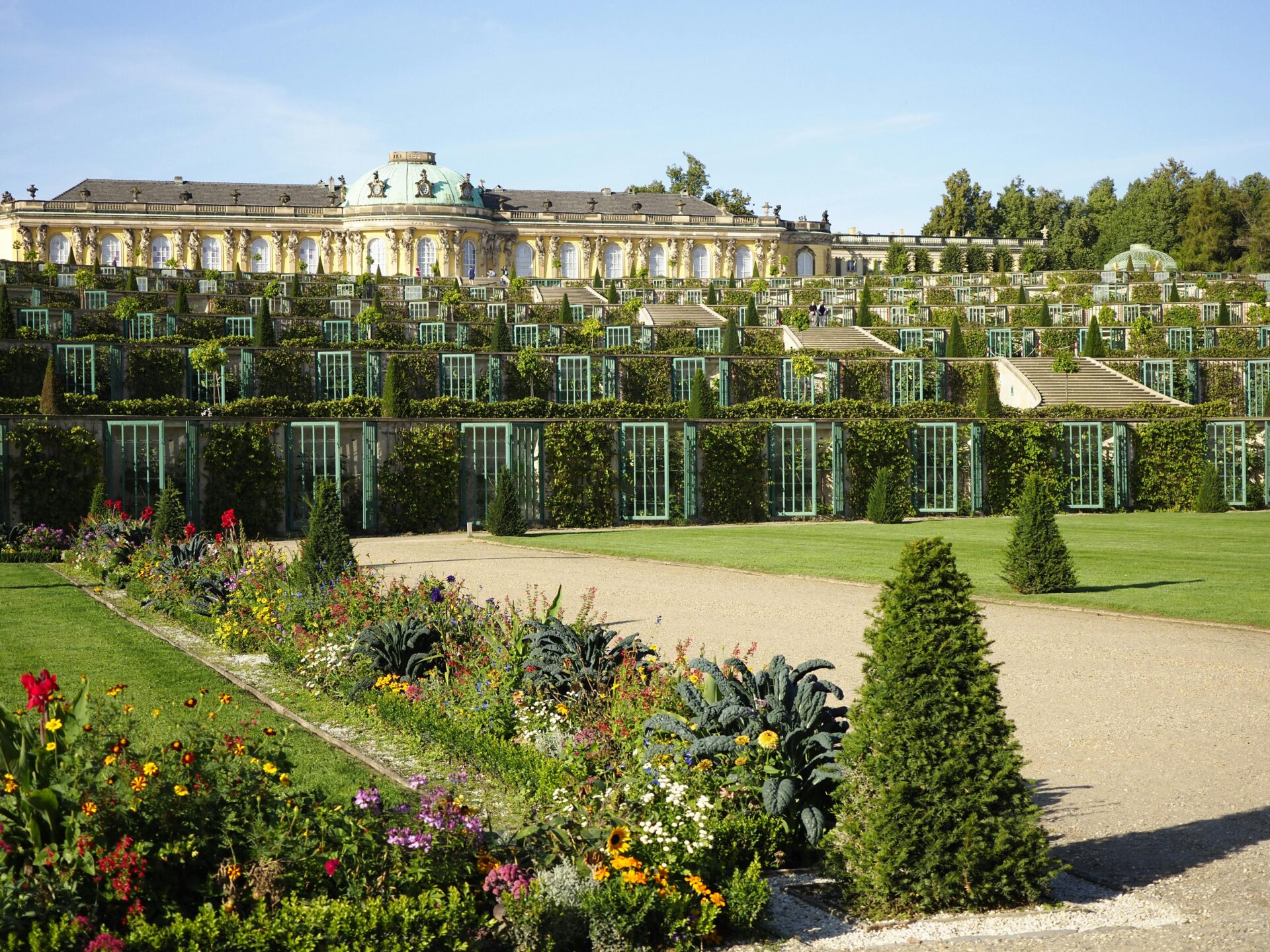
Cecilienhof is just one of Potsdam’s gems. Right nearby, I wandered through Sanssouci Park, home to Frederick the Great’s famous palace. The park sprawls out with gardens, pavilions, and even a marble palace. A lot of folks, myself included, combine these sites for a full day in Potsdam.
Interesting nearby sites:
- Sanssouci Palace: This UNESCO World Heritage Site wows with its art and architecture.
- Gelbensande Manor: Another Hohenzollern spot, especially if you like hunting lodge vibes.
- Bidston Court: Now in England, but its design actually inspired Cecilienhof.
Buses and walking paths link all the main Potsdam attractions. Signs in the New Garden guide visitors from Cecilienhof to other points of interest, making it pretty easy to plan a full itinerary around the area.
Experiencing the History Firsthand
I stood in the very rooms where the Potsdam Conference unfolded, and honestly, you can almost feel the weight of history pressing in. The preserved conference hall, a handful of display panels, and those carefully restored rooms really pull you back to 1945.
They’ve set out artifacts—old documents, black-and-white photos, and period furniture—that paint a vivid picture of what those tense meetings between Churchill, Truman, and Stalin must’ve felt like. I found myself gazing at the table, with the national flags set out just as they were back then.
Wandering through the Ehrenhof courtyard and the sweeping gardens, I kept noticing this fascinating blend of royal German elegance and the echoes of wartime decisions. Seeing it all in person, the stories about the Hohenzollern family, the palace’s unique architecture, and those quirky links to Bidston Court and Gelbensande Manor suddenly clicked for me.

