
I stumbled onto Chalki by pure luck during a ferry delay from Rhodes. Honestly, I never expected it to become one of my favorite Greek island escapes.
This tiny Dodecanese gem covers just 28 square kilometers. There’s only one inhabited village, and that’s part of its magic.
Chalki offers something you rarely find now in the Greek islands: authentic tranquility without the usual tourist swarm.
Chalki is one of those rare car-free Greek islands where you can actually feel genuine traditional island life. The neoclassical mansions are beautifully preserved, and the water here? Some of the clearest I’ve ever seen in the Aegean.
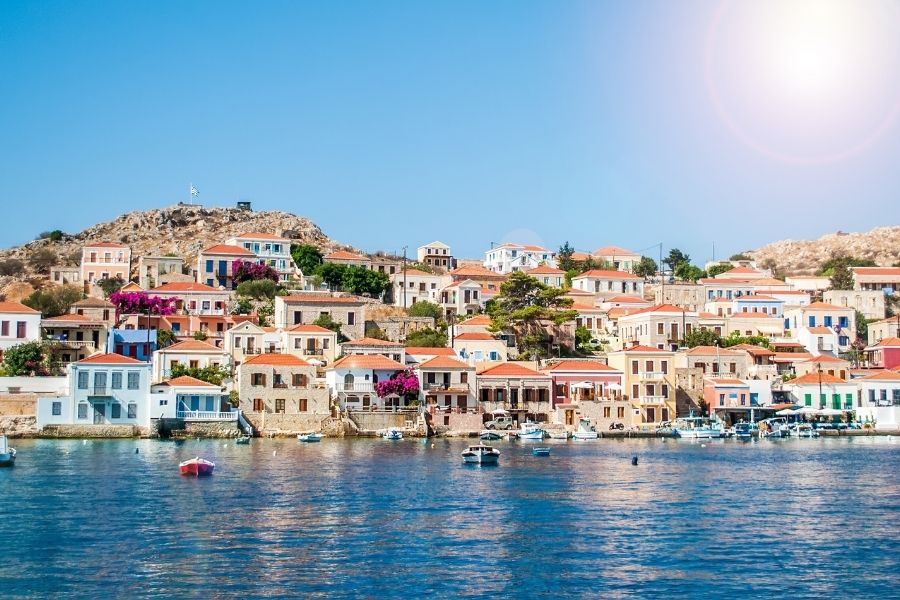
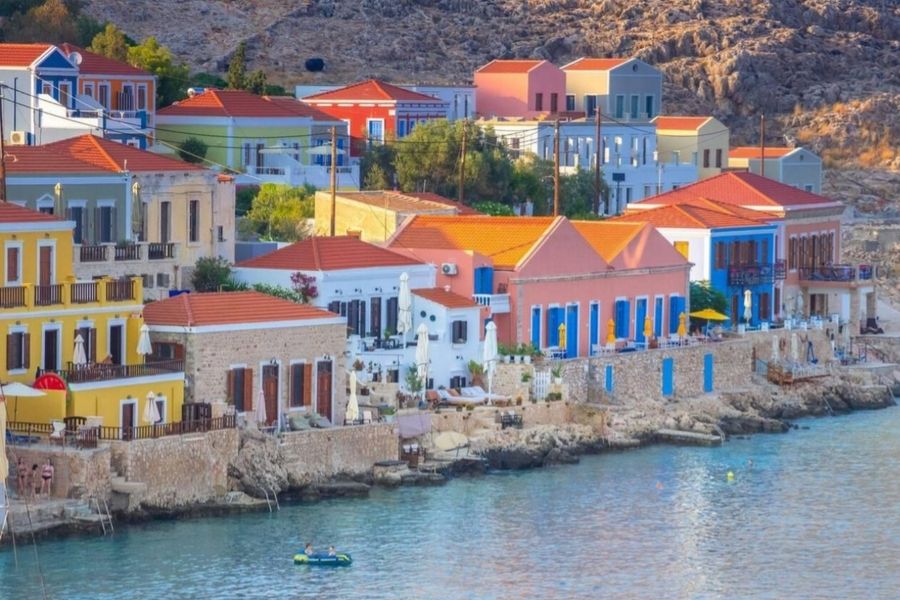
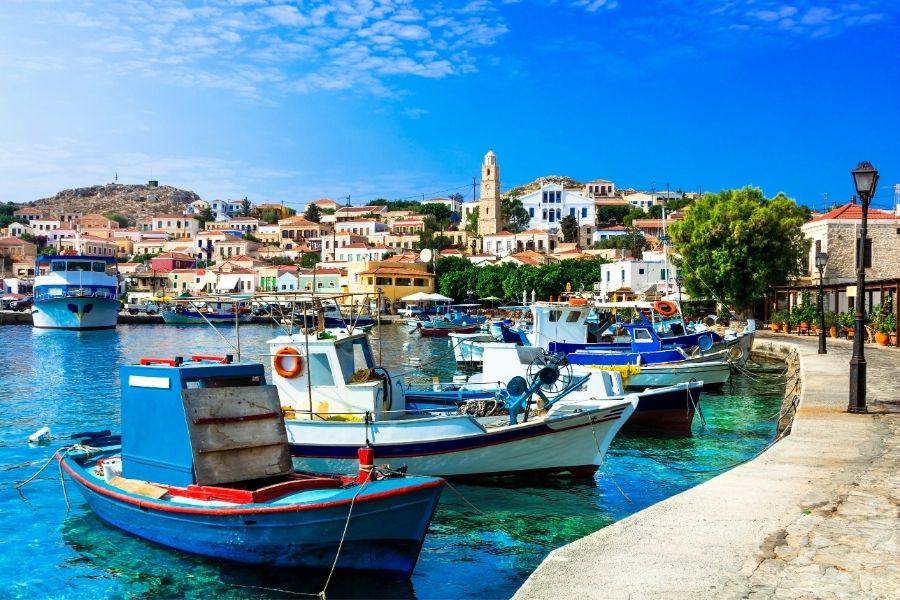
Nimborio, the island’s main village, feels like stepping into a postcard. Colorful Italian-style houses frame a harbor that looks impossibly blue and calm.
But what really sets Chalki apart isn’t just the peaceful vibe or the pretty beaches. It’s that blend of Greek culture, a dash of history, and a slow, almost meditative pace of life.
You can hike through abandoned medieval villages, or wander down to hidden coves you’ll reach only on foot. Chalki delivers experiences the bigger, busier islands just can’t.
Why Chalki (Halki) Is a Unique Island Retreat
Chalki stands out in today’s world for its complete peace and that rare sense of living on a “real” Greek island.
It’s car-free, which is huge, and it’s officially recognized as a UNESCO peace island. That’s not just a plaque on the wall—it shapes the whole place.
A Tiny Peaceful Escape in the Dodecanese
Chalki is one of the smallest inhabited islands in the Dodecanese. It’s just 11 square miles and sits less than 4 miles from Rhodes.
Only about 200 people live here year-round. That means you won’t wait in line or fight for space anywhere.
Why I love Chalki:
- No airport, so there’s no tourist influx
- Just one main village, Nimborio—easy to get your bearings
- No big hotels or resort developments
- The whole coastline glows with crystal-clear water
Time just slows down here. When there’s nowhere to rush, you start to notice the little things again.
The Dodecanese islands are all beautiful, but Chalki is on another level when it comes to peace. Unlike Rhodes or Kos, you might walk for hours and not bump into another visitor.
Car-Free Quiet: Embracing True Serenity
Chalki barely has any cars. During my stay, I counted maybe three or four vehicles, tops.
That absence of engines and horns creates a kind of quiet you don’t find elsewhere. You hear the sea, your footsteps, maybe some laughter in the distance.
Getting around on Chalki:
- Walking is the default—no need for anything else
- Small boats can take you to beaches
- Donkeys still haul supplies through the alleys
- Bicycles work for the flatter stretches
With no traffic, every street feels safe. Kids play in the squares, and nobody worries.
At night, the silence is almost surreal. I could hear the sea from my window—nothing else. That kind of quiet is getting rare in Greece.
Renowned Status as a Haven of Friendship and Harmony
Chalki isn’t just peaceful—it’s officially recognized as an island of peace and friendship. UNESCO gave it that honor back in the 1980s.
Locals live up to this peaceful reputation. Every person I met welcomed me with genuine warmth.
Peace initiatives you’ll find:
- International youth conferences pop up regularly
- Summer brings peace and friendship meetings
- Cultural exchange programs draw visitors from all over
This isn’t a marketing gimmick. The island really feels different. After a day, I felt my stress just melt away.
The natural beauty, combined with this peaceful spirit, makes Chalki truly unique among the Dodecanese. I’ve visited plenty of Greek islands, but none left me this calm.
Neoclassical Beauty and Authentic Greek Architecture
Chalki’s architecture tells stories from its 19th-century heyday. Elegant mansions and classic Greek homes line the waterfront, showing off neoclassical design.
Emborio: Colorful Waterfront Mansions
Emborio’s harbor hit me with a burst of color—yellows, blues, pinks, greens. The neoclassical mansions almost glow in the sunlight.
These two-story homes are a legacy of Chalki’s 1800s prosperity. Merchants built them with money from trade and sponge diving.
You can spot the Italian influence in the balconies and carved details. Shuttered windows and stone arches complete the Mediterranean vibe.
Wandering the narrow streets, I noticed each mansion has its own character. Some are freshly restored, others wear their age with a certain charm.
The mansions sit right at the water’s edge, and on calm days, the reflections are just perfect.
Nimborio (Emborio): Architectural Highlights
The Church of Agios Nikolaos is the village’s showstopper. Its bell tower is the tallest in the Dodecanese, towering above the harbor.
I climbed up to the medieval castle ruins above Chorio. The view from there is wild—you see the houses spread out like a theater around the bay.
The 9th-century church of Panagia is the oldest on the island. Its thick stone walls have survived everything time could throw at them.
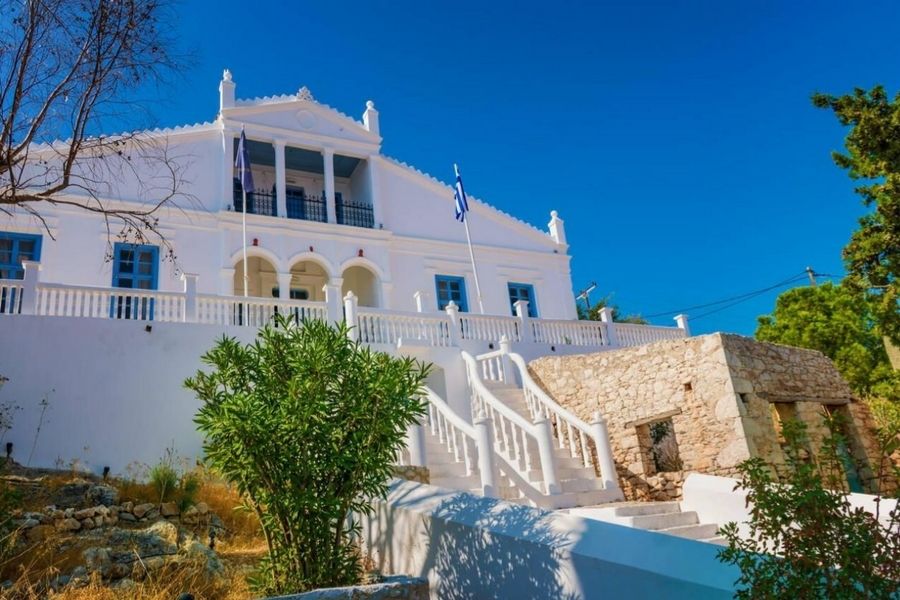
The Town Hall is textbook neoclassical, with columns and a symmetrical facade. It’s a reminder of how important civic buildings looked in Chalki’s golden era.
Stone paths wind between these landmarks. The alleys are narrow, creating cozy corners that feel untouched by modern times.
Restoration and Preservation Efforts
A lot of Chalki’s hotels keep the original architecture. I stayed in places where modern comfort met old-school charm.
Locals work hard to keep the neoclassical style alive. They use traditional materials and colors, preserving the island’s look.
Restoration happens slowly here, since the community is small. Every project takes planning and a respect for the old ways.
Chalki’s UNESCO status helps protect its heritage. It keeps out the kind of development that would ruin the vibe.
I could tell the community loves these buildings. Even little repairs stick to tradition, keeping the island’s unique style intact.
Villages, Landmarks, and Historic Attractions
Chalki’s history is everywhere—abandoned hilltop villages, a striking clock tower, and medieval walls. The island’s strategic spot drew all sorts of civilizations, and they left some pretty cool ruins behind.
Chorio: The Old Capital and Medieval Castle
Chorio sits high on the hill above Nimborio, looking dramatic against the sky. This abandoned village was the main settlement until the 1950s, when everyone moved closer to the sea.
Walking through Chorio, I found stone houses with caved-in roofs and empty streets. It’s haunting and beautiful at the same time.
The medieval castle ruins top the hill. Built on ancient foundations, these walls kept pirates away for centuries. The view stretches over the whole island and out into the blue.
Nature is slowly taking back the village. Wild herbs grow in cracks, and fig trees poke through old courtyards.
The hike up from Nimborio takes about half an hour. Bring water and sturdy shoes—the path gets steep.
The Clock Tower and St. Nicholas Church
The clock tower is Nimborio’s signature landmark. It stands tall above the harbor, greeting every boat that arrives.
Built in the early 1900s, it’s a symbol of Chalki’s sponge diving boom. The neoclassical lines look elegant and proud.
St. Nicholas Church anchors the village. Its white walls and blue dome are classic Dodecanese. The bell tower cuts a sharp silhouette against the sky.
Inside, you’ll find beautiful icons and old religious items. Local festivals and ceremonies still happen here, and the courtyard makes a peaceful resting spot.
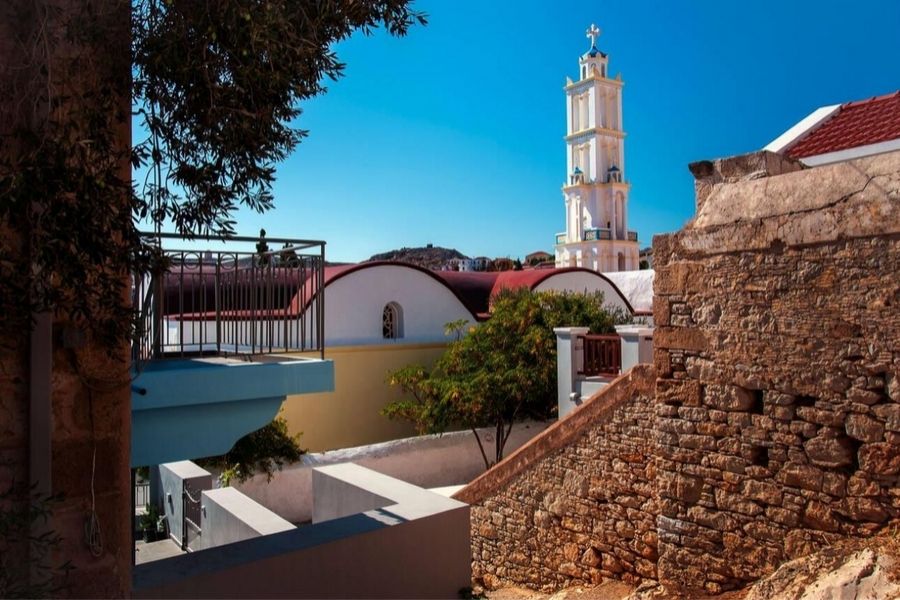
The church is at the heart of island life. I watched locals gather for Sunday services and big feast days.
Knights of St. John Heritage Sites
The Knights of St. John left their fingerprints all over Chalki during their rule from Rhodes. I found a few sites that really bring that era to life.
Fortification walls still stand in spots around Chorio. They protected the islanders during rough times, and the old stonework is impressive.
There’s a small chapel dedicated to the Knights among the Chorio ruins. Even though it’s partly collapsed, you can still see the Gothic arches—a rare sight compared to the usual Greek churches.
The Knights used Chalki as a lookout post. They built watchtowers to spot ships, and I found remains of these on my walks.
Folk Museums and Old Mines
Nimborio’s tiny folk museum keeps island traditions alive. I learned about the sponge diving days that made Chalki rich in the early 1900s.
Families donated household items, old clothes, and faded photos. It’s a window into life before tourists arrived. The museum keeps odd hours, so check with locals before you go.
Old copper mines gave Chalki its name (it means “copper” in Greek). Ancient mining sites dot the hills, though most are overgrown now.
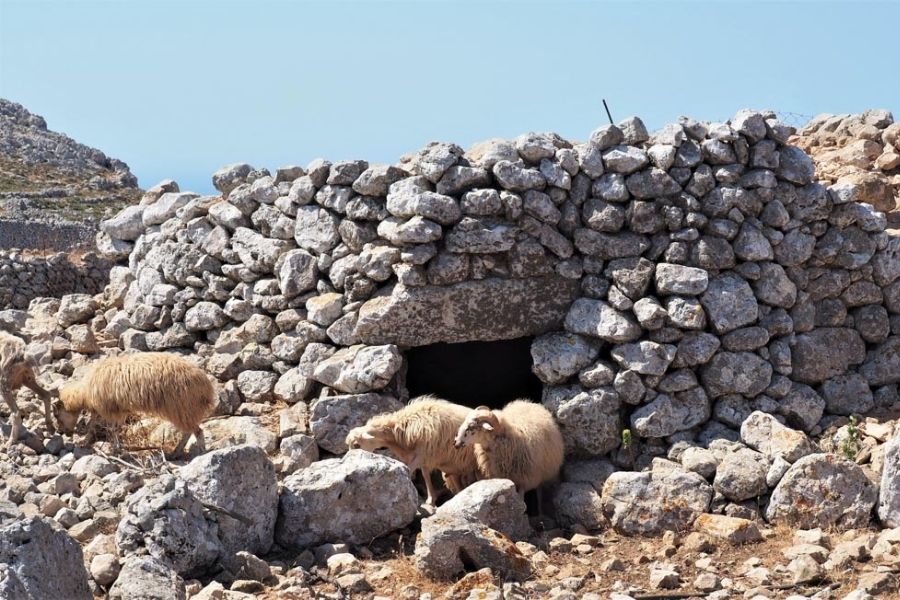
I spotted traces of mining near Chorio—old stone foundations and bits of metal still poking out of the earth. The mines ran during different eras, but now they’re mostly forgotten.
Idyllic Beaches, Nature, and Outdoor Experiences
Chalki’s coastline is a dream—clear Aegean water, hidden sandy coves, and everything’s close to the main village. The island’s small size means you get amazing hiking trails with sweeping views over the Dodecanese.
Pondamos Beach: Family Favorite
Pondamos Beach sits just 500 meters west of Nimborio. It quickly became my go-to spot thanks to its easy walk and great facilities.
Golden sand stretches along shallow, calm water—perfect for families. Sunbeds and umbrellas are a lifesaver when the summer sun gets intense.
Beach Perks:
- Sunbed and umbrella rentals available
- Taverns and cafes nearby
- Quick walk from Nimborio
- Safe, shallow water for kids
Sunsets here are something else. I’d watch fishing boats return while eating fresh seafood right on the beach.
The water stays clear and inviting, even outside the high season. Compared to other Dodecanese beaches, Pondamos feels relaxed and never too busy.
Ftenagia Beach: Secluded Tranquility
Ftenagia is just a short walk—about 500 meters—from Nimborio. I found this spot on my second day and loved its quieter feel.
It’s smaller than Pondamos, so it stays peaceful. The turquoise water is perfect for swimming or snorkeling.
I liked coming here in the morning before the sun got too strong. Cliffs around the beach give natural shade and privacy.
Ftenagia Highlights:
- Fewer people than Pondamos
- Great water clarity for snorkeling
- Shade from cliffs
- Easy walk from the village
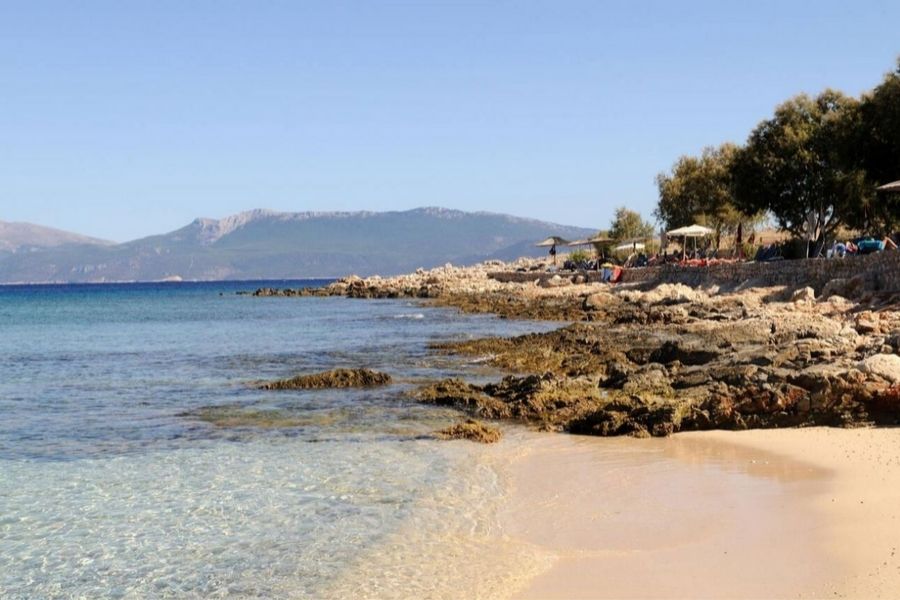
Facilities are basic, but that’s part of the charm. The setting feels natural and unspoiled.
Kania and Remote Coves
Kania Beach is about a kilometer east of Nimborio. I got there by taxi once, but the boat ride from the harbor is more fun.
The seafood restaurant here serves a killer seafood orzo—don’t miss it. I ended up spending whole afternoons between swimming and long, lazy lunches.
Other remote beaches to check out:
- Areta: Only accessible by boat
- Dio Yaloi: Twin coves, super secluded
- Trachea: Rocky, great for diving
- Alimia: An uninhabited islet nearby
Water taxis can take you to these hidden spots during the summer. I booked trips with local boat operators for a reasonable price.
Every remote beach is a private escape—pristine, quiet, and beautiful. The boat rides themselves are worth it for the views and photos.
Hiking Trails and Panoramic Views
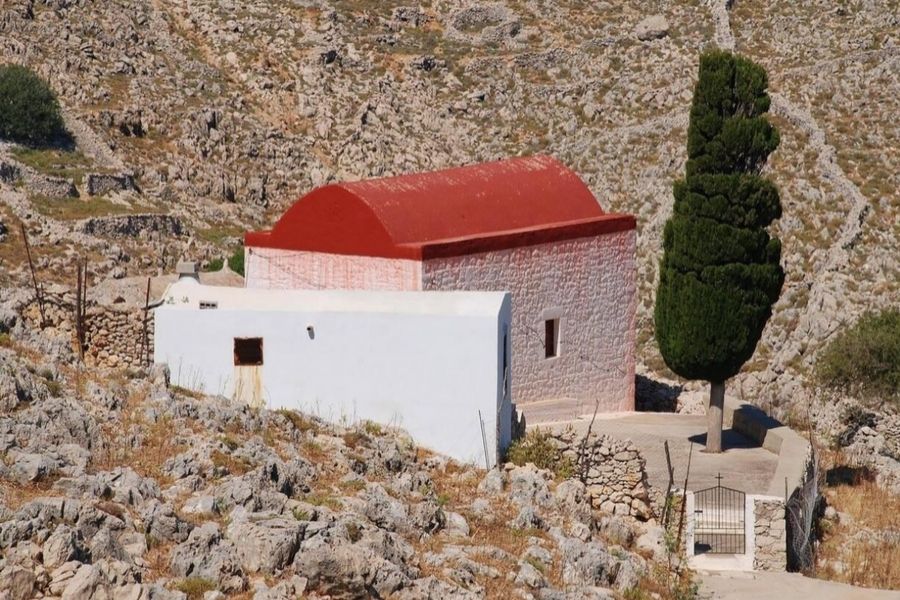
Chalki’s small size really sets the stage for hiking adventures. I wandered ancient paths that connect old villages and mountain chapels—some of them almost swallowed up by time.
The trail up to the Chorio village ruins takes about 45 minutes, and yes, it’s mostly uphill. Along the way, stone windmills and Byzantine churches pop up, making the climb feel like a treasure hunt.
Best Hiking Routes:
- Village to Chorio ruins (1.5 hours round trip)
- Coastal path to Kania Beach (30 minutes)
- Mountain chapel circuit (2 hours)
- Lighthouse peninsula walk (45 minutes)
From some of the higher spots, I caught jaw-dropping views over the Dodecanese chain. On clear days, Rhodes looks close enough to touch.
If you want to avoid roasting in the midday sun, head out early or catch the golden light in late afternoon. I always packed extra water—shade is a rare luxury on those exposed ridges.
With no cars around, hiking feels incredibly peaceful. Just goat bells and the wind for company, which is honestly pretty magical.
Exploring Chalki’s Surroundings and Island Hopping
Chalki works perfectly as a base for exploring the Dodecanese. Local boats whisk you off to uninhabited Alimia and Trachia Islet, and ferries run to Rhodes and Symi if you’re itching for a day trip.
Boat Trips to Alimia and Trachia Islet
I still think about those boat excursions—they’re easily among my favorite Chalki memories. Alimia Island sits just a short ride away and hides the eerie remains of an abandoned village.
The waters around Alimia are ridiculously clear. I spent ages snorkeling and drifting in turquoise bays, not really wanting to leave.
Trachia Islet sits right across from Chalki’s main harbor. It’s tiny, uninhabited, and ideal for swimming or snorkeling.
Local fishermen run boat trips to both spots. I paid about €20-30 per person for a half-day out, which felt like a steal. These boats usually run May through October, depending on the weather.
Day Trips to Rhodes and Symi
Rhodes is a breeze to reach thanks to regular ferries. I hopped on the morning boat from Rhodes to Chalki, but you can easily do it the other way.
The fast ferry from Rhodes takes about 1-1.5 hours. I used Dodekanisos Seaways—they’re consistent and run daily services in summer.
Rhodes has a medieval Old Town, ancient ruins, and plenty of shopping. If you go, grab the early ferry so you can make the most of your day.
Symi is another stunner, with pastel mansions and a harbor that looks like a painting. It’s a bit bigger than Chalki but has the same elegant vibe.
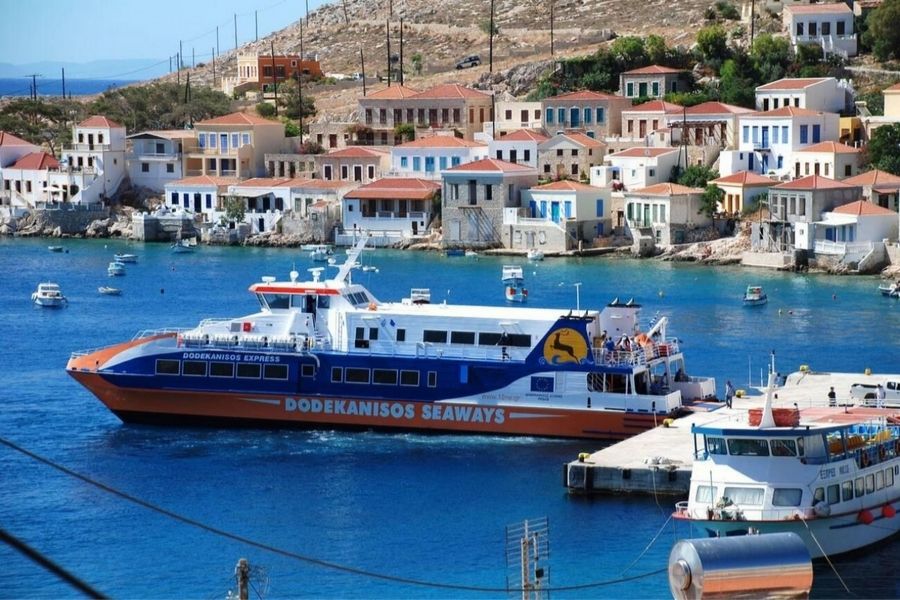
Some boat operators offer combo trips to both islands. I loved these tours—no need to fuss with multiple tickets or timetables.
Discovering the Wider Dodecanese
The Dodecanese islands offer a wild mix of landscapes and personalities, all within easy reach of Chalki. Every island has its quirks and charms.
Kos and Patmos are a bit farther out, but you can get there by connecting through Rhodes. I mapped out longer trips to include them in broader island-hopping adventures.
Ferries link up most of the major Dodecanese islands during peak season. I found online booking platforms super helpful for building multi-island itineraries.
If you want something even more off-the-beaten-path, check out Nisyros or Tilos. These smaller islands have volcanic landscapes and a wild, untouched feel.
Visiting Essentials: Getting There, Staying, and Practical Tips
Chalki takes a bit of planning. Ferries from Rhodes are your main way in and out, so timing really matters—especially with limited accommodation and dining options on the island.
How to Reach Chalki: Ferries from Rhodes and Beyond
To get to Halki, I always fly into Rhodes first, since Chalki doesn’t have an airport. Then it’s all about catching the right ferry.
Ferry Options from Rhodes:
- Fast boats: 1-1.5 hours from Mandraki Port
- Conventional ferries: 2-3 hours (cheaper, but slower)
- Main operator: Dodekanisos Seaways
I suggest checking schedules on Ferryhopper or calling the operators. Times shift seasonally, and summer brings more frequent service.
From Other Islands:
Sometimes you’ll find ferries from Symi or other Dodecanese islands. Direct ferries from Piraeus are rare and take over 12 hours.
Booking Tips:
- Book ferry tickets ahead if you’re traveling July-August
- Get to the port half an hour early
- Bring cash for tickets if you’re buying on the spot
Best Times to Visit Chalki
I love May-June and September-October. The weather is perfect, the crowds thin out, and prices don’t sting as much.
Peak Season (July-August):
- Hottest weather—great for swimming
- Accommodation prices spike
- Ferries run often
- Every restaurant and shop is open
Shoulder Season (May-June, September-October):
- Temperatures stay comfy, around 70-80°F
- Rooms cost less
- Fewer tourists
- Some businesses cut back hours
Off-Season (November-April):
Most hotels and restaurants close up. Ferries drop to just 2-3 times a week, sometimes less.
I skip winter visits unless I’m craving a real retreat.
Recommended Accommodation and Dining
Chalki’s tiny size means just a handful of places to stay and eat, but they’re all pretty charming. I always book early if I’m going in summer.
Where to Stay:
- Captain’s House: Old mansion right by the harbor
- Villa Praxithea: Family-run, with sea views
- Pension Maria: Budget-friendly in Nimborio
Most places shut down from November to March.
Dining Highlights:
- Taverna Gali: On the water, amazing seafood
- Pefkaki Café-Restaurant: Best sunset spot—don’t miss the lobster pasta
- Local bakery: Fresh bread and pastries every morning
Practical Notes:
Bring cash. ATMs are few and far between. Most tavernas take cards, but smaller shops usually prefer cash. There’s just one little grocery store for basics.
Frequently Asked Questions
Chalki’s neoclassical mansions and car-free streets give the island a unique, peaceful vibe. Visitors often have questions about getting around, what to see, and where to stay.
What are the standout architectural features of Chalki?
The colorful neoclassical mansions by Nimborio’s waterfront steal the show. Italian influences from the early 20th century are everywhere.
Pastel colors brighten up the facades, and you’ll spot traditional balconies, shuttered windows, and decorative details that feel straight out of Italy.
The Clock Tower anchors the main square, while St. Nicholas Church has a bell tower that dominates the skyline.
How does the transportation system in Chalki contribute to its peaceful ambiance?
You won’t see many cars on Chalki—there just isn’t much road. Most people walk or rent bikes to get around.
The island covers only 28 square kilometers and has one main village. Walking is the easiest way to see everything.
Without traffic, the island stays quiet. I noticed waves and footsteps replaced the usual city sounds, which was such a treat.
What can visitors do in Chalki to experience its tranquil atmosphere?
Beach hopping is a must. Spots like Pondamos and Ftenagia stay peaceful, even during summer.
Hiking trails wind through abandoned villages and monasteries. The walk to St. John Monastery takes about 1.5 hours and offers sweeping Aegean views.
You can take a boat to uninhabited islets like Alimia to explore abandoned settlements. These trips are usually small groups, so the calm atmosphere sticks around.
What historical sites are a must-see when visiting Chalki?
The abandoned village of Chorio sits above Nimborio and has medieval castle ruins. It’s perfect for panoramic views and a glimpse into the island’s past.
St. John Monastery dates to the 19th century and sits at the end of a scenic mountain hike. The place gives you a real sense of Chalki’s religious roots.
Old iron and manganese mines near Pondamos Beach reveal Chalki’s industrial side. These ruins stand in stark contrast to the natural beauty around them.
How has Chalki maintained its traditional Neoclassical aesthetics?
Limited development has helped preserve Chalki’s original look. The small population and remote location kept big construction projects away.
Restoration work sticks to traditional designs. Locals use the same colors and materials when fixing up old buildings.
Tourism brings in money for maintenance, so there’s no need for drastic changes. The community knows that visitors come for the authentic, old-world vibe.
What are the accommodation options for tourists seeking serenity in Chalki?
You’ll find small guesthouses tucked away on quiet streets, along with beautifully restored mansions that feel almost like a home away from home. Most places only have a handful of rooms—sometimes less than ten—so the vibe stays relaxed and personal.
Some travelers love staying in traditional houses that have been thoughtfully converted into rentals. These spots usually keep their original stone walls, creaky wooden beams, and charming old furnishings. There’s something about waking up surrounded by history that just feels right.
If you’re after those dreamy sea views, waterfront properties put you right at the edge of the harbor. The water practically whispers you awake in the morning. Just a heads-up: since Chalki doesn’t have a ton of places to stay, it’s smart to book as early as you can, especially if you’re planning a summer escape.
