
If you’re a classical music lover searching for an authentic Italian opera experience, Pesaro’s Rossini Opera Festival should be at the top of your travel list. As someone who has attended this celebration of Gioachino Rossini’s work, I can tell you it’s truly special. The festival brings Rossini’s masterpieces to life in his birthplace, creating a perfect blend of musical heritage and Italian coastal charm.
Walking through Pesaro’s streets during festival season, you’ll feel music in the air. The festival rotates through Rossini’s works each year, featuring both famous operas and lesser-known gems.
In 2025, you might experience classics like “Semiramide” alongside rarely performed pieces that showcase the composer’s genius.
Beyond the performances, Pesaro offers the perfect backdrop for music appreciation. Between shows, I love exploring the town’s sights and savoring local cuisine from the Marche region. The festival has played a crucial role in Rossini’s renaissance, introducing new generations to his brilliant compositions while providing seasoned classical music fans with fresh interpretations.
Exploring the Birthplace of Gioachino Rossini
When I visited Pesaro, I discovered a charming coastal town with a rich musical heritage. The birthplace of the renowned composer Gioachino Rossini has preserved his legacy in ways that delight classical music enthusiasts.
The Historical Significance of Pesaro
Pesaro proudly claims its place in musical history as Rossini’s hometown, where he was born on February 29, 1792. His parents were both musicians—his father a trumpeter and his mother a singer—providing young Rossini with a musical foundation from birth.
Walking through the historic center, I felt connected to the composer’s early years.
The Rossini Museum offers fascinating insights into the composer’s life and works. I spent hours exploring the exhibits that chronicle his journey from child prodigy to musical genius.
By age twelve, Rossini was already composing, showing early signs of the talent that would later revolutionize opera.
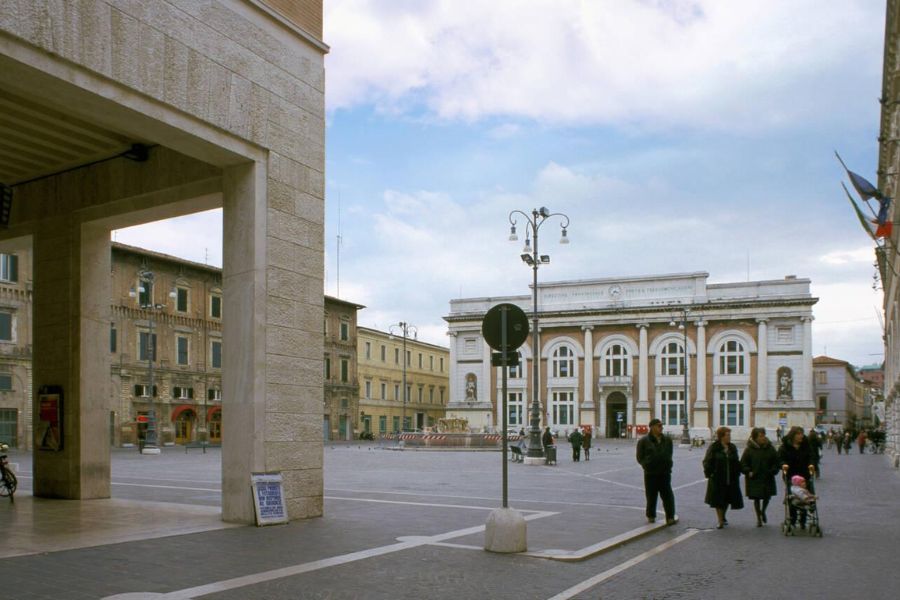
The Adriatic coastal setting of Pesaro also played a role in shaping Rossini’s sensibilities. The town’s maritime culture and scenic beauty provide context for understanding the composer’s artistic development.
Rossini’s Influence on Pesaro’s Cultural Scene
Since 1980, the annual Rossini Opera Festival has transformed Pesaro into a global destination for opera lovers. I timed my visit to coincide with this August celebration and was amazed by the international crowd it attracts.
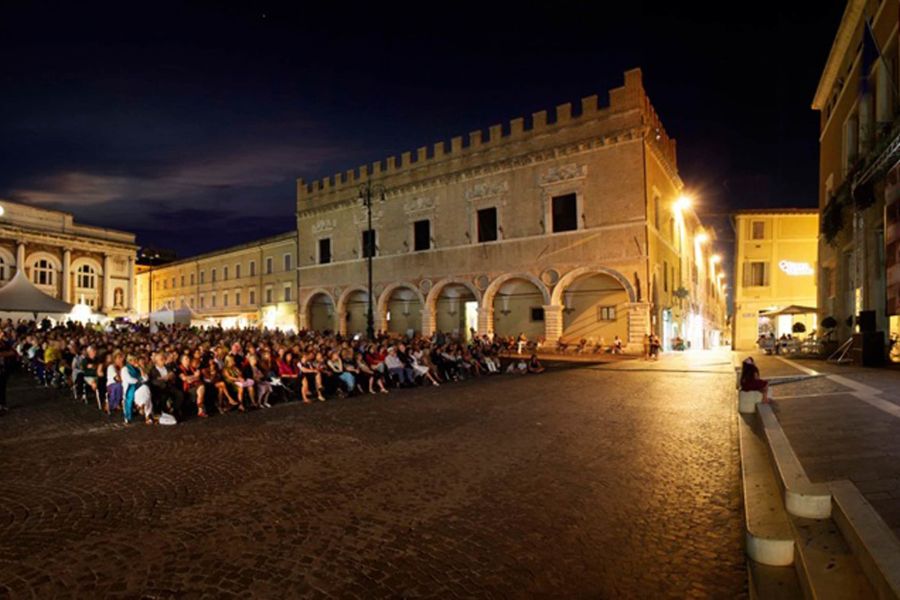
The festival showcases both popular and lesser-known works from Rossini’s impressive catalog. Performances take place in historic venues throughout the city, creating magical evenings filled with world-class music.
Beyond the festival, Rossini’s influence permeates Pesaro’s cultural identity. Local restaurants even feature dishes inspired by the composer, who was known to be a food enthusiast. I enjoyed sampling these culinary tributes almost as much as the musical ones!

The town has embraced its famous son through education programs, street names, and public art. The Conservatorio Rossini continues his legacy by training new generations of musicians, ensuring his influence lives on in the birthplace he made famous.
The Heart of the Festival: Understanding Rossini’s Music
Gioachino Rossini’s music stands as the foundation of Pesaro’s famous festival, combining technical brilliance with emotional depth that still captivates audiences today.
Key Themes in Rossini’s Compositions
Rossini’s music features distinctive elements that make his work immediately recognizable. His compositions often showcase crescendo techniques—starting quietly and building to thrilling climaxes that leave audiences breathless.
I’ve noticed during festival performances how his melodies seem simple at first but reveal incredible complexity. Rossini loved ornamentation, with performers adding dazzling vocal flourishes during arias.
Comedy and wit run through many of his works, especially in his famous opera buffa pieces. Yet he balances this with genuine emotion and depth.
The festival highlights how Rossini used rhythm to create excitement—those pulse-quickening moments when the orchestra suddenly accelerates are pure magic in the concert hall!
The Evolution of Rossini’s Style Over Time
When I attend the Pesaro festival, I’m struck by how clearly they showcase Rossini’s artistic journey. His early works from the 1810s feature bright, energetic compositions with relatively simple structures.
By mid-career, his music grew more sophisticated and emotionally complex. Works like Tancredi (1813) show this transition beautifully, blending traditional forms with innovative ideas.
The Rossini Renaissance celebrated at the festival reveals how his later compositions embraced more dramatic themes. His final major opera, Guillaume Tell (1829), represents a striking departure from his earlier style.

After this masterpiece, Rossini largely withdrew from composing operas, creating what scholars call his “great silence.”
Rossini’s Most Celebrated Works
Il Barbiere di Siviglia (The Barber of Seville) remains Rossini’s most beloved creation. During the festival, I’ve seen how this comic masterpiece still delights modern audiences with its memorable melodies and witty storyline.
The festival also showcases lesser-known treasures like Semiramide, his Assyrian-Babylonian epic that combines vocal pyrotechnics with dramatic storytelling.
Other festival highlights typically include:
- La Cenerentola (Cinderella)
- L’Italiana in Algeri (The Italian Girl in Algiers)
- Otello
- Armida
Pesaro’s programming thoughtfully balances these familiar works with rarely-performed gems, giving visitors a comprehensive understanding of Rossini’s genius.
What makes the festival special is experiencing these works in Rossini’s birthplace, surrounded by musicians and scholars dedicated to authentic performances of his music.
Attending the Festival: What Every Music Lover Should Know
The Rossini Opera Festival in Pesaro offers an incredible musical experience that requires a bit of planning to fully enjoy. I’ve attended multiple times and discovered some strategies that will help you make the most of this celebrated event.
Navigating the Schedule of Performances
The festival typically runs for two weeks in August, featuring several major operas and numerous smaller performances.
I recommend getting the official program as soon as it’s released, usually by early spring.
The main venues include the spacious Teatro Rossini, the modern Vitrifrigo Arena, and the intimate Teatro Sperimentale. Each offers a different acoustic experience and atmosphere.
Performances often sell out quickly, especially the rare Rossini operas that aren’t frequently staged elsewhere. I’ve found booking tickets at least 3-4 months in advance is essential for premium seating.

The festival website allows for easy online booking, but you can also call their box office for personalized assistance.
Morning and afternoon concerts are typically less crowded than evening galas, making them perfect for last-minute decisions.
Choosing Performances: Opera, Chamber Music, and More
The festival presents a rich variety of musical experiences beyond the main opera productions. When planning your schedule, consider mixing different performance types:
Main Opera Productions: These showcase Rossini’s masterpieces with world-class performers and innovative staging. “Semiramide” and some of his lesser-known works often appear in rotation.
Chamber Music Recitals: Held in smaller venues, these intimate performances often highlight Rossini’s non-operatic compositions and feature rising stars.
Il Viaggio a Reims Academy: Young artists perform in this special program, offering a glimpse of tomorrow’s opera stars at more affordable prices.
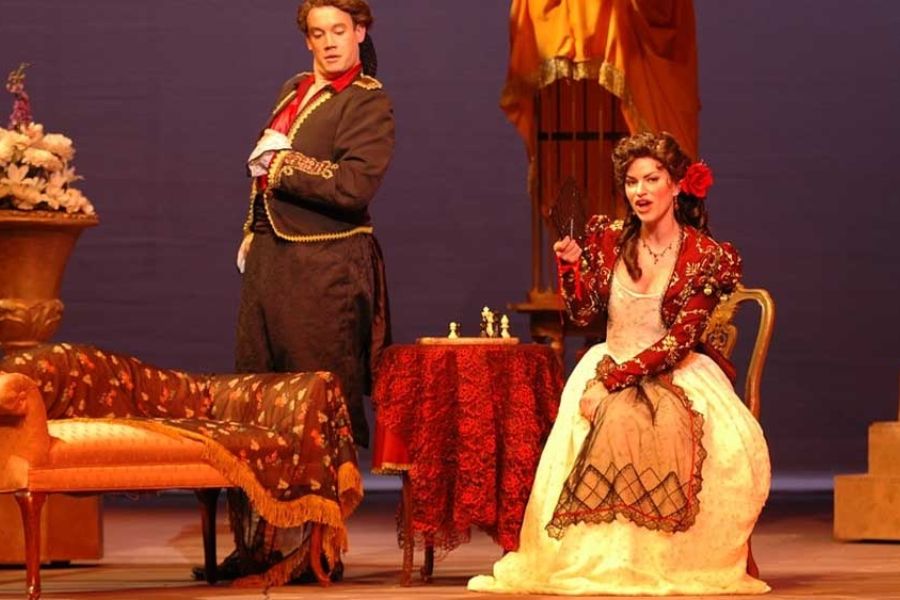
I particularly enjoy the Festival Giovane events, which present Rossini’s music in fresh, accessible formats for newer opera fans. These shorter performances are perfect for those not ready to commit to a full three-hour opera.
Insider Tips for an Enhanced Festival Experience
Pesaro gets quite warm in August, so pack light, breathable clothing. I’ve learned that evening performances may still be uncomfortably warm, so a small hand fan is a worthy investment.
Performance Preparation:
- Listen to recordings before attending
- Read libretto translations in advance
- Download the festival app for program notes
Allow time between performances to enjoy Pesaro’s culinary scene. Many restaurants offer “Rossini menus” during the festival, featuring dishes inspired by the composer, who was also a renowned gourmet.
The best seats for acoustics at Teatro Rossini are in the central platea (orchestra) or first tier boxes. I avoid seats on the extreme sides where sightlines can be restricted.
Take advantage of pre-performance talks, which are often free and provide valuable context about the evening’s opera. These insights have significantly enhanced my appreciation of lesser-known works.
The Production Magic: Behind the Scenes at the Rossini Festival
What happens backstage at Pesaro’s Rossini Festival is just as fascinating as what unfolds on stage. The festival combines historical accuracy with modern theatrical innovation to bring Rossini’s works to life.
The Art of Stagecraft and Dramaturgy
When I visited the Rossini Festival, I was amazed by the careful attention to dramaturgy. Festival directors work closely with scholars who specialize in Rossini’s librettos to ensure historical accuracy.
Teams of dramaturgs spend months researching each opera’s context and meaning. They help directors understand the nuances of 19th-century Italian comedy and drama that might otherwise be lost on modern audiences.
I noticed how technology enhances rather than overshadows the productions. Modern lighting systems create moods that complement Rossini’s music, while subtitles in multiple languages make the librettos accessible to international visitors.
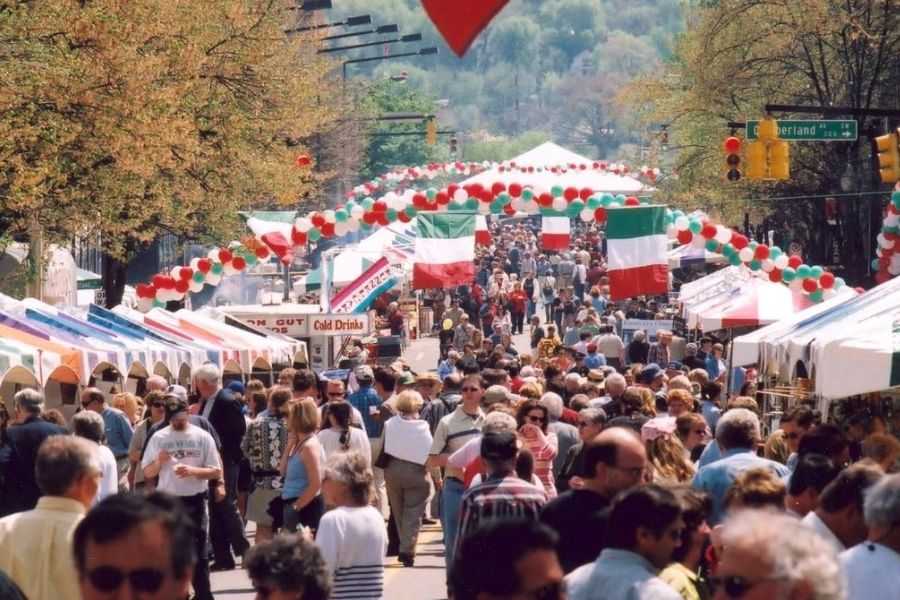
The festival often features workshops where visitors can learn about the production process. I attended one where we discussed how librettists like Cesare Sterbini (who wrote for “The Barber of Seville”) influenced Rossini’s compositional choices.
Costumes, Sets, and Theatricality in Rossini’s Operas
The costume department at the festival is a wonder to behold. I watched artisans hand-stitching elaborate period costumes that balance historical accuracy with the practicalities of modern operatic performance.
Set designs range from minimalist to spectacular, but all serve Rossini’s music first. The Teatro Rossini and outdoor venues are transformed through clever stagecraft that enhances the theatrical elements so central to Rossini’s work.
Many productions embrace the inherent theatricality in Rossini’s operas. Directors often highlight the comedic timing in works like “The Italian Girl in Algiers” or the dramatic tension in “William Tell.”
What impresses me most is how the production teams work within the constraints of historic venues. The Teatro Rossini itself becomes part of the experience, its acoustics and architecture complementing the performances.
Engaging with the Community: Lectures, Workshops, and Post-Performance Discussions
The Rossini Festival in Pesaro offers so much more than just opera performances. I’ve found that diving into the educational events truly enhances my festival experience.
Each morning, I like to attend the musicology lectures held at the Teatro Rossini. These sessions feature renowned scholars who explore Rossini’s compositions, historical context, and performance practices.
The workshops are perfect for music lovers of all levels. Last year, I participated in a vocal masterclass where I watched young singers receive guidance from established performers. Even as an observer, I learned so much about the nuances of Rossini’s challenging vocal techniques!
After most performances, you can join post-show discussions where directors, conductors, and performers share their artistic choices. I’ve had fascinating conversations with other attendees during these sessions, some of whom have been coming to the festival for decades.
For families visiting Pesaro, the festival organizes special child-friendly workshops introducing kids to opera through interactive activities. I brought my niece last summer, and she’s been humming Rossini arias ever since!
The community aspect of these events shouldn’t be underestimated. I’ve made lasting friendships with fellow opera enthusiasts from around the world while waiting for lectures to begin or chatting during workshop breaks.
Pro tip: Book your spots for workshops early through the festival website. The most popular sessions fill up quickly, especially those featuring the festival’s star performers.
Experiencing Pesaro Beyond the Festival
Pesaro offers a wealth of experiences outside the opera halls that truly enhance your visit to this coastal gem. The city’s charm extends from its culinary treasures to its rich cultural landscape, all waiting to be explored between performances.
Delving into Pesaro’s Gastronomy and Local Delights
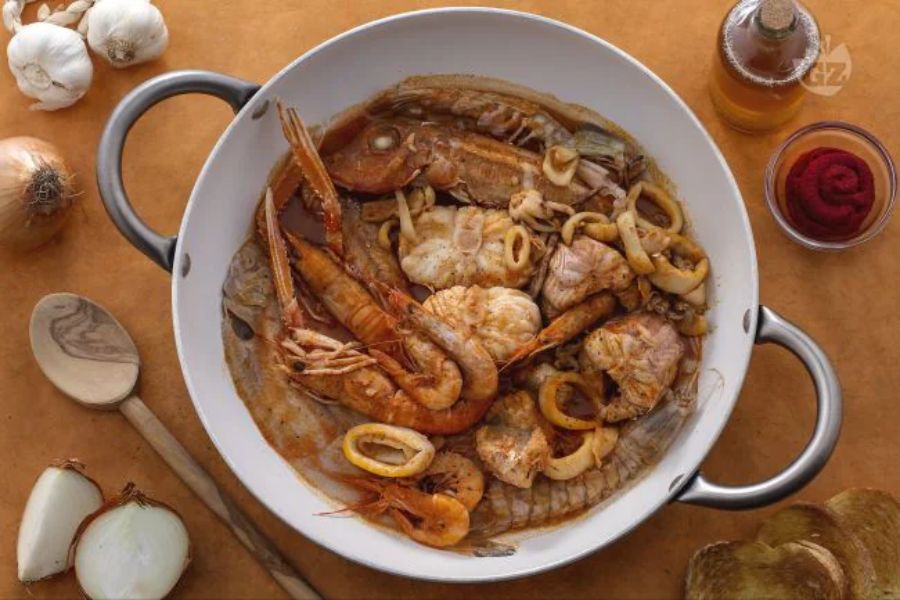
The Marche region’s cuisine shines brightly in Pesaro’s local restaurants and markets. I recommend starting your culinary journey with the city’s signature dish, brodetto alla pesarese. It’s a flavorful fish stew that captures the essence of the Adriatic.
Olive oil from the surrounding hills is exceptionally good, with a distinctive peppery finish that elevates even the simplest dishes.
The local markets are worth a morning visit. I found vendors selling regional cheeses like casciotta d’Urbino that Rossini himself apparently adored.
Cultural Attractions and Day Trips from Pesaro
Pesaro’s Civic Museums house impressive collections that provide context to the city’s rich cultural heritage. The Rossini House Museum offers intimate glimpses into the composer’s life through personal artifacts and original manuscripts.
I found strolling along the lungomare (seafront) particularly memorable. At sunset, locals gather for their evening passeggiata. The movement of people against the backdrop of the Adriatic creates a quintessentially Italian scene.
Just a short drive away lies Urbino, a UNESCO World Heritage site with its magnificent Ducal Palace. The Renaissance masterpieces housed here make for a perfect day trip between festival performances.
The San Bartolo Natural Park offers breathtaking views and hiking trails for those seeking a break from cultural pursuits. I discovered several small beaches tucked below the cliffs that provide peaceful alternatives to Pesaro’s main beach.
