
There’s just something magical about climbing the winding streets of Kastella, that hilltop neighborhood with the best views in all of Piraeus. My legs ached from the steep climb, but when I finally reached the top, the sight waiting for me made every step feel worth it.
As dusk crept over Athens’ ancient port, I watched the city turn into a glittering sea of lights. Salty breezes cooled my sun-warmed skin, and I just stood there, soaking it all in.
I didn’t expect Piraeus to charm me like this. Most travelers just see it as Athens’ gateway to the Greek islands and rush through to catch their ferries.
But slowing down and climbing up to this vantage point showed me the real personality of this busy port city—a blend of maritime history and modern energy that’s hard to describe.
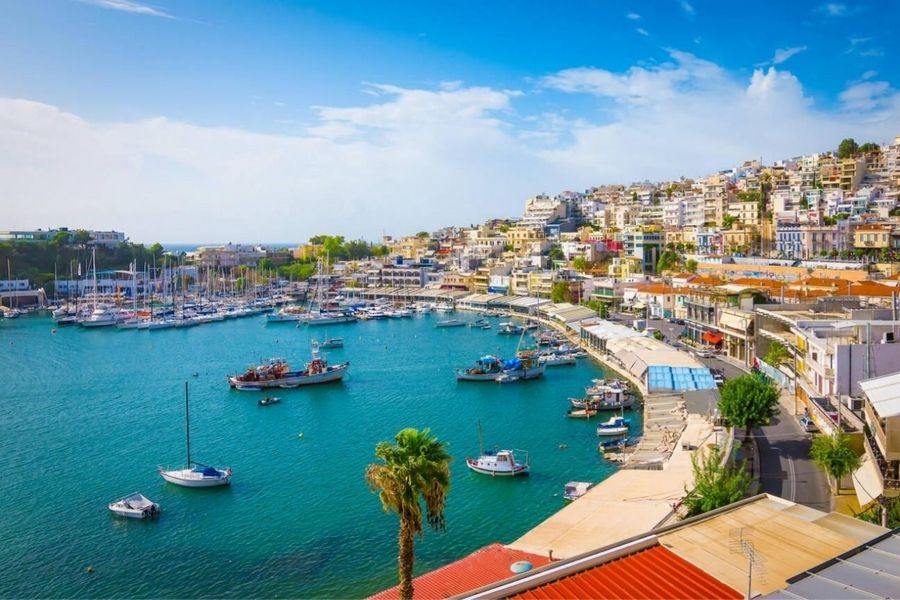
The views stretched from cruise ships in the harbor to the distant Acropolis glowing on the Athens skyline. Locals gathered at hillside tavernas, sharing mezze and stories like they’ve done for generations.
Up here, you really feel the pulse of Greek coastal life. It’s away from the tourist crowds but still close to everything that makes this corner of the Mediterranean so special.
Reaching Kastella: Essential Travel Tips and Planning
Visiting Kastella takes a bit of planning, but the stunning views at the top make it totally worth the effort.
Getting There: Entry Requirements and First Steps
To get to Kastella, I needed a valid passport since Greece is in the Schengen Area. Some non-EU visitors need a visa, and my passport had to be valid for at least six months after my planned departure.
From Athens International Airport, I hopped on the X96 express bus straight to Piraeus (€6, runs all day and night). The ride took about 90 minutes, depending on traffic.
Alternatively, the metro Line 3 also goes to Piraeus if you transfer at Monastiraki station.
Once in Piraeus, I found it useful to have Google Maps downloaded offline. Sometimes the signal drops. Most locals speak basic English, but learning a few Greek phrases helped me out more than I expected.
Navigating Piraeus: Transportation and Getting Around
I had a few options for getting up to Kastella:
- Local Bus: Lines 904 and 905 stop close to Kastella (€1.20 for a 90-minute ticket)
- Taxi: About €5-7 from the port
- Walking: About 20-30 minutes uphill from the main port
Comfy walking shoes are a must here. Kastella’s charm is in its narrow, winding streets, but the climb is steeper than I thought. I just took my time and made sure to stop for water breaks.
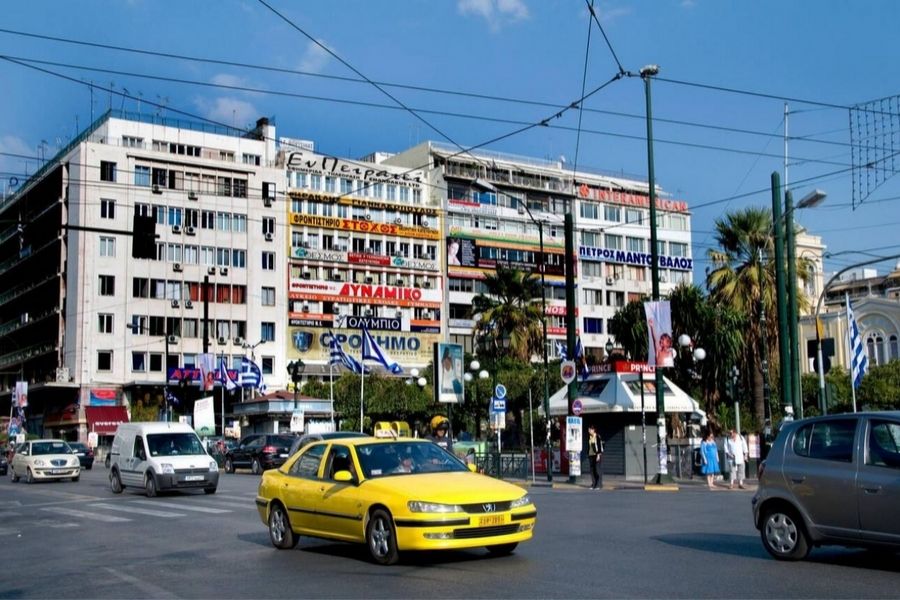
Street signs can be a bit hit-or-miss, so I used landmarks like Veakeio Theater and Prophet Elias Church to guide me. Most streets eventually lead uphill to Kastella, so getting truly lost is tough.
Planning Your Trip: Choosing the Best Time and Safety Tips
Here’s when I found Kastella at its best:
| Season | Benefits | Considerations |
|---|---|---|
| Spring (Apr-Jun) | Moderate temperatures, fewer crowds | Sometimes it rains |
| Fall (Sep-Oct) | Pleasant weather, clear views | A few businesses cut their hours |
| Summer evenings | Magical sunset views | Daytime heat is brutal |
Piraeus and Kastella felt pretty safe to me, but I still kept an eye on my stuff. Early mornings are quieter, and I got some of my favorite photos then.
Don’t forget water, especially in summer. Many cafés in Kastella have killer sea views, so I tried to time my hike for an hour before sunset. That gave me time to find a good spot and watch the sky change colors.
Kastella Hill: A Panorama of Piraeus and Its Port
Kastella sits perched on a hill above Greece’s biggest port, and the views here are just wild. The neighborhood feels like a natural balcony, where the noisy port meets the peaceful Mediterranean sky.
Geography and Topography of Kastella
Kastella rises atop one of Piraeus’s most prominent hills, called Profitis Ilias (Prophet Elijah). This spot gives the neighborhood its unique vibe and those epic views.
The area stretches from the hillside right down to the cute port of Mikrolimano, which used to be called Munichia in ancient times.
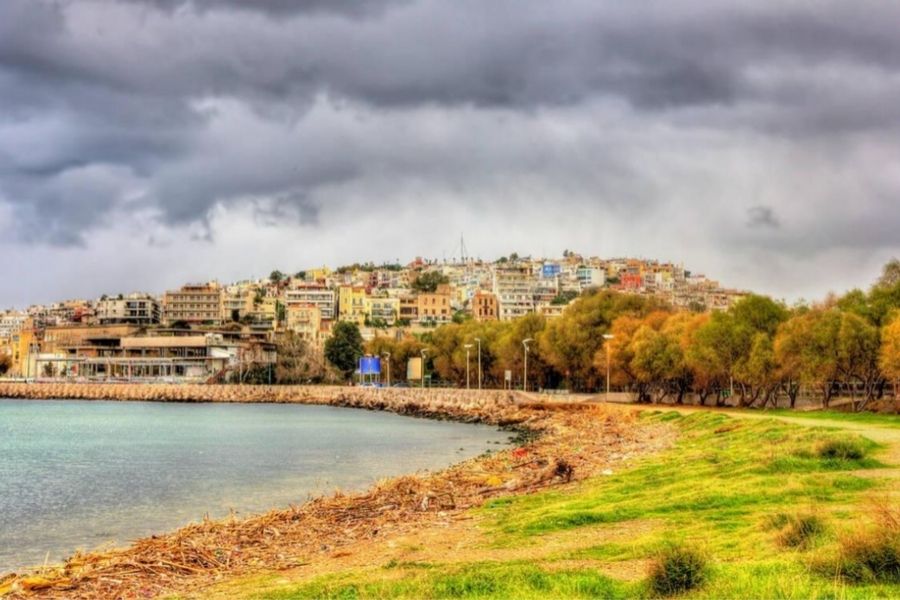
The way the neighborhood spills down the hill caught my eye. Narrow streets twist between colorful neoclassical buildings and old-school Greek homes.
Walking uphill takes some effort, but every step gives you a bigger slice of the panorama.
The hilly landscape creates natural terraces, and locals have turned them into cafés and restaurants with unbeatable views.
Port Views: Saronic Gulf Islands and the Fleet
From Kastella’s summit, the whole port of Piraeus sprawls out below. I could spot the passenger terminals where ferries leave for the Saronic Gulf islands—Aegina, Poros, Hydra, and others dotting the horizon.
The commercial harbor never stops moving. Container ships, tankers, and cargo vessels shuffle around in a constant dance. I watched cruise ships glide in and dock, all lit up.
What really grabbed my attention was the organized chaos on the water—tiny fishing boats weaving between massive ships, port authority boats zipping by, and sailboats catching the breeze.
Natural Landscape: Bays, Sea Breezes, and Lights
Kastella’s natural surroundings make it even more beautiful. Small, sheltered bays cut into the coastline below, creating perfect little harbors.
From above, Mikrolimano’s curved bay looks just like a postcard, filled with fishing boats and yachts.
The sea breezes up here are a lifesaver. Even on hot days, I felt cool air blowing up from the Mediterranean, carrying the scent of salt and far-off places.
As twilight approaches, Kastella lights up. The port glows with thousands of lights from ships, terminals, and streetlamps.
Distant islands show themselves with lighthouse beacons and little clusters of village lights.
The sunsets here are unreal—golden reflections on the water that slowly fade into night.
History and Culture Surrounding Kastella
Kastella’s story stretches back thousands of years, from ancient Greek settlements to its key role in the 1821 revolution. This hilltop neighborhood still echoes with the footsteps of warriors, philosophers, and everyday folks who called it home.
Ancient Greece to Roman Period: Kastella’s Heritage
Walking through Kastella, I kept bumping into reminders of its ancient roots. In ancient Greek times, the hill served as a natural watchtower for the port of Piraeus.
Archaeologists have found settlements here dating back to the 5th century BCE, when Athens was at its peak.
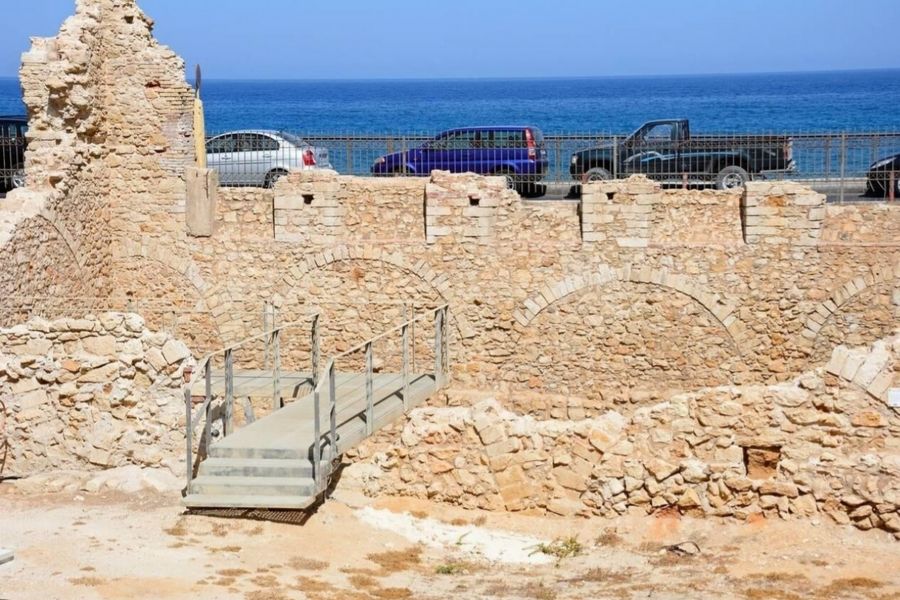
I noticed remnants of ancient fortifications that once protected this strategic spot. When the Romans conquered Greece in 146 BCE, they added Kastella to their defensive network.
What really fascinated me was how every civilization that controlled Piraeus valued Kastella’s position. The high ground gave them both military advantage and those same sweeping views we love today.
The Evolution Through Classical and Hellenistic Periods
During the Classical period (480-323 BCE), Kastella thrived alongside Athens’ golden age. The hill became part of Piraeus’ famous Long Walls, connecting the port to Athens.
I didn’t expect to find out that in the Hellenistic period, after Alexander’s conquests, Kastella served as a military post and a home for merchants. Archaeologists have dug up pottery and household items that tell stories of daily life here.
The architecture started to mix practicality with beauty, reflecting Greek artistic sensibilities. Local guides pointed out how buildings blended right into the rocky terrain.
Cultural Insights: Traditions, Warriors, and Modern Life
The Battle of Kastella in 1821 stands out as a proud moment. Greek revolutionary forces won a big victory here against the Ottomans, helping secure Greece’s independence.
Kastella today blends its warrior past with an artistic, lively present. Narrow streets are dotted with cafés where older locals play backgammon and debate politics—a tradition that’s lasted generations.
On summer evenings, I found music and dancing in the air, celebrating Greek cultural traditions.
What really struck me was how residents honor their history. Every year, locals commemorate the 1821 battle with kids in traditional costumes. The neighborhood keeps its unique flavor, with blue-and-white houses climbing the hillside just like they always have.
Piraeus By Night: A Sea of Lights and Vibrant Atmosphere
When the sun drops behind Piraeus, the port turns into a sparkling wonderland. Harbor lights shimmer on the water, creating a magical atmosphere that’s both romantic and full of energy.
The Nightlife: Best Bars, Restaurants, and Entertainment
Mikrolimano Marina serves up some of the best seafood in Piraeus. I loved Varoulko Seaside for its fresh catch and unbeatable views of the lit-up yachts. Somehow, the food tastes even better with a sea breeze on your face.
For drinks, Istioploikos Bar near the yacht club mixes creative cocktails in a classy setting. The bartenders use local ingredients, and the harbor views at night are hard to top.
Locals pointed me to Piraeus 210 for live Greek music and a real local vibe. I spent an evening there watching couples dance traditional steps while I sipped wine and nibbled on meze.
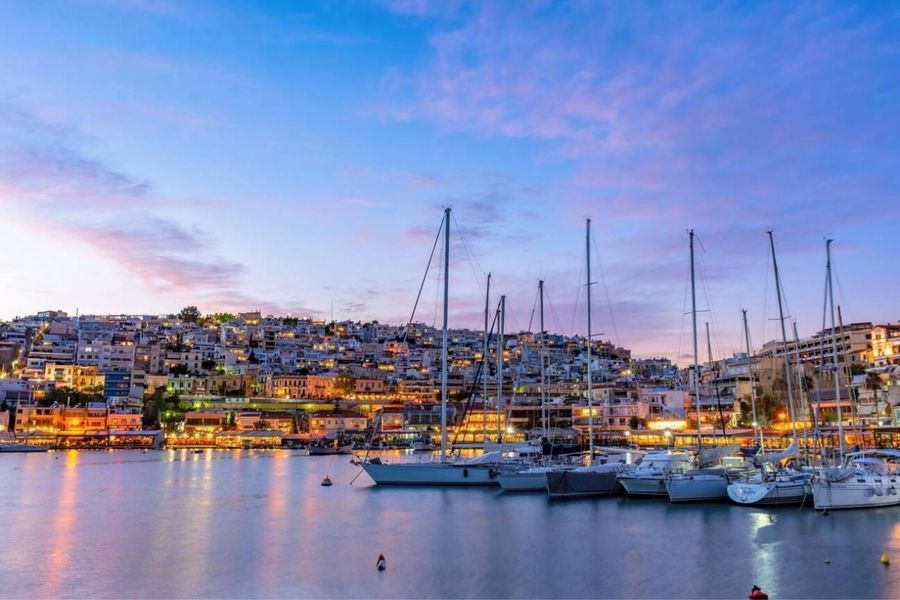
Marina Zeas gets lively after dark with outdoor cafés and bars where cruise passengers and Athenians hang out. The mood is relaxed but buzzing—a great spot for people-watching or just chatting with friends.
Photogenic Moments: Capturing the City’s Glow
The view from Kastella Hill at night blew me away. I snapped photos of the whole harbor lit up like a constellation, with cruise ships glowing against the dark water.
The blue hour—just after sunset—is perfect for night photography. The sky goes deep blue, and the city lights pop, creating a dreamy scene you can even catch with your phone.
Pasalimani’s waterfront promenade is a great spot for photos, with its line of lit-up restaurants and the reflections dancing on the water. I’d bring a small tripod for steadier shots.
If you want a unique angle, try the old stone steps near the Archaeological Museum of Piraeus. You can frame both ancient buildings and the modern port lights in one shot.
Exploring Beyond: Day Trips, Islands, and Shore Excursions
Piraeus pulled me in, but it’s also the perfect launchpad for Greek adventures beyond the city. Whether you’re island-hopping or taking a guided tour of ancient ruins, the options feel endless.
Saronic Gulf Island Hopping: Aegina and Poros Adventures
I jumped on a traditional wooden boat from Piraeus for a day cruise around the Saronic Gulf. It was honestly magical.
Aegina, just an hour away, greeted me with its famous pistachios and the impressive Temple of Aphaia perched on a pine-covered hill.
Poros was next, and it had a totally different feel. The island’s clock tower guided our approach as we sailed through the narrow strait. I wandered through lemon groves and swam in clear coves for hours.
The best part? These islands are open for visits year-round. If you can, go on a weekday—the boats get packed with Athenians on weekends.
Best Shore Excursions from Piraeus
Cruise passengers get plenty of choices for memorable excursions from Piraeus. Athens’ archaeological sites top most lists, but I found a few hidden gems too.
Popular Shore Excursions:
- Ancient Corinth and the Canal (2-3 hours)
- Cape Sounion and Temple of Poseidon (4 hours)
- Athens Food Tour with Local Guide (3 hours)
Many cruise lines, like Royal Caribbean, offer packages that bounce between Greece, Turkey, and Italy. Their 7-night cruises often stop at places like Mykonos, Santorini, and Ephesus.
I found it smart to pre-book excursions during peak season (May-September). The ancient ruins of Olympia really impressed me with their Olympic history and well-preserved remains.
Sustainable Tourism and Special-Interest Trips
I’ve always cared about responsible travel, so I started searching for eco-friendly options around Piraeus. These days, you can actually find several tour operators offering sustainable experiences that help local communities and try to keep the environmental impact low.
I decided to join a small-group kayaking trip along the Athenian Riviera. Our guide talked about marine conservation while we paddled past hidden caves and some surprisingly untouched beaches.
If you’re into history, there are archaeological tours that go way beyond the usual sites. I spent a day with an expert, exploring lesser-known ancient ruins far from the tourist crowds.
Wine tourism is catching on in this region, too! I tried some really good local wines at family-owned vineyards near Piraeus. The owners showed me their traditional methods, which their families have used for generations.
