
If you’re in Devon and thinking about afternoon tea, you’ll probably picture a warm, crumbly scone topped with a thick layer of clotted cream and a dollop of sweet strawberry jam. Here in Devon, we put the cream on first—always—and then the jam. Locals swear by this order, and honestly, it’s part of what makes a cream tea here so iconic.
I decided to hunt down the best scone in Devon, stopping by all sorts of tea rooms and bakeries along the way. Each spot had its own twist, but everyone insisted on cream before jam. That little detail really does make each bite feel rich and, well, unmistakably Devonian.

If you’re curious about why Devon cream tea is so memorable, come along as I roam the countryside, chase down scones, and try to figure out why this tradition sticks.
What Makes a Devon Cream Tea Unique?
Devon cream tea stands out because of its unique serving style and its focus on fresh, local ingredients.
The way you build your scone, the type of cream, and even tiny differences from Cornwall shape this tradition.
The Devon Way: Cream First, Then Jam
Whenever I order a cream tea in Devon, I know the drill: spread clotted cream first, then add the jam. Locals often say the cream acts like butter—a sturdy base for the sweet jam.
This “Devon way” really sets itself apart from the Cornish method, where jam goes first. The Devon tradition isn’t just about flavor—it’s about pride, habit, and a bit of friendly rivalry.
But why cream first? Devon clotted cream is so thick and rich that it spreads easily without crushing a soft scone. I always smooth on a generous layer of cream before spooning on the jam. Some tea rooms will even gently remind visitors to do it the Devon way.
Key Ingredients: Clotted Cream, Scones, and Jam
A proper Devon cream tea keeps things simple and fresh.
Here’s what you need:
- Freshly baked scones: Soft, warm, and usually plain.
- Devon clotted cream: Thick, smooth, and golden-topped.
- Strawberry or raspberry jam: Sweet, sometimes homemade.
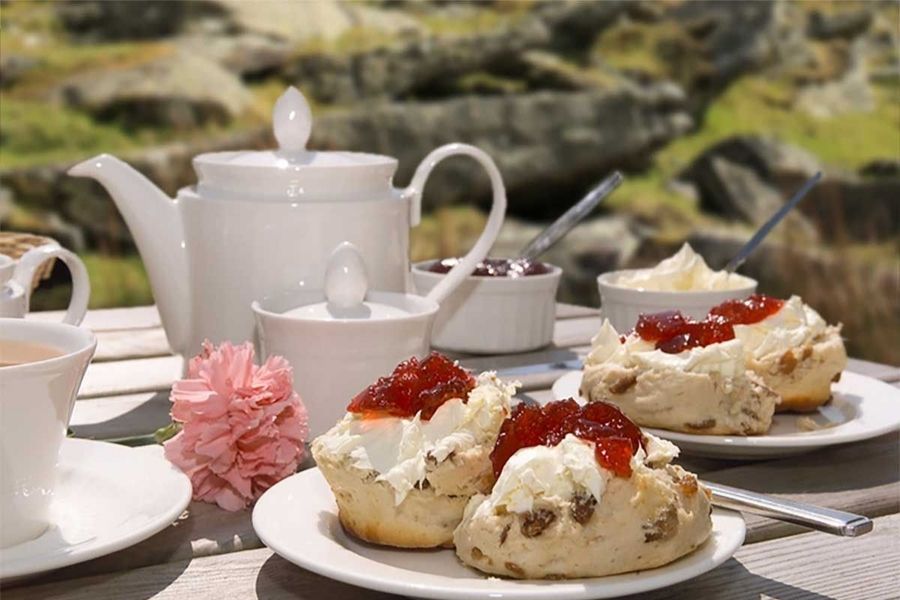
Clotted cream really steals the show. Farmers make it by slowly heating full-fat milk until it forms that signature thick, velvety layer. It’s not like whipped or double cream—it’s richer, almost a little nutty.
Scones get split, never cut. I love them hot from the oven. Local jams, often made from seasonal berries, add a bright, fruity kick that balances the richness of the cream.
Devon Cream Tea vs. Cornish Cream Tea
The big difference between Devon and Cornish cream tea? It’s all about the order of toppings.
Devon goes cream first; Cornwall goes jam first. It sounds tiny, but for locals, it’s a matter of loyalty.
Devonshire clotted cream, made from local milk, tastes and feels unique. Cornish clotted cream is similar but sometimes a bit lighter.
Devon scones tend to be plain, while Cornish scones might have fruit in them. Both counties care about freshness and quality, but the serving style sets them apart. I’ve met people fiercely loyal to both ways—and honestly, both are delicious.
Crafting the Perfect Scone: Recipes and Techniques
Baking a soft, golden scone really just takes a good recipe, fresh ingredients, and a bit of patience.
Once you get the hang of it, making scones at home feels pretty rewarding.
Traditional Scone Recipe
For my go-to Devonshire scone, I start with self-raising flour—about 350g for a nice rise.
I whisk in a teaspoon of baking powder and a pinch of salt.
A couple tablespoons of caster sugar bring just enough sweetness. Next, I work in 85g of cold, diced butter until the mix looks like breadcrumbs.
Then I pour in 150ml of milk and a splash of lemon juice (that bit of acid helps the rise and keeps things tender).
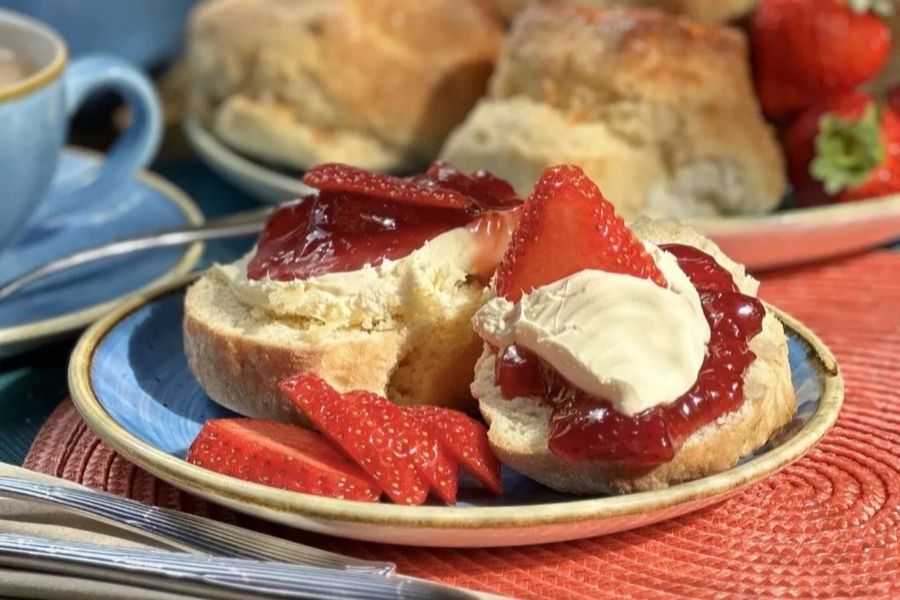
The dough should be soft, not sticky. I gently pat it out and cut rough circles, then bake them at 200°C (390°F) for about 12–15 minutes.
| Ingredient | Amount |
|---|---|
| Self-raising flour | 350g |
| Baking powder | 1 tsp |
| Salt | pinch |
| Caster sugar | 2 tbsp |
| Butter | 85g |
| Milk | 150ml |
| Lemon juice | splash |
Essential Baking Tips and Ingredients
Freshness really matters for scones. Cold butter is crucial—straight from the fridge, diced up, and worked in fast.
I use my fingertips and try not to overwork the dough. When I add the milk and lemon juice, I mix just until it comes together—no kneading.
I space the scones out on the tray so they bake evenly. A quick brush with egg and milk gives them a golden top.
And honestly, nothing beats eating them while they’re still warm.
Baking Scones at Home: Tools of the Trade
Having the right tools makes baking so much easier. I grab a metal baking tray lined with parchment for easy cleanup.
A big mixing bowl gives me space to work the dough gently. I use a round cutter to shape the scones—pressing straight down, never twisting.
Scales and measuring cups help me stay accurate. Once they’re out, I cool the scones on a wire rack so the bottoms don’t get soggy.
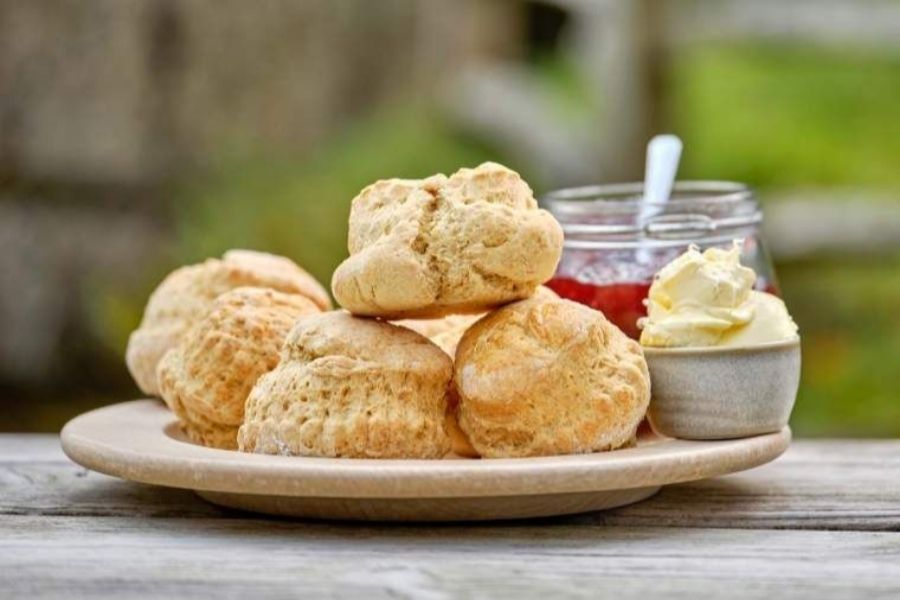
It’s worth keeping everything clean and ready to go. That way, I can focus on the fun part—eating fresh scones with cream and jam.
Selecting the Perfect Tea for Cream Tea
Picking the right tea really makes a difference when you’re having cream tea in Devon.
The tea should balance the flavors of the scone, cream, and jam, while also nodding to British traditions that make the whole thing feel special.
Popular Teas: Earl Grey, Darjeeling, and English Breakfast
Some teas just work better with a classic Devon cream tea. Earl Grey is a favorite for its floral, citrusy notes—perfect with sweet jam.
Sometimes I drink it black, but a splash of milk can be nice too.
Darjeeling—the “champagne of teas”—is delicate and light. When I want something that won’t overpower the scone, I reach for Darjeeling. Its subtle muscatel hint feels refined.
English Breakfast is the classic. It’s bold, malty, and stands up well to creamy scones. I usually add a bit of milk, but that’s just me.
| Tea Type | Flavor Notes | Serve With Milk? |
|---|---|---|
| Earl Grey | Floral, Citrusy | Optional |
| Darjeeling | Muscatel, Delicate | Rarely |
| English Breakfast | Malty, Robust | Often |
Afternoon Tea and High Tea Traditions
The afternoon tea tradition runs deep in Britain. When I picture it, I see fine china, little sandwiches, scones, and a steaming pot of tea.
Cream tea is a highlight of this ritual in Devon.
High tea is different—it’s heartier, once meant as an evening meal with pies and meats. But both traditions keep tea at the center.
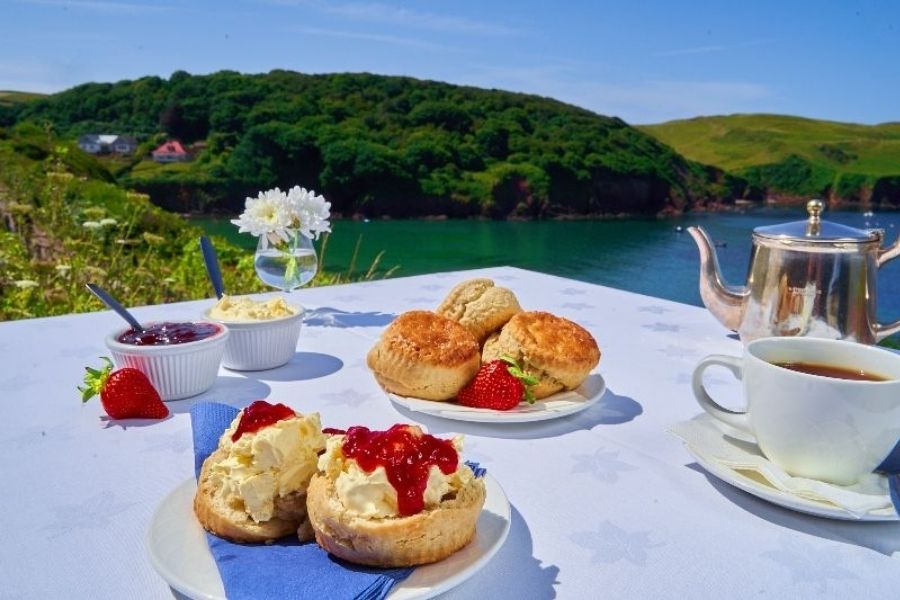
I like to serve tea in a proper pot and let guests add milk or sugar as they please. Something about the ritual makes every bite of scone feel extra special.
Devon’s Best Cream Tea Experiences
Devon knows how to do cream tea right.
With fresh scones, thick clotted cream, and gorgeous scenery, every stop on my journey felt unique.
Tavistock and Tavistock Abbey
Tavistock charmed me with its history and warmth.
The town sits on the edge of Dartmoor, buzzing with life in its market square. I wandered over to Tavistock Abbey, where old ruins set the scene for a slow, relaxing afternoon.
Nearby cafes serve cream teas with scones fresh from the oven. I loved sitting by the ancient stones, sipping tea, and just watching the world go by.
The clotted cream here? Absolutely top-notch—thick, fresh, and smooth. If you want a true Devon cream tea, Tavistock Abbey is a hard spot to beat.
Notable Tearooms and Cafes
Devon’s dotted with tearooms and cafes that serve up stellar cream teas.
The Old Forge in Chagford wowed me with homemade scones and generous helpings of local clotted cream. Prices were reasonable—just over £6 for a full cream tea with two scones.
Some places, like Chambercombe Manor in Ilfracombe, offer a cozy, historic vibe and sometimes lovely gardens. Most spots serve both tea and coffee, and they love using local produce.
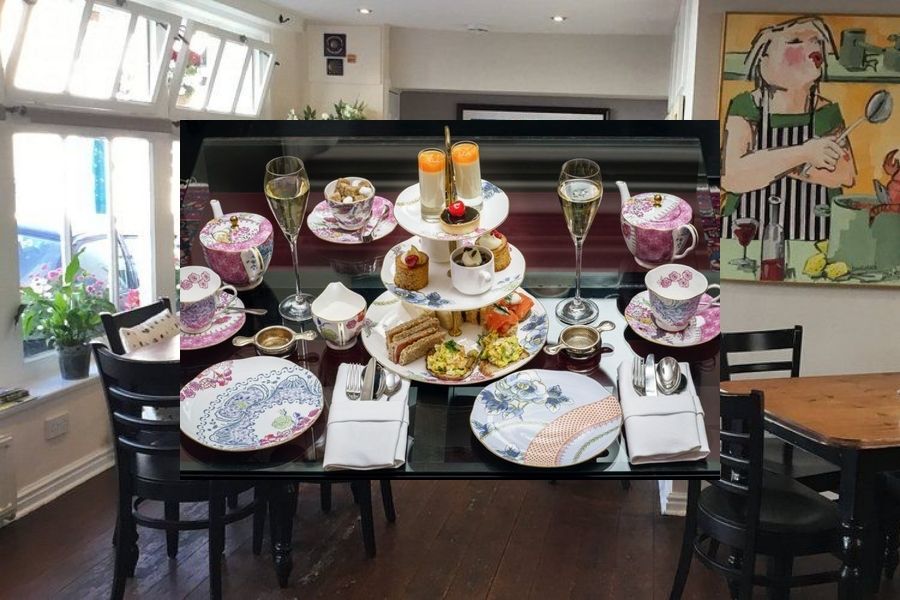
The attention to tradition and quality made every stop memorable.
Celebrating National Cream Tea Day and Local Traditions
Devon takes its cream tea seriously—from the way scones are layered to the events that celebrate this beloved treat.
Special days and local customs keep this food tradition alive and thriving.
The Significance of National Cream Tea Day
National Cream Tea Day rolls around every year in late June—this year, it’s June 27th, 2025.
It’s all about celebrating the simple joy of scones, clotted cream, and jam with a pot of tea.
People from all over the UK join in, but Devon really comes alive for it. Cafes and tea rooms offer deals, host events, and share their best cream tea tips.
I’ve seen pop-up garden parties and special menus just for the day.
Some facts about National Cream Tea Day:
| Date | Region Most Celebrated | Key Activity |
|---|---|---|
| June 27, 2025 | Devon and Cornwall | Eating cream tea |
Locals love showing off their favorite way to build a scone. In Devon, that’s always clotted cream first, then a big spoonful of jam.
Modern Cream Tea Culture in Devon
These days, cream tea feels woven right into daily life here in Devon. It’s not just a special treat for holidays—cafes from the wild stretches of Dartmoor to breezy seaside towns serve up fresh scones all week long.
I love how local bakeries get a bit competitive, hand-making their scones with Devon flour, thick clotted cream, and homemade jam. The pride in every batch is obvious.
You can usually pick between tea or coffee, which feels like a small but important freedom. Staff always nudge you to layer your scone “the Devon way,” and honestly, it becomes a fun little ritual.
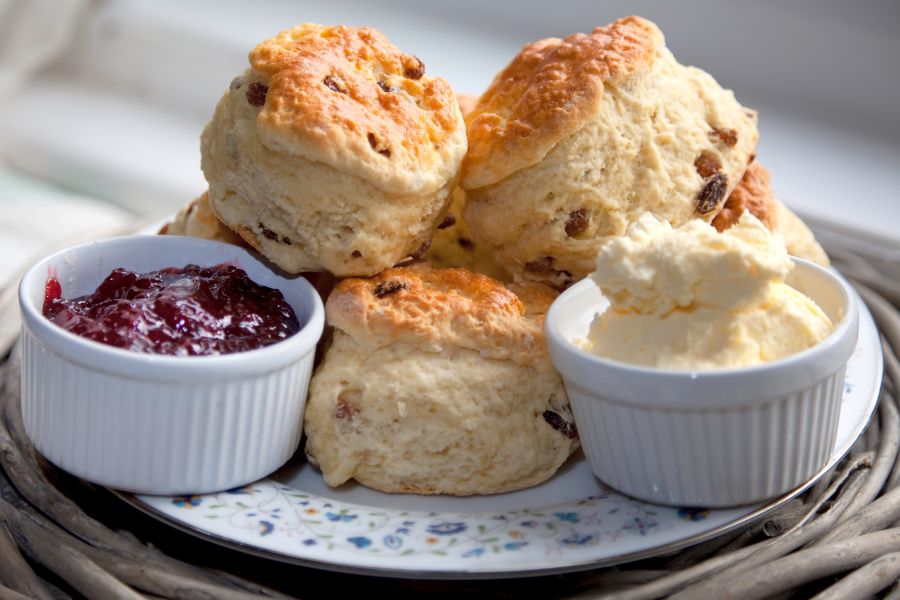
Afternoon tea here goes far beyond just food. I realized it’s a social thing—shops use cream tea to welcome newcomers, and families quietly pass their recipes down, generation to generation.
The whole cream tea scene also helps out local farmers and small businesses. Most places source their cream and jam right from nearby dairies and fruit farms, so every bite really does taste like Devon.
I can’t help but admire how this simple tradition keeps old recipes alive and brings people together. There’s something about sharing a scone and a laugh that just feels right.
