
Picture this: It’s well past midnight on a Greek island. Hundreds of people still dance in circles, arms linked, following ancient rhythms echoing through the village courtyard.
I stumbled into this magical world during my first Ikarian panigyri. I danced until sunrise, sharing homemade raki with strangers who soon felt like old friends.
If you want the most authentic Greek celebration imaginable, you’ve got to find an Ikarian panigyri. These festivals blend centuries-old religious traditions with non-stop music, dancing, and communal feasting that somehow stretches on for days.
Locals honor patron saints, but honestly, these nights feel more like giant community reunions. Everyone—visitors, cousins, neighbors—gets swept up in the welcome.
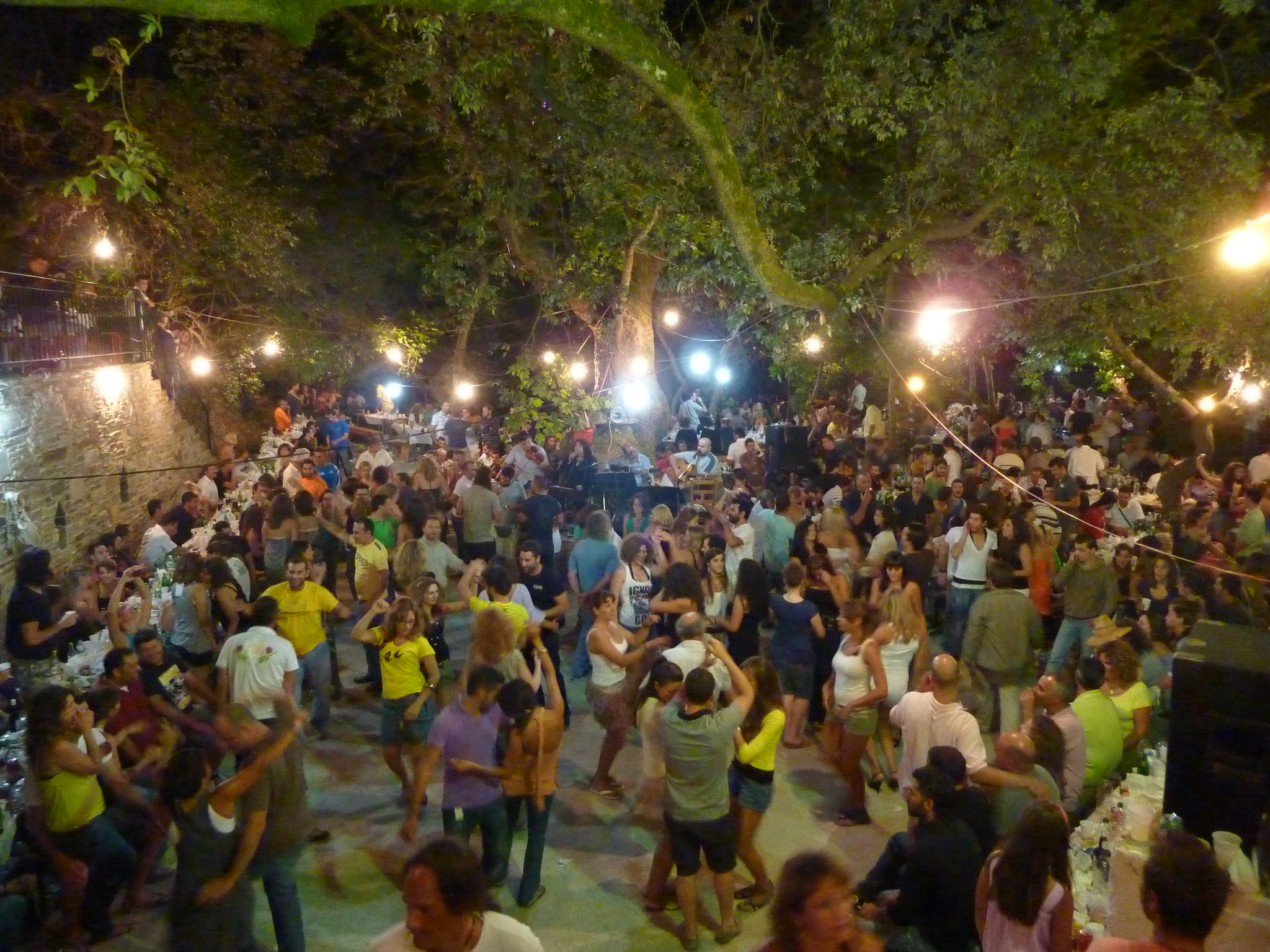
Image Source: Flickr
When I joined one of these legendary parties, I saw Greek culture in a whole new light. Learning the dance steps, tasting ridiculous amounts of local food, and figuring out the unwritten rules of raki drinking—these things pulled me right into traditions stretching back to the 1800s.
The memories and friendships I made that night? I get why people call Ikaria’s festivals some of the most vibrant and openhearted in Greece.
Essence of a Raki-Fueled Ikarian Panigyri
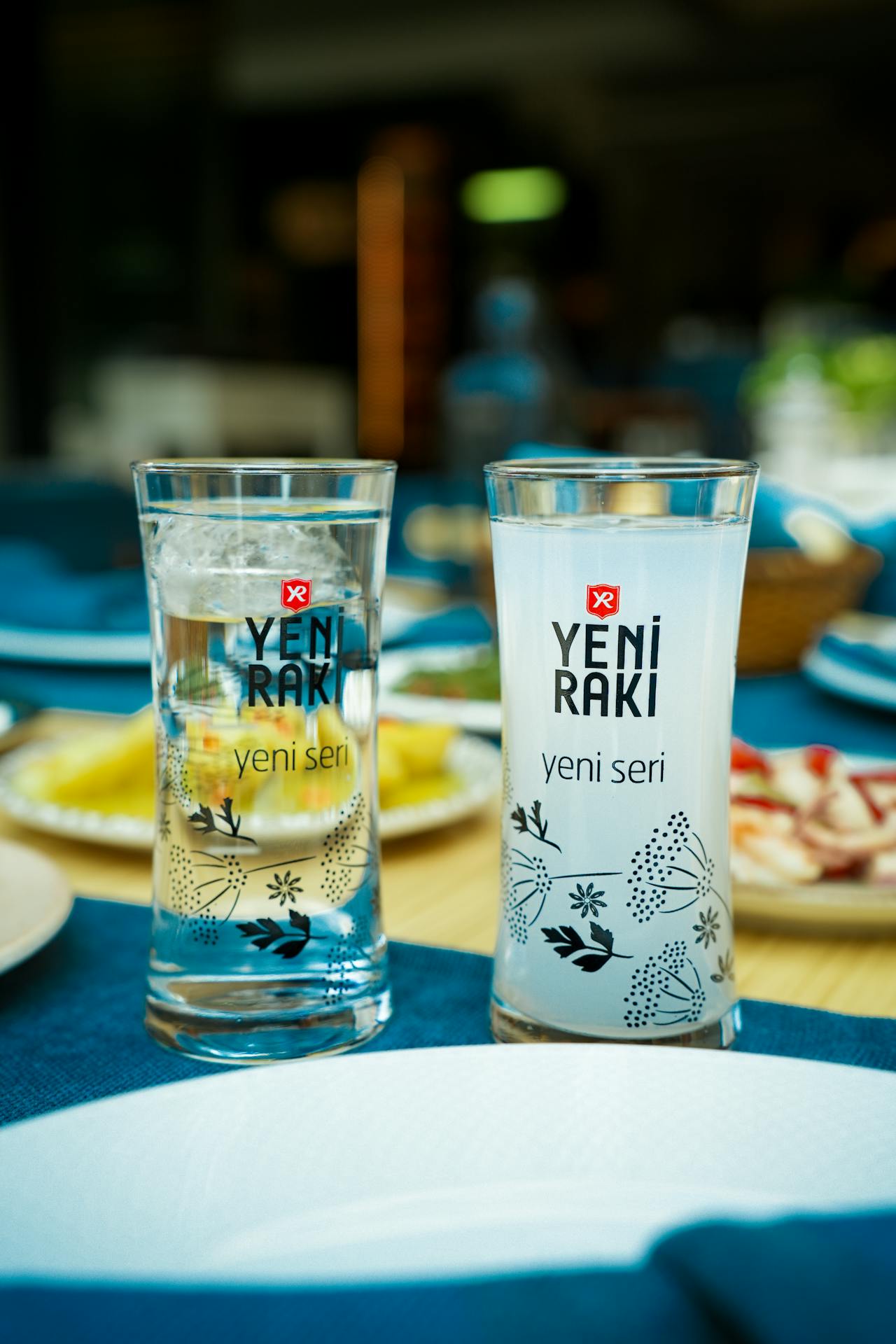
The real pulse of an Ikarian panigyri starts beating when raki flows and dancers keep moving until dawn. This fiery, anise-scented spirit turns a simple party into something unforgettable.
The Role of Raki in Festive Celebrations
Raki isn’t just another drink at a panigyri. It’s a social glue that melts away awkwardness and brings everyone together.
I watched old men hand raki to teenagers learning their first dance steps. Suddenly, everyone felt like family.
What raki does at a panigyri:
- Gets people up and dancing
- Sparks new friendships
- Keeps the party alive all night
- Honors the Greek tradition of hospitality
The clear liquid burns a bit, but it leaves a warm glow that matches the mood. Elders often distill their own raki, using recipes that have survived generations.
During my first raki night, I realized the drink popped up at every turning point. Before the first dance, after a song, or when someone needed a little courage.
What Makes Ikarian Panigyri Unique
Ikarian panigyria don’t follow the usual festival script. These parties can last for days—seriously.
The island’s relaxed vibe spills right into the celebrations. People show up whenever, leave whenever. No one cares about a schedule.
What sets them apart:
- Dancing that doesn’t stop until sunrise
- The community funds the party, and the money goes back to local projects
- Traditional and modern music mix together
- All ages join in
- Real village courtyards, not touristy venues
I saw families reunite and old friends catch up after years apart. Even newcomers like me got swept up in the warmth.
The money from the festival helps pay for village improvements. So the celebration feeds right back into the community.
First Impressions: The Aniseed Aroma
Before you even spot the party, you’ll smell it. The anise scent of raki drifts through the air, mixing with wood smoke and salty sea breeze.
I could sniff out an active panigyri from far away, just by following that sweet, licorice-like aroma. As more people arrived and the raki kept flowing, the scent grew stronger.
The aniseed effect:
- Sweet, slightly herbal fragrance floats on the wind
- Gets more intense as the night goes on
- Blends with food and smoke
- Stays on your clothes and hair for days
Even after leaving, I’d catch a whiff of anise and instantly remember the music and laughter. That smell really becomes part of the festival’s magic.

Traditional Music and Dance at the Celebration
The night’s music leaned into traditional Turkish fasil with live musicians and belly dancers lighting up the courtyard.
Live Turkish Music and Fasil Ekibi
Around 9 PM, the fasil ekibi took the stage. Five musicians set up in a semicircle, ready to play.
They started with slow, haunting melodies. The main singer led Turkish songs, and the others filled in the sound.
What stood out:
- Four hours of non-stop music
- Classical and folk Turkish pieces
- The crowd joined in
- Songs in both Turkish and Greek
The musicians shifted between fast and slow songs, watching the mood and adjusting on the fly.
During breaks, they mingled with us, took requests, and shared stories about the music’s roots.
Musical Instruments: Ney, Saz, and Kanun
The ney player sat center stage. That reed flute sent ghostly notes floating over the crowd.
The saz player, with his long-necked lute, added both rhythm and melody. His fingers moved so fast, I couldn’t look away.
The kanun was the backbone—72 strings, plucked with tiny picks, filling out the sound.
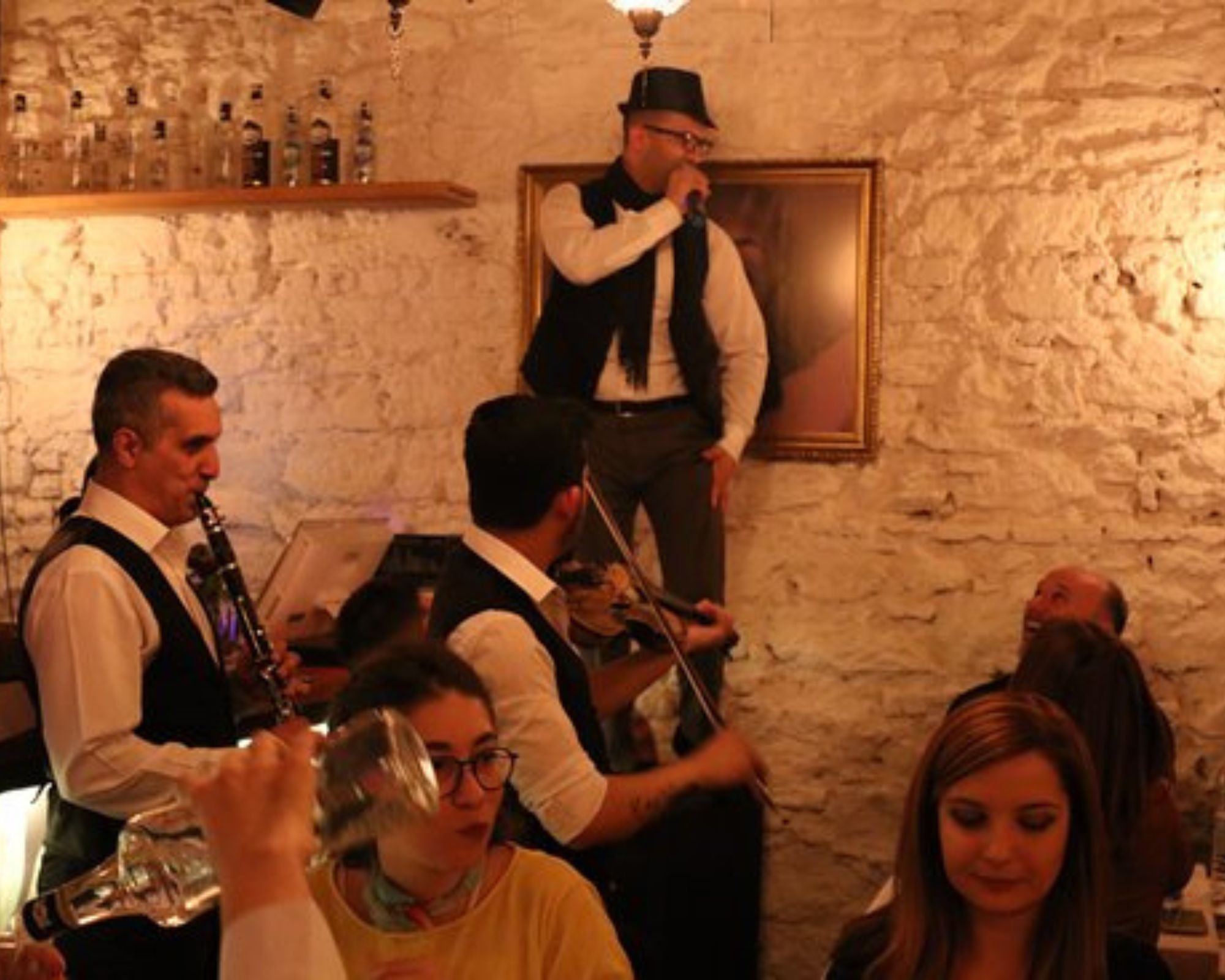
Image Source: Tripadvisor
Quick instrument rundown:
| Instrument | Strings/Keys | Primary Role |
|---|---|---|
| Ney | Wind instrument | Lead melody |
| Saz | 7 strings | Rhythm/melody |
| Kanun | 72 strings | Harmonic foundation |
Each instrument brought its own color. The ney tugged at your heart, while the saz kept your feet moving.
Belly Dancing and Energetic Performances
Between sets, two belly dancers took the floor. Their costumes shimmered with coins and bright fabrics.
The first dancer moved with a slow, classic grace. Her hips and arms told the whole story.
The second dancer brought a jolt of energy, mixing modern moves with tradition.
Performance moments:
- Zil (finger cymbals) added sparkle
- The crowd got pulled into the dance
- Quick costume changes
- Dancers taught us a few steps
I jumped in with the others, trying to follow along. The dancers made it fun, not intimidating.
Each performance lasted about 15-20 minutes. The crowd cheered loudest during wild drum solos, when the dancers let loose.

Raki Traditions and Social Rituals
Raki drinking isn’t just about the booze—it’s a whole ceremony. These rituals tie people together and mark life’s big moments with shared traditions.
The Locksmith’s Table: Unlocking Hearts
The locksmith’s table is one of the most touching raki customs. When someone’s heart breaks, friends gather to offer comfort and company.
This isn’t a rowdy party. Everyone sits close, talking quietly, sharing stories and memories. The raki flows slowly, and people listen more than they speak.
I saw this tradition when a local man lost his father. Friends circled around him, poured tiny glasses, and spent hours just being there. The raki wasn’t the point—the connection was.
The locksmith’s table proves that raki customs go way deeper than drinking. They build safe spaces for vulnerability and healing.
Rules of the Raki Table
Raki gatherings come with their own set of rules. These keep things meaningful and stop the night from turning into just another drinking session.
Important rules:
- Skip heavy food with raki
- Stick to light appetizers
- Sip slowly, don’t rush
- Focus on conversation
The whole point is to enjoy the raki and the company. Heavy meals kill the mood and dull the senses.
I learned this quickly. When I reached for more food, an older woman smiled and reminded me: “Raki is for talking, not feasting.”
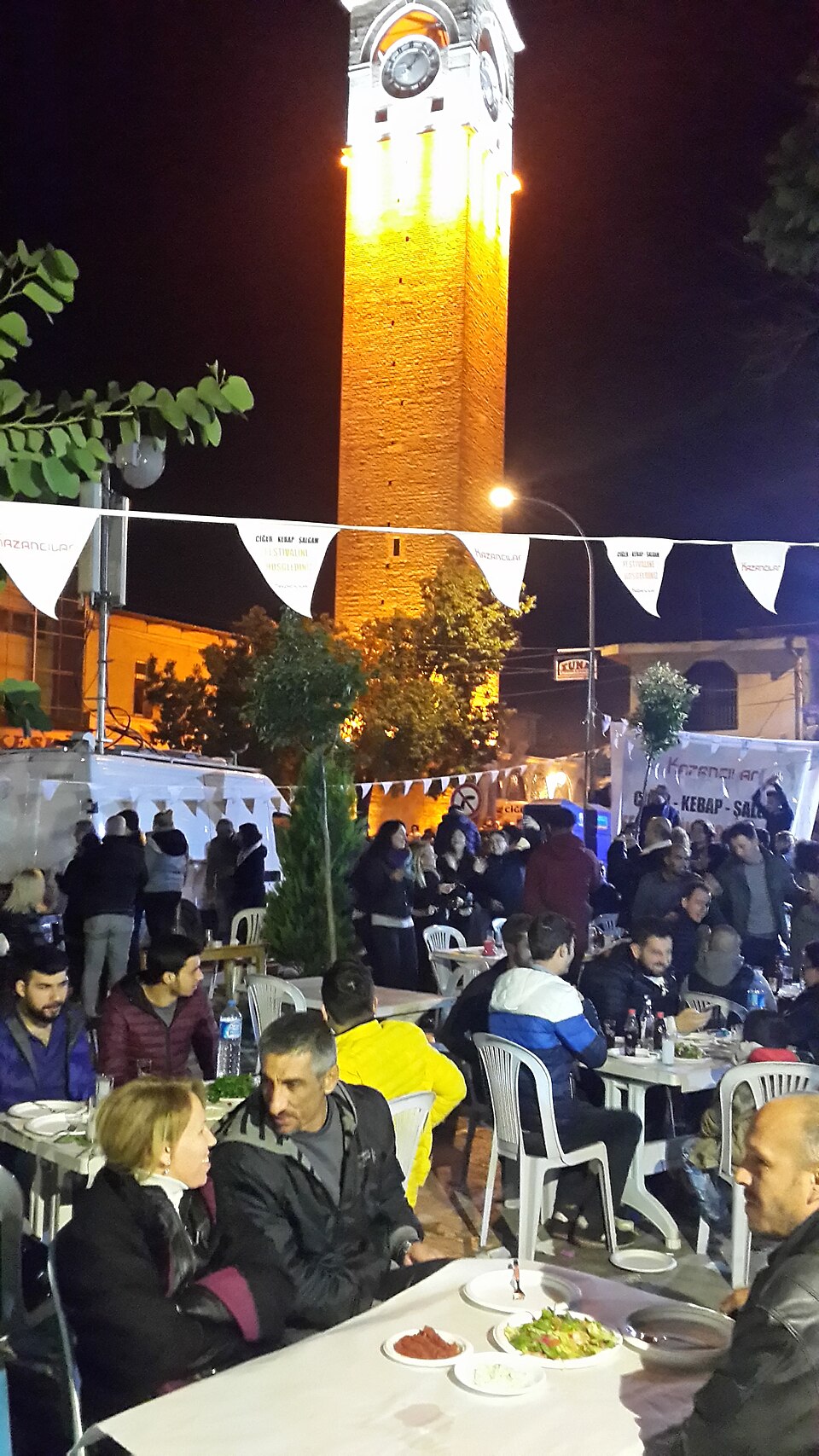
Image Source: Wikimedia Commons
Toast Etiquette and Shared Moments
Toasts at the raki table matter. Each one connects the group, and there’s a rhythm to it.
The eldest usually starts. Others wait their turn, offering short, heartfelt words about friendship or family. Eye contact is a must.
Toast tips:
- Wait for your moment
- Keep it short and honest
- Look everyone in the eye
- Hold your glass steady
These rituals turn simple drinks into shared memories. The alcohol is almost secondary—it’s the bonds that last.
Culinary Pairings and Flavors Enhancing Raki
The anise-flavored spirit tastes best with salty, rich, or super-fresh foods. At the panigyri, I kept discovering new combos of meze, cheese, and seafood that made every sip of raki pop.
Classic Meze to Enjoy with Raki
A raki table isn’t complete without traditional meze. Salty olives and creamy feta cut through raki’s sharpness just right.
Grilled octopus soaked up the anise flavor and added a smoky note. Each bite with raki felt like a small celebration.
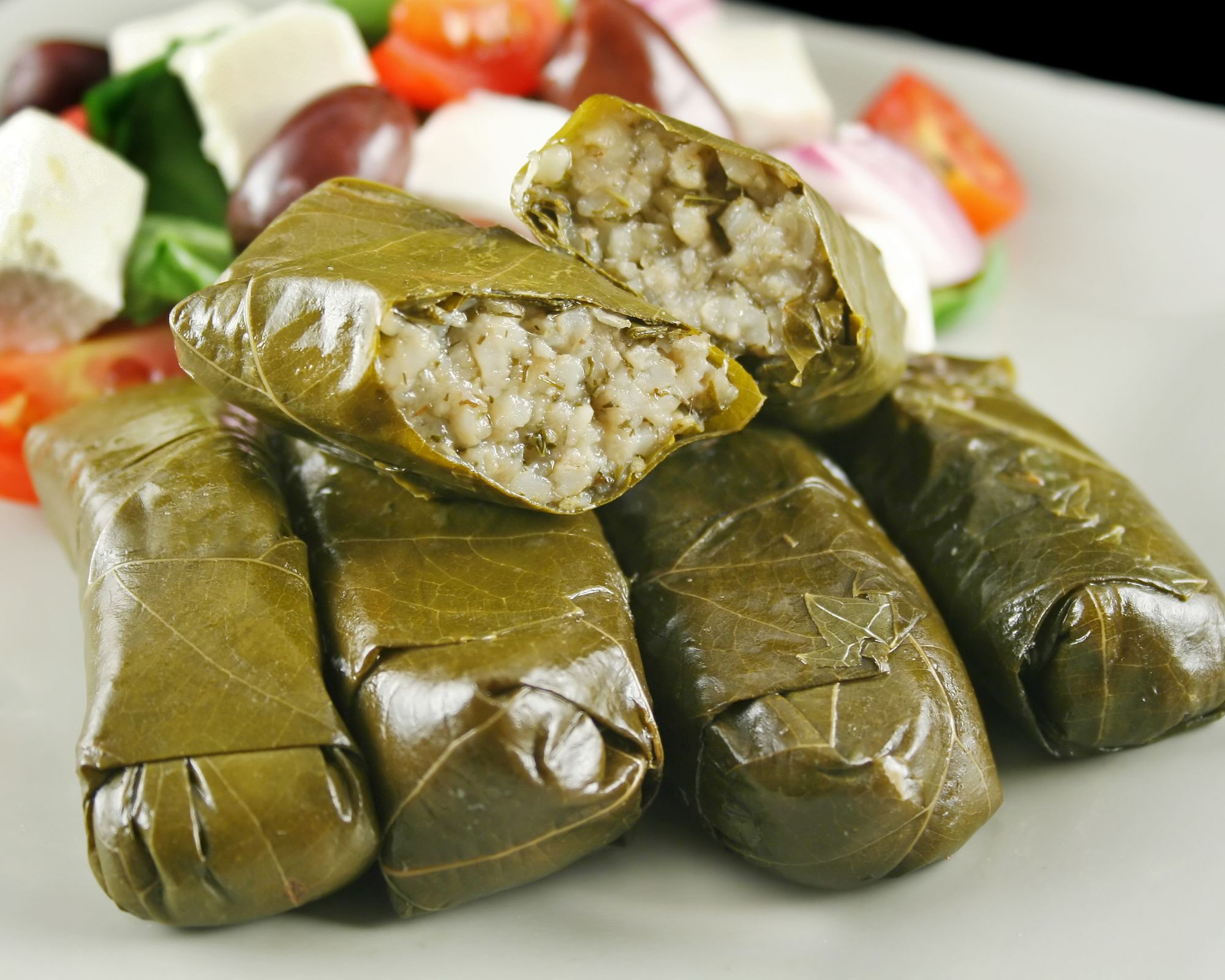
Dolmades with rice gave a mild, earthy base. The grape leaves played nicely with the raki instead of fighting it.
Fried calamari with lemon? Perfect. The crispy coating and tender squid worked with raki’s clean finish, and the citrus made both flavors brighter.
Spanakopita brought buttery, spinach-filled richness. It mellowed out the raki and kept things interesting.
Signature Cheese and Melon Pairing
Melon and aged kasseri cheese—wow. The sweet, juicy fruit balanced raki’s bite, and the creamy cheese smoothed out the edges.
Locals sometimes drizzled honey on the cheese before adding melon. That extra sweetness made the raki even more approachable.
I found cantaloupe worked better than watermelon. Its firm texture and strong flavor stood up to the cheese and the raki.
This trio—melon, cheese, and raki—felt like a secret of Greek summer. Each piece made the next sip better.
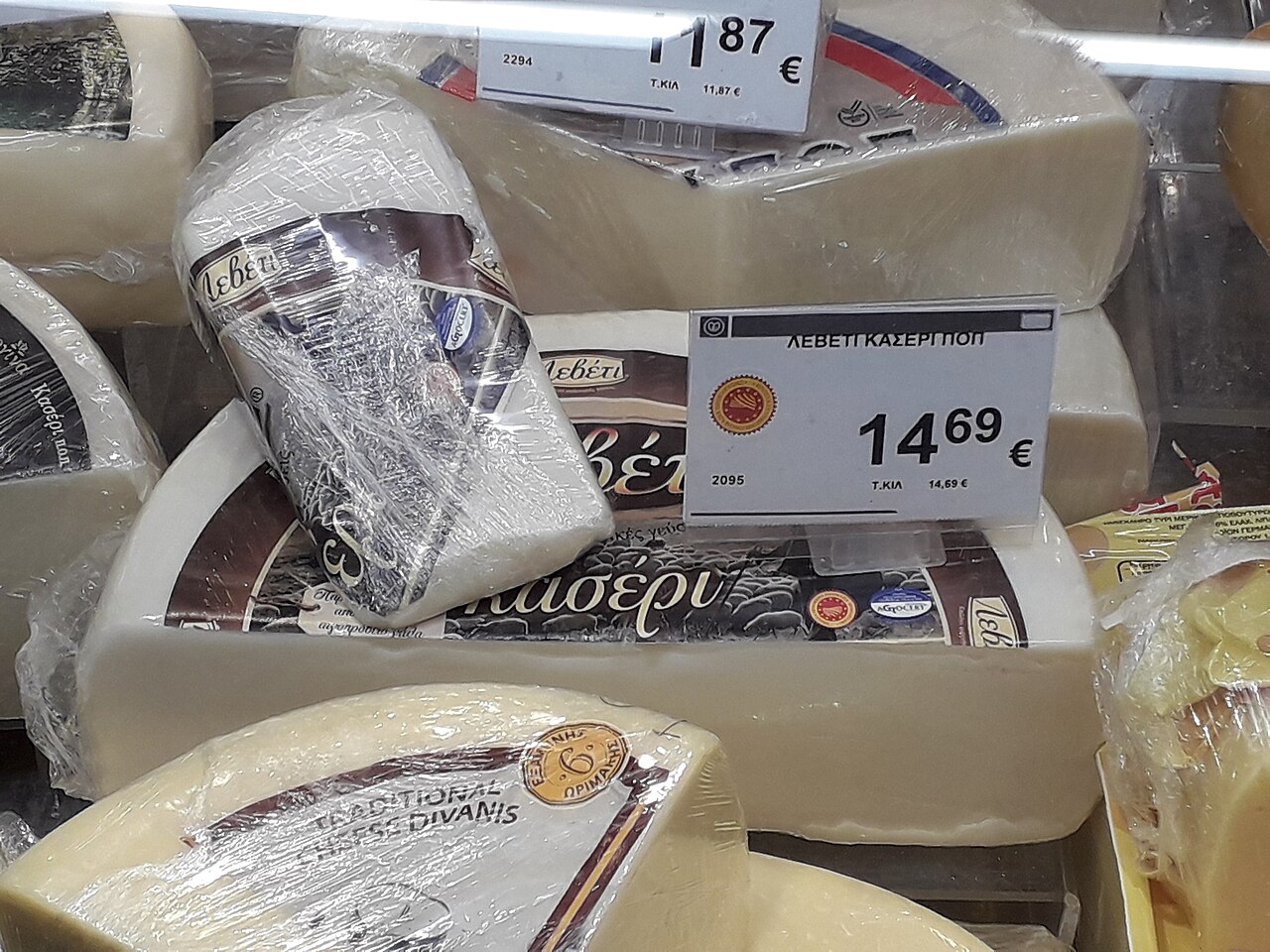
Image Source: Wikimedia Commons
Seafood and Other Local Delicacies
Grilled sardines became my go-to with raki. The oily fish matched the anise, and the char added something extra.
A squeeze of lemon over the sardines made everything brighter. The acid cut through the richness and reset my palate.
Sea urchin brought a briny punch that could stand up to raki’s boldness. Not everyone’s favorite, but I loved the intensity.
Grilled lamb was a heartier option. The fat softened the raki’s edge and kept me fueled for another round of dancing.
Roasted almonds made a simple, satisfying snack. Their nuttiness played off raki’s herbal notes without overpowering anything.
Personal Highlights and Lasting Memories
Months later, I still smile when I think back on that night. Losing myself in the dance and making real connections through music and conversation—those moments stuck with me.
Dancing All Night: A Joyful Experience
The party kicked off right as the sun dipped below the horizon. We danced until the first hints of daylight crept into the sky.
I jumped into the traditional circle dances, feeling a little nervous at first. Locals noticed and, with a lot of patience, showed me the steps—sometimes even holding my hands to guide me.
My body felt alive in a way I honestly hadn’t expected. Repeating the same moves over and over turned into this weird, wonderful kind of meditation. My legs ached, but somehow the music kept dragging me back onto the dance floor.
The Ikarian-style tango totally caught me off guard. Local couples invited me to try their version, which mashed up Greek steps with a hint of ballroom flair. I stumbled through my foxtrot, but we just kept laughing—nobody seemed to care about mistakes.
Key dance moments I remember:
- A 70-year-old woman taught me the kalamatiano steps. She moved better than most people half her age.
- Around midnight, I found myself in a giant circle dance with at least 50 people. Pure chaos, but so much fun.
- Tried to waltz on cobblestones, which honestly felt impossible.
- At some point, I ditched my shoes and danced barefoot. My feet were sore, but I didn’t regret it.
Raki flowed everywhere, and, honestly, it made every misstep feel like part of the fun. With each glass, I let go a little more. By 3 AM, I was dancing with strangers like we’d known each other forever.
Connecting Through Conversation and Song
Between dances, I found myself sharing stories with locals over glasses of raki. At one point, an elderly man leaned in and taught me Greek drinking songs.
His voice cracked with age, but you could see his excitement light up the table. He sang louder as the night went on, never missing a beat.
Turkish music drifted through the background during the quieter moments. The melodies seemed to bridge cultures, weaving the night together.
A young musician sat beside me and told me how Ikarian festivals blend different musical traditions. The island sits close to Turkey, and that proximity shapes a unique musical fusion you can actually hear.
I picked up a few Greek phrases that night. Simple words like “yamas” (cheers) and “kalispera” (good evening) broke the ice and led to real conversations.
Honestly, once we started laughing and singing, language barriers just faded away.
Some of the most memorable chats:
- A fisherman shared stories about island life
- A grandmother talked about recipes she’d learned from her mother
- Young locals explained festival traditions with a sense of pride
- Musicians argued about their favorite songs
The raki definitely loosened everyone up. Stories poured out almost as quickly as the drinks.
By the end of the night, I’d swapped contact info with three families. They told me to come back next year, and I’m honestly tempted.


