
I wandered through Psirri’s narrow streets in Athens, drawn by the sounds of live music drifting out of a tiny taverna. Honestly, nothing else lets you feel the raw emotion of rebetiko—sometimes called the Greek blues—quite like sitting in a local spot, surrounded by musicians and diners who know every lyric. Simple wooden tables, candlelight flickering, and the buzz of conversation set the mood for discovering the heart of this soulful music.
As soon as I stepped inside, I felt a welcoming, electric energy. Musicians gathered in a circle, blending stories and rhythms that somehow captured a century of Athenian history.
Every note seemed to tell a piece of Greece’s past. I realized this wasn’t just a performance—it was a living tradition passed down, one night at a time.

Sitting with locals, sharing plates of meze and sipping ouzo, I started to understand why rebetiko has such a grip on Athens. If you want to feel the city’s spirit, you really can’t skip a night lost in the music of a Psirri taverna.
Discovering Rebetiko: The History and Spirit of Athens’ Iconic Sound
Athens at night buzzes with melodies drifting from tiny tavernas. The sound is gritty, heartfelt, and kind of unforgettable.
Rebetiko here isn’t just music; it’s the city’s struggles, joys, and unfiltered spirit poured into song.
Origins and Cultural Roots
Rebetiko began in the late 19th and early 20th centuries. It grew out of neighborhoods filled with people who had fled Asia Minor and settled in Greek ports like Athens and Piraeus.
Many of the first rebetiko songs came from hash dens and small cafes in working-class districts. The lyrics talk about loss, love, poverty, and rebellion.
Musicians picked up simple instruments like the bouzouki, baglama, and guitar.
I can still feel the underground spirit in today’s rebetiko tavernas. Even now, people share lives and stories over a plate of meze, a glass of wine, and these old, soulful tunes.
- Key Instruments: Bouzouki, Baglama, Guitar
- Lyrical Themes: Longing, hardship, everyday life
- Typical Venues: Taverns, basements, back rooms

Evolution Through the Decades
Rebetiko hit rough times in the 1930s and 1940s. Authorities censored the music and banned some themes, so musicians had to change lyrics and sounds to dodge crackdowns.
Over time, rebetiko moved from the fringe into the heart of Greek culture. As the music evolved, more people from all backgrounds embraced it.
I’ve heard stories in Athens about families quietly passing down old rebetiko songs like family treasures.
Now, when I drop by classic venues in Psirri or Exarchia, I hear both the old songs and fresh twists. Rebetiko keeps adapting, but it never loses its edge.
- 1930s: Censorship and modification
- 1950s-60s: Wider acceptance
- Today: Revival and fusion
Rebetiko’s Influence on Modern Greek Music
Greek popular music today—especially laiko—owes a lot to rebetiko’s sounds and stories. The style pushed the bouzouki to the front and inspired generations of musicians.
I see young artists in Athens reinventing old classics, mixing rebetiko with rock, pop, even jazz. The music’s emotional honesty sticks around.
Even if you’re new to Greek music, you’ll probably feel a connection after just a few verses in a smoky taverna.
- Direct legacy: Laiko music
- Instruments: Bouzouki remains central
- Ongoing revival: Young artists and fusion bands keep rebetiko alive in modern Athens
The Allure of Psirri: Athens’ Bohemian Heartbeat
Psirri pulses with energy, day and night. Every narrow street and hidden corner seems alive.
The neighborhood’s charm comes from its creative spirit, artistic edge, and strong local traditions.
Why Psirri Captivates Locals and Travelers
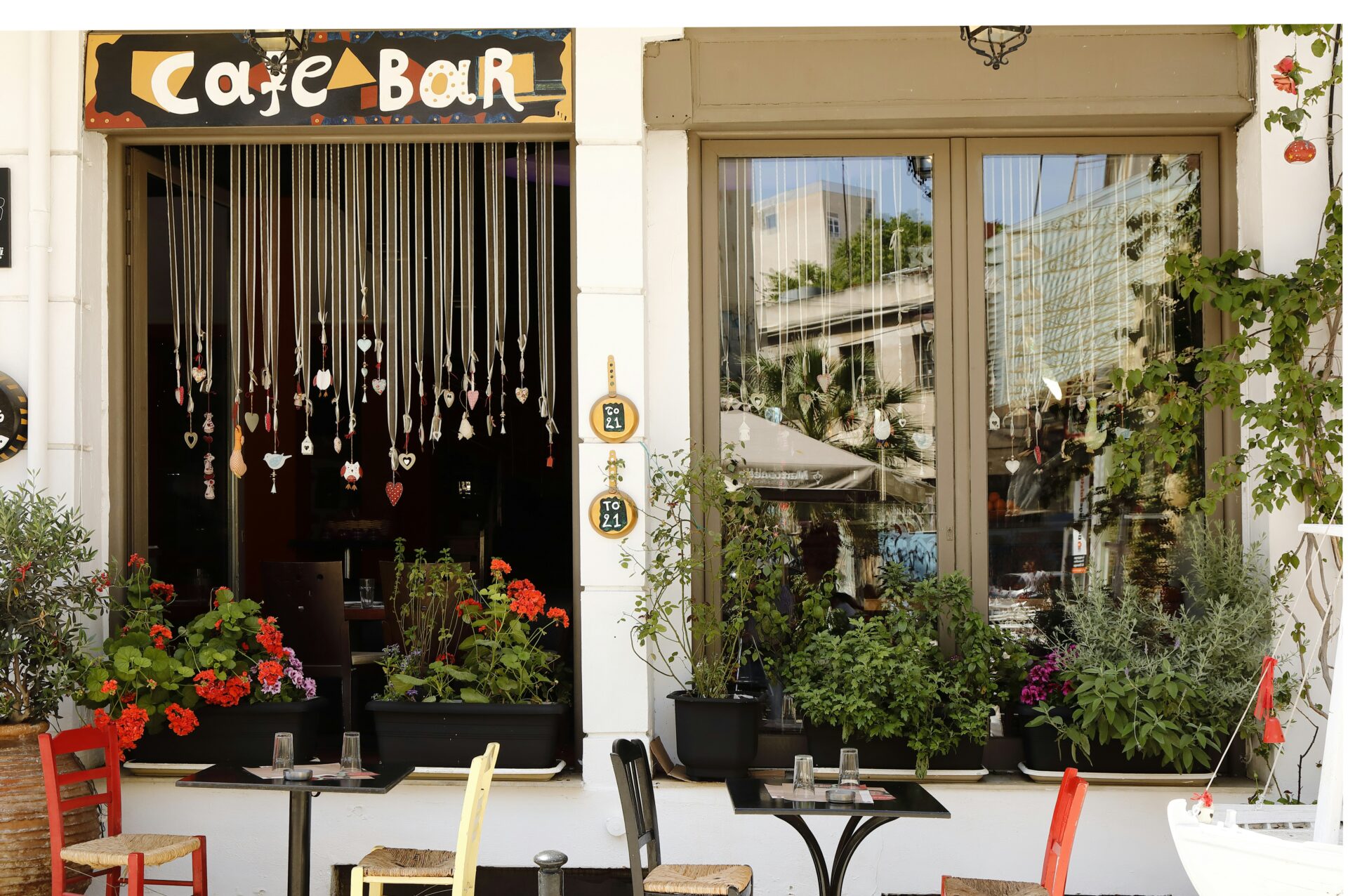
When I first wandered into Psirri, it felt totally different from polished parts of Athens like Plaka or Syntagma. Street art covers the walls, bars spill music onto the sidewalks, and the smell of grilled souvlaki drifts through the air.
Psirri doesn’t try to impress—it just exists.
Athenians show up after work to relax in cozy cafés or catch up with friends over strong Greek coffee. Travelers love Psirri because it feels real and a bit off the tourist trail.
Handmade crafts, vintage shops, and street markets fill the area with treasures you won’t find in chain stores.
At night, old lamps and candles on café tables give the neighborhood a gentle glow. There’s a sense of community—elders play backgammon, young musicians tune guitars, and everyone shares the same lively stage.
Walking the Labyrinth of Hidden Taverns
Some of my best Athens nights began with nothing but a plan to get lost in Psirri’s winding lanes. Every turn brings a new bar, a bakery with warm bread, or a bright door hiding a secret taverna.

I quickly learned the best rebetiko music pops up where you least expect it. Locals often tip me off to tavernas tucked behind shops or down lanes with barely a sign.
Inside, tables crowd together and musicians strum bouzoukis in the corner. The vibe is intimate and a little spontaneous.
Menus stick to classic meze—fried sardines, tangy feta, roasted peppers. Laughter and folk melodies fill the air. I lose track of time.
Every visit, I stumble on a new favorite spot, each with its own story and a different set of regulars happy to welcome me in.
Stepping Inside A Tiny Taverna: Atmosphere and Hospitality
The magic of a rebetiko night starts the moment you step inside a small taverna in Psirri. Warm lights, cozy spaces, genuine smiles, and unforgettable dishes shape the experience just as much as the music.
Intimate Ambience and Traditional Decor
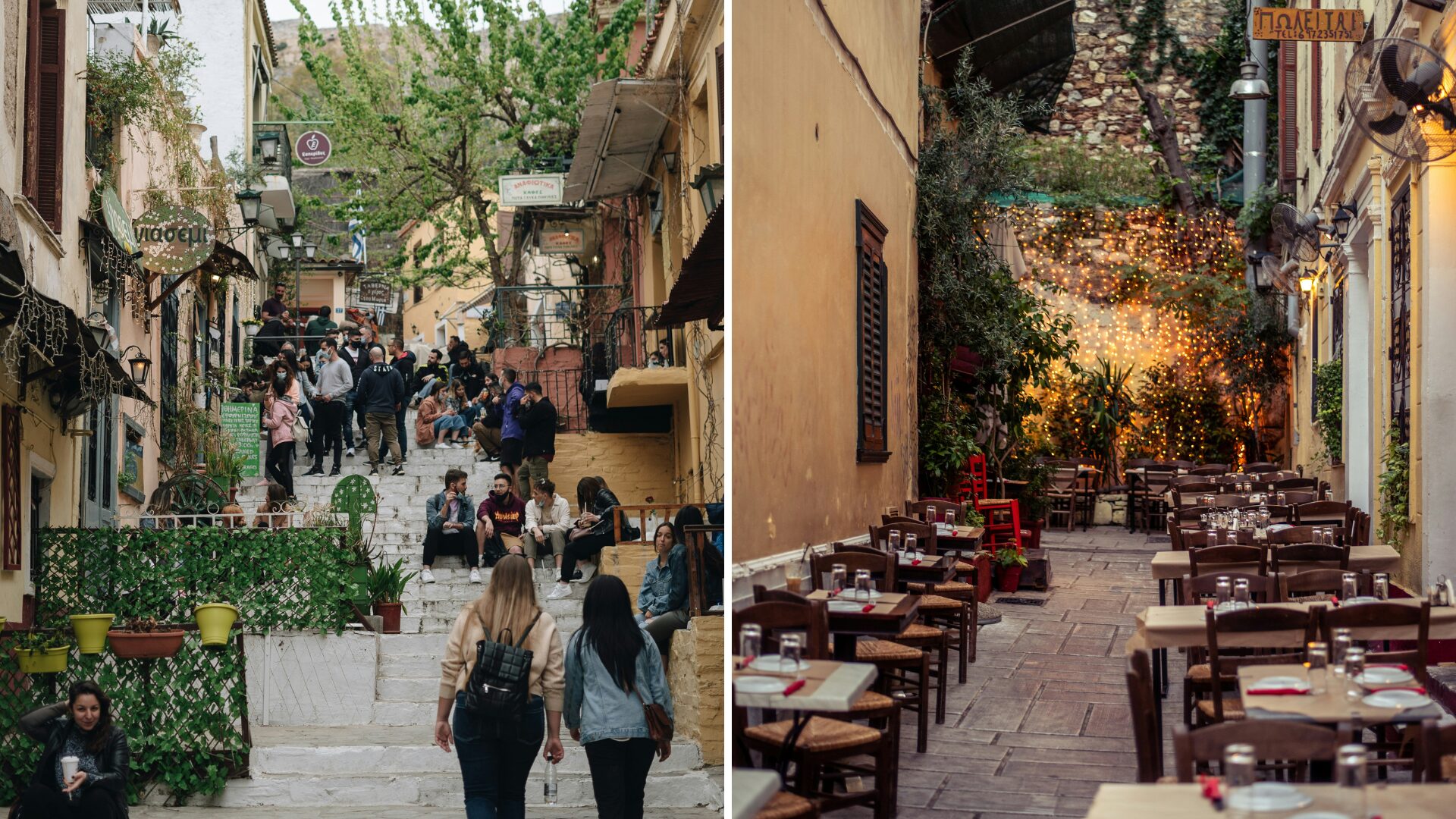
Psirri’s rebetiko tavernas feel like secret worlds. The outside looks modest, maybe just a simple entrance on a stone-paved street.
Inside, space is tight—maybe a dozen tables—and conversation hums quietly.
I notice old wooden chairs and tables set close, making it easy to chat with neighbors. The walls show off old photos, vintage posters, and sometimes musical instruments.
A small marble counter sits near the kitchen, adding to the charm.
Muted lights cast a golden glow. Glasses clink, laughter bounces under a low ceiling. It’s easy to feel like I’ve stumbled onto a local secret.
Warmth of Local Hosts
What really stands out is how naturally friendly the hosts are. Servers greet every guest with smiles and a real interest in how your night’s going.
There’s no rush here, unlike bigger places that hustle you along.
Staff take time to recommend dishes and answer questions about the menu or the musicians playing that night. Sometimes the owner stops by to check in.
I’ve even been introduced to other guests, sparking new conversations with Athens locals.
Their hospitality feels personal, not rehearsed. I never feel like just another customer—they make sure everyone at the table feels seen and cared for.
That warmth sticks with you, long after the night ends.
Gastronomic Delights of a Night Out
The food surprised me with how much it added to the night. Menus focus on meze—small sharing plates like grilled halloumi, tzatziki, or savory pies.
Every bite tastes fresh and homemade, using local ingredients and family recipes.
Vegetarian dishes are easy to find. Special diets? No problem—vegan and gluten-free options show up on most menus.
My table fills with colorful plates: red tomatoes, olives, creamy feta, slow-cooked meats.
Highlights include tender lamb, crispy fried fish, and seasonal salads drizzled with local olive oil. House wine comes by the carafe, poured with a generous hand.
I linger over the meal, letting the flavors blend with the swing of rebetiko tunes in the background.

An Unforgettable Athenian Night: Live Rebetiko Performances
Hidden away in Psirri’s narrow streets, the night glows with the energy of live rebetiko music. Candle-lit tables, laughter, and the hum of conversation set the stage.
A Personal Encounter with Authentic Musicians
I walked into the tiny taverna as the first notes of the bouzouki floated through the air. Musicians sat shoulder to shoulder at the front, regulars greeting them by name.
Their songs unfolded like stories—sometimes mournful, often lively.
The performers played with eyes half-closed, lost in the music. I noticed their calloused fingers and worn instruments, proof of years spent playing.
Between songs, they paused for sips of ouzo and quiet jokes in Greek.
It didn’t feel staged. The whole thing felt intimate, like being invited into a gathering of friends who just happen to be incredible musicians.
The taverna filled with a sense of history, each tune adding to the night’s layers.

Spontaneous Moments and Guest Participation
During the second set, something special happened. A guest at a corner table started clapping, and soon the whole room joined in.
The band welcomed it, grinning, and invited anyone to sing along or dance in the tiny space beside the tables.
At one point, an elderly man got up, grabbed a wooden spoon from the bar, and tapped along with the band.
No stage separated performers and audience. In these tavernas, music belongs to everyone in the room.
Requests and stories flowed:
- Locals called out favorite songs.
- Tourists tried the choruses.
- Someone always had a story about a song’s meaning.
I found myself humming with strangers, swept up by music that brings everyone together, no matter where they’re from.
Practical Travel Tips for the Ultimate Rebetiko Experience
I found that picking the right taverna in Psirri and planning when to go made all the difference. If you want a night to remember, you’ll want to know where to look for authentic Rebetiko.
How to Choose the Perfect Taverna in Psirri
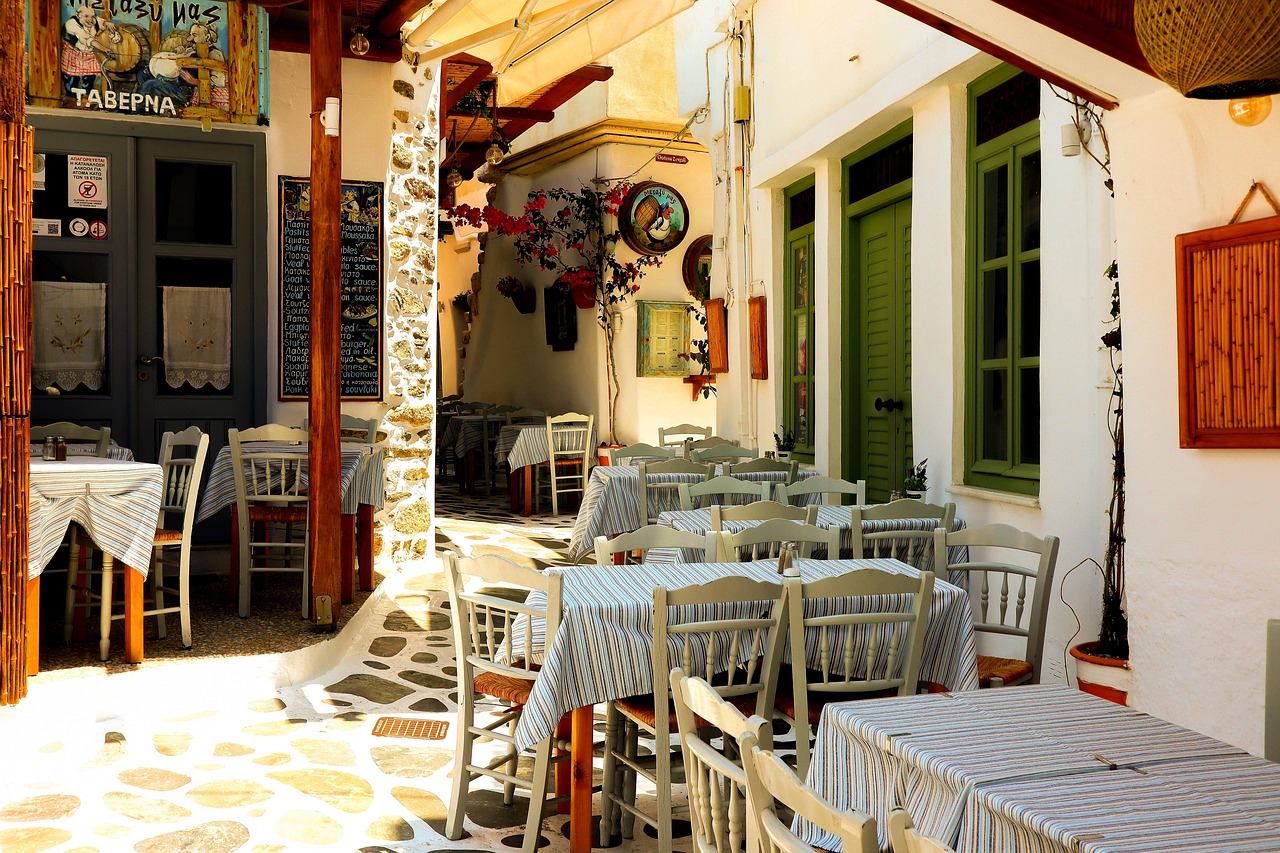
For me, rebetiko feels most alive in small, family-run tavernas. I skip the big touristy venues and look for spots full of locals, especially older folks.
These places usually have musicians who play for love, not just for tips.
I always ask locals for advice. Word of mouth has led me to places with mismatched chairs, wine in simple carafes, and musicians playing just feet away.
Most authentic tavernas in Psirri don’t have websites, but a quick search on Google Maps or TripAdvisor helps spot the hidden gems with honest reviews.

A few clues I’ve picked up:
- Handwritten menus and prices in Greek.
- A mix of patrons. Locals usually gather in small groups to eat and listen.
- Musicians playing string instruments like the bouzouki or baglamas.
Finding the right spot means a more personal, moving rebetiko night.
Best Times to Visit for Live Music
Live Rebetiko usually kicks off late. Most tavernas in Psirri get the music going around 9:30 or 10:00 p.m.
Honestly, the best nights tend to be Thursdays through Saturdays. If I want to dodge the crowds, I’ll head out midweek, but weekends just feel more electric.
I’ve learned that showing up early helps me grab a great seat near the band. On busy nights, tables disappear fast.
Some places only let you reserve by phone or in person—not online, which can be a little inconvenient. It’s smart to check if there’s a music cover charge, though most spots just add it to the bill or ask for a few euros.
Spring and autumn make for perfect weather if you like strolling before or after the music. In the summer, the heat pushes nightlife even later, since locals wait for cooler air.
Patience pays off here—sometimes the music starts late, but when those first notes drift through the room, you’ll know it was worth sticking around.
