
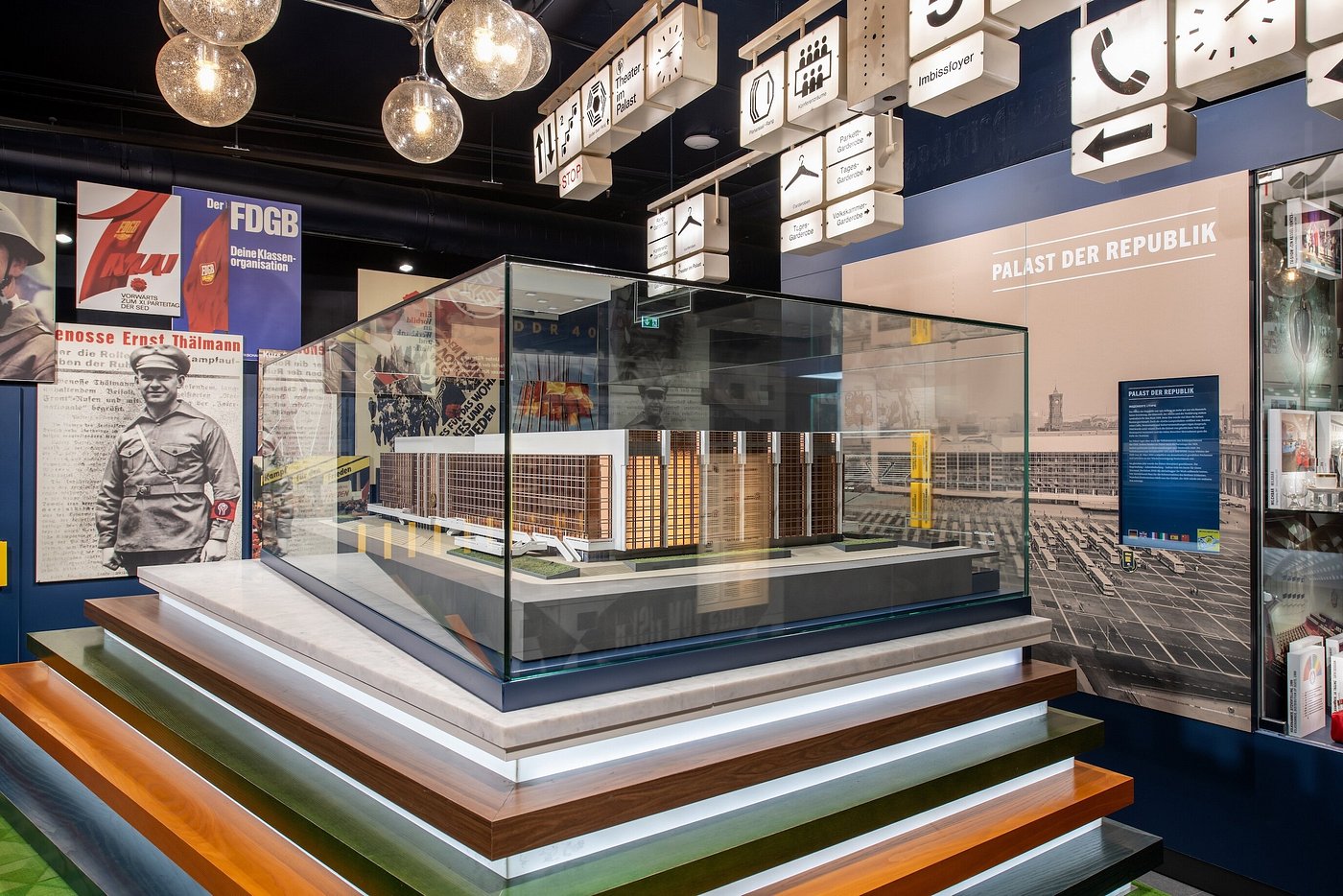
When I walked into the DDR Museum in Berlin, I instantly felt pulled into the everyday world of East Germany. This place isn’t like your average museum with dry plaques and glass cases. I actually sat inside a real Trabant car, wandered through a fully furnished GDR apartment, and browsed recreated shops and a cinema. The DDR Museum gives a hands-on peek at what daily life was really like behind the Iron Curtain.
Every display invited me to touch, explore, and get a real sense of living in the GDR. The interactive exhibits broke down complex history and, honestly, made it surprisingly fun. If you’re even a little curious about life in East Germany or want a museum experience that’s anything but boring, you should check this place out.
A Brief History of Everyday Life in the GDR
Living in the German Democratic Republic (GDR) during the Cold War meant adapting to a controlled society shaped by socialism, strict surveillance, and the ever-present Berlin Wall. Daily routines mixed government policies with personal challenges and a unique culture.
Socialism and State Ideology
East Germany, or the GDR, started in 1949 under Soviet influence after World War II. The Socialist Unity Party (SED) ran the show, controlling everything political and social. The government pushed socialist values—equality, full employment, free education.
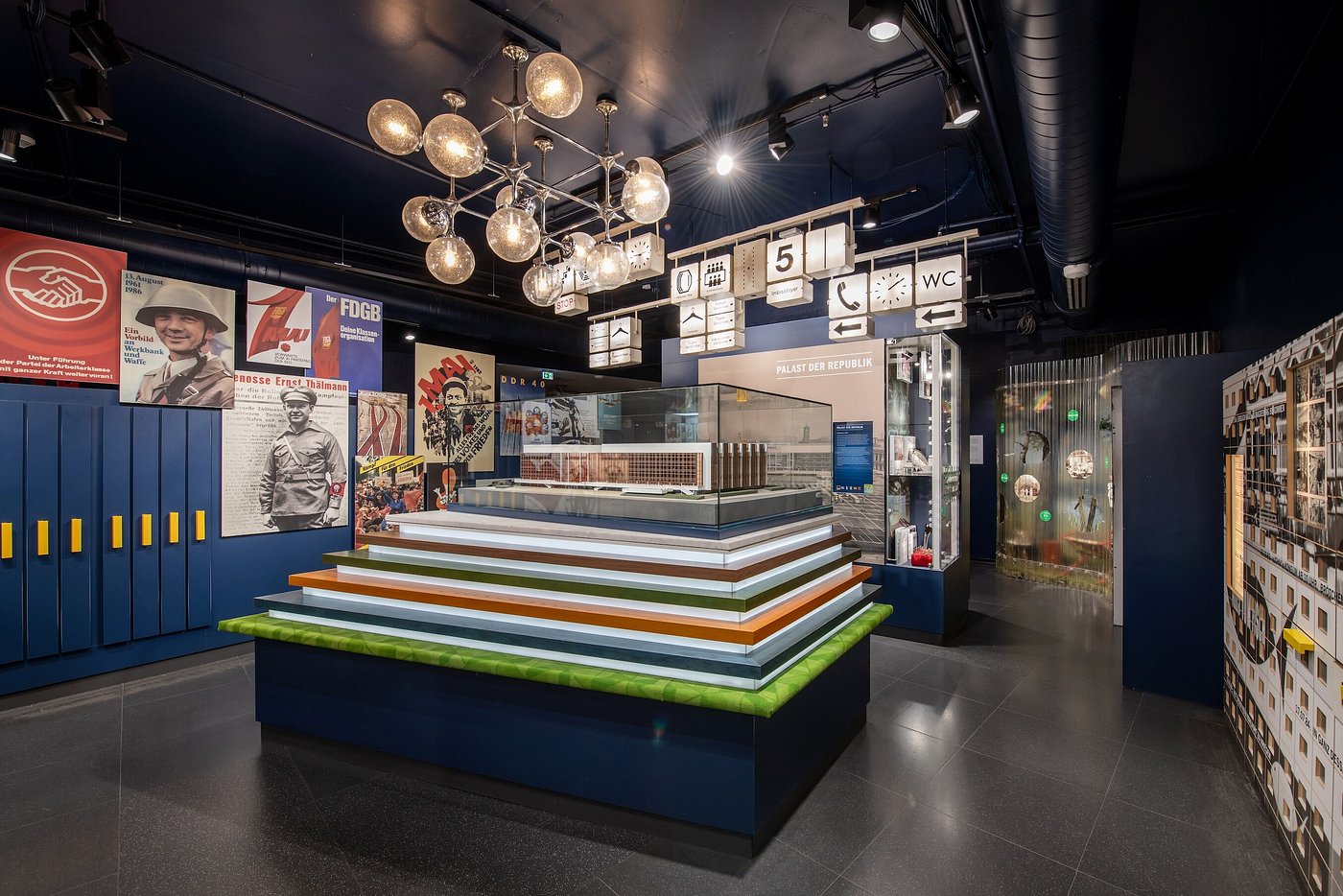
State-owned businesses and factories dominated. Food, clothing, and electronics existed, but choices were slim. Ration cards were a regular part of life. Propaganda posters and catchy slogans filled schools and workplaces, always reminding people of the state’s vision.
Party loyalty really mattered. If someone openly disagreed with socialist ideas, they could lose their job or face other penalties. From what I’ve gathered, most people just tried to blend in, even if they had doubts about the rules.
Public and Private Life Under Surveillance
Privacy? Pretty limited in the GDR. The Stasi, East Germany’s secret police, watched everyone closely. Informants, wiretaps, even nosy neighbors—nobody really escaped notice. At one point, it’s said there was one informant for every 60 people.
Criticizing the state in public was risky. Even at home, families sometimes avoided talking politics. The constant surveillance created a lot of stress and shaped how people acted.
Mail and phone calls could get monitored. Travel to the West was mostly off-limits, so people stayed within GDR borders. Despite these limits, folks built tight-knit communities and quietly supported each other.
Culture and the Berlin Wall
Culture in East Germany was lively, but the government kept it on a short leash. Arts, music, and sports thrived, as long as they promoted socialist ideals. State-approved writers, musicians, and TV shows became household names, while Western music and books were sometimes banned.
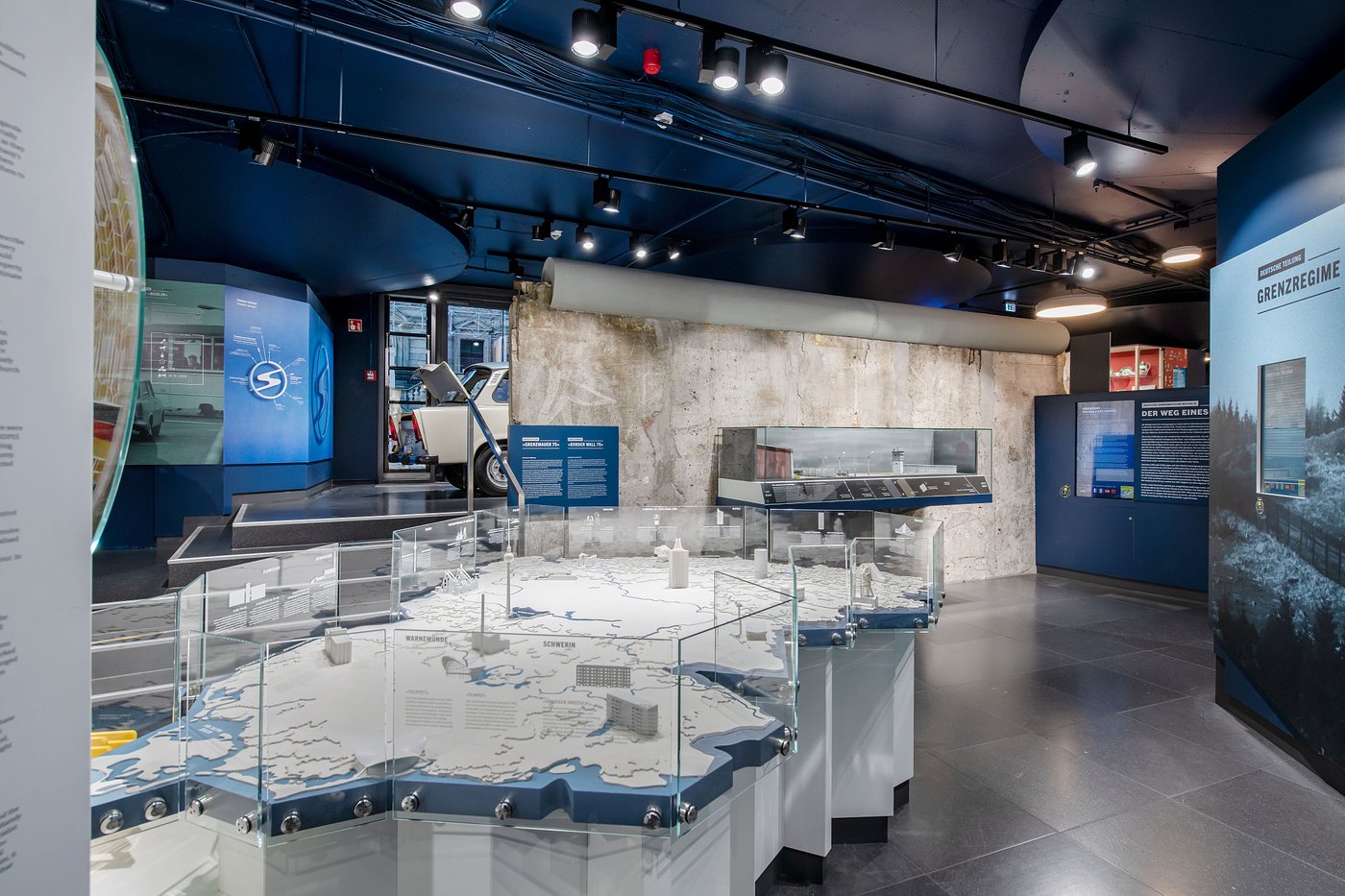
The Berlin Wall, built in 1961, split East and West Berlin and separated families and friends. Many East Germans dreamed of crossing to the West, but it was nearly impossible and dangerous.
Life behind the Iron Curtain had its challenges, but people still found joy in simple things—celebrating with neighbors, playing sports, or keeping up local traditions. The wall and state control left a mark on every part of daily life.

Exploring the DDR Museum’s Interactive Exhibitions
At the DDR Museum, I discovered that interactive exhibitions make history feel alive. The displays mix original artifacts with hands-on features, so I could really connect with the everyday life of East Germans.
Interactive Journey Through Daily Life
I stepped straight into a recreated East German apartment—Plattenbau style. The rooms had typical furniture, wallpaper, and appliances from the DDR era.
I opened drawers and cupboards, finding real household items from the 1970s and 1980s. The kitchen even displayed classic Eastern European dishes in the fridge. This setup let me experience home life without someone needing to explain every detail.
The mock-up shop, stocked with products from East Germany’s past, really stood out. Picking up old packages and seeing vintage brand names made everyday shopping in the DDR feel relatable.
Hands-On Exhibits and Artefacts
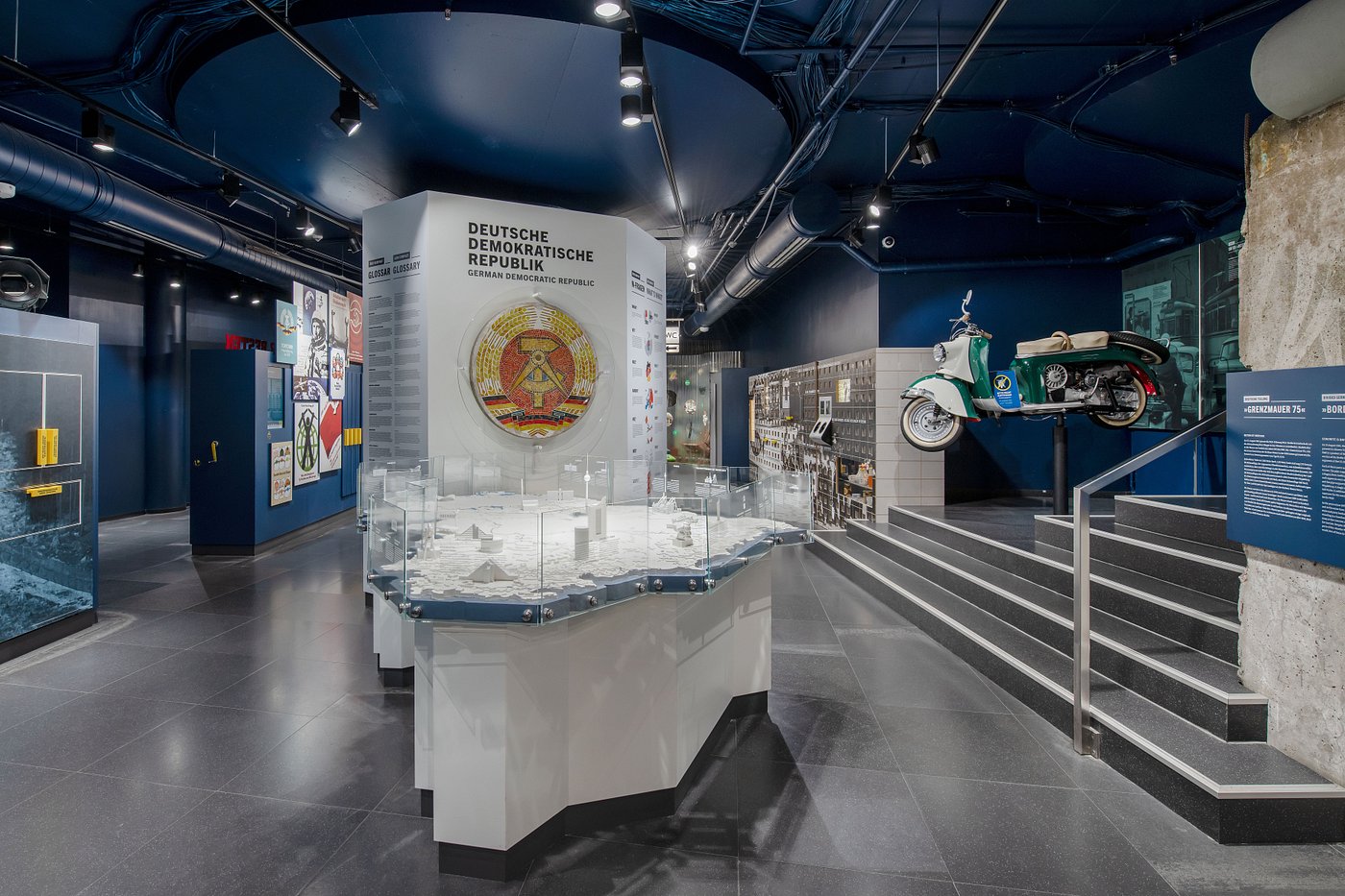
The hands-on exhibits really set this museum apart. I climbed into the driver’s seat of an actual Trabant, the iconic car of East Germany. The interactive driving simulator made it feel like I was steering through East Berlin.
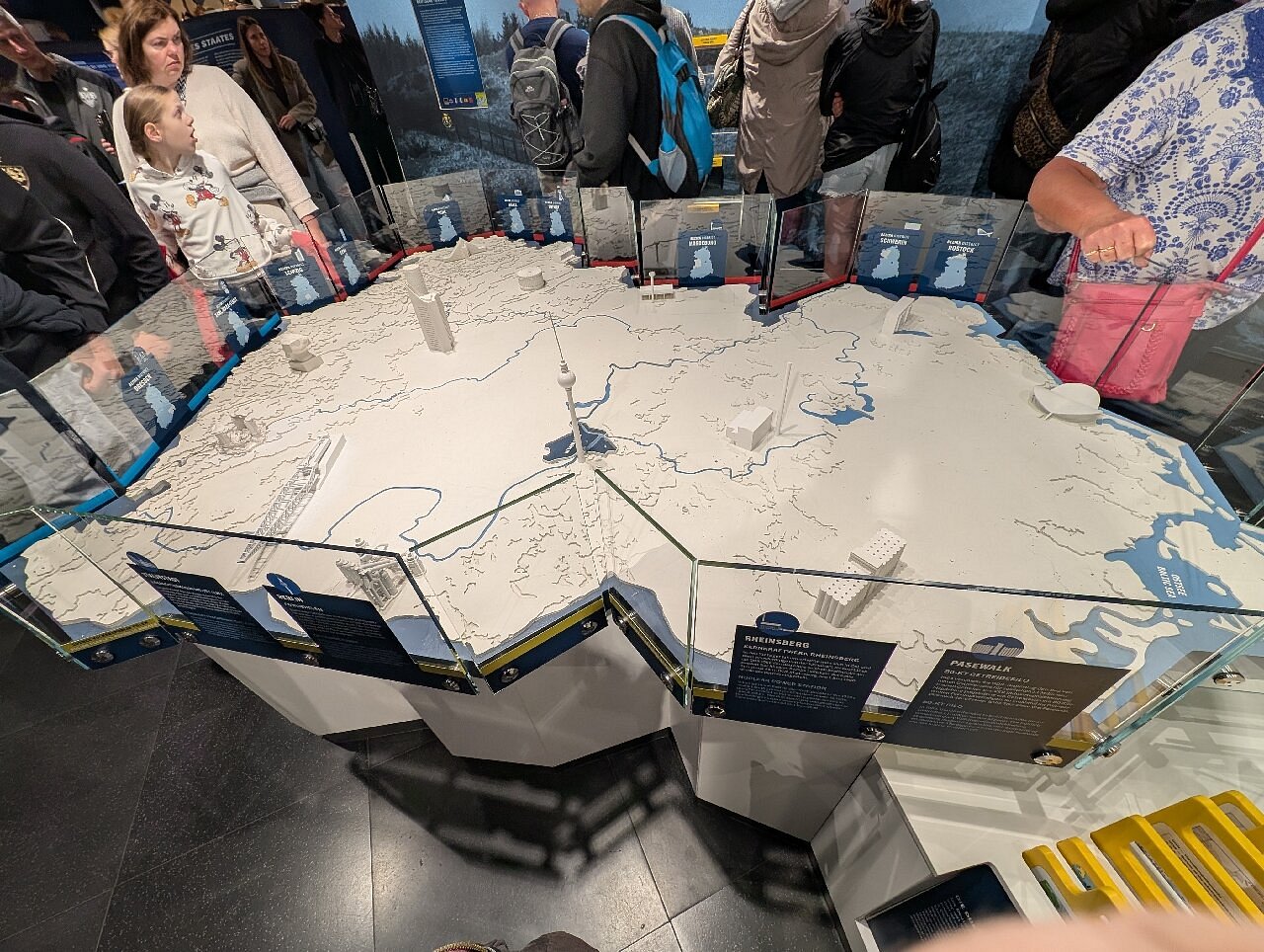
Touchscreen tables offered quick info on topics like education, work, and sports in the DDR. I enjoyed flipping through TV and newspaper archives on screens—it was eye-opening to see what people were told and shown by the government.
There was a digital mirror that showed me what DDR uniforms and fashion looked like, plus wall panels that you could open to learn hidden facts. These details helped me picture what life in East Germany was really like.
Educational Activities for Visitors
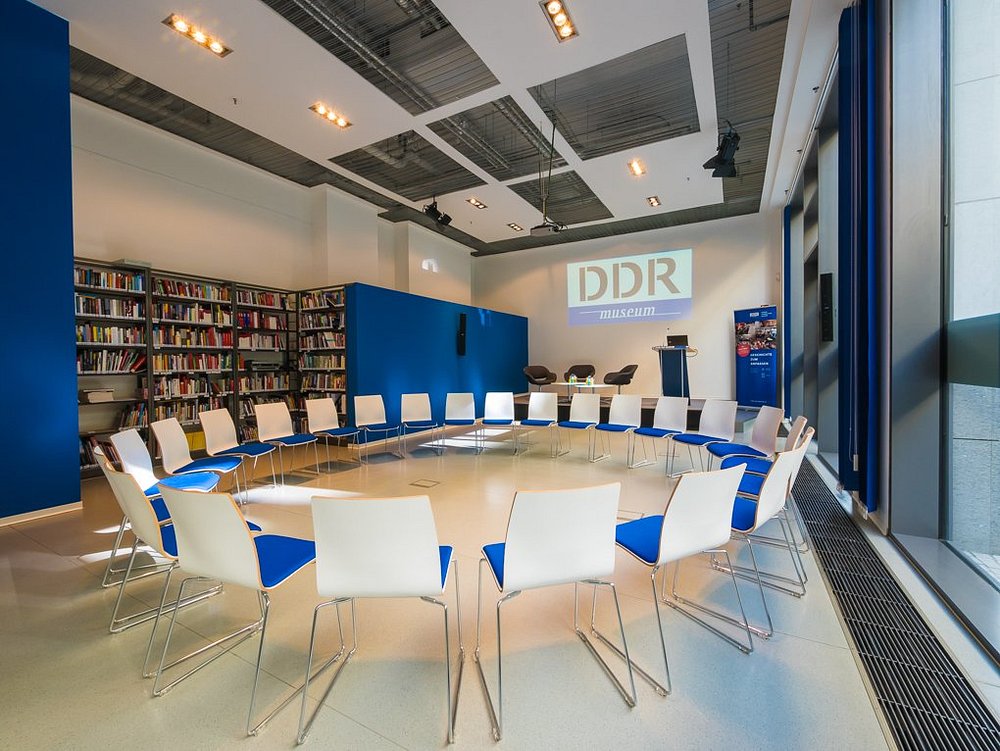
The museum doesn’t just show history—it gets visitors involved. I tried quizzes about life in the DDR and a suitcase-packing challenge using only items available in East Germany. Some activities let me listen to propaganda or compare East and West German lifestyles using simple touchscreens.
For kids, there are creative zones and hands-on puzzles. I watched a teacher lead a workshop about how the Berlin Wall changed families, using activities that kept everyone interested.
Staff members stood ready to answer questions, and the signs around the exhibits gave clear, helpful explanations. The focus on hands-on learning made the museum both fun and genuinely informative for everyone.
Iconic Experiences: Riding in a Trabant
Getting up close with the Trabant was a highlight for me. I finally understood why this quirky East German car holds such a special place in history and culture.
Trabi Simulators and Authentic Vehicles
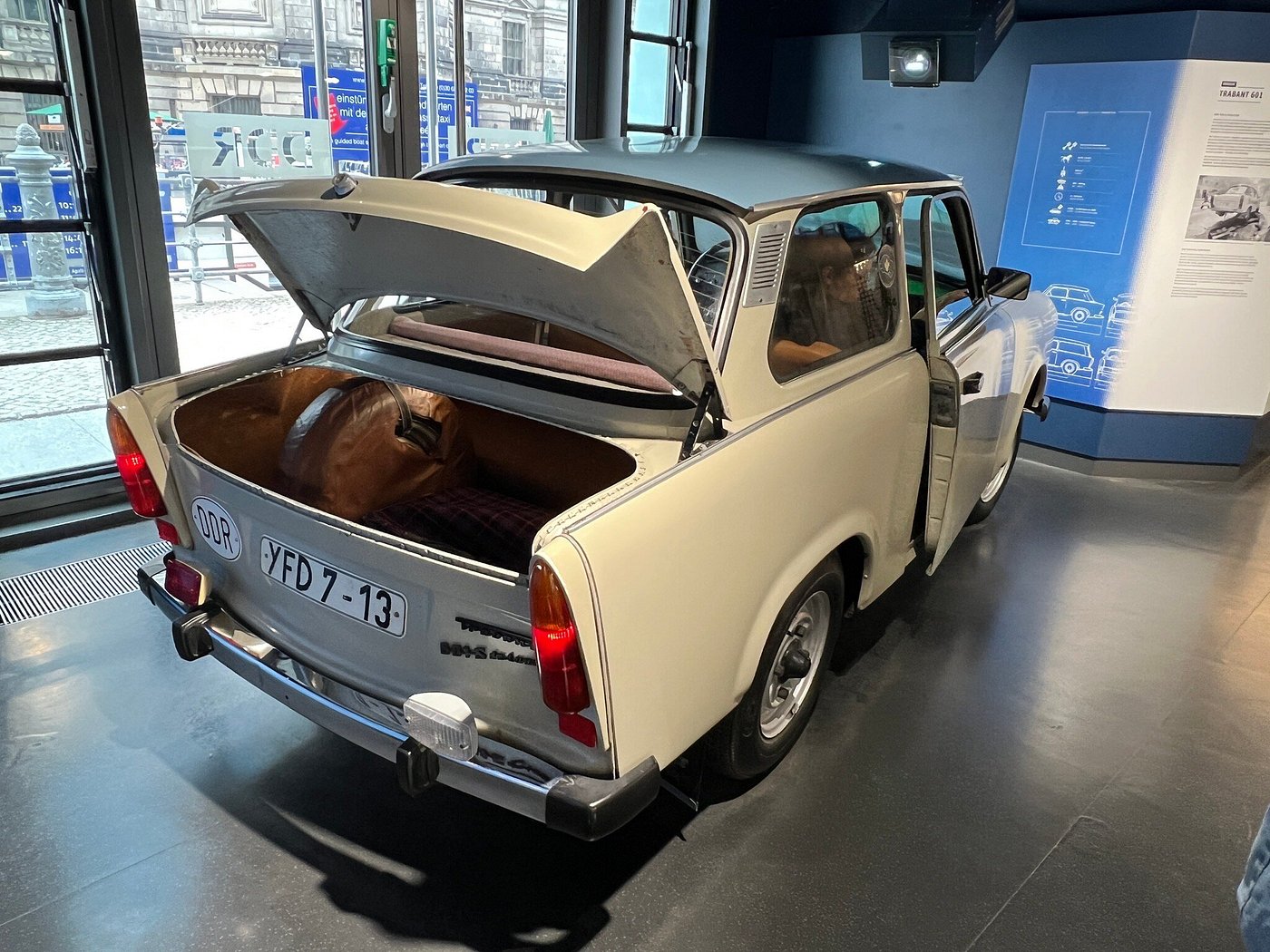
The museum offers a real Trabant (“Trabi”) you can sit in, plus simulators where you can drive across a virtual East Germany. It’s about as close as you can get to driving the old two-cylinder car without leaving the museum.
Some hands-on experiences:
- Sitting in an original Trabant
- Turning the dashboard controls
- Watching how the compact engine would have sounded with its signature “Karat” hum
- Exploring simulated city streets, feeling the vibrations, and hearing the actual rattles these cars made
I loved that the museum didn’t hide the vehicles behind glass. I opened the doors and checked out every detail, from the thin seats to the plastic dashboard. These simulators and displays made the visit memorable and gave me a real sense of what it was like to travel in a Trabi.
Understanding the Cultural Significance of the Trabant
The Trabant isn’t just an old car from East Germany—it’s a symbol of both the struggles and daily life of GDR citizens. People saw it as simple and practical. Sometimes, families waited years to get one.
The Trabi became a point of pride and identity, even if it was basic and made from “Karat,” a type of plastic. Owning a Trabant meant freedom and independence, even if it wasn’t the most comfortable ride.
The museum does a great job showing how the Trabi fit into daily life. Photos, stories, and the actual cars highlight its importance. This approach helped me see the Trabant as a key part of history, not just a quirky relic.
Everyday Life in East Germany: Homes, Work, and Society
My visit made it clear that daily routines in the GDR revolved around shared living spaces, tight controls, and an organized but restricted public life. What struck me most was how people adapted, from their homes and jobs to how they moved around the city.
Life in a Tower Block (Plattenbau)
I stepped into a recreated Plattenbau apartment, the standard tower block home for millions of East Germans. These buildings were practical—made from concrete slabs and built fast to tackle housing shortages. Most apartments looked alike, with simple furniture, plain wallpaper, and identical appliances.
Neighbors shared stairwells and small courtyards, making daily life social but close. Privacy was thin, and sound traveled easily through the walls. In these tower blocks, the routines—shopping for goods, cooking with rationed supplies, adjusting to shortages—became clear. Kids played in shared spaces, and adults gathered to chat or help each other out.
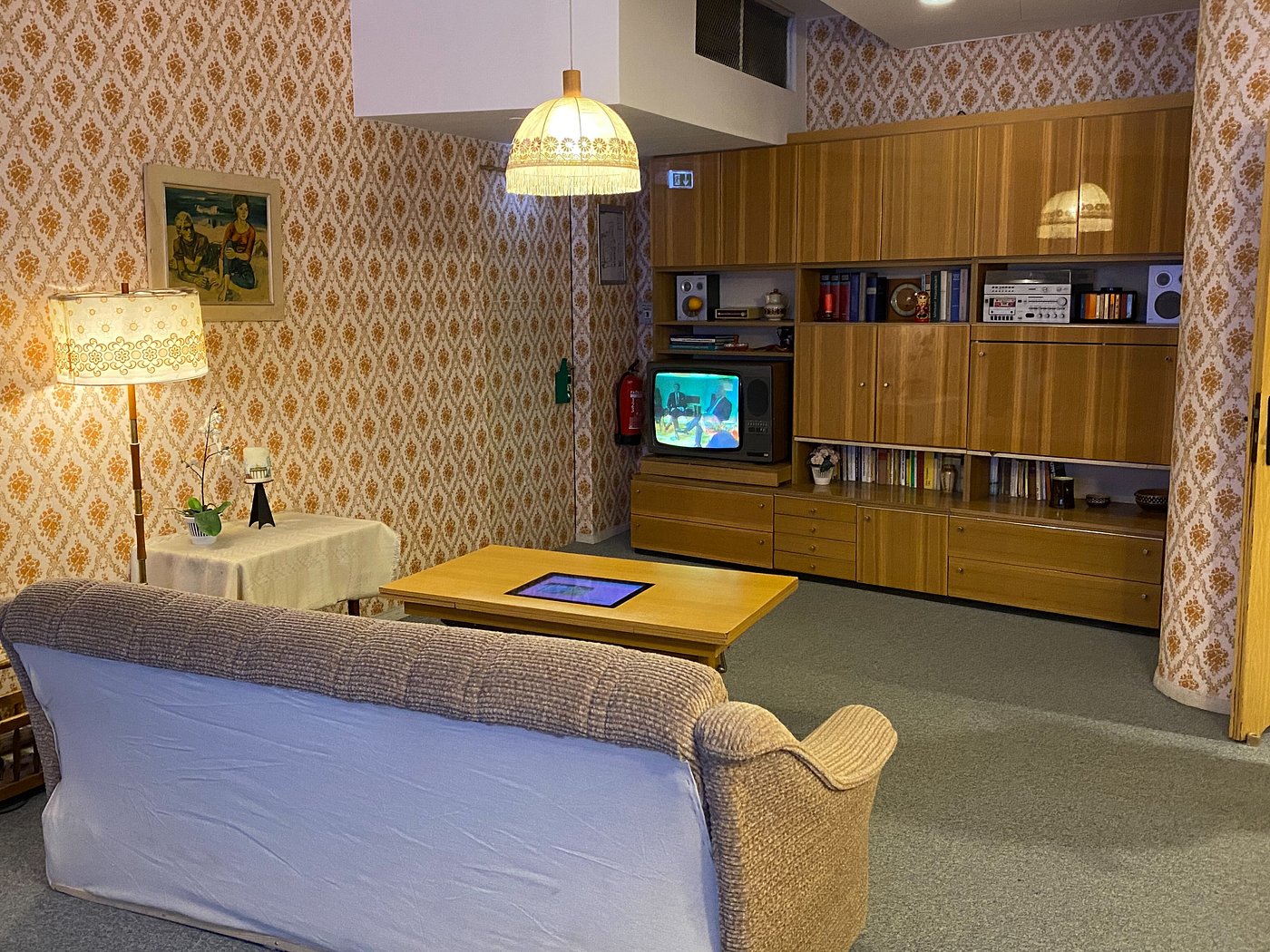
Recreated Prefabricated Flats and Prison Cell
The museum placed a recreated flat right next to a prison cell, showing two sides of home life. The flat had modular furniture, folding tables, and space-saving layouts—families had to get creative with limited space.
The prison cell was stark: cold, heavy doors, simple beds, and barely any personal space. The contrast between these rooms made me realize that everyday comforts weren’t guaranteed. The prison cell reminded me that surveillance, control, and fear of punishment were part of GDR society.
Public Transport and Workplaces
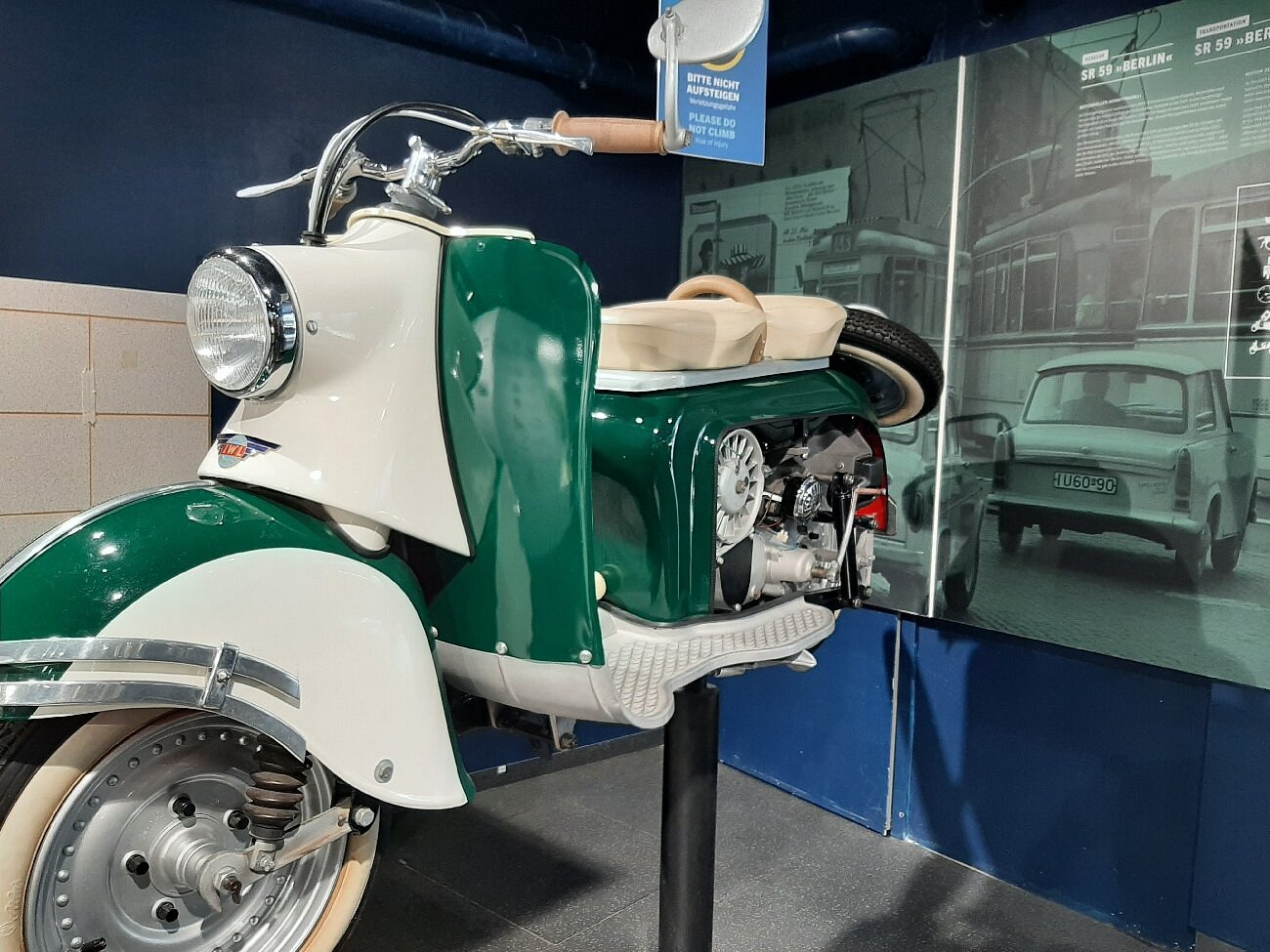
East Germany ran a solid public transport network. People depended on trams, buses, and trains to reach factories, offices, or schools. Cars like the Trabant were rare and often required years of waiting.
In the recreated workplaces, I saw how the state organized jobs. Factories and offices felt standardized, with propaganda posters and communal break rooms. Workplaces shaped both public life and personal identity. People often socialized with colleagues outside work—sports clubs or company events—since the state limited leisure options.
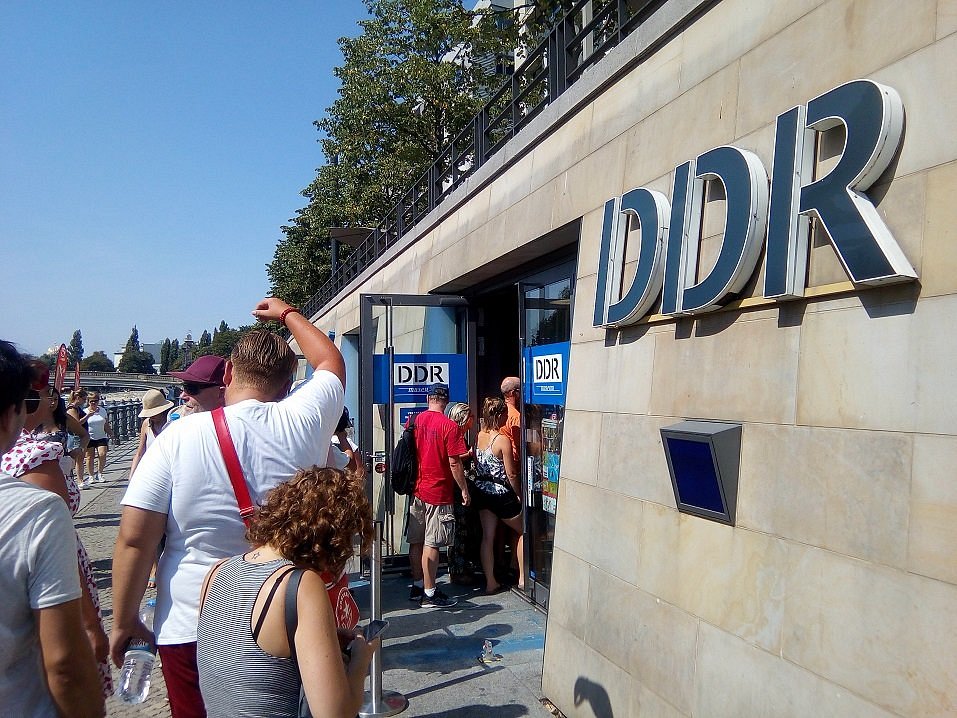
Visiting the DDR Museum: Practical Information
The DDR Museum is easy to find and sits close to Berlin’s most famous sites. Planning ahead helps you get the most out of this interactive dive into East German life.
Location on Museum Island and Nearby Landmarks
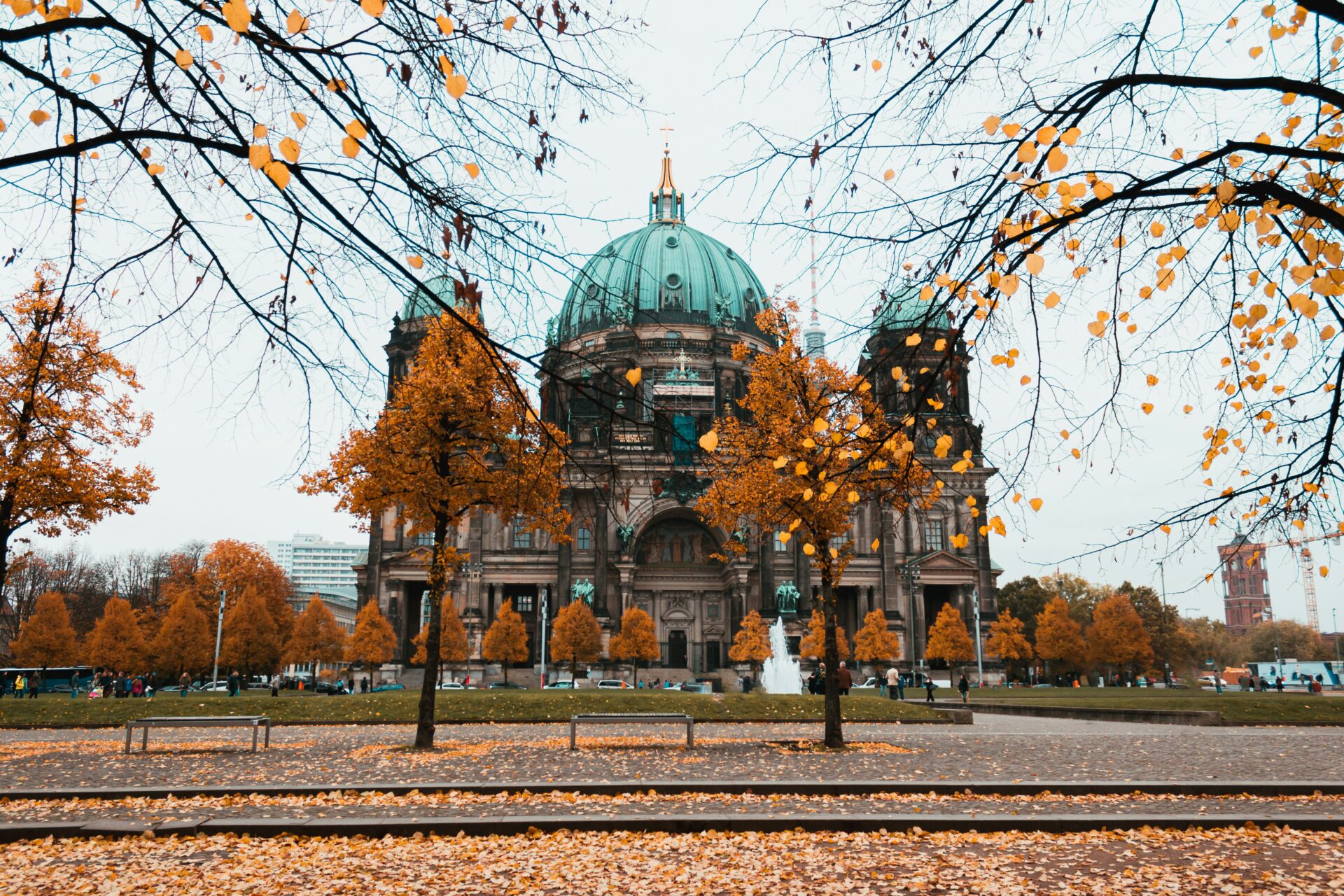
The DDR Museum sits right by the Spree River, just steps from Museum Island. Museum Island is Berlin’s cultural heart, packed with world-class museums. The DDR Museum isn’t technically on the island, but it’s just across the Wasserstrasse, so I walked there in minutes from the Berlin Cathedral.
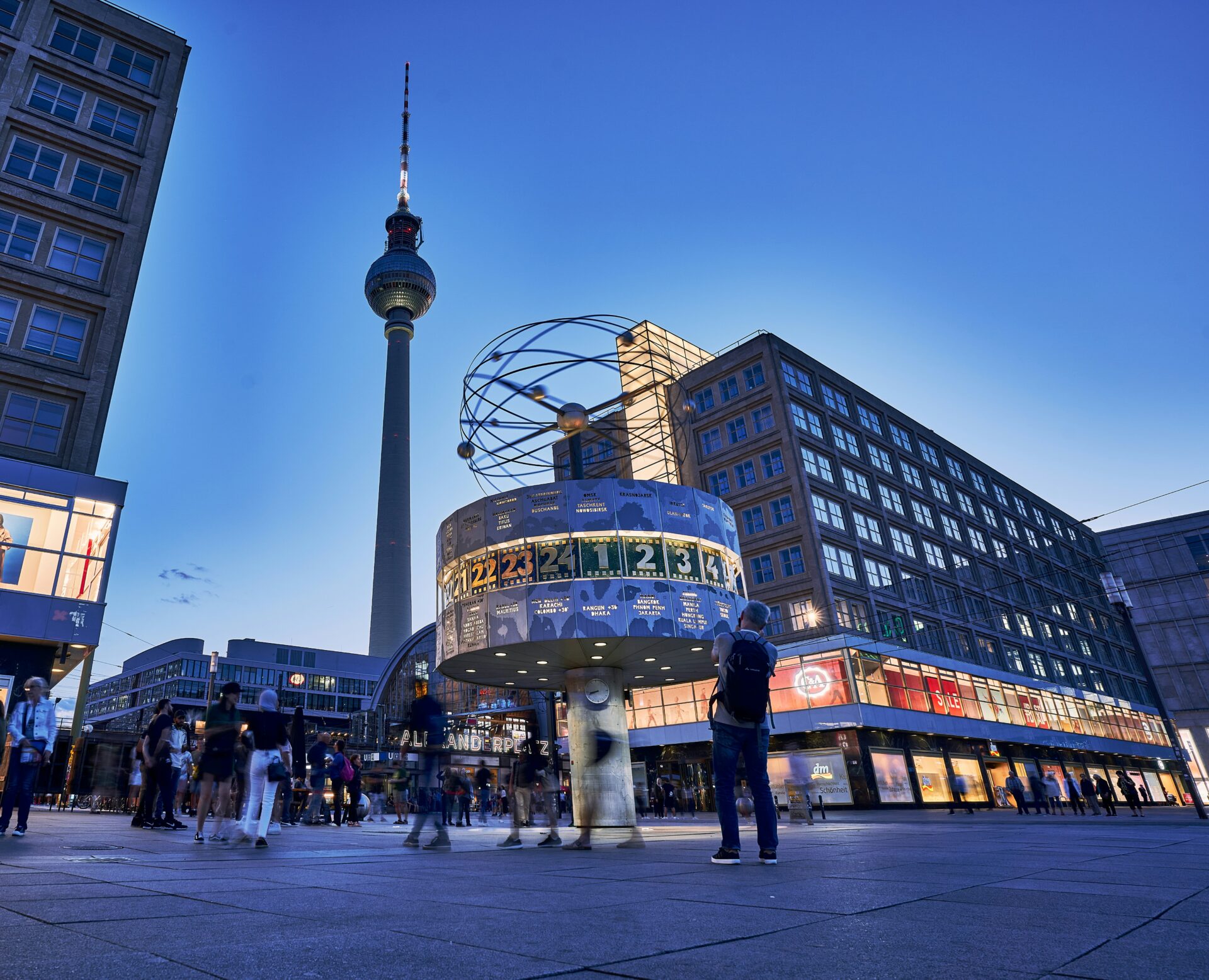
Nearby, you’ll find the impressive Berlin Cathedral (Berliner Dom), the grand Altes Museum, and the Pergamon Museum. The DDR Museum has a riverside setting, and some parts even look out over the water. Alexanderplatz and the TV Tower are also close by.
Address: Karl-Liebknecht-Str. 1, 10178 Berlin.
How to Get There: Public Transport and Berlin Welcome Card
Getting to the DDR Museum? It’s honestly pretty easy with Berlin’s public transport. I hopped on the S-Bahn or U-Bahn and got off at Alexanderplatz or Hackescher Markt—either one puts you within a quick 10-minute stroll.
If you’re wandering around Museum Island already, just cross the bridge by the cathedral. Suddenly, you’re right at the museum’s front doors. No complicated transfers, no stress.
Trams and buses buzz through this area too. I noticed that if you’re using the Berlin Welcome Card, you can ride public transport for free in the zones it covers. The card also knocks a bit off your entry to the DDR Museum, plus other spots on Museum Island.
Honestly, I thought it was worth it, especially if you want to pack in a few sights without worrying about ticket machines or extra costs.
Here’s a quick rundown of the closest stops:
- S/U-Bahn: Alexanderplatz, Hackescher Markt
- Tram: Lines M4, M5, M6
- Bus: 100, 200, TXL
Tips for the Best Visitor Experience
The DDR Museum gets pretty busy, especially in the middle of the day or on weekends. I found it way more enjoyable to swing by right after opening or wait until later in the afternoon when the crowds thin out.
Since they open every day—even on holidays—I never felt rushed to pick a time. That flexibility really helped me plan things around the rest of my trip.
Most of the museum invites you to dive in and get hands-on. I wore comfy clothes, knowing I’d be wandering around and poking at interactive displays. If you’re carrying a bag, you can stash it in a locker for a small fee.
The whole place is wheelchair accessible, which I appreciated, and I noticed the staff spoke both English and German. It made things a lot easier.
I grabbed my ticket online so I could skip the line at the door. If you’re coming with family or friends, they offer family tickets and group discounts, which save a bit of money.
For anyone who wants a deeper look into history, there are English-language guides and audio tours. They also switch up special exhibitions throughout the year, so there’s usually something new to check out.
