
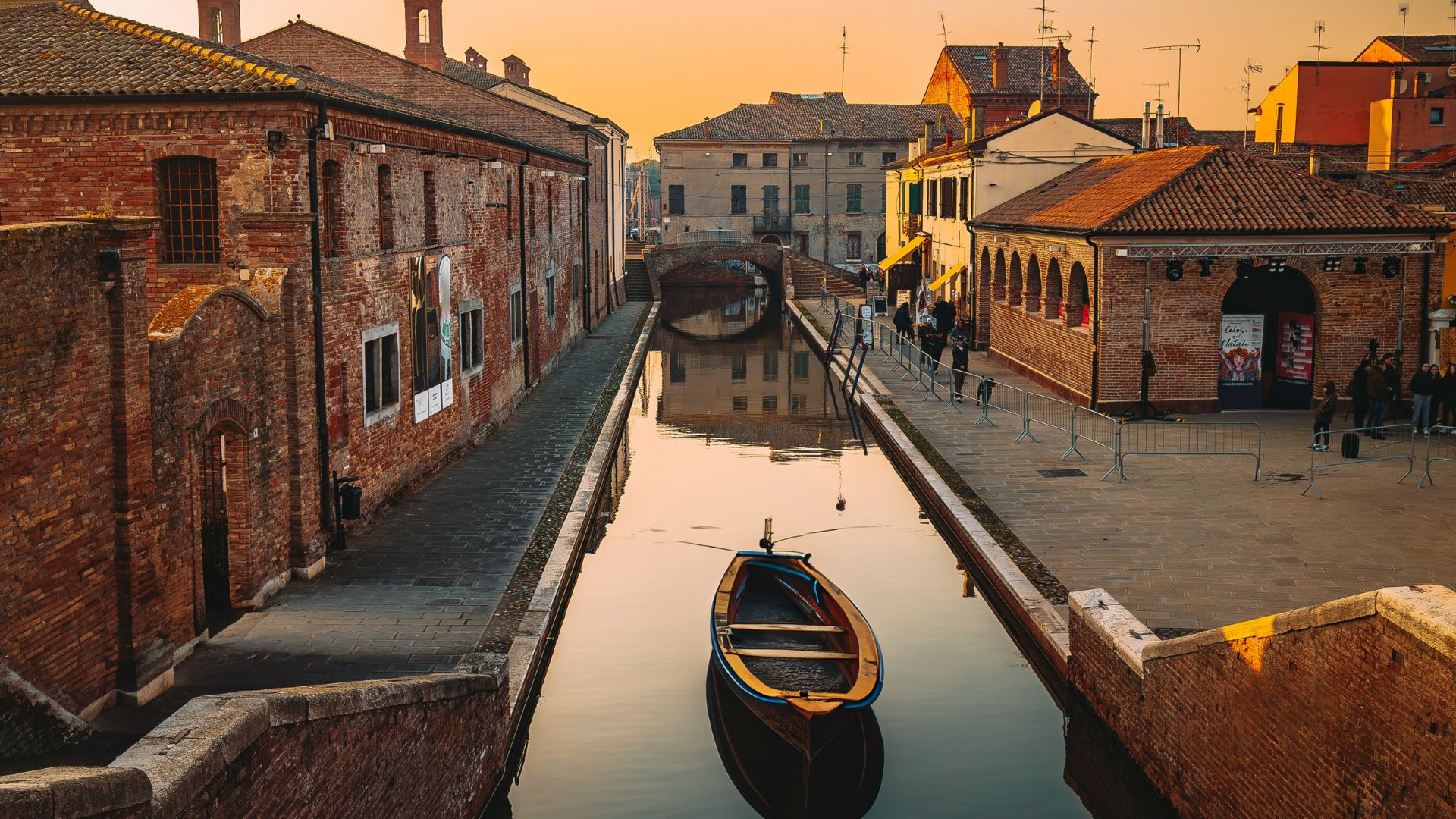
Nestled along Italy’s northeastern coast lies Comacchio, a charming town often overlooked by travelers seeking the usual Italian hotspots. During my recent visit, I discovered a place where water and land intertwine to create a unique cultural identity centered around one surprising creature: the eel.
The entire economy and cultural heritage of Comacchio revolves around eel fishing and preservation. Locals developed special marinating techniques centuries ago to ensure this protein-rich food would be available year-round.
Walking through this “Little Venice,” I was immediately struck by the scent of wood-fired cooking and the sight of traditional fishing traps called “lavoriero” still used today. The brackish lagoons surrounding the town create the perfect habitat for eels, which have sustained generations of families here.
You can feel the pride locals take in this distinctive culinary tradition that sets them apart from other Italian coastal communities.
If you’re planning a visit, time your trip for fall when Comacchio hosts its annual eel festival. I spent hours sampling different eel preparations while chatting with fishermen whose families have worked these waters for generations. The Marinati manufacturing facility showcases how this tradition has been reborn for modern times while honoring ancient preservation methods that remain largely unchanged since they began.
Comacchio: A Brief History
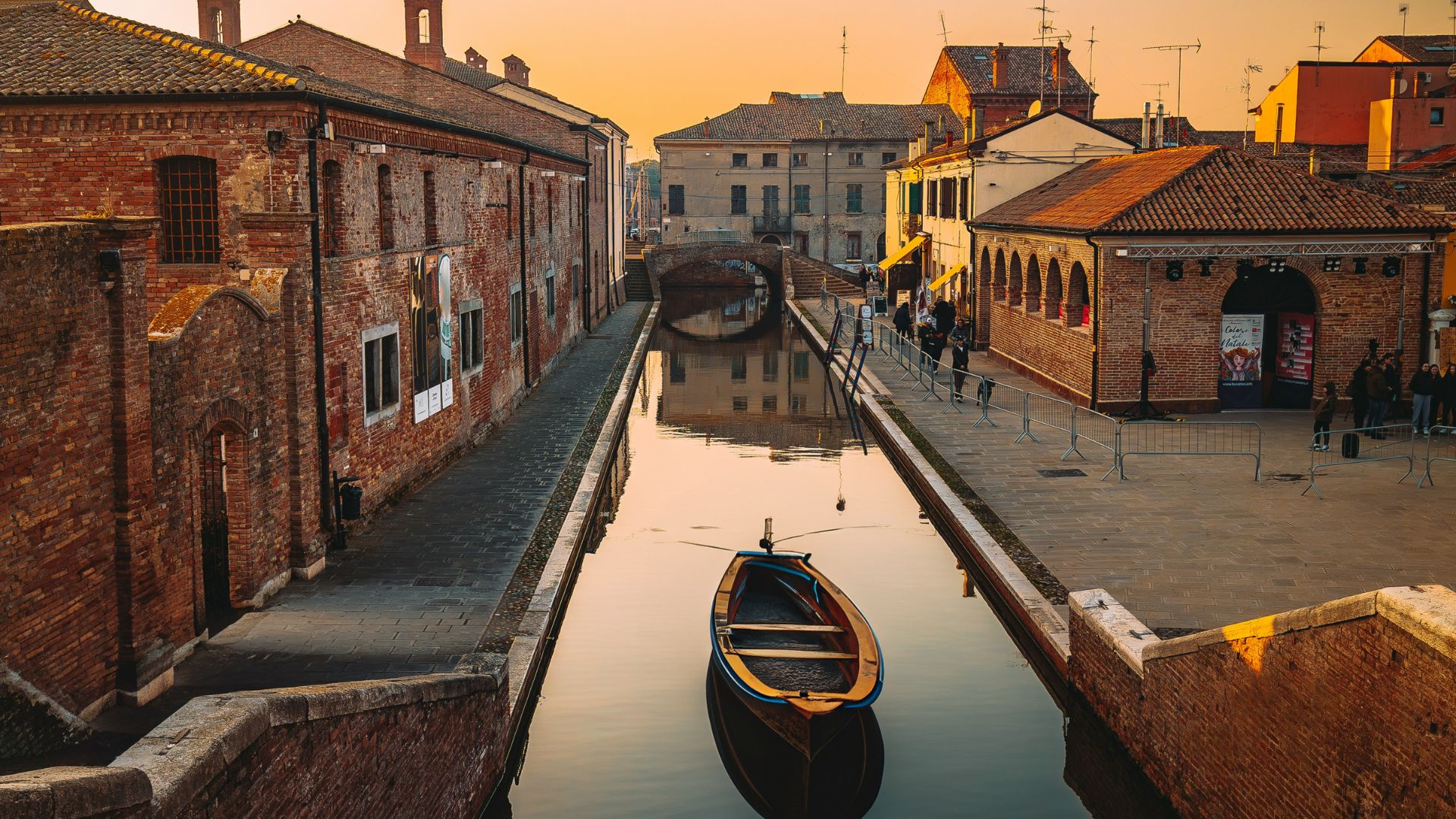
This lagoon town’s story stretches from ancient Etruscan settlements to its modern renaissance as a charming tourism destination. Built upon thirteen small islets, Comacchio’s unique geography shaped its development and cultural identity.
From Salt Trade to Tourism
Comacchio was first settled by the Etruscans before becoming a Roman outpost. The town’s foundation is built on wood pilings driven into the soft lagoon floor, creating a stable base for buildings.
The geography made Comacchio naturally defensible yet connected. It sat at a vital crossroads between the Adriatic Sea and the Po River through a network of canals and waterways.
Salt production became Comacchio’s economic backbone for centuries. The large lagoon provided perfect conditions for salt harvesting, making the town wealthy through this essential trade.
Fishing, especially for eels, emerged as another crucial industry. The abundant lagoon waters offered food and livelihood for residents.
By the 20th century, traditional industries declined, but tourism began to flourish. Visitors now come to experience the “Little Venice” with its bridges, canals, and authentic Italian charm.

Ravenna’s Influence
Ravenna’s proximity significantly shaped Comacchio’s development and culture. As a powerful regional center, Ravenna exercised political control over Comacchio during various historical periods.
The Byzantine influence flowed from Ravenna into Comacchio, affecting architectural styles and religious practices. You can still see these influences in the town’s historic churches and buildings.
Trade routes between the two cities established economic dependency and cultural exchange. Ravenna’s position as an administrative center meant many decisions affecting Comacchio came from there.
During medieval times, conflicts between Ravenna and Comacchio arose over control of valuable salt production and fishing rights. These disputes sometimes resulted in direct military confrontations.
Despite these historical tensions, the relationship brought artistic and cultural enrichment to Comacchio, contributing to its unique character today.
The Eel: Cultural Keystone of Comacchio
In Comacchio, eels aren’t just a local delicacy—they’re the foundation of centuries-old traditions that have shaped the town’s identity. The relationship between the people and this serpentine fish runs deep through their history, economy, and culinary heritage.
Historical Eel Fishing Techniques
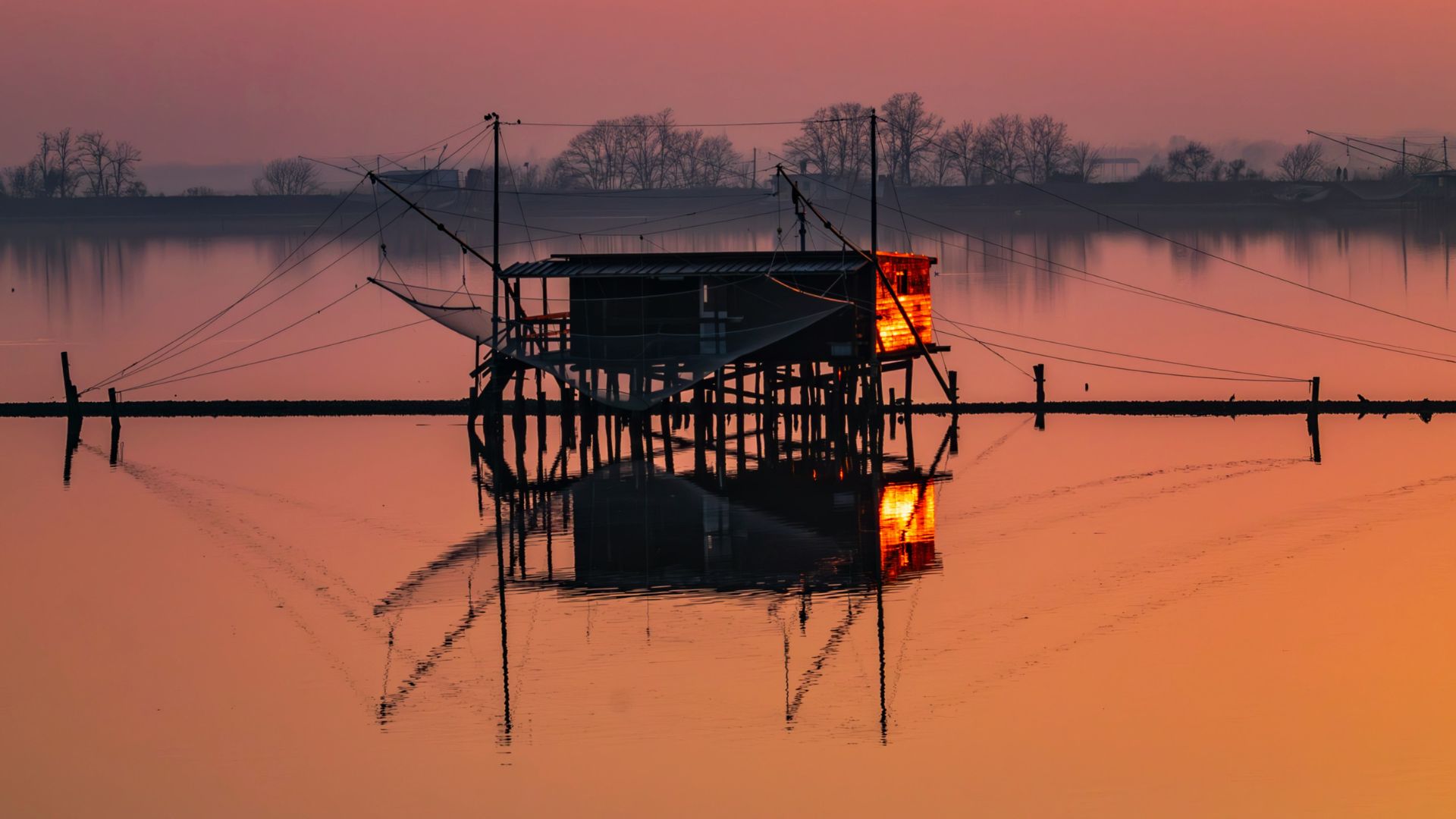
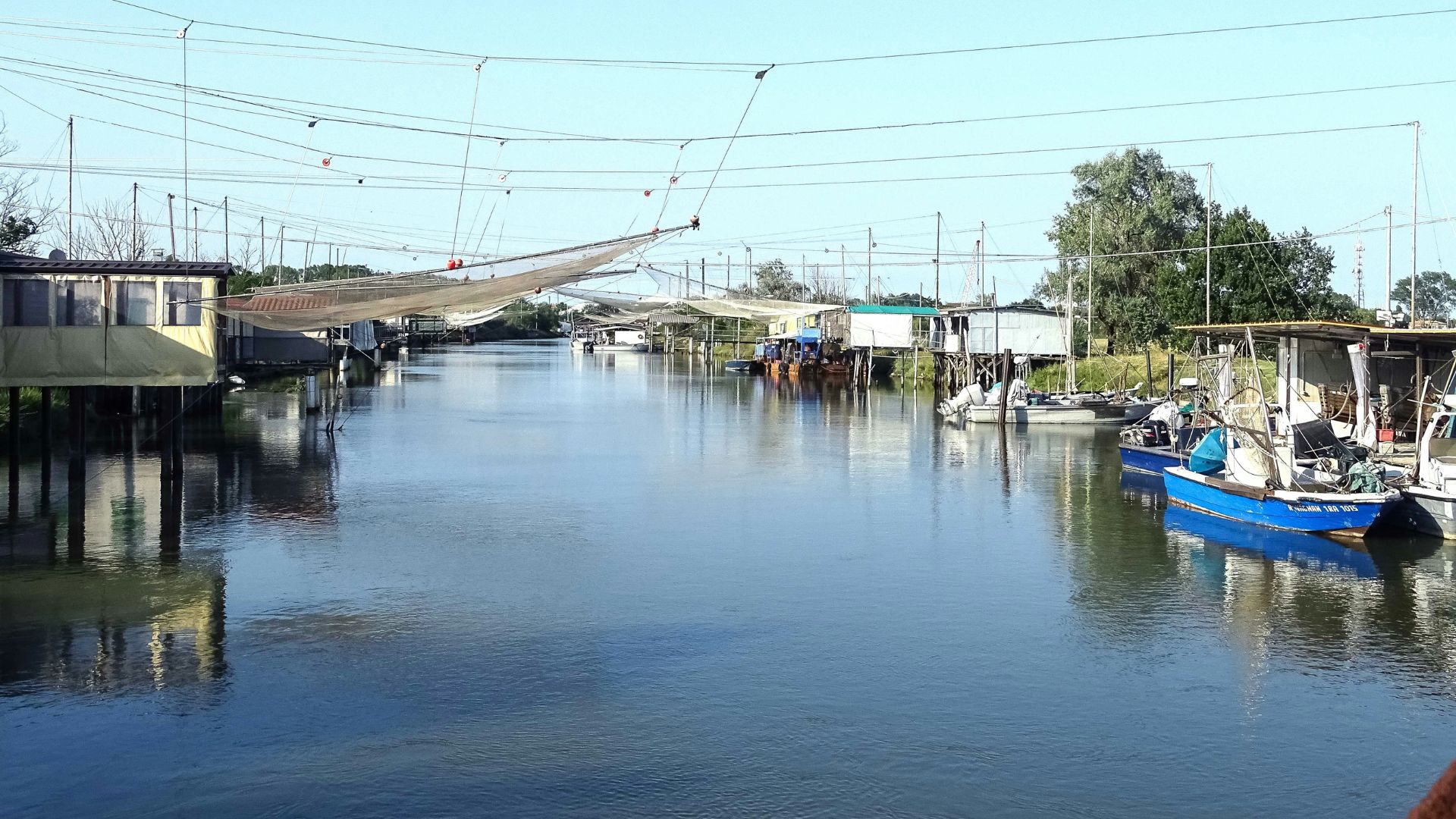
Walking along Comacchio’s canals, I’m always struck by the ingenuity of traditional eel fishing methods that have barely changed for generations. Local fishermen developed specialized traps called “lavorieri,” ingenious wooden structures that catch eels as they migrate between the lagoon and the sea.
During my visits, I’ve watched fishermen skillfully navigate small boats through the shallow waters, a practice passed down through families for centuries. The fishing huts (called “casoni”) scattered throughout the lagoons serve as both workplaces and symbols of this enduring tradition.
The annual eel harvest was once so important that it dictated the rhythm of life here. Each autumn, when eels prepare to migrate to the Sargasso Sea to breed, the fishing season reaches its peak intensity.

The Role of Eels in Local Cuisine
I’ve tasted eel prepared dozens of ways in Comacchio, each dish telling a story of necessity and innovation. The preservation technique of marinating eels developed from practical needs, providing protein and fat year-round when fresh food was scarce.
The most famous preparation is “anguilla marinata,” where the eel is grilled, then preserved in vinegar, salt, bay leaves, and other spices. This simple yet flavorful method highlights the fish’s rich taste while extending its shelf life considerably.
At the annual Eel Festival, I’ve joined locals sampling grilled eel, eel risotto, and hearty eel stew. These dishes aren’t mere tourist attractions but living traditions that connect today’s residents with their ancestors.
Many family recipes have survived generations, with slight variations from household to household. The eel has transformed from survival food to a celebrated delicacy, now drawing curious food lovers from across Italy and beyond.

Life in the Great Lagoon
The Great Lagoon of Comacchio shapes every aspect of local existence, creating a unique relationship between humans and nature. Residents have developed remarkable adaptations to thrive in this watery world, while the lagoon itself supports a rich ecosystem unlike any other in Italy.
Adaptation to a Watery Environment
Walking through Comacchio, I’m struck by how locals have embraced their aquatic surroundings. Traditional homes built along the canals feature raised foundations to protect against high waters, a practical solution I’ve seen across generations of architecture.
Fishing remains at the heart of daily life here. The distinctive flat-bottomed boats called “batane” perfectly navigate the shallow waters. I watched fishermen using techniques passed down for centuries, particularly for catching the prized eels that define Comacchio’s economy.
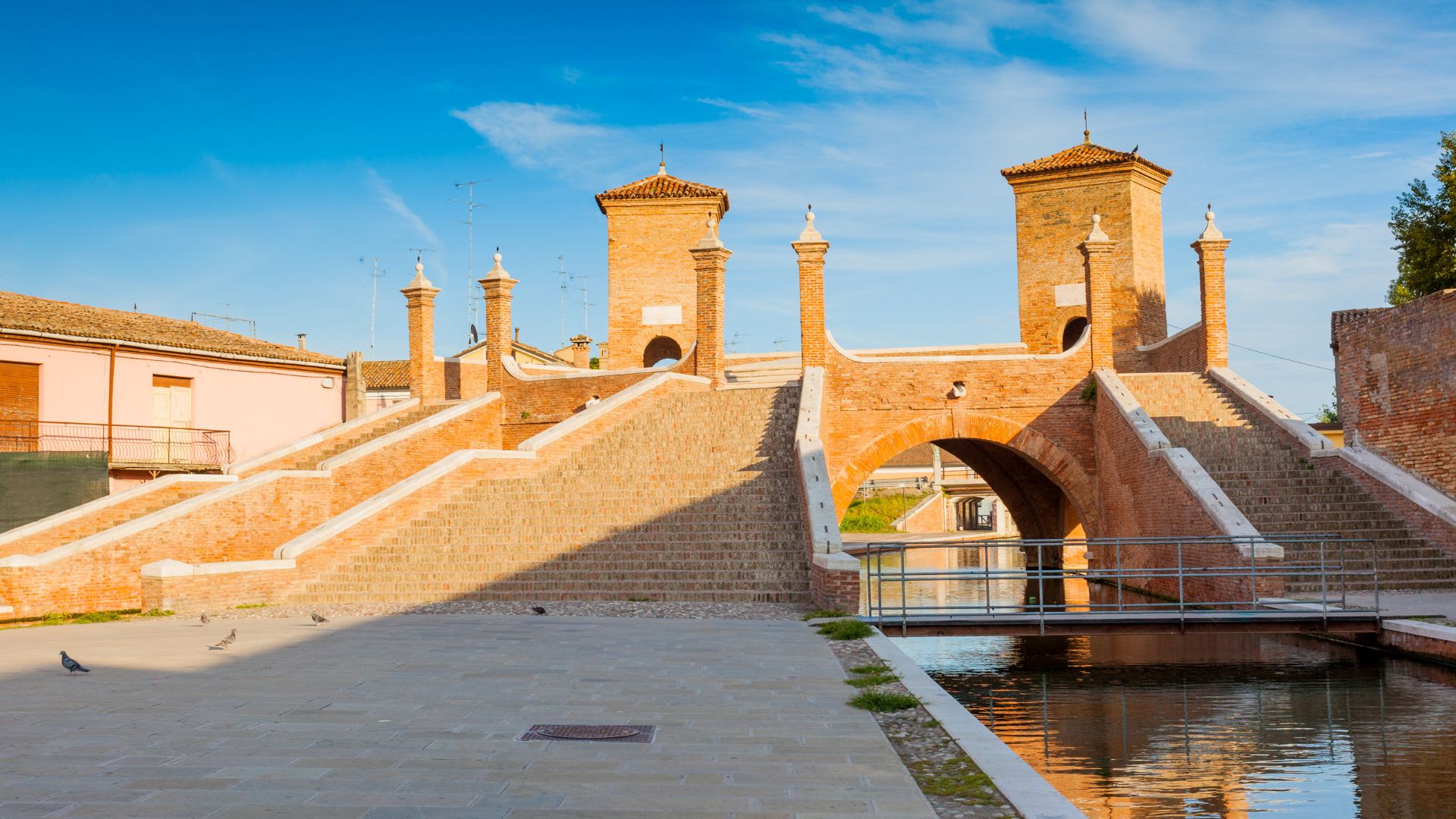
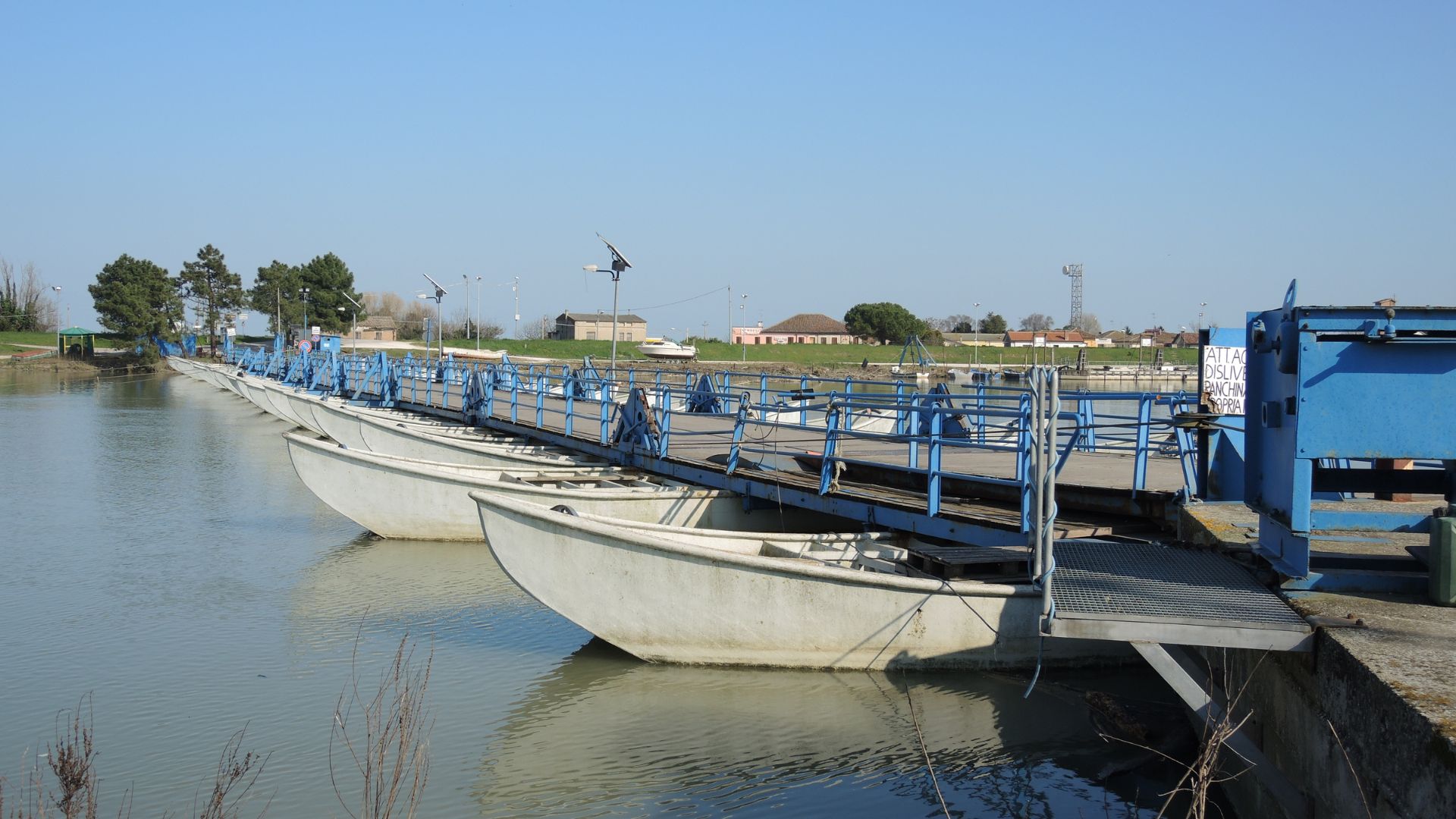
The network of bridges connects the community physically and symbolically. The magnificent Trepponti bridge, with its five-way design, isn’t just practical—it’s the town’s iconic gathering place where I’ve seen locals exchange daily news.
Biodiversity Among the Reeds
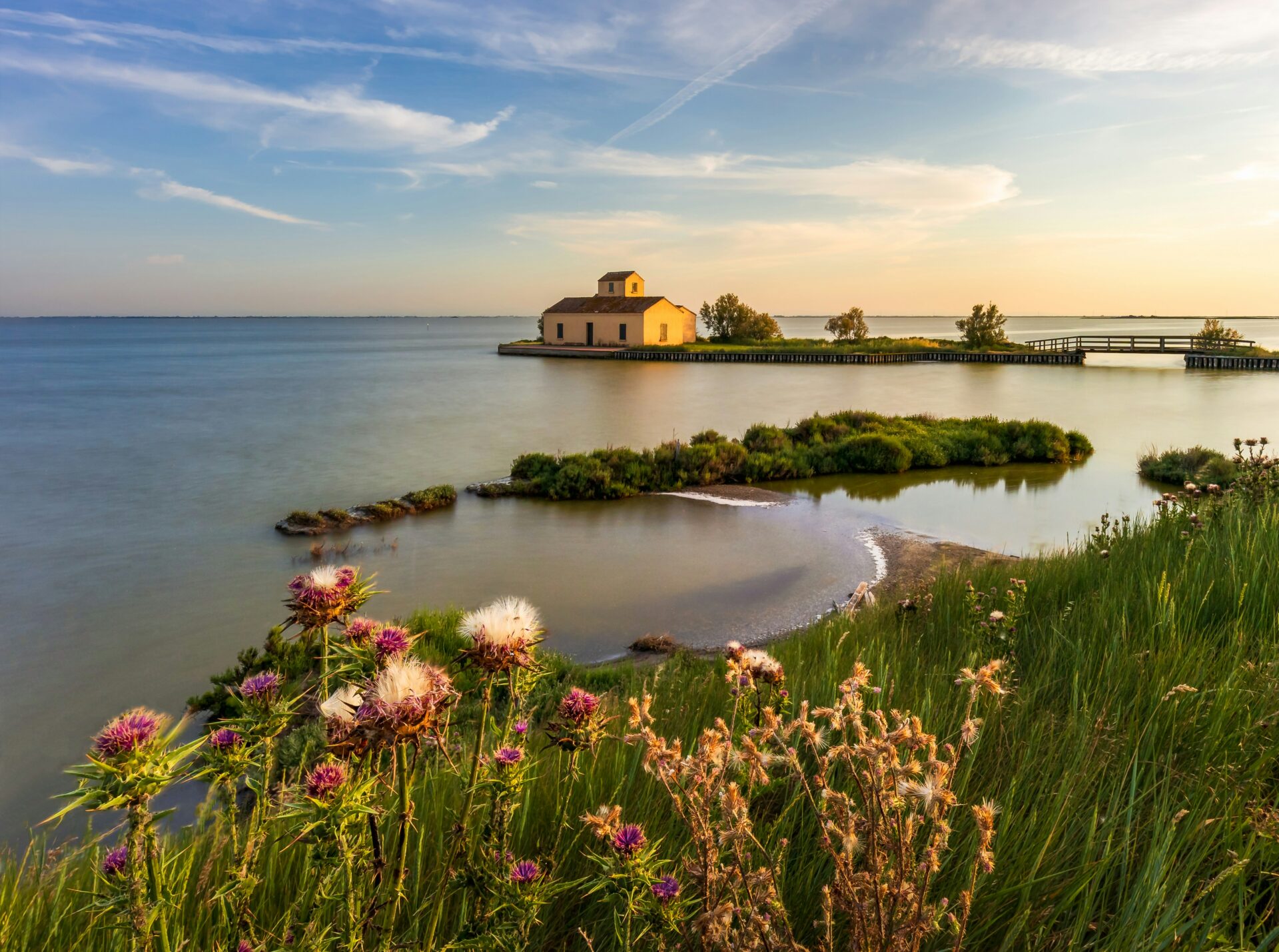
The Comacchio Lagoon system represents Italy’s largest wetland complex, creating a breathtaking natural laboratory. During my visit, I observed countless bird species using the reeds as nesting sites.
Water plants thrive in the brackish conditions, creating a complex underwater forest. The mix of fresh and salt water produces a unique ecosystem that supports specialized species found nowhere else in the country.
The eels that migrate through these waters have shaped the region’s cuisine and culture. They follow ancient routes from the Sargasso Sea to mature in the lagoon’s protective environment before attempting to return to their breeding grounds.
Conservation efforts now balance traditional fishing with protecting this remarkable biodiversity. Local guides showed me how carefully managed harvesting practices help maintain the delicate balance of this ecosystem while preserving Comacchio’s cultural heritage.
Sustainable Practices: Preserving Comacchio’s Aquaculture
Comacchio’s lagoons support a centuries-old tradition of sustainable aquaculture that balances human needs with ecological preservation. The local approach to fish farming has evolved while maintaining respect for natural cycles.
Fish Farming Innovations
The traditional “lagoon culture” of Comacchio represents one of Italy’s most distinctive aquaculture systems. I was fascinated to learn how locals have preserved their fishing methods using tools like the ‘lavoriero’, a fixed fishing trap that allows selective harvesting.
When visiting the valleys, I noticed how fish farmers now combine ancient knowledge with modern techniques. They’ve developed a system where eels from intensive rearing ponds can restock natural basins, ensuring population stability.
Research studies have examined growth, survival, and production rates in these systems. This approach creates a backup for wild populations while maintaining the quality that Comacchio’s products are famous for.
What impressed me most was seeing how the community follows strict rules:
- Using only fish from the Comacchio Lagoon
- Employing traditional capture methods
- Following time-tested cooking techniques
The Balance of Pisciculture and Ecology
Walking along the lagoon’s edge, I observed how fish farming here differs from industrial aquaculture. The local practices maintain water quality while supporting diverse species beyond just the prized eels.
The traditional marination process for eels—using white wine vinegar, Cervia sea salt, water, and bay leaves—developed as a preservation method. This technique allowed locals to have protein available year-round without overharvesting.
The integration of vegetable cultivation along the lagoon edges creates natural filtration. I saw how these plant buffers help maintain water quality while providing additional food sources.
The Po Delta Regional Park protects this delicate ecosystem while allowing sustainable harvesting. What stands out in Comacchio is how they’ve maintained this balance for generations, proving that human activity and nature can coexist when approached with respect.
Seasonal Migrations: A Natural Spectacle
The lagoons of Comacchio come alive during certain times of the year when eels and other sea fish engage in their natural migratory patterns. This incredible phenomenon has shaped local traditions and fishing practices for centuries.
Observing the Cycle of Life
Walking along the shores of Comacchio’s lagoons in autumn, I’m always amazed by the eels’ migration spectacle. The peak movement happens in the fall, when adult eels journey from freshwater back to the sea to breed.
Local fishermen have designed special traps that work with this natural rhythm. I’ve watched them use techniques passed down through generations to catch eels during these predictable migrations.
Fish eggs and spawn also play a key role in this cycle. The lagoon serves as a nursery where sea fish eggs develop, protected from predators. It’s fascinating to see how the locals have built their entire cultural identity around these natural patterns.
The Surge of Sea Fish and Spawn
During spring, I witness another remarkable event – the surge of sea fish entering the lagoons. Various species arrive to lay their eggs in these protected waters.
The locals call this time “la montata” (the climb). Small fish and spawn move from the sea into the lagoons, creating a rich ecosystem that supports Comacchio’s traditional fishing industry.
Unlike salmon eggs that develop in freshwater streams, the spawn here adapts to the brackish lagoon environment. I’ve learned that this uniquely balanced ecosystem allows for the development of countless fish that will eventually return to the sea.
The fisheries of Comacchio have designed special channels and gates to manage this natural flow, working with nature rather than against it.
Frequently Asked Questions
Comacchio’s unique relationship with eels has shaped centuries of traditions and cultural practices in this charming Italian lagoon town. The fishing heritage connects deeply with community celebrations, culinary arts, and economic history.
During eel harvest season, I’ve witnessed fishermen using the traditional “lavoriero” traps, a fascinating technique passed down through generations. These V-shaped barriers guide eels into collection chambers during their migration.
The harvest often begins at dawn, with boats gliding silently through misty lagoons. Fishermen work together in a choreographed routine, hauling in their catches while singing traditional songs that echo across the water.
The most magical moment happens when the community gathers to bless the fishing equipment before the season begins. This ritual connects today’s fishermen with centuries of ancestors who relied on the same waters.
The rhythm of fishing has dictated Comacchio’s daily schedule for centuries. Families rise early and retire with the sun, following patterns established by generations of eel fishers.
I’ve noticed how fishing knowledge transfers within families, with children learning to repair nets and prepare equipment alongside their parents and grandparents. This apprenticeship system has preserved techniques that might otherwise be lost.
Many homes still feature special preparation areas for cleaning and marinating eels. The marination technique developed by locals ensures eel – a valuable source of fat and protein – remains available year-round.
The Comacchio Eel Festival spans three weekends of celebration, where I’ve seen the whole town transform into a living museum of cultural heritage. Historical reenactments show fishing techniques from past centuries while local musicians play traditional songs.
Food stands line the canals, offering eel prepared in dozens of different ways. Families share recipes that have been secret for generations, creating a beautiful exchange of culinary knowledge.
Community boat parades feature vessels decorated with fishing themes. Children participate by learning traditional dances and helping prepare festival decorations, ensuring traditions continue into the next generation.
Marinated eel stands as Comacchio’s signature dish. It’s prepared using a centuries-old technique that perfectly balances the rich flavor with vinegar and aromatic herbs. I recommend trying it at Trattoria La Barcaccia. They’ve used the same family recipe since 1872.
Eel risotto brings together the lagoon’s two primary resources – rice and eel – in a creamy, flavorful dish available at most local restaurants. The Antica Trattoria near the main canal serves my favorite version.
For those wanting to take flavors home, many shops sell vacuum-sealed marinated eel that travels well. The central market hosts several vendors whose families have prepared eel products for generations.
Records dating back to the 16th century show eel breeding in Comacchio’s lagoons generated an annual income of nearly £12,000. This was an enormous sum for that era. This economic foundation built the town’s distinctive architecture and funded its cultural institutions.
During lean agricultural years, eel fishing provided crucial sustenance and trade goods. Local archives tell stories of families surviving difficult winters thanks to preserved eel stores.
The fishing guilds once wielded significant political power. They negotiated rights with various ruling authorities throughout history. Their influence shaped local laws and governance structures that still echo in today’s community organization.
The shallow, protected waters create ideal habitats for eels while offering relatively safe fishing conditions. This environment allowed fishing traditions to develop that might be impossible in rougher coastal areas.
Water transportation remains crucial for daily life. Many families maintain boats not just for fishing but for visiting neighbors and reaching isolated homes during seasonal flooding.
The lagoon ecosystem provides a natural rhythm to life here. Residents track seasonal changes through water clarity, bird migrations, and eel movements.
