
Every winter, when the cold sets in, millions of people rush south. Most end up in the same crowded hotspots. But after years of wandering Florida’s coastline, I’ve discovered something way better than the usual tourist traps.
These seven beach towns bring warm weather, pristine sand, and that elusive Florida vibe—without the chaos of spring break or jam-packed hotels.
Most travelers stick to Miami Beach or Clearwater. Honestly, they miss out on the real gems.
The hidden beach towns I’m about to share have uncrowded shores, local seafood joints, and communities that still feel like old-school Florida. Forget circling for parking or weaving through crowds just to catch some sun.
These places are perfect for a winter escape. They stay warm but never get swamped with tourists.
Each town has its own personality. Some feel like colorful fishing villages, others are barrier islands where nature rules. I’ll walk you through where to go and why each one is worth the detour.
Key Takeaways
- Florida’s secret beach towns give you warm winter escapes, minus the crowds, plus real local flavor.
- Expect barrier islands, historic fishing spots, and coastal communities that keep old Florida alive.
- Visit during shoulder seasons and support local businesses for the best experience in these hidden gems.
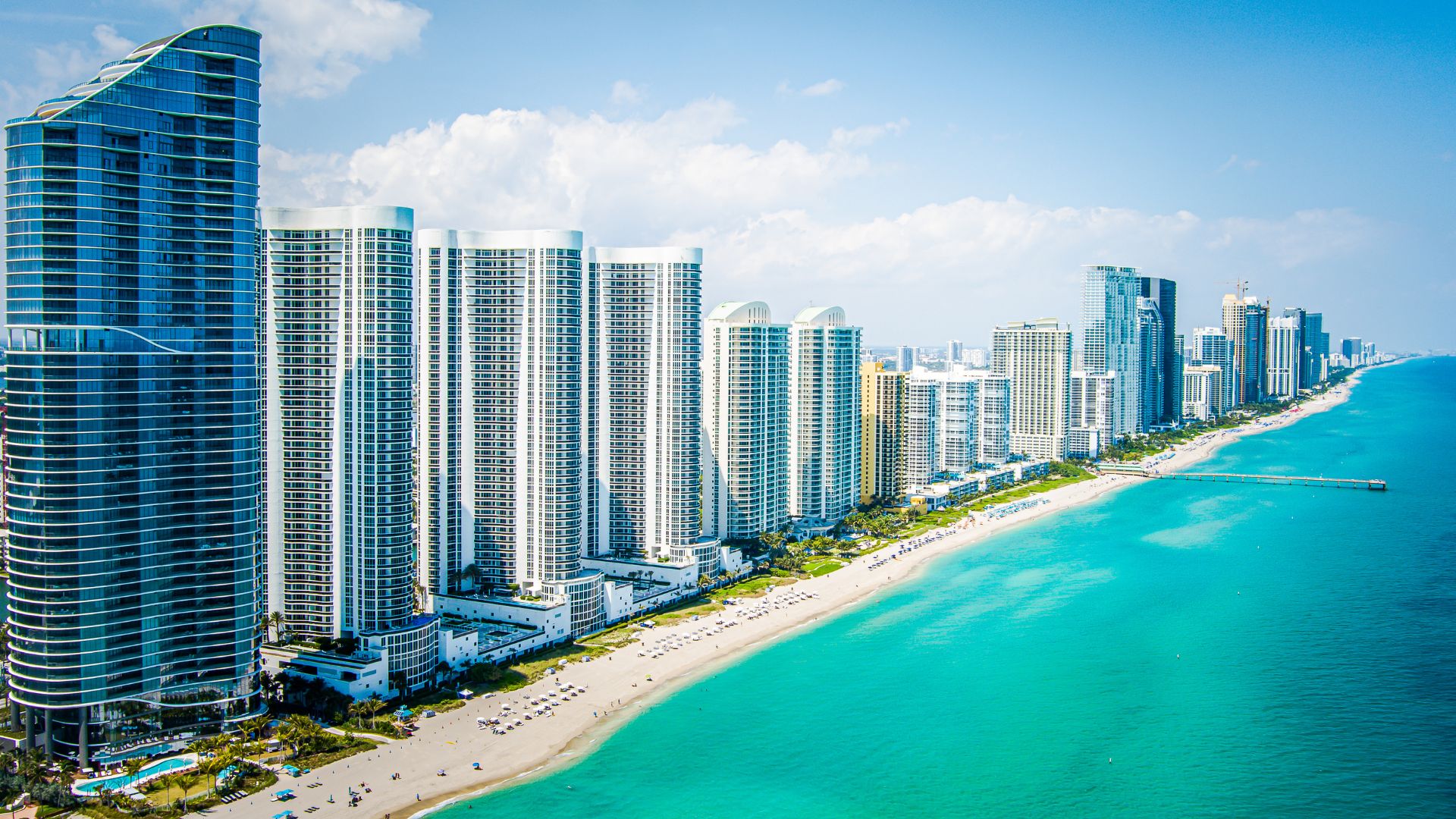
What Makes Florida’s Hidden Beach Towns Special?
These lesser-known spots offer what the big-name destinations just can’t.
You’ll stumble onto untouched shorelines, genuine local culture, and a relaxed pace that feels a world away from the usual tourist circus.
Unspoiled Natural Landscapes
Florida’s hidden beach towns hug pristine coastlines that haven’t been swallowed up by high-rises or chain restaurants. Many sit on barrier islands or inside protected areas along the Gulf Coast where development just isn’t allowed.
The beaches here? Soft white sand, clear water, and not a row of umbrellas in sight. I often find these towns right next to state parks or wildlife refuges. You can kayak through salt marshes with manatees, hike trails shaded by coastal hammocks, or watch sea turtles nest on peaceful shores.
Nature isn’t just at the beach. Mangrove-lined waterways, pine flatwoods, and marshes support all kinds of wildlife. Ospreys and herons are everywhere, and if you’re lucky, you’ll spot dolphins playing in the surf.

Old Florida Character and Culture
You’ll feel the old Florida vibe in these towns. Think historic fishing villages with weathered cottages, seafood shacks slinging the daily catch, and downtowns with buildings from the 1800s.
A lot of these communities still rely on fishing, clamming, or boat building. You’ll meet families who’ve lived here for generations and still keep local traditions alive. Small art galleries show off regional artists, and the shops sell handmade goods, not tacky souvenirs.
It’s a different pace. People slow down, neighbors chat, and the focus stays on simple pleasures.
Low-Key Atmosphere and Local Charm
The vibe in these hidden towns? Totally different from the big Florida names. Traffic is light, crowds are rare, and the loudest sound is usually the waves.
You won’t find mega-resorts or wild nightlife. Most places have locally-owned inns, cozy rentals, and beach cottages. Restaurants serve home-style cooking and fresh seafood—no fuss, no fancy dress code.
Entertainment is simple: sunset-watching, shell collecting, or chatting with locals at a corner cafe. It’s the kind of place where you can actually park near the sand, swim in peace, and stroll the beach without bumping elbows.
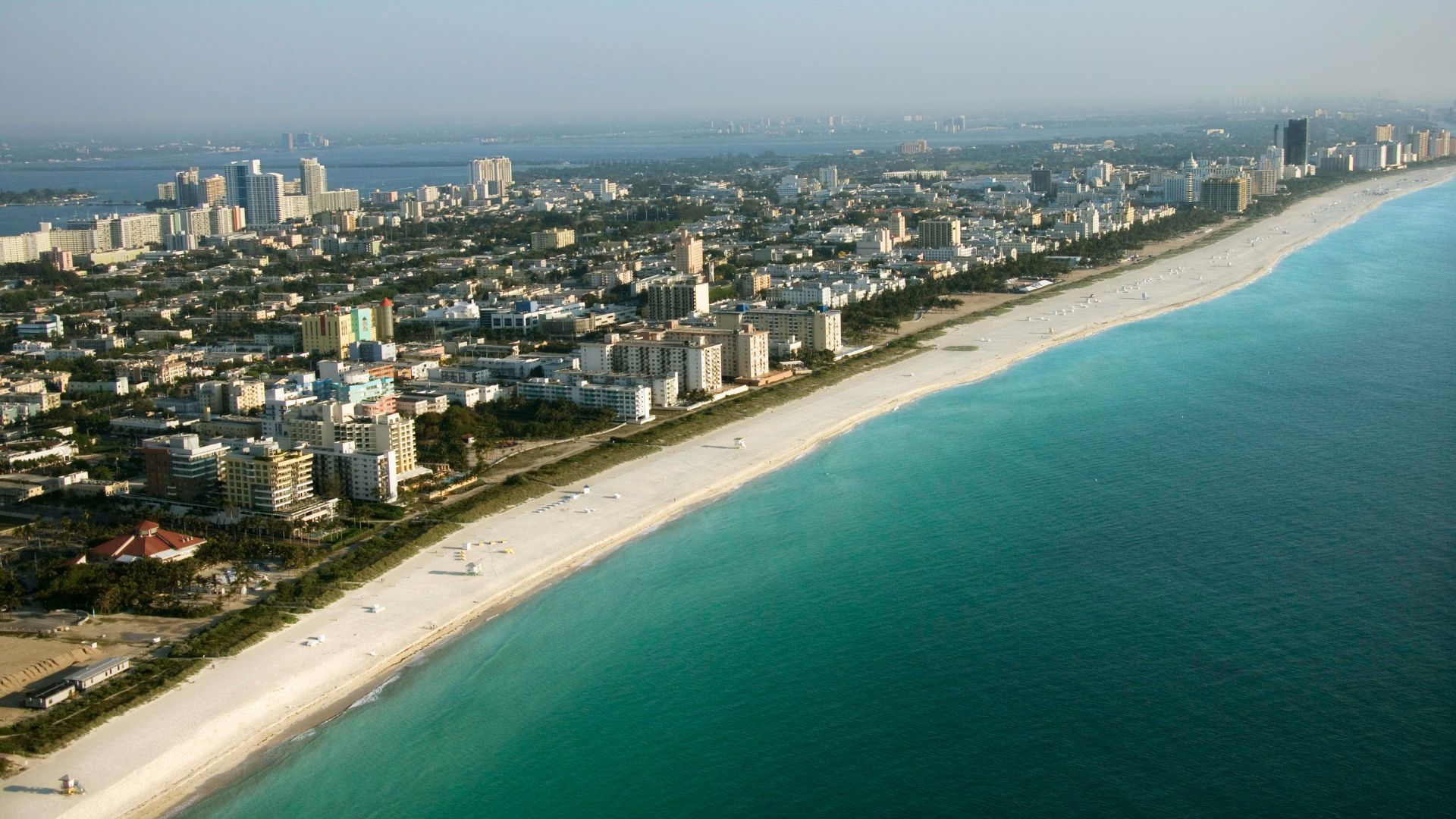
Discovering the 7 Secret Beach Destinations for 2026
Florida’s west coast hides quiet beach towns where winter visitors get warm sand and authentic coastal life, not tourist overload.
Here are three favorites that have won me over for their local flavor and laid-back style.
Anna Maria Island: Laid-Back Luxury and Uncrowded Shores
Anna Maria Island stretches for seven miles along the Gulf, with white sand and that perfect turquoise water. You won’t see high-rises or chain restaurants here—the island banned them.
The beaches feel different from most of Florida. I love the free trolley that connects Anna Maria, Holmes Beach, and Bradenton Beach. You can hop on and off, no car needed.
Why it’s special:
- Beach access every few blocks
- Local shops and family-run restaurants
- No parking meters or beach fees
- Gentle waves, great for swimming
Families and retirees flock here instead of spring breakers. Pine Avenue is packed with boutiques and cafes, all walking distance to the sand. If you want pure quiet, check out Bean Point at the island’s northern tip.

Cedar Key: Historic Fishing Village Ambiance
Cedar Key sits on a cluster of islands, about 50 miles southwest of Gainesville. Fewer than 1,000 people live here year-round.
Dock Street is the heart of town, lined with seafood spots serving clams and oysters caught that morning. The pace is slow, even by Florida standards. Cedar Key is all about nature, not nightlife.
The Cedar Keys National Wildlife Refuge protects 13 nearby islands. Kayak through them and you’ll spot dolphins, manatees, and a crazy variety of birds. The beaches have more shells and rocks than soft sand, but that keeps things peaceful.
Top things to do:
- Kayak to wild islands
- Feast on fresh seafood at the waterfront
- Go birding or snap nature photos
- Shop for local art and crafts
Apalachicola: Coastal Heritage and Culinary Delights
Apalachicola sits on the Forgotten Coast, between Tallahassee and Panama City. The town produces 90% of Florida’s oysters—seriously, the bay is legendary.
The historic district has buildings from the 1800s now filled with antique shops and galleries. About 2,500 people live here, and fishing boats still dock daily.
If you cross the bridge, you’ll reach St. George Island in 15 minutes. It’s 28 miles of undeveloped beach—one of the quietest spots I’ve found. The water stays calm most of the year.
Each November, the Florida Seafood Festival draws a crowd for oyster shucking contests and Gulf seafood. But most of the time, Apalachicola feels like a sleepy, working waterfront town with more locals than tourists.
Barrier Island Gems: Nature and Tranquility
Florida’s barrier islands are something else. These skinny stretches of land shield the mainland, creating wild habitats and peaceful beaches that feel far from the usual tourist scene.
St. George Island: Untouched Gulf Coast Beauty
St. George Island is a true secret along the Forgotten Coast. It’s 22 miles long, with beaches so empty you might walk for hours without seeing anyone.
The eastern tip is St. George Island State Park, protecting over nine miles of dunes, pines, and coastline. I’ve watched dolphins feed right offshore more than once.
There’s a tiny village in the middle with just the basics—no high-rises, no chains. You get vacation rentals, local seafood, and a pace that matches the gentle waves.
Best for: Shelling, fishing, and really getting away from it all
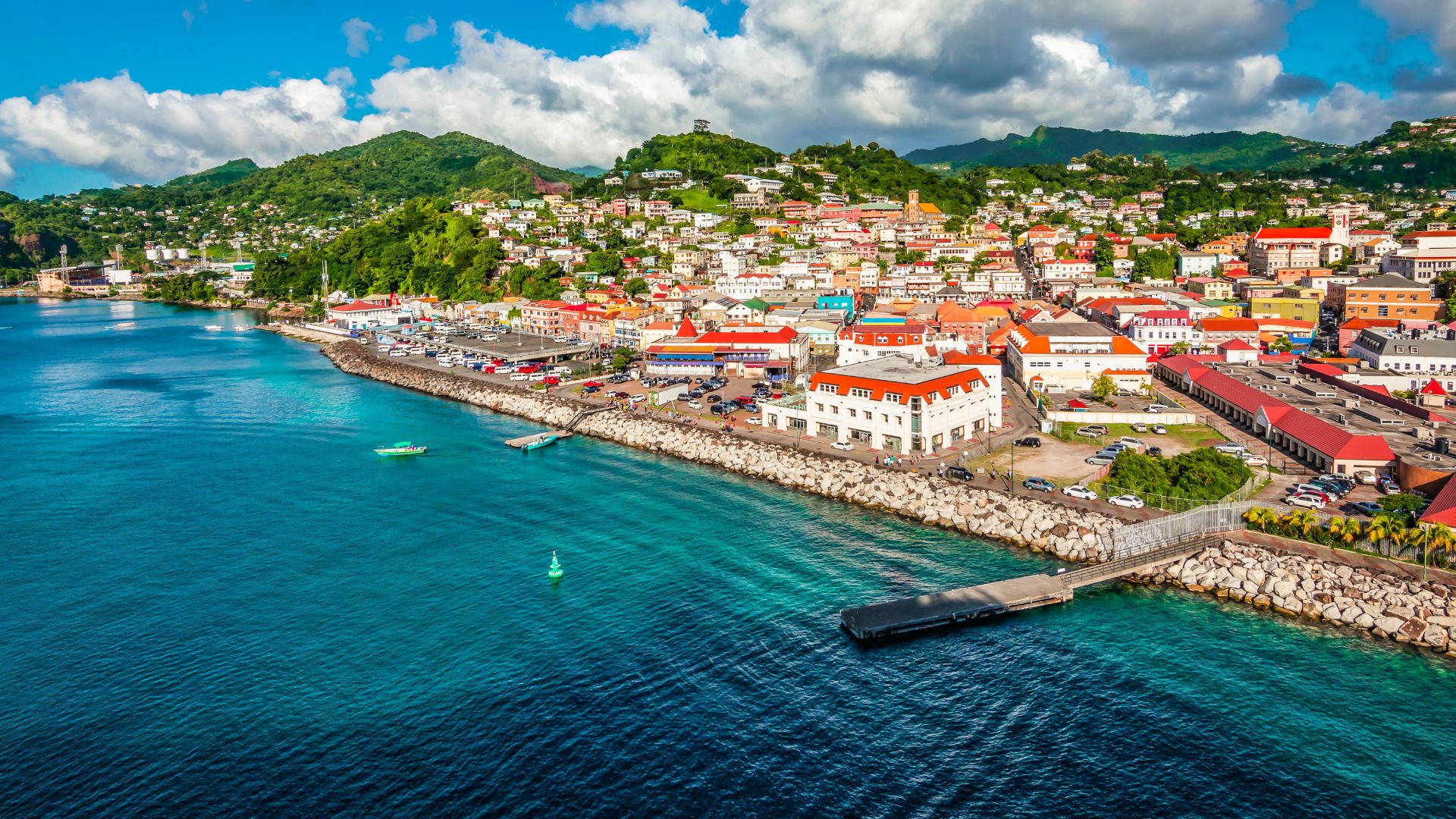
Captiva Island: Wildlife, Shelling, and Stunning Sunsets
Captiva Island sits just north of Sanibel, but it’s even quieter and feels a bit exclusive. The shape of the island makes it a shell collector’s dream, especially after a storm.
I always swing by the J.N. “Ding” Darling National Wildlife Refuge on Sanibel before heading to Captiva. Over 245 bird species call this 6,400-acre refuge home. Dolphins show up often, especially in the mornings.
Captiva’s beaches face west, so you get front-row sunset views over the Gulf. Limited parking keeps the crowds down. Most places to stay are low-key resorts or private homes—no mega-hotels here.
Caladesi Island: Secluded Beaches Accessible by Boat
Caladesi Island is special because you can only get there by private boat or ferry from Honeymoon Island. That barrier keeps the crowds away, even when everywhere else is packed.
The whole island is a state park, almost untouched. I love the three-mile nature trail that winds through pine woods and mangroves. The beach is consistently ranked among America’s best—soft sand, clear water, and not much else.
Rent a kayak and paddle the mangrove trails; dolphins often swim right alongside. Facilities are basic (restrooms, a small snack bar), and there’s no overnight lodging. The ferry schedule means you get a true day-trip vibe—just enough time to soak in the peace.

Off-the-Beaten-Path Atlantic Hideaways
Florida’s Atlantic coast hides some real treasures, and most folks don’t even know they’re there. These towns mix natural beauty with a local flavor that feels refreshingly genuine.
Flagler Beach: Surfer Spirit and Relaxed Vibes
Flagler Beach might be the most underrated coastal town I’ve visited. It’s wedged between St. Augustine and Daytona, but the chill here is unmatched.
Six miles of quiet beaches attract surfers who love the steady waves. I’ve spent mornings watching pelicans dive from the old Flagler Beach Pier, which juts 800 feet into the Atlantic. It’s a great spot to fish or catch the sunrise without fighting crowds.
Downtown along A1A, you’ll find local seafood joints and beach shops. Most buildings are low-rise, so the old Florida vibe sticks around. Try to visit on a weekday; the beaches are nearly empty. With about 5,000 residents, the place feels like a real community, not a tourist trap.
Matlacha: Artistic Community Near the Mangroves
Matlacha perches on a tiny island between Cape Coral and Pine Island. Once a fishing village, it’s now an artist’s haven that hasn’t lost its quirky soul.
The main road is lined with wild, colorful buildings—art galleries, seafood shacks, and more. I’ve paddled the mangrove tunnels by kayak, spotting pelicans and herons hunting in the shallows. Fishing is fantastic here, especially for redfish and snook.
Why Matlacha stands out:
- Over a dozen art galleries in just half a mile
- Fresh seafood from local boats daily
- Easy kayak access to Pine Island Sound
- Zero chain restaurants or big hotels
The drive to Matlacha crosses tiny bridges with killer water views. Stop at a local fish market for the day’s catch and have a picnic by the water.
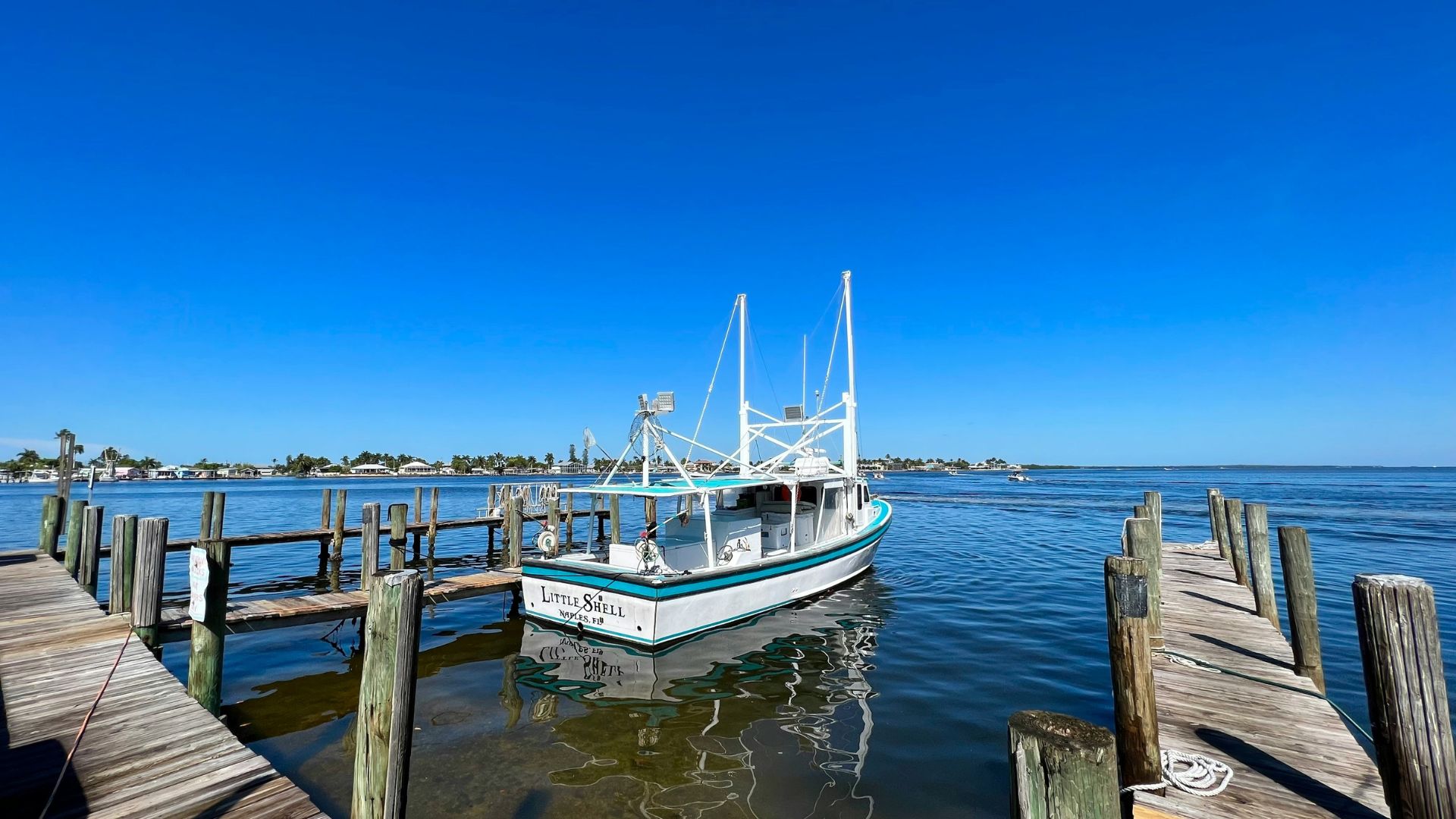
Local Experiences in Secret Beach Towns
These quiet Florida beach towns serve up experiences you just can’t get at the crowded tourist hubs. Fresh seafood straight from the boat, wildlife encounters in their natural habitats, and small-town shops give you a real taste of Old Florida.
Seafood Shacks and Fresh Catches
Honestly, the best seafood I’ve eaten in Florida comes from these little fishing villages. Boats dock in the morning, and by lunchtime, you’re eating the day’s catch.
Cedar Key’s waterfront spots serve stone crab, mullet, and grouper, all fresh and affordable since you’re buying right from the source. Anna Maria Island has family-run shacks that have been around for generations. Always order the daily special—it’s the freshest thing on the menu.
Places like Mexico Beach and Cape San Blas have working fishing docks too. You can watch pelicans dive for fish while you eat outside. Some restaurants will even cook your own catch if you’ve been out fishing. The laid-back vibe in these towns just feels real—more about the coast, less about the crowds.
Ecotourism and Wildlife Encounters
St. George Island and Sanibel Island? They’re honestly some of my favorite spots for wildlife in Florida—no tour bus crowds, just you and the scenery. I’ve caught dolphins feeding close to shore on early morning walks, which always feels like a little secret.
The J.N. “Ding” Darling National Wildlife Refuge on Sanibel lets you get surprisingly close to roseate spoonbills, alligators, and a wild variety of birds. There’s something about hearing the distant call of an egret at sunrise that sticks with you.
Cedar Key’s marshes draw in migrating birds all year. Kayaking through those shallow waters, you might spot a sea turtle surfacing for air—one of those moments you can’t really plan for.
Cape San Blas has these hiking trails winding through rare coastal dune lakes. Only a handful of places in the world have these ecosystems, and walking there feels like stepping into another world.
At Lovers Key State Park near Fort Myers Beach, you can wander mangrove forests where manatees gather in the winter. These areas still look and feel like Old Florida, protected from the kind of development that’s taken over elsewhere.

Boutique Shops and Community Events
Captiva Island and Anna Maria Island? I always end up poking around their locally-owned shops. You’ll find shell art, coastal paintings, and jewelry made from materials someone probably picked up just down the beach.
Chain stores never feel the same—here, your money actually supports families who live in the community. It’s a nice feeling, knowing you’re part of that circle, even if just for the weekend.
Vero Beach’s weekly farmers market is a personal favorite. I’ve picked up fresh citrus, jars of local honey, and pastries that never make it back to the hotel.
Flagler Beach comes alive during their monthly art walk. Galleries stay open late, and live music drifts down the street. It’s got that old-school Florida charm you just can’t fake.
Towns like these plan festivals around fishing seasons and harvests, not spring break. New Smyrna Beach’s seafood festival in November? You get cooking demos and boat tours, all celebrating the local fishing scene.
Planning Your Escape: Tips for Visiting Florida’s Best-Kept Secrets
Visiting Florida’s quieter beach towns takes a different approach than the big-name spots. I’ve learned that going during off-peak times and understanding how to get around really helps you experience these places for what they are.
Best Time to Visit for Tranquility
If you want peace, shoot for late September to early November, or February through April. The weather’s usually in the 70s or 80s—pretty much perfect for a stroll on Pass-a-Grille or Mexico Beach.
I always choose weekdays over weekends. Towns like St. Pete Beach feel almost deserted Monday through Thursday, especially at those beaches you can only reach by boat.
Hurricane season runs from June to November, with August and September being the busiest. I keep an eye on the weather and stay flexible with my plans.
For beaches near St. Augustine or Fort Myers, I try to arrive early or late in the day. Cooler temps, softer light, and fewer people—what’s not to love?

Traveling Between Towns and Islands
Some hidden beaches in Florida? You’ll need a boat. St. Lucie Inlet Preserve State Park, for example, only lets you in by water taxi or rental.
When I’m hopping between beach towns, I rent a car. It’s about 45 minutes from St. Augustine to Daytona, and around four hours from Fort Myers to Mexico Beach.
Ferry services come and go, so I always check ahead to make sure they’re running before I plan my route.
Packing light is key for island trips near Pass-a-Grille. Boat space is tight, so I toss essentials into waterproof bags and call it good.
Respecting Local Culture and Nature
I stick to Leave No Trace principles everywhere I go. That means packing out trash, staying on trails, and giving wildlife—like nesting sea turtles—the space they need.
Supporting local businesses matters, especially in small beach towns. I skip the chains and eat at family-owned spots, always following posted rules at parks and beaches.
Wildlife viewing is best from a distance. I never approach or feed animals, especially during nesting season from May to October.
Parking permits and entrance fees? I buy them without complaint. The money goes right back into conservation and keeps these places special.
Frequently Asked Questions
Finding quiet Florida beach towns can feel like searching for buried treasure. Here’s a quick guide to the best spots and what makes them worth a visit.
Cedar Key is a peaceful fishing village on the Gulf Coast. The 1800s-era buildings and empty beaches give it an old Florida vibe I can’t get enough of. Kayaking here means sharing the water with manatees and ospreys, not crowds.
Anna Maria Island stretches out with miles of white sand and hardly any tourists. The pastel cottages and laid-back pace make it feel like another world.
Pass-a-Grille, tucked at the end of St. Pete Beach, keeps its village charm. The seafood joints and historic cottages make it timeless.
Matlacha is a splash of color and creativity on Pine Island. The art galleries and rainbow buildings are a treat, and the waters around town are perfect for kayaking or fishing.
Captiva Island serves up tropical views, shell-strewn beaches, and dolphins playing just offshore. The J.N. “Ding” Darling National Wildlife Refuge nearby is a birdwatcher’s dream.
Apalachicola in the Panhandle mixes fresh oysters with historic architecture. St. George Island, just nearby, offers wild, undeveloped beaches that feel untouched.
Caladesi Island is only reachable by ferry from Dunedin. Fewer people make the trip, so even during peak season, you’ll have space to breathe.
Bean Point Preserve on Anna Maria Island has rugged trails and sweeping Gulf views. The nature reserve keeps sea turtle nests safe and the shoreline wild.
Honeymoon Island State Park, also near Dunedin, has white sand and calm water. It’s quieter than most mainland beaches but still easy to reach.
Dunedin blends craft breweries with Gulf Coast scenery. The Pinellas Trail runs 19 miles through town, linking beaches and green spaces—great for anyone who likes to stay active but avoid crowds.
The arts scene here feels authentic, not commercial. Small galleries and local businesses make Dunedin stand out.
St. George Island, near Apalachicola, stays mostly undeveloped. Its protected status means you can count on peace and quiet for years to come.
Cedar Key keeps its fishing culture alive with clam farming and a rich maritime history. The Cedar Key Museum State Park is a fun stop if you’re into old shipping stories.
Matlacha’s quirky vibe comes from its art galleries and bright buildings. The island’s small size keeps it from getting overrun.
Pass-a-Grille holds onto its early 20th-century cottage style. Walking through the village, you feel like you’ve stepped back in time—no giant resorts in sight.
Anna Maria Island keeps its small-town vibe alive by limiting commercial development. Local regulations, friendly bike paths, and quirky independent restaurants make it tough for chain stores to take over.
Ever tried Apalachicola? Tucked away in the Panhandle, this place focuses on oyster production and stays off the radar for most tourists. The historic downtown feels like a step back in time, and the nearby state parks offer a taste of old Florida—no theme parks in sight.
Captiva Island stands out with its wild beauty and protected wildlife areas. You’ll find shell-strewn beaches and cozy waterfront dining here, all without the chaos of high-rise hotels or packed boardwalks. It’s the kind of spot where you can actually hear the waves.
