
Imagine this: I’m packed shoulder-to-shoulder in a massive beer tent, stein in hand, surrounded by thousands of people from all over the world. The band’s playing Bavarian tunes, and everyone’s singing along. That was my first Oktoberfest in Munich, and honestly, nothing prepared me for the sheer scale and energy of it all.
Oktoberfest rolls out every year from late September to early October, turning Munich into the world’s biggest beer party. Over six million visitors pour in for the beer, food, carnival rides, and an atmosphere you just don’t find anywhere else. But here’s the thing—Oktoberfest isn’t just about drinking. I quickly realized it’s a crash course in Bavarian culture, with traditional outfits, hearty local food, parades, and so many surprises.
Wandering the festival grounds, I picked up a bunch of tips about planning, dodging the crowds, and squeezing every drop out of the experience. Figuring out the tent system, learning local customs—those little things turned a fun day into an epic memory I’ll never forget.

Oktoberfest: The Heart of Munich’s Autumn
Munich morphs into the beer capital of the world during this 16-day festival that’s been running since 1810. It’s the city’s biggest autumn event, hands down.
Origins and Traditions of Oktoberfest
I found out Oktoberfest started back in 1810 as a royal wedding bash. Crown Prince Ludwig married Princess Therese, and the whole city got invited.
They celebrated in fields just outside Munich, later named Theresienwiese after the princess. Locals still call the festival grounds “Wiesn.”
What began as a one-day horse race slowly transformed into an annual tradition. Every year, it grew bigger and bolder. By the 1880s, Oktoberfest had become the beer-soaked celebration we know today.
Some classic traditions you’ll spot:
- The mayor tapping the first keg to kick things off
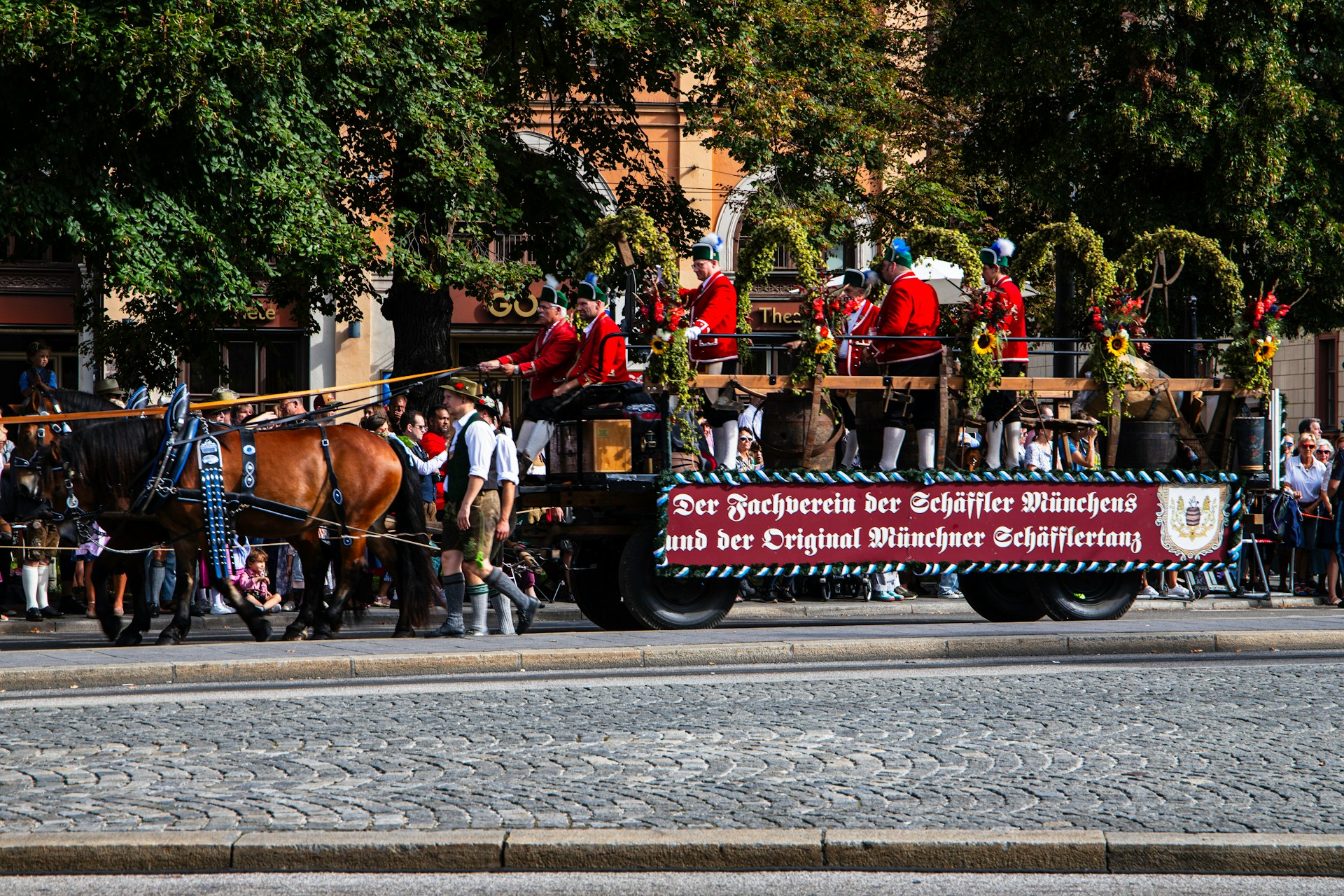
- Parades with horse-drawn beer wagons
- Folk music and plenty of dancing
- Locals decked out in lederhosen and dirndls
Oktoberfest isn’t just about the beer. I stumbled into old-school food stalls, heard music that’s been played for generations, and saw customs that go way back.

Schedule and Timing in Late September and Early October
Oktoberfest usually runs 16 to 18 days, kicking off in mid or late September and wrapping up on the first Sunday in October.
In 2025, I’m betting the dates will stick to that formula. Usually, the party starts on a Saturday around September 20th and ends by October 5th or 6th.
Here’s what you need to know about timing:
- Weekdays: gates open at 10 AM
- Weekends: things start at 9 AM
- Beer stops flowing at 10:30 PM
- Grounds close at 11:30 PM sharp
The first Saturday’s a big deal—the mayor taps the first keg at noon in the Schottenhamel tent and shouts “O’zapft is!” (“It’s tapped!”).
Weekends? Wildly crowded. If you want elbow room, go on a weekday afternoon. The last weekend pulls in the biggest crowds for the festival’s grand finale.
Why Munich: The Unrivaled Oktoberfest Experience
Munich throws the original and biggest Oktoberfest on the planet. Other cities try, but honestly, nothing matches the real deal here.
The festival sprawls across 103 acres at Theresienwiese. There are 14 huge beer tents and 20 smaller ones, each with its own vibe.
Munich’s secret sauce:
- All six major Munich breweries show up
- Tents built in classic Bavarian style
- Local culture everywhere you look
- Crisp fall air from the nearby Alps
Brewing’s been a Munich thing for over 800 years. Breweries like Augustiner, Hofbräu, and Spaten have totally nailed their craft.
Bavaria’s landscape supplies the hops, barley, and water, so it just feels right that Oktoberfest happens here.
Over 6 million people pour in every year. It’s the world’s biggest folk festival, not just a beer bash.

Navigating the Festival Grounds
The Oktoberfest grounds at Theresienwiese are massive—over 100 acres packed with 14 big beer tents, food stalls, and wild carnival rides. Knowing the layout and picking the right tent honestly made my whole experience better.
Layout of Theresienwiese
Theresienwiese sits right in Munich’s city center. It’s a huge open space, and at first glance, it’s a little overwhelming.
The main entrance links up with the Theresienwiese U-Bahn station. I just hopped off the subway and walked straight in—super easy.
The grounds break down into three zones:
- Beer tents line the northern part
- Carnival rides take over the southern end
- Food stalls pop up everywhere
Wide paths connect everything. I never got lost since clear signs point to every tent and ride.
During peak hours, it feels like a mini city. Crowds shift from tent to tent, especially on weekends.
Beer Tents and Their Unique Atmospheres
Each of the 14 beer tents brings something different to the table. I found out pretty fast that your tent choice can totally shape your day.
Hofbräu-Festzelt draws the biggest international crowd. I heard English, Spanish, and French at almost every table. It’s fun, but it doesn’t feel super German.
Augustiner-Bräu is where locals go for tradition. Families fill the benches, folk music plays, and they actually serve beer from wooden barrels.
Löwenbräu-Festhalle stands out with its spinning lion. Inside, it’s a younger, louder crowd—especially after 6 PM.
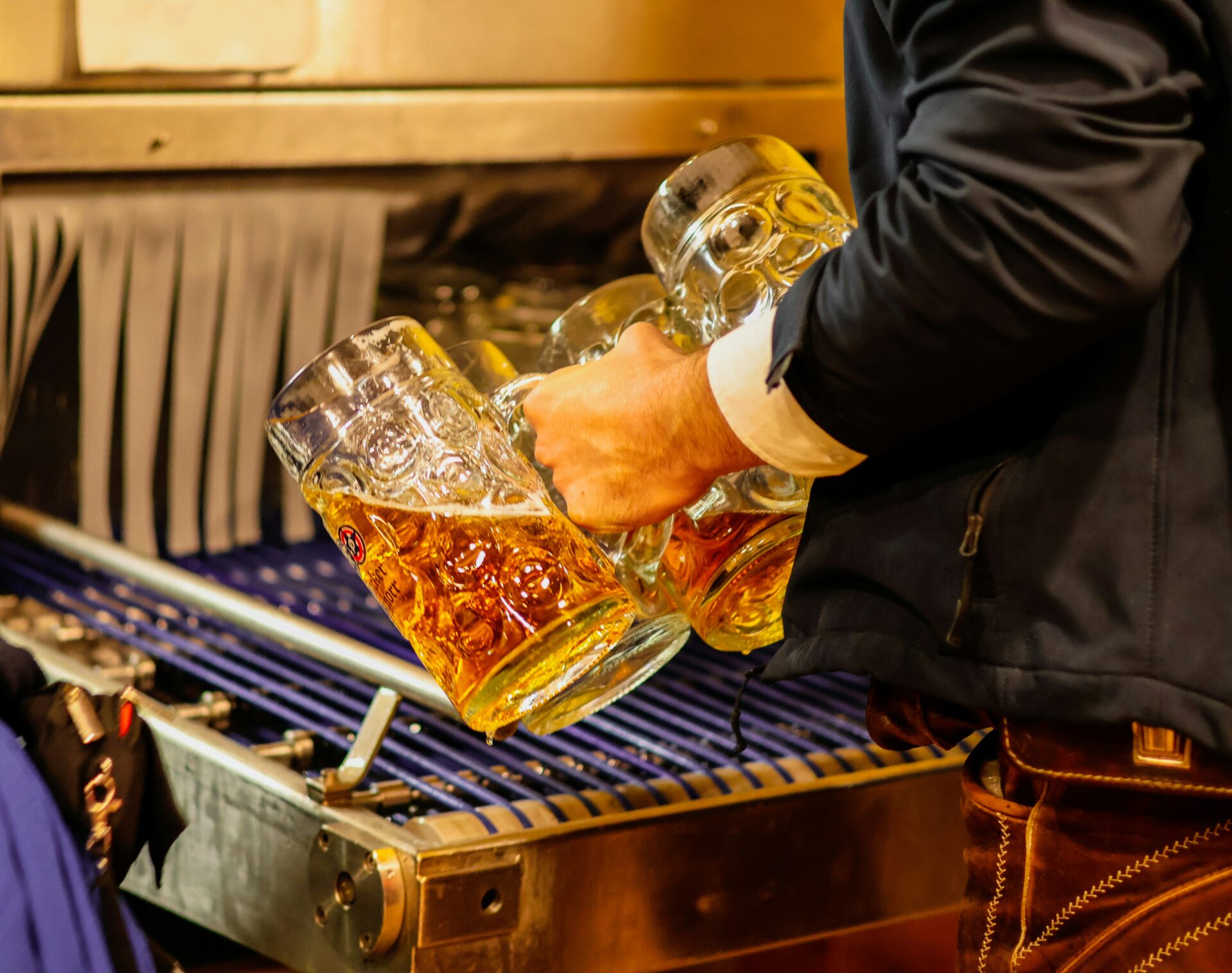
Each tent only serves beer from its own Munich brewery. A liter runs about 13-15 euros, tip included.
Lunch deals are cheaper than dinner. I grabbed hearty Bavarian plates for under 10 euros if I went early.

Must-See Parades and Events
Oktoberfest kicks off with the mayor tapping the first keg. Twelve gunshots ring out, then he yells “O’zapft is!” and the party’s on.
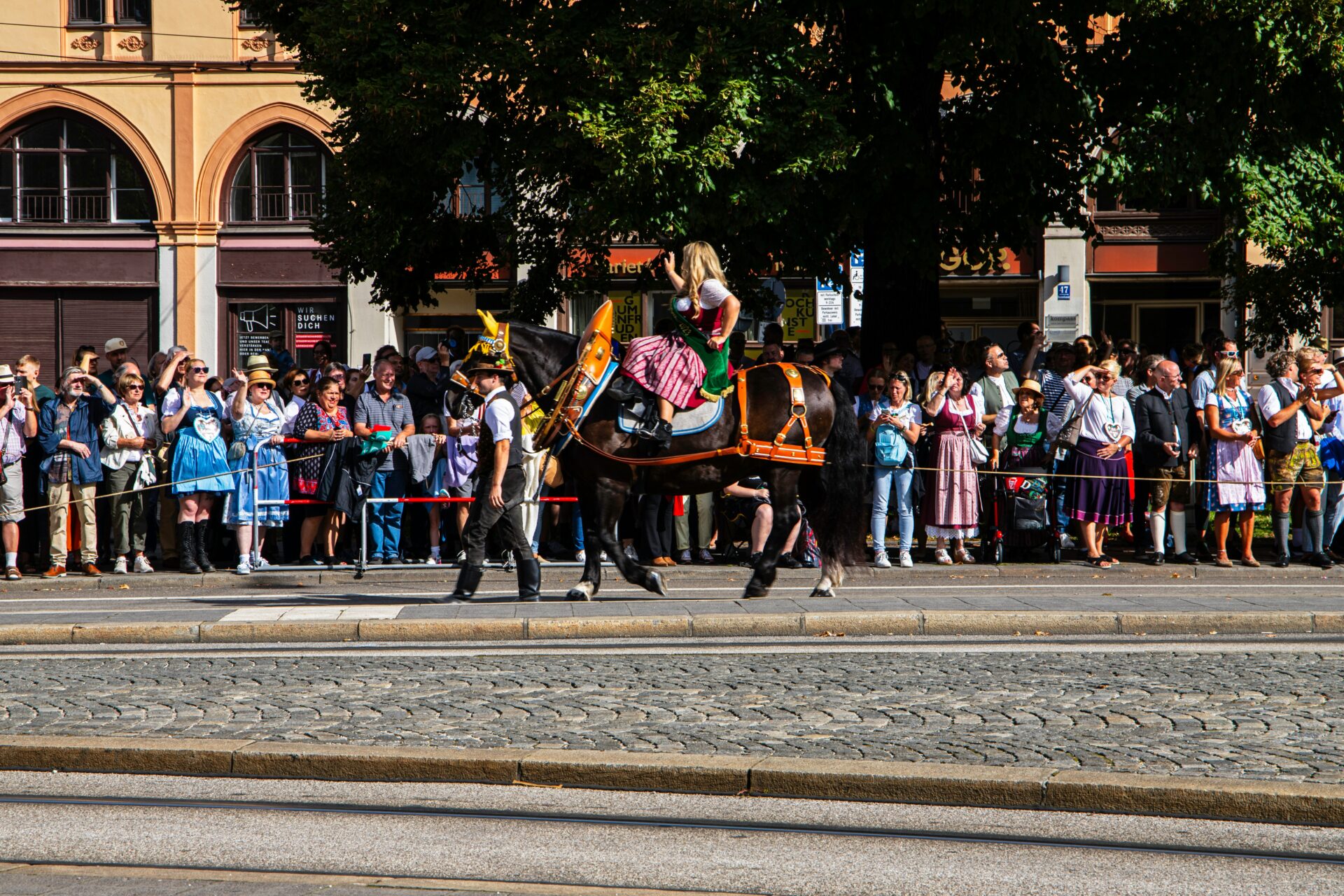
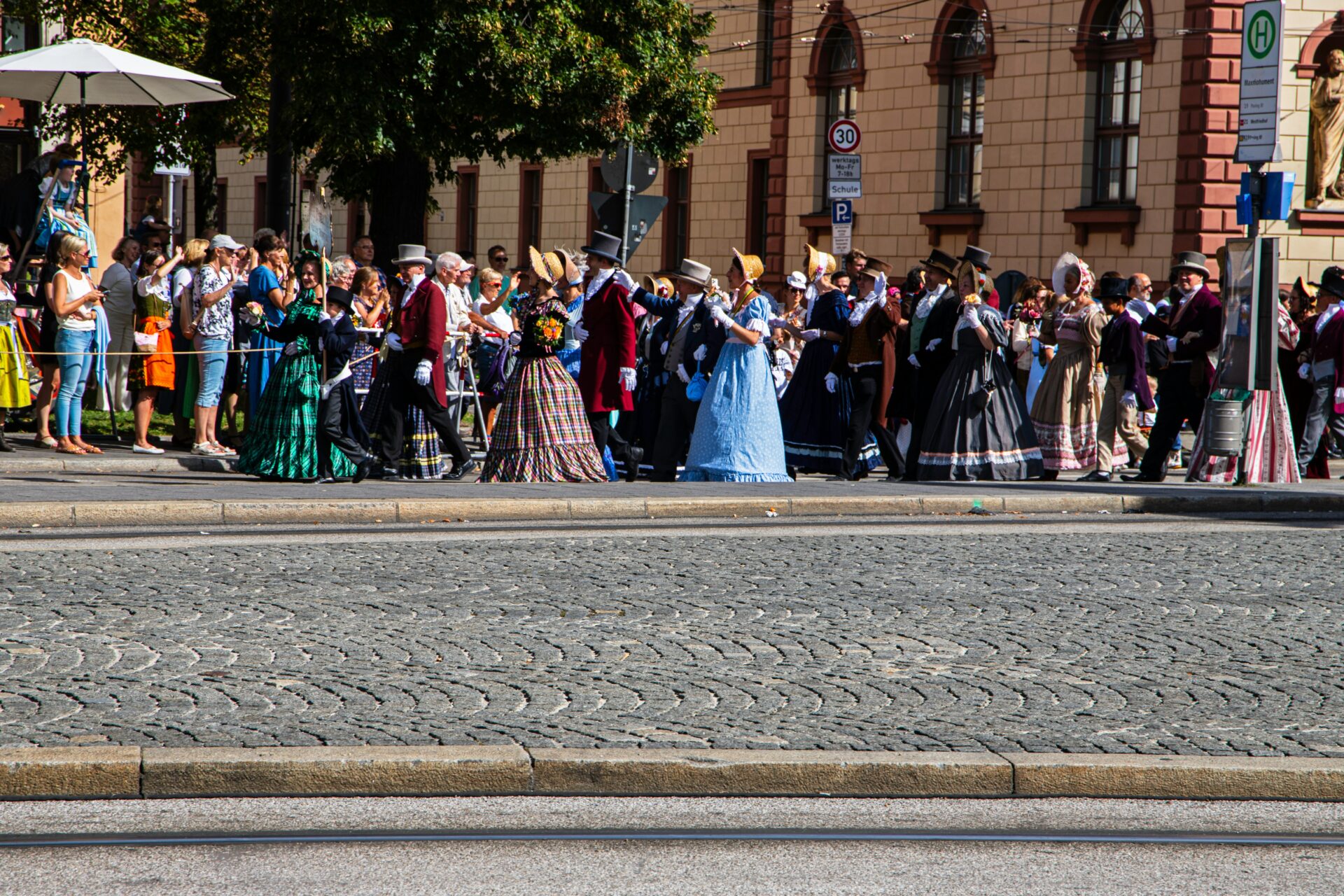
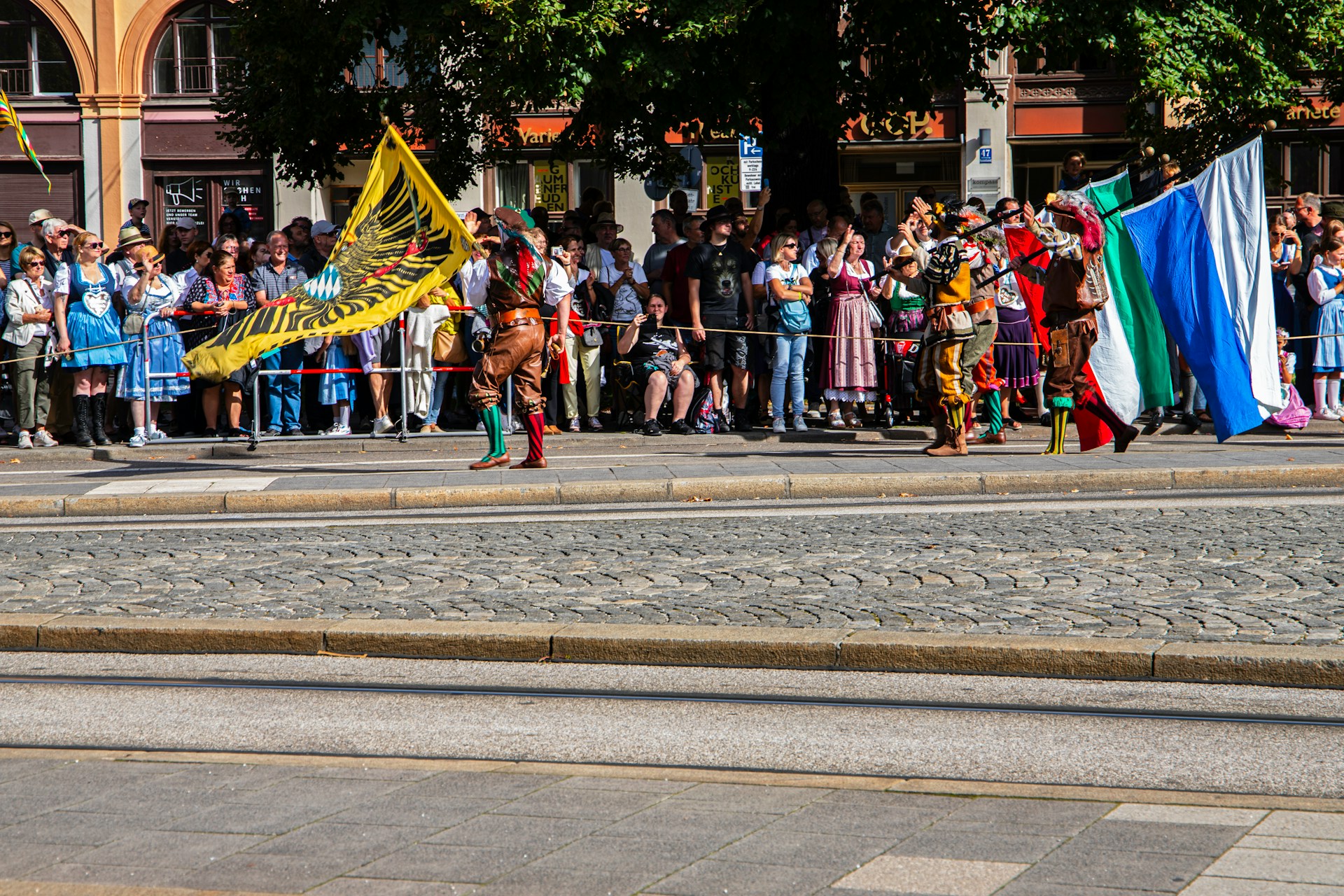
On the first Sunday, the traditional costume parade takes over Munich. Over 8,000 people march in dirndls and lederhosen, winding their way to Theresienwiese.
My favorite daily moments:
- Morning brass bands—music starts around 10 AM in most tents
- Evening sing-alongs—after 7 PM, everyone belts out songs like “Sweet Caroline”
- Folk dancing—you’ll spot it on small stages all day
Tents close right at 10:30 PM. Staff clear everyone out fast, so don’t linger.
If you want a quieter vibe, check out Oide Wiesn. For 4 euros, you get a taste of old-school Bavarian culture without the crowds.
Essential Tips for First-Time Oktoberfest Visitors
Getting traditional Bavarian gear, booking a place to stay early, and budgeting smartly will make or break your trip to Oktoberfest.
What to Wear: Dirndl, Lederhosen and Local Fashion
You really need traditional Bavarian clothes to blend in at Oktoberfest. Seriously—almost everyone wears them, and without, you’ll stick out.
Guys: lederhosen are the go-to. A solid set starts at 140-175 EUR. Ladies: dirndls are a must, usually starting around 100 EUR.
I suggest buying your outfit in Munich. Plenty of pop-up shops open just for the festival, so you’ll have options.
Renting runs about 45-60 EUR per day. That works if you’re only staying a day or two. If you’re sticking around, buying is cheaper.
Don’t wear:
- Sandals or open-toed shoes
- Brand new shoes (your feet will hate you)
- Anything uncomfortable for walking
Weather’s unpredictable in late September. Bring layers and make sure your shoes can handle a full day on your feet.
Booking Accommodation and Reservations
Book your Munich hotel or hostel way ahead of time. I tried booking in April and found most places already full.
Prices skyrocket during Oktoberfest. I paid 120 EUR per night for a room near the grounds. If you’re on a budget, check out:
- The Tent: giant hostel tent, 20 EUR a night
- Wombats City Hostel: 15-minute walk, always popular
- Couchsurfing: free, but super competitive during the fest
You don’t always need table reservations. Most tents have open tables on weekdays. Weekends are another story.
For guaranteed seats, email tents between January and April. Tables fit 8-10 and cost 300-400 EUR total. You have to book the whole table.
I usually found free tables during the week if I showed up by midday.

Budgeting and Managing Expenses
Oktoberfest isn’t cheap. If you want the full experience, expect to spend a bit.
What you’ll spend:
- Beer: 12-13 EUR per liter
- Full meals: 12-20 EUR in tents
- Lunch deals: 10-15 EUR
- Sausages from stands: 5-6 EUR
How I saved money:
- Ate before entering the festival (cheaper outside)
- Brought cash—cards don’t work everywhere
- Grabbed sausages instead of full meals
- Drank water between beers (trust me, it helps)
Entry to the tents is free. All your spending happens inside on food and drinks.
If you reserve a table, plan on 30-35 EUR per person for food and drinks. That’s usually two beers and half a roast chicken.
I’d budget at least 50-75 EUR a day to eat and drink in the tents. On weekends, prices and crowds both go up.

Immersing Yourself in Bavarian Culture
Oktoberfest is the perfect place to get a real taste of Bavaria. The food is incredible, and the music and energy pull everyone together.
Traditional Food and Must-Try Dishes
Oktoberfest food isn’t just snacks for soaking up beer. The giant Brez’n (pretzels) became my favorite—warm, salty, and impossible to resist.
Schweinshaxe (roasted pork knuckle) blew my mind. It’s huge, with crispy skin and juicy meat, perfect for sharing.
I tried Weisswurst, the classic white sausage served with sweet mustard. Locals eat it before noon, sticking to old traditions.
Bratwurst stands are everywhere, serving up grilled sausages with fresh rolls and mustard.
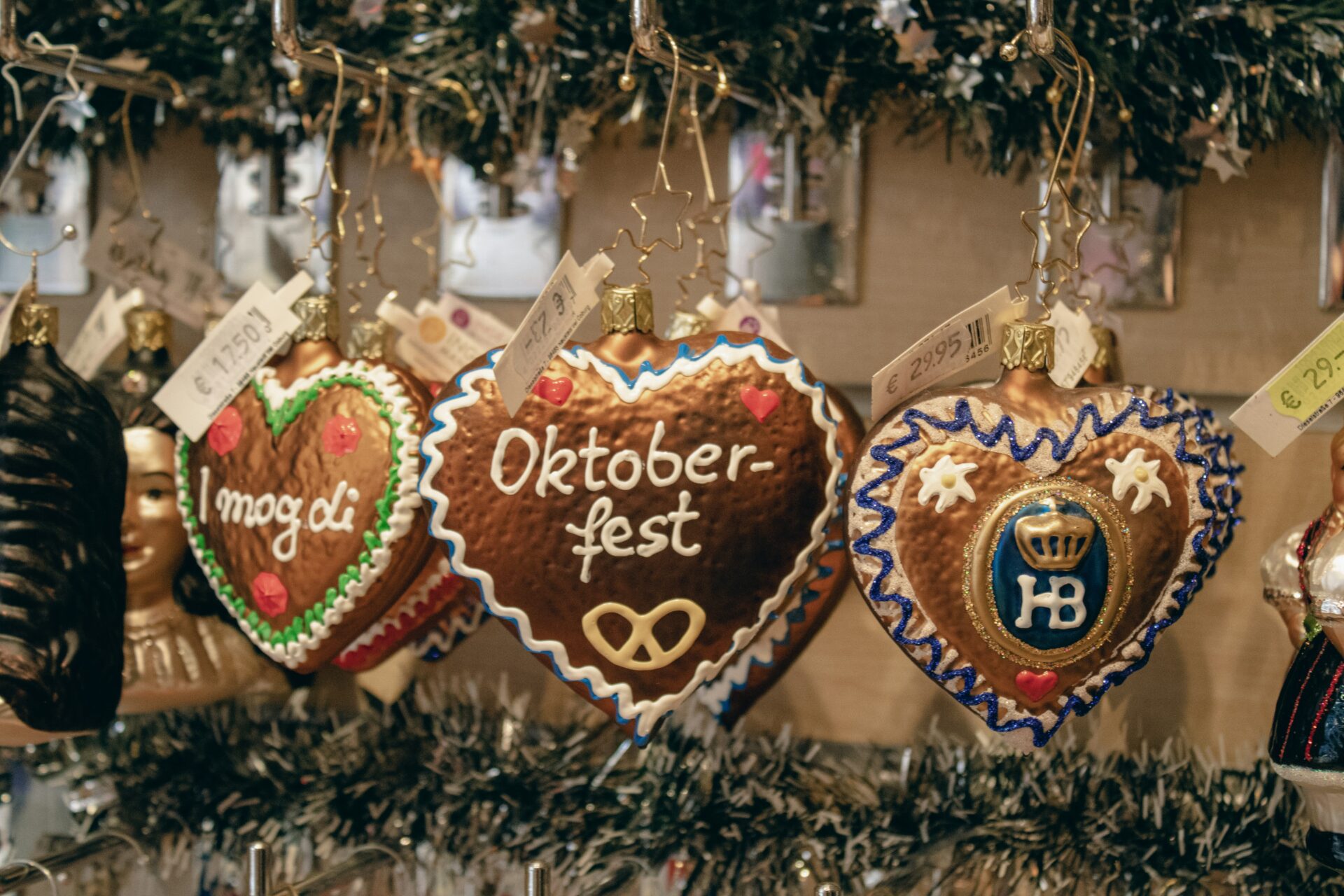
Gingerbread hearts make for fun souvenirs. You’ll see them everywhere, decorated with German sayings and colorful icing.
Music, Dancing, and Festive Atmosphere
Oktoberfest’s music just electrifies the entire festival. Traditional Volksmusik bands play everything from folk tunes and polkas to the occasional modern hit, and you can hear them in every tent.
About every 15 minutes, the famous drinking song “Ein Prosit” rings out. I found myself raising my stein with thousands of others, singing along, swept up by the energy.
Brass bands and accordion players keep the vibe high. It’s almost impossible not to tap your feet or even jump up on a bench for a dance.
I watched Bavarian folk dancers spinning in bright costumes, performing routines that felt both timeless and joyful.
The best part? All the singing and dancing breaks the ice fast. Suddenly, you’re friends with someone from halfway around the world, sharing a table and a song, even if you don’t speak the same language.
Planning Your Trip: Weather, Packing, and Practical Advice
Munich in autumn keeps you guessing—one minute it’s sunny, the next it’s pouring or even snowing. If you plan ahead with layers and figure out your transport, you’ll have a way smoother Oktoberfest.
Munich’s Autumn Climate and What to Expect
Late September and early October in Munich can be wild. I’ve seen everything from T-shirt weather to shivering under an umbrella, all in the same week.
Temperature ranges:
- Daytime highs: 55-70°F (13-21°C)
- Nighttime lows: 40-50°F (4-10°C)
- Rain? Oh yes, and it can show up out of nowhere.
One year, snow arrived by early October. The year before, we basked in perfect 70-degree afternoons.
Honestly, you can’t predict what you’ll get. Sometimes it’s dreary and cold for days, and sometimes the autumn sunshine makes the whole city glow.
The beer tents themselves are another story. Outside, you might be chilly, but inside? It’s packed and gets toasty fast.

Packing List for Late September and Early October
Layers are your best friend in Munich. I usually pack enough for 5-7 days, even if I’m staying longer.
Essential clothing:
- 3 short-sleeve tops
- 2 long-sleeve tops or sweaters
- 1 cardigan (great for layering)
- 1 rain jacket (trust me, you’ll need it)
- 2-3 pairs of pants—jeans and something comfy
Footwear strategy:
Bring 2-3 pairs of shoes, and make sure at least one pair is sturdy for walking. If you’ve got old shoes you don’t mind ruining, bring them—beer spills happen, and that’s just the reality.
Pack 7 pairs of socks. Wet feet from rain or spilled drinks? You’ll thank yourself for the extras.
Must-have accessories:
- Travel umbrella
- Small coin purse (bathroom breaks cost 50 cents)
- Cross-body purse or small fanny pack (under 3 liters is best)
- Portable phone charger

Getting Around Munich During Oktoberfest
Munich’s public transport works like a charm during Oktoberfest, even with the massive crowds. The festival grounds are easy to reach from anywhere in the city.
Primary transportation:
The U-Bahn and S-Bahn trains both stop at Theresienwiese, which drops you right at the festival gates. Trains do get packed, especially at night, so brace yourself.
From Munich Airport:
Hop on the S-Bahn S1 or S8 lines—they’ll take you straight to the main train station in about 40 minutes. It’s much cheaper than a taxi.
Walking distances:
You’ll walk a lot at Oktoberfest. The festival grounds are huge, and hopping between tents takes time and energy.
If you can, stay within walking distance of the grounds. Hotels fill up fast and prices go up during Oktoberfest, so book early if you want a good spot.

Frequently Asked Questions
Oktoberfest has celebrated Bavarian culture since 1810, drawing millions to Munich every fall. It’s a mix of traditional foods, quirky customs, and—let’s be honest—a bit of advance planning goes a long way.
Oktoberfest kicked off in 1810 as a royal wedding bash. Crown Prince Ludwig married Princess Therese on October 12, and everyone in Munich got an invite to party on the fields outside the city.
People loved it so much, they decided to do it again the next year. Those fields became “Theresienwiese,” named after the princess, and locals still call the festival “Wiesn.”
What started as a horse race and agricultural show grew over time. Beer tents popped up, and music and folk dancing became the heart of the celebration.
If you want a seat in the beer tents, get there early—especially on weekends. Tents open at 10 am on weekdays, 9 am on weekends, and close at 11:30 pm.
For big tents, reservations are a must. Book through the official Oktoberfest site or directly with the tent. Smaller tents might let you walk in, but expect to wait.
Wearing traditional Bavarian clothing just makes it more fun. Men go for lederhosen, women for dirndls. You can rent or buy them in Munich, and honestly, they’re great souvenirs.
All the beer at Oktoberfest comes from Munich breweries. Each tent serves a specific brand—Augustiner, Hofbräu, Spaten, and so on. Beer arrives in hefty one-liter steins called “Maß.”
Don’t miss the roasted chicken, pork knuckle, and giant pretzels. Sides like sauerkraut and potato dumplings are everywhere. If you’re up early, try Weisswurst—it’s a classic white sausage, usually eaten before noon.
For dessert, grab a lebkuchen heart or a handful of roasted almonds. Every tent has its own specialties, so wander and sample as much as you can.
Oktoberfest kicks off with parades and the mayor tapping the first keg. Folk bands play all day in the beer tents, and the energy just keeps building.
Carnival rides and games fill the grounds. The Ferris wheel gives you a killer view of Munich. If you’re feeling competitive, try the shooting galleries or strength tests.
Check out the Oide Wiesn area for a taste of old-school Oktoberfest. You’ll find traditional crafts, vintage rides, and folk dancing. Just remember, you need a separate ticket for this section.
You’ll hear “Prost!”—it’s the classic toast. Make eye contact when you clink glasses; it’s just good manners. And don’t cross your arms if you’re toasting with a crowd.
Sharing tables with strangers is totally normal. The long tables are meant for mingling, so don’t be shy if locals strike up a conversation or invite you to join.
Standing on benches and belting out songs is part of the fun. “Ein Prosit” and other Bavarian tunes get everyone going, and by evening, the whole place feels like one big, happy family.
Honestly, if you’re thinking about going to Munich for Oktoberfest, start looking for accommodation months ahead. Hotels jack up their prices during the festival, and rooms vanish fast.
You might want to check out places a bit outside the city center. Not only do you get better rates, but you’ll probably find more options that aren’t fully booked.
Munich’s public transportation makes reaching the festival grounds super easy. Just hop on the U4 or U5 subway lines and ride to Theresienwiese station.
Buses and trams also swing by the area all the time, so you’ve got plenty of ways to get there without stress.
I always try to arrive in Munich at least a day before heading to Oktoberfest. That extra time lets you settle into your hotel and maybe even hunt down some traditional Bavarian clothing.
Oktoberfest in 2025 runs from September 20 to October 5, so mark your calendar and get planning!
