
Every February, Berlin turns into something else entirely for the Berlin International Film Festival, or Berlinale. Suddenly, the city’s packed with filmmakers, celebrities, critics, and movie lovers from just about everywhere.
I found myself caught up in the middle of it, swept along by both the glitz of red carpets and the everyday buzz that makes this festival so different. There’s a certain energy that’s hard to describe until you’re standing outside one of those iconic theaters, watching crowds gather and excitement build.
People from all walks of life line up, eager to see films from all corners of the world. The Berlinale somehow manages to blend star power with real, passionate movie fans. Honestly, it’s that mix that gives the festival its depth and makes it so memorable.
But Berlinale isn’t just about the films. It’s about joining the crowd, soaking up the vibe of Berlin, and feeling like you’re part of something huge. My time there gave me a real sense of what makes the Berlinale stick in people’s minds.
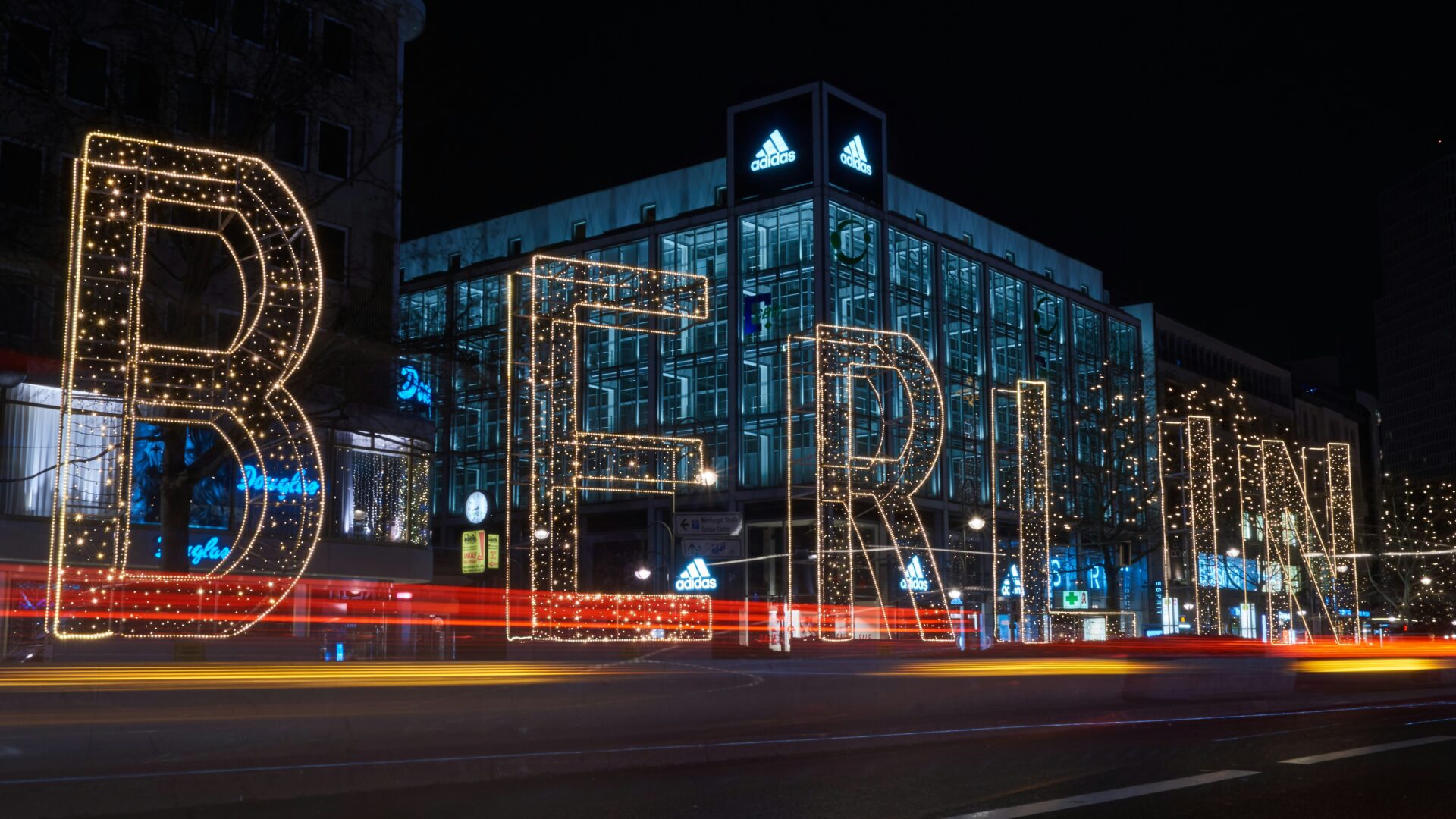
The Essence of the Berlinale Experience
What makes Berlinale stand out? It’s a showcase for world cinema, sure, but it’s also a meeting point for people who care about stories. Every February, Berlin lights up with filmmakers and audiences ready to celebrate bold ideas.
History and Evolution of the Berlin International Film Festival
I found out the Berlinale kicked off back in 1951. Berlin was still divided and reeling from war, and the festival aimed to be a “showcase of the free world”—a way to open up cultural exchange.
Over time, the Berlinale grew from a local event into a global heavyweight, standing alongside Cannes and Venice. Filmmakers from everywhere started flocking to it, eager to share their work. Now, every February, thousands of guests, journalists, and fans descend on Germany’s capital.
What’s cool about the Berlinale is its mix of glamour, history, and openness. It bridges cultures and gives the spotlight to voices you might not hear elsewhere. Its roots run deep, but it’s always looking forward, making it a one-of-a-kind celebration of film.
Cultural Significance and Global Recognition
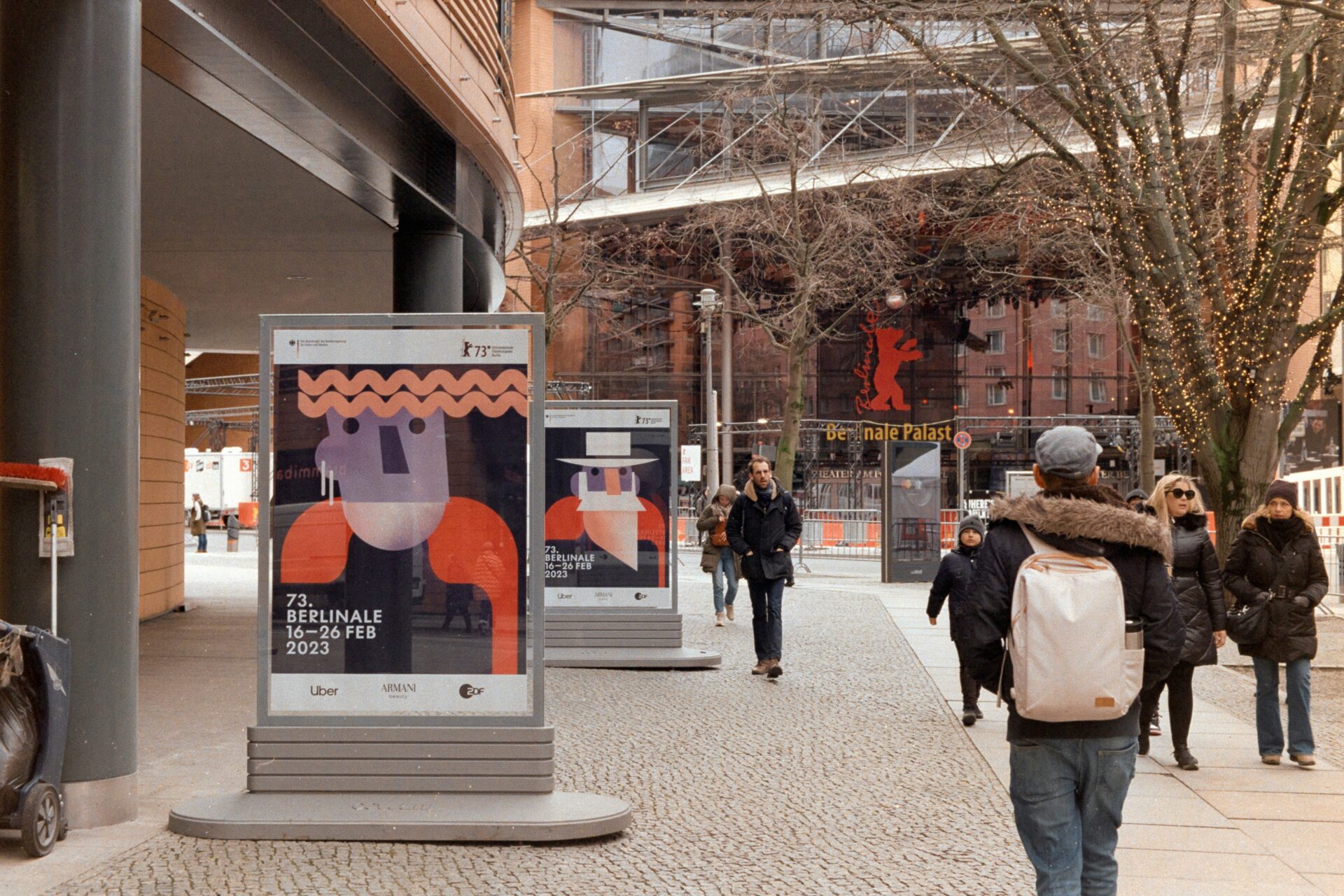
For me, Berlinale feels like much more than just movie screenings. It’s a crossroads for cultural diversity and big conversations. People from everywhere show up. You can feel the buzz—posters everywhere, venues glowing, the whole city humming.
The festival’s become a real pillar for international cinema. Films that win here often go on to make waves elsewhere. Berlinale brings together legends and newcomers, always with a focus on inclusion and sharing different perspectives.
Here’s how the Berlinale shapes global cinema:
| Aspect | Description |
|---|---|
| International | Films and guests from more than 100 countries |
| Inclusive | Focuses on diverse voices and stories |
| Influence | Awards impact careers and international trends |
This blend of cultures and stories is what gives Berlinale its edge as a must-see event.
Storytelling, Creativity, and Social Issues
At its core, Berlinale is all about storytelling. I watched films that took risks and played with form, always searching for new ways to connect. The festival celebrates artistic freedom, and you can feel that in the air.
A lot of the movies don’t shy away from tough topics. Migration, identity, politics, human rights—these stories matter, and the festival isn’t afraid to tackle them. By putting real-world issues front and center, Berlinale sparks conversations that stick with you.
That’s what keeps me coming back. Meeting filmmakers who care deeply about their subjects and watching films that challenge me—there’s nothing quite like it.
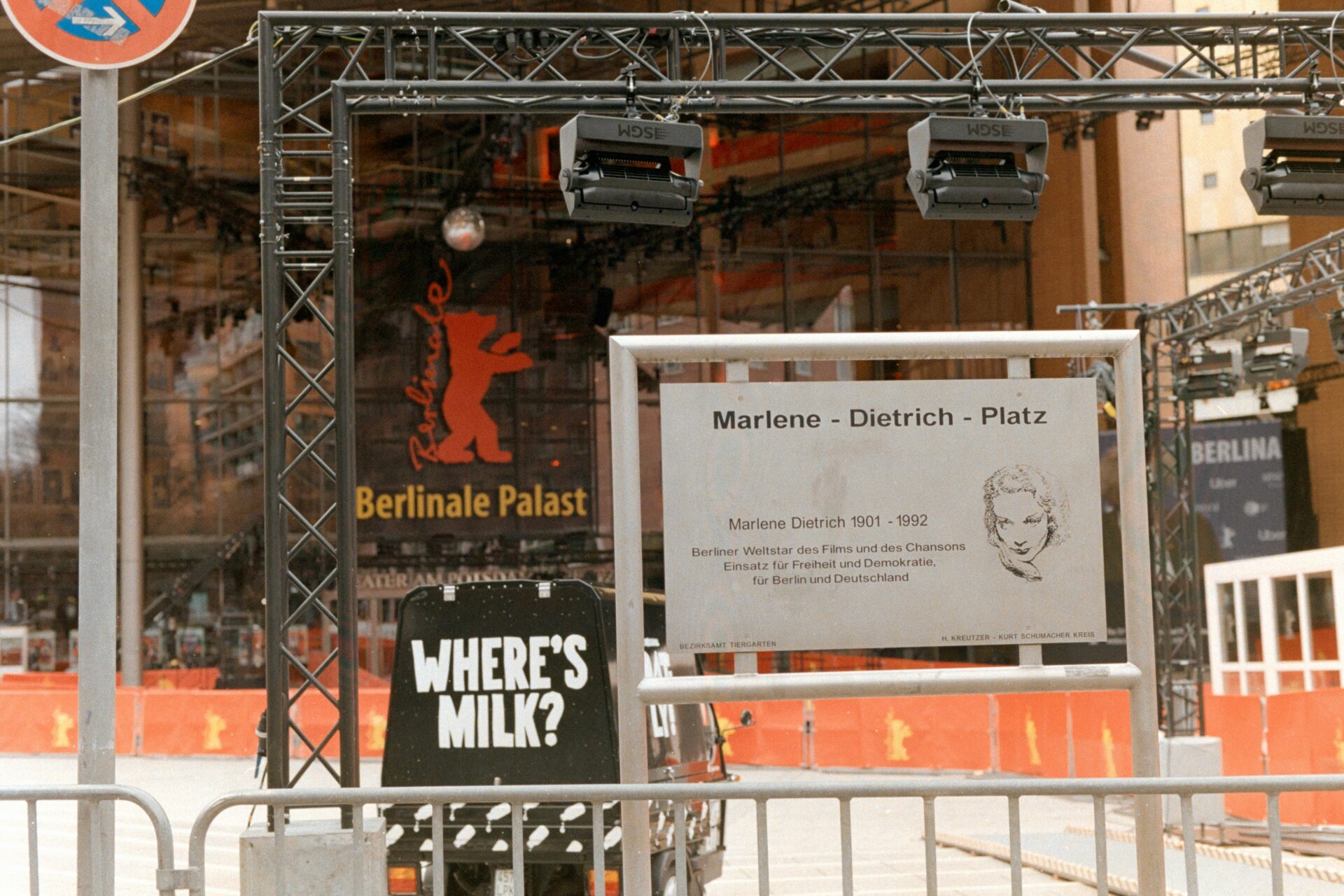
The Festival Atmosphere: Glamour Meets Grit
Berlinale brings a special kind of energy to Berlin. There’s the dazzle of stars and red carpets, but also the hustle of filmmakers and the city’s own electric vibe.
Red Carpet Events and Premieres
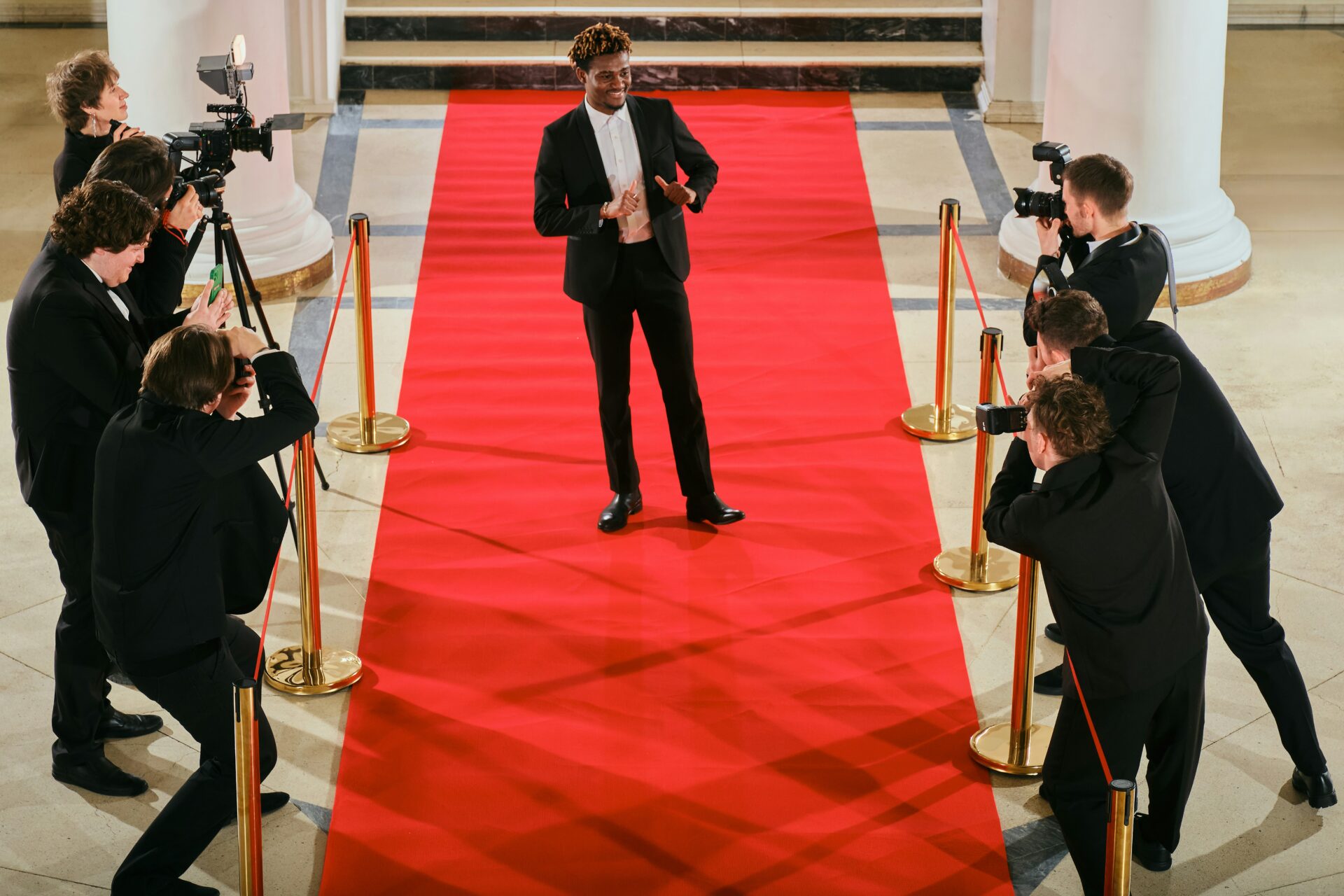
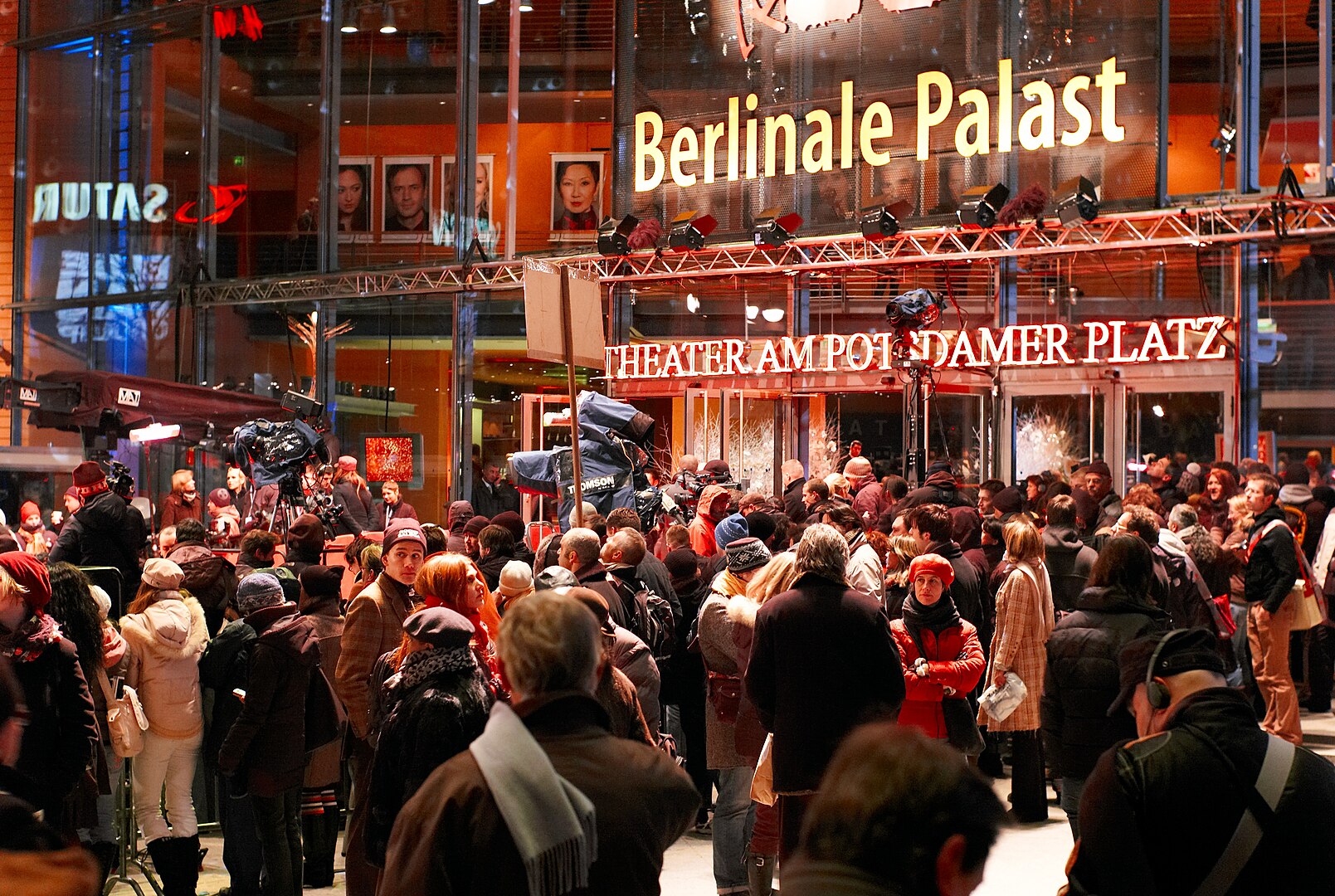
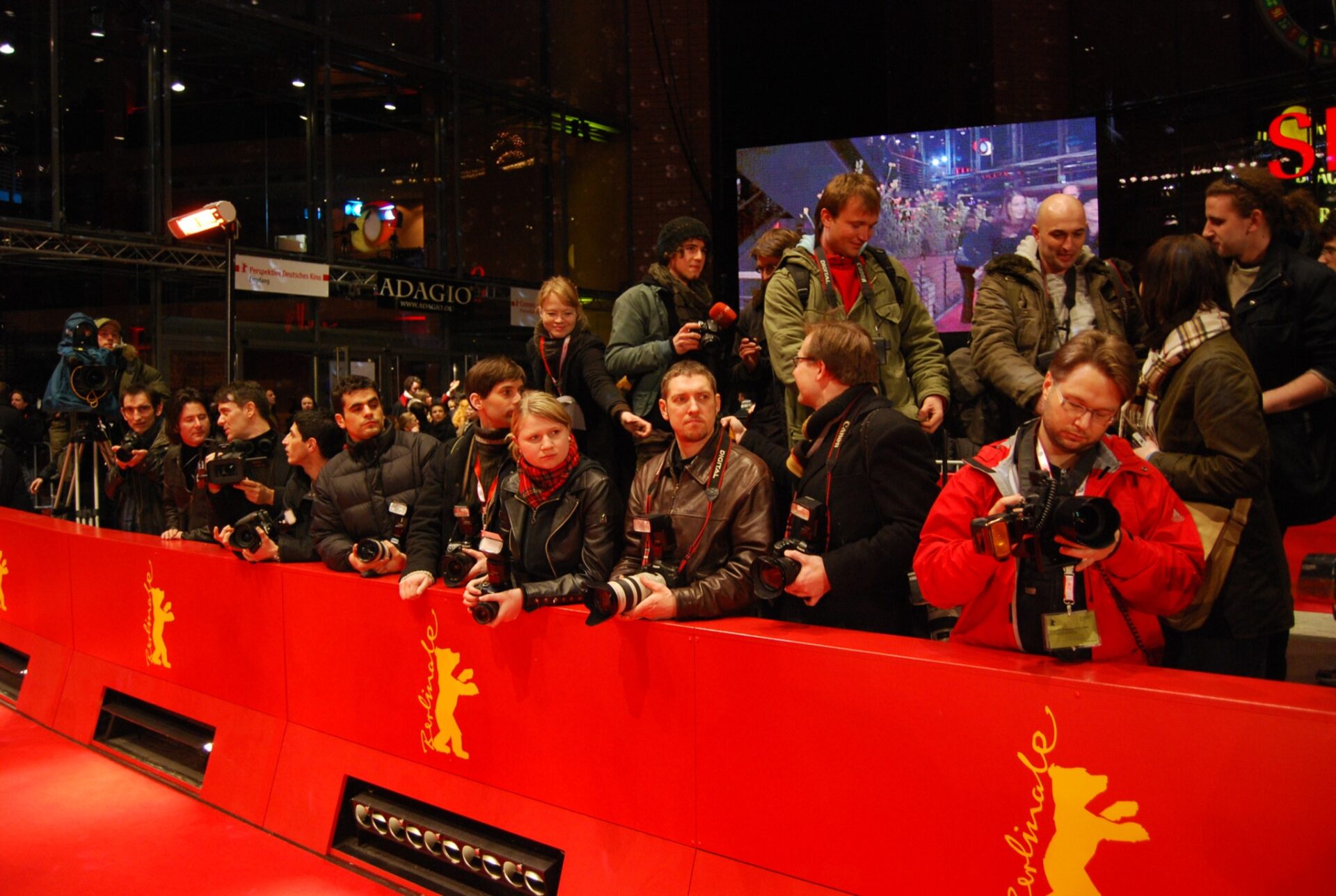
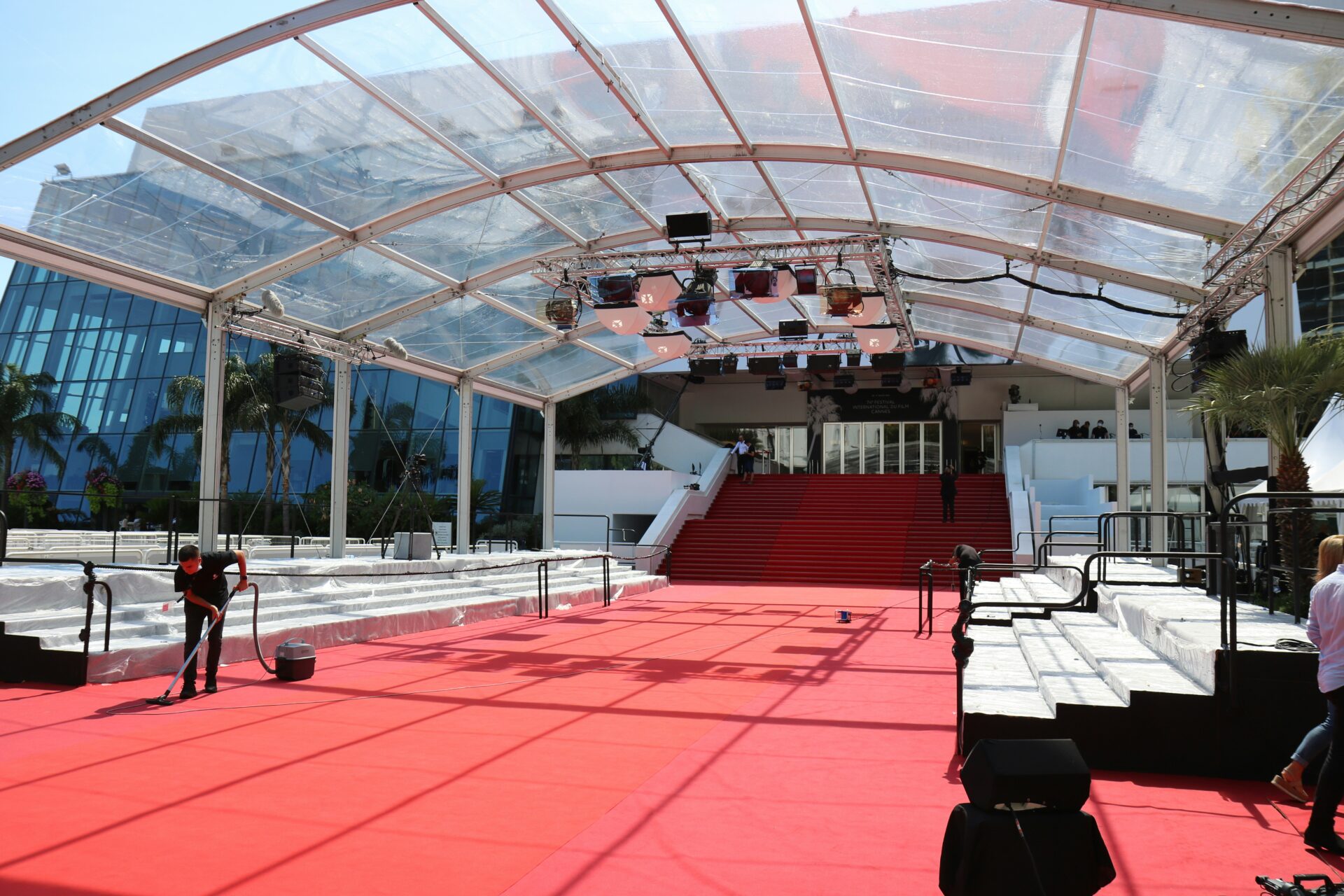
I stood with the crowds along the red carpet outside the Berlinale Palast, hoping to spot a familiar face. Big premieres draw camera flashes, reporters, and eager fans. Stars, directors, and producers stroll past, greeting the press and stopping for photos.
Organizers keep things moving smoothly—security, staff, everyone working together. The red carpet is a spectacle, sure, but it’s also a reminder of how much the film industry matters here. The excitement is contagious; you can feel it in the air.
What struck me was how even lesser-known filmmakers get their moment on the red carpet. They look proud, maybe a bit nervous, hoping their work gets noticed. This mix of veterans and newcomers makes Berlinale feel open and welcoming.
Behind-the-Scenes: Hard Work and Artistic Grit
Behind all the glitz, there’s a ton of work happening. Directors, editors, and producers put in long hours to get their films ready. Many spend the week dashing between interviews, panels, and screenings, always hustling.
I met filmmakers juggling last-minute technical checks and nervously prepping for their first audience. Volunteers and staff kept things running—handling tickets, translating, sorting out logistics.
Workshops and Q&As gave a peek into the creative process. There’s pressure to impress, but every film represents months, sometimes years, of dedication.
Winter in Berlin: The City Vibrates with Cinema
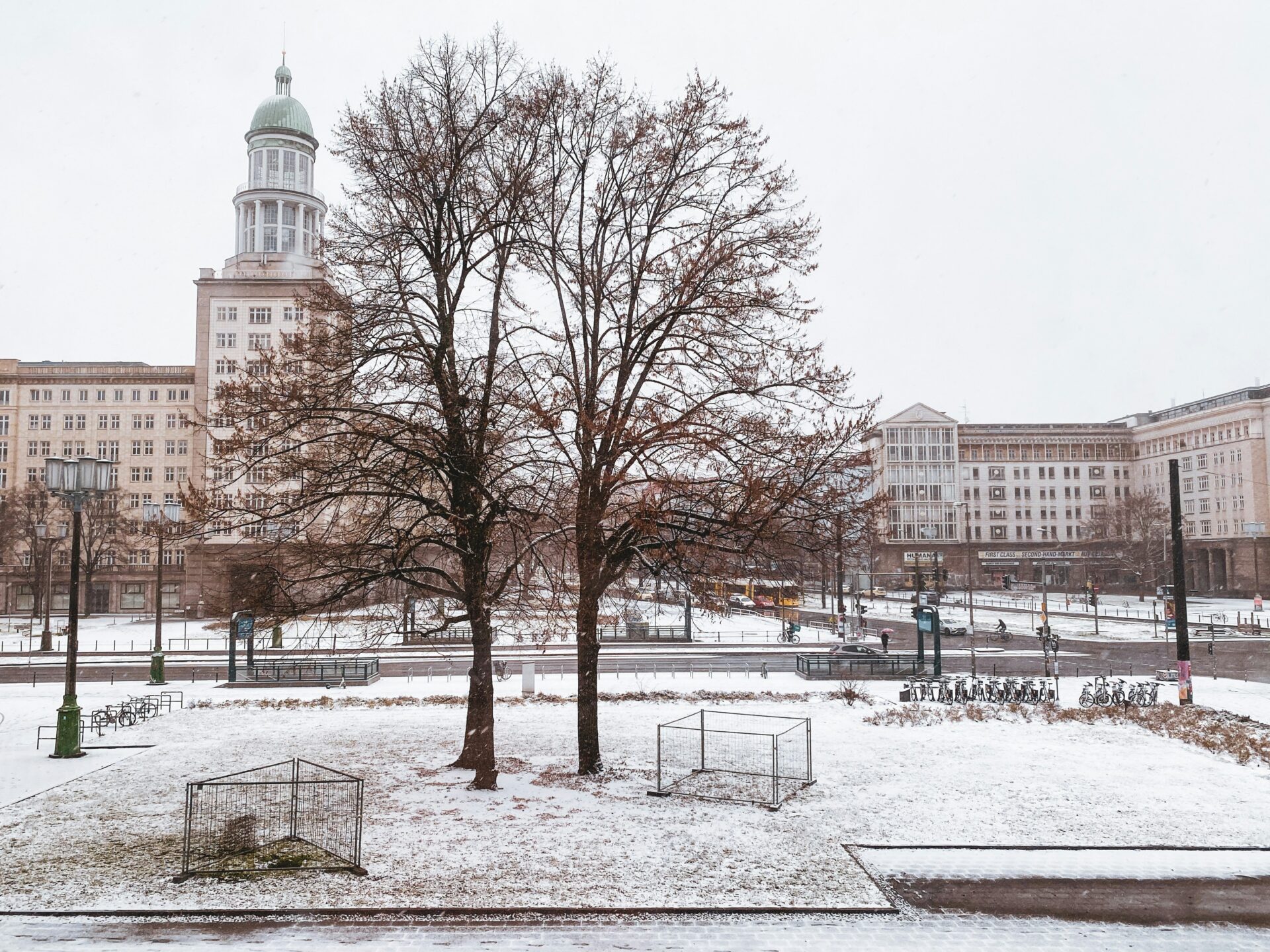
February in Berlin is cold—sometimes biting—but Berlinale brings a kind of warmth. Posters and festival banners pop up everywhere, and suddenly you hear a dozen languages at every corner. Cafés, bars, and even subway platforms fill with people talking about movies.
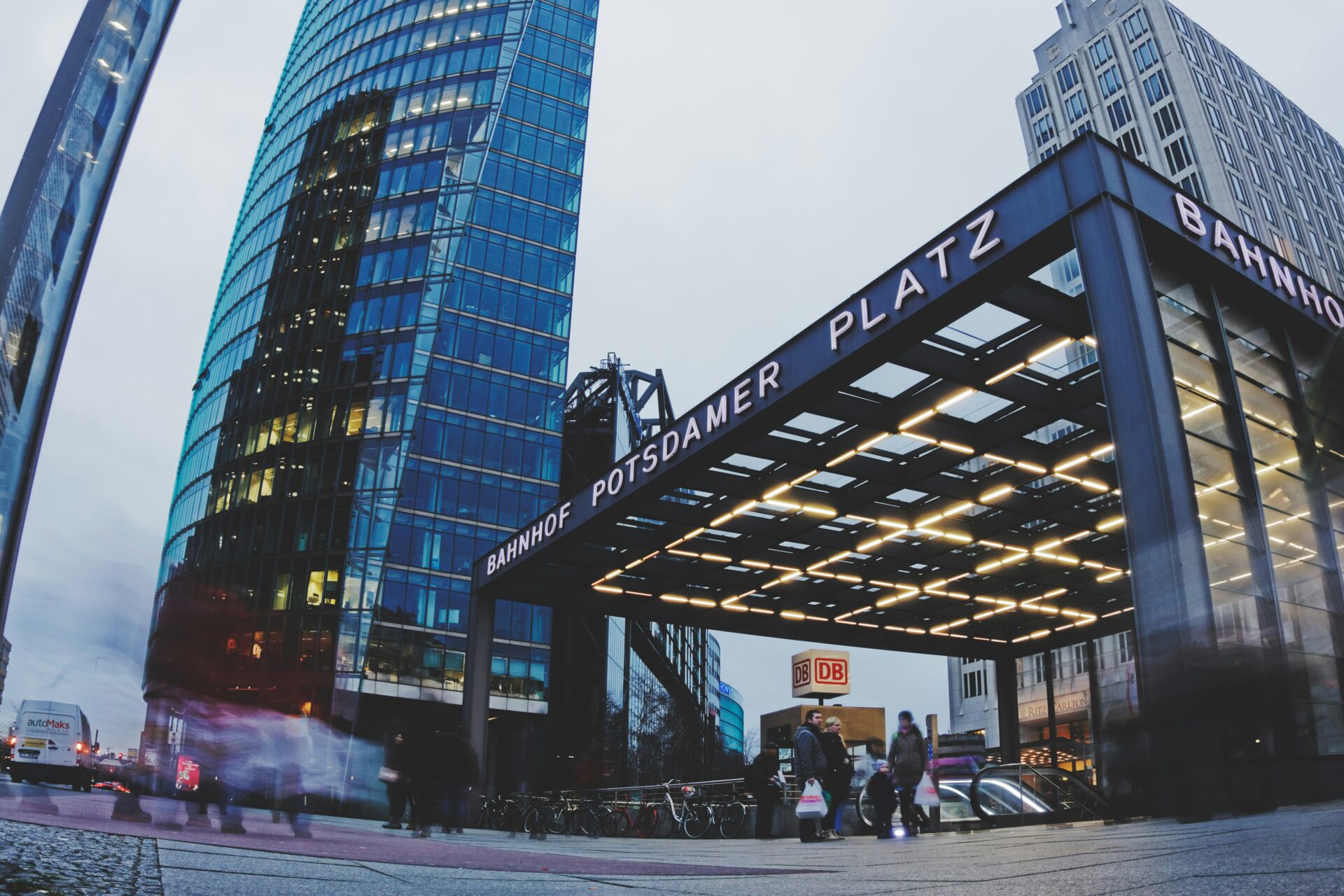
Local businesses gear up for the crowds. Pop-up cinemas and late-night screenings take over the city. Potsdamer Platz becomes a buzzing hub, drawing festival guests and locals together.
That mix of artists, film fans, and Berliners creates a lively, welcoming scene. The city feels transformed, not just by celebrities but by a shared love of cinema.
Diverse Film Sections and Award Highlights
Berlinale splits into different sections, each with its own style. Awards honor creativity in all its forms—from experimental shorts to big-budget features.
Competition and the Golden Bear
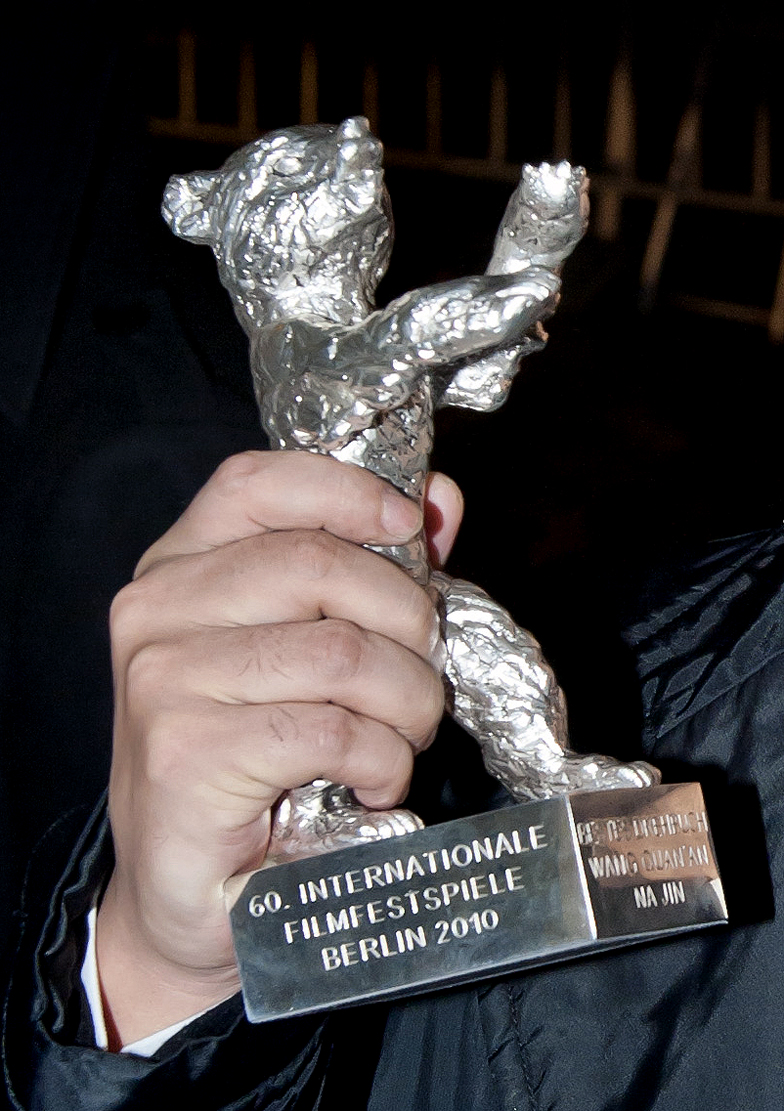
The Competition section is the festival’s beating heart. Top filmmakers from around the world bring their latest features, hoping to impress the jury and the crowd. The Golden Bear is the prize everyone wants—it goes to the best film.
Silver Bears recognize standout achievements in directing, acting, and writing. World premieres and gala screenings happen here, often at the Berlinale Palast, making this section feel extra special.
The Competition jury includes filmmakers and industry legends from around the globe. Their choices set the tone for what’s next in cinema. I always feel the tension during the awards—everyone’s holding their breath, waiting to see who wins.
Panorama, Forum, and Encounters
The Panorama section dives into bold, innovative films. These movies often tackle tough social or political issues. Panorama filmmakers love to experiment, giving viewers a fresh take on the world.
In the Forum, I found films that push boundaries even further. This section often blurs the line between fiction and documentary. Forum movies can feel raw or experimental, but they always leave an impression.
Encounters is about new voices and daring visions. It gives a platform to filmmakers who don’t fit the mainstream mold. Prizes here reward risk-taking and unique storytelling. Together, these sections spark debate about what cinema can really be.
Berlinale Shorts, Generation, and Retrospective
Berlinale Shorts is all about films under 30 minutes. The range is wild—animation, experimental, narrative—you name it. These shorts compete for their own Golden and Silver Bears.
The Generation section speaks to younger audiences, with Generation Kplus for kids and Generation 14plus for teens. Youth juries pick the winners, and the stories here are often surprisingly deep.
Each year, the Retrospective takes a look back at film history. I caught some beautifully restored classics and films I’d never seen before. The Berlinale Classics program, in particular, always draws a crowd.
Awards Ceremonies and Audience Awards
Awards ceremonies at Berlinale are a big deal. The main Competition awards—Golden Bear and Silver Bears—are announced by the international jury. Other juries pick winners in Panorama, Generation, Shorts, and Encounters.
Not every prize comes from a jury. The Audience Award in Panorama, for example, is chosen by festivalgoers, giving regular folks a say. There are special honors too, like the Peace Film Prize, which recognizes films with social impact.
The closing ceremony buzzes with excitement as winners celebrate. Recognition here can launch a film or a filmmaker onto the world stage.
Opportunities for Filmmakers and Industry Professionals
Berlinale opens doors for creators, producers, and industry insiders. Beyond the screenings, the festival hosts programs and markets designed to help filmmakers connect and grow.
Berlinale Talents and Emerging Voices
Berlinale Talents stands out as a hub for up-and-coming filmmakers. Every year, about 200 participants from all over the world join workshops and labs. It’s a place to build skills, swap ideas, and get inspired.
Panels feature master filmmakers who share hard-won advice. Awards like Shooting Stars spotlight rising actors. These programs don’t just celebrate talent—they help launch careers.
Getting selected is tough. Only the most creative and promising applicants make the cut. That competitive spirit makes the whole thing feel electric, pushing everyone to bring their best.
European Film Market and Co-Production Initiatives
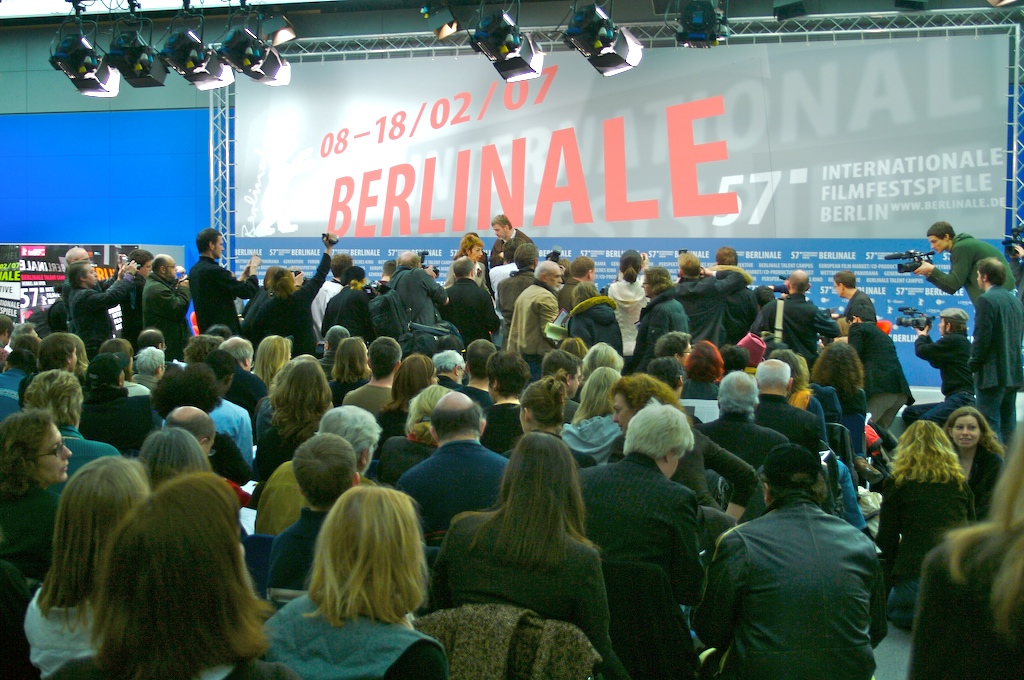
The European Film Market (EFM) is where deals happen. I watched as projects took shape and partnerships formed. Industry pros gather to talk financing, distribution, and future collaborations.
Berlinale Co-Production Market connects producers, financiers, and distributors looking to team up on international projects. It’s all about finding the right match for each film.
There are scheduled meetings, pitch sessions, and prep resources to help everyone get the most out of it. Being there showed me how films move from idea to the big screen, step by step.
Networking and Intercultural Exchange
One of Berlinale’s biggest strengths is the way it brings people together. I joined mixers and panels where ideas flew across the room.
Industry folks from dozens of countries swap stories and talk shop. The festival sets up events to encourage intercultural dialogue, helping bridge gaps between traditions.
These connections aren’t just about business—they’re about learning new ways to tell stories. Building relationships here can open doors you didn’t even know existed.
Engaging the Public: Special Events and Interactive Experiences
Berlinale goes beyond premieres. It creates space for audiences and filmmakers to connect—through public screenings, educational sessions, and special spotlights that deepen everyone’s love of cinema.
Film Screenings for Audiences and Cinephiles
Berlinale’s public film screenings really sit at the heart of the festival. Every day, major cinemas across Berlin, like the Berlinale Palast, light up with showings.
You’ll spot both premium seats and affordable tickets—so whether you’re a casual movie lover or a die-hard cinephile, you can dive into a wild variety of films.
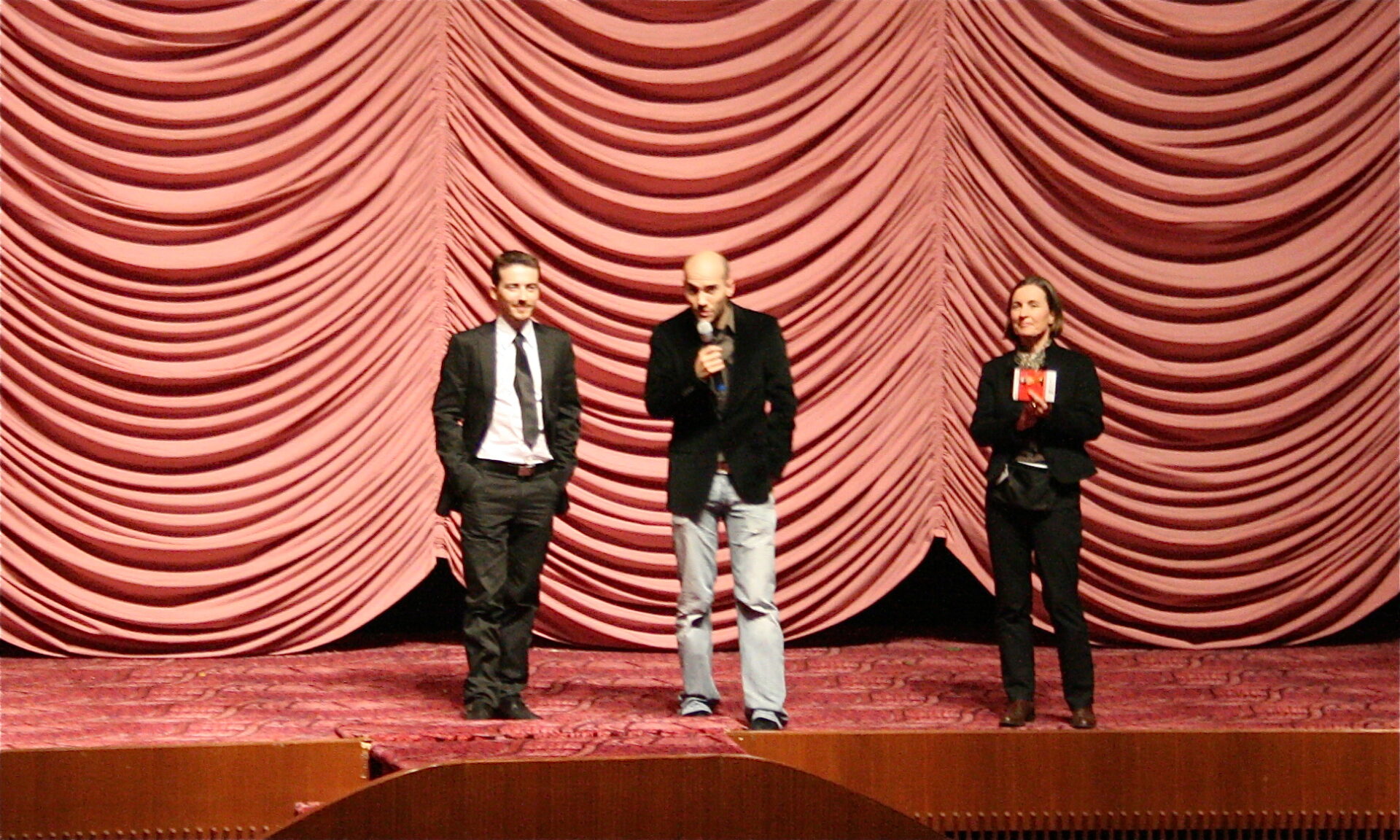
What I love most? The direct buzz and interaction with both the films and the crowd. Sometimes, filmmakers pop up after screenings for Q&A sessions. You can toss out questions or just soak in everyone’s gut reactions.
The festival throws the spotlight on new talent, global stories, and experimental styles. There’s always a sense that you never quite know what you’ll get next.
Here’s an example schedule I came across:
| Time | Venue | Film Title | Director |
|---|---|---|---|
| 14:00 | Zoo Palast | Rising Voices | A. Lee |
| 17:30 | Berlinale Palast | Northern Lights | S. Holm |
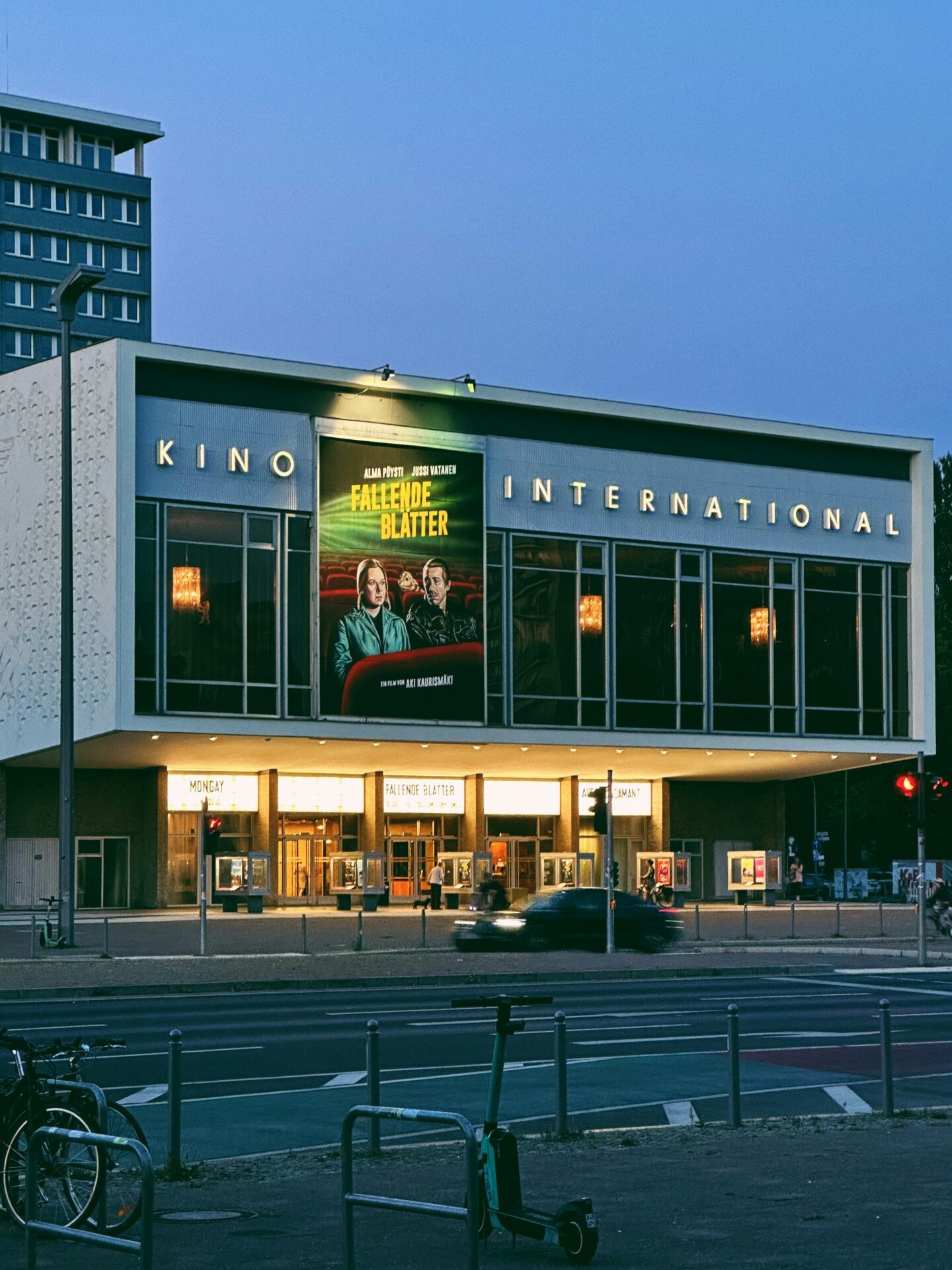
| 20:00 | Kino International | Wanderers | M. Tanaka |
Workshops, Talks, and Panel Discussions
Berlinale isn’t just about watching films—it’s packed with workshops and panels for anyone curious about what goes on behind the scenes.
Industry experts, directors, actors, and producers run these sessions. They share stories about filmmaking, storytelling, and all the weird challenges that pop up in production.
Some workshops zoom in on specific skills, like screenwriting or cinematography. I once sat in on a talk where a director broke down their editing process. Even if you’re not a pro, you’ll get what they’re saying.
Panel discussions bring together several voices, debating things like representation in cinema or what streaming might mean for the future.
A few perks:
- You can ask professionals whatever’s on your mind.
- You’ll walk away with practical tips if you’re dreaming of making your own film.
- It’s a great way to meet other film buffs and swap recommendations.
Spotlight on International and Documentary Films
International films and documentaries really steal the show at Berlinale. If you’re hungry for global perspectives, this is your playground.
The Panorama and Forum sections especially shine a light on stories you barely see in mainstream theaters.
A lot of documentaries here dig into real-world issues, weaving together deep context and personal stories. After some showings, filmmakers step up to chat about their research or the impact of their work. It’s a chance to reflect and maybe even see the world a bit differently.
Some favorites that usually pop up:
- Documentaries on climate change or migration.
- International dramas by up-and-coming directors.
- Films that dive into social justice or explore cultural heritage.
Cultural Connections and the Place of the Berlinale Worldwide
The Berlin International Film Festival stands tall as one of the world’s most important cinema events. When I wandered through Berlin during Berlinale, I felt how the venues, networking spaces, and awards all shape global film trends and bring people together.
Cannes, Venice, and Other Global Film Festivals
People often lump Berlinale in with the “Big Three” film festivals: Cannes in France, Venice in Italy, and of course, Berlin.
Cannes? It’s famous for its glitz, red carpets, and a kind of exclusive magic. Venice, the oldest, has this legacy of world premieres that actually changed film history.
Berlinale, though, stands out for its open arms. Tickets are for everyone, not just the industry crowd.
That open vibe changes everything. I watched people from all over the globe come together—some chasing art films, others after big productions. Berlin’s history as a meeting point between East and West adds a layer of meaning you can actually feel.
Berlinale Palast, Friedrichstadt-Palast, and Iconic Venues
Venues shape the festival’s whole personality. Berlinale Palast is the main stage—the spot for high-profile premieres, opening night, and closing ceremonies. Its glass front and central spot at Potsdamer Platz make it impossible to miss.
Then there’s Friedrichstadt-Palast, a legendary theater with a rich past. During Berlinale, it transforms into a glamorous home for screenings and galas.
But honestly, the magic spreads all over Berlin. More than a dozen venues, from tiny art cinemas to sprawling movie houses, host films. You might end up sitting right next to a filmmaker.
That kind of closeness is what makes Berlinale feel alive—international cinema with a real Berlin twist.
The Lasting Impact on Storytelling and Film Industry Trends
The Berlinale isn’t just about sitting in a dark theater, watching movies flicker by. It actually sets trends and lifts up new voices, especially through programs like the World Cinema Fund.
This fund gives filmmakers from underrepresented regions a real shot, which broadens the festival’s horizons and encourages fresh storytelling. I’ve seen it open doors for folks who might not have had a platform otherwise.
Industry panels and the European Film Market buzz with energy. Directors and producers mingle, swap stories, and sometimes spark collaborations that ripple far beyond Berlin.
Workshops add another layer. People get hands-on, share challenges, and walk away with new ideas that sometimes change the way films get made.
What sticks with me most? The Berlinale really champions storytelling’s power. Films here dive into social issues, personal journeys, and global topics—often before other festivals even notice.
That focus leaves a mark. It shapes audiences and nudges the whole industry, influencing how stories get told long after the festival lights dim.



