
Most folks head to the redwood forest hoping for clear skies and sunshine. But honestly? I found the real magic when the fog rolled in and the rain started to fall. There’s something about those ancient trees vanishing into thick mist, water dripping steadily from every branch, that turns an ordinary walk into a scene straight out of a fairytale.
Foggy, rainy weather in the redwoods opens up a world of unique photos, reveals just how much these trees depend on moisture, and wraps everything in an intimacy that sunny days just can’t touch. On gray days, I’d wander trails that are usually packed and find myself completely alone.
Learning why redwoods thrive in fog made my misty hikes even more fascinating. The whole ecosystem leans on that coastal fog for survival—every drop tells a bigger story about climate and conservation. Walking through those shrouded groves, knowing how much the trees need the mist, made me appreciate both the weather and the woods so much more.
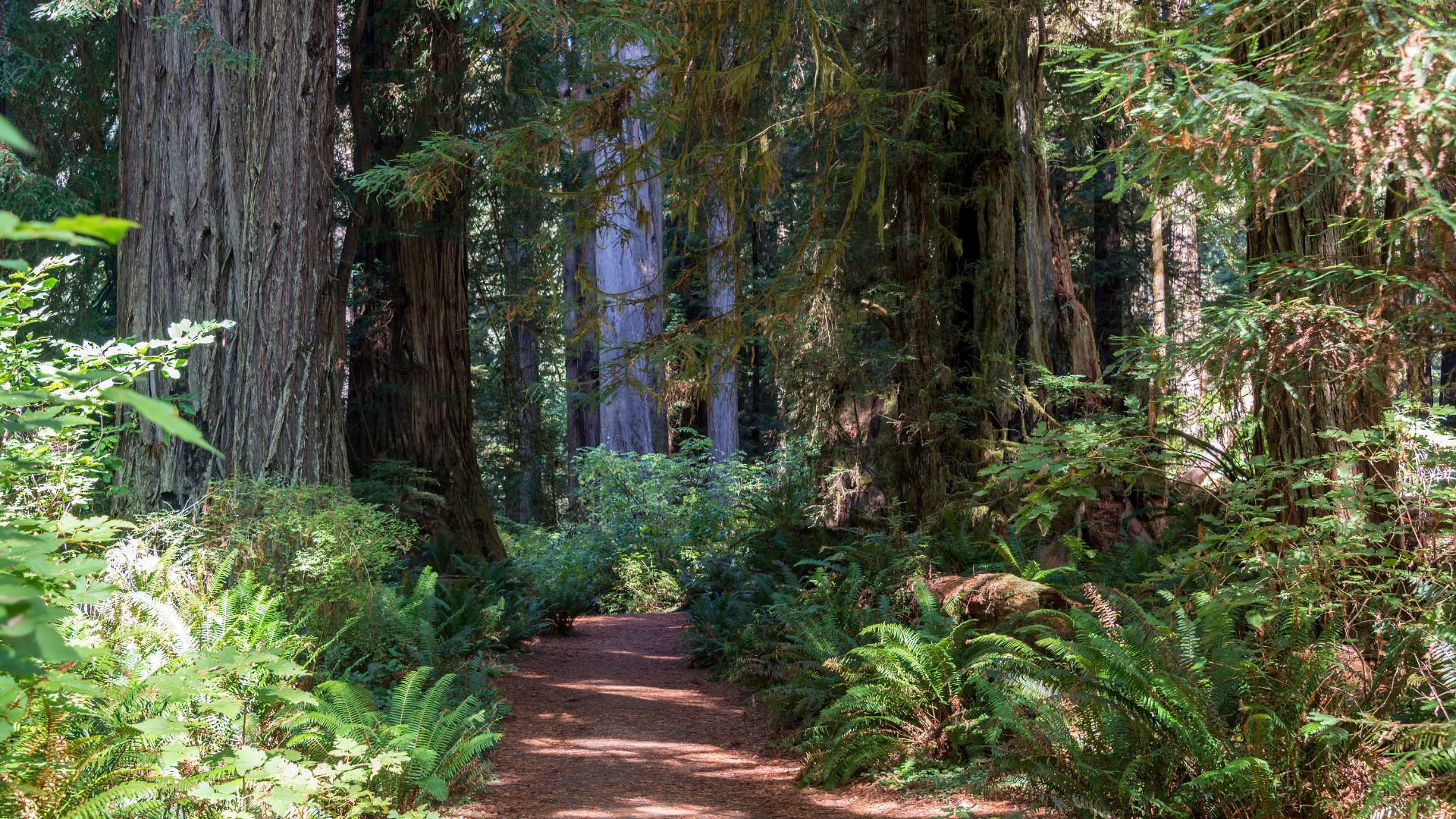
The Unique Allure of Foggy and Rainy Days in the Redwood Forest
Step into the redwoods on a misty day and it’s like entering another world. Trees stretch up and vanish into clouds. Everything glistens, damp and alive.
Fog closes in, making even the largest trees feel close and mysterious. It’s strangely comforting.
Sights, Sounds, and Aromas of a Misty Redwood Forest
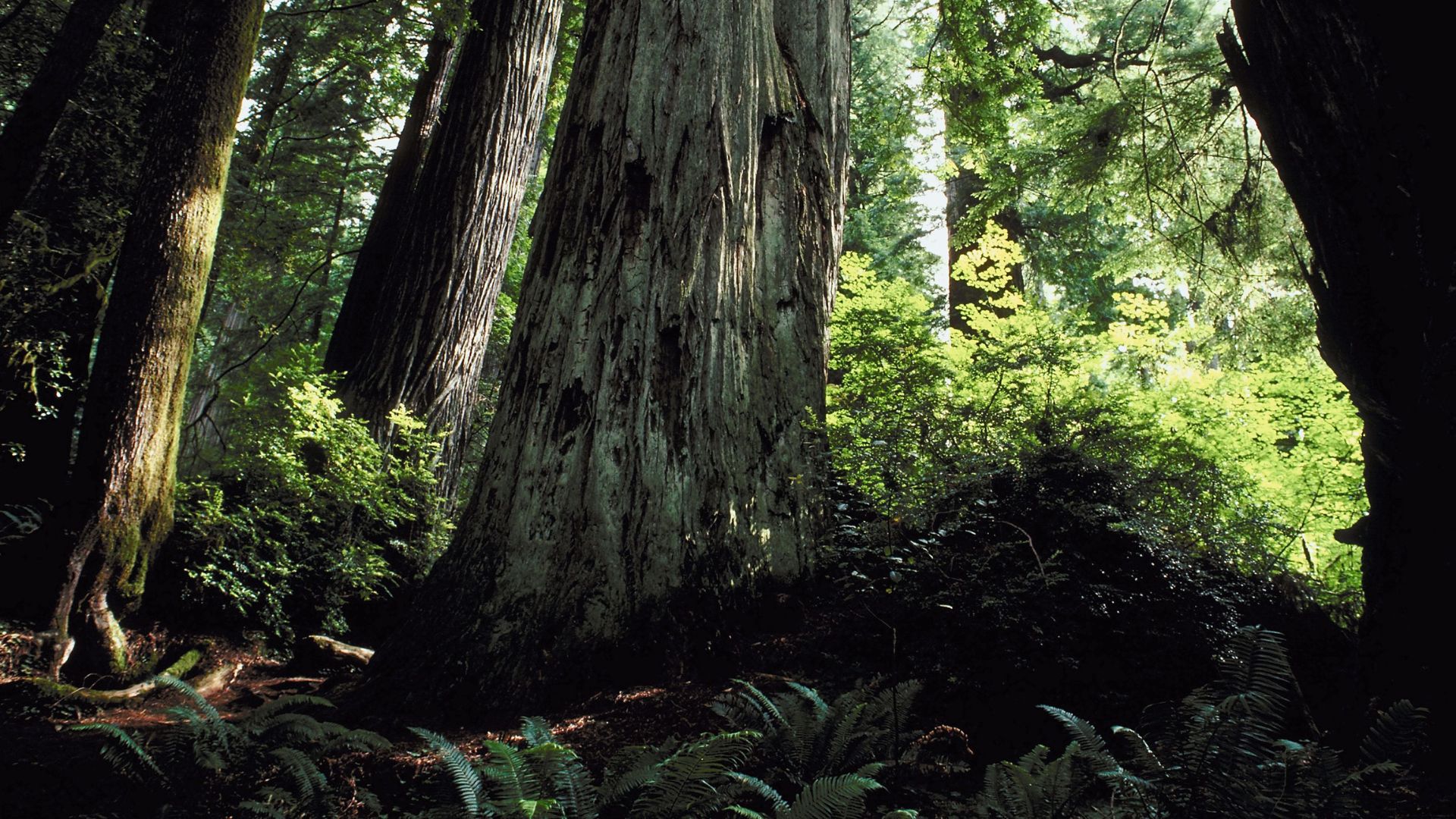
The fog changes what you see. Tree trunks fade into gray shadows just a few steps away. The canopy disappears entirely, so the trees seem to go on forever.
Light filters down in soft, scattered beams. Water droplets hang on ferns and branches, catching the light and sparkling at odd angles.
Sounds shift too. Dripping water falls from leaves. Your footsteps land soft and muffled on the damp earth. The wind barely whispers through the fog, and bird calls seem to float in from nowhere.
The smell hits you right away—a rich, earthy scent of wet soil and pine. The air tastes crisp and fresh. Each breath feels cool and damp.
Spider webs glisten with beads of water, shining like tiny necklaces. Ferns look impossibly green. The ground feels soft and springy underfoot.
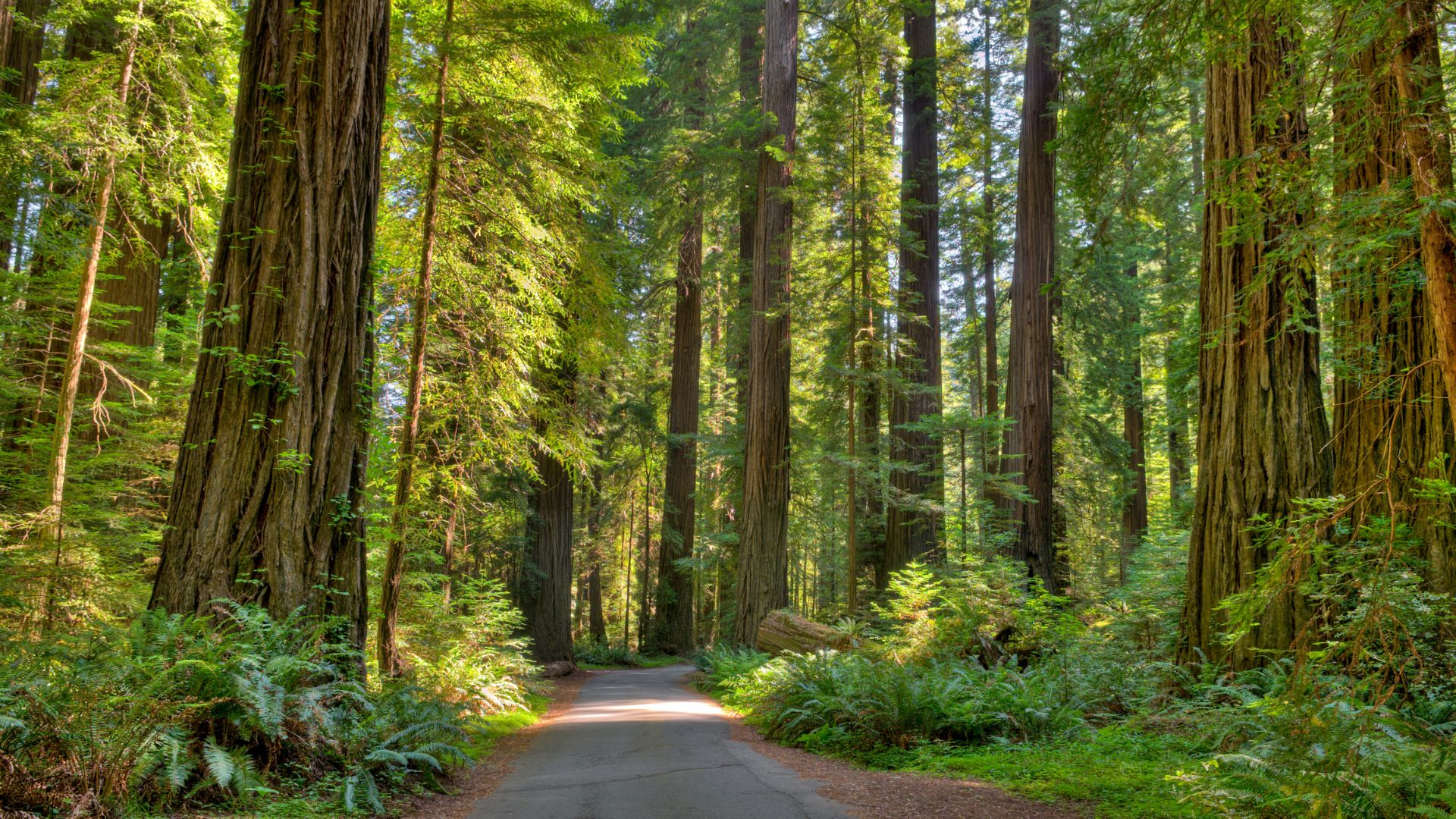
Why Fog and Rain Enhance the Redwood Experience
Fog isn’t just for show in the redwoods—it’s what keeps these giants alive. Each tree can drink up to 160 gallons of water a day in summer.
Redwoods catch up to 30 percent of their water from fog. Their leaves trap tiny droplets, soaking some in and letting the rest drip down to the roots.
Rain and fog bring out the best in the forest. Colors deepen, wildlife gets more active, and the air cools and thickens with humidity.
On misty days, everything feels more alive. Plants look healthier, the air feels easier to breathe, and even the moss glows brighter.
The fog changes your sense of scale. When you can’t see the treetops, your mind just keeps building them higher. You feel smaller, but somehow more connected.
Atmosphere and Mood: Mystery and Enchantment
Fog transforms the redwoods into a place of secrets. Paths vanish into the mist. Trees appear and disappear like something out of a dream.
Quiet settles in, deeper than usual. Even your own breath sounds loud. That hush makes you notice every detail.
I always feel a sense of wonder walking through the mist. There’s peace, but also a thrill—like you’re exploring an ancient, hidden world.
The fog softens everything. The forest feels like a safe cocoon, wrapped up and sheltered by the trees.
Every step brings a new view as the mist shifts. One moment a massive trunk is hidden, the next it looms right in front of you. It keeps you guessing and a little awestruck.
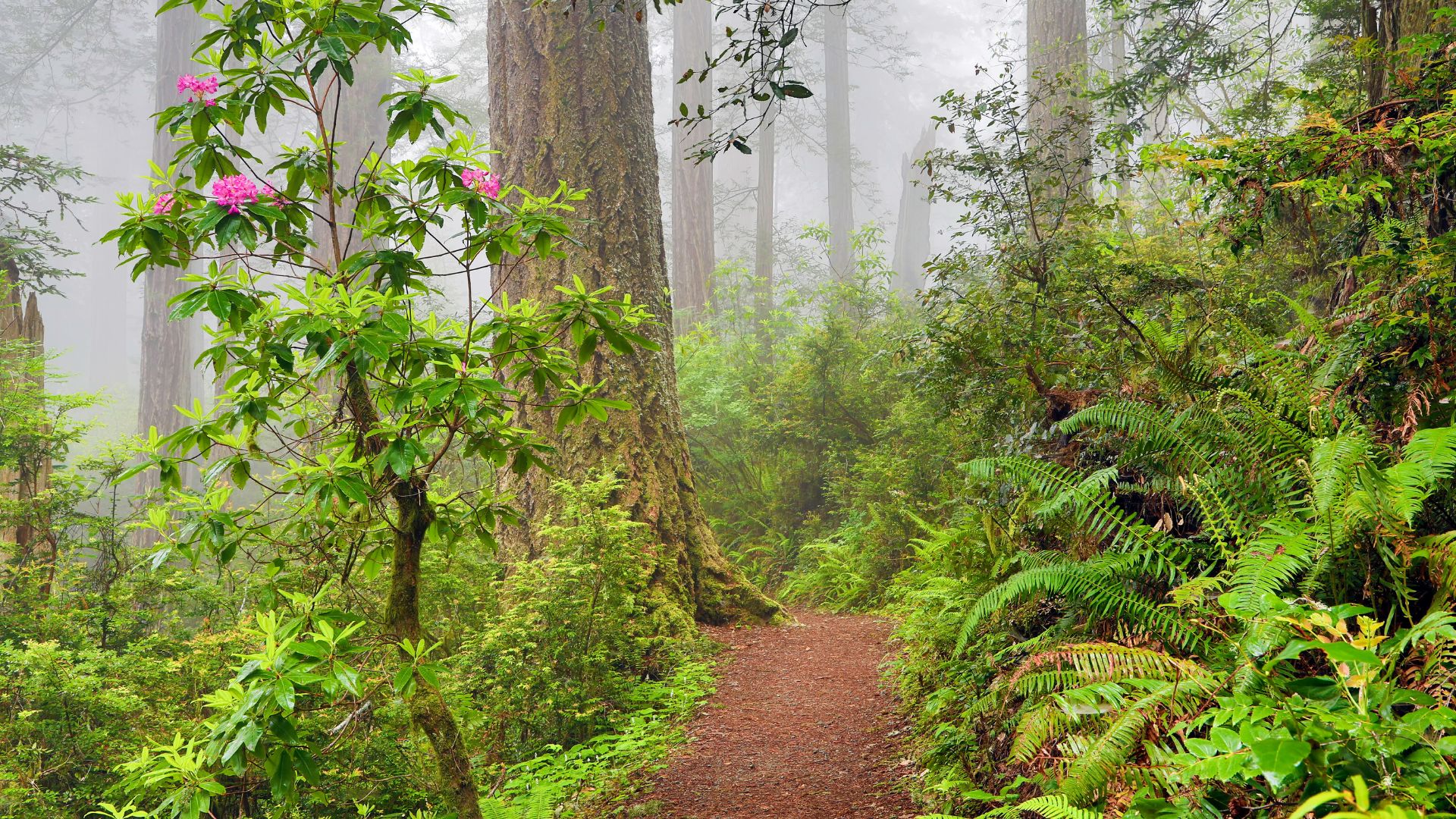
How Fog and Rain Shape the Redwood Ecosystem
Fog acts as a lifeline for coast redwoods. These giants soak up to 160 gallons of water every day during dry summers. That moisture doesn’t just help the trees—it keeps the whole forest community thriving, from tanoak to Douglas fir.
The Science of Fog Drip and Water Absorption
I’ve watched droplets gather on redwood needles, then fall like gentle rain. That’s fog drip—tiny water particles stick to branches and leaves, then drop down to the forest floor.
Redwoods collect fog water by soaking it in through their needles and bark, and by letting droplets slide down to the soil.
Sometimes, during heavy fog, the trees actually reverse their usual water flow. Instead of losing water, they pull it in from the air. That’s how they survive California’s dry spells.
Wind speed and forest structure shape how much fog drip a grove gets. Stronger northwest winds push more fog inland. Trees at the forest edge often catch more fog than those deep inside.
Essential Role of Mist and Moisture for Coastal Redwoods
Coast redwoods only grow in a narrow strip along California’s “fog belt.” Without steady fog and mist, these trees just wouldn’t make it.
In summer, when rain is scarce, fog steps in. The trees keep growing while other forests slow down. The mist keeps the air humid, so redwoods lose less water.
I’ve seen redwood groves stay green and lush even in drought years. Fog acts like a natural sprinkler system, watering both the giants and the little plants below.
Fog delivers 20-60% of the water redwoods need each year. It keeps soil moist, reduces plant stress, and supports growth all year long.
Without fog, these trees wouldn’t reach their legendary heights or live for centuries. The mist sets the stage for the tallest living things on Earth.
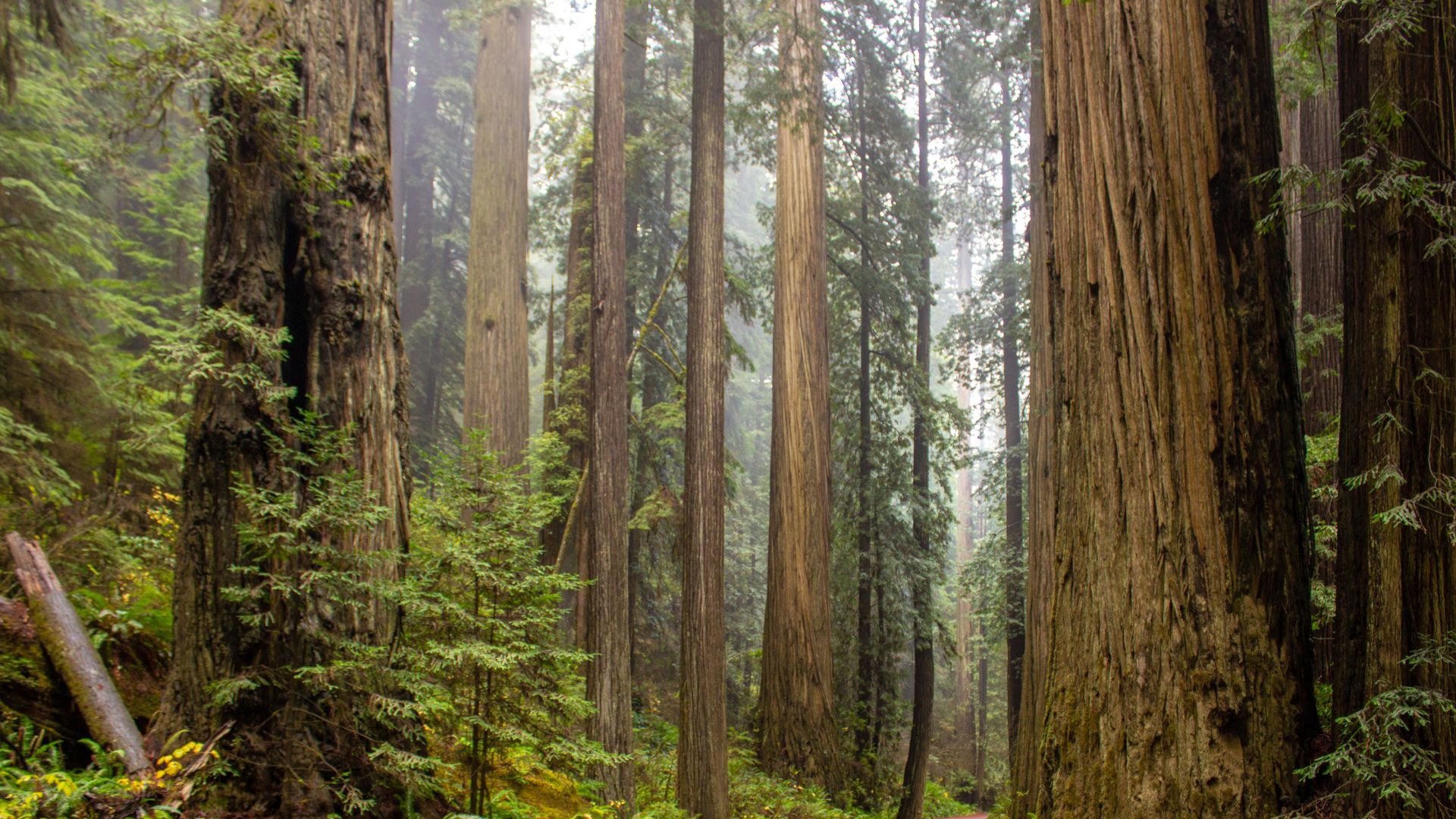
Interconnected Species: Tanoak, Douglas Fir, and Understory
Redwoods aren’t the only ones depending on fog. Douglas firs thrive in the same moist, misty air.
Tanoak trees do best in the understory, where fog drip keeps the soil damp. Their presence helps build the layered, textured look that makes redwood forests so special.
I’ve noticed how fog supports plants at every level. Ferns spread thick on the floor where fog drip is heavy. Moss and lichen cover the bark, soaking up the humidity.
Fog creates microclimates that support unique communities. Some spots, just a few miles apart, have totally different plants depending on how much fog they get. Every redwood forest has its own vibe.
Changing Fog Patterns and Ecosystem Impacts
Climate change is already messing with fog patterns along the coast. Warmer oceans might mean less summer fog, and that’s bad news for the redwoods.
I’ve read that some areas already see fewer foggy days. Less mist means more drought stress for the trees and everything living under them.
Scientists are still figuring out how logging affects fog collection. Cutting down trees changes how the forest catches mist, which could shift which plants survive.
Redwood forests evolved with steady fog for thousands of years. If that changes too quickly, these ancient relationships between mist, trees, and wildlife could unravel.
Capturing the Magic: Photography Tips for Foggy Redwoods
Trying to photograph redwoods in the mist? It’s a challenge, but the results can be stunning. The trick is catching the right moment, having the right gear, and knowing how to work with low light and constant moisture.
Best Times and Conditions for Outdoor Photography
Early mornings, between 6 and 9 AM, are usually the best for fog. The marine layer rolls in overnight, blanketing the forest in thick, dramatic mist.
I look for light rain clearing up, overcast days with high humidity, or fog dense enough to let some light through. Spring and summer deliver the most reliable fog along the coast.
I always check the marine forecast before heading out. Coastal fog is surprisingly predictable.
The golden hour gets even dreamier in the mist. When sunlight finally breaks through, it sends beams of light slicing between the trees.

Techniques for Landscape Photography in Misty Environments
Fog simplifies busy scenes, hiding clutter and focusing attention. I like to frame shots around bold foregrounds—massive trunks, twisted roots, or fallen logs.
I use fog as a main subject, not just background noise. Leading lines from paths or logs help draw the eye. Layering foreground, mid-ground, and background adds depth.
Manual mode is my go-to for exposure. Fog can fool the camera’s meter, making scenes look too dark.
I tweak white balance, warming it up a bit to offset the blue cast fog often gives.
Using Fog and Light to Create Dramatic Images
Fog and light together make magic. I try to catch light rays streaming through the canopy, especially when the sun is low.
Shooting with the sun behind the trees creates a rim of light. Fog naturally softens harsh shadows, and when sunlight hits the mist, everything glows.
These moments don’t last long. I’ve learned to move fast when the light breaks through.
Backlighting works wonders in fog. It adds depth and helps separate layers of trees that would otherwise blur together.
Recommended Equipment for Forest Photography
Low light in the redwoods means a sturdy tripod is a must. I often shoot at 1/15th of a second or even slower.
A wide-angle lens (10-24mm) captures the height of the trees. Fast lenses (f/2.8 or wider) help in the dim light. I always bring a lens cloth—moisture is everywhere.
Rain covers for cameras are essential. High humidity can fog up lenses inside and out.
I pack extra batteries (the cold drains them fast), microfiber cloths, a lens hood to keep water off the glass, and plenty of memory cards. I always seem to shoot more frames in the fog.

What to Expect and Prepare for: Visiting in Mist and Rain
Heading into the redwoods on a wet day takes a bit of planning, but the payoff is huge. The fog and rain bring out colors, scents, and wildlife you just won’t find on a sunny afternoon.
Safety and Comfort Tips for Wet Weather Exploration
The right gear makes all the difference. Waterproof boots with solid grip are a must—the trails get slick fast.
Here’s what I pack for wet weather: a waterproof jacket with a hood, quick-dry hiking pants, wool or synthetic base layers, a rain cover for my backpack, and spare socks and gloves.
I always dress in layers. When the fog rolls in, the temperature drops—sometimes by 10 or 15 degrees.
Visibility gets tricky in thick fog. I stick to marked trails and carry a headlamp, even during the day. Some paths flood in heavy rain, so I check trail conditions before heading out.
My phone battery drains faster in the cold and damp, so I bring a charger and keep electronics dry.
Wildlife and Phenomena Unique to Rainy Days
Rain transforms the redwoods. Elk get bolder, wandering into meadows they usually avoid.
I spot slugs and salamanders crossing trails. Birds burst into song after showers. Mist rises straight off the ground. Water droplets turn spider webs into tiny chandeliers. Mushrooms pop up on every fallen log.
Fog creates light effects I never see when it’s clear. Sunbeams slice through the mist, forming glowing pillars between the trees.
After rain, the scent of the forest shifts. Petrichor mixes with redwood bark and damp earth. It’s a smell I can’t quite describe, but I’ll never forget it.
Experiencing Solitude and Tranquility on Quiet Trails
Rainy, foggy days tend to chase most folks out of the redwood forest. Sometimes I’ll hike for hours and never spot another person, even on trails that usually buzz with activity.
Places like Fern Canyon, which get swamped with crowds in summer, suddenly feel abandoned. Parking becomes simple—no permits or reservations needed when the weather turns wet.
Why I love quiet forest visits:
- No lines for that perfect photo
- Hikes feel peaceful, almost meditative
- Wildlife is bolder without crowds
- Nature feels more intimate and real
Fog changes the way sound moves through the trees. The forest grows so quiet that I only hear water dripping and my own steps on the soaked leaves.
That misty air slows me down. I start noticing tiny details I’d usually miss—maybe a spiderweb glistening or the way the moss glows. The redwoods seem older, more mysterious, when fog wraps around their trunks.

Notable Locations and Recommended Trails for a Misty Redwood Experience
If you want that true misty redwood vibe, you’ve got to pick your spot and timing. Some groves just feel magical when the coastal fog creeps in, especially at certain times of year.
Top Groves and Parks for Foggy Encounters
Prairie Creek Redwoods State Park stands out for me. Fog rolls in often, and the Fern Canyon Trail turns almost otherworldly when mist clings to its walls.
Jedediah Smith Redwoods State Park also delivers. I’ve wandered these trails and found them perfect for foggy mornings:
- Simpson-Reed Grove – Just 0.8 miles, flat, and ideal when the mist hangs low.
- Boy Scout Tree Trail – A longer 5.5-mile trek through dense forest where fog lingers.
The Grove of Titans? Absolutely surreal in the mist. Elevated boardwalks wind through massive redwoods, and the fog swirls right at your feet.
I always suggest the Trillium Falls Trail if you want both redwoods and the waterfall’s mist. It’s 2.7 miles, and the fog near Elk Meadow is a photographer’s dream.
If you’re short on time, the Circle Trail and Big Tree Wayside is a quick 0.3-mile loop. It’s a fast way to step into that misty redwood magic.
Seasonal Timing: When to Find the Most Mist
Summer—from June to September—almost guarantees fog. Warm inland air hits the cold ocean, and suddenly the forest is wrapped in a marine layer.
Early mornings (think 6 to 10 AM) are best for misty conditions. I’ve learned to start early, since the fog usually vanishes by late morning.
Sometimes, late afternoons surprise me with a second wave of mist. The light during these hours is just beautiful for photos.
Winter brings rain instead of fog, but the mood in those groves is just as enchanting. December through March tends to be the wettest stretch.
Spring and fall? You might catch both fog and light rain, which makes for dramatic, moody forest walks.
Planning Your Trip: Accessibility and Logistics
Weather preparation really matters when you’re heading into the misty redwoods. I always throw in waterproof layers, non-slip shoes, and a few extra clothes—fog just soaks everything.
Trail accessibility changes a lot from spot to spot.
- Easy options: Simpson-Reed Grove, Circle Trail
- Moderate options: Trillium Falls, Grove of Titans
- Challenging options: Boy Scout Tree Trail, Dolason Prairie Trail
If you’re into photography, keep your gear safe from all that moisture. I carry lens cloths and rain covers for my camera. You never know when the fog will roll in thick.
You won’t pay any entrance fees at Redwood National Park, which is honestly a huge plus. That makes it easy to come back again and again, chasing those perfect misty mornings.
Parking fills up fast at the busy trailheads, especially when the fog’s rolling in and everyone’s after that magical shot. I usually get there early for Grove of Titans or Fern Canyon—otherwise, good luck finding a spot.
Cell service just drops off in the thick of the redwoods. It’s smart to download your maps before you lose signal. Trust me, you don’t want to be stuck without directions out there.
