
So, you’re planning your first trip to Germany? I remember feeling totally overwhelmed at first too. The country’s so much more than bratwurst and beer—it’s packed with fairy-tale castles, scenic drives, quirky traditions, and food that’ll surprise you.
Germany has over 80 themed travel routes that connect historic towns and jaw-dropping landscapes. You can spend days just hopping from one charming spot to the next.
Before you go, get the basics sorted: paperwork, transportation, and cultural customs. Whether you’re eyeing Bavaria’s storybook scenery or want to geek out over industrial history, a little prep goes a long way.
If you’re anything like me, you want to skip the stress and just soak up the magic. Here’s what I’ve learned about German travel—logistics, culture, and the little things that make a big difference.
Let’s dive in.
Planning Your Trip: Documentation, Health, and Finances
Sort out your paperwork, health coverage, and money stuff before you leave. Trust me, it saves a ton of hassle.
Here’s what you need to know about visa requirements, mandatory insurance, banking, and what real life costs over there.
Visa and Entry Requirements
Your passport should have at least six months left before it expires. German border officials actually check this—no kidding.
EU/EEA citizens don’t need a visa and can stay as long as they want. Swiss citizens have the same deal.
Non-EU travelers (like folks from the US, Canada, or Australia) usually get 90 days visa-free, but check if your country qualifies. Otherwise, you’ll need a Schengen visa.
Business travelers should bring an invitation letter from their German contact. Students need to show their admission letter.
Minors traveling solo need a notarized, translated permission letter from their parents or guardians.
Always double-check with the German Federal Foreign Office. Visas can take 2-4 weeks, so apply early if you need one.
Essential Health Insurance and Medical Preparations
Health insurance is a must for every visitor. Your plan has to cover at least €30,000 and work in all Schengen countries.
Most travel insurance from home will do, but ask for a letter confirming it meets Schengen rules.
Keep prescription meds in their original packaging. Bring a doctor’s note (translated, if you can) explaining what you need.
Germany’s healthcare rocks, but you’ll pay €500-1,000 for an ER visit without insurance. Private clinics might ask you to pay upfront, even if you’re covered.
Pharmacies (Apotheken) are everywhere but close on Sundays. Every area has one emergency pharmacy open all night.
Opening a Bank Account and Managing Currency
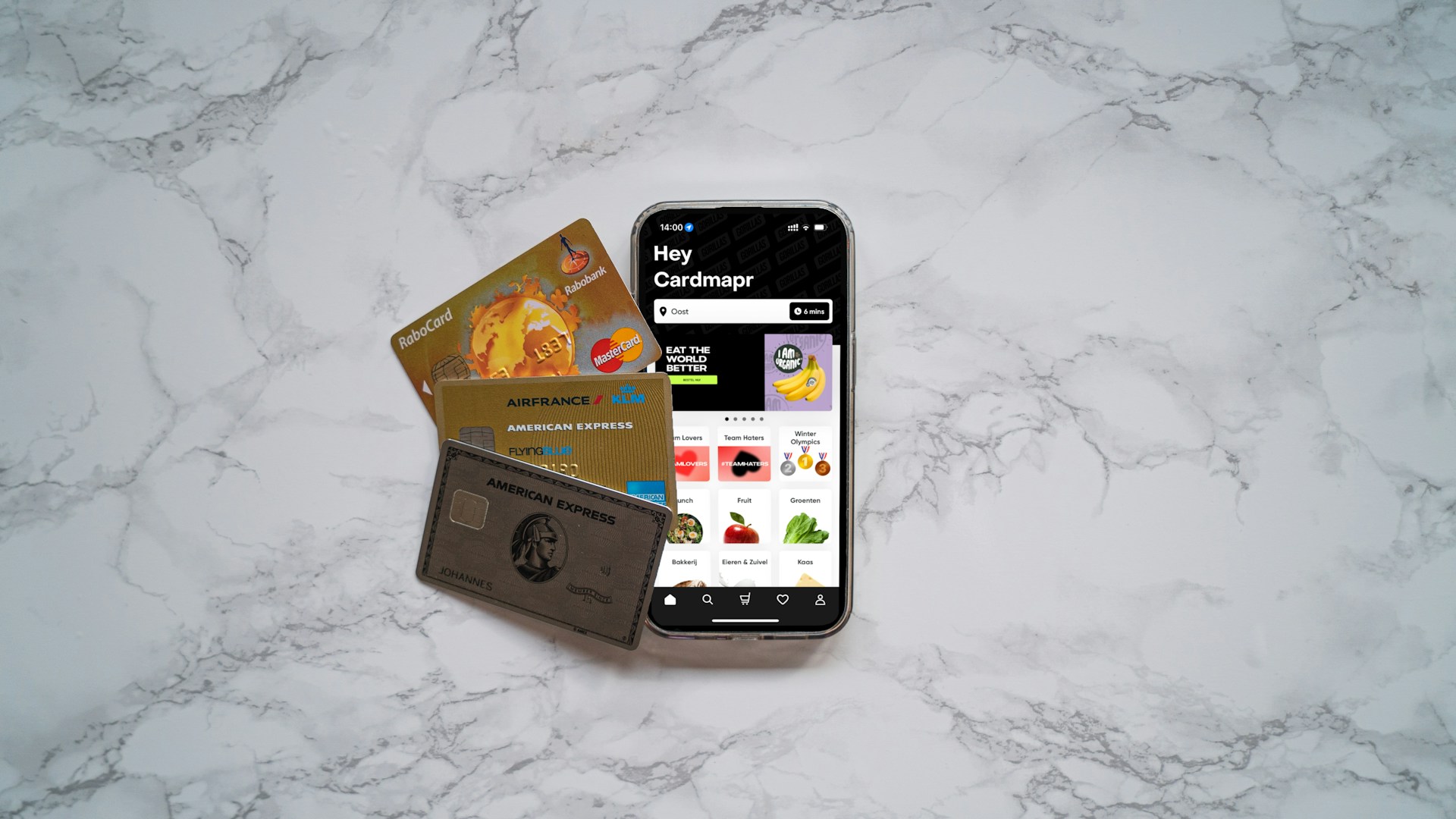
Germany still runs on cash more than you’d expect. Lots of restaurants and small shops only take cash.
ATMs (Geldautomaten) are easy to find. Your home bank might tack on €3-5 per withdrawal, so grab more at once if you can.
Credit cards work at big stores, hotels, and some restaurants, but I always keep €50-100 in cash just in case.
If you’re staying a while, you’ll need proof of address, your passport, and maybe a residence permit to open a German bank account. Deutsche Bank, Sparkasse, and N26 are popular.
Skip airport currency exchange counters—they give awful rates. Use ATMs or exchange at banks instead.
Let your bank know you’ll be in Germany so they don’t freeze your card for “suspicious activity.”
Budgeting for Utility Costs and Everyday Expenses
Meals can be pretty affordable. Lunch at a casual spot is €8-12. Dinner at a mid-range place runs €25-40. Groceries for one person cost about €50-70 a week.
Transport depends on the city. A monthly pass in Berlin or Munich is €60-90. Single tickets are €2.50-3.50.
Hotels in city centers average €80-150 a night. Hostels go for €25-45. Vacation rentals can be a steal if you’re staying longer.
| Expense Category | Daily Budget |
|---|---|
| Food & Drinks | €20-35 |
| Transportation | €5-15 |
| Attractions | €10-25 |
| Miscellaneous | €10-20 |
Tipping is low-key. Round up or add 5-10% at restaurants. Taxi drivers and hotel staff appreciate a little extra.
Shopping prices include 19% VAT. If you’re from outside the EU, you can claim VAT back on purchases over €25 at certain stores.
Getting Around Germany: Transportation and Routes
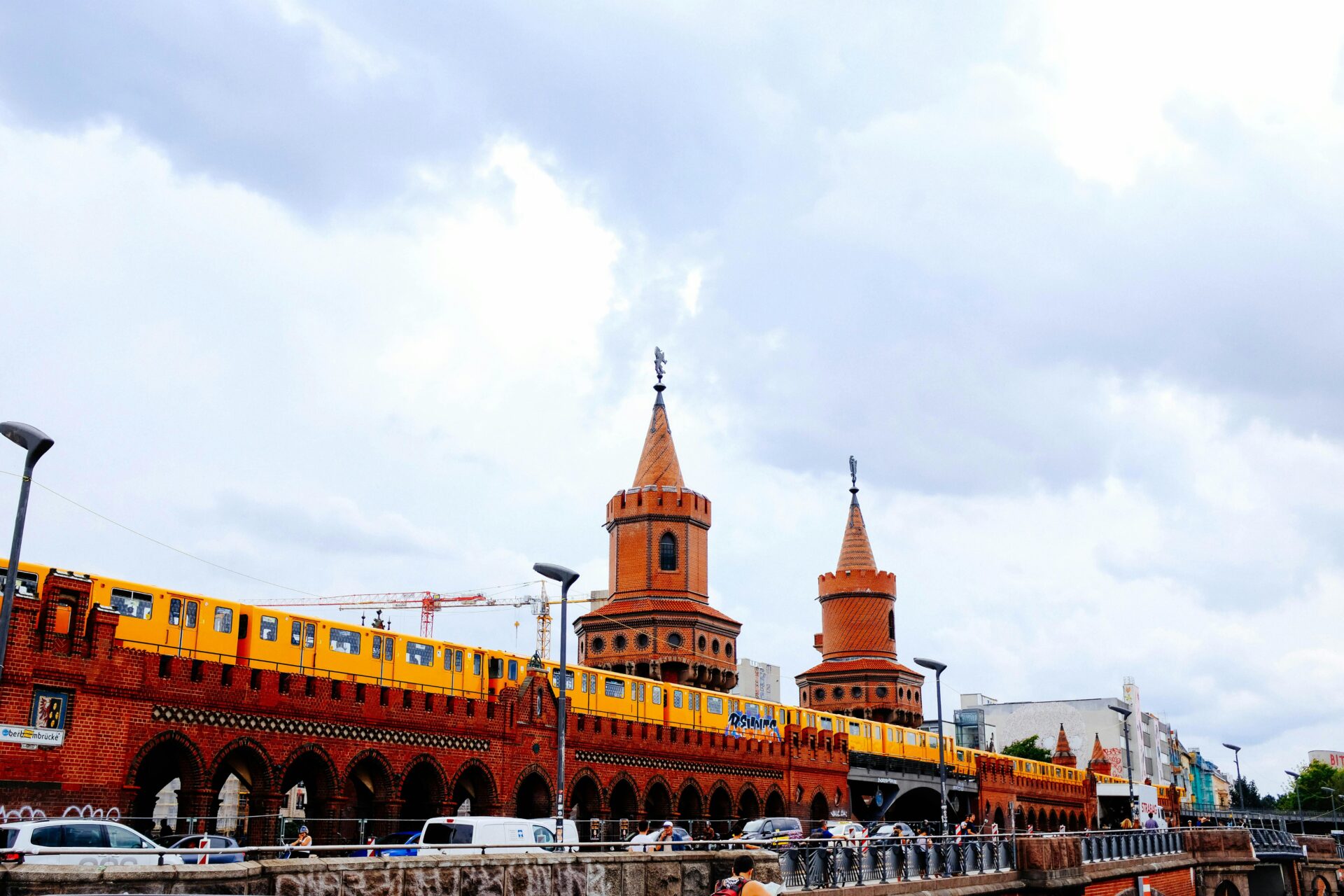
Getting around Germany is a breeze once you get the hang of it. Trains are fast and comfy, and the roads are shockingly good.
If you love flexibility, rent a car and hit scenic routes like the Romantic Road or the Rhine Valley.
Navigating Trains and Public Transport
Deutsche Bahn (DB) runs the show. Grab the DB Navigator app—it’s a lifesaver for schedules and tickets.
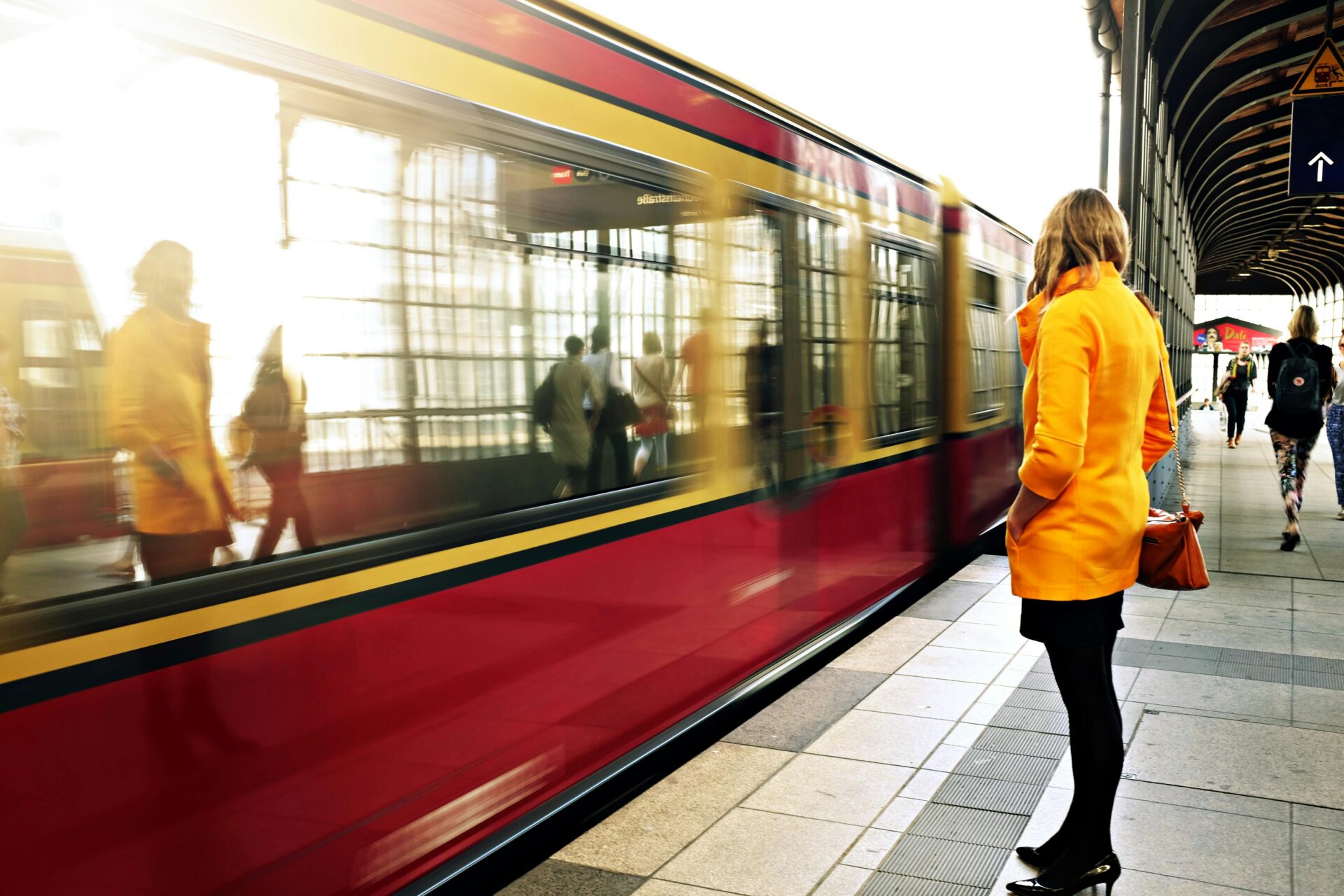
High-speed trains (ICE, IC, EC) link big cities like Berlin, Munich, Hamburg, and Frankfurt. Regional trains (RE, RB, S-Bahn) get you into the smaller towns.
Tickets come in a few flavors:
- Sparpreis: Discounted, book early
- Flexpreis: Full price, flexible
- Länder-Ticket: Day passes for one state
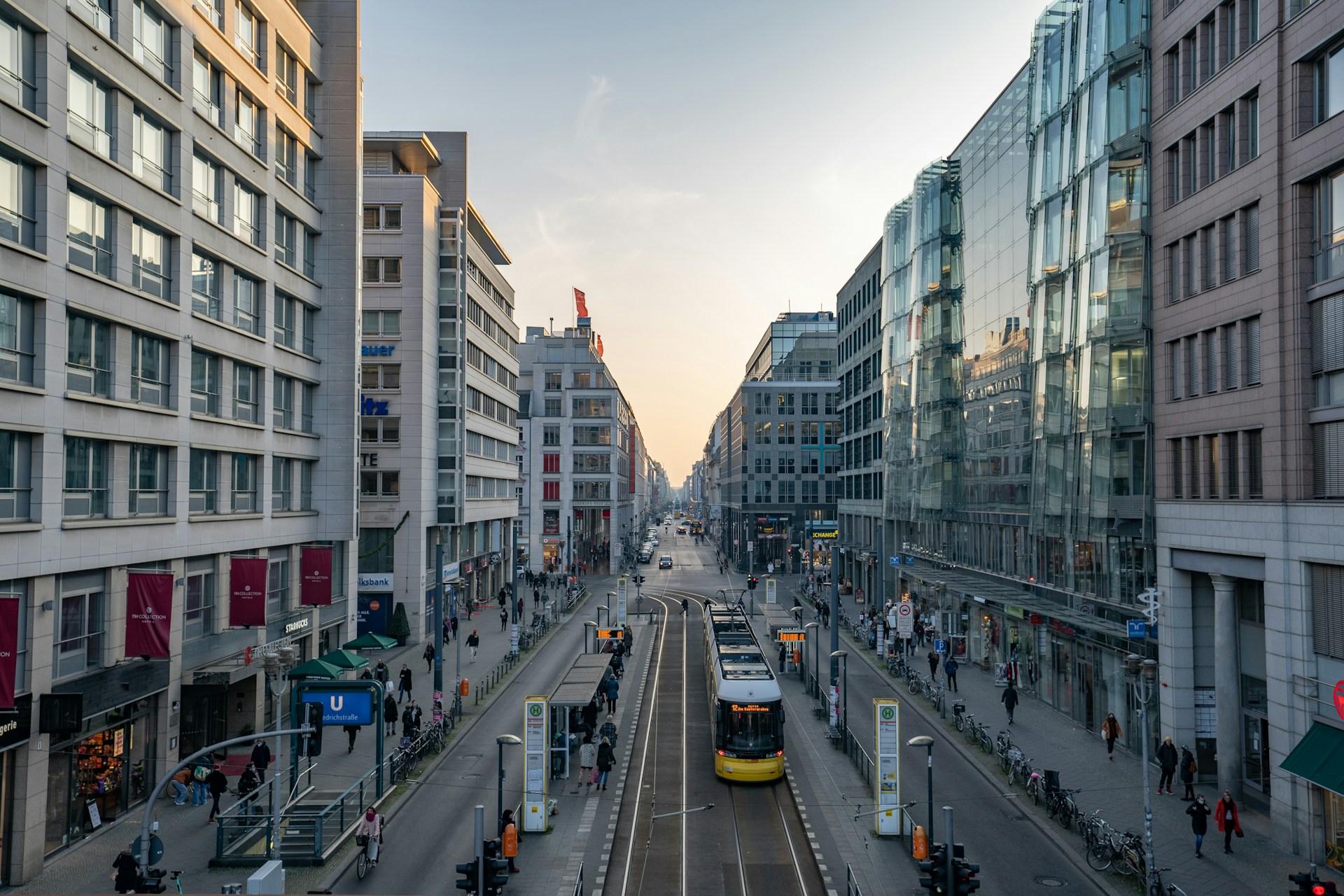
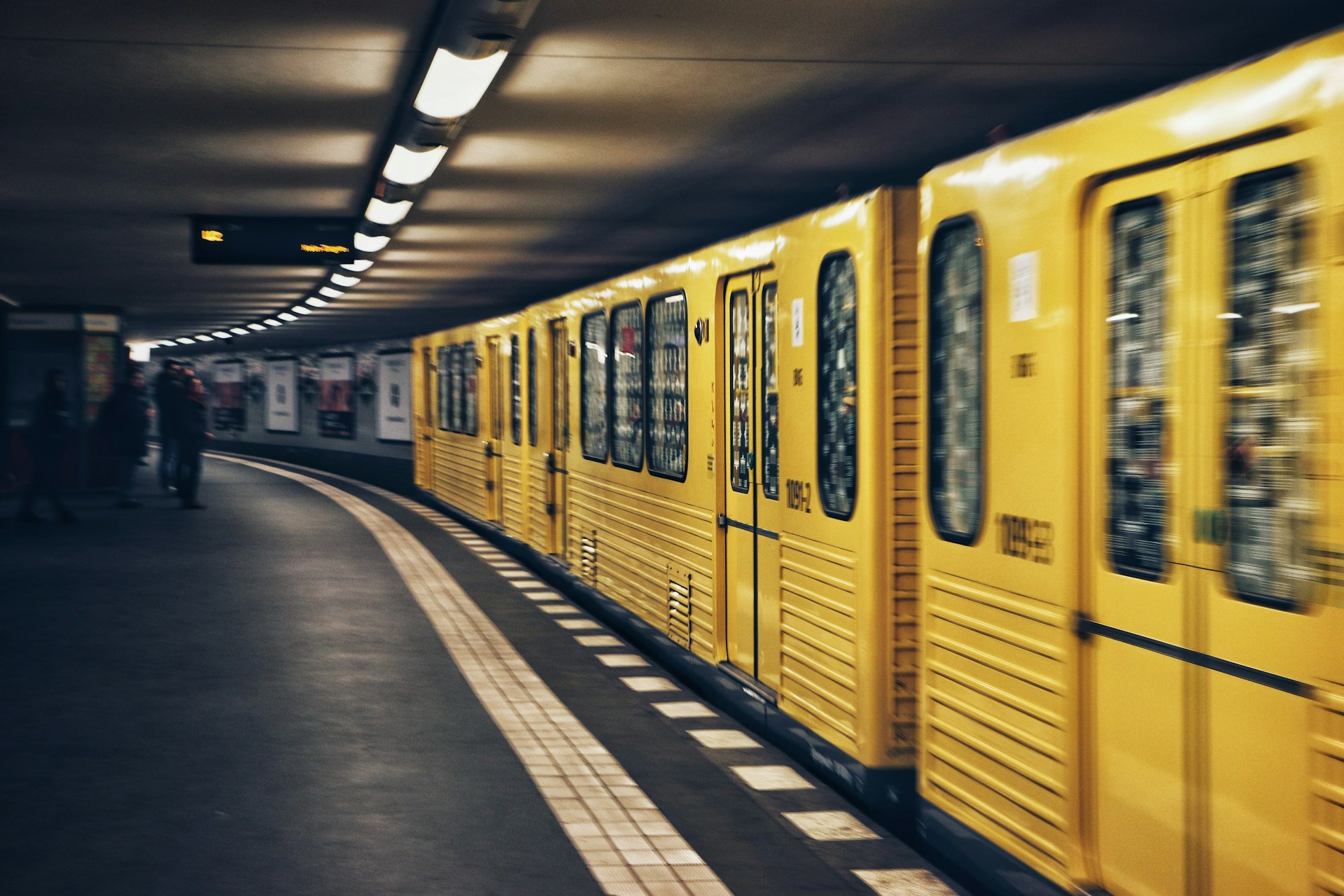
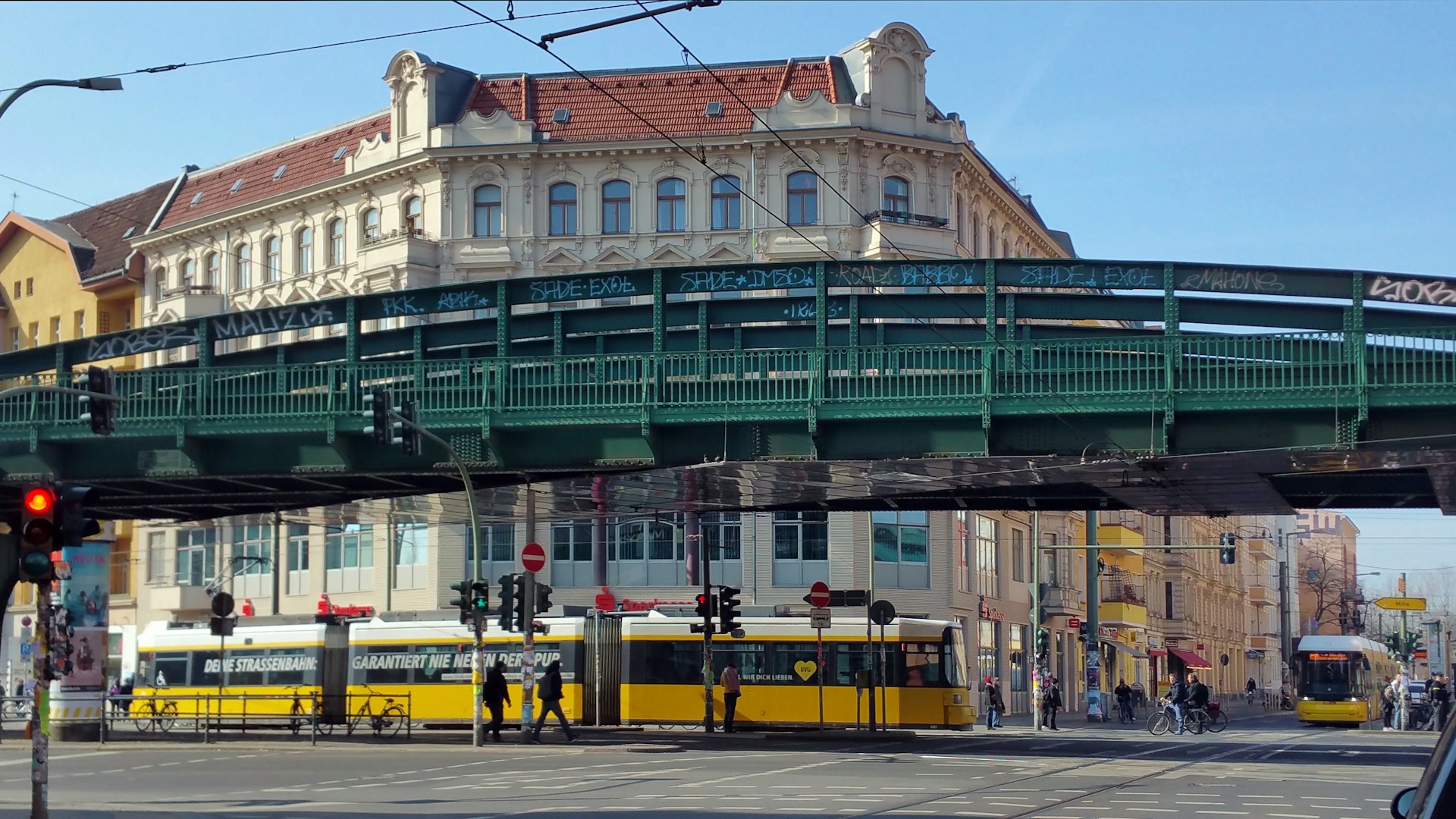
City transport includes buses, trams, the U-Bahn (subway), and S-Bahn (suburban trains). Buy tickets before you board and stamp them in the machines.
Most cities offer day passes that cover everything—super handy if you’re bouncing around.
Renting Cars and Driving Essentials
You’ll find all the big rental companies at airports and train stations. I always book online ahead of time for better prices.
Bring your valid license. US, Canadian, and EU licenses work for short trips. An International Driving Permit helps but isn’t strictly required.
Driving here feels different. Stick to the right lane unless you’re passing. Speed limits: 50 km/h in cities, 100 km/h on country roads. Some Autobahn stretches have no limit, but 130 km/h is the suggested max.
Parking in city centers costs money. Look for blue P signs or meters. Green zones need an environmental sticker for diesel cars.
Must-Try Scenic and Thematic Routes
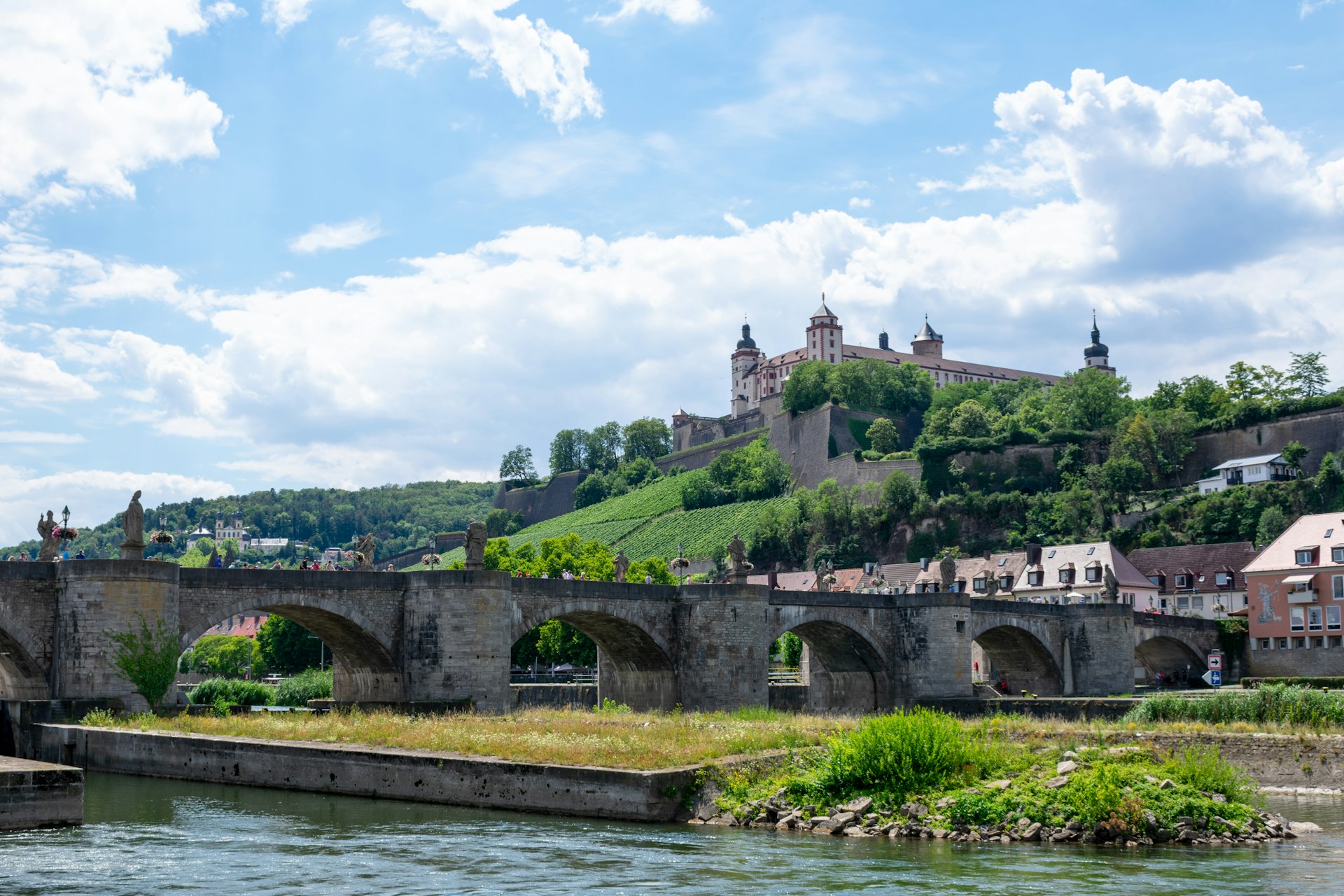
The Romantic Road is a classic—350 kilometers from Würzburg to Füssen, winding through medieval towns and ending at Neuschwanstein Castle.
Rhine Valley runs from Mainz to Koblenz. You’ll spot castles on hills, vineyards, and the famous Lorelei rock. The train actually hugs the river closer than the road, so you get better castle views by rail.
Black Forest High Road stretches from Baden-Baden to Freudenstadt. It’s a winding route through dense woods and villages. Don’t miss Mummelsee lake for a photo stop.
Castle Road covers 1,000 kilometers from Mannheim to Prague. On the German side, you can visit Heidelberg Castle and Franconia’s gems.
Tips for Booking and Reservations
Train reservations aren’t usually required, but they’re a good idea—especially for ICE trains on weekends or holidays. I book a seat for any trip over two hours.
Buy tickets on bahn.de or the DB app. Booking early saves money—Sparpreis tickets pop up six months ahead.
Car rentals need a credit card for the deposit. If you want an automatic, reserve early—most cars are manual.
Public transport passes like the German Rail Pass can be a deal for tourists. Compare with single tickets based on your plans.
Immersing Yourself in German Culture
Pick up a few German phrases, learn the local quirks, and join traditional festivals. You’ll connect with people and get way more out of your trip.
Basic Language Skills for Travelers
Start with “Guten Tag” (good day), “Bitte” (please), and “Danke” (thanks). Those three open a lot of doors.
Translation apps like Google Translate work great, even offline. Super helpful for menus and signs.
Numbers 1-10 and basic directions come in handy. “Wo ist…” (where is) plus a little pointing goes a long way.
Most Germans speak English, but they appreciate the effort when you try their language.
Ordering food? “Ich hätte gern…” (I’d like…) is your friend. Germans love polite requests.
Don’t sweat perfect pronunciation. Locals usually understand and might even help you out.
Social Etiquette and Local Customs
Germans take punctuality seriously. Show up exactly on time for everything—being late isn’t cool.
Shake hands firmly when you meet someone. Make eye contact. People here value honesty and skip the small talk.
Sundays are super quiet. Most shops close, and people keep things low-key. Don’t run the washing machine or mow the lawn.
Wait for the green “Ampelmann” at crosswalks, even if the street’s empty. People really follow the rules here.
Take off your shoes when you enter someone’s home. Most folks wear slippers inside.
Cash is still king. Lots of smaller places don’t take cards.
Participating in Local Festivities
Go to a Volksfest (folk festival) if you can. Oktoberfest gets all the hype, but there are cool local fests all year.
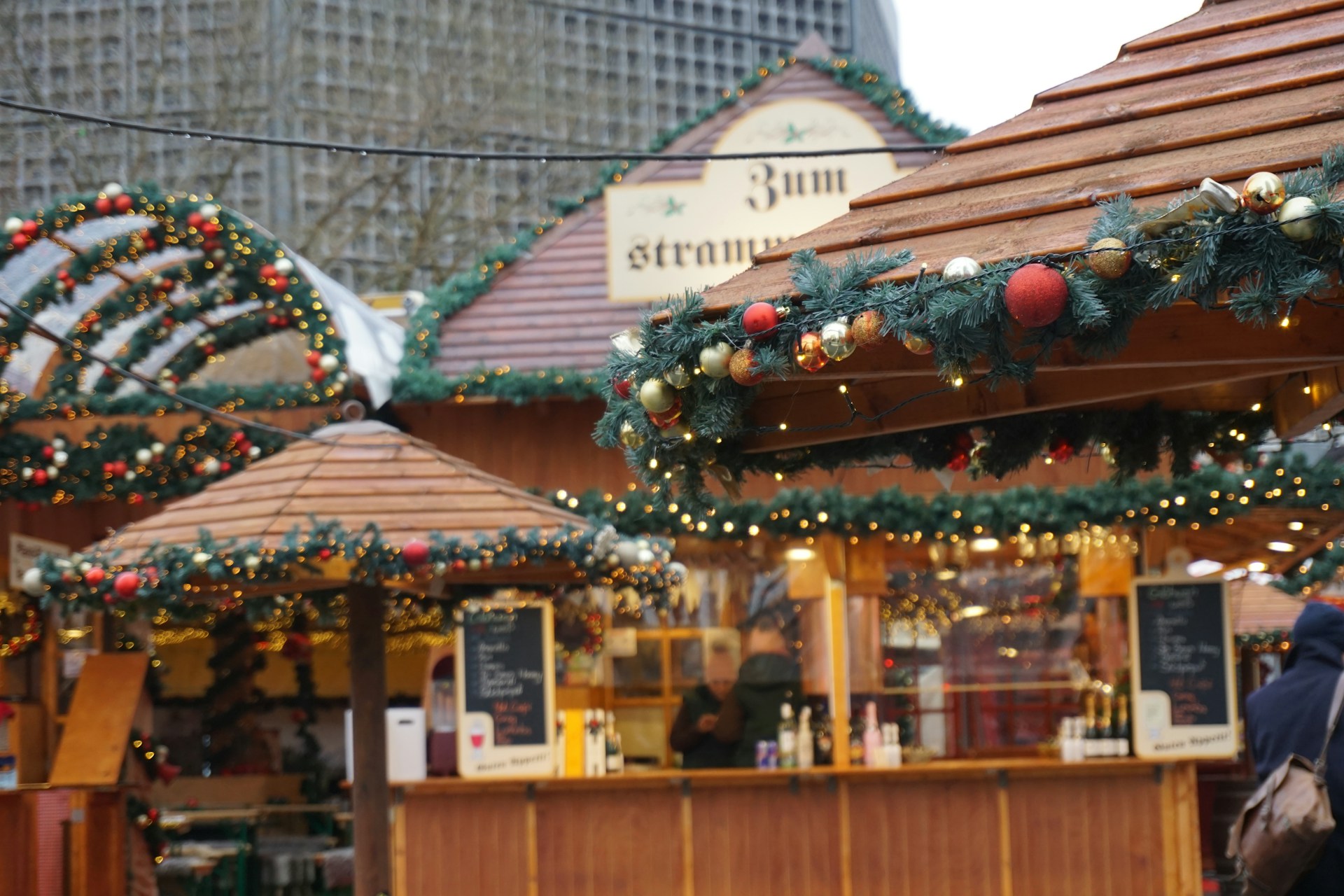
Christmas markets are magical. Try Glühwein (hot mulled wine) and Lebkuchen (gingerbread). Every city does them a little differently.
Join a Stammtisch at a local pub. It’s just a regulars’ table, but tourists are often welcome. People chat about everything over a beer.
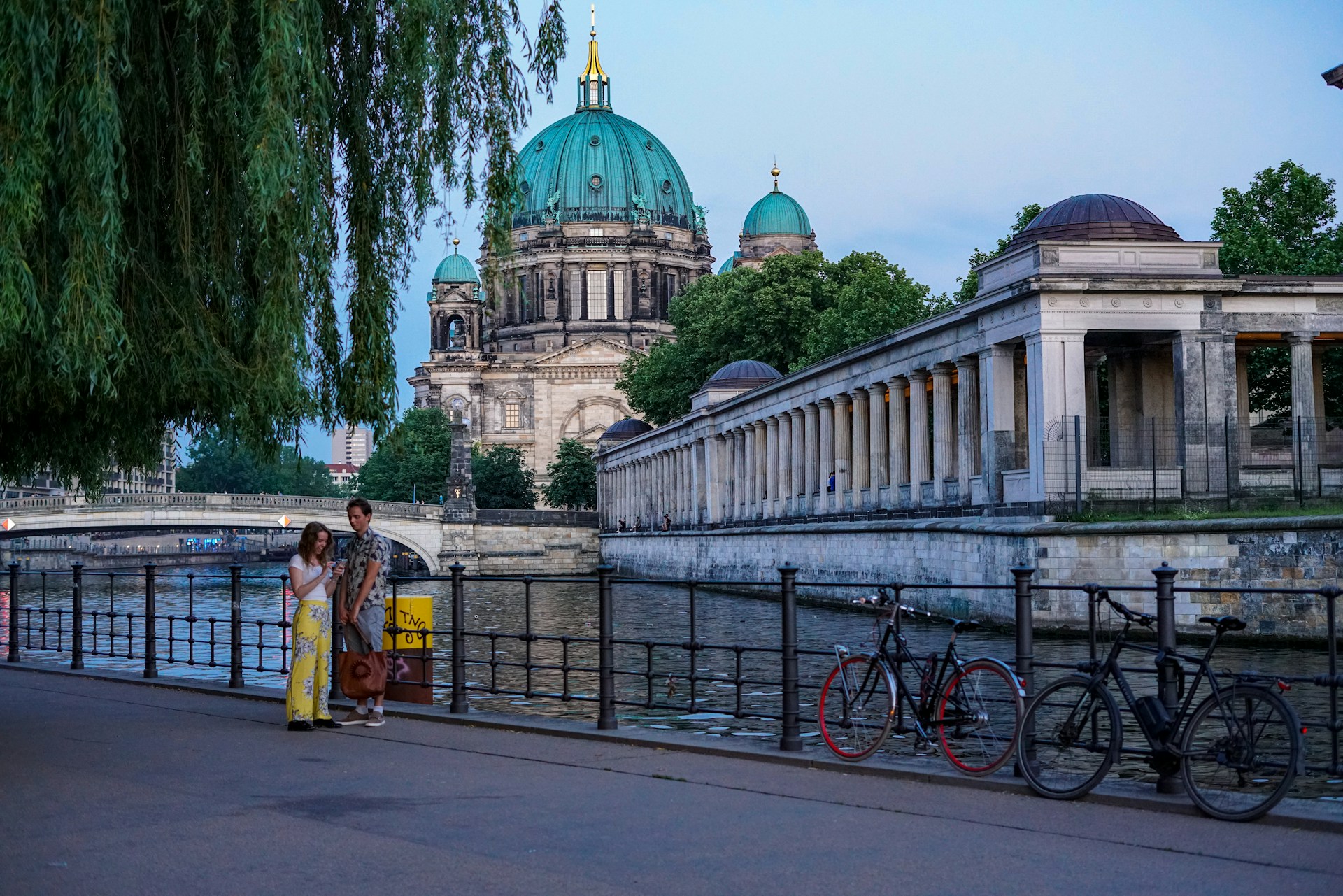
Classical concerts and opera are huge here. Venues like the Berlin Philharmonic or Dresden Opera House are world-famous.
Beer gardens are classic. Sit at a big table, chat with strangers, and bring your own snacks if you like. Order beer by size: “Ein Maß” (1 liter) or “Eine Halbe” (half-liter).
Festivals celebrate everything from asparagus season to the grape harvest. Check local tourism sites for what’s on.

Indulging in German Cuisine
German food is so much more than bratwurst and sauerkraut, though I’ll admit, those are pretty great. The country’s cooking scene mixes old-school recipes with Mediterranean and Asian vibes, so you’ll find everything from hearty classics to lighter, modern plates.
Top Traditional Dishes to Try
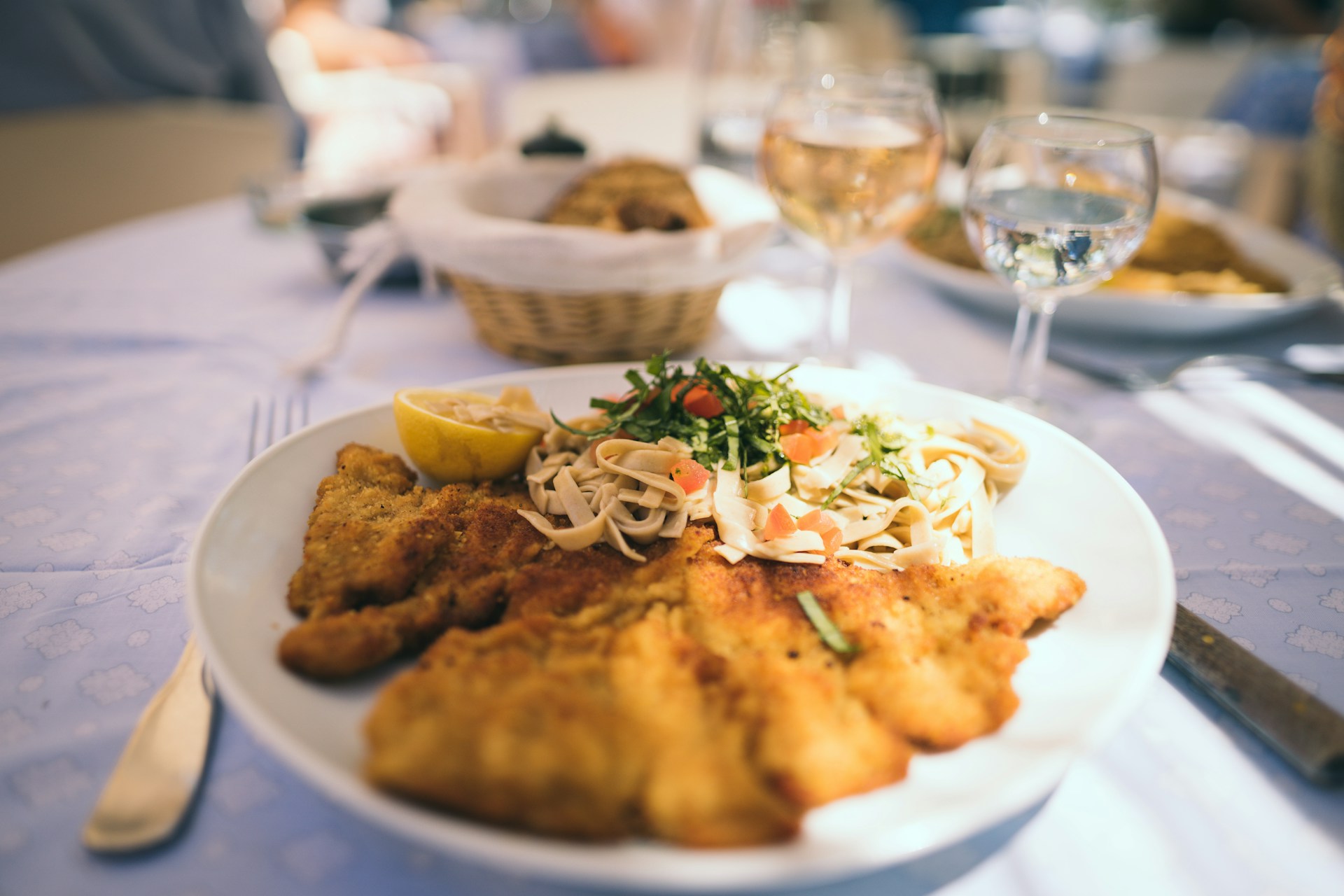
Schnitzel is a must. It’s a breaded, pan-fried cutlet—usually veal (“Wiener Schnitzel”) or pork (“Schnitzel Wiener Art”). Both are delicious.
Sauerbraten is pure comfort food. It’s a pot roast marinated in vinegar and spices for days, then slow-cooked until it’s fall-apart tender. Pair it with red cabbage and dumplings.
Don’t skip sauerkraut. It’s not as sour as you might think—good sauerkraut is tangy and fresh.
Spätzle are southern Germany’s answer to pasta—little egg noodles, often served with cheese (Käsespätzle) or alongside meat dishes to soak up all the sauce.
Currywurst is street food royalty. It’s sliced bratwurst smothered in curry ketchup, invented in Berlin but loved everywhere.
Regional Specialties and Street Food
Germany’s food scene? It’s a wild ride, honestly. Every region throws its own spin on classic dishes, and you’ll find something surprising in every corner.
Bavaria, for example, serves up Weisswurst—those famous white sausages. Locals eat them before noon, dipped in sweet mustard, with a fluffy pretzel on the side. I still remember my first bite: warm, slightly spicy, and way more comforting than I expected.
The Rhineland? They whip up Himmel un Ääd—it’s mashed potatoes with apples and black pudding. Sounds odd, but the sweet and savory combo just works.
Street food changes depending on where you go. Berlin’s Döner Kebab tells you a lot about the city’s Turkish roots. If you’re in Hamburg, grab a Fischbrötchen (fish sandwich). The salty air and fresh fish make it a must-try.
In Nuremberg, you’ll spot Lebkuchen everywhere. These spiced cookies are Christmas classics, but honestly, you can find them all year. They make great gifts, but I usually end up eating half the box myself.
Northern Germany loves its seafood. Locals serve up Labskaus—a hearty mess of corned beef, potatoes, beetroot, pickles, and fried eggs. It’s not pretty, but it’s pure comfort after a windy day.

Where to Eat: From Biergartens to Fine Dining
If you want the most authentic German meal, hit up a Biergarten. These outdoor beer gardens serve platters loaded with sausages, cheeses, and pretzels, paired with frosty local beers. There’s something about sitting under chestnut trees with strangers that just feels right.
Traditional Gasthäuses are everywhere. These cozy, family-run inns pile your plate high with regional favorites, and I always leave stuffed.
Germany has become a hotspot for three-star Michelin restaurants. Berlin, Munich, and Hamburg lead the way, and chefs there love to reinvent old-school recipes. You’ll taste things you didn’t know you needed.
When winter rolls around, Christmas Markets pop up in every city. Grab a mug of Glühwein (mulled wine) and a couple of Reibekuchen (crispy potato pancakes). The smells alone will pull you in.
Don’t skip the local Metzgereien (butcher shops). They sell fresh sandwiches and snacks, perfect for a quick lunch. It’s an easy way to sample top-notch sausages without breaking the bank.
Creating a Smooth, Scenic, and Memorable Adventure
Planning ahead can really save your trip from common headaches. I’ve learned that picking the right hotel, packing smart, and taking some basic safety steps can make all the difference.
Choosing Accommodation and Booking Essentials
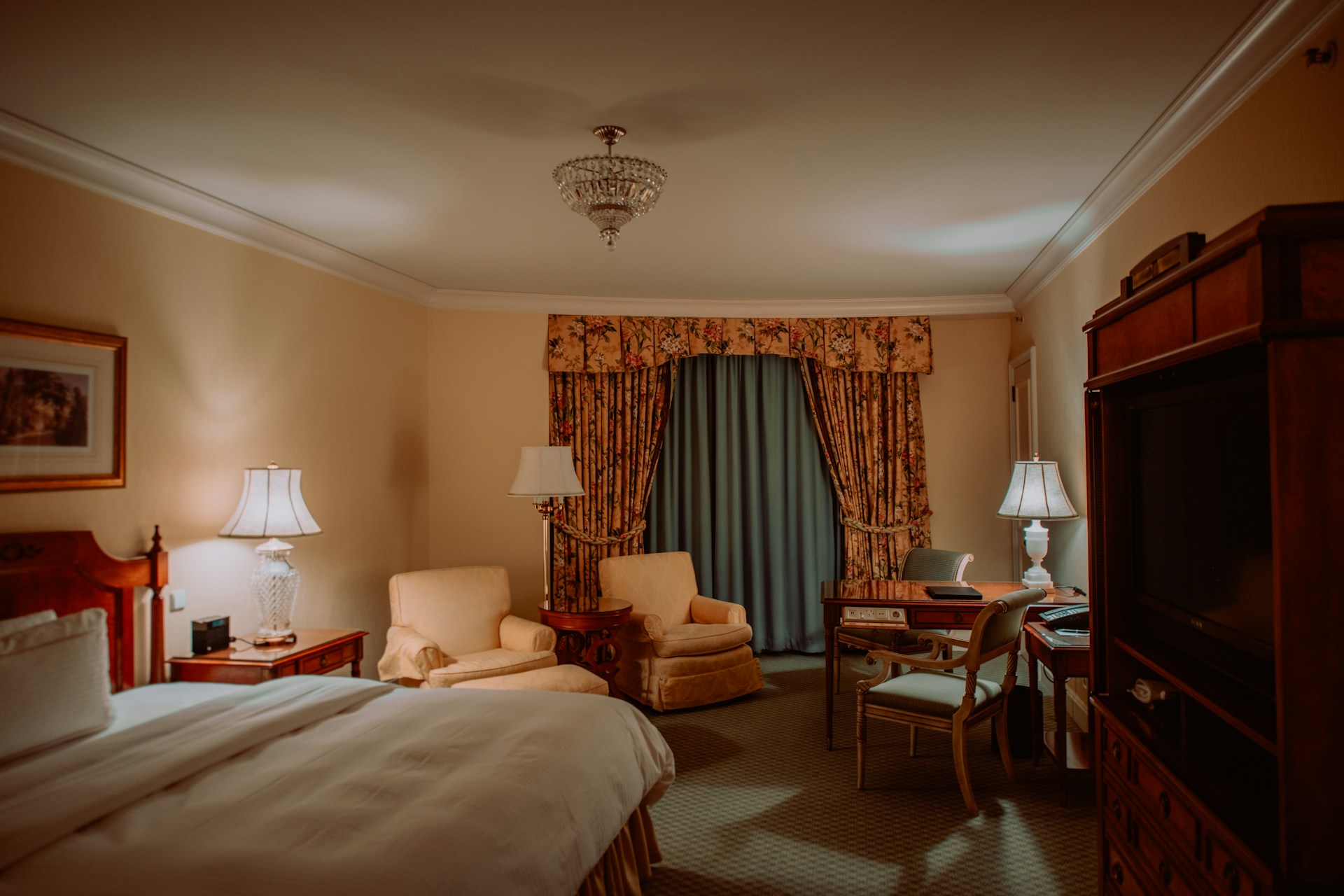
I always try to book a hotel near the city center or close to a train station. It might sound obvious, but it saves a ton of time and money. German public transport is fantastic, so staying central means you can get anywhere fast.
Sites like Booking.com make hotel hunting easy. I always check if breakfast and WiFi come free, since some hotels sneak in extra charges.
Book at least two weeks out if you can. Summer and Christmas market season fill up quickly, and prices skyrocket during trade fairs. I’ve learned that lesson the hard way.
Staying longer? Apartment rentals are a solid choice. Most German apartments have full kitchens, which helps if you want to cook or try out finds from local markets.
Always read the cancellation policy before you book. A lot of German hotels want 24-48 hours’ notice if you need to cancel for free.
Staying Safe and Connected
Germany feels really safe, but I still keep copies of my passport and cards in separate bags. Pickpockets hang out in busy spots and train stations, so stay sharp.
Getting a local SIM card is easy. T-Mobile, Vodafone, and O2 all have prepaid options at the airport. Thanks to EU roaming, your home plan might work too, but double-check.
I like to download offline maps before I go. Google Maps lets you save areas, which is a lifesaver if your battery dies or you lose signal.
If there’s an emergency, remember these numbers:
- Police: 110
- Fire/Medical: 112
- Tourist helpline: 115
I usually share my daily plans with someone back home. German trains run on time, but every now and then, you might miss a connection.

Packing Tips for Every Season
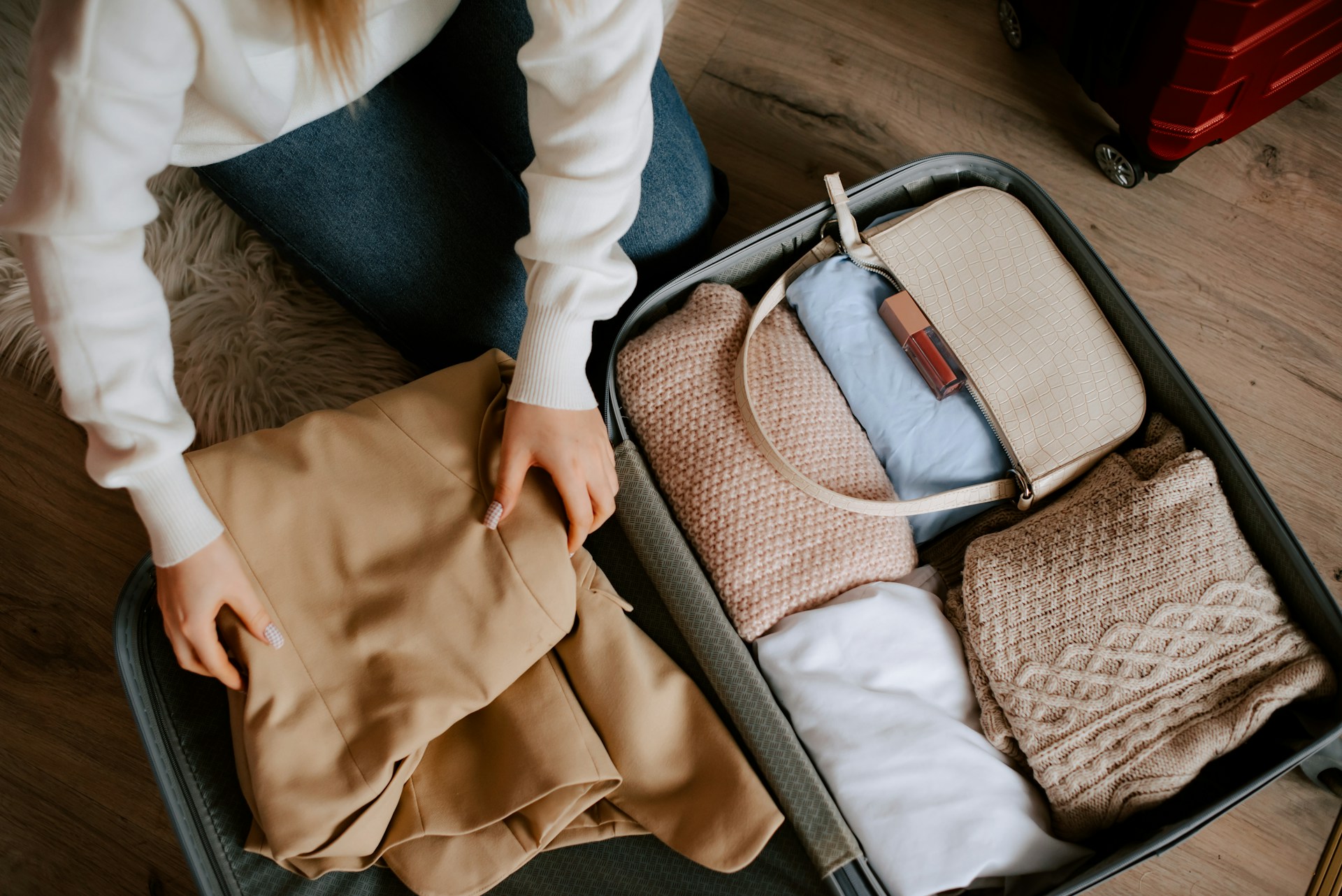
German weather can flip on you in a heartbeat. I always pack layers, no matter the season.
Summers can get up to 80°F, but nights cool off fast. Winters? Expect freezing temps and plenty of rain.
My essentials for any trip:
- Comfy walking shoes
- Rain jacket or umbrella
- Power adapter (Type F plug)
- Reusable water bottle
Spring and fall call for a light jacket and a sweater. It rains a lot, so don’t forget something waterproof.
If you’re coming in winter, bring a heavy coat and warm boots. Sidewalks get icy, and buildings sometimes keep the heat low to save energy.
Summer means lighter clothes, but I always pack at least one warm layer. Air conditioning is rare, especially in older places. Sunscreen is a must—the German sun sneaks up on you.
I try to pack less than I think I’ll need. German shops have everything, and that way, I’ve got space for souvenirs.
Frequently Asked Questions
Germany’s packed with vibrant cities, and you’ll get the most out of your trip in spring or fall. The train system makes getting around easy, and you really only need 2-3 days per city. Learning a few German phrases goes a long way.
If you’re new to Germany, start with Berlin. The city bursts with history, culture, and world-class museums. The Berlin Wall remnants are honestly a must-see.
Munich is perfect for traditional German culture. You’ll find beer gardens, stunning old buildings, and great day trips to nearby castles.
Hamburg stands out for its nightlife and port city vibe. It’s got a totally different energy compared to Berlin or Munich.
The Rhine Valley? It’s all about river views, castles, and vineyards. The small towns here are incredibly charming.
I love spring (April to June) for mild weather and blooming landscapes. It’s the sweet spot for outdoor adventures and sightseeing minus the crowds.
Fall (September to October) brings crisp air and stunning autumn colors. Walking tours feel extra cozy, and it’s not too cold yet.
Summer brings bigger crowds and higher prices. Winter means magical Christmas markets, but you’ll get shorter days and chilly weather.
Here’s a route I’d recommend: Spend a week in Germany and a week in Austria. Kick things off in Berlin for three days, then head to Munich for two.
Take day trips from Munich—Neuschwanstein Castle is a classic. After that, hop over to Vienna for three or four days.
Wrap up your trip in Salzburg for two or three days. The mountain views and music history there are unforgettable.
Book your stays ahead of time and consider a rail pass for smooth travel between cities.
Germans really care about punctuality. I make sure to show up on time for everything—being late isn’t a good look.
Learn a few German basics like “Guten Tag” (good day) and “Danke” (thank you). Even a little effort makes a big difference.
Keep your voice down in public places. Germans like their trains and restaurants peaceful.
Don’t forget to separate your trash properly. Recycling is a big deal here, and locals notice if you mess it up.
I’d plan for three to four days in Berlin. There’s so much to see—Museum Island, the Brandenburg Gate, and more.
Munich fits nicely into two or three days. That gives you time for the city, beer gardens, and maybe a castle day trip.
For smaller cities like Hamburg or Cologne, two days is usually enough to see the highlights.
If you’re heading to rural spots like the Rhine Valley, one or two days will do, depending on how much you love the outdoors.
German trains really do run on time, zipping between all the big cities. I usually grab my tickets online ahead of time—it’s cheaper, and I never have to worry about finding a seat.
If you haven’t heard of the Deutsche Bahn app, give it a try. It’s a lifesaver for real-time schedules and platform info. I always download it before heading out, and it makes getting around so much less stressful.
In a lot of cities, public transport works on an honor system. You’re supposed to buy your ticket before hopping on a bus, tram, or subway. Trust me, skipping this step can lead to some pretty steep fines.
If you’re planning to take several train rides, check out the German Rail Pass. It can really cut down your costs, especially for longer journeys.
