
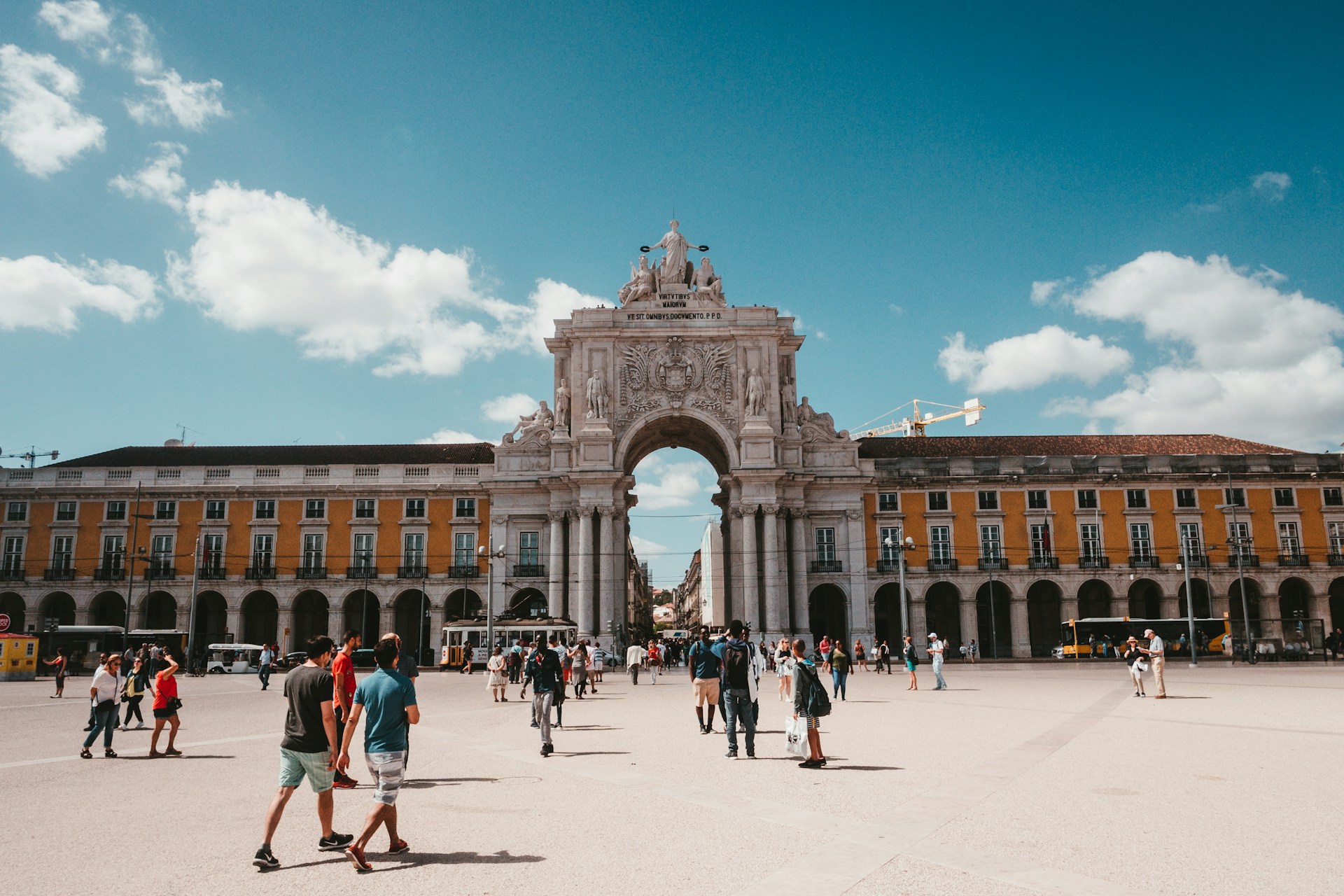
When I stepped off the plane in Lisbon, I honestly didn’t expect Portugal to get under my skin so fast. This country doesn’t just invite you in—it wraps you up in something warm and familiar, a feeling that lingers long after you leave.
Saudade, that almost impossible-to-translate Portuguese emotion—a bittersweet longing—quickly became my travel companion as I wandered through the country’s living art.
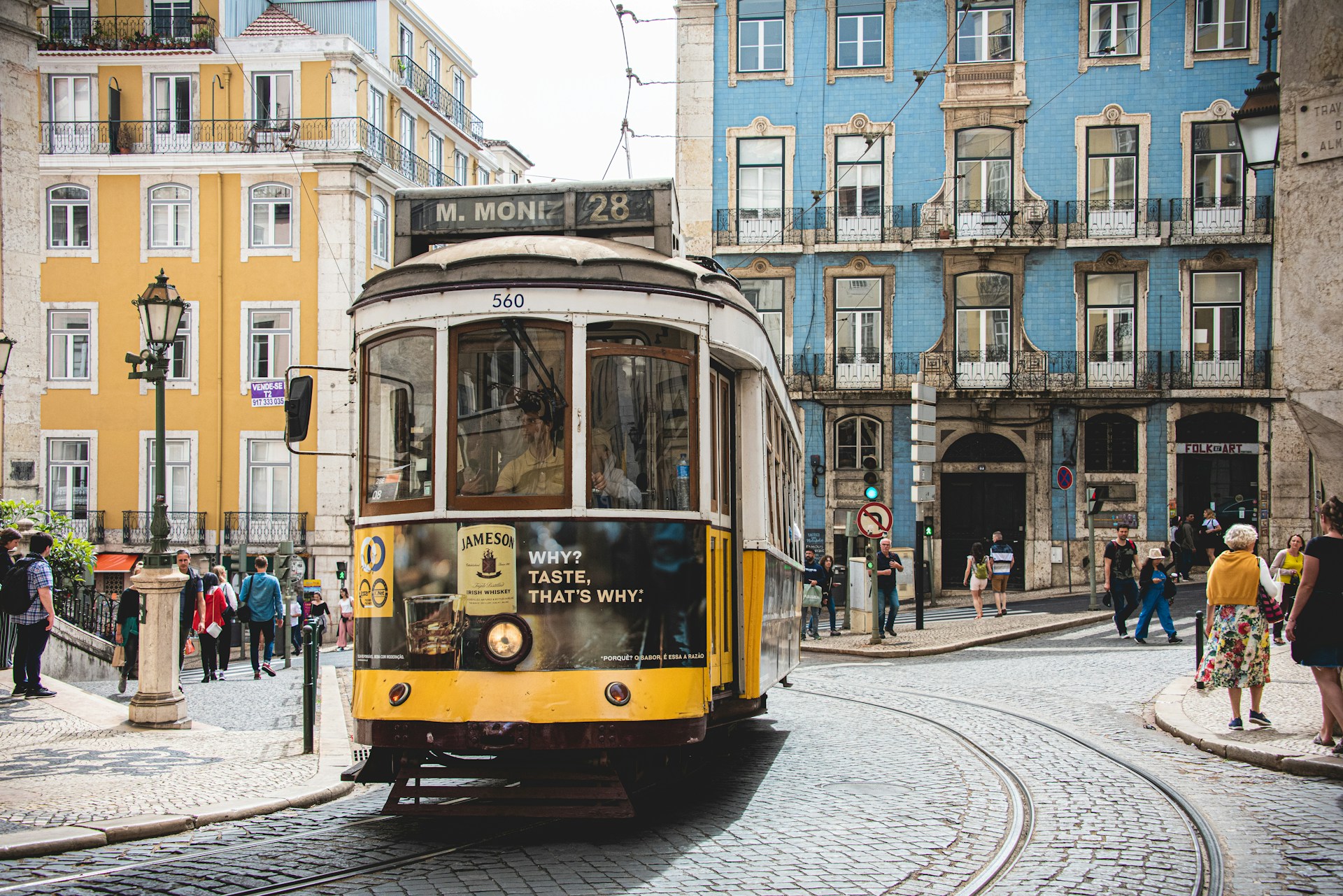
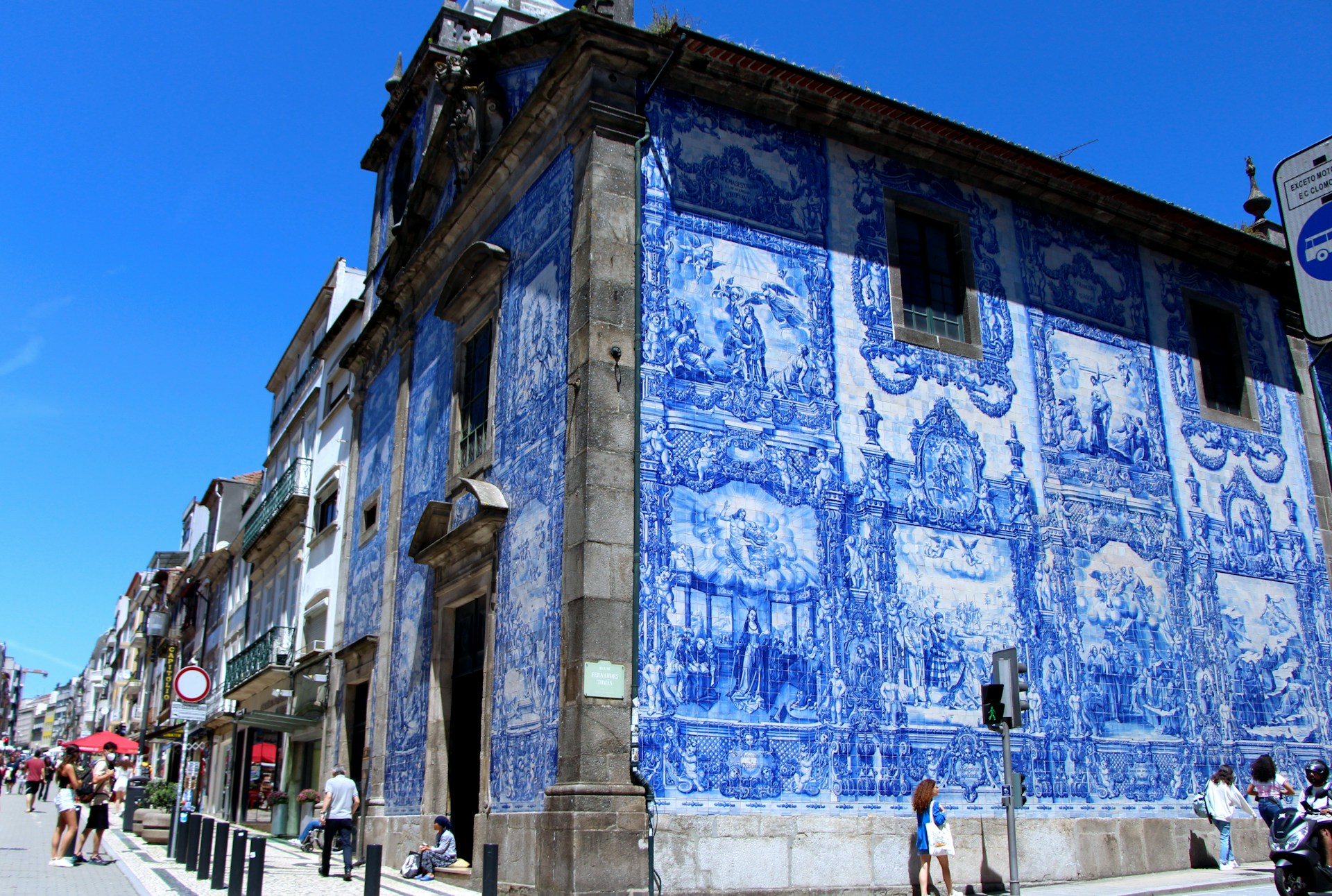
I wandered down winding cobblestone streets where fado music drifted out of tiny taverns. Walls covered in intricate azulejo tiles seemed to whisper stories from ages ago.
Every encounter made me realize how one word—saudade—can hold something so universal, yet so uniquely Portuguese. The fadistas pouring their souls into song and those ancient tiles, each telling a visual story, all seemed woven together by this invisible thread of longing.
What started as a regular trip turned into an exploration of the heart. I found myself drawn into late-night fado performances in dim restaurants and stumbled upon azulejo masterpieces in the most unexpected corners.
And somewhere along the way, I got why the Portuguese have built a whole identity around this beautiful sadness that somehow makes life feel fuller.
Experiencing Saudade: The Essence of Portuguese Identity
Saudade is more than nostalgia—it’s a complex emotion shaping how Portuguese people see themselves and their world. I felt it everywhere, from daily chats to the country’s art.
This shared emotional language runs deep in Portuguese culture. It’s just… there.
Defining Saudade in the Portuguese Psyche
Trying to define saudade is like trying to hold water in your hands. Even Portuguese poet Fernando Pessoa struggled to pin it down: “A saudade é isto: a presença da ausência”—the presence of absence.
It’s a mashup of feelings:
- Longing for something or someone
- Melancholy for what’s missing
- Nostalgia for better times
- Yearning that’s both sweet and painful
King D. Duarte wrote about saudade back in the 15th century. He said other languages just can’t express this emotion. That sense of ownership over saudade goes way back.
But saudade isn’t just sadness. It’s more layered than that. You might feel it for a person who’s still alive but far away—or even for a place you’ve never seen but somehow miss.
Emotional Depth and Cultural Nuances
Saudade runs through Portuguese life like a quiet undercurrent. I picked up on it in casual conversations and in the pages of classic literature.
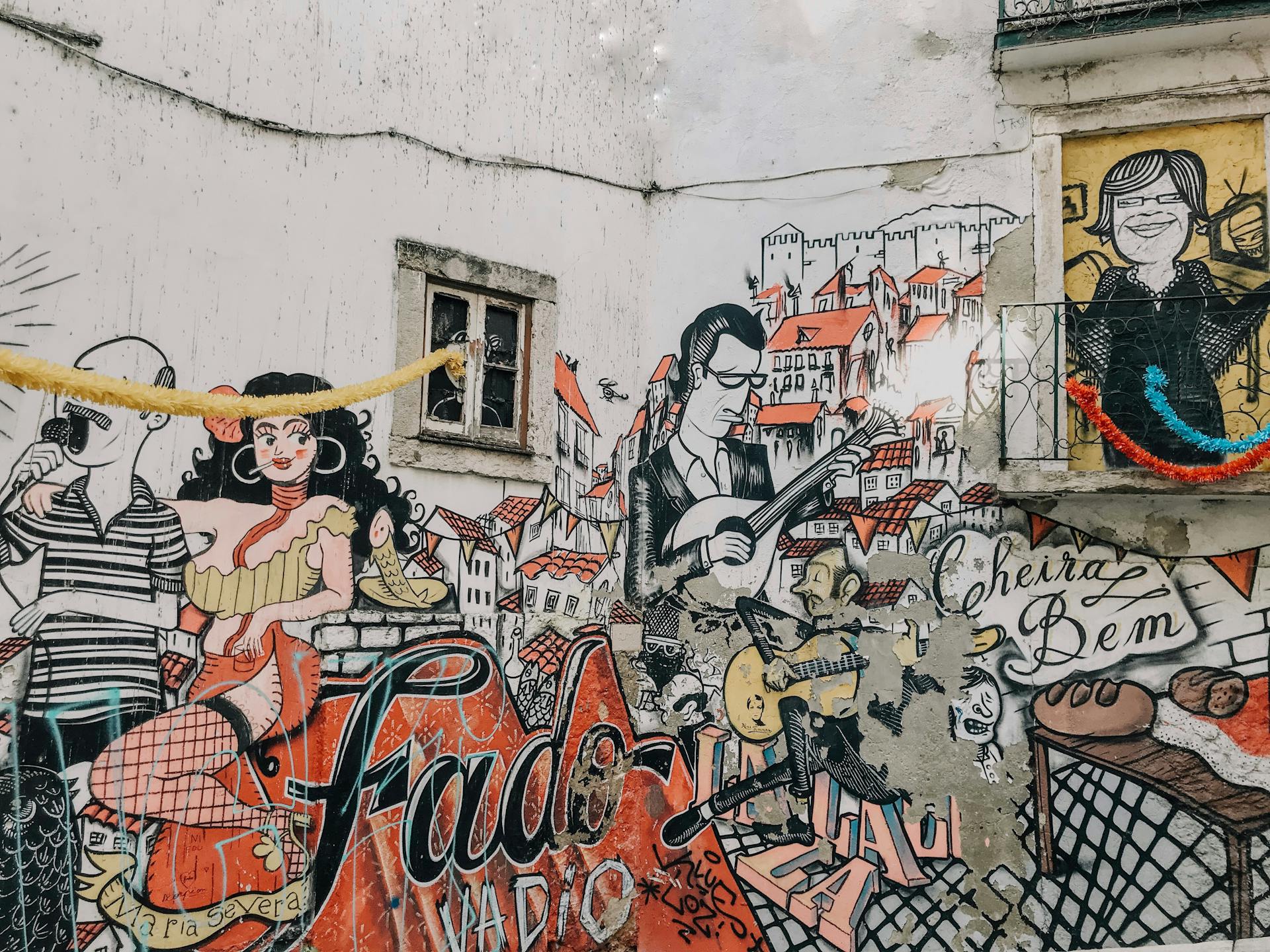
It’s probably most powerful in fado music. These haunting songs from Lisbon’s old neighborhoods seem to bottle saudade and pour it out for everyone to feel.
Writers like Fernando Pessoa and Manuel Bandeira built their legacies around saudade. Their poetry explores this emotion in ways that helped shape Portuguese literature.
Saudade also ties into Portugal’s national identity. The country’s history of exploration and emigration means many Portuguese grew up knowing what it’s like to long for distant loved ones.
Personal Interpretations and Real-Life Moments
During my travels, I saw saudade everywhere. I spotted it in an elderly woman’s eyes as she talked about her son working abroad. I heard it in the voices of fado singers in tiny Lisbon bars.
Locals described saudade in their own words:
- One said it’s “missing someone while they’re still with you.”
- Another called it “loving something so much it hurts.”
- Someone else described it as “feeling homesick for a home that doesn’t exist.”
Walking through Porto’s narrow streets at sunset, I felt a strange longing for a life I’d never lived there. The azulejo tiles seemed to echo with stories of people long gone.
Losing loved ones brings out the strongest saudade. But honestly, it can sneak up on you in small ways—like when your old neighborhood changes or a friend moves away.
Fado Music: Channeling Longing and Soulfulness
Fado didn’t just appear out of nowhere—it grew from Lisbon’s streets in the 1820s. The city’s working class shaped it, pouring their struggles and joys into melancholic melodies.
The real magic of fado is how it channels saudade—that untranslatable longing and nostalgia.
Fado’s Origins and Historical Significance
I learned that fado started in Lisbon’s taverns and street corners back in the early 1800s. The urban poor were its first storytellers.
They used music to express love, loss, and fate. These themes still echo today.
A few key things to know:
- Fado was born in working-class neighborhoods.
- Early performances happened in small taverns.
- The genre absorbed influences from different cultures.
- By the mid-1800s, fado had become a national symbol.
Its roots probably go even deeper, with Moorish and African influences shaping its sound.
For people who felt unheard, fado became an emotional outlet. It gave voice to stories that society usually overlooked.
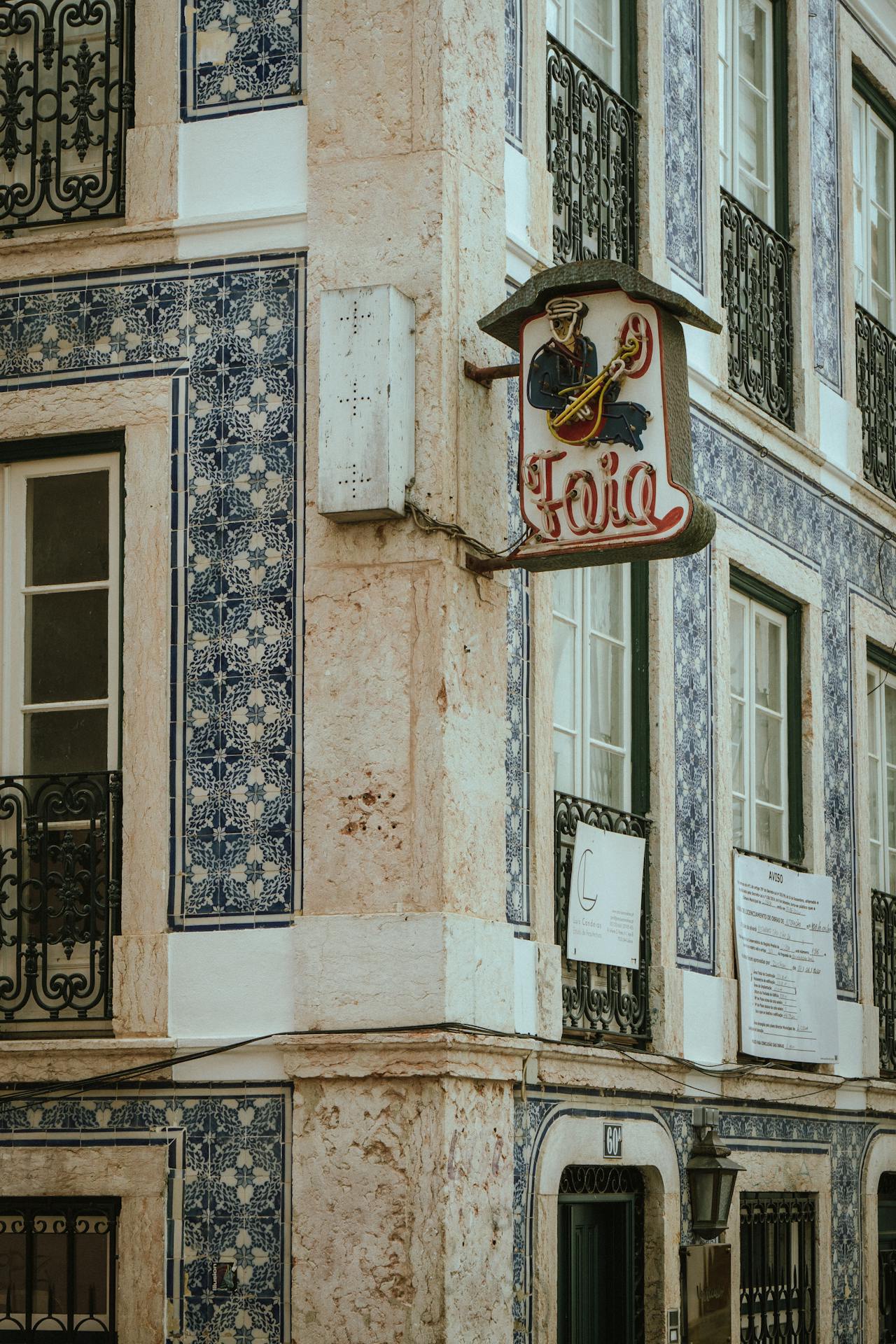
Icons and Influences in Fado Performance
Amália Rodrigues is the undisputed “Queen of Fado.” Her voice just grabs you—it’s raw, emotional, unforgettable.
She took fado to the world stage in the mid-20th century. People everywhere felt her melancholy.
Other legends include:
- Carlos do Carmo – He brought a new level of sophistication.
- Alfredo Marceneiro – His deep, resonant voice is iconic.
- Maria Teresa de Noronha – She added elegance to the genre.
Today’s artists keep the tradition alive. Ana Moura mixes old and new styles effortlessly.
Mariza? She’s got a powerful voice and a global following.
The guitarra portuguesa gives fado its unique sound. This 12-string instrument, with its pear-shaped body, stands out.
A classical guitar lays down the rhythm. But it’s the human voice that carries all the weight—every heartbreak, every hope.

Lyric Themes and the Nature of Melancholy
Fado lyrics don’t shy away from big emotions. I noticed that saudade sneaks into almost every song.
It’s nostalgia, longing, and bittersweet memories all rolled into one. There’s just no English word that fits.
You’ll hear about:
- Lost love and heartbreak
- Longing for someone or somewhere
- Accepting life’s tough moments
- Memories of better days
- Fate and destiny
But the sadness isn’t just gloom—it’s deeper. Fado embraces life’s pain and finds beauty there.
Fado singers don’t just sing these songs—they live them, right there on stage.
The music says, “Yes, life hurts, but that’s what makes it beautiful.” Maybe that’s why people keep coming back to it. We all see ourselves in those melodies.
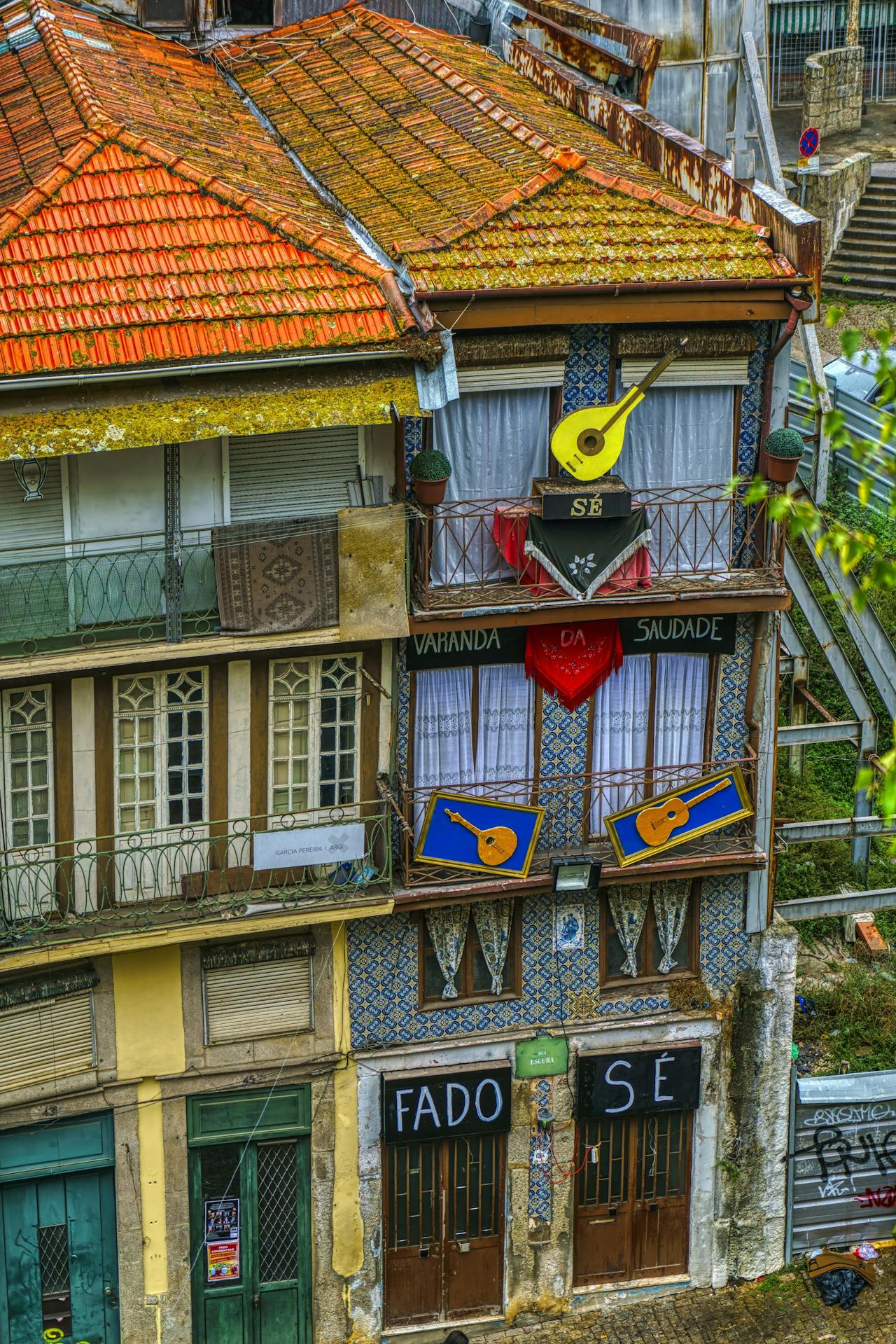
Azulejo Art: Tiles That Tell Portugal’s Story
Azulejo tiles first appeared in Portugal thanks to Moorish influences in the 15th century. Over time, they evolved into the blue-and-white ceramic panels you see everywhere today.
These masterpieces aren’t just pretty—they’re packed with meaning, decorating everything from subway stations to private homes.
Artistic Origins and Motifs
Portuguese craftsmen picked up tile-making from Moorish artisans in the 1400s. The word “azulejo” actually comes from Arabic, meaning “little polished stone.”
Early Portuguese tiles showed off geometric patterns in earthy colors. The classic blue and white look didn’t show up until the 17th century, inspired by Dutch Delft pottery.
By the 1700s, Portuguese artists were doing their own thing. They created huge panels telling stories from the Bible, Portuguese history, or just everyday life.
You’ll spot motifs like:
- Religious scenes and saints
- Naval battles and sea adventures
- Hunting or countryside life
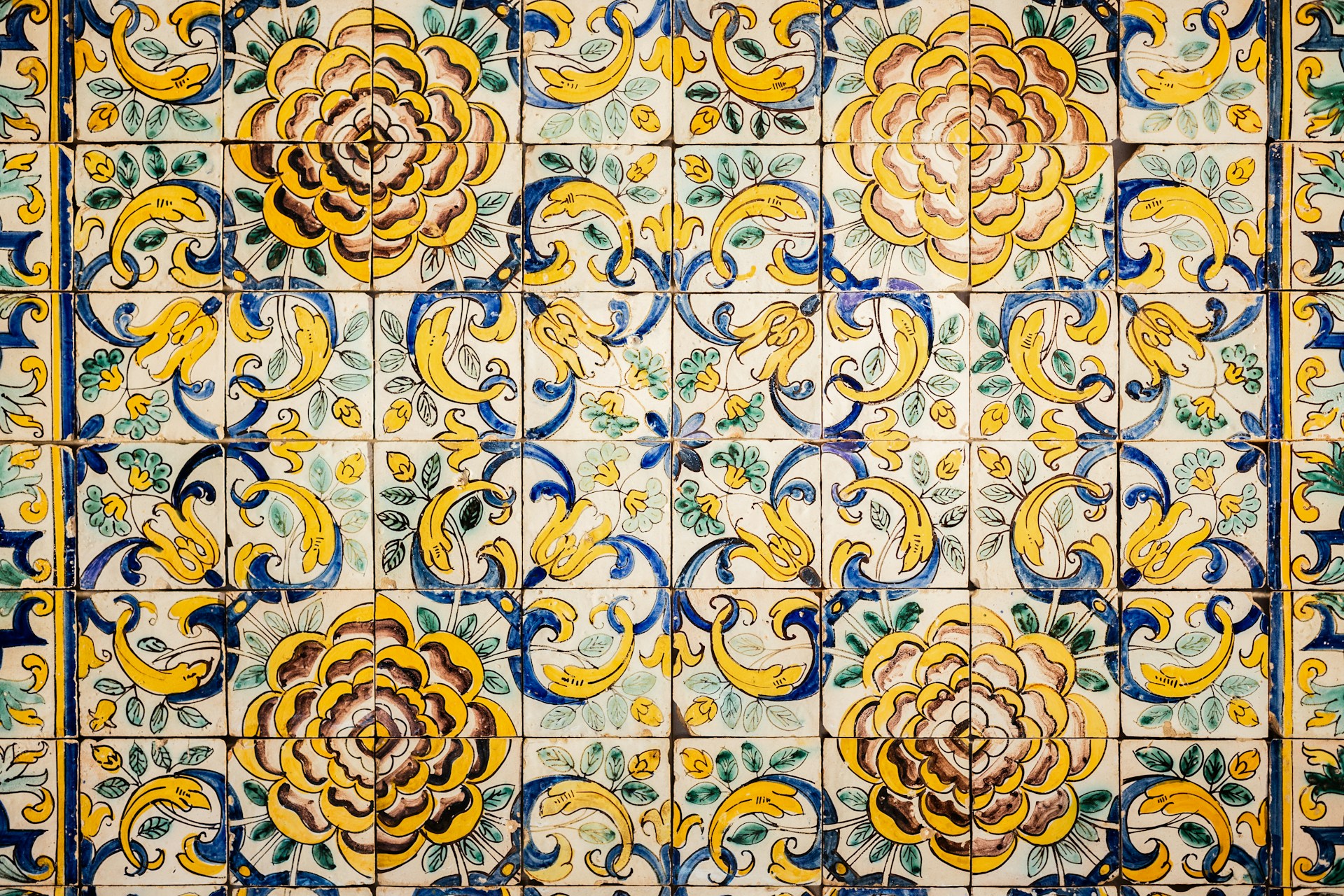
- Geometric borders and floral patterns
Making these tiles isn’t easy. Artists paint designs on white, tin-glazed ceramic using cobalt oxide for that famous blue, then fire them at high temperatures.

Symbolism in Azulejo Panels
These panels go way beyond decoration. Religious tiles often show saints watching over sailors or celebrating Catholic feast days.
I found panels showing Vasco da Gama’s voyage to India and epic battles from the Reconquista. For people who couldn’t read, these tiles acted as history books.
Some symbolic touches:
- Blue: For the sea, sky, and maybe a little divine protection
- Geometric patterns: A nod to Islamic art
- Floral motifs: Portugal’s love of nature
- Maritime themes: A celebration of seafaring roots
Many tiles include coats of arms or family crests. You’ll often spot religious symbols like crosses and doves, especially in churches.
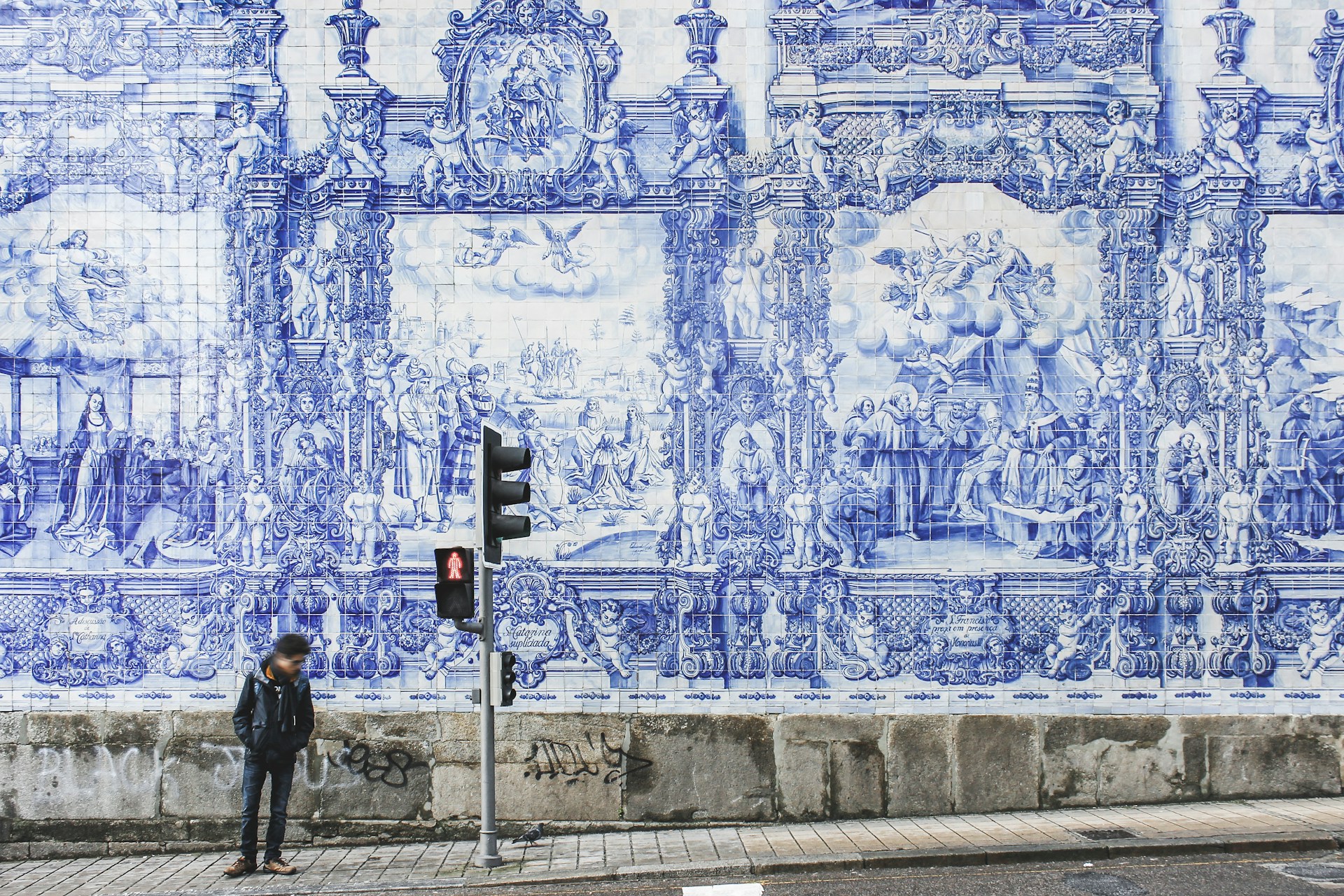
The Role of Azulejos in Public and Private Spaces
Azulejos aren’t just beautiful—they’re practical. The tiles protect walls from moisture and help keep buildings cool in the heat.
Lisbon’s subway stations blew me away with their modern panels that still honor old techniques. The São Bento Station in Porto? It’s covered in historical scenes on every wall.
You’ll find azulejos in:
- Churches and monasteries
- Train stations and metro stops
- Government buildings
- Parks and plazas
In private homes, people use them in kitchens, bathrooms, and garden walls. Wealthier families sometimes commission custom panels telling their own stories.
Today, Portuguese artists still create new azulejos for modern buildings. They mix classic blue-and-white with bold, contemporary designs. It’s tradition, but it’s always evolving.
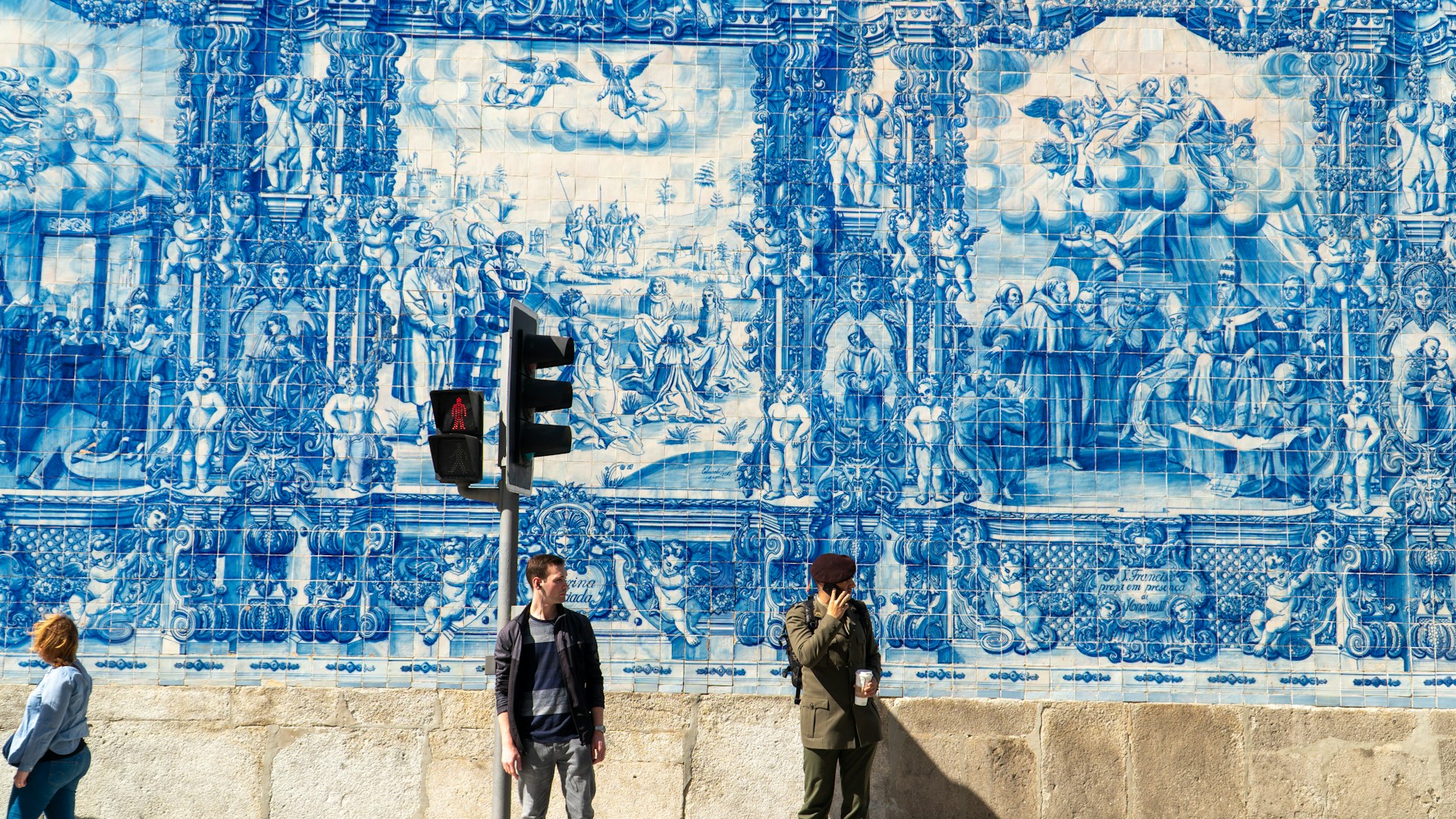
Embodying Saudade Through Artistic Encounters
Portugal’s art forms—especially fado performances and azulejo tilework—capture saudade in ways words can’t quite reach. These traditions connect personal memories with Portugal’s collective soul.
Fado Performances Mirroring Nostalgia
I watched a fadista close her eyes and pour her heart into every note. Her voice made me think of what Manuel de Melo called “a pleasure you suffer, an ailment you enjoy.”
The guitar’s strings seemed to tremble with feeling. Even if you don’t speak Portuguese, you can feel the story.
What makes a fado performance special?
- The 12-string Portuguese guitar
- Vocals loaded with emotion
- Lyrics about fate and destiny
- Deep roots in working-class Lisbon life
In those dimly lit rooms, I could almost feel the weight of history. Fado began in 1820s Lisbon, among people who knew longing.
Every song told a story—sometimes of sailors lost at sea, sometimes of lovers who never came home.
The fadista barely moved, but her hands shaped every word. The audience stayed silent, hanging on each note.
It wasn’t just music. It felt like a ritual, a way to keep the Portuguese soul alive.

Visual Narratives in Azulejo Designs
Blue and white tiles stretched across walls, telling stories in ceramic. Each azulejo panel felt like a window into another time.
I traced the cool, glazed surface, picking out scenes of sea voyages, saints, or just daily life centuries ago.
Azulejo themes you’ll spot:
- Maritime scenes – Ships braving the Atlantic
- Religious imagery – Saints and biblical stories
- Historical events – Battles, victories, celebrations
- Geometric patterns – Reminders of Islamic influence
Creating these panels takes months of careful work. Each tile is painted by hand, then fired in a kiln.
These visual stories echo the emotional depth of saudade. They hold onto memories of Portugal’s golden age and its explorers.
I found azulejos in subway stations and on church walls. They bridge sacred and everyday spaces.
Older tiles, their colors faded by time, seemed to hum with nostalgia. Beauty lingers, even as it changes.
Bridging Personal Memories and National Identity
When I first encountered fado and azulejos, I realized how deeply personal emotions could tie into a shared cultural identity. Saudade isn’t just a word—it’s a personal ache and a national trait, all at once.
I remember listening to a fadista sing about her own heartbreak. Her voice, raw and honest, somehow spoke for all of Portugal.
Even if I didn’t understand every word, I felt my own memories of separation echoing in the music. Longing, it turns out, doesn’t care about language.
Personal Connection Points:
- Private grief reflecting a country’s mourning
- Immigration stories echoing Portugal’s long history of diaspora
- Family separations mirroring themes in art and music
- Personal nostalgia aligning with creative expression
Azulejo tiles, those blue-and-white storytellers, keep both family tales and public history alive. You’ll spot family crests right next to national emblems.
For the Portuguese, saudade feels like something they inherit. It shapes how they see love, loss, and memory.
Now I get why saudade is so hard to translate. It’s not just sadness or nostalgia—it’s more layered than that.
Through fado and azulejos, I started to feel Portugal’s emotional landscape. These art forms carry both shared memory and individual stories.

Preserving Portuguese Heritage for Future Generations
Portugal’s cultural treasures face some real challenges these days. UNESCO recognition and new educational efforts try to keep saudade, fado, and azulejo art alive for younger generations.
Transmission of Saudade in Modern Culture
I’ve noticed Portuguese schools now actually teach saudade. Kids explore this complex emotion through poetry, music, and art.
Modern musicians mix traditional saudade with new sounds. Artists like Ana Moura and Mariza bring this feeling onto global stages, singing for people who may not even know where Portugal is.
Digital platforms spread saudade far and wide:
- Fado playlists on streaming apps
- Portuguese poetry popping up on social media
- Online classes about Portuguese culture
Young people abroad use saudade to stay connected to Portugal. I met second-generation Portuguese in Paris who learned fado from YouTube.
Cultural centers in big cities run saudade workshops. These events welcome everyone, even if you don’t speak Portuguese. Translated books and poems also help saudade reach new readers.

Continuity of Fado and Azulejo Traditions
UNESCO recognized fado as intangible cultural heritage back in 2011. This helps keep the music alive and supports preservation programs.
In Lisbon, fado houses teach new singers the old ways. I once visited Tasca do Chico, where older musicians coached younger performers. Learning the Portuguese guitar takes years—trust me, it’s not easy.
| Traditional Element | Preservation Method |
|---|---|
| Fado vocals | Master-apprentice programs |
| Portuguese guitar | Music conservatories |
| Azulejo tiles | Craft workshops |
| Tile painting | Art school courses |
Portugal’s azulejo tradition survives thanks to dedicated schools. The National Azulejo Museum even runs hands-on workshops for students and curious tourists. Skilled tile makers pass their know-how to apprentices, one generation at a time.
You’ll spot modern architects using azulejo tiles in new buildings. Lisbon’s metro stations, for example, blend classic techniques with fresh designs.
Government grants now help traditional azulejo artists keep their craft going. These programs make sure ancient skills don’t vanish.
Frequently Asked Questions
Fado started in Lisbon’s working-class neighborhoods in the 19th century. The music expresses saudade—a uniquely Portuguese sense of longing. Azulejo tiles, usually blue and white, decorate buildings all over Portugal with scenes from religion, history, and geometric art.
Fado began in 19th-century Lisbon among working people. The word comes from the Latin “fatum,” meaning fate.
I’ve learned that Fado grew up in places like Alfama and Mouraria. Sailors, dockworkers, and everyday folks used the music to share their struggles.
Maria Severa, one of the first famous fadistas, came from Alfama. Her passionate singing helped fado spread across Portugal.
The music moved from tiny taverns and cafés to big performance halls. Eventually, even the upper class embraced it as an art form.
UNESCO put Fado on its Intangible Cultural Heritage list in 2011. That shows just how important Fado is to Portugal—and to the world.
Azulejo tiles are painted ceramic squares that cover Portuguese buildings. Most are blue and white, but you’ll find other colors too.
The subjects vary a lot. Some tiles show religious scenes—saints, biblical stories, and more. Others capture big moments from Portuguese history.
Geometric patterns repeat across big walls, often with a Moorish touch from Portugal’s Islamic past.
I’ve seen azulejos that tell a whole story across many tiles. Train stations and churches often have entire walls covered in these murals.
The glazed surface makes the tiles waterproof and durable. That’s one reason azulejos became so popular inside and out.
Saudade means longing for something lost or unreachable. You’ll find this emotion everywhere in Portuguese art and music.
In fado, saudade comes through in the melodies and lyrics—songs about loss and missing someone. Singers pour their hearts into every note.
The Portuguese guitar, with its haunting sound, captures saudade perfectly. Its 12 strings and unique shape set the mood.
Azulejo art often shows departures and returns—ships sailing away, families waiting, echoes of Portugal’s seafaring past.
Many tile panels feature religious stories of suffering and redemption. These images connect deeply with the Portuguese sense of loss and hope.
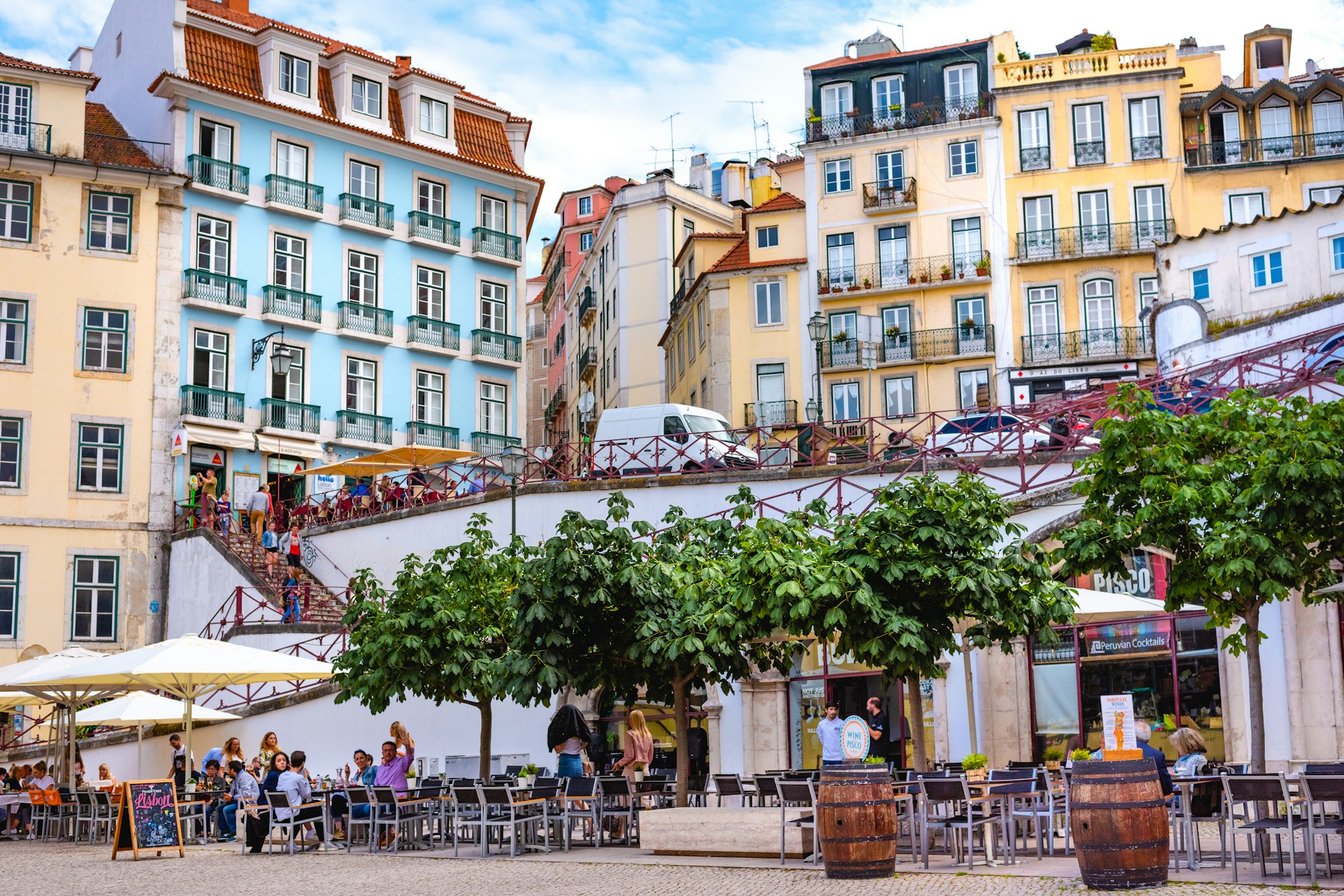
Lisbon is the heart of fado, especially in the Alfama district. Tiny restaurants and fado houses offer cozy, unforgettable nights.
Clube de Fado in Alfama pairs great music with delicious Portuguese food. Locals and tourists both love it.
A Baiuca is a tiny spot where amateurs and pros take turns singing. The vibe is raw and real—nothing fancy, just pure fado.
Mesa de Frades, set in a former chapel, has candlelit tables and amazing acoustics. You can almost feel the history in the walls.
In Coimbra, Fado ao Centro showcases the academic style of fado. Male students in black capes sing traditional university songs.
Porto offers O Fado and Casa da Guitarra for a northern twist. These venues mix live music with local culture and food.
Religious themes pop up everywhere in azulejo displays. Churches are packed with Bible scenes, saints, and sacred symbols.
You’ll spot historical moments on tiles all over Portugal. I’ve seen panels showing epic battles, discoveries, and turning points in history.
Maritime scenes are everywhere—ships, sea creatures, and nautical adventures. Portugal’s love affair with the sea is hard to miss.
Geometric patterns fill borders and cover entire walls. These designs often blend Portuguese and Islamic influences.
Nature shows up too: flowers, birds, and lush landscapes. Gardens and palaces love these botanical tiles.
Some tiles capture everyday life—people working, celebrating, just living. These snapshots tell the story of Portuguese customs and daily routines.
Traditional Fado always hits deep, doesn’t it? I think of those old songs about fate, heartbreak, and the daily grind in Lisbon’s narrow streets.
Back then, the music clung to its roots in the city’s poorer neighborhoods. You could almost feel the cobblestones under your feet.
But things have shifted. Artists like Mariza and Carminho shake things up, blending Fado with jazz, world music, and even a bit of electronic flair.
They never lose that Fado soul, though. The emotion still sits right at the center.
The Portuguese guitar? Still iconic, still essential. Yet, lately, performers experiment with new arrangements and unexpected accompaniments.
Honestly, I’ve noticed how these fusion styles help Fado cross borders. Suddenly, people all over the world are tuning in, and younger fans seem way more interested.
Coimbra’s version of Fado sticks to its academic roots, but it’s not stuck in the past. Female performers have taken the stage, which feels like a big deal.
That shift mirrors changes happening across Portugal. Music, after all, reflects what’s going on in society.
You’ll hear Fado’s influence everywhere in today’s Portuguese music. Pop and rock artists borrow those haunting melodies and emotional themes, weaving them into something new.
It’s like Fado never really left—it just keeps finding new ways to speak to us.

,_cropped.png)