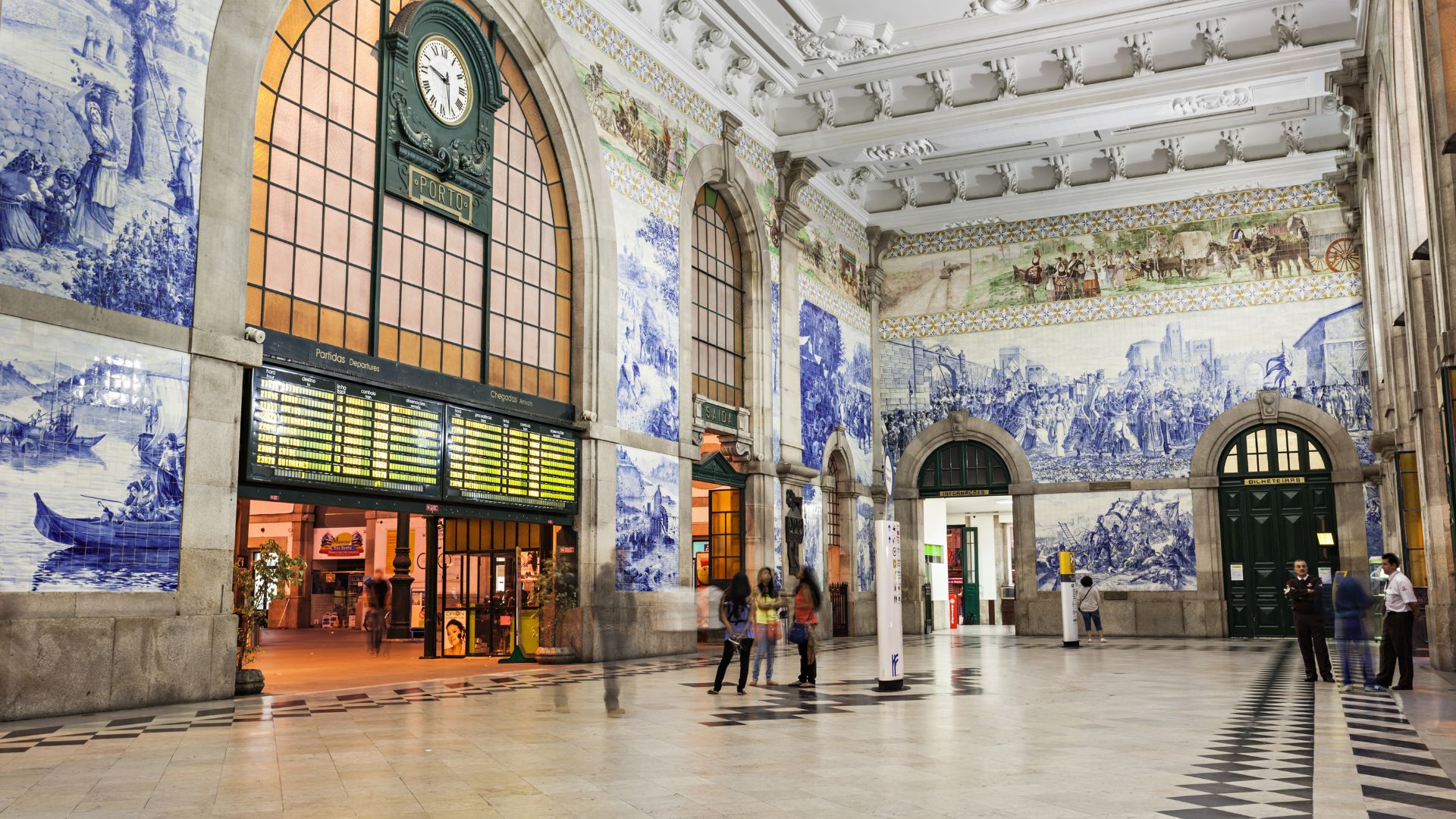
When I stepped into São Bento Station in Porto, Portugal, it felt like walking into a living piece of art.
Right in the main hall, over 20,000 painted azulejo tiles surrounded me, each one telling stories from the country’s rich history.
The detail and scale? Almost overwhelming. I’d never seen anything quite like it.
Bright blue-and-white tiles stretched across the walls, all hand-painted and perfectly placed.
Scenes of battles, kings, and everyday Portuguese life wrapped around me, and I just had to stop and try to take it all in.
I expected a busy train station, but what I found was a masterpiece that made me want to slow down and really look.
Visiting São Bento Station did more than tick a box on my travel list.
It made me appreciate how art can transform public spaces.
There’s something special about seeing history and culture so beautifully displayed where locals and travelers cross paths every day.

First Impressions: Arriving at São Bento Station
Arriving at São Bento Station isn’t like stepping into any other train station in Portugal.
The space mixes history with the energy of a modern gateway, and it leaves a strong visual impression even before you get far inside.
Awe from the Platform: The First Glimpse
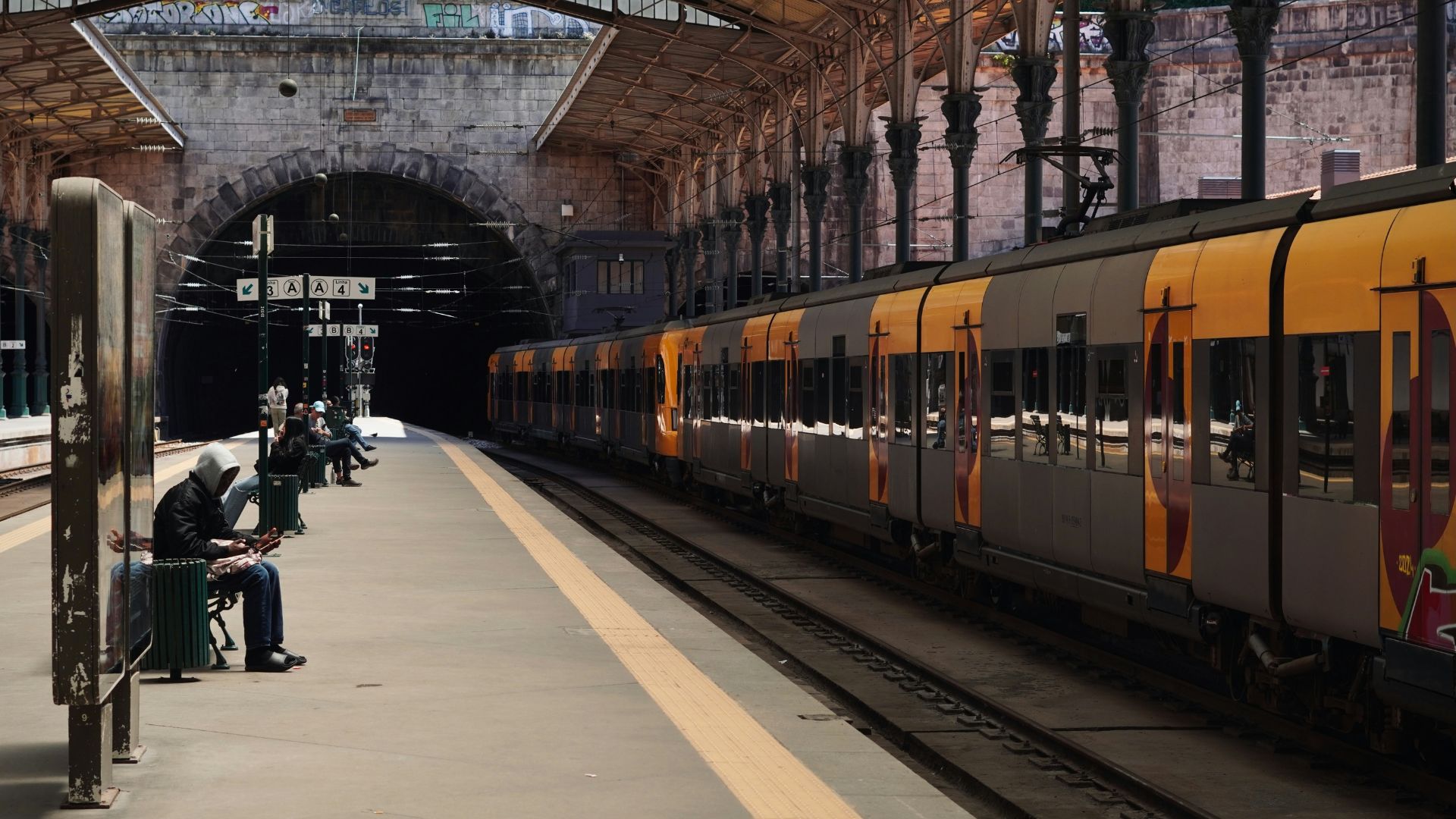
When my train rolled into São Bento Station, I felt a jolt of excitement.
This wasn’t just another stop—right from the platform, I sensed I was entering a place woven into Porto’s story.
The stone facade stood tall, trimmed with classic Portuguese details, and travelers bustled everywhere.
Through the archways, bursts of blue and white peeked from the entrance hall walls.
The azulejo tiles, famous across Portugal, caught the light, and I could already spot a few scenes in the designs.
There’s no plain waiting area here; every inch feels special.
People stopped to snap photos even before reaching the lobby.
The hum of activity mixed with the history written on the walls.
For anyone arriving by train, São Bento introduces you to Porto’s grand mix of art, movement, and daily life.
Navigating the Gateway to Porto
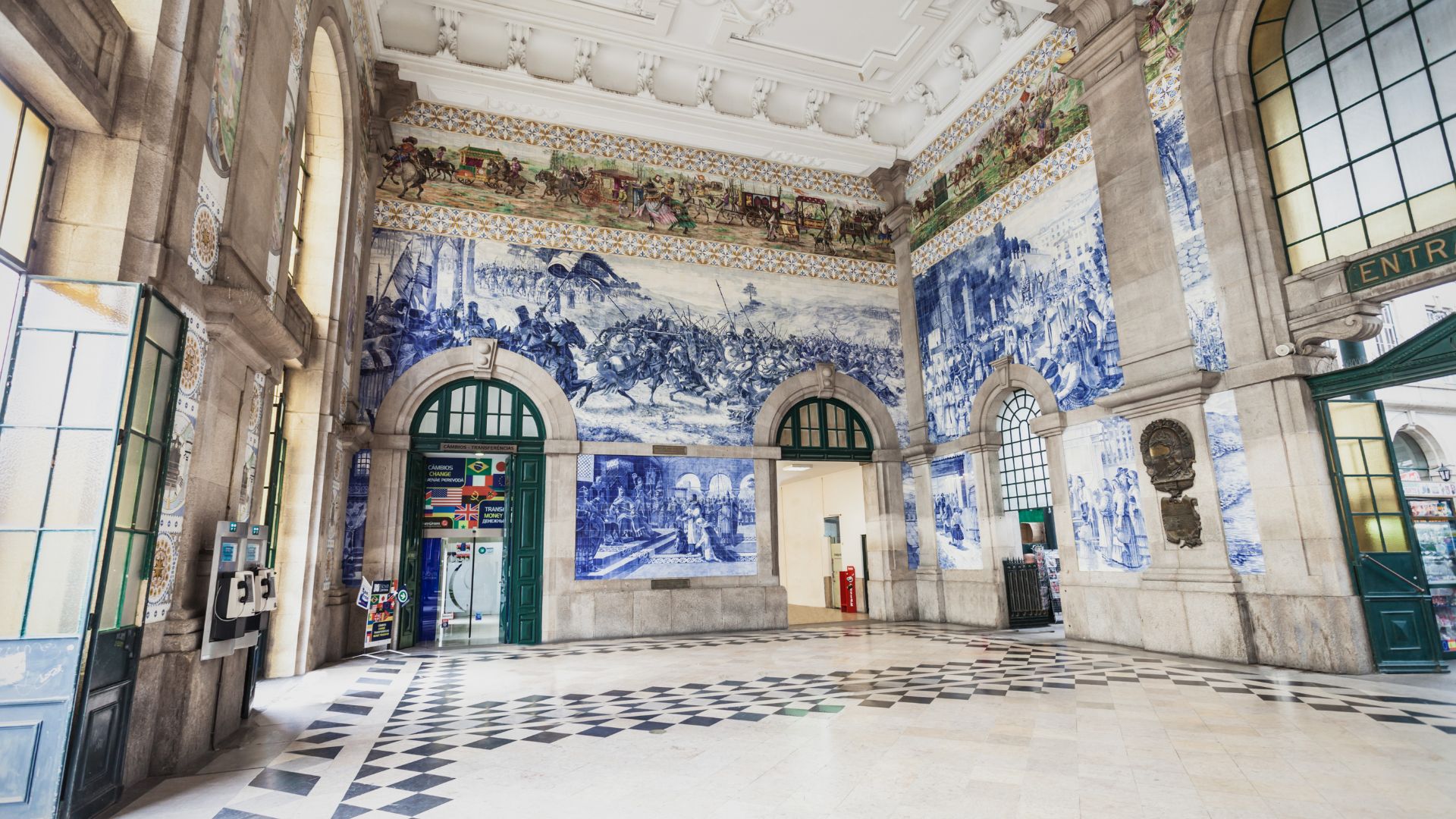
I left the platform and followed streams of travelers through arched doorways into the main hall.
Smooth stone floors and old wooden doors framed the way.
The space just guides everyone forward—no confusion, just a sense of direction.
In the entrance hall, more than 20,000 azulejo tiles covered the walls from floor to ceiling.
Scenes of battles, rural life, and old city views filled every surface.
Artist Jorge Colaço painted these vivid stories in blue, mapping out Portugal’s past.
Helpful signs, clear exits, and ticket booths tucked to the sides make São Bento Station blend function with charm.
Just outside, Porto’s steep streets and local cafés wait only steps away.
The station really does feel like a gateway—not just for trains, but for exploring the heartbeat of the city.
Azulejo Magic: The Story Behind 20,000 Painted Tiles
As soon as I set foot inside São Bento Station, it felt like I’d wandered into a living gallery.
The walls and arches are a breathtaking sight, covered in thousands of blue-and-white azulejo tiles.
Each tile forms part of a larger mosaic, capturing Portugal’s history and culture in ceramic.
A Masterpiece by Jorge Colaço
Jorge Colaço, a celebrated Portuguese artist, started the magic here.
He was known for his skill in creating huge azulejo panels, and São Bento Station is often called his crowning work.
Colaço painted more than 20,000 tiles for this hall in the early 20th century, shaping an immersive mural that spans nearly every surface.
His attention to detail is remarkable.
Every scene flows into the next, and I found myself wanting to study every inch.
Colaço’s vision blended traditional techniques with a modern sense of storytelling.
Walking through the station feels more like wandering through Portugal’s artistic heritage than simply catching a train.
Unveiling Portuguese History through Art
These azulejo tiles aren’t just decoration.
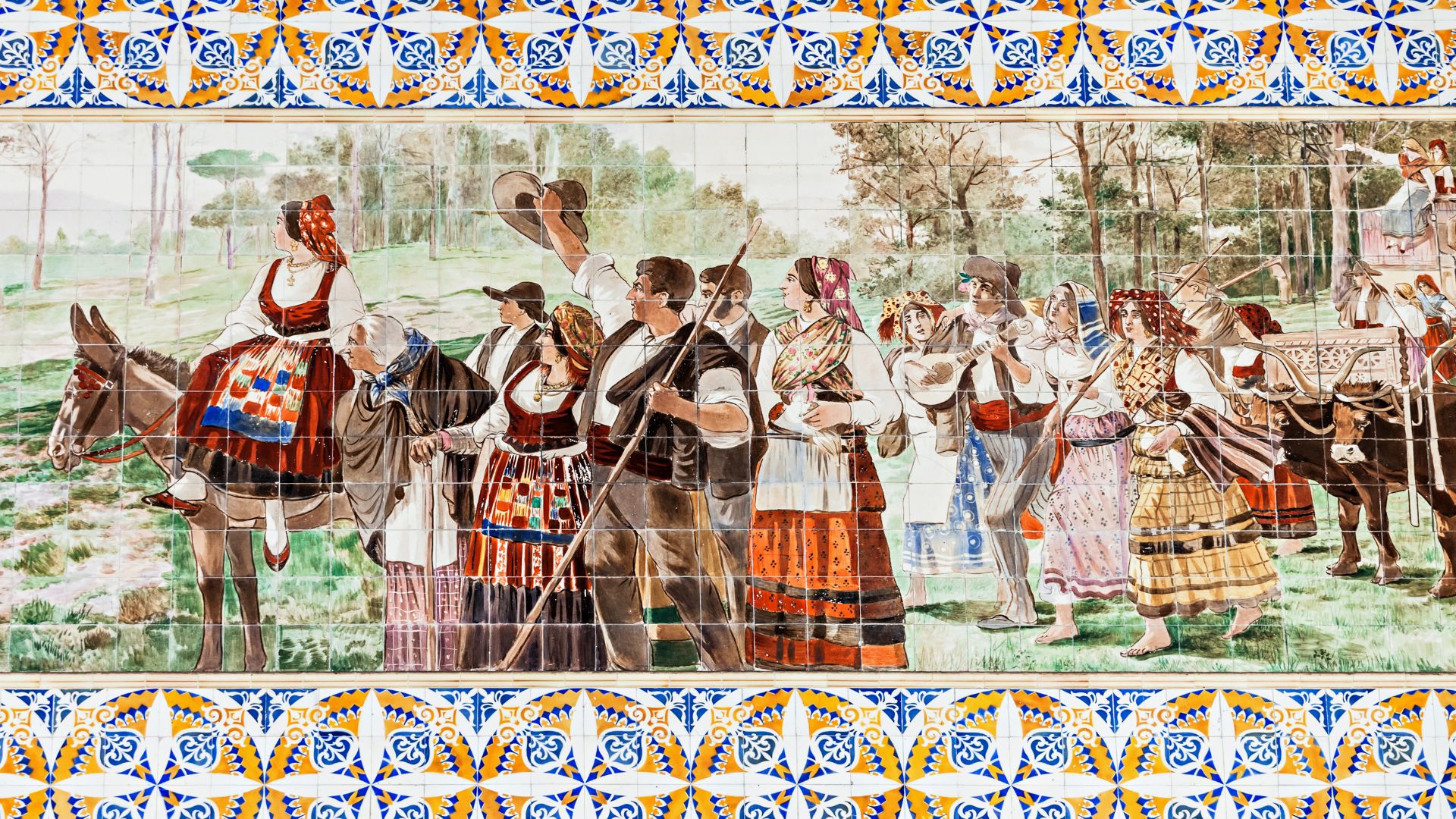
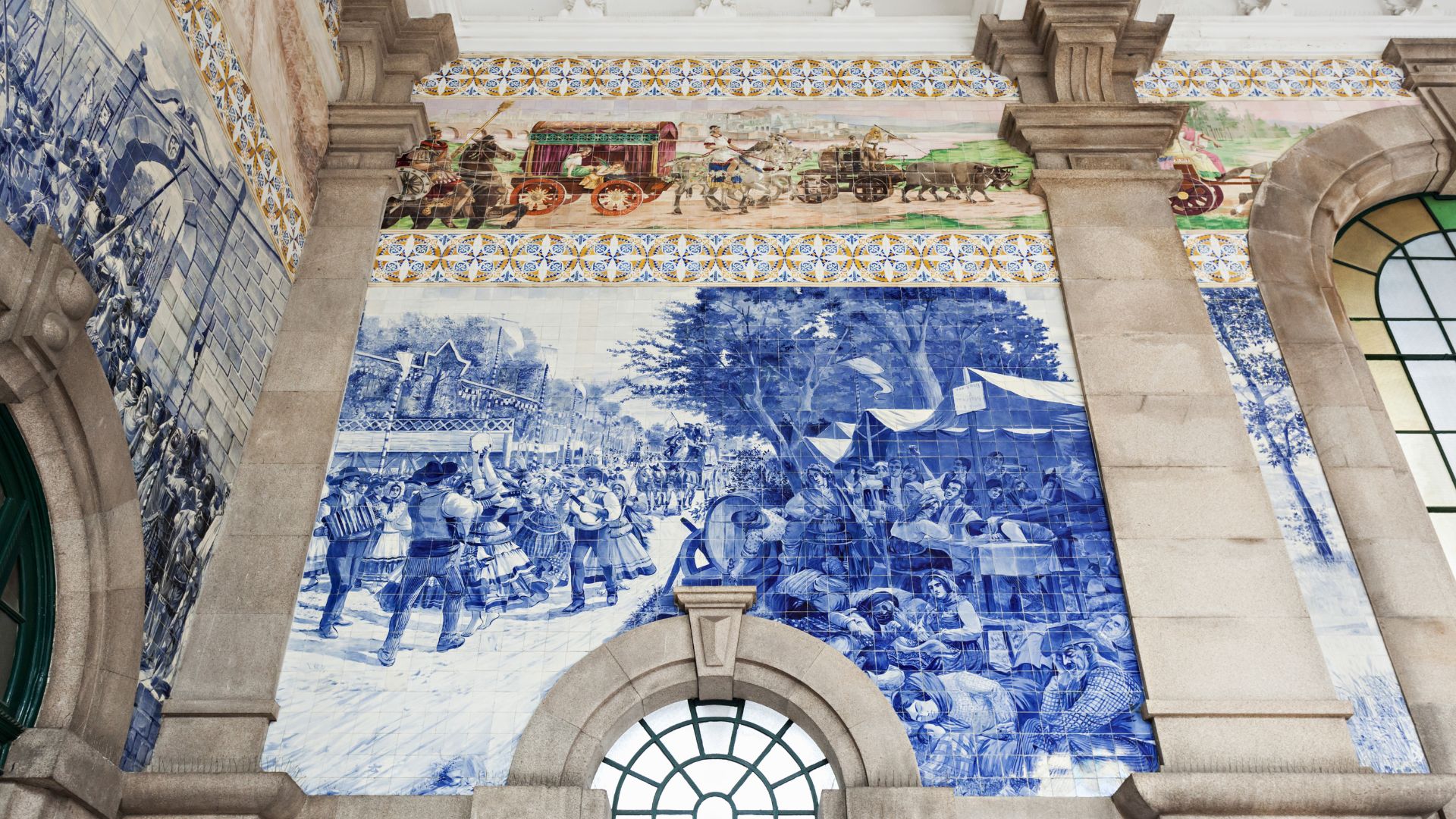
They tell stories about Portugal’s history, from royal processions and battles to scenes of daily rural life.
Some panels capture big historic moments, like King João I’s marriage to Philippa of Lancaster.
I recognized local customs too, with market scenes and pastoral landscapes all brought to life in blue and white.
Art here becomes an educational tool.
Travelers can pause amid the bustle and gather glimpses of Portugal’s past in vivid, accessible images.
Azulejo Panels at São Bento:
| Theme | Scene Examples |
|---|---|
| Royal History | Royal entries, battles, noble events |
| Rural Life | Harvesting, markets, countryside |
| Religious | Processions, saints, ceremonies |
The Creation: From Glazed Ceramic to Storytelling Walls
Crafting these azulejo tiles took serious skill and patience.
Artisans shaped and glazed each ceramic tile.
Then, Jorge Colaço and his team painted every piece by hand, usually with cobalt-based pigments for that signature blue hue.
Kilns fired the hand-painted tiles to fix the colors and seal the glaze.
When installed on São Bento’s walls, the tiles locked into vast murals, each one a piece of a much larger story.
Seeing the layers up close gave me a new level of appreciation for the work involved.
Every step, from raw ceramic to finished mural, reflects Portugal’s dedication to preserving art as public heritage.
A Journey through Portuguese History on the Station Walls
Inside São Bento Station, I found myself surrounded by a vivid timeline.
More than 20,000 blue-and-white azulejo tiles cover the walls, bringing the biggest chapters of Portuguese history to life.
The Triumphs and Tales: Scenes Depicted
The sheer range of stories on the tiles drew me in right away.
Each panel tells a specific moment or scene, making the station feel like a living museum.
I walked along the main hall, gazing at murals of royal processions, bustling medieval markets, and scenes of rural life.
It’s a real blend of pageantry and daily realities.
The details are astonishing, from knights in shining armor to simple fishermen casting nets.
These artistic panels do more than decorate.
They teach visitors about Portugal’s past with every careful brushstroke.
Standing there, I realized that the country’s history isn’t just in books—it’s told here, in tile.

The Conquest of Ceuta and Other Historic Highlights
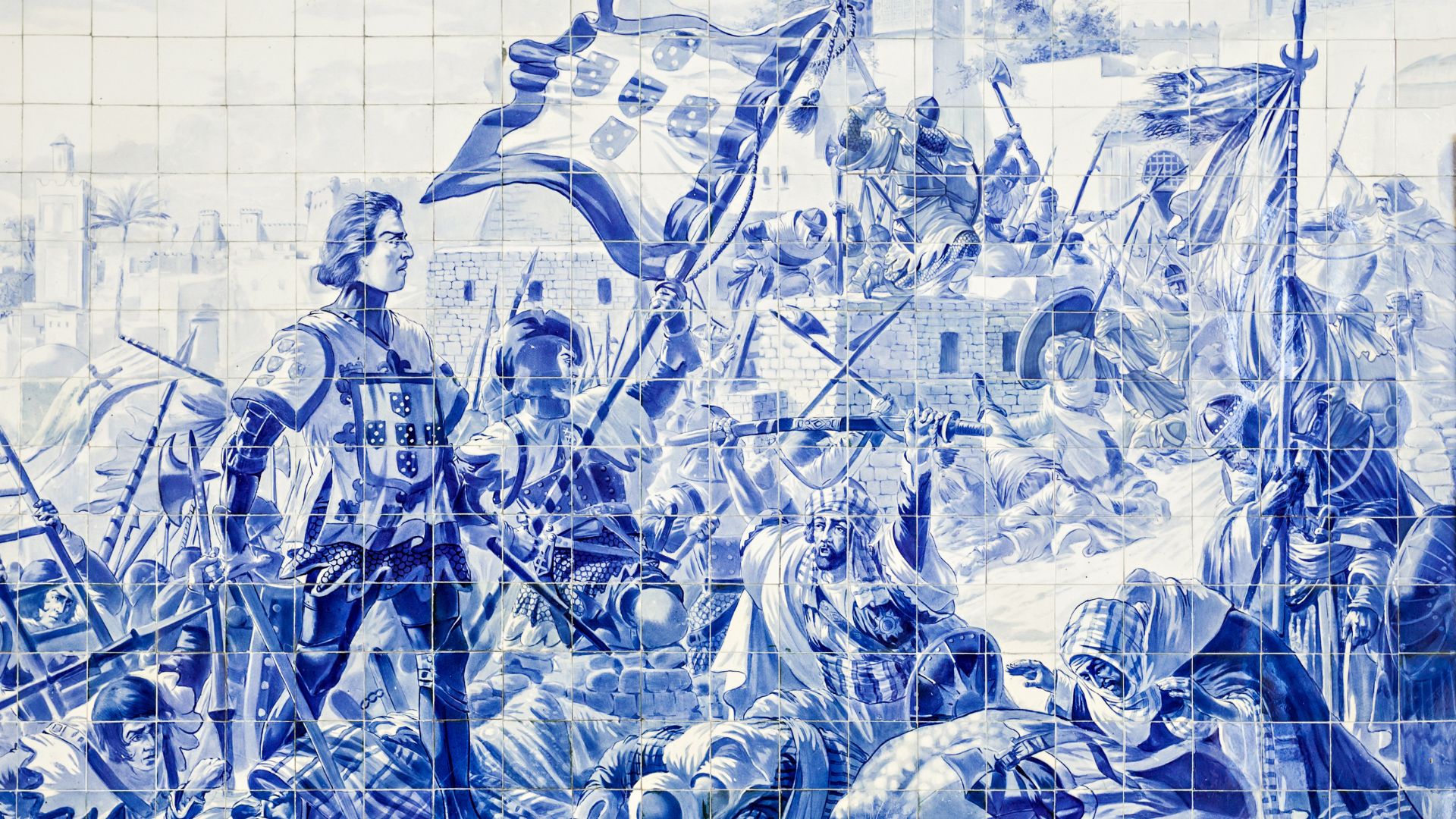
One of the most dramatic panels shows the Conquest of Ceuta in 1415.
It marks a key moment in Portuguese history—when Prince Henry the Navigator and the Portuguese seized Ceuta in North Africa, launching the age of exploration.
I got lost in the energy of the scene: ships docking, knights landing, banners waving in victory.
Lisbon’s bustling ports and determined soldiers reminded me how far Portugal’s influence once stretched.
Other historic highlights depicted on the walls include:
| Event | Description |
|---|---|
| Battle of Valdevez | Medieval knights in battle |
| Royal Entrances | Kings and queens arriving in celebration |
| Moments from Rural Life | Everyday people in harvest and festival |
These scenes make the station more than a stop on a train journey.
It’s a visual entry point to Portugal’s storied legacy.
D. Filipa de Lencastre and Egas Moniz: Iconic Figures
Certain individuals really stand out in the azulejo murals.
D. Filipa de Lencastre appears as a symbol of unity, having married King João I and helped secure the Avis Dynasty.
Egas Moniz is also unforgettable.
He’s shown fulfilling his pledge of loyalty—barefoot, with his family, offering himself to the king in a moving act of medieval honor.
These stories stirred me.
Reading about these figures is one thing, but seeing their faces and gestures recreated in tile gives their deeds new weight.
It’s personal and public at the same time, making these legends feel real—almost touchable.
Layers of Baroque and Artistic Splendor
Azulejos at São Bento go beyond historical illustrations.
They’re a triumph of art and design.
I couldn’t help but marvel at the Baroque curves bordering the panels and the intricate patterns wrapping around doors and windows.
Jorge Colaço painted the tiles between 1905 and 1916, fusing history and artistry in a single masterpiece.
Even the smallest floral motifs are packed with color and texture.
The whole hall glows in natural light.
The beauty of São Bento Station isn’t just in its grand building.
It comes alive through the tiles—layer after layer of Baroque detail and artistic splendor, turning a simple train stop into a must-see destination for any traveler in Porto.
Porto Beyond São Bento: Unmissable Sights and Local Gems
Porto brims with historic landmarks, colorful tiles, and natural beauty.
Each neighborhood brings its own special attractions, from cathedrals and bridges to river views and charming towns nearby.
Porto Cathedral and Luís I Bridge
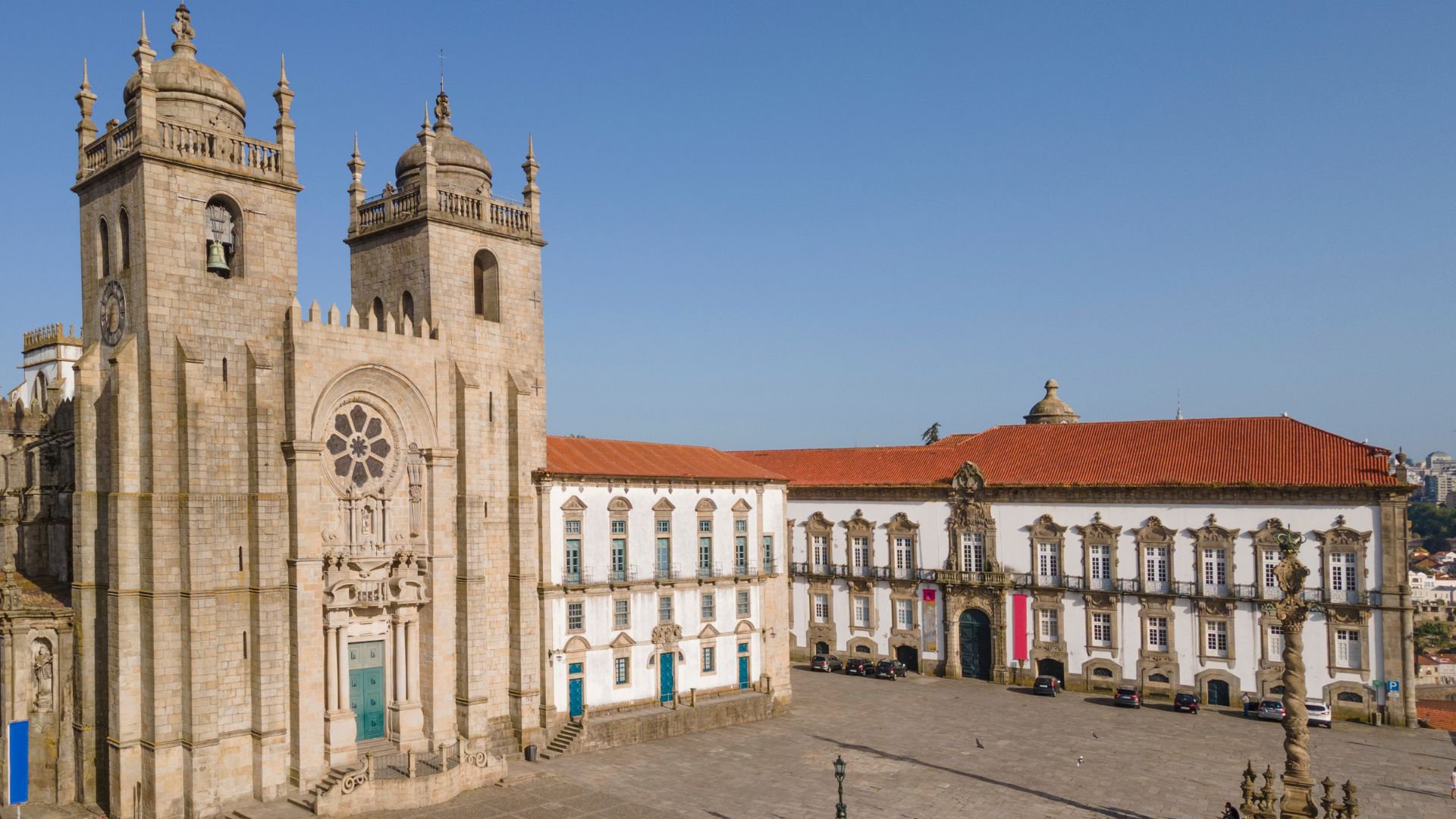
Porto Cathedral (Sé do Porto) sits atop the old city.
Its Romanesque style and sweeping views over the Douro River left me impressed.
The cloisters, decorated with blue-and-white tiles, tell holy stories in quiet corners away from crowds.
A short walk from the cathedral took me to the iconic Luís I Bridge.
Crossing this double-deck metal bridge on foot gave me city views I’ll never forget.
At sunset, the lights reflecting on the Douro River added a calm beauty to the busy Ribeira district below.
I liked taking the top walkway in the evening, when the crowds thin out and the whole city glows.
| Site | What Stood Out |
|---|---|
| Porto Cathedral | Panoramic city views, peaceful tiled cloisters |
| Luís I Bridge | Easy crossing, perfect river and city photo opportunities |
Capela das Almas and Other Tiled Marvels
Porto’s tile art doesn’t stop at São Bento Station.
Capela das Almas made me stop in my tracks with its entire exterior covered in blue-and-white azulejos.
Nearly 16,000 tiles on this chapel show scenes from the lives of saints—a real sight along Rua de Santa Catarina.
Other must-see tile-covered spots include Igreja do Carmo, especially its huge side wall, and Igreja de Santo Ildefonso with its pretty Baroque façade.
These buildings bring city walks to life.
I made a habit of looking up so I wouldn’t miss a single colorful detail.
Tiled Highlights:
- Capela das Almas: Stories of saints in blue-and-white style
- Igreja do Carmo: Iconic side mural, perfect for photos
- Igreja de Santo Ildefonso: Baroque beauty meets classic tilework
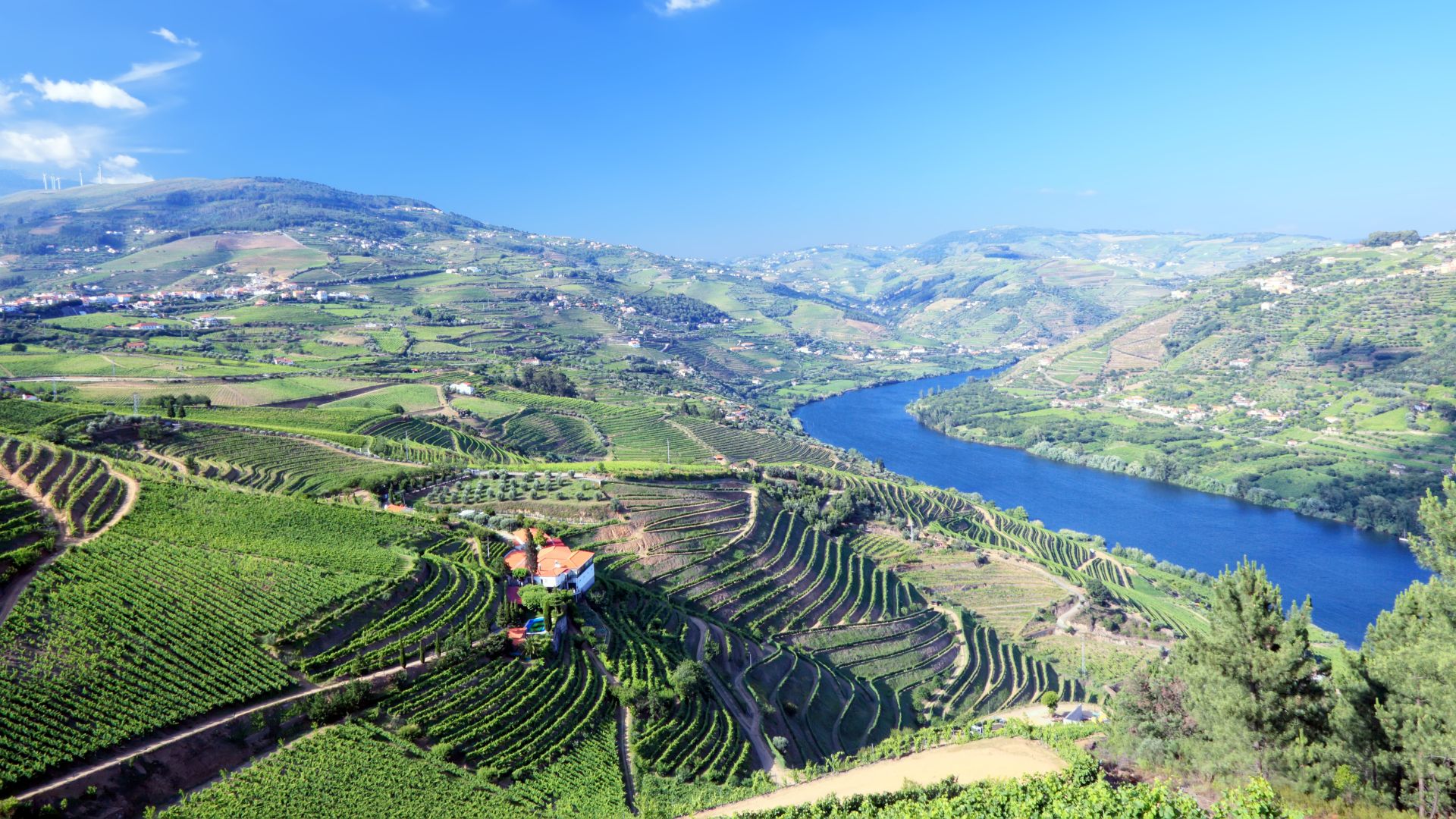
Exploring the Douro Valley and River
The Douro River shapes Porto’s neighborhoods and wine culture.
A river cruise from the Ribeira district showed me old bridges and terraced hillsides lined with grapevines.
Every bend revealed new wineries perched above the water.
I booked a day tour into the Douro Valley and found rolling hills covered in vineyards.
Stops at small towns for port wine tasting made the day even better.
Taking the train or renting a car both make the Douro easy to reach.
The views from the Miradouro de São Leonardo da Galafura lookout were especially memorable for photos.
Quick Tips:
- Douro river cruises offer all kinds of trips, from short city tours to all-day adventures
- Local trains between Porto and Peso da Régua give scenic rides through wine country
Nearby Towns: Aveiro, Braga, and Guimarães
Porto makes a great base for visiting some of northern Portugal’s most charming towns.
I started with Aveiro, known for its canals, colorful moliceiro boats, and art nouveau houses.
Sampling ovos moles (a local egg sweet) in a riverside café made my day even sweeter.
Braga stood out for its elegant churches and the Bom Jesus do Monte sanctuary with zigzagging stairs.
Its lively plazas filled with students made it feel friendly and young.
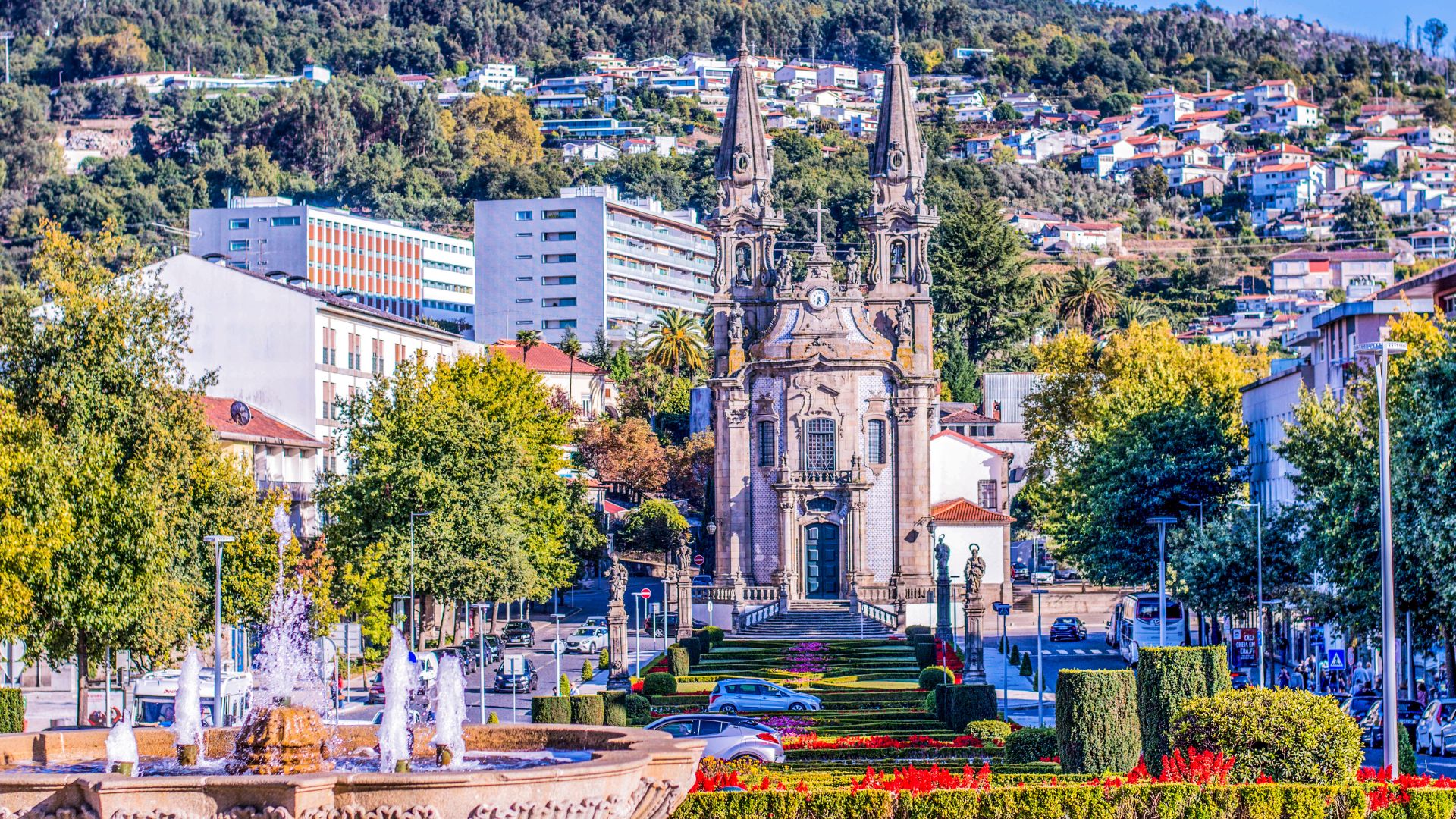
I finished in Guimarães, the “birthplace of Portugal.”
Medieval streets, an old castle, and cozy squares gave me a real sense of the country’s history.
- Aveiro: Canals, sweet treats, art nouveau facades
- Braga: Historic churches, garden squares, Bom Jesus do Monte
- Guimarães: Medieval castle, UNESCO old town, rich local history
Each of these towns is just a train or bus ride from Porto—usually under two hours.
Practical Tips: Making the Most of Your Station Visit
São Bento Railway Station offers way more than just its iconic azulejo tiles. Figuring out the ticket machines, picking the right time for photos, and keeping an eye on your privacy can all shape your visit.
Ticket Machines and Train Connections
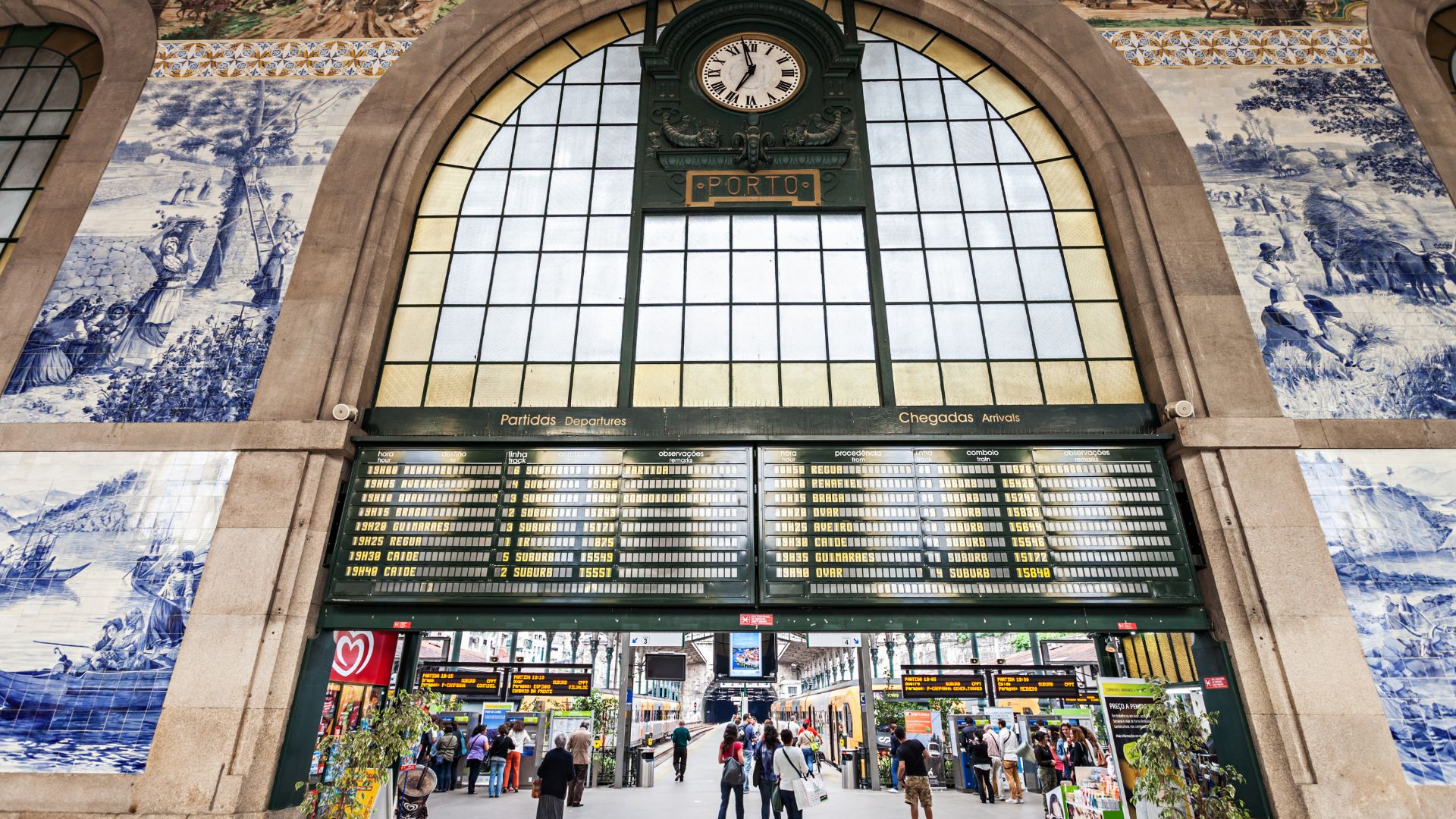
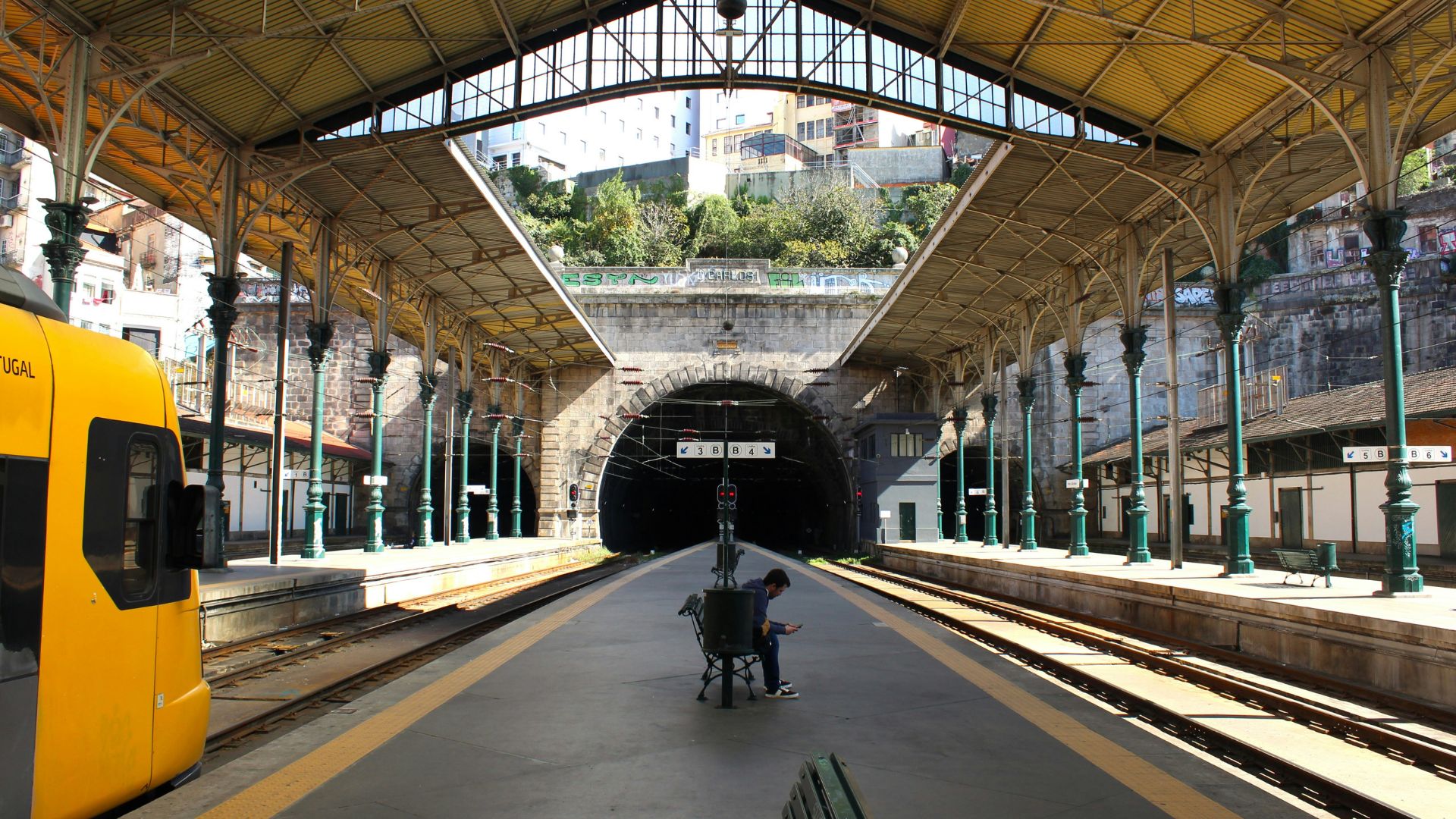
When I first walked into São Bento Station, I couldn’t decide what to look at—the glossy tiles or the lines of ticket machines near the entrance.
The machines are pretty straightforward, though crowds gather fast, especially when trains to the Douro Line or Spain get ready to leave.
A few things made it easier for me:
- Tap “English” or your preferred language on the screen before you do anything else.
- Most machines take both cash and cards, but honestly, coins or a contactless card sped things up for me.
- If you’re off to the Douro Valley for those port wine towns like Pinhão, check your train connections ahead of time on the station boards.
Staff at the information window welcome tourists and usually help out, but lines pile up quickly during peak hours.
I always checked the platform myself. Sometimes they swap services last minute, and missing a train from Porto can mess up your whole day.
Best Times for Viewing and Photos
Getting a shot of all 20,000 azulejos without a crowd in the way? Honestly, it’s tough.
Early mornings, right after the station opens, usually feel calmer. I noticed that from Monday to Thursday, just before 8 am or after 7 pm, you’ll have the vestibule almost to yourself.
Natural light pours through the windows in late morning and again mid-afternoon. The whole place just glows during golden hour, and those blue-and-white tiles look even better.
If you’re hoping for quiet moments and fewer people in your photos, steer clear of weekends and rush hour.
Pro tip: Got a tripod? Keep it low-key—security sometimes asks you to put it away when things get busy.
Preserving Privacy and Personal Preferences
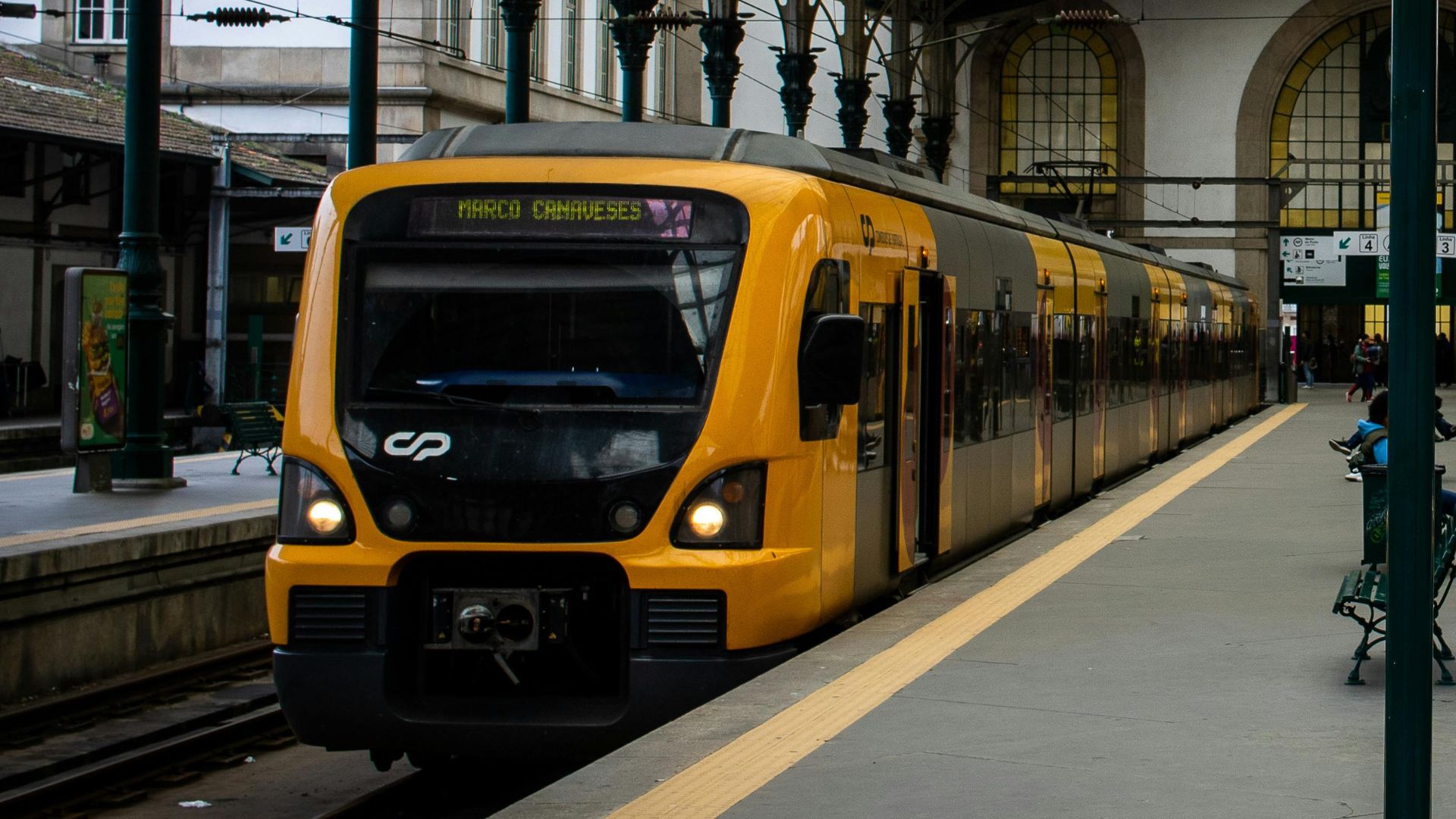
I stood in one of Europe’s most beautiful train stations, just soaking it all in. The photographer in me wanted to capture everything, but I couldn’t help noticing the locals—some really didn’t want to end up in a stranger’s photo.
A few people rushed by, probably just trying to get to work or home. I started making it a habit to keep my camera pointed above the crowds or just wait until folks moved along.
If someone lingered nearby, I’d usually toss them a smile or ask, “May I?” It’s surprising how far a little courtesy can go.
Here’s what worked for me:
- Don’t take close-ups of strangers unless they say it’s okay.
- Try not to block entrances, exits, or ticket machines when you’re snapping pictures.
- Need a break from the chaos? Slip into a quieter corner or check out the small shops near the exits.
Being thoughtful about privacy really helps keep the station feeling friendly. I found I could make memories and take photos without stepping on anyone else’s moment.