
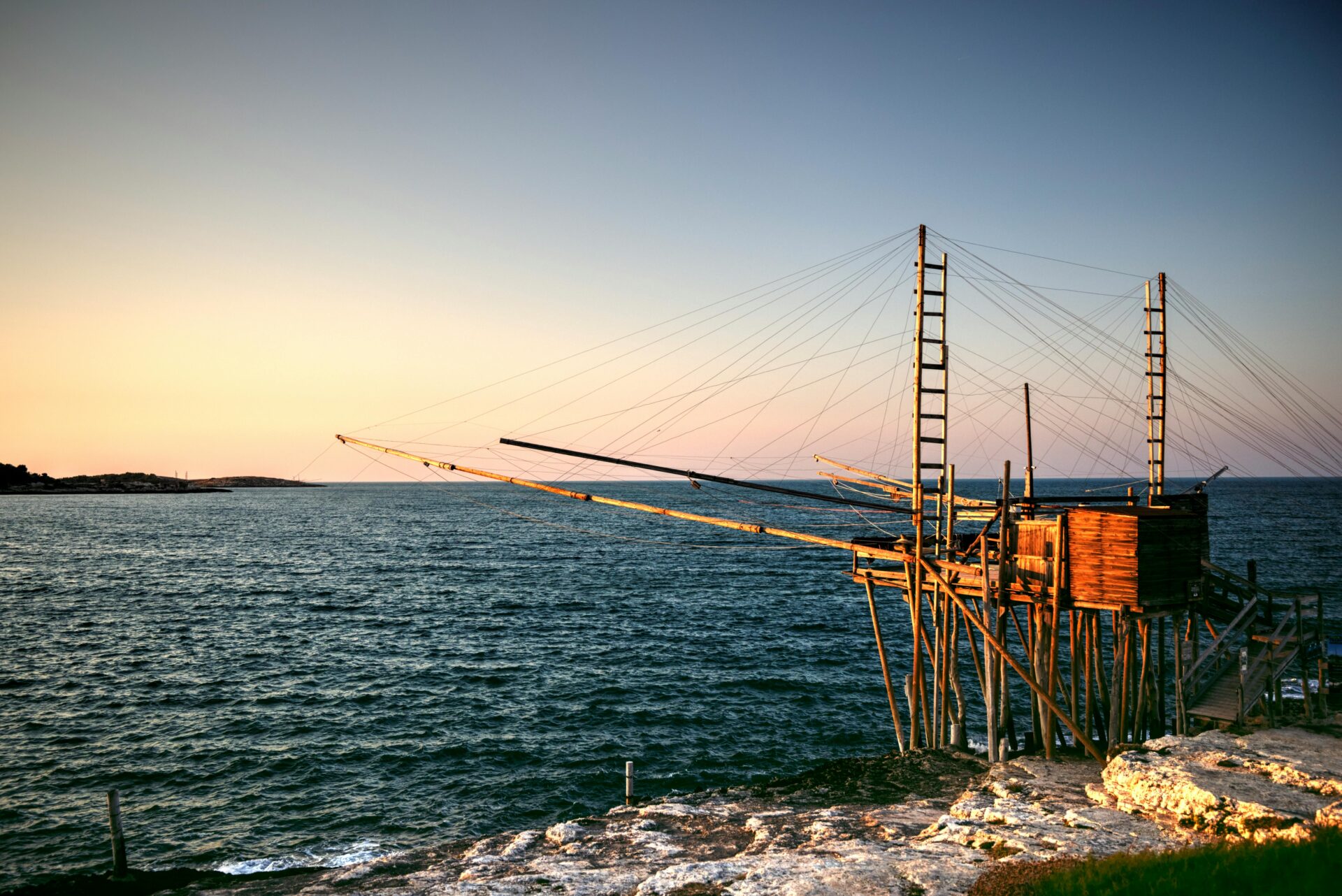
I stood on the wooden platform of a trabucco along Italy’s Adriatic coast, watching fishermen at work. They used methods that go back centuries, and honestly, it was mesmerizing.
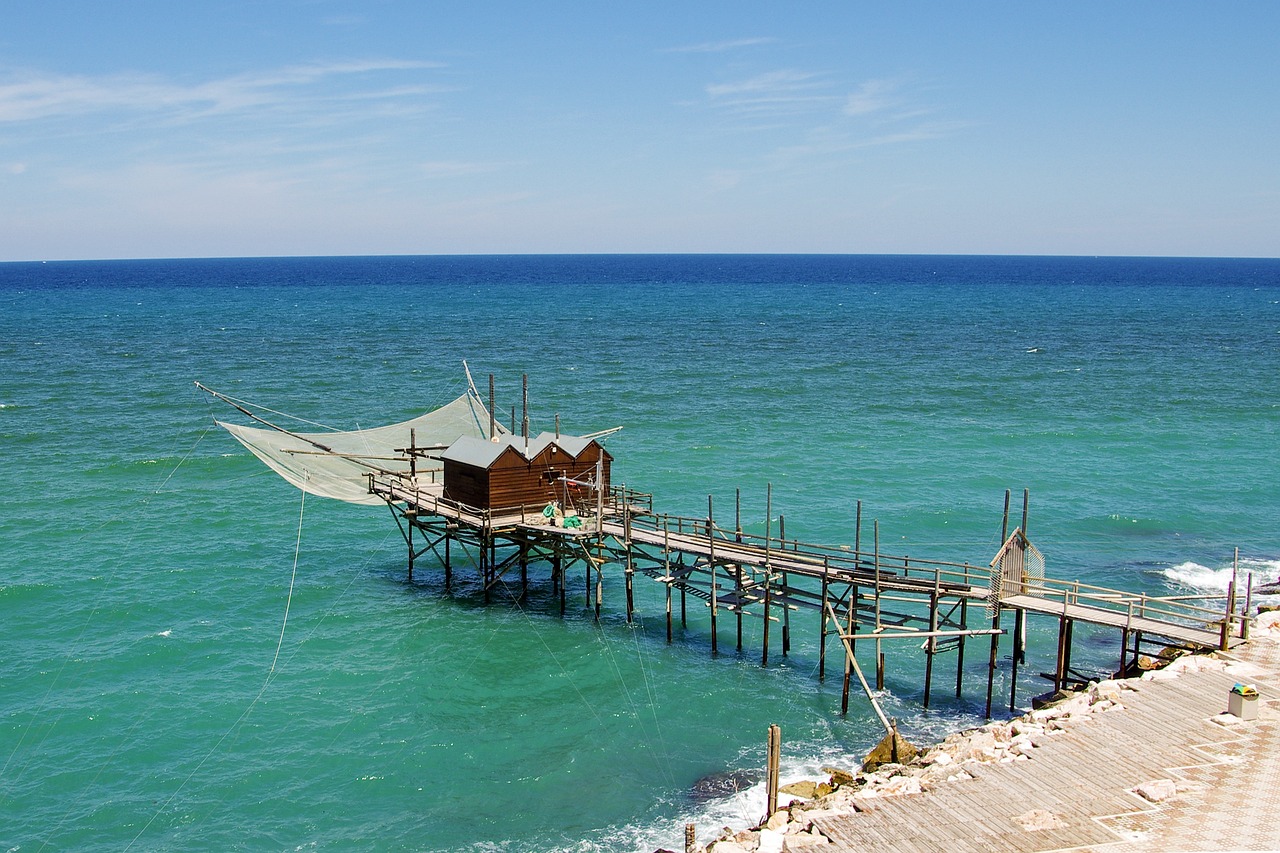
A trabucco lets fishermen catch fish “on sight,” intercepting schools of mullet and bluefish with big nets—no need to fight unpredictable seas. The wooden structure stretches out from the rocky shore, almost like a giant spider, with long arms dangling heavy nets into the blue water.
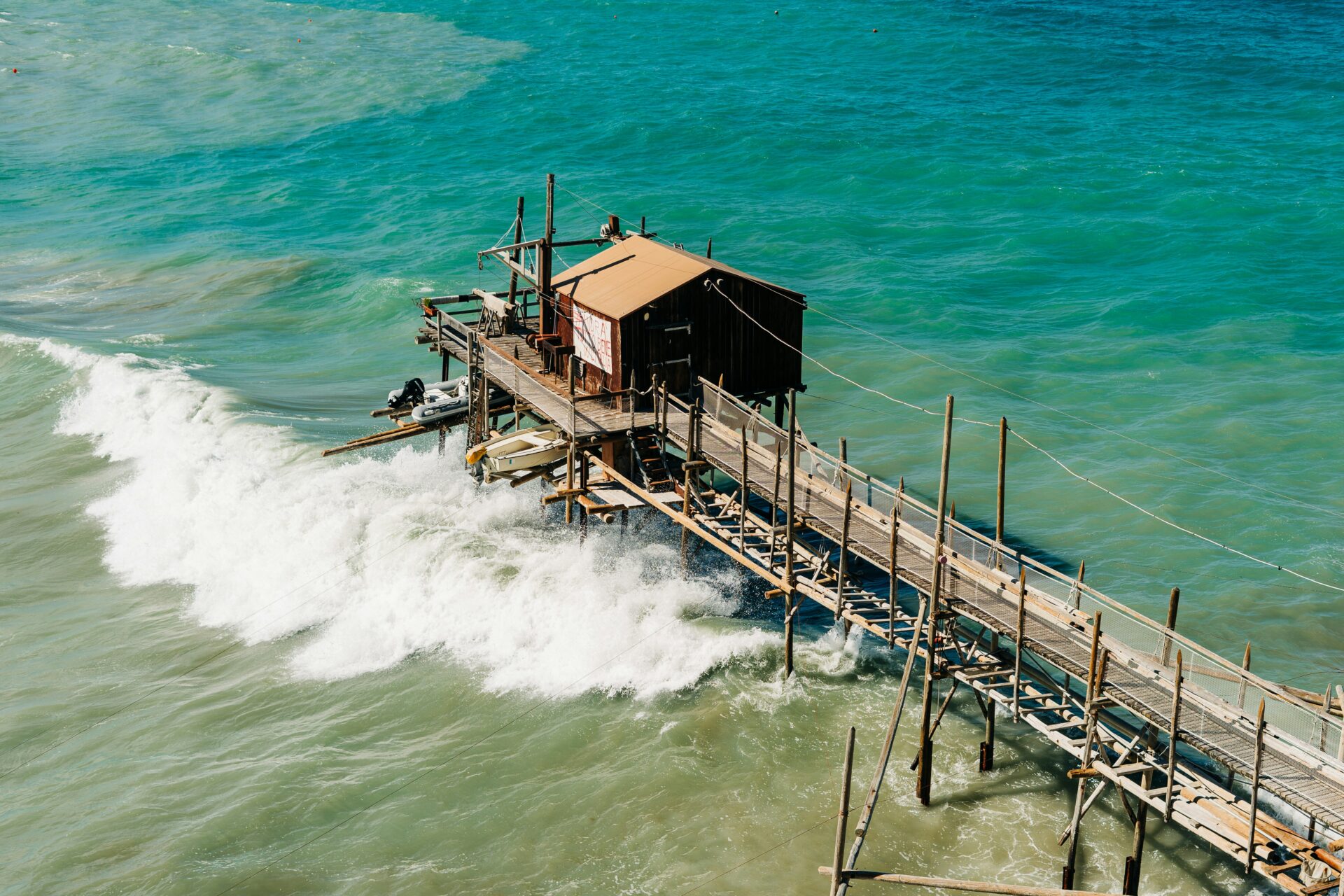
My guide told me how families built these platforms for stability, making sure they could fish even when the weather turned nasty. They’d spot fish moving along the coastal ravines and drop the nets at just the right moment. It’s all about keen eyes and good timing—not just luck. This method has worked for generations.
What really got me was how little has changed. As I helped pull up the nets, feeling the weight of the catch, I started to see why people stick with this way of fishing. The trabucco isn’t just a tool—it’s a symbol of the bond between these coastal communities and the sea.
Uncovering the Roots of Trabucco Fishing
Trabucco fishing has roots that run deep—necessity, cleverness, and tradition all tangled together. Walking the Italian coastline, I realized these wooden platforms tell a story that spans generations.
History of Trabucco and Ancient Techniques
Trabucco fishing started in the 18th century along Italy’s Adriatic coast. Local fishermen built these huge wooden platforms because they needed a way to fish that worked, even when storms rolled in.
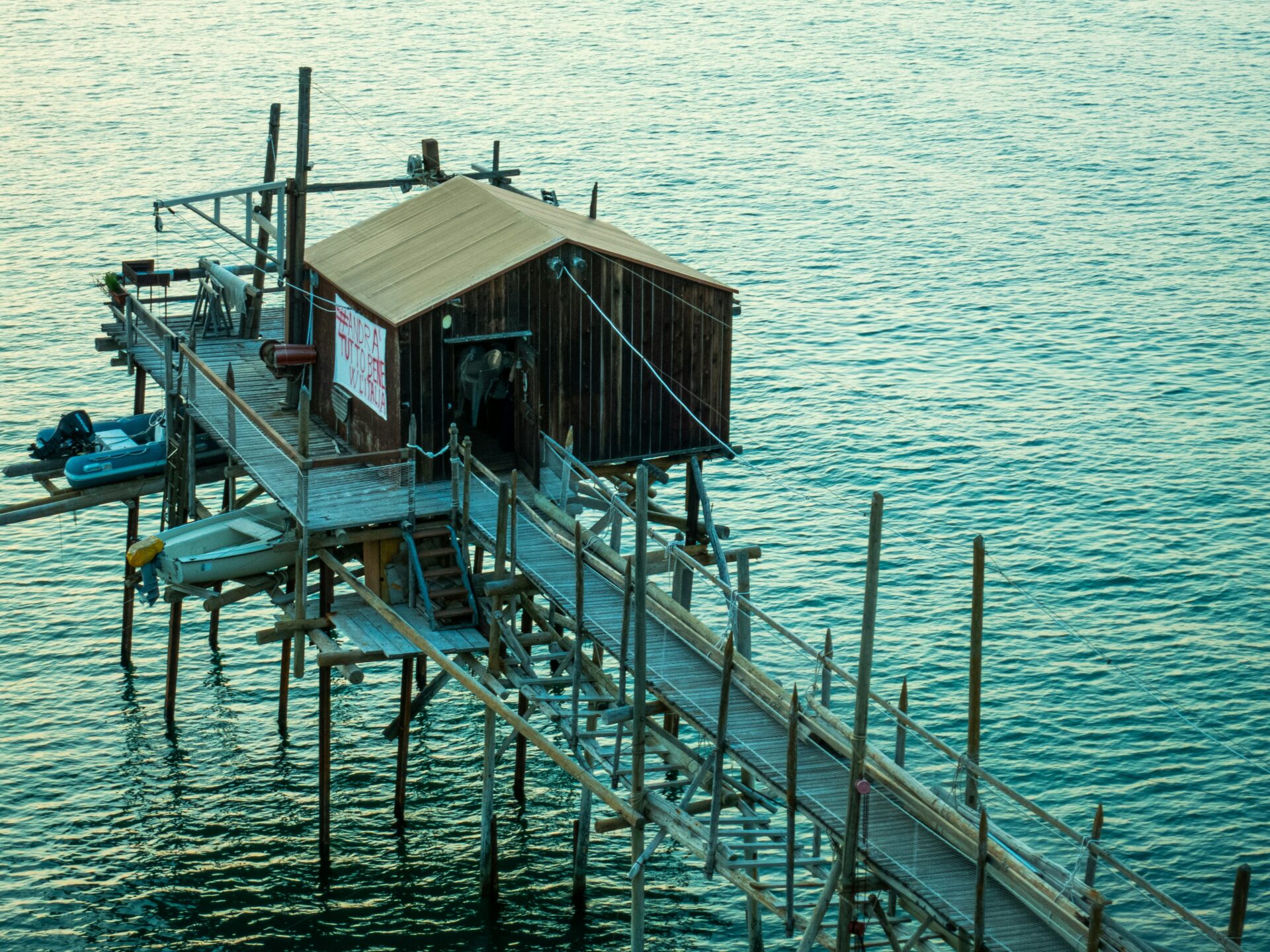
They used local Aleppo pine to build them, since that wood stands up to saltwater. The platforms reach out from rocky points, held up by a web of poles and cables.
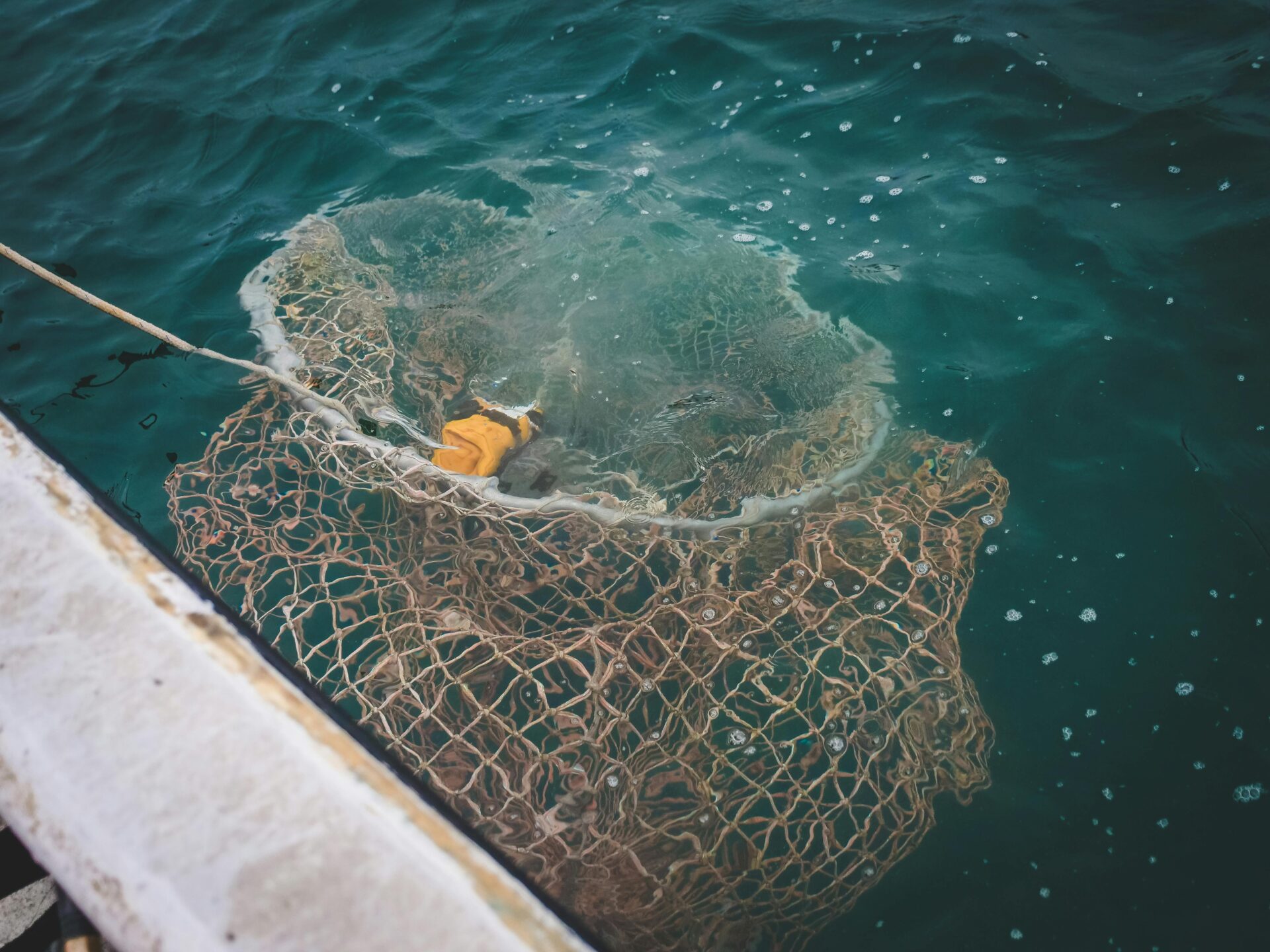
The net system is wild. It acts like a giant underwater trap, lowered into spots where fish naturally swim. The fishermen watch and wait, then haul up the nets when a school passes through.
Tradition and Cultural Significance
Trabucco fishing is more than just technique—it’s a cultural identity that families pass down. Each family runs their own trabucco, with knowledge handed from father to son.
On my trip, I met Antonio, whose family has fished this way for three generations. He tugged on some ropes and said, “This isn’t just wood and nets. It’s our history, our connection to the sea.”
These platforms now stand as symbols of coastal heritage in places like Puglia and Abruzzo. Some are even protected as historical monuments, valued for more than their fishing.
Local festivals revolve around trabucco fishing. People gather to celebrate catches and share seafood feasts made with old family recipes.
Traditional Fishing vs. Modern Methods
Trabucco fishing and modern techniques couldn’t be more different. The old way needs patience, a sense of tides, and an understanding of fish migration.
I watched Antonio and his family work without gadgets—no fish finders, no GPS. Just years and years of watching the sea.
Modern commercial fishing chases efficiency and big hauls. Trabucco fishing, though, focuses on sustainability. The nets only catch what naturally swims by, so overfishing isn’t really a thing here.
Some trabuccos still operate as they always have, but others have become restaurants or educational sites. Visitors like me can see the ancient practice up close.
A Day Learning the Art of Trabucco Fishing
My journey into old-school fishing started on a bright morning by the Italian sea. The trabucco loomed over the water, a massive wooden platform that’s seen centuries of fishing tradition.
First Impressions and Arrival
I arrived at Trabucco San Lorenzo as sunlight lit up the wooden beams. The platform stretched out like a giant spider, its arms reaching for the waves.
Marco, a third-generation fisherman, greeted me. His family has worked this platform for over 80 years.
The smell of salt and old wood hit me as I stepped on. The planks creaked underfoot. Nets hung from the long wooden arms, swaying above the water.
Marco explained that these platforms let you fish without a boat—perfect for rough days when small vessels can’t go out. They’ve been using this setup since the 1700s.
Understanding the Fishing Tackle
The gear on a trabucco is surprisingly simple but gets the job done. Huge nets attach to the ends of wooden arms called antennae.

Marco showed me how the net balances, using a pulley system to raise and lower it. “This design hasn’t changed for hundreds of years,” he said.
The main tools are:
- Large square nets (sometimes 20 square meters)
- Wooden winches for moving the nets
- Stone counterweights
- Hardwood pulleys
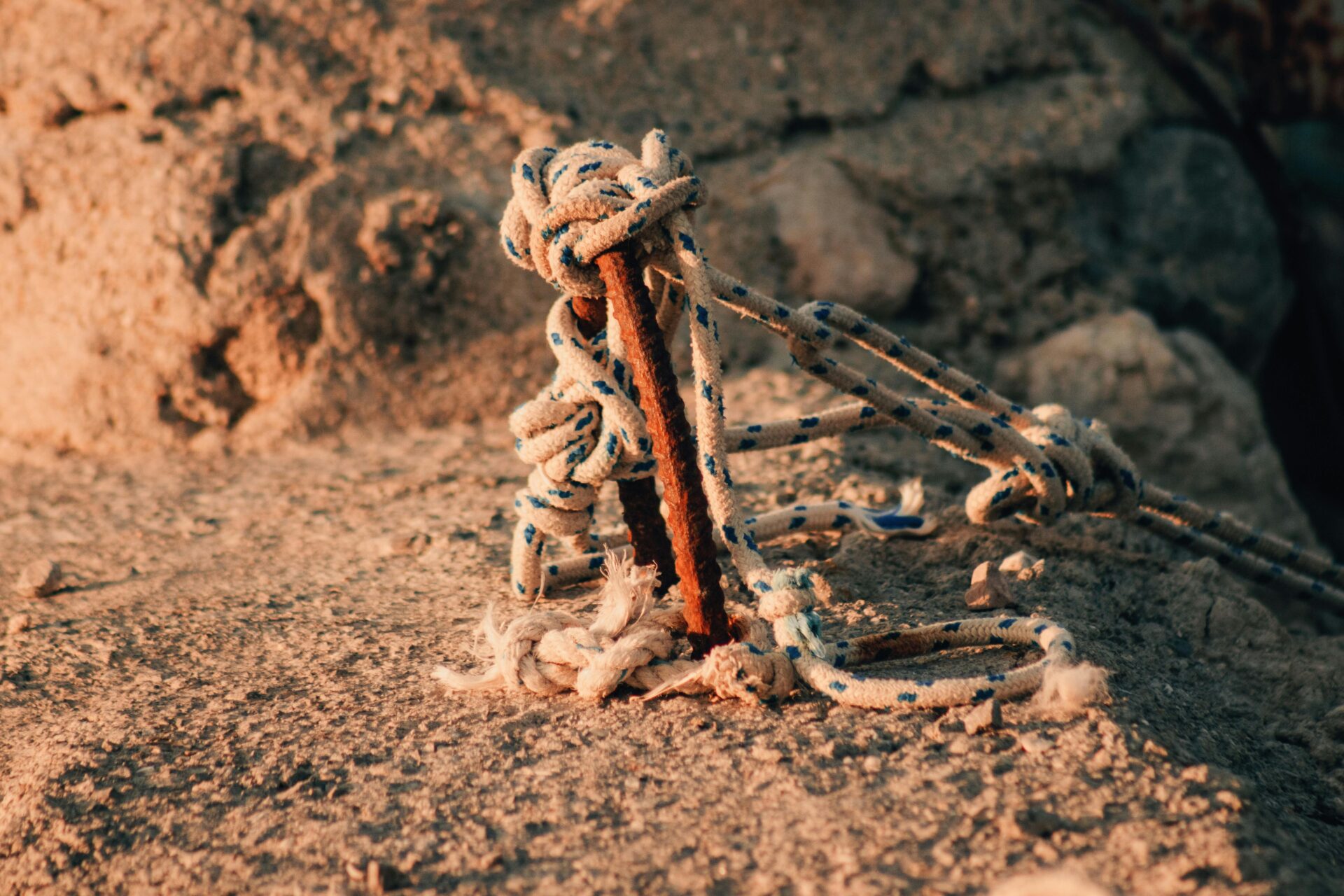
He handed me a small tool for untangling nets. “This is a manicotto,” he said. “Every fisherman has one, usually passed down.”
Casting and Fishing Techniques
Casting the big nets is all about timing and teamwork. Marco placed me by a winch and showed me the rhythm.
“Watch the water first,” he said. “Look for the silver flash of fish schools.”
When a school showed up, we dropped the nets fast. If you’re too early, the fish dodge the net. Too late, and they’re gone.
After we caught a few mullet and sea bream, Marco told me stories about his grandfather teaching him to read the water.
“The secret is patience,” he said. “Some days, you wait for hours.”
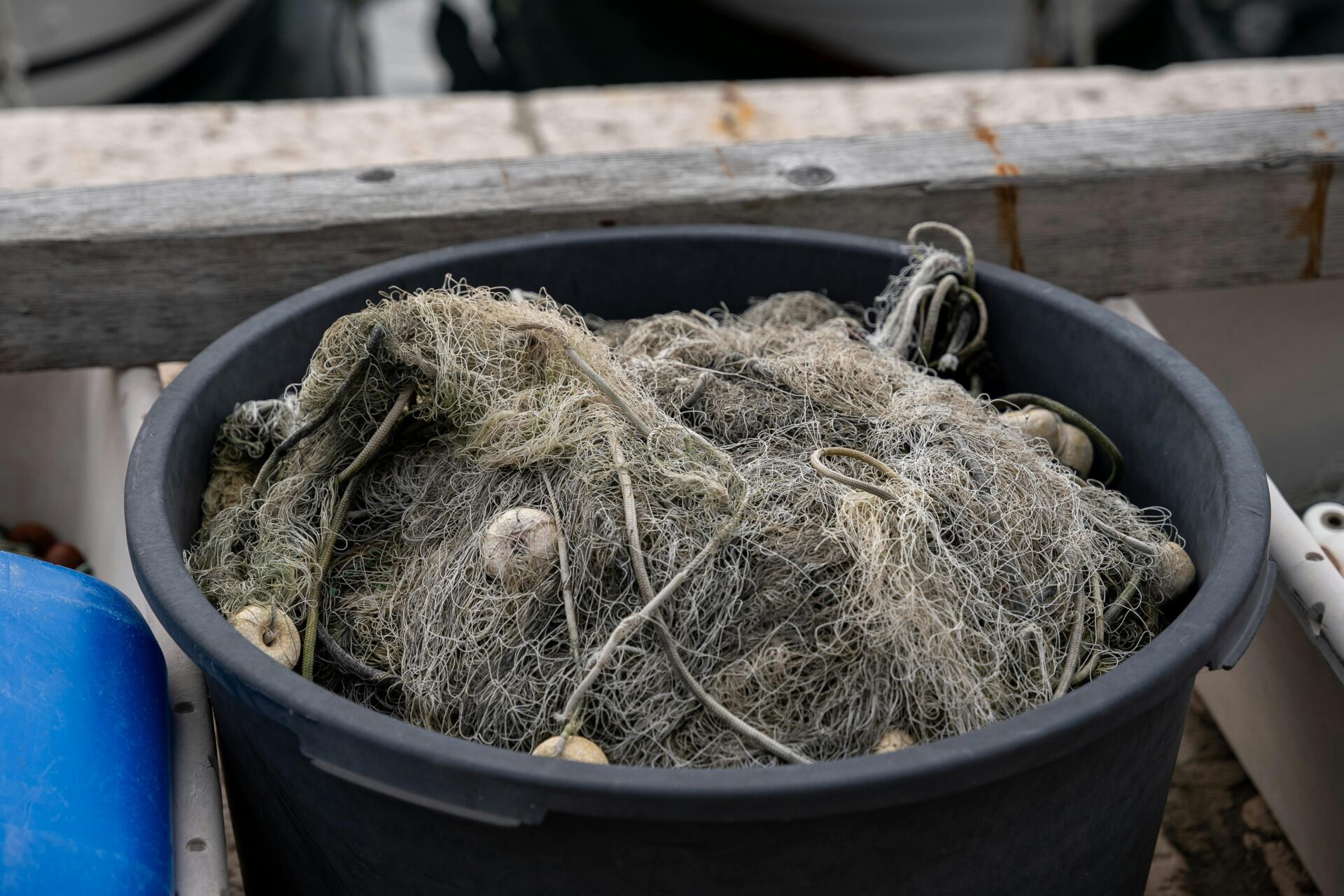
I tried the winch myself and felt the weight of tradition. It’s hard work, but there’s something special about it—human skill working with the sea’s natural rhythm.
Targeting Species and Prime Fishing Spots
As I learned Trabucco fishing, I realized finding the right fish is a whole skill in itself. The old techniques change depending on what you’re after and where you fish. It’s all about knowing the water and the habits of different fish.
Tuna and Coastal Catches
Tuna fishing with Trabucco methods turned out to be a highlight for me. I found out tuna gather where deep water meets the coastal shelf—ideal for spotting them from the platform.
The trabucco gives you a great view for tracking tuna as they migrate. Locals taught me to watch for birds and surface ripples that signal tuna are near.
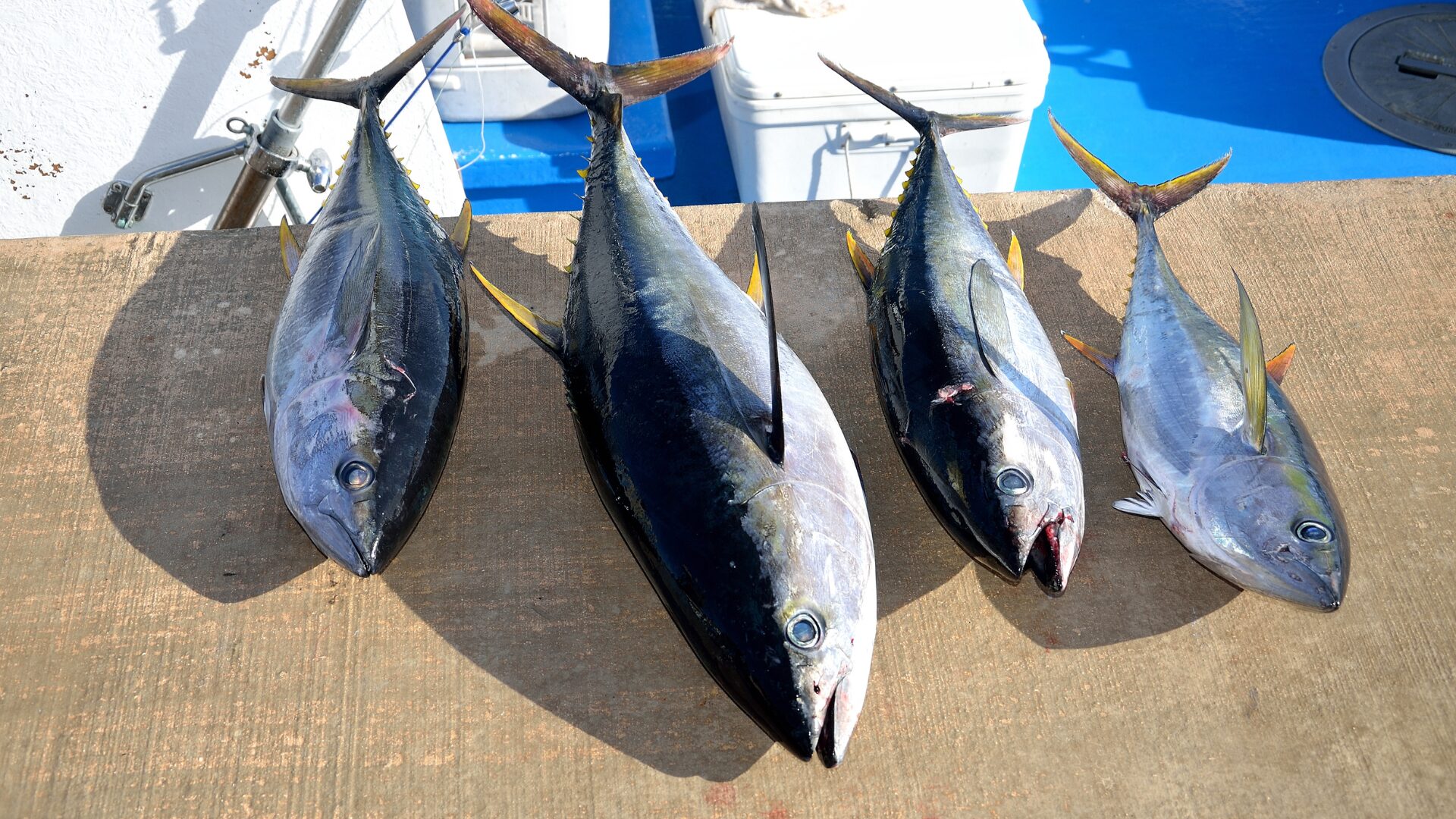
Early mornings and late afternoons work best for tuna. The locals swear by live bait—small mackerel or squid. Their sense of timing is uncanny; they can almost predict the week when tuna come through.
Trout Species and Trout Fishing Adventures
Trabucco fishing started in saltwater, but I tried similar observation skills for trout in mountain streams. Rainbow trout and brown trout became my main targets in freshwater.
Rainbow trout like fast, oxygen-rich water and feed near the surface. Brown trout are more cautious, hiding under banks or rocks.

My best catches happened in remote streams where cutthroat trout thrive in clear water. These fish need a stealthy approach. Brook trout are smaller but just as tricky.
The best trout spots have:
- Cool, clean water (45-65°F)
- Natural cover like rocks or fallen trees
- Deep pools
- Plenty of insects
Chasing White Seabass, Yellowtail, and More
White seabass gave me trouble until I figured out the right Trabucco technique. They show up near kelp beds and sandy bottoms in spring and early summer.
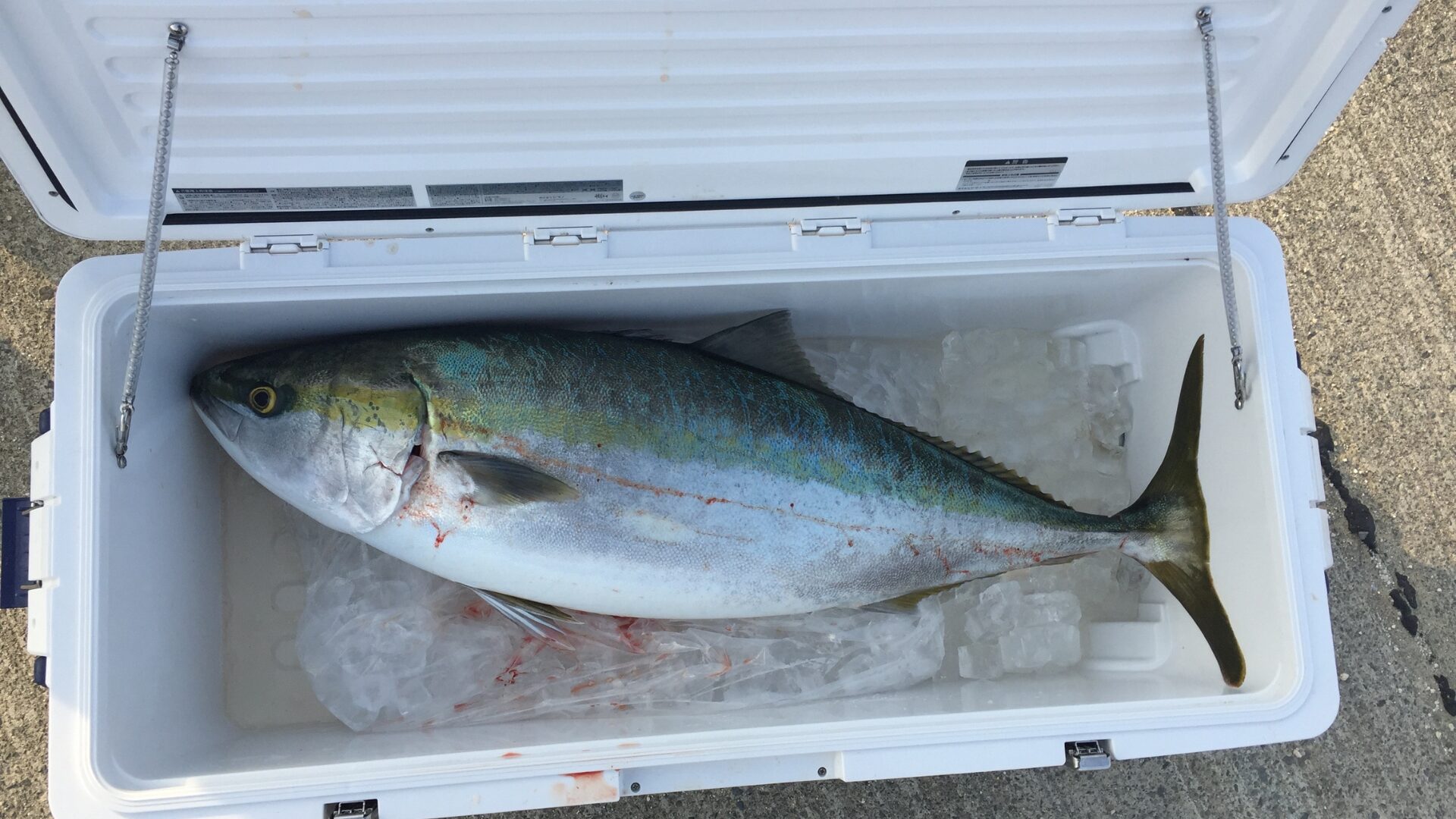
Yellowtail became my favorite. They fight hard and love hanging around structure and current edges.
Locals taught me to spot yellowtail by watching for boiling water where they hunt. The hour after sunrise is usually prime time.
Sometimes, late in the summer, I’d find striped marlin and dorado offshore. These fish need heavier tackle, but the fights are unforgettable.
Local Areas and Notable Fishing Destinations
Finding a good fishing spot is part skill, part local know-how, and sometimes just luck. On my trabucco adventures, I stumbled onto some amazing places that blend old and new fishing opportunities.
Exploring Castaic Lake and Backwaters
Castaic Lake in Southern California became a favorite spot to try the techniques I picked up in Italy. The reservoir’s variety reminds me a bit of the Mediterranean.
The backwaters at Castaic are something special. Quiet and calm, they’re perfect for setting up stationary nets, just like a trabucco. Early mornings, with mist rising off the lake, feel almost magical.

I’ve caught some big bass here using adapted trabucco methods. The coves are great for setting up long poles, mimicking the old wooden arms.
Inspiration from Tennessee Waters
Tennessee’s rivers surprised me with how much they resemble Italian fishing grounds in some ways. Calm stretches of river are perfect for stationary fishing platforms.
Locals showed me how they’ve built fixed fishing spots along the banks. They’re not true trabuccos, but the patient approach is the same.
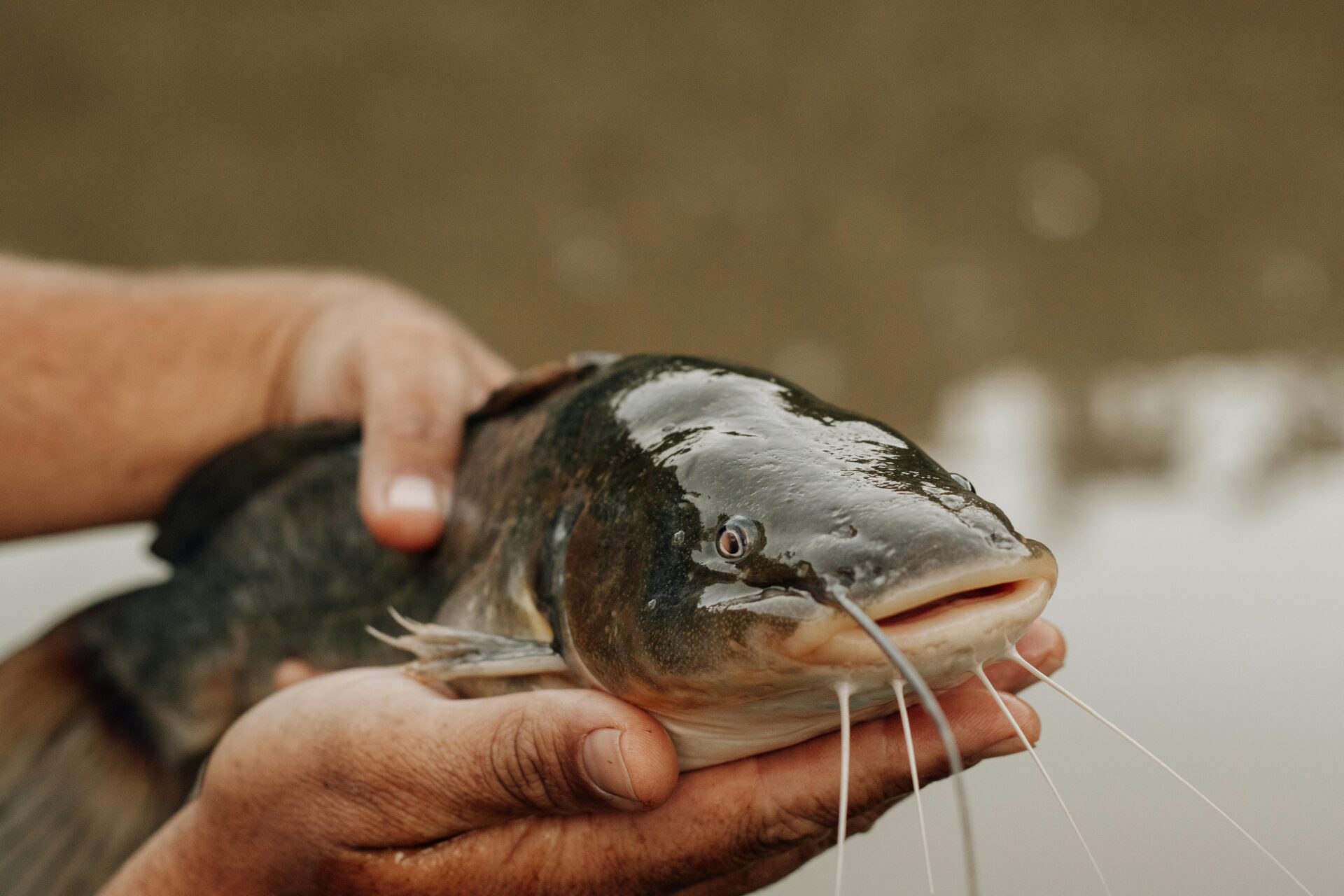
Catfish in Tennessee love this stationary style. I spent three days with a family who’s fished from their riverside platform for generations. Their blend of American and Italian-like methods was eye-opening.
The slower pace in Tennessee’s fishing culture matches the trabucco tradition—lots of patience, lots of respect for the water.
Unique Experiences: Night Fishing, Fly Fishing, and More
Italy has so many fishing adventures beyond the classic trabucco. I tried a bunch of different methods, and each one taught me something new.
Adventures with Night Fishing
Night fishing in Italy totally changed my view of the sport. The sea at night, especially around Sorrento, feels almost enchanted.
I boarded a Sorrentine boat before sunset. The crew greeted me and explained how some fish get active after dark. They used special lights to lure fish closer.
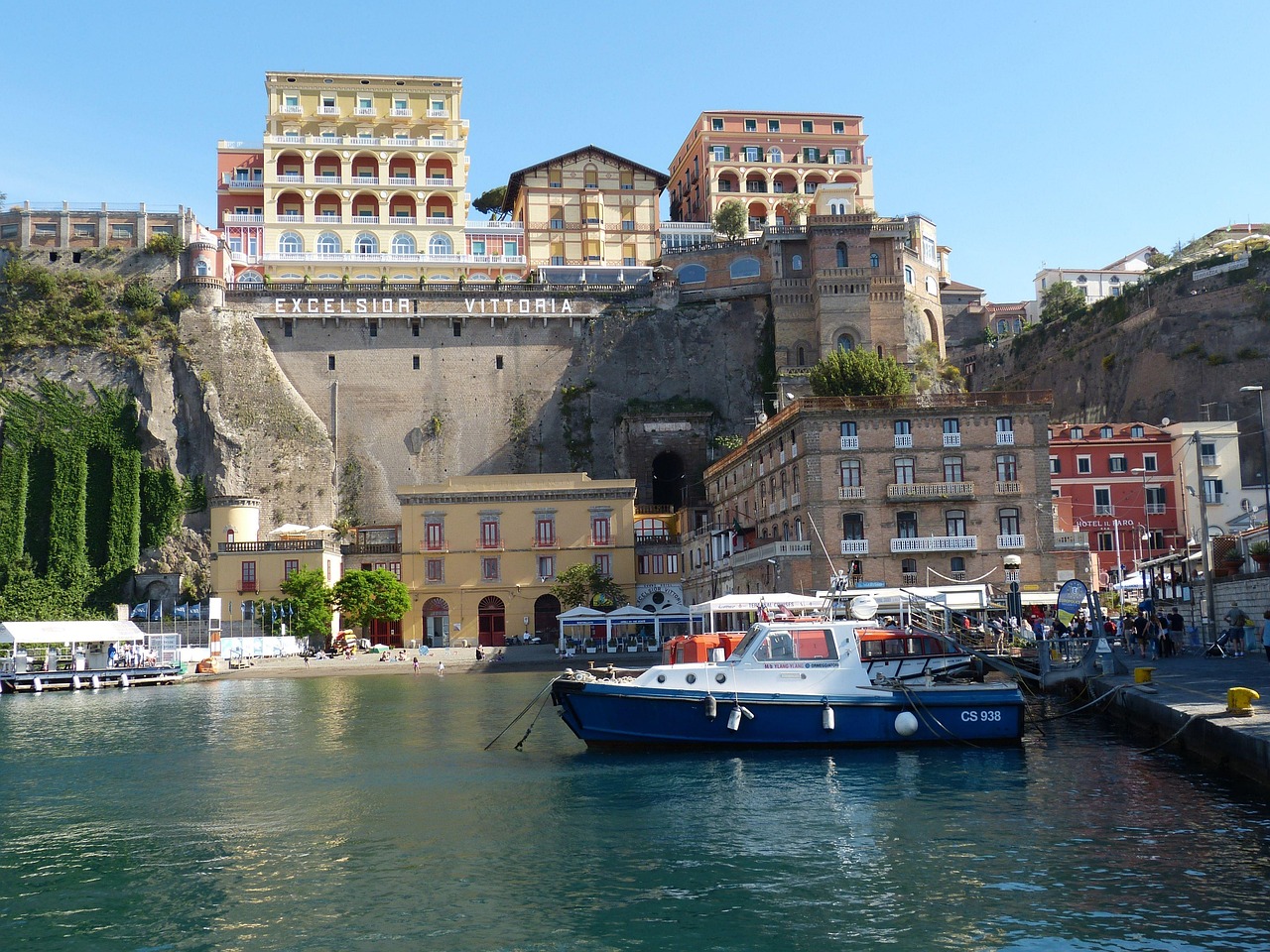
The quiet of night fishing is almost meditative. Every splash stands out. The most exciting moment? Catching squid—they glow in the light and dart around like ghosts.
While we waited for bites, the crew swapped stories about local fishing traditions. Some fish are just easier to catch at night, they said.
Fly Fishing: Dry Flies and Streamers
The mountain streams up north introduced me to fly fishing. It’s elegant, slow, and takes real focus.
I learned the difference between dry flies (they float), streamers (they imitate swimming bait), and nymphs (they drift below the surface).
- Dry flies: Land them softly to avoid scaring fish
- Streamers: Move them to mimic prey
- Nymphs: Sink them to the right depth
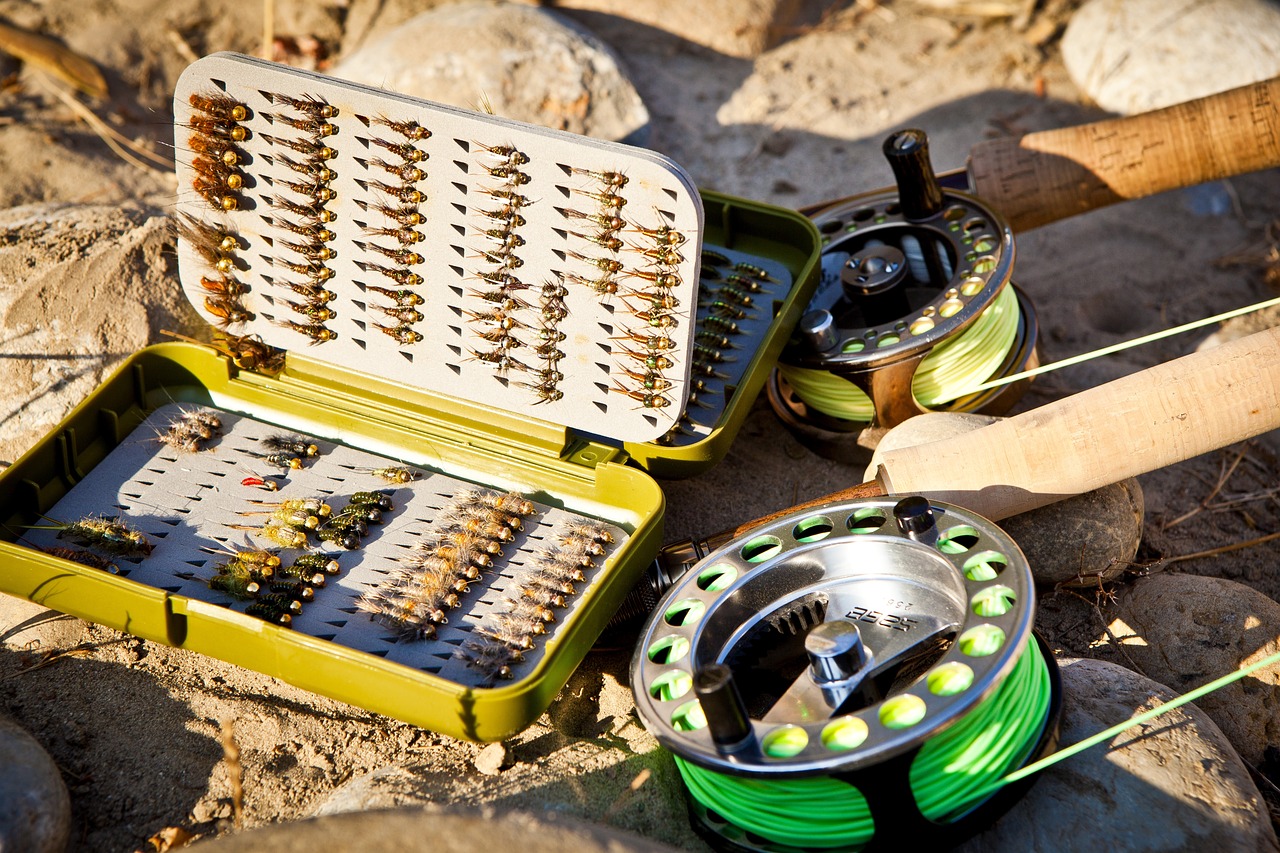
Locals taught me to read the water—look for ripples or rises. After hours of practice, I finally caught a brown trout on a dry fly. That feeling when a fish rises for your fly? It’s unbeatable.
Memorable Salmon Fishing Stories
I went salmon fishing in northern Italy during spawning season. These fish fight like nothing else.
My guide, who’s fished these rivers for decades, knew every pool and every trick. He helped me hook a 15-pound Atlantic salmon that fought for half an hour. They leap out of the water, trying to throw the hook—it’s wild.
The current made things tricky, but my guide showed me how to stand and keep the line tight.
There’s something ancient about salmon fishing. These fish have followed the same routes forever, and people have chased them just as long.
Advice, Insight, and Resources for Future Anglers
Learning old fishing methods has made me a better angler, no question. I’ve picked up some tips and resources that might help if you want to try traditional fishing too.
Essential Reviews and Recommendations
If you’re starting out, get a basic, all-purpose rod. The Dorling Kindersley Encyclopedia of Fishing helped me figure out tackle options.
Go for mid-range gear—nothing too fancy, but not the cheapest either. My best catches happened after I invested in:
- Medium-action rod: Good for beginners
- Monofilament line: 8-10lb test covers most needs
- Cork floats: Old-school but effective
The Practical Fishing Encyclopedia is great for anglers looking to level up. I found the coarse fishing sections especially helpful.
Local fishing shops often give better advice than online stores. I learned more from a shop owner in half an hour than from hours of YouTube.
Guidance from the Department of Fish and Game
Always check the Department of Fish and Game’s regulations before you fish. I make it a habit.
Their website has downloadable guides for traditional techniques. I learned a lot about:
- Local seasons and restrictions
- Protected species
- Catch-and-release tips
- Permits for different waters
Some departments offer free workshops on sustainable fishing. Those sessions really changed how I think about conservation.
The Federal Register has updates on fishing areas, though it’s not exactly light reading. I set reminders to check for changes so I don’t get caught out.
Game wardens know a ton, too. The warden at my favorite spot shared techniques that have been passed down for ages.
