
Remember when Tulum felt like a secret? Now, it’s overflowing with tourists, prices have shot up, and the beaches? Well, let’s just say you’ll have to search for a quiet spot. I’ve watched this happen to more than a few Mexican beach towns.
But you know what? Mexico still has amazing coastal gems that most people haven’t found yet. These hidden beach towns have all the turquoise water, soft sand, and real Mexican culture—minus the crowds. I’ve tracked down five places that still deliver the magic Tulum once promised.
Some are sleepy fishing villages. Others are islands where nature rules. What they have in common? Empty beaches, family-run restaurants, and wild encounters you’ll remember. Go soon, before everyone else catches on.
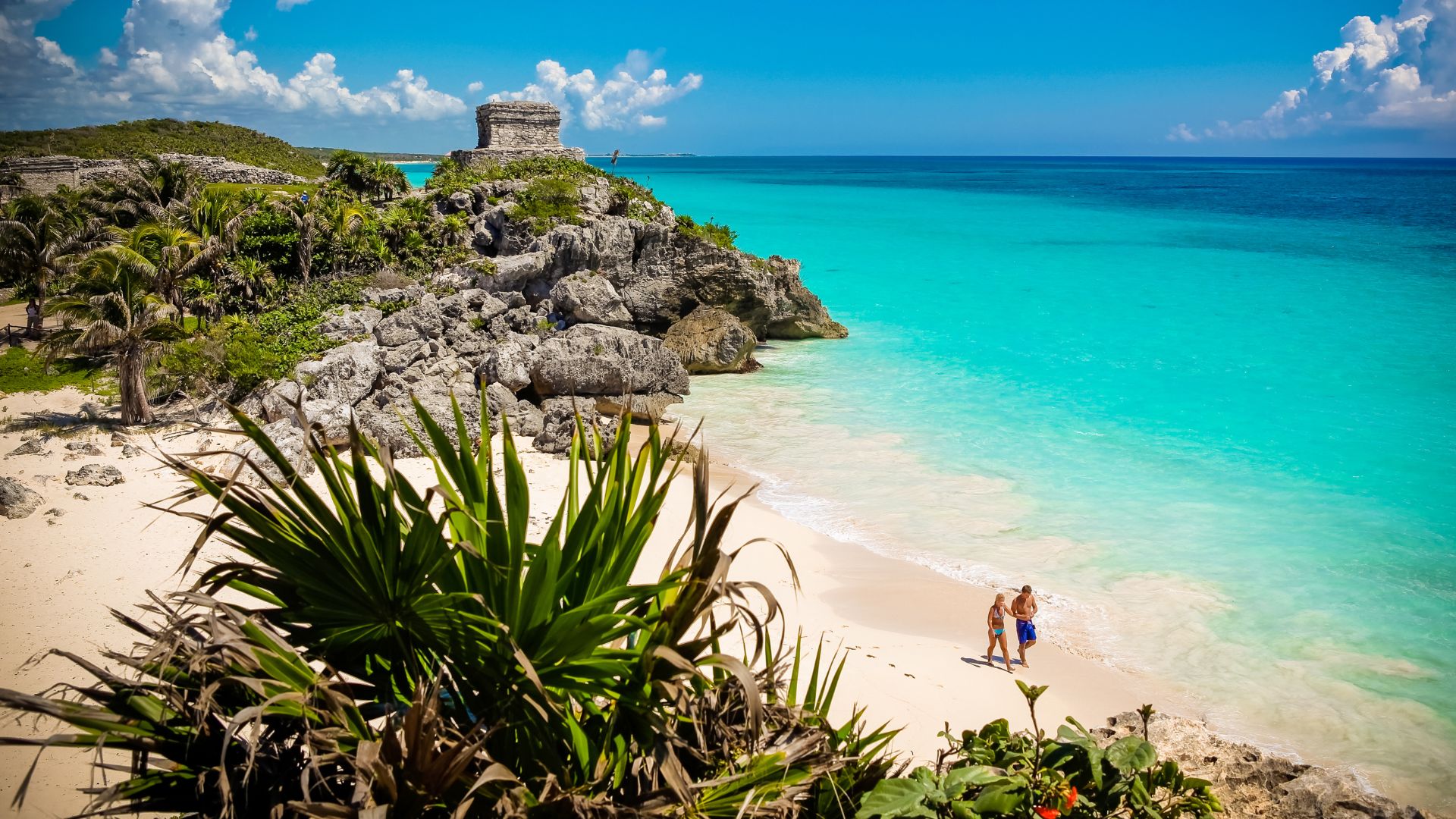
1) Zipolite, Oaxaca – Laid-back, beautiful, and totally unpretentious
Zipolite isn’t like the big, bustling resorts you see on travel ads. This tiny beach town hugs Oaxaca’s Pacific coast, far away from the high-rises and all-inclusive crowds.
The main beach stretches for about a mile and a half. Instead of mega-resorts, you’ll see rustic cabanas and palm-thatched palapas. The jungle practically tumbles onto the sand, making the whole place feel wild and untouched.
Zipolite’s vibe is pure chill. The town welcomes everyone, and it’s become a favorite for the LGBT+ community in Mexico. Most people come here to slow down and just breathe.
Getting to Zipolite takes a bit of effort. I took a bus from Oaxaca City to Pochutla, then hopped in a shared van for the last leg. That extra journey keeps the crowds at bay and keeps things peaceful.
You won’t find fancy restaurants or big shopping centers. But you get quiet beaches, real local flavor, and a sense that you’ve landed in coastal Mexico, not just another tourist hotspot.

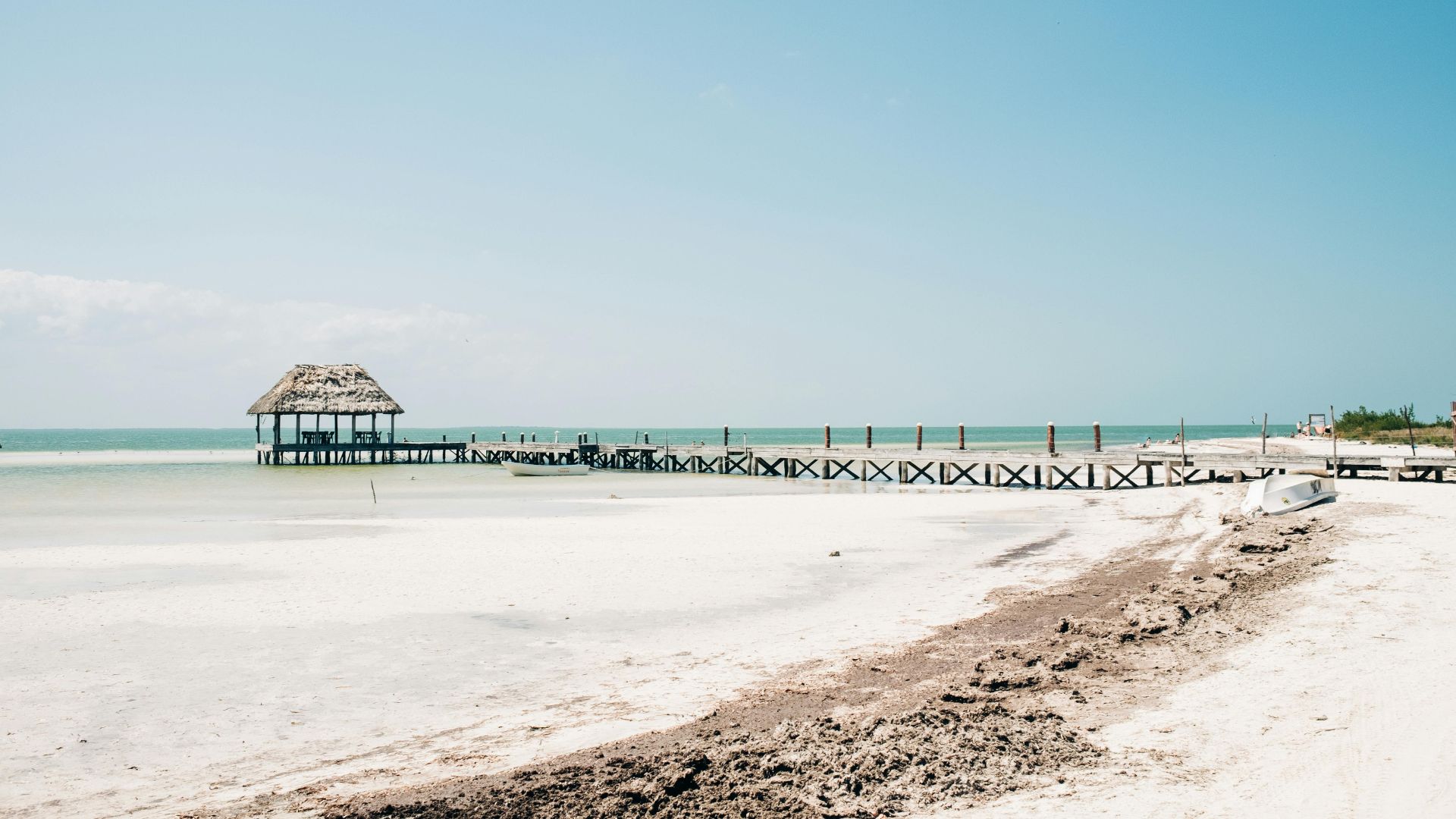
2) Isla Holbox, Quintana Roo – Swim with whale sharks and soak up island calm
Isla Holbox sits quietly at the tip of the Yucatan Peninsula, where the Caribbean meets the Gulf. No cars here—just sand roads and golf carts, which is honestly a relief after busy beach towns.
The big draw? Whale sharks. These gentle giants cruise Holbox’s waters during summer. If you’re hoping to swim with them, aim for June to September.
But Holbox isn’t just about whale sharks. The island feels peaceful—sandy lanes, bright murals, and beaches that still look untouched. You can wander for hours or just nap in a hammock.
Holbox lies inside the Yum Balam nature reserve, so you’ll spot migratory birds and maybe even catch the water glowing with bioluminescence at night. It’s a quiet, magical show.
Getting here is easy enough, but somehow, Holbox still feels like a secret. That’s half the fun.
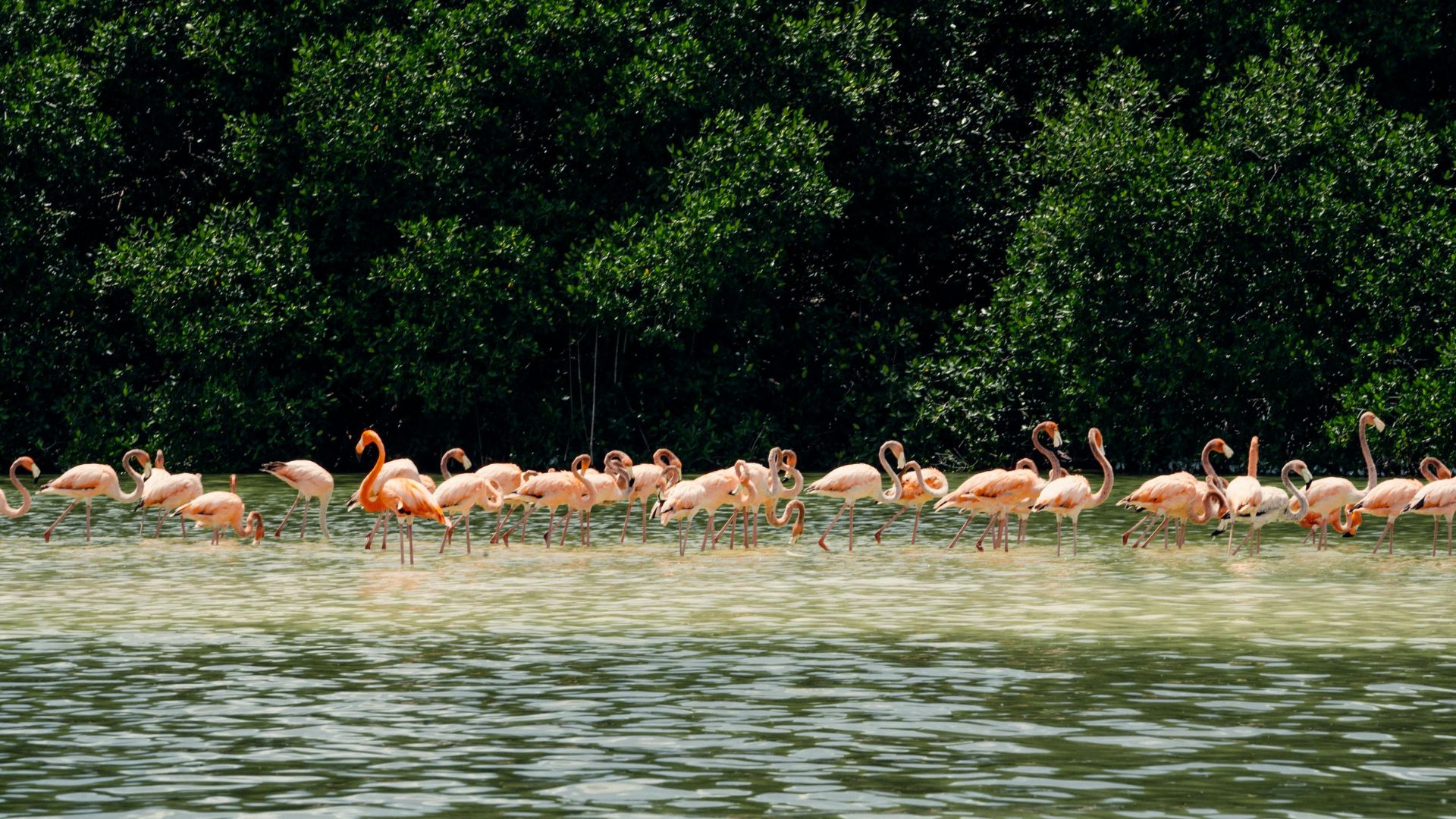
3) Celestún, Yucatán – Flamingos, wild nature, and old-school fishing village vibes
Celestún sits quietly on the Gulf, nothing like the crowded beaches you see in travel brochures. The town hugs the Celestún Biosphere Reserve, where thousands of pink flamingos gather in the shallows.
The best time to spot flamingos? November through March. During these months, the birds create pink clouds on the lagoon, and boat tours get you up close.
The reserve protects over 300 bird species. I also saw crocodiles, sea turtles, and mangrove forests on my last visit.
Boat tours wind through mangrove tunnels to freshwater springs. The water stays cool and clear, no matter the month.
Celestún’s beaches stretch out for miles, and most days you’ll have them almost to yourself. I ate fresh seafood at simple restaurants run by local families. The sunsets here? They turn the whole sky pink and orange—sometimes almost as bright as the flamingos themselves.
International travelers haven’t really discovered this place yet. It’s the real Yucatán coast, minus the crowds.
4) Loreto, Baja California Sur – Pristine beaches and authentic culture, minus the masses
Loreto might just be Baja’s best-kept secret. The town sits right on the Sea of Cortez, and you can fly in from LA in about 90 minutes.
The beaches? Turquoise water, perfect for swimming and snorkeling. Isla Coronados is nearby and offers some of the most stunning coastal scenery I’ve seen. Dolphins show up often, and the marine life is wild and varied.
The historic center is walkable and keeps its genuine Mexican feel. Local spots serve fish tacos, ceviche, and chocolate clams—trust me, try them if you can.
Unlike La Paz or Los Cabos, Loreto hasn’t been overrun by tourists. You’ll meet some backpackers and retirees, maybe a cruise ship crowd now and then, but the vibe stays mellow. Visit soon, while it still feels this peaceful.
You can fly straight into Loreto or drive in from other Baja towns, but it’s a bit of a trek. That’s probably why it’s managed to stay so relaxed and unspoiled.

5) San Agustinillo, Oaxaca – Quiet fishing village with epic sunsets and hardly any crowds
San Agustinillo hides between the better-known Mazunte and Zipolite. This little fishing village rests on Oaxaca’s Pacific coast, serving up a peaceful alternative to busier beaches.
The town keeps its authentic charm because the crowds haven’t found it yet. The main beach is wide and sandy, perfect for lazy strolls. Sunsets here? They’re something else—especially at certain times of year.
San Agustinillo makes a great base for exploring the area. There’s not a ton of organized activities in the village itself, which is exactly the appeal. You get a real taste of local Mexico, minus the chaos.
Punta Elefante is nearby if you want a calmer bay, especially if you have kids along. The fishing village vibe is alive and well, and you can still catch coastal Oaxaca before it’s “discovered.”
If you want to see San Agustinillo while it’s still under the radar, go soon. Fewer hotels and restaurants mean you should plan ahead, but that’s part of the adventure.
Why Pick Mexico’s Hidden Beach Towns?
Honestly, these lesser-known spots offer real connections to local life, untouched beaches, and a chill you just can’t buy in a tourist hotspot.
1. Authentic Local Experiences
When I visit these smaller towns, I actually find the Mexico that’s missing in places like Cancun or Tulum. The markets sell fish caught that morning, and family-run restaurants serve recipes straight from grandma’s kitchen.
It’s easy to chat with fishermen on the sand or join locals at a street festival. Shops sell handmade crafts, not factory souvenirs. Street vendors remember your name after a couple days.
I’ve learned to make mole in someone’s home and played soccer with kids on the beach. These things just happen when tourism hasn’t taken over. And the money you spend? It stays in the community.
2. Unspoiled Natural Beauty
The beaches in these towns feel like another world. I walk for ages on white sand and rarely see another soul—or a single beach chair.
The water stays clear because there aren’t a million boats and swimmers. Coral reefs stay healthy, and sea turtles still nest here because development hasn’t pushed them out.
Buildings blend into the landscape—no giant hotels blocking the view. Mangroves and lagoons remain wild, giving birds and marine life a real home.
3. Peaceful, Relaxed Atmosphere
I can actually relax on these beaches. There’s no battle for a spot, no constant noise, no one hawking souvenirs every two minutes.
Life moves slower. Restaurants never rush you. I can watch the sun set without staking out a spot an hour early. At night, the only thing you’ll hear is the ocean.
This calm lets me disconnect. I swim in the mornings without crowds, read under a palapa in the afternoon, and fall asleep to waves instead of club music.
Planning Your Trip to Mexico’s Hidden Beaches
Getting to these secret spots takes a little more effort, but it’s so worth it. A bit of planning goes a long way—especially with transportation, timing, and respecting the locals.
How to Get There
Most of these towns don’t have direct flights. I usually fly into a bigger city like Puerto Vallarta, Oaxaca City, or Mazatlán, then take a bus or rent a car for the last stretch.
Renting a car gives you freedom, but book ahead and get full insurance. Some roads are rough, and unlimited mileage is a must.
Local buses are cheap and reliable. First-class options like ADO or Primera Plus run often and cost $10-30. Second-class buses work too, but they stop everywhere.
I always download offline maps before heading out—cell service gets spotty. Google Maps is fine, but Maps.me has more detail for rural places. Bring cash in small bills; ATMs are rare, and many places don’t take cards.
Responsible Travel Tips
Small towns need tourism, but they can get overwhelmed. I try to stay at locally-owned hotels and eat at family restaurants.
Water is precious in these areas. I keep showers short, reuse towels, and never let the tap run. A reusable water bottle with a filter saves money and plastic.
If you’re booking tours, pick operators who care about the environment. Don’t touch corals, feed animals, or take shells from the beach.
Learn a few Spanish phrases. Most locals don’t speak much English, and making an effort goes a long way.
When to Go
The dry season (November to April) is best for beach weather. Temps hover between 75-85°F, and there’s barely any rain. December to March gets busier, so I like November or April for fewer people.
Rainy season runs May through October. Mornings are usually sunny, with afternoon showers. Hotels drop their prices big time, so it’s great for budget travelers who don’t mind a little rain.
Hurricanes can hit from August to October. I avoid the Pacific coast in September and October, and the Caribbean side from July to November.
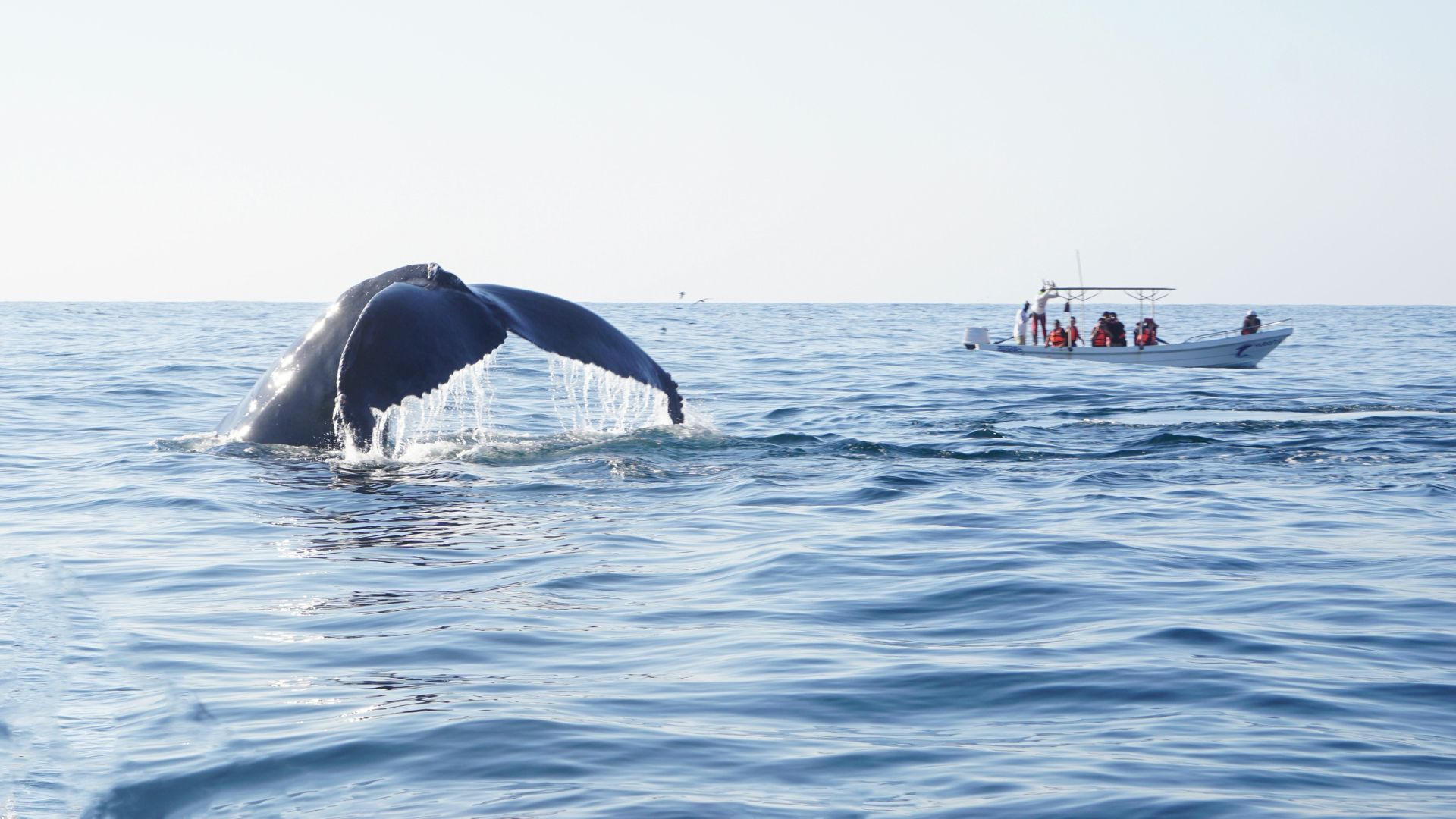
Whale watching happens December through March on the Pacific. Sea turtles nest from June to November, and hatchlings start popping up 45-60 days after eggs are laid.

Frequently Asked Questions
Here are some quick answers about Mexico’s quieter beach towns, including safety, budget travel, and what makes these places special.
Zipolite in Oaxaca brings a laid-back vibe and no crowds. Isla Holbox in Quintana Roo is getting buzz for whale sharks and its car-free charm.
Celestún in Yucatán draws nature lovers with flamingos and protected wetlands. Loreto in Baja California Sur has pristine beaches and a real Mexican feel. San Agustinillo in Oaxaca is still a quiet fishing village with beautiful swimming.
San Agustinillo totally captures the beach-town vibe Tulum had before everyone started flocking there. You’ll find yoga retreats tucked into the hills, quirky eco-hotels, and a community that actually feels like a community.
Zipolite brings its own bohemian energy, with clothing-optional beaches and plenty of budget places to crash. Both towns sit right on the Oaxaca coast, where the water’s still that unreal turquoise and the sand glows gold—just like Tulum back in the day.
Isla Holbox? It’s got sandy streets and not a car in sight. Boutique hotels dot the shoreline, but the whole place moves at a slower, quieter pace than the Tulum you’ll find now.
Zipolite and San Agustinillo really stand out if you’re looking for affordable coastal living. I’ve seen monthly rentals here go for way less than what you’d pay in the bigger expat hotspots.
Celestún is another good bet. Rents are low, and you’ll find a small local market for groceries and basic amenities—nothing fancy, but it works.
Loreto isn’t as cheap as the Oaxaca towns, but it’s still a bargain compared to Los Cabos or Puerto Vallarta. There’s a small expat crowd and, honestly, the infrastructure is better than what you’ll get in some tiny villages.
Loreto keeps crime rates low and the locals really look out for visitors. Police patrols are visible, and the streets feel well-lit and safe.
Celestún, being a small fishing village, rarely sees any serious crime. I’d still use common sense, just like anywhere else.
Isla Holbox feels super safe, probably because it’s small and cars aren’t really a thing there. The biggest risks? Sunburn and maybe a mosquito bite or two. San Agustinillo and Zipolite are generally chill too, but I’d skip wandering alone on empty beaches after dark.
San Agustinillo really shines if you care about wildlife—turtle conservation is a big deal here, and the swimming bays stay calm. The village keeps things simple, with just a handful of restaurants and a real fishing-town vibe.
Celestún is a dream for bird watchers. During peak season, thousands of flamingos flock to the shallow waters. It’s not something you’ll find at your average beach resort.
Isla Holbox turns magical in summer when the water glows with bioluminescence. No cars, just golf carts and bikes—honestly, it’s a whole mood. Loreto opens up the Sea of Cortez, with day trips to uninhabited islands and endless kayaking adventures.
Loreto feels a lot like those quiet Mediterranean fishing villages you stumble upon by accident. There’s this historic mission and a waterfront promenade where locals gather in the evenings. I love how the town gives off that old-world charm, but your wallet won’t scream at you like it might in Europe.
San Agustinillo and Zipolite? Think of them as Mexico’s answer to the Greek islands. The pace slows down immediately, and you can walk barefoot from your room straight onto the sand. These little Oaxaca towns draw in travelers who miss the simplicity and laid-back vibe that places like early Santorini used to have.
Isla Holbox brings in a hint of coastal Portugal, but with a Caribbean twist. You’ll spot colorful buildings and taste some of the freshest seafood around. The best part? It’s way more affordable than most European beach spots, and the water stays warm all year.
