
Nestled in the heart of the Italian Alps, Trentino-Alto Adige is a magical region I keep returning to year after year. The landscape transforms with each season, offering a constantly changing yet always breathtaking panorama of the Dolomites.
What makes this Alpine paradise truly special is its blend of stunning natural beauty, unique cultural heritage, and incredible outdoor activities available throughout all four seasons.
During my winter visits, I’ve found some of Europe’s best skiing under reliably sunny skies. Alto Adige enjoys an impressive 300 days of sunshine annually.
When spring arrives, the snow begins to melt, revealing hiking trails that wind through meadows bursting with wildflowers.
My summer adventures have taken me along well-marked mountain paths with stops at remote mountain huts serving local specialties.
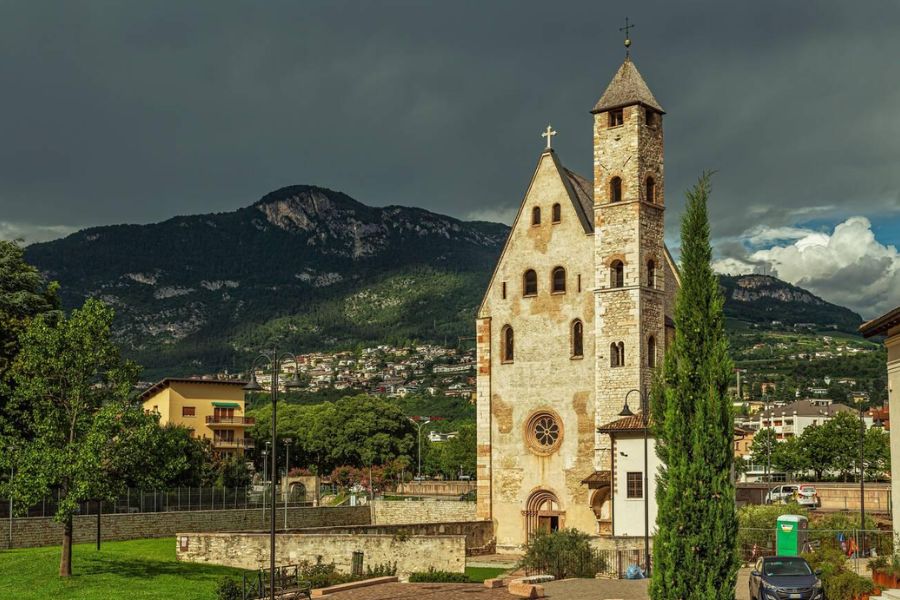
Fall might be my favorite time in Trentino. The vibrant autumn colors paint the mountainsides in rich golds and reds, while the valleys celebrate the grape harvest. This region truly embodies the concept of “quattro stagioni”—four seasons of distinct beauty, outdoor adventure, and incredible mountain cuisine that reflects the unique Alpine-Mediterranean culture you won’t find anywhere else in Italy.
Exploring Trentino-Alto Adige’s Diverse Landscapes
Trentino-Alto Adige offers some of Italy’s most breathtaking natural scenery. From snow-capped peaks to crystal-clear lakes, the region’s landscape transforms dramatically with each season while maintaining its unique charm year-round.
The Allure of the Dolomites
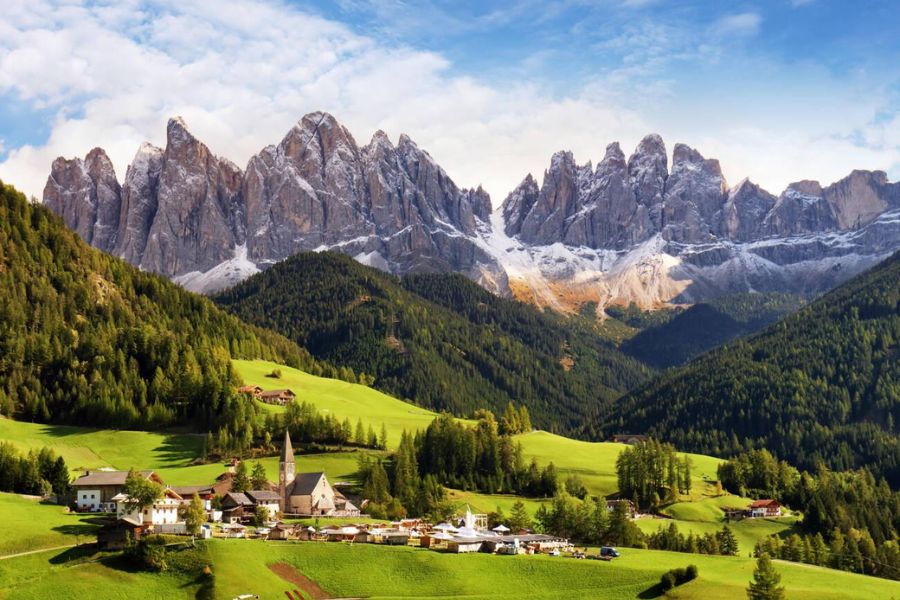
The Dolomites are truly the crown jewels of Trentino-Alto Adige. I’ve hiked these magnificent limestone mountains in different seasons and each visit reveals new wonders. Their pale rocky peaks seem to change color throughout the day, from soft pink at dawn to fiery orange at sunset.
These mountains aren’t just beautiful—they’re a playground for outdoor enthusiasts. In winter, I’ve skied down world-class slopes around Val Gardena and Madonna di Campiglio. Summer brings endless hiking trails with alpine meadows bursting with wildflowers.
What makes the Dolomites special is their accessibility. Well-marked paths and modern cable cars make it easy to explore, even for beginners. The network of mountain huts (rifugi) offers warm meals and sometimes overnight stays amid stunning views.
Nature Parks and UNESCO World Heritage Sites
The Adamello-Brenta Nature Park has become my favorite wilderness escape in the region. This protected area houses Italy’s second-largest glacier and the rare Trentino brown bear. Walking through ancient pine forests and alongside pristine alpine lakes feels like stepping into a fairy tale.
The Dolomites earned UNESCO World Heritage status in 2009, recognizing their exceptional beauty and geological significance. The Brenta group within the Dolomites features dramatic vertical walls and deep valleys carved by glaciers thousands of years ago.
Conservation efforts throughout these parks preserve traditional Alpine farming alongside natural habitats. I’ve spotted chamois, marmots, and golden eagles during my explorations. The parks also protect historic mountain communities where ancient traditions continue today.
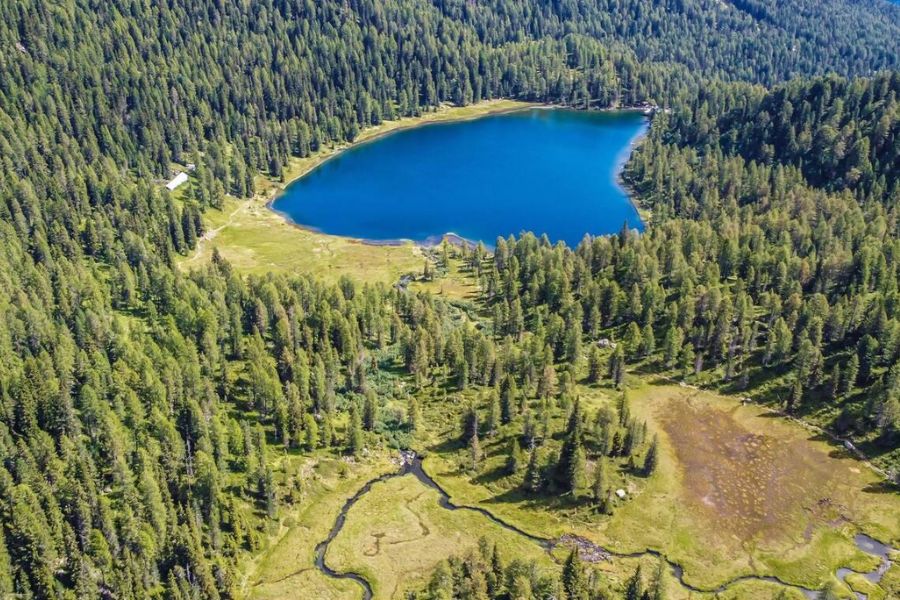
Seasonal hiking routes vary from gentle valley walks to challenging summit climbs. Spring wildflower displays and autumn foliage make shoulder seasons particularly magical for photographers.
Adventure Through the Seasons: Activities Year-Round
Trentino-Alto Adige transforms completely with each passing season, offering unique experiences that showcase the region’s diverse landscape. The Dolomites serve as a stunning backdrop for year-round adventures that cater to outdoor enthusiasts of all kinds.
Winter Wonderland: Skiing and Snowboarding
I’ve found winter in Trentino-Alto Adige to be truly magical. The region becomes a paradise for snow lovers with the Dolomiti SuperSki pass giving access to over 1,200 km of slopes across 12 ski areas.
My favorite routes include the Super8 ski tour, which offers breathtaking views of famous Dolomite peaks like Tofana and Pelmo. The pristine slopes range from gentle beginner runs to challenging black diamonds that tested even my experienced friends.
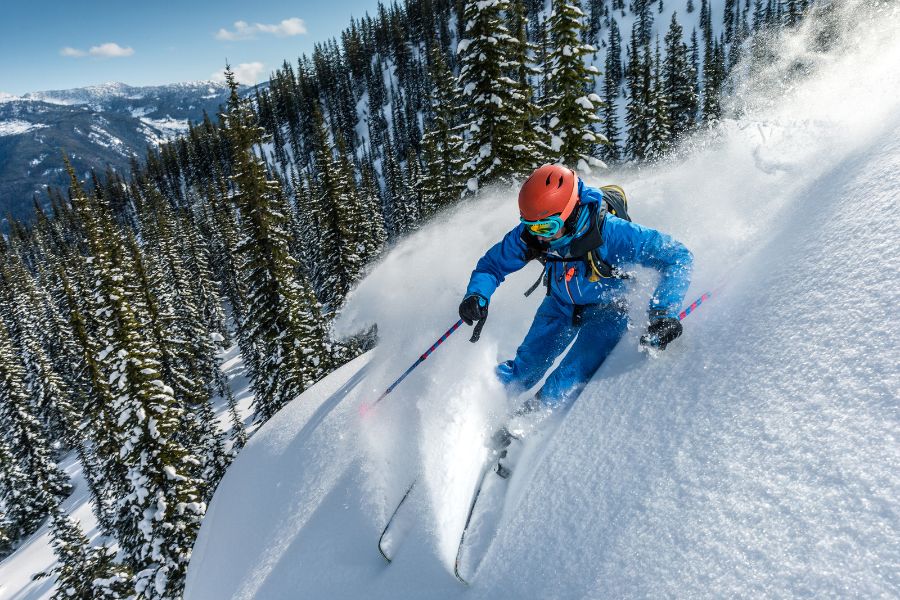
Beyond downhill skiing, I discovered fantastic opportunities for cross-country skiing through silent forests and snowboarding in well-maintained terrain parks. Many ski areas like Val Gardena and Madonna di Campiglio offer night skiing experiences that I found unforgettable.
The region’s excellent snow-making capabilities ensure reliable conditions throughout the winter season, making it worth planning a trip anytime from December through March.
Summer Escapes: Hiking and Biking Trails
When summer arrives, I trade my skis for hiking boots and mountain bikes. The UNESCO-listed Dolomites offer hundreds of marked trails ranging from easy walks to challenging multi-day treks.
I particularly enjoy the high-altitude trails that provide spectacular panoramic views. The trail network is incredibly well-maintained with clear signage and mountain huts (rifugi) spaced perfectly for rest breaks or overnight stays.
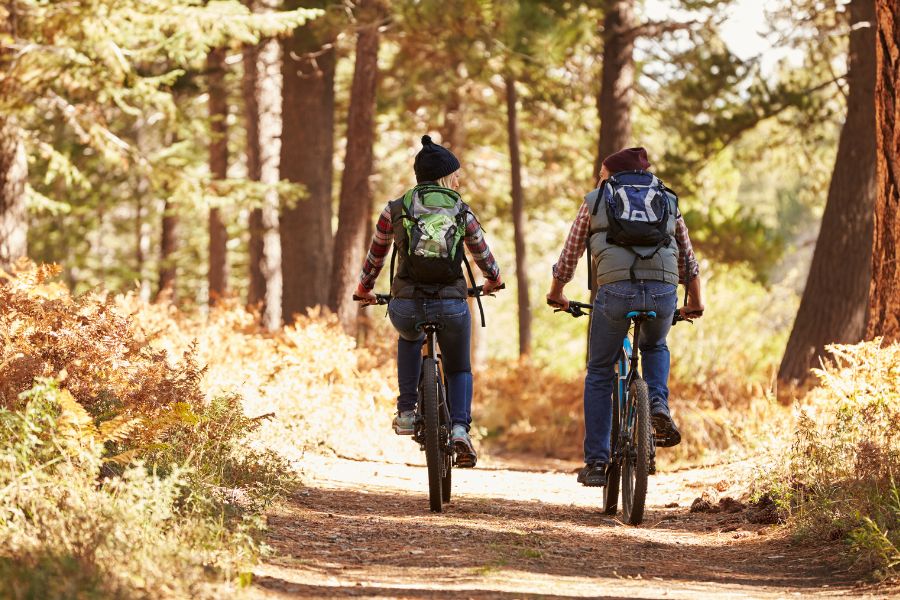
Mountain biking here has been some of the best I’ve experienced in Europe. The region offers dedicated bike parks, gentle valley routes, and challenging mountain descents that suit all skill levels.
Val di Funes has become my go-to spot for capturing those iconic photographs of jagged peaks rising dramatically above meadows and traditional wooden chalets. The trails here feel less crowded than other famous Dolomite locations, allowing for a more peaceful experience.
Autumn Ambiance: Vineyards and Harvest
Fall might be my favorite season in Trentino-Alto Adige. The landscape transforms into a canvas of gold, amber, and crimson, creating a photographer’s dream scenario against the rocky mountains.
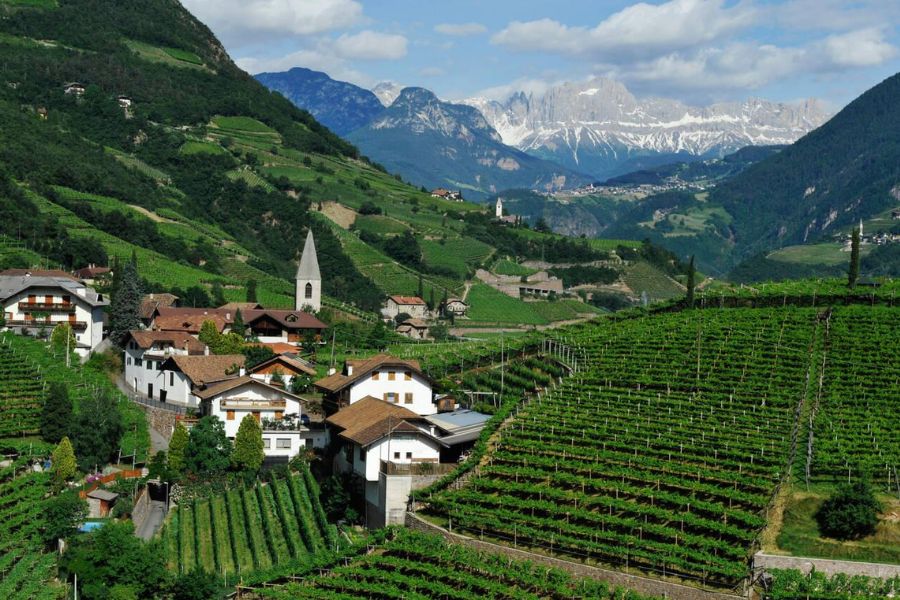
I love exploring the region’s vineyards during harvest season. The South Tyrolean Wine Road winds through picturesque villages and hillside vineyards where I’ve joined grape-picking activities and wine tastings featuring local varieties like Gewürztraminer and Lagrein.
Autumn festivals celebrate the harvest with traditional music, folk dancing, and incredible food. I’ve sampled fresh apple strudel, chestnut dishes, and hearty mountain cuisine that perfectly complements the crisp fall air.
Hiking during this season offers unique advantages: summer crowds have departed, temperatures are perfect for active pursuits, and the foliage creates an ever-changing landscape that I find endlessly captivating.
Spring Bloom: Waterfalls and Awakening Nature
Spring brings a remarkable renewal to Trentino-Alto Adige. Melting snow powers magnificent waterfalls while meadows explode with colorful wildflowers.
I make a point to visit the region’s spectacular waterfalls during this season. Cascate di Vallesinella near Madonna di Campiglio and the Parcines Waterfall are at their most dramatic as winter ice thaws into powerful torrents.
Alpine meadows transform into carpets of crocuses, gentians, and edelweiss. I’ve spent hours photographing these delicate blooms against the dramatic mountain backdrops. The contrast is simply stunning.
Spring is also perfect for exploring the region’s lakes as they shed their winter ice. Lake Braies (Pragser Wildsee) with its emerald waters reflecting the surrounding peaks has become my favorite photography spot during the late spring months.
Cultural Richness of Trentino and South Tyrol
Trentino-Alto Adige represents a fascinating cultural crossroads where Italian, German, and Ladin influences blend to create a unique Alpine identity. The region’s cultural tapestry is woven from centuries of shared history yet maintains distinct traditions that make each valley feel like its own little world.

Languages and Traditions
When I first visited South Tyrol, I was amazed to hear German spoken as fluently as Italian. This bilingual reality reflects the region’s complex history and Austrian heritage. Street signs display both languages, and in some valleys, you’ll even hear Ladin, an ancient Romance language that predates both Italian and German.
The cultural differences between Trentino and South Tyrol are subtle but meaningful. Trentino leans more toward Italian traditions, while South Tyrol embraces its Tyrolean roots with traditional festivals featuring Alpine horns and lederhosen.
Folk music thrives throughout the region. I’ve spent evenings in mountain huts listening to accordion players and watching traditional dances that have remained unchanged for generations.
Religious traditions hold special importance here. The Christmas markets blend Italian warmth with Germanic precision, creating magical spaces where handcrafted ornaments and mulled wine bring communities together during the coldest months.
Culinary Journeys: Wines and Traditional Dishes
The food culture in Trentino-Alto Adige tells the story of its unique geography and history. I’ve discovered that South Tyrolean cuisine blends hearty German-Austrian influences with Mediterranean Italian touches.
Canederli (bread dumplings) appear on nearly every menu, often swimming in rich broth or butter. Speck, the locally-cured ham, features prominently in many dishes and makes for the perfect hiking snack alongside mountain cheese.
The wine tradition here is exceptional. The sunny Alpine slopes produce distinctive varieties that reflect the terroir. Gewürztraminer, with its aromatic spicy notes, originates from the village of Tramin. I’ve enjoyed wonderful glasses while watching the sun set behind the Dolomites.
Other notable wines include the robust red Lagrein and elegant Pinot Noir (known locally as Blauburgunder). These pair perfectly with the region’s hearty dishes like polenta with game meat or apple strudel for dessert.
The culinary calendar follows the seasons closely. Apple festivals celebrate the autumn harvest, while spring brings fresh Alpine herbs to the table.
Finding Serenity: Spas and Wellness in the Mountains
The Italian Alps offer more than just breathtaking landscapes and outdoor adventures. Trentino-Alto Adige has become a premier destination for wellness travelers seeking relaxation among the mountains.
World-Class Spas and Wellness Areas
I’ve discovered that spa culture thrives in this Alpine region. Many resorts boast impressive wellness areas spanning thousands of square meters, designed with natural Alpine elements that complement the mountain setting.
The Silent Luxury concept is big here – focusing on peace rather than ostentation. During my visit to Madonna di Campiglio, I found that after a day on the slopes (they have over 100 miles of downhill pistes!), nothing beats unwinding in a thermal bath.
Most wellness centers feature a mix of indoor and outdoor pools. I love floating in warm water while gazing at snow-capped peaks. Saunas, steam rooms, and specialized treatment areas using local ingredients like Alpine herbs and mountain flowers are common.

Many spas offer “detox from technology” programs that helped me reconnect with nature’s rhythms. These digital detox experiences perfectly complement the peaceful mountain environment.
The Charm of Family-Run Hotels
What truly sets Trentino’s wellness experience apart is the abundance of family-operated hotels with exceptional spa facilities. Unlike corporate chains, these establishments offer warm hospitality that feels genuinely personal.
I stayed at a family hotel where three generations worked together. The grandmother shared local wellness traditions while her son managed the property and her grandchildren led guided forest meditation walks.
These smaller properties often surprise guests with expansive wellness areas. One hotel I visited had a 3,000-square-meter spa despite having only 40 rooms! The attention to detail was remarkable.
The cuisine at these family hotels complements wellness goals perfectly. I enjoyed farm-to-table meals that featured local ingredients, often grown in the hotel’s own gardens. Every meal felt nourishing rather than merely filling.
Villages and Towns Steeped in History
Trentino-Alto Adige’s settlements tell stories spanning millennia, from Roman foundations to Habsburg influences. These communities preserve their unique Alpine heritage while embracing visitors with warm hospitality and cultural richness.
The Historic Hearts of Bolzano and Trento
Wandering through Bolzano’s medieval center, I was immediately charmed by its dual cultural identity. The city blends Italian and Germanic influences in its architecture, cuisine, and even the languages spoken in its lively streets and cafés. The magnificent Gothic cathedral and the ancient porticoes frame vibrant piazzas where locals gather.
Trento surprised me with its Renaissance splendor. The Buonconsiglio Castle dominates the skyline, while elegant frescos adorn many building facades. I spent hours exploring the historic center, where the grand Cathedral of San Vigilio stands as testimony to the city’s religious importance.
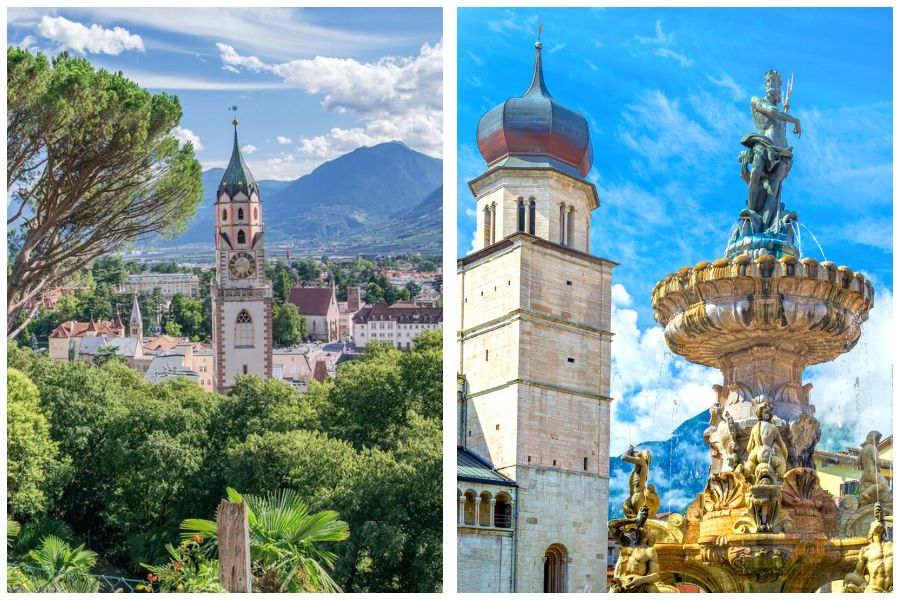
Both cities serve as perfect gateways to the surrounding mountains while offering rich cultural experiences all their own.
Captivating Small Towns and Villages
The smaller settlements throughout the region captured my heart even more deeply.
In Val di Fassa, the village of Vigo di Fassa offers stunning Dolomite views alongside centuries-old wooden houses and traditional Ladin culture.
Ortisei in Val Gardena delighted me with its pedestrian-friendly center and wood-carving traditions. Local artisans still practice this craft passed down through generations.

Some of my favorite discoveries include:
- Madonna di Campiglio: A stylish mountain town with Belle Époque architecture
- Andalo: A charming village nestled between meadows and forests
- Lago di Ledro: Peaceful lakeside communities with prehistoric pile-dwelling history
The villages around Val Badia preserve Ladin language and customs, making them cultural treasures.
Meanwhile, Braies with its famous lake combines natural beauty with traditional Alpine architecture.
