
Friedrichshain just has this unique vibe that keeps pulling me back. From the wild colors at the East Side Gallery—a 1.3-kilometer stretch of the Berlin Wall now bursting with art—to the hectic weekend markets at Boxhagener Platz, there’s always something going on.
No other neighborhood in Berlin throws together history, street art, food, and nightlife quite like Friedrichshain.
When I walk near the Spree River, I spot pieces of the city’s past standing right next to bursts of new energy and creativity. The looming presence of Berghain, Berlin’s iconic nightclub, always reminds me how Friedrichshain shapes both the city’s music scene and its bold character.
Whether I’m grabbing a snack, poking around local shops, or just people-watching, I always find an edge to Friedrichshain that feels a bit historic, a bit fresh.
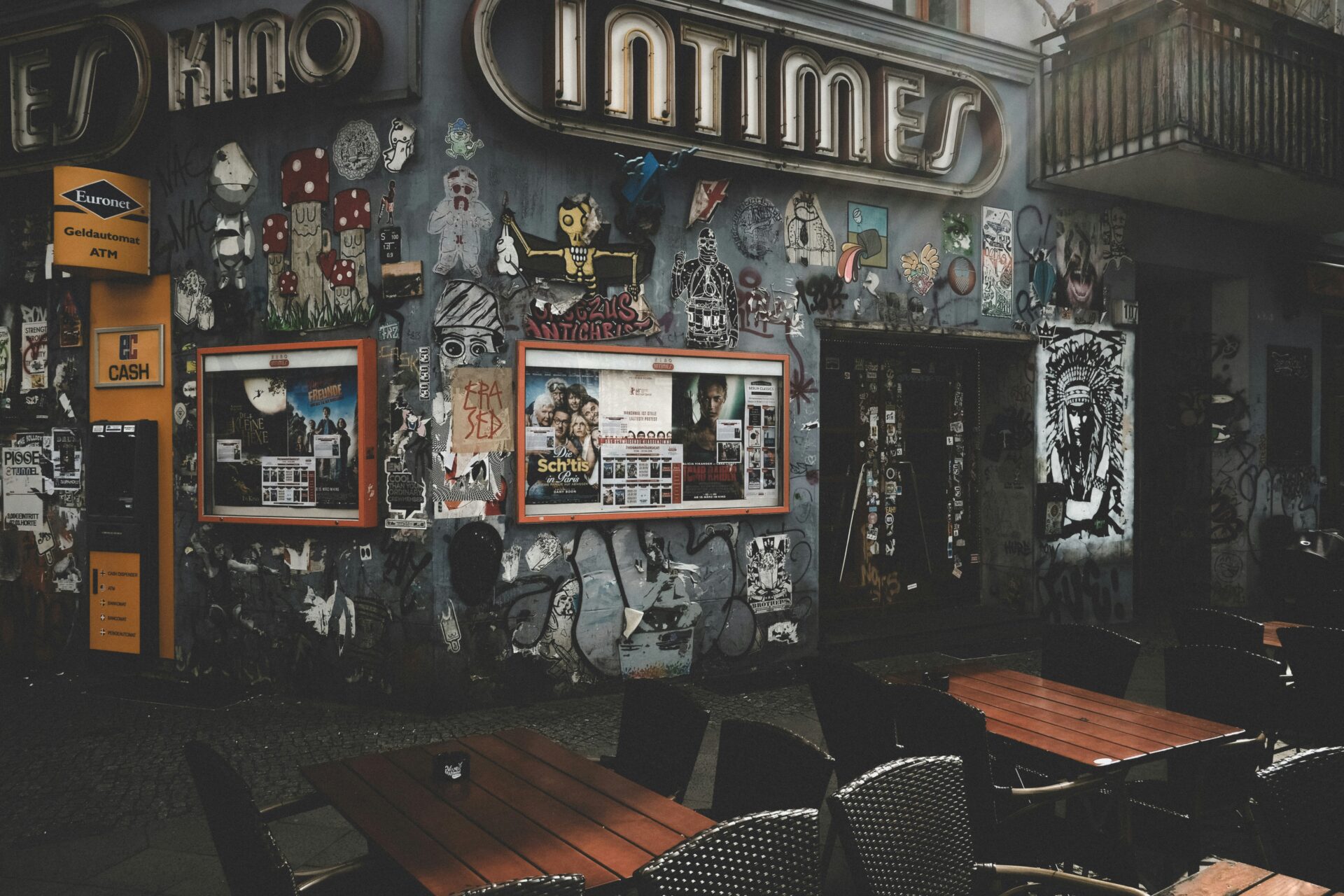
Friedrichshain’s Urban Character: Past and Present
Friedrichshain’s roots run deep with Cold War history and old industrial grit. The neighborhoods here have a distinct flavor, and daily life feels anchored by strong local traditions.
I’ve always noticed that the sense of community is alive and well.
From East Berlin to Trendy District
Friedrichshain feels like that spot where old East Berlin meets this creative wave that swept in after the Wall fell. It was once a working-class area in the former GDR, and you can still see those socialist-style apartment blocks and wide boulevards like Karl-Marx-Allee.
Old factories linger, too.
But things have definitely shifted. After reunification, artists and young professionals flocked here, drawn by cheap rents and open spaces. Abandoned warehouses turned into clubs and art studios.
Now, the district is famous for its nightlife, with places like Berghain setting the bar ridiculously high.
These days, Friedrichshain buzzes with trendy cafes, wild street art, and a jumble of cultures. New families and creative minds keep moving in, so the neighborhood never really sits still.

Noteworthy Streets and Neighborhoods
When I wander Friedrichshain, a few spots always stand out. Boxhagener Platz is a lively square, best known for its weekend flea market.
Nearby, Simon-Dach-Straße fills up with restaurants, bars, and quirky little shops. These streets are perfect for people-watching and grabbing a bite.
Two big boulevards—Karl-Marx-Allee and Frankfurter Allee—show off grand architecture and a lot of history. Then there’s RAW-Gelände, a wild complex of old train workshops packed with clubs, galleries, and skateparks.
And of course, the East Side Gallery—that long stretch of Wall covered in murals—draws crowds from all over.
Each area has its own mood. Some come alive at night, while others, like the spots near Volkspark Friedrichshain, feel quieter and greener.
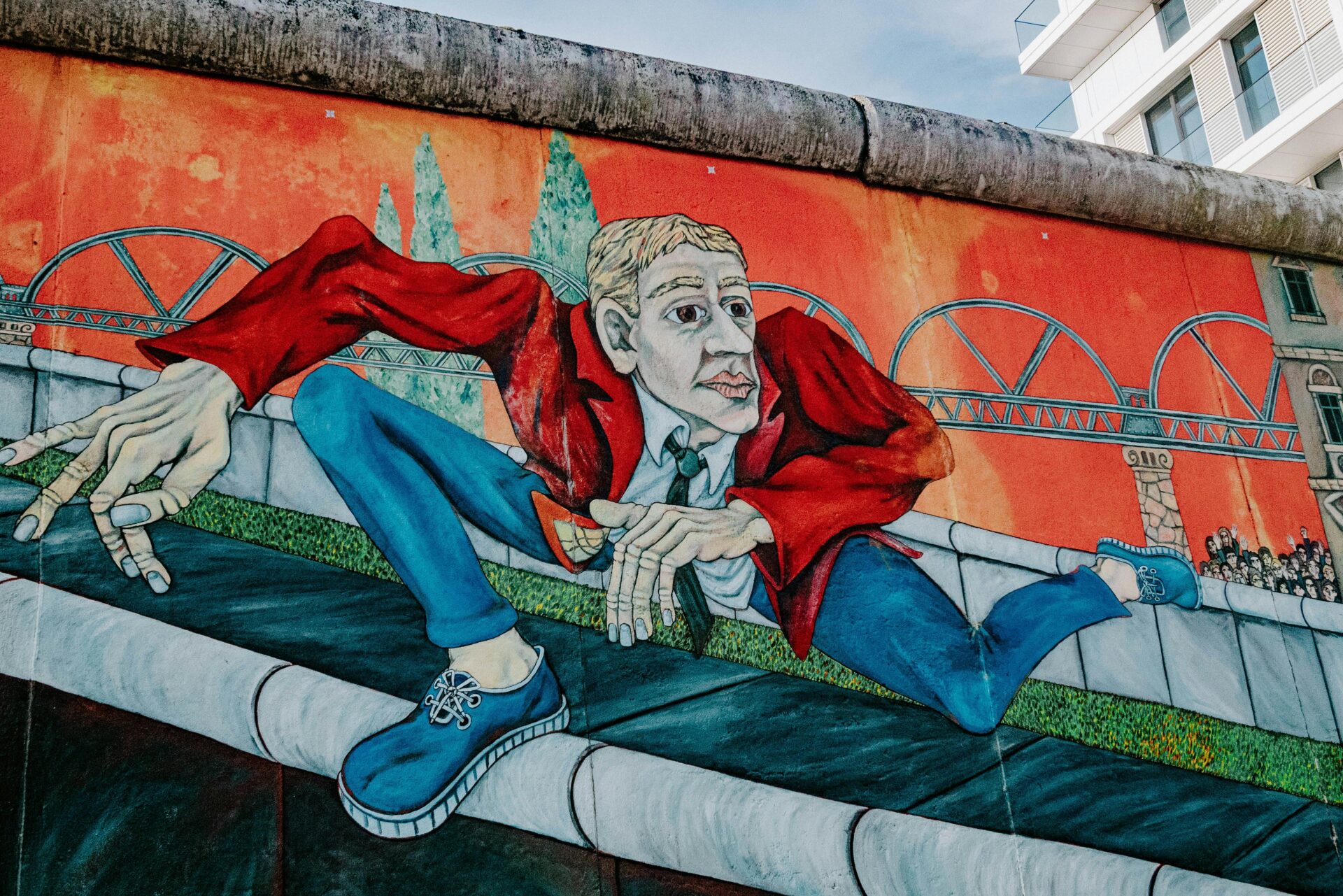
The Kiez Vibe and Local Life
Daily life in Friedrichshain really revolves around its strong Kiez (neighborhood) culture. Locals chat at corner bakeries, pop into small grocery shops, or catch up at the weekly market in Boxhagener Platz.
The mix of students, families, artists, and long-timers gives the area a real sense of belonging.
Most social life happens outside—people linger at cafes, picnic in the park, or catch impromptu music performances. The vibe manages to be both lively and laid-back.
Bike rides on leafy streets and quick walks to local shops are just part of the routine.
With so many small businesses and community events, Friedrichshain feels open and welcoming—even as it keeps shifting and growing.
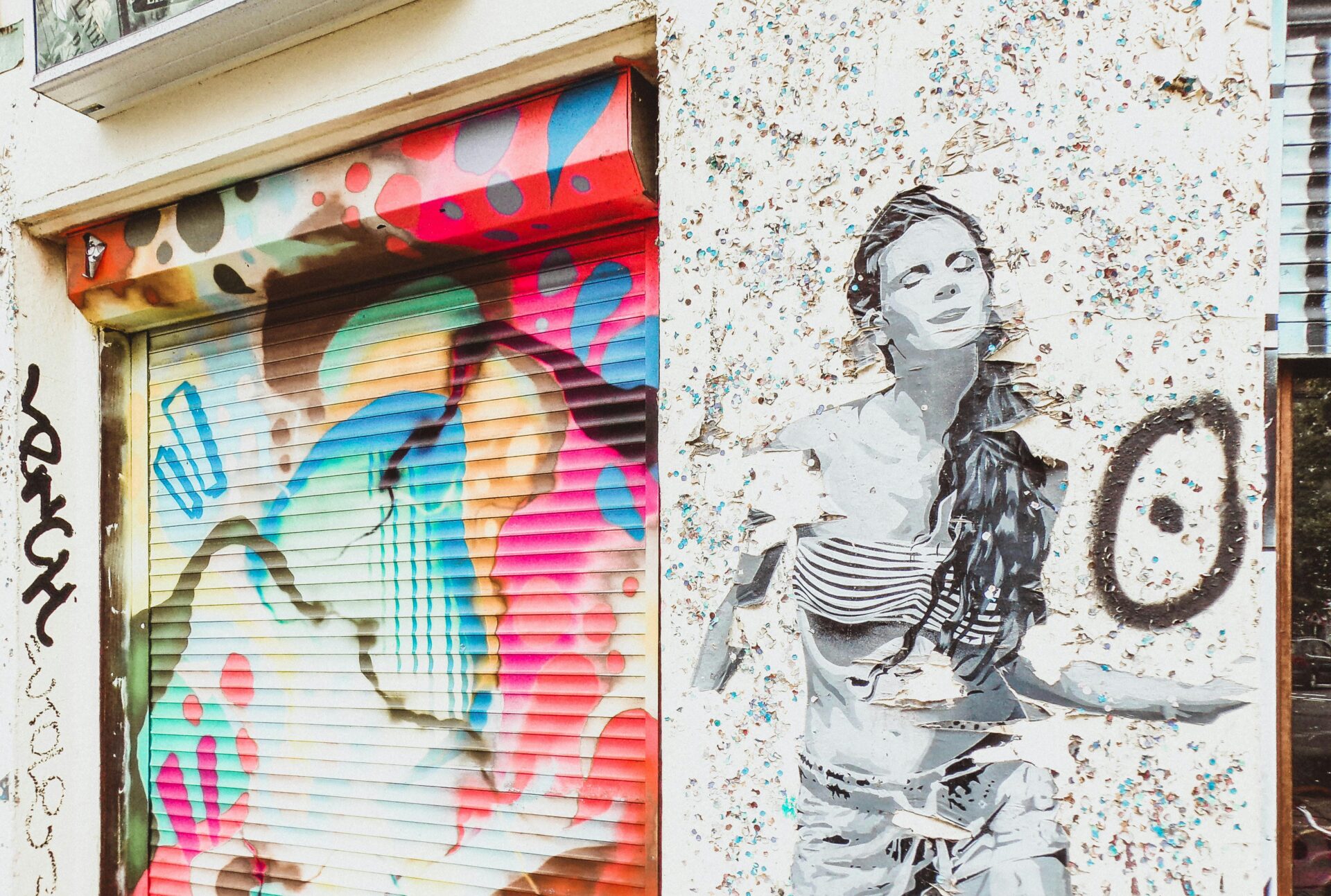
East Side Gallery: Berlin Wall’s Artistic Legacy
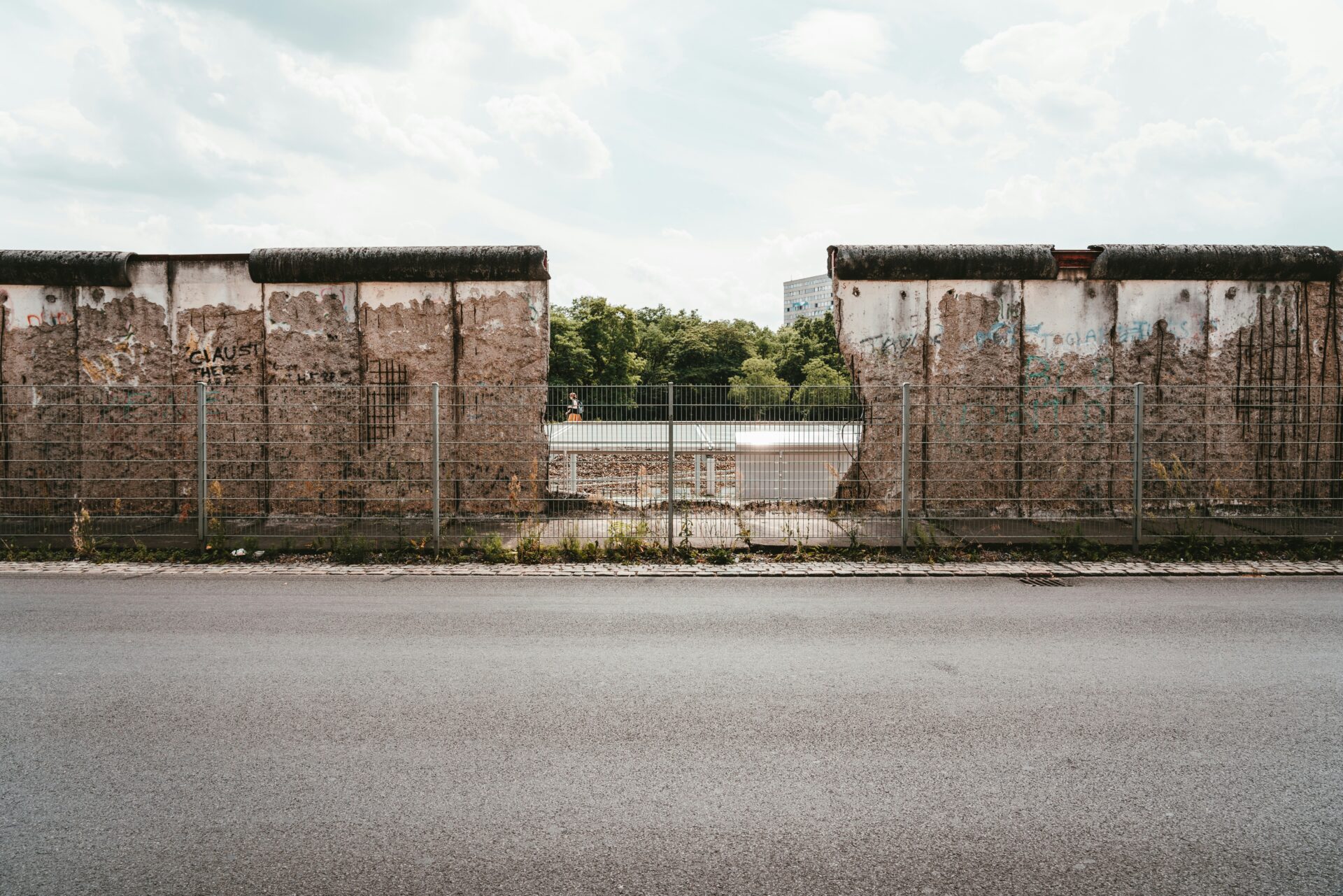
The East Side Gallery runs along Mühlenstraße and stands as a colorful, living reminder of Berlin’s divided past.
When I walk beside this open-air display, I see history and modern art collide. Locals and visitors come to reflect on Berlin’s Cold War journey.
Open-Air Gallery and Public Art
This gallery is the longest surviving piece of the Berlin Wall, stretching about 1,316 meters along the Spree. Instead of being tucked away, the wall is right out in the open, turning a former border into a public art space.
You can wander the gallery any time, at your own pace.
The murals stand exposed to the weather, which somehow makes the whole thing feel raw and real. You don’t need a ticket—just curiosity and a little time.
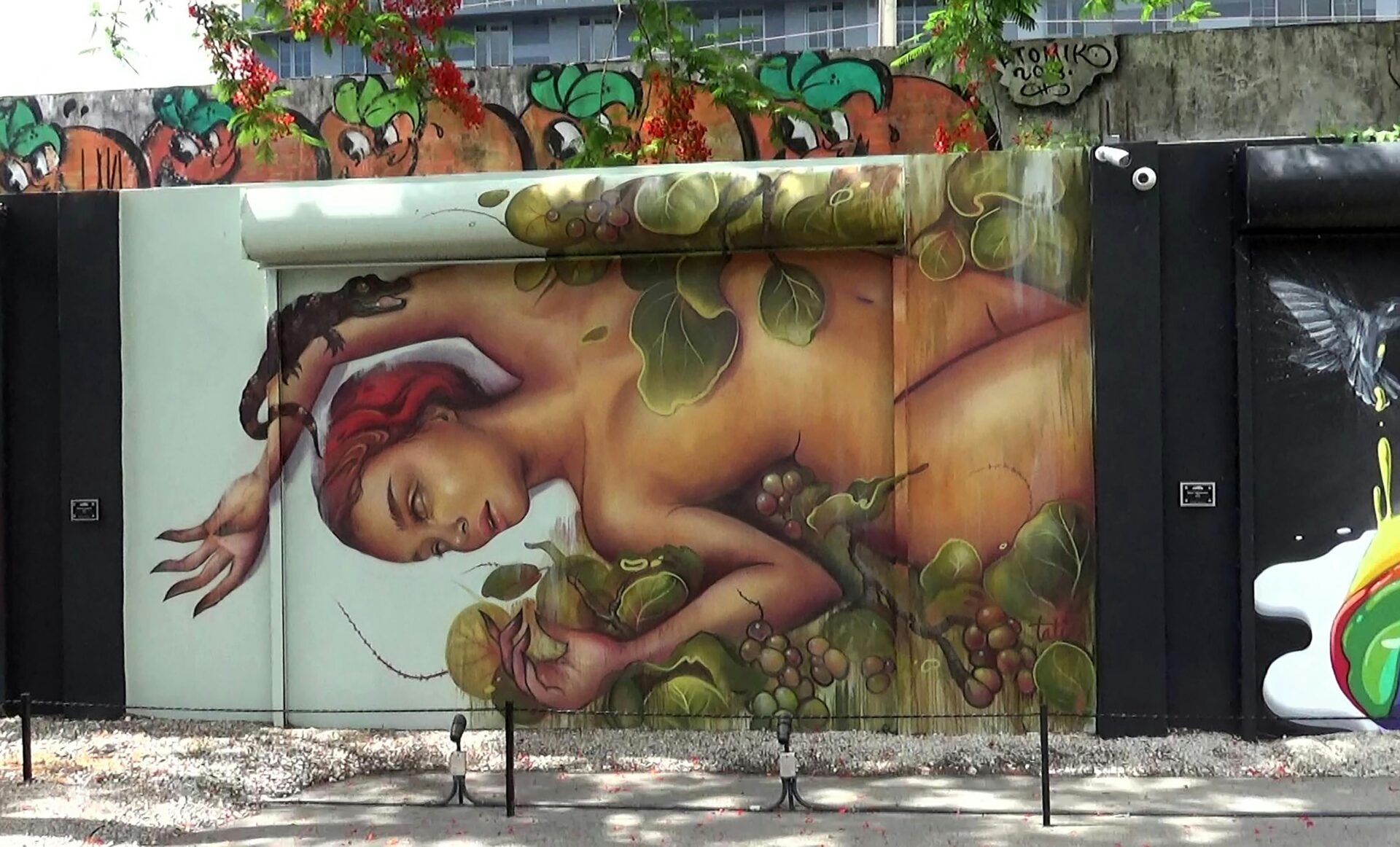
Murals, Paintings, and International Artists
More than a hundred murals and paintings line the wall, thanks to artists from all over Europe and beyond. Not long after the Wall fell in 1990, painters flocked to Berlin to leave their mark.
They used the Wall as a giant canvas for hope, protest, and memory.
Some images stick with me—like Dmitri Vrubel’s “My God, Help Me to Survive This Deadly Love,” with the infamous leaders’ kiss, or Birgit Kinder’s Trabant car smashing through the wall. Many works shout about freedom, reunification, and the price of division.
This stretch of Wall has become a living record of social change.

Restoration and Ongoing Preservation
Since the Wall sits outside, the Berlin Wall Foundation and other groups have put in a lot of effort to keep the art alive. Rain, sun, and city air wear the murals down, so restoration happens pretty regularly.
In 1996, Kani Alavi and other artists formed East Side Gallery e.V. to lead these projects.
By 2000, a big chunk had already been repainted. In 2009, the whole gallery got a facelift, with artists coming back to touch up or redo their work.
I still spot teams working on the wall, proof that Berlin cares about keeping its history and art intact.
The Wall Museum and Historical Context
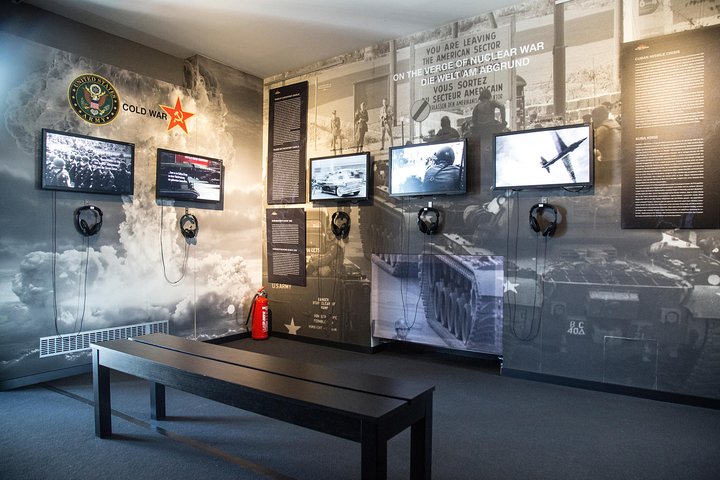
Right next to the gallery, you’ll find the Wall Museum at the East Side Gallery. This museum helps make sense of the Wall’s impact on Berlin and beyond.
Exhibits focus on the Wall’s construction, daily life in the DDR, and the real human stories behind the division.
The museum sets all that bright art in a wider context. It digs into the Cold War, the split between East and West, and the wild night in 1989 when the Wall finally fell.
Maps, photos, videos, and personal stories help explain why this bit of Wall still means so much.
Walking Along the Spree: Bridges and Sights
Walking by the Spree in Friedrichshain always connects me to both Berlin’s history and its everyday life. The area is full of iconic bridges, sweeping river views, and spots that show off Berlin’s changing spirit.
Oberbaumbrücke and Its History
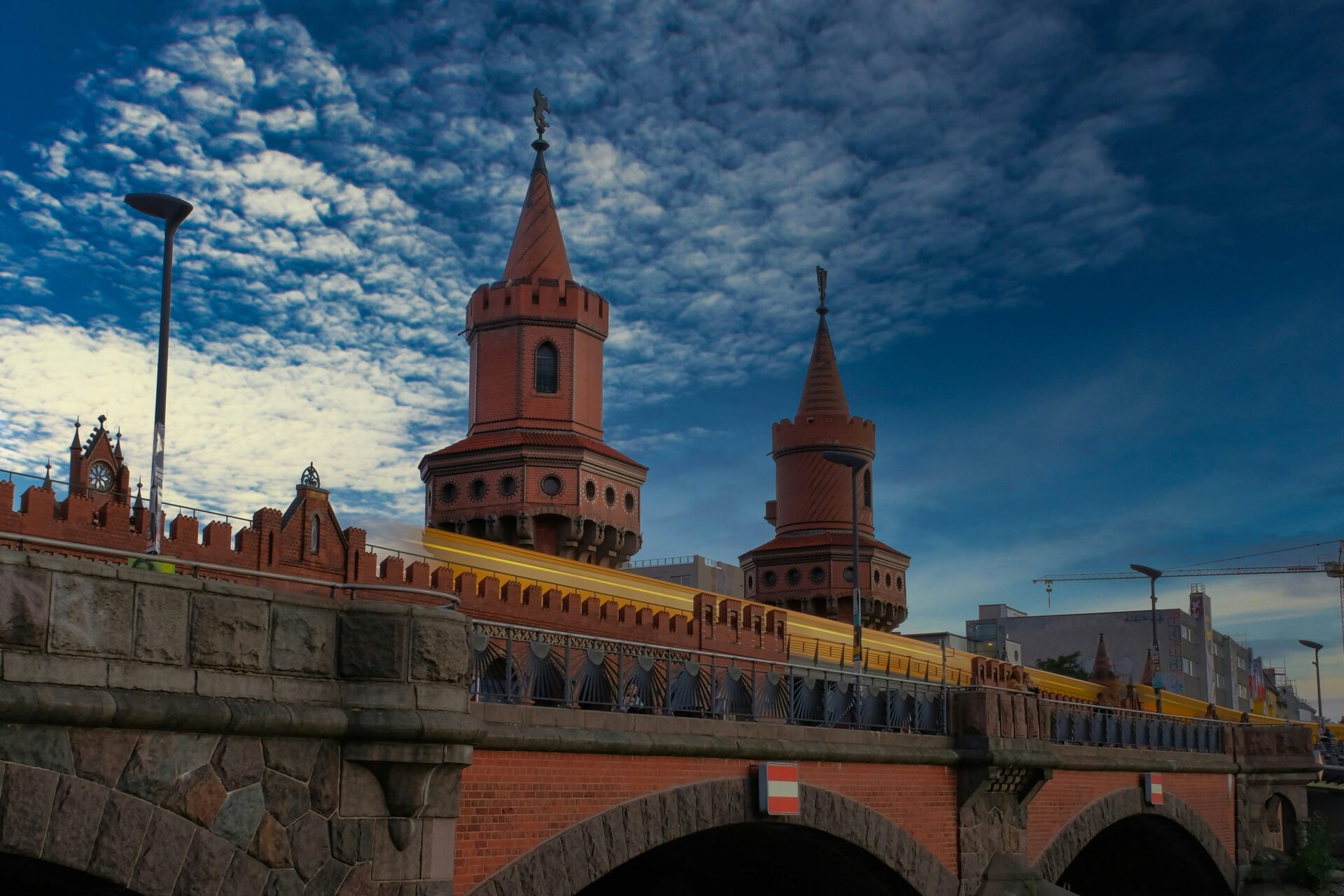
The Oberbaumbrücke stands out as one of Berlin’s most recognizable bridges, linking Friedrichshain to Kreuzberg. Built in the late 1800s, it started as a simple wooden crossing, then became a double-decker bridge for trains and cars.
Its red-brick towers and Gothic flair make it hard to miss.
During the Cold War, Oberbaumbrücke acted as a border checkpoint. These days, artists, cyclists, and tourists cross it, soaking up city views.
Standing here, I get a wide look over the Spree and spots like the East Side Gallery. The U1 subway also rumbles across, adding another layer to the skyline.

River Spree’s Influence on Friedrichshain
The Spree River has shaped Friedrichshain for centuries. Early settlements grew up along its banks, with trade and industry relying on the water.
Old warehouses and docks still line the river, but now they’re home to galleries, restaurants, and all sorts of new ventures.
Art thrives here, too. The East Side Gallery, that long stretch of Wall, runs right along the Spree’s east bank and draws crowds with its murals.
The river connects Friedrichshain’s past and present, showing how the district balances memory and change.
Exploring the Spree Promenade
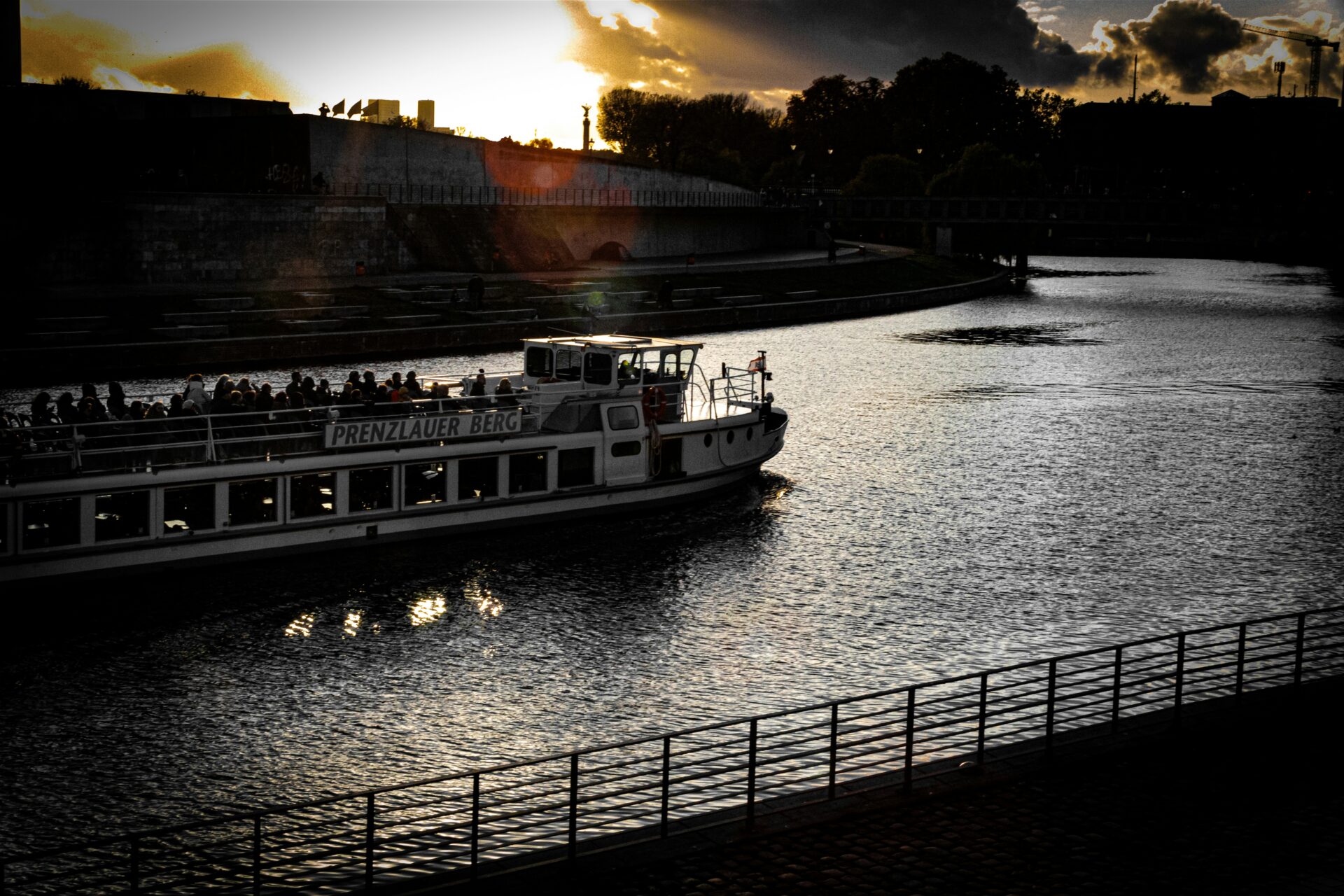
The Spree promenade offers walking and cycling paths that locals and visitors love. Near the East Side Gallery, people sprawl on benches, munch street food, or watch boats drift by.
On sunny days, I spot pop-up cafes and street musicians along the banks.
River cruises often leave from spots near Friedrichshain, letting you see Berlin from a new angle. If you keep walking, you’ll stumble into parks and even little markets close to Boxhagener Platz.
The promenade links urban sights with green spaces, giving you a slice of Berlin life without the chaos.
Markets, Parks, and Urban Escapes
Friedrichshain is a jumble of lively markets, green parks, and tucked-away city spaces. These places show off the creative side of the neighborhood and give you room to breathe when you want a break from the buzz.
Boxhagener Platz Markets and Café Culture
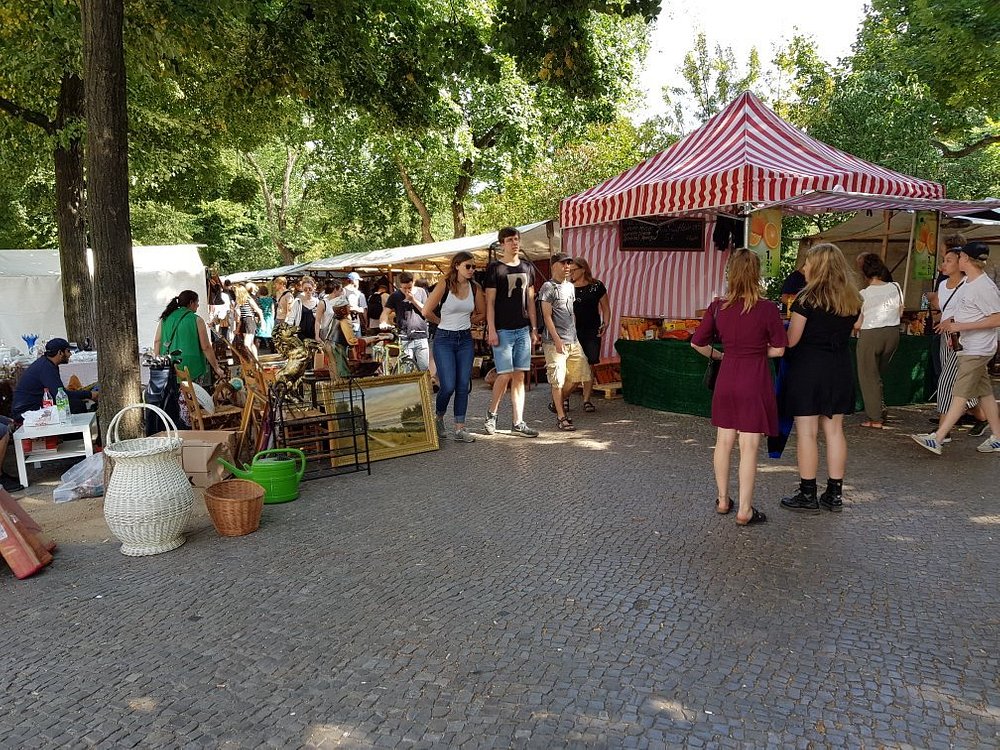
Boxhagener Platz really comes alive on Sundays with its flea market. I wander past stalls stacked with old books, records, and vintage clothes.
Sometimes I find handmade crafts or quirky relics from East Germany.
The market feels friendly and not too crowded, which makes browsing a breeze. Local stands sell fresh fruits and veggies, and I always grab a coffee and pastry from a nearby café before settling onto a bench to people-watch.
Side streets around the square hide little bakeries and laid-back bars. The mix of locals and travelers gives these cafés a great buzz.
Boxi, as everyone calls it, is perfect for a slow brunch or a lazy stroll.
Popular Market Finds:
| Type | Examples |
|---|---|
| Antiques | Old watches, furniture |
| Books & Media | Novels, records |
| Local foods | Pastries, produce |
| Handmade crafts | Jewelry, ceramics |
Volkspark Friedrichshain and Märchenbrunnen
Volkspark Friedrichshain is my go-to green escape. It’s not Berlin’s biggest park, but it feels open and welcoming, especially in the early hours.
Tall trees shade the paths, while big lawns invite picnics or games of frisbee.
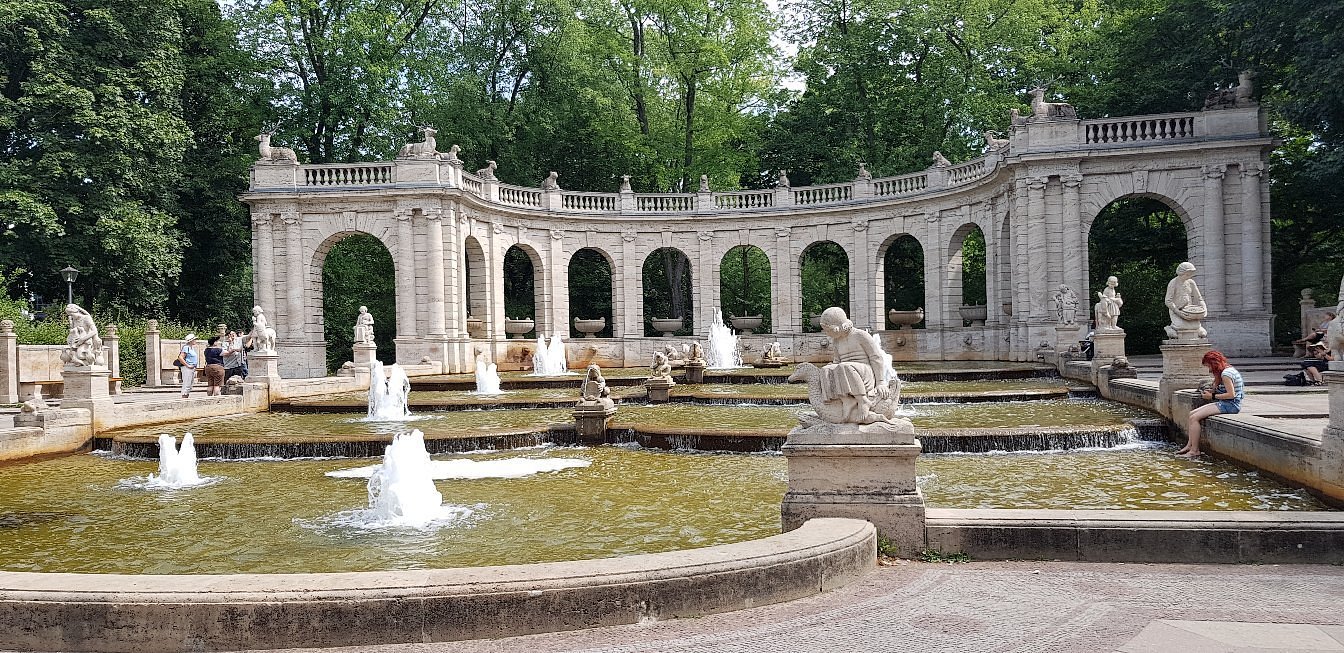
The Märchenbrunnen, or Fairytale Fountain, is a highlight. Statues from classic fairy tales circle the fountain, and families love to linger here.
I often see groups lounging on the steps, just soaking up the atmosphere.
The park also has jogging trails, cozy cafés, and even an open-air cinema in summer. Whenever city noise gets to me, this is where I head.
Key Features at a Glance:
- Märchenbrunnen: whimsical fountain with fairy tale figures
- Jogging and walking paths
- Playgrounds and picnic lawns
- Open-air summer movie nights
Hidden Gems: Holzmarkt 25 and RAW-Gelände
Some of Friedrichshain’s coolest spots hide just off the main roads. Holzmarkt 25 is one—a riverside collective packed with open-air bars, food stalls, a bakery, and wild murals.
I love hanging out here, sometimes catching a workshop or live music.
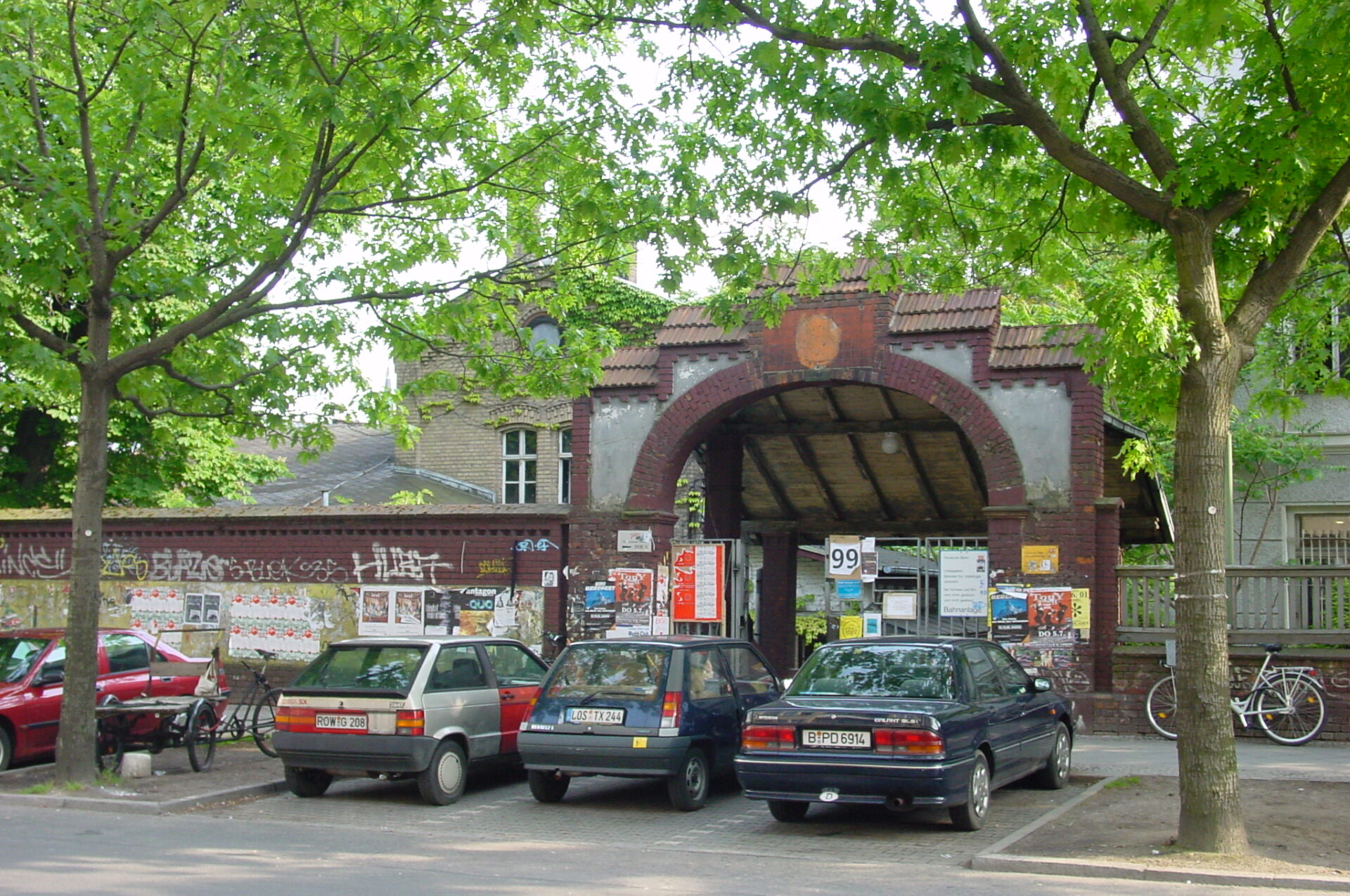
Across the district, RAW-Gelände sprawls over an old railway yard. Urban art covers the walls, and you’ll find indoor and outdoor clubs, skate parks, and flea markets.
It’s a hotspot for music events, art shows, and street food pop-ups.
Both Holzmarkt 25 and RAW-Gelände have a relaxed, alternative vibe. Locals run most of the projects, so things always feel genuine.
If you want something a little off the tourist trail, these spots won’t let you down.
Berghain and Friedrichshain’s Nocturnal Scene
Friedrichshain really wakes up at night with a wild mix of world-famous clubs and cozy local haunts. This slice of Berlin pulses with techno, creative culture, and an energy that just doesn’t quit.
The Rise of Berghain and Techno Culture
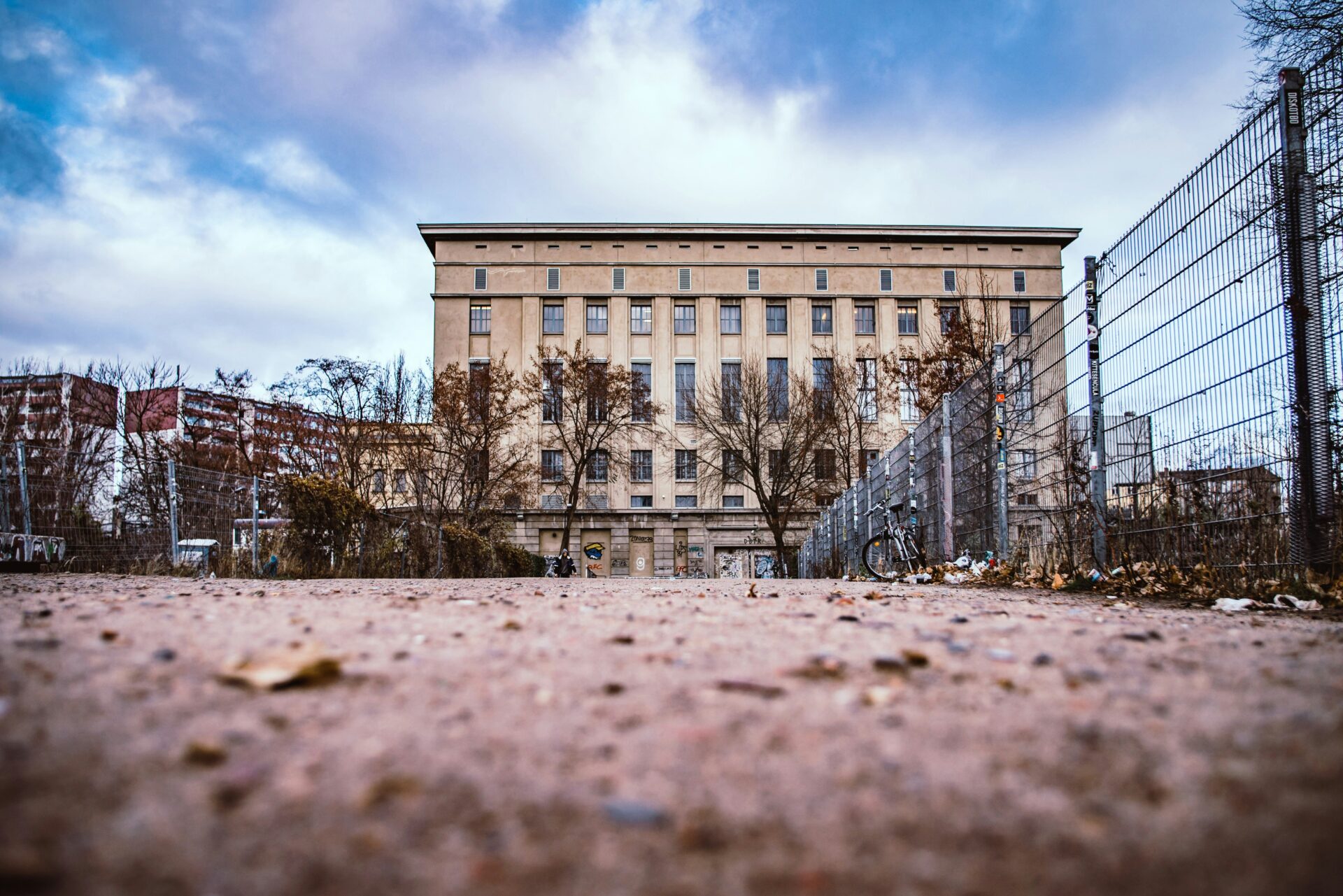
Berghain really stands out for techno fans. Every time I walk past its hulking, industrial exterior, I can’t help but notice how the old power plant structure gives it this gritty, unforgettable vibe.
The club opened back in 2004. It quickly became the heart of Berlin’s nightlife—everyone seems to know its name.
Inside, techno music just takes over. It thumps across massive dance floors, and you’ll find people from all over the world moving to the beat.
Berghain keeps things exclusive with a famously tough door policy and those no-photo rules. It’s tough to get in, honestly, but that’s part of the mystique. Once inside, you feel the focus on creativity and freedom—everyone’s just there to express themselves.
Friedrichshain’s reputation as a nightlife hotspot grew right alongside Berghain. Now, techno feels woven into the neighborhood’s DNA.
International DJs show up, parties last for ages, and the sound quality is something else. It’s no wonder club-goers from everywhere flock here.
Nightlife Hotspots Beyond Berghain
Of course, Berghain isn’t the only reason people come to Friedrichshain after dark.
Boxhagener Platz buzzes with life, surrounded by bars and smaller clubs. You’ll hear everything from indie to house, and the crowd’s a fun mix of locals and travelers.
Some nights, I wander to outdoor bars tucked by old train yards or end up on a rooftop lounge with a killer view over the city. These spots feel more relaxed, with easygoing dress codes and a laid-back vibe that keeps you out late.
Street musicians add a soundtrack to the night. Outdoor terraces fill up, and the whole area feels alive.
Not everyone wants to club until sunrise, though. Late-night cafes and alternative music venues offer a different kind of night out. You can settle in with friends or catch a local band without ever stepping onto a dance floor.
That’s what makes Friedrichshain special—it’s a real mix, a proper hub for anyone chasing a memorable night in Berlin.
Navigating Friedrichshain: Getting Around
Getting around Friedrichshain is refreshingly simple. Berlin’s public transport system works well, and you’ll find Ostbahnhof right in the district, acting as a busy hub for both locals and visitors.
Public Transport Connections
I rely on public transport here—it’s quick and surprisingly easy. The S-Bahn lines S3, S5, S7, and S9 all run through Friedrichshain, stopping at key places like Warschauer Straße and Ostkreuz.
The U-Bahn lines U1, U3, and U5 connect you to popular neighborhoods. You can get to Boxhagener Platz or the East Side Gallery without much hassle.
Several tram lines, like the M10 and 21, zip through the area, making it easy to bounce between hotspots. Buses help fill in the gaps, especially when the trains slow down late at night.
Most people I know use the BVG app for real-time updates and buying tickets. One ticket covers almost everything, which is a relief for your wallet.
If you want more freedom, bikes and e-scooters are everywhere and easy to rent. Sometimes, there’s nothing better than riding along the Spree at night, just soaking up the city.
Ostbahnhof Train Station and Access Points
Ostbahnhof stands as the main train station in Friedrichshain. Locals and travelers alike use it all the time for S-Bahn, regional, and long-distance trains.
You’ll find it just a short walk from the East Side Gallery. That makes it pretty handy if you want to check out some of Berlin’s big attractions without much hassle.
Buses and trams swing by here too, so you can catch a ride to Boxhagener Platz or head deeper into central Berlin. I appreciate that the station posts clear signs in both German and English.
Elevators and ramps help make the place accessible, which honestly makes a big difference when you’re lugging a suitcase or traveling with kids. Taxis line up right outside the main entrance—super convenient when you just want to get moving.
Step inside and you’ll spot a mix of shops and cafés. There are lockers for stashing your bags, which I’ve used more than once when I wanted to wander around a bit lighter.
Sometimes I arrive late, or my train leaves after midnight. Ostbahnhof usually stays open, so it’s a reliable option no matter the hour.
The station sits close to the Spree River, which means you get some nice views. It’s easy to walk to nearby bridges and galleries, and sometimes that’s the best way to start or end your day in Berlin.

