
Just an hour from Athens, the port town of Lavrion sits quietly, hiding centuries of history that most travelers miss. When you stroll its calm streets today, it’s almost impossible to picture how this place once powered ancient Greece’s economy.
Lavrion’s silver mines paid for Athens’ navy, the very fleet that beat the Persians at Salamis and, arguably, changed the course of Western civilization.
I first visited Lavrion expecting just a short stop before catching a ferry. But honestly, I got hooked. The way this town keeps reinventing itself is fascinating.
Those ancient mining tunnels, once buzzing with workers, now sit in silence. Just a stone’s throw away, modern marinas cradle luxurious yachts that bob in the Mediterranean breeze.
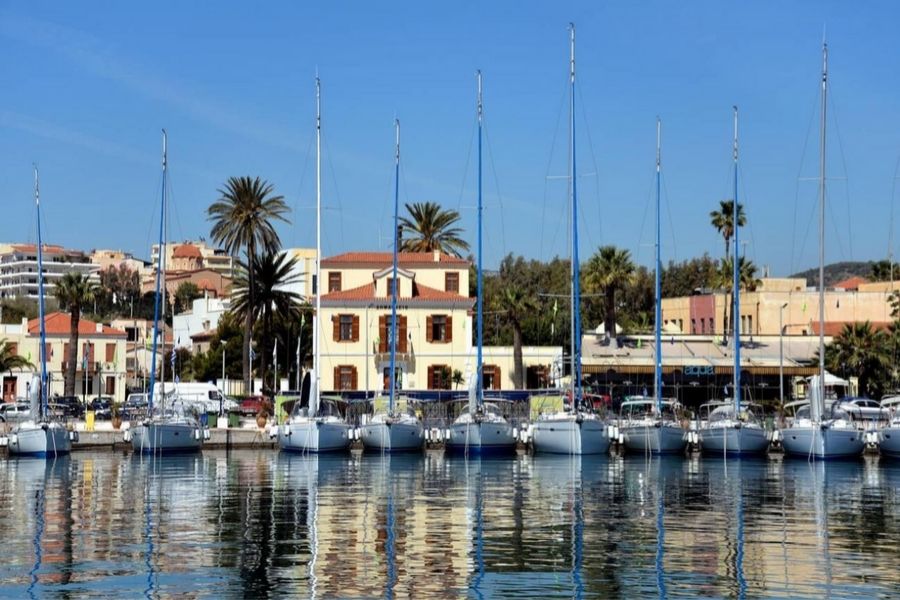
What really grabs me about Lavrion is the way the old and the new live side by side. One minute I’m poking around ruins that are thousands of years old, and the next I’m sipping Greek coffee at a waterfront café, watching sailors prep their boats for the Aegean. Lavrion delivers authentic Greek culture without the tourist crush you’ll get in other Attica hotspots.
The Ancient Silver Mines of Lavrio
The silver mines in Lavrio showcase the brilliance and foresight of ancient Greek society. These excavations didn’t just yield minerals—they shaped Athenian power and helped Athens dominate the Mediterranean.
Origins and Importance in Ancient Greece
Mining in Lavrio dates back to the Bronze Age. These rich veins supplied silver, lead, and copper to the Cycladic, Minoan, and Mycenaean cultures. I’ve wandered through some of those old tunnels and, honestly, their engineering blew me away.
Lavrio later became the backbone of classical Athens. During the 5th and 4th centuries BC, the mines hit their peak. The silver from here became the raw material for the Athenian “owl” tetradrachm coins, which everyone in the ancient world seemed to accept.
Lavrio’s strategic value was huge. Sitting in Attica, about 60 kilometers southeast of Athens, these mines were a resource the Athenians fiercely guarded.
Economic Impact and Athens’ Rise
Silver from Lavrio changed everything for Athens. In the early 5th century BC, miners struck a major new vein, and suddenly Athens found itself with a windfall.
Themistocles, never short on big ideas, persuaded his fellow Athenians to sink this new wealth into a navy instead of handing it out. That gamble paid off when the Persian invasion came.
The navy built with Lavrio’s silver crushed the Persians at Salamis in 480 BC. That victory turned the tide for Greece. Without these resources, Athens might never have become the cultural and political force that sparked democracy, philosophy, and theater.
Lavrio’s wealth also bankrolled the Acropolis, the Agora, and other iconic buildings that still stand as reminders of Greek achievement.
Life of the Miners and Archaeological Discoveries
Mining in ancient Lavrio was brutal. Slaves did most of the work. I’ve seen some of the tools they used—iron picks, mostly—and you can almost feel how hard their lives must have been. They dug narrow tunnels that stretched over 100 meters underground.
The mines featured some pretty clever tech for their time:
- Water removal systems with wheels and buckets
- Ventilation shafts to keep air moving
- Oil lamps offering just enough light to work by
Archaeologists have uncovered big processing sites where workers crushed, washed, and smelted the ore. It’s wild to think thousands of people processed tons of material every day.
The underwater remains of ancient mine sections along the Aegean coast might be the most intriguing. These submerged tunnels give archaeologists rare insight into old mining techniques. Some folks even want UNESCO to recognize them.
Lavrio Through the Centuries: Layers of History
Lavrio’s story stretches from prehistoric times to the present, and every era has left its mark. In a way, the town’s journey mirrors Greece’s own struggles and triumphs.
Influences from Classical to Modern Eras
Lavrio’s silver mines fueled Athens’ rise in ancient times. I found it fascinating that mining here goes back even before history was written down. The silver helped Athens build its navy and support the beginnings of democracy in the 5th century BCE.
When I wandered the archaeological remains, I could almost sense the presence of thousands of slaves who once labored in those tunnels. The wealth from Lavrio literally built the Parthenon and supported Greek philosophy and education.
At some point, people forgot about the mines. They only got rediscovered in 1959, thanks to Greek archaeologists teaming up with an American marine engineer.
Resistance, Democracy, and Social Change
Exploring Lavrio, I stumbled onto its role in Greece’s fight for independence and democracy. The mining community here developed a strong sense of solidarity, which later fueled resistance.
In the late 19th century, Lavrio became a busy industrial center. The port buzzed with vessels carrying more than 1,600 tons of minerals. This boom created a working class that pushed for labor rights and democratic reforms.
Lavrio’s miners often led the charge for social change in Greece. Their struggles echo the larger Greek journey toward democracy—a story of resistance and the fight for workers’ rights.
From Monarchy to Dictatorship
Walking around Lavrio, you can still spot signs of its turbulent political past. After Greece broke away from the Ottomans, the town experienced the nation’s shifting tides—from monarchy to republic and back again.
In the 20th century, Lavrio saw Greece’s painful transitions through dictatorships. Miners often faced persecution for their progressive ideas. The Metaxas regime in the 1930s and the military junta from 1967-1974 left deep scars here.
Still, Lavrio’s people held onto their spirit. The town captures Greece’s complicated journey toward modern democracy. Today, Lavrio stands as a monument to both ancient glory and the stubborn resilience of Greek ideals.
Art, Culture, and Daily Life in Lavrio
Lavrio’s cultural scene mixes ancient heritage with modern creativity, making for a pretty unique vibe. The mining history runs deep, shaping the town’s artistic identity and traditions.
Ancient and Contemporary Arts
As I walk through Lavrio, I can’t help but notice how ancient artistry still echoes in today’s works. Local artists draw on the mining heritage, creating pieces that nod to the past but feel fresh.
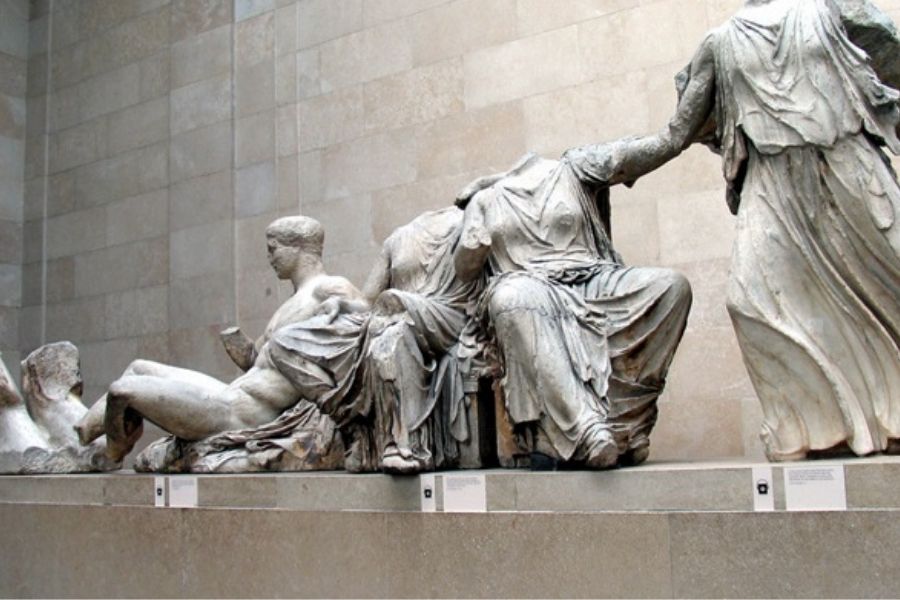
Galleries here showcase paintings inspired by Cape Sounion’s dramatic cliffs and the silhouettes of old mining buildings. Even though the Elgin Marbles are far away in London, Lavrio’s sculptors craft their own classical-inspired works. I’ve seen artists blend old techniques with new ideas, especially when exploring themes of labor and humanity’s relationship with the land.
Ceramic art is alive and well, too. Studios turn out pieces that hint at ancient Greek pottery but with a modern twist.
Museums and Cultural Landmarks
The Archaeological Museum of Lavrio is my top pick for culture in town. Inside, you’ll find artifacts from the ancient mines—tools, pottery, sculptures—giving a peek into daily life long ago.
If you’re into geology, the Mineralogical Museum is a must. The mineral specimens, all pulled from Lavrio’s earth, are surprisingly colorful and beautiful.
The old mining complex now works as an open-air museum. Walking through these preserved buildings, I felt a connection to the workers who once toiled here. Sometimes, contemporary art exhibits pop up inside, blending industry and creativity in unexpected ways.
You can’t skip the Temple of Poseidon at Cape Sounion either. Set against the sea, it’s a reminder of how spiritual life once mixed with daily labor.
Festivals, Music, and Community Life
Lavrio’s community spirit really shines at local festivals. The annual Miner’s Festival every September celebrates the town’s industrial past with music, dance, and theater. I joined in the dancing and sampled local foods from the street stalls.
Music is everywhere here. On warm nights, the main square fills with the sound of bouzouki and guitar. Impromptu jam sessions just seem to happen. The cultural center hosts concerts ranging from traditional Greek tunes to modern compositions.
Theater is a big deal, too. The summer festival brings both classic tragedies and comedies, sometimes staged in the shadow of old mine structures. It’s a wild mix of old and new.
Religious celebrations blend Orthodox Christianity with older customs, turning the streets into a swirl of color and community.
Architectural Marvels and Archaeological Sites
Lavrio’s landscape is packed with structures that tell its story. From ancient temples perched above the sea to industrial complexes that changed Greece’s economy, these sites are windows into the past.
The Temple of Poseidon and Surrounding Ruins
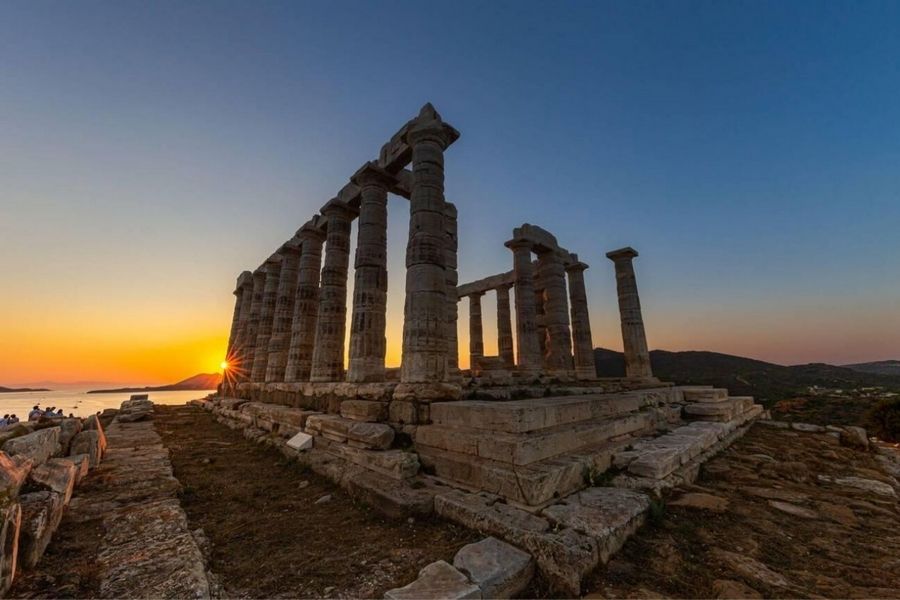
Visiting the Temple of Poseidon at Cape Sounion, just a quick drive from Lavrio, left me awestruck. The Doric columns stand tall against the blue Aegean, creating a stunning silhouette.
Built around 440 BCE, the marble temple honored the sea god. Its position made it both a sacred site and a landmark for sailors. The architects really knew what they were doing—the temple catches the sunset perfectly, bathing the columns in gold.
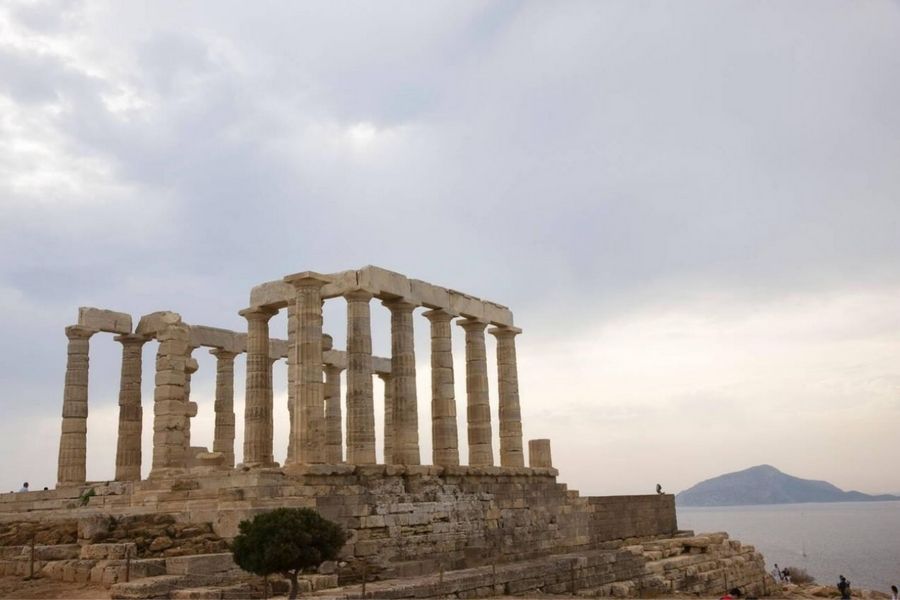
Nearby, you’ll find ruins of old walls and smaller buildings. Info panels at the site helped me piece together its role in Athenian life and Attica’s coastal defenses.
Industrial Heritage: The Mining Complexes
Lavrio’s mining complexes tell another side of its story. The French Mining Company buildings, with their red brick and stone, are striking examples of 19th-century industrial design.
I wandered through the old washing plants, where workers processed silver ore. The massive smokestacks and foundries create an eerie vibe, especially when you look out at the wild landscape beyond.
Now, the Lavrio Technological and Cultural Park fills many of these old buildings. It’s a cool mashup—historic architecture now home to modern businesses and cultural events.
Exploring Nearby Ancient Sites
Outside Lavrio, there are plenty of archaeological treasures to find. The Archaeological Museum in town holds artifacts that reveal what daily life was like for ancient miners.
A day trip to Mycenae and Tiryns opened my eyes to Bronze Age civilizations that shaped Western culture. The Cyclopean masonry—the giant stone walls—left me wondering how anyone moved those rocks without modern machines.
The ancient theater of Thorikos especially caught my attention. It’s one of the oldest in Greece, and its long, unusual shape sets it apart. Sitting on those stone seats, I tried to picture the crowds gathering for plays nearly 2,500 years ago.
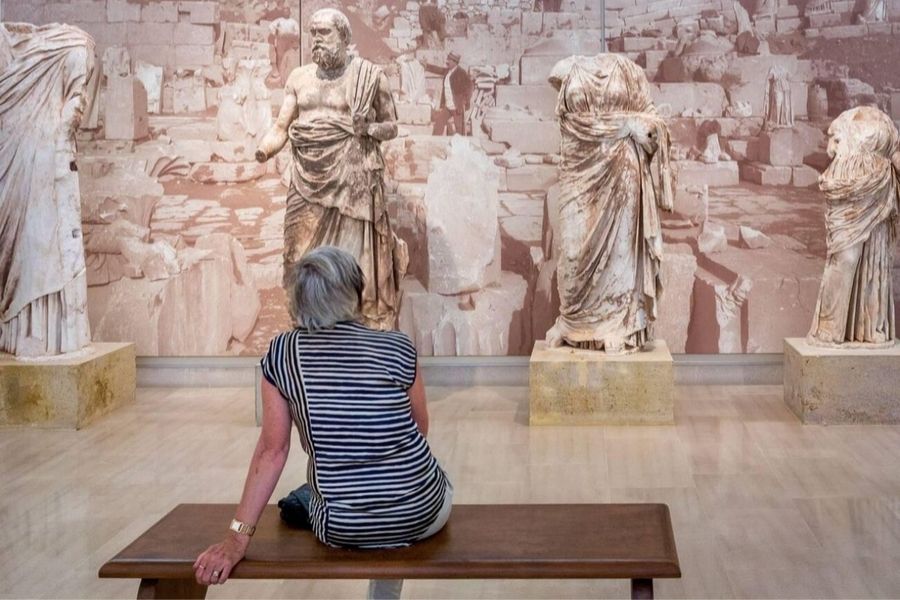
Scattered Doric temples and ruins of old settlements dot the landscape nearby. Each one adds a piece to the puzzle of Greece’s architectural and cultural evolution.
From Port Town to Modern Yachting Hub
Lavrio’s transformation from a sleepy port to a lively yachting hub really mirrors Greece’s rise as a top maritime destination. Today, this historic harbor is both a jumping-off point for island adventures and a destination in its own right.
Lavrio’s Revival as a Gateway to the Greek Islands
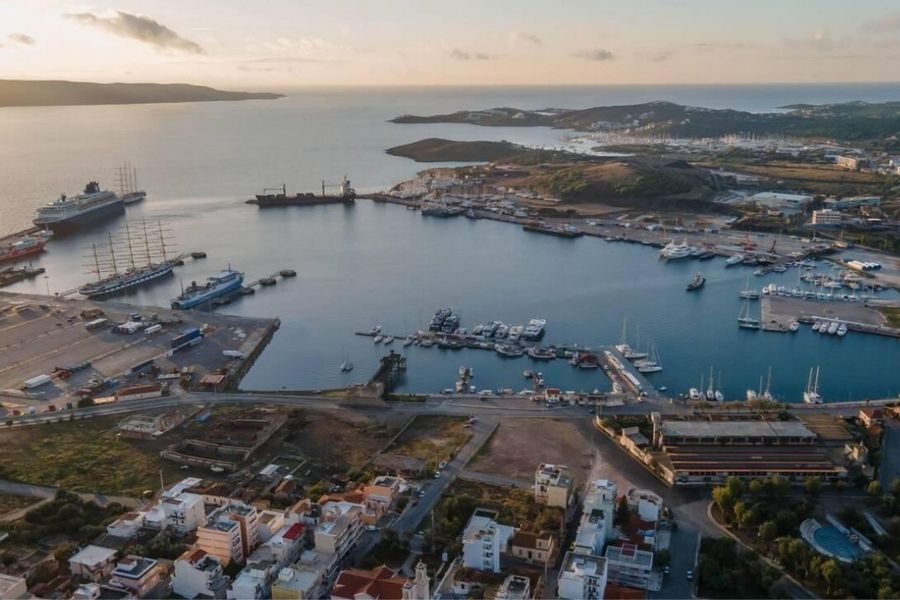
When I walk along Lavrio’s waterfront, I can’t help but notice how this once-sleepy port has completely changed. The mines shut down long ago, but the town bounced back by turning itself into a ferry and yacht harbor.
Now, Lavrio stands out as a major jumping-off point for people heading to the Greek Islands. They really upgraded the port, and sailors get top-notch facilities here.
I’ve watched everything from modest sailboats to flashy luxury yachts dock in its calm waters. Lots of travelers actually prefer Lavrio over the packed Piraeus port.
Lavrio has this unique vibe—it’s both authentically Greek and a launchpad for island adventures. Local tavernas and cafes hug the harbor, so you can grab fresh seafood before you board.
Saronic Gulf and Aegean Sea Adventures
From Lavrio’s harbor, I’ve set out on so many trips across the sparkling Saronic Gulf and Aegean Sea. The spot is perfect—go a bit east and you hit Makronisos, while heading south takes you to the Cyclades.
Popular island-hopping routes from Lavrio include:
- Nearby destinations: Kea, Kythnos, Aegina, Poros
- Longer journeys: Santorini, Mykonos, and even Crete (Iraklion, Chania)
Sailing conditions here are usually great. Those steady Meltemi winds in summer? They make for ideal sailing, especially if you’ve got some experience.
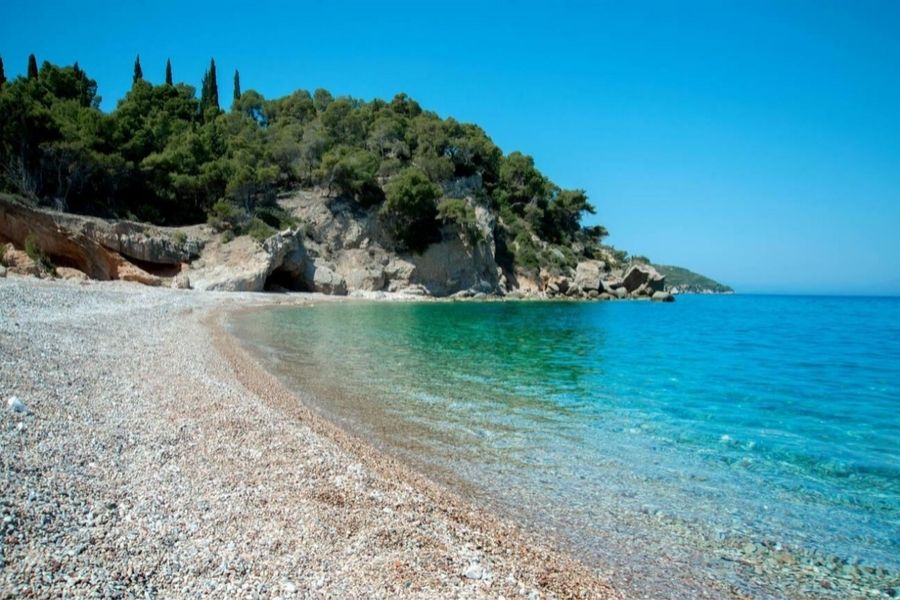
Charter companies in Lavrio rent out everything from basic sailboats to luxury yachts with full crews. What really gets me is how quickly you can reach hidden coves and quiet beaches—sometimes in just an hour.
Connecting with Athens and Piraeus
Lavrio’s close location to Athens has really helped it grow as a yachting hub. It’s about 60 kilometers from the city, so it’s easy to reach but far enough to ditch the city crowds.
The drive from Athens takes about an hour, winding through the Attica countryside. I usually find the bus routes between Athens and Lavrio reliable and pretty frequent.
A lot of yacht charter companies even offer direct transfers from Athens International Airport. While Piraeus keeps its spot as Greece’s main commercial port, Lavrio gives you a more laid-back option for pleasure boating.
This rivalry between the ports has actually pushed both to improve their facilities. New infrastructure has made Lavrio’s links to the mainland stronger.
Now, international cruise ships dock at Lavrio too, bringing in more people curious about this historic slice of Attica.
Local Life: Food, Leisure, and Where to Stay
Lavrio brings together a real mix of Greek life—family-run tavernas serving up the freshest seafood, and cozy spots to stay with views of the Aegean. The town keeps its working-class charm but also welcomes travelers who want a taste of genuine coastal Greece.
Tavernas, Restaurants, and Culinary Delights
The heart of Lavrio’s food scene sits right on the harbor, where fishermen haul in their catch straight to the restaurant kitchens. I still think about the grilled octopus at Psaropoula; it quickly became my go-to spot.
For authentic Greek flavors, you really shouldn’t skip the spanakopita (spinach pie) and dolmades (stuffed grape leaves) at Family Taverna on the main square. Yiannis, the owner, usually brings out complimentary ouzo and shares stories from Lavrio’s mining days.
Tavernas here serve dinner until late, and the whole place embraces that Greek, unhurried approach to eating. Prices are much lower than in tourist-heavy spots like Plaka or Syntagma, and you can get a full meal for two for around €30-40.
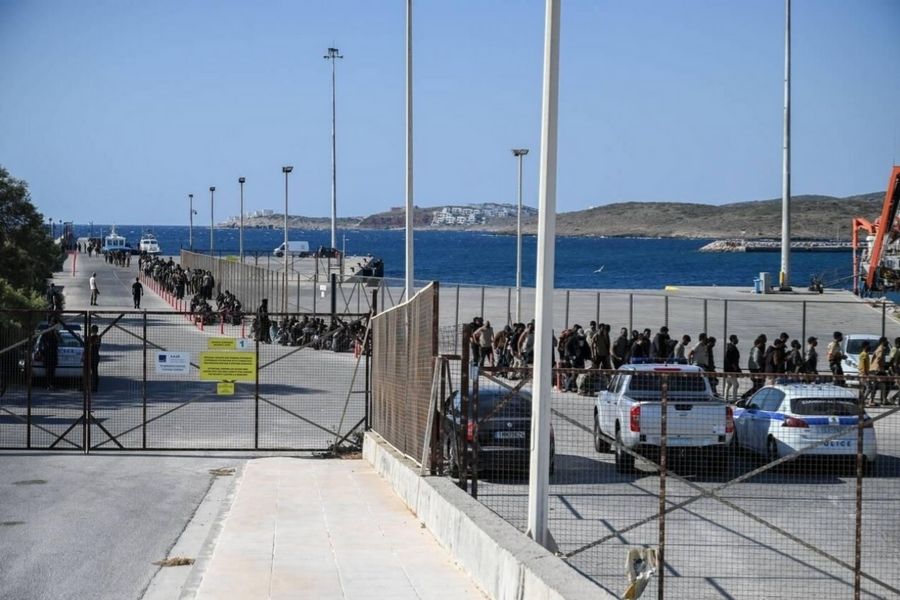
If you ask me, Akrogiali is a must. The tables sit right at the water, and their seafood platter is all about that morning’s catch. Plus, the sunset views are just incredible.
Shopping and Authentic Experiences
Lavrio’s shops reflect its roots as a working port. You’ll find practical stores, not tourist traps. On Saturdays, the outdoor market livens up the town center, and local farmers sell olives, cheese, and whatever fruit’s in season.
For souvenirs with a story, I stumbled on a tiny workshop where artisans make jewelry inspired by Lavrio’s old silver mining techniques. These pieces actually tell you something about the place—way better than mass-produced trinkets.
In the summer, the town throws small festivals for everything from the fishing season to cherry blossoms. Local music, dancing, and food stalls fill the streets with energy.
Shopping in Lavrio takes patience, and honestly, that’s part of the charm. Shops close for afternoon siesta, usually opening back up around 5:30pm and staying open late.
Best Hotels and Family-Friendly Stays
Lavrio has a range of places to stay, from budget to upscale. I stayed at Hotel Saron, which is mid-range, with big rooms and a rooftop terrace overlooking the harbor.
Families often pick the Aegeon Beach Hotel for its kid-friendly pool and easy access to gentle beaches. Their family suites come with kitchenettes, making meal prep a breeze.
If you’re on a budget, Pension Irene is a solid pick. The rooms are simple but spotless, and the owner serves up homemade breakfast with local honey and yogurt.
Looking for something fancier? Cape Sounio Grecotel Resort is just 15 minutes away. Its infinity pool faces the Temple of Poseidon, and the views are honestly hard to beat.
Travel Tips and Getting Around
Getting around Lavrio feels pretty easy since the town center stays compact and you can walk almost everywhere. I loved wandering on foot—it’s honestly the best way to stumble across those tucked-away little spots hidden in the narrow streets, far from the busy harbor.
If you’re heading out to beaches or archaeological sites nearby, local buses run often, but their schedules? They confuse even the locals sometimes. Honestly, if you’re planning to go outside town, just rent a car—it’ll save you some headaches.
The Athens-Lavrio bus (#122) leaves from Pedion Areos in Athens and usually takes about two hours. It stops in Kolonaki and Makrigianni along the way, and a one-way ticket costs around €5.

When I took a boat tour from Lavrio harbor, I realized seasickness could be a real problem. Next time, I’d definitely take some preventative meds before hopping on a full-day tour to the islands.
You can find taxis, but there aren’t many around. If you need one early, especially for a ferry, it’s smart to have your hotel book it in advance.
