
Planning a two-week trip across the UK? I get it—it’s a lot. There are so many amazing places, it’s tough to know where to start.
I spent months researching, mapping, and tweaking, and eventually realized that the best UK adventure means balancing London’s wild energy with Scotland’s calm beauty. You’ve gotta squeeze in stops like Bath, York, and the Lake District too—trust me, they’re worth it.
My route isn’t just a random list of cities. I grouped attractions that make sense together and figured out the best ways to get around. You’ll find practical tips for trains, hotels, and the must-sees you really don’t want to skip.
If you’re into royal palaces, ancient stone castles, or just want to see some epic mountains, this guide should help you squeeze every bit out of your UK journey. I’ll throw in my own planning hacks, favorite sights, and the little things I wish I’d known before I went. Ready? Let’s get started.
Essential Travel Planning Tips
Getting the timing right and understanding how the UK works will save you money and stress. I always focus on weather, visas, train passes, and booking early—those are the big ones.
Best Time to Visit the UK
May through September usually brings the best weather. If you want my pick, go for late May to early July. It’s warm but not packed with tourists.
Summer temperatures hover between 60-70°F (15-21°C). Up in Scotland, the sun doesn’t set until after 9 PM in June, which is wild.
Skip July and August if you hate crowds. London and Edinburgh get slammed, and prices shoot up.
Spring and early fall work too. April, May, September, and October are mild, but bring layers—UK weather loves to change its mind.
Winter? It’s cold and the days are short. But if you love festive markets and don’t mind bundling up, December can be magical (and cheap).
Travel Documents and Visas
If you’re from the US, just bring your passport—no visa needed for trips under six months. Make sure your passport won’t expire while you’re there.
I always carry both paper and digital copies of my documents, just in case. Keep them separate from your originals.
EU citizens now need passports thanks to Brexit. Most Europeans get 90 days visa-free, but it’s smart to check the UK government site for your country’s rules.
Some nationalities need a visa before arrival. Double-check before booking anything.
Border agents sometimes ask for proof of your return flight, so keep that handy.
Transportation and Getting Around
The BritRail Pass can save you a ton if you’re hopping between cities. I like the flexible version—8 travel days in a month is plenty for most trips.
Book train tickets early for the best deals. Off-peak tickets are way cheaper than peak ones.
In London, grab an Oyster Card. It caps your daily spend and works everywhere.
Rent a car if you want to see the Scottish Highlands. If you can’t drive stick, make sure to book automatic—manuals are the default.
Domestic flights between London and Scotland only take about 90 minutes. Sometimes they’re cheaper than the train if you book early.
Coaches like Megabus and National Express are the cheapest way to travel between cities. You can often snag a seat for under £20.
Accommodation Types and Booking Advice
Book hotels 2-3 months ahead for the best prices. For summer, book even earlier.
Central London hotels can run £100-300 a night. If you want to save, look in Zone 2 or 3—still convenient, but less expensive.
B&Bs and guesthouses in Scotland are my favorite. You get local tips and a cozy vibe for £60-120 a night.
Premier Inn and Travelodge are everywhere and reliable. Clean, basic, and usually £50-90 a night.
I try to book directly with hotels for better cancellation policies. Third-party sites sometimes slip in weird restrictions.
Airbnb can be great for longer stays or if you want a kitchen. Always check reviews and double-check the location.

London Highlights for First-Time Visitors
London’s a city with layers—history, food, nightlife, you name it. It’s walkable, packed with surprises, and honestly, just a blast to explore.
Must-See Sights in Central London
Westminster Abbey is the city’s most famous church. The stained glass and royal tombs blew me away. It’s right by Big Ben, so you can hit both at once.
The London Eye gives you a bird’s-eye view of the city. The ride takes about half an hour. Book ahead—it’s popular for a reason.
The Shard towers over everything. The views from the observation deck are unreal. You can spot all the landmarks from up there.
Borough Market is foodie heaven, but it gets busy. Weekdays are less crowded. You’ll find everything from classic fish and chips to wild fudge flavors.
The West End is where London goes to the theater. Book your show tickets early, especially for big musicals. Leicester Square is buzzing before and after curtain call.

Hidden Gems Off the Beaten Track
Seven Dials Market feels like a local find. The Cheese Bar serves plates on a conveyor belt—so fun. Little Pudding’s croissant bread pudding is a must-try.
The City of London empties out on weekends, making it perfect for wandering. It’s its own little district, full of history. Free walking tours run often—just tip what you want.
Covent Garden is lively but not overwhelming. Street performers, quirky shops, and a covered market with handmade treasures. I always end up buying something unique here.
Primrose Hill is my favorite picnic spot. It’s a short uphill walk, but the skyline view is worth it. Bring snacks and catch the sunset if you can.
Best Spots for Food and Nightlife
Manteca is pasta paradise. You need a reservation, but it’s worth it for the lumache and pappardelle. They do nose-to-tail butchery, which makes the menu special.
NAC London in Mayfair is Instagram-famous for its desserts. The cookie sundae is ridiculously good. You get a 45-minute slot just for sweets.
For afternoon tea, NoMad London in Covent Garden is a classic. The sandwiches and pastries are top-notch, and the room’s gorgeous.
The Academy Hotel does Mr Ma’s Afternoon Tea with an Asian twist. The china is beautiful, and the vibe’s more relaxed than some fancier places.
London’s pubs are where the city comes alive at night. Look for spots with old wood and stained glass—they usually have the best fish and chips too.
Iconic UK Destinations Between London and Scotland
Heading north from London to Scotland? You’ll find some gems along the way—castles, Roman ruins, rolling hills, and postcard-perfect villages.
Historic Cities Worth Stopping For
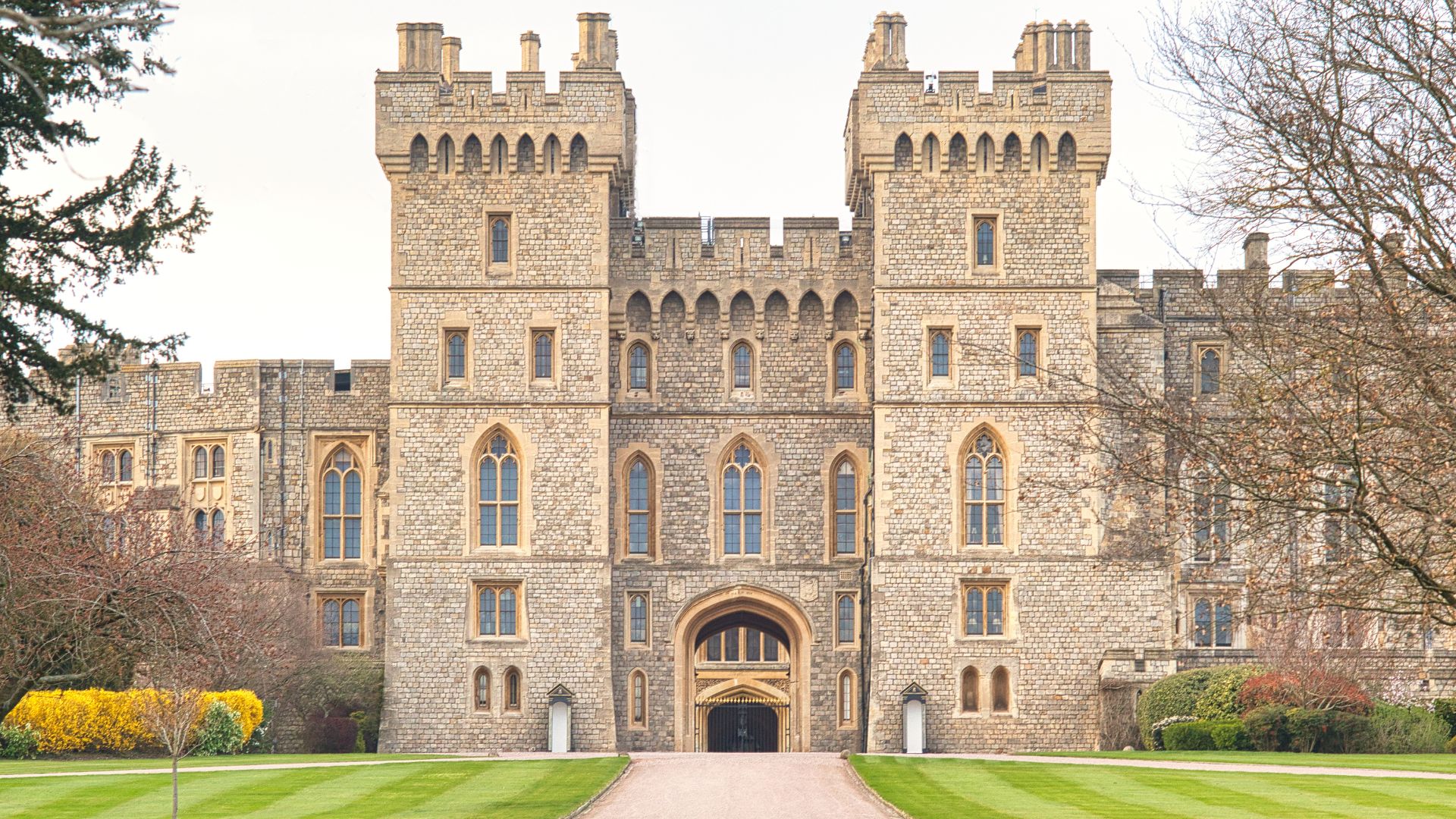
Windsor is just a half-hour from London. Windsor Castle is still lived in, and the State Apartments are stunning. Don’t skip St. George’s Chapel.
Bath blends Roman history with Georgian elegance. The Roman Baths and Bath Abbey are essential. The city’s golden stone buildings look incredible in photos.
York is pure medieval magic. The Minster and city walls are highlights, but wandering The Shambles feels like stepping back in time. Give yourself a full day here.
Stratford-upon-Avon celebrates Shakespeare everywhere you look. Anne Hathaway’s Cottage and Shakespeare’s birthplace are musts. The Royal Shakespeare Company puts on amazing shows.
Nature and Countryside Experiences
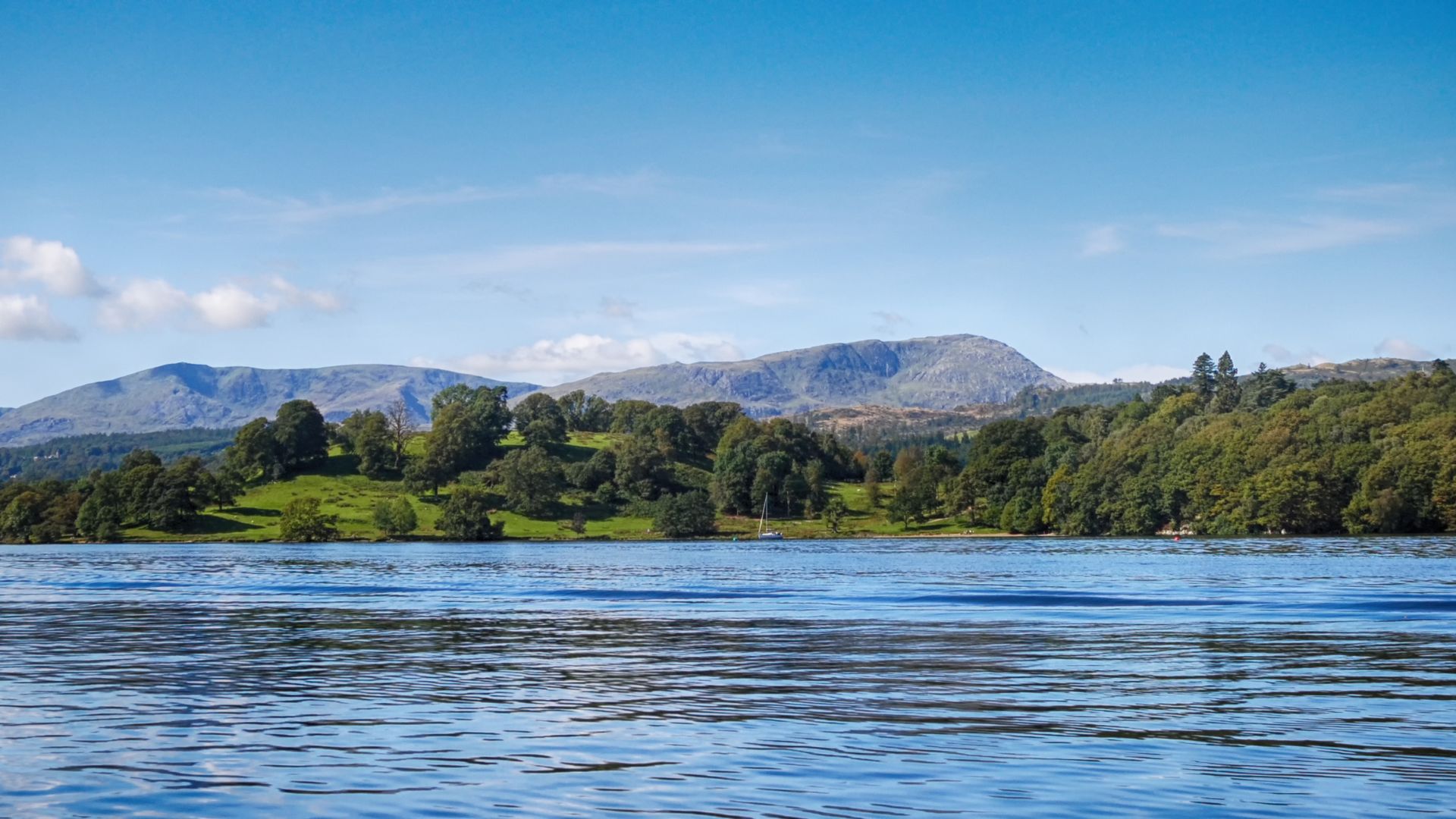
The Lake District is England’s wild side—mountains, lakes, and endless trails. Lake Windermere is perfect for a boat ride or lakeside stroll. Hikers can tackle everything from easy walks to Scafell Pike.
The Cotswolds are all rolling hills and honey-stone villages. Chipping Campden and Bourton-on-the-Water are storybook pretty. Dry stone walls and thatched roofs everywhere.
Peak District brings rugged moors and limestone valleys. Chatsworth House is a showstopper with its gardens. The region connects Manchester and Sheffield with some of the UK’s best drives.
Yorkshire Dales have dramatic valleys and classic farm villages. Malham Cove’s limestone cliffs are jaw-dropping. Grassington is a favorite for its old-school charm.
Recommended Road Trip Routes
Route 1: M40 to Bath and Cotswolds—swing by Windsor, then head west to Bath. After that, loop north through the Cotswolds before catching the M40 toward Birmingham.
Route 2: A1 Heritage Route—follow the old Great North Road through York and Durham. Expect cathedral cities and castle ruins. London to Edinburgh takes about 8 hours with stops.
Route 3: Lake District Circuit—take the M6 north to Windermere, then cross the A66 to the Yorkshire Dales. Head back via the A1 through York and Nottingham. It’s the scenic route, for sure.
| Route | Key Stops | Total Drive Time |
|---|---|---|
| M40 Western | Windsor, Bath, Cotswolds | 6-7 hours |
| A1 Eastern | York, Durham, Hadrian’s Wall | 7-8 hours |
| Lake District | Windermere, Yorkshire Dales | 8-9 hours |
Scottish Serenity: Unmissable Stops in Scotland
Scotland feels like another world after London—slower, wilder, and packed with stories. From Edinburgh’s history to Highland castles and cozy pubs, it’s a dream for travelers.
Edinburgh and Its Rich Heritage
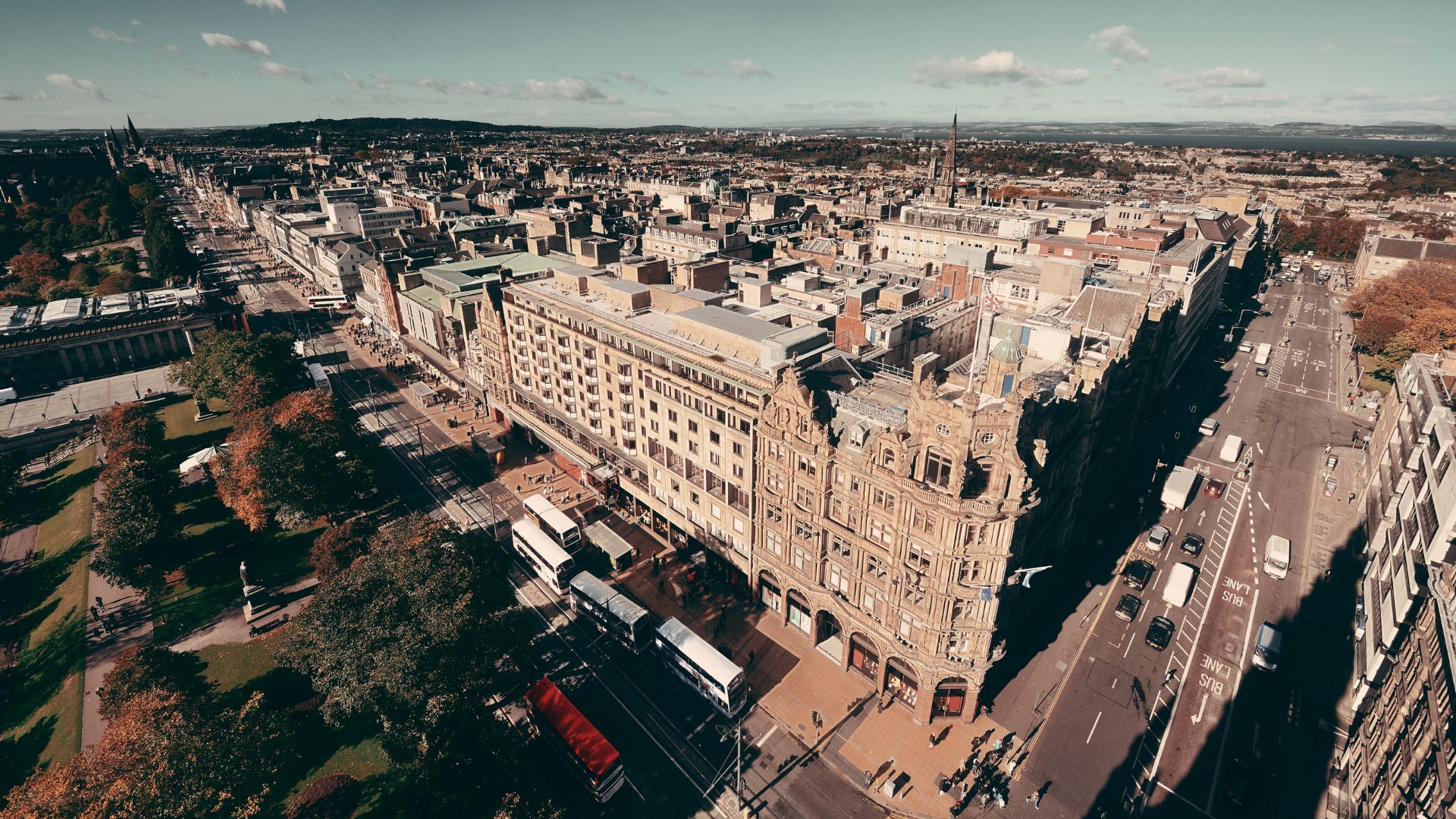
Edinburgh is Scotland’s beating heart. I spent my first two days wandering the Royal Mile, which links Edinburgh Castle and Holyrood Palace.
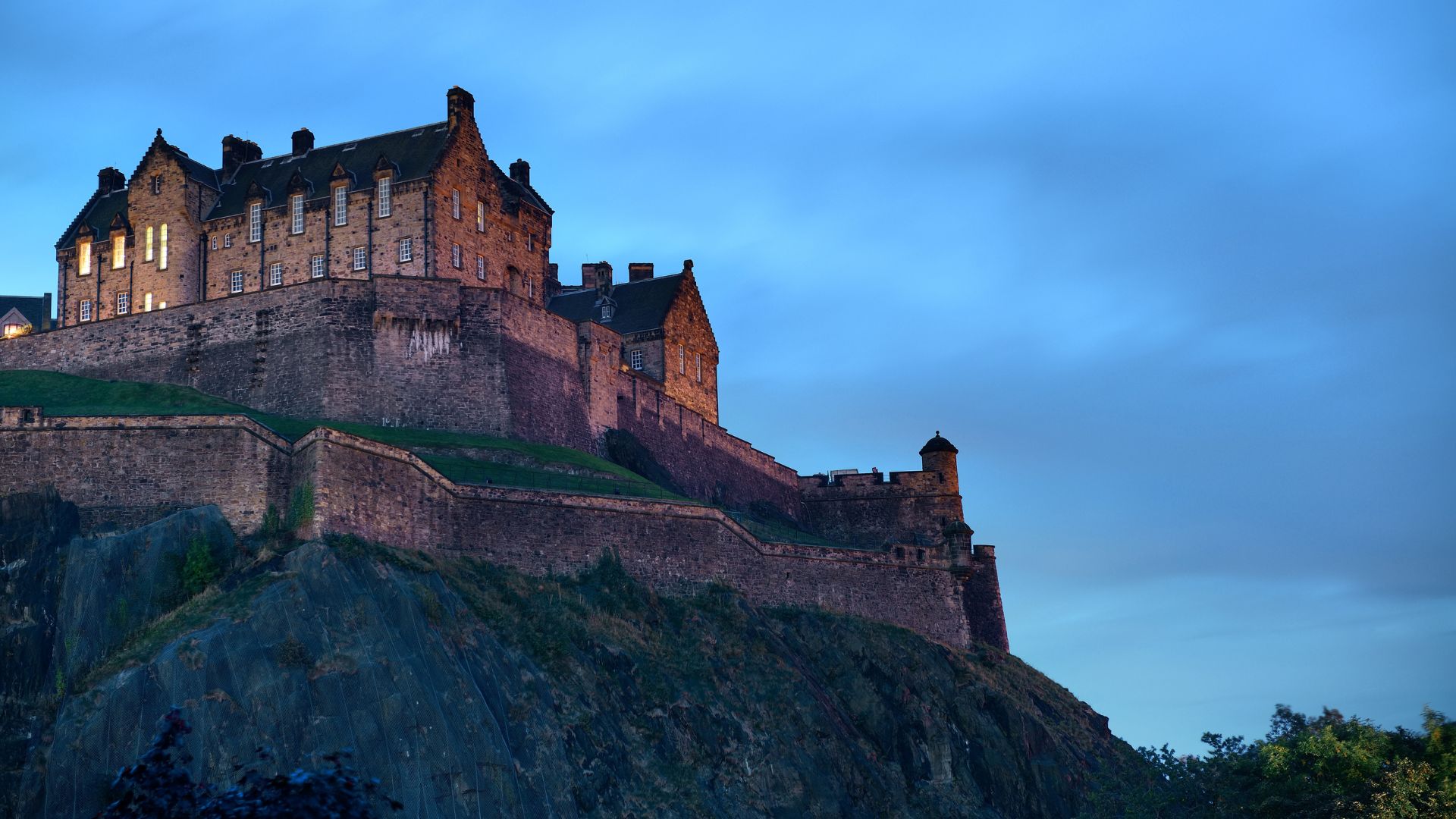
Edinburgh Castle stands on a volcanic rock above the city. Inside, you’ll find Scotland’s crown jewels and sweeping views. Book tickets ahead if you’re visiting in summer.
The Royal Mile stretches exactly one mile through Old Town. You’ll pass historic churches, quirky museums, and classic pubs. Free walking tours set off from here every morning at 11.
Key Edinburgh attractions:
- National Museum of Scotland (so many cool exhibits)
- Calton Hill (amazing city views)
- Arthur’s Seat (a two-hour hike, but the summit is worth it)
- Holyrood Palace (still a royal residence)
I joined the Scotch Whisky Experience and finally understood why people rave about single malt. The tasting helps you pick a favorite region.
Greyfriars Kirkyard is a little spooky but fascinating. The weathered gravestones and gothic vibe give you a real sense of Edinburgh’s past.
Highlands Scenic Drives and Castles
The Scottish Highlands? Absolutely breathtaking. I drove from Edinburgh to Fort William, picking out a few must-see spots as I went.
Loch Lomond is just a quick 40-minute drive from Glasgow. It’s Britain’s largest freshwater lake, and the area bursts with hiking trails, boat trips, and water sports. If you’re up for a real challenge, Ben Lomond’s hike will test your legs.
Fort William marks the gateway to the Highlands. The town hugs Loch Linnhe, with Ben Nevis looming nearby—Scotland’s tallest mountain at 1,345 meters. You can’t miss it.
The Jacobite Steam Train chugs from Fort William to Mallaig. This ride crosses the Glenfinnan Viaduct, which Harry Potter fans will definitely recognize. The round trip takes about 8 hours, but honestly, the views make every minute worthwhile.
- Glenfinnan Monument and Viaduct
- Eilean Donan Castle (probably the most photographed castle in Scotland)
- Isle of Skye’s Fairy Pools
- Loch Ness and Urquhart Castle
Weather in the Highlands can flip in a heartbeat. I always bring waterproofs and warm layers, even if the forecast looks promising.
Local Culture and Traditional Cuisine
Scottish culture goes way beyond kilts and bagpipes. I found the best bits through food, drink, and chatting with locals.
Traditional Scottish breakfast? Think porridge, tattie scones, black pudding, and haggis. Most hotels serve it, and honestly, you should try it at least once.
Haggis surprised me. It’s Scotland’s national dish—lamb, oats, spices—served with neeps (turnips) and tatties (potatoes). Don’t let the ingredients put you off; the flavor is rich and comforting.
Scotch whisky is a whole world on its own. Highland whiskies taste smooth and fruity, while Islay varieties come smoky and peaty. I toured a few distilleries for tastings and learned a ton.
Fresh seafood dominates menus along the coast. Scottish salmon, langoustines, and mussels are especially good. If you’re in Glasgow, look for Indian-Scottish fusion—sounds odd, but it works.
Cultural experiences:
- Popping into traditional pubs
- Catching live folk music
- Checking out Highland games (if you’re there in season)
- Hearing Gaelic in remote areas
Scots take real pride in their identity. Show a genuine interest in their culture, and you’ll get a warm welcome.

Maximizing Your Pan-UK Experience
A bit of planning goes a long way. The right gear, a sensible budget, and cultural awareness can turn a good trip into a fantastic one.
Packing List for Two Weeks in the UK
I always pack layers for UK weather. Temperatures can swing from 10°C to 20°C in a single day.
Bring a waterproof jacket, a lightweight sweater, and comfortable shoes for walking.
Essential clothing items:
- Waterproof jacket with a hood
- Warm fleece or wool sweater
- Comfortable walking shoes (already broken in)
- Casual trousers and jeans
- Long-sleeve shirts and t-shirts
A small umbrella is handy and easy to stash in your bag. Trust me, UK weather keeps you guessing.
Electronics and practical items:
- Universal adapter (Type G plugs)
- Portable phone charger
- Small daypack for exploring
- Quick-dry towel
- Basic first aid kit
I suggest packing light and planning to do laundry once. Most hotels and hostels offer washing facilities.
Money-Saving Tips and Budget Advice
Here’s my top money-saving tip: buy your train tickets early. Off-peak fares can be 30-50% cheaper. Use Trainline or National Rail to book.
Transportation savings:
- Advance train tickets (book up to 12 weeks ahead)
- 16-25 Railcard knocks a third off most fares
- Oyster Card for London travel
- Group tickets if you’re traveling with friends
For lunch, I go to pubs instead of restaurants. Pub meals cost £8-12, while restaurants can charge £15-25. Supermarket meal deals at Tesco and Sainsbury’s are a bargain at £3-4.
Food and accommodation tips:
- Pub lunches instead of restaurant dinners
- Supermarket meal deals for quick, cheap eats
- Book your stay early for better prices
- Stay in suburbs and commute to the city
So many museums are free in the UK. The British Museum, Tate Modern, and National Gallery don’t charge for entry.
Local Etiquette and Travel Safety
The British love a good queue. Always join the back of the line and wait patiently. Cutting is a big no-no.
Social etiquette basics:
- Stand on the right, walk on the left on escalators
- Say please and thank you a lot
- Keep your voice down on public transport
- Let people off before boarding trains
Tipping isn’t mandatory, but it’s appreciated. I usually tip 10-12% at restaurants if there’s no service charge. For taxis, I just round up to the nearest pound.
Safety considerations:
The UK feels very safe for tourists. I keep my passport and cards in the hotel safe, carrying copies when I’m out.
Watch your stuff in busy spots like Oxford Street or Edinburgh’s Royal Mile. Keep bags zipped and phones secure.
If you need emergency help, dial 999 or 112. I always save these numbers (and my embassy’s) in my phone.
Frequently Asked Questions
Planning a two-week UK adventure? I get a lot of questions about routes, timing, and making the most of both England and Scotland. Here’s what I’ve learned.
What is an ideal itinerary for combining train travel with key attractions in England and Scotland over a 14-day trip?
Start with 2-3 days in London—think Tower of London, Westminster Abbey. Hop on the train to Oxford for a day. Then head north to Edinburgh for 2-3 days.
From Edinburgh, take a quick train to Glasgow for a day or two. On your way back to England, stop in York for a day, then Liverpool for another couple of days. Finish in Bath and Windsor before looping back to London.
This route links major cities with smooth train connections. Book ahead for the best fares. You’ll get a variety of experiences without feeling rushed.
How can I make the most of a two-week trip to the UK, visiting both urban and tranquil rural locations?
Mix it up! Spend time in London and Edinburgh for city vibes. For peaceful escapes, try the Cotswolds near Oxford or wander Bath’s elegant streets.
York delivers medieval charm without the crowds. Windsor gives you royal history with a small-town feel. The train rides themselves show off some lovely countryside.
Plan for 2-3 nights in big cities and 1-2 nights in quieter spots. That way you’re not constantly packing and moving.
What are the must-visit destinations during a two-week England and Scotland itinerary by train?
London’s a must, especially for first-timers. Check out Buckingham Palace, the British Museum, and maybe a Thames cruise.
Edinburgh Castle and the Royal Mile give you a real taste of Scottish history. Oxford’s historic colleges are an easy day trip from London.
York Minster and the Shambles are beautifully preserved. Bath’s Roman Baths and Georgian buildings are stunning. Glasgow adds art and culture (don’t skip Kelvingrove). Liverpool’s got the Beatles and maritime history. That’s eight destinations—plenty for a diverse UK trip.

When planning a two-week trip, is it feasible to include Ireland in my UK itinerary, and how should I allocate my time?
You can fit Ireland into a 14-day UK trip, but it’s tight. I’d cap it at 3-4 days, focusing on Dublin. That leaves 10-11 days for England and Scotland.
Fly from Edinburgh to Dublin for speed, or use ferries from Liverpool or Wales. Trains connect easily to ferry ports.
Honestly, you might want to save Ireland for another trip. Two weeks barely covers England and Scotland as it is. Trying to squeeze in three countries means you’ll miss out on depth.
What is the recommended duration of stay to fully experience the highlights of Scotland within a broader UK trip?
Give Scotland at least 4-5 days in a two-week UK itinerary. Spend 2-3 days in Edinburgh for the castle, Royal Mile, and Arthur’s Seat. Add a day or two in Glasgow for its museums and culture.
This covers the big cities without overloading your schedule. Edinburgh really needs two full days to do it justice. Glasgow deserves at least a full day.
If you want to see the Highlands or Isle of Skye, you’ll need more time. Those are best saved for a dedicated Scotland trip.
Considering various UK itineraries, what is the optimal time of year to explore both England and Scotland?
If you’re planning a trip, late spring through early fall is usually your best bet. May to September brings mild temperatures and those long, lingering daylight hours that make exploring so much easier.
Summer—especially July and August—delivers the warmest weather. That said, you’ll run into bigger crowds and steeper prices. It’s a trade-off, and honestly, sometimes the energy of a busy city or festival is half the fun.
Spring (March to May) has its own charm. Flowers bloom everywhere, and you won’t have to elbow your way through throngs of tourists. If you’re after a quieter vibe, this is your season.
Early fall, say September to October, paints the landscapes with stunning colors. The air feels crisp but not too chilly, and you can still enjoy comfortable temperatures.
Personally, I’d steer clear of November through February if you love outdoor adventures. The days get short, and the weather can turn on a dime—sometimes it’s just not worth the gamble.
If you want a sweet spot, June and September often hit the mark. You get good weather, manageable crowds, and prices that won’t make your wallet cry.
