
Let’s be honest—standing in endless airport lines is the worst. I’ve wasted so much time just waiting, and it always adds unnecessary stress to my trips. Luckily, there are two programs that claim to make things easier: Global Entry and TSA PreCheck.
Both can help you breeze through airport checkpoints, but they’re not quite the same. They come with different perks, prices, and, honestly, different vibes.
Global Entry costs more, but you get everything TSA PreCheck offers plus extra benefits for international travel. TSA PreCheck is cheaper and sticks to domestic security screening. Which one’s right for you? That depends on how often you cross borders and what you’re willing to spend. I’ll break it down so you can figure out what fits your travel style.
1) Global Entry: Skip U.S. Customs Lines at Over 75 Airports
If you travel internationally, Global Entry can feel like a lifesaver. Instead of joining the throngs at passport control, you head straight to a dedicated kiosk.
These kiosks are available at more than 75 airports. You just scan your passport and fingerprints, and the system verifies your identity in a few minutes.
You don’t have to wait in the regular immigration line. During peak travel times, this can save you more than an hour (I’ve been there, and it’s a game changer).
The kiosks use your biometric data, so you’re through in minutes. After the scan, you grab your bag and walk out—no fuss.
Global Entry costs $120 and lasts five years. The best part? You get TSA PreCheck included, so you also fly through security for both domestic and international flights.

2) TSA PreCheck: Zip Through Domestic Security
If you mostly fly within the U.S., TSA PreCheck can be a huge time-saver. With it, you get access to special security lanes at most airports.
These lines move faster because you keep your shoes, belt, and light jacket on. Your laptop and liquids can stay tucked away in your bag.
You’ll pay between $78 and $85 for five years. After you apply, most people hear back in just a few days.
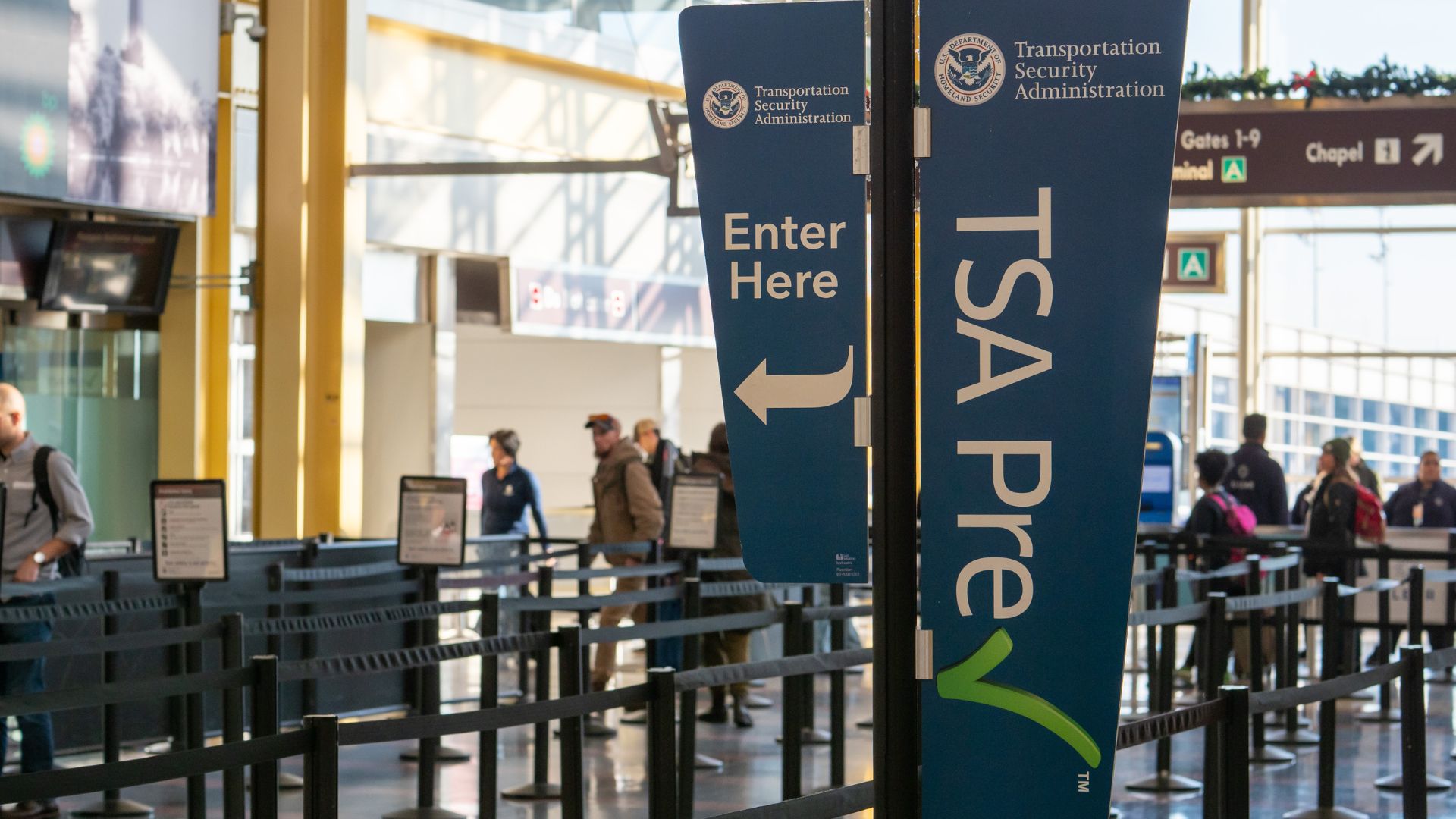
TSA PreCheck works at over 200 airports, and more than 90 airlines participate. When you’re eligible, you’ll spot the TSA PreCheck logo right on your boarding pass.
The Department of Homeland Security runs the show. It’s really designed for folks who fly domestic routes and want to dodge those long security lines.
3) Global Entry Includes TSA PreCheck—No Extra Steps
When you sign up for Global Entry, you get TSA PreCheck perks automatically. No need to juggle two applications or pay twice.
Your Global Entry membership lets you use TSA PreCheck lanes at U.S. airports. You’ll breeze through security just like anyone else with PreCheck—shoes and belt on, laptop and liquids in the bag.
Here’s the math: Global Entry costs $100 for five years, TSA PreCheck is $78. For $22 more, you get both programs bundled together.
Once approved, your Known Traveler Number covers both. Add it when booking flights and TSA PreCheck appears on your boarding pass. You get all the domestic security perks plus quicker customs when you come back from international trips.

4) Global Entry: $100 for Five Years
Global Entry keeps things simple with its pricing—$100 for a five-year membership. That’s just $20 a year.
Renewals cost the same, and there aren’t any online discounts. The $100 covers your background check and enrollment.
You’ll get access to customs kiosks at airports and land borders. And don’t forget, TSA PreCheck is included, so you’re covered for domestic flights too.
This one-time payment gives you both faster security and customs clearance. You can budget for this expense knowing it won’t change during your membership.

5) TSA PreCheck: $78–$85 for Five Years
TSA PreCheck also keeps its pricing clear. Depending on the provider, you’ll pay $78 to $85 for five years.
That’s about $1.25 to $1.42 per month. The fee covers your background check and gives you access to speedy security lanes at more than 200 airports.
You pay the application fee upfront, and it’s non-refundable—even if you’re denied.
When your five years are up, you’ll need to renew. Renewing is easier than applying the first time, and most people skip the in-person interview.
6) Global Entry: Best for Frequent International Travelers
If you’re always hopping on flights abroad, Global Entry just makes sense. You can skip long customs lines when you come back to the U.S.
You use kiosks or a mobile app instead of waiting with the crowd. It’s available at more than 75 airports, and I can’t overstate the relief of walking past a hundred tired travelers.
Global Entry costs $100 for five years—$20 per year—and includes TSA PreCheck.
You get faster security screening for domestic flights, too. No need to take off shoes or pull out your laptop.
If you only fly within the U.S., TSA PreCheck might be enough. But even a couple of international trips a year make Global Entry worth it.
That $22 extra over five years buys you both domestic and international perks.

7) TSA PreCheck: Ideal for Domestic-Only Flyers
If you stick to U.S. flights, TSA PreCheck is probably all you need. It costs $78 for five years and shaves precious time off security lines.
With PreCheck, you use special security lanes at most airports. No need to undress or unpack your bag every time.
The line is usually much shorter than the regular one. Most people get through in less than 10 minutes.
If you rarely go abroad, there’s no reason to pay more. TSA PreCheck gives you all the domestic perks for less.
You’ll find it at over 200 airports, and most major airlines participate. Membership lasts five years before you need to renew.
8) Both Programs Require a Background Check and Interview
You can’t skip the paperwork—both programs require a background check. Start by filling out an online application.
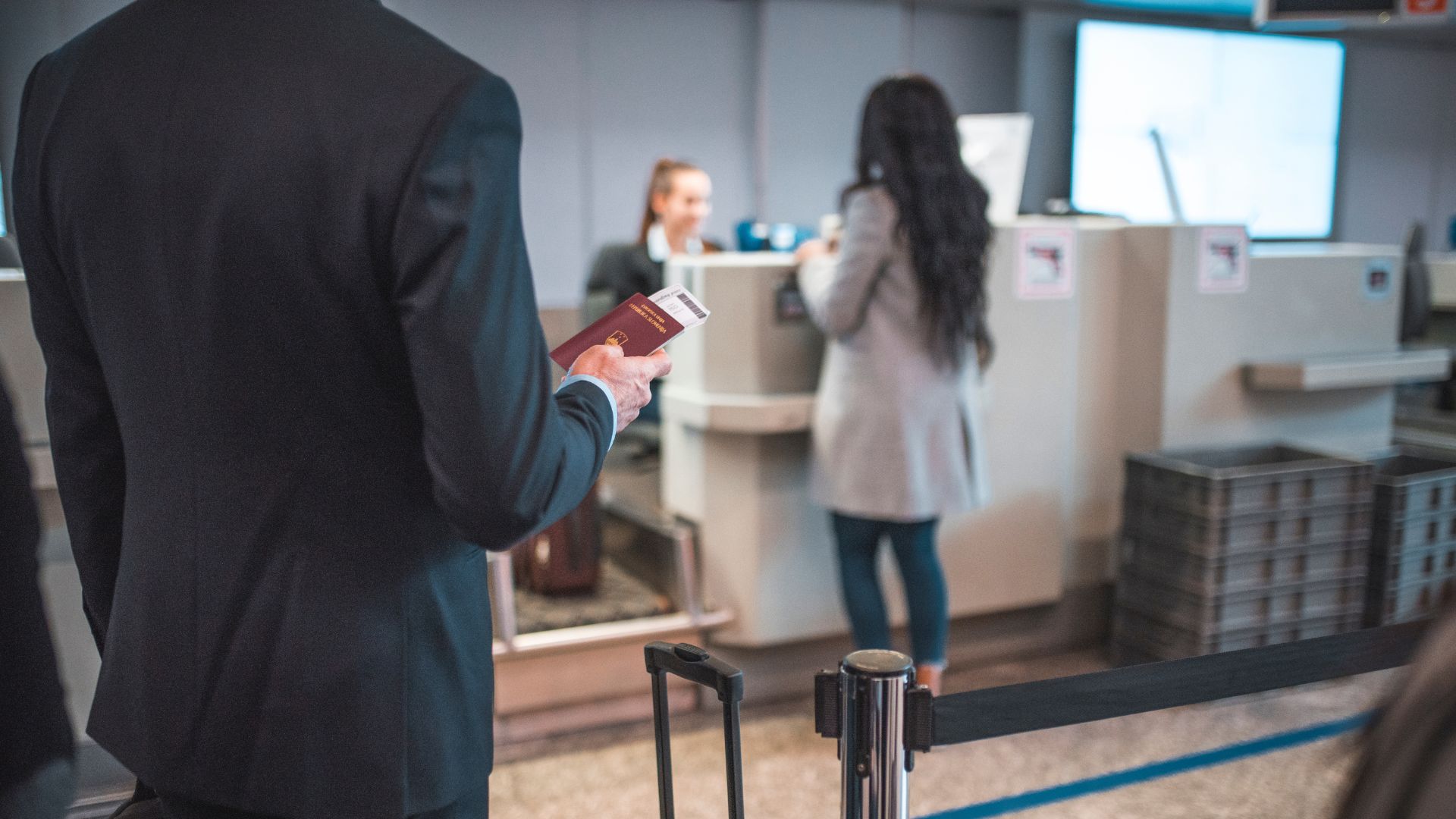
After that, you’ll book an in-person appointment. For TSA PreCheck, it’s quick—about 10 minutes. They’ll take your fingerprints and check your ID.
Global Entry’s process is more involved. You’ll do an interview with a Customs and Border Protection officer at a designated enrollment center after conditional approval.
Both programs dig deep into your background. Most people get approved in a few weeks, but sometimes it drags on for months.
You have to show up in person—there’s no way around it. Fingerprinting and ID verification are always required.

9) Global Entry Takes Longer to Approve
If you’re in a hurry, know that Global Entry takes more time. That’s mostly because you need an in-person interview at a specific center.
TSA PreCheck usually processes applications in 2–3 weeks; some folks get approved in just a few days, but it can take up to 60 days.
Global Entry adds a conditional approval step. After you apply online, you wait for the government to review it. This alone can take weeks or even months.
Once you’re conditionally approved, you still need to schedule and attend your interview. Some centers book up fast, so finding a slot can add more waiting.
From start to finish, Global Entry can take several months. If you need expedited screening soon, TSA PreCheck is the faster route. But if you travel internationally, the extra wait for Global Entry might be worth it.

10) TSA PreCheck: Fast, Simple Application
TSA PreCheck’s application is refreshingly simple. You fill it out online in about 10 minutes, then schedule your appointment.
Most people get their Known Traveler Number within a week of their appointment.
Global Entry isn’t as quick. After applying, you wait for conditional approval, which can take months. Then you have to book your interview at a limited number of locations.
If you want to start using faster security lines ASAP, TSA PreCheck is the way to go. The process is quick and doesn’t require as much planning.
Eligibility Requirements and Enrollment
You’ll need U.S. citizenship or permanent residency, a clean record, and to pass a background check for both programs.
Application Process Differences
TSA PreCheck’s process is lighter. Fill out a short online form, pay $78, and schedule an appointment at one of 500+ enrollment centers.
The appointment is quick—about 10 minutes. They’ll take your fingerprints and check your ID. Bring your passport or driver’s license and proof of citizenship.
Global Entry asks for more. Pay $100, fill out a longer application, and wait for conditional approval. Then you schedule an interview at an international airport or enrollment center.
These centers are less common. The interview lasts 20–30 minutes and covers your travel history. You’ll need a valid passport—your driver’s license won’t cut it.

Renewal and Validity Periods
Both memberships last five years from approval. TSA PreCheck is $78 for five years; Global Entry is $100.
You can renew online for both. Renewal is faster than applying the first time since you’ve already been vetted. Apply for renewal up to a year before your membership expires so you don’t lose your benefits.
Benefits Beyond the Basics
These programs offer more than just speed. Some perks go beyond the obvious, and depending on how you travel, those extras can be surprisingly valuable.
International Travel Perks
When I return to the U.S. from abroad, Global Entry lets me breeze through customs using automated kiosks. Honestly, skipping those long lines at over 75 airports feels like a travel hack I wish I’d discovered sooner.
If you ever drive across the border to Canada or Mexico, Global Entry has your back there too. You get to use those dedicated NEXUS and SENTRI lanes—such a relief, especially after a long road trip.
I also noticed the program opens up expedited screening in other countries. With the right passport designation, you can use automated border control in places like the UK, Ireland, or Singapore. It’s a small detail, but it makes a big difference if you travel internationally a lot.

Domestic Convenience Factors
TSA PreCheck is a game changer at over 200 U.S. airports. I love not having to take off my shoes or belt, and being able to leave my laptop in my bag? Yes, please.
The PreCheck lanes almost always move faster than the regular security lines. Most of the time, I get through in under five minutes, which means I can cut it a bit closer on arrival without stressing.
Once you add your Known Traveler Number to your airline profiles, your TSA PreCheck status just pops up on your boarding pass automatically. It works with most major U.S. airlines and even some smaller ones. Traveling with kids under 12? They can join you in the PreCheck lane if you’re all on the same reservation.
Frequently Asked Questions
Both programs offer different perks and prices. Global Entry gives you the edge for international trips, while TSA PreCheck is more about making domestic travel less of a hassle. As of late 2024, kids under 18 can apply for Global Entry for free if a parent is already a member—pretty sweet for families.
Global Entry lets you skip long customs lines when you fly back to the U.S. from another country. You just use a kiosk or the app and you’re done.
It also includes all the TSA PreCheck perks. So you get faster security for domestic flights, plus international customs benefits. TSA PreCheck, on its own, only speeds up the security line—you still have to do regular customs when you come home from abroad.
TSA PreCheck costs about $85 for five years, which breaks down to roughly $17 a year. Global Entry is $100 for five years, so just $3 more per year than PreCheck.
A lot of premium travel credit cards cover these fees. Always check your card benefits before you shell out your own cash.
Absolutely. Global Entry automatically gives you TSA PreCheck. That means you get to use the same speedy security lanes as PreCheck members at airports around the country.
Your boarding pass will show the PreCheck symbol when you’re eligible, so you can just head straight to the faster line.
With Global Entry, you skip the regular customs lines when you return to the U.S. from abroad. I usually just walk up to a kiosk or use the mobile app, and I’m out in minutes.
It works at more than 75 U.S. airports, plus you get expedited entry in a few other countries. Starting in late 2024, families get a break—kids under 18 can apply for free if a parent is a member.
TSA PreCheck is easier to sign up for, with more than 600 enrollment centers. You’ll find them in malls and stores, not just airports, which makes it way more convenient.
Global Entry, on the other hand, requires an in-person interview at a major airport. Those interviews can be tough to schedule, sometimes months out, so plan ahead.
Both programs require a background check and fingerprinting. Once you’re approved, you can start using the benefits right away.
TSA PreCheck makes airport security a whole lot smoother. You get to breeze through a special lane, and honestly, skipping the hassle of removing shoes, belts, or even your laptop feels like a small luxury.
CLEAR takes a different approach. It uses biometric scanning—think fingerprints or eye scans—to verify your identity in seconds. You’ll jump to the front of the security line, which is a game changer when you’re running late. Just keep in mind, you’ll still need to go through TSA PreCheck or the regular screening afterward.
Global Entry is for travelers who cross borders often. It helps you zip through customs and immigration when you return from international trips. The best part? It also includes TSA PreCheck, so you get the perks of both faster customs clearance and speedier security at home.
