
Gloucestershire’s Cotswold Edge and Severn Vale blend rolling hills, golden stone villages, and centuries-old towns that feel like the heart of rural England. When I wandered through these regions, I found myself surrounded by meadows, historic high streets, and the calm, steady flow of the River Severn.
Villages like Painswick and towns such as Cirencester ooze history. Each stop felt like a step back in time.
Quiet country lanes lined with honey-colored cottages twist through the hills. Every turn reveals something new—maybe England’s oldest post office, maybe a market square buzzing with locals.
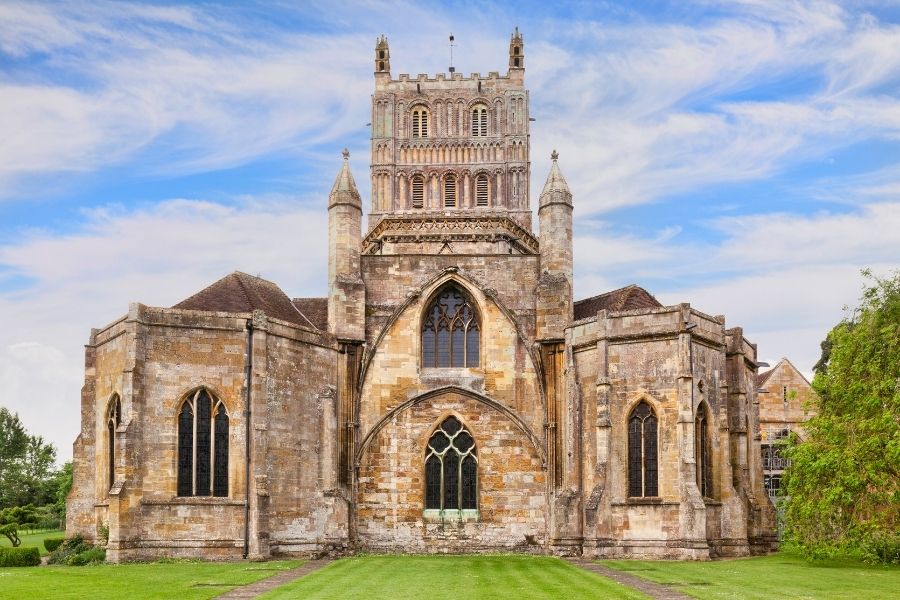
These places just have this friendly, inviting vibe. My time in this part of Gloucestershire overflowed with scenery and moments I can’t wait to share.
Discovering Gloucestershire’s Cotswolds: Honey-Stone Villages & Rolling Hills
The Cotswolds in Gloucestershire show off scenic villages, stone cottages, and green countryside. I wandered historic streets and well-marked trails—every spot had its own kind of beauty.
Iconic Villages: Bourton-on-the-Water, Bibury & Arlington Row
Three villages really stuck with me—Bourton-on-the-Water, Bibury, and Arlington Row.
Bourton-on-the-Water gets called the “Venice of the Cotswolds” for good reason. The River Windrush cuts right through the center, with stone footbridges arching over the clear water.
Bibury just feels peaceful, with its quiet lanes and green riversides. Folks say it’s one of the prettiest villages in the Cotswolds, and I’d agree.
The real showstopper in Bibury is Arlington Row. These ancient weavers’ cottages, built from honey-colored stone, date to the 14th century. Artists and photographers flock here, and I totally get why—it’s like stepping into a painting.
The Magic of Honey-Coloured Stone Cottages
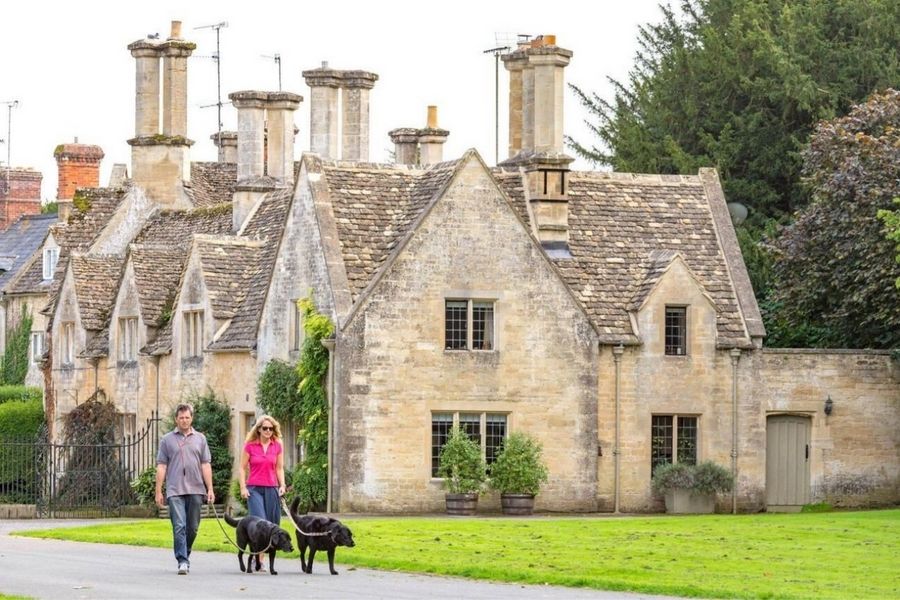
Everywhere I looked, those honey-coloured stone cottages glowed in the sunlight. Local limestone gives them that warm gold and cream color.
Cottages line the lanes and hillsides, blending into the landscape. Most have tidy gardens, wooden doors, and those classic tiled roofs.
Some cottages have stood for centuries, and locals keep them in great shape. I felt a real sense of pride and history walking past them. I’ve seen places try to copy this style, but honestly, nothing beats the real thing.
Walking Trails and the Cotswold Way
The Cotswold Way stretches for over 100 miles, from Chipping Campden to Bath. I hopped on for a short bit near Gloucestershire and quickly saw why hikers rave about it.
You’ll find trails for every level—short strolls or longer hikes. I wandered through meadows, beech woods, and old sites, all at my own pace.
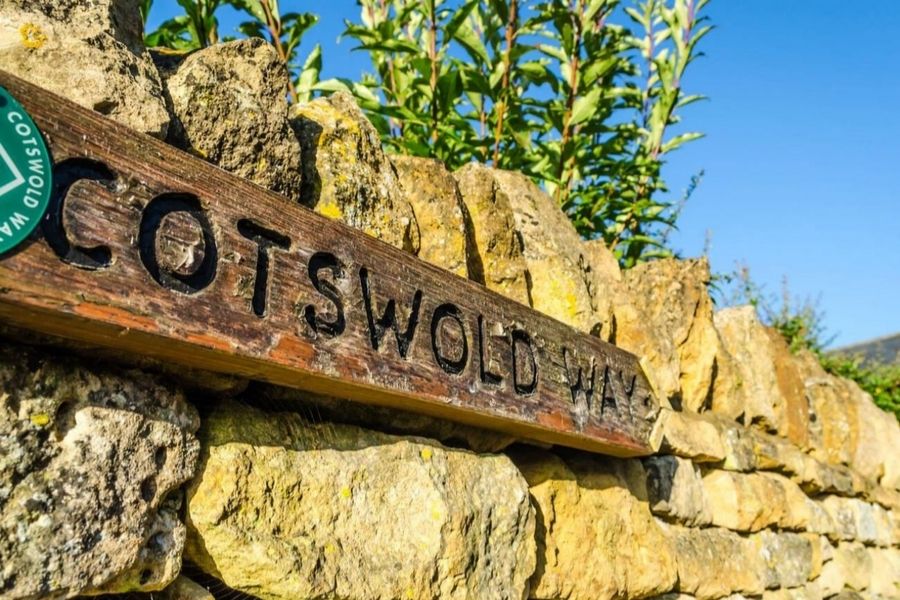
Footpaths connect villages like Painswick, Winchcombe, and Broadway. Signs and info boards keep you on track. These trails let you discover the Cotswolds’ prettiest corners, no rush required.
Picturesque Countryside and Rolling Hills
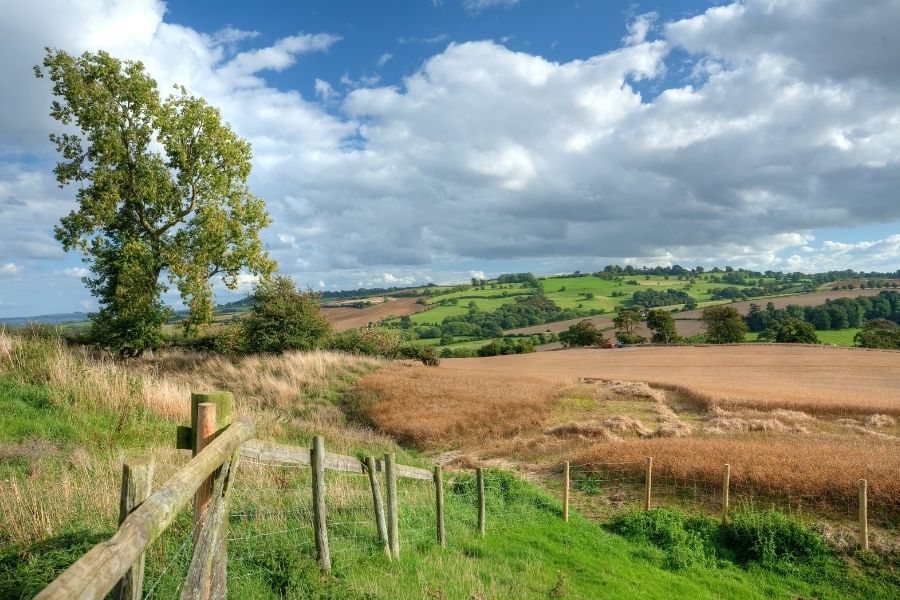
The countryside here just screams classic England. Rolling hills stretch for miles, dotted with sheep and wildflowers.
Dry stone walls edge the fields, and small rivers wind through the valleys. Spring and summer bring out the brightest greens.
Gloucestershire sits inside an Area of Outstanding Natural Beauty, which helps keep these views safe. I loved climbing a hilltop for the wide views—each change in sunlight painted the landscape differently.
Every visit brought something new, even on trails I’d walked before. The mix of land, villages, and wildlife just never gets old.
Charming Market Towns & Historic Centres
Each Gloucestershire town tells its own story. Roman roots, medieval markets, spa heritage, and artsy streets—they blend history and daily life in ways that surprised me.
Cirencester: Capital of the Cotswolds
Cirencester, known as the “Capital of the Cotswolds,” stands out for Roman history and lively markets. I wandered the Market Place, surrounded by honey-stone buildings and old churches.
Inside the Corinium Museum, I found Roman mosaics and artifacts. It helped me imagine Cirencester—once Corinium—when it was a major Roman town.
On Mondays and Fridays, a traditional street market pops up. Local farmers and artisans fill stalls with fresh food and crafts. Near the Parish Church of St. John Baptist, you can admire medieval craftsmanship.
Side streets hide tea rooms, bookshops, and small boutiques. Even when the town gets busy, it feels relaxed and easy to explore.
The Medieval Towns of Chipping Campden & Stow-on-the-Wold
Chipping Campden charms with its long, graceful High Street. The Market Hall, built in the 1600s, sits at the heart of town. I loved the old roof tiles and weathered stone arches.
The town has a creative side too, with galleries and workshops. Stow-on-the-Wold sits on a hill and once hosted huge sheep markets.
In the market square, antique shops and historic pubs line the edges. I sat near the old stocks, picturing the bustling markets of centuries past.
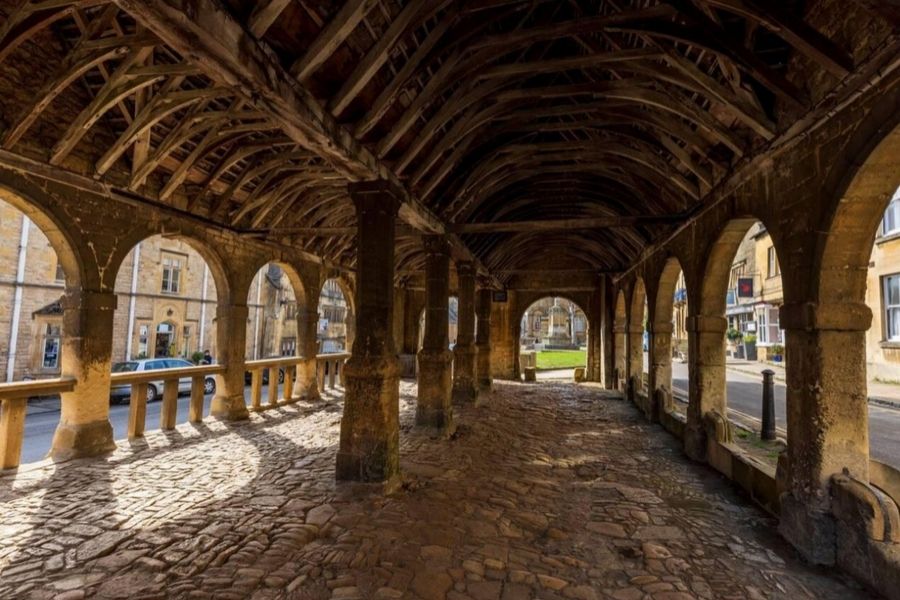
Both towns have limestone houses and hidden alleyways. The medieval architecture is perfect for a photo walk or just getting a little lost.
Cheltenham Spa and Regency Heritage
Cheltenham brings a different vibe—Regency style and spa town roots. Wide, tree-lined avenues and painted terraces give it a calm, stylish feel.
I stopped in the Montpellier District for boutique shops and cafés. Wrought-iron balconies and leafy gardens add to the charm.
During the Literary and Jazz Festivals, the town buzzes with visitors. The Pittville Pump Room stands as a reminder of Cheltenham’s spa heyday.
People used to drink the mineral water here, hoping for a health boost. I wandered through Pittville Park, a favorite hangout for locals.
Stroud, Tetbury & Moreton-in-Marsh
Stroud sits in a green valley and bursts with creativity. On Saturdays, the Stroud Farmers’ Market fills with local cheeses, bread, and art.
The streets climb steeply, lined with cafés, bookshops, and old mills. Tetbury is smaller but loaded with charm.
Antique shops fill the main street, and the old Market House stands on stilts. Tetbury’s history as a wool and antiques trading hub goes back centuries.
Moreton-in-Marsh has a wide High Street and old inns from the 1600s. It sits at a crossroads, so travelers have always stopped here.
Markets and fairs still draw crowds. Local gardens and tea rooms offer a quiet spot to rest after exploring the stone buildings.
Enchanting Villages & Their Unique Allure
As I wandered Gloucestershire’s Cotswolds, I stumbled on stone cottages, peaceful rivers, and villages that barely seem touched by time.
Each place has its own quirks and traditions. The beauty and slower pace pull you in for different reasons.
Castle Combe & The Prettiest Village Title
Castle Combe often gets called “the prettiest village in England.” Ancient, honey-colored cottages line a narrow street, with flower baskets and tiny gardens.
No new buildings crowd the village, so it really does look like it did hundreds of years ago. The stream slips under a stone bridge—a favorite photo spot.
Cars rarely drive through, so it stays quiet. I popped into a traditional tea room and checked out the 14th-century Market Cross in the center.
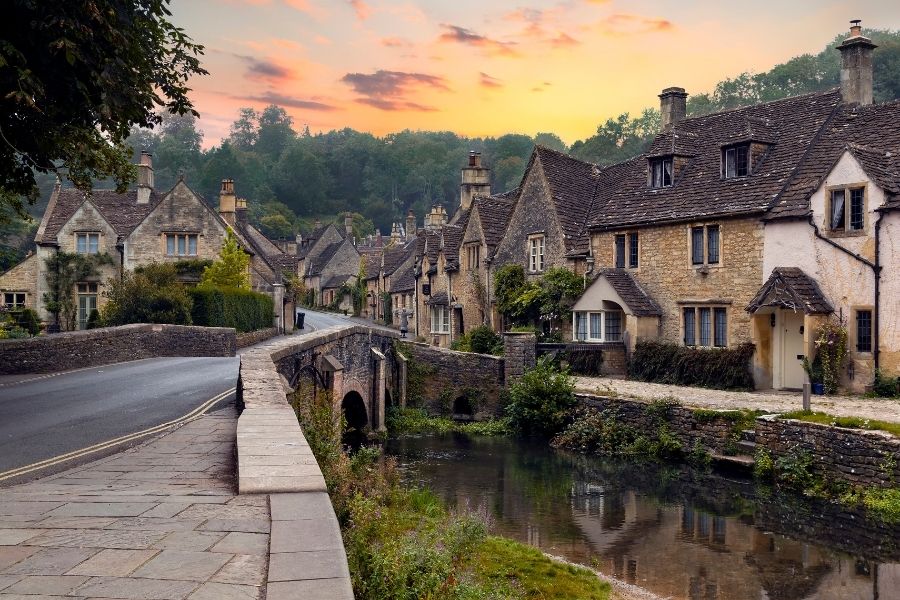
Castle Combe’s timeless charm draws painters and photographers hoping to catch its classic English look.
Upper & Lower Slaughter: Serene River Villages
Upper and Lower Slaughter, known as The Slaughters, sit along the River Eye. A gentle footpath links the villages, winding through green meadows.
Stone cottages here look perfectly kept, with neat lawns and clear water nearby. In Lower Slaughter, the old mill by the river now houses a small museum and shop.
The Slaughters Manor House and The Slaughters Country Inn offer cozy places to stay or have tea. The peaceful setting made me slow down and notice the details—arched stone bridges, blooming hedges, and even waterwheels still turning.
The River Eye brings a calm beauty that’s hard to find anywhere else.
Broadway & Broadway Tower
Broadway stands out for its wide High Street, lined with antique shops, pubs, and art galleries. The golden Cotswold stone makes the village glow at sunset.
At the edge of town, I trekked up to Broadway Tower. This striking landmark gives you sweeping views over several counties.
The walk up is worth it—the landscape rolls out below, dotted with sheep and patchwork fields. Broadway has a model village, top hotels, and plenty of spots for local food and ale.
It’s lively and cheerful, perfect if you like a mix of old English charm and a bit of bustle.
The Hidden Gems: Snowshill, Blockley, Stanton & Painswick
Not all Cotswold villages are famous. Snowshill sits on a hill, known for summer lavender fields and the quirky collections at Snowshill Manor.
Blockley has its own style with terraced cottages and a history in silk working. These days, it’s a filming spot for period dramas.
Stanton is one of my quiet favorites—cottages built from buttery yellow stone, a church overlooking sheep meadows, and a main street made for slow walks.
Painswick, called “the Queen of the Cotswolds,” charms with lovely streets, independent shops, and a churchyard full of ancient yew trees.
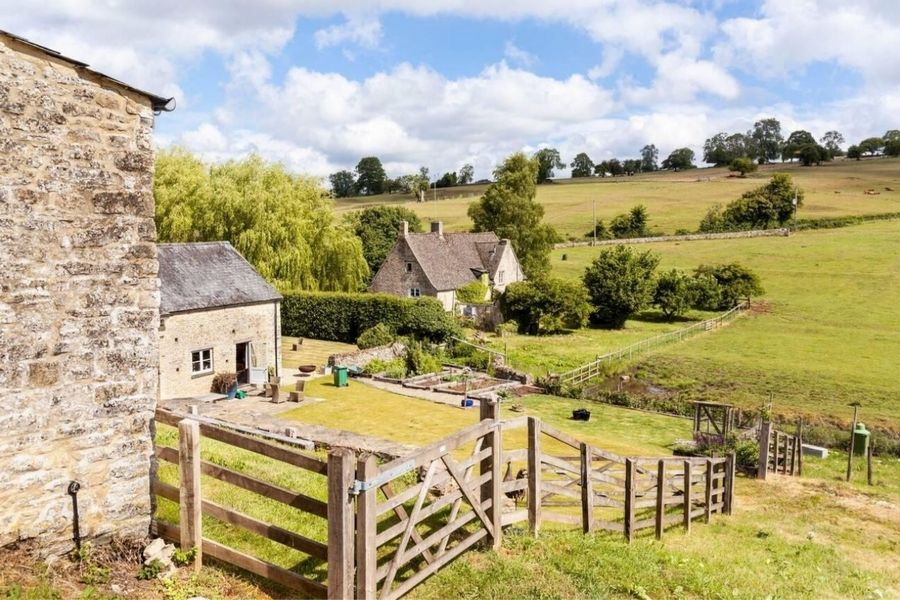
These villages aren’t crowded, but they’re packed with their own quiet wonders—perfect if you want to step off the main tourist path.
Rivers, Vales & Countryside Splendour
Waterways shape Gloucestershire’s character, winding through meadows, hills, and villages. The land rolls out with inviting walking and cycling paths, and each river has its own story.
Severn Vale and River Severn
The Severn Vale forms a broad valley between the Cotswold escarpment and the Forest of Dean. I watched the River Severn flow steadily beside small towns and open countryside, shaping both the land and local culture.
Towns like Tewkesbury and Gloucester rise along the riverside, steeped in history. From riverside paths, I watched boats drift by and spotted herons fishing in the shallows.
Floodplain meadows and old hedgerows frame the journey, sheltering wildlife and wildflowers. The mild climate and rich soils support farms and smallholdings.
A drive or cycle along the Vale reveals a blend of nature and heritage. Villages here rely on the Severn for trade, transport, and community events, especially when the tide sweeps inland.
Rivers Windrush & Eye: The Lifeblood of Villages
In the Cotswolds, smaller rivers like the Windrush and Eye wind through quiet valleys, giving water and life to many villages.
I wandered along the River Windrush as it sparkled through Bourton-on-the-Water, reflecting limestone bridges and neat lawns. The scene felt almost too perfect, honestly.
The River Eye slips through Lower Slaughter, its slow current lined with cottages and old mills built from honey-colored stone.
Locals tend the watersides, sometimes adding flower planters or stacking up stone walls that have probably stood for ages.
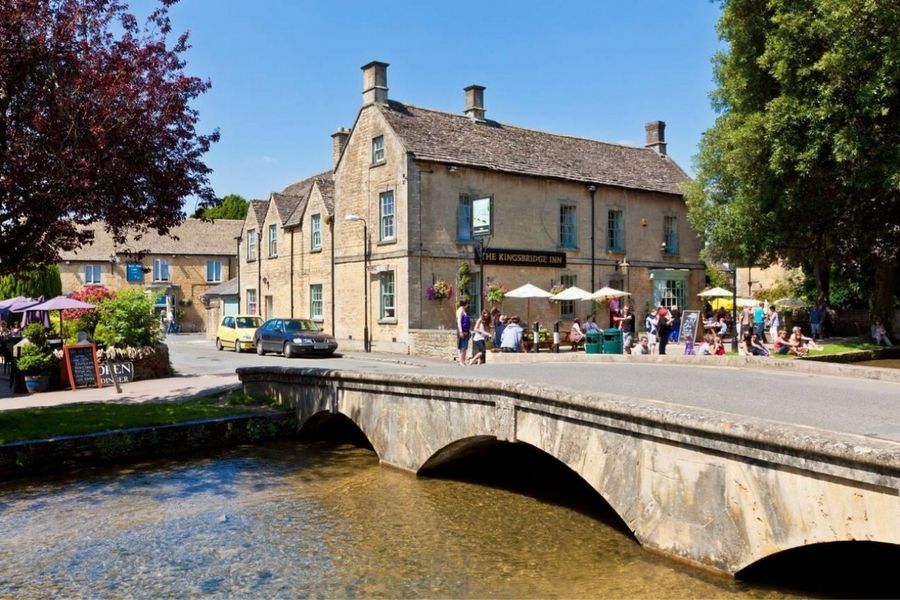
Key villages beside these rivers
- Bourton-on-the-Water (Windrush)
- Lower Slaughter (Eye)
- Windrush and Swinbrook (Windrush)
Both rivers support ducks, willows, and those green spaces everyone seems to love.
The gentle flow and clear waters just add to the quiet charm you find in these villages.
Exploring the Cotswold Hills & Countryside
The Cotswold hills rise above the valleys, covered with grasslands, woods, and small farms.
I found myself drawn to the open views from the escarpment, especially near Snowshill and Painswick Beacon.
Trails crisscross old Roman roads and ancient settlements, with some tracks hugging the edge of the hills.
In spring, sheep and wildflowers sprinkle the slopes with soft color. It’s a lovely sight, honestly.
Limestone shapes the landscape here, rolling fields bordered by those classic dry stone walls.
Sometimes the best scenes just appear—turn a corner and suddenly there’s a hilltop village or a patchwork of meadows.
Maps and well-marked trails guide walkers between villages and viewpoints.
Local nature reserves and commons like Minchinhampton and Rodborough protect wild places you can explore or photograph.
Cycling, Walking, and Nature Enthusiast Routes
Cycling and walking routes connect much of Gloucestershire’s countryside.
I tackled sections of the Cotswold Way, a 100-mile walking route that runs the length of the hills from Chipping Campden to Bath.
Popular cycling routes stick to quiet country lanes and byways with gentle gradients.
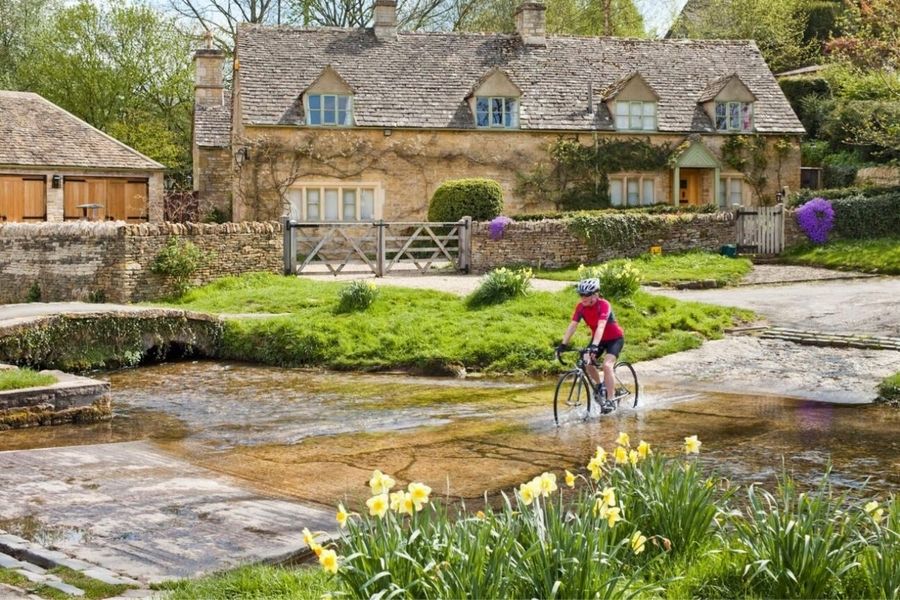
Loops around the Severn Vale and into the hills throw in the occasional climb, but wow, the views make it worth it.
Notable walking and cycling locations
- Cotswold Way (walking)
- Gloucester and Sharpness Canal path (cycling, walking)
- Stroud Valleys trails
- Forest of Dean bike trails
Waymarked routes make it easy to plan day hikes or family outings.
Nature lovers can spot butterflies, sheep, and rare birds along the way, especially when meadows and orchards burst into bloom in spring and summer.
Heritage, History & Timeless Sights
Gloucestershire’s landscape feels rich with deep historical roots.
From medieval strongholds and ancient churches to important towns that shaped English history, I kept stumbling on reminders of past centuries—preserved in stone, story, and tradition.
Medieval England and the Rich Tapestry of History
As I wandered Gloucestershire, I realized how the area is woven into the fabric of early English history.
The region stood out even in the 10th century, mentioned in the Anglo-Saxon Chronicle.
Walking the lanes, I noticed traces of the Middle Ages everywhere—from fortified manors to untouched rural paths.
It’s easy to picture medieval life here.
Towns once bustled with traders and craftsmen, while nearby villages huddled around small churches and manor houses.
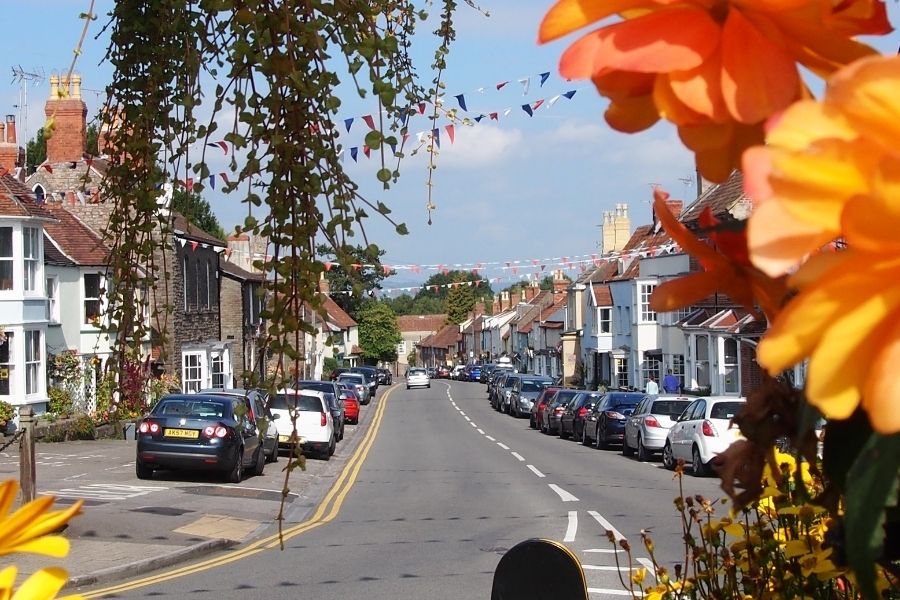
The region played a part in the Wars of the Roses and the English Civil War, with local castles and towns taking sides and facing siege or battle.
The connection to medieval England still feels strong, with preserved streets and historic traditions.
Castles, Manors & National Trust Treasures
Gloucestershire’s fortresses and grand houses tell stories of power and intrigue.
I spent a day at Sudeley Castle, where Queen Katherine Parr, the last wife of Henry VIII, rests in the chapel.
The castle grounds blend history with tranquil gardens, and its rooms are filled with Tudor and Victorian treasures.
Berkeley Castle was another highlight.
The same family has owned it since the 12th century, which is kind of wild to think about.
The castle’s thick walls hold stories from the Middle Ages, including the death of King Edward II.
The National Trust cares for many nearby gems—from ancient abbeys to rural manors.
I love how these properties make history feel close, with exhibits, family trails, and well-kept architecture.
Table: Notable Historic Sites
| Site | Type | Time Period | Special Note |
|---|---|---|---|
| Sudeley Castle | Castle | Tudor, Victorian | Katherine Parr’s resting place |
| Berkeley Castle | Castle | Medieval | Scene of Edward II’s murder |
| Newark Park | Manor House | Tudor, Georgian | National Trust property |
Historic Towns: Gloucester, Tewkesbury & Winchcombe
Gloucester stands out for its Roman origins and that stunning Gloucester Cathedral, where medieval architecture towers above the city.
I spent a while just staring at the stained glass and those intricately carved cloisters—no wonder they filmed Harry Potter scenes here.
Tewkesbury draws visitors with its half-timbered houses and the impressive Tewkesbury Abbey, a masterpiece of Norman and medieval design.
The Battle of Tewkesbury in 1471 turned the tide in the Wars of the Roses, and you’ll find reminders of that day in local museums and plaques.

Winchcombe instantly charmed me, with stone cottages and St. Peter’s Church.
It’s home to Sudeley Castle and sits near Belas Knap, a Neolithic burial mound.
These towns balance everyday life with layers of visible history and strong ties to England’s past conflicts.
Museums, Churches & Legacy of the Middle Ages
I found a range of museums sharing the area’s rich past.
The Corinium Museum in Cirencester collects finds from Roman Britain through the Middle Ages.
Exhibits include mosaics, pottery, and tools that let you imagine local life from thousands of years ago.
Churches dot the landscape, from grand cathedrals like Gloucester Cathedral to smaller parish churches with medieval tombs and stained glass.
These buildings often served as both spiritual and social centers, preserving local stories in stone and sculpture.
Industry shaped Gloucestershire too.
In the west, traces of the old wool trade, ironworks, and canal systems show how the area evolved.
Guided walks and local displays made the region’s industrial past easy for me to appreciate alongside its ancient roots.
Culture, Cuisine & Unique Experiences
Gloucestershire’s Cotswold region and the Severn Vale are treasures for lovers of food, gardens, film locations, and quirky local traditions.
On my journey, I discovered how local flavors, scenic gardens, filming sites, and lively markets connect the area’s past and present.
Farm Shops, Cream Tea & Fine Dining
I started with the local farm shops, where fresh produce and artisan goods fill every shelf.
These shops offer everything from handmade cheese to local cider.
I loved stopping at places where you can actually chat with the growers and pick up things you won’t find in a supermarket.
I couldn’t resist cream tea—it’s a must.
Each village tearoom served fluffy scones, thick clotted cream, and homemade jams.
The experience just feels better when you’re near a garden or an open fireplace.
For a special night, I tried one of the fine dining spots in the Cotswold towns.
Some restaurants use ingredients from nearby farms, so local flavors always shine through.
Memorable meals included slow-cooked lamb and roasted veggies straight from the region’s fields.
| Experience | Where to Try | Highlights |
|---|---|---|
| Farm Shops | Across Cotswold villages | Local meats, cheeses, and chutneys |
| Cream Tea | Village tearooms, country inns | Scones, clotted cream, fresh local strawberries |
| Fine Dining | Cirencester, Stroud, Stow-on-the-Wold | Farm-to-table menus, seasonal British cuisine |
Gardens: Mill Dene, Rococo & Cirencester Park
Gardens are just part of life in Gloucestershire.
Mill Dene Garden hides in a quiet village, offering streams, herb gardens, and old stone walls.
Walking through feels peaceful and a bit timeless.
Rococo Gardens in Painswick stands out for its historic 18th-century style.
I wandered winding paths lined with flowers and quirky follies, spotting families enjoying picnics in summer.
Cirencester Park, once part of an old estate, impresses with its wide open spaces and historic tree-lined avenues.
I joined locals on morning walks and watched kids feeding ducks by the lake.
Many gardens in the area host seasonal events and plant sales, which is always fun if you love plants.
| Garden | Notable Features |
|---|---|
| Mill Dene | Water features, herbs, stone cottage |
| Rococo | Unusual garden buildings, snowdrop displays |
| Cirencester Park | Historic trees, open parkland, deer |
Filming Locations: Downton Abbey, Blenheim Palace & Lacock
Fans of classic British TV and film will spot familiar sites all over Gloucestershire and nearby counties.
I visited Bampton, the real village for Downton Abbey’s outdoor scenes, and recognized the church and village square right away.
Blenheim Palace, just outside the Cotswold border, is a UNESCO World Heritage site.
Its grand halls and sweeping grounds have featured in loads of movies and TV shows—it’s got a real cinematic vibe.
The village of Lacock is close by and instantly recognizable for its preserved medieval streets.
Productions like Harry Potter and Pride and Prejudice filmed here.
Lacock’s abbey is open for tours and often hosts photography events for fans.
| Filming Location | Famous Productions |
|---|---|
| Bampton (Downton Abbey) | Downton Abbey, various period dramas |
| Blenheim Palace | James Bond, Transformers, The Young Victoria |
| Lacock | Harry Potter, Pride and Prejudice, Wolf Hall |
Local Events, Festivals & Artisan Markets
Community life really comes alive in Cotswold towns and villages. When I planned my trip, I made sure to catch the Stroud Farmers’ Market—honestly, you can’t beat the smell of fresh bread and honey drifting through the high street.
Vendors filled their stalls with all kinds of crafts, and the buzz of neighbors chatting over pastries made the whole place feel warm and inviting. Then there’s cheese rolling at Cooper’s Hill. It’s wild, a bit chaotic, and somehow everyone leaves smiling. Every spring, crowds flock to watch (or tumble down) the hill in this centuries-old Gloucestershire tradition.
The calendar’s packed with seasonal festivals, too. Cirencester Park’s autumn fair and the Tetbury Music Festival both drew me in with their lively atmosphere and local charm.

On market days, I wandered through walking tours and ended up talking with artisans about their pottery, textiles, or handmade soaps. People here genuinely care about their crafts, and it shows.
Worcester sits just outside the main Cotswold area, but I’d say don’t skip it. The food and craft festivals there surprised me with the variety—perfect if you’re into discovering regional flavors and quirky traditions.
Notable Events & Markets:
- Stroud Farmers’ Market (weekly)
- Cooper’s Hill Cheese Rolling (spring)
- Cirencester Park Autumn Fair
- Tetbury Music Festival
- Worcester Food Festival
Honestly, there’s no better way to feel the pulse of Gloucestershire than by diving into its markets and festivals. Every event pulled me in a little deeper, and I left with new favorite foods, a few handmade keepsakes, and a real sense of what makes this place tick.
