
Travel in 2026? It’s honestly not what you’d expect. Forget those fancy restaurants or chasing celebrity chefs around town.
The hottest travel trend right now? Exploring grocery stores and corner shops to get a real sense of a place through its everyday food. This movement—people call it “Shelf Discovery”—turns what used to be a boring errand into a cultural experience. Snack aisles and local produce sections? They tell you more about how people live and eat than most museums ever could.
I get it, it sounds a little odd at first. Why would anyone spend precious vacation time wandering supermarket aisles instead of hitting up beaches or famous landmarks?
But more and more travelers, especially from India, have started making grocery stores their first stop in a new country. They’re picking up regional snacks, reading the weird ingredient labels, trying those limited-edition flavors, and—of course—posting their finds all over social media.
It’s cheap, it’s real, and honestly, it reveals more about daily life than most tourist attractions ever will.
This trend is changing the way we think about food tourism. Instead of dropping a fortune on tasting menus, you can learn about a country’s food traditions and favorite comfort snacks just by spending twenty minutes in a local market.
From Tokyo’s 7-Eleven to little Paris corner shops, grocery tourism is turning the most ordinary shopping trip into the highlight of the journey.
Key Takeaways
- Shelf Discovery is all about exploring local grocery stores and convenience shops to get a taste of a destination’s real food culture.
- Nearly 80% of Indian travelers now hit up supermarkets abroad to experience authentic local life without blowing their budget.
- Instagram and YouTube have made grocery hauls and snack-hunting videos wildly popular, inspiring even more people to try this quirky trend.

What Is Shelf Discovery and Grocery Store Tourism?
Shelf Discovery turns grocery stores into cultural destinations. Travelers wander supermarket aisles, figuring out what locals actually eat.
This has evolved into grocery tourism, where you skip the usual tourist traps and dive into authentic experiences.
Origins of Shelf Discovery
People started calling it “Shelf Discovery” after travelers began posting their supermarket finds on social media. Instagram and YouTube filled up with videos of unique snacks, wild packaging, and regional products from all over the world.
Travel companies caught on pretty quickly. Skyscanner even named Shelf Discovery one of 2026’s biggest travel movements.
What started with a few curious travelers has now become a full-blown approach to exploring culture.
Social media really sped things up. Folks shared their discoveries from 7-Elevens in Tokyo, mini-marts in Bangkok, and corner shops all over Europe.
These posts? They made everyone want to add grocery stores to their travel bucket list.

Defining Grocery Tourism
Grocery tourism means you actually plan to visit supermarkets, convenience stores, and food markets when you travel. For me, it’s about exploring culture through the stuff people buy every day, not just what’s on a restaurant menu.
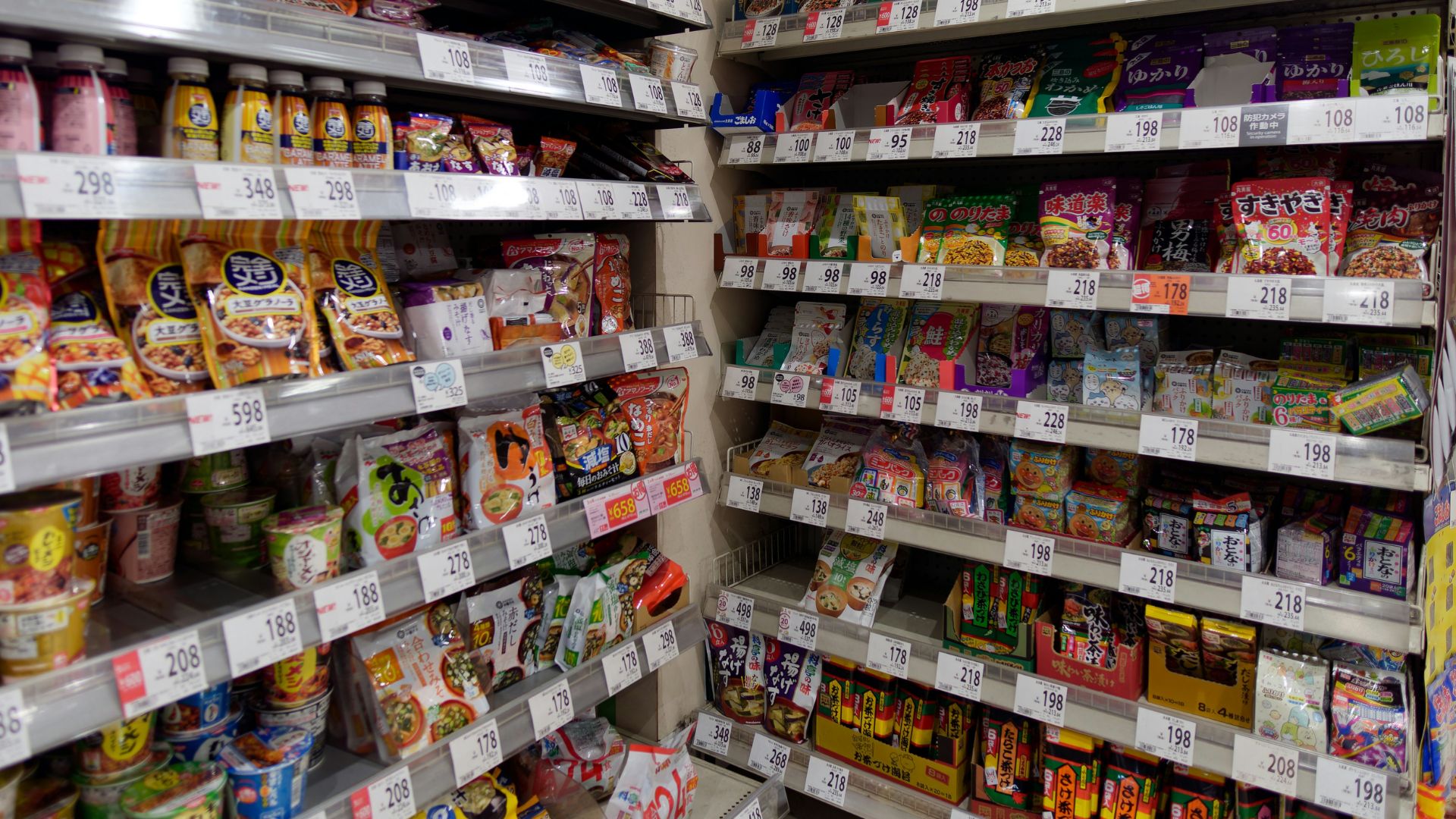
You get to see what locals really eat. The dairy section? It’s full of regional cheeses. The snack aisle? It’s a crash course in local flavors.
Even the produce section tells you about local farms and seasons.
Payment data backs this up—travelers are spending more at grocery stores, especially in Europe and Asia. What used to be a quick stop for bottled water has become a must-do.
Nearly 80% of Indian travelers now make a point to hit supermarkets abroad, and 73% even seek out convenience stores for the full experience.
Shopping Like a Local Versus Eating Like a Local
“Eating like a local” usually means tracking down the best street food or hidden restaurants. But “shopping like a local”? That’s grabbing the same stuff people toss in their carts every week.
Grocery stores show you things restaurants don’t. Sure, you can find traditional dishes at a restaurant, but supermarkets let you see the instant noodles, sodas, and ready-made meals people actually eat at home.
Ingredient lists? They reveal the local love for spice, sweetness, or even weird additives.
Plus, this approach is super affordable. A pack of regional cookies might set you back $3, while a fancy tasting menu could cost $50 or more.
Travelers can buy a bunch of snacks, do their own tastings back at the hotel, and even bring home unopened treats as souvenirs.

Why Shelf Discovery Is the Ultimate 2026 Travel Experience
Shelf discovery turns a simple grocery run into a real cultural encounter. It gives you budget-friendly access to local life through food aisles and daily essentials.
Unpacking the Appeal for Modern Travelers
Travelers in 2026 want the real deal, not just touristy stuff. Grocery stores totally deliver because they show what locals actually buy and eat—not what’s been curated for outsiders.
The fun is in the hunt. Walking through a supermarket in Bangkok or Barcelona feels like a scavenger hunt for unique flavors and strange ingredients.
Every package? It’s a peek into regional tastes and traditions.
Social media keeps this trend alive—snack haul videos and supermarket tours are everywhere. Instagram and YouTube are packed with limited-edition finds and quirky packaging.
Every new discovery gets shared, and it just keeps snowballing.
Budget-Friendly Cultural Immersion
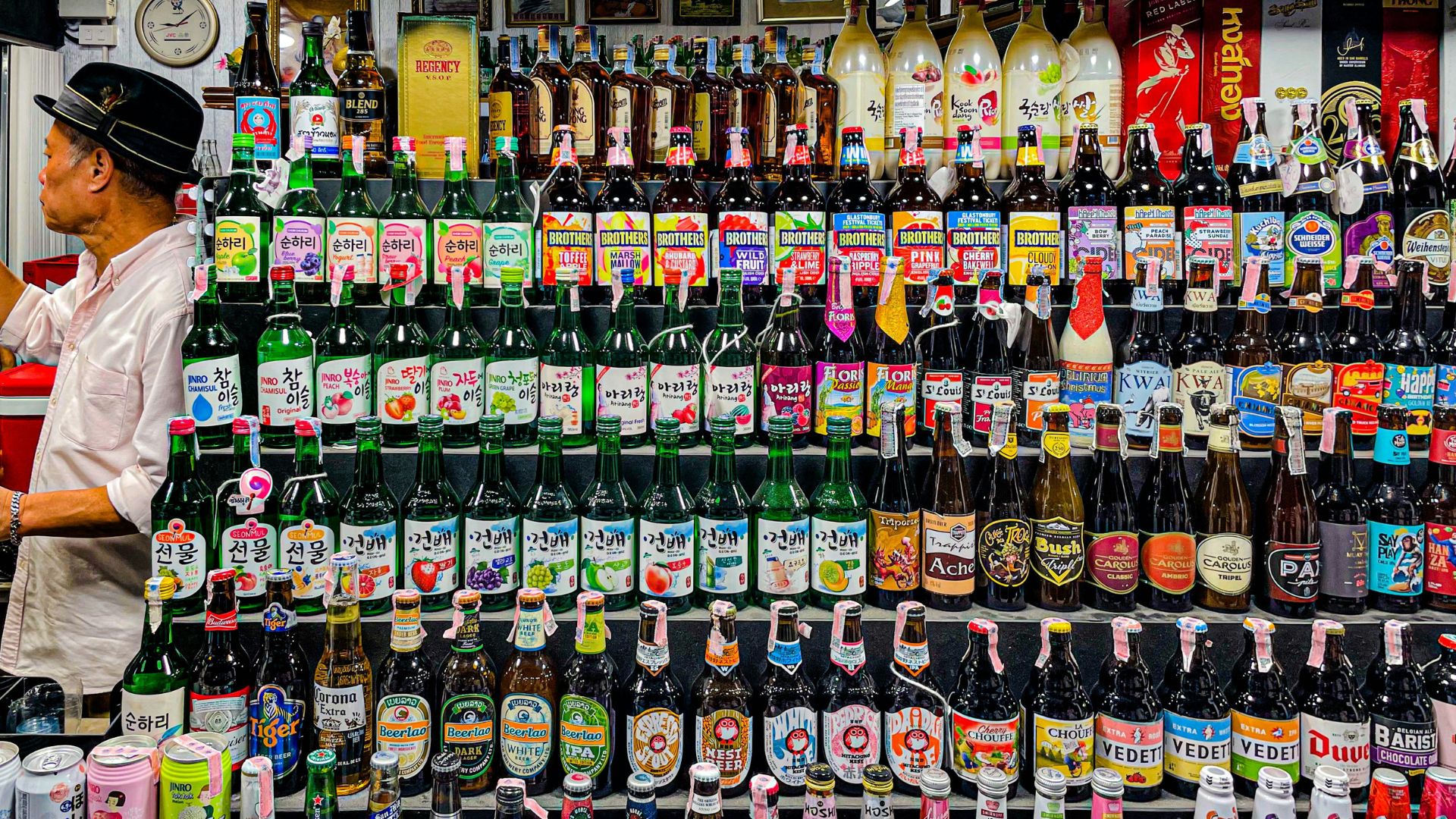
Shopping like a local is way cheaper than splurging on restaurant meals or joining food tours. You can wander Tokyo’s 7-Eleven or a Parisian market and get a real authentic cultural experience without dropping hundreds on a single meal.
A decent grocery haul might cost $20-30 and gives you snacks for days—and maybe a few gifts, too.
Some perks:
- No tipping drama
- Try a bunch of regional treats at once
- Take-home goodies double as souvenirs
- One shopping trip = multiple meals and snacks
Travelers really are spending more at overseas supermarkets, especially in Europe and Asia. This isn’t just about grabbing water anymore—it’s about exploring culture in a hands-on way.
Aisles as Windows Into Local Life
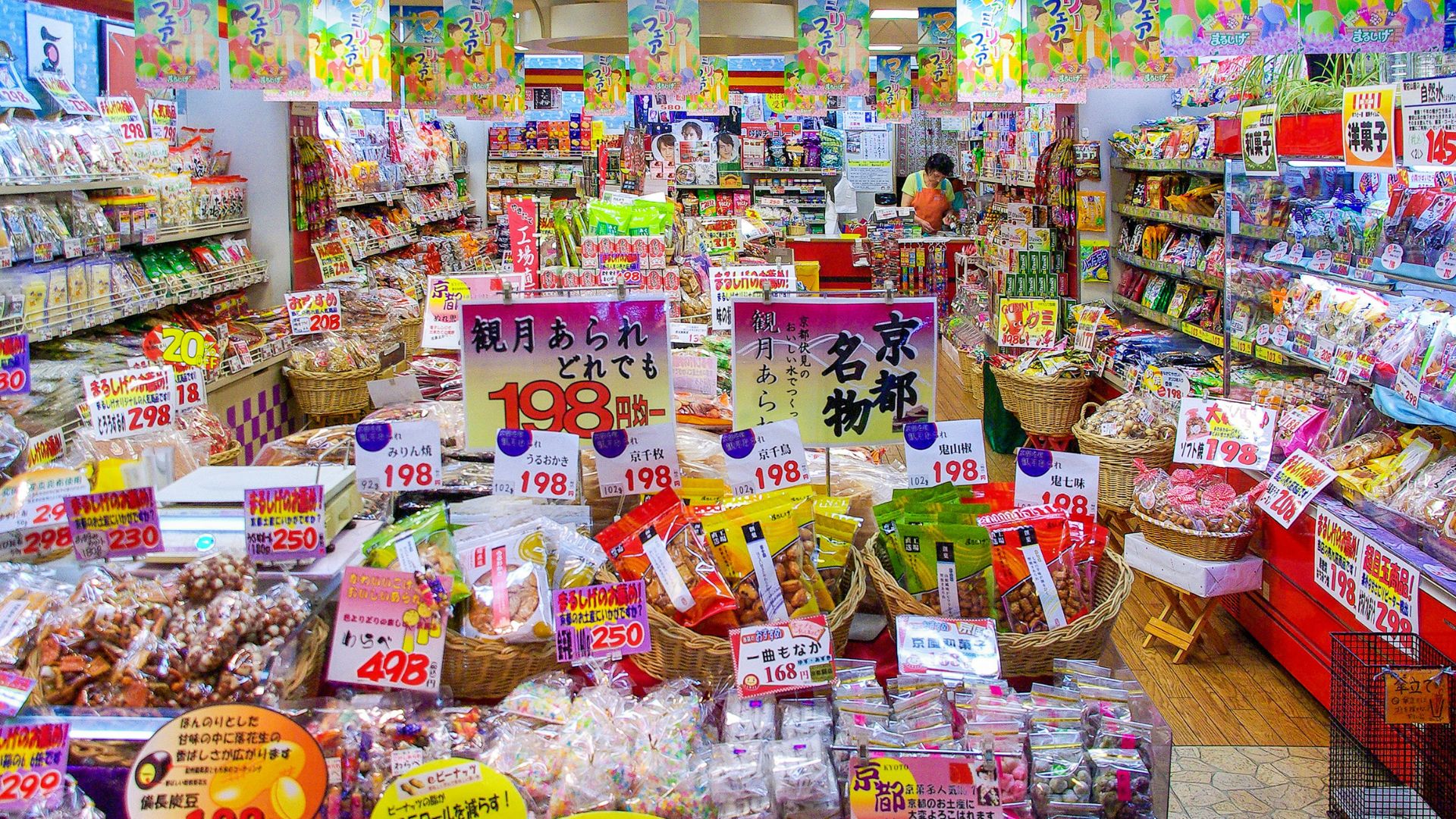
Supermarket layouts spill all sorts of secrets about local culture. In Japan, you’ll find entire aisles just for rice. Mediterranean markets? They’re packed with olive oil varieties.
I like to read ingredient lists and check out where things come from. Even the packaging tells you something about local values—colors, images, even the font choices.
What you can learn from each aisle:
- Dairy sections: local cheese and milk trends
- Snack aisles: flavor profiles and how much heat people can handle
- Ready-to-eat meals: convenience food habits
- Produce areas: what’s in season and who’s farming it
Nearly 80% of Indian travelers now make supermarket visits abroad, and about 60% see it as a full-on sensory adventure. Shelves really do become stories.
Indian Travellers and the Global Rise of Shelf Discovery
Indian travelers are seriously fueling this trend. Nearly eight in ten now make supermarkets abroad a core part of their trip.
Payment data shows they’re spending more on groceries during international travels, especially across Europe and Asia.
Indian Travellers Leading the Trend
Indian travelers have become the main drivers behind Shelf Discovery’s global rise. Nearly 79% of them now check out local supermarkets when they travel.
Over 70% specifically seek out convenience stores to try regional snacks and pantry staples.
This isn’t just casual browsing. Indian travelers plan these visits as cultural adventures, not just errands.
It marks a shift from classic sightseeing to getting up close with everyday local life.
India’s long-standing love for food tourism definitely plays a part. Now, that curiosity has shifted to grocery tourism—chasing down limited-edition products, regional specialties, and whatever reveals how people actually eat.
Skyscanner Insights and Market Impact
Skyscanner’s Travel Trends 2026 Report called out Shelf Discovery as a top travel movement. Their data shows Indian travelers are leading the way.
Skyscanner even hosted a “Snack Transit” pop-up in India, mixing food trucks with the grocery tourism vibe.
Their research found that this isn’t just a random activity anymore—it’s a planned part of the itinerary. Indian travelers now budget specifically for grocery shopping on trips.
Spending has jumped in European and Asian markets, especially on specialty items like Tokyo’s matcha sweets or Mediterranean olive oils.
Social media is amplifying everything. Supermarket haul videos from Japan, Korea, and Europe have gone viral in India.
People show off everything from fusion noodles to rare cheeses, and suddenly everyone wants to do their own grocery run abroad.
New Destinations and Emerging Tourism Patterns
Shelf Discovery is actually shaping where people decide to travel. Indian travelers now look at supermarket variety when picking destinations.
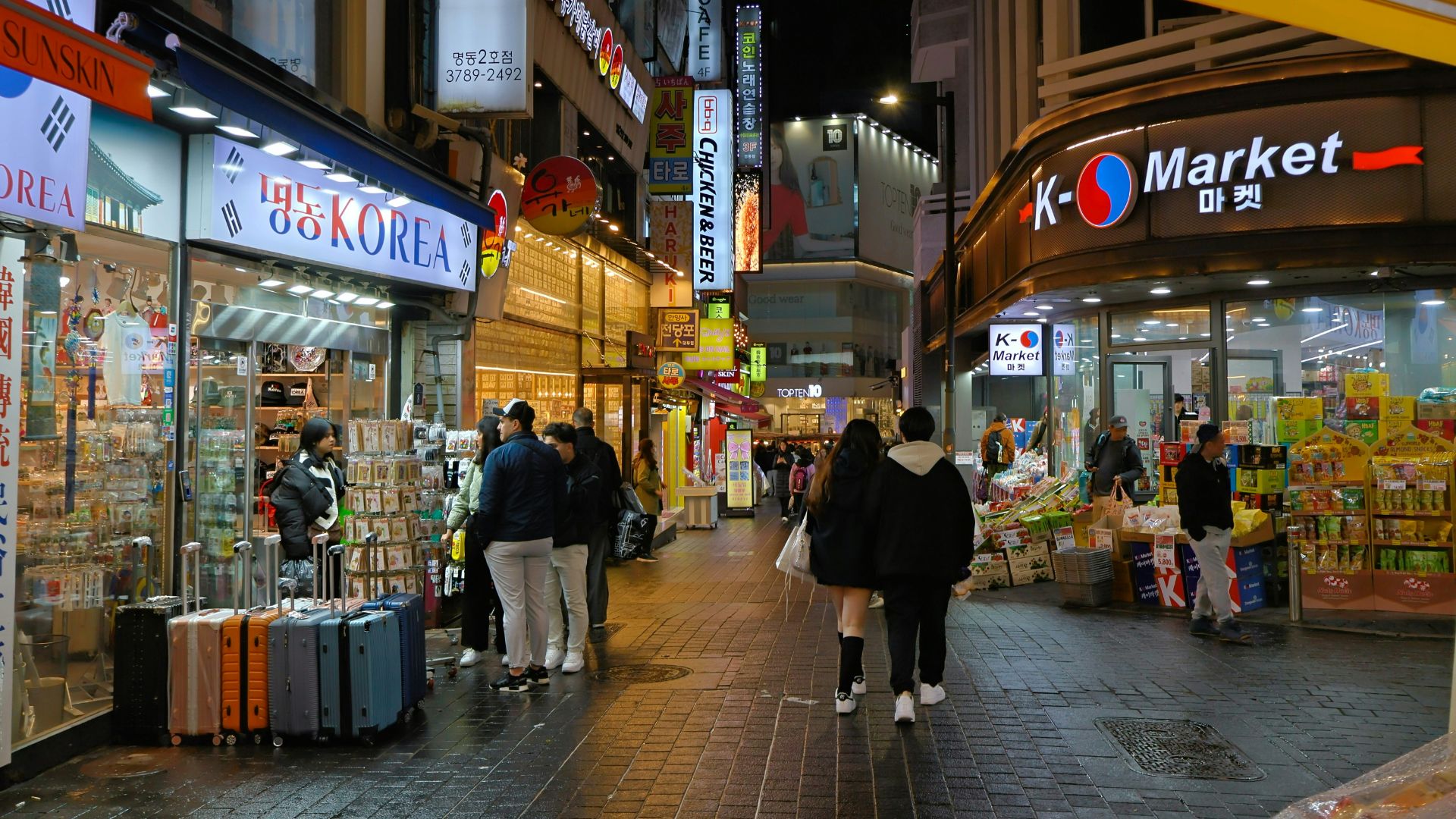
Bangkok’s 7-Eleven stores and Barcelona’s artisan pantry shops have become attractions.
Japan and Korea are top picks for their wild snacks and limited-edition treats. Europe draws travelers with its specialty ingredients and regional products.
People are seeking out these places just for the grocery experience.
Now, travelers often visit supermarkets at the start of their trip to get a feel for local ingredients and eating habits.
They read labels, compare products, and sample items that capture the region’s real flavors.
It’s budget-friendly, immersive, and you don’t need a reservation.
Social Media and the Viral Growth of Grocery Tourism
Social media has turned basic grocery shopping into binge-worthy content. Creators show off foreign supermarkets to millions, and suddenly everyone wants to see what snacks they’re missing out on.
Snack-Hunting Videos and Supermarket Hauls
Snack-hunting videos have exploded. I’ve watched creators rack up millions of views just by exploring aisles in Japan, Germany, or South Korea.
They react to wild flavors, oddball brands, and stuff you’ll never find at home.
The formula is simple: walk through a supermarket, grab interesting items, read the labels, and taste-test on camera.
Viewers get to see price tags, packaging, and products that look nothing like what’s back home.
Popular themes:
- Comparing brands across countries
- Finding the weirdest flavored chips or drinks
- Price-checking familiar items
- Uncovering snacks you can’t get anywhere else
Supermarket haul videos are just as big. Creators buy a bunch of stuff, head back to their hotel or Airbnb, and review everything.
Sometimes, these haul videos get more engagement than classic travel vlogs about landmarks or museums.
Instagram, YouTube, and Digital Influence
YouTube is where you’ll find the long, detailed grocery content. Some videos run for over an hour, with creators giving you the full aisle-by-aisle tour.
Instagram is all about the visuals—colorful products, cool packaging, and neat store layouts.
Reels show off quick finds or price comparisons in under a minute.
TikTok is where things go viral fastest. A 30-second video of a strange snack can blow up overnight.
The algorithm pushes grocery content to anyone with a taste for travel, food, or cultural quirks.
Community Insights and Shared Recommendations
Comment sections have turned into mini-guidebooks for grocery tourists. People ask for store recommendations, must-try products, and even help with reading foreign labels.
Creators build communities around these videos. They answer questions, make follow-ups based on viewer requests, and share shopping tips for different countries.
Common exchanges:
- Store tips for specific cities
- Product suggestions for newbies
- Translation help for tricky labels
- Advice on bringing snacks home
Facebook groups and Reddit threads dedicated to international grocery shopping have grown like crazy since 2025.
People post photos, swap price info, and even plan out their shopping routes before they travel.
Practical Guide: How to Do Shelf Discovery Abroad
Shopping like a local starts with knowing where to go and what to look for.
Local supermarkets and convenience stores open a window to daily food habits, regional flavors, and cultural quirks you’ll never find at a restaurant.
First Stops: Navigating Local Supermarkets
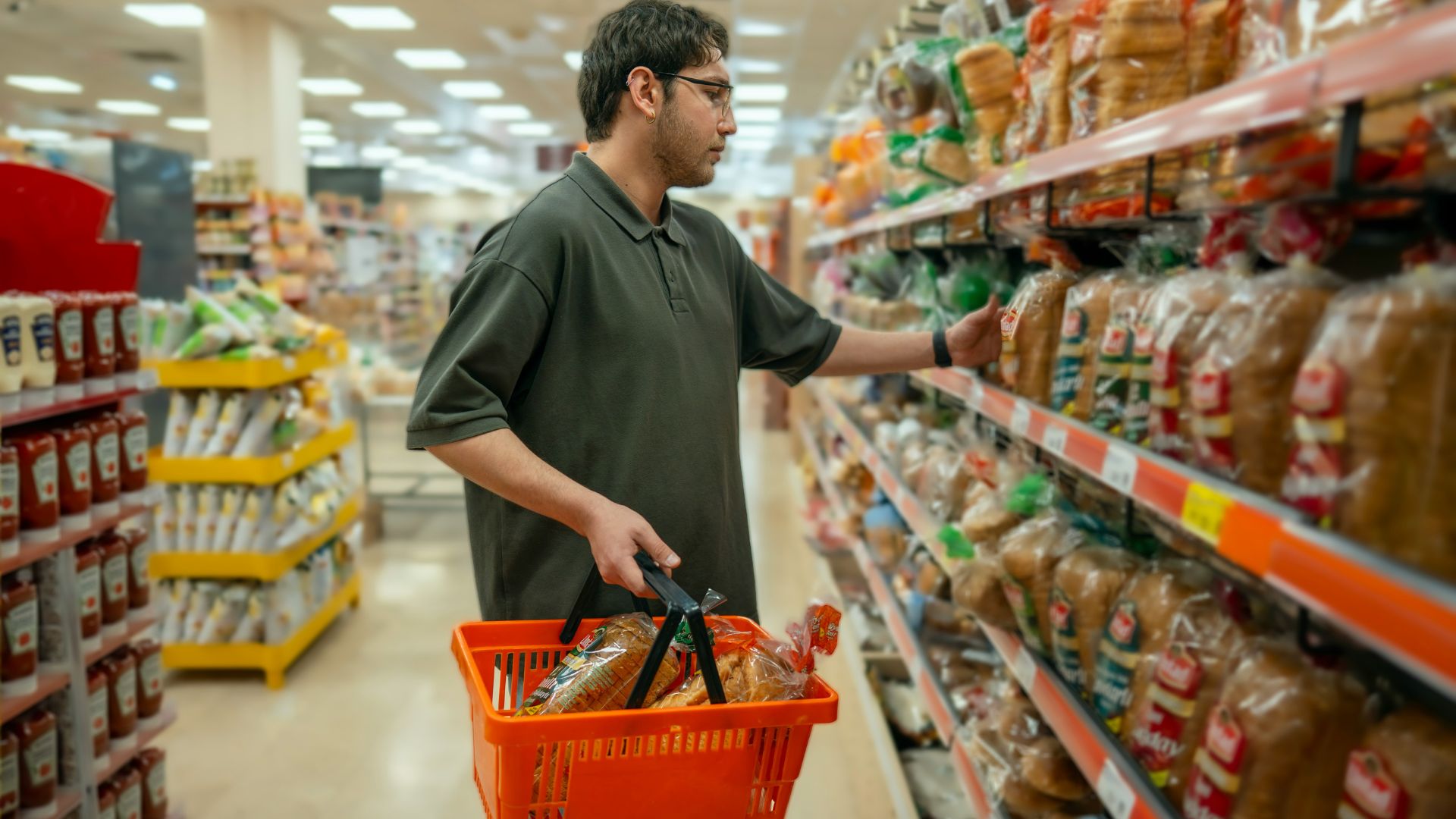
Whenever I check into a new hotel, I head straight to the nearest supermarket. It’s honestly the quickest way to get a feel for what locals actually eat—and it saves money on meals right away.
Here’s what I make a beeline for:
- Fresh produce – You’ll spot fruits and veggies you might not even recognize. Local seasons, local flavors.
- Dairy aisles – Yogurt, cheese, and milk alternatives all reveal what’s trending in that country.
- Ready-to-eat meals – These convenience foods say a lot about busy local lifestyles.
- Snack aisles – The flavors and ingredients here? Usually nothing like home.
I like to grab a basket and wander slowly, aisle by aisle. Regional supermarket chains always surprise me with their local specialties. If you’re not a fan of crowds, try going early—between 8 and 10 AM, shelves are full and lines are short.
Iconic Snacks and Regional Specialties
Every country has its own shelf icons. I hunt for things clearly marked with local or regional labels—those are the real treasures.
In Japan, I’m always amazed by the wild Kit Kat flavors—matcha, sakura, you name it. Korean grocery stores? They’ve got a dizzying array of ramen with spice blends I can’t find anywhere else. France never disappoints with its confiture (jams) made from regional fruits. And British stores? You can’t miss the classic shortbread and heritage biscuits.
I always keep an eye out for limited-edition or seasonal packaging. These rotate with holidays or harvests, so you never know what you’ll find. Anything with a city or region’s name usually means it’s a specialty worth trying.
For souvenirs, I care more about uniqueness than price. If it’ll survive the trip home, it’s going in my bag.

Exploring Local Convenience Stores
Convenience stores have their own local magic. Around the world, I’ve found they’re packed with comfort foods you won’t see in restaurants.
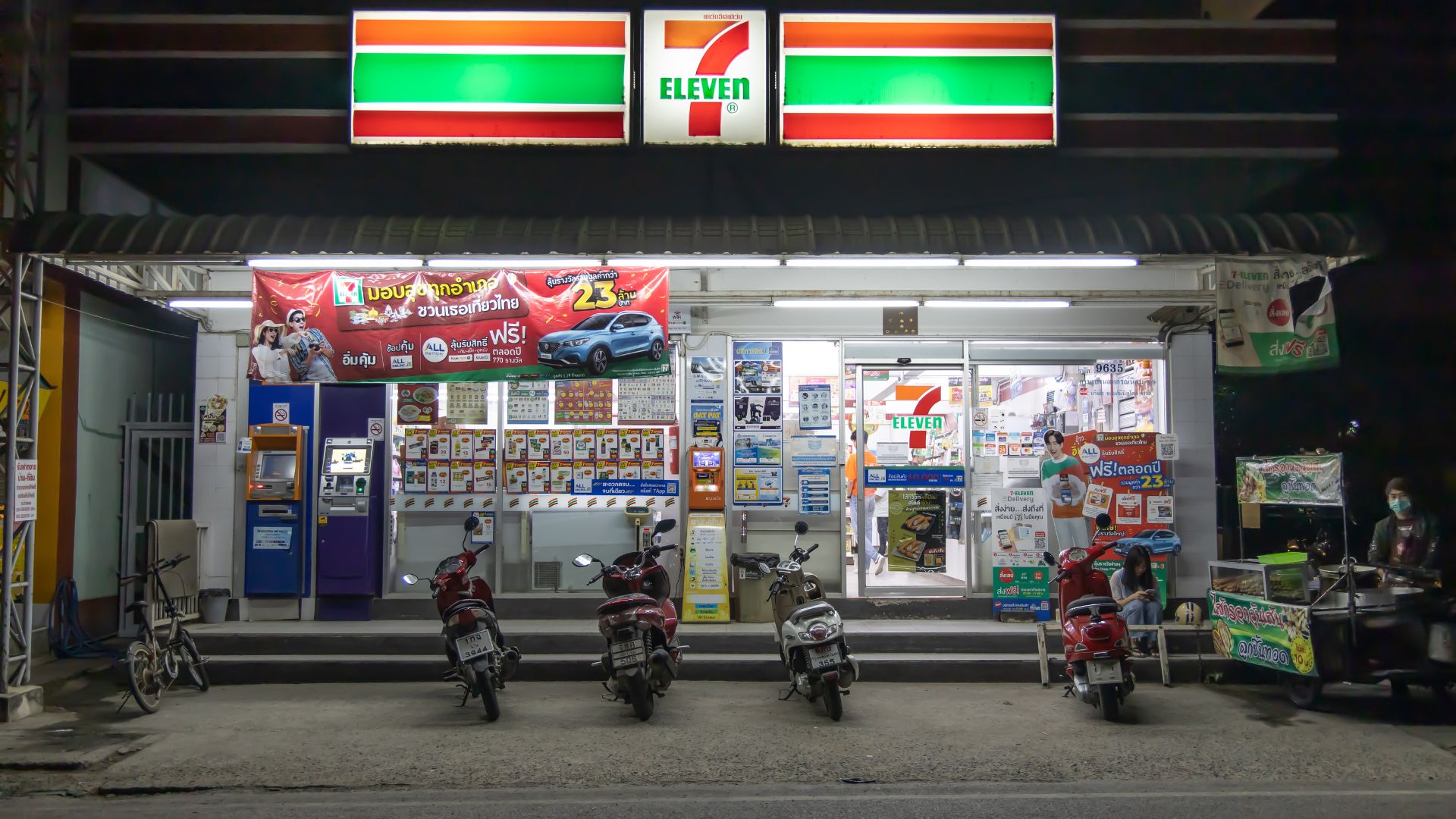
Take 7-Eleven in Thailand—hot sandwiches and rice bowls fly off the shelves at lunchtime. Japanese konbini always have fresh onigiri, those perfect little rice balls, plus egg sandwiches and weekly-changing bento boxes. In Korea, the convenience stores stock kimbap, instant noodles with flavors I can’t pronounce, and fresh banchan (side dishes).
I make it a rule to eat at least one meal from a convenience store on every trip. The quality always surprises me—forget your gas station stereotypes. Plus, these shops are goldmines for single-serve snacks, drinks, and desserts when you just want to sample.
Reading Packaging for Cultural Clues
I love examining packaging. It tells stories you’d never hear otherwise.
Origin stamps reveal where something’s grown or made. Certification marks show off organic standards or fair trade, sometimes even protected origin status.
What I usually check:
- Ingredient order – The first item’s the main one.
- Allergen warnings – These highlight what locals worry about in their diets.
- Nutritional info – Serving sizes and health priorities jump out.
- Language emphasis – The bold words hint at what matters most (is it “organic,” “spicy,” or “handmade”?).
Colors and images can be just as telling. Green? Usually signals healthy or natural. Gold or red? That’s often premium or festive, especially in Asian markets. European brands love landscape photos to show off regional pride.
Sometimes I snap photos of the most interesting packaging, just to look up later or share with friends.
Frequently Asked Questions
Travelers keep asking about why grocery stores have become such hotspots for cultural discovery—especially in 2026. The curiosity’s real.
I’ve watched Shelf Discovery explode on social media. Travelers love posting their supermarket finds—unique snacks, wild drinks, you name it. Videos from places like Japan’s 7-Eleven go viral all the time.
People got tired of touristy restaurants. Now, they want to see where locals actually shop. Grocery aisles reveal more about daily life than any tour guide could.
That craving for authenticity? It’s driving the whole movement.
What factors are contributing to the popularity of Grocery Store Tourism in 2026?
Let’s be honest—cost is a huge factor. Grocery visits are free, or at least way cheaper than fancy food tours or tasting menus.
Social media keeps the trend alive. Every day, I see new posts of supermarket hauls and snack taste tests, inspiring others to add grocery runs to their itineraries.
People care about real experiences now. They want to taste what locals eat, not just dishes made for tourists.
Plus, grocery stores are everywhere. No language skills or reservations required—just walk in and start exploring.
Travel in 2026 feels more personal and passion-driven than ever. Shelf Discovery fits right in, letting people shape their own cultural adventures through food.
Travelers don’t want rigid tours anymore. They’re all about independent discovery, wandering at their own pace.
Budget travel has lost its stigma. People openly choose grocery store picnics over pricey restaurants, and nobody bats an eye.
Indian travelers are leading the pack here. Nearly 80% of them visit supermarkets abroad, and 73% hit up convenience stores just to try local stuff.
Japan and Korea have become must-visit spots for grocery tourism. Their convenience stores serve up hot meals, seasonal snacks, and quirky limited editions that draw crowds.
European hotspots like Paris and Barcelona attract shoppers looking for artisan jams, olive oils, and unique regional treats.
Thailand’s convenience stores are also making a name for themselves. Their hot food options are a hit with travelers who want a taste of local comfort food.
Grocery stores act like living museums. The shelves tell you about farming, eating habits, and the creativity of everyday cooks—stuff restaurants often hide.
Packaging design uncovers values you’d probably miss otherwise. Colors, labels, and origins hint at sustainability and local food culture.
Regional products tell stories about geography and climate. I learn what grows locally just by checking out the produce and specialty sections.
And let’s not forget prices. Seeing what locals pay for basics gives a more honest look at the cost of living than any tourist trap ever could.
Whenever I wander into a grocery store abroad, I usually spot labels showing off local sourcing right on the packaging. It’s a small detail, but it instantly clues me in—this product actually supports nearby farmers and skips a long-haul journey across the globe.
I’ve noticed that European stores, in particular, love their bulk sections and offer way less packaging. If you care about the environment or just hate dealing with trash while traveling, these features make shopping a lot more satisfying.
Seasonal items come and go from the shelves, and that’s honestly one of my favorite ways to learn what truly grows nearby. You get a real sense of place just by seeing what’s fresh and what’s missing.
Discounted sections for food near its expiration date have popped up in so many places. Stores are actively cutting down on waste, and as a traveler, I feel good supporting that kind of effort. Plus, who doesn’t love a deal?
