
When I first heard about Asturias and Spain’s rugged northern coast, I just couldn’t shake the urge to check out its wild beaches and hidden coves. The Costa Verde—literally “Green Coast”—runs along the Atlantic, with dramatic cliffs, pounding surf, and secret corners you’ll rarely spot outside glossy travel magazines.
Asturias isn’t like anywhere else in Spain. Secluded coastal gems here reward anyone who’s willing to wander off the main roads.

Every day, I stumbled onto something new. One day I’d wander through windswept fishing villages, the next I’d find a pristine shore tucked behind emerald hills.
Surfing here is a rush, chasing waves where lush forests frame the sea—nothing like the busy southern beaches. The sharp sea air, untouched sand, and rolling Atlantic waves make this place perfect for adventurers or anyone just looking for a quiet escape.
Curious where to find those secret coves and unforgettable waves in northern Spain? I’ll tell you what I found on my own hunt for Asturias’ best kept coastal treasures.
Some places here honestly feel like your own private slice of the Atlantic coast. They’re just waiting for you to discover them.
Discovering Asturias: Gateway to the Costa Verde
Before I even tried surfing in Asturias, the green cliffs, wild beaches, and salty Atlantic wind won me over. This part of northern Spain doesn’t feel like anywhere else I’ve been in Europe—it’s raw, real, and full of surprises.
What Makes the Costa Verde Unique?
The Costa Verde, meaning “Green Coast,” hugs Spain’s northern Atlantic edge. In Asturias, it feels wild and alive.
Meadows run right up to jagged cliffs, ending in tiny pebble coves or sandy beaches. One minute, I’d be on a green hillside; the next, I’d step right into the surf.
What really struck me was how the culture and nature seem to blend together. You’ll see ancient Celtic roots in the festivals and music. Little fishing villages like Llanes and Cudillero huddle along the coast.
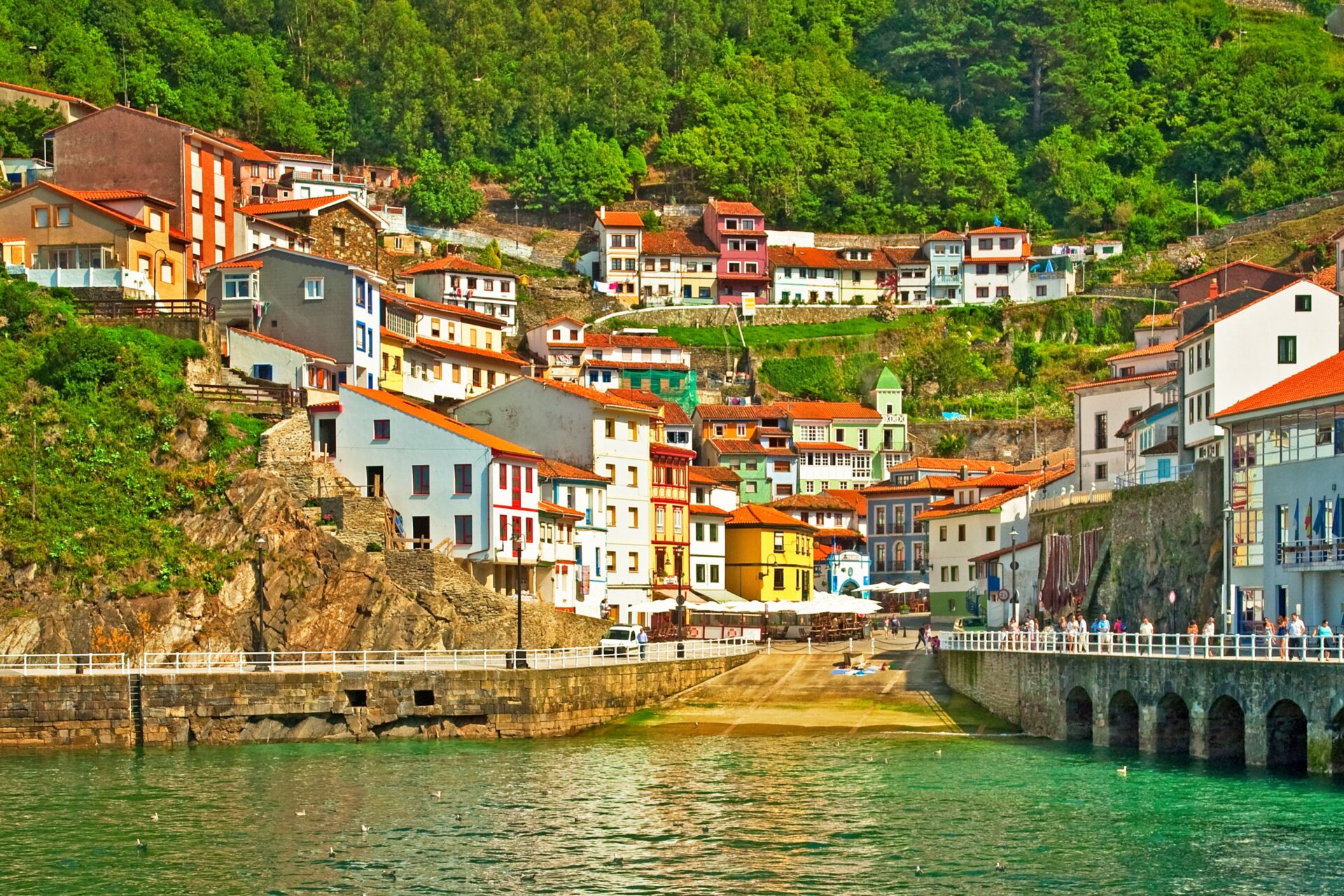
The sea is always right there, whether I’m stretched out on a quiet beach like Gulpiyuri—hidden inland but somehow fed by the ocean—or watching locals surf at Salinas.
Here’s a quick look at what makes Costa Verde so special:
| Feature | Why It Stands Out |
|---|---|
| Dramatic Cliffs & Coves | Untouched, scenic, perfect for exploring |
| Unique Inland Beaches | Gulpiyuri Beach is a sea-fed marvel |
| Lush Greenery | Moist Atlantic winds keep the land vibrant |
| Rich Local Culture | Old villages, hearty food, Celtic history |
Essential Travel Tips for Exploring Asturias
I quickly learned Asturias rewards you if you plan just a little, but also leave space for surprises. The weather? Unpredictable. Even in late spring, I always pack a light rain jacket and sturdy shoes.
Fog can drift in from the Atlantic and cool things down, even on sunny afternoons.
I always rent a car here. Public transportation just doesn’t reach those tiny surf spots or hidden coves. Local advice is gold—most of my best discoveries came from chatting with waiters or shopkeepers, who’d send me to quiet beaches nobody else seemed to know about.
Here’s what I never leave behind:
- Rain jacket: Showers sneak up on you.
- Walking shoes: Trails get steep or muddy.
- Local maps: Phone signal vanishes in remote areas.
- Flexible schedule: Weather and tides can change plans.
When I eat out, I go straight for cider and fresh seafood—almost every village has both. Most locals eat late, so I try to match their rhythm and linger at the table.
I usually stay in family-run guesthouses, which often means I pick up tips about lesser-known spots along the coast.
Unveiling Hidden Coves Along the Verdant Coastline
Driving the Atlantic coast of Asturias, I found a landscape where green hills drop right down to secret beaches. Exploring these spots means slipping away from the crowds and stumbling onto the untouched beauty of Spain’s north.
Lesser-Known Beaches and Coves to Explore
Far from the well-known resorts, I discovered a string of quiet coves between cliffs and forests. Playa de la Griega wowed me with its golden sand and dinosaur footprints pressed right into the rocks.
A short hike took me to Playa del Silencio, where tall cliffs slide into clear water.

Image Source: Lonely Planet
Some coves, like Cueva Beach, only show themselves if you’re willing to walk through green hills and dense pines. No crowds—just crashing waves, rough rocks, and the occasional seagull overhead. If you crave space and quiet, these beaches are worth the effort.
Here are my top picks:
- Playa de la Griega: Dinosaur tracks, calm water.
- Playa del Silencio: Dramatic cliffs, peaceful silence.
- Cueva Beach: Only reachable by foot, pure isolation.
Navigating Dirt Roads and Scenic Coastal Paths
Most of these coves hide beyond the main highways. I had to bounce down narrow dirt roads or follow coastal trails. My car rattled over bumpy lanes, winding through tiny villages and green fields.
Road signs? Sometimes they’re missing, so I relied on offline maps and the kindness of locals.
Walking paths along the Atlantic look out over wild bluffs and restless surf. Every muddy footpath just added to the adventure. Some trails have old wooden posts or stone markers to guide you. Others just drift into the trees and pop out by rocky beaches.
If you’re headed to these coves, bring sturdy shoes, extra water, and be ready to get a little lost. Honestly, getting there is half the fun.
Surfing Secrets: Riding Waves in Asturias
Asturias sits right on Spain’s northern coast, facing the wild Atlantic. Tucked between mountains and jagged cliffs, it’s got some of the best—and least crowded—surf spots I’ve found in Europe.
The mix of hidden coves, different waves, and a laid-back surf scene really sets it apart.
Best Surf Spots for Every Skill Level
Arriving in Asturias, I was surprised by the variety. In Llanes, gentle beach breaks make it easy for beginners. The sandy bottoms help soften wipeouts, and surf schools line the beach with friendly faces.
If you want a challenge, head to Playa de Salinas. Atlantic swells roll in here, with long rides and a buzzing local scene. On big days, the waves get powerful, but there’s space for everyone. I found the mornings much quieter—perfect for snagging a few clean sets.

Hidden spots like Playa de Rodiles sit in secluded coves. Rodiles is famous for its river-mouth left, which sometimes forms perfect, peeling barrels. Locals are welcoming if you respect the lineup, and the pine forests framing the beach make every session memorable.
Quick List of Notable Surf Spots in Asturias
- Llanes (Beginner-friendly)
- Playa de Salinas (Intermediate/Advanced)
- Playa de Rodiles (All levels; famous lefts)
Seasonal Swells and Local Surf Culture
The Cantabrian Sea sends waves to Asturias all year. Winter brings the strongest swells, and water temps can drop to around 13°C (55°F). I don’t mind the cold if I’ve got a decent wetsuit—the emptier beaches make it worth it.
In summer, things mellow out. It’s the best time for newer surfers or when I just want a relaxed paddle. July and August do get more visitors, but it still feels nothing like the packed southern coasts.
The local surf scene is friendly and low-key. People care more about community than competition. After a long session, I like to grab a drink at a beachside café in Gijón or chat with surf shop owners in little towns.
It’s easy to make friends—everyone loves swapping stories about their favorite coves or that perfect ride.
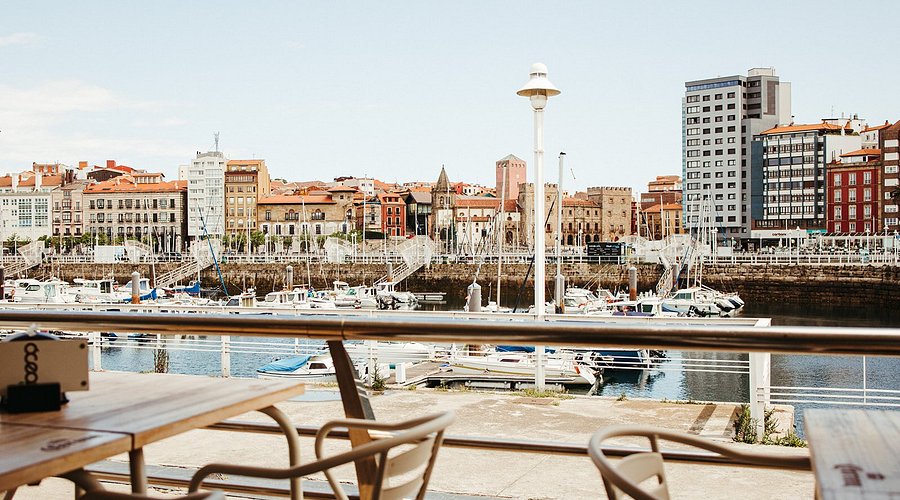
Image Source: Tripadvisor
Culinary Highlights and Local Traditions
Asturias is all about bold, salty seafood and down-to-earth coastal traditions. From smoky grilled octopus to thick, flaky empanadas, the food here sticks with you as much as the scenery.
Savoring Asturias’ Coastal Cuisine
Every coastal village along the Costa Verde has its own food rituals. As soon as I rolled into Llanes, the smell of grilled fish and fried tapas drifted through the narrow streets.
Taverns fill up by dinner, serving sangria with every meal.
Asturian food stands out for its simplicity and freshness. Chefs use whatever came in with the boats that day, so menus change often. Small plates of seafood, fresh bread, and cider quickly became my favorites.
Locals love to take their time over meals, telling stories and soaking up the view.
Tradition is in every bite. Sharing food isn’t just a custom—it’s essential to enjoying the coastal lifestyle. Whether it’s a picnic on the beach or a slow seaside dinner, every meal feels relaxed and welcoming.
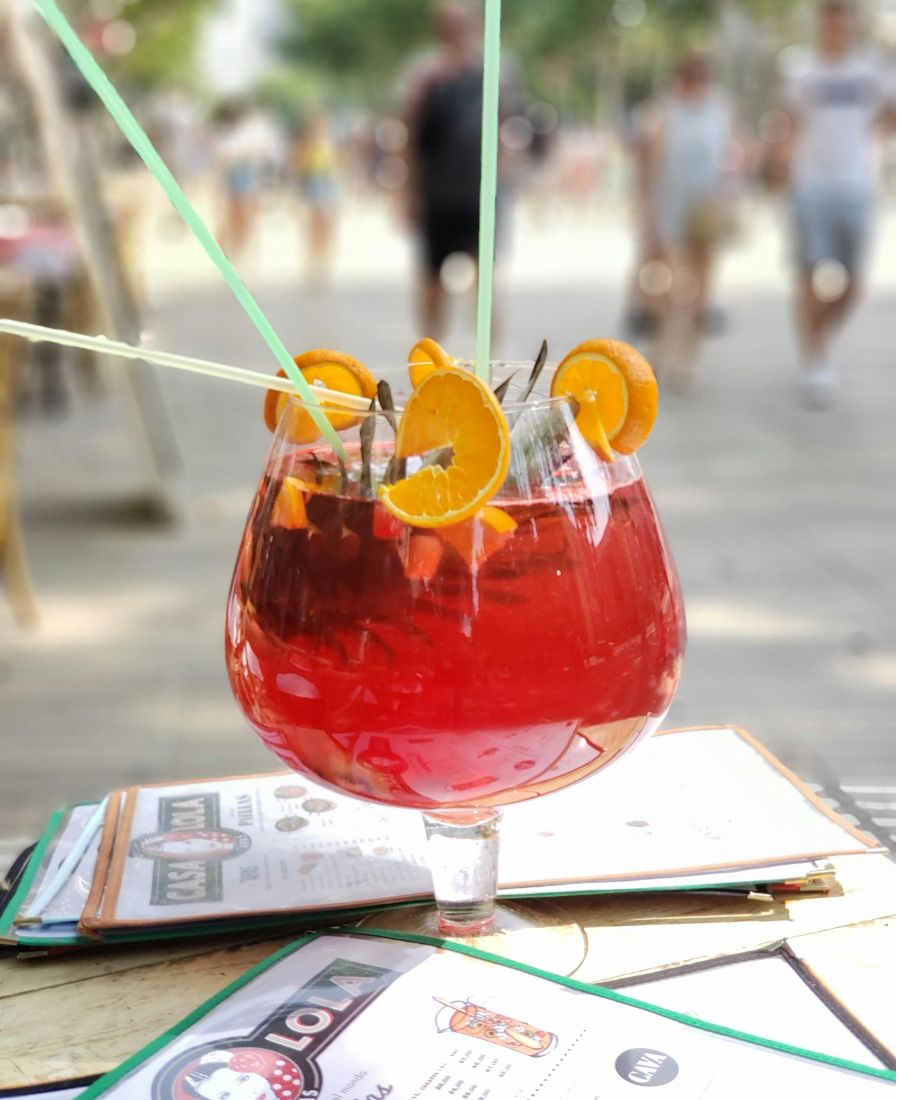
Seafood Dishes: Octopus and Empanada
If Asturias has signature dishes, I’d say octopus and empanada top the list. In fishing towns like Cudillero, cooks grill octopus (“pulpo”) over hot coals, slice it up, and finish it with paprika and olive oil.
Empanadas here are different—thicker crusts, and usually stuffed with tuna, cod, or seafood. They’re often cut into big slabs, perfect for sharing after a morning in the waves.
Most tapas bars serve octopus and empanada with crusty bread on the side. Light seafood dinners are the norm, washed down with tart cider or sweet sangria.
Street vendors in Gijón even sell fresh empanadas to folks passing by.

Picnic Spots and Foodie Tips for Adventurers
Honestly, my favorite food moments didn’t happen in restaurants. Packing up empanadas, olives, and cider for a picnic became my go-to move.
Secluded coves near Llanes or the wild coastline west of Ribadesella make perfect picnic spots—totally away from the tourist crowds.
Foodie Tips for a Coastal Picnic in Asturias:
| Must-Pack Foods | Why Bring It? |
|---|---|
| Empanada | Filling and portable |
| Octopus salad | Fresh local flavor |
| Local cheese | Rich, creamy snack |
| Crusty bread | Complements seafood |
| Sangria or cider | Refreshing drink |
I always hit the markets early for the best stuff. Spreading out a towel on the grass above a hidden beach turned even a simple lunch into something special.
Those relaxed meals, just the sound of waves for company, ended up as some of my favorite memories from the trip.
Exploring Nearby Destinations on the Atlantic Coast
The Costa Verde’s location makes it easy to branch out and see more of the Atlantic coast. I ended up finding charming cities, new cultures, and even more beautiful beaches—all just a train ride or short drive away.
Day Trips to Galicia, A Coruña, and Beyond
Galicia’s wild northern edge feels like another world, even though it’s so close to Asturias. I spent mornings watching Atlantic waves crash at the Tower of Hercules, the ancient lighthouse in A Coruña.
The city’s old quarter, full of seafood bars, smelled like octopus and fresh bread.
A Coruña isn’t just about the views. Its promenade, one of Europe’s longest, let me walk for miles along the sea. On day trips to Galician towns like Lugo, I saw Roman walls and quieter, less-touristy beaches.
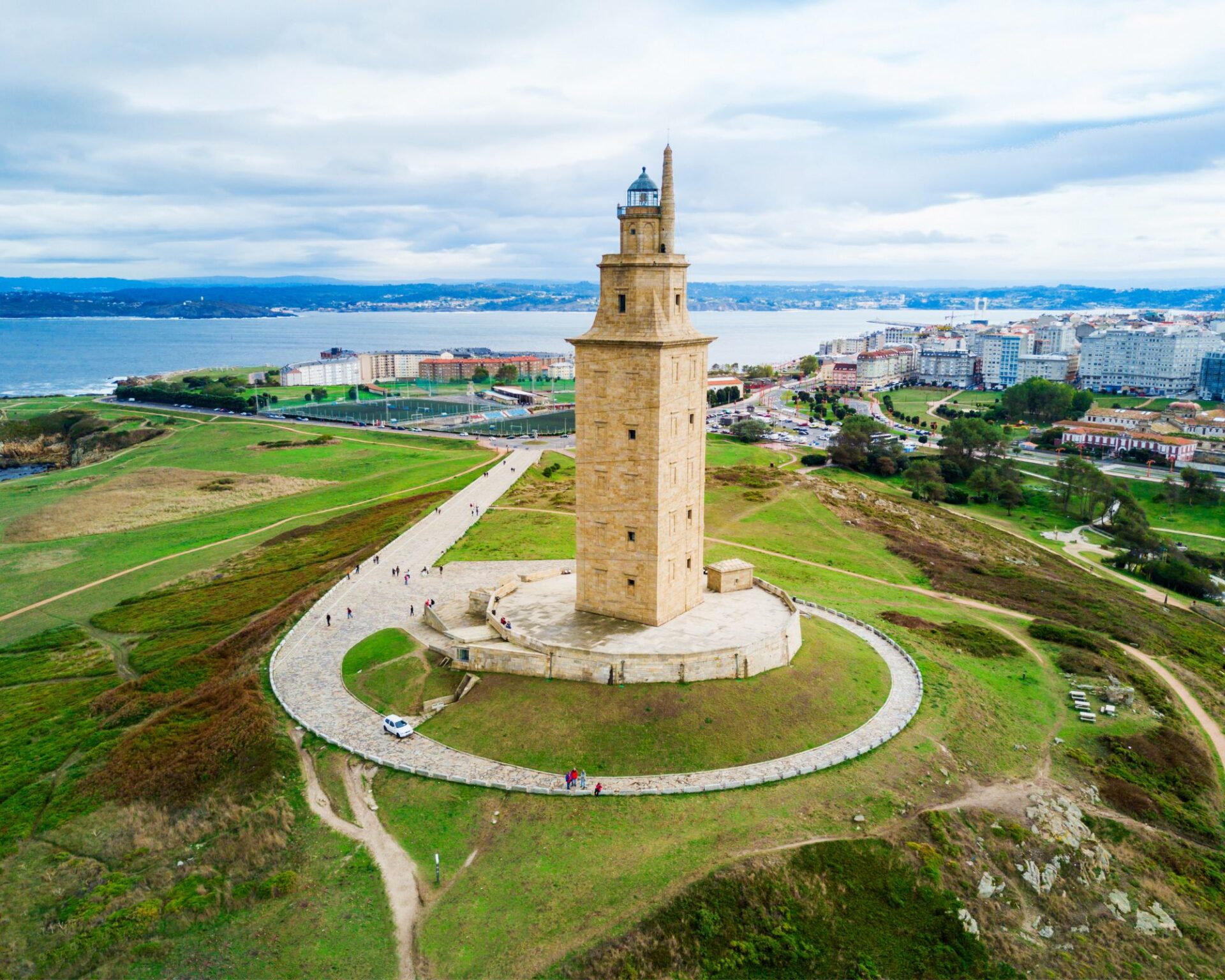
If you want a change of pace, a trip to Galicia brings new flavors, history, and scenery.
Top must-dos in Galicia:
- Visit the Tower of Hercules
- Try local “pulpo a la gallega” (Galician-style octopus)
- Stroll A Coruña’s glass-fronted Galicia-style buildings
Connections to Portugal: Porto, Lisbon, and Algarve
Portugal always felt close when I was in Asturias. I headed south and landed in Porto, a city hugging the river, famous for its tiled buildings and sweet port wine.
Ribeira, the old town, buzzed with cafés and river scenes. I’ll admit, every glass of port seemed to taste better after wandering through the Douro Valley all day.
Lisbon rolled out its hills, yellow trams, and a blend of old and new. Alfama’s winding alleys and those irresistible pastelarias—how could anyone resist a pastry or two?
Down in the Algarve, I found beaches with golden sand and wild cliffs. Those sunsets over the Atlantic? Honestly, I’m not sure I’ve seen better.
Quick travel tips for Portugal:
- Porto to Lisbon by train: about 3 hours
- Try bacalhau (salt cod) in Lisbon
- Algarve is best for swimming from May to October
Cultural Side Trips: Santiago de Compostela and Ourense
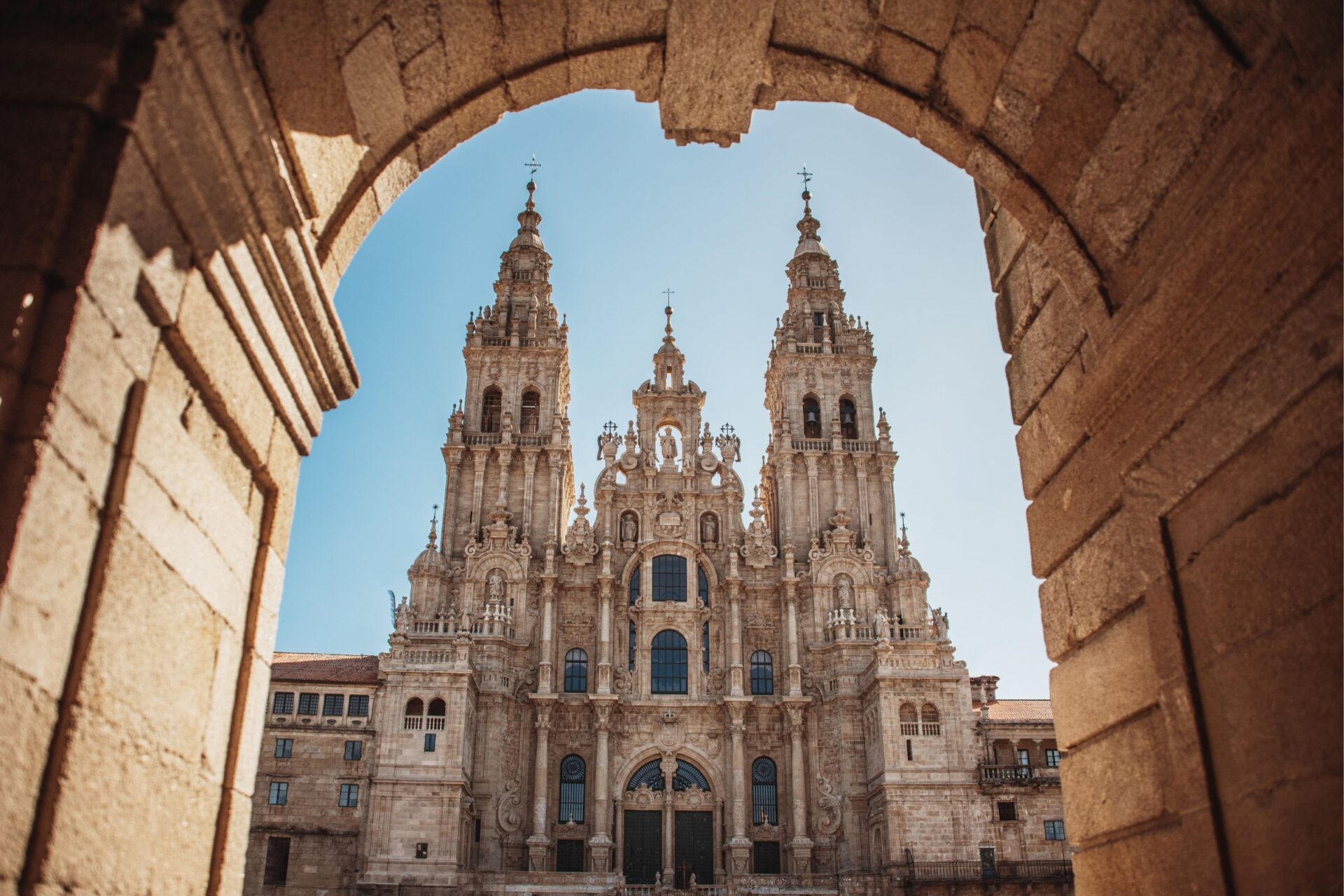
Santiago de Compostela instantly drew me in with its winding cobblestone streets. The scent of incense from the cathedral hung in the air, making the whole place feel a bit magical.
Travelers from everywhere flock to the city’s famed pilgrimage route, the Camino de Santiago. I wandered through lively plazas, where musicians played and pilgrims cheered the end of their long journeys.
Ourense felt different, almost like time slowed down there. The Roman bridge stood solid over the river, and steaming hot springs invited locals to soak and chat.
I found natural pools dotted along the riverbank, where people lounged and let the world drift by. Quiet parks let me escape the crowds, which was honestly a relief after busier cities.
Walking down medieval streets, I grabbed a warm empanada gallega and realized just how much history this small Galician city holds.
Why I recommend these cities:
| City | Highlight | Atmosphere |
|---|---|---|
| Santiago de Compostela | Pilgrimage cathedral | Lively, spiritual, historic |
| Ourense | Hot springs, bridges | Relaxed, local, authentic |
